1. Introduction
Cable accessories are important components that are used for the connection of two sections of cable or as a bridge between XLPE cables and overhead lines. Their operational safety ensures the stability of power transmission. With the continuous development of power grids, the performance requirements for cable accessories have also been significantly raised [
1,
2,
3]. However, various defects caused by human and environmental factors are difficult to eliminate during the assembly process of cable joints and terminals due to varying installation requirements from cable accessory manufacturers. Once these defects occur and are not detected timely, they may develop into severe failures such as short or open circuits in the power cable system [
4,
5].
Generally, defects generated in the assembly process of cable accessories may lead to severe electric-field distortion at the insulation shielding. This distortion increases local electric stress, which may accelerate insulation aging during operation and ultimately lead to power cable failures [
6]. During the operation of the power cable, the silicone rubber at the cable joint or terminal expands because of the joule heat as the current flows through the conductor, which can cause air gaps at the interface between the silicon rubber and XLPE insulation. When the cable operates in a humid environment, moisture may enter the air-gap defect to induce an electric-field distortion at the interface [
7,
8]. The distorted electrical field is prone to inducing partial discharge and deteriorating the insulation performance of the cable joint, finally leading to cable accessory breakdown and lowering the reliable operation of the cable system [
9].
In recent years, power cable faults caused by defects in accessories have received widespread concerns. Simulation models of cable joints with typical construction defects were built using finite-element theory to calculate the electric-field distribution at the defect area [
10,
11,
12]. However, most of the two-dimensional simulation models exhibit a low similarity to the real defects in cable accessories. Meanwhile, the research often only focuses on a single type of defect, such as water-treeing degradation, and lacks analysis of the impact of spatial position on electric-field strength and comparative studies of different defects caused by environmental factors. Cable faults are closely related with different types that usually give rise to partial-discharge with various discharge characteristics [
13,
14]. For example, the characteristic parameters of partial discharge, including the quantity of partial discharge, discharge phase spectrums, pulse waveforms, and phase distributions, were widely adopted to assess the severity of different defects in the cable accessories [
15,
16,
17]. Recently, most studies have mainly focused on the roles of thermal aging and impurity particles in cable joints. In contrast, the effects of stress-cone misalignment, main-insulation scratches, and moisture ingress on electric-field distribution and partial discharge activity on cable accessories remain unclear.
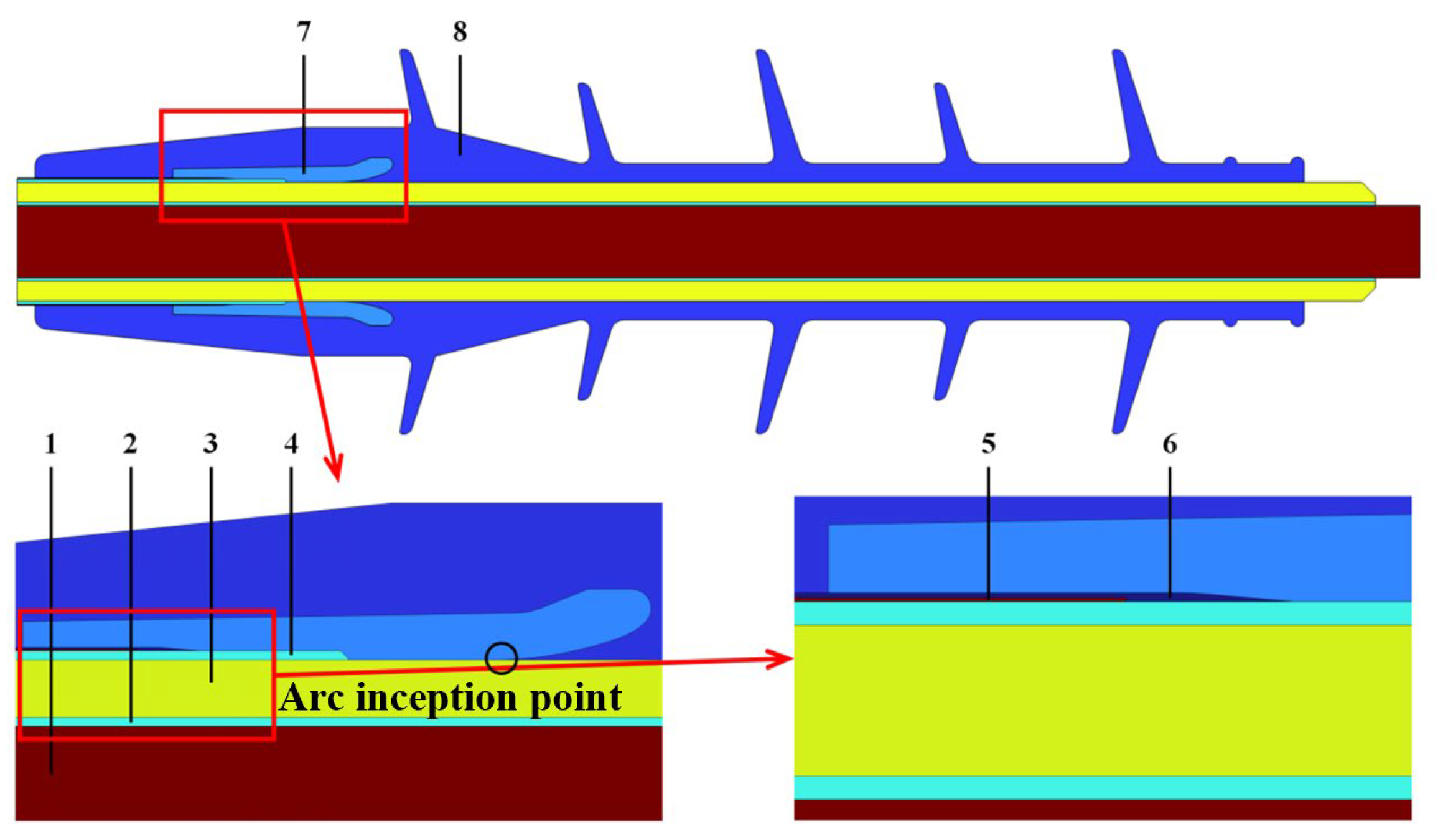
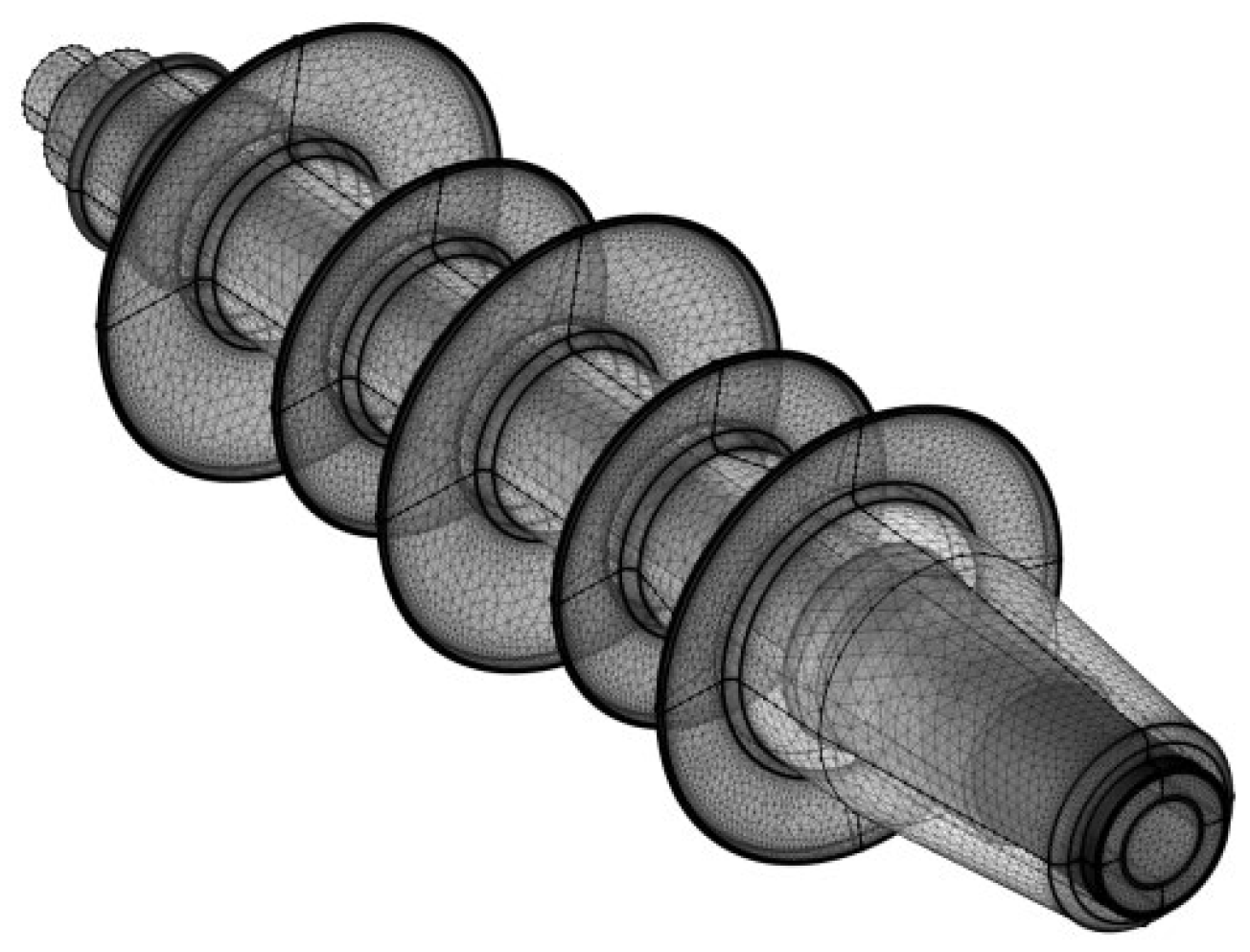
In this work, a three-dimensional finite-element model of a 10 kV cable terminal was established using COMSOL Multiphysics. Electric-field simulations were carried out to investigate typical defects, including stress-cone misalignment, mechanical damage, and moisture ingress. The simulation results reveal how defect types, position, and geometry modify the local electric-field distribution in the terminal structure. These findings provide a useful basis for optimizing stress-cone positioning, improving assembly quality control, and identifying defect-sensitive regions during maintenance.
3. Results
3.1. Electric-Field Simulation of Defect-Free Cable Terminals
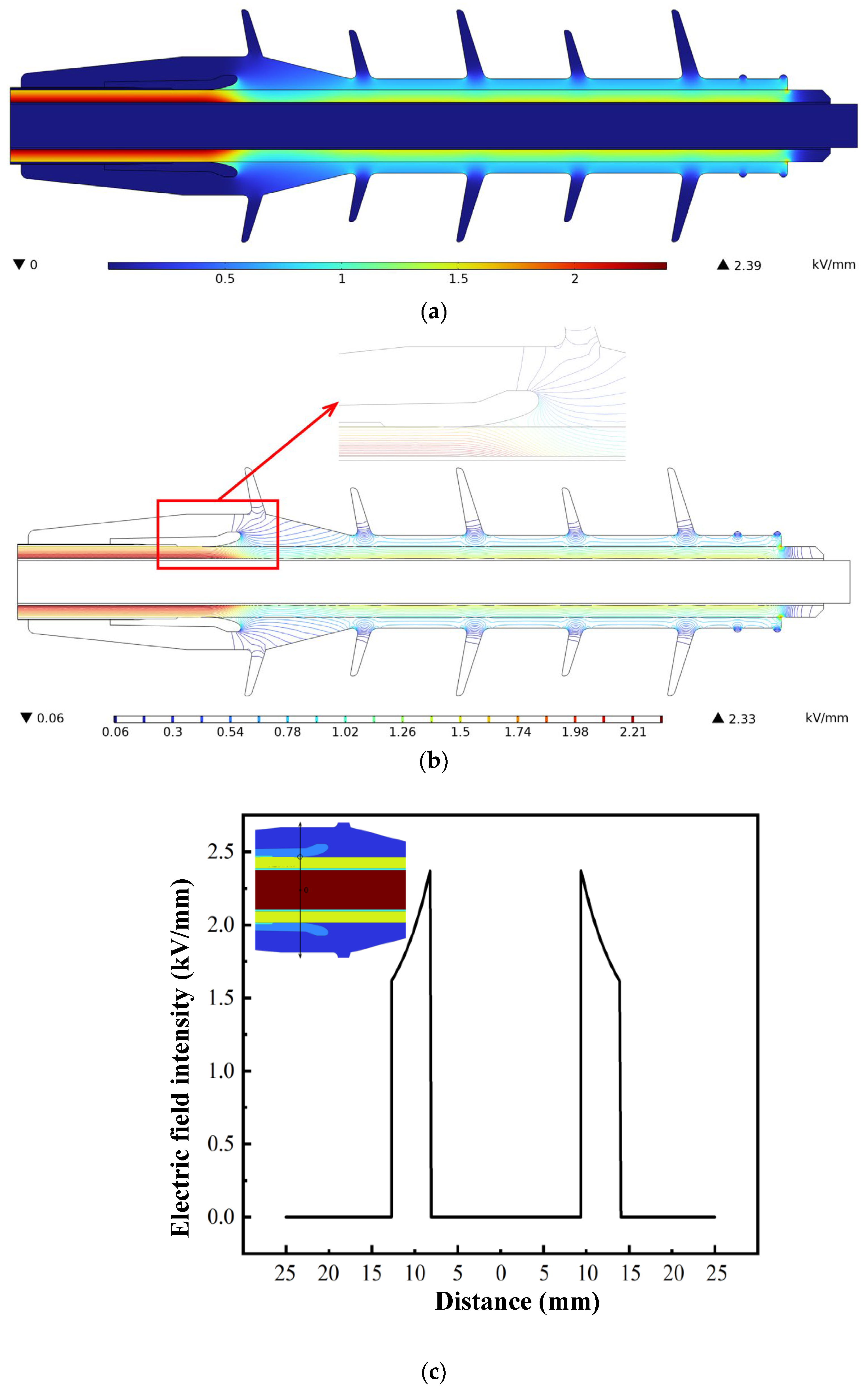
Figure 6 shows the electric-field and equipotential distributions of the defect-free cable terminal. In
Figure 6a, the electric-field intensity in the copper conductor and other equipotential metallic regions is approximately 0 kV/mm. The maximum electric-field intensity is 2.39 kV/mm, which occurs near the conductor-shield side of the XLPE insulation. Along the radial direction of the XLPE insulation, the electric-field intensity gradually decreases.
As shown in
Figure 6b, the stress cone provides effective field grading, thereby mitigating the electric-field enhancement at the chamfer of the insulation shield. However, pronounced field concentration is still observed near the stress-cone tip and in the adjacent conductive structural region. This phenomenon is mainly ascribed to the fact that, under AC voltage, the electric-field distribution is governed predominantly by relative permittivity. At these locations, the interface between materials with high permittivity differences causes local field distortion. Moreover, the local curvature of the structure favors charge accumulation, which further intensifies the partial electrical-field concentration.
The radial electric-field intensity distribution near the stress-cone tip is shown in
Figure 6c. The electric field inside the cable terminal decreases progressively along the radial direction, and most of the electric stress is concentrated in the XLPE insulation. The maximum electric-field intensity occurs at the interface between the XLPE insulation and the conductor shielding layer.
3.2. Simulation of Stress-Cone Misalignment
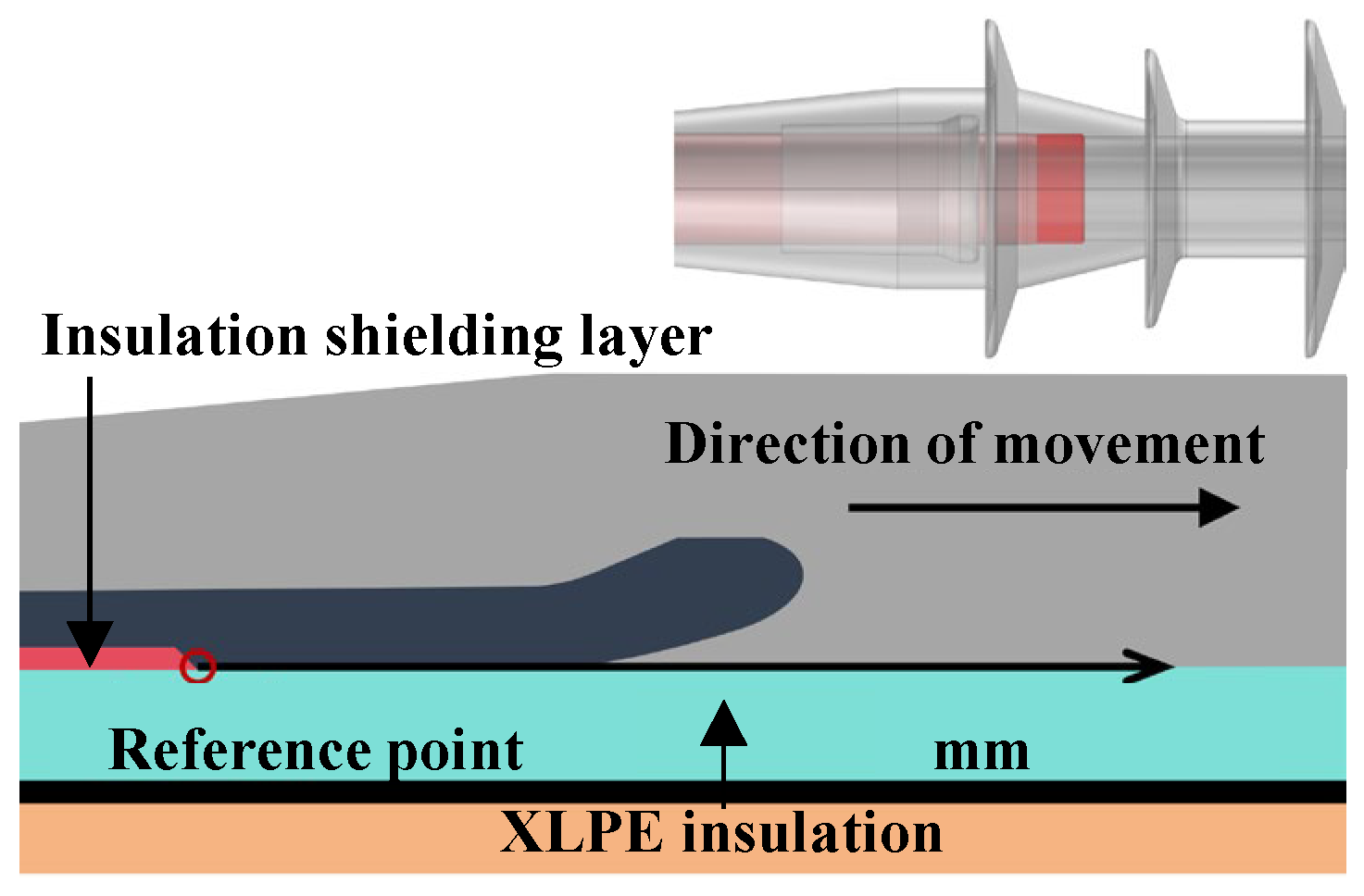
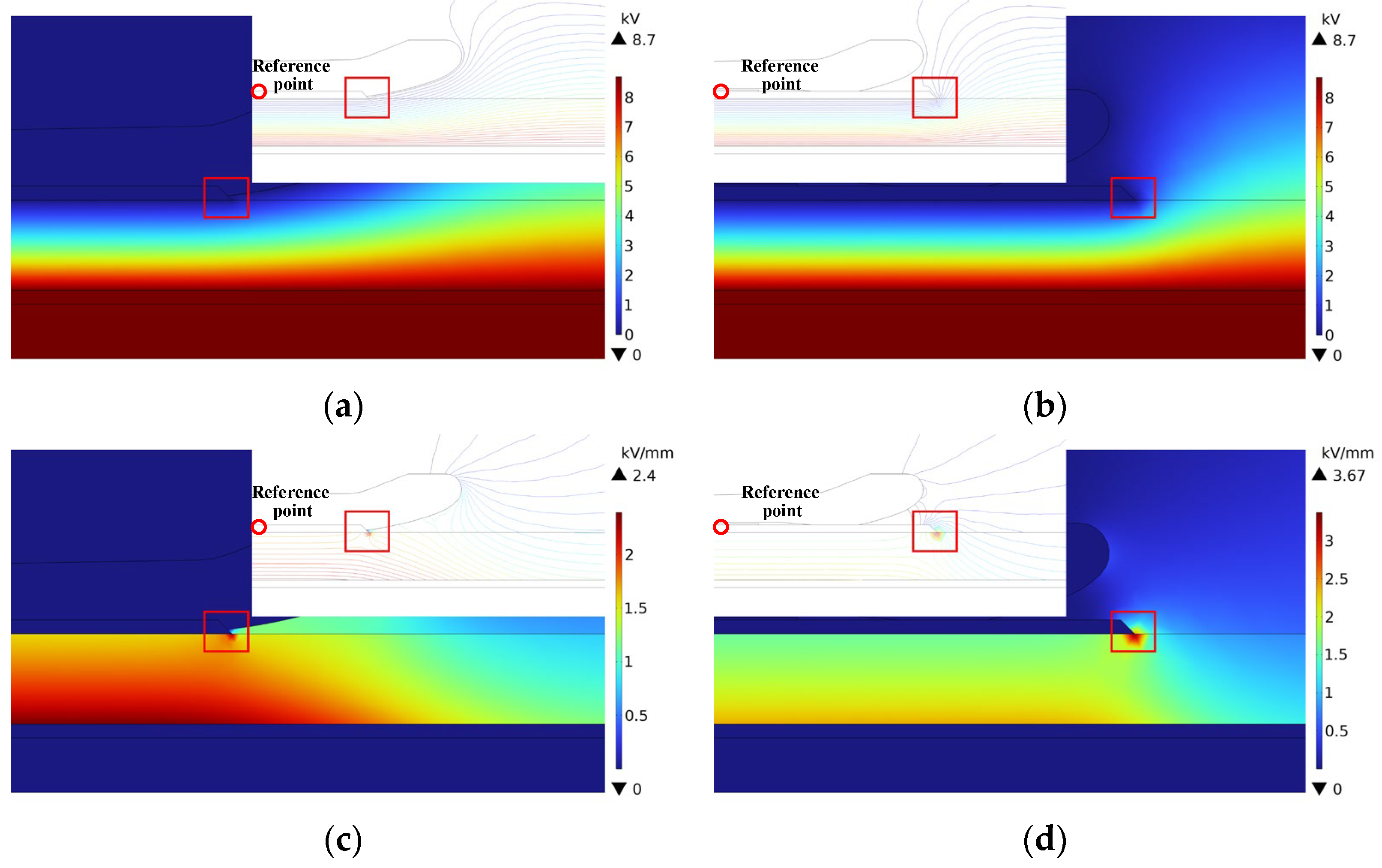
Figure 7 shows the potential, electric-field, and equipotential-contour distributions for cable terminals with stress-cone misalignment. A chamfer at the insulation shield forms a sharp cutback edge, which tends to distort the local electric field. In the defect-free case, the stress cone can limit the electric-field intensity to 1.58 kV/mm. As shown in
Figure 7a,b, once the insulation shield protrudes beyond the stress-cone tip, the original equipotential distribution is disrupted, and the equipotential lines diverge from the edge of the insulation-shield cutback, indicating that the field-grading capability of the stress cone is weakened. In
Figure 7c, when the edge of the insulation-shield cutback is located 15 mm from the reference position, it just extends beyond the stress-cone tip, and field distortion begins to appear with the maximum electric-field intensity of 2.40 kV/mm. When the edge of the insulation-shield cutback is located 25 mm from the reference point, as shown in
Figure 7d, typical electric-field distortion occurs at the cutback tip. The maximum electric-field intensity increases to 3.67 kV/mm, which is 3.5 times that of the defect-free case, indicating a significant risk to the safe and reliable operation of the cable terminal.
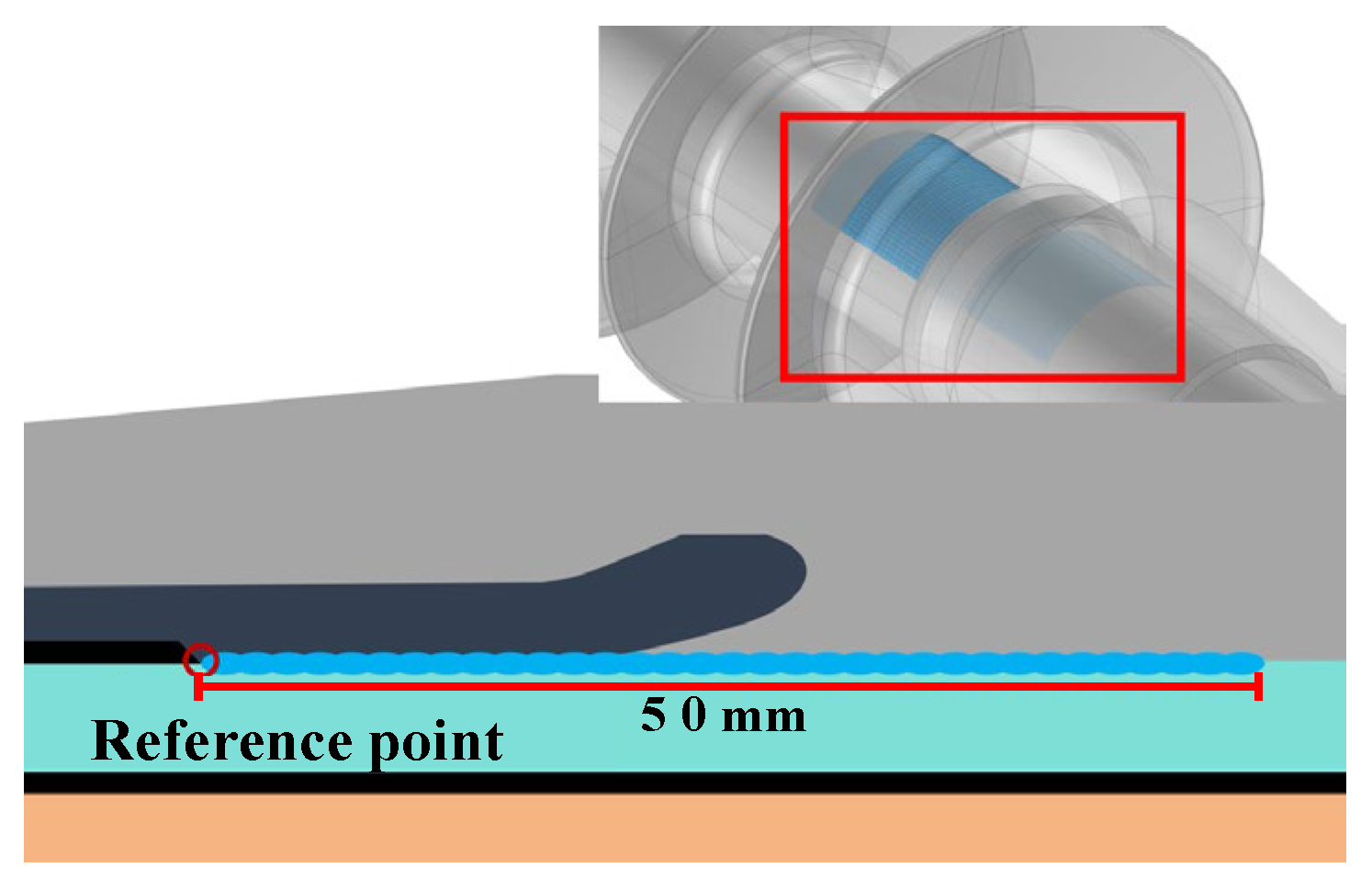
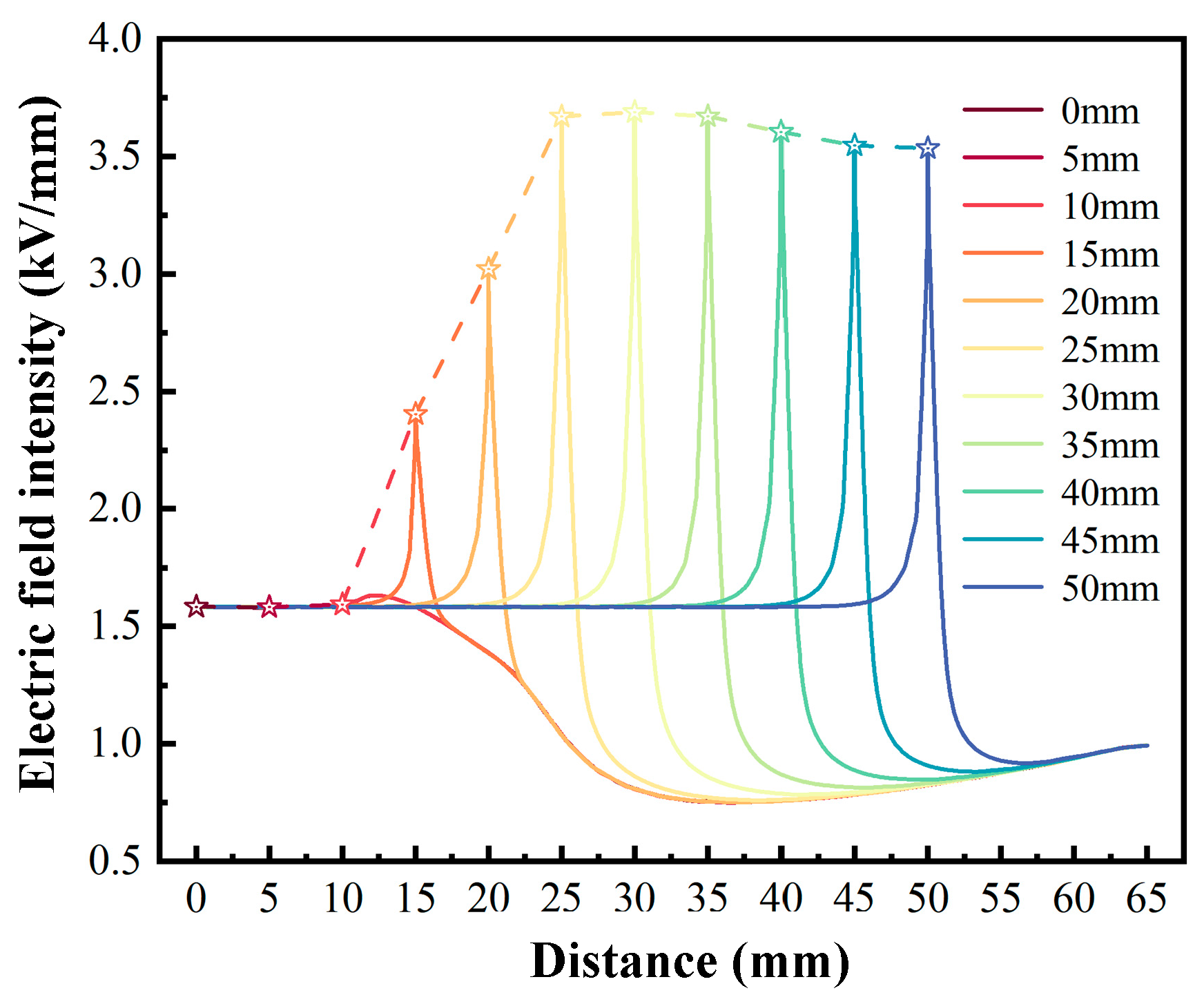
Figure 8 shows the electric-field intensity along the XLPE/SIR interface in the axial range of 0–65 mm from the insulation-shield reference point. When the cutback is located beneath the stress-cone flare, corresponding to a distance of 15–20 mm from the reference point, the effective overlap between the stress cone and the insulation shield becomes insufficient. As a result, the field-grading capability of the stress cone is weakened, and the potential gradient becomes concentrated near the XLPE/SIR interface, causing the field intensity to rise rapidly above 2.4 kV/mm. When the cutback is further extended into the 25–50 mm range, the field distribution is mainly governed by the exposed cutback edge and the XLPE/SIR interface. Therefore, the field intensity remains at a high level of approximately 3.6–3.69 kV/mm, corresponding to an increase of about 133% relative to the defect-free condition.
3.3. Simulation of Mechanical Damage Defects
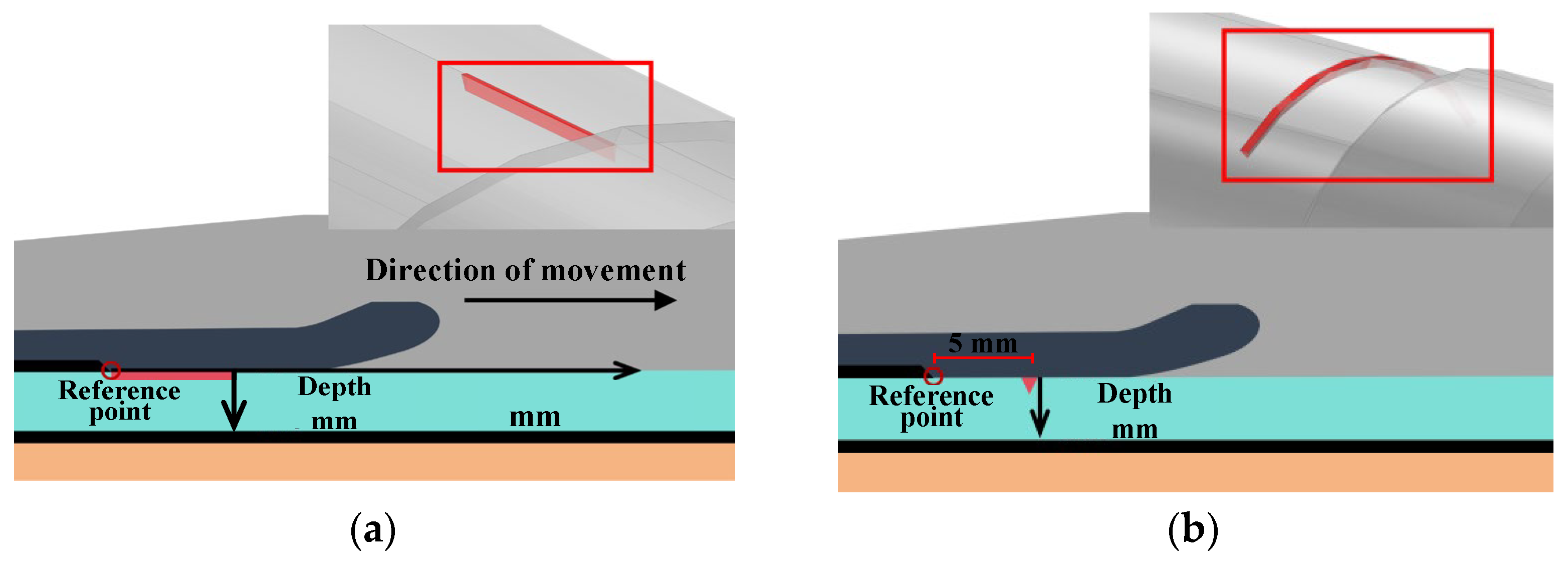
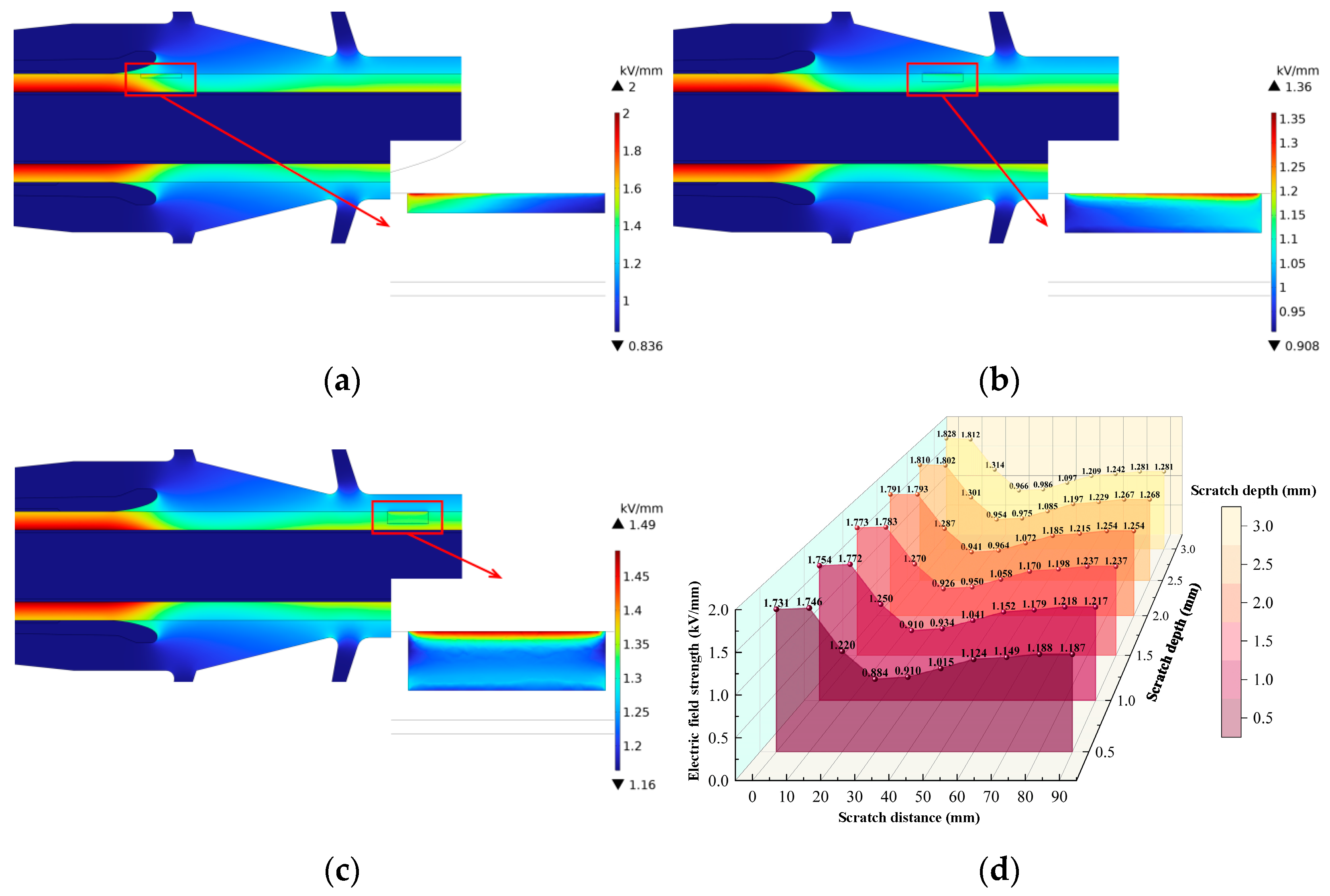
Figure 9 shows the effects of axial scratches at different locations and depths on the electric-field distribution inside the cable terminal. As shown in
Figure 9a–c, three representative axial scratch cases are presented. The scratches are located 20, 50, and 80 mm from the insulation-shield reference point, with corresponding depths of 1, 2, and 3 mm, respectively. The maximum electric-field intensities associated with these three defects are 2.00, 1.36, and 1.49 kV/mm, respectively, indicating that the most severe distortion occurs in the case with a scratch position of 20 mm and a depth of 1 mm. In all three cases, the electric-field distortion is mainly localized in the defect region, whereas the field distribution within the defect remains markedly nonuniform. Moreover, the location of the peak distortion varies with scratch position, suggesting that scratch position has a stronger influence on the local field response.
Figure 9d shows that the average electric-field intensity at the defect varies non-monotonically with axial position, whereas its dependence on scratch depth is relatively weak. For all scratch depths, the average electric-field intensity follows a broadly similar variation with scratch position. Within the 0–10 mm region from the insulation-shield reference point, the average electric-field intensity remains relatively high and reaches the maximum of 1.78 kV/mm at 10 mm, which is mainly attributed to the proximity to the stress-cone tip, where the interaction between permittivity mismatch and the complex multi-material interface configuration intensifies the local field distortion. When the scratch is located more than 20 mm away from the insulation-shield reference point, it gradually moves away from the stress-cone tip region, where the local field distortion is strongest. As a result, the average electric-field intensity inside the defect decreases rapidly to a minimum of about 0.9 kV/mm. When the scratch moves farther away from the insulation-shield reference point, the SIR layer above the defect gradually becomes thinner. The resulting reduction in the local insulation path causes the potential drop to be concentrated over a shorter distance, and the average electric-field intensity therefore increases again. In the 70–90 mm range, where the SIR thickness remains nearly unchanged, the average field approaches a stable value of about 1.2 kV/mm. By comparison, increasing scratch depth causes only a slight monotonic increase of approximately 0.1 kV/mm in the average electrical field, indicating that axial position causes a much stronger effect on the local electric-field distribution than that of scratch depth.
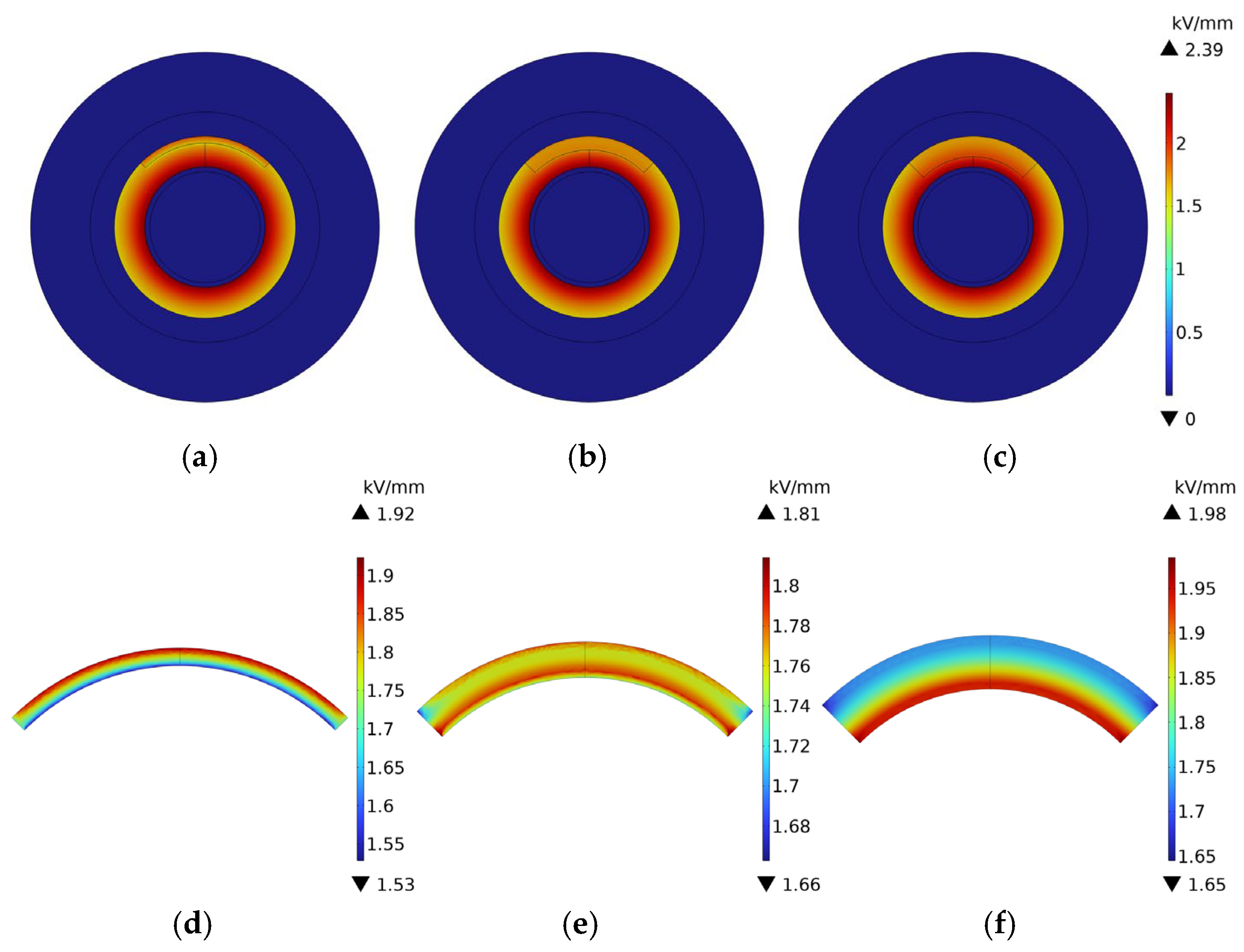
Figure 10 shows that the maximum electric-field intensity in the ring-cut area varies non-monotonically with defect depth. As shown in
Figure 10a–c, in the ring-cut defect with depth of 2.0 mm, the maximum field is relatively low at 1.81 kV/mm, whereas for depths of 1.0 mm and 3.0 mm it exceeds 1.9 kV/mm. For the shallow 1.0 mm ring cut, the high-field region is concentrated at the cut edge adjacent to the stress cone, as shown in
Figure 10d, because the defect is located close to the stress-cone/air-gap interface, where a strong permittivity mismatch induces a steep local electric-field gradient. When the defect depth increases to 2.0 mm, the high-field region gradually extends from the stress-cone-side cut edge toward the inner region of the air gap, leading to a more distributed electric-field pattern with reduced local concentration, as shown in
Figure 10e. This redistribution lowers the peak field and gives the minimum value among the three cases. When the depth further increases to 3.0 mm, a larger fraction of the local potential drop falls across the enlarged air gap, while the residual XLPE thickness is reduced to only 1.5 mm. Under this condition, the residual XLPE is no longer sufficient to effectively redistribute the defect-induced local electric stress, and the high-field region shifts toward the XLPE-side interface, causing the peak field to rise again, as shown in
Figure 10f.
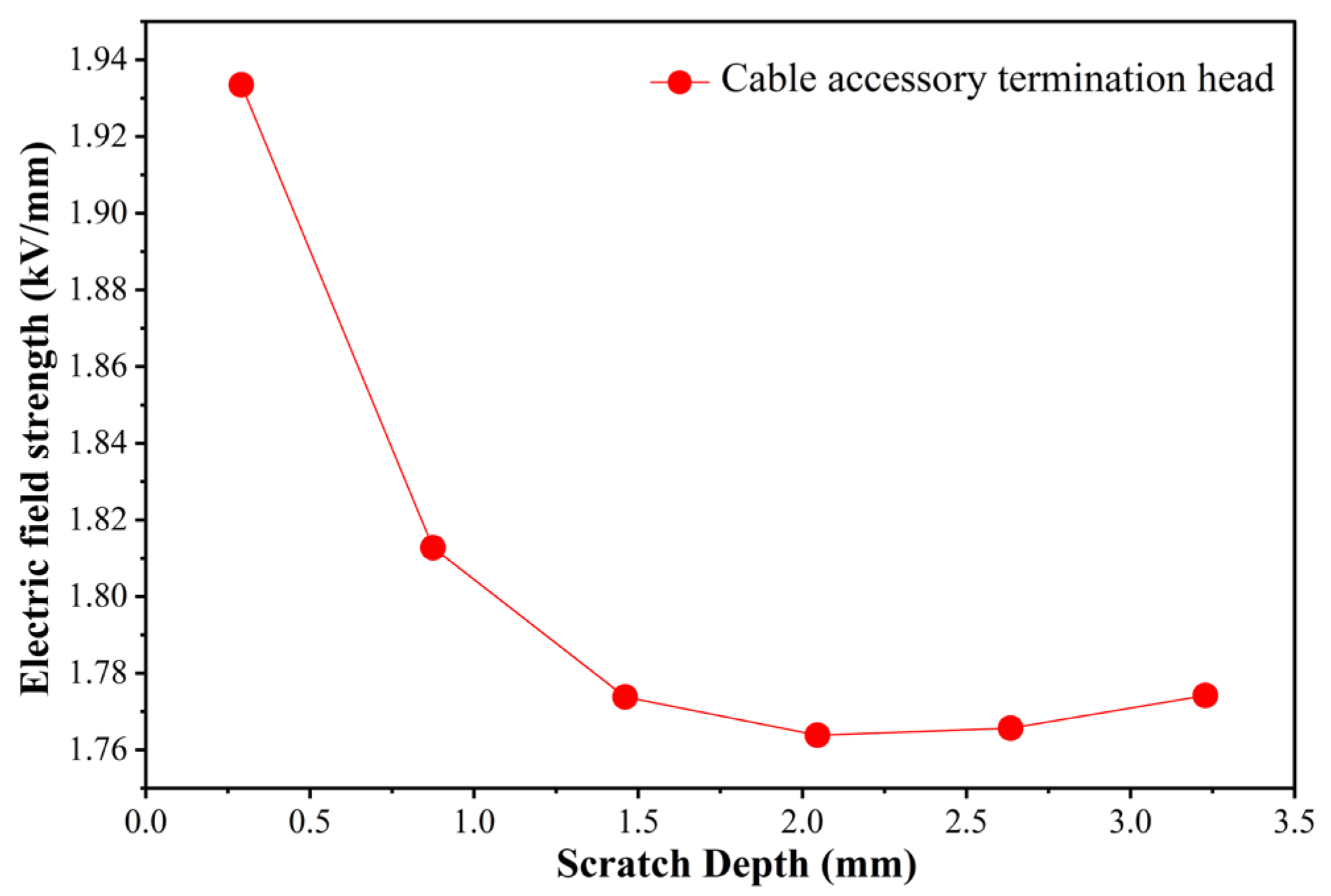
Figure 11 shows the variation in the average electric-field intensity in the ring-cut defects with depth of 0.5–3 mm. As the depth increases, the field strength of cable accessories first decreases and then slightly increases. For the cable terminal, the average electric-field intensity at the initial depth of 0.5 mm is 1.93 kV/mm, which is more than 21% higher than that in the defect-free case. Compared with axial scratches, ring-cut defects lead to more severe electric-field distortion because the circumferential cut disturbs the interfacial field over a larger region. In contrast, axial scratches mainly act as localized defects and therefore have a more limited influence on the overall field distribution. Moreover, the average electric-field intensity within the defect is strongly dependent on ring-cut depth. When the depth reaches 1.5 mm, the average field decreases to about 1.77 kV/mm, corresponding to a reduction of approximately 8.3% relative to the initial value of 1.93 kV/mm. As the cut depth increases further, the average field within the defect increases slightly.
3.4. Simulation of Moisture Defect
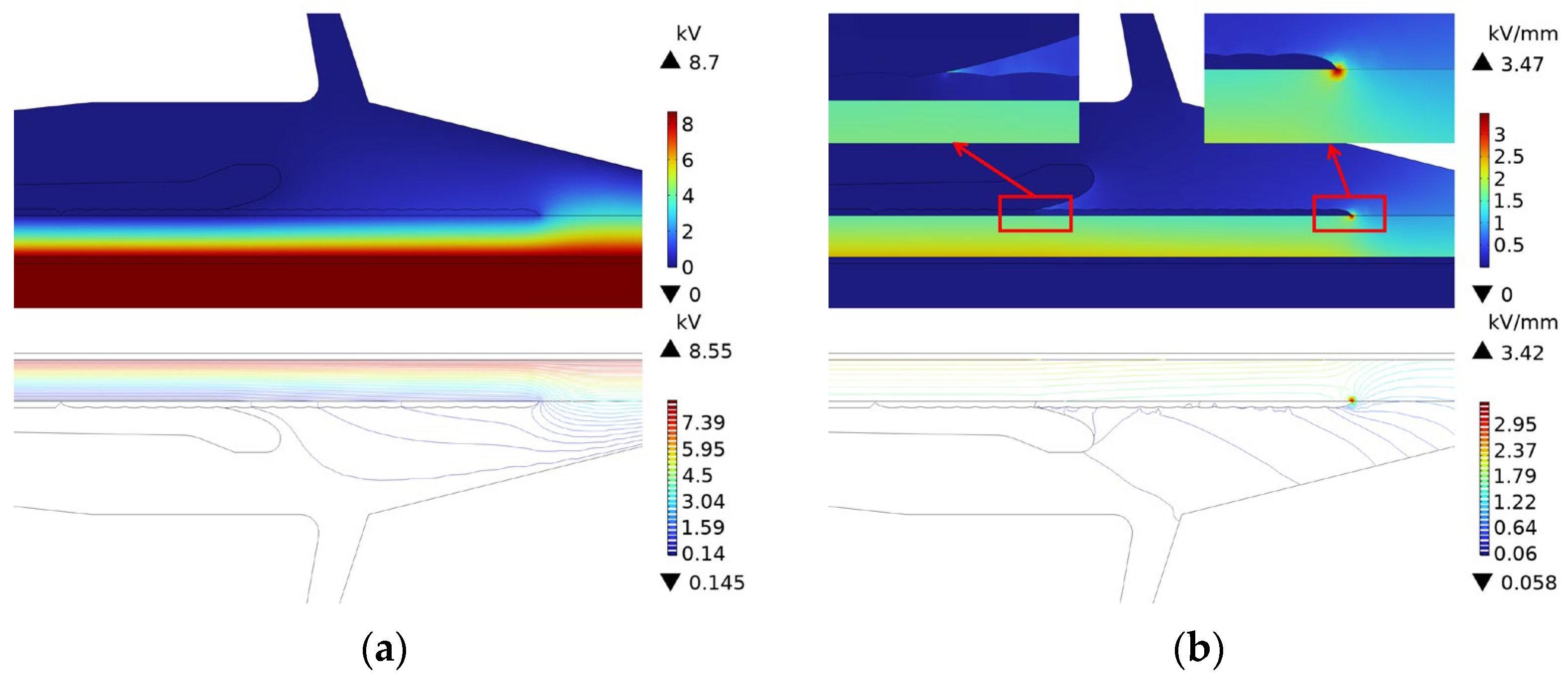
Figure 12 shows the distribution of potential, electric field, and their equipotential lines under the various moisture conditions at the terminal. As can be seen from
Figure 12a, the presence of the water film significantly alters the original potential distribution. Specifically, the equipotential lines are deflected and diverge outward from the top of the water film. This behavior is similar to the field concentration observed at the edge of the insulation-shield cutback under insufficient stress-cone overlap. Unlike the stress-cone misalignment case, an evident potential gradient is established within the water film because of the permittivity and conductivity mismatch between the water film and its surrounding insulation material. As a result, the maximum electric-field intensity within the water film reaches 0.42 kV/mm. This peak appears near the stress-cone tip, where the equipotential lines are closely spaced, indicating pronounced local field concentration.
Figure 12b shows the electric-field distribution in the cable terminal with a moisture defect. Two major high-field regions are observed in the cable terminal: one at the corner where the water film meets the stress cone, and the other at the top of the water film. The maximum electric-field intensity, 3.47 kV/mm, occurs in the corner region. These regions therefore represent the dominant sites of local field enhancement, where geometric discontinuity and permittivity mismatch intensify the electric-field distortion.
3.5. Risk Implications for Cable Terminal Design and Maintenance
To evaluate the relative risk associated with different defect cases, the local electric-field intensity and its enhancement relative to the defect-free condition were taken as indicators of local dielectric stress. Previous studies have reported quantitative dielectric-performance references for cable termination insulation and XLPE-related interfacial defects. For example, the breakdown field strength of air was reported to be about 3 kV/mm, whereas the breakdown field strength of XLPE insulation was reported to be higher than 25 kV/mm [
22]. Therefore, local field intensification near air gaps, moisture defects, and interfacial discontinuities is closely related to partial-discharge and breakdown risk.
Previous cable-termination studies further showed that internal defects can produce local electric-field intensities much higher than the air-breakdown level. The maximum distorted electric-field intensities caused by air-gap, water-droplet, semiconductor-impurity, and carbon-trace defects were reported to be 8.3, 14.3, 18.2, and 21.3 kV/mm, respectively [
23]. In addition, a study combining finite-element simulation and partial-discharge tests on vehicle-mounted cable terminations showed that the maximum field strength during interfacial defect evolution could reach 14.1–18.3 kV/mm, and stable partial discharges could be formed at the operating voltage in certain defect-evolution stages [
24].
It should be noted that the structures, material systems, voltage levels, and defect configurations in the cited studies are different from those in the present 10 kV XLPE cable termination model. Therefore, these reported values are used only as quantitative reference values for interpreting dielectric-performance risk, rather than as direct threshold criteria for the occurrence of partial discharge, electrical treeing, or dielectric breakdown in the present model. The simulated electric-field intensity in this work is therefore interpreted as a relative indicator of field intensification and defect sensitivity.
Based on this criterion, stress-cone misalignment and moisture ingress can be regarded as relatively high-risk defect conditions because they produce pronounced field concentration at the insulation-shield cutback and the water-film/stress-cone corner, respectively. Axial scratches cause more localized field distortion, whereas ring-cut defects disturb a larger interfacial region and therefore require closer attention. These results suggest that cable termination design should ensure sufficient stress-cone overlap and smooth field grading near the insulation-shield cutback, while operation and maintenance should focus on the XLPE/SIR interface, mechanically damaged regions, and moisture-sensitive sealing areas.
4. Conclusions
The effects of typical defects such as stress-cone misalignment, scratch defects, and moisture defects on the electric-field distribution in the 10 kV cable terminal were studied. It is found that the defect type, location, and geometry all play important roles in local field distortion in the cable terminal. Among the assembly defects, insufficient stress-cone overlap produces the most severe field distortion, with the peak electric-field intensity reaching 3.69 kV/mm, 133% higher than that in the defect-free case. For damage defects, axial scratches and ring-cut defects exhibit different distortion characteristics: the average field caused by axial scratches is governed primarily by scratch position, and the most severe distortion area occurs near the stress-cone tip, whereas the maximum field in ring-cut defects shows a non-monotonic dependence on defect depth. For moisture defects, field distortion is concentrated mainly at the water-film tip and at the angle between the water film and the stress cone. Overall, the results show that assembly quality and the defect location are the dominant factors affecting electric-field distortion in cable terminals.