Review

Microwave-Assisted Synthesis of Polypyrrole for Energy Storage Application

Mechanical and Materials Engineering Department, University of Cincinnati, Cincinnati, OH 45221, USA
*
Author to whom correspondence should be addressed.
Energies 2026, 19(12), 2839; https://doi.org/10.3390/en19122839 (registering DOI)
Submission received: 10 March 2026 / Revised: 31 May 2026 / Accepted: 11 June 2026 / Published: 15 June 2026
(This article belongs to the Section D: Energy Storage and Application)

Abstract

Microwave-assisted polymerization is a transformative technique for synthesizing conductive polymers such as polypyrrole (PPy). Unlike conventional chemical or electrochemical methods that rely on external heating or electrode mediated oxidation, microwave irradiation induces volumetric and selective heating through dipole orientation and ionic conduction, which leads to faster reaction kinetics, improved uniformity and higher yields. This review highlights the fundamental mechanisms governing microwave polymer interactions, compares conventional and microwave-assisted polymerization routes and traces the evolution of pyrrole polymerization. Special emphasis is placed on the microwave-synthesized PPy composites and their superior electrochemical performance in energy storage, sensing and biomedical applications. Case studies of graphene/PPy, PPy–metal oxide (e.g., SnO2@PPy nanotubes) and magnetic ferrite hybrids (e.g., BaFe12O19/PPy) nanocomposites demonstrate enhanced electrical conductivity, specific capacitance and more uniform nanostructures. Beyond energy storage, microwave polymerization techniques have led to the development of PPy composites that are used for sensing, antimicrobial activity and photothermal cancer therapy, highlighting the technique’s versatility across biomedical sciences. Reactor scale up, temperature and pressure control under sealed conditions, reproducibility and deeper mechanism understanding of how microwave radiation influences nucleation, chain growth, doping and charge transport were identified as the outstanding challenges that must be addressed to transform microwave-assisted synthesis from pilot to industrial scale. Overall, microwave-assisted polymerization is on its way to becoming a mainstream, energy efficient method for manufacturing high performance polymer composite materials.

1. Introduction

Polypyrrole has attracted significant attention from researchers because it belongs to the family of conductive polymers [1]. Conductive polymers are conjugated polymers capable of conducting electricity; however, they generally exhibit weaker mechanical properties than conventional commercial polymers. This means that conductive polymers are suitable for electronic applications, although modification is often required to enhance their performance. Embedding polypyrrole (PPy) with conductive fillers such as carbon nanotubes (CNT) is a proven method to significantly enhance its mechanical properties and electrical conductivity. According to Balan et al. [2], PPy/CNT composites exhibit enhanced conductivity and mechanical strength, which make them suitable for gas sensing applications. Another study on polypyrrole/carbon nanotube also concludes that PPy/CNT composites are highly promising for practical applications in all solid state supercapacitors due to their high performance and mechanical properties [3]. Nanocomposites have technological importance due to their tunable properties, such as electrical conductivity, thermal conductivity, mechanical strength, structural enhancement and optical behavior [4].
The conventional method of the polymerization of pyrrole relies on chemical oxidation methods, using oxidizing agents like ferric chloride or ammonium persulfate. This method sometimes leads to the production of polypyrrole with limited control over its properties. Microwave-assisted polymerization offers a more efficient and environmentally friendly process by producing high purity polypyrrole under milder reaction conditions [5]. These advantages make microwave synthesis particularly attractive for developing advanced PPy-based materials for various applications in materials science. This review aims to highlight recent advancements in microwave-assisted polymerization.

2. Microwave-Assisted Polymerization

Microwave-assisted polymerization is commonly used to synthesize conductive polymers such as polypyrrole. This technique uses microwave energy to initiate monomer polymerization. The process involves placing the reaction mixture (pyrrole, oxidant and additives) in a microwave oven and applying microwave radiation at a controlled power and temperature over a period of time.
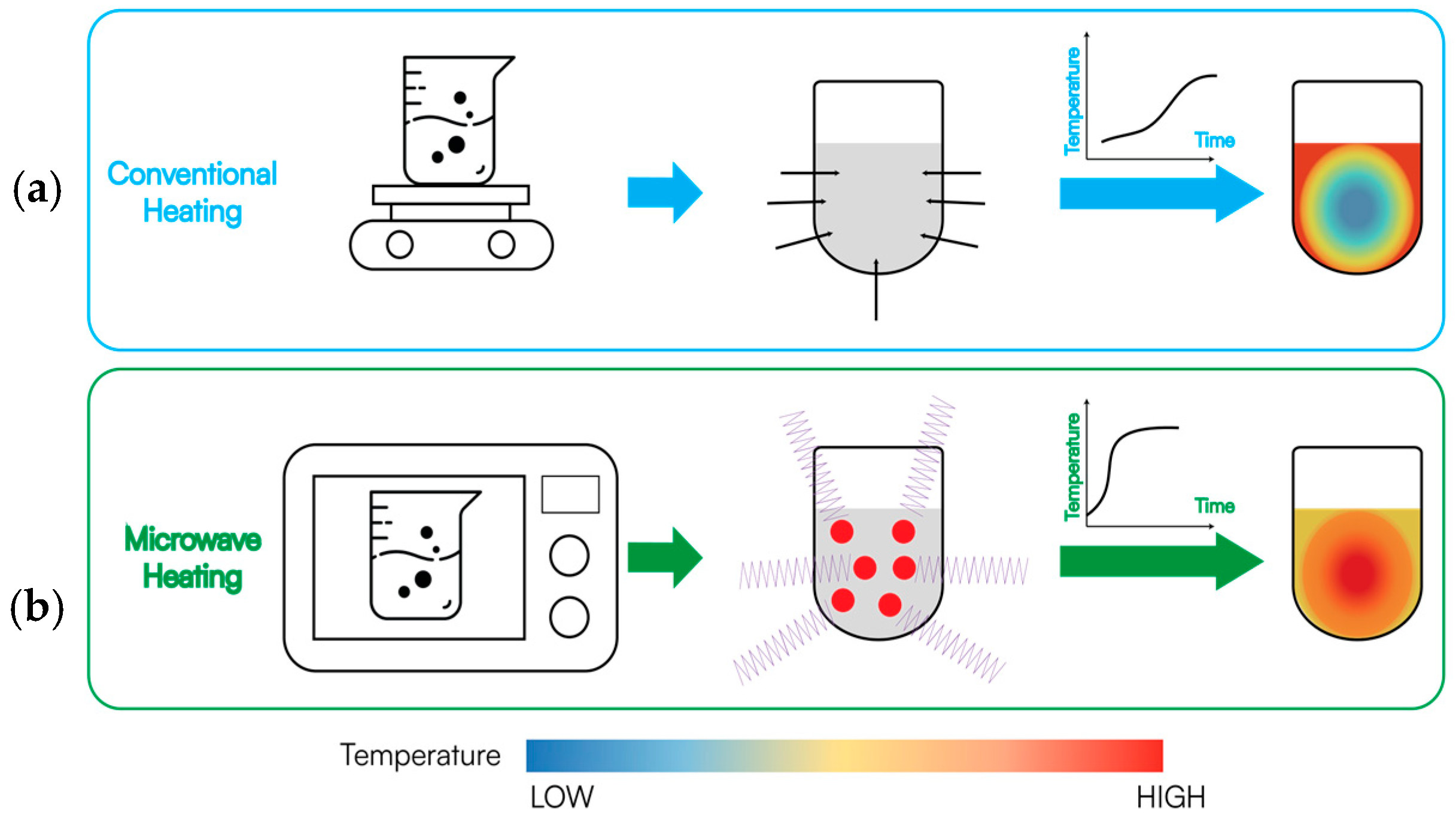
The heating mechanism of microwave radiation, the phenomenon known as micro plasmas [6] and the uniform heating characteristic of microwave yield better polymeric products than those produced by conventional curing methods [7]. The processing of a material using microwaves is contingent upon its dielectric and magnetic characteristics and is due to the interaction between the electric and magnetic field components with the material during irradiation (Table 1, Figure 1) [8]. It has been proposed that the major mechanism of microwave heating is dipole orientation and ionic conduction [9,10,11]. This direct molecular interaction differentiates microwaves from conventional heating [12]. The microwave energy accelerates the polymerization process by heating the mixture uniformly. This process shortens reaction times from hours to just a few minutes [13,14].

2.1. Results

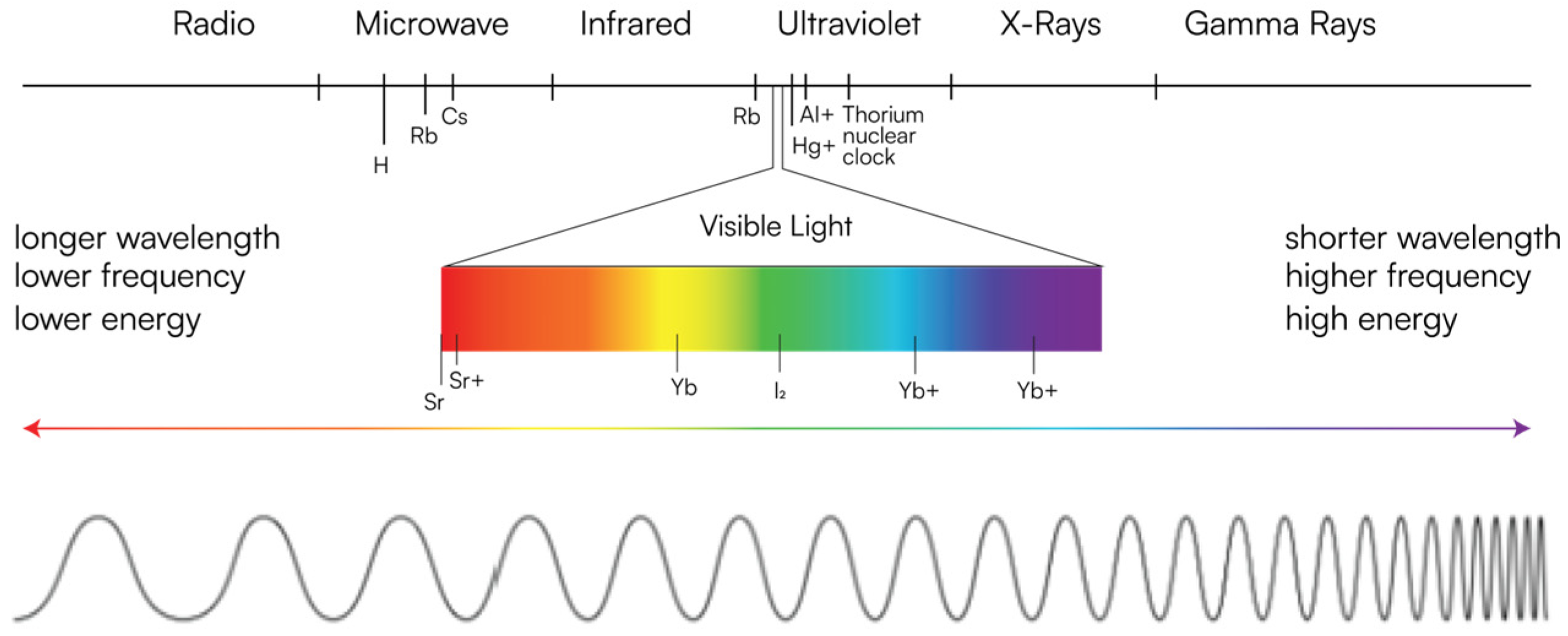
High-energy initiated polymerization processes occur at elevated pressures, which leads to faster reaction rates and higher molecular weights. Here, polymerization reactions are triggered or accelerated by exposure to high-energy radiation sources such as gamma rays (γ-rays), electron beams (e-beam), X-rays or ultraviolet (UV) light (Table 2, Figure 2). Each of these radiation types has a unique frequency, wavelength and heating capacity and spans various regions of the electromagnetic spectrum. However, microwave and laser radiation are most effective for controlled heating applications [15,16].
The microwave source generates an electromagnetic wave of frequency f and wavelength λ, which penetrates the monomer–polymer matrix.
The key relationships are
λ = c f  
E = h f
where λ is the wavelength, C is the speed of light, F is the frequency of the electromagnetic wave, E is the energy of a single photon, and h is Planck’s constant.

Properties and Applications of Microwave-Synthesized Polypyrrole

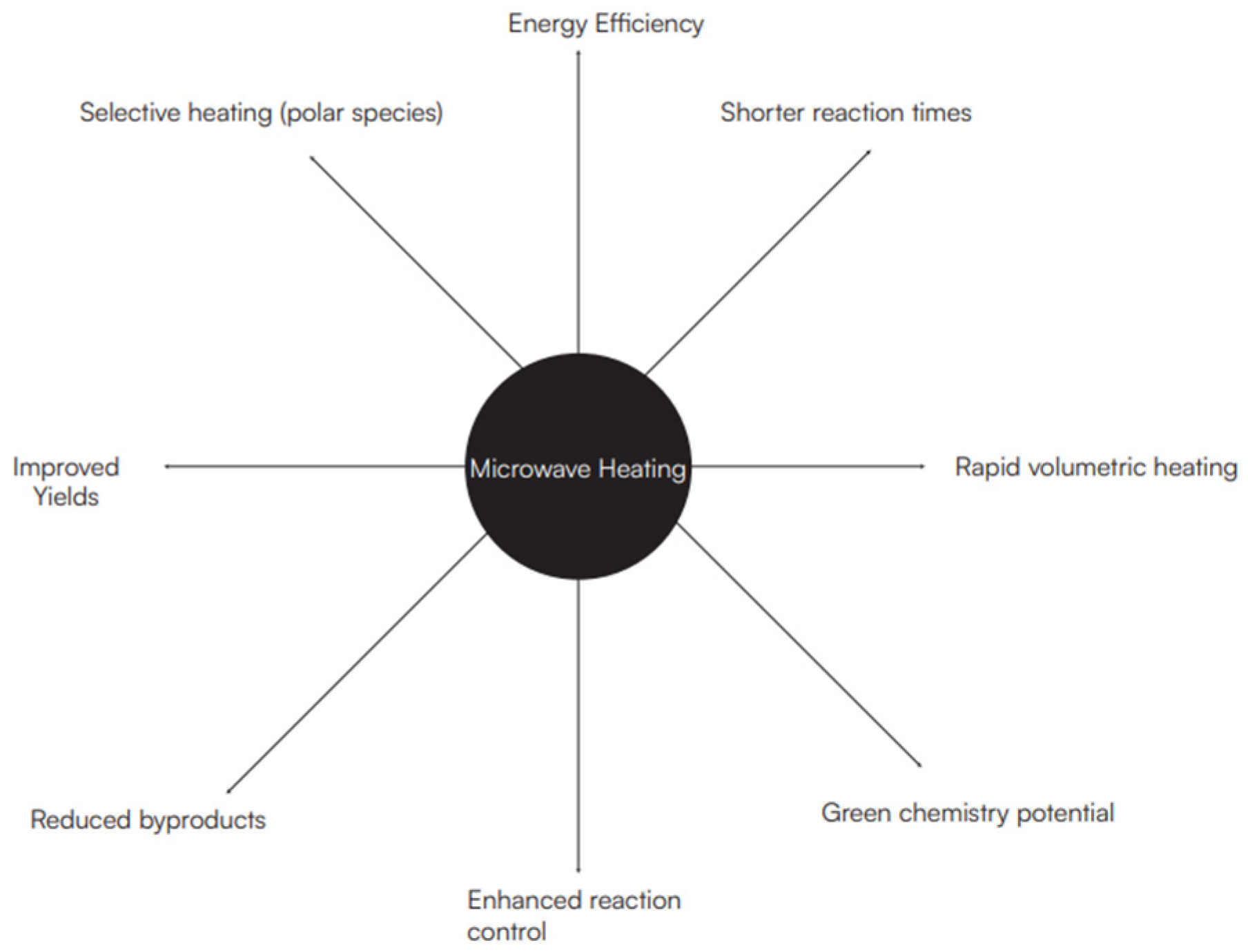
Microwave absorption in polypyrrole depends on its conductivity and dopant concentration [19]. Microwave-assisted polymerization can improve the structure, chain alignment and morphology of PPy, which influences its conductivity and dopant distribution, thereby affecting its microwave absorption performance. Some notable applications of microwave-synthesized polypyrrole are in the areas of supercapacitors, rechargeable batteries, sensors and catalytic applications. Some of the advantages of microwave synthesis include shorter reaction times, the ability to produce nanostructures and suitability for use in advanced material design (Figure 3) [20].
Microwave chemistry fundamentally differs from conventional heating by offering volumetric, selective and rapid energy transfer [11]. These unique features make it simple, convenient, fast and an alternative clean energy source [21,22]. The transition from domestic ovens to specialized laboratory reactors has further established microwaves as a powerful tool in modern polymer chemistry [23].

3. Nature of Pyrrole Synthesis

Polypyrrole is one of the three main workhorse conductive polymers alongside polyaniline and polythiophene. This review focuses on pyrrole because pyrrole derivatives can be synthesized relatively easily and generally exhibit unique controllable properties. The first known polymerization of pyrrole was reported by Angeli, who observed that the formation of pyrrole blacks were dark insoluble materials formed by oxidative polymerization. Angeli noted that the product formed rapidly under oxidative conditions and was insoluble in most solvents [24,25]. Angeli further studied the chemistry of pyrrole black over the following decade; he used various oxidants such as nitrous acid, dichromate, chromic acid and permanganate to obtain similar black materials. He even proposed basic structural motifs consisting of pyrrole units linked through direct carbon carbon bonds, which closely resemble the modern structural understanding of oxidized segments of the polypyrrole backbone [26]. Angeli did not measure electronic properties, but his identification of pyrrole black was the first documented synthesis of polymeric pyrrole materials, decades before the concept of conducting polymers came to light.
In 1963, Bolto, McNeill and Weiss published a paper titled “Electronic Conduction in Polymers”. This work marked a foundational moment in the study of the polymerization of pyrrole derivatives under controlled conditions [27]. They synthesized polypyrrole by thermally polymerizing pyrrole derivatives like tetraiodopyrrole under inert conditions. The resulting materials were black, insoluble powders, which they identified as polypyrrole. These polymers were structurally complex and consisted of cross-linked pyrrole rings forming a three dimensional network. What set this study apart was that Weiss’s group carried out electrical characterization. Pressed pellets of the material exhibited semiconducting behavior, with resistivities ranging from 11 to 200 Ω·cm, corresponding to conductivities between 0.005 and 0.09 S/cm [27]. These values were significantly higher than those of previously studied organic polymers and represented the first verified case of an organic polymer with measurable electronic conductivity. Weiss also discovered that the conductivity of polypyrrole was enhanced in the presence of iodine, which acted as an oxidizing dopant. This insight laid the groundwork for the doping strategies that became essential to the broader field of conducting polymers.
This paper not only demonstrated that polypyrrole was a viable electronic material but also predated the more widely recognized work on polyacetylene by Shirakawa, Heeger and MacDiarmid in the late 1970s. It remains one of the earliest and most influential studies in the field of conducting polymers, and it established polypyrrole as a cornerstone of organic polymer research.

3.1. Synthesis of Pyrrole

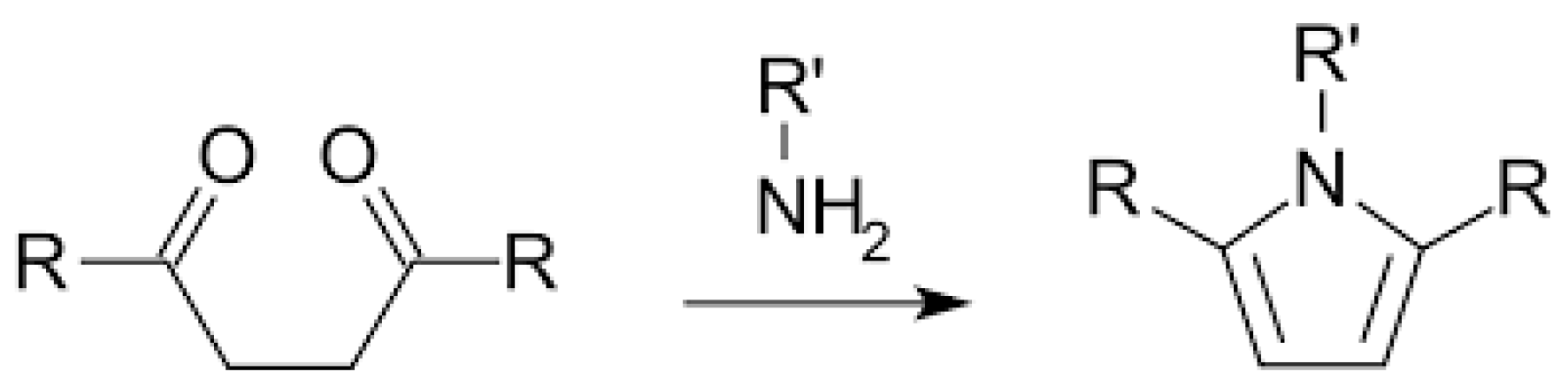
The Paal–Knorr method is one of the classic methods for synthesizing substituted pyrroles [22]. It involves the condensation of a primary amine and 1,4-diketone in the presence of an acid as catalyst.
1,4-diketone + R - N H 2 ( a m i n e ) A c i d H e a t S u b s t i t u t e d   P y r r o l e
Many advancements and variations of the Paal–Knorr reaction have been documented, ranging from the use of various catalysts and solvents to activation through the use of ultrasound and MW irradiation [28]. It is also considered valuable and beneficial to the environment compared to conventional methods [29].
Danks et al., in 1999, reported the first dedicated microwave-assisted Paal–Knorr pyrrole synthesis (Figure 4); they showed that the reaction of hexane-2,5-dione with a primary amine (Figure 5) to form pyrrole could be completed in less than two minutes at 100–200 W [30], while conventional heating required 12 h to achieve comparable yields.

3.2. Mechanism of Polypyrrole Polymerization

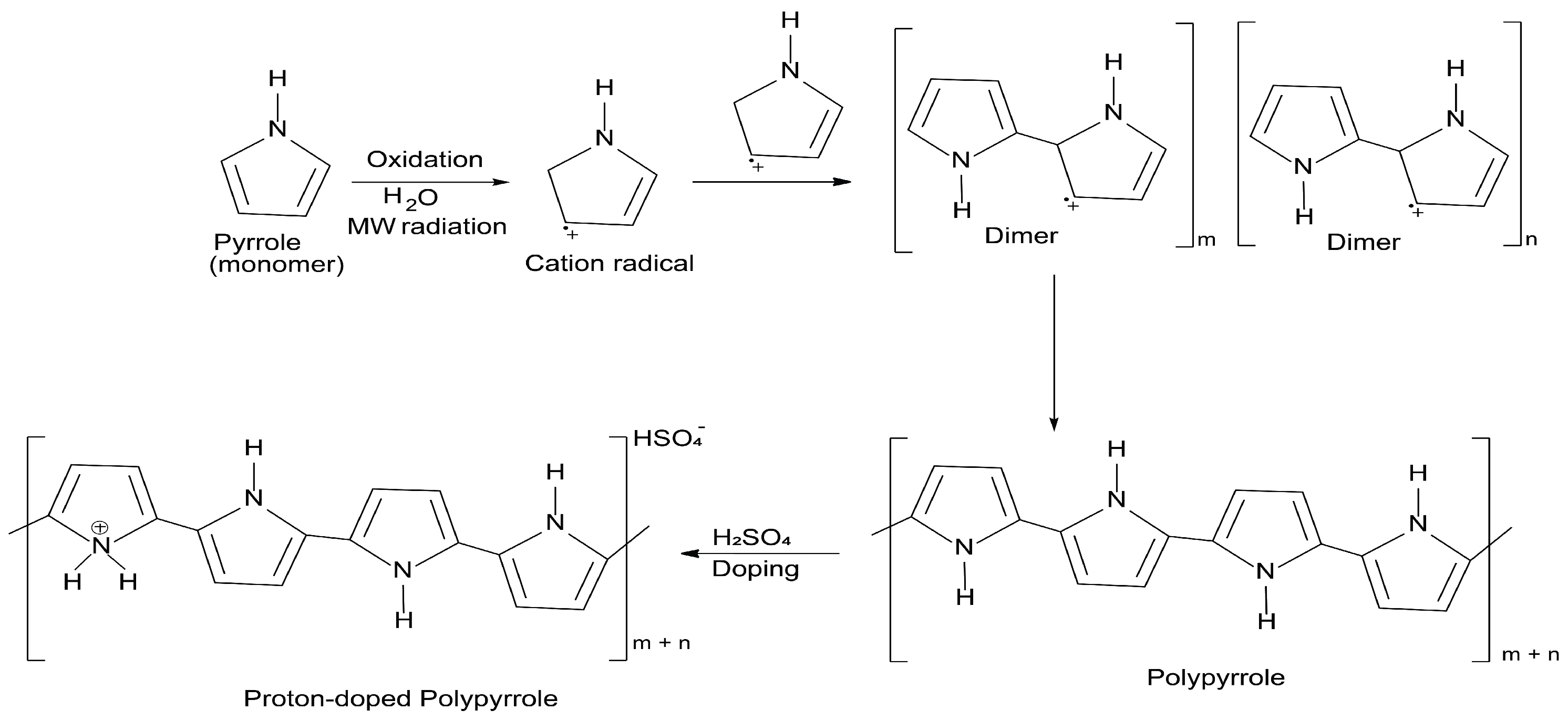
Many techniques have been used to study polypyrrole polymerization, but the mechanism itself is not well understood. This may be due to the fact that other processes such as doping, degradation, crosslinking and polymerization can occur simultaneously [31]. However, several main steps involved in the synthesis of polypyrrole are generally agreed upon [32]. Polypyrrole is typically formed by either chemical oxidation, where a pyrrole monomer loses an electron to form a pyrrole radical cation using oxidants such as ferric chloride (Fe3+) [33], and the electrochemical oxidation method, which oxidizes pyrrole on the working electrode. Both chemical and electrochemical polymerization of pyrrole (Py) begin with the oxidation of a pyrrole monomer to form a pyrrole radical cation; two of these radical cations couple together forming a bipyrrole [34]. The bipyrrole is oxidized again to form another radical cation; this new radical cation is coupled with another oxidized pyrrole. This process continues to build up oligomers, which eventually form polypyrrole [35]. In microwave polymerization, this same oxidative mechanism occurs, but the reaction kinetics and chain structure are significantly influenced by microwave irradiation. Microwaves interact directly with the dipolar pyrrole monomers and the oxidizing agents, causing rapid molecular rotation and localized heating at the reaction sites. Microwave radiation acts in a similar way as high energy radiation to produce radical cations, which couple to form the polymer via a nucleation and growth sequence (Figure 6).

3.3. Electrochemical Polymerization vs. Microwave-Assisted Polymerization

Electrochemical polymerization emerged in the late 1970s as a transformative method of synthesizing conductive polymers such as polypyrrole (PPy). It has numerous advantages over the chemical oxidation method [36,37]. Electropolymerization of pyrrole involves the electrochemical oxidation of pyrrole monomers on the working electrode surface in an aqueous or organic electrolyte solution. One of the earliest and most noted demonstrations of this method was carried out in 1979 by A. Diaz, who showed that polypyrrole could be synthesized electrochemically and doped simultaneously [38]. His method remains the most widely accepted mechanism for pyrrole electropolymerization, as he was able to establish reproducibility and control over film morphology, which opened doors to a wide range of applications in sensors, energy storage and electrochemical devices. Diaz’s radical cation mechanism involves four distinct stages: (i) oxidizing pyrrole to a radical cation, (ii) radicals couple at α-positions, (iii) loss of protons and regaining aromaticity and (iv) growth into longer oligomers. These steps are repeated to form the polymer. Other models of the mechanism of polypyrrole polymerization that evolved over the years like Pletcher, Kim and Reynold’s mechanism follow the same basic principle of Diaz’s method: pyrrole must be oxidized; a radical or cationic intermediate is formed; then coupling and deprotonation will lead to chain growth. These mechanisms differ mainly in initiation and propagation stages [32].
Electrochemical polymerization offers several advantages, including controlled film thickness and morphology, direct deposition on electrodes (which enabled the integration into electronic devices), tunable conductivity and applied potential, enabling reversible doping and dedoping through electrochemical cycling.
Electrochemical polymerization has been widely used due to its ability to produce uniform, doped polypyrrole films directly on conductive substrates [39]. It allows for precise control over film thickness and morphology by adjusting electrochemical parameters such as applied potential, current density and electrolyte composition [40]. Despite its success, electrochemical polymerization remains a subject of debate because factors such as the electrolyte, solvent, temperature and pH can influence the reaction mechanism and affect the characteristics of the polymer formed at the electrode [32]. Some studies have shown that the morphology of polypyrrole, whether granular, fibrous or smooth, can be tailored by controlling the electrochemical conditions, which, in turn, affect its conductivity, mechanical properties and electrochemical stability [41,42].
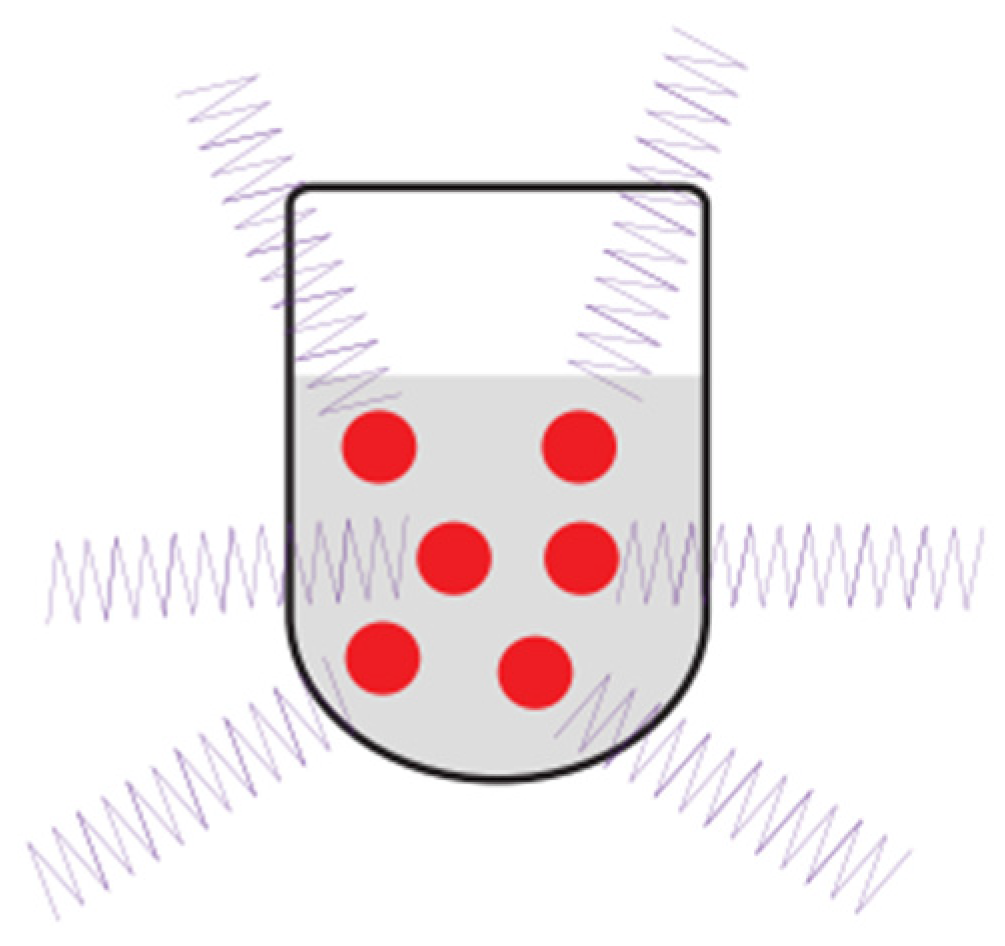
To address these limitations, microwave-assisted polymerization has emerged as a powerful alternative. This method uses dielectric heating to rapidly initiate and propagate the polymerization reaction, significantly reducing reaction time and improving yield and thermal stability [16]. Notable improvements in yield and selectivity have been achieved due to the rapid and direct heating of the reactants. Additionally, performing the reaction in a sealed vessel allows the use of low boiling solvents, which enables environmentally friendly reaction conditions [43]. Microwave techniques enable the synthesis of polypyrrole nanoparticles with controlled morphology and enhanced electrochemical performance without the need for surfactants or complex setups. Compared to electrochemical methods, microwave polymerization has faster kinetics and cleaner reaction profiles, which makes it attractive for industrial applications and advanced material design. Microwave-assisted polymerization has emerged as a powerful technique [44,45], and unlike electrochemical methods that rely on electrode mediated oxidation [46], microwave polymerization uses dielectric heating to initiate and propagate the reaction throughout the medium (Figure 7).
During microwave heating, direct molecular activation can limit side reactions and provide rapid, efficient heating, thereby changing the reaction time from hours or days to minutes. Microwave polymerization also bypasses the need for electrochemical setups, making it more scalable and accessible for bulk synthesis [47]. The rapid and homogeneous heating provided by microwaves promotes better chain alignment and fewer structural defects, hence, improved electrochemical performance [48].
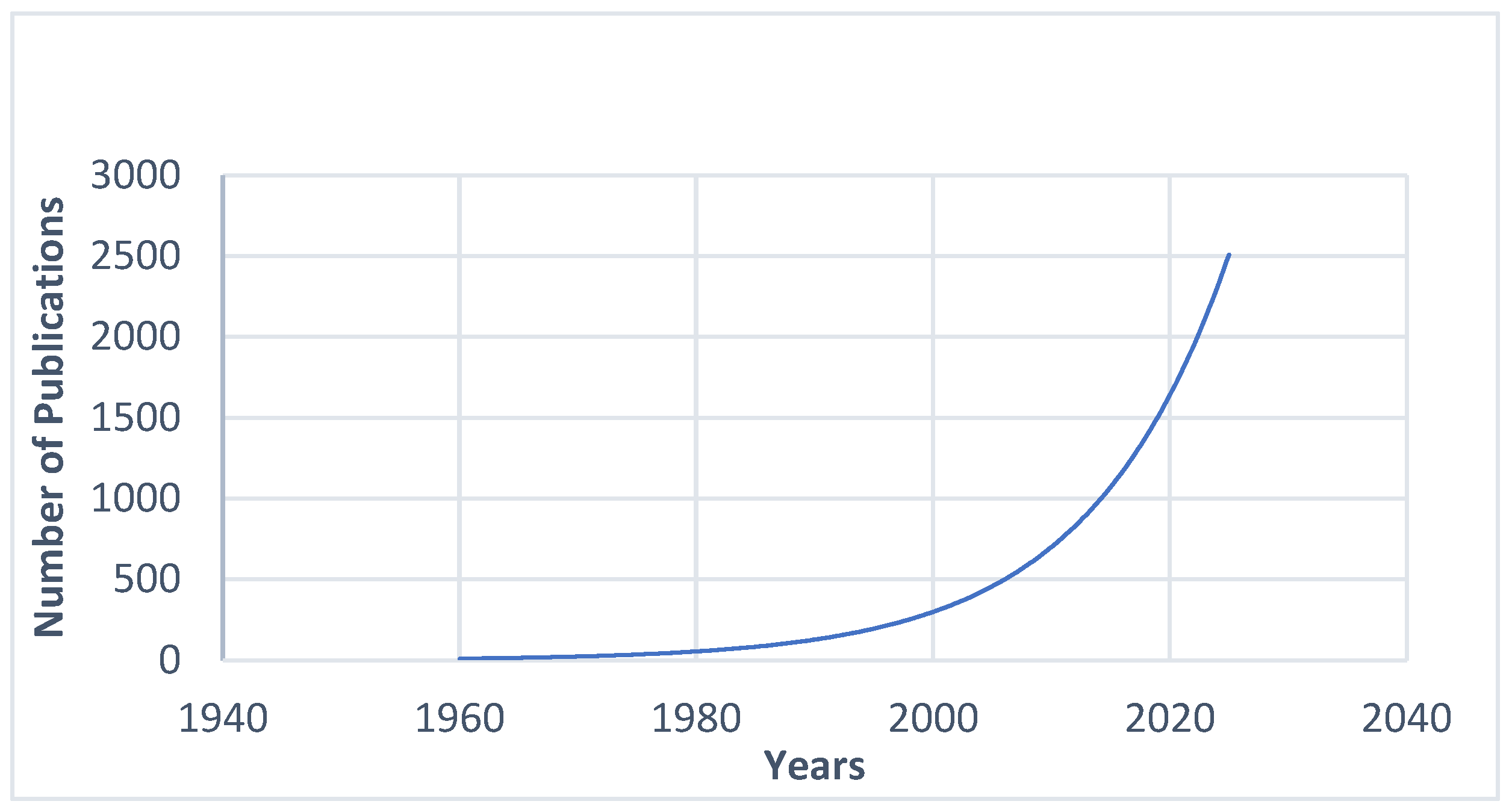
Over the past decades, microwave-assisted polymerization attracted significant attention, with many studies published worldwide [22,49] (Figure 8). The number of publications in this field has risen exponentially since 2000 (Figure 8).

4. Principles of Microwave Polymerization

Microwave ovens became commercially available in 1955, and their application in chemistry emerged in the late 1980s [50]. Microwaves occupy the frequency range of 0.3–300 GHz, with 2.45 GHz being used in most laboratory applications [51,52,53,54,55]. However, 5.8 GHz microwave radiation gives significantly higher yields compared to 2.45 GHz (87 % vs. ~28 %) and produces more uniform heating [56]. The fundamental mechanism by which microwaves heat materials is dielectric heating, where polar molecules continuously realign with the oscillating electric field, generating molecular level friction and efficient internal heat generation [57]. This results in rapid, volumetric and more uniform heating compared to conventional techniques.
Organic synthesis uses mainly two kinds of laboratory microwave reactors, monomode and multimode. The domestic microwave oven (usually 800–1000 W) [58,59] is the most accessible and straightforward alternative. Despite being low cost and widely used for research, home ovens have complicated and uneven electric field distributions that cause inconsistent heating and the development of hot spots. On the other hand, laboratory reactors are typically monomodal microwave systems that offer several advantages, such as built in magnetic stirrers and direct temperature control [60], which improve the safety and reproducibility of the reactions [61]. The Biotage Initiator Microwave System with Robot Eight combines the power of microwave heating with advanced robotics and a fully automated system. It is well known for its unmatched speed and precision in chemical synthesis. The CEM discovery offers a robust platform for heating sealed pressure vessels with the power of microwave radiation. It can access temperatures and pressures up to 300 °C and 300 psi for the highest purity synthetic results. Chemspeed Automated Microwave Synthesis (SWAVE) offers an integrated workflow that includes gravimetric solid dispensing, gravimetric liquid handling, capping and crimping, sample transfer to the microwave synthesizer and subsequent microwave irradiation. Different solvents interact very differently with microwaves [62], because of their diverse polar and ionic properties. Acetonitrile, dimethylformamide, DMF and alcohols are mostly used for microwave-assisted organic synthesis [56].
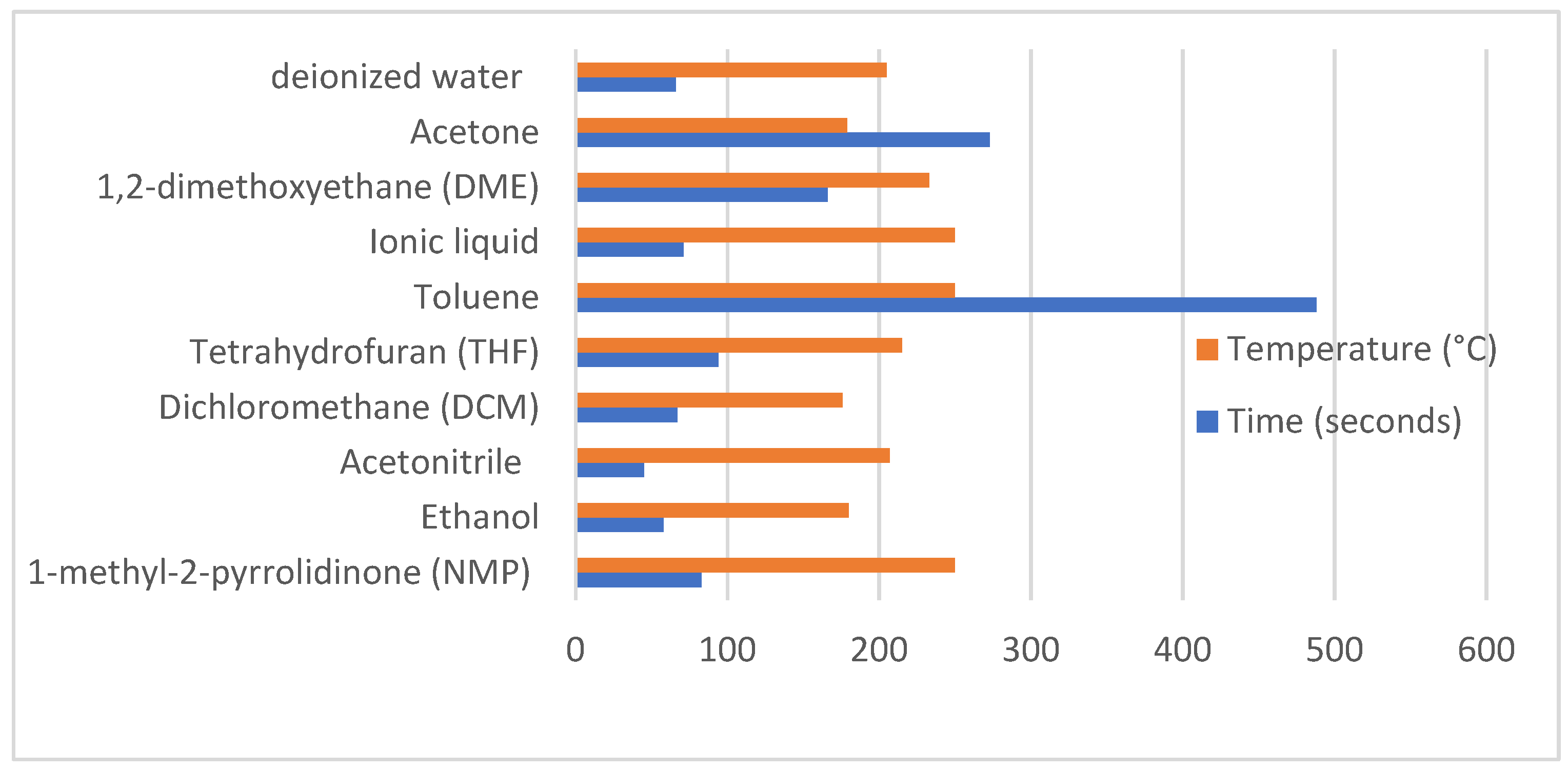
Polar solvents such as DMF, NMP, DMSO, methanol, ethanol and acetic acid interact effectively with microwaves due to their polar nature. In contrast, non-polar solvents such as toluene, dioxane and THF can still be heated efficiently when other components in the reaction mixture absorb microwave energy. It is important to note that the use of a solvent can be avoided or substituted with water during microwave polymerization, which makes the synthesis more sustainable [63]. Table 3 shows the relationship between the solvent boiling points, heating times and final temperatures under microwave irradiation.
Microwave-assisted reactions are conducted in sealed vessels where temperatures exceed the normal boiling points of solvents, as supported by both reactor specifications and literature reports [51,64] (Table 3, Figure 9).
The overall trend shows that microwave heating efficiency is strongly dependent on solvent type.

4.1. Mechanisms of Microwave Polymerization

Several researchers have investigated step growth polymerization of polyamides and polyimides using microwave-assisted techniques [43,66,67]. The application of microwave-assisted reactions in step growth polymerizations was reviewed and reported by Malakpour et al. [67].
According to recent studies, examples of microwave-irradiation-induced polymerization include the step growth polymerization of polyamides and polyesters, the ring-opening polymerizations of ε-caprolactams and ε-caprolactones, and the free radical polymerizations of styrene and methyl methacrylate [43].
One of the earliest microwave polymerizations of conjugated polymers was performed by Dhanalakshmi and Sundararajan in 1997 [65]. They investigated microwave-assisted metathesis polymerization of phenylacetylenes (PA) using in situ generated (arene)M(CO)3 complexes where M = W, Mo or Cr. Phenylacetylene or substituted phenylacetylenes (4-methoxy, 4-methyl, 4-chloro, 4-bromo) were combined with metal carbonyl precursors (W(CO)6, Mo(CO)6, Cr(CO)6) and arenes (toluene, o-xylene, mesitylene, or phenol) in 1,2-dichloroethane under nitrogen in sealed flasks. The catalyst to monomer ratio was 1:50. Reactions were performed in a domestic microwave oven in 5-min bursts with cooling pauses, totaling 60 min. They found that microwave irradiation provides a simple, rapid and efficient route to poly(phenylacetylenes), producing higher molecular weight polymers in good yields within one hour.

4.2. Microwave-Assisted Synthesis of Polypyrrole Nanocomposites

The use of microwave-assisted polymerization has drawn more attention, primarily in the process of creating and improving heterocyclics [68,69]. Using a microwave reactor in a laboratory setting should result in an energy reduction of about 80 times [70]. It has also been described as a promising approach for constructing nanostructures in an ultrafast and effective way [71,72]. The microwave-assisted synthesis of heterocyclic compounds, which are essential in biology and medicine, is a significant field of application. Among these, pyrrole is a basic aza-heterocycle that is found in many natural products and biomolecules including hemoglobin and chlorophyll. Additionally, pyrrole motifs are crucial building blocks in synthetic chemistry and can be found in a wide variety of medications [73]. A growing body of research on microwave-assisted heterocyclic synthesis, particularly pyrrole derivatives, is revealed in literature reviews as becoming a vital tool for future heterocyclic and drug development studies [74]. Various in situ/ex situ polymerization techniques for potential nanocomposites have been designed and documented in the literature [4]; however, most of them have shown that microwave-assisted polymerization of polypyrrole is carried out via an in situ polymerization technique, where pyrrole is polymerized directly in the presence of a substrate or nanofiller.

4.2.1. Graphene/Polypyrrole (PPy) Nanocomposites

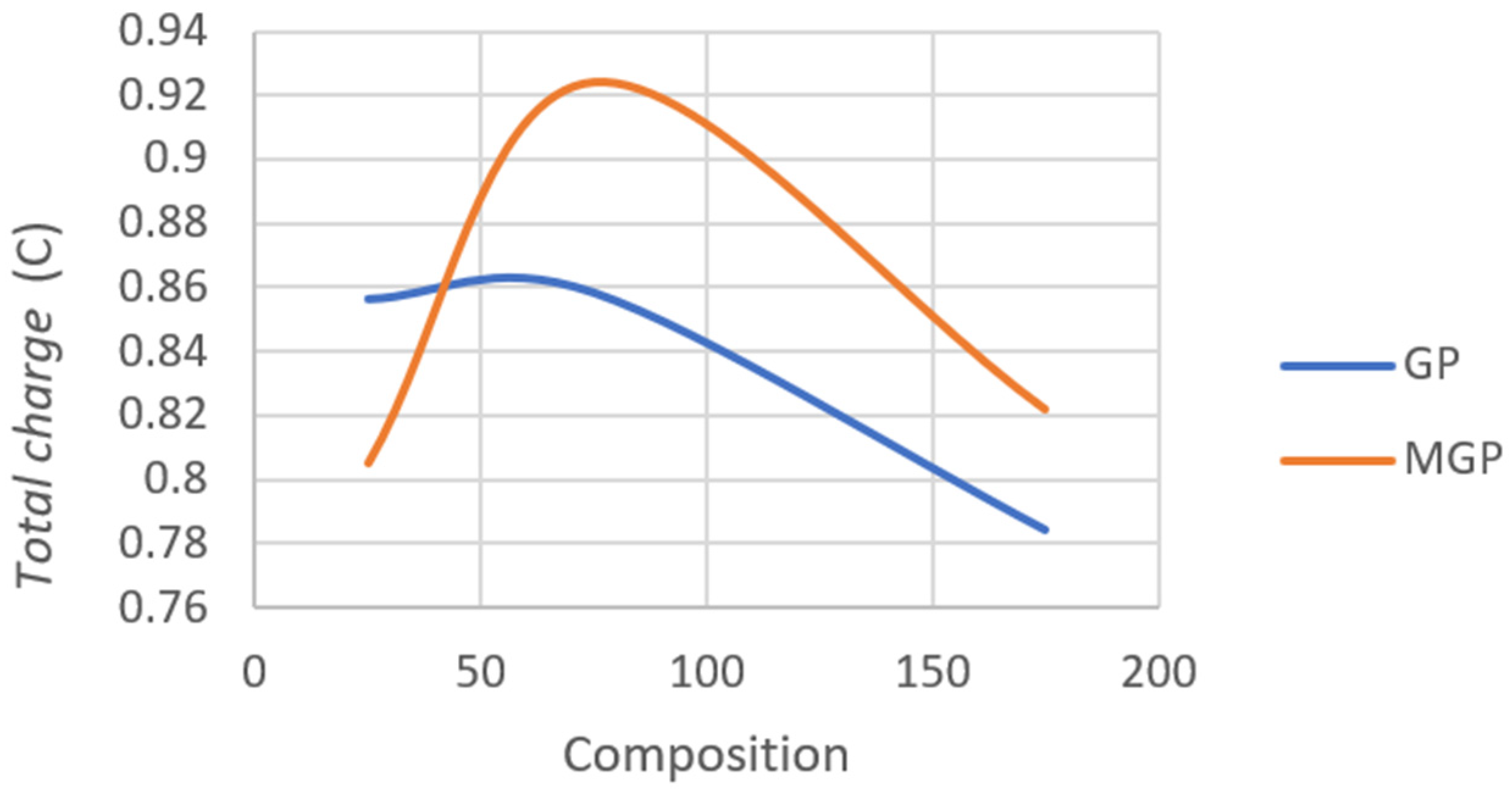
Kandasamy, S.K. et al. prepared graphene/polypyrrole nanocomposite using a microwave oven for 10 s [75]. They prepared graphene oxide (GO) from natural graphite through the modified Hummers’ method. To prepare MnO2/GO composites, 90 mg of GO was dissolved in 78 mL of water and stirred by ultrasonication for 3 min. Then, 5 mL of sulphuric acid was mixed with the prepared solution, the mixture was then heated at 80 °C for five minutes, and 450 mg of potassium permanganate (KMnO4) was added. Three different mass ratios of GO to polypyrrole at 5:0.25, 5:0.75 and 5:1.75 were prepared and labeled as GP025, GP075 and GP175, and the composites were then treated in a microwave oven and labeled as MGP025, MGP075 and MGP175. It was observed that microwave treatment improved bonding, surface area, porosity and electrochemical performance; the samples had higher capacitance, lower resistance and better conductivity. Graphene provided fast electron transport, while PPy contributed to redox activity. The optimal composite was MGP175 (GO:PPy = 5:1.75, microwaved). The cyclic voltammetry (CV), gravimetric charge–discharge (GCD) and electrochemical impedance spectroscopy (EIS) results for the graphene/polypyrrole (GP) composites and their microwave-treated counterparts (MGP) were reported [75]. The corresponding plot compares the electrochemical behavior of both systems (Figure 10). Figure 10 shows that the total charge consumed increased with composition up to a point, followed by a sharp decrease. The microwave-synthesized material consumed more charge than the non-microwave-synthesized sample.
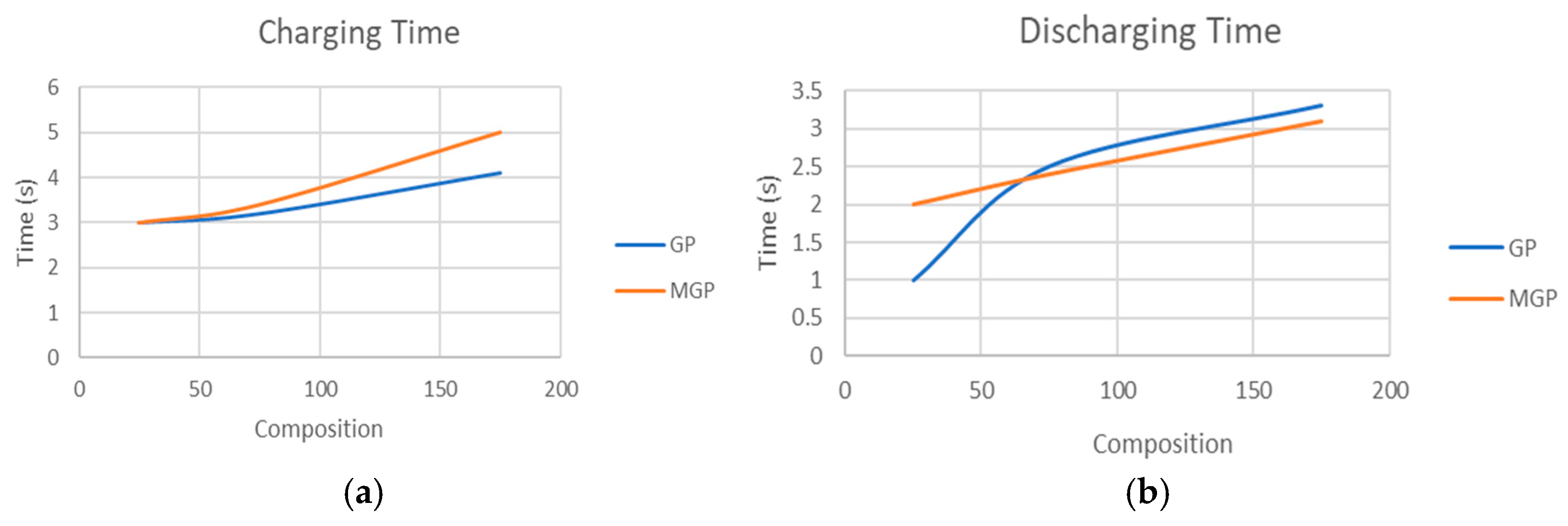
Figure 11 shows that the total charge consumed (∫ I dt) for both graphene/polypyrrole (GP) and microwave treated graphene/polypyrrole (MGP) composites increased with PPy content up to MGP75, beyond which a decrease occurred. The higher total charge obtained for MGP compared to GP indicated that microwave-treated composites can store more charge, which corresponds to the longer discharge times observed in GCD measurements. The charging and discharging time plots clearly show that increasing PPy content leads to longer charge–discharge time for both GP and MGP samples [75]. MGP consistently shows a higher charging time than GP at all compositions, and the difference is more noticeable at high PPy content. This observation aligns directly with the higher specific capacitance reported for the microwave-treated materials, particularly MGP175, which shows the highest capacitance of 240.4 F g−1 at 10 mV s−1.
EIS analysis supports the findings, indicating that MGP samples possess lower resistance. The large total charge consumed during cyclic voltammetry, longer charge/discharge times from GCD tests, as well as lower impedance from EIS, indicate that microwave treatment enhanced the electrochemical energy storage capacity of the graphene/PPy composites. Supercapacitors incorporating such composites exhibit higher power density, improved energy storage capacity, and high cycle lifetimes due to the synergistic interaction between graphene and the p-type polypyrrole matrix [75,76,77,78,79,80].

4.2.2. Polypyrrole/Silver (PPy/Ag) Nanocomposites

Kate K.H. et al. synthesized PPy/Ag nanocomposites by microwave-assisted interfacial polymerization without using an external oxidizing agent [81]. They partially dissolved pyrrole in chloroform and completely dissolved AgNO3 in distilled water. They used a ratio of 1:1 Py/AgNO3 in weight percent. Py and AgNO3 solutions were mixed, and this reaction mixture was subjected to microwave irradiation of 2450 MHz at 20% microwave power. Absorption spectroscopy confirmed the formation of polypyrrole, and XRD indicated the presence of silver in the PPy. TEM showed spherical particles of silver of about 20 nm in diameter. These results show that microwave irradiation provided uniform nucleation and rapid reduction of Ag+ ions.

4.3. Other Methods of Synthesis of Polypyrrole Nanocomposites

4.3.1. Polypyrrole/BaFe12O19 (PPy Barium Hexaferrite) Nanocomposites

B. Birsöz shows that polypyrrole–BaFe12O19 nanocomposite were successfully synthesized by an in situ polymerization of pyrrole in the presence of synthesized BaFe12O19 nanoparticles [82]. Citrate sol-gel combustion method was used for the synthesis of BaFe12O19 nanoparticles. The polymerization was carried out in an ultrasonic bath at room temperature; BaFe12O19 nanoparticles were first added to 35 mL of 0.5 M HCl solution containing 1 mL of pyrrole monomer sonicated in an ultrasonic bath for 120 min. A separate solution of ammonium persulfate, APS (3.5 g in 20 mL HCl) was prepared. APS is a strong oxidizing agent for pyrrole that enables formation of pyrrole radical cations. The APS solution was slowly added dropwise into the mixture so that the polymerization starts gradually and uniformly. Under high frequency sound waves at room temperature, the pyrrole radical cations couple and grow into polypyrrole chains. Since BaFe12O19 nanoparticles were already present in the solution, the PPy chains were deposited directly onto their surface. The composites were obtained by filtering and washing the reaction mixture with deionized water and ethanol and were dried under vacuum at 50 °C for 24 h to produce PPY–BaFe12O19 nanocomposite. The structural, morphological, electrical and magnetic properties of the PPy–BaFe12O19 nanocomposites were fully characterized. X-ray diffraction (XRD) analysis confirmed the crystalline phase of BaFe12O19 within the composite, while thermogravimetric analysis (TGA) indicated a ferrite weight percentage of ~22 wt%. Fourier transform infrared spectroscopy (FT-IR) verified the conjugation of polypyrrole in the PPy/BaFe12O19 nanocomposite, and transmission electron microscopy (TEM) images revealed uniform coating of the nanoparticles by PPy.

4.3.2. Fe3O4/PPy/PANI Hybrid Nanocomposites

Another study uses ultrasonication to demonstrate the synthesis of Fe3O4/PPy/PANI and (Fe3O4/polypyrrole/polyaniline) nanocomposites [83]. Fe3O4 nanoparticles were prepared by using an environmentally friendly, modified co-precipitation method. Afterwards, PPy and polyaniline were deposited onto the surface of Fe3O4 nanoparticles by in situ polymerization of pyrrole and aniline simultaneously. The study demonstrated that the combination of ultra small Fe3O4 nanoparticles coated with two intrinsically conductive polymers has great potential in the application of microwave absorbing materials.

4.3.3. SnO2/PPy Nanotube Composites

Xianfeng Du et al. combined soft template oxidative polymerization to form PPy nanotubes with microwave-assisted solvothermal deposition of SnO2 nanoparticles; they used the Biotage initiator microwave system to carry out the microwave-assisted solvothermal synthesis to anchor SnO2 nanoparticles onto the PPy NTs in ethylene glycol solution at 160 °C for 3 h [84]. The resulting composite (SnO2@PPy NTs) was pyrolyzed at 700 °C under argon, giving a conductive, stable nanostructure. Their work highlights that microwave-assisted processing enhances the functional performance of PPy composites in energy storage applications [85].
Microwave-assisted PPy composite synthesis can also be tailored to biomedical applications and not only for energy storage or conductive properties, as demonstrated by Moorthy et al., who synthesized polypyrrole grafted chitosan (PPy-g-CS) and a polypyrrole copolymer with N-(1-naphthyl) ethylenediamine (COP) through a one step microwave-assisted process using carbon dots as initiators [86,87,88]. The antimicrobial activities of the polymer composite were evaluated against one Gram-negative bacterium, E. coli, and one Gram-positive bacterium, S. aureus. Based on their experimental findings, they concluded that the electrostatic interaction between the positively charged polymers and negatively charged microbial cells induced cell death with PPy-g-CS, completely eradicating E. coli within 3 h, and COP was effective only against S. aureus after longer exposure. The authors attributed the antimicrobial effect to the combined mechanisms of electrostatic membrane disruption, nutrient chelation and surface stacking of PPy-g-CS on bacterial cells. Microwave-assisted polymerization of Py in the presence of nanoparticles has also been studied for cancer therapy [89]. Zhang et al. synthesized polypyrrole nanoparticles via a facile and ultrafast microwave-assisted method with a CEM Discover Microwave Synthesizer and compared them with nanoparticles obtained through traditional chemical oxidative polymerization. The microwave-synthesized PPy nanoparticles were produced within 2 min. It displayed superior near infrared absorption, low cytotoxicity, excellent photothermal stability and ultimately achieved tumor ablation in vivo under FDA approved laser irradiation. These studies demonstrate that microwave-assisted synthesis can produce multifunctional PPy-based composites with potential applications in both energy storage devices and biomedical technologies.

5. Characterization of Microwave-Synthesized Polypyrrole

The exceptional supercapacitor performance of graphene/polypyrrole material is due to the nanoporous graphene nanofiller, which supports exceptional mechanical, electrochemical and electrical conductivity. To fully understand the nature and performance of graphene/polypyrrole (PPy) composites, various analytical techniques have been employed to determine electrical conductivity, σ, and specific capacitance, Csp. The electrical conductivity of the composite was measured using the four probe method. For instance, Sahoo et al. measured the conductivity of a graphene/PPy nanofiber composite using a standard four probe setup, and the following equation was used to calculate the resistivity, ρ [90]:
ρ = π t V ln 2 I
and the conductivity is obtained as its reciprocal,
σ = 1 ρ   ln 2 I π t V
where t is the sample thickness, V is the voltage, I is the current, ρ is the resistivity, and σ is the conductivity.
They reported a conductivity of 1.45 S cm−1, which was higher than that for neat PPy due to the π–π interaction between PPy nanofibers and graphene sheets. Similarly, Kashani et al., Xu et al. reported conductivities of 1.2 S cm−1 and 863 S m−1, respectively [91,92]. Both data sets were obtained by using the four probe method. The specific capacitance was calculated from the integrated area of the current voltage curve using
C s p = Q υ Δ V m
where C s p is the specific capacitance, Q is the voltammetric charge, v is the scan rate, ΔV is the potential window, and m is the mass of material. Sahoo et al. used this method to obtain a maximum capacitance of 466 F g−1 at 10 mV s−1, while Xu et al. calculated capacitance from GCD curves using
C s p = I Δ t m Δ V
where C s p is the specific capacitance, I is discharge current, Δt discharge time, and ΔV is the potential window, and m is the mass of material. The GCD method was also preferred by Kashani et al., who observed high rate stability and specific capacitances exceeding 509 F g−1.
Electrochemical impedance spectroscopy (EIS) was commonly employed across studies, with impedance data fitted using equivalent circuits composed of solution resistance (Rs), charge–transfer resistance (Rct) and constant phase elements (CPE), described by
Z C P E = 1 Y 0   j ω n
where ZCPE is the impedance of the constant phase element (CPE); Y0 is the CPE admittance pre-factor, representing the magnitude of the element; j is the imaginary unit; ω is the angular frequency of the applied AC signal, defined as ω = 2 π f ; and n is the CPE exponent. Overall, these methods collectively demonstrate that conductivity is typically measured by using the four probe electrical measurements, while specific capacitance and electrochemical performance are measured by using cyclic voltammetry (CV), gravimetric charge–discharge (GCD), and electrochemical impedance spectroscopy (EIS).
Table 4 shows the effect of electrolytes and synthesis method on the electrochemical properties of nanofiller/polypyrrole composites. Synthesis of the nanocomposites using a combination of PVA and sulfuric acid produced outstandingly high conductivity and specific capacitance [90,91,92,93,94,95,96,97,98,99].
Table 4 presents a comparison of different synthesis methods for polypyrrole nanocomposites and their resulting electrochemical properties reported in the cited literature. It shows that microwave-assisted synthesis leads to higher specific capacitance in polypyrrole nanocomposites.
These parameters provide useful insight into charge storage ability, electron transport and resistance behavior. However, capacitance retention, energy density and long term cycling stability were not consistently reported across the cited studies. Therefore, direct comparison across all performance categories remains limited. This inconsistency highlights the need for future studies on microwave-assisted PPy-based composites to report standardized electrochemical parameters.

5.1. Effect of Organic Dopants on Electrochemical Performance

In addition to synthesis and electrochemical characterization, doping plays a crucial role in determining the structural and capacitive behavior of polypyrrole. Organic sulfonic acid dopants such as styrene sulfonic acid (SSA), toluene sulfonic acid (TSA), dodecylbenzene sulfonic acid (DBSA), naphthalene disulfonic acid (NDSA) and naphthalene trisulfonic acid (NTSA) significantly modify the morphology, porosity and charge–transfer behavior of PPy films [99].
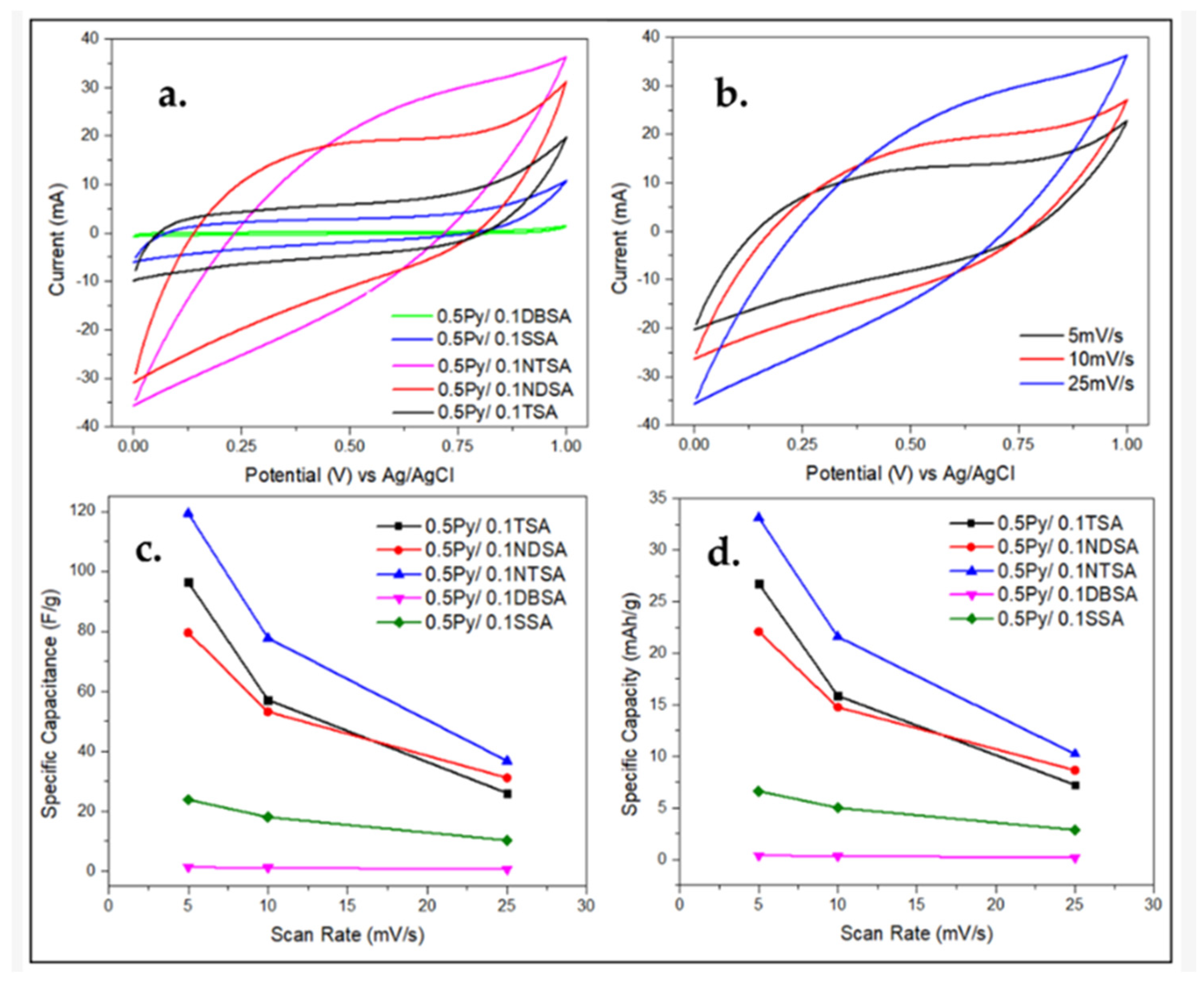
According to Gooneratne et al. [99], the dopant molecular size and number of sulfonic acid groups directly influence ion diffusion and specific capacitance (Figure 12). NTSA-doped PPy exhibited the highest specific capacitance (≈119 F g−1 at 5 mV s−1) due to its highly porous, interconnected morphology that enhanced ion transport and redox activity. TSA and DBSA produced denser coatings with lower porosity and capacitance. Electrochemical impedance spectroscopy (EIS) further confirmed that NTSA-doped electrodes had the lowest bulk resistance and highest effective conductivity. These results indicate that organic dopants can influence both the electronic and ionic pathways within the PPy network.

5.2. Advantages and Challenges

Conducting polymers such as polypyrrole (PPy) exhibit high electrical conductivity but their performance is often limited due to disordered chain packing [100]. To overcome the inherent drawbacks, graphene and carbon nanotubes (CNTs) are frequently incorporated into the PPy matrix as reinforcements [101,102]. Graphene provides a two-dimensional, atomically thin carbon network with high carrier mobility, mechanical strength and electrical conductivity as high as 106 cm2/V·s [103]. When graphene or CNT are dispersed into the PPy matrix, they form continuous conductive pathways that facilitate electrical conductivity across the polymer matrix. Similarly, in situ polymerization of PPy in the presence of a well dispersed network of multi-walled carbon nanotubes (MWCNTs) leads to a flexible hierarchical PPy/MWCNT composite electrode that shows improved mechanical stability and higher capacitance. This is attributed to the continuous conductive MWCNT scaffolding bridging PPy domains [104]. Recent studies on amorphous/crystalline heterostructured nanomaterials show that electrochemical performance is strongly influenced by interfacial charge–transfer, ion-diffusion pathways and structure property relationships [105]. The same principle supports the evaluation of PPy nanocomposites, especially through morphology, conductivity, resistance behavior and cycling stability.
Microwave-assisted polymerization offers additional advantages for PPy-based composites. Microwave heating provides volumetric heating, leading to faster reaction rates, fewer by-products and more uniform nucleation compared to traditional polymerization routes. This often results in PPy with controlled morphology, higher conductivity and better dopant integration. Beyond organic conducting polymers, microwave processing is equally effective for inorganic materials, including transition metal oxides such as ferric oxide (Fe2O3). Microwave-assisted synthesis of metal oxides is known to produce smaller crystallites, improved phase purity and enhanced electrochemical activity [106]. Despite these advantages, several challenges must be addressed for large scale implementation. The non-uniform electromagnetic field distribution in bulk reactors can lead to localized overheating and non-homogeneous polymer formation, which can affect reproducibility and morphology control [107]. Scale-up also remains a key obstacle as most reported reactions are limited to the laboratory scale. While further optimization of reactor design is required, microwave-assisted polymerization remains a promising route toward high-performance PPy and PPy-based composites with superior conductivity, structural stability and energy storage properties. While several reviews have discussed conductive polymers, microwave chemistry and PPy-based composites independently, limited attention has been given to the specific role of microwave-assisted polymerization in tailoring the electrochemical and structural properties of polypyrrole. This review therefore brings together recent developments in microwave-assisted PPy synthesis and their electrochemical performance within a unified framework.

6. Conclusions

Microwave-assisted polymerization of polypyrrole represents a major advancement in conductive polymer synthesis. By leveraging dielectric heating and direct molecular activation, microwaves enable uniform energy transfer that reduces reaction time from hours to minutes while producing polymers with superior morphology, conductivity and thermal stability. In situ reinforcement of PPy with nanofillers such as graphene, metal oxides and carbon nanotubes further demonstrate the versatility of microwave processing in enhancing electrochemical performance. However, despite these advancements, significant challenges persist in translating laboratory scale microwave polymerization into an industrial production process.
Key Points
  • Microwave-assisted polymerization provides a faster and more efficient alternative to conventional chemical and electrochemical synthesis of PPy.
  • Rapid dielectric heating reduces reaction time from hours to minutes while producing PPy with improved morphology, higher conductivity and greater thermal stability.
  • Combining PPy with graphene, CNTs and metal oxides highlights the versatility of microwave processing in enhancing electrochemical performance.
  • Industrial scale implementation remains limited by challenges such as uneven temperature distribution, non-uniform microwave field intensity and scalability constraints.
  • Future work should prioritize improved reactor design, enhanced field uniformity and real-time monitoring of reaction kinetics to increase reproducibility.

Funding

This research received no external funding.

Data Availability Statement

No new data were created or analyzed in this study.

Conflicts of Interest

The authors declare no conflicts of interest.

References

  1. Andezai, A.; Iroh, J.O. Review: Overview of Organic Cathode Materials in Lithium-Ion Batteries and Supercapacitors. Energies 2025, 18, 582. [Google Scholar] [CrossRef]
  2. Balan, D.; Singh, B.; Sheokand, A.; Mohan, D. Electrical conductivity of Polypyrrole and Polypyrrole/Multi-walled Carbon Nanotube Composites and their acetone gas-sensing properties. J. Mater. Sci. Mater. Electron. 2025, 36, 354. [Google Scholar] [CrossRef]
  3. Parayangattil, J.J.; Chen, M.-Z.; Lee, R.-H. Polypyrrole/Carbon Nanotube Freestanding Electrode with Excellent Electrochemical Properties for High-Performance All-Solid-State Supercapacitors. ACS Omega 2020, 5, 6441–6451. [Google Scholar] [CrossRef] [PubMed]
  4. Abhishek, A.; Mohammad, N.; Khanna, P.K. Polypyrrole-based chalcogen/chalcogenide nano-composites and their energy applications: A review. Next Mater. 2025, 6, 100500. [Google Scholar] [CrossRef]
  5. Gabano, E.; Ravera, M. Microwave-Assisted Synthesis: Can Transition Metal Complexes Take Advantage of This ‘Green’ Method? Molecules 2022, 27, 4249. [Google Scholar] [CrossRef] [PubMed]
  6. Menéndez, J.A.; Juárez-Pérez, E.J.; Ruisánchez, E.; Bermúdez, J.M.; Arenillas, A. Ball lightning plasma and plasma arc formation during the microwave heating of carbons. Carbon 2011, 49, 346–349. [Google Scholar] [CrossRef]
  7. Mishra, R.R.; Sharma, A.K. Microwave–material interaction phenomena: Heating mechanisms, challenges and opportunities in material processing. Compos. Part A Appl. Sci. Manuf. 2016, 81, 78–97. [Google Scholar] [CrossRef]
  8. Clark, D.E.; Sutton, W.H. Microwave Processing of Materials. Annu. Rev. Mater. Res. 1996, 26, 299–331. [Google Scholar] [CrossRef]
  9. Ishimaru, A. Electromagnetic Wave Propagation, Radiation, and Scattering: From Fundamentals to Applications; John Wiley & Sons: Hoboken, NJ, USA, 2017. [Google Scholar]
  10. Tanga, W.R. Fundamentals of microwave-material interactions and sintering. MRS Online Proc. Libr. (OPL) 1988, 124, 33. [Google Scholar] [CrossRef]
  11. Palma, V.; Barba, D.; Cortese, M.; Martino, M.; Renda, S.; Meloni, E. Microwaves and heterogeneous catalysis: A review on selected catalytic processes. Catalysts 2020, 10, 246. [Google Scholar] [CrossRef]
  12. Matthews, S.; Yang, F. Comparison of Microwave Versus Conventional Furnace Heat Treatments of Carbide Composite Thermal Spray Coatings. J. Therm. Spray. Technol. 2024, 33, 1643–1673. [Google Scholar] [CrossRef]
  13. Heffernan, M.A.; O’Reilly, E.J. Rapid microwave assisted synthesis and characterisation of a semiconducting polymer with pKa tuneable degradation properties. Eur. Polym. J. 2019, 114, 206–212. [Google Scholar] [CrossRef]
  14. Shah, J.J.; Mohanraj, K. Comparison of Conventional and Microwave-assisted Synthesis of Benzotriazole Derivatives. Indian J. Pharm. Sci. 2014, 76, 46–53. [Google Scholar]
  15. Meloni, E.; Iervolino, G.; Palma, V. Basics of Microwave Heating and Recent Advances. In Advances in Microwave-Assisted Heterogeneous Catalysis; Hu, J., Reddy, B.M., Eds.; Royal Society of Chemistry: London, UK, 2023; pp. 1–24. [Google Scholar] [CrossRef]
  16. Pustovalov, V.K. Heating of nanoparticles and their environment by laser radiation and applications. Nanotechnol. Precis. Eng. 2024, 7, 015001. [Google Scholar] [CrossRef]
  17. Skoog, D.A.; West, D.M.; Holler, F.J.; Crouch, S.R. Analytical Chemistry, an Introduction; Saunders Golden Sunburst Series; Brooks/Cole: Pacific Grove, CA, USA, 1999. [Google Scholar]
  18. Hanacek, N. “Electromagnetic Spectrum Graphic,” NIST. Available online: https://www.nist.gov/image/electromagnetic-spectrum-graphic (accessed on 21 October 2025).
  19. Kaynak, A.; Unsworth, J.; Beard, G.E.; Clout, R. Study of conducting polypyrrole films in the microwave region. Mater. Res. Bull. 1993, 28, 1109–1125. [Google Scholar] [CrossRef]
  20. Mavandadi, F.; Pilotti, Å. The impact of microwave-assisted organic synthesis in drug discovery. Drug Discov. Today 2006, 11, 165–174. [Google Scholar] [CrossRef] [PubMed]
  21. Zhong, W.; Hu, D.; Chen, Y.; Zhao, L. Microwave-Assisted Physical Foaming of Polymers: A Review. Polym. Rev. 2024, 64, 1136–1175. [Google Scholar] [CrossRef]
  22. Mateev, E.; Irfan, A.; Mateeva, A.; Georgieva, M.; Zlatkov, A. Microwave-assisted organic synthesis of pyrroles (Review). PHAR 2024, 71, 1–10. [Google Scholar] [CrossRef]
  23. Dąbrowska, S.; Chudoba, T.; Wojnarowicz, J.; Łojkowski, W. Current Trends in the Development of Microwave Reactors for the Synthesis of Nanomaterials in Laboratories and Industries: A Review. Crystals 2018, 8, 379. [Google Scholar] [CrossRef]
  24. Sasso, C.; Beneventi, D.; Zeno, E.; Chaussy, D.; Petit-Conil, M.; Belgacem, N. Polypyrrole and polypyrrole/wood-derived materials conducting composites: A review. BioResources 2011, 6, 3585–3620. [Google Scholar] [CrossRef]
  25. Angeli, A.; Alessandri, L. Sopra il nero del pirrolo. Nota preliminare. Atti della Accademia Nazionale dei Lincei 1915, 24, 3–6. [Google Scholar]
  26. Eftekhari, A. Nanostructured Conductive Polymers; John Wiley & Sons: Hoboken, NJ, USA, 2011. [Google Scholar]
  27. Bolto, B.; McNeill, R.; Weiss, D. Electronic Conduction in Polymers. III. Electronic Properties of Polypyrrole. Aust. J. Chem. 1963, 16, 1090. [Google Scholar] [CrossRef]
  28. Wang, H.-Y.; Mueller, D.S.; Sachwani, R.M.; Kapadia, R.; Londino, H.N.; Anderson, L.L. Regioselective Synthesis of 2,3,4–or 2,3,5-Trisubstituted Pyrroles via [3] or [1,3] Rearrangements of O -Vinyl Oximes. J. Org. Chem. 2011, 76, 3203–3221. [Google Scholar] [CrossRef]
  29. Bandyopadhyay, D.; Mukherjee, S.; Banik, B.K. An Expeditious Synthesis of N-substituted Pyrroles via Microwave-Induced Iodine-Catalyzed Reactions under Solventless Conditions. Molecules 2010, 15, 2520–2525. [Google Scholar] [CrossRef] [PubMed]
  30. Danks, T.N. Microwave assisted synthesis of pyrroles. Tetrahedron Lett. 1999, 40, 3957–3960. [Google Scholar] [CrossRef]
  31. Villarreal, I.; Morales, E.; Otero, T.F.; Acosta, J.L. Electropolymerization kinetics of pyrrole in aqueous solution on graphite felt electrodes. Synth. Met. 2001, 123, 487–492. [Google Scholar] [CrossRef]
  32. Sabouraud, G.; Sadki, S.; Brodie, N. The mechanisms of pyrrole electropolymerization. Chem. Soc. Rev. 2000, 29, 283–293. [Google Scholar] [CrossRef]
  33. Ayad, M.M. Influence of HCL on polypyrrole films prepared chemically from ferric chloride. J. Polym. Sci. Part A 1994, 32, 9–14. [Google Scholar] [CrossRef]
  34. Andrieux, C.P.; Audebert, P.; Hapiot, P.; Saveant, J.M. Identification of the first steps of the electrochemical polymerization of pyrroles by means of fast potential step techniques. J. Phys. Chem. 1991, 95, 10158–10164. [Google Scholar] [CrossRef]
  35. Tan, Y.; Ghandi, K. Kinetics and mechanism of pyrrole chemical polymerization. Synth. Met. 2013, 175, 183–191. [Google Scholar] [CrossRef]
  36. Das, I.; Agrawal, N.R.; Gupta, S.K.; Gupta, S.K.; Rastogi, R.P. Fractal Growth Kinetics and Electric Potential Oscillations during Electropolymerization of Pyrrole. J. Phys. Chem. A 2009, 113, 5296–5301. [Google Scholar] [CrossRef]
  37. Tyr’yan, Y.I.; Gorenbein, P.; Domb, A.J. Analysis of the kinetics and current efficiency of pyrrole galvanostatic electropolymerization. J. Appl. Polym. Sci. 2005, 97, 1167–1169. [Google Scholar] [CrossRef]
  38. Diaz, A.F.; Castillo, J.I.; Logan, J.A.; Lee, W.-Y. Electrochemistry of conducting polypyrrole films. J. Electroanal. Chem. Interfacial Electrochem. 1981, 129, 115–132. [Google Scholar] [CrossRef]
  39. Lin, S.; Wu, Q.; Lu, Y. Recent Progress of the Application of Electropolymerization in Batteries and Supercapacitors: Specific Design of Functions in Electrodes. ChemElectroChem 2024, 11, e202300776. [Google Scholar] [CrossRef]
  40. Gribkova, O.L.; Kabanova, V.A.; Nekrasov, A.A. Electrochemical Polymerization of Pyrrole in the Presence of Sulfoacid Polyelectrolytes. Russ. J. Electrochem 2019, 55, 1110–1117. [Google Scholar] [CrossRef]
  41. Hao, L.; Dong, C.; Yu, D. Polypyrrole derivatives: Preparation, properties and application. Polymers 2024, 16, 2233. [Google Scholar] [CrossRef] [PubMed]
  42. Foroughi, J.; Ghorbani, S.R.; Peleckis, G.; Spinks, G.M.; Wallace, G.G.; Wang, X.L.; Dou, S.X. The mechanical and the electrical properties of conducting polypyrrole fibers. J. Appl. Phys. 2010, 107, 2025. [Google Scholar] [CrossRef]
  43. Wiesbrock, F.; Hoogenboom, R.; Schubert, U.S. Microwave-Assisted Polymer Synthesis: State-of-the-Art and Future Perspectives. Macromol. Rapid Commun. 2004, 25, 1739–1764. [Google Scholar] [CrossRef]
  44. Kempe, K.; Becer, C.R.; Schubert, U.S. Microwave-Assisted Polymerizations: Recent Status and Future Perspectives. Macromolecules 2011, 44, 5825–5842. [Google Scholar] [CrossRef]
  45. Reynaud, S.; Grassl, B. Microwave-assisted controlled radical polymerization. In Microwave-Assisted Polymer Synthesis; Springer International Publishing: Cham, Switzerland, 2015; pp. 131–147. [Google Scholar]
  46. Koizumi, Y.; Shida, N.; Ohira, M.; Nishiyama, H.; Tomita, I.; Inagi, S. Electropolymerization on wireless electrodes towards conducting polymer microfibre networks. Nat. Commun. 2016, 7, 10404. [Google Scholar] [CrossRef]
  47. Kabir, E. Application of microwave heating in polymer synthesis: A review. Results Chem. 2023, 6, 101178. [Google Scholar] [CrossRef]
  48. You, Y.; Fang, G.; Fan, M.; Guo, J.; Li, Q.; Wan, J. Leveraging novel microwave techniques for tailoring the microstructure of energy storage materials. Microstructures 2024, 4, 2024035. [Google Scholar] [CrossRef]
  49. Hoogenboom, R.; Schubert, U.S. Microwave-Assisted Polymer Synthesis: Recent Developments in a Rapidly Expanding Field of Research. Macromol. Rapid Commun. 2007, 28, 368–386. [Google Scholar] [CrossRef]
  50. Gerling, J.E. Microwave Oven Power: A Technical Review. J. Microw. Power Electromagn. Energy 1987, 22, 199–207. [Google Scholar] [CrossRef]
  51. Kappe, C.O. Controlled Microwave Heating in Modern Organic Synthesis. Angew. Chem. Int. Ed. 2004, 43, 6250–6284. [Google Scholar] [CrossRef]
  52. MACDOWELL, J.F. Microwave heating of nepheline glass-ceramics. Am. Ceram. Soc. Bull. 1984, 63, 282–286. [Google Scholar]
  53. Berteaud, A.J.; Badot, J.C. High Temperature Microwave Heating in Refractory Materials. J. Microw. Power 1976, 11, 315–2320. [Google Scholar] [CrossRef]
  54. Komarneni, S.; Roy, R. Anomalous microwave melting of zeolites. Mater. Lett. 1986, 4, 107–110. [Google Scholar] [CrossRef]
  55. Horikoshi, S.; Catalá-Civera, J.M.; Schiffmann, R.F.; Fukushima, J.; Mitani, T.; Serpone, N. Microwave Heating. In Microwave Chemical and Materials Processing: A Tutorial; Horikoshi, S., Catalá-Civera, J.M., Schiffmann, R.F., Fukushima, J., Mitani, T., Serpone, N., Eds.; Springer Nature: Singapore, 2024; pp. 53–93. [Google Scholar] [CrossRef]
  56. Tiwari, G.; Khanna, A.; Mishra, V.K.; Sagar, R. Recent developments on microwave-assisted organic synthesis of nitrogen-and oxygen-containing preferred heterocyclic scaffolds. RSC Adv. 2023, 13, 32858–32892. [Google Scholar] [CrossRef]
  57. Gedye, R.; Smith, F.; Westaway, K.; Ali, H.; Baldisera, L.; Laberge, L.; Rousell, J. The use of microwave ovens for rapid organic synthesis. Tetrahedron Lett. 1986, 27, 279–282. [Google Scholar] [CrossRef]
  58. Porto, A.F.; Sadicoff, B.L.; Amorim, M.C.V.; de Mattos, M.C.S. Microwave-assisted free radical bulk-polyaddition reactions in a domestic microwave oven. Polym. Test. 2002, 21, 145–148. [Google Scholar] [CrossRef]
  59. Li, X.-M.; Le, G.-W.; Cheng, J.-X.; Wang, F.; Shi, Y.-H. Optimization of microwave-assisted solid-phase oligosaccharides synthesis reaction and analysis of components and structure of synthetic product. Carbohydr. Polym. 2006, 64, 408–418. [Google Scholar] [CrossRef]
  60. Bogdal, D.; Penczek, P.; Pielichowski, J.; Prociak, A. Microwave Assisted Synthesis, Crosslinking, and Processing of Polymeric Materials. In Liquid Chromatography/FTIR Microspectroscopy/MicrowaveAssisted Synthesis; Springer: Berlin/Heidelberg, Germany, 2003; pp. 194–263. [Google Scholar] [CrossRef]
  61. Barlow, S.; Marder, S.R. Single-Mode Microwave Synthesis in Organic Materials Chemistry. Adv. Funct. Mater. 2003, 13, 517–518. [Google Scholar] [CrossRef]
  62. Terigar, B.G.; Balasubramanian, S.; Boldor, D. An analysis of the microwave dielectric properties of solvent-oil feedstock mixtures at 300–3000MHz. Bioresour. Technol. 2010, 101, 6510–6516. [Google Scholar] [CrossRef]
  63. Santagada, V.; Perissutti, E.; Fiorino, F.; Vivenzio, B.; Caliendo, G. Microwave enhanced solution synthesis of 1,4-benzodiazepin-5-ones. Tetrahedron Lett. 2001, 42, 2397–2400. [Google Scholar] [CrossRef]
  64. Biotage AB. Biotage® Initiator+ Getting Started Guide for Organic Synthesis. In Getting Started Guide for Organic Synthesis; Biotage: Uppsala, Sweden, 2016. [Google Scholar]
  65. Dhanalakshmi, K.; Sundararajan, G. Microwave assisted polymerisation of phenylacetylenes. Polym. Bull. 1997, 39, 333–337. [Google Scholar] [CrossRef]
  66. Mishra, A.; Vats, T.; Clark, J.H. Microwave-Assisted Polymerization; Royal Society of Chemistry: London, UK, 2015. [Google Scholar]
  67. Malakpour, S.H.; Zahra, R. Application of microwave-assisted reactions in step-growth polymerization: A review. Iran. Polym. J. 2008, 17, 907–935. [Google Scholar]
  68. Frecentese, F.; Sodano, F.; Corvino, A.; Schiano, M.E.; Magli, E.; Albrizio, S.; Sparaco, R.; Andreozzi, G.; Nieddu, M.; Rimoli, M.G. The Application of Microwaves, Ultrasounds, and Their Combination in the Synthesis of Nitrogen-Containing Bicyclic Heterocycles. Int. J. Mol. Sci. 2023, 24, 10722. [Google Scholar] [CrossRef]
  69. Meera, G.; Rohit, K.R.; Saranya, S.; Anilkumar, G. Microwave assisted synthesis of five membered nitrogen heterocycles. RSC Adv. 2020, 10, 36031–36041. [Google Scholar] [CrossRef]
  70. Gronnow, M.J.; White, R.J.; Clark, J.H.; Macquarrie, D.J. Energy Efficiency in Chemical Reactions: A Comparative Study of Different Reaction Techniques. Org. Process Res. Dev. 2005, 9, 516–518. [Google Scholar] [CrossRef]
  71. Nüchter, M.; Ondruschka, B.; Bonrath, W.; Gum, A. Microwave assisted synthesis–a critical technology overview. Green Chem. 2004, 6, 128–141. [Google Scholar] [CrossRef]
  72. Baghbanzadeh, M.; Carbone, L.; Cozzoli, P.D.; Kappe, C.O. Microwave-Assisted Synthesis of Colloidal Inorganic Nanocrystals. Angew. Chem. Int. Ed. 2011, 50, 11312–11359. [Google Scholar] [CrossRef] [PubMed]
  73. Hörtensteiner, S.; Kräutler, B. Chlorophyll breakdown in higher plants. Biochim. Biophys. Acta (BBA) Bioenerg. 2011, 1807, 977–988. [Google Scholar] [CrossRef]
  74. Sharma, A.; Piplani, P. Microwave-activated Synthesis of Pyrroles: A Short Review. J. Heterocycl. Chem. 2017, 54, 27–34. [Google Scholar] [CrossRef]
  75. Kandasamy, S.K.; Kandasamy, K. Structural and Electrochemical Analysis of Microwave-Assisted Synthesis of Graphene/Polypyrrole Nanocomposite for Supercapacitor. Int. J. Electrochem. Sci. 2019, 14, 4718–4729. [Google Scholar] [CrossRef]
  76. Hsieh, C.T.; Hsu, S.M.; Lin, J.Y. Fabrication of graphene-based electrochemical capacitors. Jpn. J. Appl. Phys. 2012, 51, 01AH06. [Google Scholar] [CrossRef]
  77. Zhang, J.; Zhao, X.S. Conducting polymers directly coated on reduced graphene oxide sheets as high-performance supercapacitor electrodes. J. Phys. Chem. C 2012, 116, 5420–5426. [Google Scholar] [CrossRef]
  78. Zhang, L.L.; Zhao, X.S. Carbon-based materials as supercapacitor electrodes. Chem. Soc. Rev. 2009, 38, 2520–2531. [Google Scholar] [CrossRef] [PubMed]
  79. Chee, W.K.; Lim, H.N.; Huang, N.M. Electrochemical properties of free-standing polypyrrole/graphene oxide/zinc oxide flexible supercapacitor. Int. J. Energy Res. 2015, 39, 111–119. [Google Scholar] [CrossRef]
  80. De Oliveira, H.P.; Sydlik, S.A.; Swager, T.M. Supercapacitors from free-standing polypyrrole/graphene nanocomposites. J. Phys. Chem. C 2013, 117, 10270–10276. [Google Scholar] [CrossRef]
  81. Kate, K.H.; Singh, K.; Khanna, P.K. Microwave Formation of Polypyrrole/Ag Nano-Composite Based on Interfacial Polymerization by use of AgNO3. Synth. React. Inorg. Metal. Org. Nano-Metal. Chem. 2011, 41, 199–202. [Google Scholar] [CrossRef]
  82. Birsöz, B.; Baykal, A.; Sözeri, H.; Toprak, M.S. Synthesis and characterization of polypyrrole–BaFe12O19 nanocomposite. J. Alloys Compd. 2010, 493, 481–485. [Google Scholar] [CrossRef]
  83. Li, B.; Weng, X.; Wu, G.; Zhang, Y.; Lv, X.; Gu, G. Synthesis of Fe3O4/polypyrrole/polyaniline nanocomposites by in-situ method and their electromagnetic absorbing properties. J. Saudi Chem. Soc. 2017, 21, 466–472. [Google Scholar] [CrossRef]
  84. Du, X.; Yang, T.; Lin, J.; Feng, T.; Zhu, J.; Lu, L.; Xu, Y.; Wang, J. Microwave-Assisted Synthesis of SnO2 @polypyrrole Nanotubes and Their Pyrolyzed Composite as Anode for Lithium-Ion Batteries. ACS Appl. Mater. Interfaces 2016, 8, 15598–15606. [Google Scholar] [CrossRef] [PubMed]
  85. Goel, S.; Singh, G.; Sharma, R.K. Rapid microwaving route for pseudocapacitive nanostructured polypyrroles. Mater. Chem. Phys. 2020, 244, 122694. [Google Scholar] [CrossRef]
  86. Moorthy, M.; Bhooshan Kumar, V.; Porat, Z.; Gedanken, A. Novel polymerization of aniline and pyrrole by carbon dots. New J. Chem. 2018, 42, 535–540. [Google Scholar] [CrossRef]
  87. Maruthapandi, M.; Kumar, V.B.; Gedanken, A. Carbon dot initiated synthesis of poly (4, 4′-diaminodiphenylmethane) and its methylene blue adsorption. ACS Omega 2018, 3, 7061–7068. [Google Scholar] [CrossRef]
  88. Maruthapandi, M.; Kumar, V.B.; Levine, M.; Gedanken, A. Fabrication of poly (4,4′-oxybisbenzenamine) and its conjugated copolymers initiated by easily accessible carbon dots. Eur. Polym. J. 2018, 109, 153–161. [Google Scholar] [CrossRef]
  89. Zhang, C.; Pan, H.; Wang, X.; Sun, S.-K. Microwave-assisted ultrafast fabrication of high-performance polypyrrole nanoparticles for photothermal therapy of tumors in vivo. Biomater. Sci. 2018, 6, 2750–2756. [Google Scholar] [CrossRef] [PubMed]
  90. Sahoo, S.; Dhibar, S.; Hatui, G.; Bhattacharya, P.; Das, C.K. Graphene/polypyrrole nanofiber nanocomposite as electrode material for electrochemical supercapacitor. Polymer 2013, 54, 1033–1042. [Google Scholar] [CrossRef]
  91. Kashani, H.; Chen, L.; Ito, Y.; Han, J.; Hirata, A.; Chen, M. Bicontinuous nanotubular graphene–polypyrrole hybrid for high performance flexible supercapacitors. Nano Energy 2016, 19, 391–400. [Google Scholar] [CrossRef]
  92. Xu, J.; Wang, D.; Yuan, Y.; Wei, W.; Duan, L.; Wang, L.; Bao, H.; Xu, W. Polypyrrole/reduced graphene oxide coated fabric electrodes for supercapacitor application. Org. Electron. 2015, 24, 153–159. [Google Scholar] [CrossRef]
  93. He, Y.; Bai, Y.; Yang, X.; Zhang, J.; Kang, L.; Xu, H.; Shi, F.; Lei, Z.; Liu, Z.-H. Holey graphene/polypyrrole nanoparticle hybrid aerogels with three-dimensional hierarchical porous structure for high performance supercapacitor. J. Power Sources 2016, 317, 10–18. [Google Scholar] [CrossRef]
  94. Zuo, X.; Zhang, Y.; Si, L.; Zhou, B.; Zhao, B.; Zhu, L.; Jiang, X. One-step electrochemical preparation of sulfonated graphene/polypyrrole composite and its application to supercapacitor. J. Alloys Compd. 2016, 688, 140–148. [Google Scholar] [CrossRef]
  95. Pramila Devi, D.S.; Nair, A.B.; Jabin, T.; Kutty, S.K.N. Mechanical, thermal, and microwave properties of conducting composites of polypyrrole/polypyrrole-coated short nylon fibers with acrylonitrile butadiene rubber. J. Appl. Polym. Sci. 2012, 126, 1965–1976. [Google Scholar] [CrossRef]
  96. Liu, A.; Li, C.; Bai, H.; Shi, G. Electrochemical Deposition of Polypyrrole/Sulfonated Graphene Composite Films. J. Phys. Chem. C 2010, 114, 22783–22789. [Google Scholar] [CrossRef]
  97. Varshney, S.; Ohlan, A.; Jain, V.K.; Dutta, V.P.; Dhawan, S.K. Synthesis of ferrofluid based nanoarchitectured polypyrrole composites and its application for electromagnetic shielding. Chem. Phys. 2014, 143, 806–813. [Google Scholar] [CrossRef]
  98. De Oliveira, A.H.P.; Nascimento, M.L.F.; De Oliveira, H.P. Carbon Nanotube@MnO2@Polypyrrole Composites: Chemical Synthesis, Characterization and Application in Supercapacitors. Mat. Res. 2016, 19, 1080–1087. [Google Scholar] [CrossRef]
  99. Gooneratne, R.; Iroh, J.O. The Effect of Organic Acid Dopants on the Specific Capacitance of Electrodeposited Polypyrrole-Carbon Nanotube/Polyimide Composite Electrodes. Energies 2023, 16, 7462. [Google Scholar] [CrossRef]
  100. Zeller, M.V.; Hahn, S.J. The correlation of chemical structure and electrical conductivity in polypyrrole films by x-ray photoelectron spectroscopy. Surf. Interface Anal. 1988, 11, 327–334. [Google Scholar] [CrossRef]
  101. Gómez, I.J.; Vázquez Sulleiro, M.; Mantione, D.; Alegret, N. Carbon Nanomaterials Embedded in Conductive Polymers: A State of the Art. Polymers 2021, 13, 745. [Google Scholar] [CrossRef]
  102. Folorunso, O.; Hamam, Y.; Sadiku, R.; Ray, S.S. Computational Study of Graphene–Polypyrrole Composite Electrical Conductivity. Nanomaterials 2021, 11, 827. [Google Scholar] [CrossRef]
  103. Weiss, N.O.; Zhou, H.; Liao, L.; Liu, Y.; Jiang, S.; Huang, Y.; Duan, X. Graphene: An Emerging Electronic Material. Adv. Mater. 2012, 24, 5782–5825. [Google Scholar] [CrossRef]
  104. Alcaraz-Espinoza, J.J.; De Melo, C.P.; De Oliveira, H.P. Fabrication of Highly Flexible Hierarchical Polypyrrole/Carbon Nanotube on Eggshell Membranes for Supercapacitors. ACS Omega 2017, 2, 2866–2877. [Google Scholar] [CrossRef]
  105. Zhou, Y.; Liang, Y.; Wu, Z.; Wang, X.; Guan, R.; Li, C.; Qiao, F.; Wang, J.; Fu, Y.; Baek, J.-B. Amorphous/Crystalline Heterostructured Nanomaterials: An Emerging Platform for Electrochemical Energy Storage. Small 2025, 21, 2411941. [Google Scholar] [CrossRef]
  106. Zhu, S.; Chen, M.; Ren, W.; Yang, J.; Qu, S.; Li, Z.; Diao, G. Microwave assisted synthesis of α-Fe2O3/reduced graphene oxide as anode material for high performance lithium ion batteries. New J. Chem. 2015, 39, 7923–7931. [Google Scholar] [CrossRef]
  107. Kitchen, H.J.; Vallance, S.R.; Kennedy, J.L.; Tapia-Ruiz, N.; Carassiti, L.; Harrison, A.; Whittaker, A.G.; Drysdale, T.D.; Kingman, S.W.; Gregory, D.H. Modern Microwave Methods in Solid-State Inorganic Materials Chemistry: From Fundamentals to Manufacturing. Chem. Rev. 2014, 114, 1170–1206. [Google Scholar] [CrossRef]
Figure 1. Schematic representation of (a) conventional polymerization and (b) microwave polymerization.
Energies 19 02839 g001
Figure 2. Schematic showing the range of microwave irradiation [18].
Energies 19 02839 g002
Figure 3. Advantages Over Conventional Heating.
Energies 19 02839 g003
Figure 4. Representation of the general Paal–Knorr method (Wikimedia commons) [22].
Energies 19 02839 g004
Figure 5. Microwave-assisted condensation of diketone with primary amine [30].
Energies 19 02839 g005
Figure 6. Schematic representation of the nucleation and growth polymerization mechanism of polypyrrole (PPy).
Energies 19 02839 g006
Figure 7. Mechanism of microwave heating.
Energies 19 02839 g007
Figure 8. Estimated trend of published articles containing microwave synthesis/polymerization in the title [22,49].
Energies 19 02839 g008
Figure 9. Bar chart showing the heating time and maximum attainable temperature for selected solvents during microwave heating [65].
Energies 19 02839 g009
Figure 10. Total charge (∫ I dt) vs. composition for graphene/polypyrrole (GP) and microwave-treated graphene/polypyrrole (MGP) composites [75].
Energies 19 02839 g010
Figure 11. (a) Effect of composition and microwave irradiation on the charging time (a) for graphene/polypyrrole (GP) and microwave-treated graphene/polypyrrole (MGP) composites; and (b) discharging time for graphene/polypyrrole (GP) and microwave-treated graphene/polypyrrole (MGP) composites [75].
Energies 19 02839 g011
Figure 12. (a) Cyclic voltammograms of PPy electro-deposited on the SWCNT/PI substrate at 25 mV/s for all dopants; (b) CV of highest electrochemically performing dopant −NTSA at 5, 10 and 25 mV/s; (c) dependence of specific capacitance on the scan rates for all samples; (d) dependence of specific capacity on the scan rates for all samples [99].
Energies 19 02839 g012
Table 1. Comparison of Conventional and Microwave-Assisted Polymerization Methods for Polypyrrole Synthesis.
FeaturesConventional
Polymerization
Microwave-Assisted Polymerization
HeatingRelies on External heatCreates heat internally
Energy EfficiencyLess energy efficientMore energy efficient due to rapid and direct heating
Reaction TimeLonger reaction times (hours or days)Shorter reaction times (minutes)
PropertiesLower uniformityBetter morphology and conductivity
Environmental Impact More waste and energySustainable
Table 2. Electromagnetic Spectrum Overview [15,16,17].
Radiation TypeFrequencyWavelengthHeating Ability
Microwave 0.3 GHz–300 GHz1 m–1 mm Volumetric heating via dipole rotation and ionic conduction
Gamma ray>30,000,000,000 GHz<0.01 nmHighest photon energy of any form of electromagnetic radiation
Ultraviolet (UV) 430,000–3,000,000 GHz 10–400 nm limited thermal heating
Electron beamparticle beam Ionization and bond cleavage; initiates polymerization and crosslinking
Infrared 300,000–430,000 GHz 700–10,600 nm Absorption by vibrational modes
Table 3. Relationship between the solvent boiling points, heating times and final temperatures under microwave irradiation [64].
SolventBoiling Point (1 atm) (°C)Time (s)Temperature (°C)Absorbance Capacity
1-methyl-2-pyrrolidinone (NMP) 20283250Medium
Ethanol7858180
Acetonitrile8145207
Dichloromethane (DCM)4067176
Tetrahydrofuran (THF)6594215Low
Toluene111488250Low
Ionic liquidn/a71250
1,2-dimethoxyethane (DME)85166233
Acetone56273179
deionized water10066205Medium
Table 4. Comparison of the Effect of electrolytes on Electrical Conductivity, Specific Capacitance and Electrochemical Parameters of Nano based Composites.
CompositeSynthesis MethodsElectrolyteSolventSpecific
Capacitance
Electrical
Conductivity
ESR (Ω)
PPy/Graphene [90]sodium alginate-assisted in situ polymerization of pyrrole1 M KClWater466 F g−1
(10 mVs−1)
1.45 S/cm0.786
PPy/Graphene [91]Nanoporous nickel (np-Ni) electrochemical depositionPVA
H2SO4
Water509 F g−1
(0.5 A g−1)
863 S/cm35
PPy/RGO [92]Chemical polymerization1 M KOHWater336 F g−11.2 S/cm119.7
PPy/Graphene [93]Modified oxidative polymerization1 M KOHWater418 F g−1
(0.5 A g−1)
2.0
PPy/Graphene [75]Microwave synthesis0.5 M H2SO4Water240.4 F g−1
(10 mV s−1)
1.34
PPy/Graphene [94]Electrochemical deposition1 M KClWater310 F g−1
(0.3 A g−1)
0.6
PPy and PPy-coated nylon fiber [95]Chemical oxidative polymerization FeCl3Water 0.03 S/cm
(50-phr F-PPy)
Polypyrrole/Sulfonated Graphene [96]Electrochemical polymerization Water285 F g−1
(0.5 A g−1 )
5.6 S/cm
Ferrofluid/nanoarchitectured Ppy [97] 1.0 M FeCl3Water 16.5 S/cm
Ppy/CNT/MnO [98] Water272.7 Fg−1
PPy/SWCNT/PI (NTSA-doped) [99] Water119 F g−1
(5 mV s−1)
Disclaimer/Publisher’s Note: The statements, opinions and data contained in all publications are solely those of the individual author(s) and contributor(s) and not of MDPI and/or the editor(s). MDPI and/or the editor(s) disclaim responsibility for any injury to people or property resulting from any ideas, methods, instructions or products referred to in the content.