1. Introduction and Scope
This contribution constitutes the second part of our review on glass-based proton-conducting membranes. Part I established the baseline by analyzing single-anion phosphate and silicate glasses and by showing that conductivity in the medium-temperature (120–200 °C) or intermediate-temperature (120–400 °C) window cannot be interpreted independently from hydration state, pore structure, and stability. Part II, therefore, shifts from baseline families to mixed phosphate-silicate networks and to composite/hybrid strategies intended to relax the conductivity–water–retention–durability trade-off that limits the simpler glasses.
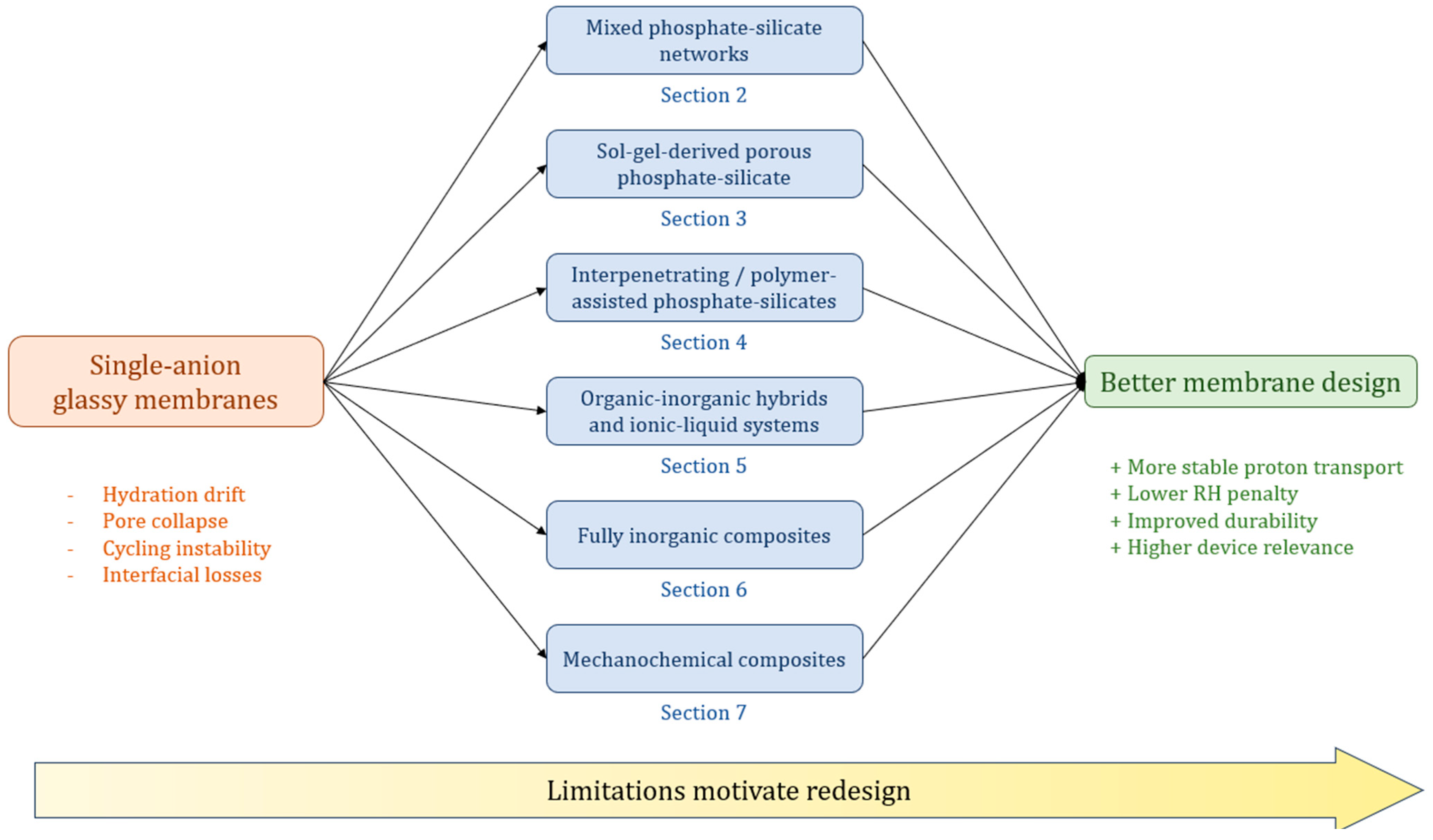
The discussion is organized deliberately as a problem-to-solution sequence.
Section 2 revisits early phosphate–silicate studies only insofar as they clarify what mixed-network chemistry can and cannot contribute to proton transport.
Section 3 then addresses sol–gel phosphate–silicates, where aging, drying, templating, and pore collapse make processing history inseparable from transport behavior.
Section 4,
Section 5,
Section 6 and
Section 7 move progressively toward more complex mitigation strategies: interpenetrating networks, organic–inorganic and ionic-liquid-modified systems, fully inorganic composites, and mechanochemical routes.
Section 8 condenses the synthetic logic of these families, whereas
Section 9 and
Section 10 convert the literature survey into a comparative, device-oriented assessment.
Figure 1 depicts considerations undertaken in this part of the review, in connection with the conclusion of Part I.
Although phosphate–silicate composite materials are widely studied outside electrochemistry—for example, in bioactive, optical, antimicrobial, and sealing applications [
1,
2,
3,
4,
5,
6,
7,
8,
9,
10,
11,
12,
13,
14,
15,
16,
17]—those topics are not reviewed here. They are mentioned only to show that mixed inorganic networks are synthetically accessible and compositionally versatile. The focus of the present article is narrower: proton transport, hydration tolerance, structural stability, and membrane relevance under intermediate-temperature fuel-cell conditions.
The central question of Part II is, therefore, not whether a given composition can be made conductive under favorable humidity, but whether a specific design strategy produces a proton-conduction environment that remains useful when conductivity, water retention, mechanical integrity, chemical compatibility, and device integration are judged together. This analytical shift—from cataloguing systems to benchmarking transport environments—is the main organizing principle of the present article.
2. Phosphate–Silicate Interactions in Mixed Networks
The early literature on phosphate–silicate glasses is valuable primarily as a mechanistic prehistory. It shows that phosphorus incorporation can restructure silica networks and alter local bonding, density, and thermal behavior. However, most of these studies were aimed at dielectric, optical, or semiconductor applications rather than proton-conductive membranes. For that reason, the key issue in this section is not historical completeness, but whether the reported structural effects can plausibly be translated into ion transport advantages relevant to the present review.
In a related contribution, Naumaan and Boyd [
18] investigated the optical properties of phosphate–silicate glass prepared as 4–22 µm-thick layers by a high-temperature process using POCl
3 or PH
3 as phosphorus sources. The average P
2O
5 content was approximately 5 mol%. Although the authors concluded that the dopant distribution was inhomogeneous, they did not report electrical properties. Instead, they emphasized the need for theoretical models describing the thermodynamic and rheological behavior of the resulting layers.
Murarka et al. [
19] provided a more detailed assessment of the electrical properties of related phosphate–silicate systems, focusing on capacitance–voltage characteristics. The films were prepared by chemical vapor deposition on silicon substrates. In addition to electrical measurements, hydrogen concentration profiles were determined using
15N nuclear reaction analysis [
20]. The authors showed that incorporation of both phosphorus and hydrogen restructures the silicate sublattice. However, because the study addressed electronic and semiconductor-relevant properties rather than ionic transport, its conclusions cannot be transferred directly to ion-conducting membranes, where proton-transport functionality and chemical stability are the key criteria of usefulness.
In contrast, Łączka and Ciecińska [
21] investigated phosphate–silicate thin films modified with Al
2O
3 and Na
2O. The materials were deposited onto quartz and sodium–calcium silicate glass substrates via acidic hydrolysis of tetraethoxysilicate (as the silicate precursor) with either POCl
3 or PO(OEt)
3 as the phosphate source. The two precursors exhibited markedly different hydrolysis and polycondensation kinetics. Oxide network formation required only a few hours when POCl
3 was used, whereas PO(OEt)
3 required reaction times of up to ~20 days. The authors further reported that prolonged and repeated thermal treatment promoted crystallization, whereas gradual heating to the same final temperature (1000 °C) without annealing did not induce devitrification. The latter was confirmed by FT-IR spectroscopy. Surface ionic conductivities of up to ~10
−8 S∙cm
−1 were reported for Al-containing films, while Na-doped analogues showed substantially lower values. This difference was attributed to the stronger binding of Na
+ cations within the phosphate sublattice.
The same research group subsequently reported a more detailed investigation of the thermal behavior of comparable systems [
22]. In particular, the gel → xerogel → glass transition was analyzed as a function of composition and the phosphorus-bearing precursor employed. The authors proposed that the amount of interstitial liquid removed upon heating, estimated from mass loss, correlates with both the porosity of the resulting xerogel and its shrinkage. With prolonged heating, continued water release was demonstrated to induce pore collapse and the formation of a contiguous glass. This densification was further associated with the progressive incorporation of cations into the phosphate–silicate framework.
Related sol–gel-derived phosphate–silicate materials (in
Section 3 described in terms of proton-conducting materials) were examined by Hayri et al. as sodium- and lithium-ion conductors [
23]. Building on their earlier work [
24], the authors emphasized that properties of “wet” (soaking–free) sol–gel-derived materials and those prepared by high–temperature routes are not directly comparable. The sol–gel materials were argued to retain a higher degree of structural disorder and larger free volume than melt-quenched monoliths, which may facilitate ionic transport. In this context, the mobility of larger K
+ ions was observed only in the thermally quenched materials. Thermal analysis (DTA) indicated a water-desorption event near 423 K, while crystallization was observed above 723 K or 873 K for the 0.10Na
2O–0.25P
2O
5–0.65SiO
2 and 0.15Na
2O–0.20P
2O
5–0.65SiO
2 compositions, respectively. These transformations were corroborated by DTA and PXRD. Spectroscopic data further suggested the presence of LiH
2PO
4 and NaH
2PO
4 phases, even when partially crystallized specimens annealed at slightly lower temperatures did not display corresponding diffraction features. Finally, the lithium-containing materials exhibited higher ionic conductivity (~2 × 10
−6 S∙cm
−1) than their sodium-based analogues (~5 × 10
−7 S∙cm
−1).
Sitarz [
25] investigated the structure of related Al-containing materials using
27Al MAS NMR spectroscopy. Aluminum was found to occur exclusively in tetrahedral coordination. Moreover, its presence induced substantial changes in the resulting structure. In particular, P=O bonds were reported to be eliminated, with phosphorus instead associated with dispersed NaCaPO
4 or KCaPO
4 phases.
Daiko et al. [
26] reported the application of borosilicate and phosphate–silicate glasses in hydrogen fuel cells. Although both glass families contain potentially mobile alkali cations (e.g., Na
+ and K
+), the authors interpreted the measured charge transport as predominantly protonic on the basis of hydrogen concentration cell measurements performed with “glass-penetrating” platinum electrodes. Only limited conductivity data were provided. The transport response was described as strongly thickness-dependent, with an area-specific resistance at 500 °C of 9 Ω·cm
2 for a 40 μm specimen and 4000 Ω·cm
2 for a 1.5 mm specimen. Consistent with these limitations, the H
2|glass|O
2 fuel-cell tests yielded poor performance. Although the open-circuit voltage reached ~1.1 V, the current density at 500 °C was only ~0.6 mA·cm
−2, and the maximum power density was ~0.2 mW·cm
−2 at ~0.35 mA·cm
−2. At lower temperatures, the performance declined further, reaching ~0.02 mW·cm
−2 and ~0.05 mA·cm
−2 at 400 °C and ~0.05 mW·cm
−2 and ~0.2 mA·cm
−2 at 450 °C.
The influence of less common cationic additives, such as Cu [
27], Mo [
28,
29], and Fe [
30], on phosphate–silicate glasses has also been reported. In the case of copper, changes in glass formation behavior, including a shift in the glass-transition temperature, were attributed to local interactions associated with the formation of P-O-Cu structural units upon incorporation of Cu into a SiO
2-P
2O
5-K
2O-MgO-CaO glass. In contrast, molybdenum was found to behave differently. Either the MoO
3 or CaMoO
4 phases were clearly segregated from the doped glass matrix. Moreover, Mo addition promoted devitrification of the glass backbone and accelerated the multi-step crystallization process.
Taken together, these early mixed-network studies demonstrate that phosphate–silicate chemistry offers broad structural tunability and clear spectroscopic evidence of local bond rearrangement, but they do not by themselves establish a viable membrane platform. Most datasets remain remote from the present target problem because they emphasize a dielectric/optical response, lack humidity-resolved conductivity, or operate at temperatures and geometries that are not transferable to practical membranes. Their value for Part II is, therefore, selective. They justify treating mixed-network chemistry as a tunable design variable, while also showing that transport performance must be demonstrated explicitly rather than inferred from structural novelty alone.
3. Sol–Gel-Derived Phosphate–Silicate Proton Conductors
3.1. Foundational Sol–Gel Concept: Hydrated Pore Networks as Proton Pathways
Among all mixed phosphate–silicate strategies, sol–gel-derived materials are the clearest example of why processing history must be treated as part of the membrane design rather than as a mere preparation detail. Their appeal lies in the possibility of coupling phosphate-derived acidic sites with a hydration-accessible silicate pore network; their difficulty is that conductivity, water retention, shrinkage, and cracking evolve together during aging, drying, and annealing.
Nogami et al. [
31] first proposed the use of said methods to obtain phosphate–silicate glassy proton conductors, a concept subsequently developed in a series of research articles and reviews. In their framework, such materials were considered not only as chemically robust inorganic membranes for fuel–cell operation but also as solid electrolytes for hydrogen gas-sensing based on hydrogen concentration cells. In one representative study, a phosphate–silicate glass containing 5 mol% P
2O
5 (specific surface area ~250 m
2∙g
−1) and exhibiting conductivity from ~6 × 10
−5 to ~2 × 10
−2 S∙cm
−1, depending on humidification (water-vapor pressure 0.54 and 0.9 bar, respectively), was employed as the electrolyte in a hydrogen concentration cell operated at 50 °C and 0.54 bar water vapor. The measured EMF ranged from 0 to 60 mV for hydrogen partial-pressure ratios between 1 and 100. A Nernstian response to hydrogen partial pressure was reported, which was interpreted as evidence that charge was transported predominantly by protons, without a detectable crossover of gaseous hydrogen through the membrane.
A related study by the same group examined how the EMF of the hydrogen concentration cell depends on the hydration level of the glass electrolyte [
32]. At a relative humidity below ~60%, deviations from the theoretical Nernst slope (n = 2) were observed. Depending on the composition and annealing history, the apparent parameter reached values of ~2.4 and ~3.0 at 30% RH for samples annealed at 700 and 600 °C, respectively. The authors attributed this behavior to incomplete filling of the pore network at low water content. Unfilled pores could provide pathways for molecular hydrogen, thereby compromising the ideal Nernstian response. Consistently, samples with a smaller pore size and pore volume were suggested to be more promising for gas-sensing applications, as the deviation was less pronounced.
In the context of fuel-cell applications, the same authors argued that these inorganic electrolytes could overcome limitations typical of polymer-based PEM membranes, particularly chemical and mechanical degradation under prolonged PEMFC operation [
33]. They further reported that members of this material family retain relatively high protonic conductivity down to at least −20 °C, and that the “kink” in the temperature–conductivity relationship that defines the practical low-temperature limit may occur even lower, at around −50 °C [
34]. On this basis, sol–gel-derived fast proton-conducting glasses were proposed as potential alternatives to fluoropolymer membranes in fuel-cell systems.
To obtain these materials, Nogami and co-workers proposed a sol–gel route aimed at producing a hydrated inorganic network, in which proton transport is governed by pore-space water and acidic phosphate-derived sites. In one report, a three–step hydrolysis protocol was employed [
34]. First, the silicon precursor (tetraethoxysilane, TEOS) was hydrolyzed in excess water to yield a viscous sol. Next, trimethyl phosphate (TMP) was introduced and hydrolyzed using the water already present in the system. Finally, hydrolysis was completed by adding a water–formamide mixture. Although formamide does not directly participate in the hydrolysis/condensation reactions, it acts as a pore-forming agent. After prolonged conditioning under controlled evaporation (on the order of one month), stiff, water-containing specimens with thicknesses of ~0.2–1.0 mm were obtained. The material remained in equilibrium with ambient humidity, which affected not only hydration but also shrinkage and, consequently, dimensions and mechanical properties—an aspect potentially relevant for fuel-cell operation, where repeated hydration/dehydration during start–stop cycles could be detrimental for intrinsically brittle electrolytes.
The authors claimed stability up to ~900 °C and reported that the pore structure is retained within the same temperature window. For a specimen treated at 700 °C, a specific surface area of 488 m2∙g−1 and a pore volume of 0.37 cm3∙g−1 were reported, with an average pore diameter of ~3 nm and a maximum pore diameter below ~5 nm. Importantly, 31P NMR indicated that phosphorus-containing moieties are bonded to polysilicic species but are not polymerized into an extended polyphosphate network. This finding contrasts with the often invoked picture of two interpenetrating networks (polysilicic and polyphosphoric acids). The discrepancy was attributed to the specific multi-step synthetic pathway, which was suggested to yield an inhomogeneous distribution of phosphate-derived species concentrated at internal pore surfaces, thereby amplifying their contribution to overall conductivity.
3.2. Processing Fingerprints: Precursor Choice, Aging, and Thermal Treatment
A more systematic analysis of pore-space evolution as a function of preparation and annealing conditions was provided in a subsequent study [
35]. Two phosphate–silicate compositions containing 2 and 5 mol% P
2O
5 were synthesized via a two-step hydrolysis route from TEOS and TMP in an acidified water–ethanol medium containing formamide. In both cases, increasing the annealing temperature from 600 to 800 °C produced a pronounced decrease in specific surface area: from 779 to 317 m
2∙g
−1 for the 2 mol% P
2O
5 material and from 504 to 21 m
2∙g
−1 for the 5 mol% P
2O
5 material. Notably, the higher-phosphate glass, which nominally contains a larger concentration of proton-bearing sites, was also more sensitive to thermal treatment, consistent with accelerated pore collapse/densification upon annealing. For comparison, purely silicate materials exhibited substantially lower ionic conductivity (~10
−3 S∙cm
−1, versus ~10
−2 to ~2 × 10
−2 S∙cm
−1 reported for mixed glasses) and did not show a similarly strong dependence of the specific surface area on the annealing temperature.
In another study of closely related compositions (10P
2O
5·90SiO
2 and 20P
2O
5·80SiO
2, mol%), materials were prepared from TEOS and TMP in an acidified water–ethanol mixture without formamide, highlighting the critical role of the pore-forming additive [
36]. While freshly prepared xerogels were highly porous, conversion to glasses by heat treatment at 500 or 600 °C resulted in a ~10% linear shrinkage and a marked reduction in specific surface area, from 4.1 m
2∙g
−1 (500 °C) to 2.6 m
2∙g
−1 (600 °C). The order of magnitude difference in surface area relative to formamide-assisted routes was attributed to the absence of the pore-forming agent rather than to phosphate content. Increasing the annealing temperature also reduced the mean pore size from ~2.5 to ~2.1 nm and decreased the pore volume from 0.0051 to 0.0027 cm
3∙g
−1. Further heating above ~900 °C was found to induce a viscous flow, leading to severe shrinkage and the collapse of the internal pore network.
Despite applying a multi-step preparation of samples (annealing, cooling to ambient temperature, rehydration over two days, and reheating to 160–220 °C) prior to conductivity measurements, the reported conductivities were substantially lower than the values reported elsewhere. For the 10 mol% P2O5 glass, log σ ranged from −14.6 to −8.9 (corresponding to ~2.5 × 10⁻¹⁵ to ~1.25 × 10⁻⁹ S∙cm−1), with Ea = 50–60 kJ∙mol−1 and water contents of ~1.3–2.2 wt%. For the 20 mol% P2O5 sample, log σ ranged from −9.6 to −8.5 (~2.5 × 10⁻¹⁰ to ~3.16 × 10⁻⁹ S∙cm−1), with Ea = 33–82 kJ∙mol−1 and water contents of ~1.08–2.3 wt%. These results underscore that processing history and resulting pore-space hydration can dominate the measured transport properties, complicating direct comparison across nominally similar compositions.
In a subsequent study, a broader set of mixed phosphate–silicate glasses was synthesized using different phosphorus precursors, including PO(OCH
3)
3 (trimethyl phosphate, TMP), POCl
3, and H
3PO
4 [
37]. In all cases, the silicate sublattice was derived either from Si(OEt)
4 (TEOS) or from colloidal silica with an average particle size of ~26 nm. An HCl-containing water–ethanol medium was employed to moderate the kinetics of hydrolysis/condensation, and a cationic surfactant was introduced to control pore formation. The resulting materials exhibited average pore diameters spanning ~2–30 nm. Samples derived from TEOS generally showed narrower pore-size distributions than those prepared from colloidal silica, which displayed broader distributions. Importantly, surfactant addition reduced the average pore diameter and, according to the authors, improved protonic conductivity by enhancing water retention. In this interpretation, smaller pores become fully water-filled at lower relative humidity, enabling continuous proton-transport pathways. Consistently, materials with the smallest pores reached a conductivity plateau at ~50% RH, whereas samples with larger pores continued to show increasing conductivity up to ~90% RH.
Arrhenius-type behavior was reported for both conductivity and dielectric relaxation rates, supporting an activated transport picture [
37]. The study further correlated a single–temperature conductivity value (measured at 50 °C) and the associated activation energy with the fraction of pore volume filled by water. With increasing water content, the activation energy decreased approximately linearly from ~40 kJ∙mol
−1 at ~5% pore filling to ~10 kJ∙mol
−1 at ~90% filling. The latter value is comparable to typical activation energies for proton transport in aqueous media, whereas the higher value at low filling was interpreted as evidence for transport dominated by partially wetted pore walls rather than a bulk liquid phase. In contrast, the conductivity–filling relation exhibited a “kink” around ~15–20% filling, which was tentatively associated with a transition from a predominantly surface-mediated transport to a volume-mediated transport through a more continuous water phase.
The same group further examined the role of water diffusion in proton transport in phosphate–silicate glasses [
38]. The diffusion coefficient of water in these materials was estimated to be on the order of 10
−7 cm
2∙s
−1 at room temperature. Moreover, conductivity was found to scale with the logarithm of the number of water molecules per unit of free-pore volume. Based on NMR measurements, the activation energy for proton transfer through the glass was estimated at ~10 kJ∙mol
−1 and was demonstrated to be largely independent of hydration level. By contrast, activation energies derived from impedance spectroscopy depended strongly on water content and approached ~10 kJ∙mol
−1 only for fully hydrated specimens. This divergence was interpreted as further evidence that macroscopic proton mobility is tightly coupled with hopping processes mediated by water molecules occupying the pore network.
At this stage, a mechanistic pattern is already visible. Changing precursor identity or heat-treatment history does not simply shift conductivity up or down; it redistributes water between partially filled pores, surface-bound states, and more continuous liquid-like pathways. That is why apparently similar σ values can correspond to different activation energies and very different stability margins.
3.3. Pore Size, Pore Orientation, and Hydration-Controlled Transport Crossover
Beyond pore size and water content, pore orientation can also play a decisive role in determining the effective proton conductivity of phosphate–silicate glasses. To probe this factor, self-orienting polysilicate-based glassy layers were prepared by combining a sol–gel route (tetraethyl orthosilicate precursor with HCl as a catalyst) with dip–coating in the presence of a surfactant (CTAB, [CH
3(CH
2)
15N
+(CH
3)
3]Br
−) acting as a pore-structure director [
39]. In the as-prepared films, the pore system developed predominantly parallel to the film surface. Such an orientation was argued to be unfavorable for through-plane proton transport, and accordingly, only low conductivities were reported.
The same work showed, however, that introducing an aging step for the precursor solution prior to dip-coating altered pore-texture development. Under these conditions, a three-dimensionally ordered pore network was obtained, and significantly higher protonic conductivity was observed. For specimens prepared with ~1 h aging, conductivities were on the order of 10−7 S∙cm−1, whereas extending aging up to ~240 h yielded conductivities exceeding 10−5 S∙cm−1 across most of the investigated temperature range. Moreover, the emergence of a three-dimensionally ordered pore network strengthened the humidity dependence of conductivity. While the lowest-conductivity samples exhibited only about a twofold increase upon raising humidity from 30 to 90% RH, the ordered pore specimens showed increases of up to two orders of magnitude over the same RH range. These observations were interpreted in terms of a change in the dominant transport pathway. For poorly textured films, conductivity was suggested to be governed mainly by proton transport within the bulk glass, with limited contribution from pore–water pathways. In contrast, for appropriately textured materials, pore-space water and the associated percolating proton-conduction channels were proposed to dominate the overall transport response.
For mixed phosphate–silicate proton conductors, Daiko [
40] similarly emphasized that pore-space characteristics are essential for understanding conductivity across wide ranges of temperature and humidification when materials are prepared by sol–gel routes. Protonic conductivity enhancement was reported to correlate strongly with water uptake within the pore network. In particular, for pores with diameters below ~5 nm, water molecules were suggested to become increasingly immobilized at internal surfaces. Under such conditions, conductivity at ambient and moderately elevated temperatures decreased, largely irrespective of the nominal hydration level. Conversely, the same confinement effect was argued to improve low-temperature performance. Immobilization of water in pores with radii on the order of ~1 nm was proposed to suppress freezing and thereby maintain measurable proton conductivity down to very low temperatures (reported to approach −100 °C). This behavior was contrasted with analogous compositions prepared by melt quenching, where conductivities were lower, and the dominant charge transport mechanism was argued to differ, being attributed to excess protons incorporated into the bulk structure via electrochemical interactions at the surface with a hydrogen reversible electrode rather than to pore-mediated transport.
In a follow-up report, the same author [
41] reinforced these conclusions and proposed an additional correlation between proton spin–lattice relaxation times for pore-confined water and the inverse of average pore radius. The relaxation time increased by approximately a factor of three as the pore radius decreased from ~10 to ~1 nm, consistent with progressively restricted water mobility in smaller pores. In agreement with this picture, materials containing larger pores exhibited an abrupt drop in protonic conductivity upon the freezing of pore water near 0 °C, whereas fine-pored analogues showed a smoother and more continuous decrease down to approximately −40 °C, again supporting the suppression of freezing under strong confinement.
Further evidence for the central role of water in governing charge transport was provided by Wang et al. for 10P
2O
5·90SiO
2 and 20P
2O
5·80SiO
2 (mol%) matrices [
36]. The authors showed that, although the intrinsic transport process follows Arrhenius behavior, the measured temperature dependence of conductivity in non-humidified samples is more complex because heating simultaneously alters the hydration state of the porous glass. Specifically, conductivity first decreases upon heating as the material dries. Once a threshold temperature is exceeded, typically around 100 °C, the residual water content becomes more stable and an approximately Arrhenius-like regime is recovered up to at least 230 °C, where the measurements were terminated. The overall profile also depended on a pre-annealing temperature in the range 160–220 °C. Higher pre-annealing temperatures produced lower conductivity throughout the measurement window, consistent with reduced water retention and progressive densification of the pore space.
At the same time, the conductivity values reported in that work (on the order of ~10−14 to 10−12 S∙cm−1 for 10 mol% P2O5, and ~10−10 to 10−8 S∙cm−1 for 20 mol% P2O5) were far below those typically considered relevant for practical electrochemical devices, where conductivities are often at least ~10−2 S∙cm−1. Moreover, the authors noted that differences in the governing transport phenomena between specimens of substantially different composition complicate direct transfer of these conclusions to more highly conductive phosphate–silicate systems emphasized elsewhere in the present review.
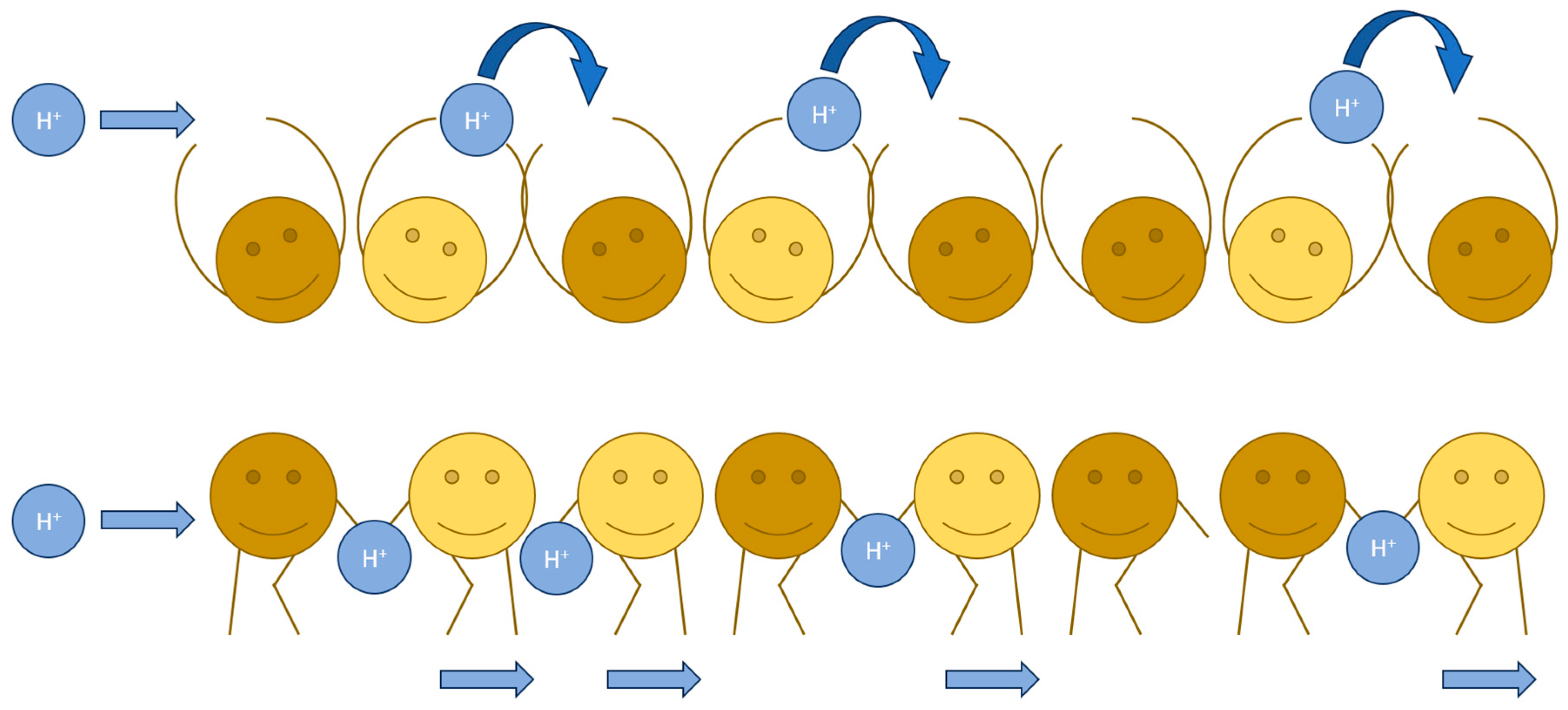
Figure 2 shows various proton conduction mechanisms—Grotthus (present in freshly prepared glasses) and a vehicle one (introduced, e.g., by sample aging).
These studies collectively show how aging controls connectivity. Short aging preserves a less organized pore texture and weaker through-plane percolation, whereas longer aging can promote a more continuous three-dimensional network. The same evolution can improve conductivity yet simultaneously increase dependence on retained water, making the aging step a transport lever but also a durability risk.
3.4. Mesostructure Engineering: Templating, Formamide, and Anti-Collapse Strategies
Given the sensitivity of conductivity to pore-space morphology and hydration, it is of interest to assess whether sol–gel routes can yield materials with more rigorously defined mesostructures [
43]. In one approach, a template-assisted process was developed using a non-ionic surfactant (C
16H
33(OCH
2CH
2)
10OH) immobilized on the substrate surface during preparation of phosphate–silicate thin films. Immediately after gelation, an ordered cubic mesoporous structure had specific surface areas up to ~1030 m
2∙g
−1 and an average pore diameter estimated to be ~2.5 nm. However, this mesostructure exhibited limited thermal stability, with gradual degradation upon prolonged annealing. The resulting films, with conductivities on the order of ~10
−3 S∙cm
−1 at 80 °C and 70% RH, did not outperform conventionally prepared materials of comparable composition.
A related study on ordered films prepared with the same templating agent reported a lower specific surface area (~577 m
2∙g
−1), a pore volume of ~0.31 cm
3∙g
−1, and an average pore size of ~2.5 nm for ~0.5 µm-thick specimens [
43]. Here, emphasis was placed on the low area-specific resistivity, which decreased from ~0.4 to ~0.1 Ω∙cm as the temperature increased from 40 to 80 °C. The resistivity also decreased sharply upon initial humidification and was then reported to remain low even after subsequent exposure to drier conditions, becoming comparatively insensitive to further humidity variations. On this basis, the authors suggested that electrolytes with such mesostructures could offer simplified water management in practical fuel-cell operation, potentially reducing system-level costs.
In a subsequent report, the same authors examined how formamide addition to the hydrolysis mixture affects the structure and transport properties of phosphate–silicate glasses [
44]. A series of nominal compositions xP
2O
5–(100 − x)SiO
2 with x = 10–50 mol% was synthesized via sol–gel processing from TEOS and TMP. When used, formamide was introduced at a fixed ratio of 0.2 mL per gram of the resulting glass. The gels were dried over an extended period (up to six months) and subsequently annealed at 500–800 °C to obtain glassy specimens. For the pristine materials, conductivities were reported in the range of ~10
−7 to 10
−6 S∙cm
−1 for x = 10 mol% and ~10
−5 to 10
−4 S∙cm
−1 for x = 20 mol%. In contrast, glasses of the same nominal compositions prepared with formamide exhibited conductivities of ~10
−3 S∙cm
−1 in both cases. Concomitantly, activation energies decreased from ~25–28 kJ∙mol
−1 (pristine) to ~9–10 kJ∙mol
−1 (formamide modified), consistent with a transition toward a more water-mediated proton transport regime.
These conductivity enhancements were accompanied by pronounced changes in porosity. For samples annealed at 500 °C, the specific surface area was ~100 m2∙g−1 for pristine materials, whereas formamide-modified analogues reached ~400–500 m2∙g−1. Upon annealing at 800 °C, both pristine and modified samples underwent pore collapse and converged to surface areas on the order of ~10 m2∙g−1. The authors, therefore, concluded that formamide acts as an effective pore-forming agent, markedly improving proton-transport properties through enhanced and better-retained pore-space hydration.
Because pore collapse at elevated temperatures remains a major limitation, Falco and co-workers proposed countermeasures aimed at stabilizing the mesostructure of sol–gel-derived phosphate–silicate glasses [
45]. In particular, lanthanum incorporation into the glassy framework, implemented via impregnation of the pristine material with an aqueous lanthanum salt solution followed by drying (110 °C, 24 h) and calcination (550 °C), was found to improve the specific surface area while leaving total pore volume essentially unchanged. Using a related sol–gel route originally proposed by Aronne et al. [
46], the authors reported surface-area enhancements on the order of ~3–50% relative to the unmodified materials, indicating that rare-earth modification can partially mitigate thermally induced densification without fundamentally altering the pore volume.
In practical terms, the sol–gel aging sequence can be summarized as follows: Longer condensation or templating time organizes the internal surface, better-organized mesoporosity increases the fraction of water-filled pathways, and this lowers the apparent activation barrier toward values typical of water-assisted proton transfer. Excessive thermal densification then reverses this benefit by collapsing pores and converting accessible -OH/H2O populations into less conductive condensed structures.
3.5. Composition Optimization, Accelerated Processing, and Residual Limitations
Nogami et al. [
47] also addressed how proton transport depends on the content of phosphate structural units within the amorphous network. In that work, simultaneous hydrolysis of TEOS and TMP was argued to produce phosphate moieties dispersed within the silicate matrix without a significant formation of P-O-Si linkages (as reported elsewhere for related systems [
36]). As in other studies, protonic conductivity was strongly controlled by pore–water uptake. At 30 °C, a plateau was reached at ~70% RH, consistent with saturation of the pore network by adsorbed water. Interestingly, a similar humidity–conductivity profile was reported even above 300 °C, whereas measurements slightly below 200 °C temperatures relevant for intermediate-temperature fuel-cell operation indicated reduced sensitivity of conductivity to ambient humidity.
The authors further reported that conductivity increases with P2O5 content up to ~10 mol%, beyond which improvements were less favorable. This behavior was attributed to clustering of phosphate units, which was suggested to lower the effective concentration of the P-OH groups responsible for supplying mobile protons. A key limitation identified was chemical instability under prolonged water contact. Because phosphate sites were described as relatively isolated (i.e., not strongly integrated into the silicate matrix), elution of H3PO4 into aqueous media was detected by ICP analysis, whereas no analogous leaching of silicon-containing species was observed.
A related family with higher nominal phosphate content was investigated by Matsuda et al. [
48]. In this work, TEOS and H
3PO
4 were used as sol–gel precursors in a water–ethanol medium. After preliminary drying in air, the resulting xerogel was heat-treated at 150 °C for 5 h and subsequently pulverized. Notably, unlike many of the systems discussed above, these materials were not subjected to high-temperature annealing/calcination. Structural characterization indicated that even this mild drying/heat treatment promoted the formation of crystalline Si
5O(PO
4)
6, together with highly condensed phosphate species. Importantly, the authors described these processes as reversible. Rehydration/hydrolysis of the condensed phases and the crystalline component was suggested to regenerate proton-conducting moieties such as Si-O-P-OH, enabling the material to retain high protonic conductivity in the range ~10
−3 to 10
−1 S∙cm
−1.
For materials with nominal P:Si ratios between ~0.5 and ~1.5, the loss of phosphorus upon exposure at 30 °C and 60% RH for 3 h was confirmed in [
48]. EDX analysis indicated a decrease in P:Si for the most phosphate-rich sample (from ~1.5:1 to ~1:1), whereas the composition of the 0.5:1 material remained essentially unchanged. In a separate study, Nogami and co-workers [
49] reported pelletized phosphate–silicate membranes in which phosphoric acid served as a binder and evaluated their use in membrane–electrode assemblies (MEAs). In that approach, a catalyst ink containing Pt/C and a PTFE–based binder (10 wt% PTFE solution) was combined with a magnesium–phosphate glass component as a structure-forming agent and deposited onto carbon paper. The resulting electrodes were bonded to the pelletized glass electrolyte and tested in an H
2/O
2 fuel-cell configuration at 80 °C and 100% RH. The best performance reported reached ~70.3 mW∙cm
−2 and ~276.5 mA∙cm
−2 at voltages below 0.4 V.
While the original sol–gel routes often involve long drying periods (on the order of months), Tung et al. [
50] proposed an accelerated xerogel formation protocol based on water-vapor management. Using the same general precursor system (TEOS + TMP in water–ethanol with HCl and formamide), they shortened the overall processing time from ~six months to ~three days. The gelation temperature was increased to ~60 °C, and the final treatment consisted of sintering in a water-vapor-saturated atmosphere starting at 200 °C, with gradual heating to 700 °C. FT-IR spectroscopy was used to monitor residual precursors and formamide, indicating a complete decomposition of organic residues upon annealing. The water-vapor-managed treatment was also reported to yield higher hydration levels and, consequently, higher protonic conductivity. DTA/DTG revealed three stages of mass loss (from room temperature to 100 °C, 100–140 °C, and 140–250 °C), attributed to the removal of physically adsorbed water, desorption of hydrogen-bonded water, and decomposition of residual organics, respectively. Conductivity values were reported to fall in the range ~10
−3 S∙cm
−1 at 50% RH and ~10
−2 S∙cm
−1 at 100% RH for more highly hydrated specimens.
Additional structural and thermal information on phosphate–silicate glasses annealed at elevated temperatures was reported by Elisa and co-workers [
51]. For powdered materials prepared from TEOS and triethyl phosphate (TEP) or from TEOS hydrolyzed in the presence of H
3PO
4, the authors proved an endothermic event near 140 °C, which they attributed to polycondensation within the gel structure, accompanied by evaporation of generated water and removal of ethanol (as solvent and hydrolysis by-product). They further claimed thermal stability up to 1200 °C based on the absence of other thermal events. However, PXRD patterns for samples annealed at 600 and 900 °C indicated at least partial crystallization (devitrification), suggesting that structural evolution does occur under these conditions.
A distinct modification of the preparation procedure was proposed by Xiong et al. [
52], who employed UV irradiation as an auxiliary step in processing phosphate–silicate proton-conducting glasses. In their approach, specimens were irradiated for 48 h using light in the 187–254 nm range. The treatment was argued to promote photochemical ozone formation in the surrounding atmosphere, thereby accelerating oxidative removal of residual organic species and shortening the effective annealing stage. The resulting materials exhibited specific surface areas of ~600–640 m
2∙g
−1 with average pore diameters of ~11.5 and ~10.9 nm. The authors also reported an average pore-wall thickness (i.e., inter-pore distance) of ~4.9 nm for the sample with larger pores and ~5.4 nm for the other specimen. Despite the favorable textural parameters, the ionic conductivities reported were comparatively modest: phosphate-free samples exhibited conductivities in the range ~10
−6 to 3 × 10
−5 S∙cm
−1, whereas phosphate-containing specimens reached ~10
−4 to 3 × 10
−4 S∙cm
−1 over 25–100 °C.
Finally, Styskalik et al. [
53] proposed a non-hydrolytic route to phosphate–silicate xerogels based on the reactions between acetoxysilanes and trimethylsilyl esters of phosphoric acid. This strategy was presented as a means of producing materials with controlled micro- and mesoporosity and cross-linked matrices in which silicon and phosphoryl units are homogeneously dispersed. The two sublattices were reported to be interconnected by Si-O-P(=O) linkages. Depending on the precursor set, specific surface areas in the range ~350–700 m
2∙g
−1 were obtained, with the average pore diameters spanning ~12 to ~2 nm. The study focused primarily on structural characterization and did not report proton mobility or ionic conductivity. Nevertheless, some of the proposed structures appear to incorporate P-OH units, which suggests potential relevance for electrochemical applications and motivates future transport-focused investigations.
Sol–gel-derived phosphate–silicates are therefore best viewed as a processing-controlled transport platform rather than as a single material class. All described systems are collected in
Table 1 below. Their main advantage is that pore topology, hydration state, and phosphate distribution can be engineered simultaneously; their main weakness is that the same variables remain highly path-dependent, so cross-study comparison is reliable only when the precursor chemistry, aging, drying, annealing, and humidity are reported together. This is precisely why they dominate the field conceptually yet still fall short of a universally transferable membrane recipe.
4. Interpenetrating Networks and Polymer–Assisted Modification
In our previous work [
54,
55], an interpenetrating inorganic/polymeric network of phosphate and silicate species was prepared using a modified sol–gel route based on the method proposed by Nogami et al. [
33,
35]. As in the original procedure, formamide was used as a pore-forming agent to tailor the final glass structure. In addition, polymeric additives such as PEO (poly(ethylene oxide)) and PVA (poly(vinyl alcohol)) were introduced to reduce internal stress and improve the mechanical integrity of specimens obtained after accelerated thermal annealing (more on the conditions such as pH or temperature in [
54,
55]). Importantly, these organic components are no longer expected to remain in the membrane after prolonged exposure to air or oxygen within the operating temperature range. This can be rationalized by their chemical behavior. Both polymers readily undergo acid-catalyzed depolymerization in the presence of acidic groups in the glass, producing volatile low-molecular-weight species, and both are also easily oxidized to water and CO
2. Using this approach, pristine glasses, as well as composites doped with various forms of TiO
2, were obtained. The TiO
2 additive was introduced either as anatase nanopowder added directly to the reaction mixture together with the organic components or generated in situ through an additional hydrolysis step using tetraethoxytitanium (TEOT) as a third precursor. These two approaches lead to different microstructures. In the nanopowder route, a distinct anatase TiO
2 phase is present and acts as a separate ceramic filler, whereas in the in situ route, the same nominal Ti content is incorporated into the glass network as non-crystalline intermediate species, TiO
x(OH)
4−2x. As a first step, conductivity was measured for non-humidified samples over the 20–250 °C range. As long as the polymer-modified framework remained sufficiently rigid, an Arrhenius-type temperature dependence of ionic conductivity was expected and was indeed observed.
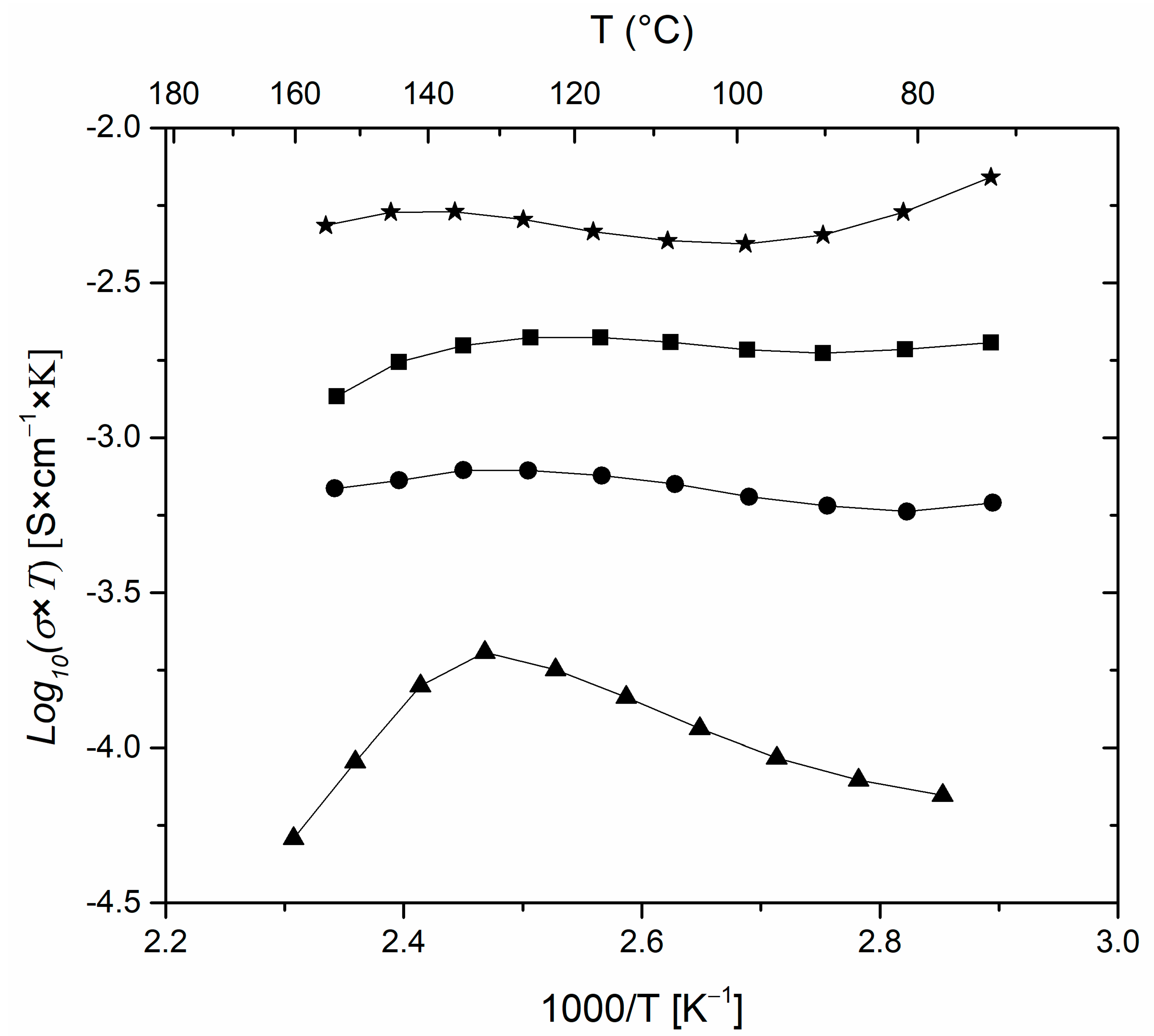
Figure 3 presents in detail the Arrhenius-like part of the response recorded during the heating sub-cycle for the complementary family of systems modified with PVA additives and TiO
2. The linear regime extends only over 70–150 °C, with the exact limits depending on composition, but generally not deviating by more than ±20 °C. Below the lower limit, transport conditions were unstable because of the initial drying of the material. Above the upper limit, samples that were not additionally humidified during measurement underwent progressive dehydration.
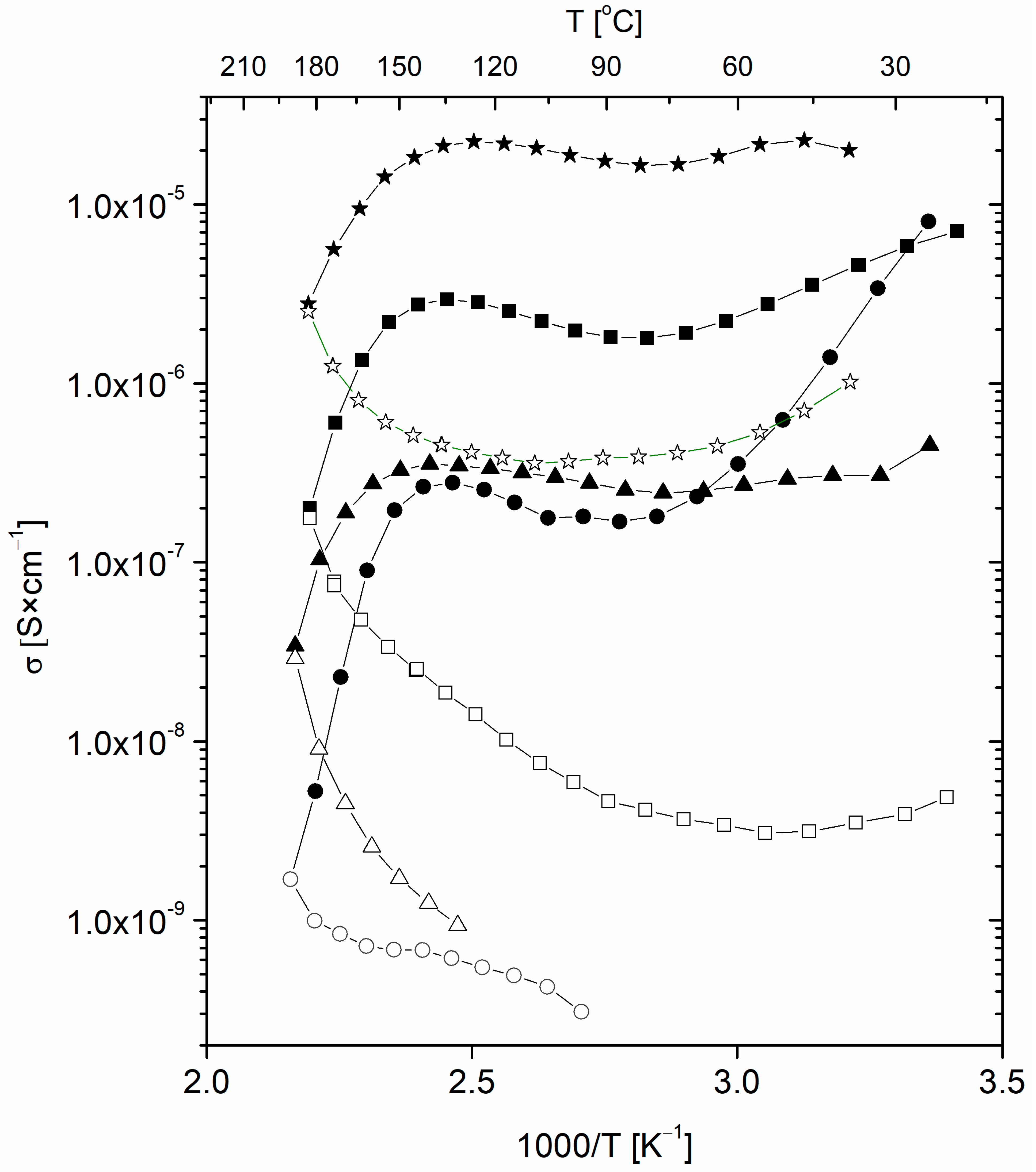
In the next step, measurements were performed during the cooling sub-cycle. In this case, the shape of the recorded curve could be attributed to an incomplete “reversed image” of the processes observed during heating (
Figure 4).
The missing part of the reverse curve corresponds to dehydration that occurred at high temperature during the heating stage. At the beginning of cooling, conductivity would, in principle, be expected to increase as water is reabsorbed and rebound by the polyacidic moieties. Under the applied measurement conditions, however, this process could not proceed efficiently. As a result, instead of a conductivity increase, a monotonic Arrhenius-type decrease was observed, extending to slightly lower temperatures than the threshold at which conductivity had begun to rise during heating. It should be emphasized that the two measurement sub-cycles yielded not only markedly different conductivity values—with the dry-state values at least two to three orders of magnitude lower than those for humidified systems—but also different activation energies. In humidified systems, the activation energies fall within 9–25 kJ·mol−1, comparable to those of other water-based ionic conductors such as acidic solutions. After water removal, the response changes substantially, and the activation energies shift to 30–100 kJ·mol−1, a range typical of solid protonic and ionic conductors.
The hysteresis between the heating and cooling branches in
Figure 3 and
Figure 4 is mechanistically important. During heating, conductivity is first influenced by the removal of weakly held water and then by a progressive dehydration of more strongly associated proton pathways. During cooling, the system does not retrace the same path because the membrane remains in a drier, partially rearranged state, and rehydration is kinetically limited in the measurement configuration. The gap between the branches should, therefore, be read as evidence of irreversible or only partially reversible changes in local hydration, hydrogen-bond connectivity, and possibly partial condensation within the pore-wall environment rather than as a simple instrumental artifact.
Therefore, given the Arrhenius-type behavior discussed above, it was also possible to determine the Dienes temperature, T
D [
56], by applying the Meyer–Neldel rule [
57] to the conductivity data obtained for sets of samples within the same composition class. This temperature corresponds to the decoupling of the charge carriers. Above T
D, their motion is no longer correlated with rearrangements of neighboring lattice nodes. The analysis was carried out by correlating activation energies with pre-exponential factors, evaluated separately for the PVA- and PEO-modified glass families, for the Arrhenius-regime portions of both the heating and cooling sub-cycles. This approach follows observations reported for a broad range of polymeric ionic conductors [
58], semiconductors [
59], and inorganic ionic conductors [
60]. For glassy materials prepared from sol–gel compositions containing PVA, the values determined for the initial heating fell within 430 ± 20 °C. An analogous dataset obtained for materials incorporating PEO as the primary additive yielded a slightly higher value of 490 ± 30 °C. In contrast, the cooling sub-cycle (reflecting the behavior of dehydrated materials) revealed substantially higher Dienes temperatures: 870 ± 30 °C for the PEO-modified materials and 860 ± 30 °C for the PVA-modified materials. Considering the error bars, in this regime, TD can be regarded as independent of the polymeric modifier used during synthesis. This is readily rationalized by the fact that, in samples heated above 200 °C, neither polymer additive remains present due to in situ thermal degradation.
Finally, it is worth noting that all three temperature values correspond closely to three exothermic signals observed in the DTA trace of the pristine glass. Moreover, the first two values lie between the melting temperatures of two polymorphs of phosphorus pentoxide. These melting points, 340 and 542 °C, are reported for the standard polymorph and the so-called O polymorph, respectively. They are also consistent with the range of order–disorder transition temperatures reported for ionically conductive phosphate-based systems of various chemical compositions and preparation routes [
61]. By contrast, although an exothermic transition near 800 °C in many phosphate-based glasses is commonly attributed to devitrification [
62], the materials studied here do not exhibit such behavior, as confirmed by PXRD performed before and after thermal annealing at 800–1000 °C.
In the next step, the non-ideal dielectric properties of the samples were analyzed using Jonscher’s universal power law of dielectric response [
63]. These properties were found to correlate with material morphology, in particular with specific surface area and, more generally, with the degree of open porosity [
64]. The effective dimensionality of conduction was also found to correlate, to some extent, with the value of the exponent
n obtained from Jonscher’s equation. For a non-porous, lossless bulk dielectric in which charge transport is purely bulk-like, this parameter should approach one. As the specific surface area and the pore complexity increase, the effective topological dimensionality of conduction is expected to decrease. A similar interpretation can be made for the exponent associated with the constant-phase element (CPE), or for closely related parameters that are physically equivalent in some fitting models.
In the studied systems, the dry state yielded
n values in the range 0.95–0.99, indicating a substantially smaller contribution of pore space to charge transport than in the wet state. Under humidified conditions, samples with the lowest porosity exhibited
n ≈ 0.9, whereas the most strongly developed micromorphology corresponded to
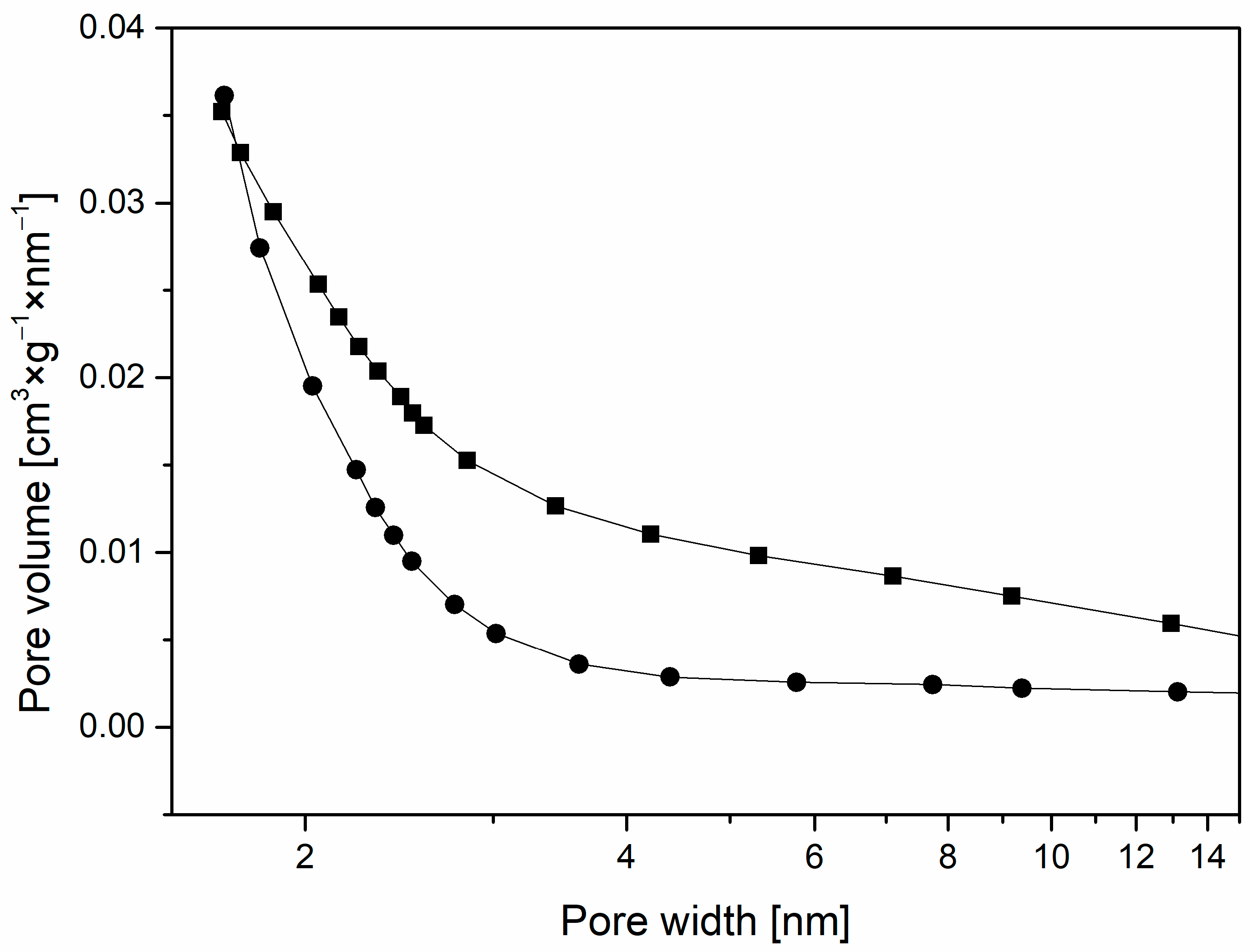
n ≈ 0.7. It should also be stressed that a porosity metric suitable for this interpretation should be based on a detailed pore-size distribution analysis rather than on specific surface area alone, because the latter was found to depend strongly on sample pre-treatment prior to porosimetric measurements. For SiO
2–P
2O
5 glass systems doped with PVA and PEO, the dominant pore diameters determined from nitrogen adsorption isotherms by the BJH method are below 4 nm, with maxima near 2.0 and 2.5 nm [
55]. Representative results are shown in
Figure 5.
Interpenetrating networks and polymer–assisted modifications improve microstructural control and can increase water retention, flexibility of processing, and accessible proton pathways relative to purely inorganic xerogels. Their advantage lies in moderating brittleness and in stabilizing a more favorable, hydrated pore architecture; their limitation is that the added organic component may narrow the thermal safety margin and introduce additional variables related to aging, decomposition, or phase segregation. These systems therefore represent a useful bridge between rigid inorganic hosts and more compliant hybrid membranes, but their benefits must always be judged against long-term thermal and chemical stability.
5. Organic–Inorganic Composites and Ionic-Liquid Modification
In his review of inorganic–polymer composite electrolytes for PEMFC systems, Herring [
65] argues that the full potential of PEM fuel cells can be realized only if the membrane maintains a conductivity of at least 0.1 S·cm
−1 at temperatures above 120 °C without additional humidification. He also notes that commercially viable materials must satisfy further requirements, including processability and compatibility with electrode materials. Two main classes of composites are distinguished, depending on whether the polymer host is intrinsically proton-conducting.
The inorganic additives proposed by Herring as fillers for organic polymer-based composites can, within certain limits, also be viewed as dispersed phases in systems where the host matrix is formed by inorganic glass-forming polymers. According to this classification, the fillers include (i) Hygroscopic oxides such as SiO
2, TiO
2, and ZrO
2 [
57,
65,
66,
67], delivered either as nanocrystalline powders or formed in situ by sol–gel processing, with fillers often surface-modified with acidic groups in order to tune grain properties and improve charge-carrier transport; (ii) clays, whose sheet-like structures can be interpenetrated by the host matrix in several ways [
65]; (iii) zeolites, characterized by three-dimensional cage structures and ion-exchange capability [
68]; (iv) inorganic acids such as H
2SO
4 or H
3PO
4, which offer excellent proton mobility but are water-soluble; (v) cesium hydrogen phosphates and sulfates [
69]; (vi) heteropolyacids, typically based on molybdenum or tungsten, whose proton conductivity can exceed 0.1 S·cm
−1 but remains strongly dependent on high hydration and decreases above 120 °C [
70]; and (vii) zirconium phosphate and related metal phosphates, which generally exhibit lower proton conductivity but better thermal stability [
71]. Within the latter group, layered hydrated phospho-antimonic acids [
72] are particularly noteworthy because they combine superacidic behavior with water swelling.
Moreover, Kreuer’s review [
73] on the development of proton-conducting materials does not cover this group of compounds. A similar “gap” is also apparent in another review [
72] that focuses on technical and pre-operational aspects across a broad range of composite proton conductors.
Within this broader composite landscape, several organic–inorganic hybrid architectures have been proposed to improve mechanical robustness and extend operation to reduced humidity.
Recent studies on SPEEK-based membranes show that the conductivity–hydration–durability trade-off can be substantially mitigated, and within certain compositionally optimized systems partially resolved, through deliberate control of acid site density and membrane mesostructure. As discussed by Li et al. [
74], the degree of sulfonation (DS) in SPEEK governs not only proton conductivity, but also hydrophilicity, swelling behavior, dimensional stability, and chemical resistance. In consequence, the optimization of SPEEK-based membranes cannot be reduced to maximizing the concentration of sulfonic acid groups alone, because excessive sulfonation improves proton transport at the expense of mechanical robustness and long-term stability. The same review further demonstrates that blending SPEEK with organic or inorganic modifiers, including PBI, fluoropolymers, silica, carbon nanotubes, metal–organic frameworks, and cross-linkable phases, enables simultaneous adjustment of water uptake, local acid site environment, membrane rigidity, and the continuity of proton-conducting pathways. Such systems provide a clear example of how proton-transport efficiency may be improved by coupling chemical functionality with mesostructural control rather than by increasing acidity alone.
A more quantitative picture of this optimization problem was provided by Song et al. [
75], who examined SPEEK membranes with different DS values through a combined analysis of proton conductivity, swelling ratio, water uptake, thermal and mechanical behavior, oxidative stability, and actual PEMFC performance. Their results showed that the balance is strongly non-linear. Increasing DS enhances proton transport, but also intensifies water uptake, swelling, and chemical degradation, whereas lowering DS improves dimensional and chemical stability at the cost of reduced conductivity. Importantly, the study identified a practically meaningful compromise window rather than a single monotonic trend. A membrane electrode assembly based on SPEEK-62 reached a peak power density of 482.08 mW∙cm
−2, exceeding that of Nafion-212 under identical conditions, while SPEEK-51 exhibited the best oxidative durability in the Fenton test, with a decomposition time of 137 min, clearly surpassing membranes with higher DS. The authors, therefore, concluded that the DS range of approximately 51–62% offers the most promising balance between conductivity and durability. This result is particularly instructive because it shows that, in sulfonated polymer systems, the conductivity–hydration–stability trade-off may be narrowed to a practically useful extent, but only when acid site density, water management, and mechanical integrity are optimized together rather than treated as independent targets.
For context, recent polymer-centric studies are useful benchmarks rather than direct competitors to the glassy systems reviewed here. The recent SPEEK review by Li et al. [
74] emphasizes how acid site engineering and hydration regulation are used in organic membranes to balance conductivity and stability, while Meng et al. [
76] show with PFSA membranes that water uptake, thickness, and membrane morphology remain decisive even in commercially relevant systems. Likewise, porous-framework-modified PBI membranes have recently been shown to improve acid retention and operational stability in high-temperature proton-conducting architectures [
77]. These results sharpen the point of the present section: glassy phosphate–silicate hybrids should be judged not only by conductivity gains, but by whether they can compete in durability and transport control with the broader hybrid membrane literature.
An organic–inorganic hybrid system was proposed by Honma et al. [
78], who synthesized nanocomposite membranes consisting of poly(ethylene oxide) (molecular weights 200–2000 g∙mol
−1) and a siloxane-based polymer obtained via hydrolytic polymerization of 3-isocyanatopropyltriethoxysilane. The polyether sub-lattice was subsequently coupled to the siloxane network through the reaction of isocyanate groups on polysiloxane repeat units with terminal -OH groups of the polyether chains. In the next step, the pristine material obtained by the two-stage sol–gel process described above was doped with acidic surfactant molecules such as MDP (monododecylphosphate). This introduced mobile proton-bearing species into the hybrid structure and, consequently, imparted protonic conductivity to the final system. Ionic conductivity was first measured under isothermal conditions (80 °C) using a setup equipped with a variable-temperature humidifier. The measured conductivity ranged from 10
−6 S∙cm
−1 (humidifier set to 60–70 °C) to 10
−3 S∙cm
−1, with an abrupt increase observed at a threshold near 80 °C. By contrast, when conductivity was recorded as a function of specimen temperature, a monotonic decrease was observed upon heating the sample from 60 to 140 °C. Because the humidifier temperature in this experiment was maintained 10 °C below the sample temperature, the approximately fivefold changes observed across all systems were attributed to water evaporation during heating.
Phosphate–silicate glasses not covered in the review discussed above have also been successfully used as dispersed phases in composites with various organic polymers, and the resulting systems were evaluated as improved electrolytes for intermediate-temperature fuel cells. Mixtures with a proton-transporting fluoropolymer (Nafion™) were prepared by Nogami et al. [
79] via a sol–gel route. The room-temperature conductivity of the resulting hybrid gel was found to be on the order of 10
−2 S∙cm
−1 for a composition containing 20% organic additive. Moreover, conductivity increased approximately sixfold under membrane operating conditions (200 °C). An additional claimed benefit was improved mechanical stability compared with pristine glass specimens. A similar approach was reported by Nagai and co-workers [
80]. On the one hand, improved retention of protonic conductivity upon heating was observed. On the other hand, the authors reported (i) lower specific conductivity under wet conditions compared with Nafion™ ion-exchange resin and (ii) crack propagation when composite specimens were heated at ambient conditions. In another study, So et al. [
81] reported a related system with slightly improved conductivity (0.09 and 0.13 S∙cm
−1) for a membrane containing 10% inorganic filler immobilized within fluoropolymer channels, compared with 0.07 and 0.10 S∙cm
−1 for pristine Nafion™ at 25 °C and 90 °C, respectively.
Another application of the fluoropolymeric host was demonstrated by Kannan and co-workers [
82]. In contrast to earlier work, the phosphate–silicate component of the membrane was prepared via the hydrolysis of organosilicon (3-[(methacryloyloxy)propyl]trimethoxysilane) and organophosphorus (2-(methacryloyloxy)ethyl phosphate) precursors. Despite FT-IR- and NMR-based characterization of the resulting hybrid, the final structure of the material has not been conclusively confirmed. In addition, conductivity was observed only over a limited temperature range (30–80 °C). The measured values were not only significantly lower than those of pristine Nafion™ (used as the reference) but also decreased systematically with increasing temperature.
A sandwiched laminate structure was investigated by Li and co-workers [
83]. The microfabricated membrane comprised a thin phosphate–silicate glass film covered with a Nafion™ layer on the cathodic side. Incorporation of the fluoropolymer increased the mechanical strength of the resulting MEA and, according to the authors, provided a more favorable chemical environment for the air-breathing cathode. Nevertheless, the reported current density–voltage characteristics were not promising. The best current densities did not exceed 2.5 mA∙cm
−2.
An alternative inorganic–organic hybrid electrolyte employing an inert polymer host was prepared by Thanganathan et al. [
84] by combining phosphate–silicate glass with poly(vinylidene difluoride) via a sol–gel method using P
2O
5 as a phosphorus precursor. The authors claimed thermal stability up to 350 °C. The room-temperature conductivity of the membrane was reported to be on the order of 10
−2 S∙cm
−1 for the optimal composition. The authors further argued that conductivity is inversely proportional to the concentration of silicate structural units, as these moieties do not participate actively in proton transport. A current density of 320 mA∙cm
−2 was achieved in an H
2/O
2 fuel cell operated at 60–80 °C and 100% RH. However, the peak power was not reported, nor was the performance at higher temperatures (a key focus of the review).
A multicomponent organic–inorganic hybrid membrane was prepared by Uma et al. [
85] using a PVP (poly(vinylpyrrolidone)) host doped with phosphate–silicate glass and ZrO
2. PXRD indicated that crystallinity increased upon the addition of the ceramic component, which was associated with the formation of interconnected ion clusters. The hybrid was claimed to be suitable for fuel–cell applications due to improved conductivity compared with the pristine polymer. Lakshminarayana and Nogami [
86] studied another multicomponent system incorporating a phosphate–silicate glassy proton conductor derived from TMP and TEOS together with heteropolyacids (PWA, PMA) and 3-glycidoxypropyltrimethoxysilane (GPTMS). The resulting membranes were reported to be stable up to 200 °C, with stability enhanced by the SiO
2–based sub-lattice. A maximum proton conductivity of 1.59 × 10
−2 S∙cm
−1 was obtained for the 50TEOS–5TMP–35GPTMS–10PWA composition, whereas 1.15 × 10
−2 S∙cm
−1 was achieved for the analogous membrane containing 10 mol% PMA instead of the tungsten-based additive.
Lakshminarayana and co-workers [
87] obtained a composite by adding the ionic liquid [1-ethyl-3-methylimidazolium][bis(trifluoromethanesulfonyl)imide] ([EMI][TFSI]) to the sol–gel precursor solution used to prepare a phosphate–silicate glass proton conductor. Additionally, poly(dimethylsiloxane) reacting with silicic acid formed a silico–organic/inorganic hybrid sub-lattice responsible for the mechanical properties of the plasticized system. In contrast to most previous reports, proton conductivity was measured under non-humidified conditions. The pristine glass exhibited a low conductivity of 9.22 × 10
−6 S∙cm
−1 at 80 °C. Upon plasticization with 40 wt% ionic liquid, the conductivity increased to 2.14 × 10
−3 S∙cm
−1 and further rose to 4.87 × 10
−3 S∙cm
−1 at 150 °C. The authors suggested that the ionic liquid fills the pore network of the glass, providing continuous conduction pathways even at temperatures well above 100 °C, where water is expelled from reference materials.
Another family of phosphate–silicate proton conductors modified with ionic liquids was proposed by Nogami et al. [
88]. A stable ionic conductivity of ~2 × 10
−3 S∙cm
−1 over 100–200 °C was found for a system containing 40 wt% 1-ethyl-3-methylimidazolium bis(trifluoromethanesulfonyl)imide (EMI[TFSI]). Further increases in plasticizer content did not improve performance and led to a reduction of conductivity to ~3 × 10
−4 S∙cm
−1. Additionally, the specific surface area (measured by N
2 adsorption after removal of the ionic liquid from the pores) decreased from 980 to 503 m
2∙g
−1. This was accompanied by an increase in average pore size from 4 to 25 nm, while the pore volume changed less markedly (0.87 vs. 0.75 cm
3·g
−1). Based on NMR, the authors also reported changes in the proton mobility of the ionic-liquid species upon confinement within the porous glass. The observed spin–lattice relaxation times did not increase upon incorporation. Instead, at least for some composites, they decreased from ~1.5 s (pristine liquid) to ~0.8 s (confined liquid), indicating reduced mobility. At the same time, temperature-dependent data suggested a substantially lower activation energy (~3 kJ∙mol
−1) for the confined protons compared with the reference system, for which two activation energies near 10 and 16 kJ∙mol
−1 were reported for proton populations of different mobility. Finally, fuel-cell tests of the optimal hybrid composition yielded a reasonably high maximum current (20 mA∙cm
−2) and power density (15 mW∙cm
−2), while the OCV (~0.8 V) was slightly below the expected value (>1.0 V), which may indicate that the conduction is not purely protonic. This interpretation is consistent with the NMR-derived picture of proton mobility described above.
Noticing that, while ionic liquids (ILs) offer unique advantages as functional additives, their integration into glass matrices presents several significant physicochemical drawbacks. A primary concern is their high miscibility with water and the resulting susceptibility to leaching. As investigated by Itoh et al. [
89], the polar domains within the IL nanostructure act as “water pockets” that readily bind water from the pore liquid of the glass. This high affinity for water facilitates the gradual release of the liquid components when the glass is exposed to conditions similar to the low temperature phase of the start cycle of the respective electrochemical device, potentially compromising the structural integrity and long-term stability of the composite electrolytic material. Furthermore, ILs exhibit limited thermal stability [
90], which is often additionally exacerbated by their immobilization within an inherently acidic solid phosphate–silicate matrix. Research in thermal analysis indicates that the onset of decomposition of many ILs in contact with certain acetate-based systems can occur at temperatures significantly lower than those observed in their respective bulk samples. The presence of metal-oxide surfaces, similar to these present in the electroactive material of electrodes, can further catalyze decomposition mechanisms. Additionally, the efficiency of these systems as electrolytes is often hindered by a limited proton transport number [
91]. In the case of protic ionic liquids (PILs), incomplete proton transfer—particularly with tertiary amine bases—results in a significant concentration of neutral, non-conducting parent acid and base molecules. This leads to negative deviations from the ideal Walden rule, indicating that only a fraction of the species contributes to the overall protonic conductivity of the glass.
Nevertheless, organic–inorganic composites and ionic-liquid–modified systems offer one of the clearest routes to reduced humidity dependence and improved conductivity in the intermediate-temperature range. Their strength is the possibility of sustaining proton transport under drier conditions through mobile acidic or ionic-liquid-derived species; their weakness is the growing complexity of the transport mechanism and the potential penalty in chemical durability, leaching resistance, or interfacial compatibility. These materials often outperform unmodified glasses in conductivity terms, but they also move further away from the compositional simplicity that originally motivated inorganic matrices.
6. Fully Inorganic Composites: Heteropolyacids and Oxide Modifiers
In terms of purely inorganic composites, Uma and Nogami investigated a system comprising a P
2O
5–SiO
2–based glass with additions of crystalline, proton-conducting tungstophosphoric (PWA) or molybdophosphoric (PMA) acid [
92,
93]. The sol–gel-derived materials were subsequently evaluated in H
2/O
2 fuel cells, reaching power densities of ~35 mW∙cm
−2 in the former report and 15.5 mW∙cm
−2 in the latter, corresponding to current densities of 93–137 mA∙cm
−2 and 43.4 mA∙cm
−2, respectively. Notably, the reported values depended not only on composite composition but also on the operating conditions of the test cell. Moreover, a relatively high protonic conductivity (1.01 × 10
−1 S∙cm
−1) was confirmed at 85 °C and 85% RH.
In another report from the same team [
94], similar systems exhibiting essentially the same conductivity were optimized for fuel-cell operation, reaching power densities up to 41.5 mW∙cm
−2 at 32 °C. The same authors also reported a conductivity of 9.1 × 10
−2 S∙cm
−1 at 90 °C and 30% RH for a 5 P
2O
5–87SiO
2–8PWA electrolyte [
95], confirming good mechanical and thermal stability, as well as a fully amorphous structure. In that study, a power density of 10.2 mW∙cm
−2 was obtained using a fuel cell with a Pt catalyst loading of 0.15 mg·cm
−2 operated at 30 °C and 30% RH.
In subsequent papers [
96,
97,
98], systems containing from 4 to 10 mol% PMA were investigated. It was found that, despite the limited thermal stability of the pure heteropolyacid, its incorporation did not adversely affect the thermal stability of the composites. Conductivities up to 7.4 × 10
−2 S∙cm
−1 were achieved at 90 °C and 70% RH. In the first of these reports, the maximum current density was 82.2 mA∙cm
−2 at 0.2 V, while the maximum power density (22.9 mW∙cm
−2) occurred at 56 mA∙cm
−2. The latter two studies reported lower performance, not exceeding 18.0 mW∙cm
−2 and 16.2 mW∙cm
−2, respectively, in both cases at current densities of ~40 mA∙cm
−2 and with a Pt loading of 0.10 mg·cm
−2. Moreover, in a separate experiment using a higher catalyst loading (0.15 mg·cm
−2), an increase in maximum cell current was observed over time; the authors attributed this to progressive humidification of the membrane during operation. In all cases, H
2/O
2 fuel-cell tests were conducted at 30 °C and 30% RH under atmospheric pressure of both gases.
In another study, Nogami et al. [
99] prepared a three-component composite consisting of a phosphate–silicate glass host with ZrO
2 and phosphomolybdic acid fillers. Unfortunately, enhancement of proton transport in this material was linked to internal porosity, with an optimal average pore size of ~3 nm, which in turn, increased hydrogen permeability and limited fuel-cell performance to 32 mW∙cm
−2 (29 °C, 30% RH) for an optimized composition with nominal molar formula 2PMA/4ZrO
2–4P
2O
5–90SiO
2. A related three-component system was investigated by Uma and Nogami [
100], in which TiO
2 replaced ZrO
2 as a dispersed ceramic phase. A slightly smaller average pore size (~2.5 nm) was determined; together with thermal stability up to 400 °C and a relatively high ionic conductivity of 6.29 × 10
−3 S∙cm
−1 at 90 °C and 70% RH, these materials were proposed as promising candidates for fuel-cell applications.
Simpler water-containing P
2O
5–SiO
2–ZrO
2 composites were also investigated by Nogami et al. in [
101]. A thermal processing route at 200–800 °C was applied to obtain crack-free materials. The conductivity of the hydrated system was observed to be ~10
−3 S∙cm
−1 for a composition containing 5% phosphorus oxide and 5% zirconium oxide. The authors claimed this value to be approximately five orders of magnitude higher than those of the corresponding dried gel or pristine porous silica glass, which they related to water molecules bound to P-OH moieties in the glass structure.
In another report from the same group [
102], materials of a similar type (25 mol% P
2O
5) were prepared via hydrolysis of the corresponding metal alkoxides, followed by thermal treatment at 150–400 °C. Contrary to expectations, dried phosphate–silicate gels exhibited conductivities at 30 °C not exceeding 6.3 × 10
−7 S∙cm
−1, which were lower than those of dried SiO
2-based gels (1.6 × 10
−5 S∙cm
−1). The situation reversed under humidified conditions. The proton-transport properties of silicate gels deteriorated rapidly with the increasing temperature, whereas the phosphate–silicate materials maintained an essentially unchanged conductivity of ~1.6 × 10
−5 S∙cm
−1 up to 300 °C, representing an approximately four orders-of-magnitude advantage relative to silica gels. Further studies demonstrated a clear dependence of conductivity on the hydration level, with increases exceeding two orders of magnitude upon hydration.
It was also found in [
103] that, although the chemical stability of the relevant glasses is significantly improved by the incorporation of Zr
4+, ionic conductivity decreases approximately twofold as the ZrO
2 content increases from 0 to 7%. Another report from the same group [
104] correlated FT-IR and
31P NMR results with the presence of Si-O-P-OH structural motifs. These moieties were proposed to be responsible for enhanced water retention and, consequently, for improved proton conductivity at an elevated temperature and reduced humidity. Moreover, TG measurements indicated reduced water loss upon heating with increasing ZrO
2 content. Nevertheless, a decrease in overall conductivity with an increasing zirconium content, consistent with [
103], was again confirmed. The maximum conductivity reached 8 × 10
−3 S∙cm
−1 at 70 °C. At 30 °C, conductivities varied from 1.6 × 10
−3 to 5 × 10
−3 S∙cm
−1 as relative humidity increased from 40 to 90%.
A further set of related systems was reported by the same group [
105]. It was found that increasing the P
2O
5 content in the glass plays a beneficial role in proton transport within the amorphous matrix. A monotonic increase in conductivity (also increasing with RH from 40 to 90%) was observed up to 9% P
2O
5, whereas a system containing 11% P
2O
5 exhibited slightly lower conductivity than the previous one, although still substantially higher than the 5% and 7% P
2O
5 systems. PXRD confirmed the amorphous character of these materials, with only a broad short-range order halo centered near 25° observed in the diffractograms. For an optimal material with an average pore size of ~2.5 nm, specific pore volume of 0.26 cm
3·g
−1, and specific surface area of 407 m
2·g
−1, the open-circuit voltage of the hydrogen fuel cell reached 1 V. However, the associated power density remained modest and did not exceed 1 mW∙cm
−2 at 30 °C and 30% RH.
Analogous titanium-containing systems were investigated by the same team [
106] as materials combining high proton conductivity with excellent chemical stability. The use of different phosphorus-bearing precursors yielded different average pore diameters, below 2 nm for PO(OCH
3)
3 and below 4 nm for H
3PO
4. It was also found that increasing the TiO
2 content up to 5% alters the phosphate framework, increasing the number of bridging oxygen atoms per phosphate unit from one to two. Vibrational spectroscopy also indicated the presence of Ti-O-Si motifs. Conductivity measurements showed that TiO
2 addition generally decreased conductivity when PO(OCH
3)
3 was used as the precursor, whereas H
3PO
4-based systems largely maintained their proton-transport properties upon TiO
2 incorporation. This outcome contrasted with the authors’ initial expectation that TiO
2-induced increases in effective P
2O
5 content would enhance conductivity.
A further report on materials of a similar composition [
107] provided a detailed structural analysis and claimed a relatively high conductivity of 3.6 × 10
−2 S∙cm
−1 for a 9P
2O
5–6TiO
2–85SiO
2 (mol%) sample. However, this promising conductivity did not translate into correspondingly strong fuel-cell performance for the same gel. Current densities up to 0.2 mA·cm
−2 and power densities not exceeding 90 μW·cm
−2 were attributed to probable electrode–electrolyte contact limitations, resulting in high internal resistance.
Kostadinova et al. [
108] examined related systems with respect to dynamic dielectric behavior. As in prior studies, a sol–gel route was used to obtain both fully amorphous (85SiO
2-9P
2O
5–6TiO
2) and partially crystalline materials. Notably, the latter were produced by adding liquid phosphoric acid (17–52 mmol) to the initial reaction mixture. EIS confirmed that the sample containing 52 mmol H
3PO
4 exhibited 23-fold higher conductivity under wet hydrogen compared with the 17 mmol variant. The dielectric relaxations also indicated sensitivity to the humidity level and to the exposure time in an H
2-containing atmosphere.
Pérez-Carrillo and co-workers [
109] prepared related composites (and a simplified TiO
2–P
2O
5 analogue) to obtain hybrid inorganic systems with a simultaneous meso- and macroporous texture. Macroporous polystyrene monoliths produced by water-in-oil emulsions were used as templates, with sol–gel processing carried out within their pores. As a result, two distinct pore networks were introduced: a macroporous network derived from the template and a mesoporous network yielding specific surface areas up to 300 m
2∙g
−1 within the glass–ceramic framework. Finally, it is worth stressing that the best reported conductivities ranged between 10
−2 and 10
−1 S∙cm
−1 over 20–100 °C at 100% RH.
Related work by Castro et al. [
110] investigated highly proton-conductive systems containing SiO
2, TiO
2–P
2O
5, and SiO
2–TiO
2–P
2O
5 particles with bimodal macro/mesoporous structures incorporated into inorganic–organic hybrids. The matrix was formed via hydrolysis and condensation of 3-methacryloxypropyltrimethoxysilane (MPS), 2-hydroxyethyl methacrylate (HEMA), and tungstophosphoric acid hydrate (PWA), catalyzed by acid addition, followed by free-radical polymerization using 2,2′-azobis(isobutyronitrile) (AIBN) as the initiator. The maximum conductivity reported reached 2 × 10
−2 S∙cm
−1 at 120 °C and was claimed to exceed that of a Nafion
®-based fluoropolymer membrane tested under the same conditions.
Fully inorganic composites preserve the key advantage of high thermal and chemical robustness while enabling conductivity enhancement through heteropolyacids, oxide additives, and pore-structure stabilization. Their strongest asset is that improvements can be achieved without relying on a large organic fraction; their main limitation is that the conductivity gain is often still mediated by hydration and may be accompanied by issues such as phase instability or incomplete retention of the active proton-conducting component or acid migration.
The hydrolytic degradation of phosphate silicate glasses is fundamentally a consequence of the intrinsic chemical instability of the Si-O-P linkage when exposed to aqueous environments. This vulnerability stems from a significant discrepancy in bond energies. The average energy of a Si-O bond is 452 kJ∙mol
−1, whereas a P-O bond is only 335 kJ∙mol
−1. As examined by Imparato et al. [
111], phosphorus has a strong tendency to expand its coordination sphere, which facilitates nucleophilic attack by water molecules and leads to the breaking of P-O bridging bonds. This process results in the formation of silanol (Si-OH) and phosphate (P-OH) groups, which may subsequently condense into Si-O-Si bridges and promote phase separation. The specific rate and mechanism of this degradation are dictated by the glass’s morphology, typically characterized by the distribution of units. Research by Döhler et al. [
112] highlights that branching units are the most susceptible to hydrolysis because they lack the electron resonance stability found in the neighboring linear ones. This instability follows the “anti-branching rule,” meaning units are too energetically unstable to exist in solution and rapidly degrade into orthophosphate species.
Furthermore, the dissolution of glasses with high phosphate content leads to a measurable decrease in pH in the liquid filling the pore space of the glass specimen, and through the electromigration leads to acid leaching. This acidification occurs because the P-O-P bond hydrolysis creates P-OH groups that readily deprotonate, releasing protons into the surrounding medium. Recent investigations by Takada et al. [
113] have shown that this degradation can be mitigated by modulating the silicon environment, specifically through the formation of six-fold coordinated silicon. In these model glasess s, it preferentially coordinates with the polyphosphate units, causing the electron distribution around phosphorus to become more delocalized. This delocalization reduces the reactivity of the phosphate units toward water, thereby suppressing hydrolysis compared to standard four-fold coordinated silicon environments. Network modifiers can further stabilize these structures by interacting electrostatically with bridging oxygens in bonds. In the context of thin-film synthesis, Anastasescu et al. [
114] observed that phosphorus retention is often compromised during thermal treatment due to the high vaporization of unreacted P-alkoxide precursors. To enhance durability, advanced sol–gel strategies may incorporate third components (in this case niobium) to anchor phosphorus within the silicate matrix through stable Si-O-Nb-O-P bridges.
Nevertheless, fully inorganic composite-based systems are attractive for harsher operating environments, although their performance envelope still depends on controlling the microstructure and the interphase chemistry.
7. Solid-State Route: Mechanochemistry and Composites with Crystalline Proton Conductors
In addition to conventional routes for introducing fillers into gel systems, such as dispersing a solid filler in the sol or using co-precipitation/solid-state processing, mechanochemical routes have been proposed as a way to generate composites of the present family [
115]. Their appeal is not simply that they mix solids efficiently, but that mechanical energy can restructure interfaces, stabilize metastable phases, and alter proton-transport pathways in ways that are difficult to access under near-equilibrium wet-chemical conditions.
Mechanochemical treatment deserves attention in discussions of proton- and, in general, ion-conducting composites not only as a solvent-free solid-state processing route, but also as a method capable of producing structural states that are difficult to access by conventional equilibrium synthesis. In model fast-ion systems, high-energy milling has been shown to induce either the formation of new conductive crystalline phases or the amorphization of initially crystalline mixtures, with the resulting transport behavior comparable to, or even exceeding, that of conventionally prepared analogues.
The mechanism involves the accumulation of structural defects and grain boundaries through repetitive fracturing and cold welding, eventually increasing the free energy of the crystalline phase above that of the amorphous state. In the development of functional materials, high-energy ball milling has been successfully employed to facilitate the mechanical mixing of inorganic phosphosilicate material. While in conventional melt-quenching, the distribution of phosphorus structural units is primarily determined by thermodynamic equilibrium, and the cooling rate from the liquid phase. The high-energy milling introduces amorphization through a purely kinetic pathway at near-ambient temperatures, accumulating structural defects and grain boundaries until the locally ordered structure collapses into a totally chaotic state.
In the AgI–Ag
3PO
4 system, prolonged ball milling of the 80AgI·20Ag
3PO
4 composition led to the formation of a previously unknown crystalline phase with room-temperature ionic conductivity higher than that of the reference Ag
7I
4PO
4 superionic phase, whereas milling of 60AgI·40Ag
3PO
4 yielded an amorphous product with conductivity very similar to that of melt-quenched glass of the same nominal composition [
116]. Likewise, comparative studies on silver–vanadate glasses prepared by melt quenching, twin rollers, and mechanosynthesis demonstrated that markedly different preparation routes may lead to amorphous materials of similar, though not identical, structural, thermal, and electrical properties, confirming that the synthesis pathway itself becomes an additional parameter governing local structure and charge transport [
117]. A further comparative study on the AgI–Ag
2O–CrO
3 system showed that mechanochemically synthesized amorphous samples exhibit higher activation energies of structural relaxation and crystallization than melt-quenched analogues, pointing to a relatively more rigid and thermally stable disordered structure [
118]. Taken together, these findings support the view that mechanochemistry should not be reduced to a simple homogenization step, but should rather be considered as a route capable of inducing phase transformation, amorphization, enhanced interfacial contact, and metastable transport-promoting structural arrangements [
116,
117,
118].
In acid–salt and phosphate–silicate-related proton conductors, the same general picture appears to hold, although the resulting effects depend strongly on whether the dominant contribution comes from interfacial disordering, reaction-derived phase formation, or broader microstructural reorganization. In CsHSO
4/SiO
2 composites, conductivity enhancement below the superprotonic transition was attributed not to stabilization of the tetragonal high-temperature phase, but rather to the formation of a structurally disordered interfacial phase in mesopores and on silica surfaces, accompanied by enhanced reorientational dynamics of the HSO
4− units [
119]. In CsHSO
4 systems combined with phosphosilicate gel, the situation was different. The conductivity improvement was associated with the formation of a new sulfate–phosphate crystalline phase, likely Cs
2H(HSO
4)
2(H
2PO
4), produced by reaction between CsHSO
4 and phosphoric acid generated from gel hydrolysis [
120]. Related conclusions were later reached for CsH
2PO
4-based composites containing silicophosphate matrices with a controlled phosphorus content. Ponomareva and Shutova showed that, when the matrix phosphorus level was reduced, the composites retained disordered CsH
2PO
4 over a broad composition range, whereas higher additive contents led first to amorphization of the salt and, later, to the appearance of CsH
5(PO
4)
2. Importantly, the transport and thermal properties depended not only on the salt fraction but also on the acid–base character of the matrix itself [
121]. In the low-phosphorus matrices, the conductivity increased by up to three and a half to four orders of magnitude relative to the salt at low humidity, the phase transition gradually disappeared with increasing additive content, and the most stable compositions retained high conductivity for prolonged periods at 200–210 °C under low water-vapor partial pressure [
121]. Against this background, mechanochemically prepared phosphate–silicate composites should be viewed as systems in which the effect of processing is likely to arise from a combination of interfacial restructuring, partial disordering or amorphization, and phase-selective transformation, with the final transport response being strongly coupled to composition, porosity, and hydration history [
119,
120,
121].
A similar in-nature observation [
122] was, as well, made for samples of pure phosphate silicate glass undergoing high power milling (720 rpm, 3 min, corresponding to 700 J∙g
−1). In this case, the ambient temperature conductivity of the so-processed material was found to be significantly lower in comparison to the pristine one. On the other hand, the mechanical treatment involved led to an order of magnitude increase in the activation energy. This resulted in an order of magnitude higher values of the conductivity determined for the temperature range (100–130 °C) being the target of its practical applications. Therefore, it is worth noticing that such a behavior is in contradiction to the general rule of thumb describing the charge transport properties of ionic conductors. The partial explanation of this interesting phenomenon can be found in the significantly different dielectric properties of the traded material, as described in detail in [
123].
In our previous work, we investigated high-energy milling, conceptually analogous to mechanochemical processing, as a route to prepare composites comprising phosphate–silicate glass and superprotonic solid acids. This class of compounds, including acidic sulfates, is considered particularly suitable for preparing intermediate- and low-temperature fuel-cell membranes for PEM fuel cells operating below 300 °C [
124,
125]. Within the broader family described by the formulas MHXO
4 and M
3H(XO
4)
2 (M = Cs, NH
4 or Rb; X = S or Se), cesium hydrogen sulfate (CsHSO
4; CSH) is regarded as especially promising. Its structure, phase transitions, and proton-transport mechanisms have been widely studied, including the formation of a superionic tetragonal phase [
126] stable above 154 °C, with conductivity in the range 10
−2 to 10
−6 S∙cm
−1. Moreover, it has also been shown that intermediate-temperature monoclinic phase-II CSH/SiO
2 composites are very good proton conductors, particularly in their disordered state [
127].
In our study, CsHSO4 was synthesized in the monoclinic phase I (P21/c) and used as a starting material; its structure was verified by XRD as well as by FT-IR and FT-Raman spectroscopy. The second starting material was a glassy 70SiO2–30P2O5 composite doped with PEO (poly(ethylene oxide)), for which the composition and amorphous character were confirmed spectroscopically and by PXRD. After ball milling, the final product (CsHSO4/phosphate–silicate–glass composite) was re-examined using the same techniques. Whereas the amorphous structure of the glass matrix remained essentially intact after mechanochemical treatment, a phase transition in the sulfate component (from the initial substrate to a mechanochemically modified product) was detected. Upon mechanical-energy input, the original material converted to the intermediate-temperature monoclinic structure (phase II).
Monoclinic structure associated with phase II of CsHSO
4 was confirmed via FT-Raman. In the spectra, the ball-milled composite bands observed can be assigned to said structure. The results are consistent with the results of Otomo et al. [
128]. As those authors report, this phase is believed to exhibit superionic behavior when obtained as a composite with an SiO
2 sub-lattice.
It is worth noticing that, in the bulk crystalline material, this conductivity-promoting structure appears only at elevated temperatures, above 96 °C. In contrast, in the composite obtained via high–energy processing, the same structure is stabilized (i.e., effectively “frozen in”), even at ambient temperature. This motivated applying the same synthetic route to composites based on a phosphate–silicate glassy network and other crystalline proton conductors, such as HUP and HUAs, which exhibit “soft” layered structures and should be even more susceptible to mechanically induced changes.
The mechanochemical benefit is, therefore, specific and partly quantifiable. It is not a generic conductivity increase for every formulation, but the stabilization of a transport-promoting structural state at a far lower temperature than in the corresponding bulk crystalline material. In the CSH-containing composites, the key advantage is phase stabilization and intensified interfacial contact. In the uranyl-based systems, the benefit appears only above a threshold filler loading, where thermal stability and transport become superior to the low-loading analogues. Mechanochemistry should, thus, be interpreted as an interfacial and phase-engineering tool, not as a universal shortcut to high conductivity.
Uranyl phosphates and arsenates of various cations (e.g., copper and calcium) are among the most common mineral forms in which uranium occurs in geological deposits. They exhibit low solubility in water and high stability under oxidative conditions. By contrast, their protonated counterparts (HUP, HUAs), when present in suitable structural forms, can exhibit both a high concentration and high mobility of oxonium ions and, therefore, high ionic conductivity [
69,
129,
130]. Moreover, preparation of these compounds is relatively straightforward [
131] and involves diffusion of UO
2(NO
3)
2 and H
3PO
4 or H
3AsO
4 solutions into a large excess of water. The same report indicates that the decomposition pathways and kinetics of the corresponding hydrates depend strongly not only on temperature but also on the partial pressure of water vapor in the environment surrounding the specimen. These materials have been studied in terms of charge and water transport [
132], the dielectric variability associated with phase transitions [
133], and thermal properties [
134]. The crystalline structure responsible for enhanced conductivity comprises layers of polymeric (UO
2PO
4)
n, separated by double layers of water molecules, in which every fourth molecule is protonated to form an H
3O
+ moiety. Consequently, the room-temperature conductivity reaches 4 × 10
−3 S∙cm
−1.
These crystalline proton conductors were, therefore, incorporated into phosphate–silicate glass composites via mechanochemical treatment [
122]. First, it is worth noticing that the results clearly support the assumption that mechanochemical processing affects the properties of the studied materials, even when the pristine components are considered. For the pure phosphate–silicate glass, the milled and pressed material exhibited conductivities higher by approximately one order of magnitude in the intermediate-temperature range (100–130 °C) compared with a monolithic reference specimen of the same composition prepared by the same route. However, the treatment also led to an approximately one order of magnitude increase in the activation energy, which contradicts the usual empirical expectation for ionic conductors. As a result, the room-temperature conductivity of the powdered material is significantly lower than that of the initial (unmilled) form.
A similar conclusion can be drawn for all composites studied, although the nature of the changes depends strongly on composition. At low loadings (10–20 wt%) of either crystalline additive, the resulting systems show limited stability and consequently inferior properties. This was confirmed by PXRD and DSC. Substantial deterioration of structural characteristics was observed upon thermal annealing, accompanied by a markedly altered charge transport behavior. Importantly, in at least some temperature ranges, these composites perform worse than the corresponding pristine building blocks. By contrast, when higher loadings (44–82 wt%) of the uranyl-based compounds were used, the opposite trend was observed. Within this composition window, the 60 and 82 wt% materials were identified as optimal due to superior thermal stability, as confirmed by PXRD and DSC. Moreover, it is worth noting that these materials exhibit complex dielectric properties, dependent on both their composition and preparation routes [
123].
The main unresolved issue is reproducibility. Milling intensity, residence time, filler loading, post-annealing, and ambient moisture all change the phase balance and, therefore, the apparent transport gain. For that reason, the existing mechanochemical literature is mechanistically suggestive but still too sparse for robust scale-up claims or for a direct ranking against the better-established sol–gel composites.
Mechanochemical routes are attractive because they can stabilize metastable transport-promoting arrangements, intensify interfacial contact between phases, and bypass some limitations of wet-gel processing. Their main strength lies in access to non-equilibrium composite states; their main weakness lies in poor procedural tolerance. For screening purposes, they are scientifically rich and sometimes highly promising, but at present, they remain a frontier strategy rather than a mature membrane platform.
9. Discussion, Future Directions, and Potential Applications
Comparison with Part I shows that Part II largely fulfills its thematic purpose. It covers mixed phosphate–silicate networks, sol–gel-derived porous electrolytes, hybrid and composite architectures, and solid-state routes (gathered together in
Table 4) intended to overcome the limitations of single-anion glass families. The strongest message emerging from the two-part review is that conductivity in the 120–200 °C range cannot be evaluated in isolation. The practically relevant descriptor is a multidimensional balance that includes conductivity, activation energy, hydration tolerance, pore-space stability, chemical compatibility, and the ability to maintain performance during thermal and humidity cycling. Moreover, electrolytes such as phosphate–silicate-based ones are typically components of membrane–electrode assemblies and, therefore, must be evaluated not only as stand-alone materials, but also in full-cell configurations. This introduces additional concerns, several of which are highlighted in
Section 9.1.
The most important next step is, therefore, not merely to synthesize additional variants but to compare them under commensurable conditions. At a minimum, future reports should jointly provide conductivity as a function of temperature and humidity, activation energy, hydration or water-retention descriptors, evidence for structural stability after cycling, and at least one metric linked to device operation. Without that level of reporting, apparently superior materials may simply reflect a favorable measurement protocol rather than a genuinely better electrolyte design.
9.1. Application Perspective
For hydrogen fuel cells in particular, the reviewed literature suggests that the most credible candidates are not necessarily the systems with the highest single conductivity value, but those that combine moderate-to-high conductivity with controlled porosity, retained hydration at intermediate temperatures, limited gas crossover, and sufficient mechanical continuity at the electrode–electrolyte interface. By the same logic, highly porous glasses may be attractive for sensing or concentration cell operation, where response to water or hydrogen activity is valuable, whereas denser or composite-reinforced materials may be more suitable for membrane roles requiring dimensional stability and lower permeability.
In summary, mixed-network phosphate–silicates are structurally informative but often insufficiently characterized electrochemically. Sol–gel phosphate–silicates offer the richest process–structure–transport tunability but remain strongly hydration-sensitive. Polymer-assisted and ionic-liquid-modified systems can improve transport under more demanding conditions, but at the cost of greater chemical and mechanistic complexity. Fully inorganic composites preserve thermal robustness most effectively but still require careful control of active-phase retention, and mechanochemical composites are scientifically promising yet methodologically the least mature. The field is, therefore, already broad enough to support targeted application screening, but not yet standardized enough to permit a definitive ranking of materials. A central reason is that proton transport in these systems often reflects a crossover between surface-assisted hopping along hydrated pore walls and bulk-like transport through a percolating water phase.
9.2. Durability, Degradation, and Compatibility
A major gap across the literature remains durability under realistic operating environments. For phosphate–silicate systems, the recurrent failure modes are partly coupled: dehydration can promote shrinkage and cracking, acid-rich interphases can redistribute or leach, pore collapse can reduce hydration accessibility, and repeated thermal/humidity cycling can shift the balance between surface-assisted and volume-assisted proton pathways. Because many reports emphasize peak conductivity under favorable RH, long-term chemical and mechanical drift remains under-documented.
While this is understandable due to the longevity of said tests, Meng et al. in [
153] proposed a Transformer model that allowed for the successful prediction of PEMFC performance degradation. Therefore, not only tests on existing components and assemblies, but also the development of reliable degradation prediction algorithms should be of high interest in future work. That dual-type approach will allow faster progress, simultaneously reducing the cost of the studies.
The same issue extends to electrode compatibility. Most device demonstrations remain Pt-based and short in duration, which makes it difficult to separate intrinsic membrane aging from losses arising in the catalyst layer or at the electrode–electrolyte interface. In more acid-rich hybrids, redistribution of phosphoric acid or heteropolyacids may alter the local catalyst environment and increase contact resistance. For less-noble catalyst systems, tolerance to acidic species, water gradients, and transient dehydration is likely to become even more critical. In phosphate–silicate-based systems, an additional challenge is the limited compatibility with binder materials commonly used in other fuel-cell architectures, which suggests that new binder concepts may need to be developed specifically for this class of electrolytes. Future benchmarking should, therefore, report not only σ(T,RH) and Ea but also cycling stability, post-test composition, gas crossover, interfacial resistance, and catalyst compatibility under membrane–electrode assembly conditions. One potentially useful direction is the development of glass–glass composites that could improve compatibility between phosphate–silicate electrolytes and both state-of-the-art and emerging electrode compositions.
10. Conclusions and Outlook
The literature reviewed in this second part shows that progress beyond simple single-anion phosphate or silicate glasses has not arisen from one universally superior composition. Instead, the field has advanced by engineering the proton-conduction environment. Mixed-network chemistry, pore architecture, acidic-site distribution, interfacial transport, and composite stabilization are combined in different proportions to shift the balance between conductivity, water retention, and durability.
What distinguishes the more recent work from the older mixed-network literature is precisely this shift from composition-only variation to transport environment design. Sol–gel processing, templating, formamide-assisted porosity control, hybridization with polymers or ionic liquids, oxide/heteropolyacid composites, and mechanochemical phase stabilization all attempt to decouple proton mobility from simple bulk hydration. The scientific advance is therefore real, but it remains uneven because improvements in one metric are still often purchased at the expense of another.
No single strategy discussed in Part II simultaneously maximizes conductivity, humidity tolerance, structural reproducibility, chemical stability, and device-level maturity. Sol–gel-derived porous materials remain the most tunable but also the most path-dependent; organic–inorganic and ionic-liquid-modified systems can reduce the humidity penalty but introduce additional chemical complexity. Fully inorganic composites preserve thermal resilience more convincingly but still rely in many cases on hydration-assisted transport; mechanochemical systems open access to non-equilibrium states but remain the least standardized.
Accordingly, the most promising candidates are not simply those with the highest reported σ values. They are the systems in which conductivity is supported by a controlled and sufficiently stable proton-conduction environment: pore networks that remain open but not excessively permeable, phosphate-derived acidic sites that remain retained rather than leached, and interfaces that do not dominate the total resistance under operation. This is the practical meaning of the decoupling strategy discussed throughout Part II.
Future work should, therefore, move from isolated conductivity maxima toward comparable, device-relevant datasets. The most valuable studies will jointly report σ(T,RH), activation energies with clearly defined fitting windows, pore/hydration descriptors, cycling stability, post-test chemical analysis, gas crossover, catalyst compatibility, and membrane–electrode behavior. Only on that basis can the field distinguish transient transport gains from robust material improvements and identify whether mixed-network, composite, or hybrid designs can genuinely underpin intermediate-temperature fuel-cell membranes.



 ,
,