Article

Predictive Models for Renewable Energy Generation and Demand in Smart Cities: A Spatio-Temporal Framework


by
Razan Mohammed Aljohani
* and
Amal Almansour
Computer Science Department, King Abdulaziz University, Jeddah 21589, Saudi Arabia
*
Author to whom correspondence should be addressed.
Energies 2026, 19(1), 87; https://doi.org/10.3390/en19010087

Submission received: 24 October 2025 / Revised: 18 November 2025 / Accepted: 3 December 2025 / Published: 24 December 2025

Abstract

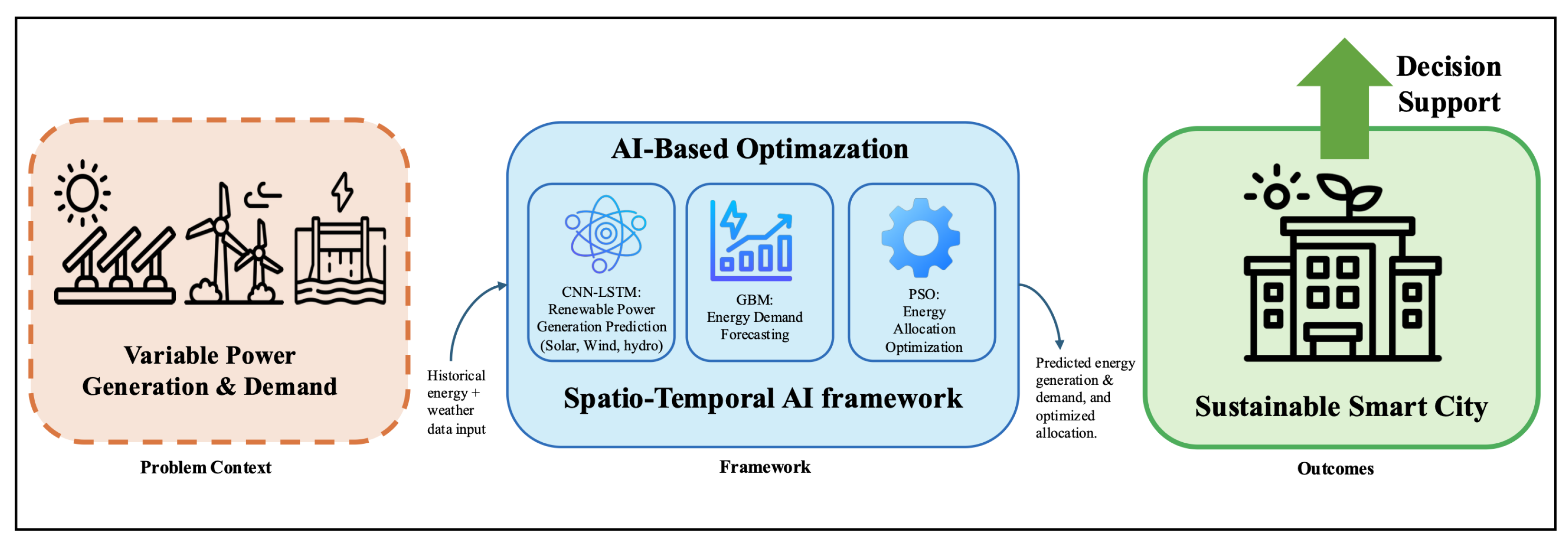
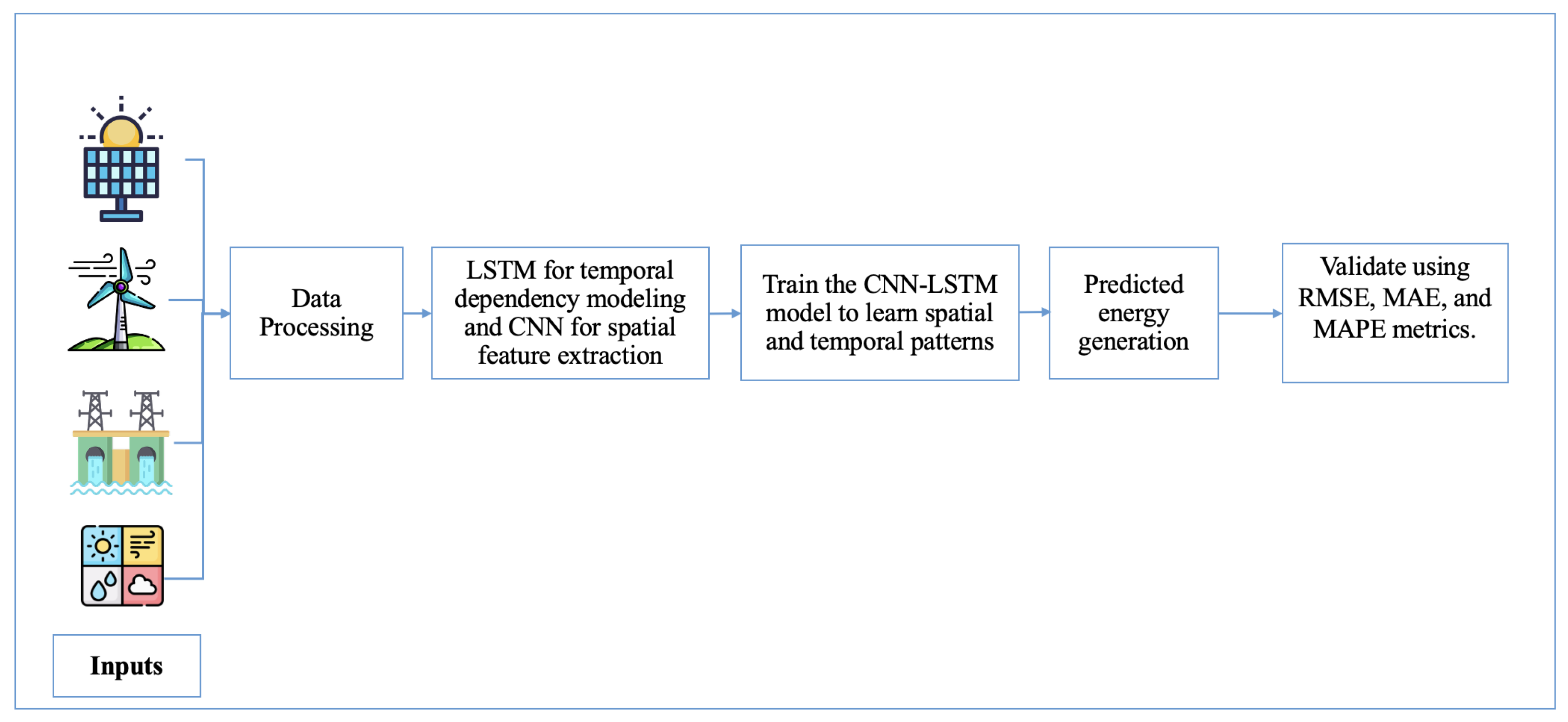
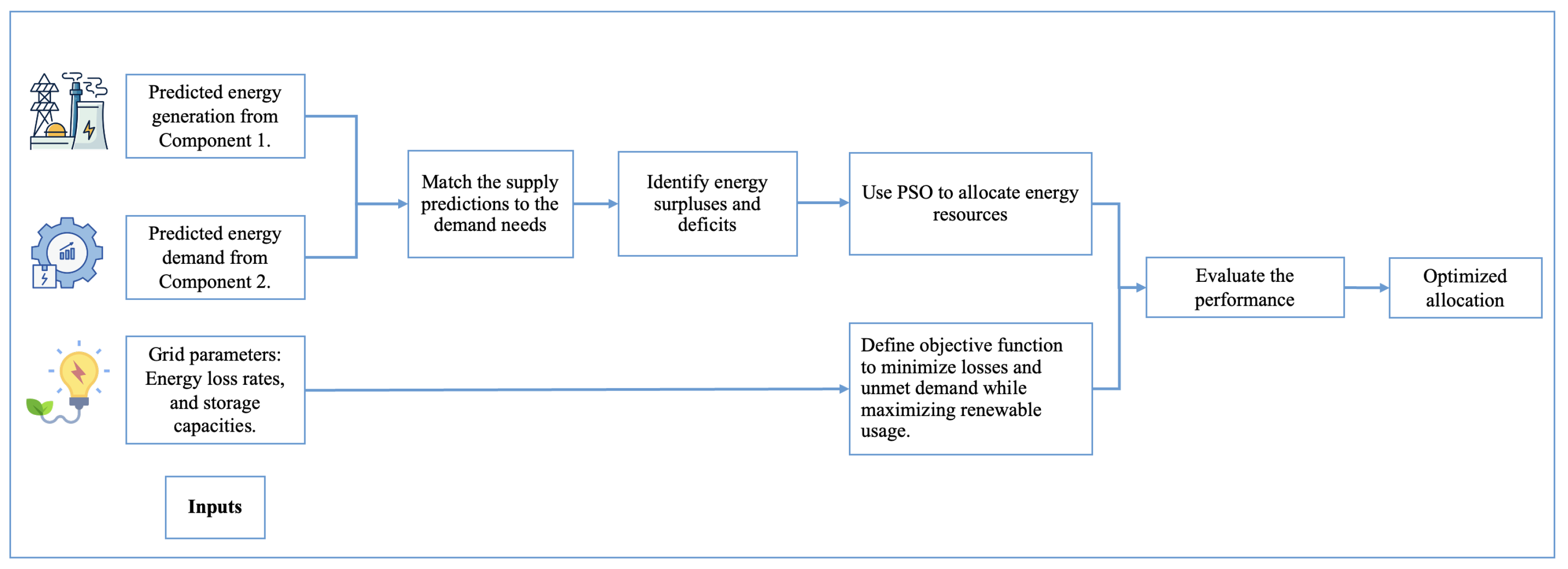
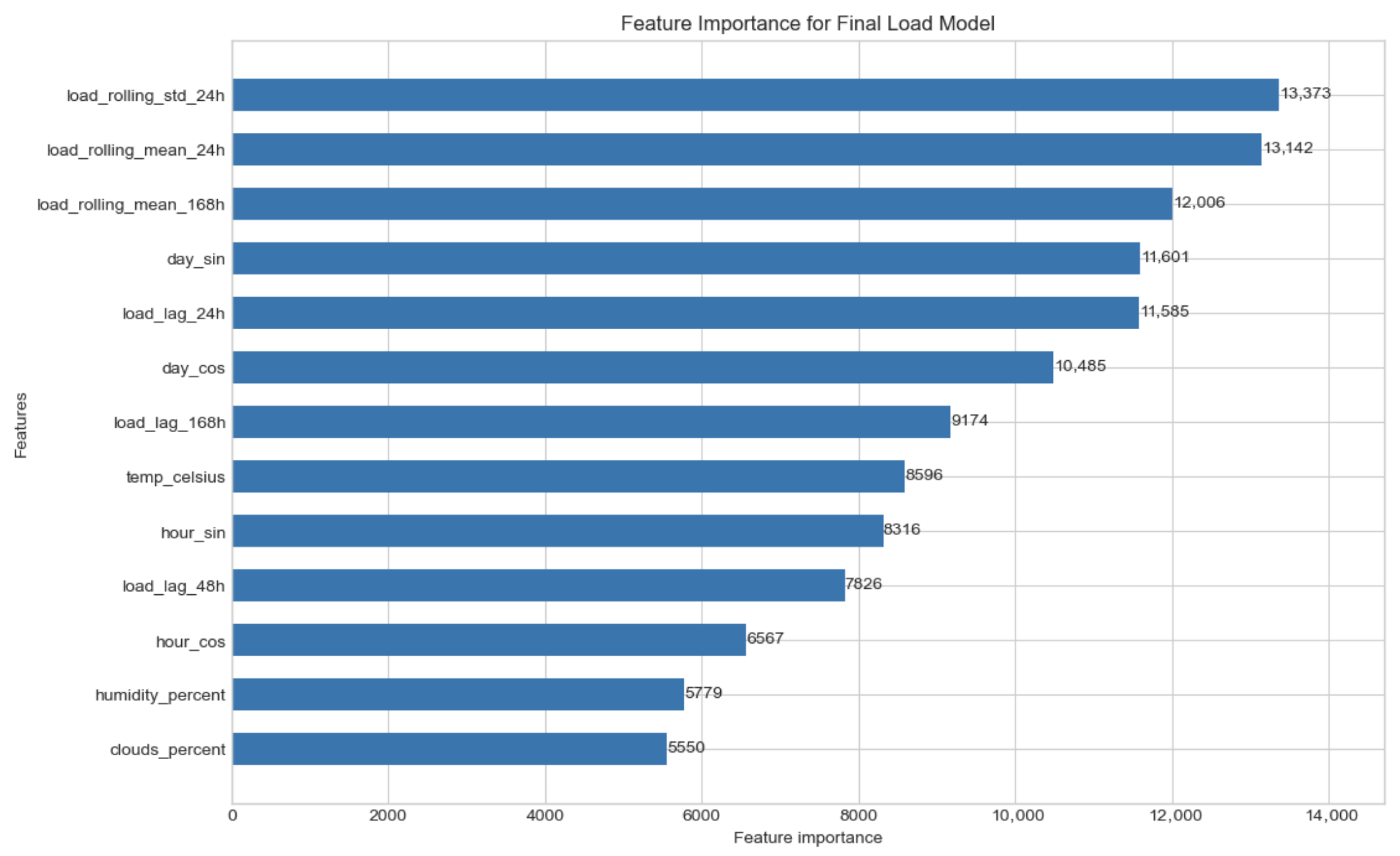
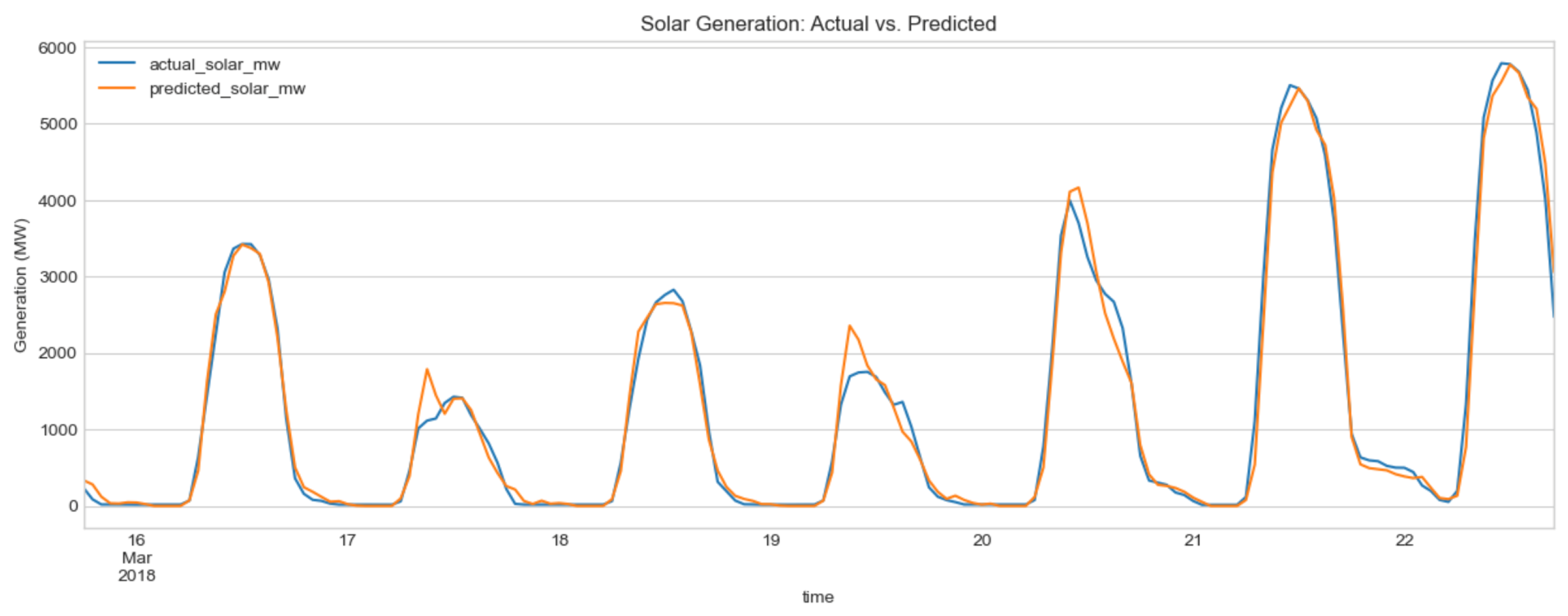
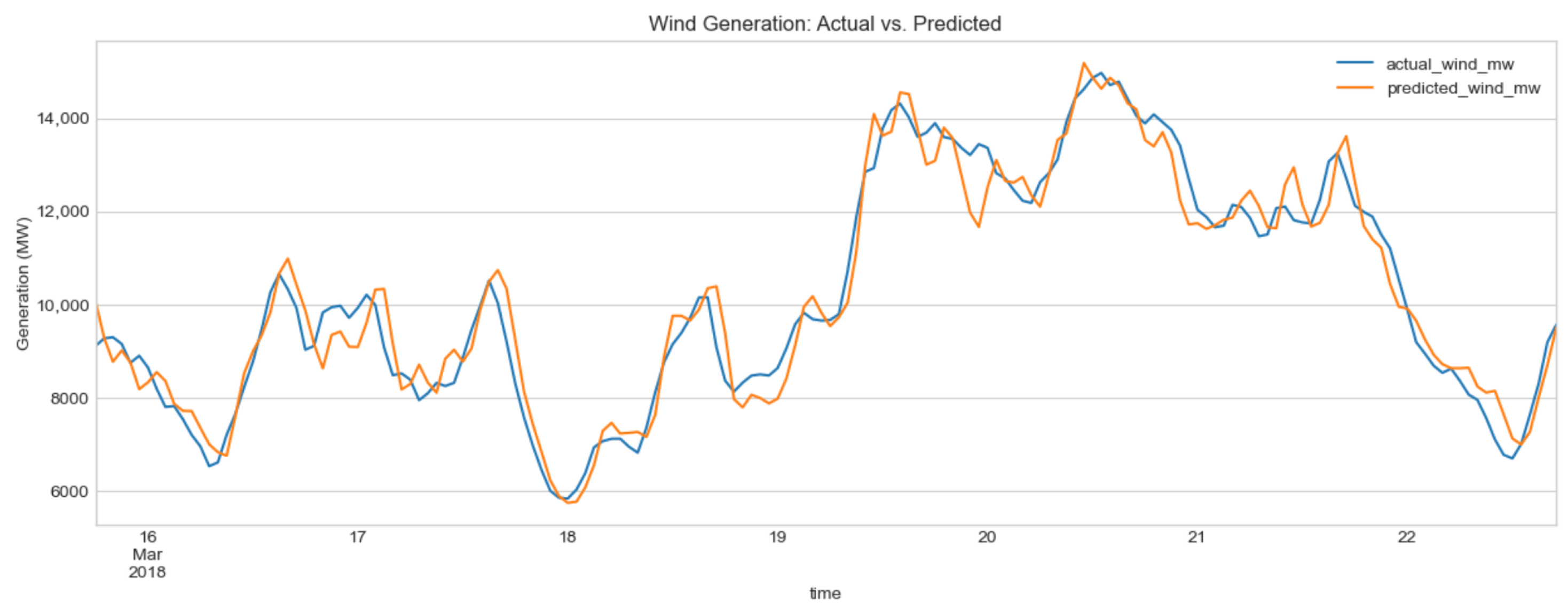
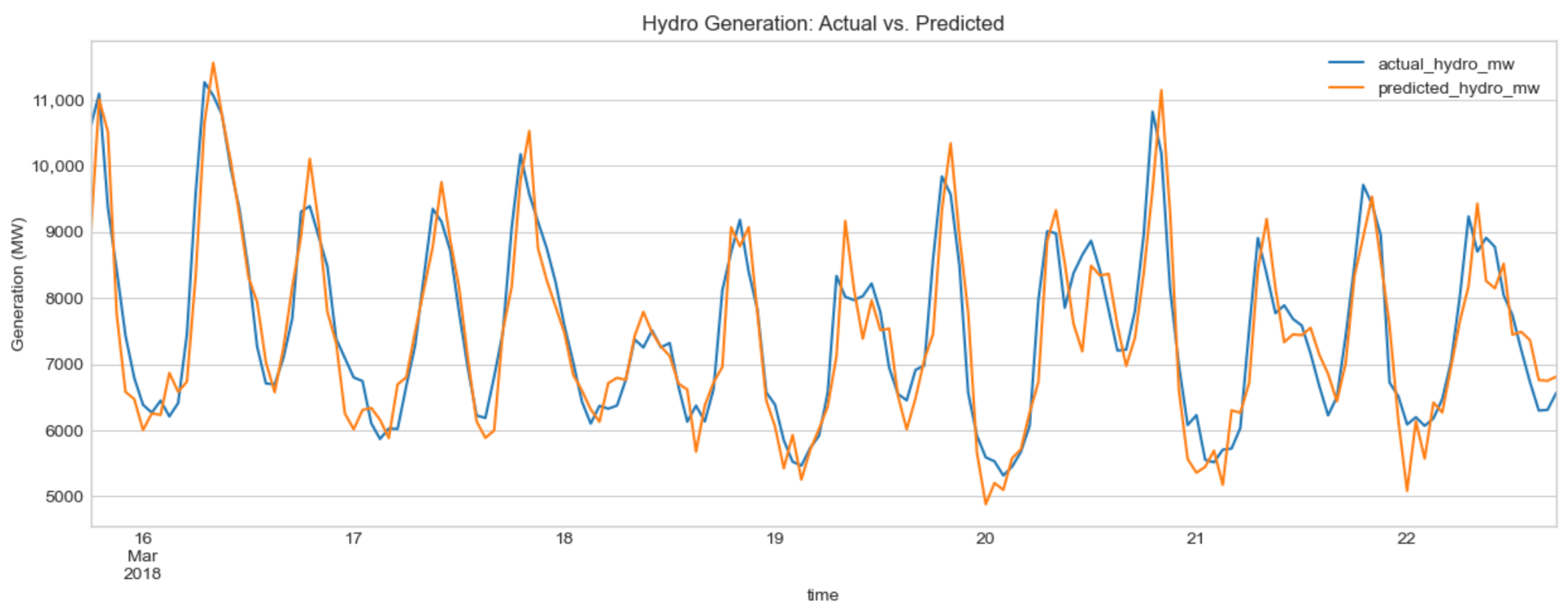
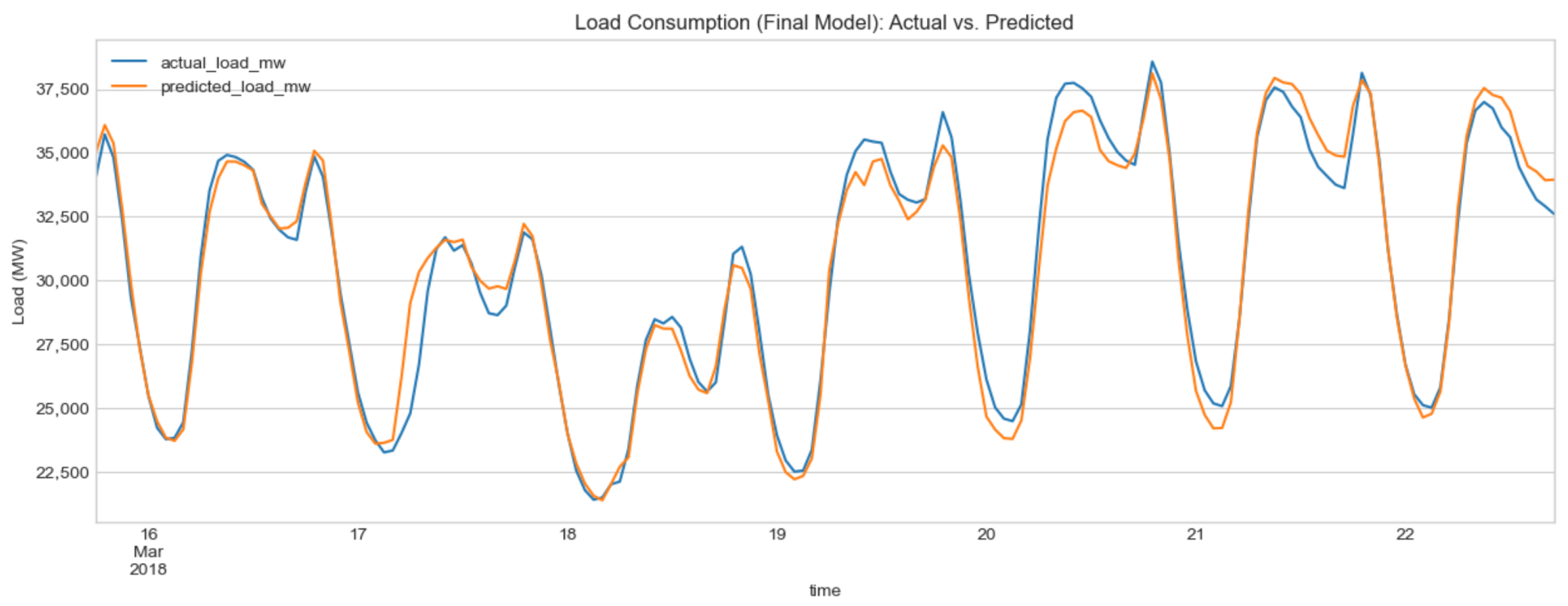
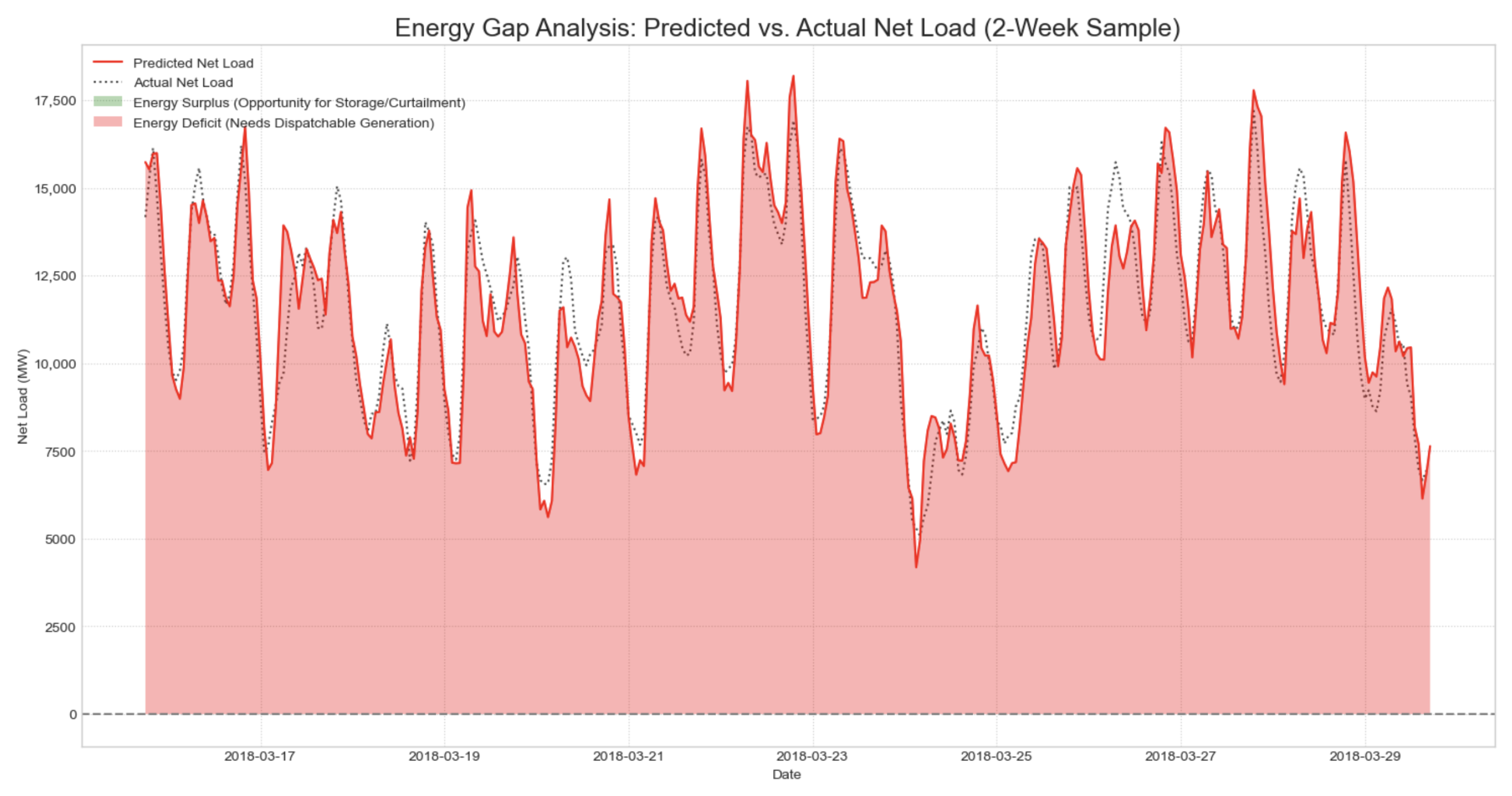
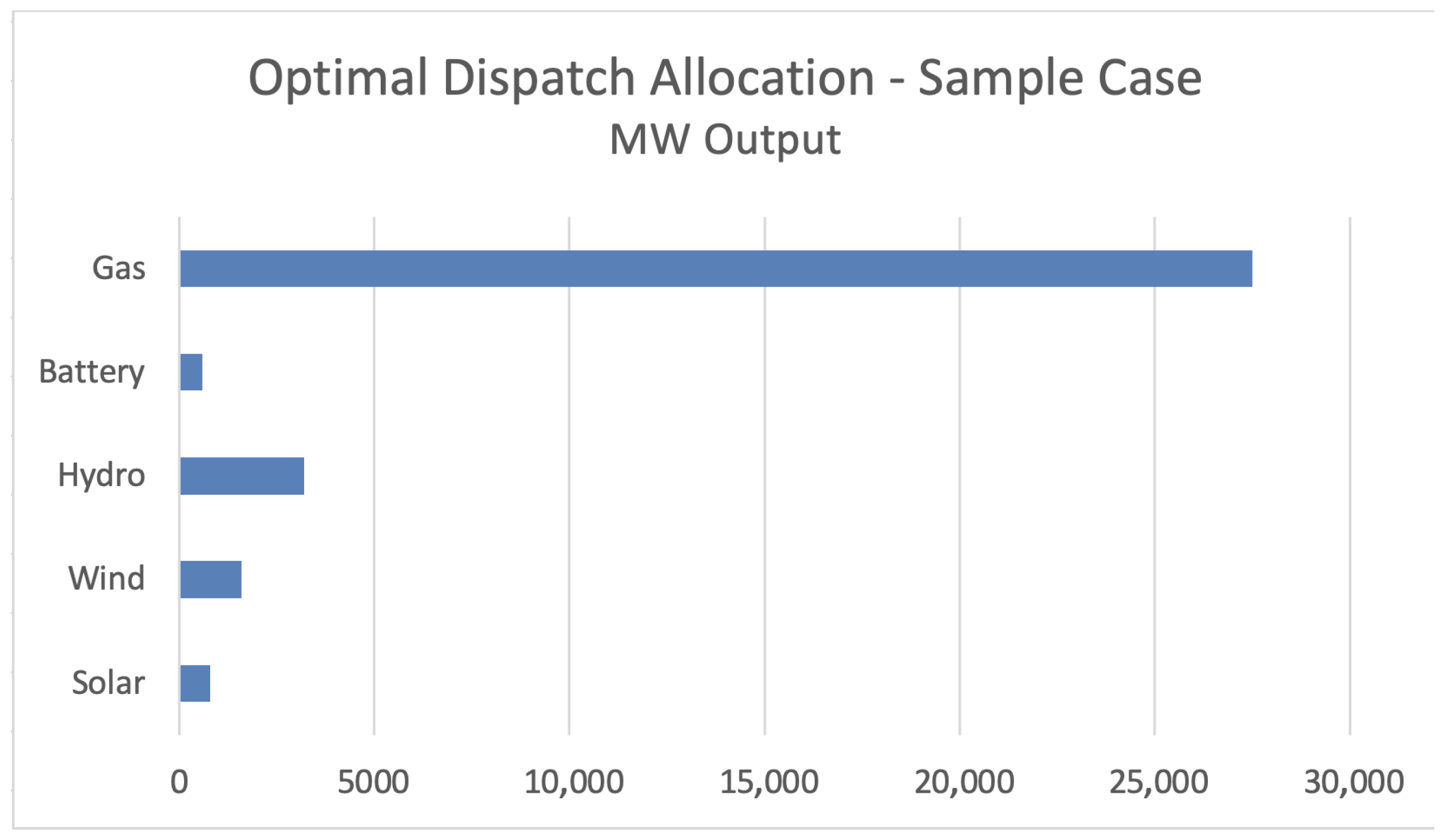
The accelerating pace of urbanization and the pressing need for sustainability have compelled cities worldwide to integrate renewable energy into their infrastructure. While solar, wind, and hydro sources offer cleaner alternatives to fossil fuels, their inherent variability creates challenges in maintaining balance between supply and demand in urban energy systems. Traditional statistical forecasting methods are often inadequate for capturing the nonlinear, weather-driven dynamics of renewables, highlighting the need for advanced artificial intelligence (AI) approaches that deliver both accuracy and interpretability. This paper proposes a spatio-temporal framework for smart city energy management that combines a Convolutional Neural Network with Long Short-Term Memory (CNN-LSTM) for renewable energy generation forecasting, a Gradient Boosting Machine (GBM) for urban demand prediction, and Particle Swarm Optimization (PSO) for cost-efficient energy allocation. The framework was first validated using Spain’s national hourly energy dataset (2015–2018). To rigorously test its generalizability, the methodology was further validated on a separate dataset for the German energy market (2019–2022), proving its robustness across different geographical and meteorological contexts. Results indicate strong predictive performance, with solar generation achieving a 99.03% R2 score, wind 96.46%, hydro 93.02%, and demand forecasting 91.56%. PSO further minimized system costs, reduced reliance on fossil-fuel generation by 18.2%, and improved overall grid efficiency by 12%. These findings underscore the potential of AI frameworks to enhance reliability and reduce operational costs.
Keywords: renewable energy forecasting; smart cities; CNN-LSTM; spatio-temporal modeling; Gradient Boosting Machines (GBM); Particle Swarm Optimization (PSO); urban energy management renewable energy forecasting; smart cities; CNN-LSTM; spatio-temporal modeling; Gradient Boosting Machines (GBM); Particle Swarm Optimization (PSO); urban energy management