1. Introduction
Nowadays, people spend approximately 90% of their time indoors, of which nearly 35% is spent in residential buildings [
1]. Due to improvements in living standards and technological progress, the demand for indoor climate quality has increased rapidly, as human health largely depends on well-being and the perception of indoor climate quality [
2]. At the same time, ensuring a high level of indoor climate leads to a corresponding increase in the demand for low-energy-consumption systems [
3]. The indoor comfort level directly affects a building’s energy use, considering the same building, the same systems, and identical climatic conditions, increasing comfort inevitably corresponds to higher energy consumption. A good indoor climate can be achieved by developing a rational approach to system selection, the aim of which is to identify the actual needs of the system and apply appropriate methods to address the defined requirements [
4]. The importance of indoor environmental quality has further increased in the post-COVID era, as a growing share of the population now works from home or spends extended periods in residential environments [
5,
6]. This shift has intensified the demand for stable thermal comfort and energy-efficient operation in dwellings, particularly in compact nZEB buildings where daily occupancy patterns and system-driven dynamics interact more strongly with indoor conditions [
7].
At the same time, new building regulations are increasingly promoting airtight constructions, which inevitably affect indoor air quality as well as human health and productivity. Despite substantial advances in the HVAC sector, the prevalence of occupants dissatisfied with indoor air quality continues to grow [
8,
9]. Furthermore, global temperature trends indicate more extreme weather patterns and frequent heat-wave events [
10,
11,
12], making overheating an increasingly common risk in many building types [
13]. With rising temperatures in both winter and summer, heating demand is projected to decline, while cooling requirements are expected to increase. In single-family residential nZEB buildings, where active and passive design strategies are tightly constrained, indoor thermal conditions often evolve rapidly over short periods, providing a distinctive setting in which the adaptive nature of the indoor environment becomes especially apparent [
14].
Despite its widespread use, the PMV model has been criticised for overestimating discomfort and for its limited predictive accuracy in non-steady-state indoor environments [
15,
16,
17,
18,
19]. Recent studies indicate that PMV performs poorly in low-energy and mechanically ventilated buildings, where air velocity, radiant temperature, and stratification differ significantly from conventional office conditions [
15,
20,
21]. While EN 16798-1 and ASHRAE 55 have incorporated adaptive comfort formulations, both remain primarily calibrated for naturally ventilated offices, not airtight residential nZEBs [
22,
23].
Classical thermal comfort models assume thermal equilibrium, constant activity, clothing levels, and symmetrical comfort responses. However, these assumptions do not remain valid under dynamic temperature changes, where all relevant parameters continuously deviate from steady-state conditions [
19,
20,
24]. A central mechanism explaining these discrepancies is thermal alliesthesia, introduced by Cabanac in 1971, which describes how identical thermal stimuli can feel pleasant or unpleasant depending on one’s internal physiological state [
25]. Later works established that thermal perception is path-dependent, influenced by prior exposure, direction of temperature change, and rate of drift [
21,
26,
27]. Transient comfort studies repeatedly demonstrate overshoot responses, especially during temperature decreases [
28,
29], which PMV cannot capture [
30]. These limitations define the conceptual basis for the methodological framework proposed in the following paper. Thermal sensation under transient and non-uniform conditions has been extensively investigated through physiology-based and hybrid modelling approaches. Zhang et al. formulated local sensation models for 19 body parts applicable to both transient and asymmetric environments, derived via regression of skin/core temperatures against sensation votes from climate-chamber studies and supported by external validation contexts; the transient component was explicitly represented by an additive dynamic term proportional to physiological temperature derivatives to capture overshoot/anticipation effects [
31]. Likewise, Roelofsen compared dynamic thermal sensation predictions between a modified multi-segment Stolwijk implementation and the Fiala FPC framework across well-documented step-change transient experiments for sedentary activity, highlighting that DTS depends on mean-skin/core states and the rate of change in mean-skin temperature, while also noting the model-specific nature of DTS correlations due to reliance on simulated physiological states [
32]. More recently, THERMODE 2023 has been proposed as a multi-segment thermoregulation model integrating a dedicated thermal sensation module and validated through a structured procedure combining climate-chamber comparisons and large-scale subjective datasets, reporting good agreement of predicted TSV against measurements on more than 4000 interviewed subjects [
33]. The reviewed adaptive models collectively demonstrate a growing capacity to represent human–environment interactions but remain disconnected from real-time control frameworks [
14]. In this broader context, empirical corrections expressed in terms of indoor environmental measurements can be positioned as an extensive pathway for capturing short-term drift effects in residential nZEB operation.
The adaptive correction approach emerged as a response to the limitations of steady-state heat-balance models. It recognises that comfort is not only physiological but also behavioural and psychological, allowing occupants to adjust through clothing, activity, or environmental control [
34]. This led to the development of adaptive thermal comfort models, based on the principle that occupants actively regulate their comfort through behavioural, physiological, and psychological adaptation mechanisms. The adaptive approach assumes a continuous feedback loop between environmental stimuli and human responses [
15,
35]. The proposed model is defined as an additive correction to PMV based on indoor drift descriptors, enabling PMV to be extended by transient deviations.
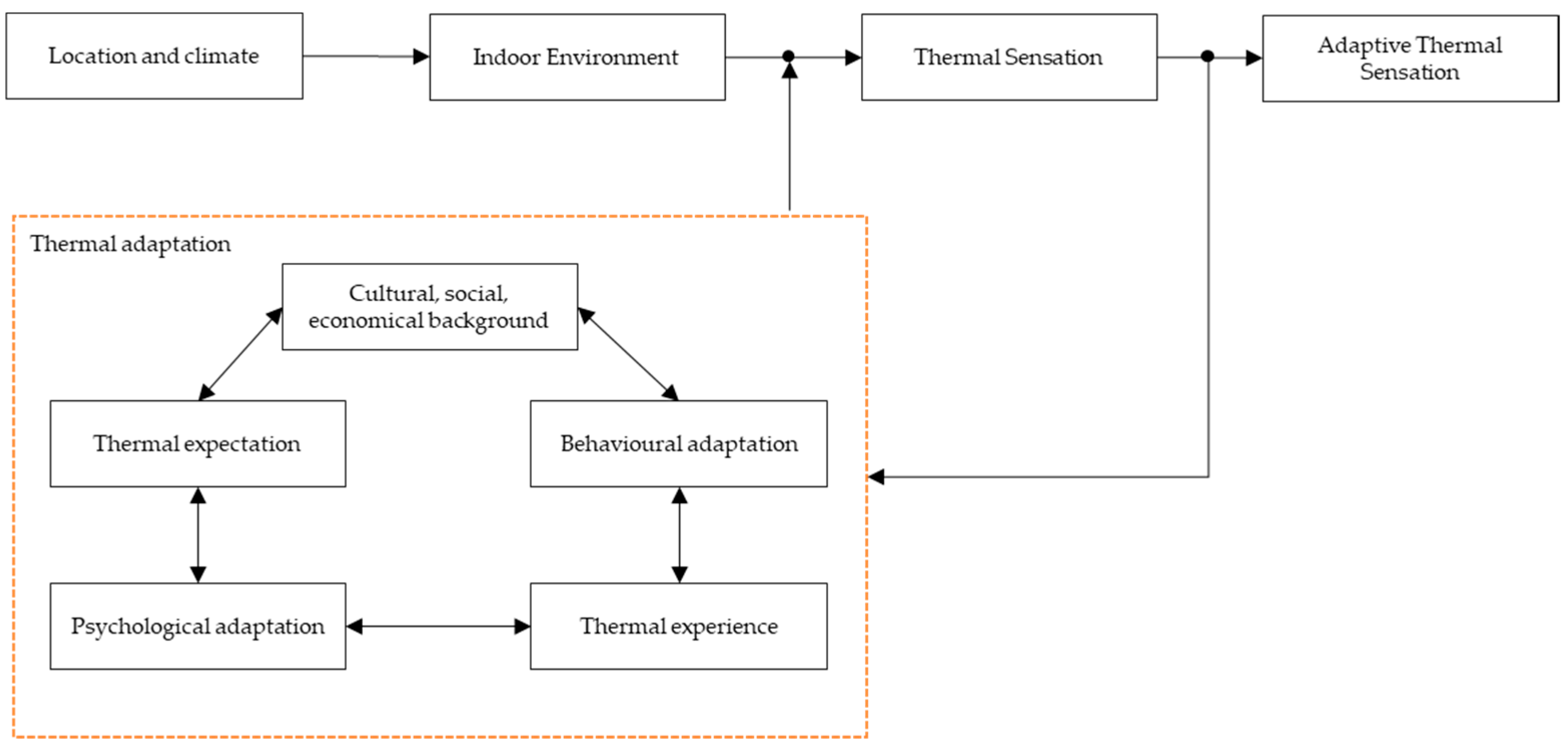
Dynamic thermal environments in nZEB buildings exhibit characteristics that differ from the steady-state indoor conditions assumed in classical thermal comfort models (see
Figure 1). Operative temperature may fluctuate rapidly during heating recovery, ventilation boost cycles, or solar transients. Indoor temperature levels can rise and fall according to demand-controlled ventilation logic and occupants frequently experience short-term radiant or convective asymmetries. These effects are not precisely captured by the current PMV-PPD model, whose accuracy relies on the assumption of steady heat balance. This leads to systematic discrepancies between predicted and perceived comfort, especially in well-insulated, low-energy dwellings.
The objective of this paper is to investigate the indoor parameter fluctuations to assess PMV deviations from subjective thermal sensation (TSV) and develop the mathematical formulation of the adaptive efficiency index (Aeff) by identifying relevant thermodynamic parameters influencing perceived comfort.
2. Methods
To investigate the indoor parameter fluctuations, an adaptive efficiency index Aeff is developed in this study as a dynamic additive modifier to PMV. Its purpose is not to replace PMV, but to quantify how effectively the indoor environment supports adaptive thermal comfort under transient conditions. Conceptually, Aeff represents an adaptive indoor comfort efficiency factor that accounts for environmental dynamics not represented in PMV while retaining PMV as the foundational thermal balance indicator. Together, these steps yield a compact, interpretable, and transferable index that can be directly applied to simulation outputs or control strategies for HVAC systems in residential nZEB environments.
The selection of comfort-relevant parameters for the development of A
eff is guided by the need to capture both the steady-state thermal conditions and the transient effects characteristic of nZEB buildings. Operative temperature may fluctuate during heating recovery, ventilation boost cycles, or solar transients. Indoor temperature levels can rise and fall according to demand-controlled ventilation logic and occupants frequently experience short-term radiant or convective asymmetries [
36]. Prior field investigations indicate that operative temperature drifts may impact the occupant satisfaction, as it tends to decrease with increasing rates of temperature change [
21]. In parallel, radiant transients have been shown to generate an impact on thermal comfort [
37].
While classical comfort theory describes indoor climate using a set of static variables, empirical studies and observations in low-energy residential environments demonstrate that occupants react not only to the absolute values of these parameters but also to how they evolve over time. Therefore, the parameter set used in A
eff must extend beyond the traditional PMV inputs and incorporate indicators of dynamic change:
where
Tin—indoor air temperature, °C;
TMRT—mean radiant temperature, °C;
ΔTin/Δt—indoor air temperature change over 1 h, K/h;
ΔTMRT/Δt—mean radiant temperature change over 1 h, K/h.
The purpose of the adaptive efficiency index A
eff is to quantify the degree to which dynamic indoor environmental conditions in nZEB buildings deviate from the steady-state assumptions of the PMV model. For example, the adaptive aPMV model adjusts thermal sensation based on long-term exposure, performing better in mixed-mode or transitional-season environments using the empirical coefficient λ [
15]. However, λ remains empirically derived and context-sensitive, limiting transferability between climates. Fangers ePMV model provides a pragmatic correction for non-air-conditioned or mixed-mode spaces, where occupants anticipate a wider comfort tolerance [
38]. While conceptually simple, ePMV assumes a fixed expectancy coefficient, making it climate-dependent but temporally static. In contrast to multiplicative approaches (aPMV, ePMV), A
eff is formulated as an additive correction term that adjusts PMV based on dynamic thermal stimuli and radiant asymmetries. This approach ensures that dynamic discomfort is represented even when PMV predicts neutrality (PMV ≈ 0), which is particularly important in low-energy buildings where rapid transitions occur despite near-neutral baseline conditions. The development of A
eff requires determining how strongly each comfort-relevant parameter contributes to dynamic deviations from steady-state thermal sensation. This is achieved through a regression-based approach that quantifies the relationship between the selected environmental variables and the observed dynamic comfort response. Regression is used as a method to estimate the weighting coefficients that define the contribution of each mechanism in the A
eff formulation.
Accordingly, the adjusted comfort prediction is defined as follows:
where
Z(x)—normalisation of each variable;
βi—regression coefficients.
2.1. Experimental Validation
The experimental part of this research is designed as a controlled study aimed at examining human thermal sensations under dynamic indoor temperature conditions. The aim for such a design is to investigate the limitations of the static PMV model when applied to rapidly changing thermal environments and to generate a high-quality empirical dataset that can serve as a validation basis for the adaptive correction term developed in this thesis. The experiment focuses on isolating and controlling thermal comfort processes such as the transient change in air temperature, radiant temperature, and their combined influence on perceived comfort. This experiment serves as the empirical foundation for the simulation work that follows. It precedes the dynamic simulation matrix intentionally, as the insights gained from human responses inform both the selection of simulation variables and the development of the adaptive thermal comfort model.
2.2. Methodological Approach
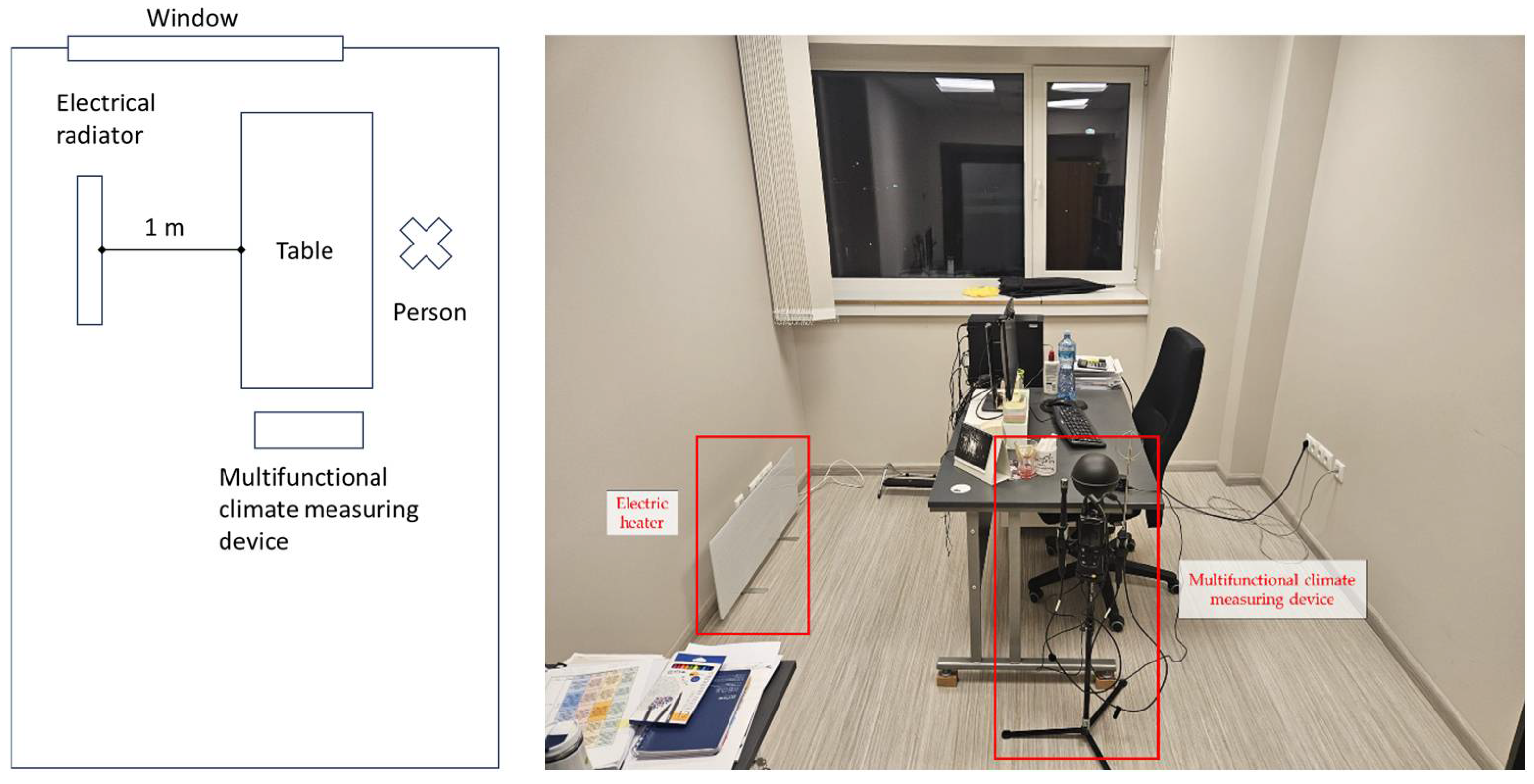
The experimental method is based on the controlled manipulation of indoor temperature during the occupied daytime periods using a stand-alone electric radiator that stands 1 m away from the person. The positioning of the radiant source, the person, and the measuring equipment replicates typical layouts encountered in occupied spaces. The central heating radiator in the room is kept off throughout the experiment to ensure that the thermal environment responds exclusively to the predefined setpoints of the controllable heater. By isolating a current single heat source, the experiment maintains a high level of reproducibility and avoids confounding effects caused by fluctuating building systems (See
Figure 2).
Participants remain seated in a consistent posture during each measurement cycle in order to minimise activity-related variability. This approach emphasises thermal perception rather than physical activity and allows for stable assessment of comfort responses. The microclimate parameters relevant for comfort assessment such as air temperature, mean radiant temperature, relative humidity, and air velocity are measured continuously next to the participant position using professional Testo equipment (ISO 7726, Class C compliant) [
39].
Measurements were performed at a height of 0.6 m above floor level, corresponding to the level of a seated occupant. This choice supports a local field comparison between simultaneously collected subjective votes and locally measured environmental conditions. The Testo tool and associated sensors were factory-calibrated in accordance with the manufacturer’s specifications. During the experimental period, relative humidity in the measurement area ranged from 35 to 40% (median 39%) and air velocity ranged from 0.03 to 0.10 m/s (median 0.08 m/s). Data in the Testo measurement tool were recorded at 5 min intervals, and the subsequent analysis therefore targets short-term drift trends at this temporal resolution rather than instantaneous microclimatic fluctuations. The combination of controlled environmental exposure and high-precision measurement instruments provides the necessary resolution to detect subtle changes in comfort perception.
2.3. Data Collection and Analysis
Data collection is centred on two complementary information streams: objective environmental measurements and participants’ subjective responses. Objective data consists of continuous measurements of air temperature, MRT temperature, and PMV. From these measurements, additional dynamic indicators, such as the rate of temperature change, can be computed. These parameters are selected to match the variables later implemented in the simulation framework, ensuring methodological coherence across the thesis.
PMV was calculated by the Testo software (v.1.14) implementing the ISO 7730 procedure using these measured inputs, while metabolic rate and clothing insulation were indicated explicitly. Metabolic rate was set according to ISO 7730 to represent sedentary office activity and clothing insulation was assigned individually for each respondent based on the clothing worn during the experiment with values ranging from 0.4 to 0.6 clo.
In addition, the air-speed input relevant to PMV was considered in the context of relative air velocity as defined in ISO 7730 (Annex A.2) [
40]. For the applied sedentary activity level (1.2 met), the resulting relative air velocity is approximately 0.06 m/s, which is not expected to significantly influence PMV under the measured low air-speed conditions of 0.03 m/s to 0.10 m/s.
Mean radiant temperature was assessed using a globe thermometer. The potential mismatch between the radiant load experienced by the occupant and that captured by a globe measurement, as well as the thermal inertia of the globe under transient conditions, may introduce uncertainty in absolute MRT values and possible phase lag during fast changes. Consequently, MRT-related dynamics are interpreted as field-representative indicators within the constraints of the employed instrumentation, and the implications for uncertainty propagation into the drift-based model are assessed as a trend-based.
Subjective data is collected using a comfort questionnaire based on the 7-point thermal sensation scale (−3 cold to +3 hot) consistent with ISO 10551 [
41]. In total, responses were collected from 20 participants, yielding 150 paired TSV-PMV observations. Participants provided thermal assessments at key temperature points along the heating and cooling trajectory. They are also asked to indicate whether they sense draft, sudden temperature change, or would prefer the environment to be warmer or cooler. These responses supply the behavioural reference against which the standard PMV model and subjective PMV can be evaluated.
Before regression, all parameters are standardised to zero mean and unit variance to ensure dimensional consistency and avoid dominance of variables with large numerical scales. This also allows the coefficients to be directly compared in terms of relative influence. Standardisation is applied independently for each variable across the entire dataset to preserve the natural variability of environmental dynamics. The regression coefficients therefore represent the contribution of each parameter to dynamic comfort deviation per unit of its standardised change. The regression analysis is performed using a dataset that provides variations across both static and dynamic conditions. The dataset includes 5 min-step logged environmental variables together with the corresponding reference comfort response.
The analytical phase begins with processing of the objective sensor data. Air and globe temperatures are filtered and averaged to identify stable and transition periods. Operative temperature is computed and transients are derived from minute-to-minute changes. PMV values are taken directly from the Testo software, which implements the ISO 7730 algorithm. The next stage compares PMV predictions with the subjective PMV values. The analysis examines linear and non-linear relationships, evaluates correlation and determination coefficients and calculates errors. Particular attention is given to the behaviour of PMV under dynamic temperature changes, where larger deviations from subjective PMV are expected. These deviations are then used to form the empirical basis for estimating the coefficients of the adaptive correction term. The experiment establishes whether the direction and magnitude of the correction align with physiological responses. Finally, the adjusted model PMV is compared to PMV to assess whether it reduces prediction errors relative to the static PMV baseline.
2.4. Experimental Procedure
To ensure that the data support a robust validation of adaptive comfort dynamics, the experiment is organised around several analytically distinct cases. These cases define the behavioural patterns expected from participants and guide the interpretation of both objective and subjective measurements (see
Table 1). The experiment unfolds across three phases:
The room is maintained at 22 °C for up to 30 min to achieve thermal equilibrium. Measurements begin and the participant submits an initial PMV vote. This case establishes reference comfort, stabilised PMV, and a zero transient state.
The radiator setpoint is raised to 26–28 °C. Temperature increases over several minutes, capturing clear transient behaviour. PMV is recorded at successive temperature points. This case focuses on how rapidly rising temperature produces perceptual overshoot, PMV lag, and the initial formation of adaptive comfort.
The setpoint is returned to 22 °C. Temperature falls gradually, completing the full dynamic cycle. This allows the identification of hysteresis in comfort response and typically reveals slower perceptual adaptation than during heating.
This experiment shows typical nZEB daily comfort scenarios (morning warm-up, afternoon overheating, evening cool-down) and provides a manageable dataset for dynamic model validation. The entire procedure lasts approximately sixty to ninety minutes, representing a realistic cycle of morning warm-up and evening cool-down that often occurs in nZEB dwellings.
The temperature rate and radiant environment are expected to correlate with discrepancies between standard PMV and subjective PMV. The collected dataset will therefore provide essential validation that an additive correction to PMV is not only theoretically justified but also empirically necessary.
Table 1.
Equipment used in the experiment.
Table 1.
Equipment used in the experiment.
| Equipment | Manufacturer | Product Code | Notes/Measuring Range | Image |
|---|
| Multifunctional climate measuring tool | Testo (Titisee-Neustadt, Germany) | 480 | Temperature: −100 to +400 °C ± 0.3 °C |  |
Air velocity: 0.1 to 5 m/s ± 0.03 m/s
Relative humidity: 0 to 100% ± 1.8%
Globe probe: 0 to 120 °C ± 0.5 °C |
| Electric heater | Aeno (Limassol, Cyprus) | Premium Eco Smart Heater | Heating method: infrared + convection
Max power consumption: 700 W+
Voltage: 220–240 V, 50 Hz
Heating surface temperature:
60–120 °C |  |
3. Results
This section quantifies the mismatch between the steady-state PMV model and occupants that reported thermal sensation votes, TSV, and evaluates whether the proposed correction approach, PMVadj, reduces this mismatch under dynamic indoor conditions. The experiment produced a high-resolution measurement log with 5 min sampling of indoor air temperature, mean radiant temperature, air velocity, relative humidity, and calculated PMV, while TSV responses were collected at irregular time instants depending on participant availability. To ensure a consistent comparison, the continuous measurement stream was synchronised to subjective votes by extracting time-matched or short-window averaged sensor values around each completed questionnaire entry. These matched 30 selected observation points that were further aggregated into scenario-level representative points, used for regression and error statistics.
After establishing the baseline relationship between the steady-state PMV and subjective thermal sensation votes TSV, in order to quantify the dynamic contribution, an adaptive efficiency index A
eff was derived using a regression approach based on measured transient descriptors. The resulting expression is
The baseline offset of 0.0802 implies that even at quasi-steady conditions, an additional positive correction remains. In the present dataset this shifts the predicted state slightly towards warmer sensation compared to PMV (Testo), which is consistent with the observed tendency of participants to report higher TSV than the instrument PMV in mild warm conditions. The positive coefficient in front of ΔTin/Δt means that when indoor air temperature increases faster, Aeff increases and so does PMVadj. The negative coefficient in front of ΔTMRT/Δt means that fast increases in radiant temperature reduce the required correction in the current formulation. The opposite signs of the two derivatives indicate that the model differentiates between the convective and radiative pathways of thermal exposure.
Table 2 summarises the complete set of analysed points, including indoor air temperature
Tin, mean radiant temperature
TMRT, operative temperature
Top, and dynamic terms Δ
Tin/Δ
t and Δ
TMRT/Δ
t, alongside the comfort indicators PMV (Testo), TSV, A
eff, and PMV
adj.
Across the TSV-PMV(Testo) observations, the mean PMV(Testo) was 0.19 with a standard deviation of 0.21, while the corresponding TSV exhibited a mean value of 0.30 and a standard deviation of 0.25. This indicates a slightly higher variability of subjective responses compared to the model-based PMV estimates.
Based on the analysis, indoor air temperature ranged approximately from 21.2 to 25.2 °C, while mean radiant temperature ranged from 22.0 to 26.6 °C, indicating that radiant conditions were often warmer than air temperature. It can be seen that both ΔTin/Δt and ΔTMRT/Δt approach 0.0 K/h during quasi-steady periods but reach peaks up to around 1.3–1.5 K/h during recovery or disturbance phases. In parallel, Aeff spans 0.05–0.18, increasing during periods with stronger temperature transients or stronger radiant changes. Consistently, PMVadj shifts PMV toward TSV during these transient episodes, suggesting that the correction term is most active where the steady-state assumptions are least valid.
3.1. Data Analysis
In order to quantify the reliability of different comfort indicators to reproduce subjective perception, multiple error metrics were calculated against TSV as the reference. The baseline PMV (Testo) demonstrates only a moderate agreement with subjective votes. The NRMSE is 17.61%, while the Pearson correlation is 81.32% and R2 = 66.12%. This indicates that the steady-state PMV computed from measured indoor parameters captures the overall tendency of thermal sensation but still leaves a substantial fraction of the TSV variance unexplained. In the present dataset, this mismatch is consistent with the fact that participants responded under non-steady conditions where transient heating effects and local radiant changes can occur.
Introducing the dynamic adjustment, PMVadj, improves the agreement with TSV in terms of absolute error and explained variance. Compared to the PMV baseline, NRMSE decreases from 17.61% to 14.00%, which corresponds to an approximate 19% reduction in NRMSE. At the same time, the R2 coefficient increases to 67.54% and the Pearson coefficient also increases to r = 82.18%. Although this increase is slight, the reduction in NRMSE is practically important because it means the adjusted model tracks the typical magnitude of subjective deviations more closely. It means that PMVadj reduces the average distance to the reported sensation.
The alternative adaptive thermal models perform weaker in this dataset. aPMV yields NRMSE = 19.27%, Pearson r = 79.96%, and R2 = 63.93%, while PMVexergy shows the largest discrepancy with TSV with NRMSE = 23.54% despite a similar linear correlation level of r = 81.32% and R2 = 66.12%. The high NRMSE for PMVexergy indicates that, even if the direction of changes may align with TSV in some intervals, the magnitude of the predicted sensation diverges substantially from the subjective votes. For aPMV, the lower R2 implies that the chosen adaptive correction does not fit the specific transient behaviour observed in this experiment as effectively as the proposed formulation.
Finally, the MAE values support NRMSE with a value of 0.098 by showing the typical absolute deviation without emphasising occasional larger errors. PMVadj provides the smallest average error relative to TSV, while the alternative adaptive formulations do not reduce the error in the tested regime.
3.2. PMV Correlation
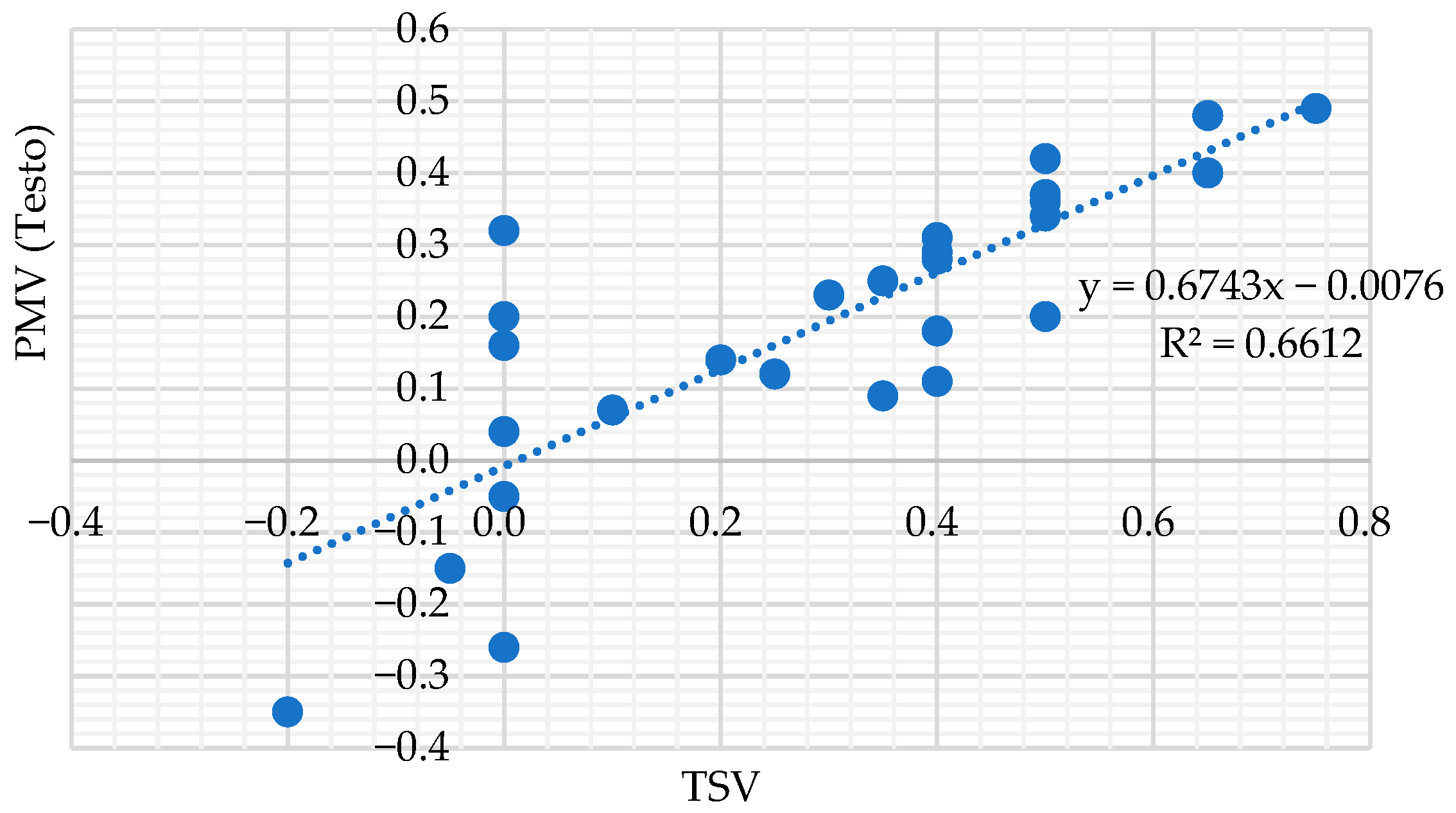
Figure 3 presents the direct comparison between TSV and PMV (Testo). Even when the indoor state appears moderately comfortable in absolute terms, participants tended to report warmer sensations during transient warm-up and stronger radiant gradients. This produces a visible difference where TSV is frequently above PMV in the warm direction. The spread is partly explained by the measurement–perception resolution mismatch. In the analysis, TSV values were treated as group-level expected values per scenario.
The linear regression indicates a strong relationship between the two variables, described by R2 = 0.6612. When occupants report higher warmth, Testo-based PMV increases as expected, but at a lower rate. It can be seen that real votes partially reflect short-term dynamics and local sensations that are not fully represented by the steady-state model. This becomes visible in the scatter, where, for similar TSV levels, several points still spread vertically, meaning that identical subjective sensation may correspond to slightly different instantaneous PMV(Testo).
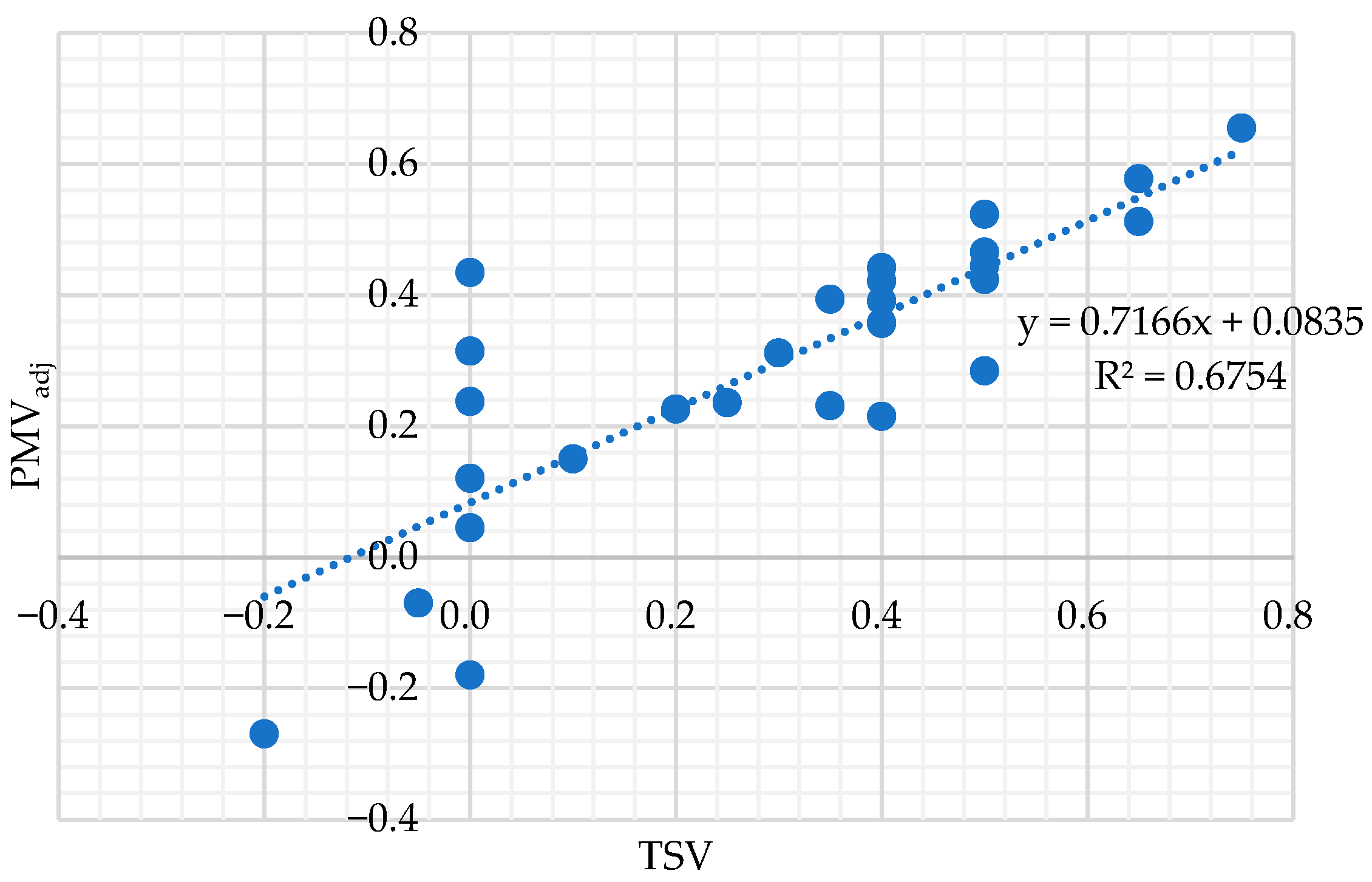
Figure 4 then shows the effect of applying the correction term, comparing TSV and PMV
adj. The new series follows the subjective trend more closely than the classical PMV, particularly in the range around neutrality and in the slightly warm regime from +0.3 to +0.7, where the highest density of points occurs. The linear regression ranges from 0.6612 to 0.6754, indicating that PMV
adj captures a larger portion of the variability in subjective votes. The regression exhibits a positive offset of +0.08. This indicates that, for votes close to neutral, the modelled PMV
adj tends to be slightly positive. Interpreted physically, this shift means that, under the tested conditions, the correction tends to increase PMV relative to the original model around neutrality, i.e., the adjusted model predicts a mildly warmer sensation than the steady-state PMV. The slope also increases from 0.6743 to 0.7166. This means PMV
adj reacts more strongly to changes in subjective votes than PMV(Testo) does.
It means that PMVadj preserves the structure of ISO 7730 but compensates for the observed systematic difference under dynamic operation by adding Aeff, which is driven by the transient thermal behaviour. This aligns with the core hypothesis that comfort perception in nZEB well-insulated environments is shaped not only by instantaneous state variables, but also by how quickly the state changes and how radiation and air temperature diverge.
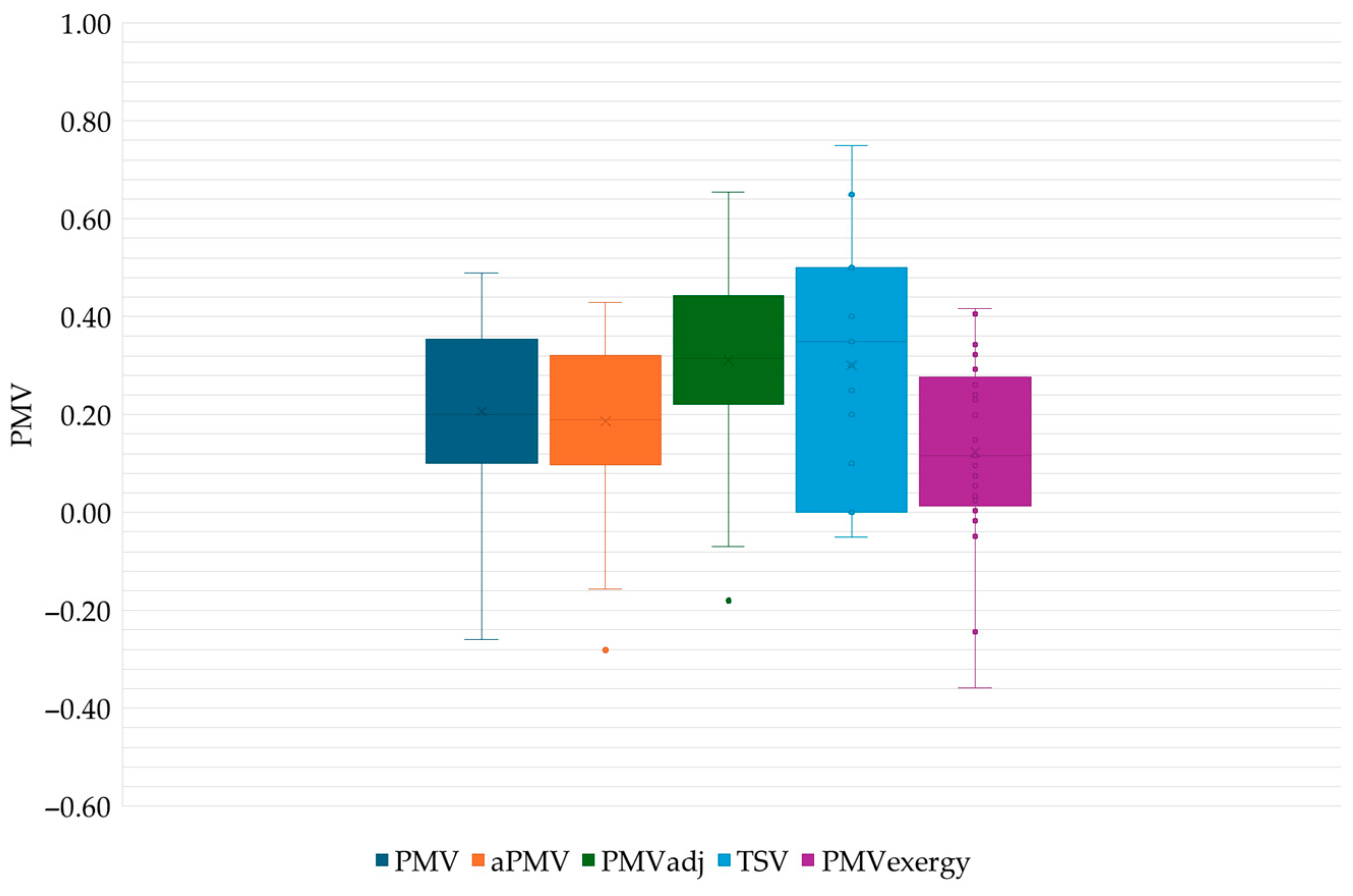
Figure 5 summarises the distributions of the five comfort indicators. It can be seen that the central tendency differs across metrics. The median PMV is around 0.20, with an interquartile range, IQR, from 0.10 to 0.35 and whiskers extending to the range approximately from 0.25 to 0.50. aPMV is slightly lower and more compact, with a median around 0.18–0.20, IQR is about 0.10–0.30 and the lower tail reaches −0.30. In contrast, PMV
adj is shifted upwards. Its median lies close to 0.30, with IQR approximately from 0.22 to 0.45 and the upper whisker reaching around 0.60, indicating that the correction increases the predicted warm sensation under the analysed transient conditions. TSV shows the widest spread, which is expected for discrete subjective voting. The median is around 0.32–0.35, while the IQR spans from 0.00 to 0.50 and the upper whisker reaches about 0.65. Finally, PMV
exergy is centred lower than TSV and PMV
adj. The median is near 0.10–0.12, with IQR around 0.02–0.28 and a longer negative tail down to −0.35, highlighting that this alternative adaptive comfort model produces a different scaling and sensitivity compared to ISO 7730-based indices. Overall, the figure indicates that PMV and aPMV remain closer to the instrument-based steady-state prediction, while PMV
adj moves the distribution toward TSV, improving agreement at the level of medians and quartiles, even though TSV variance remains inherently larger due to inter-individual differences and the discrete nature of the voting scale.
3.3. Adaptive Efficiency Index
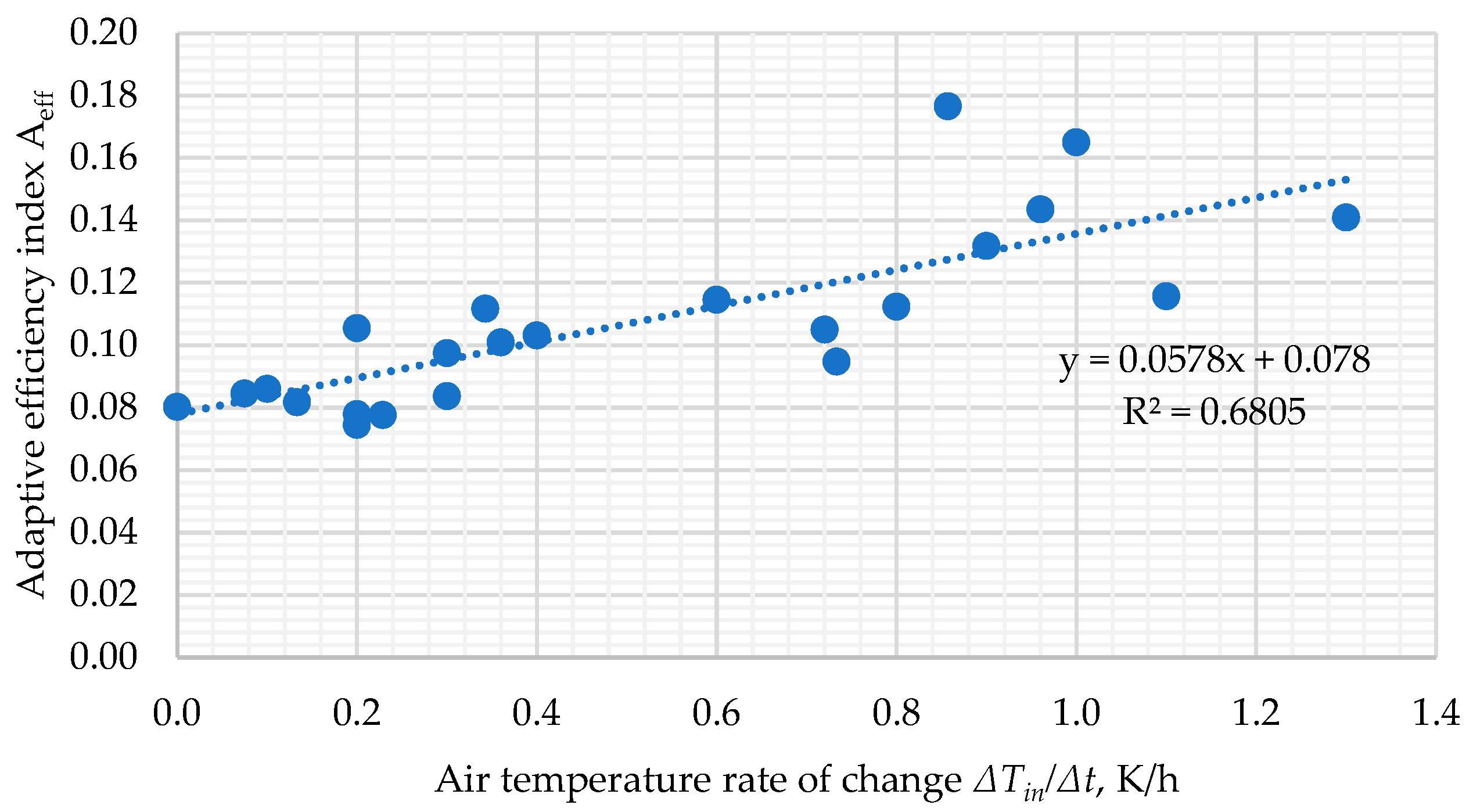
Figure 6 presents the relationship between the adaptive efficiency index A
eff and the indoor air temperature rate of change, Δ
Tin/Δ
t. It can be seen that higher values of Δ
Tin/Δ
t are associated with higher calculated A
eff. The linear fit shown in the figure yields R
2 = 0.6805, indicating that a large share of the variance in A
eff can be explained by the air temperature dynamics.
When indoor air temperature changes are close to quasi-steady, Aeff remains concentrated in a relatively narrow band. As ΔTin/Δt increases towards the upper range up to 1.3–1.4 K/h, Aeff increases accordingly up to 0.15. This behaviour is consistent with the underlying assumption of the index that temperature transients create a transient comfort perception that is not represented by a steady-state PMV calculation. Therefore, the strong association between Aeff and ΔTin/Δt demonstrates that the proposed adjustment is sensitive to real-time indoor thermal dynamics rather than only to absolute temperature.
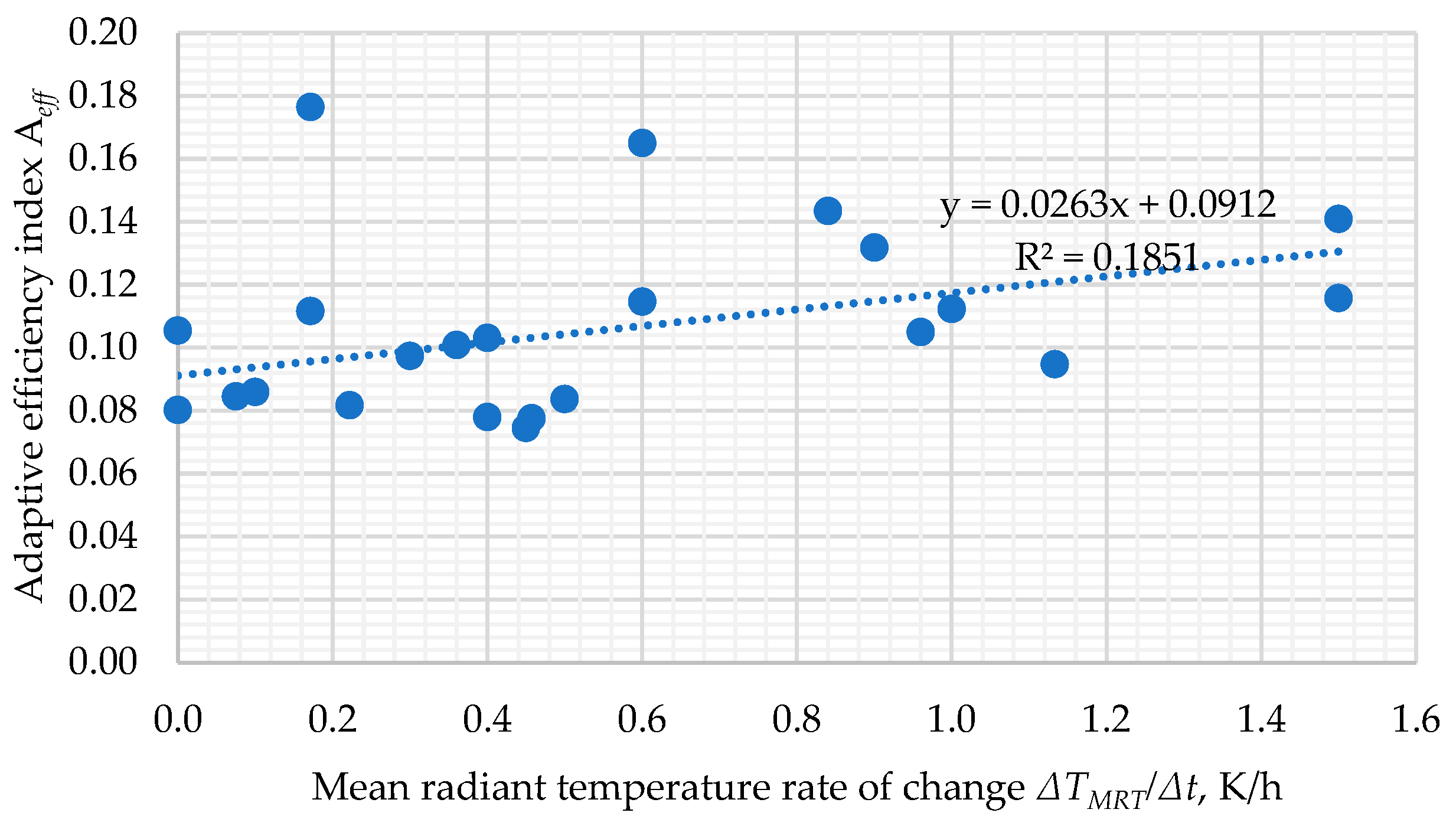
Figure 7 shows the relationship between A
eff and the rate of change in mean radiant temperature Δ
TMRT/Δ
t. In contrast to the previous case, the linear trend is weaker. The coefficient of determination decreases to R
2 = 0.1851. Although the overall direction remains positive that higher radiant temperature dynamics tend to produce higher A
eff. This indicates that radiant dynamics alone contribute only a moderate part of the variability in A
eff. One practical interpretation is that MRT reacts not only to the heating power change, but also to geometric- and surface-related changes.
Even when ΔTMRT/Δt impact is limited, localised radiant changes can alter perceived comfort. The lower R2 therefore suggests that radiant dynamics are a secondary driver under the given measurement layout and experimental variability and that they may become more dominant in scenarios with stronger radiant asymmetry such as a direct radiant source, cold window surface, or solar gains. Given the discrete nature of TSV and the limited dynamic range of PMV under the tested conditions, this correlation coefficient should be interpreted primarily as indicator of trend consistency rather than predictive strength.
4. Discussion
The results of the study indicate that the steady-state PMV calculated from measured indoor parameters captures the general direction of occupants’ thermal sensation, but it under-represents what people reported during the experiment, especially under non-steady conditions. The physical environment was logged at high temporal resolution, while TSV responses were provided at irregular instants and reflect a perception that can be influenced by recent thermal history, short-term transients, and local effects which are not fully represented by a steady-state comfort model. The observed tendency of TSV being warmer than PMV in mild warm conditions suggests that the classical PMV formulation may be conservative in dynamic warm-up phases, even when absolute temperatures remain within a typical comfort band.
The proposed correction approach introduces an adaptive efficiency index Aeff derived from measured transient descriptors. The regression form and especially the non-zero baseline offset imply that the correction may compensate a persistent difference in the tested dataset. Interpreting the coefficients, the positive contribution of the air temperature rate of change indicates that faster warm-up of the air corresponds to a higher correction, i.e., occupants tend to feel warmer than steady-state PMV would predict during rapid increases in air temperature. In contrast, the negative contribution of the radiant temperature rate of change in the fitted expression indicates that, in this specific dataset, fast increases in mean radiant temperature reduce the required correction. The opposite signs indicate that, within this dataset, episodes with faster measured MRT increase tended to require a smaller additive correction to align PMV with TSV. The correction term captures transient mismatch between steady-state PMV and subjective sensation, so that the rapid convective warm-up produced a systematic bias in TSV relative to PMV, hence a larger positive correction, whereas periods with rising measured MRT were frequently accompanied by smaller TSV-PMV residuals, so the regression assigned a compensating negative weight. This behaviour is also consistent with the empirical finding that the ΔTMRT/Δt relationship is scattered, indicating that radiant dynamics were a secondary driver under the present measurement layout, and that the fitted coefficient should be interpreted as dataset-specific.
In terms of predictive performance, PMVadj improves agreement with TSV by reducing magnitude error. The NRMSE reduction from 17.61% to 14.00% indicates that the adjusted model tracks the typical distance to reported sensation more closely, which is meaningful for applications where the size of discomfort matters. The increases in Pearson r and R2 are modest, implying that the underlying relationship between predicted and reported sensation was already relatively strong, but PMVadj aligns the scale and offset better and therefore reduces the average prediction error. The regression slope increases and a small positive offset appears, meaning that around neutrality the adjusted model tends to predict a slightly warmer sensation than the original PMV, matching the experimentally observed warm bias in votes.
The comparison with alternative adaptive models further suggests that not all adaptive corrections are interchangeable across datasets. In this experiment, aPMV and PMVexergy did not reduce error against TSV, and PMVexergy showed a larger magnitude discrepancy despite similar correlation indicators, which implies that its scaling may not map linearly onto TSV in this regime. aPMV incorporates adaptation primarily through a multiplicative damping mechanism intended to represent behavioural and psychological acclimation over time. Consequently, it tends to attenuate slightly warm predictions rather than correcting short-term transient mismatch. PMVexergy is based on a thermodynamic exergy balance and is not formulated to reproduce the TSV scale directly, so under heating operation its response reflects energy-quality considerations rather than instantaneous perceived sensation.
The behaviour of Aeff across the dataset provides additional insight into what drives the correction. The stronger relationship between Aeff and ΔTin/Δt indicates that indoor air temperature dynamics explain a large portion of the correction variability within the current dataset, while the weaker relationship with ΔTMRT/Δt suggests that radiant dynamics were a secondary driver under the given experimental configuration and variability. It indicates that within these tests the dominant systematic deviations from PMV corresponded more closely to air temperature transients than to mean radiant temperature transients. In setups with stronger radiant asymmetry or surface-driven effects, radiant dynamics might play a larger role.
5. Conclusions
This study evaluated how well the steady-state PMV model reproduces occupants reported thermal sensation (TSV) under dynamic indoor conditions and tested a regression-based correction approach that introduces an adaptive efficiency index Aeff and the adjusted comfort indicator PMVadj. The analysis relied time-matched environmental measurements and periodically collected TSV responses.
The baseline PMV (Testo) showed a clear association with TSV but with a systematic mismatch in magnitude, consistent with the fact that participants voted during transient conditions. Introducing PMVadj reduced this mismatch, so that NRMSE decreased from 17.61% to 14.00%, while correlation indicators increased slightly with Pearson r of 83.45% and R2 of 69.63%. This indicates that the proposed correction within the conditions of the current dataset primarily improves agreement in the typical deviation between PMV and TSV, rather than altering the overall trend direction.
The fitted Aeff formulation suggests that short-term thermal dynamics contribute to the observed PMV and TSV. In this dataset Aeff was strongly related to the indoor air temperature rate of change, ΔTin/Δt, with R2 = 0.6805, while the relationship with mean radiant temperature dynamics, ΔTMRT/Δt, was weaker with R2 = 0.1851. Compared to alternative adaptive approaches such as aPMV and PMVexergy, PMVadj produced the lowest error against TSV in this dataset, indicating a better empirical fit to the transient behaviour captured in the present measurements. The applicability of the reported coefficients and performance metrics is limited to the conditions represented in the present dataset with comfort deviations driven by short-term indoor dynamics. In this study, transient behaviour is quantified using drift descriptors defined over 1 h and the proposed correction should therefore be interpreted as relevant to temperature changes occurring over this period of time rather than a long-term seasonal adaptation.
Overall, the results support the interpretation that subjective comfort in dynamically operated environments depends not only on instantaneous thermal state, but also on short-term thermal history captured here by transient descriptors. At the same time, the proposed coefficients and performance metrics should be interpreted as dataset-specific and indicative, and further validation is required before broader generalisation.
Limitations and Future Work
Mean radiant temperature was assessed using a globe thermometer and the derived MRT time series were therefore interpreted at the adopted temporal resolution rather than as instantaneous radiative transients. Given the thermal inertia of globe sensors, rapid changes in radiant conditions may be smoothed and time-shifted, which can propagate uncertainty into radiant-based drift descriptors. Consequently, radiant effects are treated as dataset-specific within the limits of the employed measurement approach.
PMV was evaluated using the built-in ISO 7730 implementation of the Testo system and with measured microclimatic inputs. Nevertheless, reliance on manufacturer software constitutes an additional source of uncertainty. Objective measurements were also performed at the fixed position from the person. This field-oriented configuration introduces a limitation of a full spatial characterisation of vertical stratification and may introduce differences between the radiant exposure experienced by the occupant and the radiant field captured at the measurement point.
The relationships and model parameters presented in this study were derived based on measurements conducted under winter operating conditions. While the results demonstrate improved agreement with subjective votes for the analysed dataset, the identified patterns may be influenced by heating-dominated dynamics typical for winter operation.
Future work will therefore prioritise faster and geometry-resolved radiant assessment using plane radiant sensors, independent PMV verification alongside instrument outputs to ensure computational transparency, larger datasets with broader participant samples and operating scenarios, and extension of the same framework to summer and mixed-mode conditions to evaluate seasonal sensitivity and potential re-calibration requirements.