Article

Oxidative Pyrolysis for Variable Heating Output with Wood Pellets

by
Franco Corinto Cavalloni
,
Joris Strassburg
,
Daniel Lustenberger
and
Timothy Griffin
*
Institute of Biomass and Resource Efficiency, University of Applied Sciences Northwestern Switzerland, 5210 Windisch, Switzerland
*
Author to whom correspondence should be addressed.
Energies 2025, 18(7), 1702; https://doi.org/10.3390/en18071702
Submission received: 20 February 2025 / Revised: 14 March 2025 / Accepted: 23 March 2025 / Published: 28 March 2025
(This article belongs to the Collection Energy-Efficient Chemistry)

Abstract

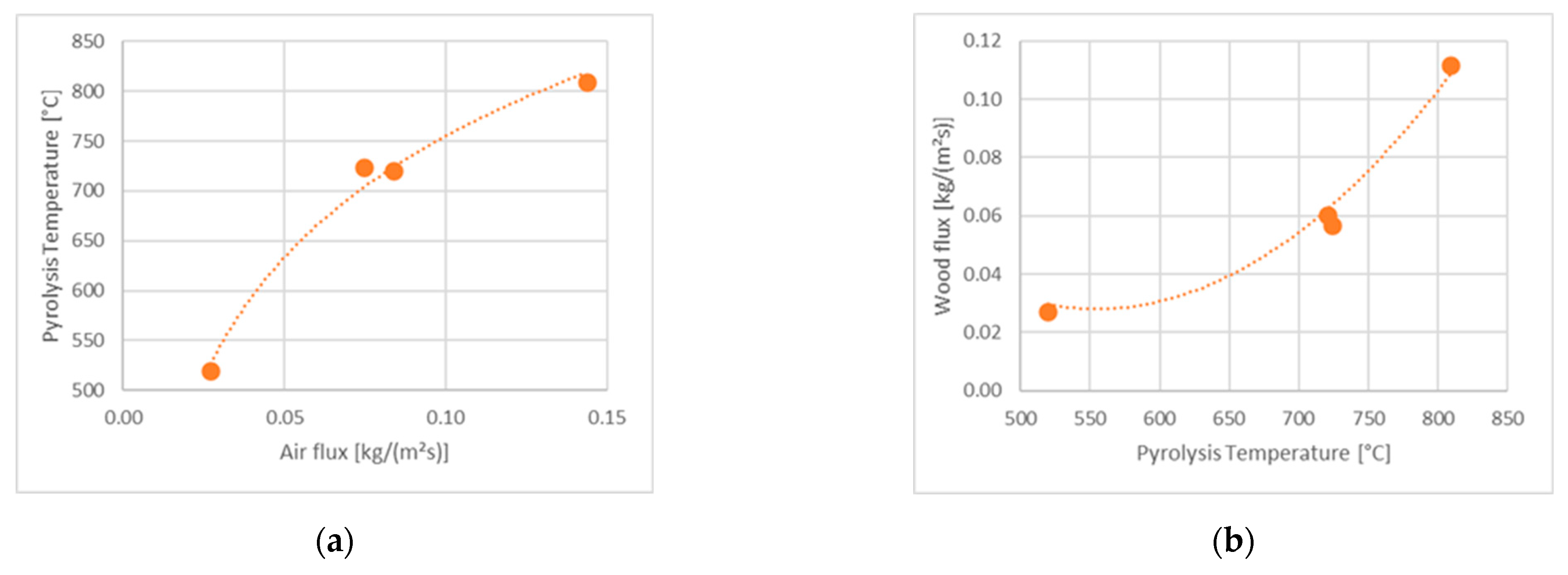
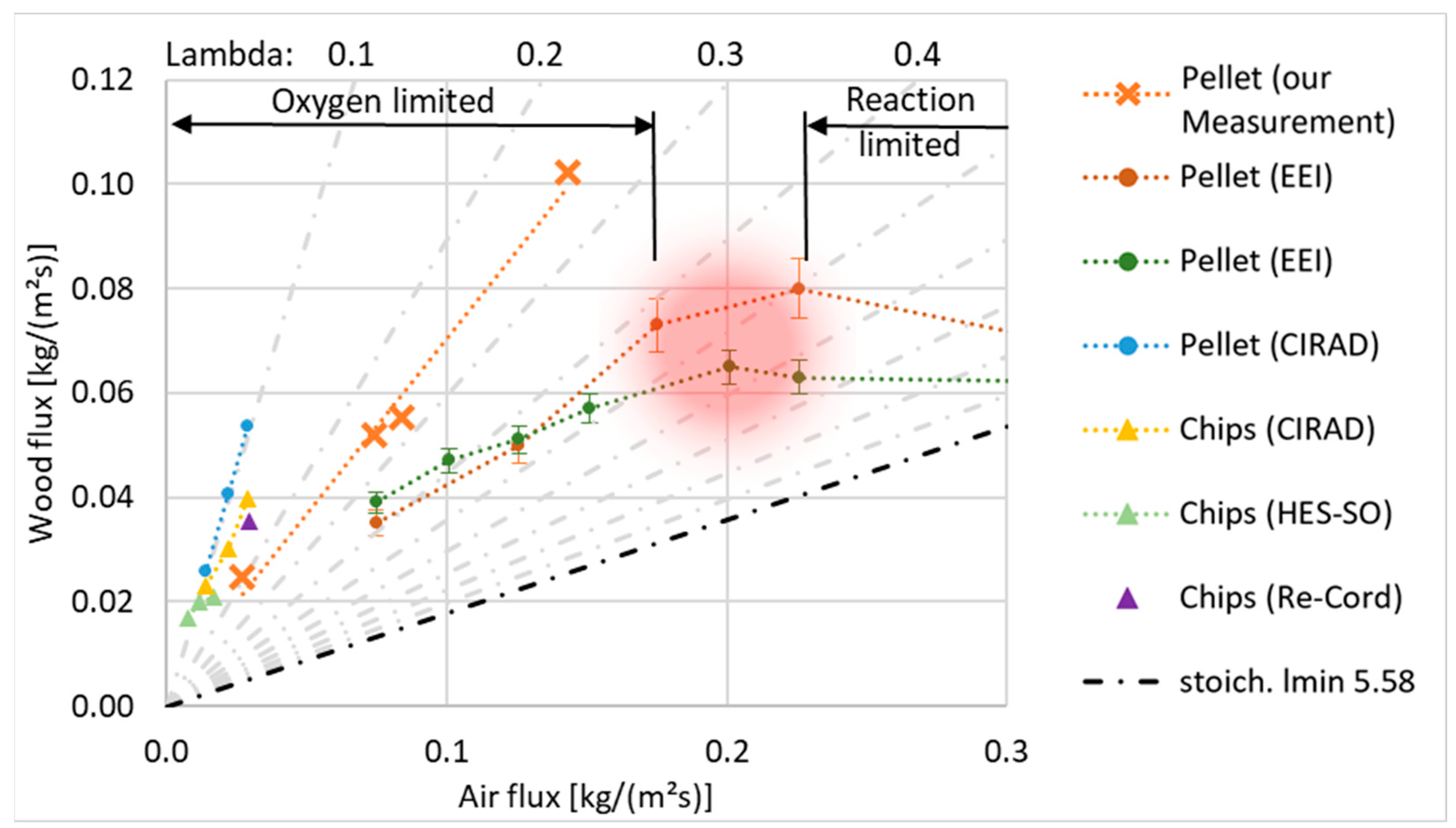
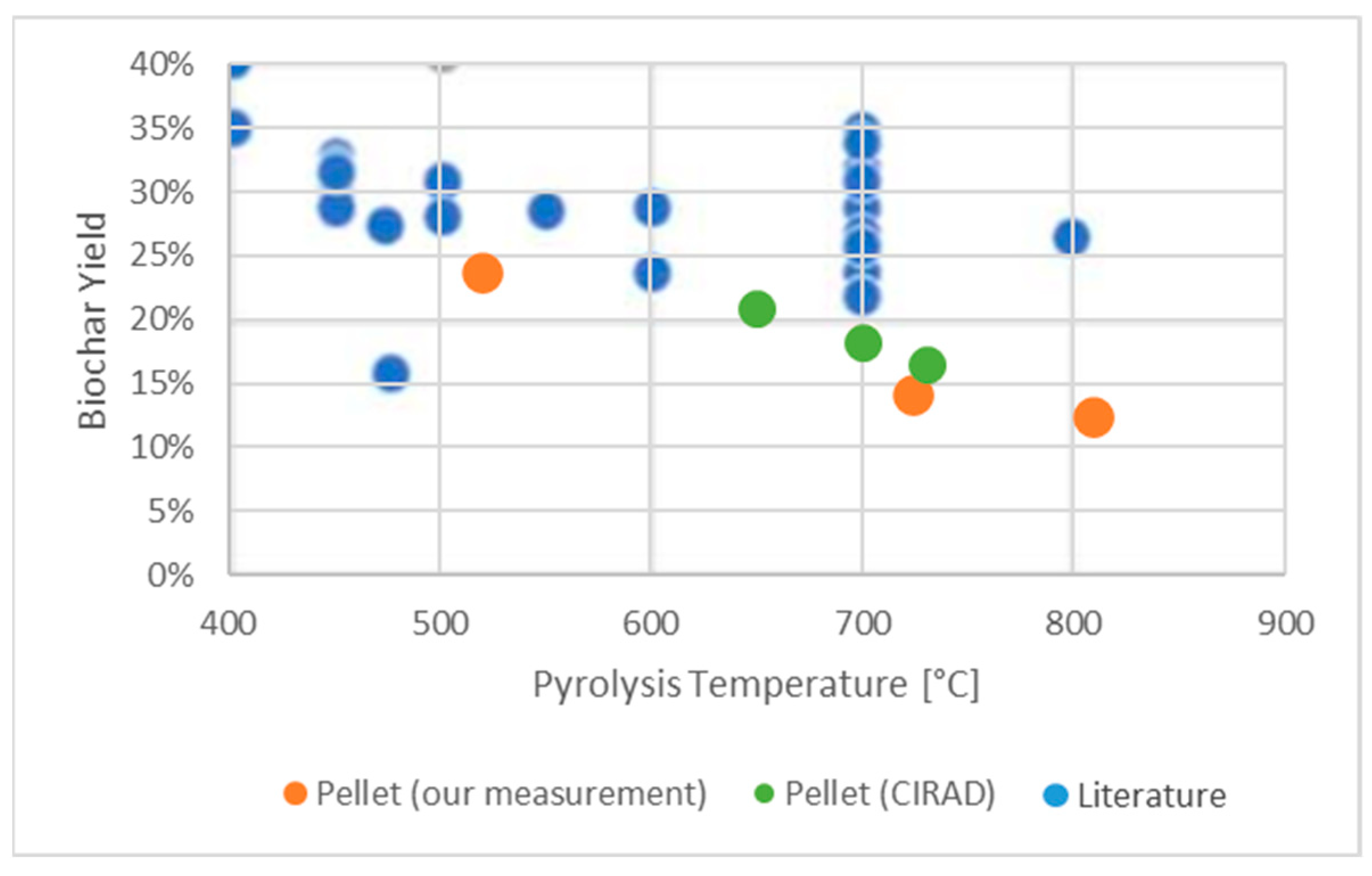
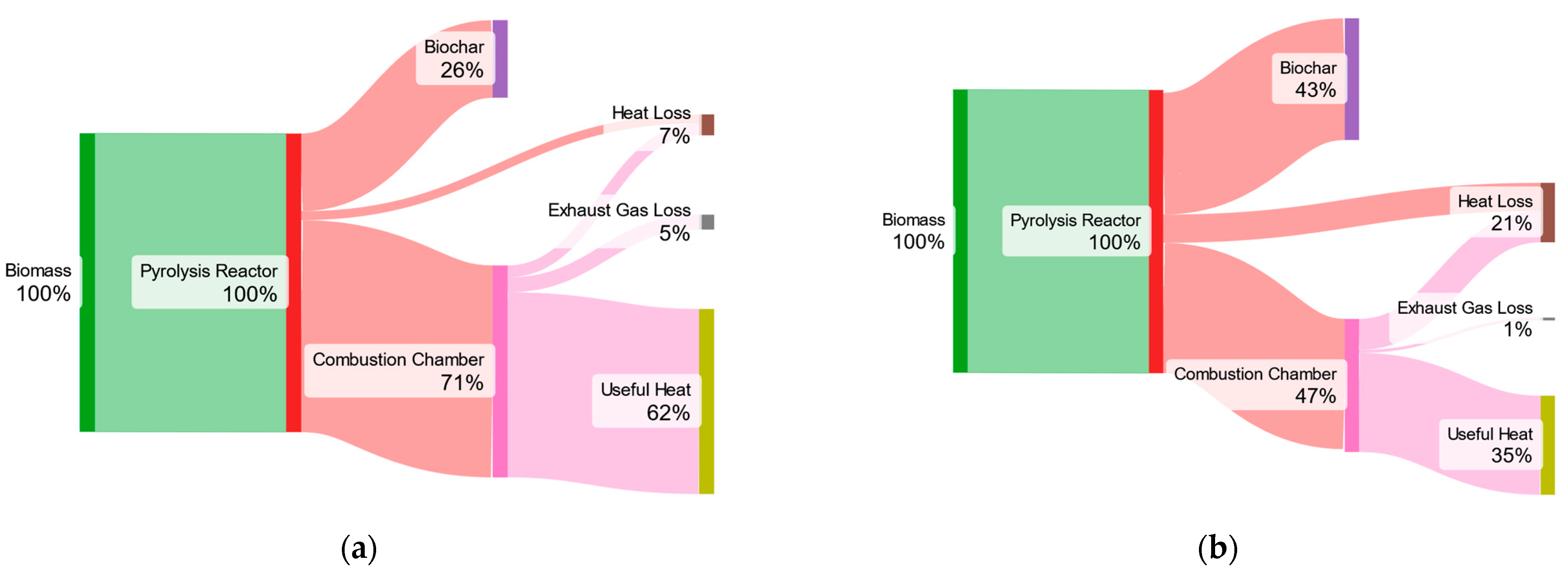
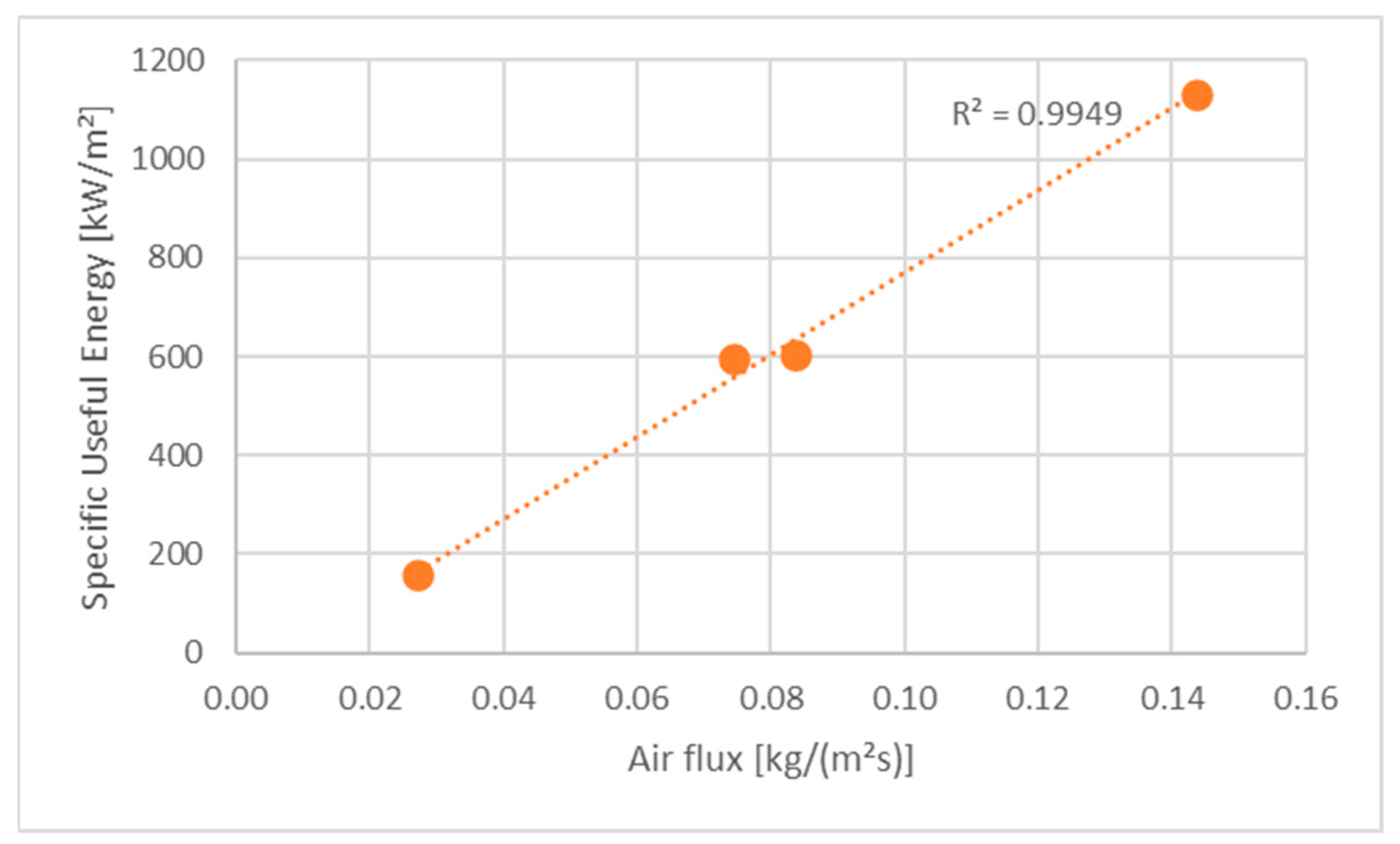
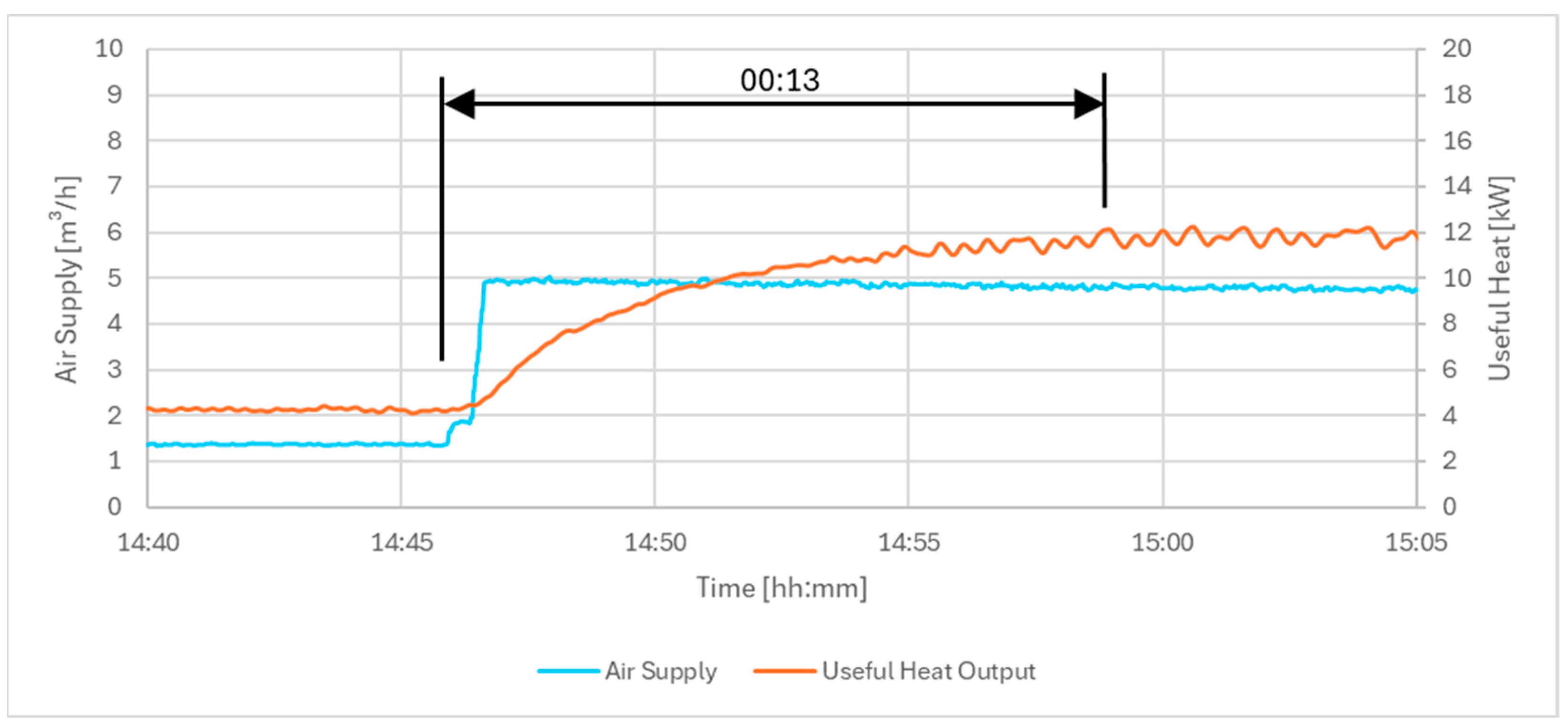
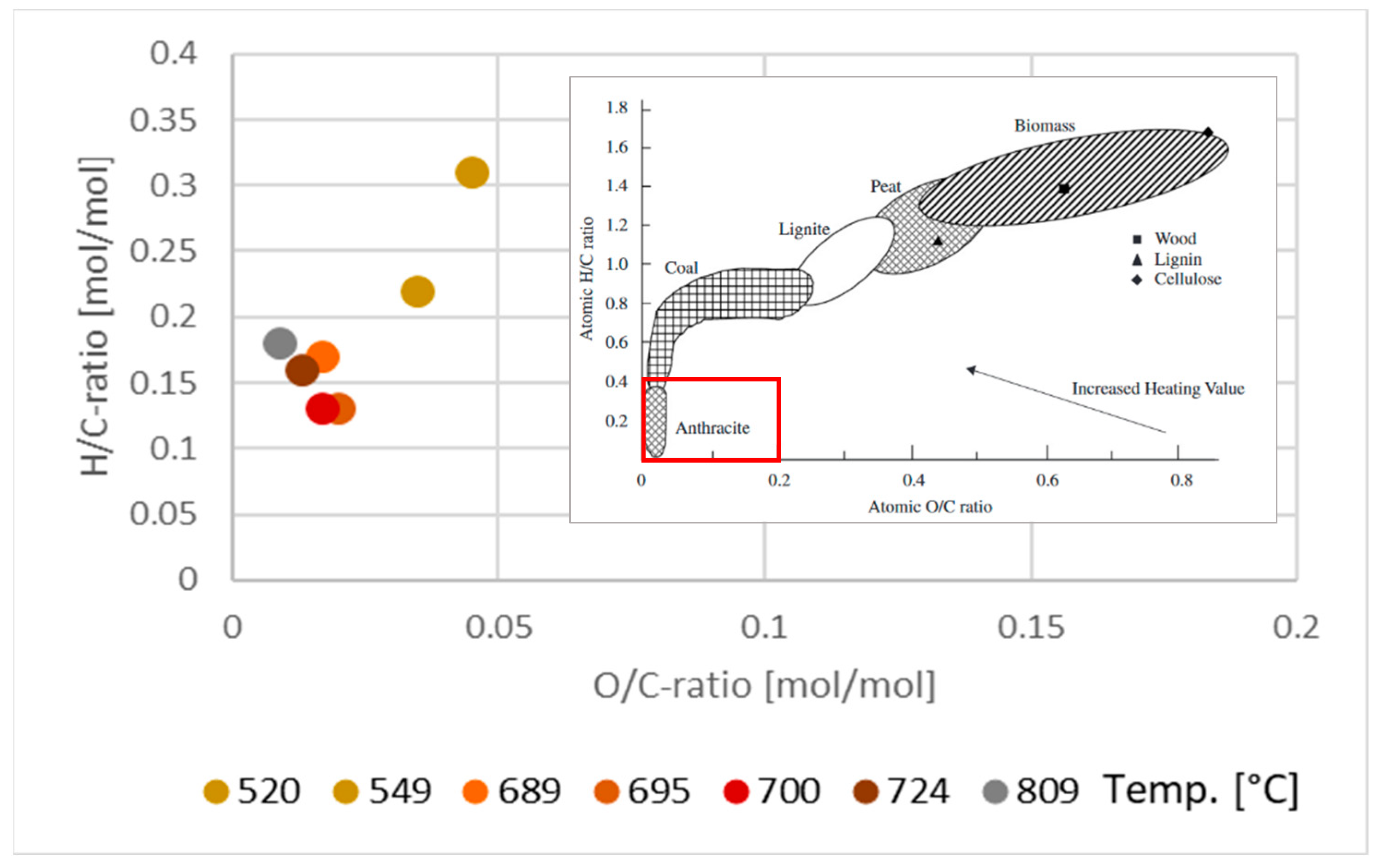
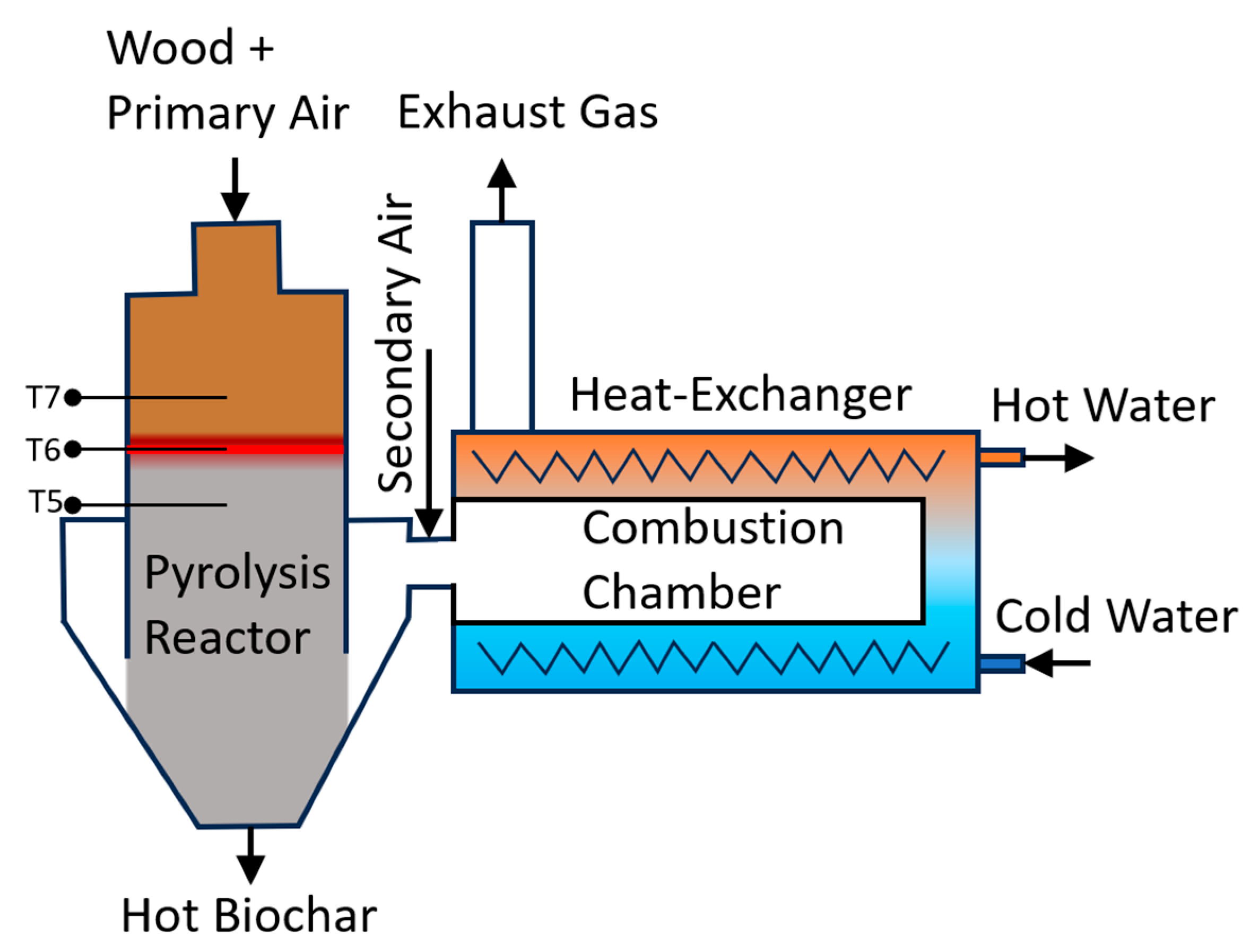
A carbon-negative heating system can be realized by pyrolyzing wood pellets, burning the product gas, and storing the produced biochar. Oxidative pyrolysis simplifies the reactor design by replacing an external heat supply with internal oxidation driven by a sub-stoichiometric “primary” air supply. Previous studies have only examined the influence of primary air supply on biochar yield and heating power in a continuous pyrolysis reactor within a limited fuel–air spectrum. In this work, an oxidative pyrolysis reactor, with a nominal heating power of 15 kW, was investigated with the aim to vary the useful heat output and biochar yield over a wide range and still produce biochar of the highest quality in accordance with the EBC (European Biochar Certificate) guidelines. This study demonstrated that within an air flux range of 0.03–0.14 kg/(m2s), there is a linear relationship between air flux and both wood flux and useful heat, resulting in a power output range of 4–30 kW. The useful heat output could be varied by a factor of three in less than 15 min, verifying concept feasibility as a central heating system to meet the variable heating demands of both single and multi-household applications. The biochar yield was observed to range from 12% to 24% of the incoming wood mass flow, meeting the EBC Feed Plus quality standards at all conditions. Depending on the operating point, up to 40% of the biomass’s heating value is stored in the biochar.
Keywords: oxidative pyrolysis; biochar; demand-driven; pyrolysis heater; smoldering oxidative pyrolysis; biochar; demand-driven; pyrolysis heater; smoldering