Article

Research into the Energy Potential of Vine Pruning Residues in Western Serbia

by
Aleksandar Ašonja
1,*,
Sunčica Vještica
2,
Aleksandar Bošković
3,
Svetlana Živković Radeta
4,
Mirjana Ćeranić
1,
Zoran Jovanović
5 and
Siniša Škrbić
1
1
Faculty of Economics and Engineering Management in Novi Sad, University Business Academy in Novi Sad, Cvećarska 2, 21000 Novi Sad, Serbia
2
School of Engineering Management, University “Union—Nikola Tesla”, 11000 Belgrade, Serbia
3
Faculty of Technical Science, University of Novi Sad, Trg Dositeja Obradovica 6, 21000 Novi Sad, Serbia
4
Faculty of Applied Ecology “Futura”, Metropolitan University, Požeska 83a, 11000 Belgrade, Serbia
5
Faculty of Agriculture, University of Priština, Temporary Settled in Kosovska Mitrovica, Kopaonička bb, 38219 Lešak, Serbia
*
Author to whom correspondence should be addressed.
Energies 2025, 18(24), 6384; https://doi.org/10.3390/en18246384
Submission received: 14 October 2025 / Revised: 14 November 2025 / Accepted: 2 December 2025 / Published: 5 December 2025
(This article belongs to the Special Issue Renewable Energy Integration into Agricultural and Food Engineering)

Abstract

Research and practice experience have shown that in the Republic of Serbia, vine pruning residues (VPRs) from vineyard production are mostly partially ploughed or uncontrollably burned in fields. Uncontrolled burning of VPRs in fields can destroy flora and fauna and cause uncontrolled fires. On the other hand, on an annual basis, the resulting VPRs can completely replace the fossil fuels used for thermal energy production on these estates and significantly reduce the emission of pollutants from fossil fuels. The novelty of this study lies in the fact that the research was conducted on a very young vineyard, four years old, and the results show that the agricultural property is fully sustainable in terms of thermal energy needs. The research aimed to investigate the energy potential of VPRs at the vineyard located in the Mrčić settlement in Western Serbia. The research results include the following grape varieties: Tamjanika, Morava, Cabernet Sauvignon, and Cabernet Franc. The average yield of VPR biomass for all tested varieties was 0.387 kg/vine or 1741.50 kg/ha. The lower calorific values for the tested biomass samples at 15% moisture content ranged from 14,668 kJ/kg to 14,258 kJ/kg, while the upper values ranged from 16,099 kJ/kg to 15,721 kJ/kg. The total energy potential of biomass obtained from a vineyard, expressed in final energy, was 41.90 MWh/year. In the observed vineyard, for the same equivalent value, biomass from VPRs was 3.57 times cheaper compared to brown coal and 8.26 times cheaper compared to diesel fuel.

1. Introduction

Agricultural biomass is a significant, still underutilized resource in terms of energy [1]. Unfortunately, we are witnessing large amounts of agricultural biomass still being burned uncontrollably in fields or rotting. For example, in AP Vojvodina (region of Northern Serbia), only 3.15% of the total theoretical potential of agricultural biomass from crop production is used for energy purposes [2]. At the same time, around 2.64% of biomass is burned uncontrolled in fields [2]. On the other hand, the remains of agricultural biomass, such as corn stalks, straw, and sunflower stalks, as well as the remains created by pruning fruit trees and vines, represent a form of energy that is relatively easy to use [3]. Beyond energy for heating, cooking, and the production of technological steam [4], certain types of agricultural biomass find application in various industries because their satisfactory mechanical strength makes them suitable for reinforcing composites used in construction, the automotive sector, the textile industry, etc. [5].
The total amount of agricultural biomass generated annually in the European Union is estimated at 956 Mt of dry matter per year, of which 54% is yield and 46% is by-products [6]. According to the same source [6], forest biomass is estimated at 18,600 Mt of dry matter per year, of which 68% is stems and 32% is branches, stumps, and other residues. According to estimates [7], by 2050, from 33 to 50% of current global energy consumption could be satisfied with biomass. Agricultural biomass is an environmentally friendly fuel because it contains very little or no harmful substances, such as sulfur and heavy metals, which are present in fossil fuels. The most important thing about biomass is its chemical quality, which affects emissions (ash contamination), and the physical quality of the biomass (size, bulk density, moisture content, and gross calorific value), which should be optimal [8]. Its most significant advantage over fossil fuels is its renewability. The use of agricultural biomass has a minimal impact on the emission of CO2 into the atmosphere, because the same amount of CO2 that the plant absorbed during its growth is released during combustion [9,10]. Thus, according to the data provided in previous research [11,12], around 480 million tons of ash can be generated at the annual level of biomass combustion, with 95 to 97% of the available bioenergy obtained through the direct biomass combustion process.
All waste from vineyard production can be used as a renewable energy source (RES) according to the European Waste Directive 2008/98/EC, which is based on waste management, recycling, and energy conversion [13]. The wine industry worldwide is facing increasing challenges in achieving sustainable levels of CO2 emission reduction [8]. Unlike fruit trees, to improve the quality and quantity of grapevine production, vineyards require significant pruning of all plants each year, which generates a substantial amount of biomass [14,15]. These VPRs are rich in hemicellulose, cellulose, lignin, polyphenols, and other bioactive elements [16]. For example, in Portugal, VPR yields range from 2 to 4 t/ha [17], while in Italy these yields range from 0.91 to 3.0 t/ha [16,18]. The annual global production of VPRs is estimated at 6.7–18.6 million tons, with the most prominent producers being countries such as Italy, China, France, and Spain [16,19]. VPR in Europe amounts to about 2.67 Mt/year [20,21] and can be obtained from the available 3.2 million hectares of vines [21,22,23]. The literature points out that VPR can be a suitable alternative to traditional firewood, equaling it in terms of calorific value and overall quality [18]. All of the above statements support the fact that using VPR as a heating resource in the household is a safe and feasible solution.
Aiming to produce clean energy, the transition to RES stimulates economic growth, leads to job creation [24], contributes to climate change resilience, and creates a more environmentally friendly energy system [25,26]. The justification of the accelerated energy turnaround in substituting fossil fuels with RES has been further accelerated by the geopolitical situation in the world over the last few years. These activities can manifest through several wars in Europe, Asia, and Africa, sanctions for certain countries that are large producers of fossil fuels, etc. All this has contributed to the sudden increase in the prices of energy products, in addition to the fact that in the Republic of Serbia, there are no incentive measures that promote the use of solid agricultural mass. Some agrarian producers represent examples of good practice with the aim of becoming as energy-independent as possible and fully energy self-sustaining. One such example is the estate presented in this study, which features its own vineyard in the village of Mrčić, located in the western part of the Republic of Serbia. Several plants that use energy from RES have been implemented on the estate as examples of good practice. In addition to biomass energy, solar energy (solar collectors) is also used on the property to produce thermal energy and reduce dependence on fossil fuels.

2. The Energy Potential of Biomass in the Republic of Serbia

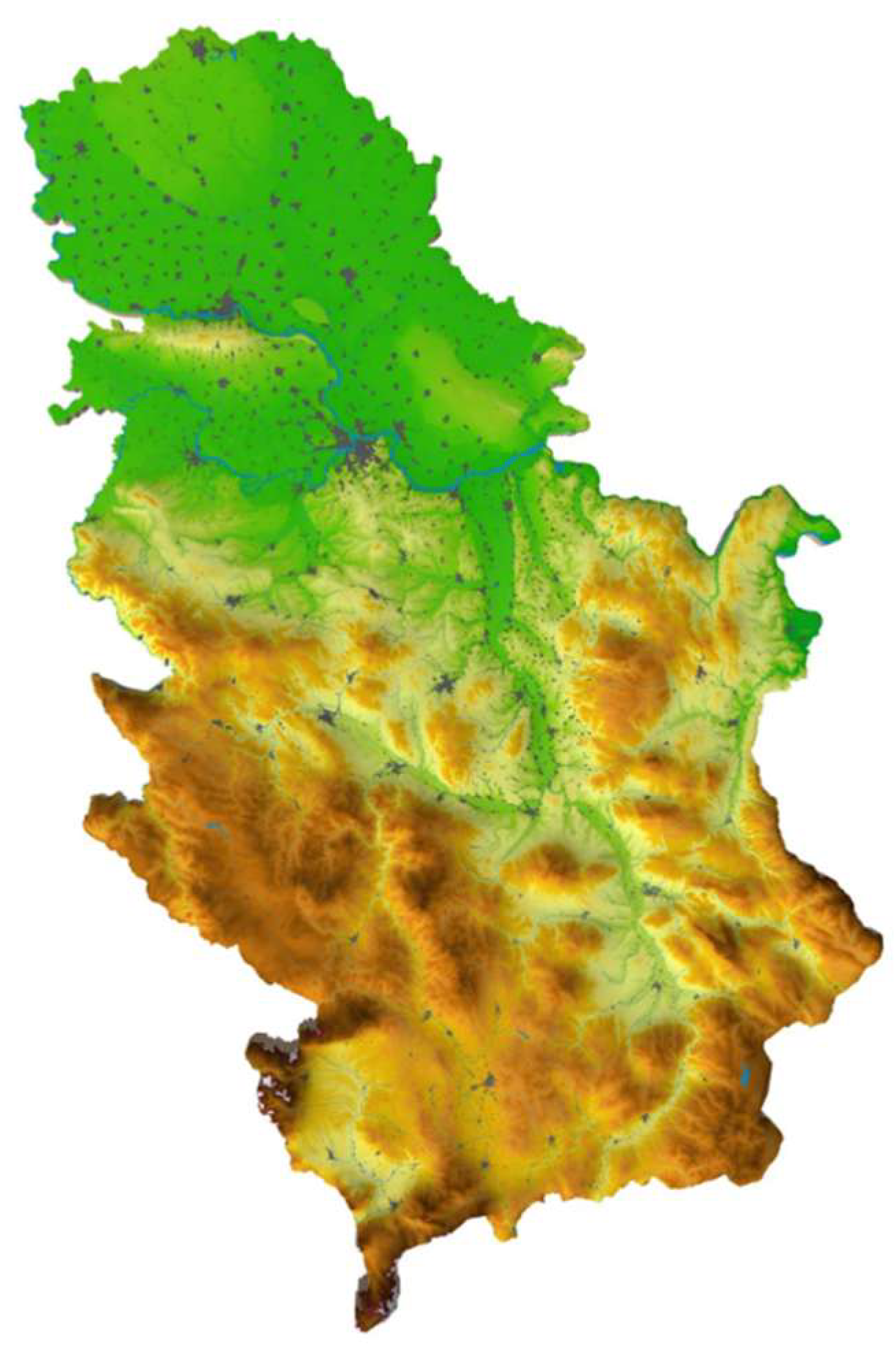
The Republic of Serbia is very rich in biomass. The northern part has agricultural biomass, and the central and southern parts have forest biomass, as shown in Figure 1.
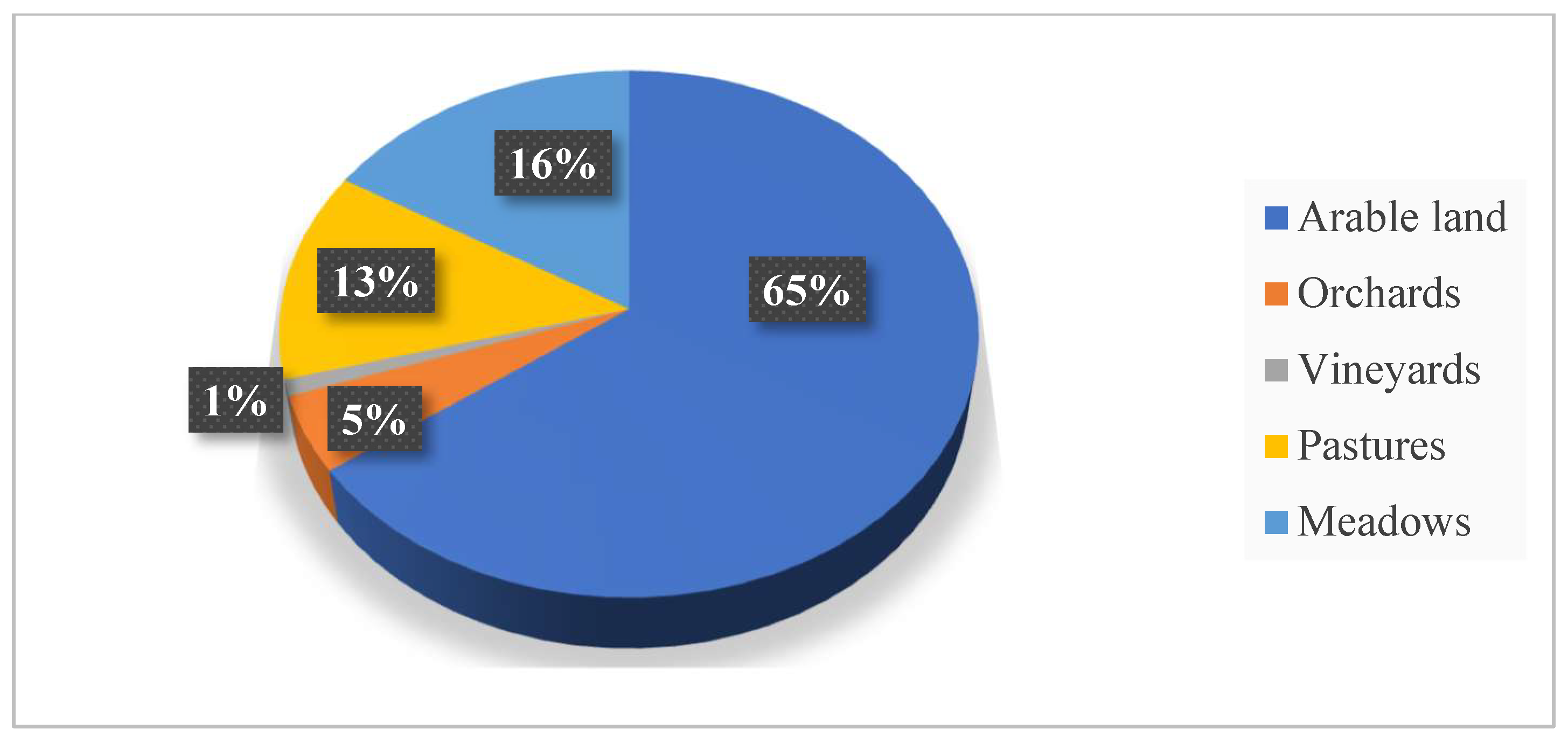
The Republic of Serbia has about 5,069,000 ha of agricultural land: arable land accounts for 3,298,000 ha (65%), orchards comprise 239,000 ha (5%), vineyards represent 50,000 ha (1%), pastures comprise 653,000 ha (13%), and meadows total 829,000 ha (16%) [28] (Figure 2). The total annual biomass potential of the Republic of Serbia is about 12.5 million tons [29]. The energy that could be obtained using this biomass is estimated at 2.68 Mtoe, of which 1.66 Mtoe is from agricultural biomass and 1 Mtoe is from forest biomass [30].
The energy potential of biomass in the Republic of Serbia is primarily made up of pruning residue, whose pruning potential in private orchards and vineyards amounts to 350 TJ/year and 900 TJ/year [31]. In grapevines, the yield of VPR can vary from 0.619 kg/vine for the Tamjanika variety to 1.237 kg/vine for the Vranac variety, provided that the planting pattern of 2.5 × 1.5 m is met [32]. Also, the amount of pruning depends on the type of variety, and it can be 4,000 to 6,000 kg/ha for the varieties “Cabernet Franc” and “Merlot”, or from 6,000 to 8,000 kg/ha for the varieties “Afus-Ali” and others [31].

3. Materials and Methods

3.1. Problem and Subject of Research

The goal of sustainable agricultural production in vineyards is to achieve food production, energy production (reducing CO2 emissions), and increased soil fertility. Namely, the presented model is a closed circle of agricultural production, where the primary activity is food production, and the secondary activity within this initiative is the sustainable treatment of the by-product VPR from vineyards and increasing soil fertility. On this basis, the use of VPR in vineyards can enable sustainable production of thermal energy for heating and hot domestic water for the needs of the estate, as well as reducing pollutants in the air (and even soil) in the city of Valjevo and its surroundings. Settlements in the Western Serbia region are predominantly rural areas where gasification has not yet been fully implemented. Consequently, the population is heated partly with coal, diesel fuel, fuel oil, and other environmentally unacceptable fuels which pollute the environment.
The research problem in this work is related to the rational use of biomass from vineyards. The location where the research was conducted is primarily a fruit and wine-growing area, where a significant amount of biomass is produced from fruit and wine production. By 2022, in this part of Western Serbia, biomass residues from vineyards were either partially ploughed or, in most cases, burned in the field. Constant ploughing of the crop is not beneficial because it provides the plant with the same nutrients every year. On the other hand, the uncontrolled burning of biomass in fields significantly endangers the environment, destroys flora and fauna, etc. Since there are 6 hectares of vines on the property, the problem arose of what to do with a large amount of vine trimmings, especially since that biomass is renewable, i.e., every year a considerable amount of harvest is obtained from the vineyard. The demonstrated example of the production, collection, cutting, and storage of biomass, and later the production of heat energy in the process of direct combustion, paved the way for a sustainable way to manage the agricultural economy. As an example of good practice, several local agrarian producers have already decided to invest in equipment and switch to this type of thermal energy production from VPR.
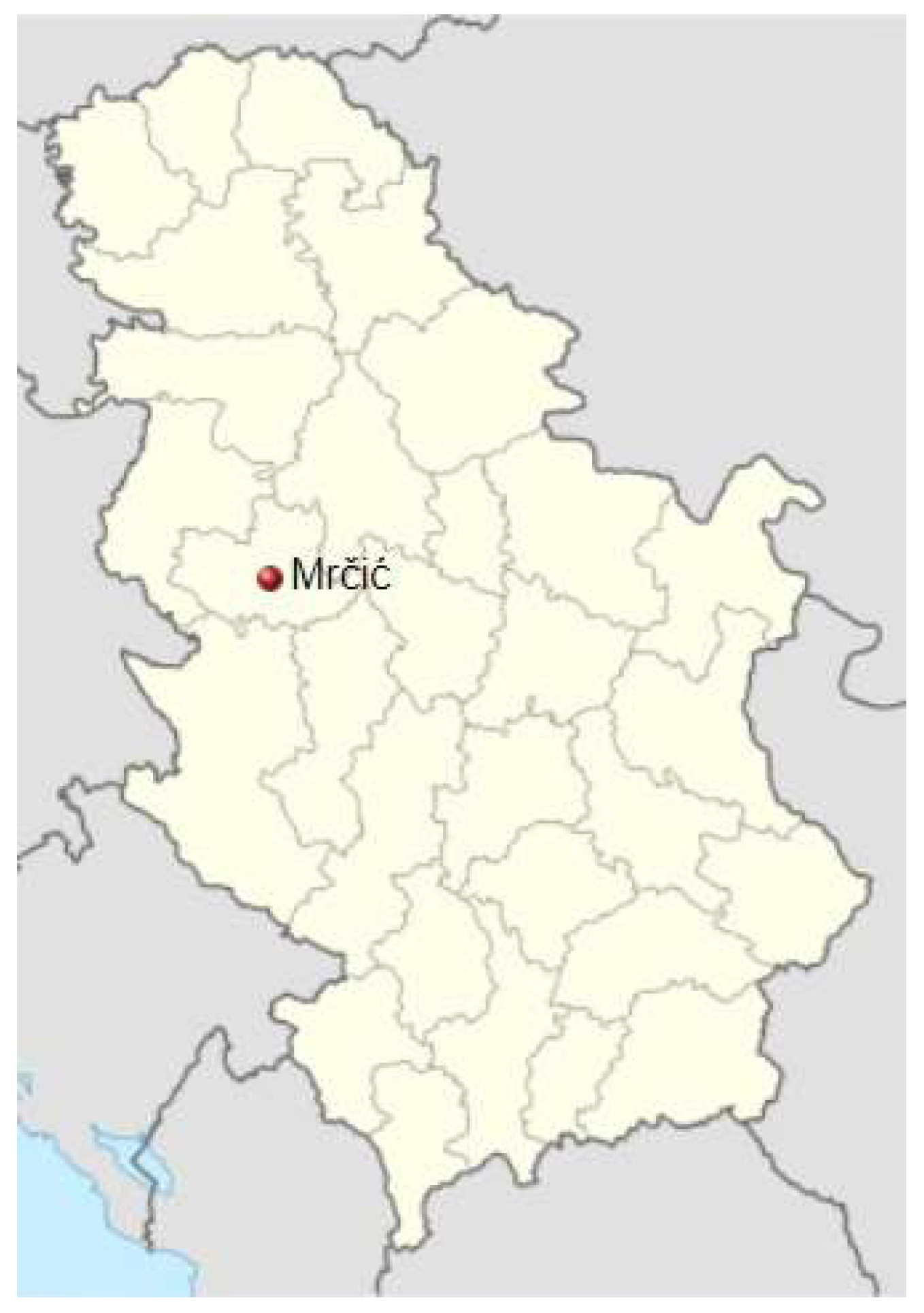
The research examined the energy potential of VPR for producing heat energy. Research on biomass samples was carried out in the vineyard, which is located in the village of Mrčić in Western Serbia (44°16′14″ N; 19°59′00″ E) at 250 m above sea level. The village of Mrčić is situated in the Kolubara administrative district, near the town of Valjevo, as illustrated in Figure 3.
Research within this work included the following:
  • Laboratory research: determination of data for thermal power, technical analysis, and elemental analysis of biomass samples.
  • Research into the energy potential of biomass: the average yield of VPR per vine, theoretical potential of biomass, technical potential of biomass, and energy potential of biomass.
  • Research on the environmental benefits of VPR compared to other fossil fuels.
  • Research on the economic justification of the use of VPR.
  • For laboratory analysis, the following biomass samples were examined:
  • Tamjanika (sample No. 23-07-B100-1504);
  • Morava (sample No. 23-07-B101-1504);
  • Cabernet Sauvignon (sample No. 23-07-B106-1009);
  • Cabernet Franc (sample No. 23-07-B107-1009).
Tamjanika is a variety of vine originating from Asia which was introduced to the Republic of Serbia from France during the Middle Ages. Morava is a domestic grape variety that was created (by crossing Traminac and Bianca with Rhine Riesling) in the late 1990s in the Republic of Serbia. Cabernet Sauvignon is a French grape variety created by crossing the Cabernet Franc and Sauvignon Blanc varieties. Cabernet Franc is a grape variety that originates from France and was most likely developed through genetic mutations of wild vines.
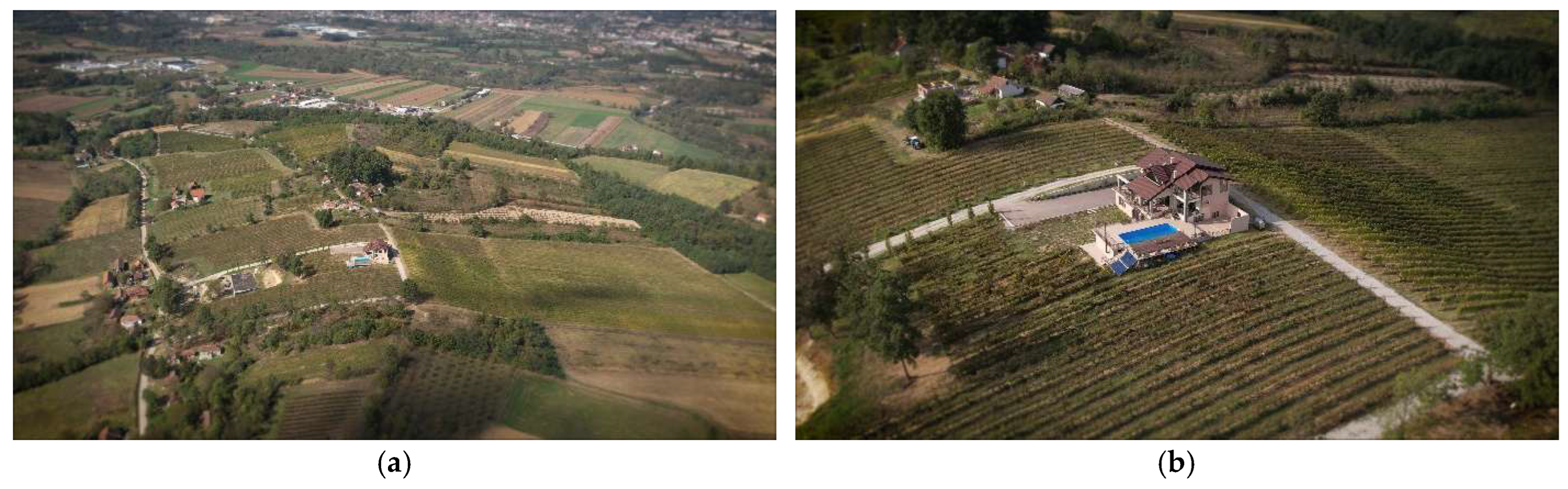
The vineyard itself was built in 2020. The age of the vineyard at the time the research was conducted was 4 years. The entire material used to construct the vineyard was primarily made of natural materials, and the supports for the vineyard were crafted from red acacia wood. A wider and closer view of the vineyard is presented in Figure 4a,b.
Based on the conducted research and practical experience, the research results list the limiting factors that determine the broader application of VPR in thermal energy production in the Republic of Serbia.

3.2. Laboratory Research

For laboratory research, specific biomass samples were collected from the vineyards after pruning, which was carried out in February 2024. Biomass samples were taken evenly, i.e., taken from every tenth vine (per variety). One test was performed for each variety, with 5 kg of biomass of each variety being collected. Laboratory research was conducted at the Laboratory for Fuels and Combustion at the Faculty of Mechanical Engineering in Belgrade in May 2024. The research involved collecting data for technical analysis, thermal power, and elemental analysis of biomass samples. The following biomass samples were tested: Tamjanika, Morava, Cabernet Sauvignon, and Cabernet Franc.
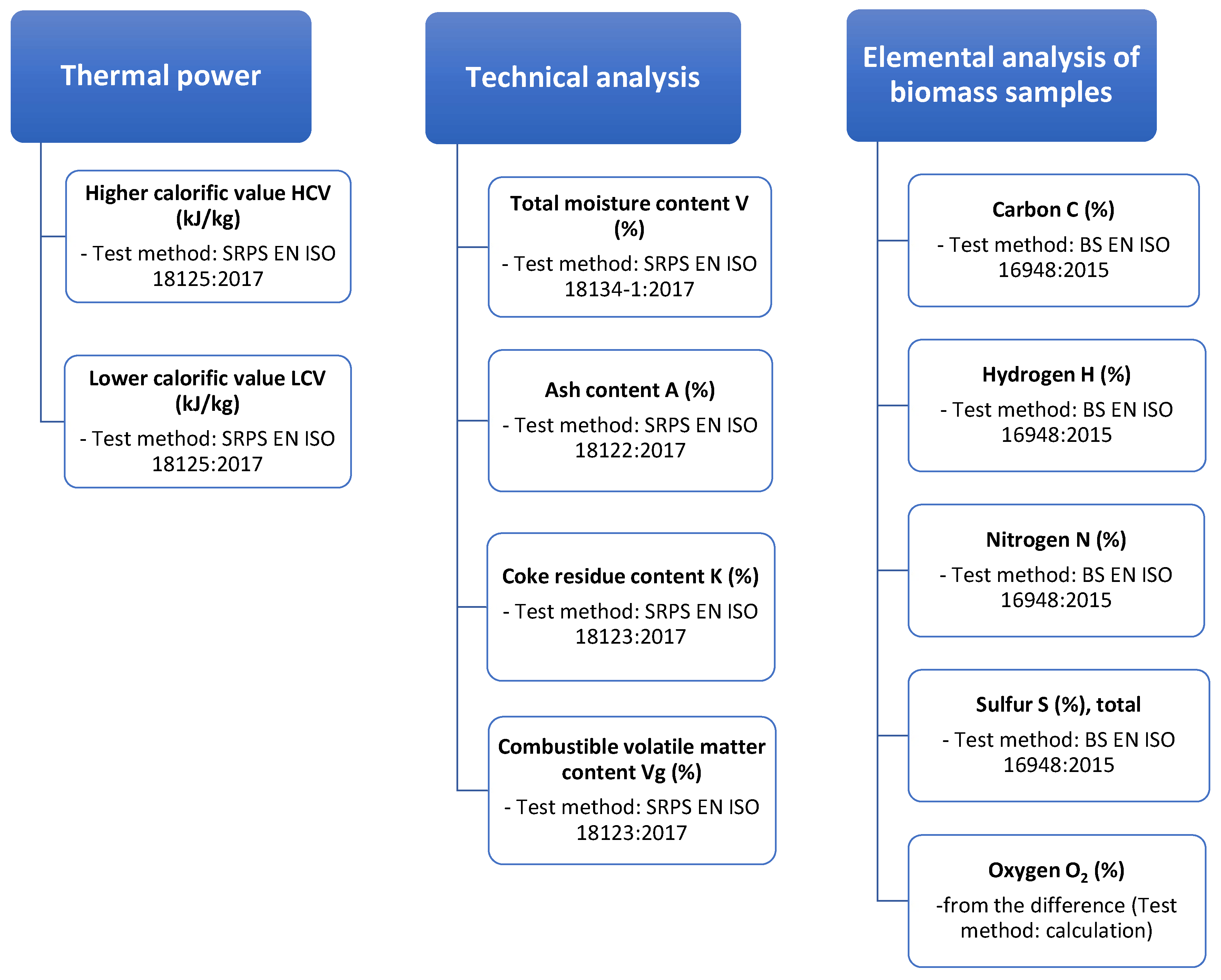
For determining the thermal power of biomass, the research included the higher calorific value HCV (kJ/kg) and the lower calorific value LCV (kJ/kg), as shown in Figure 5. For determining the data of the technical analysis of biomass, the research included total moisture content W (%), ash content A (%), content of combustible volatile substances Vg (%), and content of coke residue K, as shown in Figure 5. The elemental analysis included the content of carbon C (%), hydrogen H (%), nitrogen N (%), and sulfur S (%)—total, with the oxygen O + nitrogen N (%) determined by the difference, as shown in Figure 5.
Depending on the VPR sample’s moisture content, the HCV and LCV were calculated. The methodology for converting technical and elemental analysis data to different moisture contents is based on the “Basis Conversion Matrix” procedure defined within the framework of the SRPS EN ISO 17225-1:2021 (Annex D) [33] for biomass as a fuel. The procedure involves converting experimentally obtained data to “absolutely dry” mass and then converting this to “working mass” (as received) for adopted moisture content values (5%, 10%, 20%, etc.). This procedure can be applied to all technical and elemental analysis data, as well as to the experimentally determined gross calorific value of the biomass samples.
The lower calorific value (LCV) for the corresponding sample masses was calculated based on Equation (1):
L C V = H C V 24.43 · 9 · H + W ,   ( k J / k g ) ,
where:
H C V —higher calorific value (kJ/kg);
H —hydrogen content (%);
W —total moisture content (%).
Based on the applied methodology in this work, the research results are tabulated for different masses of biomass samples (working and analytical). For analysis of the energy efficiency of the VPR in the research results, the “working mass” data were used, because they are data related to the wood chips in the state in which they are received and used for burning, while the “analytical mass” results are the results that refer to the sample used during laboratory research and based on the values which are calculated for the given “working mass”. The values of oxygen and hydrogen in the “working mass” and “analytical mass” do not include the values of oxygen and hydrogen from moisture in the samples. The sulfur content in the results represents the total sulfur in the sample and can be assumed to originate from mineral matter.
Figure 5. Presentation of laboratory research [34,35,36,37,38].
Energies 18 06384 g005

3.3. Research on the Energy Potential of VPR

Research into the energy potential of biomass was carried out according to the methodology given in the continuation of this chapter.
The total theoretical potential of Eteo biomass on the vineyard was calculated via Equation (2):
E t e o = p · n · m   ( t / g o d )
where:
p—area under crop (ha);
n—number of vines per hectare (vines/ha);
m—average yield per vine (t/vine).
The total technical potential of biomass on the Eteh vineyard was calculated based on the total theoretical biomass potential (Eteo) and the sustainability factor (Fo), expressed by Equation (3). This represents the part of the theoretical potential that can be used in practice and thus utilized for practical energy use. On the observed vineyard, for a given year, the entire biomass was used for energy needs, so (Fo = 1). This means that the theoretical and technical potentials are equal, Eteo = Eteh.
E t e h = E t e o · F o   ( t / g o d )
The energy potential of the VPR biomass on the Epot vineyard was calculated using Equation (4):
E p o t = E t e h · L C V   ( G J / g o d )
The energy potential of biomass on the vineyard Ep expressed in terms of final (primary) energy is calculated using Equation (5):
E p = E t e h · L C V / 3600   ( M W h / g o d )
In Equations (4) and (5), the LCV shown represents the average LCV at 15% moisture for all four tested varieties, which was 14,436 kJ/kg.
The dependence between the LCV (HCV) and the moisture content of the investigated biomass sources was represented by applying a linear regression model, according to Equation (6).
Y = α + β x + ε
where:
Y—dependent variable LCV (HCV);
α and β—model parameters;
ε—random error of the model following the IID (independent and identically distributed) error.

3.4. Research on the Environmental Benefits of VPR

The environmental benefits indicating the significance of CO2 emission reductions from the VPR will be presented in relation to the equivalent emission values of fossil fuels (brown coal and diesel fuel). The above calculations were carried out according to the “Rules on the Form of the Annual Report on the Achievement of Energy Saving Targets and the Method of its Submission” [39], i.e., according to the software Form 1—Annual Report on the Achievement of Energy Saving Targets, which is an integral part of the aforementioned rules.

3.5. Research on the Economic Justification of the Use of VPR

To demonstrate the economic viability of biomass from VPR compared to fossil fuels, the costs from Equation (7) for a given energy potential Epot were compared to the costs of fossil fuels (diesel fuel and brown coal).
The total costs of VPR production Tpb were calculated according to Equation (7):
T p b = T s s + T s p + T e u   / y e a r
where:
Tss—labor costs for collecting and sorting biomass (EUR/year);
Tsp—labor costs for cutting and packaging biomass (EUR/year);
Teu—energy costs (diesel fuel) for driving the tractor and for driving the chipping machine (EUR/year).
For the economic feasibility study, uniform energy source prices in the Republic of Serbia in 2025 were used.

3.6. An Energy Plant on the Property for the Production of Heat Energy

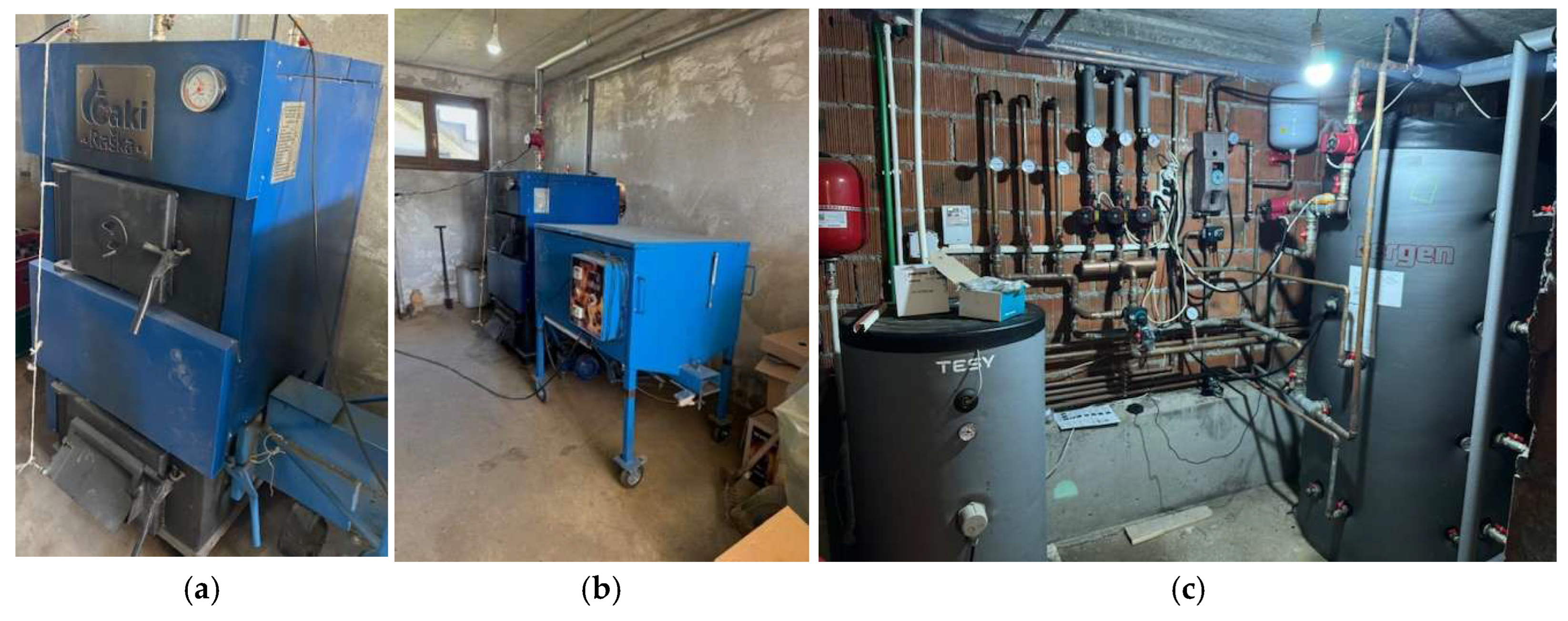
Within the vineyard itself, there is a family house with an area of 500 m2 (heating area 300 m2) and a swimming pool (volume 64 m3) which are heated using a biomass boiler and solar collectors. The total annual consumption of thermal energy for heating the house is approximately 31.20 MWh/year. A system for the production of heat energy using three independent sources is present on the property. Biomass and solar energy are used for the production of heat energy on the estate, and an electric boiler is used as a reserve energy source. More information about the solar vacuum collectors and electric boiler on the property is provided in Appendix A.1. The main source of thermal energy for heating the building, heating the swimming pool, and producing hot domestic water is obtained from the biomass boiler, except in the summer months when solar collectors are used.

Biomass Boiler Room

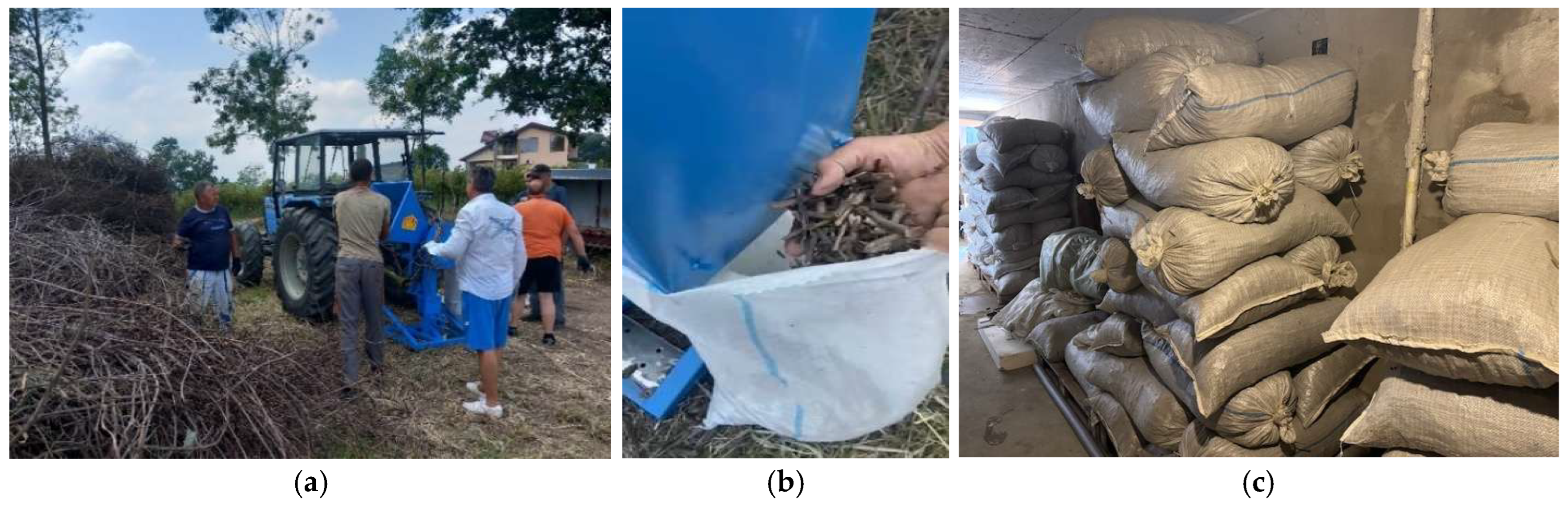
The biomass boiler room on the property consists of the following equipment: boiler, dispenser, buffer, pipelines, biomass cutting machine, biomass storage, and other equipment. The complete boiler plant is semi-automated. Further, a biomass cutting machine, which is a mobile machine that was developed for the purpose of shredding biomass, is started and transported by tractor, as shown in Figure 6a. Via the cardan shaft, the chipping machine receives power, and when branches are input to the chipper, the machine pulls in and cuts the branches to a length of 2–5 cm, as shown in Figure 6b. The maximum thickness of branches that can be cut with a biomass cutting machine is up to 6 cm. Chopped biomass can be immediately stored in sacks or in a tractor trailer and then stored in warehouses. On the aforementioned property, biomass is immediately packed in sacks and deposited in warehouses, as shown in Figure 6c. For boiler operation, the biomass from the sacks is poured into a dispenser that automatically delivers the prepared biomass to the boiler. In addition to meeting energy needs, this shredded biomass from VPR can also be used for other purposes, such as mulch for various types of ornamental gardens, etc.
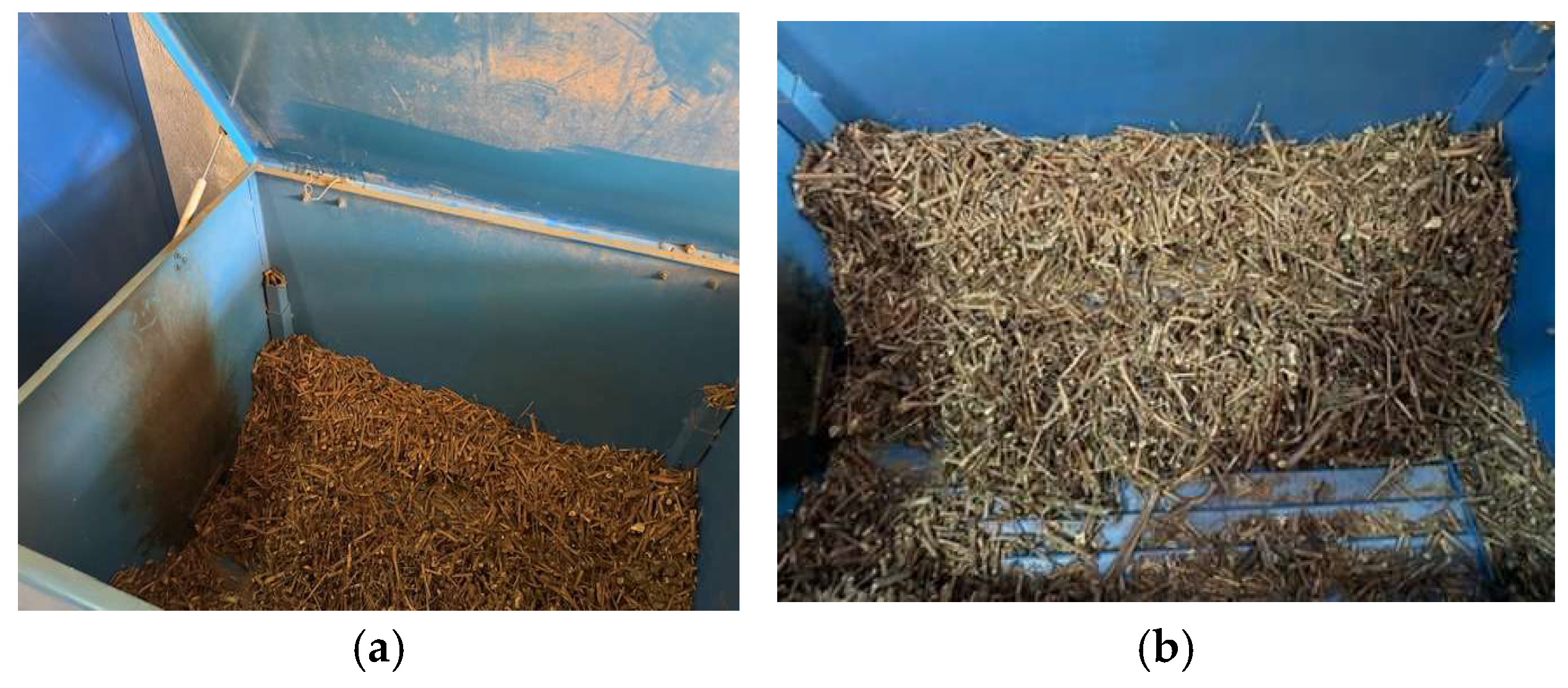
The biomass combustion boiler has the following technical characteristics: a boiler power of 35 kW, and a utilization rate of 85%. More information about the biomass boiler on the property is provided in Appendix A.2. Figure 7a,b show the biomass fed into the dispenser and the process of extracting the biomass from the dispenser using the moving bottom.

4. Results and Discussion

4.1. Results of Laboratory Research

The research results show that for the VPR from the Tamjanika variety, the total moisture content was 21.30%, the LCV was 13,396 kJ/kg, and the HCV was 14,906 kJ/kg, as shown in Table 1. For the VPR for the Morava variety, the total moisture content was 16.48%, the LCV was 14,070 kJ/kg, and the HCV was 15,523 kJ/kg, as shown in Table 2. For the VPR for the Cabernet Sauvignon variety, the total moisture content was 8.76%, the LCV was 15,488 kJ/kg, and the HCV was 16,875 kJ/kg, as shown in Table 3. For the VPR for the Cabernet Franc variety, the total moisture content was 9.51%, the LCV was 15,551 kJ/kg, and the HCV was 16,944 kJ/kg, as shown in Table 4.
The results of the technical and elemental analyses for the tested VPR samples are presented in Table 1, Table 2, Table 3 and Table 4. These results will not be analyzed in detail as they are not part of the main research related to the energy potential of VPR.
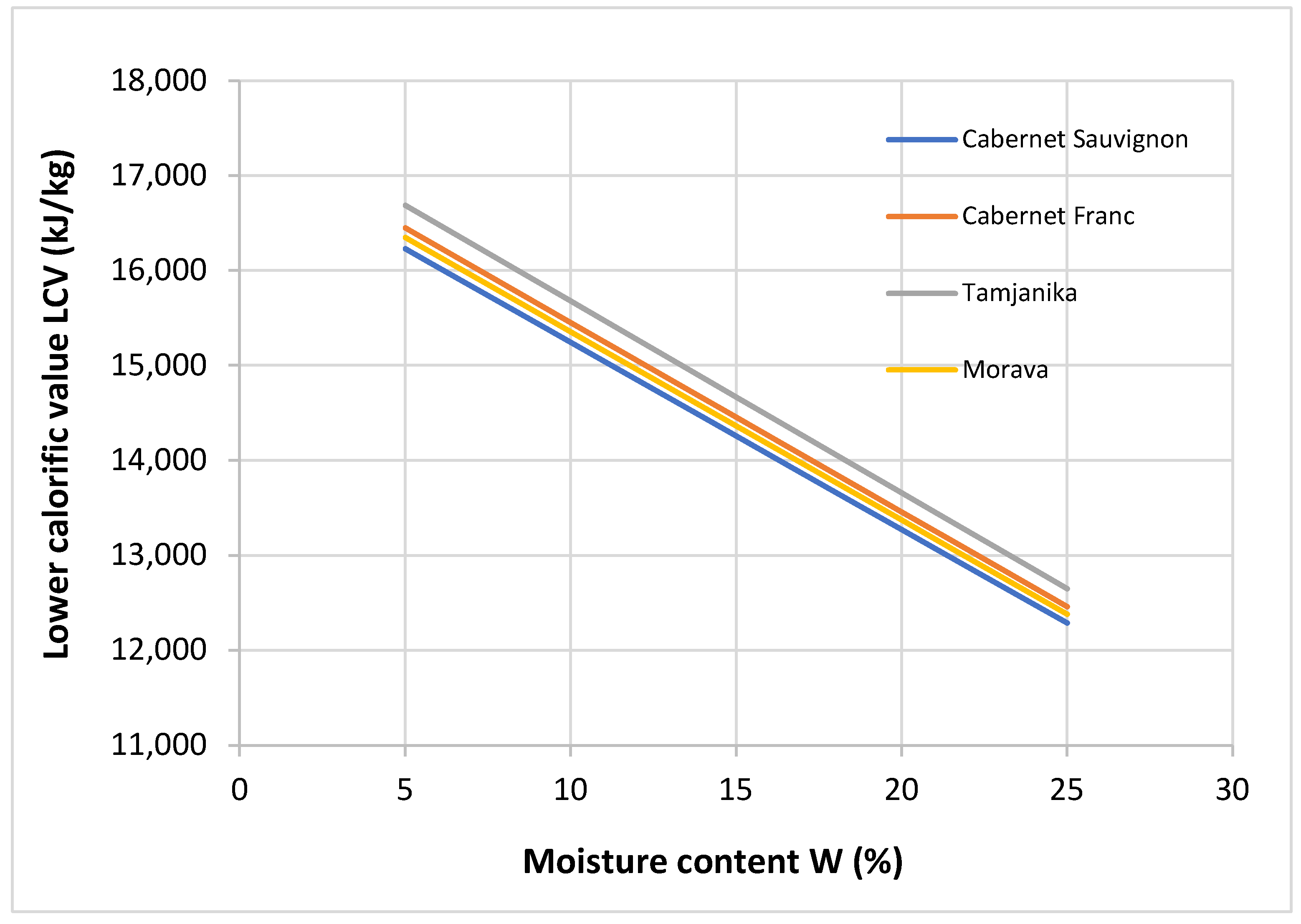
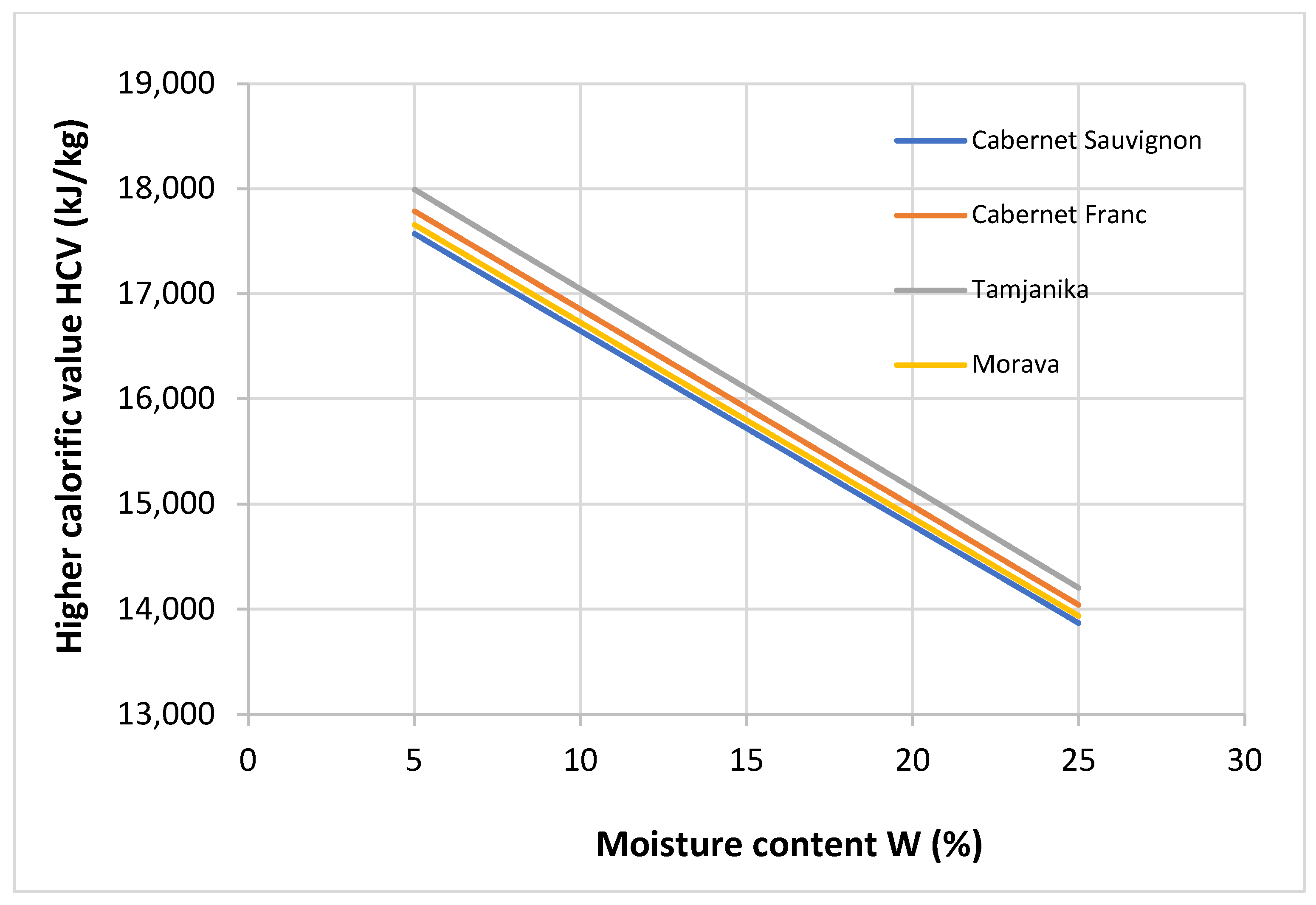
Figure 8 shows the results for the LCV of the tested biomass samples. At 15% humidity, the Tamjanika variety had the highest LCV of 14,668 kJ/kg, followed by Cabernet Franc with 14,456 kJ/kg, Morava with 14,364 kJ/kg, and the Cabernet Sauvignon variety with the lowest value of 14,258 kJ/kg. Figure 9 shows the results for the HCV of the tested biomass samples. At 15% humidity, the Tamjanika variety had the highest HCV of 16,099 kJ/kg, followed by Cabernet Franc with 15,916 kJ/kg, Morava with 15,798 kJ/kg, and Cabernet Sauvignon with the lowest value of 15,721 kJ/kg.
Based on the results shown in Figure 8 and Figure 9, it can be concluded that with increasing moisture content in biomass, the values of thermal power (LCV and HCV) decrease.
The dependence between the LCV and moisture content of VPR samples was demonstrated by applying a linear regression model (Equation (8) for VPR of Cabernet Sauvignon, Equation (9) for VPR of Cabernet Franc, Equation (10) for VPR of Tamjanika, and Equation (11) for VPR of Morava), as shown in Table 5. For the VPR of Cabernet Sauvignon, Cabernet Franc, and Tamjanika, the validity of the model was confirmed by a coefficient of determination of 99.99%, which means that 99.99% of the variation in the LCV is explained by the moisture content of the VPR. For the VPR of Morava, the validity of the model was confirmed by a coefficient of determination of 100%.
Table 5 and Table 6 show that the parameter estimates are statistically significant at the 0.05 confidence level.
Y = 17,215.2 197.16 x + ε
Y = 17,448.3 199.5 x + ε
Y = 17,697.5 201.94 x + ε
Y = 17,340 198.4 x + ε
The dependence between the HCV and moisture content of VPR samples was demonstrated by applying a linear regression model (Equation (12) for VPR of Cabernet Sauvignon, Equation (13) for VPR of Cabernet Franc, Equation (14) for VPR of Tamjanika, and Equation (15) for VPR of Morava), as shown in Table 6.
For the VPR of Cabernet Sauvignon and Morava, the validity of the model was confirmed by a coefficient of determination of 99.99%, which means that 99.99% of the variation in the HCV is explained by the moisture content of the VPR. For the VPR of Cabernet Franc and Tamjanika, the validity of the model was confirmed by a coefficient of determination of 100%.
Y = 18,495.2 184.96 + ε
Y = 18,724 187.2 x + ε
Y = 18,940 189.4 x + ε
Y = 18,586.2 185.88 x + ε
With these models, it was established that with each one-unit change in the moisture content of VPR, there is a decrease of βi units in the LCV (HCV).

4.2. Results of Energy Potential of Biomass

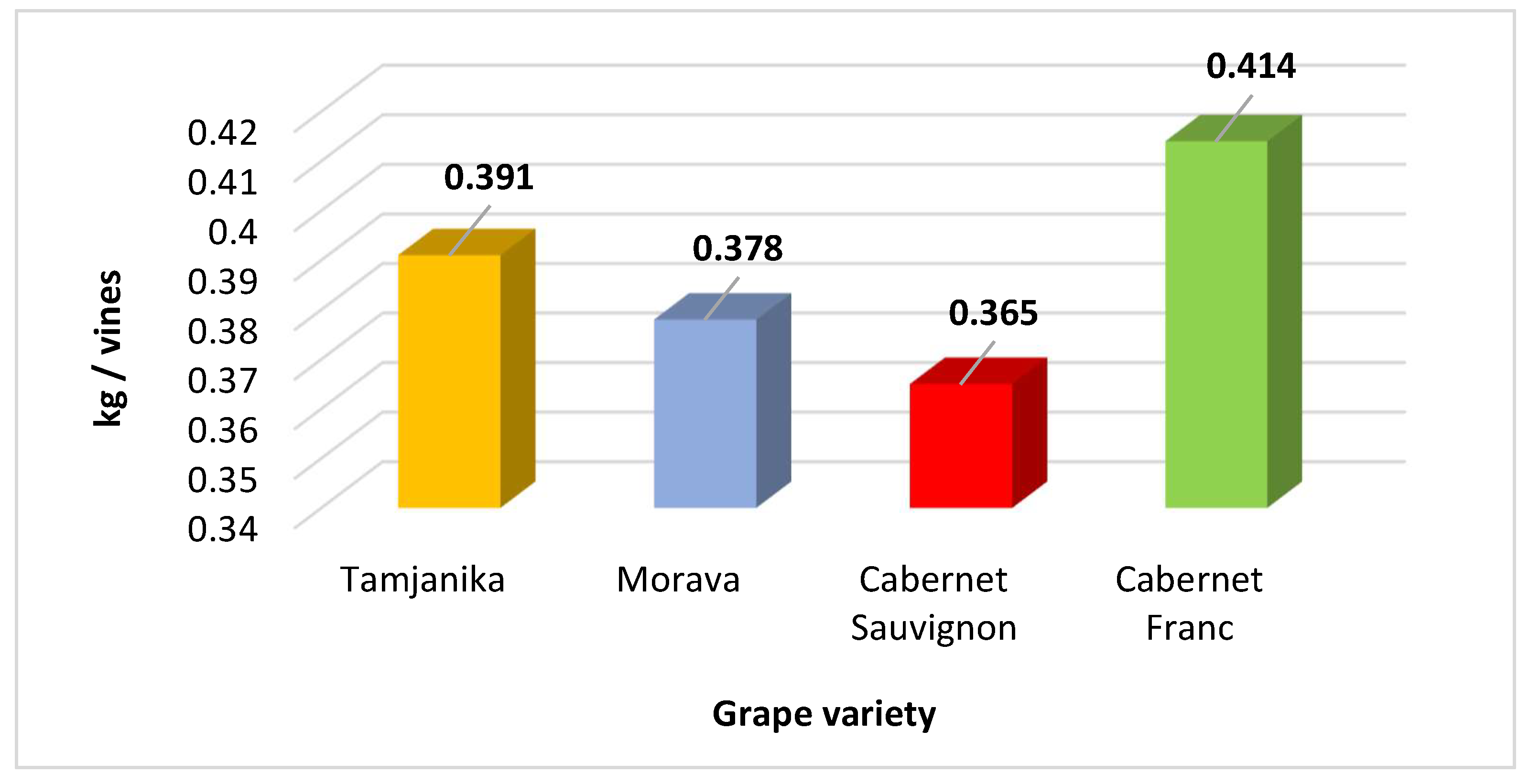
The results of the research on the average yield of VPR per vine for the examined varieties are shown in Figure 10. In Figure 10, it can be seen that the highest yield of VPR per vine was obtained for the Cabernet Franc variety, 0.414 kg/vines, followed by Tamjanika with 0.391 kg/vines, Morava with 0.378 kg/vines, and Cabernet Sauvignon with the lowest yield of 0.365 kg/vines. The average yield on the observed property was 0.387 kg/vines, or 1.7415 t/ha. The limiting factors that had an impact on the average biomass yield are the fact that this is a very young vineyard, 4 years old, and that the last calendar year that had an impact on the biomass yield itself was very rainy, which, to a significant extent, affected biomass yield.
The research results on the energy potential of biomass from vineyards are presented in Table 5. On the investigated property, with 6 ha of vines at 4,500 vines/ha and an average yield of 0.387 kg/vine, according to Equations (2) and (3), a theoretical and technical biomass potential of 10.449 t/year was calculated. The energy potential of biomass expressed via Equation (4) was 150.85 GJ. The energy potential of biomass expressed in final energy via Equation (5) was 41.90 MWh/year, as shown in Table 7.
Similar research on VPR yield and its energy potential was conducted on five grapevine varieties in northwestern Italy. The results showed that VPR values ranged from 0.45 to 1.34 kg/vine and from 1,850 to 5,360 kg/ha, whereby the HCV ranged from 17,920 to 18,020 kJ/kg and the LCV ranged from 7,340 to 7,960 kJ/kg [40]. Research conducted in northern Portugal on a local grapevine variety, “Loureiro”, showed that the HCV of VPR was 18,950 kJ/kg and the LCV was 17,580 kJ/kg [41].
The annual VPR yield of 1.7415 t/ha in this study fits into the VPR yield range of 0.80 to 5.36 t/ha reported in [42] and the yields achieved in Italy, ranging from 0.91 to 3.00 t/ha [16,22]. Furthermore, in [40], yields ranged from 1.85 to 5.36 t/ha. These yield deviations should be interpreted with caution, as they depend on several factors, such as pruning methods and techniques, the number of vines per hectare, biomass moisture content, grapevine varieties, geographical location, and climatic conditions throughout the calendar year.
The sustainability of using VPR as an energy source has clear advantages, including primarily the reduction in CO2 emissions and environmental protection, especially since fossil fuels are intensively used for heating buildings in the observed region. The resulting amount of VPR of 10.449 t of biomass at the annual level on the observed agricultural estate is equivalent to 14.537 t of brown coal or 3,533 L of diesel fuel. This further highlights that at the annual level, replacing brown coal with biomass residues would result in a reduction of 14.66 tCO2, and replacing diesel fuel would result in a reduction of 11.31 tCO2.

4.3. The Results of the Research into the Economic Feasibility of Using VPR

The total costs of VPR production in the observed vineyard are shown in Table 8.
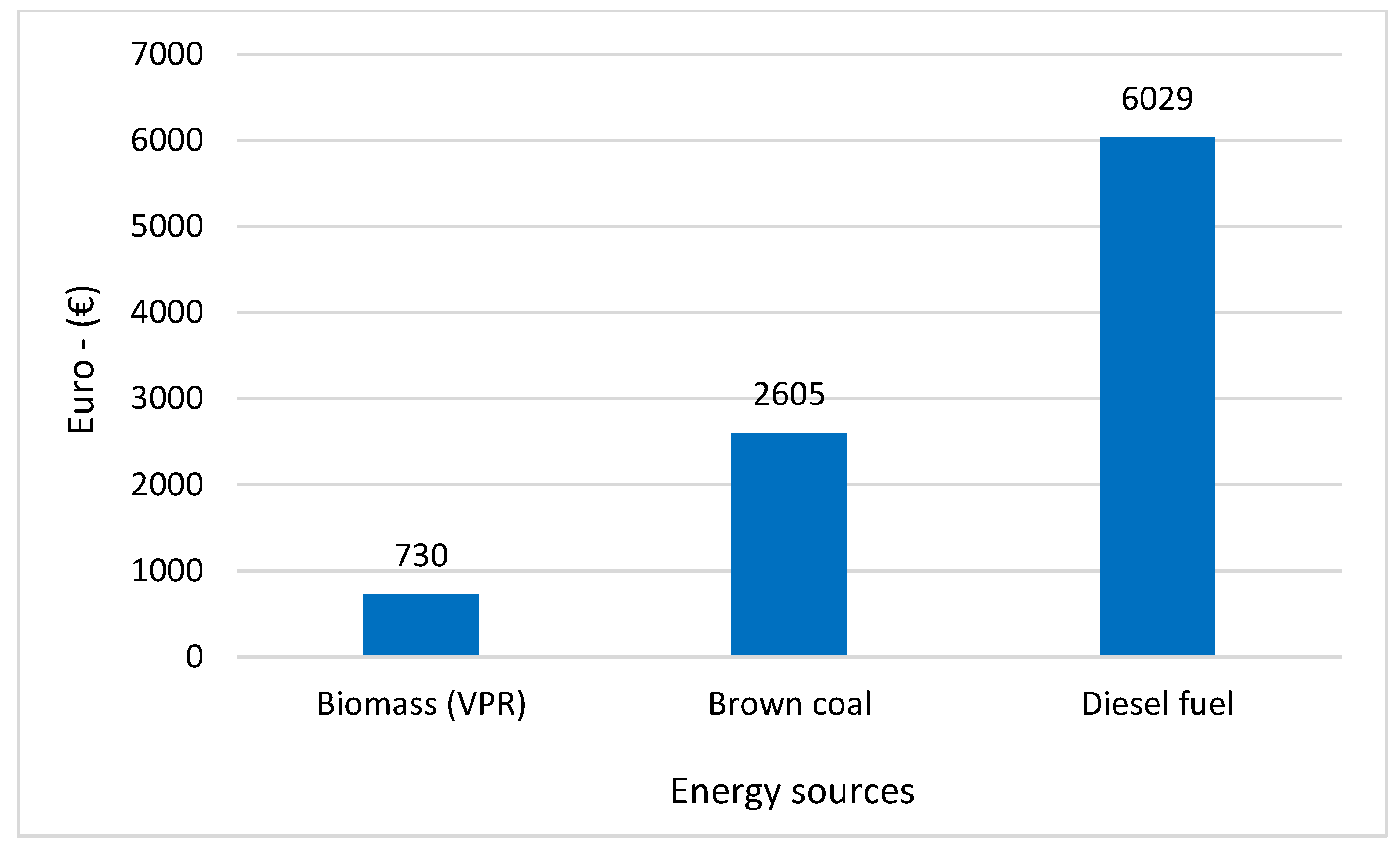
A comparison of the VPR price with the price of fossil fuels (diesel fuel and brown coal) is shown in Figure 11. The total costs for collecting biomass from VPR are 730 EUR/year, and the equivalent values for brown coal are 2,605 EUR/year and 6,029 EUR/year for diesel fuel. This means that for the same equivalent value, biomass from VPR is 3.57 times cheaper compared to brown coal and 8.26 times cheaper compared to diesel fuel (Figure 11).
The following factors are considered limiting factors for the wider application of biomass from VPR in the production of thermal energy in the Republic of Serbia:
  • The necessary initial investments for an energy plant and a biomass cutting machine.
  • The high cost of installed equipment, which limits access to this system for a wider number of agricultural producers.
  • Labor is required to manipulate (prepare) VPR for use.
  • The lack of information among agricultural producers is the reason for the low utilization of biomass from vineyards for the production of thermal energy.
  • The lack of incentives from the state and cities in the form of subsidies for investments in boiler plants.
  • The lack of biomass collection centers where additional quantities can be bought/sold if necessary, etc.

5. Conclusions

The present research examined the energy potential of VPR from vineyard production at the Mrčić settlement in Western Serbia. The research considered four biomass varieties: Tamjanika, Morava, Cabernet Sauvignon, and Cabernet Franc. The benefits of the presented VPR energy source are the use of a locally available energy source (biomass from vineyards) for the production of green energy; the existence of the possibility of full sustainability of agricultural farms for the production of thermal energy, i.e., the complete substitution of fossil fuels with energy from biomass; and reduced CO2 emissions compared to fossil fuels. The Cabernet Franc variety had the highest biomass yield (VPR) at 0.414 kg/vines, while the Cabernet Sauvignon variety had the lowest biomass yield (VPR) at 0.365 kg/vines. The average yield of VPR (for all varieties) was 0.387 kg/vines, or 1.7415 t/ha. The energy potential of biomass, expressed as final energy, was 41.90 MWh/year.
The establishment of local or regional biomass trading centers in the Republic of Serbia will facilitate the further and wider use of VPR as a resource for energy production.
As a continuation of this research, a study of VPR yields should be conducted in the coming years to track VPR yields with vineyard age. Also, a study on the economic feasibility of using biomass resources from VPR compared to other fossil fuels should be conducted. Such research will contribute to the further replacement of fossil fuels with VPR. In addition, research should be conducted in the coming period that focuses on the potential of biomass from fruit and grape production, providing decision-makers, equipment manufacturers, and users with a realistic understanding of the above issues.


Author Contributions

Conceptualization, A.A. and S.Š.; methodology, S.V.; software, A.B. and Z.J.; validation, S.Ž.R. and M.Ć.; formal analysis, S.V.; investigation, S.Š.; resources, S.Š.; data curation, M.Ć. and Z.J.; writing—original draft preparation, S.Š.; writing—review and editing, A.A. and S.V.; visualization, A.B.; supervision, A.A.; project administration, A.B.; funding acquisition, S.Ž.R., M.Ć., and S.V. All authors have read and agreed to the published version of the manuscript.

Funding

This research received no external funding.

Data Availability Statement

The original contributions presented in this study are included in the article. Further inquiries can be directed to the corresponding author.

Conflicts of Interest

The authors declare no conflicts of interest.

Abbreviations

The following abbreviations are used in this manuscript:
VPRVine pruning residue
RESRenewable energy source
HCVHigher calorific value
LCVLower calorific value
IID Independent and identically distributed

Appendix A

Appendix A.1. Alternative Energy Sources on the Property

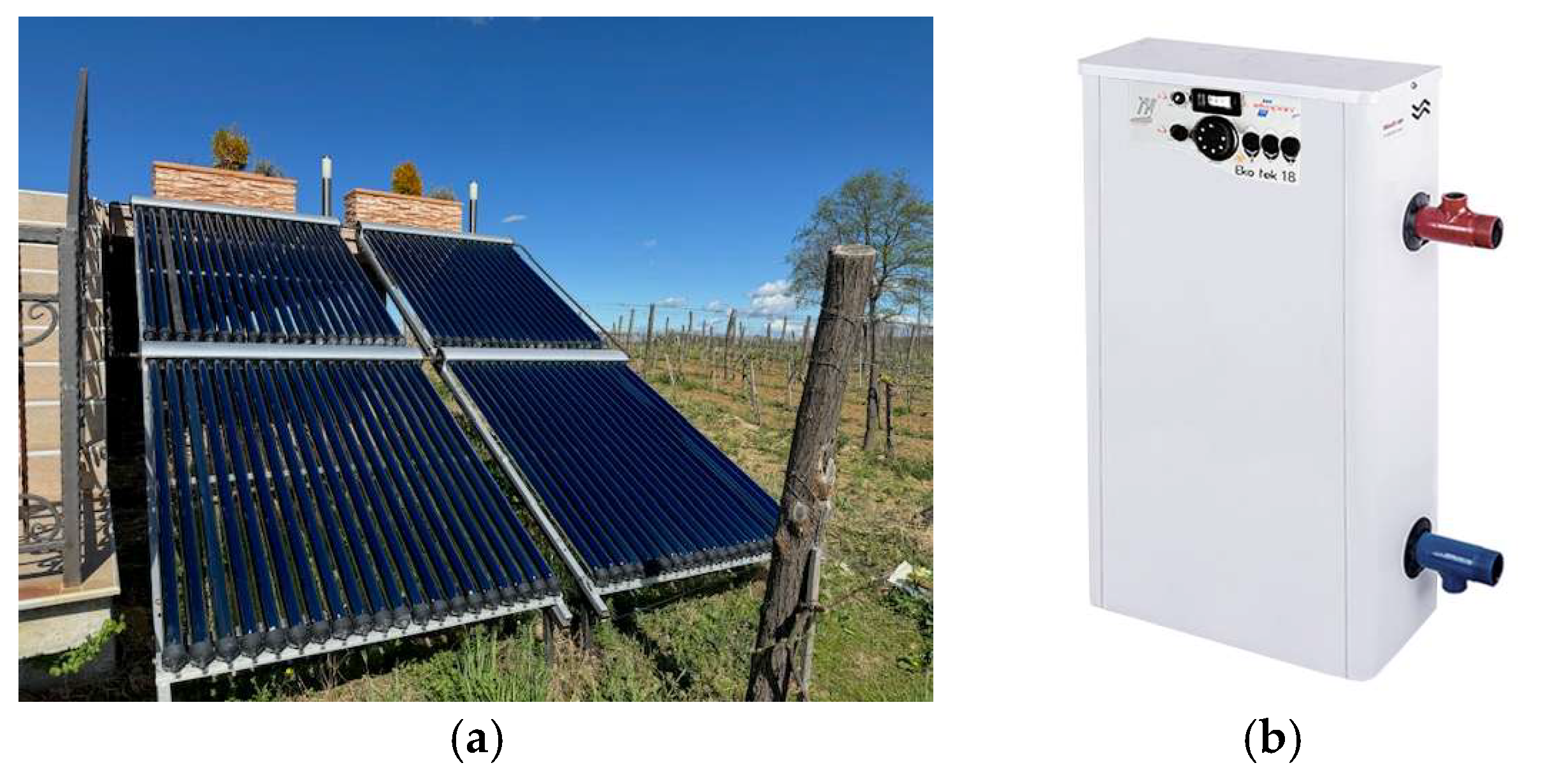
During the summer months, when there is sunshine, solar vacuum collectors are used on the property to produce thermal energy, as shown in Figure A1a. This system consists of four solar vacuum collectors measuring 2 × 1.5 m with vacuum tubes. All excess hot water obtained from this system is fed into the open pool with water, which ensures that the water in the solar system does not overheat and that all excess is automatically directed towards heating the pool. A 24 kW electric boiler is used as a backup source of heat energy production on the property, as shown in Figure A1b. Considering the trend of increasing electricity prices, this source is a reserve used only in case the primary two renewable sources are not in operation for some reason.
Figure A1. (a) Solar vacuum collectors and (b) electric boiler of 24 kW.
Energies 18 06384 g0a1

Appendix A.2. The Biomass Boiler on the Property

The biomass combustion boiler (Figure A2a) has the following technical characteristics: the boiler power is 35 kW, boiler weight is 390 kg, working pressure is 3 bar, volume of water in the boiler is 0.120 m3, required draft is 30 Pa, chimney diameter is 180 mm, and utilization rate is 85%.
The biomass dispenser (Figure A2b) has a double bottom, so it is 100% protected from self-ignition (the movable bottom is used for moving and inserting the biomass into the boiler), an electric motor with a reducer, a turbine with a potentiometer, and a timer. In addition to VPR, the presented dispenser can also dispense branches, pellets, fruit stones, etc. The dispenser’s capacity is 100 kg of VPR (five sacks), which ensures the autonomy of the boiler plant for up to 12 h of operation (Figure A2a,b).
Figure A2c shows part of the boiler room with a storage boiler and buffer, and part of the distribution pipes from the source to the consumers. The heating systems distribute the heated water to the buffer with a volume of 1 m3, from which the hot water is further distributed to the consumers. The hot water in the buffer can be heated via all three ways simultaneously or by choosing the most economical source at the given moment.
Figure A2. The boiler room: (a) biomass boiler, (b) biomass dispenser, and (c) buffer with storage boiler.
Energies 18 06384 g0a2
The “Netatmo” controller controls the entire heating system, which can be managed from anywhere. This system is responsible for managing the temperature at the sources and in the buffer, and according to the requested temperatures, it first fills the boiler for domestic hot water, then the buffer, and finally starts the pumps for underfloor heating in the house.

References

  1. Milojević, S.; Stopka, O.; Orynycz, O.; Tucki, K.; Šarkan, B.; Savić, S. Exploitation and Maintenance of Biomethane-Powered Truck and Bus Fleets to Assure Safety and Mitigation of Greenhouse Gas Emissions. Energies 2025, 18, 2218. [Google Scholar] [CrossRef]
  2. Škrbić, S.; Ašonja, A.; Prodanović, R.; Ristić, V.; Stevanović, G.; Vulić, M.; Janković, Z.; Radosavac, A.; Igić, S. Analysis of Plant-Production-Obtained Biomass in Function of Sustainable Energy. Sustainability 2020, 12, 5486. [Google Scholar] [CrossRef]
  3. Elqadhi, M.E.R.; Skrbic, S.; Mohamoud, O.A.; Asonja, A. Energy integration of corn cob in the process of drying the corn seeds. Therm. Sci. 2024, 28, 3325–3336. [Google Scholar] [CrossRef]
  4. Saleem, M. Possibility of utilizing agriculture biomass as a renewable and sustainable future energy source. Heliyon 2022, 8, e08905. [Google Scholar] [CrossRef]
  5. Alami, M.; Mokaddem, A.; Belkheir, M.; Rouissat, M.; Doumi, B.; Ziani, D. Improving the Performance of Hybrid Biocomposite Materials Using Epoxy, Vinyl Ester and Polyimide Polymer Matrix: Comparative Study. Appl. Eng. Lett. 2024, 9, 64–75. [Google Scholar] [CrossRef]
  6. Joint Research Centre (JRC). Biomass Production, Supply, Uses and Flows in the European Union; Publications Office of the European Union: Luxembourg, 2018; p. 6. [Google Scholar] [CrossRef]
  7. McKendry, P. Energy production from biomass (part 1): Overview of biomass. Bioresour. Technol. 2002, 83, 37. [Google Scholar] [CrossRef]
  8. Pike, B.; Muhlack, R.; Cavagnaro, T.; Collins, C. Removal of pruned vine biomass (PVB) from vineyards—Examining the impact of not incorporating PVB into vineyard soils. OENO One 2023, 57, 177–187. [Google Scholar] [CrossRef]
  9. Asonja, A.; Desnica, E.; Radovanovic, L. Energy efficiency analysis of corn cob used as a fuel. Energy Sources B Econ. Plan. Policy 2017, 12, 1–7. [Google Scholar] [CrossRef]
  10. Kalak, T. Potential Use of Industrial Biomass Waste as a Sustainable Energy Source in the Future. Energies 2023, 16, 1783. [Google Scholar] [CrossRef]
  11. Zhang, L.; Xu, C. Champagne, Overview of recent advances in thermochemical conversion of biomass. Energy Convers. Manag. 2010, 51, 969. [Google Scholar] [CrossRef]
  12. Vassilev, S.V.; Baxter, D.; Andersen, L.K.; Vassileva, C.G. An overview of the composition and application of biomass ash. Part 1. Phase-mineral and chemical composition and classification. Fuel 2013, 105, 40. [Google Scholar] [CrossRef]
  13. European Parliament and Council (EP&C). Directive 2008/98/EC on Waste and Repealing Certain Directives; L312/3; European Union Law: Brussels, Belgium, 2008.
  14. Spinelli, R.; Lombardini, C.; Pari, L.; Sadauskiene, L. An alternative to field burning of pruning residues in mountain vineyards. Ecol. Eng. 2014, 70, 212–216. [Google Scholar] [CrossRef]
  15. Brkić, M.; Janjić, T.; Somer, D. Process Technique and Energetics; Faculty of Agriculture in Novi Sad: Novi Sad, Serbia, 2006; p. 2. [Google Scholar]
  16. Wei, M.; Ma, T.; Ge, Q.; Li, C.; Zhang, K.; Fang, Y. Challenges and opportunities of winter vine pruning for global grape and wine industries. J. Clean. Prod. 2022, 380, 135086. [Google Scholar] [CrossRef]
  17. Jesus, M.; Romaní, A.; Mata, F.; Domingues, L. Current Options in the Valorisation of Vine Pruning Residue for the Production of Biofuels, Biopolymers, Antioxidants, and Bio-Composites following the Concept of Biorefinery: A Review. Polymers 2022, 14, 1640. [Google Scholar] [CrossRef]
  18. Topi, D.; Arapi, D.; Seiti, B. Vine Pruning Residues and Wine Fermentation By-Products: A Non-Exploited Source of Sustainable Agriculture, Albania Case. Resources 2025, 14, 29. [Google Scholar] [CrossRef]
  19. Mattonai, M.; Massai, P.; Ribechini, E. Sustainable microwave-assisted eutectic solvent extraction of polyphenols from vine pruning residues. Microchem. J. 2024, 197, 109816. [Google Scholar] [CrossRef]
  20. Riva, G. Volume 1—I Sottoprodotti di Interesse del DM 6.7.2012. In Inquadramento, Potenzialità e Valutazioni; CTI: Milano, Italy, 2013; p. 155. [Google Scholar]
  21. Duca, D.; Maceratesi, V.; Fabrizi, S.; Toscano, G. Valorising Agricultural Residues through Pelletisation. Processes 2022, 10, 232. [Google Scholar] [CrossRef]
  22. EC Eurostat Database. European Commission Online Statistical Database. 2017. Available online: https://ec.europa.eu/eurostat (accessed on 20 September 2019).
  23. Toscano, G.; Alfano, V.; Scarfone, A.; Pari, L. Pelleting Vineyard Pruning at Low Cost with a Mobile Technology. Energies 2018, 11, 2477. [Google Scholar] [CrossRef]
  24. Lungkadee, T.; Tippayawong, K.Y.; Tangparitkul, S.; Jaroenkhasemmeesuk, C.; Chaichana, C.; Wongspai, W.; Tippayawong, N. Decarbonizing a Thai Coal Power Plant: Effect of Flue Gas Loads on Carbon Capture Performance and Economics. Appl. Eng. Lett. 2024, 9, 12–21. [Google Scholar] [CrossRef]
  25. Senila, L.; Tenu, I.; Carlescu, P.; Corduneanu, O.R.; Dumitrachi, E.P.; Kovacs, E.; Scurtu, D.A.; Cadar, O.; Becze, A.; Senila, M.; et al. Sustainable Biomass Pellets Production Using Vineyard Wastes. Agriculture 2020, 10, 501. [Google Scholar] [CrossRef]
  26. Jha, A.K.; Darlami, H.B.; Bhattarai, N.; Karn, S.; Neupane, G. Projecting Energy Demand and GHG Reduction With Electric Vehicle Adoption in Nepal. Appl. Eng. Lett. 2025, 10, 160–170. [Google Scholar] [CrossRef]
  27. Physical and Geographical Map of Serbia with Settlements. Reddit. Available online: https://www.reddit.com/r/serbia/comments/geuh5f/fizi%C4%8Dkogeografska_karta_srbije_sa_naseljima/ (accessed on 12 May 2025).
  28. Škrbić, S. The Level of the Plant Production-Obtained Solid Biomass for Energy Purposes in AP Vojvodina. Ph.D. Thesis, Faculty of Economics and Engineering Management in Novi Sad, University of Business Academy in Novi Sad, Novi Sad, Serbia, 2020. [Google Scholar]
  29. Brkić, R.; Janjić, T. Briquetting and Pelletisation of Biomass; Faculty of Agriculture in Novi Sad: Novi Sad, Serbia, 2009; p. 17. [Google Scholar]
  30. Radojević, R.; Živković, M.; Radivojević, D.; Božić, S. Possibility of biomass use: Renewable energy source. Poljopr. Teh. 2007, 32, 79–86. Available online: https://aspace.agrif.bg.ac.rs/bitstream/handle/123456789/1479/1476.pdf?sequence=1&isAllowed=y (accessed on 1 December 2025).
  31. Novaković, D.; Đević, M. Orchards and vineyards pruning residues like energy source. Časopis Procesnu Teh. Energetiku Poljopr./PTEP 2000, 4, 51–53. Available online: https://scindeks-clanci.ceon.rs/data/pdf/1450-5029/2000/1450-50290002051N.pdf (accessed on 1 December 2025).
  32. Radojević, R.; Živković, M.; Urošević, M.; Radivojević, D. Technological-technical aspects of using fruit and grapevine pruning residues. Časopis Procesnu Teh. Energetiku Poljopr./PTEP 2007, 11, 32–36. Available online: https://scindeks-clanci.ceon.rs/data/pdf/1450-5029/2007/1450-50290702032R.pdf (accessed on 1 December 2025).
  33. SRPS EN ISO 17225-1:2021; Solid Biofuels—Fuel Specifications and Classes—Part 1: General Requirements; Annex D: Calculation of the Net Calorific Value at Different Bases and Energy Density as Received. Institute for Standardization of Serbia: Belgrade, Serbia, 2021.
  34. SRPS EN ISO 18125:2017; Solid Biofuels—Determination of Calorific Value. Institute for Standardization of Serbia: Belgrade, Serbia, 2017.
  35. SRPS EN ISO 18134-1:2017; Solid Biofuels—Determination of Moisture Content—Oven Dry Method—Part 1: Total Moisture—Reference Method. Institute for Standardization of Serbia: Belgrade, Serbia, 2017.
  36. SRPS EN ISO 18122:2017; Solid Biofuels—Determination of Ash Content. Institute for Standardization of Serbia: Belgrade, Serbia, 2017.
  37. SRPS EN ISO 18123:2017; Solid Biofuels—Determination of the Content of Volatile Matter. Institute for Standardization of Serbia: Belgrade, Serbia, 2017.
  38. BS EN ISO 16948:2015; Solid Biofuels—Determination of Total Content of Carbon, Hydrogen and Nitrogen. British Standards Institution: London, UK, 2015.
  39. Rulebook on the Form of the Annual Report on the Achievement of Energy Saving Targets and the Method of Its Submission; Official Gazette of the Republic of Serbia: Belgrade, Serbia, 2023.
  40. Manzone, M.; Paravidino, E.; Bonifacino, G.; Balsari, P. Biomass availability and quality produced by vineyard management during a period of 15 years. Renew. Energy 2016, 99, 465–471. [Google Scholar] [CrossRef]
  41. Florindo, T.; Ferraz, A.I.; Rodrigues, A.C.; Nunes, L.J.R. Residual Biomass Recovery in the Wine Sector: Creation of Value Chains for Vine Pruning. Agriculture 2022, 12, 670. [Google Scholar] [CrossRef]
  42. Marian, G.; Alexiou Ivanova, T.; Gudîma, A.; Nazar, B.; Malai, L.; Marian, T.; Pavlenco, A. Biomass Resources from Vineyard Residues for the Production of Densified Solid Biofuels in the Republic of Moldova. Agronomy 2024, 14, 2183. [Google Scholar] [CrossRef]
Figure 1. Overview of biomass production in Republic of Serbia [27]. Green colors indicate lowlands and predominant agricultural biomass, while brown colors indicate mountains and predominant forest biomass.
Energies 18 06384 g001
Figure 2. Agricultural land potential in the Republic of Serbia.
Energies 18 06384 g002
Figure 3. Locality Mrčić on the map of the Republic of Serbia.
Energies 18 06384 g003
Figure 4. Vineyard: (a) wider view of vineyard and (b) closer view of vineyard.
Energies 18 06384 g004
Figure 6. Technological process of biomass shredding using biomass cutting machine: (a) biomass shredding process, (b) biomass shredding size, and (c) biomass storage.
Energies 18 06384 g006
Figure 7. VPR: (a) biomass in dispenser and (b) the process of delivering biomass to the boiler.
Energies 18 06384 g007
Figure 8. The LCV for different moisture contents of the tested samples of VPR.
Energies 18 06384 g008
Figure 9. The HCV for different moisture contents of the tested samples of VPR.
Energies 18 06384 g009
Figure 10. The VPR yield per vine for different grape varieties.
Energies 18 06384 g010
Figure 11. Comparison of the price of VPR with the cost of fossil fuels.
Energies 18 06384 g011
Table 1. Research results for VPR for Tamjanika variety.
Tested ParameterWorking MassAnalytical Mass
Technical analysis
Total moisture content W (%)21.3013.34
Ashes A (%)3.223.55
Combustible volatile substances Vg (%)58.9864.95
Coke residue K (%)19.7221.71
Thermal power
Higher calorific value HCV (kJ/kg)14,90616,614
Lower calorific value LCV (kJ/kg)13,39614,998
Elementary analysis
Carbon C (%)38.5742.47
Hydrogen H (%)4.504.96
Nitrogen N (%)0.810.89
Sulfur S (%), total0.070.08
Oxygen O + Nitrogen N (%), from the difference31.5234.71
Table 2. Research results for VPR for Morava variety.
Tested ParameterWorking MassAnalytical Mass
Technical analysis
Total moisture content W (%)16.4811.08
Ashes A (%)3.974.23
Combustible volatile substances Vg (%)63.7067.82
Coke residue K (%)19.8221.20
Thermal power
Higher calorific value HCV (kJ/kg)15,52316,527
Lower calorific value LCV (kJ/kg)14,07015,137
Elementary analysis
Carbon C (%)40.8343.47
Hydrogen H (%)4.785.09
Nitrogen N (%)0.810.86
Sulfur S (%), total0.080.08
Oxygen O + Nitrogen N (%), from the difference33.0535.19
Table 3. Research results for VPR for Cabernet Sauvignon variety.
Tested ParameterWorking MassAnalytical Mass
Technical analysis
Total moisture content W (%)8.768.52
Ashes A (%)4.884.89
Combustible volatile substances Vg (%)67.9168.09
Coke residue K (%)23.3323.39
Thermal power
Higher calorific value HCV (kJ/kg)16,87516,919
Lower calorific value LCV (kJ/kg)15,48815,535
Elementary analysis
Carbon C (%)43.3743.48
Hydrogen H (%)5.335.35
Nitrogen N (%)0.090.09
Sulfur S (%), total1.021.02
Oxygen O + Nitrogen N (%), from the difference36.5636.65
Table 4. Research results for VPR for Cabernet Franc variety.
Tested ParameterWorking MassAnalytical Mass
Technical analysis
Total moisture content W (%)9.519.24
Ashes A (%)3.583.59
Combustible volatile substances Vg (%)69.6369.84
Coke residue K (%)20.8620.92
Thermal power
Higher calorific value HCV (kJ/kg)16,94416,995
Lower calorific value LCV (kJ/kg)15,55115,605
Elementary analysis
Carbon C (%)43.5643.69
Hydrogen H (%)5.285.30
Nitrogen N (%)0.080.08
Sulfur S (%), total1.121.12
Oxygen O + Nitrogen N (%), from the difference36.8736.98
Table 5. Linear regression parameters for LCV.
Tested VPR SamplesCoefficientsStandard Errort Statp-Value
Cabernet Sauvignonα17,215.20.3829708444,951.72492.4279 × 10−14
β−197.160.02309401−8537.278433.5442 × 10−12
Cabernet Francα17,448.30.3316624852,608.60391.5146 × 10−14
β−199.50.02−99752.2219 × 10−12
Tamjanikaα17,697.50.3316624853,359.97021.4515 × 10−14
β−201.940.02−10,0972.1424 × 10−12
Moravaα17,3403.1547 × 10−135.4966 × 10161.328 × 10−50
β−198.41.9023 × 10−14−1.0429 × 10161.9441 × 10−48
Table 6. Linear regression parameters for HCV.
Tested VPR SamplesCoefficientsStandard Errort Statp-Value
Cabernet Sauvignonα18,495.20.3829708448,294.01591.9579 × 10−14
β−184.960.02309401−8009.002934.2927 × 10−12
Cabernet Francα18,7243.0787 × 10−136.0819 × 10169.803 × 10−51
β−187.21.8565 × 10−14−1.0083 × 10162.151 × 10−48
Tamjanikaα18,940065,5350.01
β−189.4065,5350.01
Moravaα18,586.20.3829708448,531.63191.9293 × 10−14
β−185.880.02309401−8048.84014.2293 × 10−12
Table 7. Results of research into energy potential of biomass.
Observational ParametersValues
Area under crop—p6 ha
Number of vines per hectare—n4,500 vines/ha
Average yield per vine—m0.387·10−3 t/vine
(1.7415 t/ha)
The total theoretical potential of biomass—Eteo10.449 t/year
The total technical potential of biomass—Eteh
Energy potential of biomass—Epot150.85 GJ/year
Energy potential of biomass expressed in final energy—Ep41.90 MWh/year
Table 8. The total costs of VPR production.
Observational ParametersValues
Labor costs for collecting and sorting biomass—Tss (EUR/year)150
Labor costs for cutting and packaging biomass—Tsp (EUR/year)513
Energy costs (diesel fuel) for driving the tractor and for driving the chipping machine—Teu (EUR/year)67
The total costs of VPR production—Tpb (EUR/year)730
Disclaimer/Publisher’s Note: The statements, opinions and data contained in all publications are solely those of the individual author(s) and contributor(s) and not of MDPI and/or the editor(s). MDPI and/or the editor(s) disclaim responsibility for any injury to people or property resulting from any ideas, methods, instructions or products referred to in the content.