2. Methods
The aim of this article is to identify and analyze keywords related to decision-making and legal frameworks in the context of the energy sector’s transformation [
19,
32]. Therefore, in this study, a structured or SLR method was utilized [
33,
34]. The use of the adjective “systematic” implies that this form of literature review is both replicable and transparent, permitting other researchers to replicate this study and compare their findings with those presented in this research [
35]. This approach is not solely focused on reporting the content of the scientific literature but also encompasses an explorative [
36] or evaluative component [
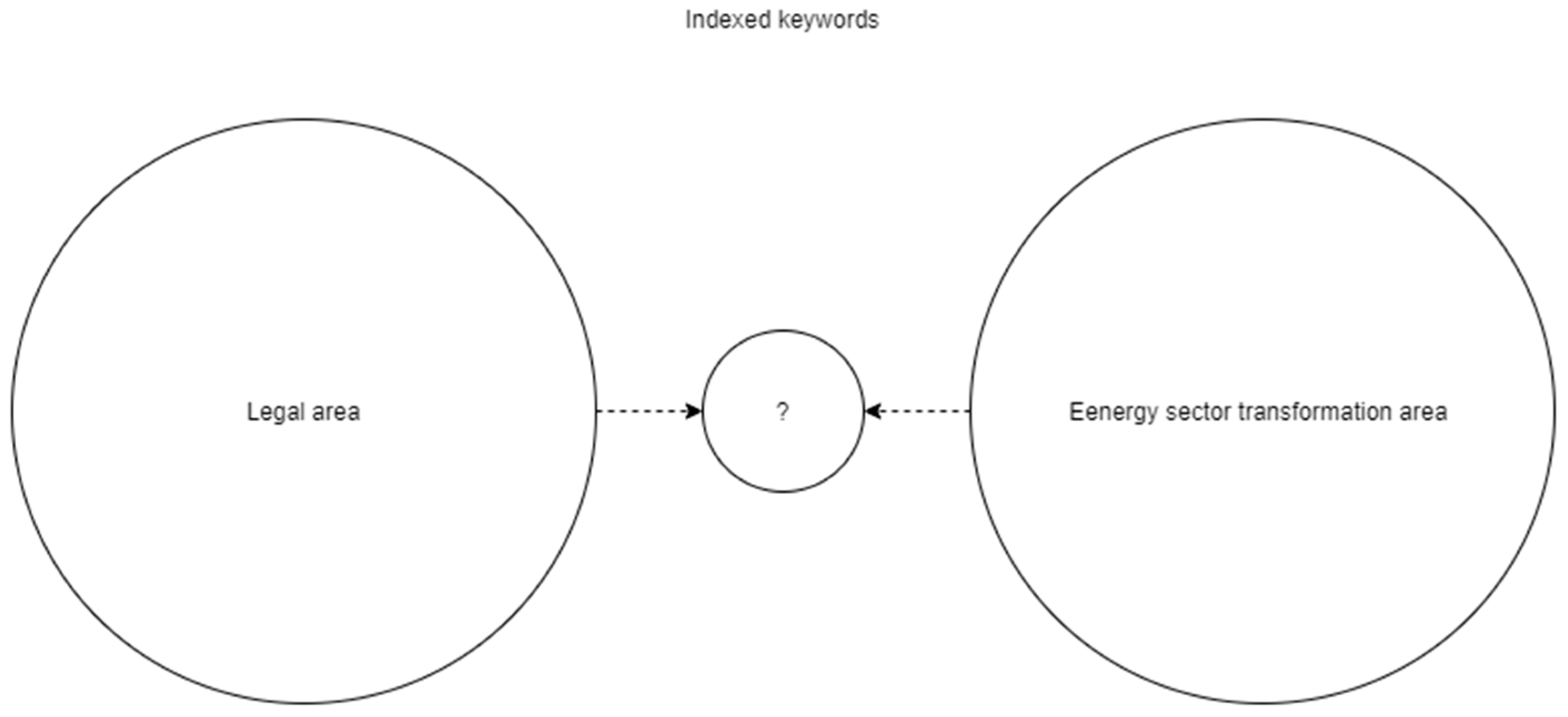
37]. The concept of exploring two sets of keywords associated with the legal framework and energy sector transformation is illustrated in
Figure 1.
Figure 1 is a conceptual and purely heuristic diagram illustrating the relationship between the “legal area” and the “energy sector transformation area”, with an emphasis on indexed keywords as a potential source of overlapping or connecting terms [
38]. The separate circle with a question mark is used intentionally to indicate that no ex ante assumptions were made regarding the content and extent of the intersection between these two domains. The figure is not a formal model of the relationship between law and energy transition but a starting point that motivates the empirical exploration of overlapping research areas conducted in the subsequent bibliometric analysis [
39,
40].
Bibliometric analysis has become a prevalent tool in the field of management research, encompassing studies relevant to business and society [
24,
41]. Formal methodologies for assessing the literature are employed to identify influential works and to track the evolution of a field over time [
42]. One such technique involves conducting keyword co-occurrence analysis or examining the most frequently cited papers [
43,
44]. Citation analysis is premised on the idea that research papers citing specific publications are considered more influential [
45]. Keyword co-occurrence analysis quantifies instances in which papers share keywords, abstracts, and titles, thus indicating common themes among publications [
46]. These co-occurring keywords are visually represented as nodes within a network, with connecting links denoting their shared keyword usage [
47]. This network of co-occurring keywords unveils patterns related to influence, diffusion, and conceptual development [
48,
49].
Bibliometric analysis has its limitations [
50,
51]. In this paper, the first limitation is related to accessing Scopus, which requires a paid institutional subscription. This can impede scientists who do not have access to this database from replicating this study’s results. While this database is highly regarded and popular among scientists, its rigorous indexation process means that not all scientific publications are included [
15,
19]. There are books and articles that, despite their significance to the field, are not indexed in Scopus [
18]. Another limitation of this research pertains to the dominant language in academia. Although English is the most prevalent language, it is not the only one. There are important legal publications written in other languages. To address all mentioned limitations, this bibliometric study implemented the PRISMA protocol (
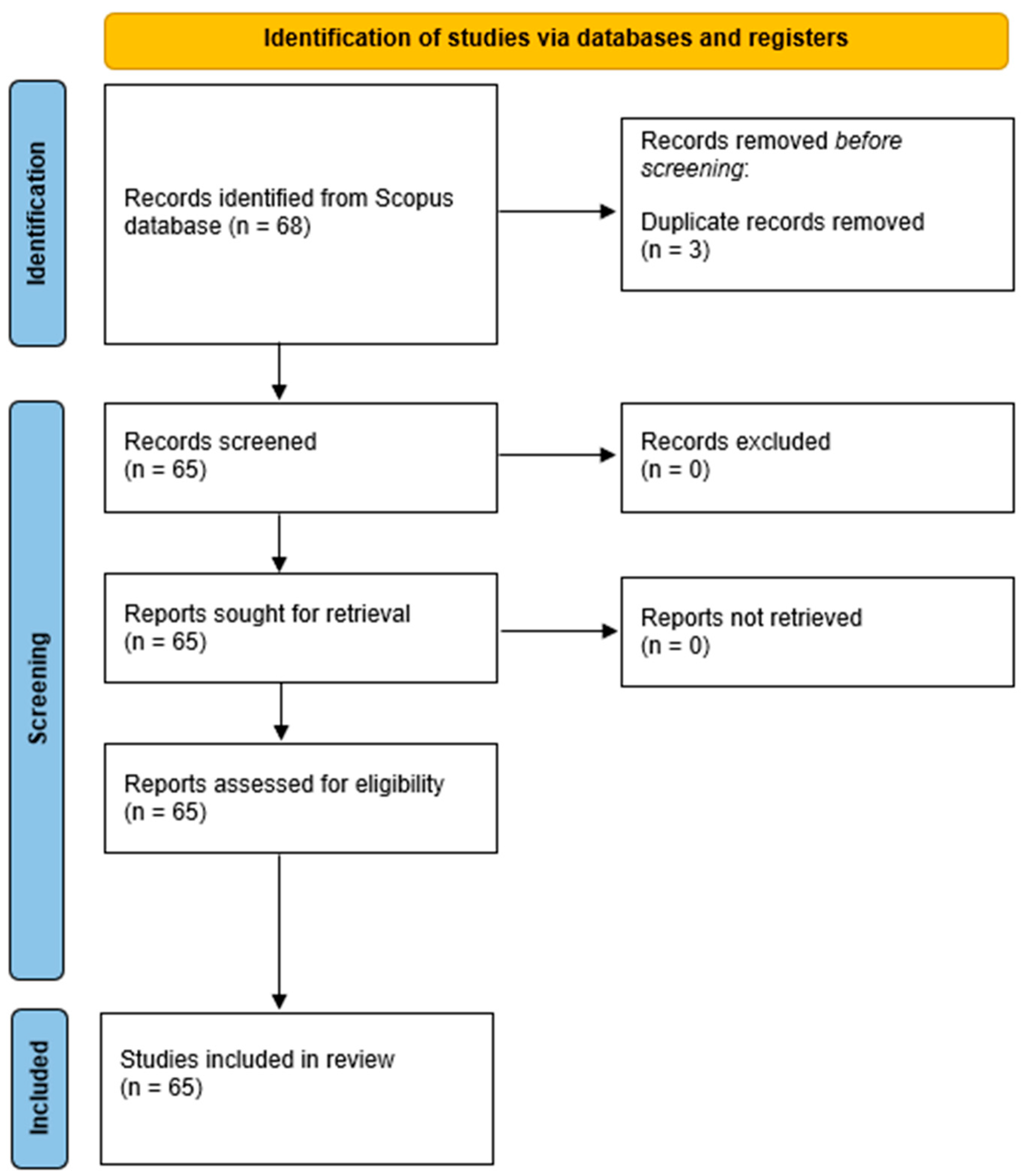
Figure 2). Presenting the detailed steps ensures repeatability and transparency of the research [
52]. The PRISMA checklist can be accessed through a link in the
Supplementary Materials section at the end of the article. To mitigate this limitation, the CLR incorporated additional academic and legal sources, including EU legislation databases (such as EUR-Lex) and national legal commentaries, which provided a more detailed regulatory context for interpreting the bibliometric findings.
Figure 2 provides a structured PRISMA flowchart outlining the systematic process of a research methodology [
54,
55]. It categorizes the stages of this research into three overarching phases: Research Design, Data Collection, Verification, Exploration, and Interpretation. Each phase further breaks down into specific sequential steps, which can be elucidated further. The initial step in Research Design was Formulation of the research aim, where the purpose or objective of this study was defined. The next step was Keywords selection, and, in this step, the relevant keywords that align with this study’s purpose were chosen. Then there was Evaluation of this study’s limitations, where potential limitations or constraints of the research were assessed and recognized. Final step of the Research Design was a Database selection among available and appropriate scientific databases, from which research data can be sourced; the Scopus database was identified [
18]. The data collection phase started immediately after the Scopus database had been selected and after the search criteria had been defined. The criteria for searching and filtering relevant studies were operationalized through the two queries presented in
Table 1. In addition, only documents classified as articles or reviews and written in English were retained. Records retrieved by query 2 (n = 68) were screened on titles and abstracts to ensure explicit relevance to both energy sector transformation and legal or regulatory issues; publications dealing exclusively with biological or medical topics without any energy-sector or legal dimension were excluded. Three duplicate records were identified and removed, resulting in a final corpus of 65 documents. The syntax of queries 1 and 2 was iteratively refined, as indicated in
Figure 2, to ensure accurate and transparent retrieval. In the subsequent stages of the SLR, the analysis focused on the more specific query 2, while query 1 was used to provide contextual, exploratory insights.
In the identification phase, query 1 was used to map the broad interdisciplinary landscape at the intersection of law and the energy sector, resulting in 21,766 records. This broad corpus informed the conceptual understanding of the field and was visualized in Figures in
Section 3. However, such a large dataset is not suitable for a detailed SLR combined with in-depth legal and managerial interpretation. For this reason, query 2 was formulated to capture the more specific intersection of legal norms and energy sector transformation. The final SLR corpus derived from query 2 consists of 65 publications (after removal of duplicates) and was considered sufficiently large to represent the main thematic strands of the field while remaining manageable for full-text reading and qualitative interpretation of the clusters and their regulatory implications.
Formulation of query 2 was based on the analyzed syntax, and a specific search query labeled “Q2” was formulated, yielding a result of 68 items (as denoted by “n = 68”). There was also step in which duplicate removal (n = 3) was performed. The redundant or repetitive data entries (publications) were identified and removed. The consequence of the previous steps was the Creation of a collection (n = 65). The data Exploration consists of the step in which Analysis of Bibliometric maps generated in VOSviewer software (version 1.6.19, University of Leiden) was performed [
56]. The gathered data was visualized and explored using VOSviewer, a software tool designed for bibliometric analysis. The process of the Interpretation was the final process illustrated in
Figure 2. This process consisted of two steps. First was the identification of the keywords from the bibliometric maps. Second was identification of research areas. Based on the analyzed keywords and visualizations, distinct research areas or domains were recognized.
Figure 2 methodically delineates the steps undertaken in the research, from conceptualizing its aim to extracting insights from the analyzed data.
Presented in
Figure 2 PRISMA procedure is a bibliometric study variation in the SLR to explore research concept as presented in
Figure 1. In the adopted SLR method, the two original queries were formulated by authors based on keywords to create a query syntax in
Table 1 to explore Scopus database. The use of similar keywords may have influenced the results of this study with different results. As presented in
Table 1, there is a development of the query syntax. The queries have a syntax that corresponds with the Scopus database. Both queries presented in
Table 1 explore titles, abstracts and keywords of publications indexed in Scopus. Their parts after “limit-to” syntax elements were created by choosing the option from the refined results sidebar after the query was executed to achieve similarity of queries. The choice of Scopus has its limitations, most notably the fact that some of the newer journals are not indexed in these systems. There is no commonly accepted classification of studies addressing legal frameworks and decision making in the context of energy sector transformation. Therefore, an exploratory approach was adopted, as summarized in
Table 1. The queries were designed to capture a broad corpus of publications at the intersection of law, energy, and management while remaining sufficiently specific to allow for a coherent bibliometric analysis.
Table 1 presents queries 1 and 2, which differ in several key syntactic elements that determine the number and structure of retrieved records. The queries were limited to selected subject areas, including energy, social sciences, environmental sciences, economics, business, management, and multidisciplinary research, as specified in the Scopus interface. The search did not distinguish between older and very recent publications, in order to capture the long-term evolution of the field. Both queries were executed on 4 October 2023 and were restricted to publications up to and including 2022, in order to work with a complete and stable time window and to avoid distortions resulting from incomplete indexation of the most recent years. The Scopus search engine allows for precise query formulation and immediate online inspection of the results, which facilitates the calibration of search strategies [
44].
To extend the SLR procedure, the VOSviewer software was used. The results obtained from queries 1 and 2 were exported from Scopus as .csv files containing full publication metadata. These files were then processed in VOSviewer to generate bibliometric maps based on keyword co-occurrences. The minimum number of keyword co-occurrences was set at two for query 2 to balance the level of detail and the readability of the maps. The resulting visualizations were subsequently interpreted using a Classical Literature Review, which enabled the identification of research gaps and emerging directions of scientific development.
The choice of keywords and subject areas in both queries reflects the intention to focus on the interface between law, energy and management. Legal terms such as “law”, “regulation” and “legal norm” were combined with “energy sector” and “transformation” to ensure that the retrieved literature addresses both legal and sectoral aspects. The limitation to subject areas including energy, business, economics, environmental sciences, social sciences and multidisciplinary research was used to exclude purely technical or biomedical works that lack any connection to regulatory or managerial questions. For query 2, the minimum co-occurrence threshold of two for indexed keywords was selected to retain sufficient detail for cluster interpretation while avoiding excessive dispersion of terms. These methodological choices align with the objective of identifying clusters that are directly relevant to decision-making and legal frameworks in the context of the energy sector transition.
In practical terms, different types of VOSviewer visualizations were generated to address specific analytical questions. For query 1, item density maps and overlay visualizations were produced (Figures 5 and 7) in order to capture the broad interdisciplinary landscape and the temporal evolution of indexed keywords. For query 2, network and overlay visualizations were created (Figures 8 and 9) to identify clusters of closely related legal, policy and managerial concepts and to trace their development over time. Cluster structures were obtained using the default VOSviewer clustering algorithm and then interpreted and labeled through a CLR. In addition, certain geographical terms (e.g., “Europe”, “European Union”, “Germany”) were removed from the query 2 maps to improve readability and to focus on substantive legal and managerial topics rather than locations. This combined use of VOSviewer outputs and qualitative interpretation explains how the figures were constructed and how they support the identification of key research areas and regulatory gaps.
No formal risk-of-bias or quality scoring procedure was applied to the included records, because the aim of this review was to map conceptual and regulatory themes rather than to synthesize quantitative effect sizes. This constitutes a methodological limitation that is acknowledged in the discussion of the results. The combination of SLR, bibliometric mapping and CLR was chosen to provide a structured overview of conceptual and regulatory themes, rather than an exhaustive doctrinal analysis of specific legal systems. Elements of comparative legal reasoning are incorporated in the discussion of EU and selected national frameworks, but no formal case-study protocol has been applied. This delimits the scope of this study and leaves space for future research based on in-depth country or case-specific analyses.
3. Results
This section presents a bibliometric analysis of decision making and the legal framework pertinent to the transformation of the energy sector. This approach, increasingly prevalent in bibliometric studies, employs queries as outlined in
Table 1 and utilizes the SLR method, and it was developed by VOSviewer software. This is complemented by the development of the bibliometric analysis in the form of a conceptual figure and encompasses a CLR method.
In this section the results of the research procedure are presented, which have been augmented with a bibliometric analysis, utilizing the VOSviewer software (VOSviewer version 1.6.19). These results, which emerge directly from the analysis represented in
Figure 2, are detailed therein. One of the preliminary outcomes from the research methodology illustrated in
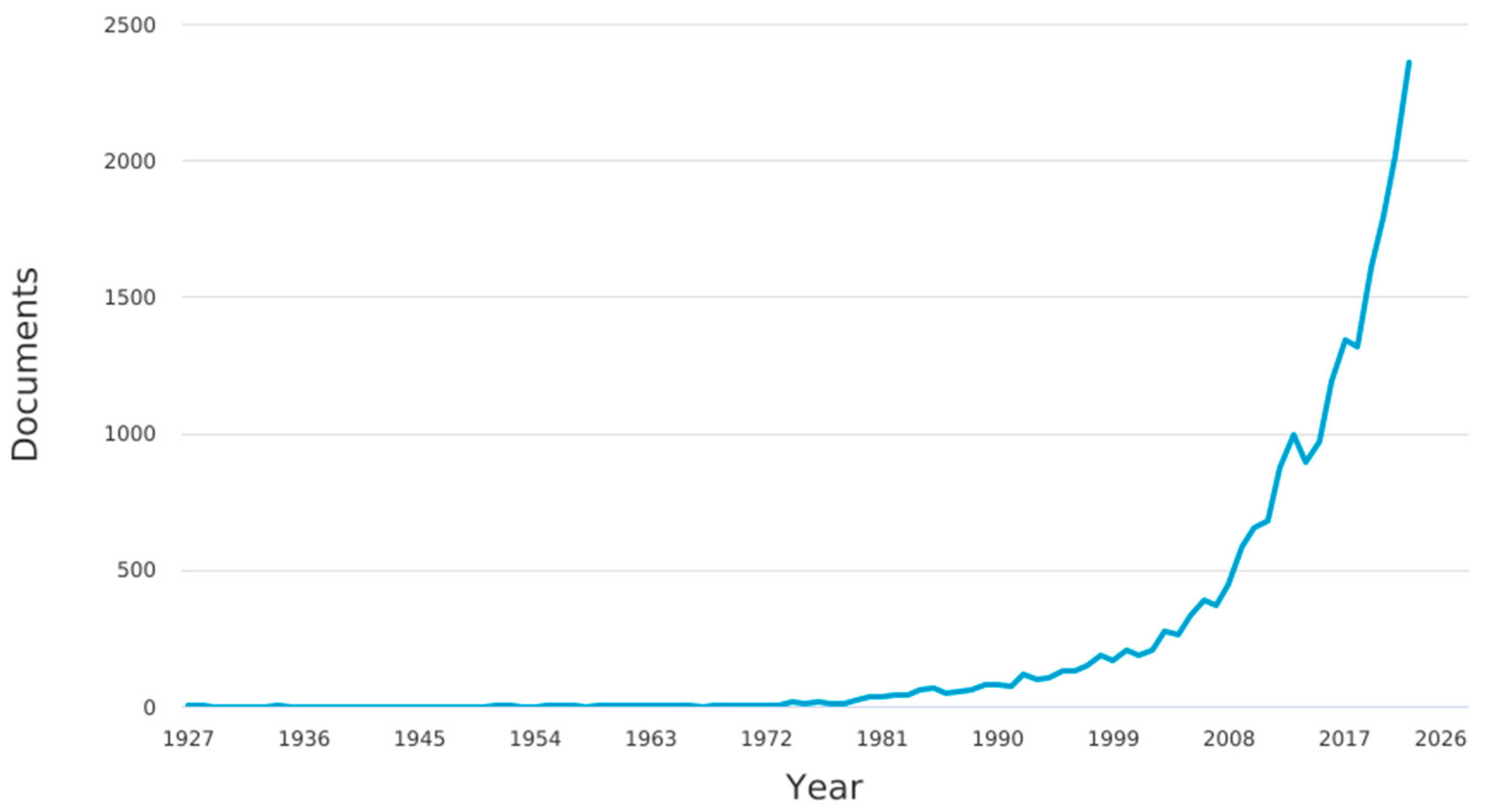
Figure 2 are charts showcasing the quantity of publications indexed in Scopus. The results from query 1 are presented in
Figure 3, while those from query 2 are depicted in
Figure 4.
Figure 3 illustrates the publications indexed in Scopus derived from the execution of search query 1 (
Table 1). This figure documents the broad identification phase of the SLR and serves to demonstrate the overall expansion of research in the wider field before the analysis is narrowed to the more specific corpus defined by query 2. This comprehensive search yielded a significant volume of documents, specifically 21,766 entries spanning the years 1927 to 2022.
Figure 3 reveals an exponential growth in the body of literature addressing legal regulations in the energy sector. However, the sheer quantity of documents and the broad temporal range pose challenges for in-depth analysis. To address this, a more focused examination was conducted using search query 2, with its findings graphically represented in
Figure 4.
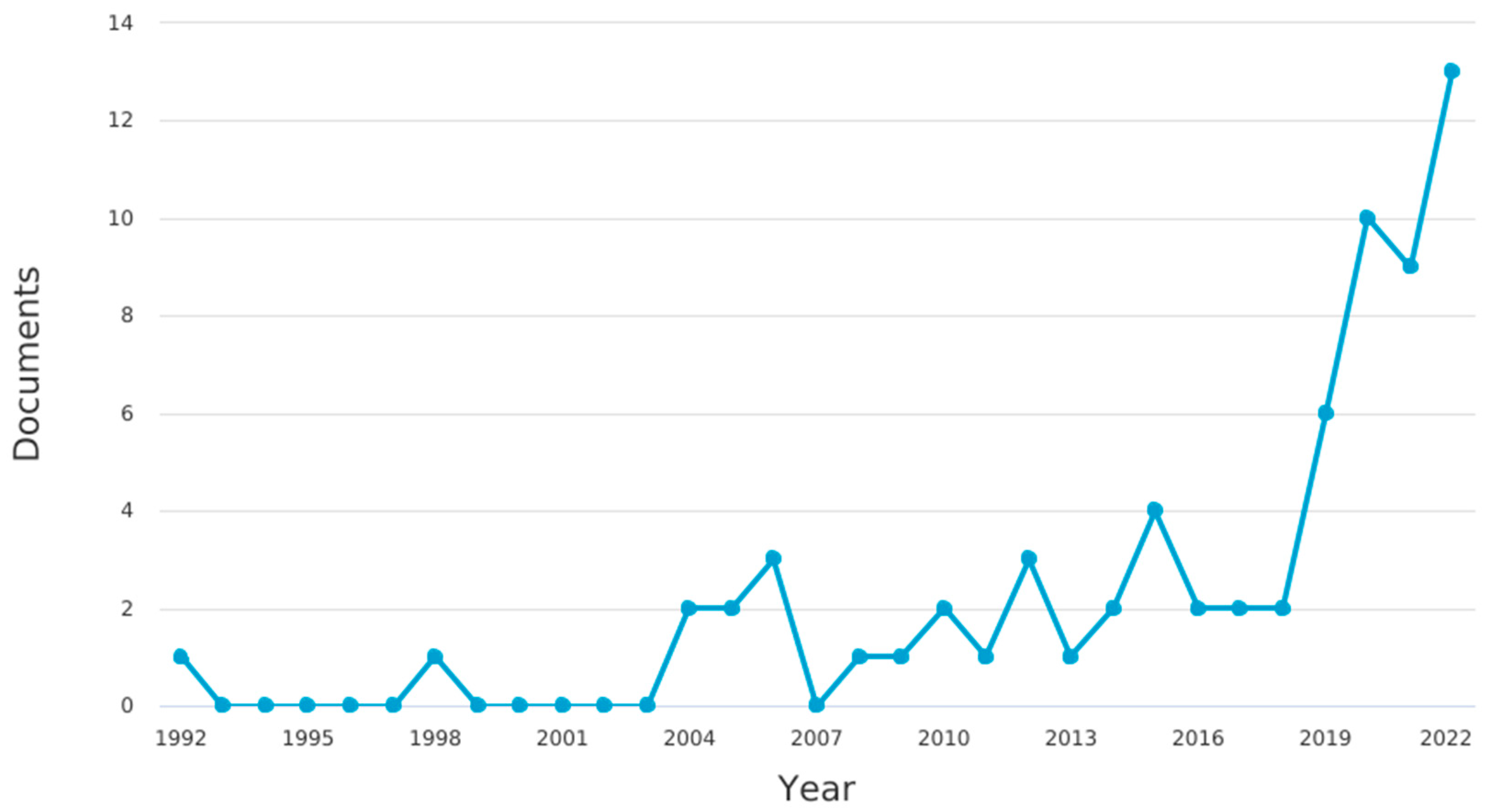
Figure 4 presents, in the form of a line graph, the evolution of the number of publications retrieved by query 2 between 1992 and 2022. The results show a relatively low and stable output until the late 2000s, followed by a gradual increase and a marked acceleration after 2016. This pattern reflects the growing academic interest in legal and regulatory aspects of energy sector transformation in the last decade. The temporal scope of the dataset therefore covers developments up to 2022; the subsequent literature is addressed selectively in the CLR but is not included in the quantitative bibliometric analysis.
There is visible growth in
Figure 3, which occurred after 2008 and 2016 in the subject of transition strategies in the energy sector. As mentioned by the International Energy Agency [
57], in 2009, a significant increase in energy efficiency was observed, which is associated with the implementation of Best Available Technologies (BATs). This technological development and the accompanying changes are evident in EU legislation, exemplified by the introduction of regulations such as Regulation (EC) No. 714/2009 of the European Parliament and of the Council of 13 July 2009 [
58] on conditions for access to the network for cross-border exchanges in electricity and repealing Regulation (EC) No. 1228/2003 [
59], as well as Regulation (EC) No. 715/2009 of the European Parliament and of the Council of 13 July 2009 on conditions for access to natural gas transmission networks [
60] and repealing Regulation (EC) No. 1775/2005 [
60].
The rise in the graph corresponding to the year 2010 may also be associated with the energy transformation in various countries, including Germany’s Energiewende [
22]. The decline observed in 2011 could be linked to the Fukushima nuclear accident [
48]. Another leap after 2016 can also be seen in Polish legislation. The main challenge at that time was to close the regulatory loopholes that led to the so-called “leakage of natural gas outside of Poland”. The Act of 22 July 2016 amending the Energy Act and certain other acts (Journal of Laws 2016, item 1165) introduced into the Polish legal system a systematic order of the liquid fuel market, increased state control over the system of intervention stocks of crude oil and fuels, an order of the natural gas market [
61], an extension of the obligation to maintain compulsory stocks of natural gas and the introduction of a new legal form for the implementation of this obligation (the so-called ticket contract). Elimination of shortcomings and legal deficiencies in the existing legislation in the field of liquid fuels and natural gas, which give rise to doubts about interpretation or cause difficulties in the process of applying the law. The most important for the energy sector was the establishment of a catalogue of liquid fuels in Article 3, paragraph 3b, as well as the unification of the issue of control over enterprises in the field of storage, transport and trade in natural gas in other drafting units, introducing, inter alia, concession supervision. It should be noted that the changes introduced have had a far-reaching impact on the economy: the marketing of fuels has been streamlined, new jobs have been created [
35], in this case for highly qualified personnel, and revenues to the state budget have increased.
The indicated example of regulation is an example of the impact of the market situation on the legislator, providing an answer to the question of what factors influence the decision to change the law and the direction of the changes made [
62]. In the next step, it is the enacted law that shapes the market situation of companies and the economic situation of the state, including the shaping of the labor market [
35,
63]. It is important for companies that the proposed solutions are flexible, so that they can be successfully adapted to the required legal regulations [
31,
64].
Among the results analyzed in VOSviewer presented in
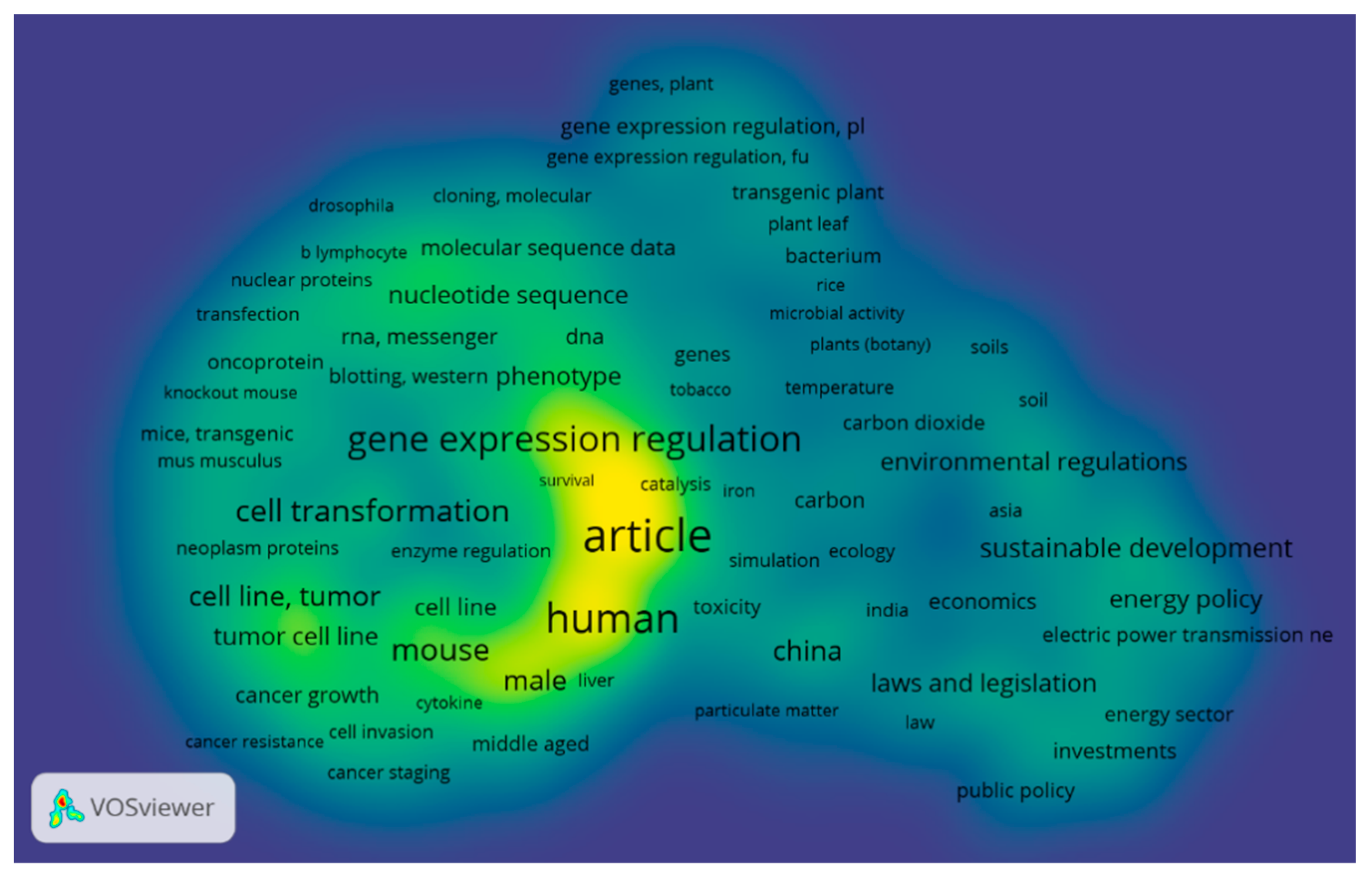
Figure 5, initially retrieved from the Scopus database using query 1, an observable concentration of issues centered around biological and medical topics is evident. This appears as a distinct cluster on the left side of
Figure 5, indicating a significant interconnection among these topics, as suggested by the brightness of the nodes.
Figure 5 reveals an association among some of the keywords related to energy transformation. These regulations are linked to health and safety, with assignments visible to specific legal frameworks (including the names of countries). This confirms that the initial research on the subject lacked an interdisciplinary and international approach. Although the term “energy law” was defined by Adrian Bradbrook in 1966 as ‘the allocation of rights and duties concerning the exploitation of all energy resources between individuals, between individuals and the government, between governments, and between states,’ [
65] the early approach shows a lack of forward-looking “projective approach” that might influence future regulations [
66]. Instead, there was an emphasis on regulating the current legal aspects [
27,
67]. The prominence of biological and medical terms in
Figure 5 is a direct consequence of the deliberately broad formulation of query 1, which was designed for the identification and scoping phase. This observation motivated the subsequent refinement of the search strategy and the construction of query 2, which focuses more narrowly on energy-sector and legal topics.
For this reason, the interpretations that follow distinguish carefully between clusters that are central to the legal and managerial focus of the article and clusters that are only tangentially related. In the visualization in
Figure 5, the term “gene expression regulation” is centrally located and quite large, suggesting it is a frequently occurring and central topic within the dataset analyzed. This central position results from the fact that, within the very broad interdisciplinary dataset retrieved by query 1, the term “regulation” appears far more frequently in the context of biological and medical research than in legal or energy-sector contexts, so that the co-occurrence algorithm positions “gene expression regulation” at the center of the overall network. The terms “human,” “article,” “mouse,” and “cell transformation” are also prominent, suggesting these are common subjects within the research. Smaller terms clustered around the main keywords suggest related but less frequently occurring themes, like “sustainable development,” “environmental regulations,” “energy policy,” and “laws and legislation,” indicating interdisciplinary connections within the research. Considering the diversity of terms from biological processes like “gene expression regulation” and “cell transformation” to broader themes such as “environmental regulations” and “energy policy,” this visualization seems to encompass a wide range of research areas, possibly from a multidisciplinary study (
Table 1).
Building upon the fundamental inquiry posited by
Figure 1 concerning the relationship between two distinct areas,
Figure 5 and
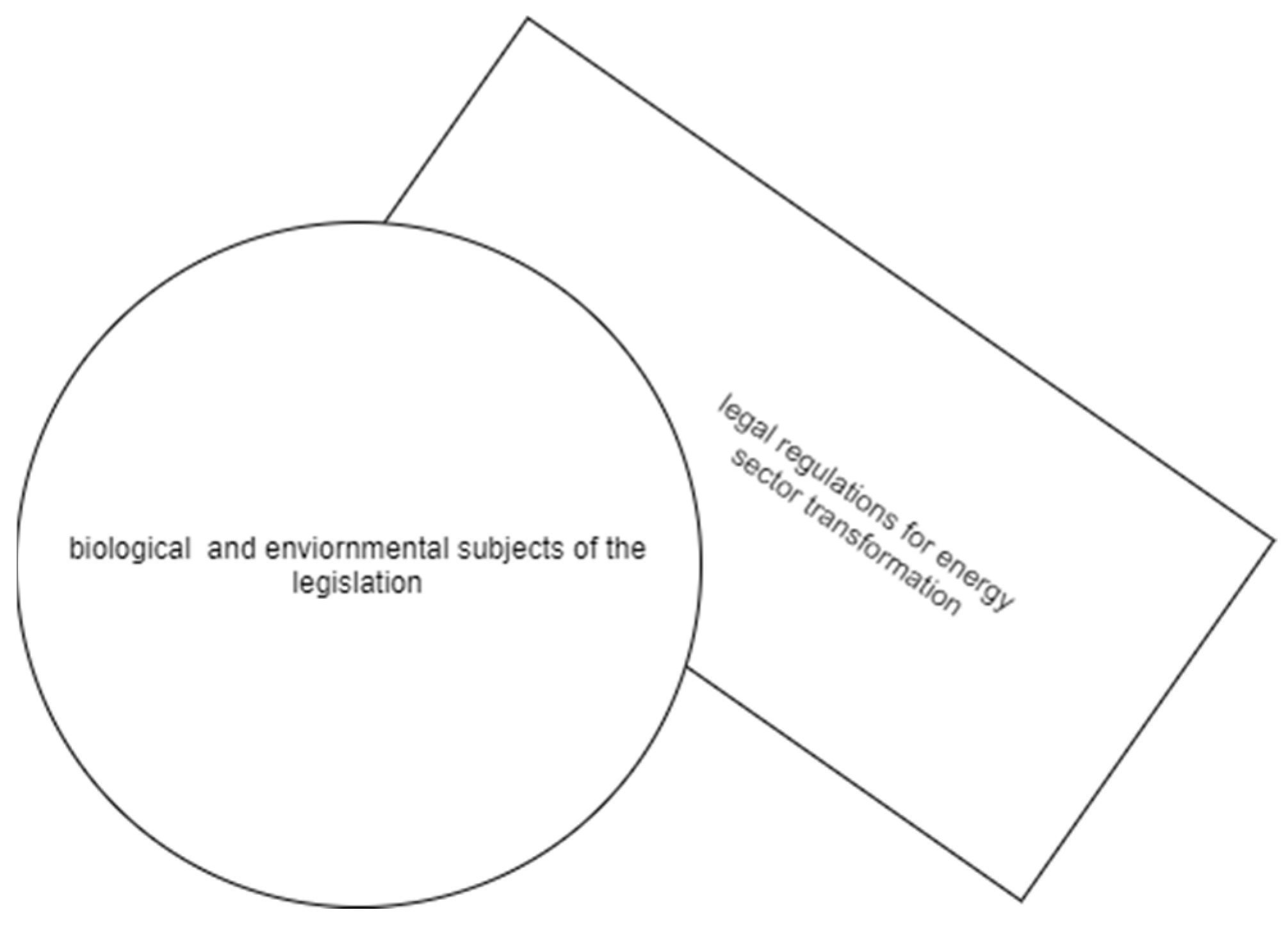
Figure 6 offer a detailed elaboration, identifying these areas as ‘biological and environmental subjects of the legislation’ and ‘legal regulations for energy sector transformation,’ respectively.
Figure 6 provides a simplified illustration of the interplay and overlap between these two thematic domains. These figures are derived from the analysis of the results of search query 1 (
Table 1). Specifically,
Figure 5 represents a density analysis conducted using VOSviewer, while
Figure 6 is a conceptual piece developed by the authors. The conceptual structure in
Figure 6 was directly informed by the clustering patterns visible in
Figure 5. The left-hand part of the diagram aggregates keywords belonging to clusters dominated by biological and environmental terms, whereas the right-hand part reflects clusters in which legal, regulatory and energy-sector concepts are more prominent. The intersection indicates the thematic space where environmental and biological concerns intersect with energy regulation, as illustrated by keywords such as “environmental regulations”, “sustainable development” and “energy policy”. In this way,
Figure 6 translates the co-occurrence patterns observed in
Figure 5 into a simplified conceptual representation of the overlap between scientific evidence and legal frameworks.
In an academic context,
Figure 5 and
Figure 6 jointly illustrate how scientific research and legal regulation interact in the field of energy sector transformation.
Figure 5 provides an empirical map of indexed keywords, showing how frequently they co-occur and which thematic areas are most intensively explored.
Figure 6 complements this map with a conceptual diagram that highlights the overlap between biological and environmental issues and legal regulations governing the energy sector. Together, these figures indicate where scientific attention already supports regulatory development and where potential gaps between scientific evidence and legal frameworks may still exist.
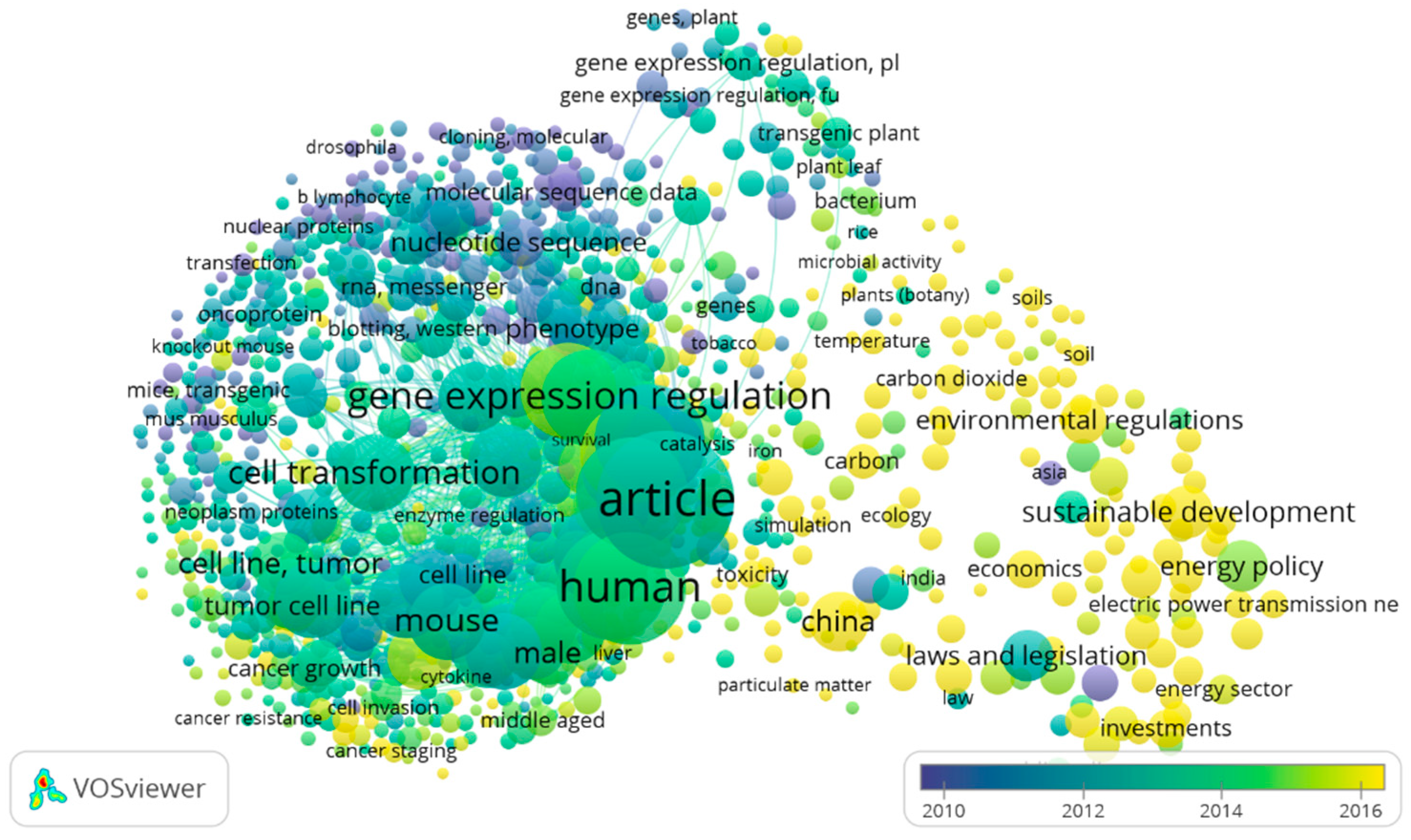
Figure 7 shows the evolution of concept structures over the years based on the query 1 results (as presented in
Table 1). There is observable growth in conceptual areas, which can be attributed to the development of research and regulations concerning specific concepts. An example is “sustainable development”. The 2030 Agenda for Sustainable Development, adopted by all United Nations Member States in 2015 [
68] confirms the emergence of this concept in the literature from 2014, with a notable increase in 2016. This could be the reason for the observed divergence.
Figure 7 is a visualization from the tool VOSviewer. It depicts a network of interconnected keywords, with the relationships and prominence of each keyword represented in different ways.
Figure 7 is populated with various keywords, ranging from scientific terms such as “gene expression regulation”, “cell transformation”, and “molecular sequence data” to broader concepts like “article”, “human”, and “sustainable development”. There are also geographic terms like “China” and “India”, and terms related to environmental policy such as “environmental regulations” and “energy policy”. The size of each circle (or node) representing a keyword suggests its prominence or frequency within the dataset. For instance, “article” and “human” have very large circles, indicating that they are central or frequently occurring terms. The nodes in
Figure 7 are color-coded, based on a timeline given at the bottom of the figure that ranges from 2010 to 2016. This color coding indicates when each keyword became prominent or relevant. For example, terms color-coded towards the 2010 end of the spectrum might have been more relevant or frequently mentioned around that year, whereas those towards the 2016 end might have gained prominence more recently. Lines connect related or associated keywords, suggesting a relationship or co-occurrence between them. This helps in understanding how terms are interrelated or might appear together in the dataset.
Figure 7 shows clusters of related terms, indicating that these terms frequently appear together or are interconnected. For instance, there is a clear cluster of terms related to genetics and molecular biology on the left, and another cluster related to environmental and energy topics on the right. The more central a term is in the visualization, the more it potentially serves as a bridge or connection point between various clusters or topics. For example, the term “article” is central, suggesting that it might be a common term bridging various topics. The continued prominence of terms such as “gene expression regulation” in the overlay map reflects their high frequency and broad co-occurrence across multiple clusters in the query 1 dataset and should therefore be interpreted as a property of the wider scientific landscape within Scopus rather than as an indication that biological regulation is a central substantive focus of this article. In summary, this VOSviewer visualization provides a graphical representation of the relationships and prominence of various keywords over a span of time, showcasing their interconnectedness and evolution visible in
Figure 7. While the overlay visualization in
Figure 7 extends only to 2016, subsequent conceptual and regulatory developments related to sustainable development and energy transition are captured in the CLR, which incorporates more recent publications and policy documents.
The overall search result was narrowed to demonstrate in what context regulatory issues are presented and whether they are systemically addressed or analyzed separately, detached from the issues of comprehensive studies. There is a lack of comprehensive research—it is fragmentary, with no connections as to the origins of individual act regulations and how they impact the economy.
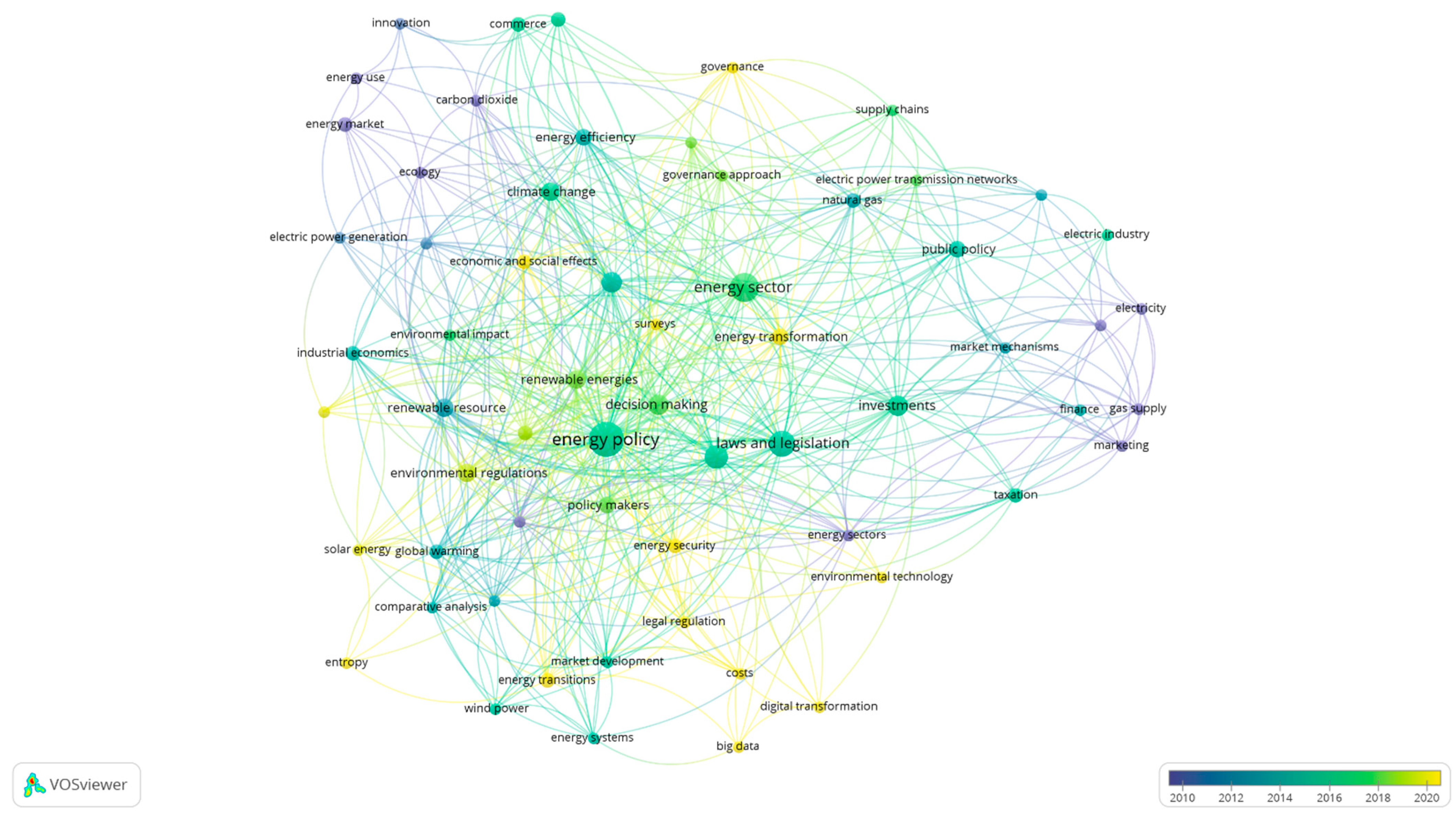
This part of the results is dedicated to the analysis of the query 2 results as presented in
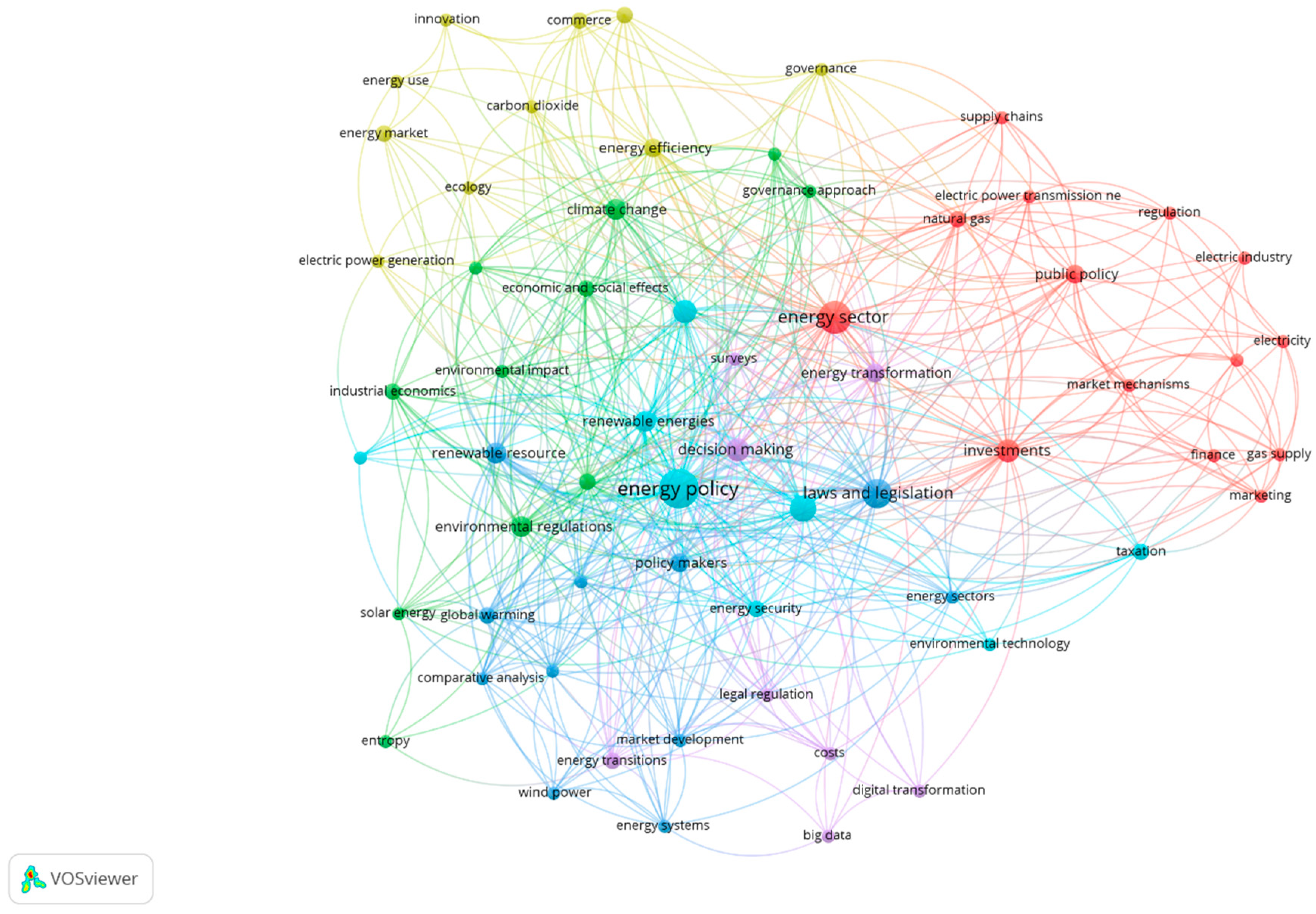
Figure 8. To generate data, presented below, and achieve results of analysis of co-occurrences among indexed keywords in Scopus, the full counting method was selected. The minimum number of co-occurrences of the indexed keyword was 2, and then, among the total of 436 keywords, 67 met the threshold. To generate
Figure 8 in VOSviewer, the following indexed keywords were deselected: ‘Asia,’ ‘Eurasia,’ ‘Europe,’ ‘European Union,’ and ‘Germany.’ These keywords correspond to geographical designations of continents, countries, and supranational entities. The identified clusters reflect the diverse scientific interests of the authors of the analyzed publications.
Figure 8 presents a network visualization that illustrates the interconnectedness of diverse terms related to the energy sector and its ancillary disciplines. In this figure, individual circles, or nodes, symbolize specific topics. The varying colors of these nodes denote distinct categories or clusters of closely related topics. The figure identifies six main clusters, delineated by color. The red cluster, prominently featuring ‘laws and legislation,’ is a central node within the network and pertains to the regulatory aspect of the ‘energy sector’, including terms like “finance,” “gas supply,” “electricity,” and “regulation.” The green cluster focuses on management science with ‘energy policy’ at its core, encompassing managerial aspects such as “decision making,” “energy security,” and “energy transformation.” This cluster also reflects how changes in the energy sector are influenced by European Union membership. The blue cluster concerns regulatory scope and impact assessment, particularly sectoral energy production regulations. The fifth cluster, which is not sequentially ordered but rather mentioned for its thematic significance, emphasizes technological and transformational elements, with keywords such as “digital transformation,” “big data,” and “technological development.” These terms signal the developmental expectations derived from current knowledge and their relevance to the energy market. The purple cluster underscores the alignment between market demands and advancements, with its central positioning affirming its analytical significance. The yellow cluster circulates around societal discourse on energy, less tethered to specific legal frameworks. The teal cluster is centered around policy development and the integration of renewable energy into secure, sustainable systems.
The analysis suggests a discrepancy between multi-speed regulation and societal expectations, where the law reacts in an ad hoc fashion without setting clear development paths or frameworks for cross-sectoral cooperation.
In
Figure 8, the lines, or edges, connecting the nodes indicate relationships among topics. The density of these lines may suggest the strength of the connection. Notably, the distance from the central node does not necessarily reflect the strength of the relationships, and there is no proportionality between the nodes’ distances and the intensity of their connections. Many terms bridge different clusters, underlining the interdisciplinary nature of energy studies. For example, “energy policy” in green extends to multiple clusters, highlighting its pivotal role across various energy-related discussions. Overall,
Figure 8 offers a comprehensive overview of the multifaceted energy sector, underscoring the complex nexus among policy, technology, finance, geography, and environmental considerations.
Table 2 corresponds to
Figure 8, and there are five clusters presented. The order of clusters presented in
Table 2 is caused by the number of keywords identified by the VOSviewer. The detailed description of the clusters in
Figure 8 and
Table 3 integrates the provided data on the keywords, including their number of occurrences (O), links (L), and total link strength (TLS).
The red cluster, consisting of 14 keywords, delves into the industrial and infrastructure elements of the energy sector, highlighting key areas such as the electric industry, power transmission, and natural gas. It features a pronounced focus on financial and market aspects, with keywords like ‘finance’ (O: 9, L: 9, TLS: 2), ‘investments’ (O: 35, L: 42, TLS: 6), and ‘market mechanisms’ (O: 13, L: 14, TLS: 2). Additionally, ‘public policy’ (O: 22, L: 27, TLS: 4) and ‘regulation’ (O: 11, L: 11, TLS: 2) are significant, reflecting their influential role in this sector.
The green cluster (with 10 keywords) is characterized by its emphasis on environmental impact and protection within the energy sector. It encompasses ‘climate change’ (O: 28, L: 33, TLS: 5), ‘environmental impact’ (O: 18, L: 22, TLS: 2), and ‘environmental regulations’ (O: 23, L: 31, TLS: 5), indicating a focus on the socio-environmental outcomes of energy utilization. ‘Governance approaches’ (O: 16, L: 18, TLS: 2) and ‘industrial economics’ (O: 18, L: 21, TLS: 3) also play a crucial role, suggesting a blend of industrial activity and environmental governance.
The blue cluster with 10 keywords is concerned with the comparative analysis of various energy sectors and systems, with an emphasis on policy and legislative matters. It combines a regulatory perspective, with ‘laws and legislation’ (O: 38, L: 52, TLS: 10), with market adaptations, as seen with ‘renewable energy’ (O: 18, L: 21, TLS: 2) and ‘wind power’ (O: 11, L: 12, TLS: 2). Keywords like ‘fossil fuels’ (O: 21, L: 22, TLS: 2) and ‘global warming’ (O: 21, L: 24, TLS: 3) suggest an examination of conventional energy sources and their environmental effects.
The yellow cluster pertains to societal and commercial considerations within the energy landscape exploring the 10 keywords. It features discussions on ‘carbon dioxide’ (O: 14, L: 14, TLS: 2), ‘commerce’ (O: 11, L: 13, TLS: 3), and ‘energy efficiency’ (O: 24, L: 28, TLS: 4), reflecting societal impacts and the business perspective on energy consumption and efficiency.
The purple cluster (eight keywords) focuses on transformative elements in the energy market, with keywords such as ‘big data’ (O: 7, L: 7, TLS: 2), ‘digital transformation’ (O: 8, L: 8, TLS: 2), and ‘energy transitions’ (O: 17, L: 17, TLS: 3) highlighting the impact of technology on the energy sector. ‘Decision making’ (O: 31, L: 41, TLS: 6) and ‘surveys’ (O: 17, L: 19, TLS: 2) indicate a strategic approach to understanding and directing energy sector transformation.
The teal cluster with eight keywords is centered on policy development and the incorporation of renewable energy into secure and sustainable systems, this cluster underscores the importance of ‘energy policy’ (O: 50, L: 106, TLS: 17) and ‘energy security’ (O: 22, L: 29, TLS: 3). ‘Sustainable development’ (O: 28, L: 33, TLS: 6) and a variety of renewable energy terms highlight a commitment to environmentally responsible practices within the energy sector.
The six clusters identified in
Figure 8 can be directly related to specific regulatory gaps and strengths:
Red cluster (infrastructure and markets) reveals strong regulation of network industries (electricity, gas) but also gaps in integrating financial and market-based instruments with long-term decarbonization goals.
Green cluster (environmental impact and protection) shows the strength of environmental regulations, yet also a gap between ambitious climate targets and their effective enforcement at sectoral level.
Blue cluster (laws and legislation, comparative analysis) highlights well-developed legal instruments but also fragmentation across jurisdictions and a lack of consistent cross-sectoral frameworks.
Yellow cluster (efficiency, commerce, innovation) points to numerous policy tools for energy efficiency while underlining weak coordination between commercial incentives and social objectives.
Purple cluster (digital transformation and decision making) indicates that regulation lags behind technological change (big data, digitalisation), creating uncertainty for investors and regulators.
Teal cluster (energy policy, security and renewables) reflects a relatively strong policy focus on energy security and renewables but also the need to better integrate these priorities within coherent legal architectures.
At a high level, the red cluster reflects regulatory activity in core energy markets, where sector-specific legislation and market mechanisms are relatively mature but require continuous adaptation to novel technologies and business models. The green and blue clusters point to environmental regulations and comparative legal analyses, respectively, highlighting both progress in environmental law and persistent gaps in integrating climate objectives into sectoral energy regulations. The yellow and purple clusters capture the societal, commercial and technological dimensions of the energy transition, where regulation often lags behind innovations in digitalization, data use and new forms of energy commerce. Finally, the teal cluster aggregates work on energy policy and security, revealing strong institutional frameworks in some jurisdictions but also vulnerabilities related to security of supply and the uneven deployment of renewable energy sources.
The clusters in
Figure 8 and
Table 2 collectively represent the intricate and diverse business ecosystem of the energy sector, highlighting a range of research topics and the myriad of factors influencing the field [
69,
70]. This multifaceted nature encompasses infrastructure, environment, policy, market dynamics, societal impact, and technological advances, all critical in the study and transformation of the energy sector.
The bibliometric patterns identified in
Figure 5,
Figure 6,
Figure 7,
Figure 8,
Figure 9 and
Figure 10 provide more than a descriptive overview of the literature. The concentration of indexed keywords around concepts such as laws and legislation, energy policy, energy sector and renewable energies suggests specific areas in which legal frameworks are either well developed or remain fragmented. The subsequent discussion interprets these patterns in terms of regulatory strengths and gaps, with particular attention to comparative perspectives between the European Union countries and selected national legal systems.
Overall, the results reveal three overarching trends: the consolidation of a distinct research area on energy policy and security, the gradual integration of environmental and climate considerations into sectoral regulations, and a relative lag of legal frameworks behind technological and digital innovations in the energy sector.
The delineation and categorization of the individual keywords extracted based on Query 2 were also examined in the context of the dynamics of legal issues and decision-making processes in light of the energy transition. These analyses are presented in
Figure 9.
Figure 9 shows an overlay visualization of the keywords identified in query 2, where colors indicate the average publication year of each term. The three main nodes—‘energy policy’, ‘energy sector’ and ‘laws and legislation’—appear as earlier-established topics, while terms related to specific technologies and climate policy instruments emerge later in the timeline. Terms linked to gas supply and security of supply are prominent around 2010, reflecting concerns addressed by instruments such as Regulation (EU) No 994/2010 [
71], whereas terms related to renewable energies and solar power become more central after 2016, in line with the accelerated growth of renewable capacity reported by the International Energy Agency [
72]. This temporal pattern confirms that legal and policy debates have gradually shifted from conventional fuels and security concerns towards climate-oriented and renewable-based regulatory frameworks.
In literary studies, the most significant and influential publications are commonly identified. This influence is measured by the number of citations and the themes addressed within the identified scientific fields.
Table 3 presents the 10 most influential publications, selected as a result of the query 2 process.
Table 3 lists the top 10 influential publications in the field of energy policy and related areas. There is a numerical ranking of the publications, which reflects the decreasing number of times each publication has been cited in other works, indicating its influence in the field within the academic community.
Table 3 entries detail publications ranging from 2004 to 2022.
Topics covered include energy policies in (a) various regions (like the Gulf Cooperation Council countries [
73], India [
74], Central Asia countries [
75], European economies [
76,
77]), (b) sustainable engineering [
78], (c) pandemics’s impact on renewable energy [
74], (d) water reservoirs [
75], and (e) corporate financial performance in energy sector transformations [
79].
The publications presented in
Table 3 are diverse, covering technical, environmental, and policy aspects of energy [
80,
81]. The focus on regions indicates a global perspective on energy issues [
82,
83]. The inclusion of multiple topics shows the table is up-to-date with contemporary issues affecting the energy sector [
74]. Therefore, this table serves as a valuable reference for researchers, policymakers, and students interested in the latest and most impactful studies in the realm of energy policy and related areas.
Among the results obtained in query 2 in
Table 3, the 10 most cited scholarly publications were distinguished, which had the greatest contribution to the respective identified clusters. The results of this analysis are presented in
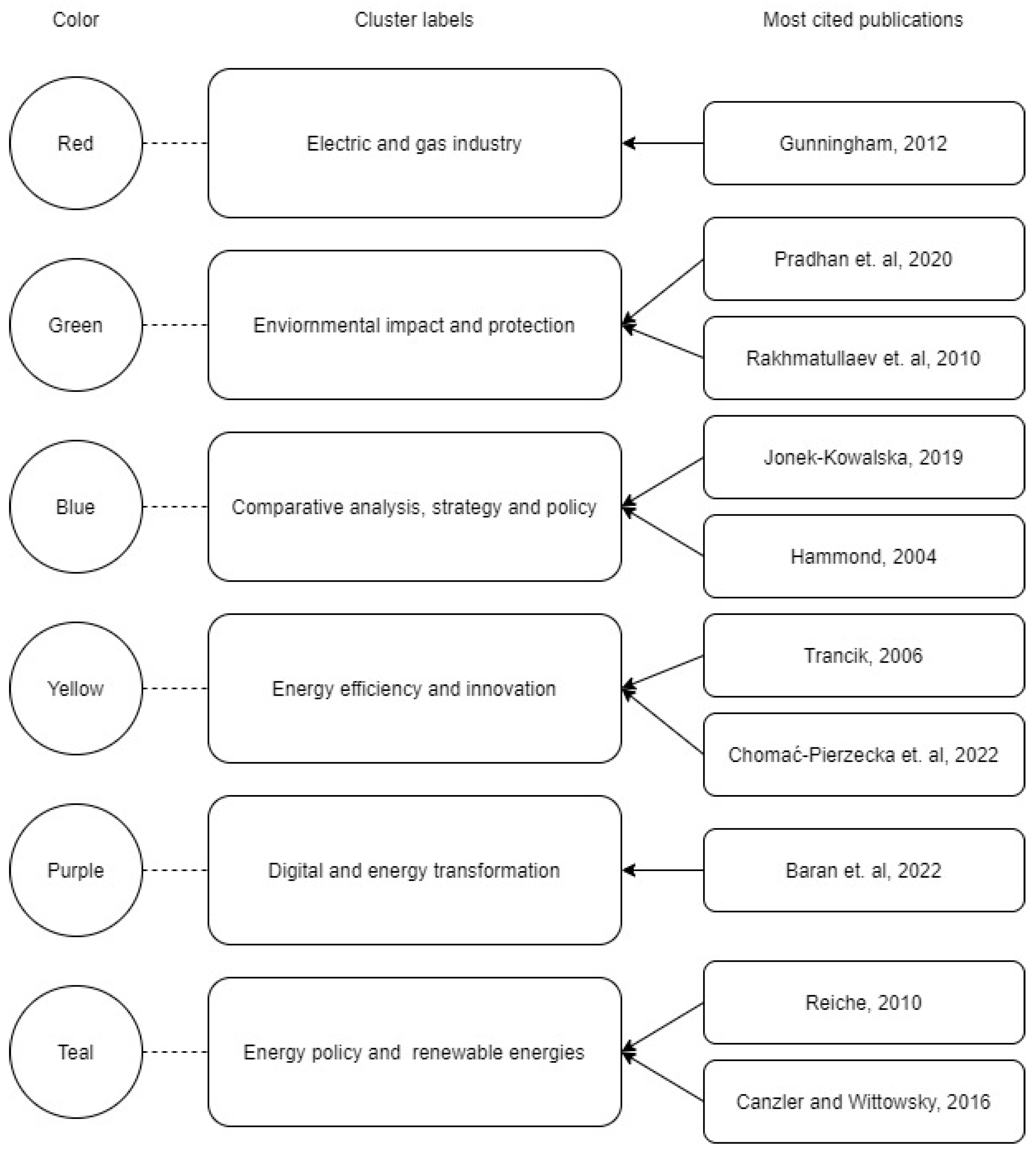
Figure 10.
Figure 10 organizes a selection of influential scholarly articles into six thematic clusters concerning various aspects of energy sector research. Those clusters are the effect of those presented in
Figure 8, indexed in Scopus literature exploration. The contributions of each paper to their respective clusters follow the order proposed in
Figure 10.
The most influential article for the red cluster, which concentrates on the electric and gas industry, was written by Neil Gunningham [
84]. It addresses the urgent need for a low-carbon-emissions trajectory, highlighting the challenges and necessity of transformative energy governance for effective change.
Two of the most significant contributions in the field of ‘environmental impact and protection’, particularly within the green cluster, are notable. Pradhan et al. [
74] assess the impact of the COVID-19 pandemic on India’s renewable energy sector, offering insights into sustainability challenges during such crises. Rakhmatullaev et al. [
75] provide a comprehensive analysis of water reservoir management in Central Asia, with a specific focus on Uzbekistan. This analysis highlights the strategic importance of reservoirs for energy and agriculture.
In the ‘comparative analysis, strategy, and policy’ segment of the blue cluster, two papers stand out for their influential contributions. Izabela Jonek-Kowalska [
77] examines the shift in energy balances from coal to more sustainable sources within European countries, focusing on the strategies and economic implications of this transition. Geofrey Hammond [
81] applies thermodynamic principles to assess sustainability in the energy sector, incorporating case studies from the UK to demonstrate opportunities for enhanced efficiency.
Figure 10 highlights two of the most cited articles within the ‘energy efficiency and innovation’ segment, denoted as the yellow cluster. The first, by Jessika Trancik, investigates the dynamics of scale and innovation in the energy sector [
83]. This study particularly focuses on how small-scale technologies, including photovoltaics and nuclear fission, are influenced by policy interventions. Ewa Chomać-Pierzecka et al. [
76] conduct a comprehensive analysis of the market development for renewable energy sources in Poland and Lithuania, emphasizing the role of public awareness in shaping consumer choices and market dynamics.
The paper by Baran et al. [
79] stands as the most cited work in the purple cluster. It examines the relationship between ESG (Environmental, Social, and Governance) reporting and corporate financial performance, with a particular emphasis on the transitioning energy sector in Poland. This study comprehensively considers the intricacies of Polish market regulations and the impact of state ownership.
In comparative perspective, the regulatory configuration in GCC countries differs substantially from that of the European Union and selected European states. In rentier economies, as analyzed by Danyel Reiche [
73], energy policy is closely intertwined with resource rents and state-owned incumbents, which constrain the depth and speed of ecological modernization. By contrast, the EU legal framework relies on a dense acquis of directives and regulations, including instruments such as the Fit for 55 package and sector-specific regulations on gas and electricity markets, which create a more formalized environment for the energy transition. At the national level, individual Member States, such as Germany or Poland, implement these EU rules through domestic legislation, resulting in different trajectories of energy mix transformation and different exposures to regulatory risk. This layered comparison illustrates how similar policy goals are pursued within distinct legal architectures and institutional constraints. Weert Canzler and Dirk Wittowsky [
78] provide a detailed analysis of Germany’s Energiewende, particularly concentrating on the transport sector. Their study delves into the unresolved issues and conflicts that arise from the integration of energy and transportation technologies. Building on the patterns identified in
Figure 10, the set of publications discussed above can be interpreted through the portfolio perspective proposed by Weill and Aral [
85]. This framework distinguishes four broad decision and investment areas in the energy sector: informational, strategic, transactional and infrastructure. Informational initiatives primarily concern improvements in the quality, timeliness and integration of information, typically associated with moderate risk and moderate expected returns. Strategic initiatives relate to product and process innovation, new service delivery models and long-term market positioning and therefore involve higher levels of risk but also the possibility of high returns. Transactional initiatives focus on automating and standardizing operational processes in order to reduce costs and increase throughput, usually at comparatively low risk. Infrastructure-oriented initiatives create and maintain shared technological and organizational platforms that support business integration and flexibility while at the same time requiring long-term commitments and entailing a certain risk of lock-in.
The relationship between the publications presented in
Figure 10 and those listed in
Table 3 can be described by aligning each contribution with one or more of these four decision and investment areas. Taken together, the articles show how legal frameworks and managerial strategies co-evolve in the energy sector. Some contributions concentrate on regulatory design and governance arrangements, others on strategic responses by firms and investors, and still others on the interaction between public awareness, market development and policy instruments. The typology outlined above makes it possible to interpret these studies as addressing informational, strategic, transactional or infrastructural dimensions of decision making. This, in turn, indicates that legal and managerial frameworks cannot be analyzed in isolation: legal rules shape incentives and constraints for corporate strategy, while managerial decisions and business models feed back into political and regulatory debates.
4. Discussion
Full knowledge of legal issues is essential for those in managerial and other positions of responsibility throughout the economy. One of the prerequisites for making sound economic and managerial decisions is knowledge of the law [
12]. Simultaneously, an understanding of the law serves as the foundation for adhering to the principles of legal compliance. This issue is increasingly relevant in the context of the challenges currently confronting the energy sector. Consequently, the process of converting theoretical concepts into laws and regulatory documents for enacting essential stipulations is a crucial aspect of legal application. A pivotal element in this process is the definition stage, which involves specifying particular actions to internalize specific regulations. Following this is the implementation phase. The primary objective of this phase is to acquaint the users of the regulatory systems with these newly established regulations.
Against this background, the clusters identified in
Figure 8 and the associated bibliometric patterns provide empirical evidence on where legal frameworks are relatively well developed and where regulatory gaps remain in relation to the energy sector’s transformation. From a governance perspective, the clusters shown in
Figure 8 suggest that more agile and anticipatory regulatory frameworks are needed. In domains captured by the red and yellow clusters, such as core energy markets, commerce and efficiency, governance mechanisms must be capable of responding rapidly to changing price signals, demand patterns and investment cycles. In the green and blue clusters, anticipatory regulation is required to align environmental targets and climate commitments with sectoral rules before irreversibilities in infrastructure lock-in occur. The purple cluster indicates that regulatory approaches to digitalization, data use and algorithmic decision making lag behind technological developments, calling for experimental instruments such as regulatory sandboxes or adaptive licensing schemes. The teal cluster underlines that energy security and the deployment of renewables should be governed within integrated frameworks that anticipate cross-border and cross-sectoral spillovers rather than reacting to crises ex post.
Given the vertical and horizontal validity of the law (in terms of the horizontal and vertical dimensions of rights, reference is normally made solely to the issue of fundamental rights. However, the authors point out that an analysis of the validity of the right will be necessary to discuss the issue of regulation in relation to subjective rights, as discussed below), i.e., at the level of the individual state and the level between natural persons or between natural persons and legal entities, attention should be paid to the length of the legislative process and the importance of its length for the functioning of the state and the business sphere—if the existing regulations do not meet the challenges of business, they will not at the same time create space for the implementation of new solutions. Economic actors are in search of new institutional arrangements in order to increase their economic efficiency and revenue streams [
86].
To function in a world of interpersonal relationships means that people are guided in their decisions not only by economic considerations but also by socially shared rules, norms and principles of behavior, or by their own sense of morality. Therefore, the analysis of the development of energy law cannot be carried out in isolation from a social analysis. The expectations of societies facing wars and environmental crises are at odds with the challenges of energy transformation and environmental protection. It is for this reason that the answer seems to lie in the adoption of a compensatory model of energy law [
87].
The compensatory model of energy law can be conceptualized as an emerging regulatory framework designed to balance the environmental, social and economic externalities of energy production, distribution and consumption. Unlike traditional command-and-control and market-based approaches, the compensatory model integrates preventive, corrective, and restorative legal mechanisms to achieve an equitable distribution of the costs and benefits of the energy transition. This approach is grounded in the principles of proportionality and solidarity. Together, these principles ensure that the burdens of decarbonization and sustainability are fairly distributed among producers, consumers and the state.
In contrast to traditional command-and-control regulation, which relies primarily on prescriptive standards and sanctions, and to purely market-based approaches, which internalize externalities mainly through price signals, the compensatory model operates through a structured combination of ex ante, in itinere and ex post instruments. In ex ante, it promotes anticipatory measures such as targeted incentives and planning obligations for low-carbon investments. In itinere, it introduces adaptive mechanisms, including dynamic tariff structures and flexible compliance pathways, that allow for adjustment in response to technological and social change. In ex post, it provides for compensation and restoration schemes addressing environmental damage and social harm, for example, through dedicated funds, redistributive levies or tailored support for vulnerable consumers and workers. The model therefore seeks to embed principles of proportionality, solidarity and energy justice in the operational design of energy law [
88].
In practice, the model functions through the utilization of compensatory instruments, including fiscal incentives for low-carbon technologies, restoration obligations for environmental degradation, and social support measures that mitigate energy poverty. Collectively, these mechanisms serve to internalize externalities while maintaining social legitimacy and systemic stability within the energy system. The compensatory model thus represents a hybrid approach that complements existing regulatory paradigms by embedding distributive justice and adaptive governance principles into the architecture of contemporary energy law. The pertinence of these mechanisms, which are oriented towards justice, is emphasized in contemporary EU policy. For instance, the Fit for 55 package underscores the necessity of a transition that is “just and socially fair” [
89].
Furthermore, the extant literature on energy justice underscores the necessity for regulatory models to address the dimensions of distributive, procedural and recognitional equity [
90].
It is evident that the compensatory model is situated at the intersection of normative justice theory and governance practice. Utilizing legal instruments, it operationalizes fairness-oriented objectives (e.g., burden sharing, inclusion of vulnerable groups, adaptive regulatory design) within the domain of energy law. This approach establishes a conceptual link between abstract justice frameworks and concrete energy-regulatory mechanisms.
The compensatory model is based on the use of natural resources in such a way as to minimize the negative impact of the activities carried out, not only on the natural environment in the sense of water reservoirs, rivers and animals, but also on the communities living in a given area, in order to eliminate overharvesting. Thus, it is crucial to introduce such regulations that would allow the regulations to be adjusted in order to ensure a symmetrical development of the law in this area. This will never be a perfectly symmetrical relationship due to technological development and the need to implement changes in the legal system not only at the national level but also due to the transfer of competences in this area by the governments of many countries to international bodies, such as the European Union. Nevertheless, it is necessary to point out that these phases, like the incorporation of provisions into the national system, should not affect the delays associated with the incorporation of provisions into the national system established by international instruments. It should also be pointed out that at the level of legislation it is necessary to introduce regulations into the legal system in such a way that the stage of interpretation by the entities using the regulations can be omitted, so that the regulations constituting a framework for economic entities can be applied immediately, which would not only increase legal certainty but also provide legal certainty for direct users, implementing, inter alia, the principle of economic freedom in order to balance the interests of fuel and energy recipients and energy companies.
Recent empirical studies further illustrate the interaction between regulatory instruments, market dynamics and the energy transition. Cheng and Jiang analyze how carbon markets can drive the development of the renewable energy sector in China, showing that well-designed market-based mechanisms may accelerate investment in low-carbon technologies while requiring careful regulatory oversight to avoid market distortions [
91]. Li et al. investigate business cycles and energy intensity in emerging economies, demonstrating that macroeconomic fluctuations and structural characteristics of growth patterns influence energy demand and thus the effectiveness of regulatory interventions aimed at decarbonization [
92]. These examples confirm that legal and policy frameworks need to be calibrated to economic conditions and institutional contexts in order to achieve sustainable energy transitions.
5. Conclusions
The legal framework plays an important role in interpreting the rights and obligations of many actors in the energy sector transformation: individuals, entrepreneurs, communities and governments [
22]. Its importance is even more visible, because electricity is a very special commodity as it is “economically non-storable, and power system stability requires constant balance between supply and demand” [
41,
42].
The energy sector also reflects the complicated economic interactions between countries, between their legal systems and regulations. An example of the dependence of national state regulations on international regulations (in this case: community law) is the Act of 10 April 1997—Energy Act in Poland. It is aimed at creating conditions for sustainable development of the country, ensuring energy security, ensuring economical and rational use of fuels and energy, ensuring the development of competition, preventing the negative effects of natural monopolies, taking into account environmental protection requirements, taking into account obligations arising from international agreements and balancing the interests of energy companies and consumers of fuels and energy [
7].
In the case of energy law, regulatory language is also an area of concern. Ronald Dworkin points to the need for a prior discourse on the validity of the law, without first defining the unknown (semantic sting), which allows for a further interpretive approach involving the weighing of principles [
93]. An example of the need to exhaust the definitional ‘obligations’ can be found in Polish jurisprudence in this regard. For example, on 14 November 2017, the Provincial Administrative Court in Łódź ruled on the exclusion of a person from the group of persons entitled to the energy allowance if he or she does not meet even one of the enumerated criteria in Article 3 (13c) of the Energy Act (File Reference Number III SA/Łd 845/17).
The interpretative approach described by Dworkin and illustrated in Polish jurisprudence has direct consequences for legal certainty and market operations in the energy sector. A high degree of semantic indeterminacy in statutory provisions can increase regulatory risk, raise the cost of capital and discourage long-term investments in infrastructure and low-carbon technologies. Conversely, clear definitions, consistent use of legal terms and transparent interpretative practice reduce ambiguity and facilitate contract design, project finance and compliance strategies. In this sense, the quality of legal drafting and interpretation becomes a key component of the institutional environment within which energy companies, regulators and consumers operate.
Here the authors put forward a thesis on the issue of interpretation and interpretation of the law and what if the law were a prize—an untapped area. Law-changing attitudinal strategies (of decision-makers, how they perceive, how they run the business).
Positive energy districts are an example of activities in this area. As the accompanying infrastructure is attractive and goes beyond the energy sector in terms of regulation, it is entering everyday life more and more confidently. Windmills are becoming part of the landscape, and photovoltaics have become synonymous with energy independence, as evidenced by the popularity of the positive energy district mentioned above [
94]. It should be noted that the idea of turning strategic assets into assets is already familiar to urban planners, for example, the use of reservoirs for tourism. It should be pointed out that this is a direction that is both socially and economically desirable—the stimulation of the economy will create new jobs, which will be of benefit not only to local residents but also to local businesses. Jobs are created around the energy sector where immigrants, for example, can find work. The phenomenon of migration as a coping strategy in the context of climate and macroeconomic change has been noted by researchers for several years [
95].
Economically motivated migration thus takes place from countries with conditions that constitute push factors. The phenomenon of economic migration is also a focus of interest for organizations such as the International Labor Organization [
96]. Green jobs are defined as “jobs that contribute to protecting the environment and reducing the harmful effects of human activities on the environment (mitigation) or helping to cope better with current climate change conditions (adaptation)” [
97], ultimately leading to sustainable businesses and economies [
98]. In the UK alone, analysis by the UK Committee on Climate Change suggests that between 135,000 and 725,000 net new jobs could be created by 2030 [
99]. These jobs are called green jobs because they can support green transitions while providing a solution to Europe’s migration problem. The solution benefits both host countries and migrants. The state creates job opportunities for migrants as part of a social commitment. This can be an example of social inclusion, activating migrants while integrating them into the community. Even if the government at the national level does not respond systematically to the rapidly growing proportion of migrants in society, cities cannot wait for such a response [
100].
It is also a space to change the way we think about the law in general [
101]. Companies proposing to create jobs in the sense of green jobs could apply for tax incentives in the form of municipal concessions or subsidies.
The problem of the mechanism of social participation of residents and social exclusion is also updated in the context of small homelands. By developing small businesses and involving low-income, socially excluded people to work in them, the municipality as a small community would also benefit economically by supporting its energy independence. Socially, community capital for the greater good of environmental protection and energy security would be created through a process of social integration. Throughout all of this, the immigrants would be the green link between the environment and society.
In the view of economic sociology, within which the idea of embeddedness is situated, it is emphasized that the subject is not only determined. Their actions are guided by calculation and a certain kind of rationality, and their actions take place within the socio-cultural system and the resources it offers and are only influenced to a certain extent [
102].
Karl Polanyi—a forerunner of the concept of rootedness in sociology—believed that all economic activity is rooted in socio-cultural or political factors. In his view, the sources of rootedness are primarily norms, values, patterns of behavior, etc. According to Polanyi, the economy is part of the social system, not the other way around. He claimed that “no society could, of course, function even for a moment if it did not have some form of economy” [
103]. The economy, according to this author, can therefore be seen as an institutionalized process of social interaction. This author recognizes that ‘human beings do not primarily seek to protect their individual interests and material possessions but to consolidate their social position and their social claims and assets’ [
103]. In this view, migrants working for the common good, i.e., the environment and energy security, would strengthen their position by working for the community. Over time, by developing their skills, migrants could take on new roles in companies and communities, thereby implementing an integration policy.
Jurgen Habermas’ theory of communicative action assumes that a communicative process involves at least two actors working together to implement a common plan [
104]. It is necessary to analyze needs and identify possible developments to make better use of human capital and available technological solutions in order to better achieve the objectives of integration and environmental policy as well as business development. These objectives can only be achieved with simultaneous cross-sectoral cooperation and budgetary expenditure to support investments that are interdisciplinary or that contribute to green growth beyond the sector in which the investment is made.
This issue is especially relevant to energy independence and security. It is also a reminder of the need for interaction in a legal order that is also the result of being a member of an international organization such as the European Union. EURES [
105] draws attention to the need to adapt the skills of the workforce to current market needs. This could be done by creating jobs such as a tree surgeon or fisheries manager.
Based on the discussion and conclusions of the paper provided, the authors formulated recommendations for theory and practice.
Recommendations for theory include a focus on the development of legal frameworks. Theoretical research should explore how these frameworks can be adapted to more effectively support the dynamic energy sector, especially considering environmental crises and energy transformations. Additionally, there is a need for further theoretical exploration into the compensatory model of energy law, which aims to mitigate the adverse effects of energy usage on both the environment and local communities. Developing a comprehensive theory that merges social expectations and norms with the evolving landscape of energy law is crucial, as it recognizes the societal ramifications of legal decisions. Investigating the interpretative aspects of energy law is vital, particularly for understanding its consequences for legal certainty and economic freedom within the sector. Also, theoretical scrutiny of the connections between economic migration, especially in green job sectors, and changes in energy law and policy is essential.
Recommendations for practice involve practical strategies for the translation of legal theories into actionable laws and regulatory documents, ensuring clarity and efficiency in the legislative process. Development of regulatory adjustments to allow for swift incorporation of international provisions into national systems without delays is needed. Encouraging urban planners and municipalities to integrate energy assets, like reservoirs for tourism, can stimulate local economies and job creation. Support for the creation of green jobs that benefit both the environment and the local economy, with an emphasis on integrating immigrants into the workforce, is important. Implementation of policies that leverage energy sector development for social inclusion, such as tax incentives for companies creating green jobs and municipal support for small businesses that contribute to energy independence, is also crucial.
This paper delivers a thorough discussion on the importance of legal frameworks within the energy sector, particularly in the context of economic and environmental challenges. It introduces the innovative concept of a compensatory model of energy law, an approach aimed at harmonizing economic activities with environmental protection. Additionally, this paper delves into the socio-economic implications of energy laws, highlighting opportunities for job creation and social inclusion. By offering a multifaceted perspective, this paper considers not only the economic impacts but also the social and moral factors that influence legal decisions in the energy sector. It proposes practical applications, such as the establishment of positive energy districts and the integration of immigrants through green jobs, thereby demonstrating the practical implications of its theoretical framework. Moreover, this paper successfully aligns its content with aspects of decision-making and legal frameworks, underscoring the importance of legal studies in the evolution of the energy sector. It provides actionable recommendations for both theoretical exploration and practical application, establishing itself as a vital resource for policymakers, business leaders, and researchers in the field.
The findings presented in this paper open several avenues for further inquiry rather than closing the discussion on legal and managerial frameworks in the energy sector. Future studies may conduct in-depth comparative analyses of how different jurisdictions adjust their legal systems to technological innovation, quantify the economic and employment effects of regulatory change, and explore the societal consequences of energy policy choices for local communities and vulnerable groups. Additional research could also examine legal and institutional barriers to the deployment of innovative energy technologies and evaluate participatory mechanisms in energy policy-making. In this sense, the present study provides a conceptual and bibliometric foundation for subsequent empirical and doctrinal investigations, rather than offering definitive answers to a single research question. In particular, comparative legal analyses and case studies of concrete regulatory instruments and implementation practices would provide the type of empirical depth that goes beyond the mapping exercise undertaken in the present article.