Article

Deep Temperature and Heat-Flow Characteristics in Uplifted and Depressed Geothermal Areas

1
Shanxi Second Geological Engineering Exploration Institute Co., Ltd., Houma 043000, China
2
Department of Earth Science and Engineering, Shanxi Institute of Technology, Yangquan 045000, China
3
Hubei Subsurface Multi-Scale Imaging Key Laboratory, School of Geophysics and Geomatics, China University of Geosciences, Wuhan 430074, China
4
Key Laboratory of Deep Geothermal Resources, MNR, Wuhan 430074, China
5
Department of Physics and Electronic Information, Henan Polytechnic University, Jiaozuo 454000, China
*
Author to whom correspondence should be addressed.
Energies 2025, 18(21), 5610; https://doi.org/10.3390/en18215610
Submission received: 12 September 2025 / Revised: 22 October 2025 / Accepted: 23 October 2025 / Published: 25 October 2025
(This article belongs to the Special Issue Advanced Research in Heat and Mass Transfer)

Abstract

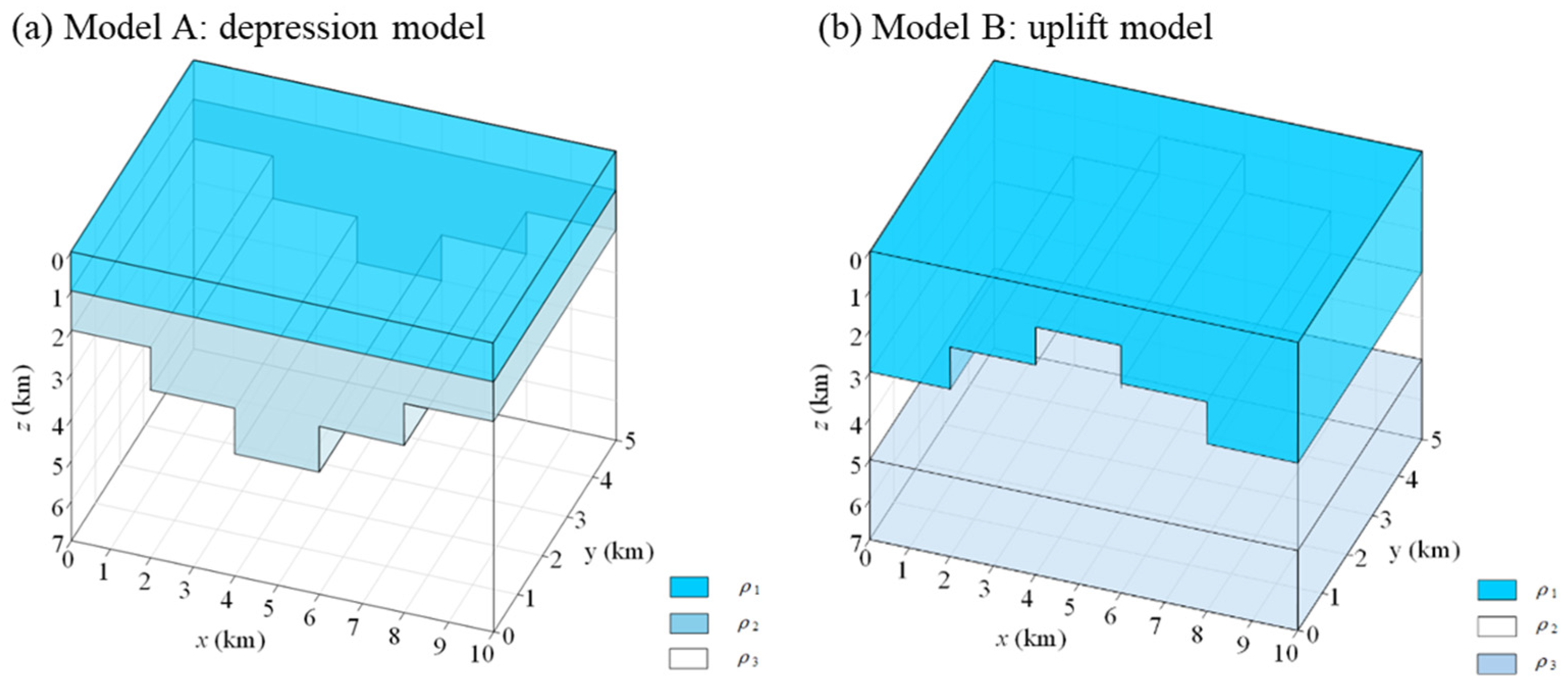
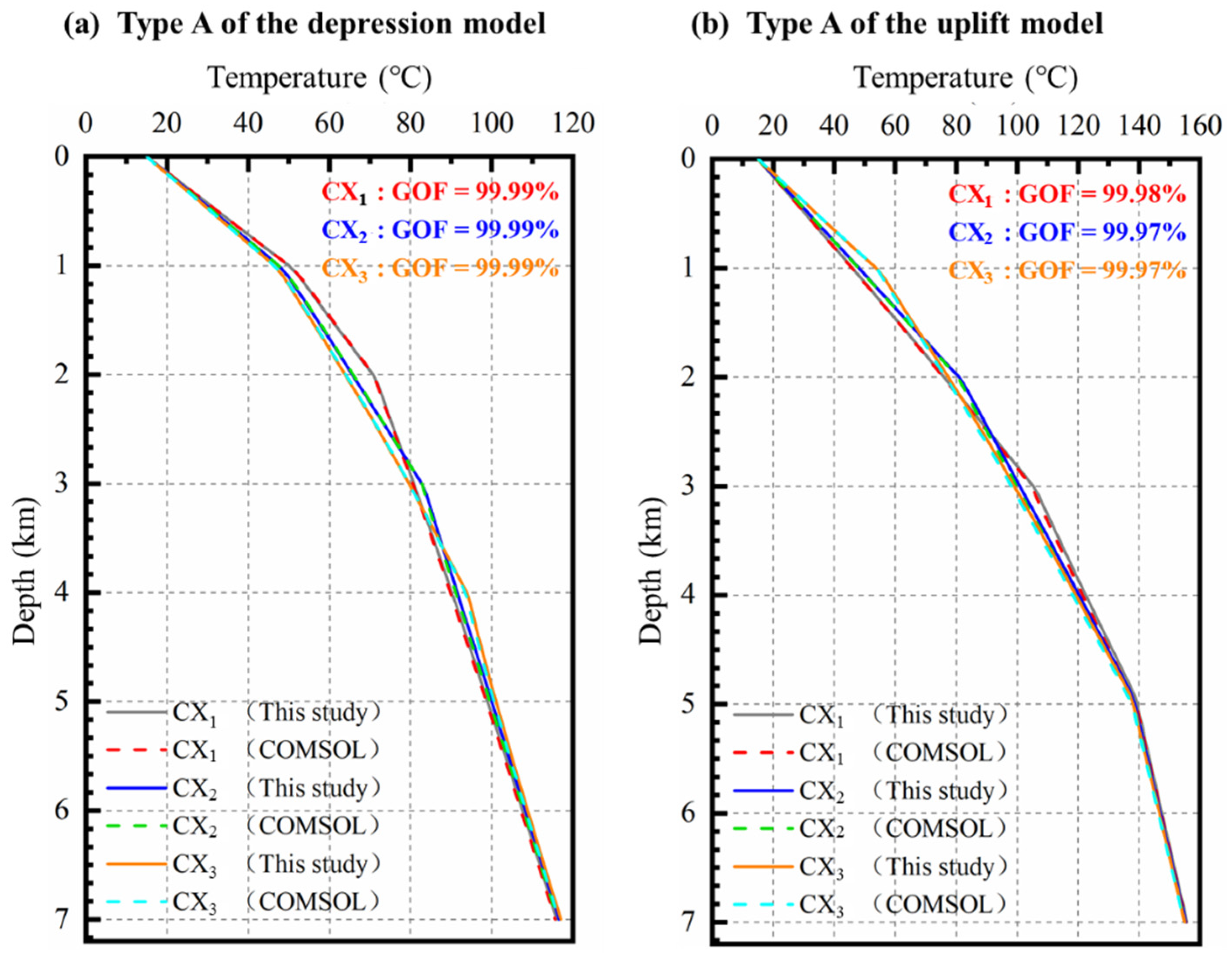
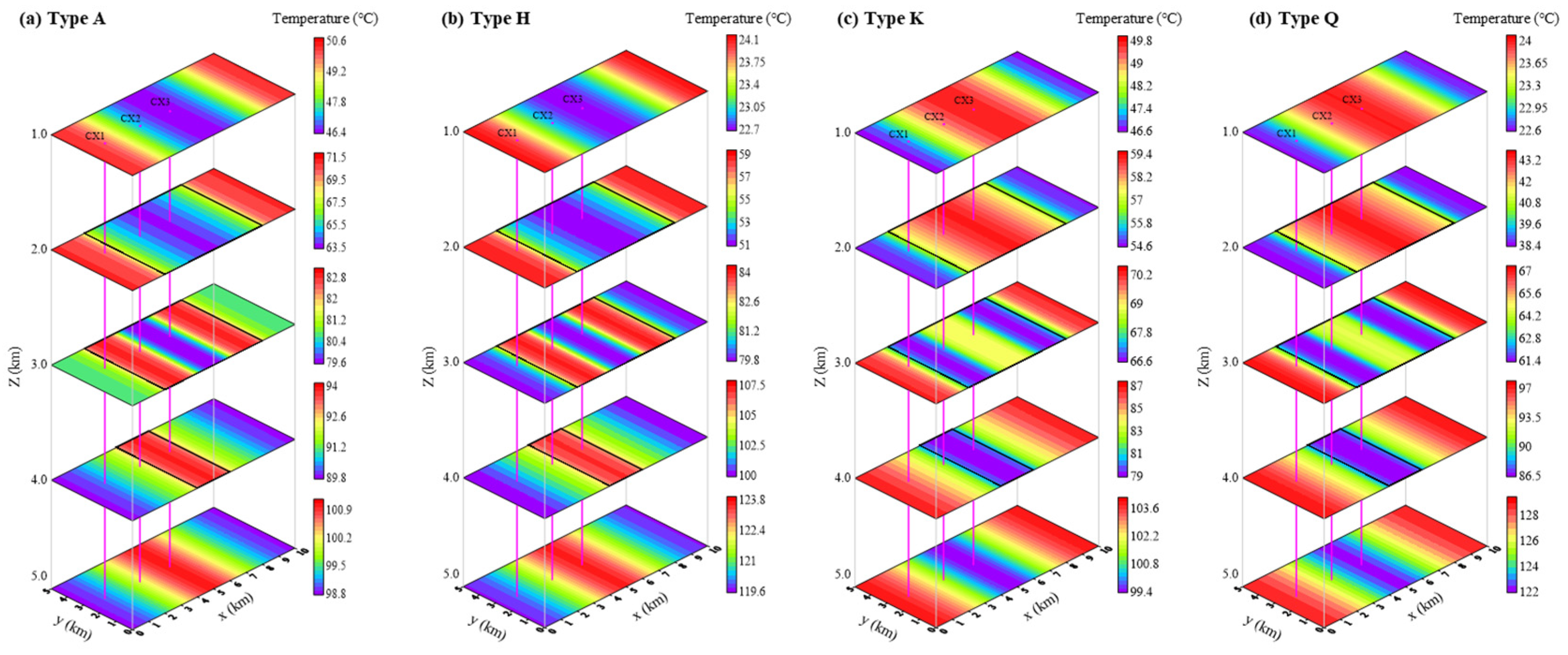
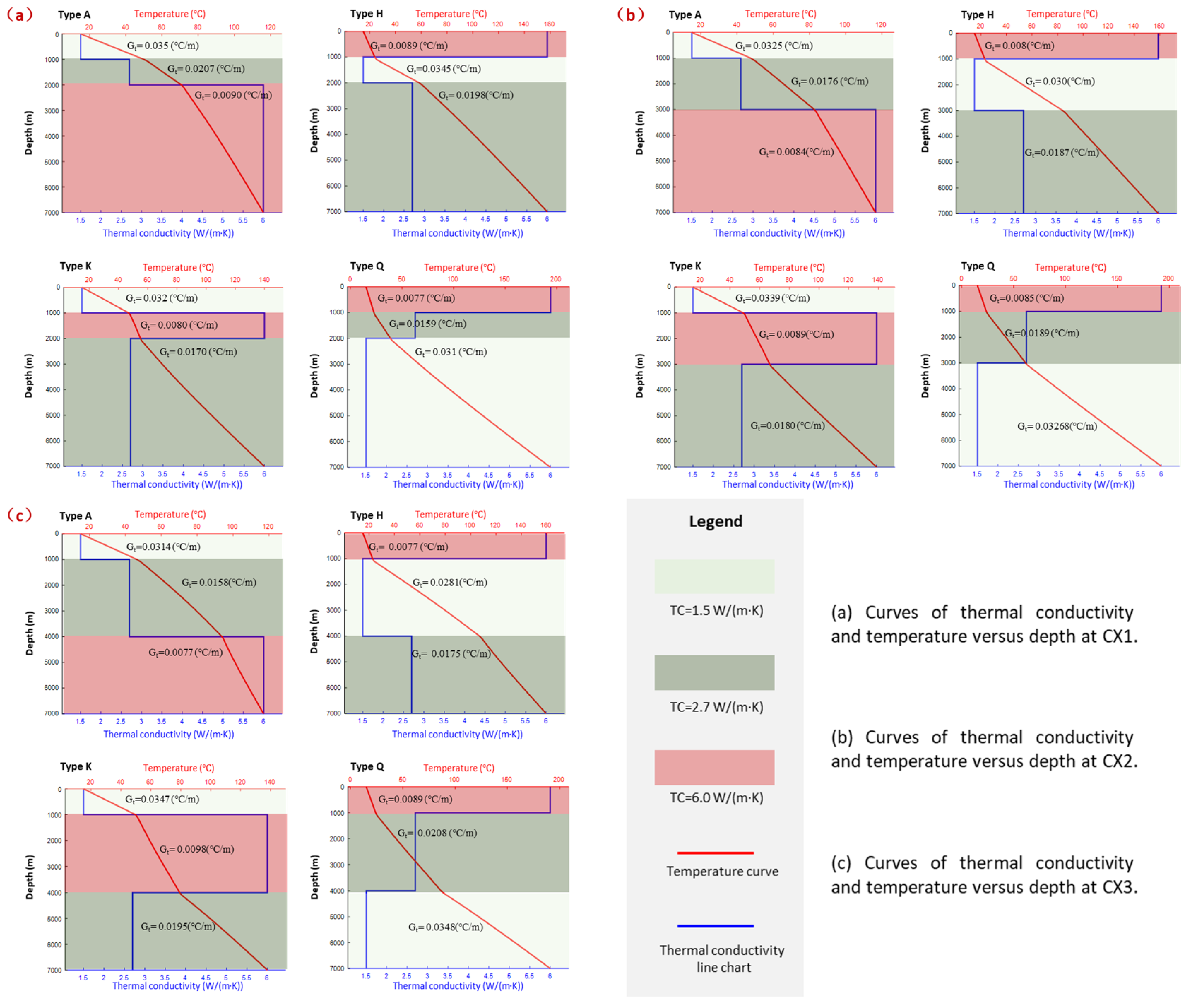
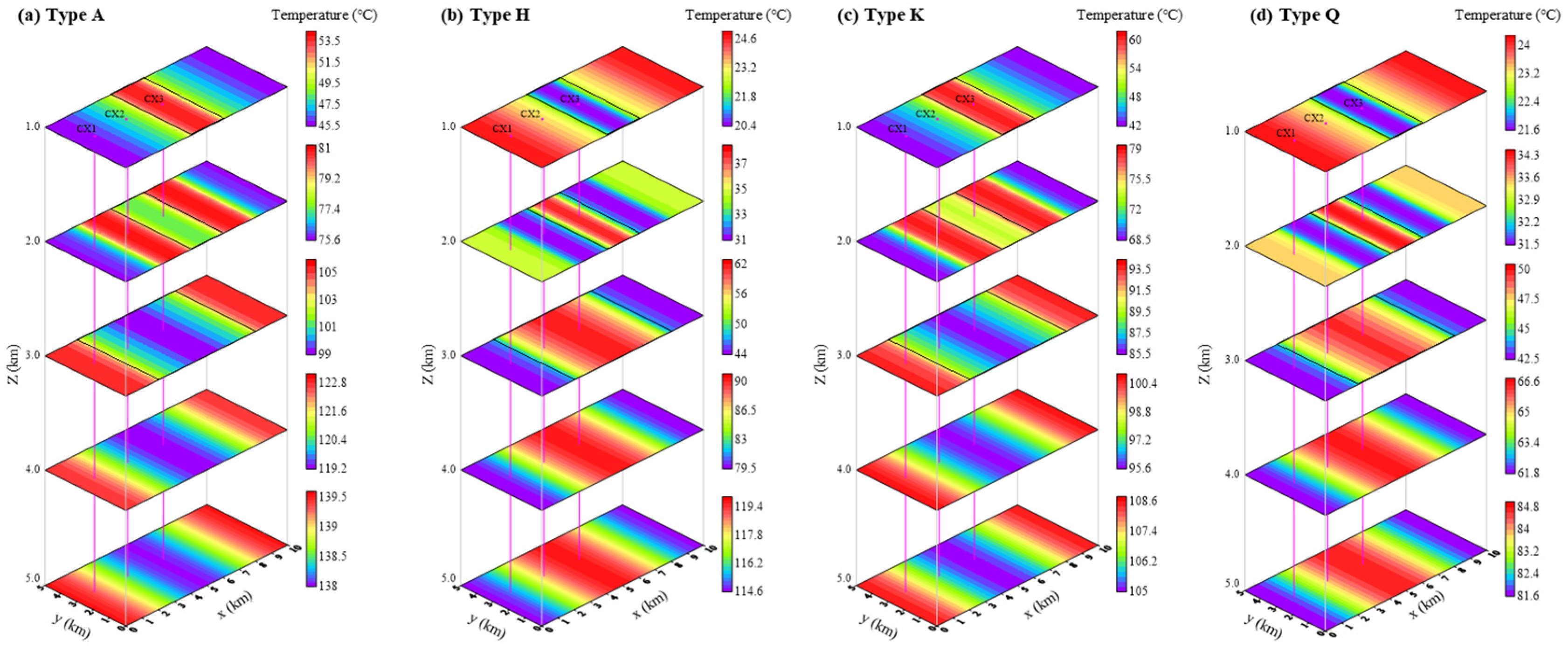
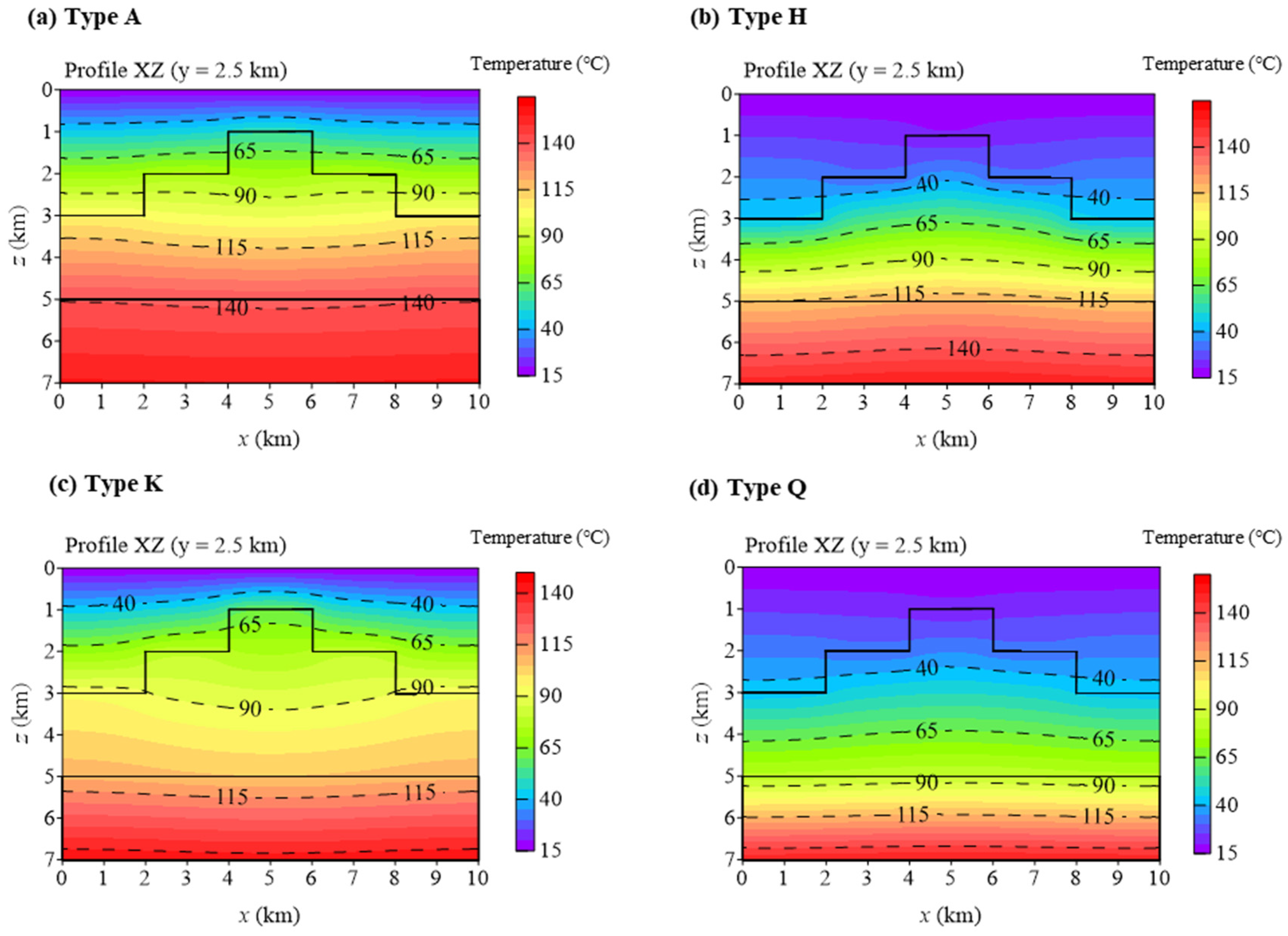
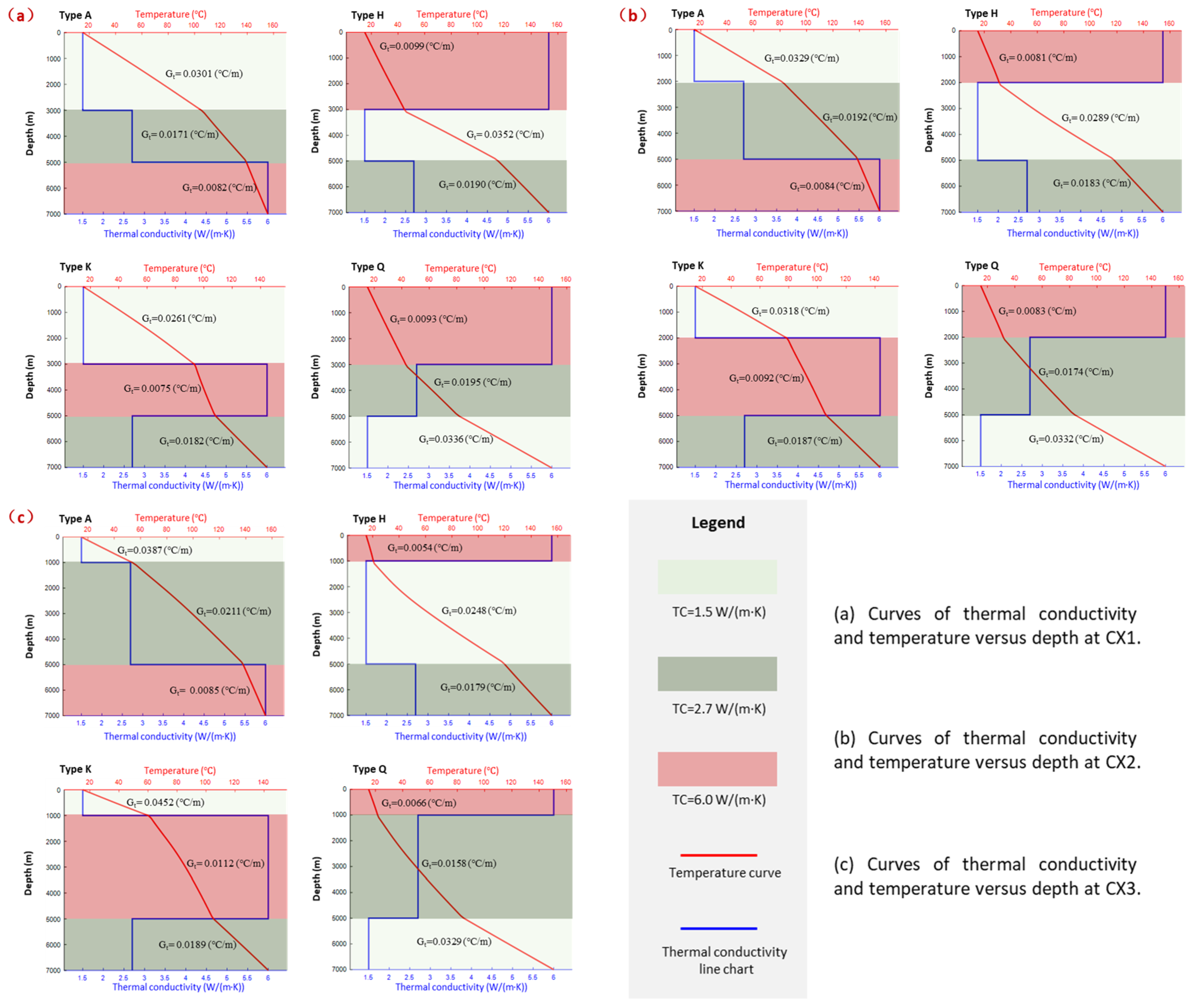
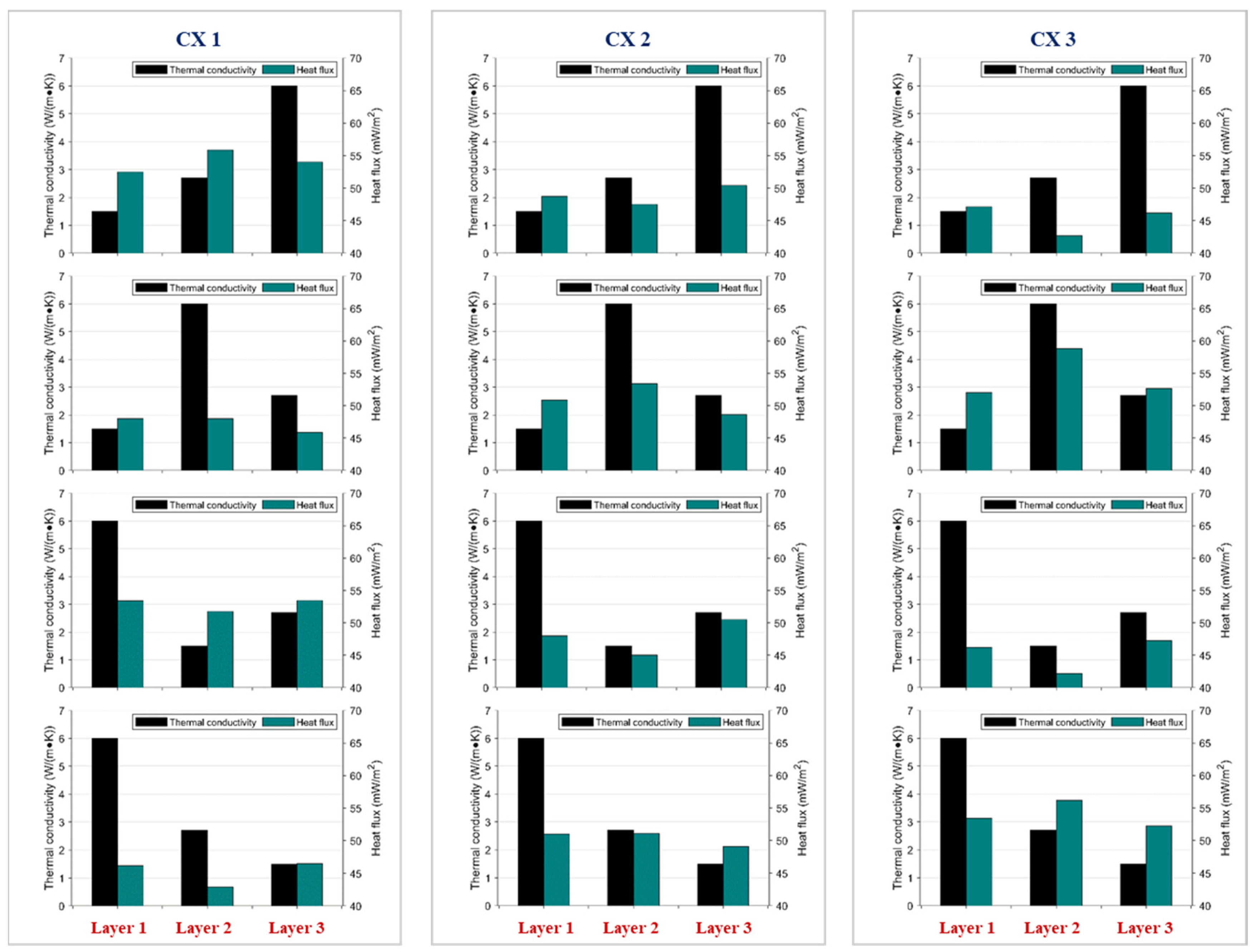
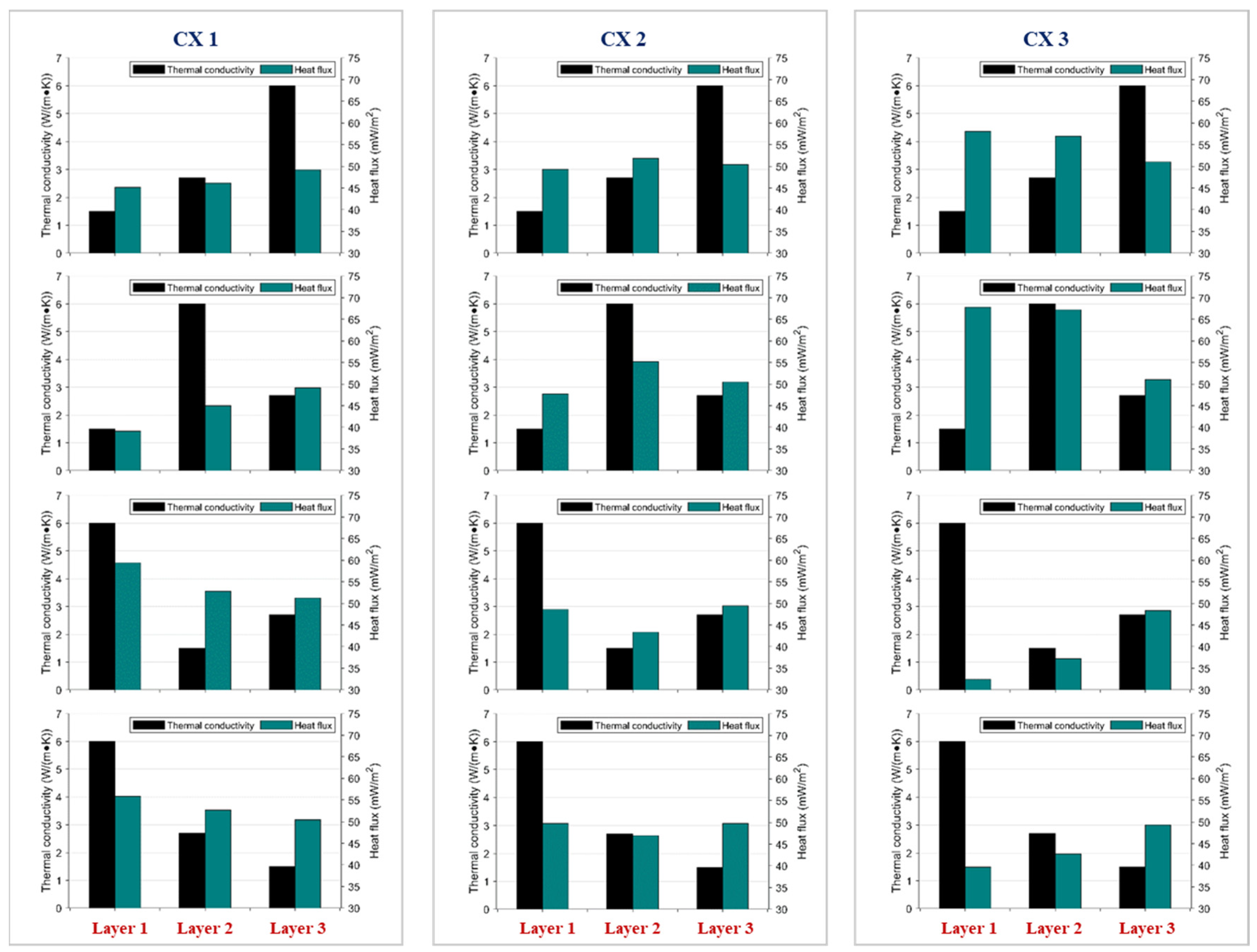
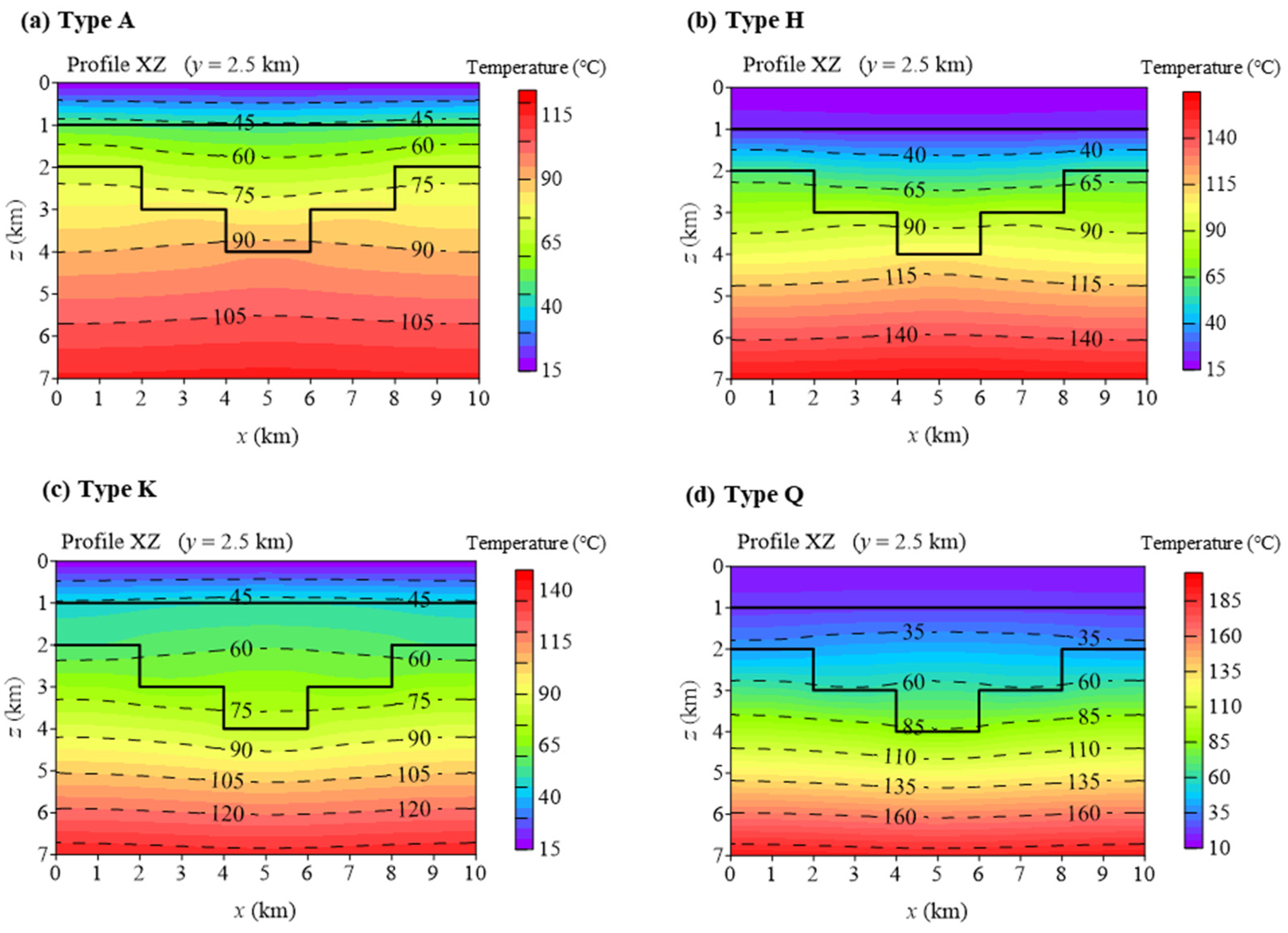
To address the high costs and inefficiencies of blind prospecting in deep geothermal exploration, this study develops a three-dimensional heat transfer model for quantitative prediction of geothermal enrichment targets. Unlike traditional qualitative or single-mechanism analyses, this research utilizes a finite element forward modeling approach based on step-faulted depressions (sedimentary basins/grabens) and uplifts (domes/uplift belts). We simulate temperature fields and heat flux distributions in multilayered systems incorporating four thermal conductivity types (A, K, H, Q). By systematically comparing the geometric heat flow convergence in depressions with the lateral diffusion in uplifts, this work reveals mirror and anti-mirror relationships between temperature fields and structural morphology at middle and deep levels, as well as local “hot spot” and “cold zone” effects. The results indicate that, in depressional structures, shallow high-temperature reservoirs (<2 km) are mainly concentrated in A- and K-types, while deeper reservoirs (>3 km) are enriched in Q- and H-types. In contrast, uplift structures are characterized by mid- to shallow-depth (<3 km) reservoirs predominantly in A- and K-types, with high temperatures at depth preferentially hosted in A- and H-types, and the highest temperatures observed in the A-type. Thermal conductivity contrasts, layer thicknesses, and structural morphology collectively control the spatial distribution of heat flux. A strong positive correlation between thermal conductivity and heat flux is observed at the central target area, significantly stronger than at the margins, whereas this relationship is notably weakened in Q-type. Crucially, low-conductivity zones display high geothermal gradients coupled with low terrestrial heat flow, disproving the axiom that “elevated geothermal gradients imply high heat flow,” thus establishing “high-gradient/low-heat-flow coupling zones” as strategic exploration targets. The model developed in this study demonstrates high simulation accuracy and computational efficiency. The findings provide a robust theoretical basis for reconstructing geothermal geological evolution and precise geothermal target localization, thereby reducing the risk of “blind heat exploration” and promoting the cost-effective and refined development of deep concealed geothermal resources.
Keywords: deep geothermal reservoir; geothermal exploration; geothermal modeling; temperature field; terrestrial heat flow deep geothermal reservoir; geothermal exploration; geothermal modeling; temperature field; terrestrial heat flow