Systematic Review

Systematic Review of Biomass Supercritical Water Gasification for Energy Production

by
Filipe Neves
1,
Armando A. Soares
1,2,* and
Abel Rouboa
2,3
1
ECT-UTAD School of Science and Technology, University of Trás-os-Montes e Alto Douro, 5000-801 Vila Real, Portugal
2
INEGI/LAETA Mechanical Engineering Department, Faculty of Engineering, University of Porto, 4099-002 Porto, Portugal
3
MEAM Department of Mechanical Engineering and Applied Mechanics, School of Engineering, University of Pennsylvania, Philadelphia, PA 19104, USA
*
Author to whom correspondence should be addressed.
Energies 2025, 18(20), 5374; https://doi.org/10.3390/en18205374
Submission received: 16 July 2025 / Revised: 19 September 2025 / Accepted: 7 October 2025 / Published: 12 October 2025

Abstract

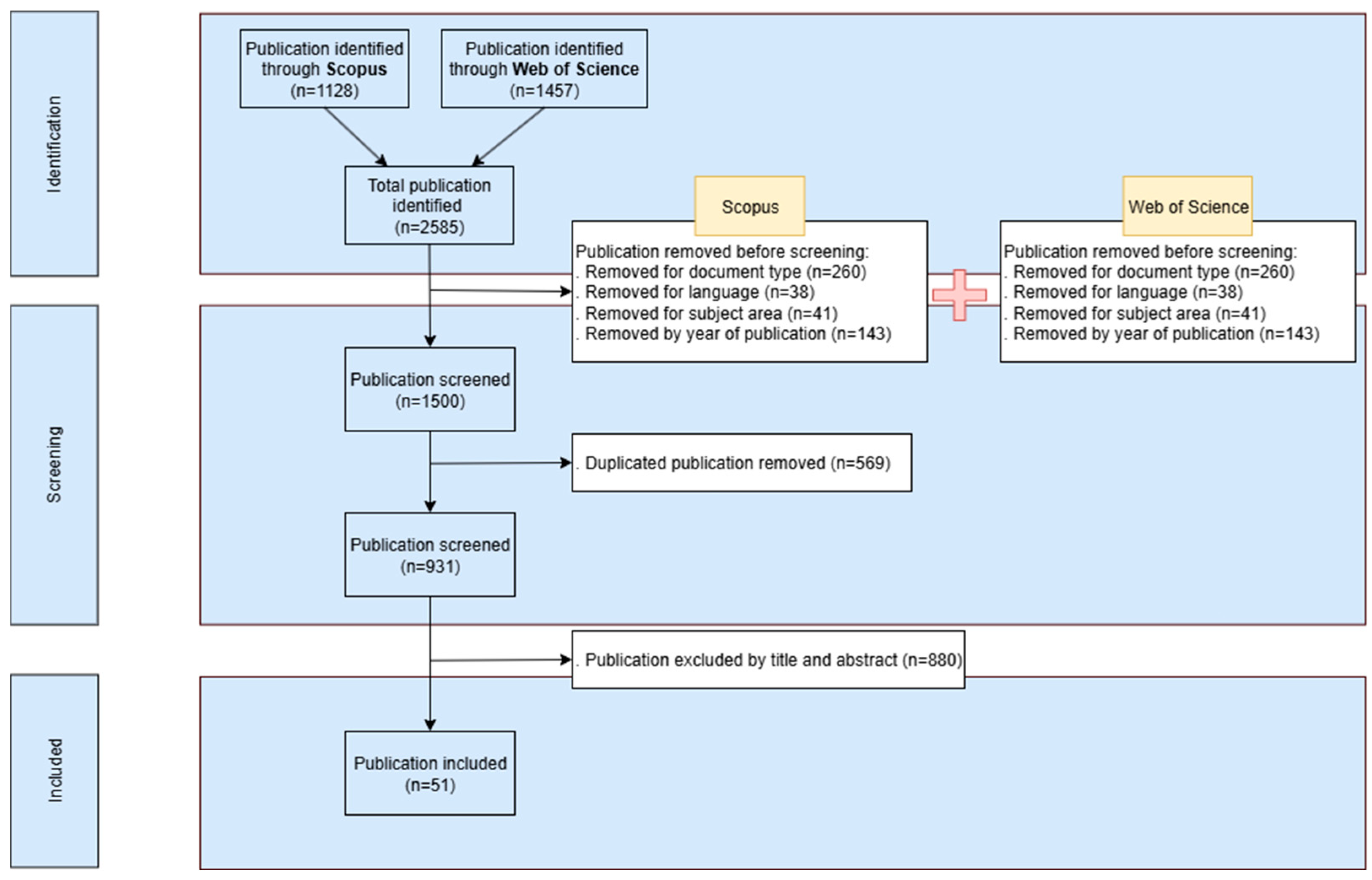
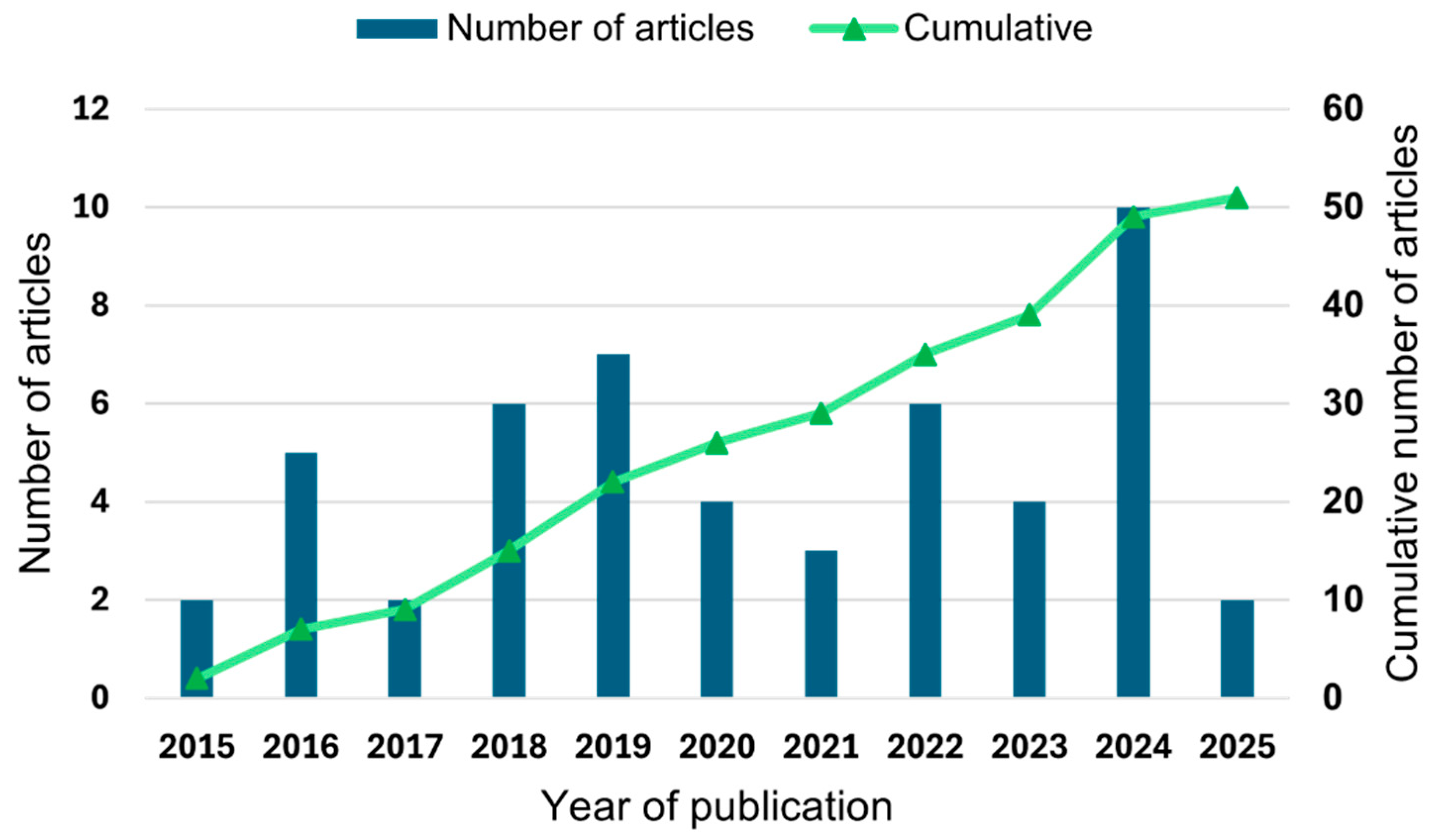
Due to the growing global population, rising energy demands, and the environmental impacts of fossil fuel use, there is an urgent need for sustainable energy sources. Biomass conversion technologies have emerged as a promising solution, particularly supercritical water gasification (SCWG), which enables efficient energy recovery from wet and dry biomass. This systematic review, following PRISMA 2020 guidelines, analyzed 51 peer-reviewed studies published between 2015 and 2025. The number of publications has increased over the decade, reflecting rising interest in SCWG for energy production. Research has focused on six biomass feedstock categories, with lignocellulosic and wet biomasses most widely studied. Reported energy efficiencies ranged from ~20% to >80%, strongly influenced by operating conditions and system integration. Integrating SCWG with solid oxide fuel cells, organic Rankine cycles, carbon capture and storage, or solar input enhanced both energy recovery and environmental performance. While SCWG demonstrates lower greenhouse gas emissions than conventional methods, many studies lacked comprehensive life cycle or economic analyses. Common limitations include high energy demand, modeling simplifications, and scalability challenges. These trends highlight both the potential and the barriers to advancing SCWG as a viable biomass-to-energy technology.
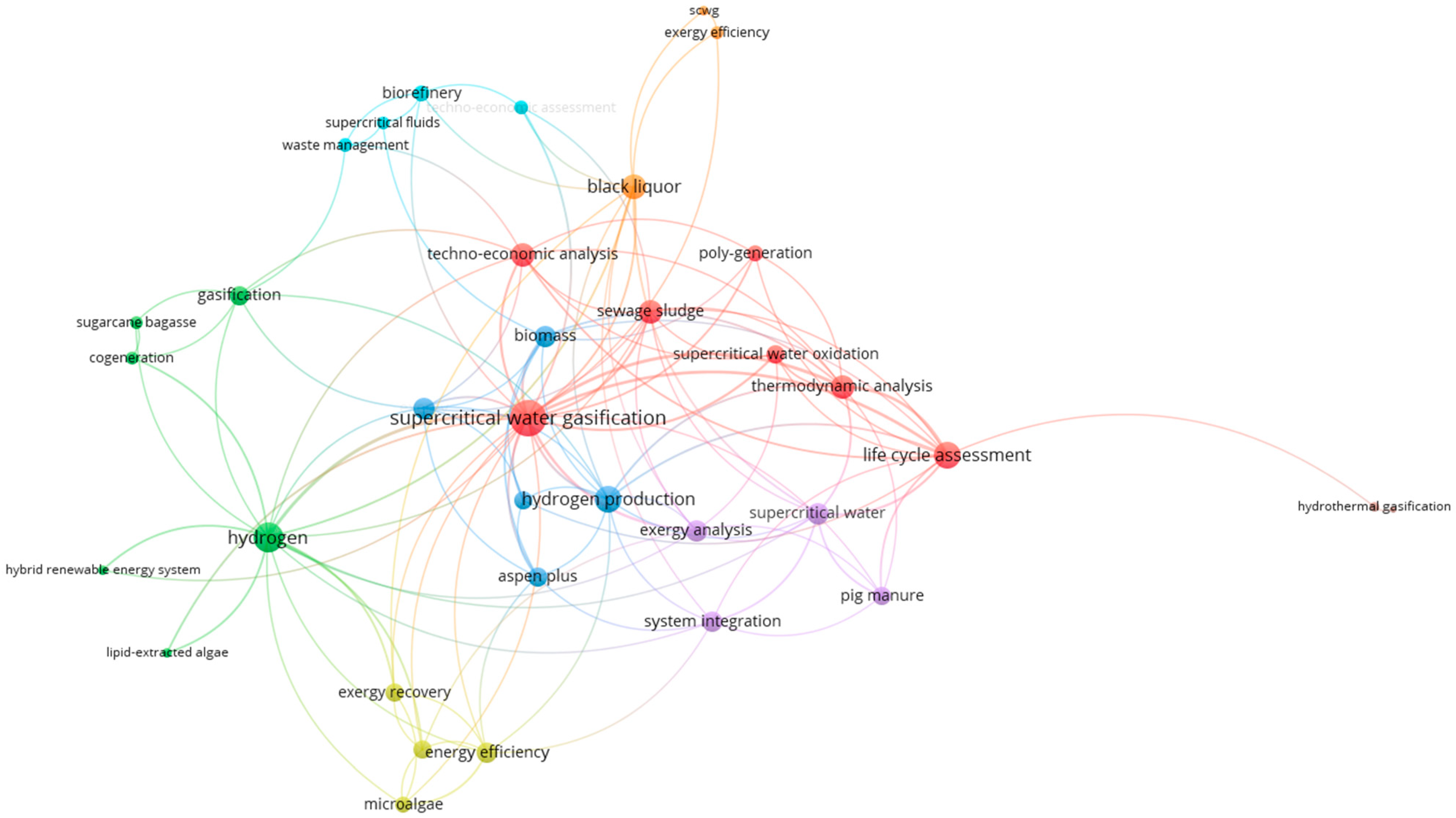
Keywords: supercritical water gasification; biomass; energy production; energy efficiency; exergy efficiency; electricity supercritical water gasification; biomass; energy production; energy efficiency; exergy efficiency; electricity