Article

Grid Connection of a Squirrel-Cage Induction Generator Excited by a Partial Power Converter

by
Dominik A. Górski
1,*,
Grzegorz Dziechciaruk
1 and
Grzegorz Iwański
1,2,*
1
Institute of Control and Industrial Electronics, Warsaw University of Technology, 00-662 Warsaw, Poland
2
Automatic Control and Computer Science, Faculty of Electrical Engineering, Kielce University of Technology, 25-314 Kielce, Poland
*
Authors to whom correspondence should be addressed.
Energies 2025, 18(2), 368; https://doi.org/10.3390/en18020368
Submission received: 8 December 2024 / Revised: 6 January 2025 / Accepted: 11 January 2025 / Published: 16 January 2025

Abstract

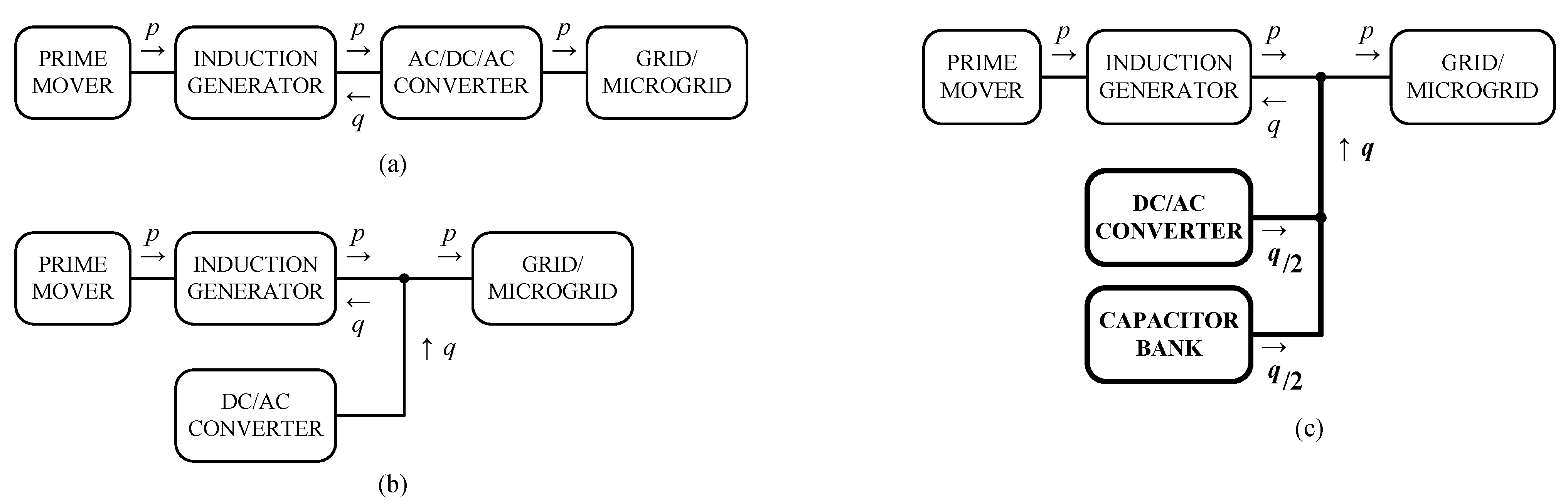
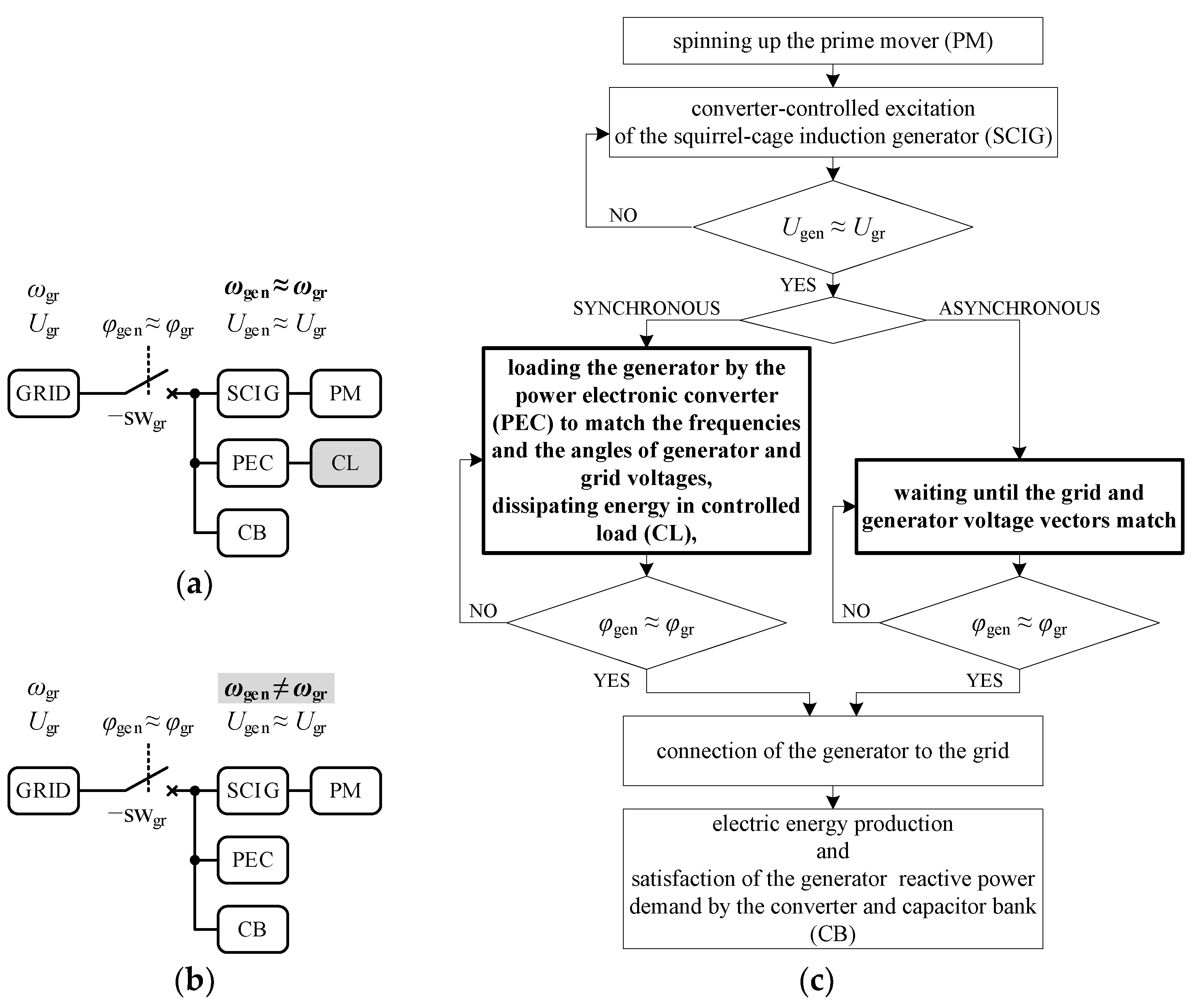
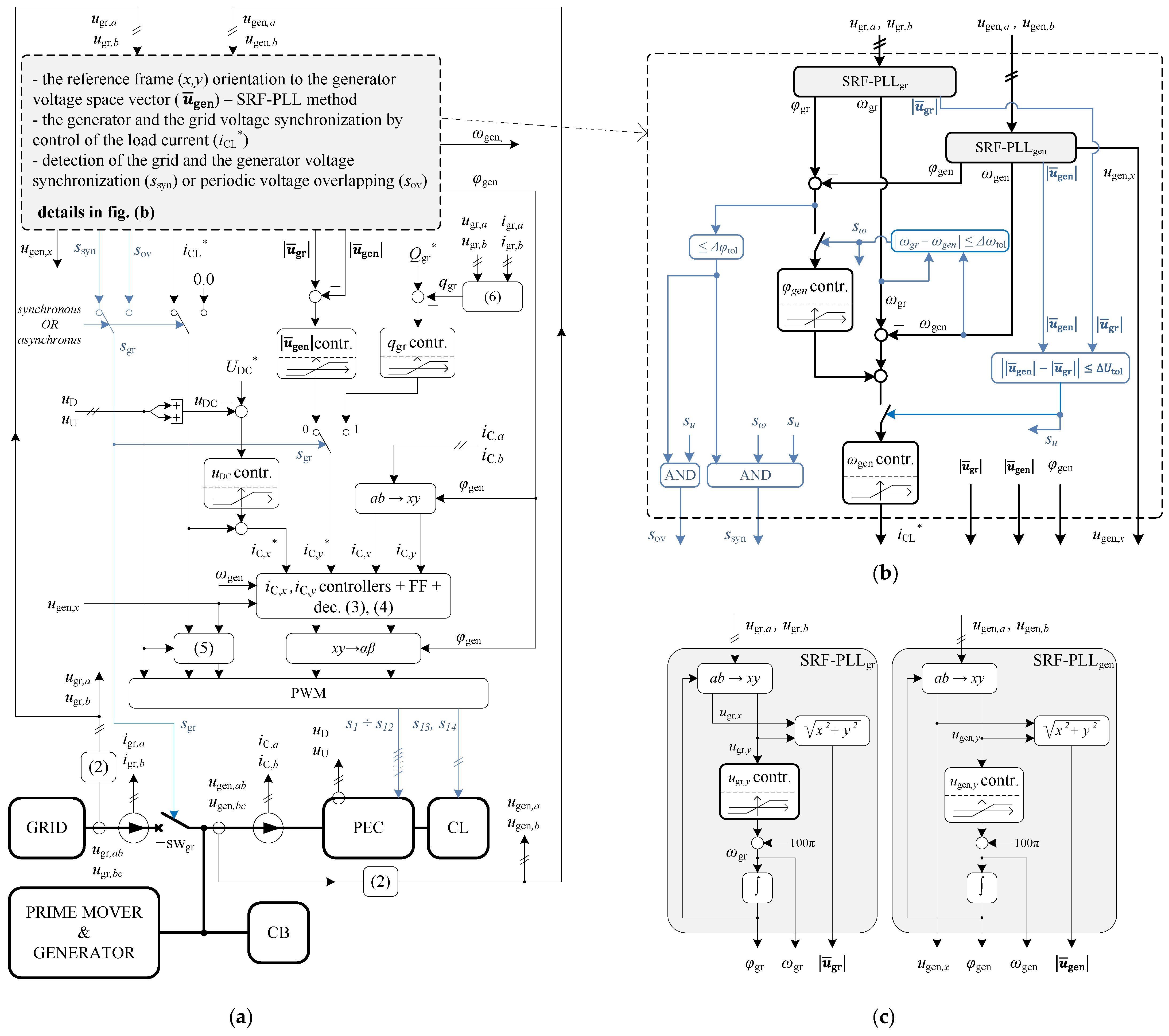
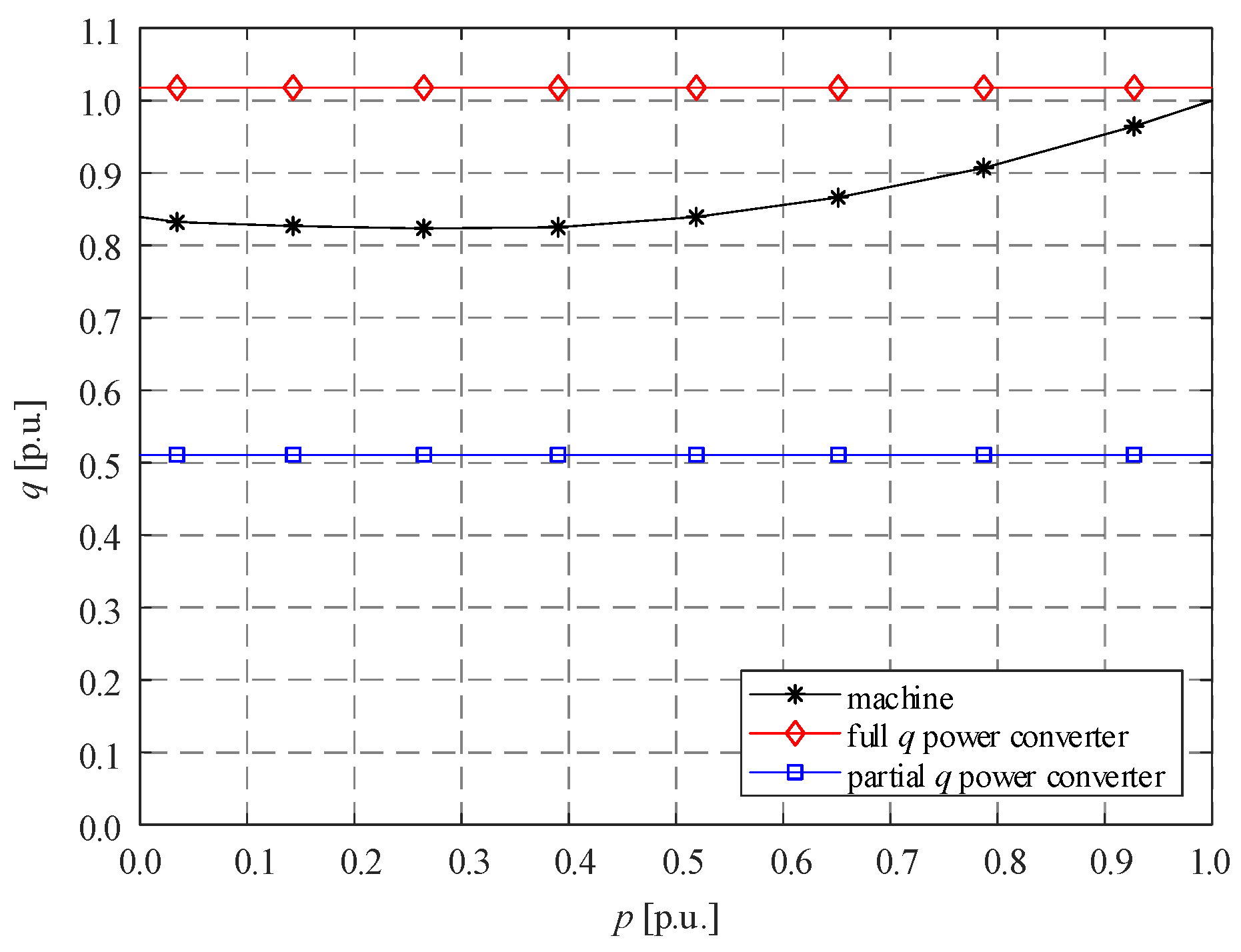
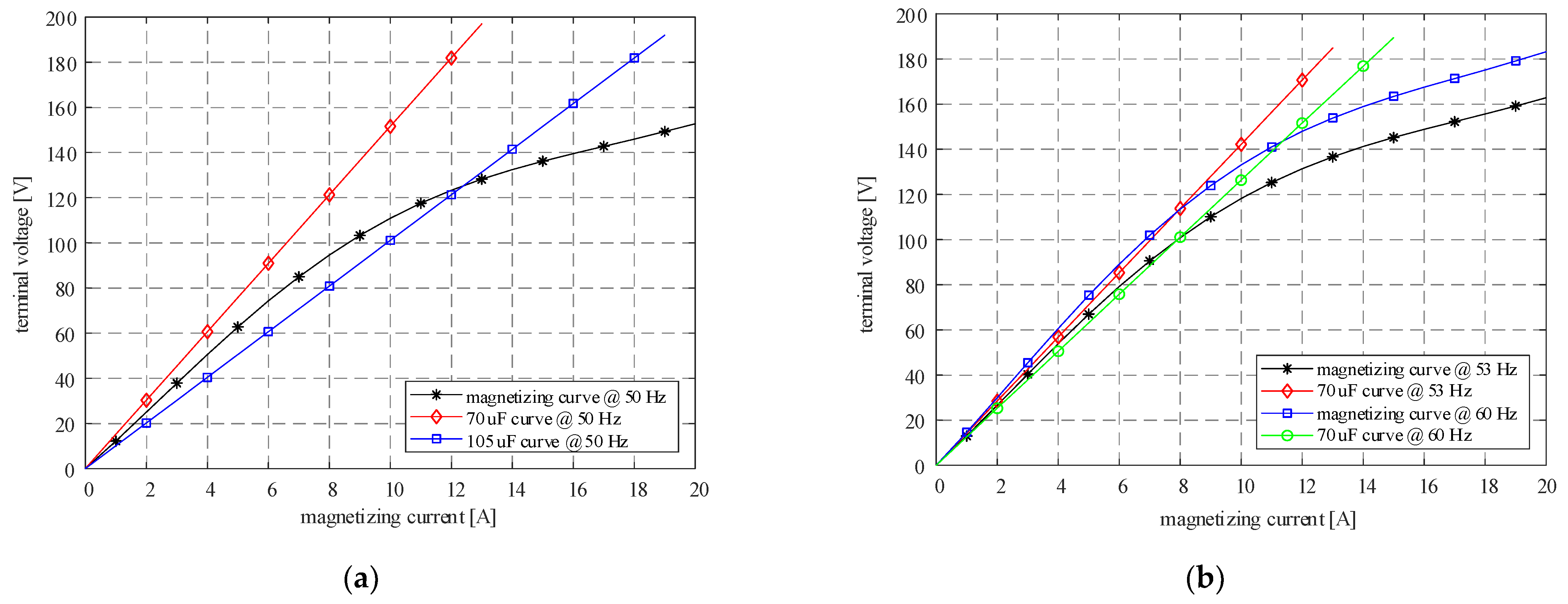
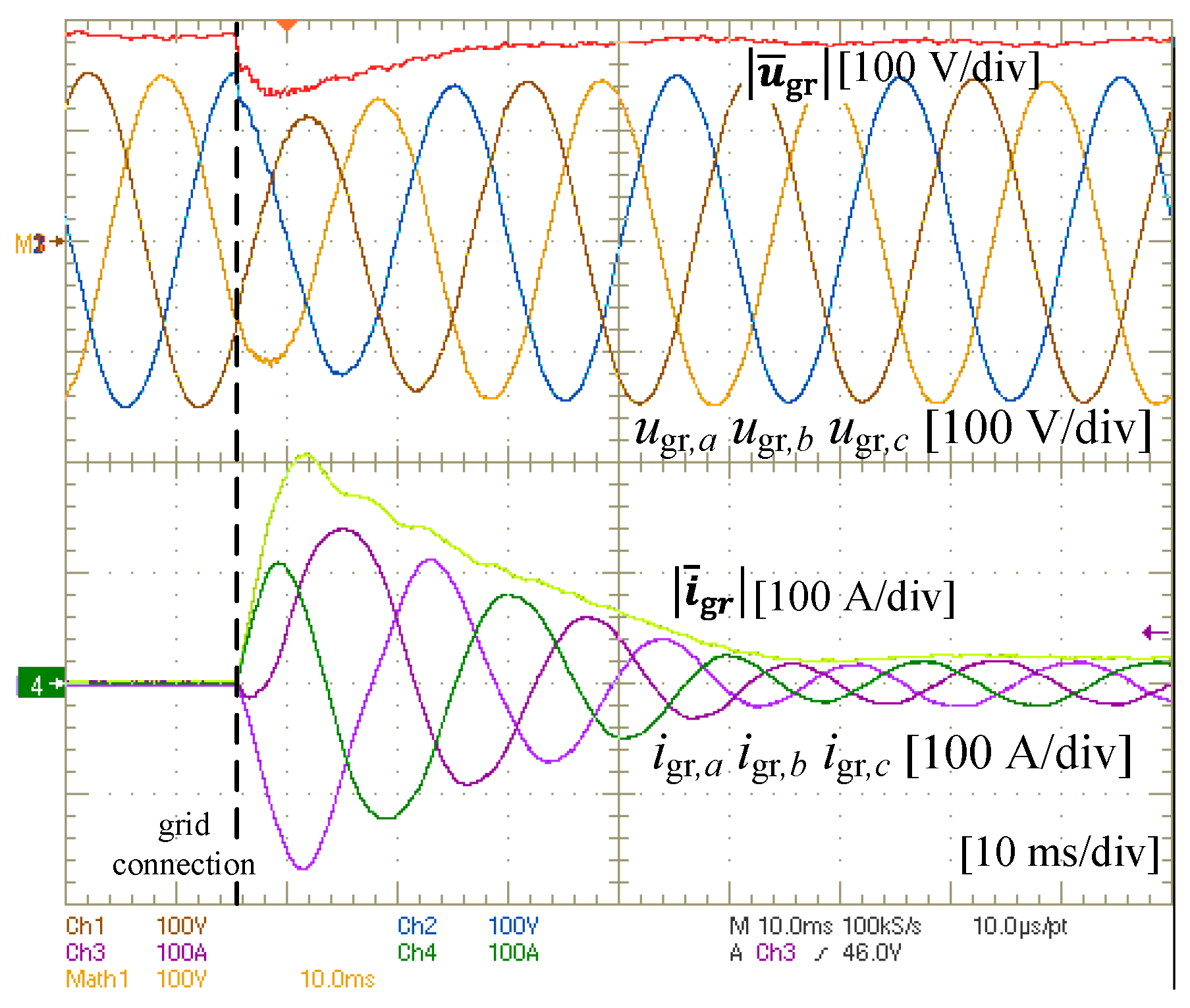
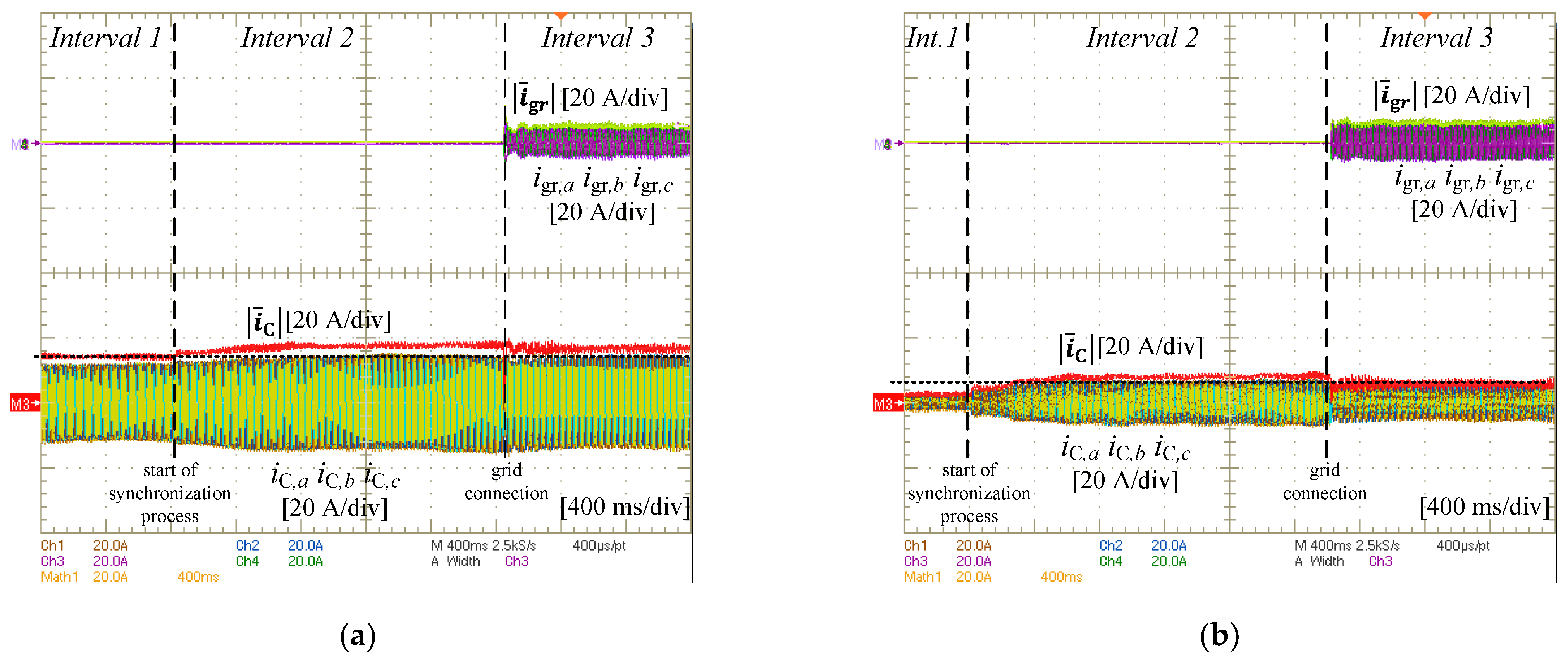
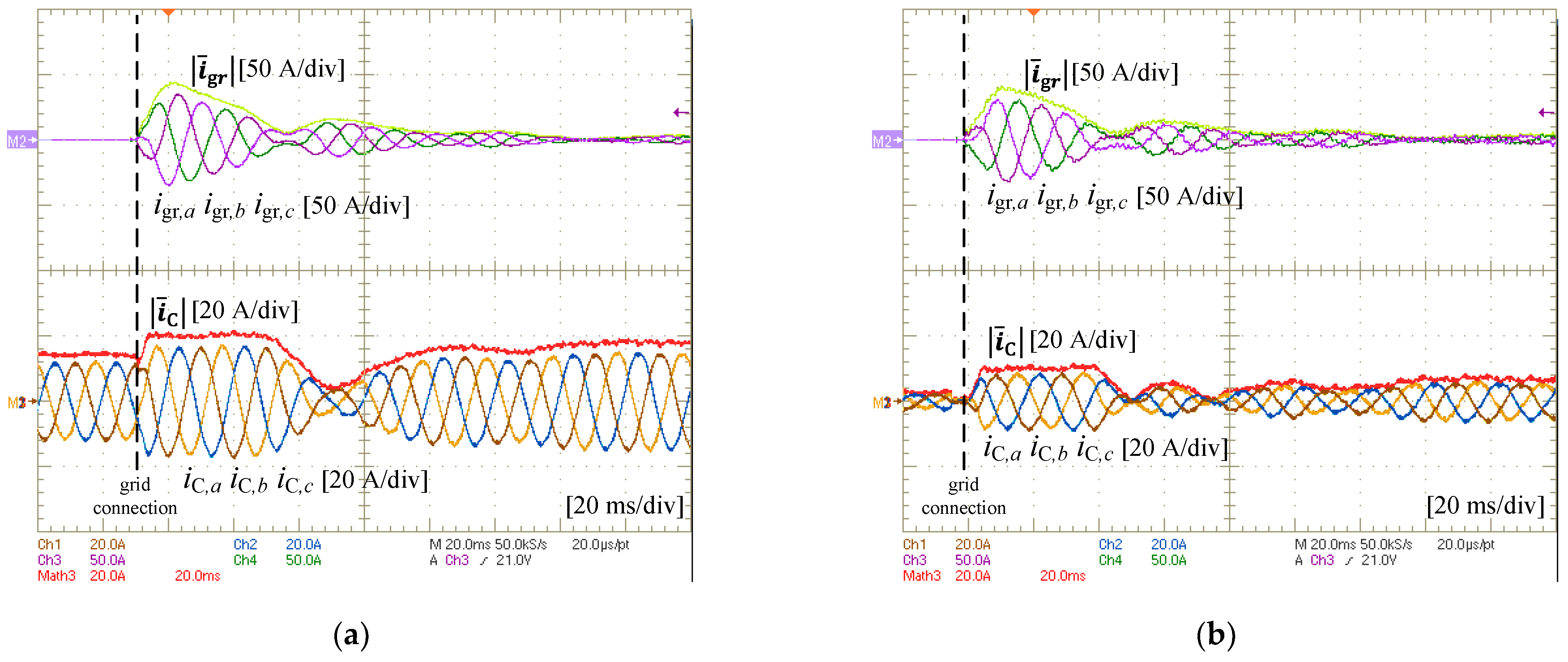
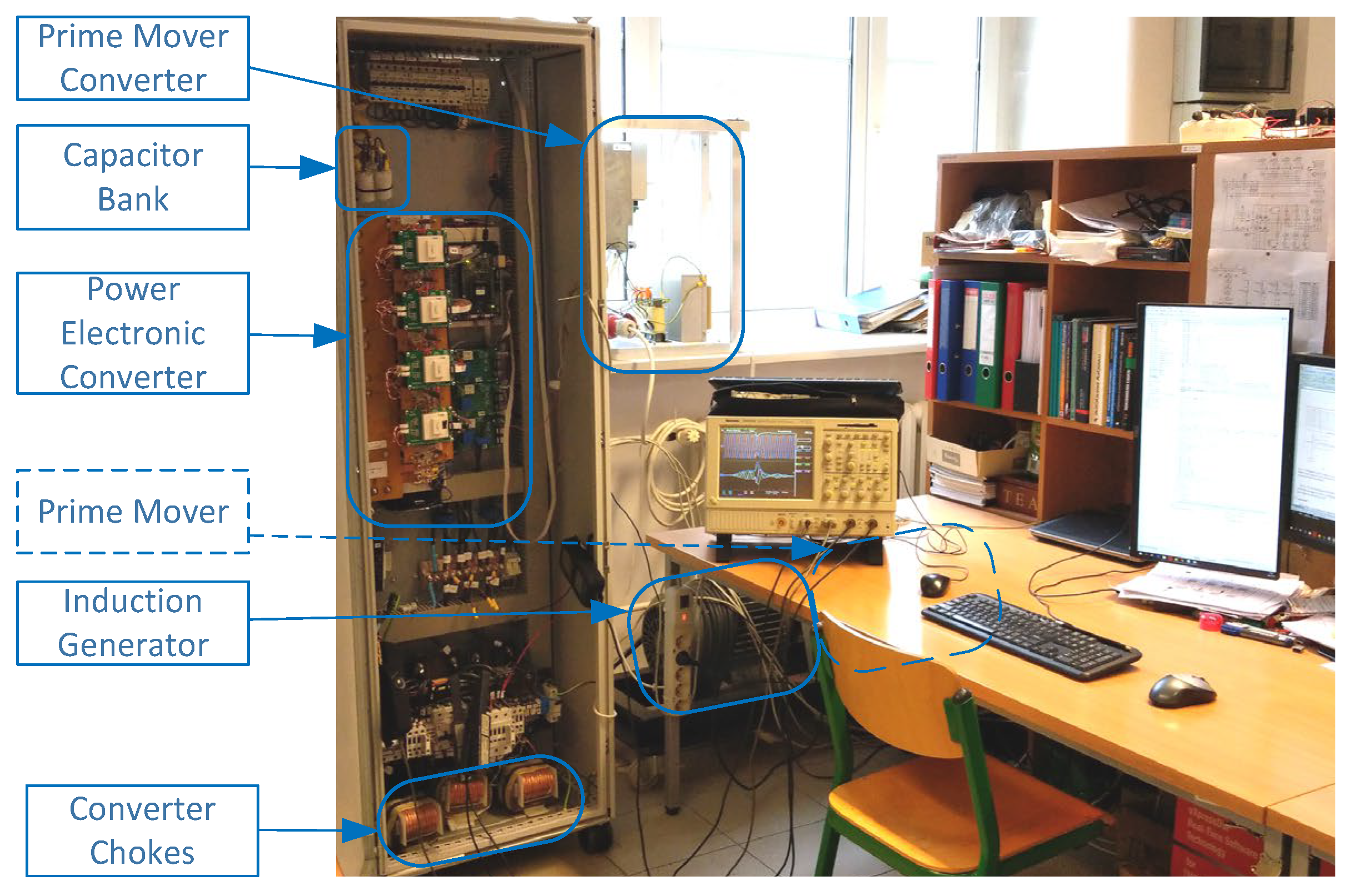
This article concerns the connection process of a squirrel-cage induction generator to the grid/microgrid. Typically, the generator is unexcited, and its connection to the grid is made directly via a switch. This connection causes a high inrush current and grid voltage drop, which local consumers notice. This article proposes a robust power system consisting of the squirrel-cage induction generator, a power electronic converter, and a capacitor bank, all connected in parallel. The proposed configuration and a dedicated control system eliminate the inrush current and compensate for the generator’s reactive power during grid-tied operation. The converter controls the generator voltage build-up to adjust the generator voltage to the grid voltage (controlled excitation) and connects the generator to the grid, minimising distortions. Moreover, the system is robust because the failure of the converter does not stop the power generation, unlike a system with a back-to-back converter, where the converter links the generator and the grid. Furthermore, the parallel-connected converter has a significantly reduced power rating because it is only rated for a part of the reactive generator power. The rest of the reactive generator power is delivered by the fixed capacitor bank. The article presents the system configuration, the control method, and laboratory results confirming the system’s effectiveness in maintaining high-quality grid voltage during generator-to-grid connection and high-quality power supplied to the grid.
Keywords: squirrel-cage induction generator; power electronic converter; partial power converter; grid connection; synchronisation squirrel-cage induction generator; power electronic converter; partial power converter; grid connection; synchronisation