Article

Wettability Characteristics of Mixed Sedimentary Shale Reservoirs in Saline Lacustrine Basins and Their Impacts on Shale Oil Energy Replenishment: Insights from Alternating Imbibition Experiments

1
College of Petroleum Engineering, China University of Petroleum (Beijing), Beijing 102249, China
2
Research Institute of Exploration and Development, PetroChina Xinjiang Oilfield Company, Karamay 834000, China
3
Key Laboratory of Shale Oil Exploration and Development in Xinjiang, Karamay 834000, China
4
School of Geosciences, China University of Petroleum (East China), Qingdao 266580, China
*
Author to whom correspondence should be addressed.
Energies 2025, 18(14), 3887; https://doi.org/10.3390/en18143887
Submission received: 14 May 2025 / Revised: 17 July 2025 / Accepted: 17 July 2025 / Published: 21 July 2025
(This article belongs to the Special Issue Sustainable Development of Unconventional Geo-Energy)

Abstract

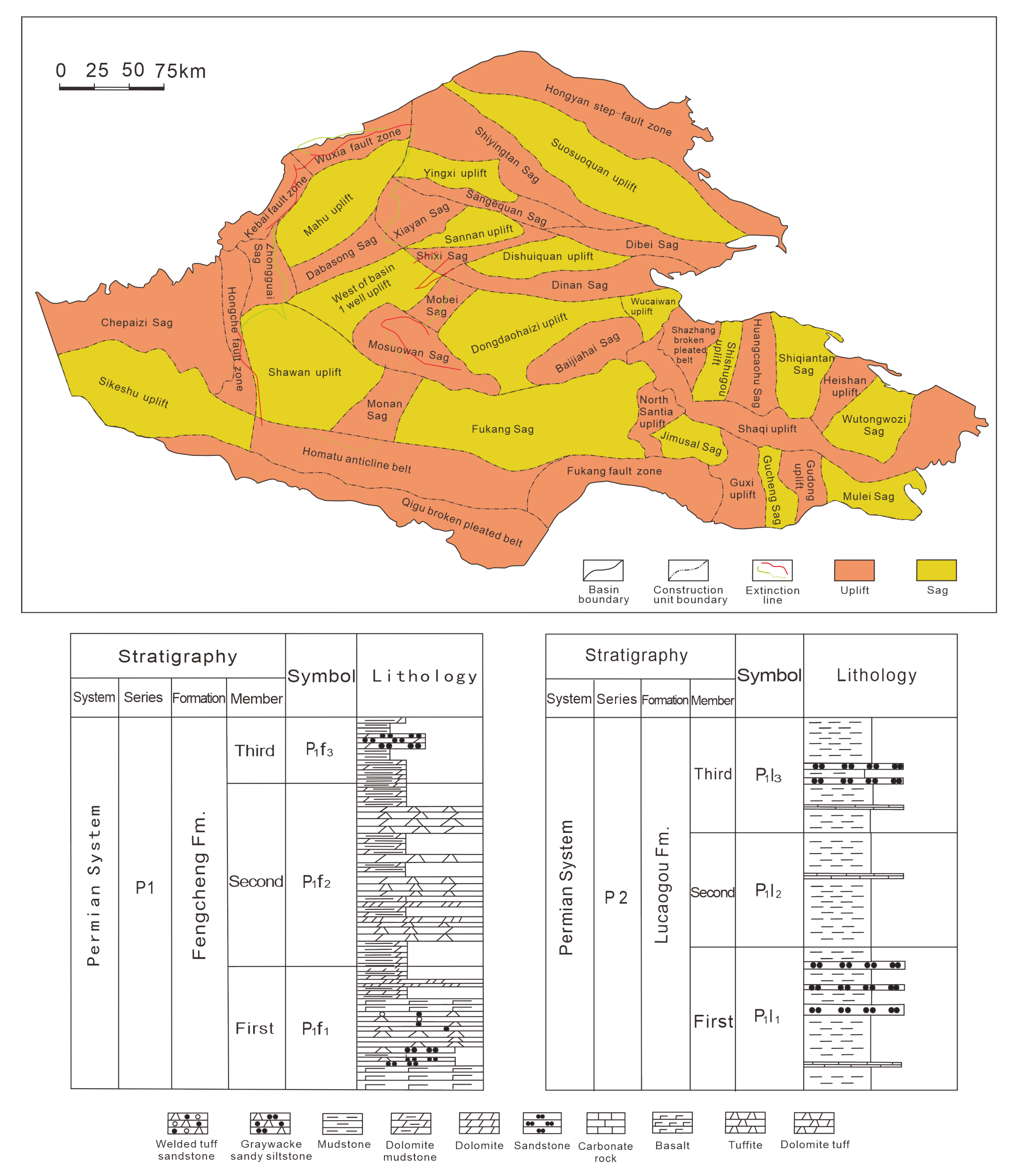
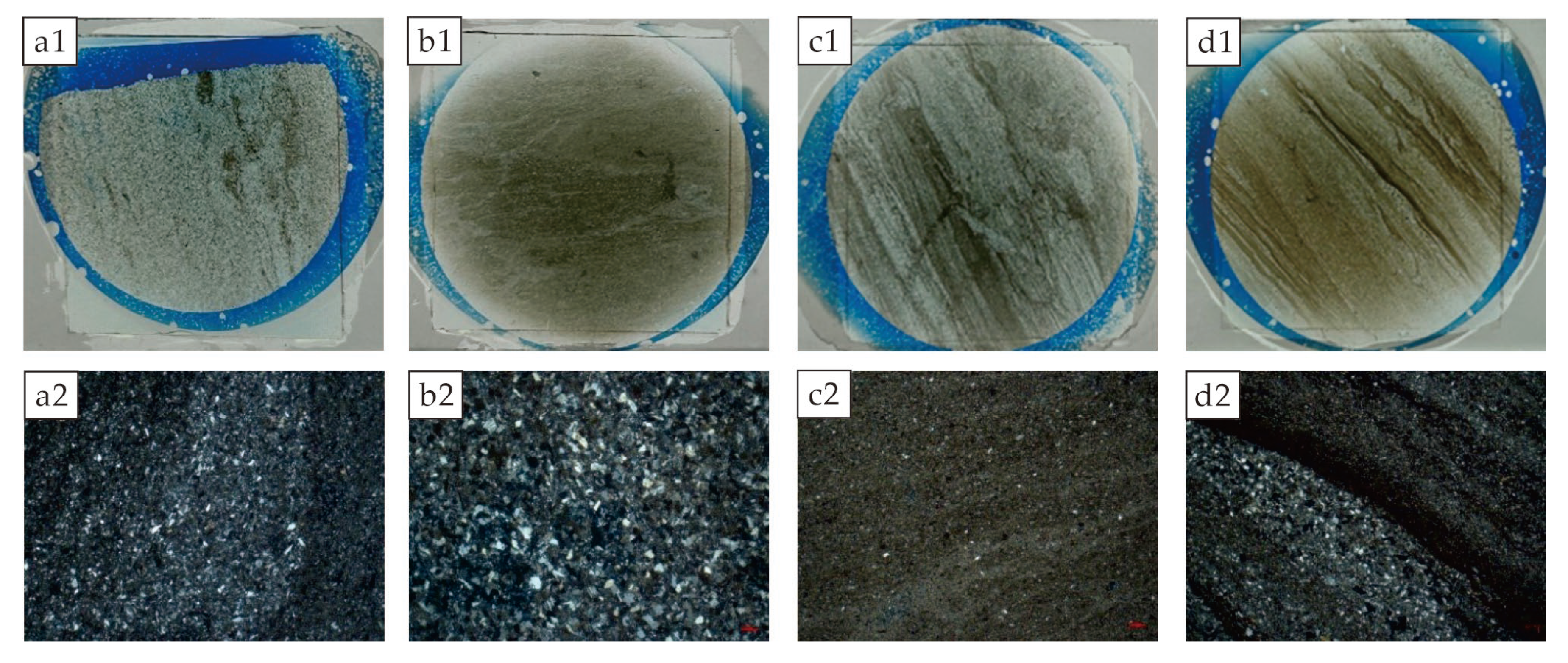
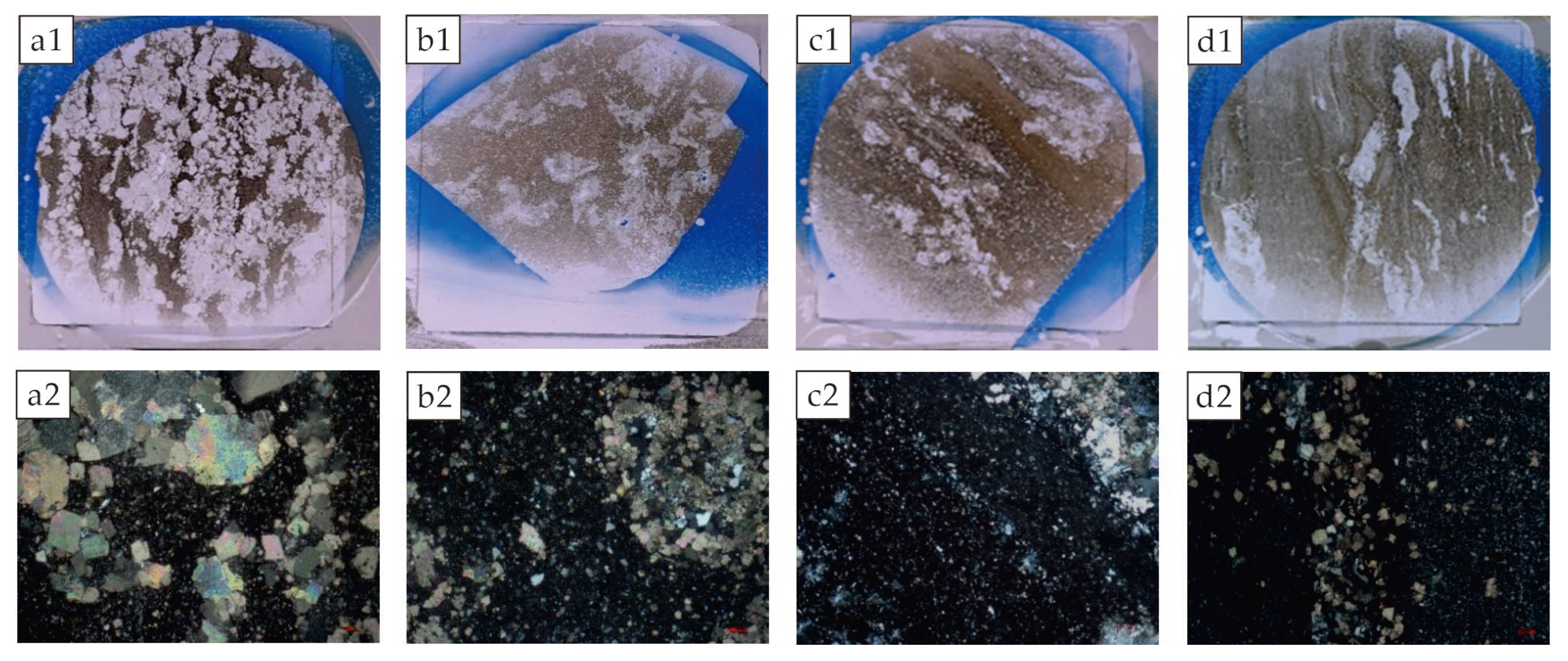
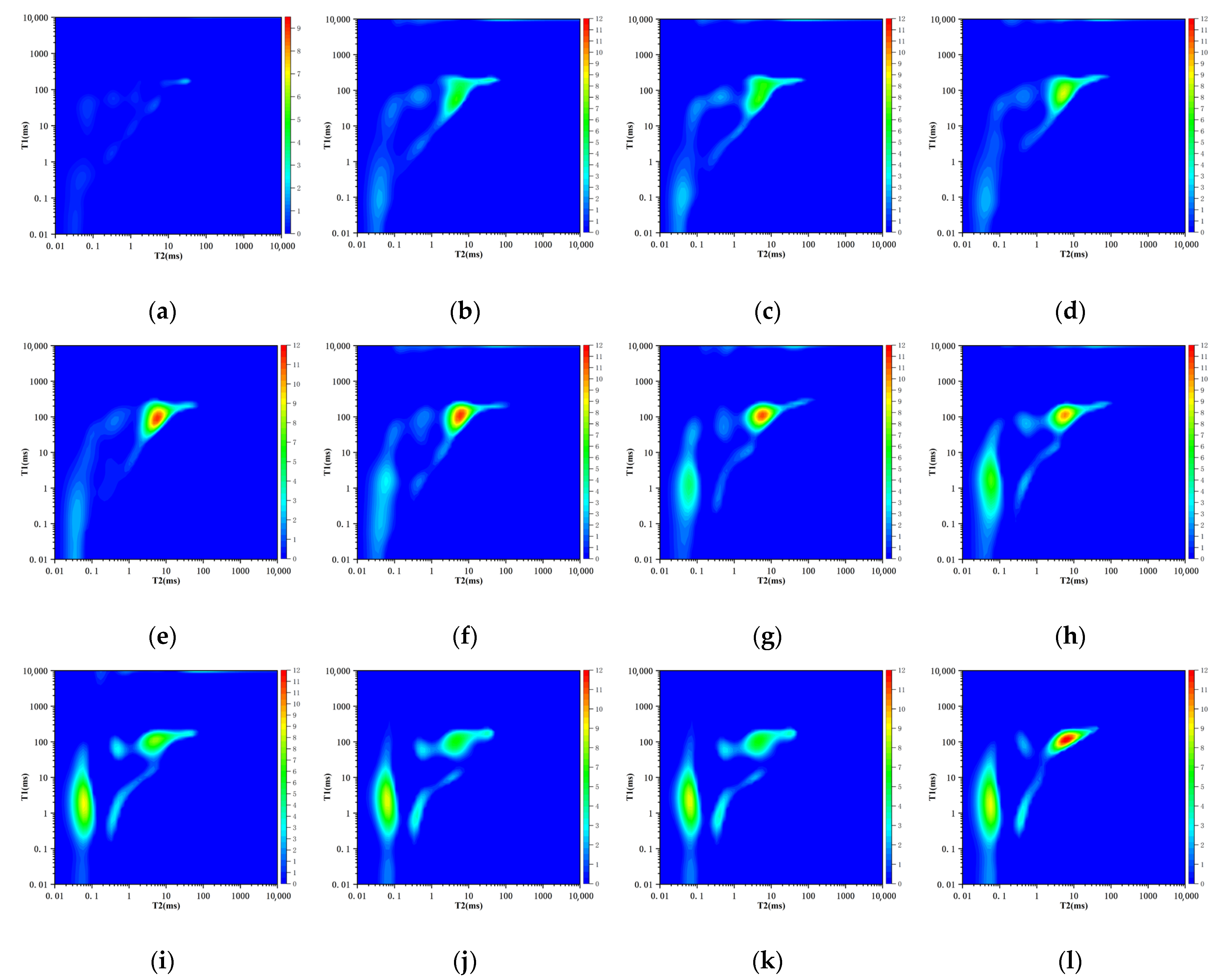
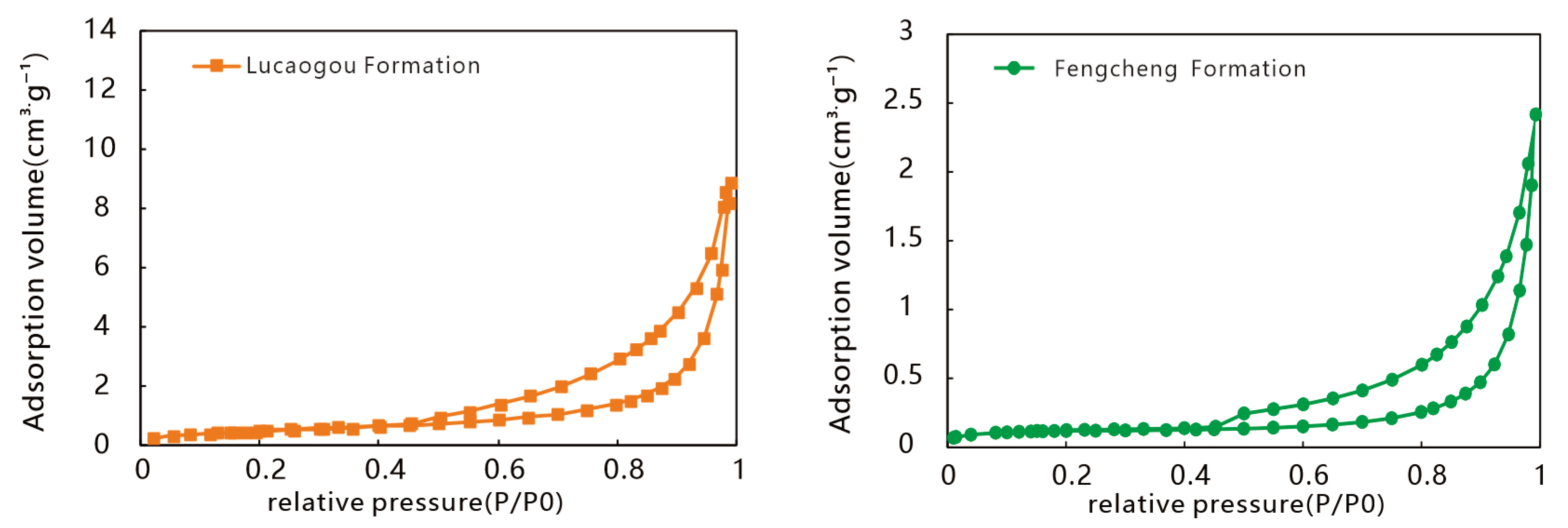
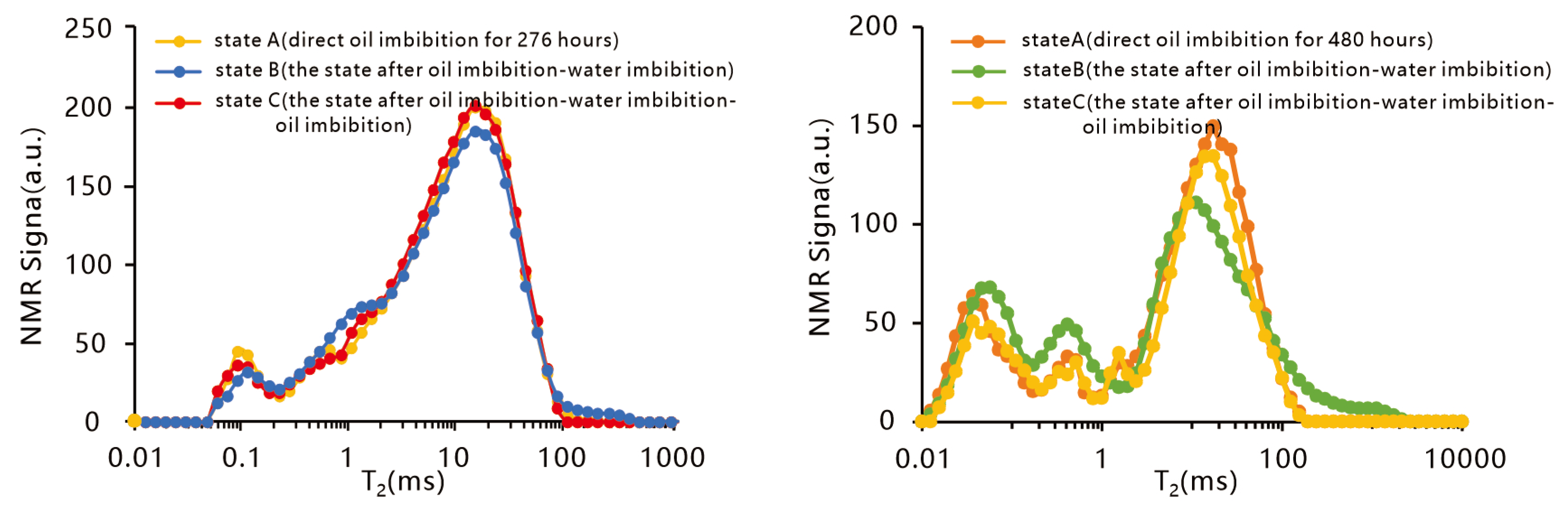
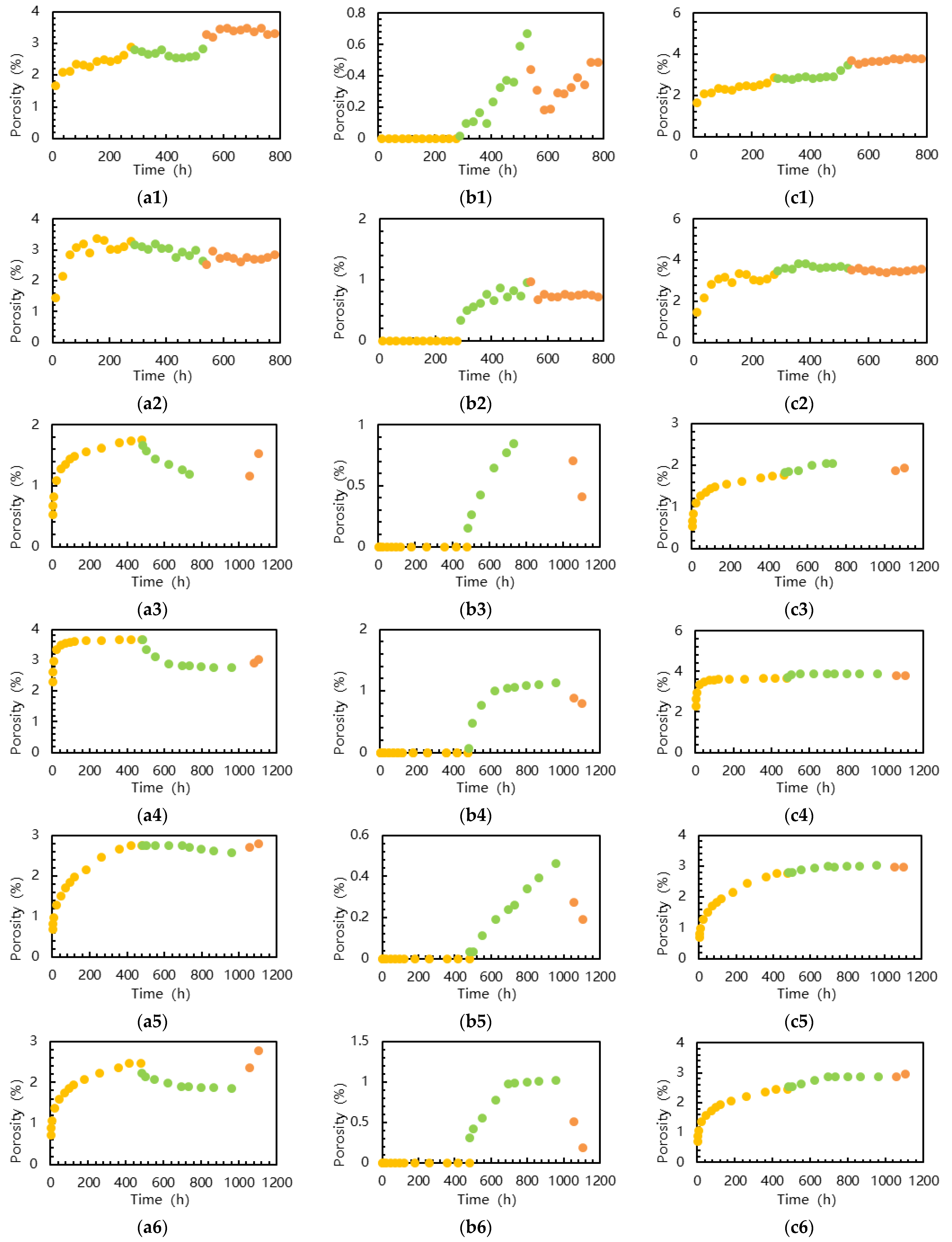
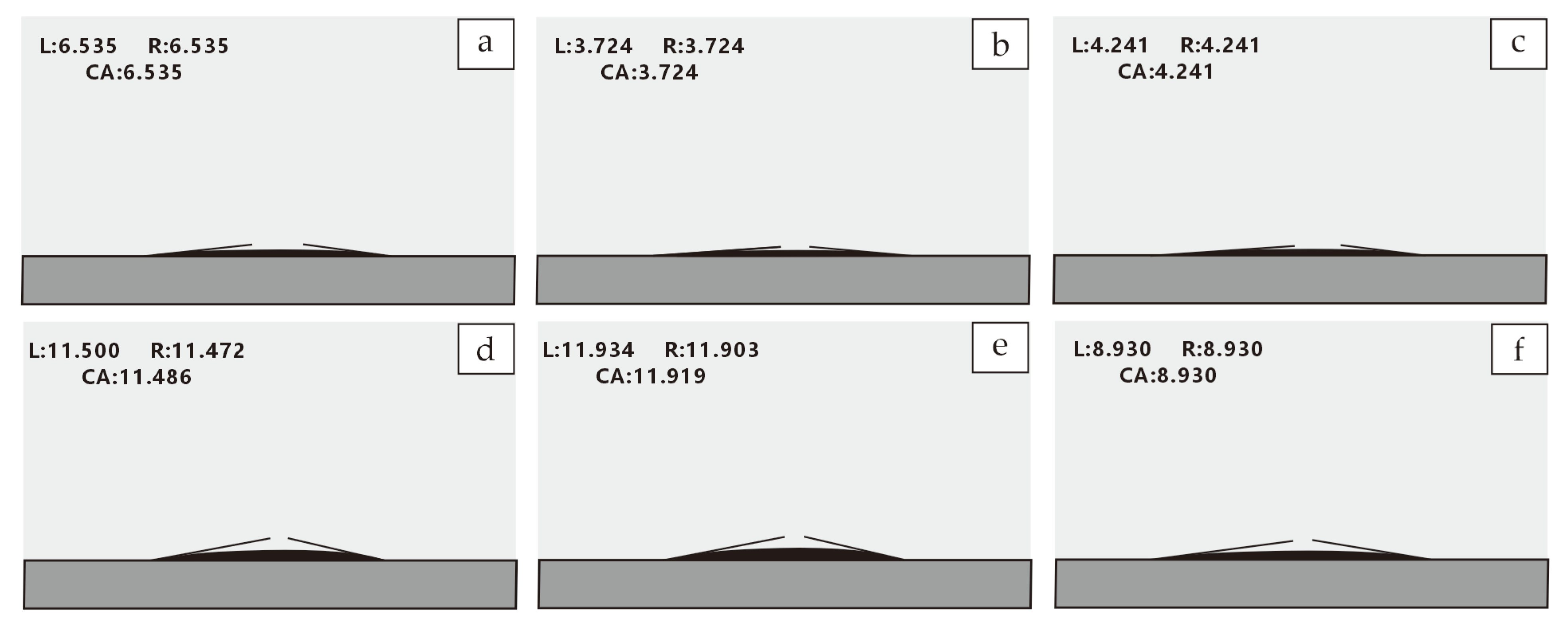
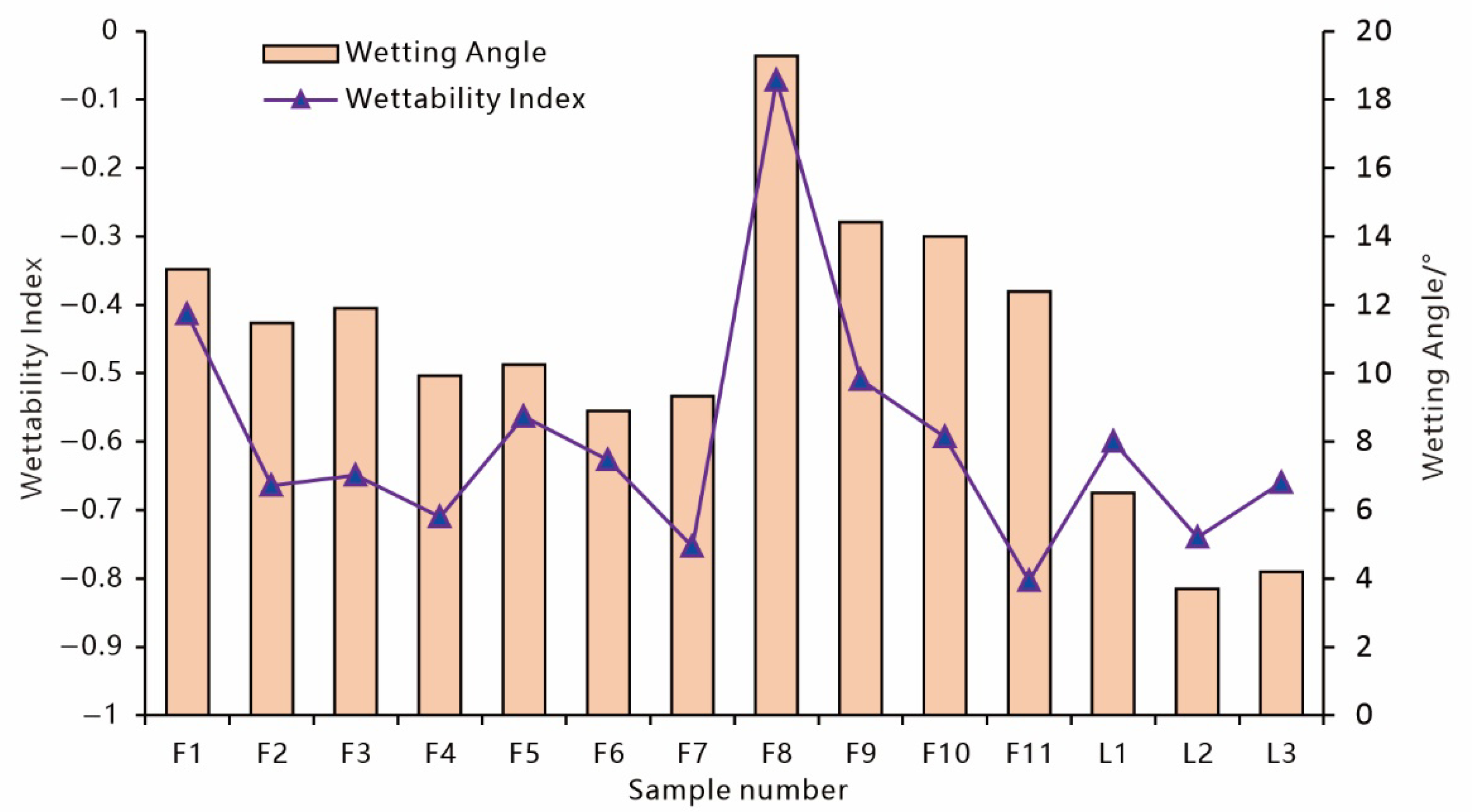
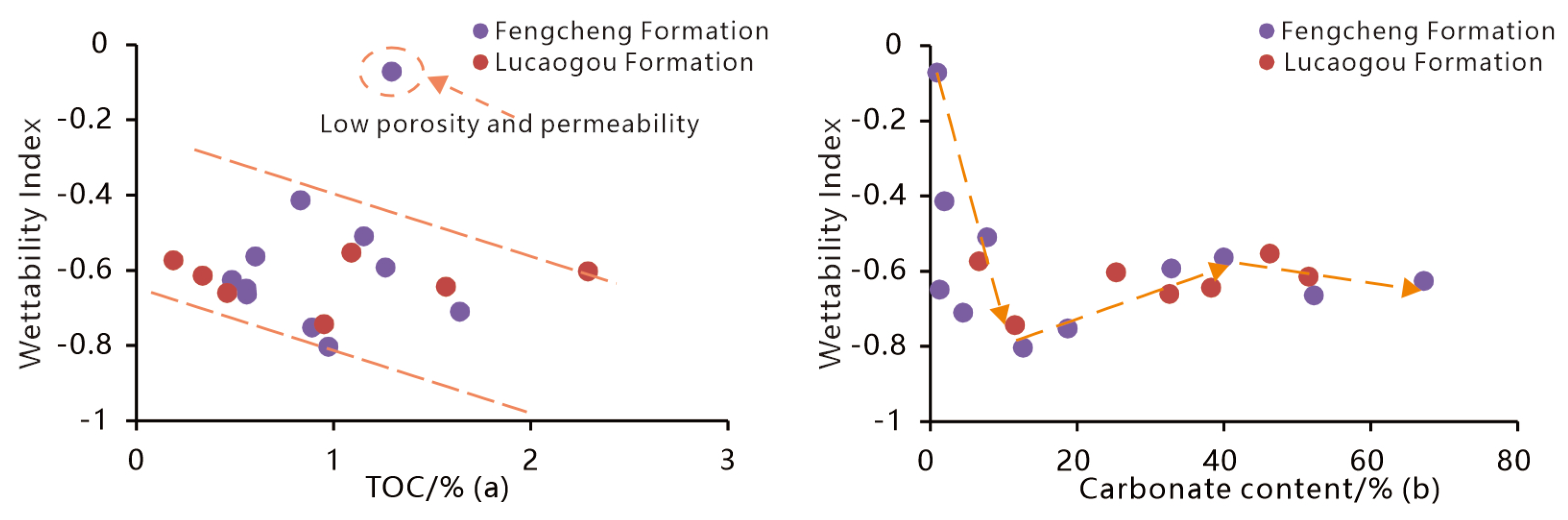
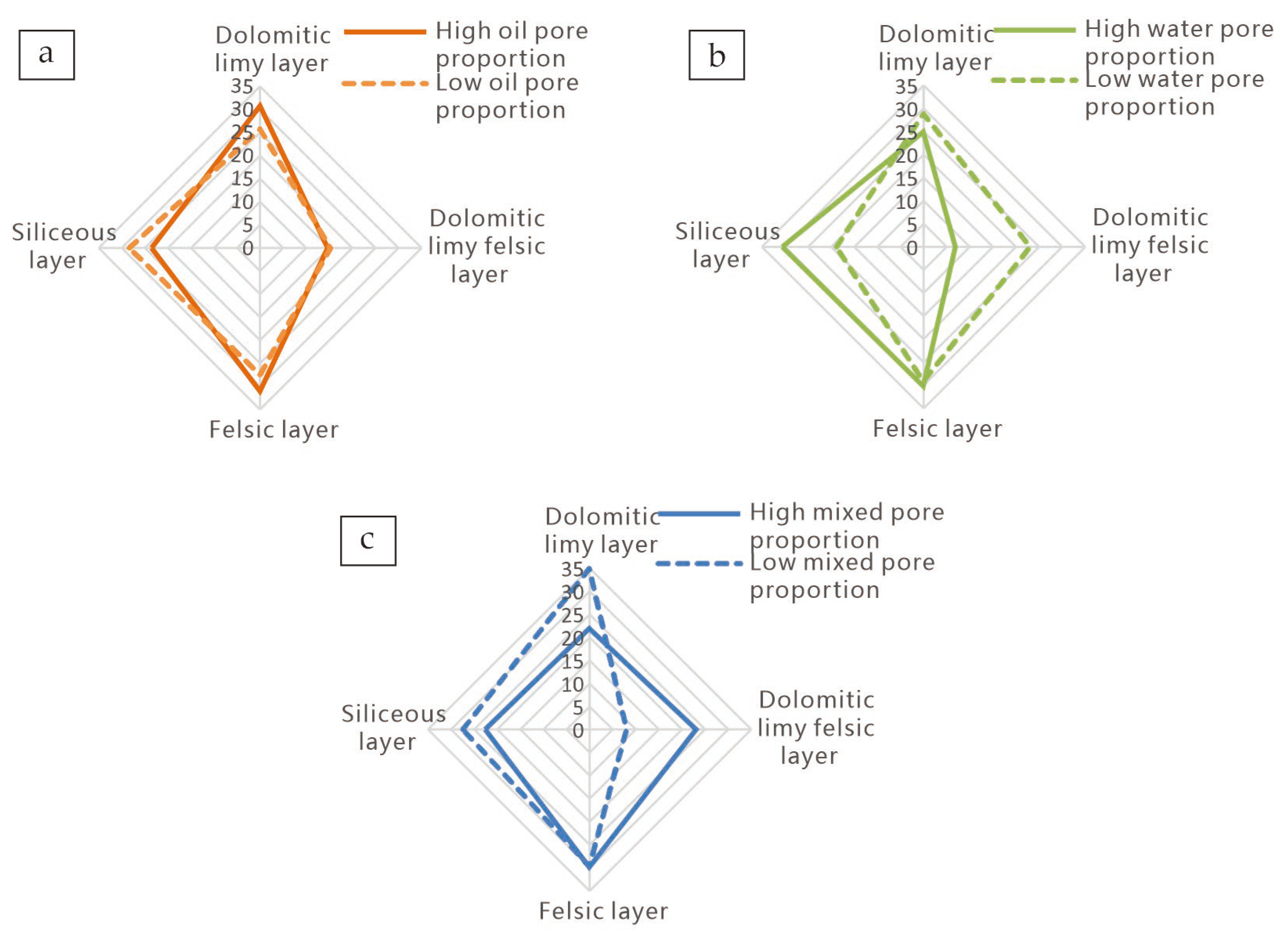
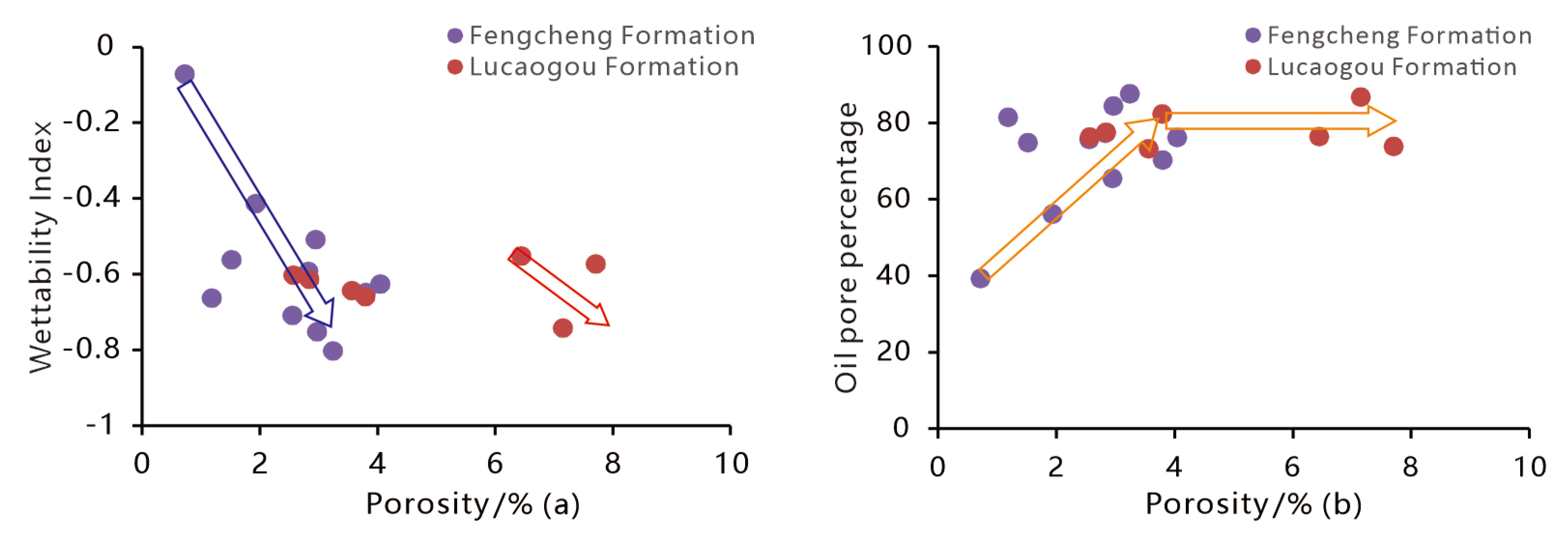
Due to the complex mineral composition, low clay content, and strong heterogeneity of the mixed sedimentary shale in the Xinjiang Salt Lake Basin, the wettability characteristics of the reservoir and their influencing factors are not yet clear, which restricts the evaluation of oil-bearing properties and the identification of sweet spots. This paper analyzed mixed sedimentary shale samples from the Lucaogou Formation of the Jimsar Sag and the Fengcheng Formation of the Mahu Sag. Methods such as petrographic thin sections, X-ray diffraction, organic matter content analysis, and argon ion polishing scanning electron microscopy were used to examine the lithological and mineralogical characteristics, geochemical characteristics, and pore space characteristics of the mixed sedimentary shale reservoir. Alternating imbibition and nuclear magnetic resonance were employed to quantitatively characterize the wettability of the reservoir and to discuss the effects of compositional factors, lamina types, and pore structure on wettability. Research findings indicate that the total porosity, measured by the alternate imbibition method, reached 72% of the core porosity volume, confirming the effectiveness of alternate imbibition in filling open pores. The Lucaogou Formation exhibits moderate to strong oil-wet wettability, with oil-wet pores predominating and well-developed storage spaces; the Fengcheng Formation has a wide range of wettability, with a higher proportion of mixed-wet pores, strong heterogeneity, and weaker oil-wet properties compared to the Lucaogou Formation. TOC content has a two-segment relationship with wettability, where oil-wet properties increase with TOC content at low TOC levels, while at high TOC levels, the influence of minerals such as carbonates dominates; carbonate content shows an “L” type response to wettability, enhancing oil-wet properties at low levels (<20%), but reducing it due to the continuous weakening effect of minerals when excessive. Lamina types in the Fengcheng Formation significantly affect wettability differentiation, with carbonate-shale laminae dominating oil pores, siliceous laminae contributing to water pores, and carbonate–feldspathic laminae forming mixed pores; the Lucaogou Formation lacks significant laminae, and wettability is controlled by the synergistic effects of minerals, organic matter, and pore structure. Increased porosity strengthens oil-wet properties, with micropores promoting oil adsorption through their high specific surface area, while macropores dominate in terms of storage capacity. Wettability is the result of the synergistic effects of multiple factors, including TOC, minerals, lamina types, and pore structure. Based on the characteristic that oil-wet pores account for up to 74% in shale reservoirs (mixed-wet 12%, water-wet 14%), a wettability-targeted regulation strategy is implemented during actual shale development. Surfactants are used to modify oil-wet pores, while the natural state of water-wet and mixed-wet pores is maintained to avoid interference and preserve spontaneous imbibition advantages. The soaking period is thus compressed from 30 days to 3–5 days, thereby enhancing matrix displacement efficiency.
Keywords: alternating imbibition; wettability; mixed sedimentary shale; Lucaogou Formation; Fengcheng Formation alternating imbibition; wettability; mixed sedimentary shale; Lucaogou Formation; Fengcheng Formation