Article

A Novel PETG Microchannel Reactor for Microwave-Powered Biodiesel Production

1
Carbon Neutrality Research Group, University of Southampton Malaysia, Iskandar Puteri 79100, Malaysia
2
China-UK Low Carbon College, Shanghai Jiao Tong University, Lingang, Shanghai 201306, China
*
Author to whom correspondence should be addressed.
Energies 2024, 17(9), 2103; https://doi.org/10.3390/en17092103
Submission received: 14 February 2024 / Revised: 7 April 2024 / Accepted: 11 April 2024 / Published: 28 April 2024
(This article belongs to the Section A4: Bio-Energy)

Abstract

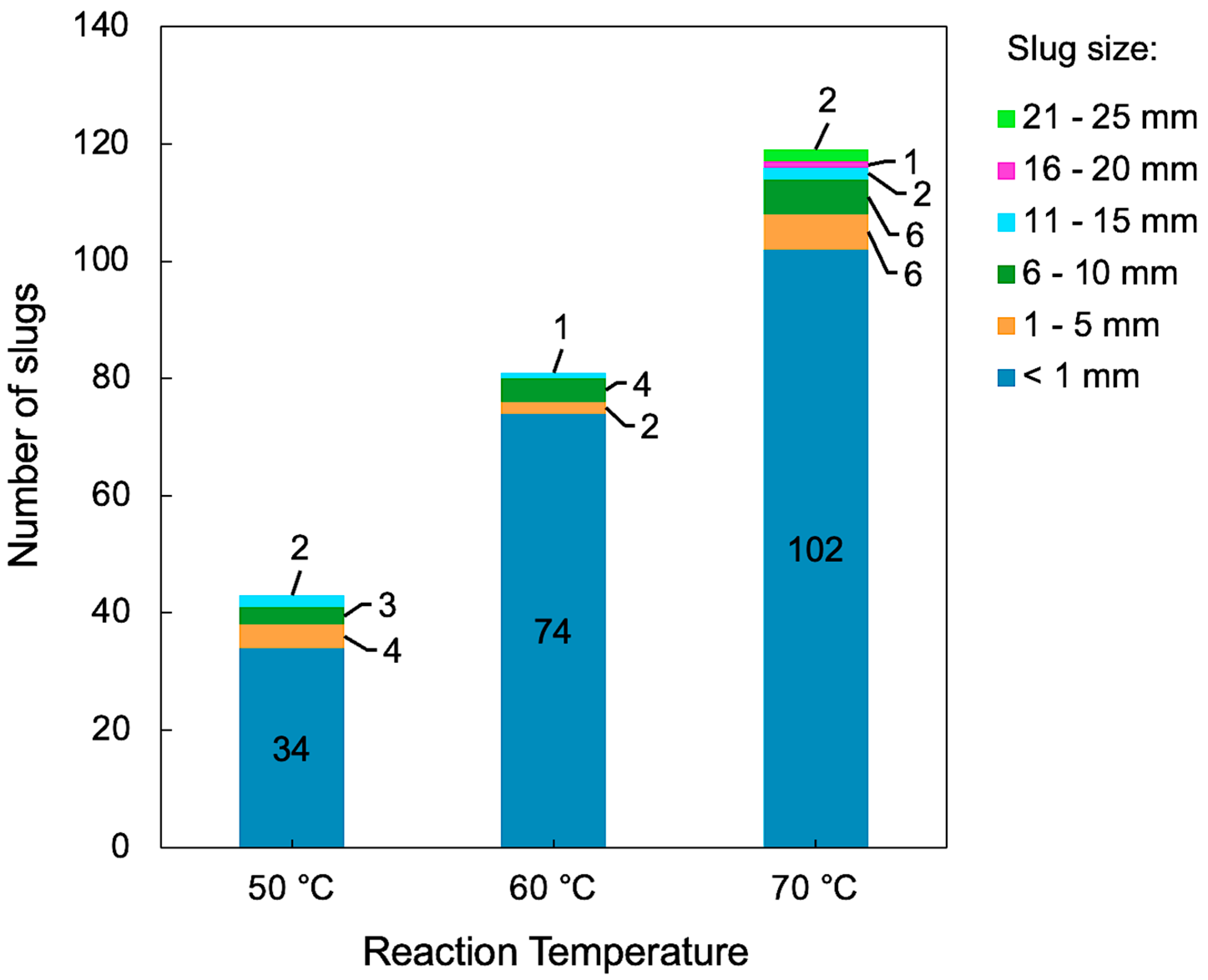
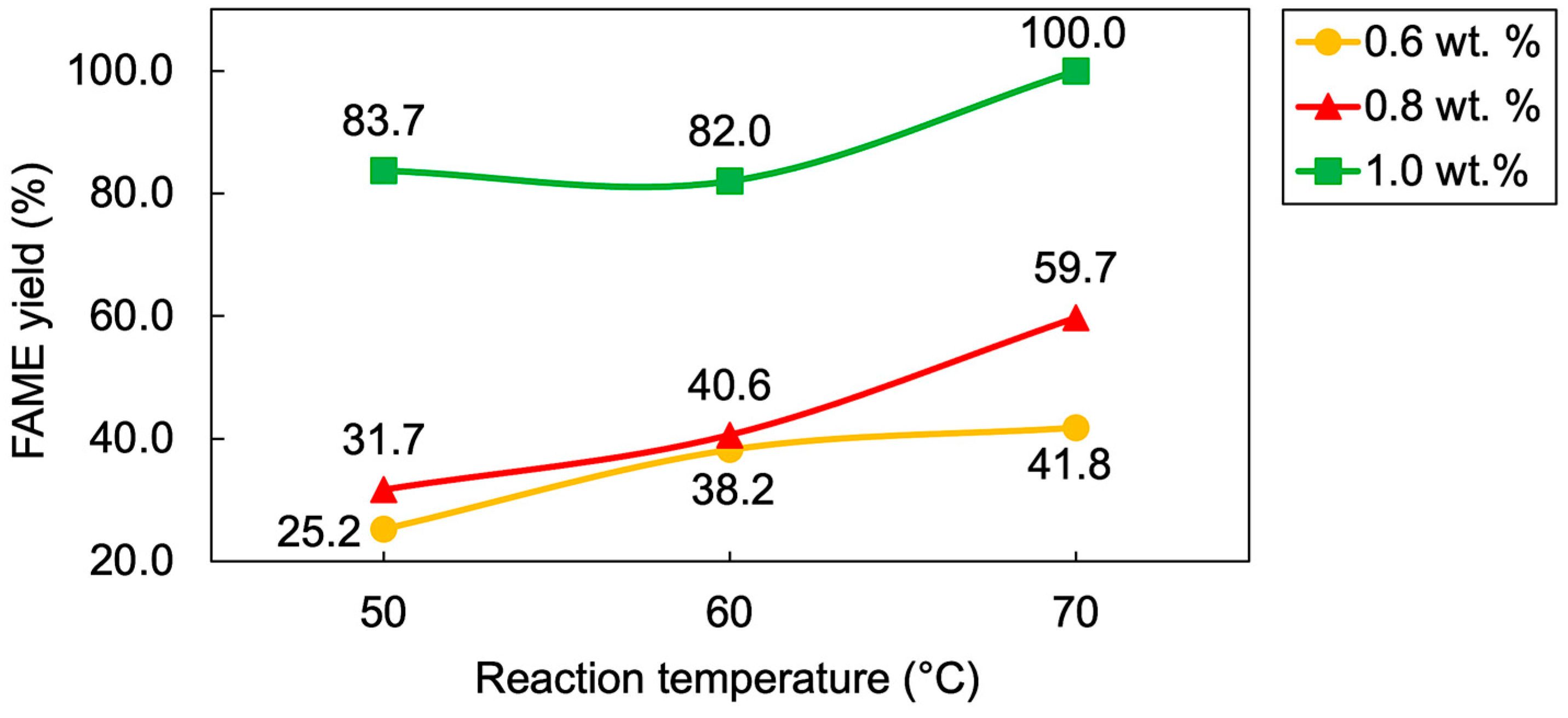
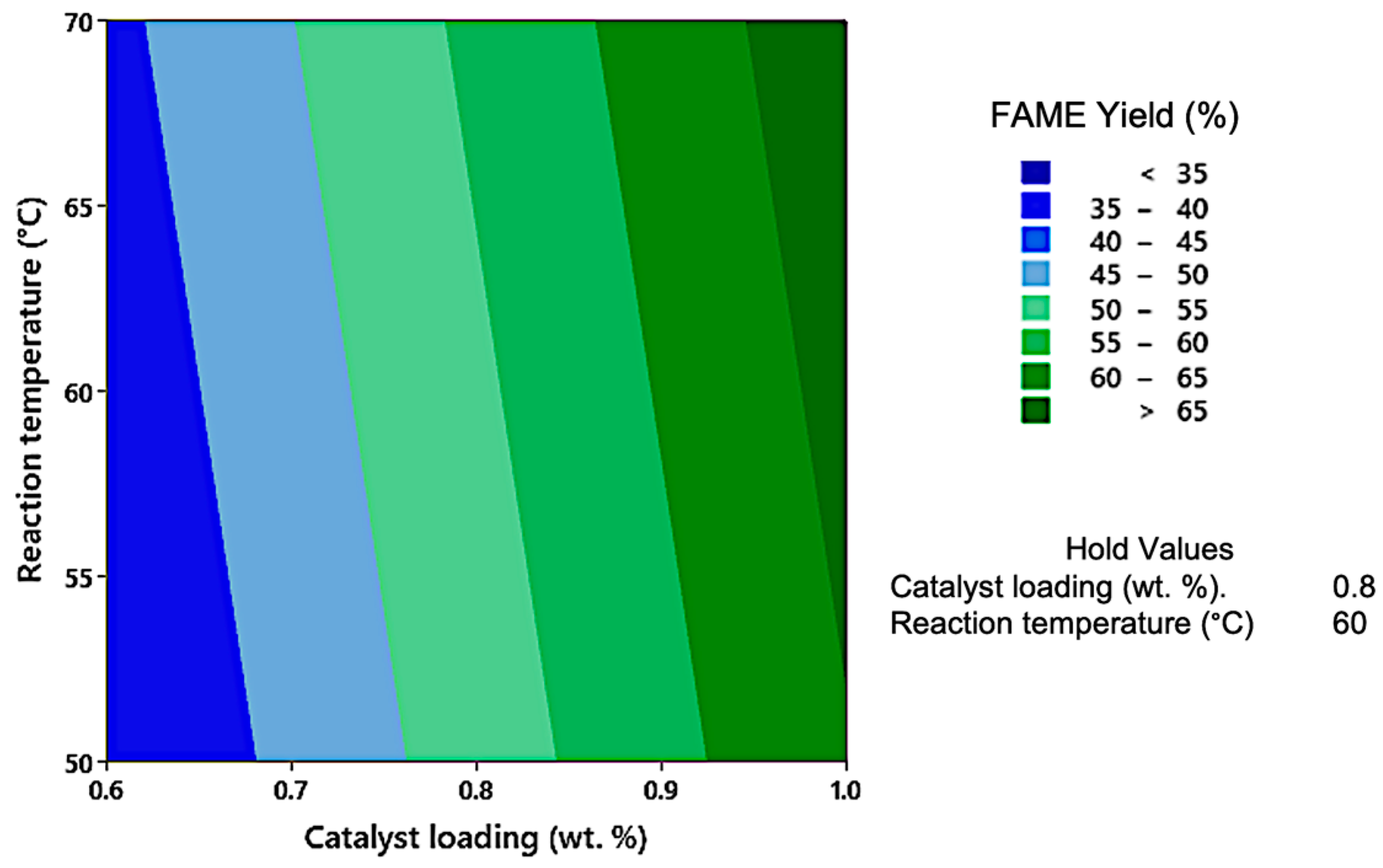
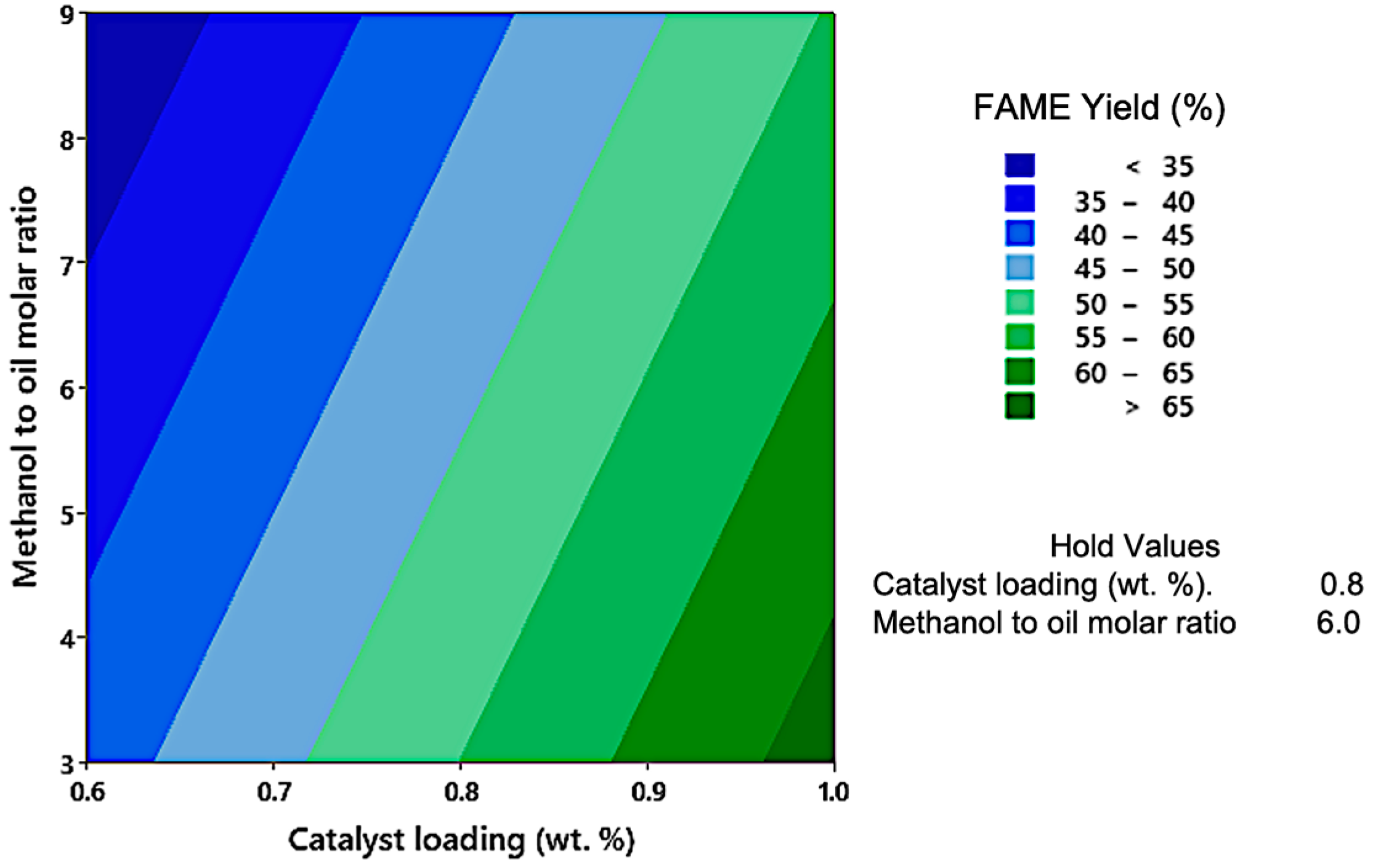
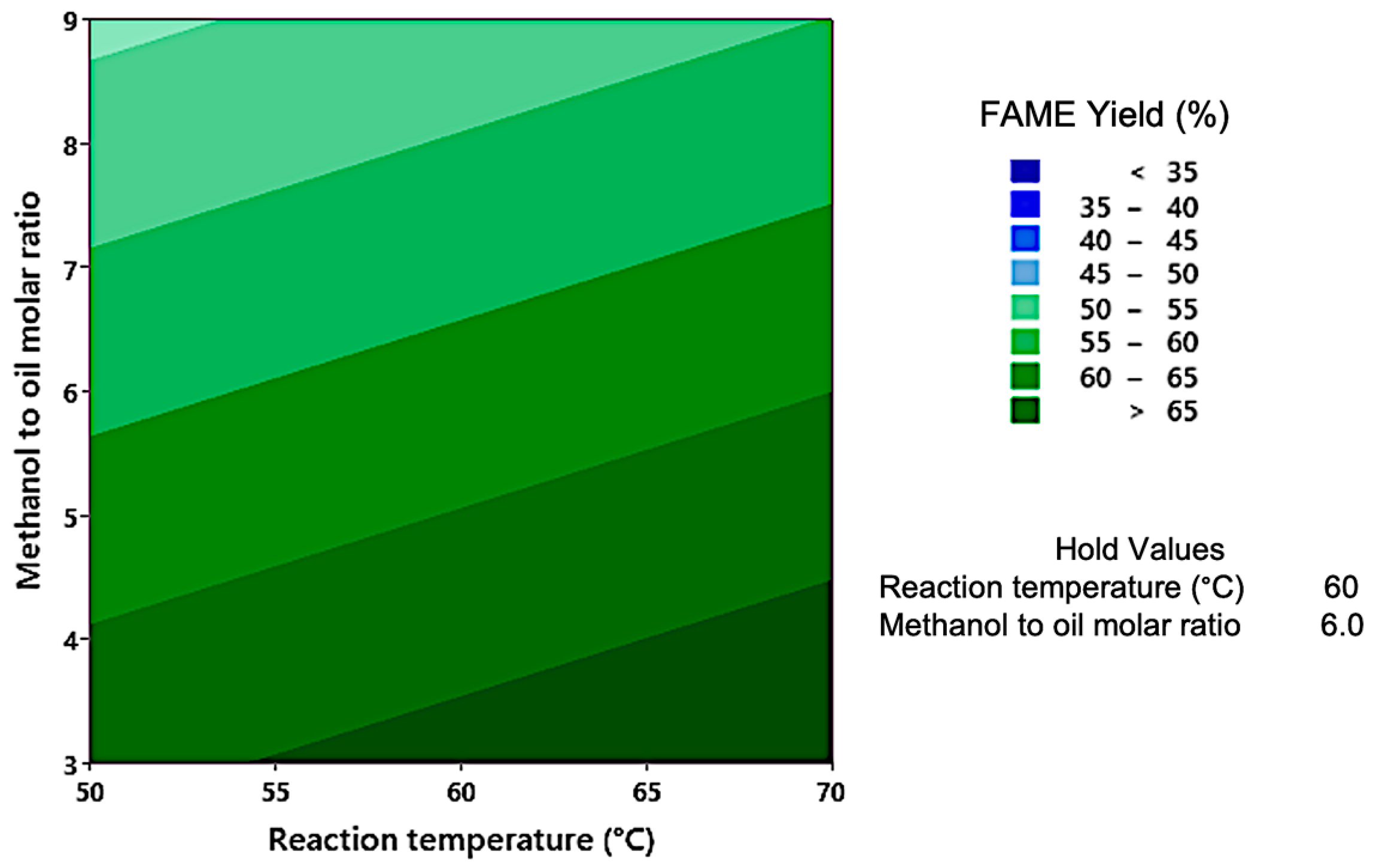
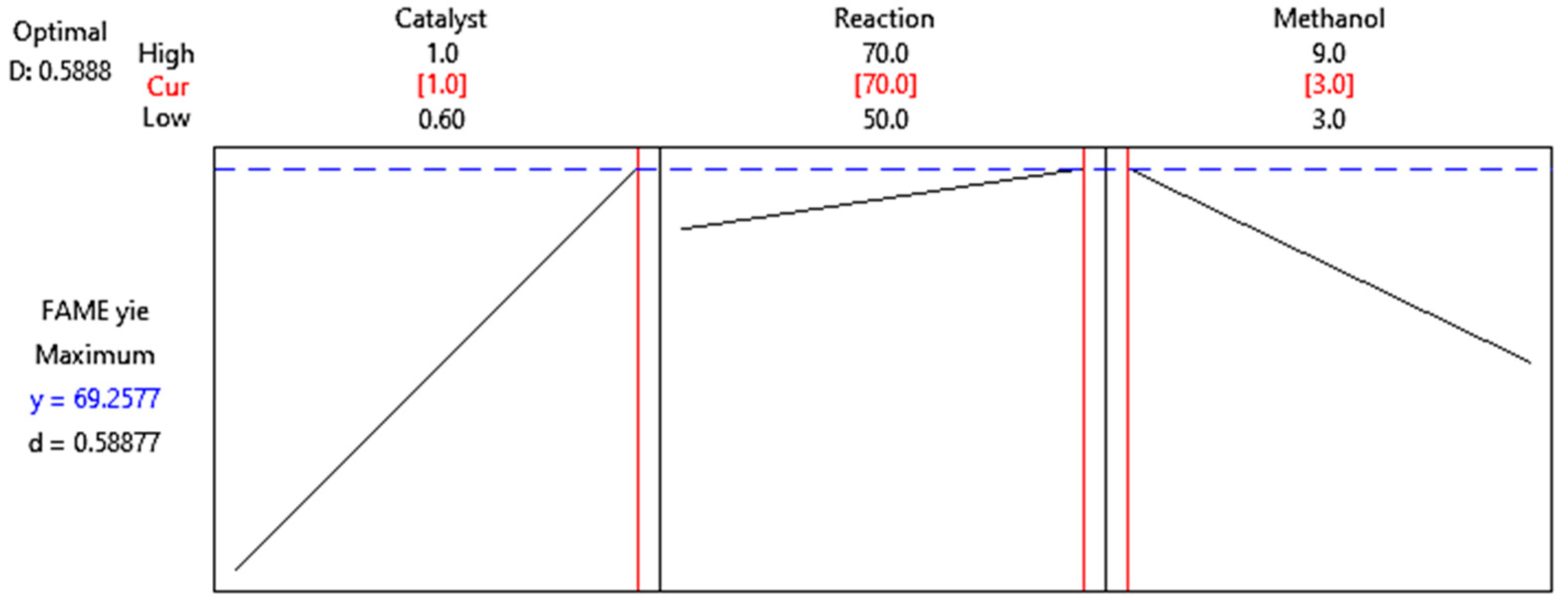
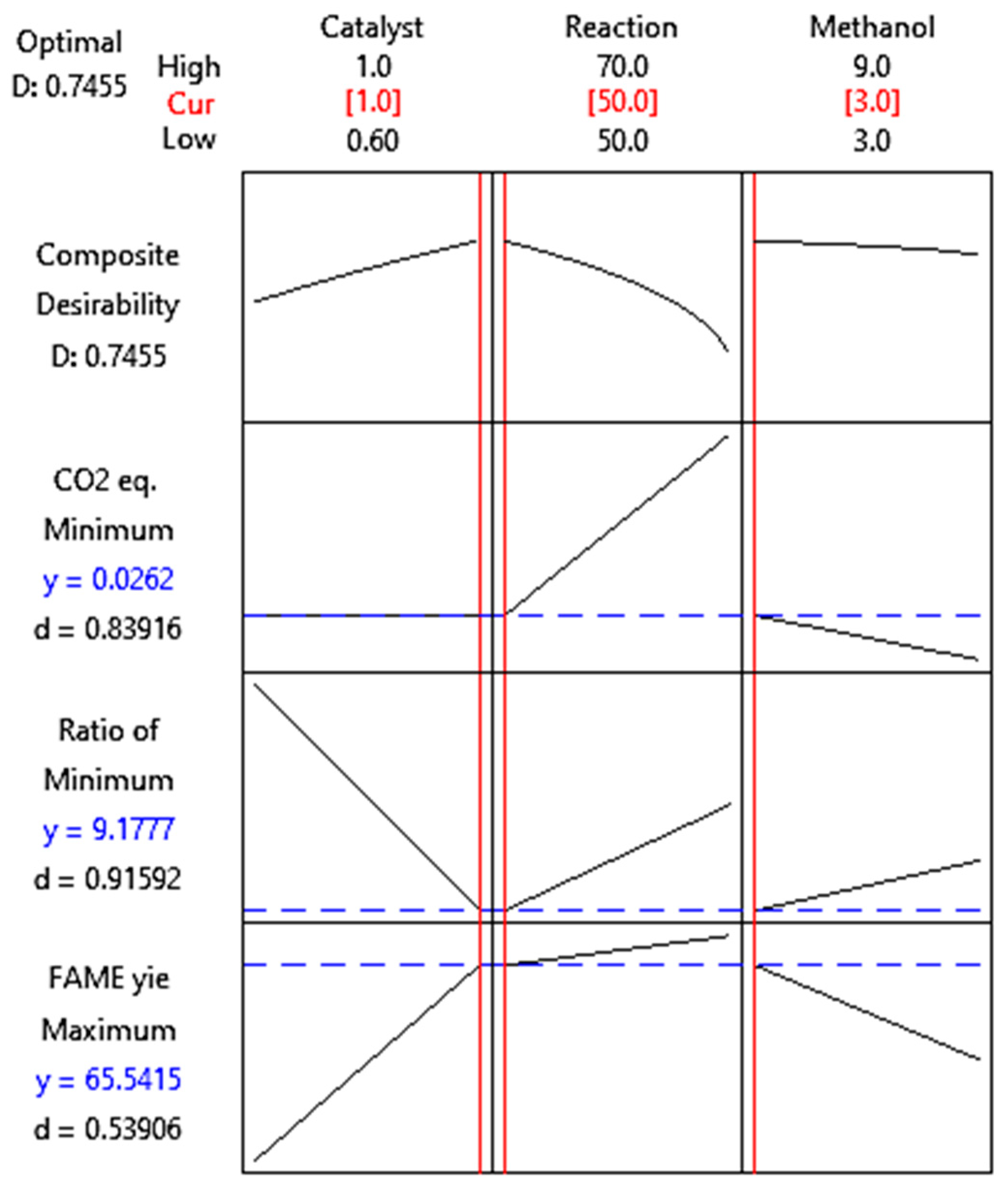
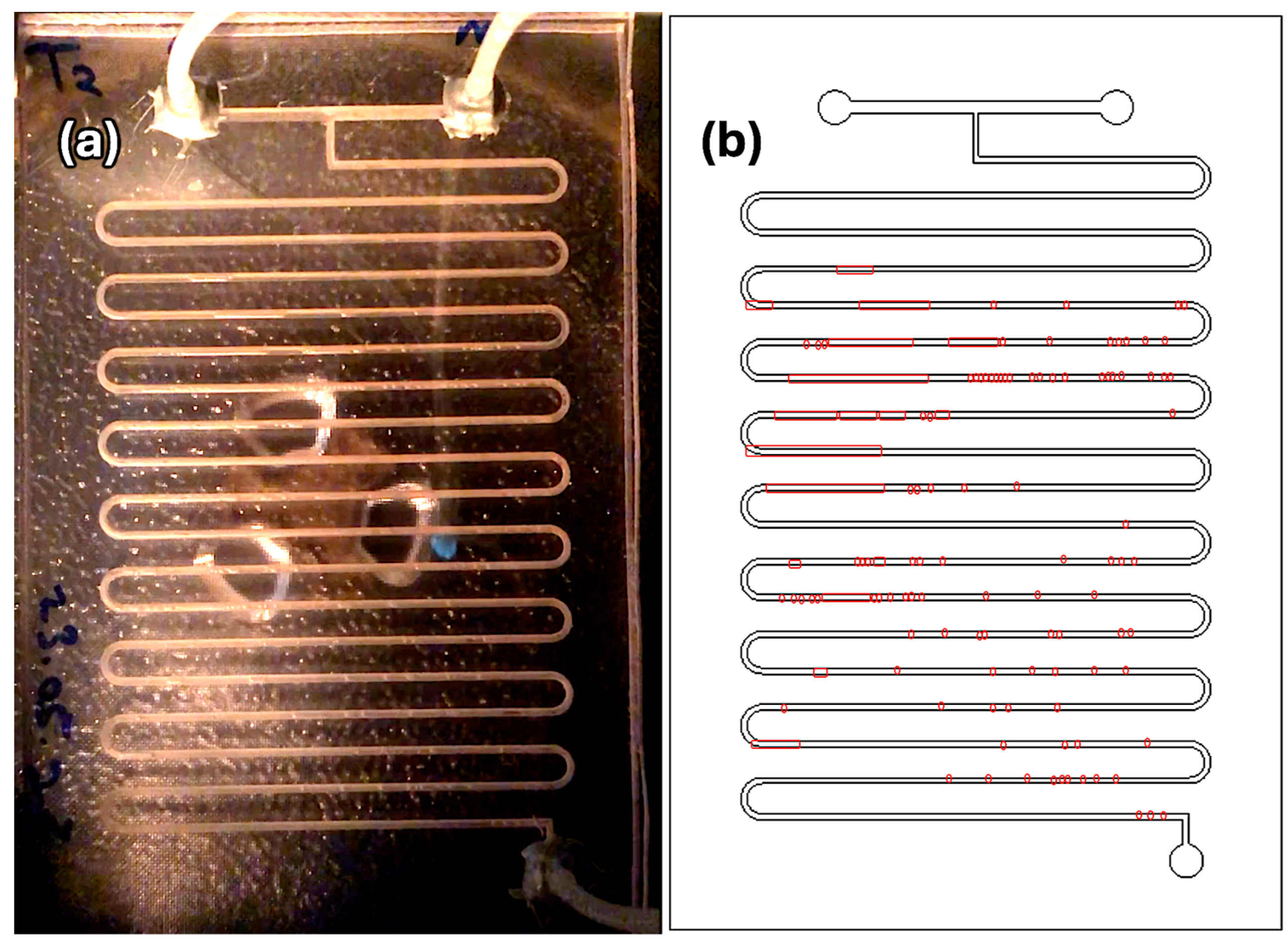
Biodiesel stands at the forefront as a replacement for fossil diesel in compression ignition engines, particularly in the transportation sector where diesel engines are the primary movers. However, biodiesel production is hampered by poor heat and mass transfer during the transesterification reaction, leading to long production times and high costs due to inefficient energy utilisation. This study targets heat and mass transfer issues during the production of biodiesel via a synergic approach that combines microwave-assisted heating and microfluidics via a polyethylene terephthalate glycol (PETG) microchannel reactor. The transesterification reaction of palm oil and methanol was investigated using a full factorial design of experiments (DOE) method. Biodiesel yield was quantified via gas chromatographic analysis, and the results were optimised using statistical analysis. Optical analysis of slug quantification within the microchannel revealed that small slugs, smaller than 1 mm, accelerated the transesterification reaction. The composite-optimised experimental results, aimed at minimising energy costs and environmental impacts while maximising fatty acid methyl ester (FAME) yield, indicate a reaction temperature of 50 °C, a catalyst loading of 1.0 wt.%, and a 3:1 methanol to oil molar ratio. Regression analysis revealed that the reaction temperature was statistically insignificant when utilising the PETG microchannel reactor. This key finding positively impacts biodiesel production as it relates to significantly reduced energy intensity, costs, and emissions. Overall, this research work paves a pathway toward an energy-efficient and sub-minute rapid transesterification reaction, highlighting the effectiveness of microwave heat delivery and effects of microfluidics via the PETG microchannel reactor in overcoming heat and mass transfer barriers in biodiesel production.
Keywords: biodiesel; PETG microchannel reactor; transesterification reaction; microfluidics; microwave heating biodiesel; PETG microchannel reactor; transesterification reaction; microfluidics; microwave heating