Article

Control Structures for Combined H2/Electricity from Offshore Wind Turbines

by
José Luis Monroy-Morales
1,*,
Rafael Peña-Alzola
2,*,
David Campos-Gaona
2 and
Olimpo Anaya-Lara
2
1
Graduate Program and Research in Electrical Engineering, TecNM/Instituto Tecnológico de Morelia, Av Tecnológico, No. 1500, Morelia C.P. 58120, Mexico
2
Electronic and Electrical Engineering, University of Strathclyde, 204 George St., Glasgow G1 1XW, UK
*
Authors to whom correspondence should be addressed.
Energies 2024, 17(21), 5353; https://doi.org/10.3390/en17215353
Submission received: 1 October 2024 / Revised: 22 October 2024 / Accepted: 26 October 2024 / Published: 28 October 2024
(This article belongs to the Special Issue Energy Storage Technologies for Grid Forming Systems)

Abstract

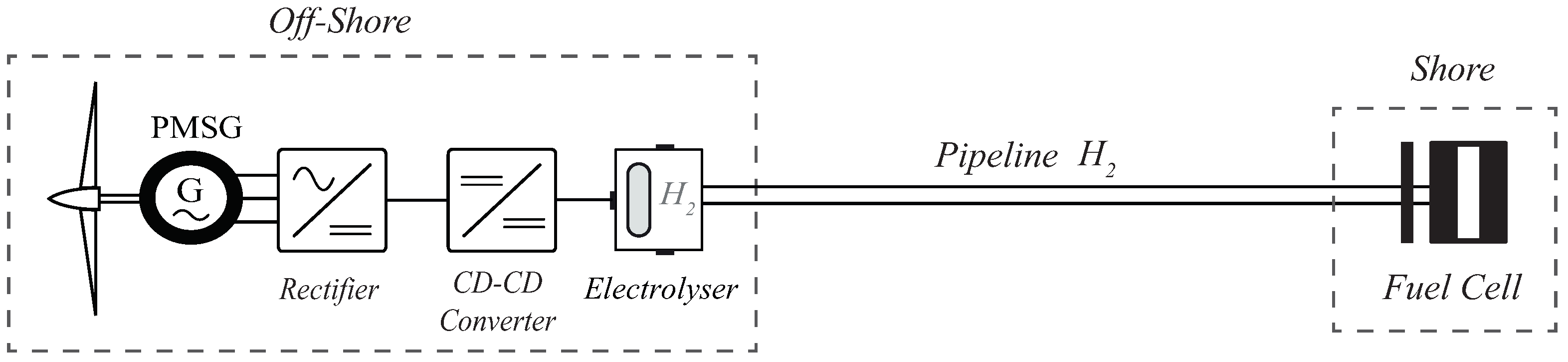
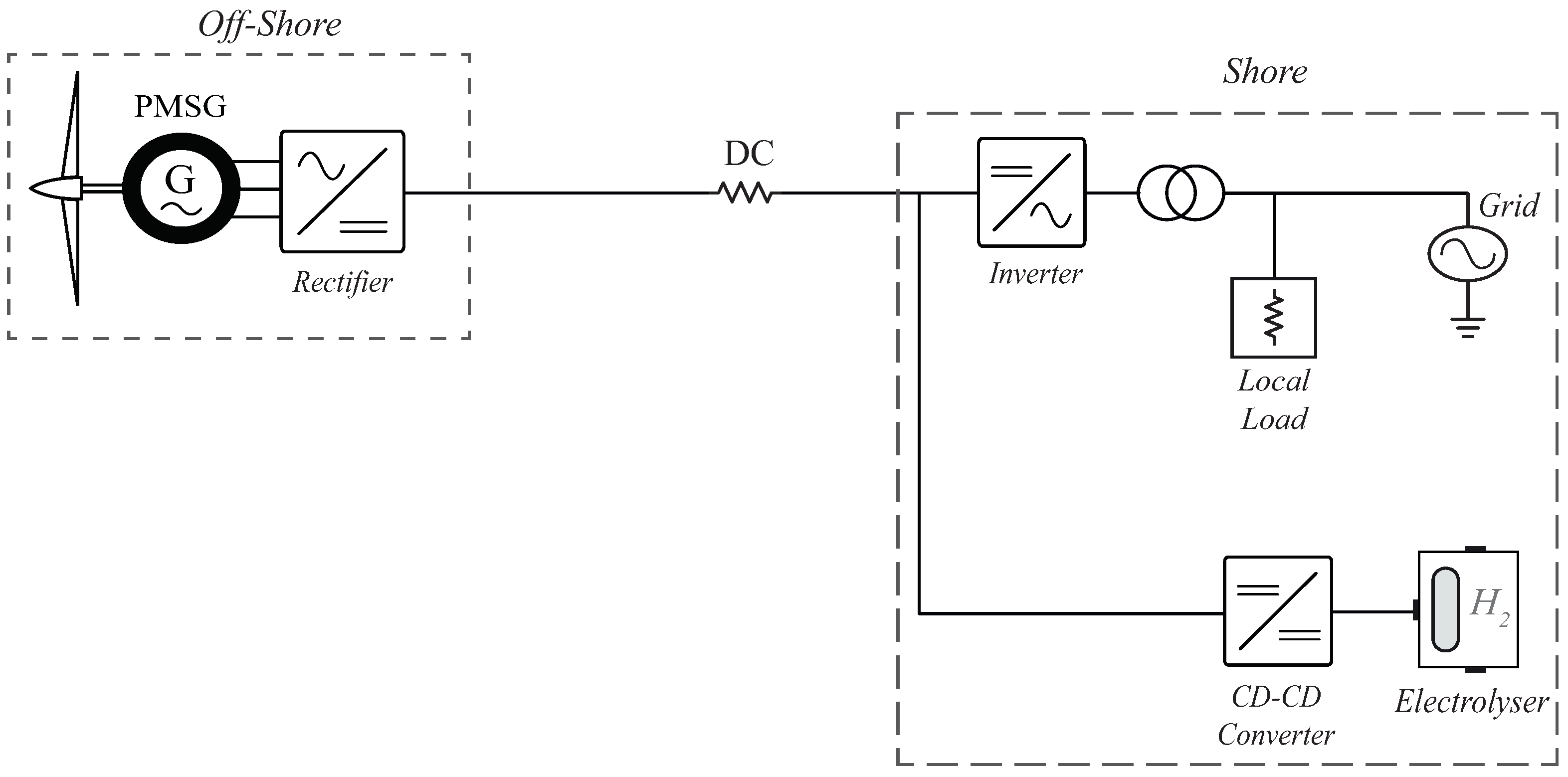
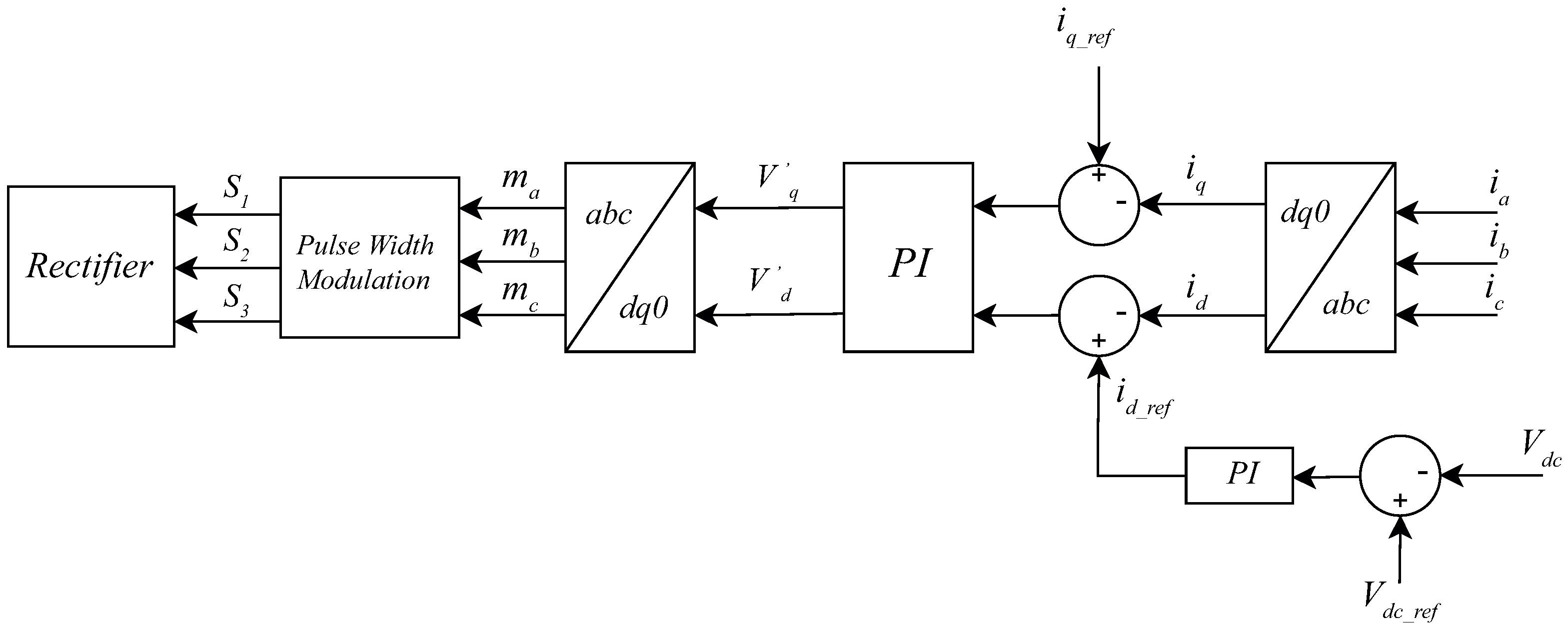
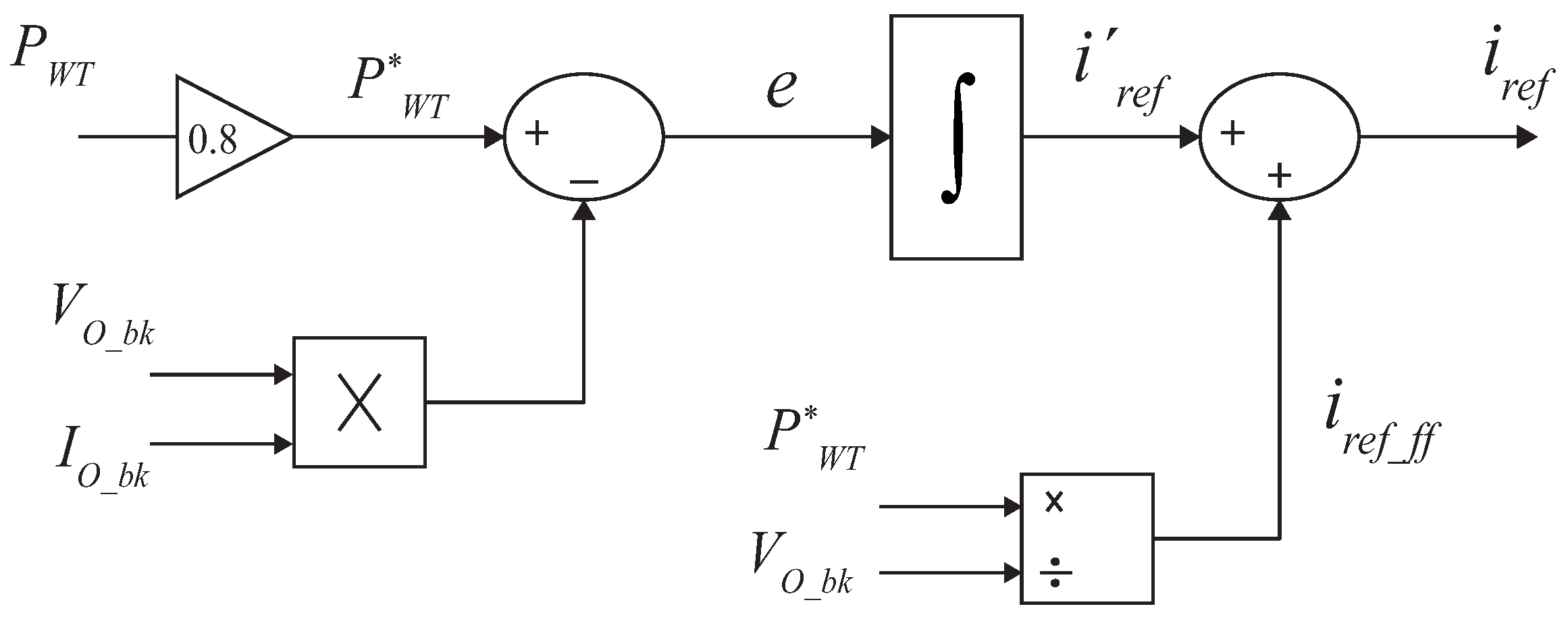
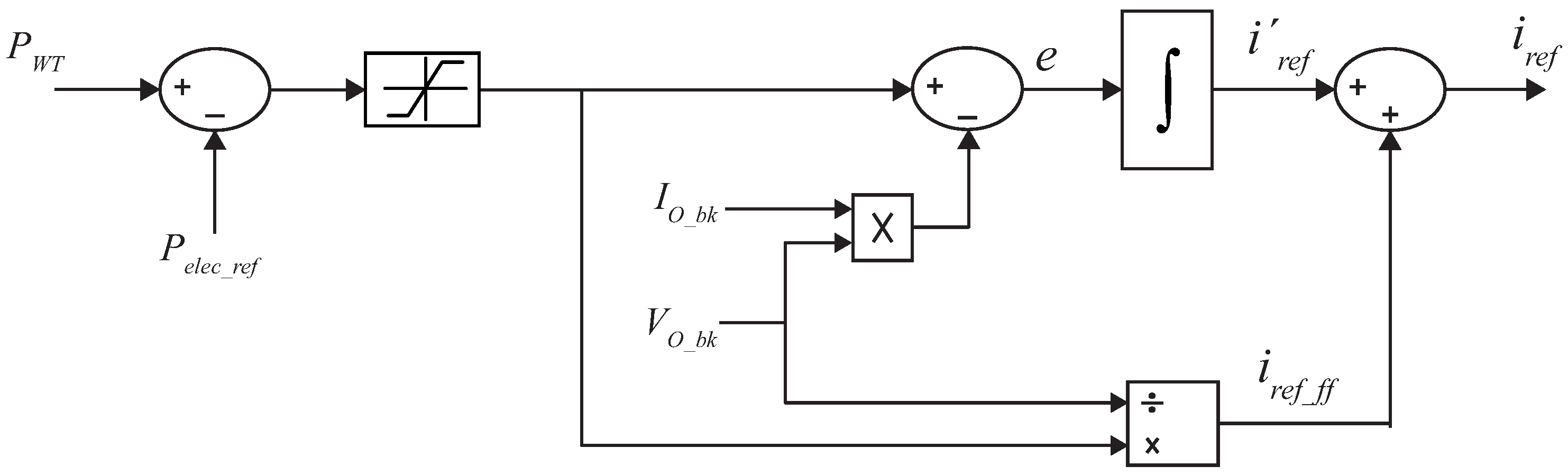
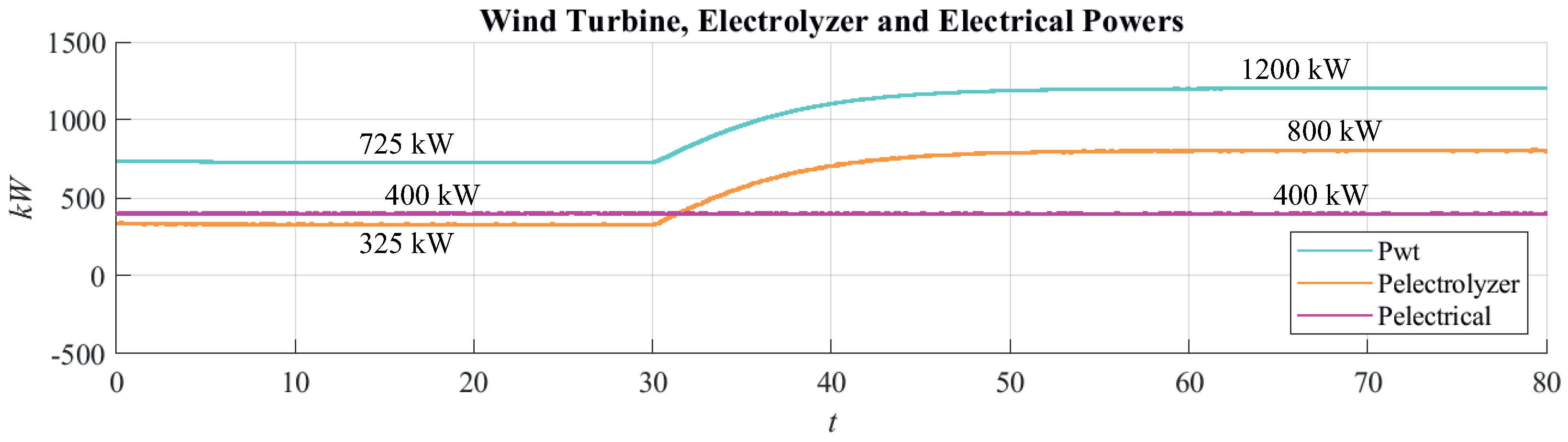
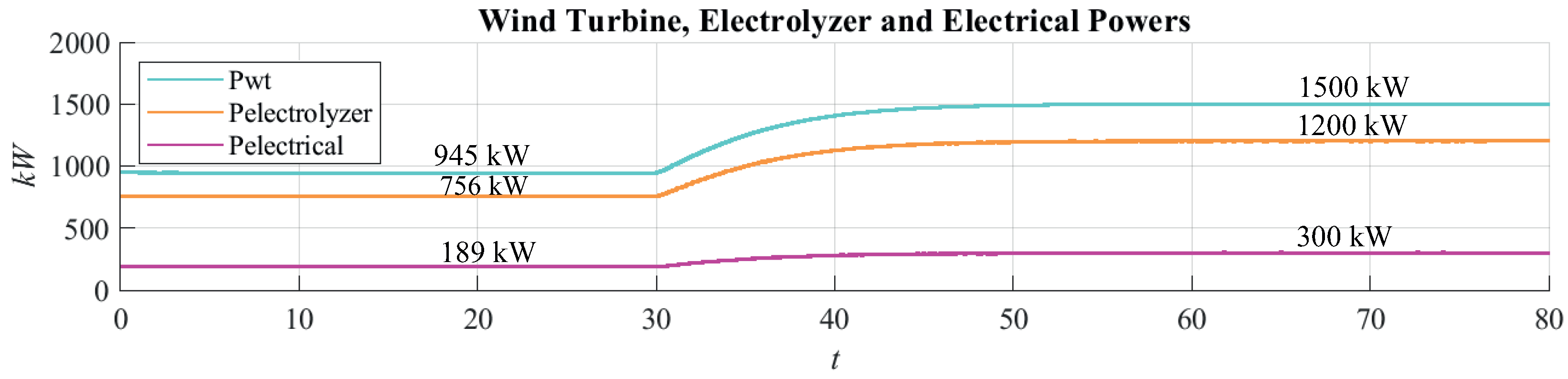
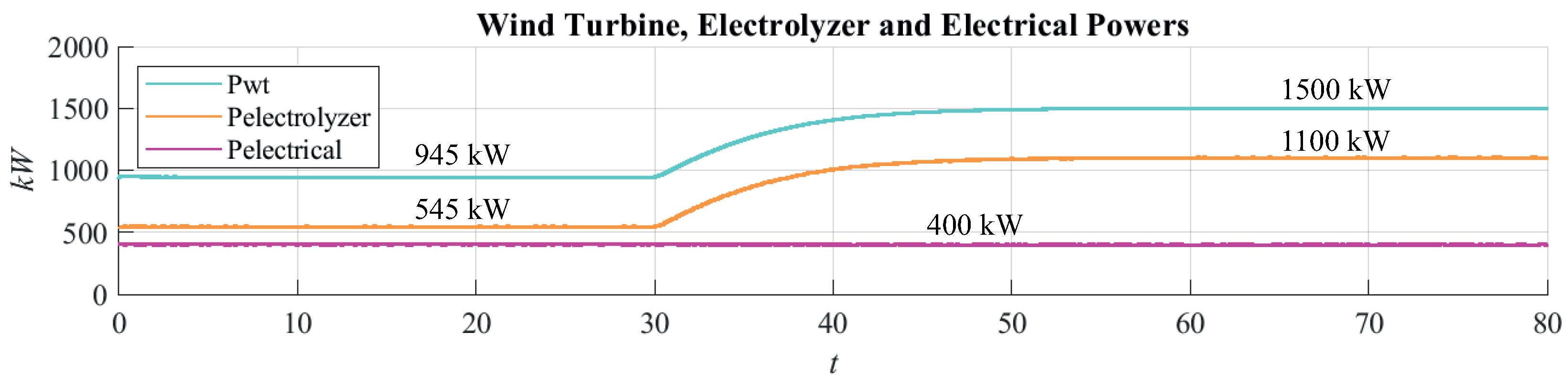
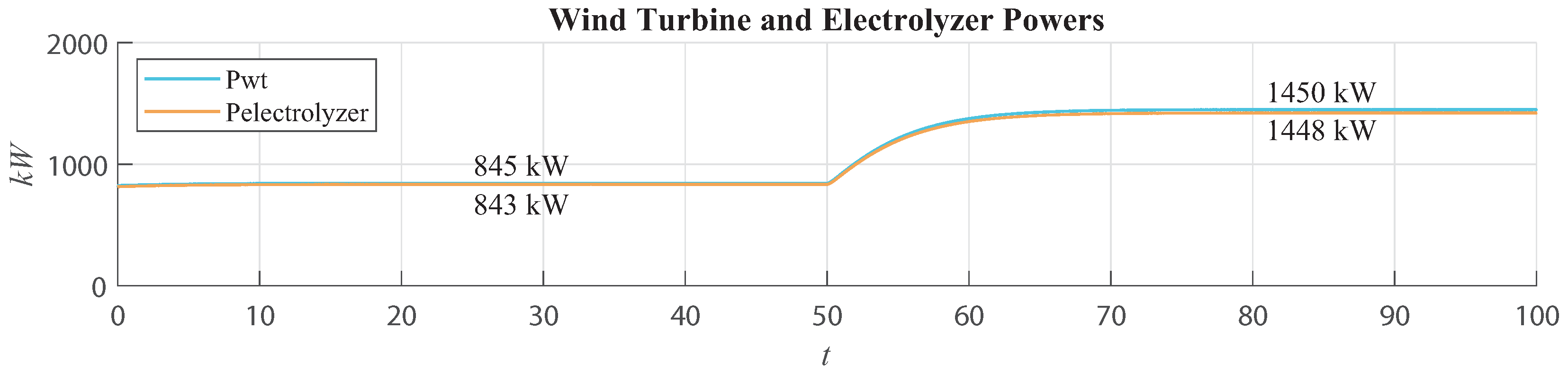
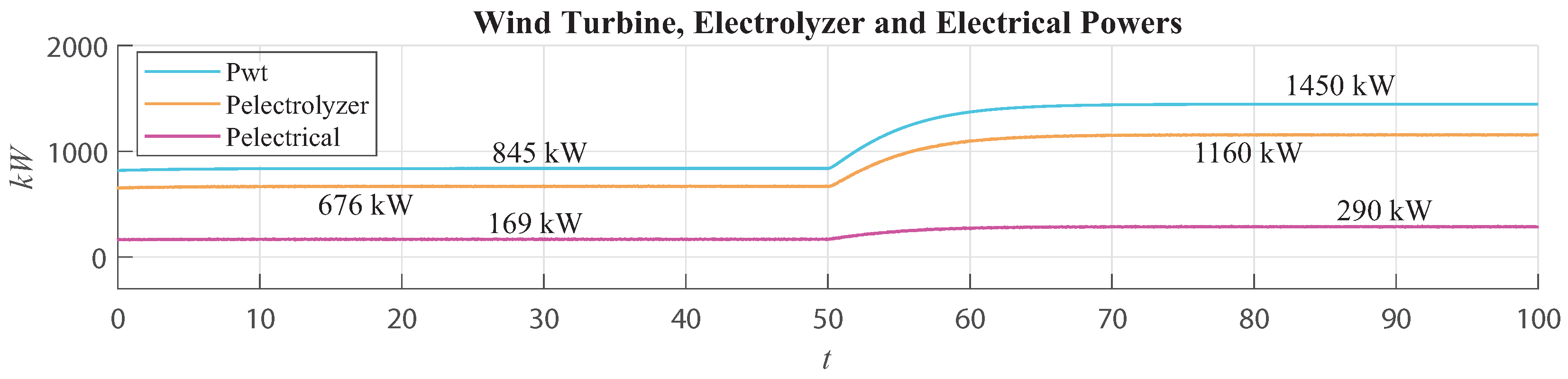
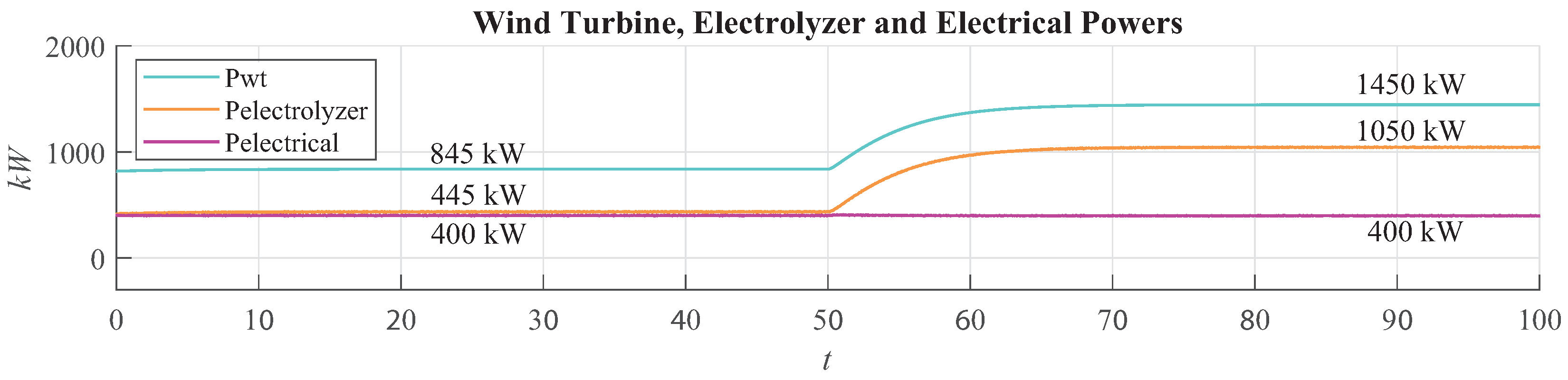
Wind energy proves to be a highly favourable choice for electricity generation due to its clean and renewable nature, and is playing a significant role in reducing global greenhouse gas emissions. Offshore wind turbine systems have gained widespread popularity as they can capitalise on elevated and consistent wind speeds surpassing those found in onshore locations, resulting in increased energy efficiency. Furthermore, offshore wind power possesses the potential to emerge as a significant electricity source for the production of green hydrogen. As water electrolysis technology for hydrogen production continues to advance, utilizing offshore wind power for hydrogen generation is becoming more economically viable and practical. Offshore wind power with higher wind speeds in combination with efficient control structures presents an attractive option for electricity generation and hydrogen co-production. This paper aims to present and evaluate four different production structures for combined H2/energy generation from offshore wind turbines. Previous research studies in this area often overlook control structures and lack information on power converter operations. In contrast, this article studies control structures that enable proper functionality and ensure adequate interoperability, enhancing the reliability of renewable energy integration. Each structure, including both wind turbines and electrolyser, is described in detail, along with the corresponding controllers. Simulation results are presented for each structure and controller to demonstrate their effective operation.
Keywords: offshore; onshore; green hydrogen; wind turbines; DFIG offshore; onshore; green hydrogen; wind turbines; DFIG