Article

Simulation and Experimental Study of Circulatory Flash Evaporation System for High-Salt Wastewater Treatment

1
College of Electromechanical Engineering, Qingdao University of Science and Technology, Qingdao 266061, China
2
Shandong Zhiqi Environmental Technology Co., Ltd., Jining 272200, China
3
Department of Energy Engineering, Zhejiang University, 38 Zheda Road, Hangzhou 310027, China
*
Authors to whom correspondence should be addressed.
Energies 2024, 17(10), 2382; https://doi.org/10.3390/en17102382
Submission received: 21 March 2024 / Revised: 10 May 2024 / Accepted: 13 May 2024 / Published: 15 May 2024
(This article belongs to the Topic Advanced Heat and Mass Transfer Technologies)

Abstract

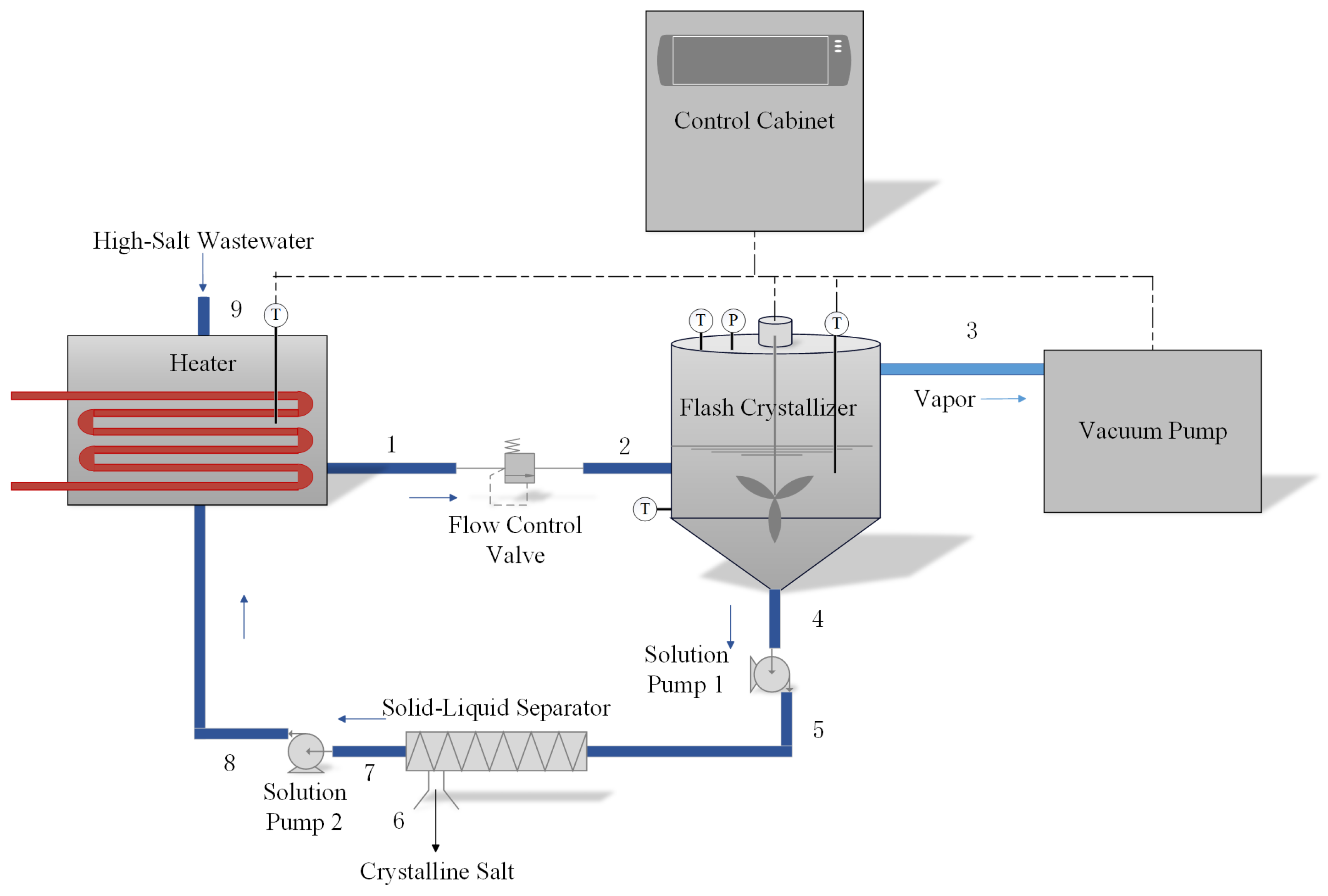
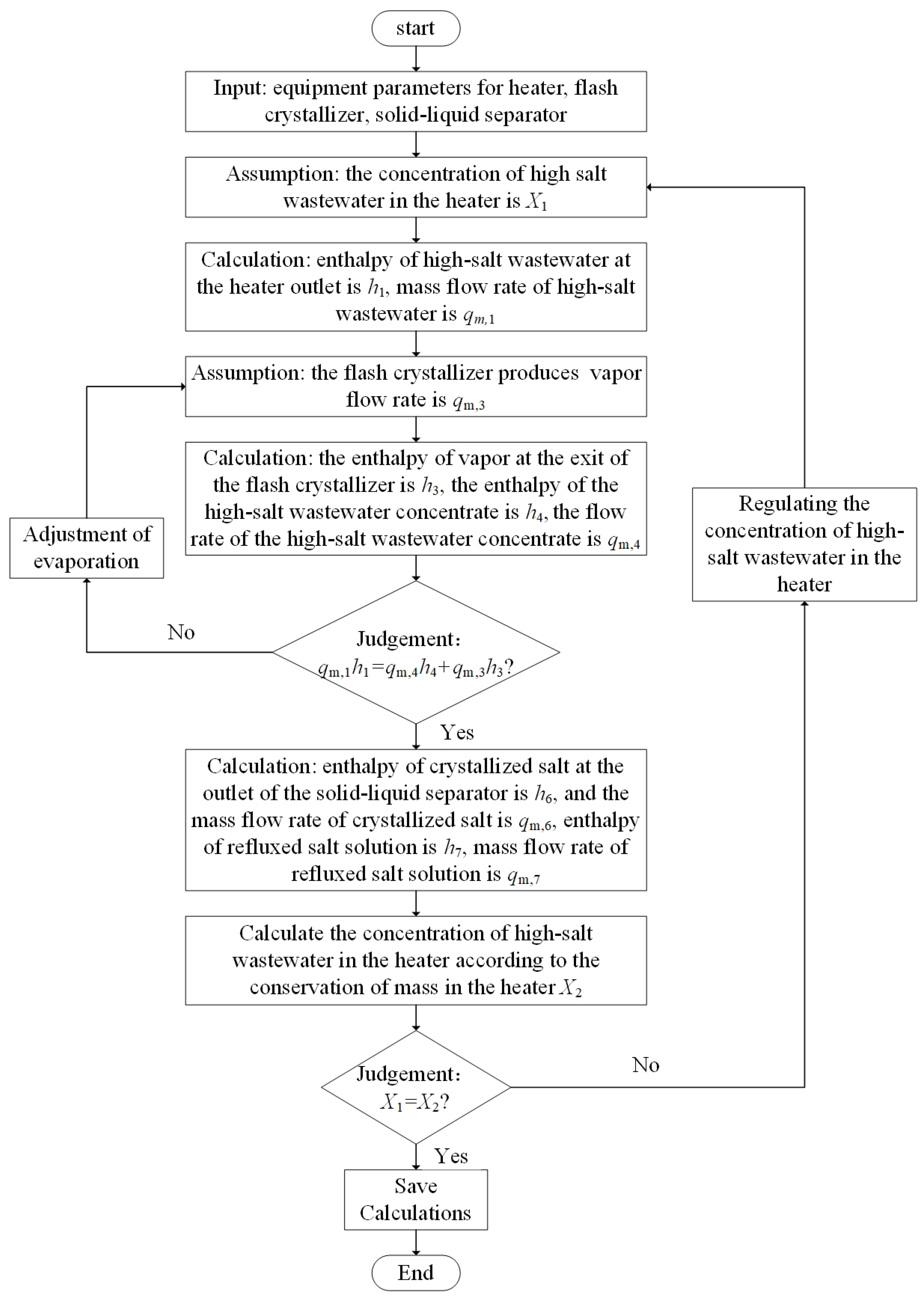
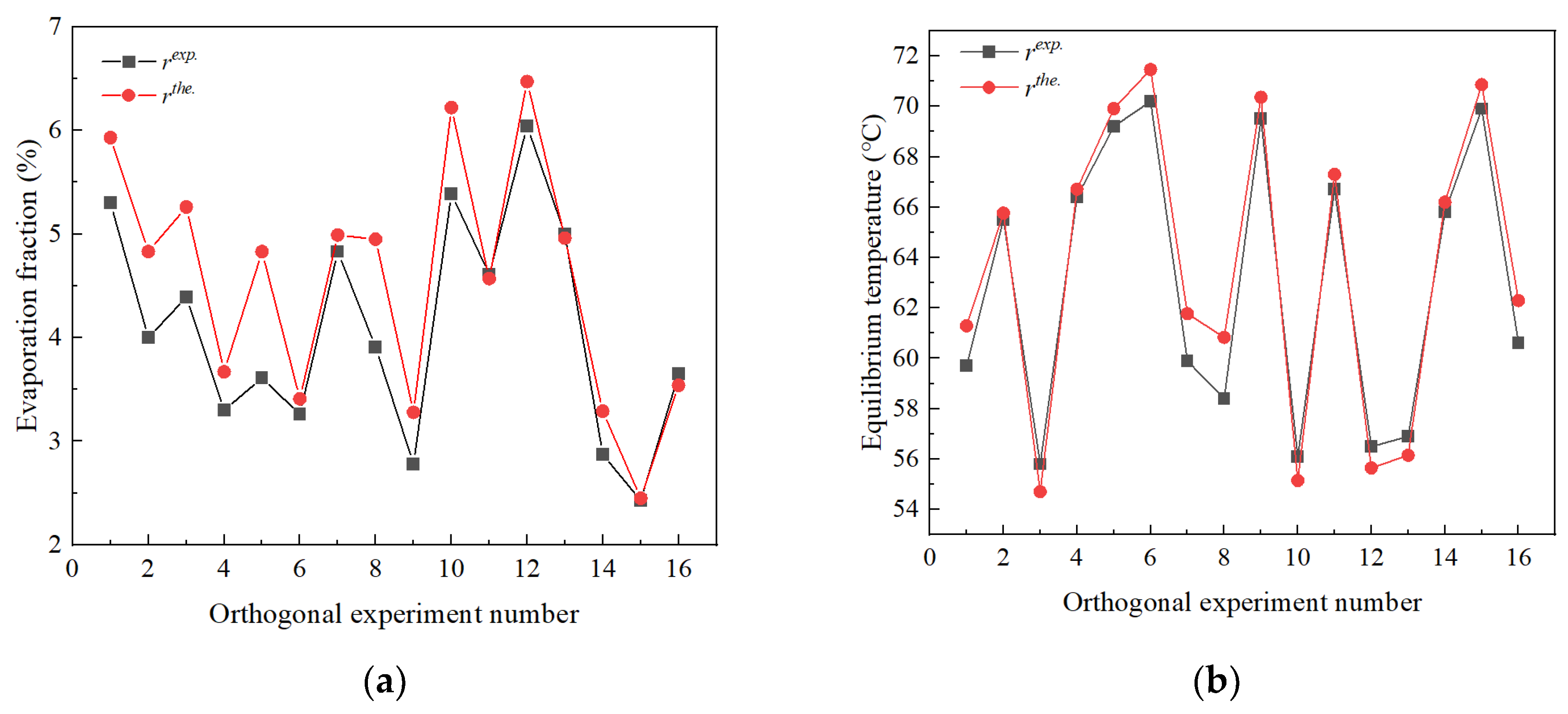
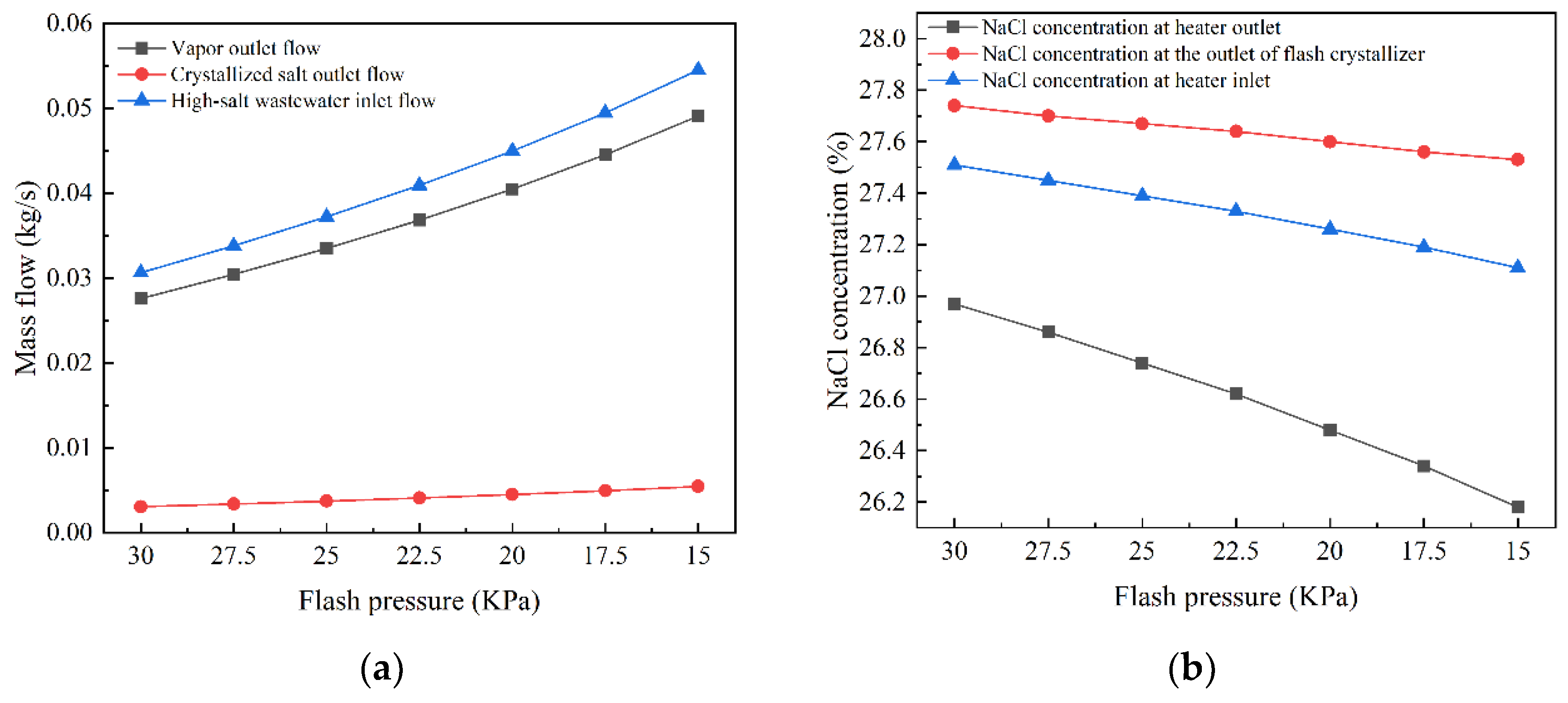
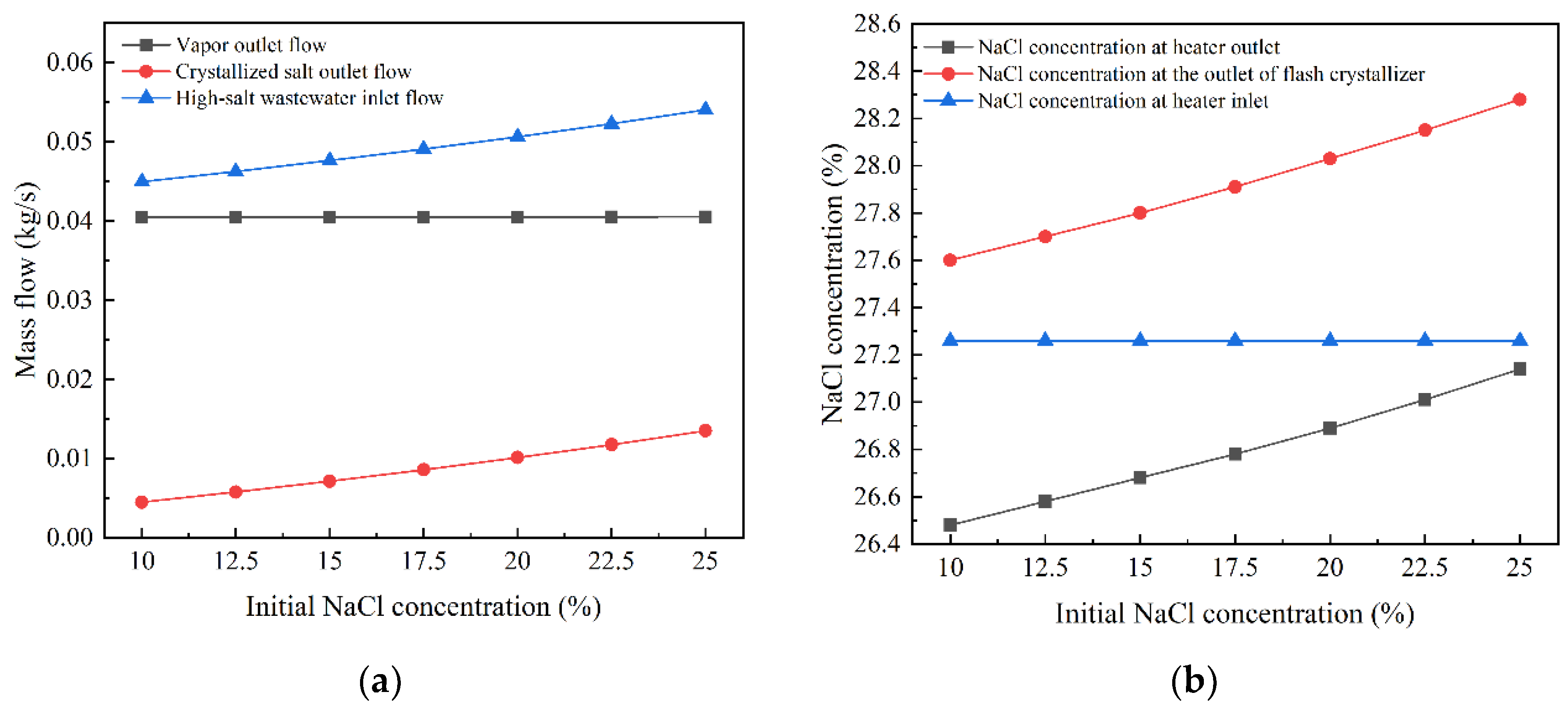
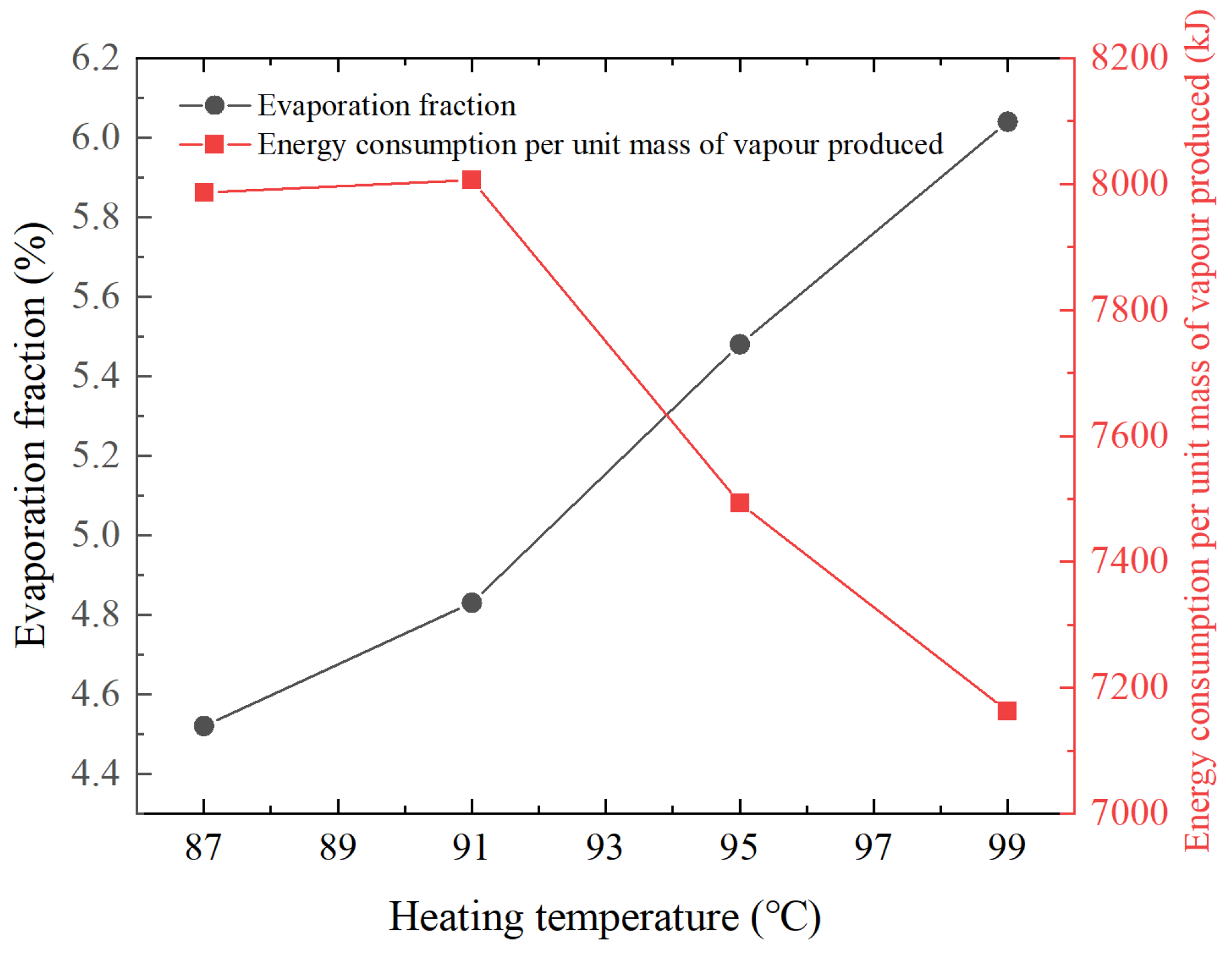
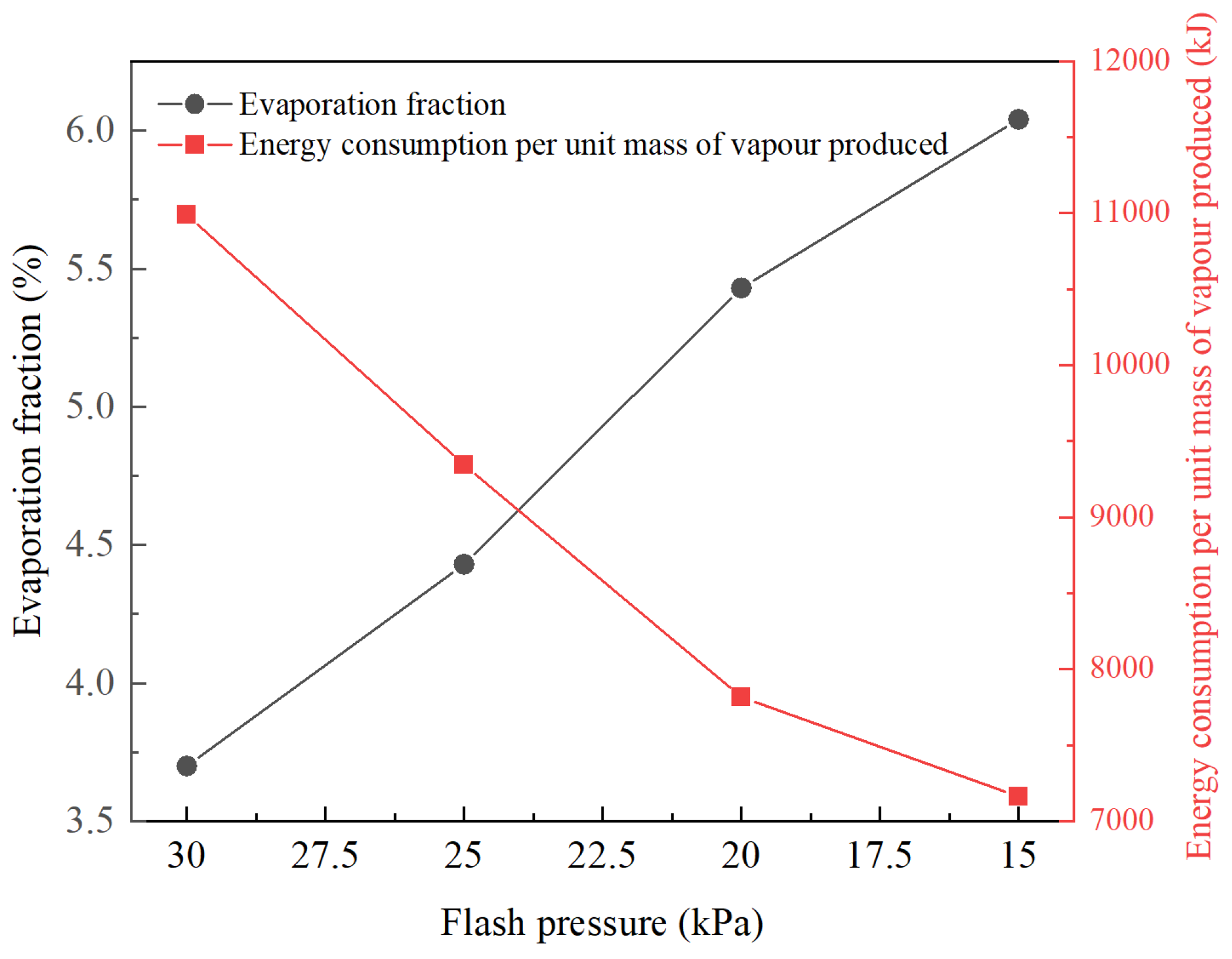
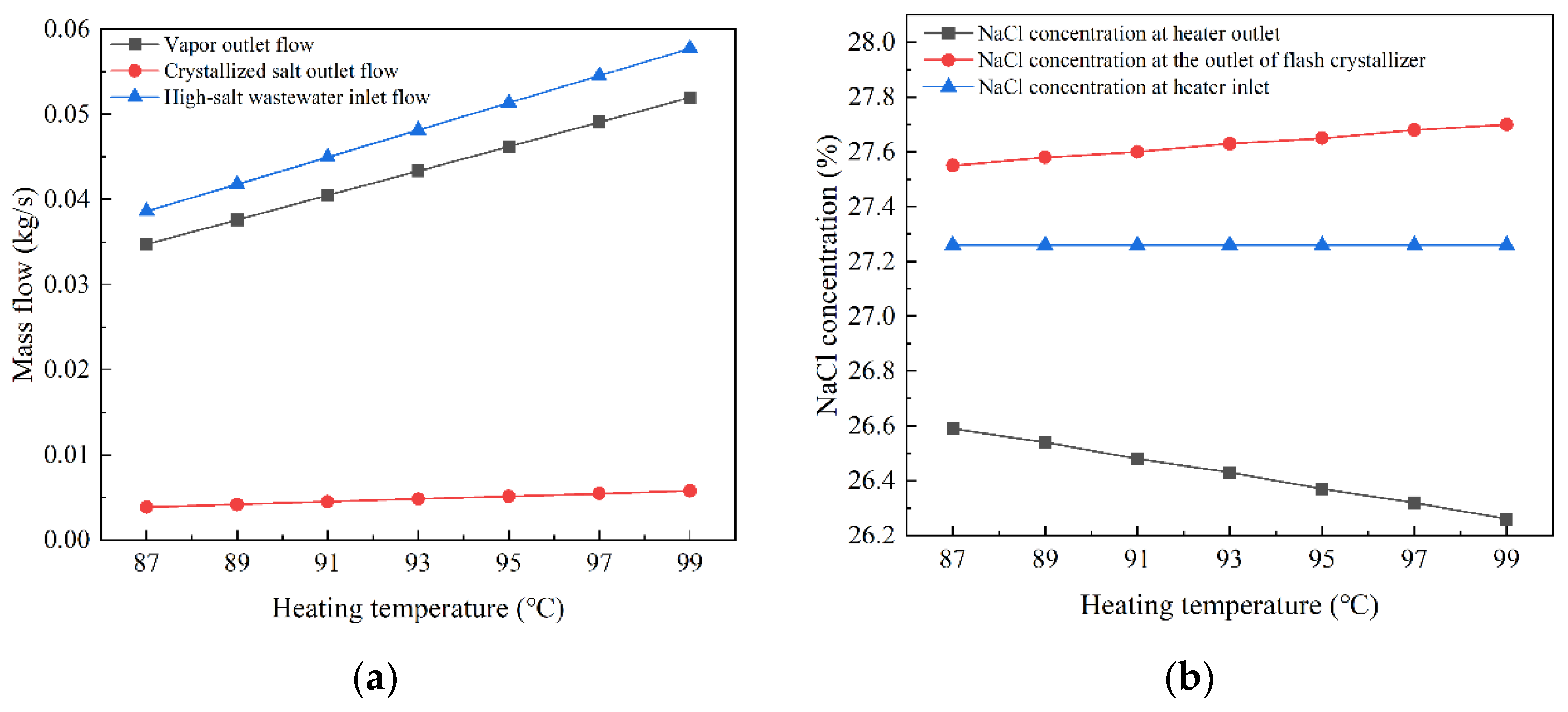
Treatment methods for high-salt wastewater mainly consist of physical methods, chemical methods and biological methods. However, there are some problems, such as slow treatment speed, high investment costs and low treatment efficiency. To address NaCl solutions, in this study, a circulatory flash system was designed based on gas–liquid equilibrium, mass conservation equation and energy conservation equation. A circulatory flash evaporation simulation and a static flash evaporation experiment were conducted on NaCl solutions under various operating conditions to investigate the effects of heating temperature, flash pressure and initial NaCl concentration on the circulatory flash evaporation system. The significance of each factor’s influence on the evaporation fraction and energy consumption was examined through static flash experiments. The simulation results demonstrated that increasing the heating temperature, decreasing the flash pressure and having a higher initial NaCl concentration could enhance the treatment capacity of high-salt wastewater. The flow rate of vapor outlets increased with higher heating temperature but decreased as the flash pressure rose. The experimental results demonstrated that flash evaporation pressure was the primary factor influencing both the evaporation fraction and the energy consumption per unit mass of vapor produced. It was observed that with an increase in heating temperature, the flash pressure decreased and there was a corresponding decrease in energy consumption per unit mass of vapor produced. The optimal experimental conditions were achieved at a heating temperature of 99 °C, a flash pressure of 15 kPa, and an initial NaCl concentration of 20%.
Keywords: circulatory flash evaporation; static flash evaporation; heat and mass transfer; high-salt wastewater treatment; energy consumption analysis circulatory flash evaporation; static flash evaporation; heat and mass transfer; high-salt wastewater treatment; energy consumption analysis