Article

The Potential of Ethanol/Methanol Blends as Renewable Fuels for DI SI Engines

Institute of Science and Technology for Sustainable Energy and Mobility (STEMS)—CNR, Via G. Marconi 4, 80125 Naples, Italy
*
Author to whom correspondence should be addressed.
Energies 2023, 16(6), 2791; https://doi.org/10.3390/en16062791
Submission received: 20 February 2023 / Revised: 8 March 2023 / Accepted: 16 March 2023 / Published: 17 March 2023
(This article belongs to the Collection Women in Fuel)

Abstract

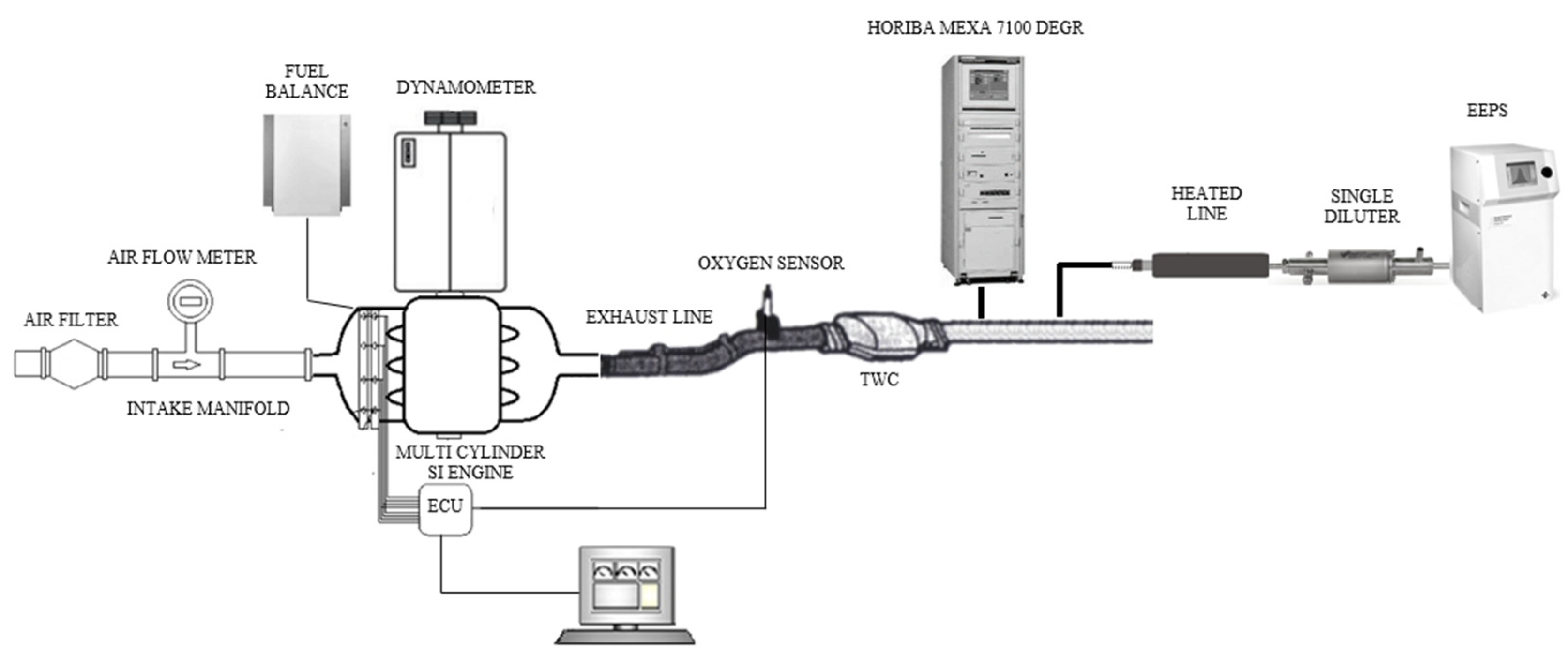
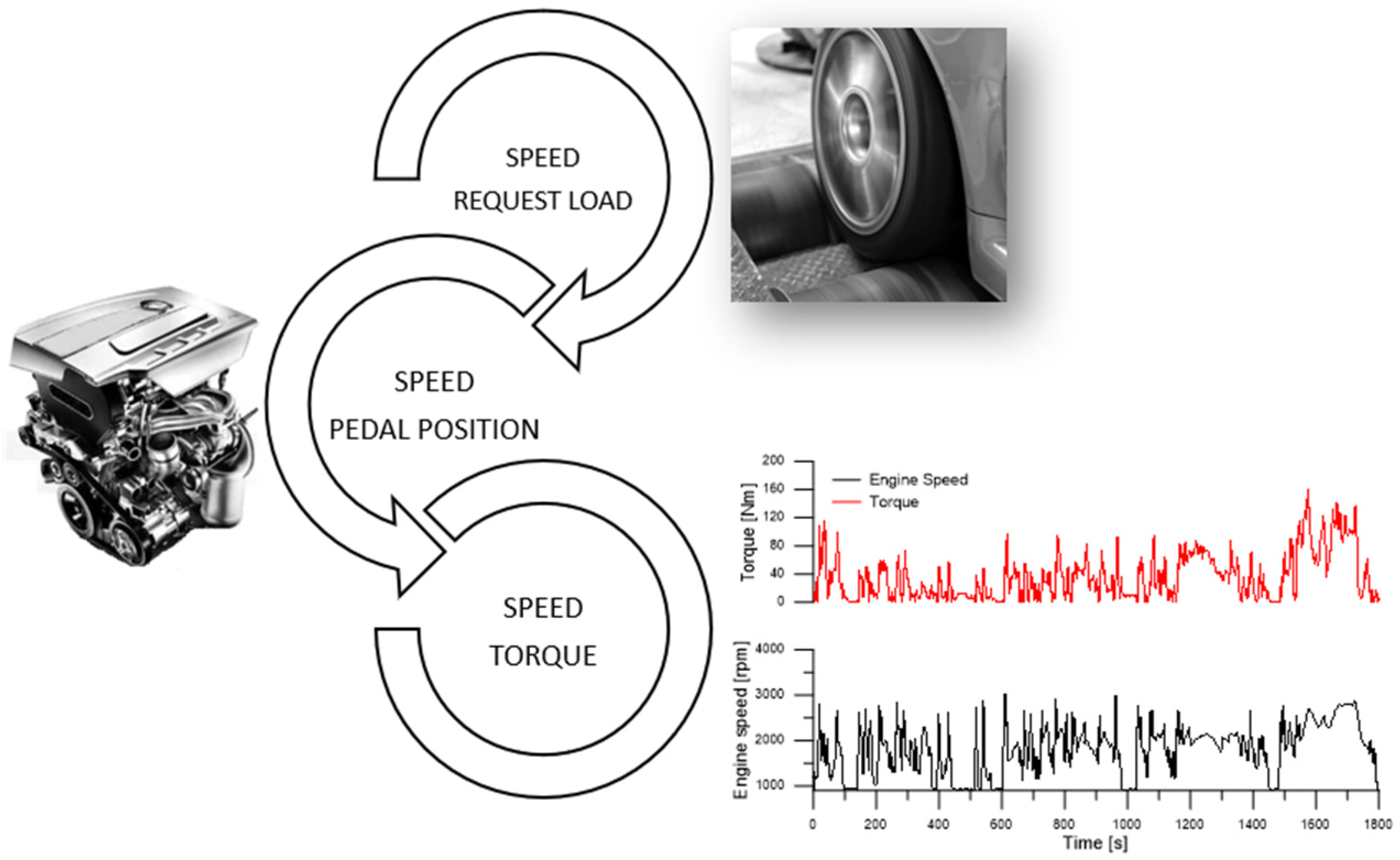
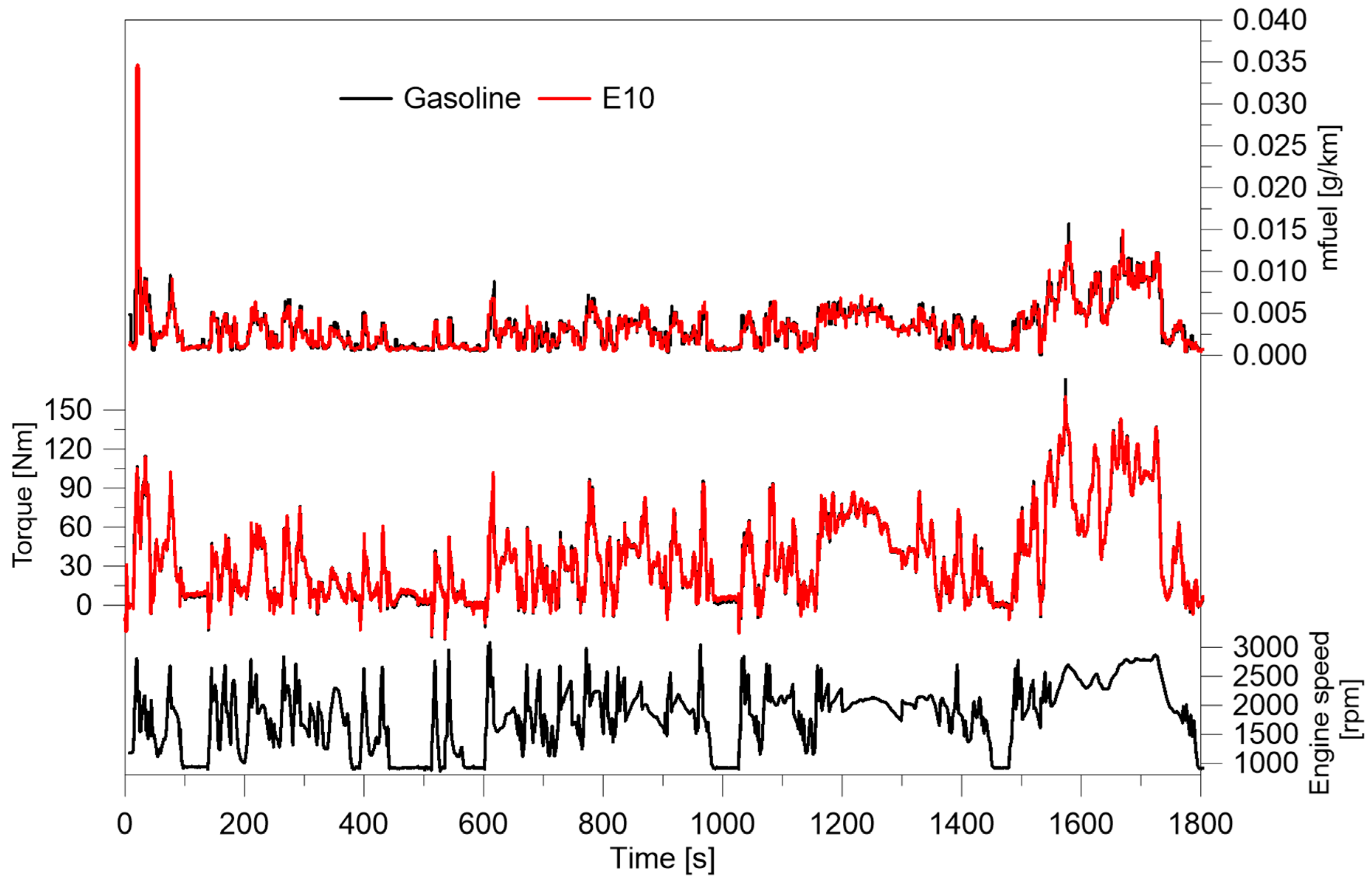
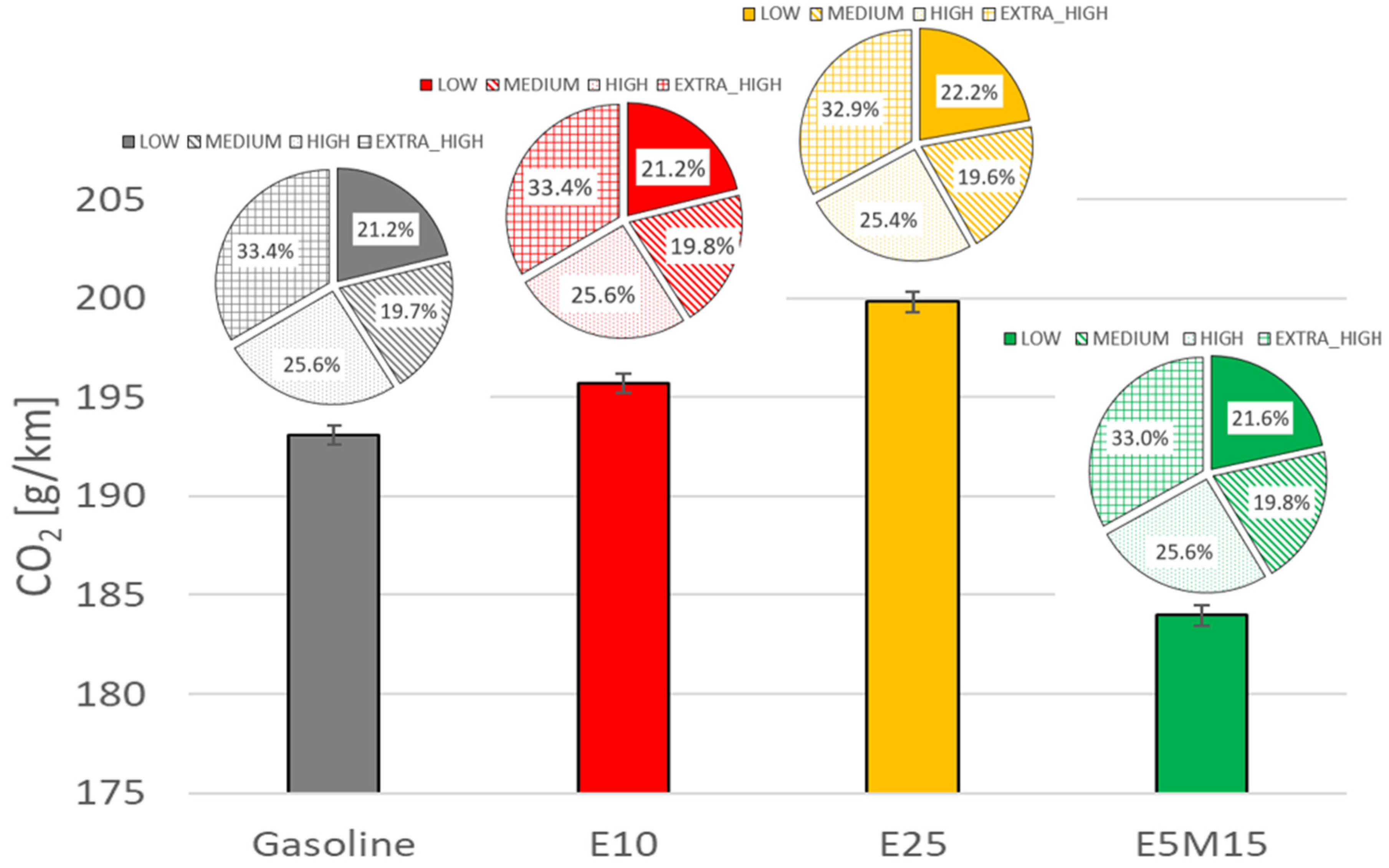
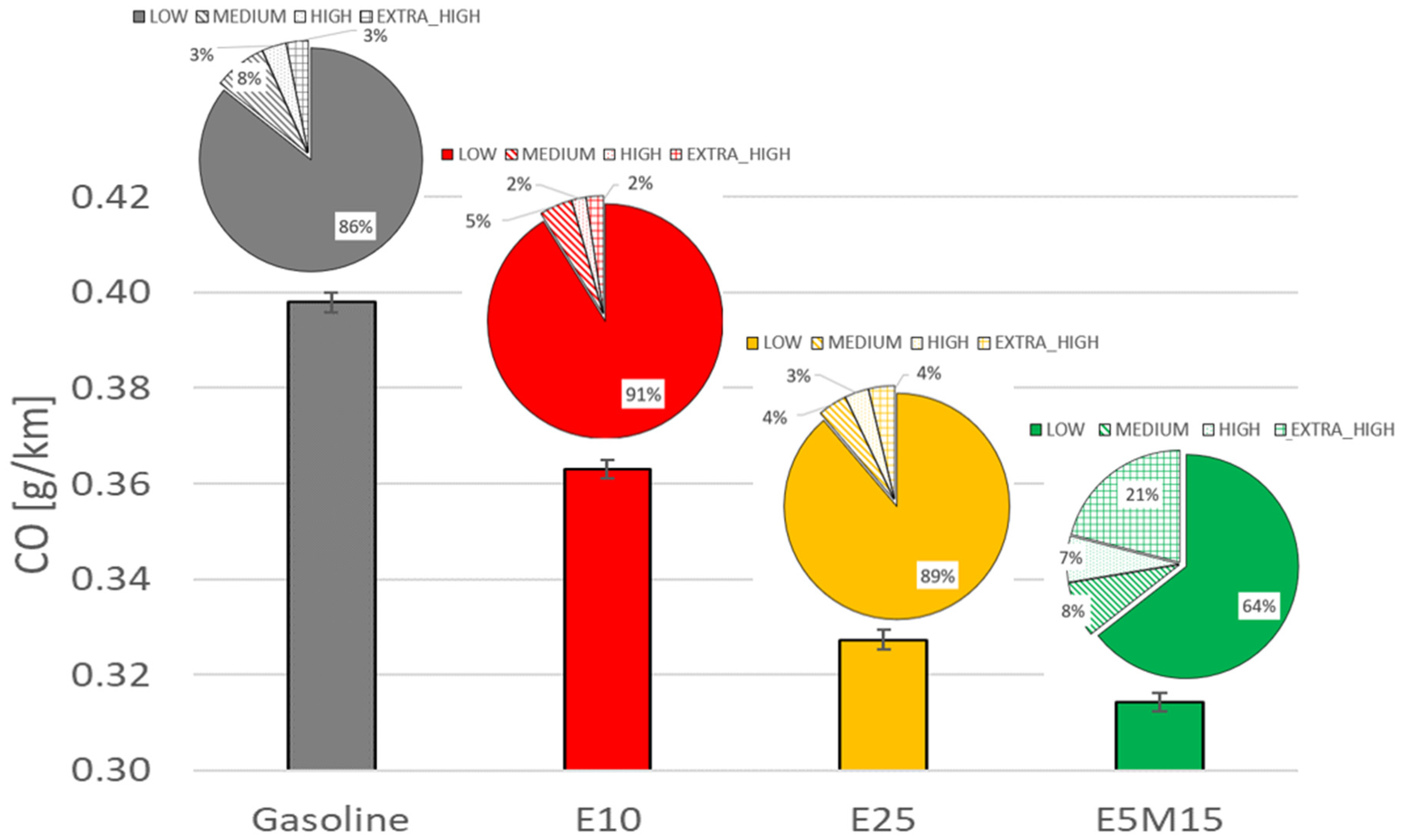
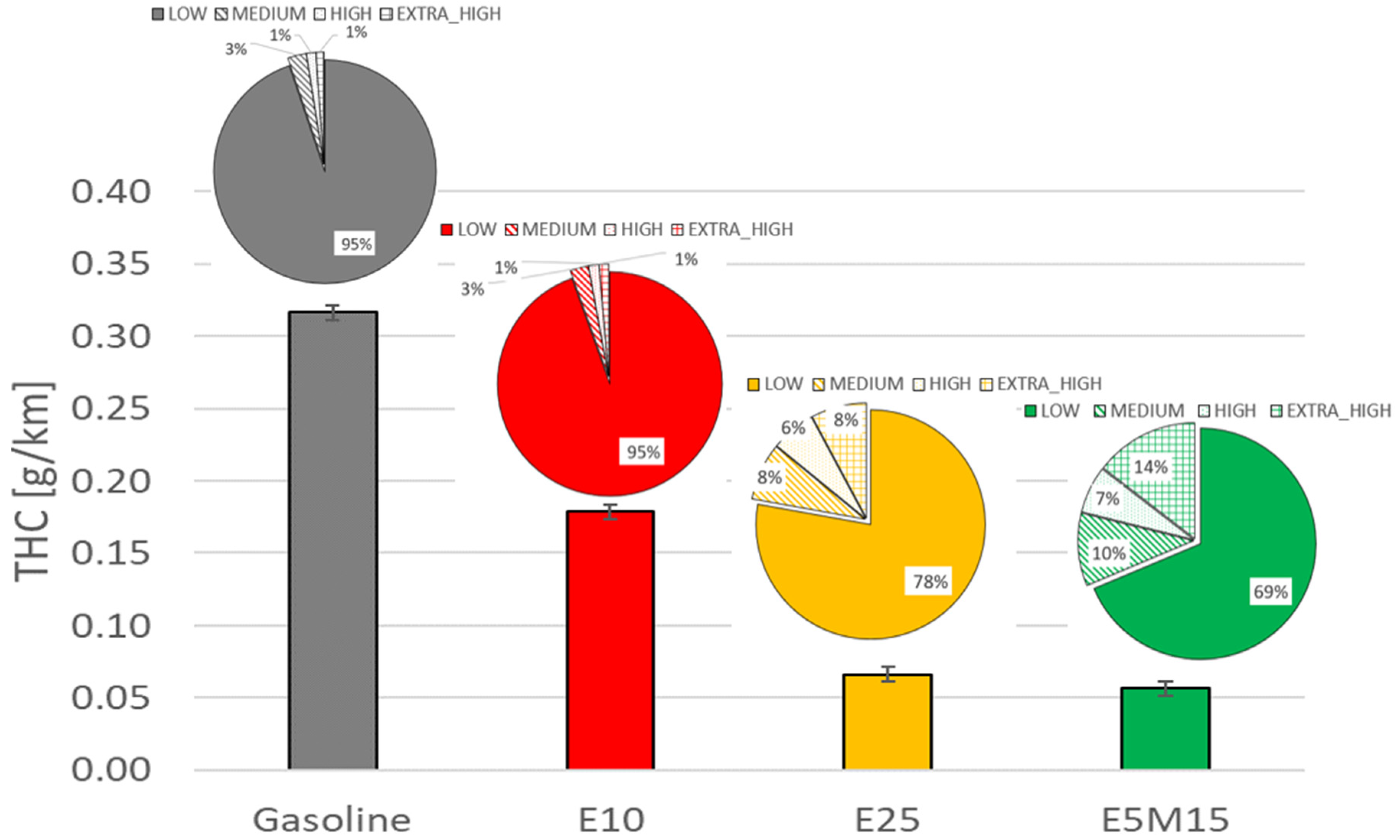
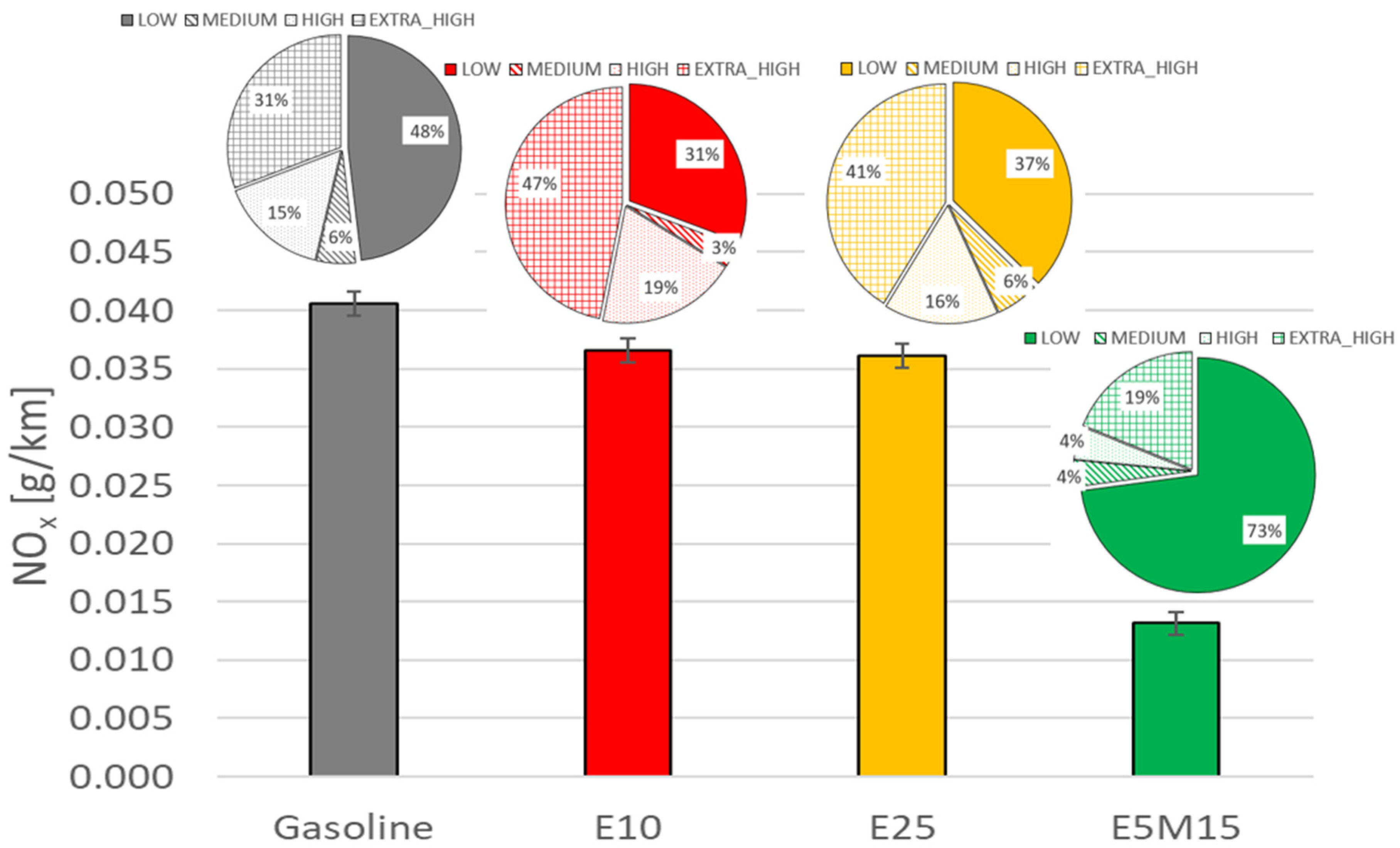
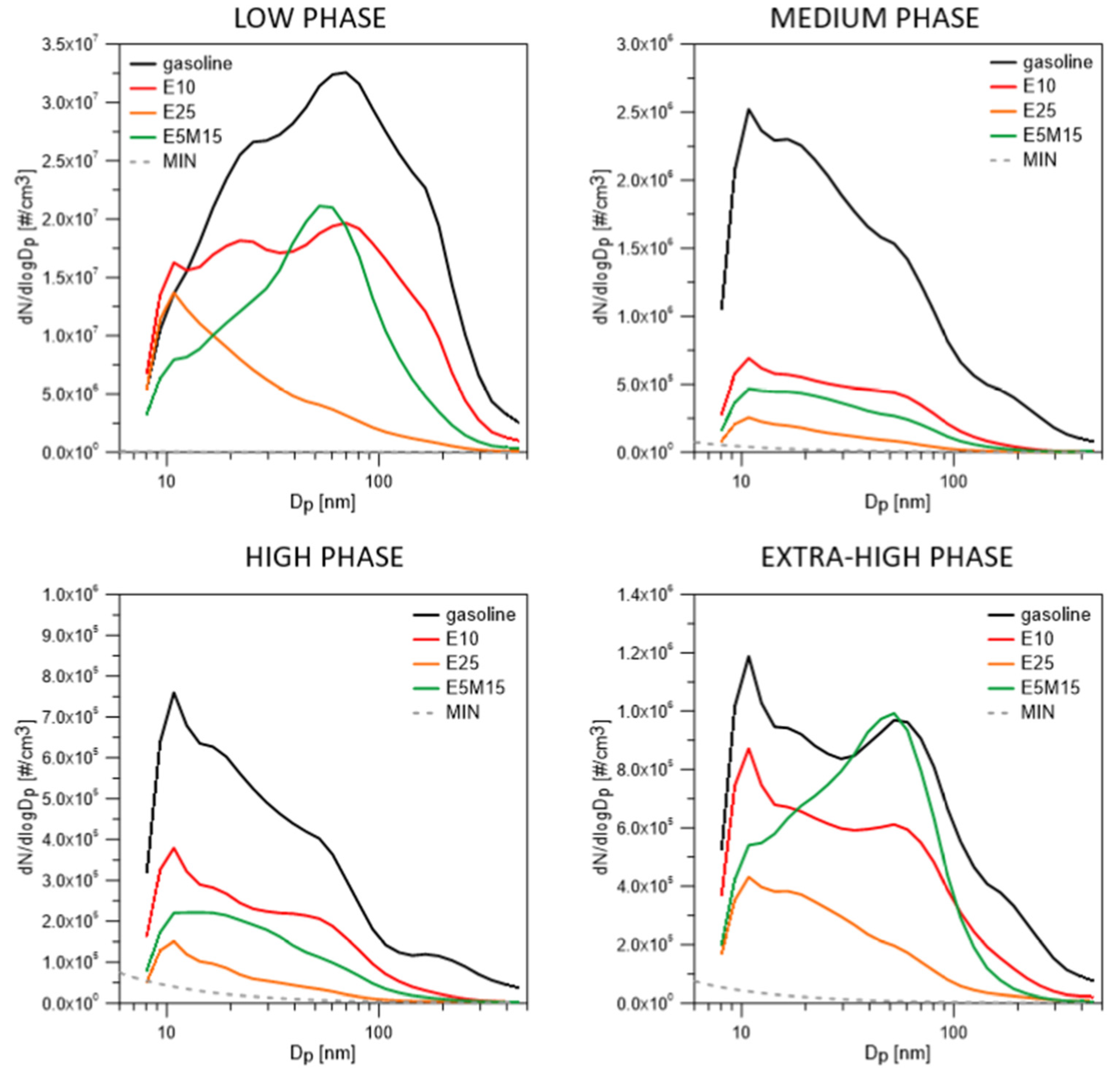
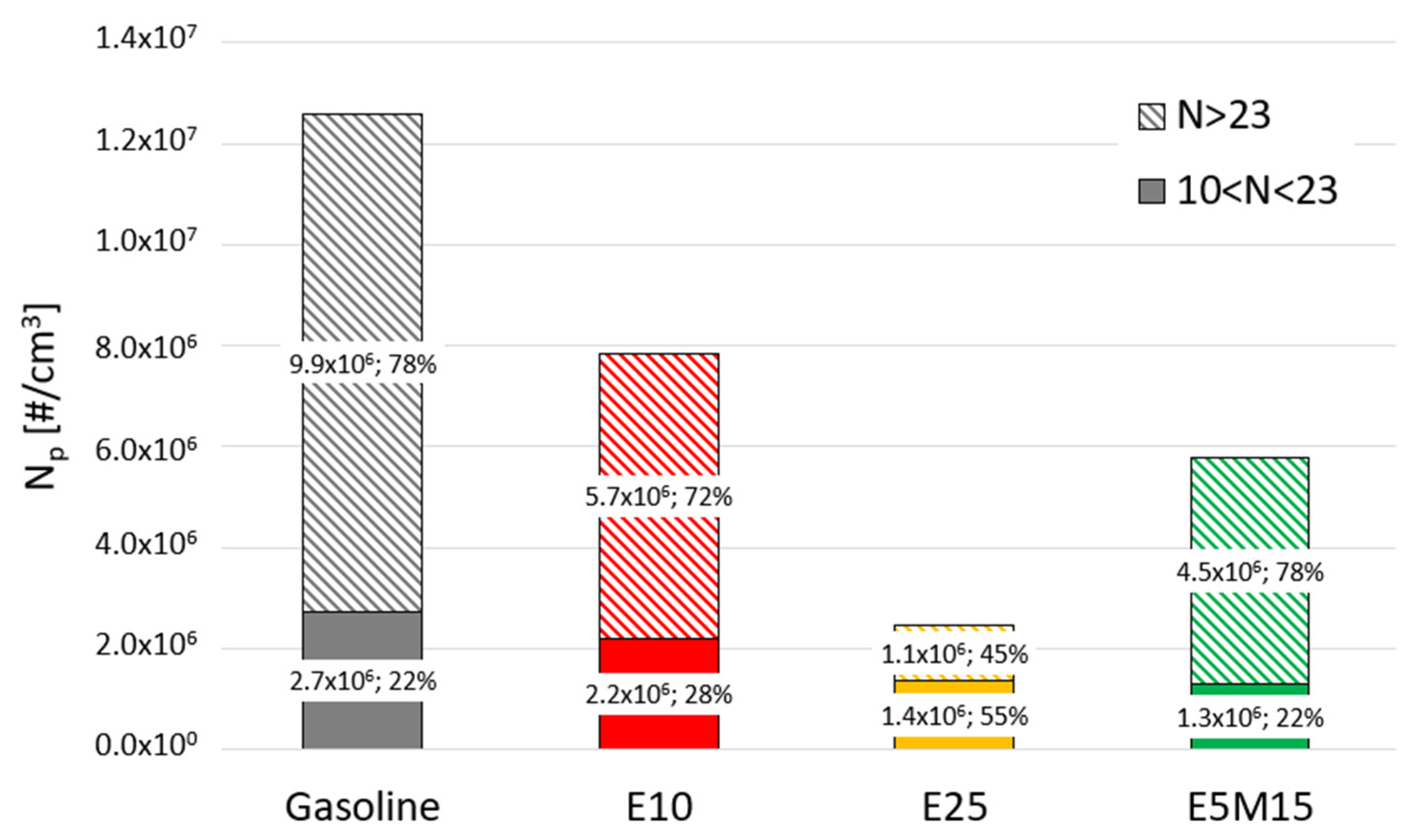
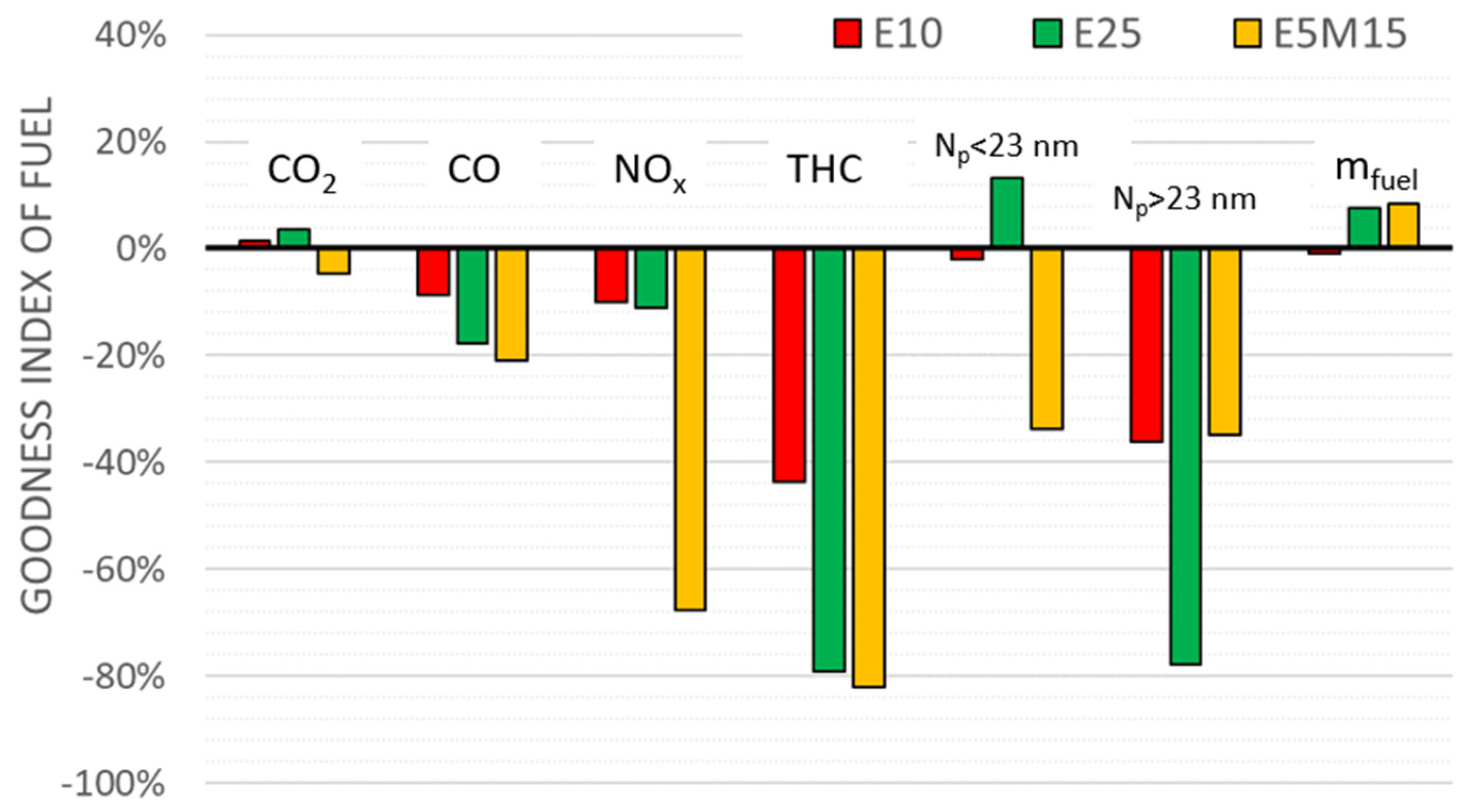
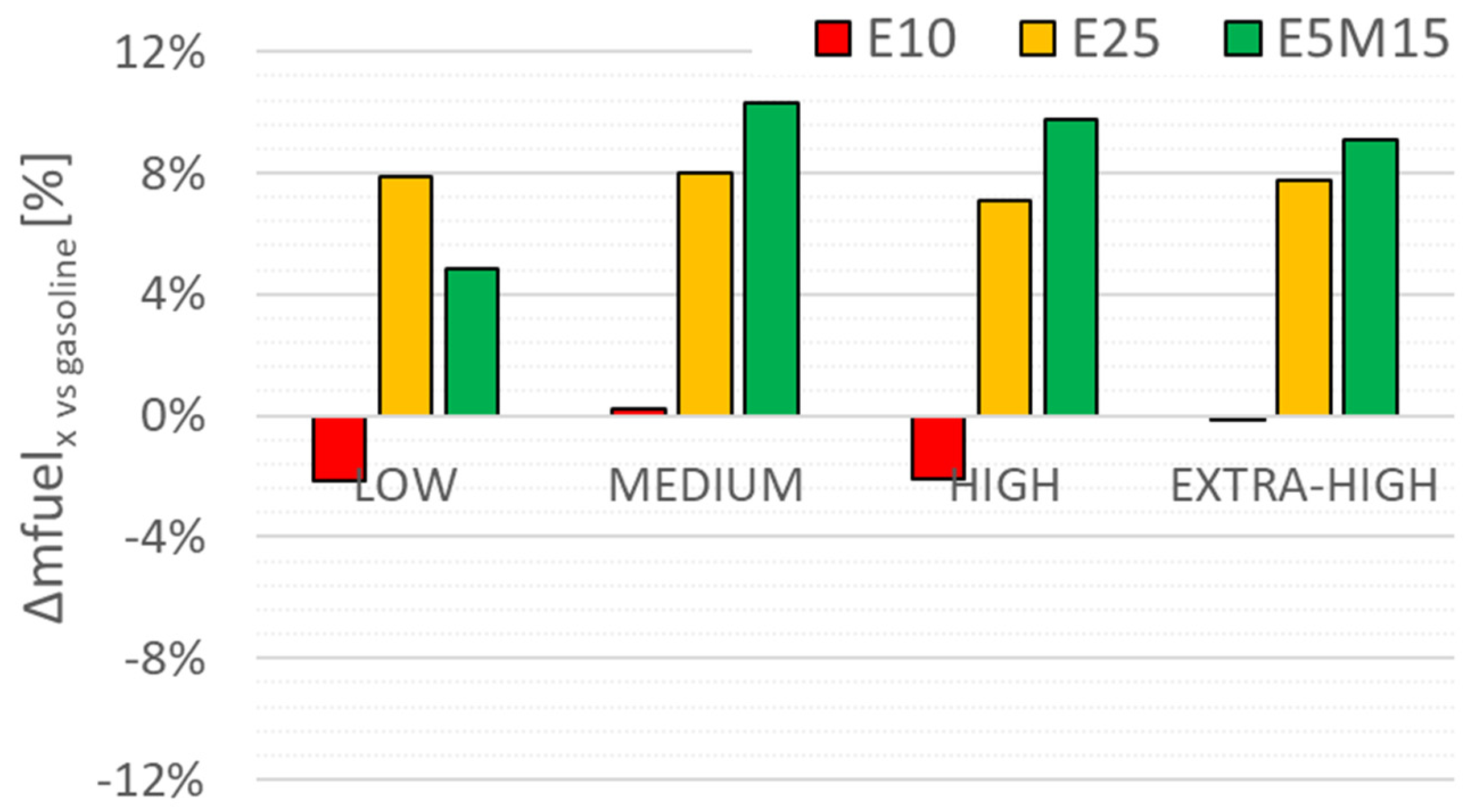
Electrification is considered an optimal long-term solution for the decarbonization of the transport sector. However, in the medium period, propulsion systems will continue to dominate urban mobility, thus requiring the shift from fossil fuels toward low carbon fuels. In this regard, the request from the EU to achieve carbon neutrality by 2050 is encouraging the use of innovative fuels and powertrains. Alcohols such as ethanol and methanol are particularly suitable for spark ignition engines. This paper investigates the effect of ethanol/methanol blends on the performance and emissions of a turbocharged direct injection spark ignition engine running on the worldwide harmonized light vehicles test cycle. Three blends were considered, consisting of 10% v/v ethanol (E10), 25% v/v ethanol (E25) and 5% v/v ethanol with 15% v/v methanol (E5M15). Gaseous and particle emissions were measured at the exhaust. The main novelty of the study regards the investigation of the behavior of alcohol blends, especially those based on methanol, in transient conditions. It was found that CO, THC and NOx emissions decrease with the increase in alcohol content in the blend, with different contributions in the different phases of the cycle. Particle emissions decrease for E10 and even more so for E25. When methanol is added to the blend, particle emissions increase with respect to E25 and they are characterized by a larger diameter.
Keywords: spark ignition engine; ethanol; methanol; particle emissions; gaseous emissions; WLTC spark ignition engine; ethanol; methanol; particle emissions; gaseous emissions; WLTC