Article

Pump-Valve Combined Control of a HVAC Chilled Water System Using an Artificial Neural Network Model


1
School of Mechanical Engineering, Southwest Jiaotong University, Chengdu 610031, China
2
Sichuan Institute of Building Research, Chengdu 610030, China
*
Author to whom correspondence should be addressed.
Energies 2023, 16(5), 2416; https://doi.org/10.3390/en16052416
Submission received: 6 February 2023 / Revised: 17 February 2023 / Accepted: 21 February 2023 / Published: 3 March 2023

Abstract

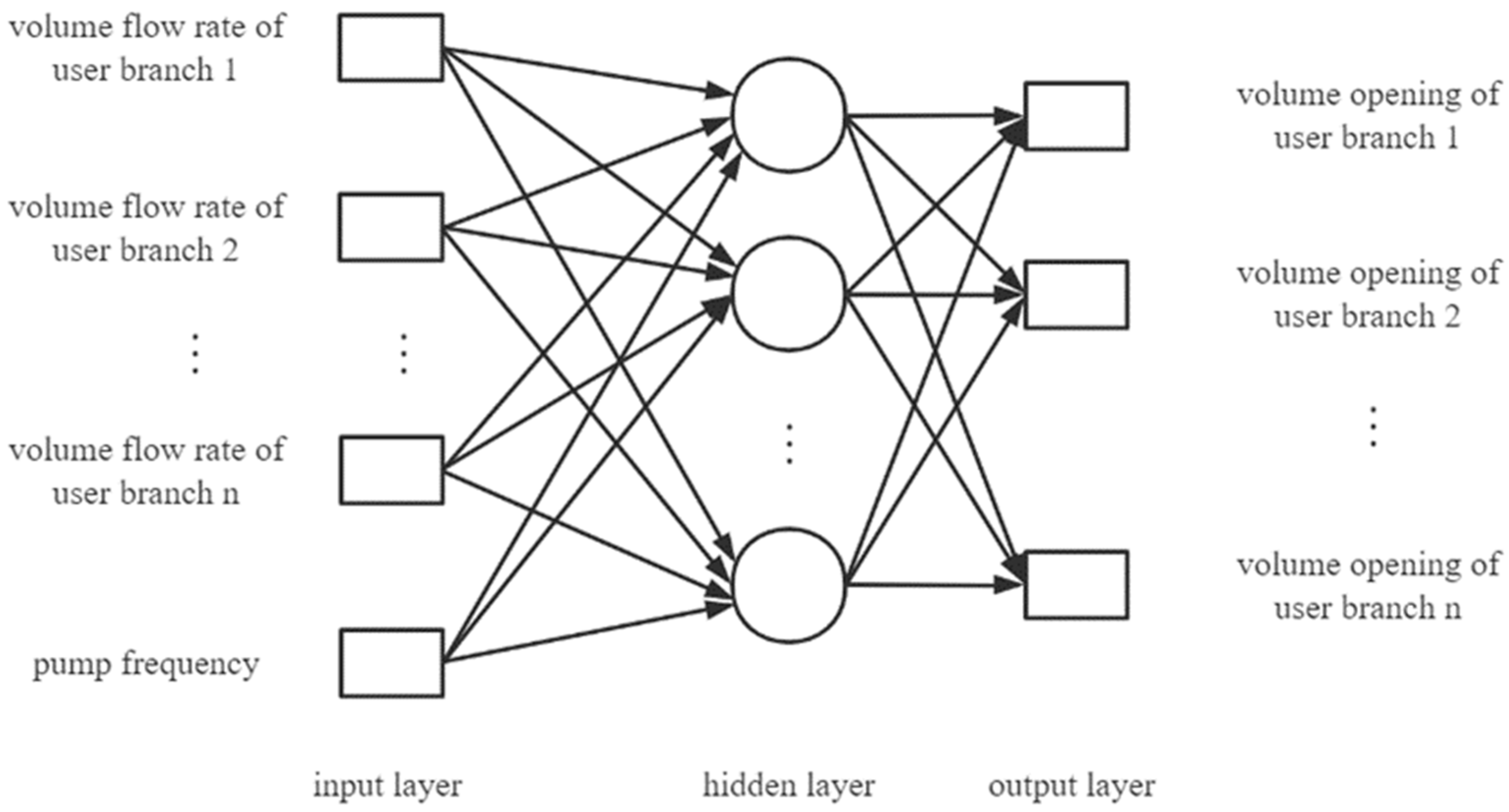
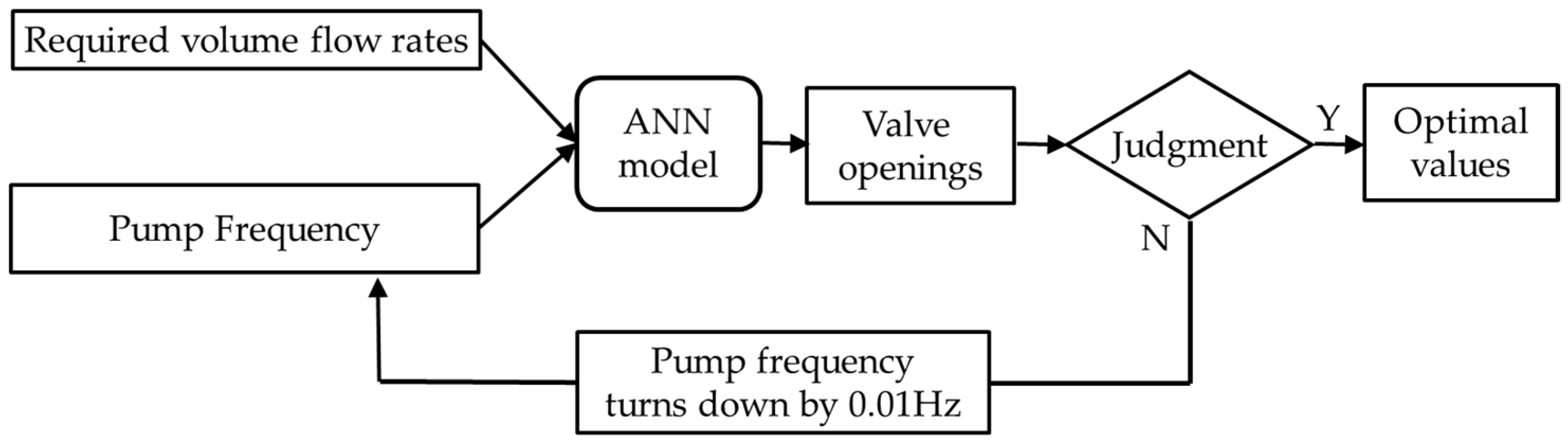
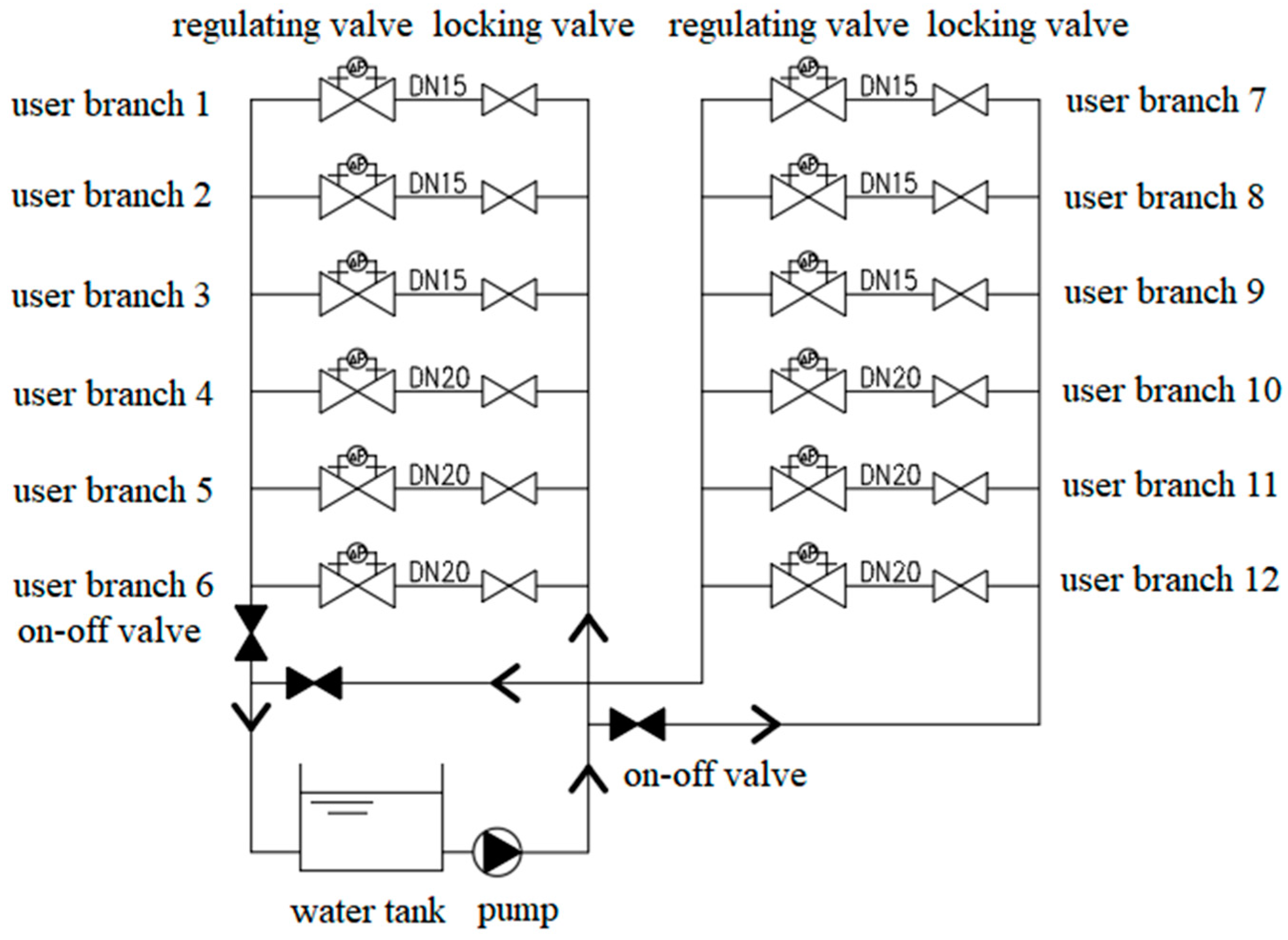
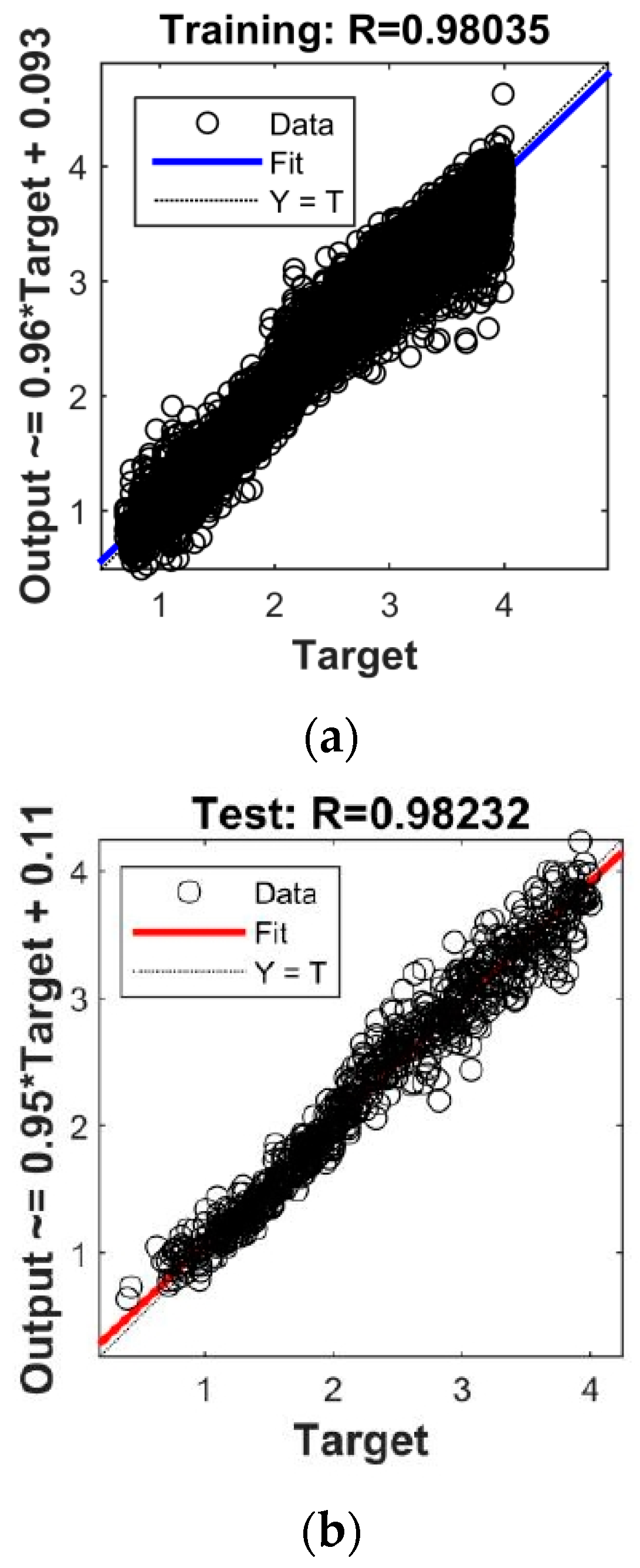
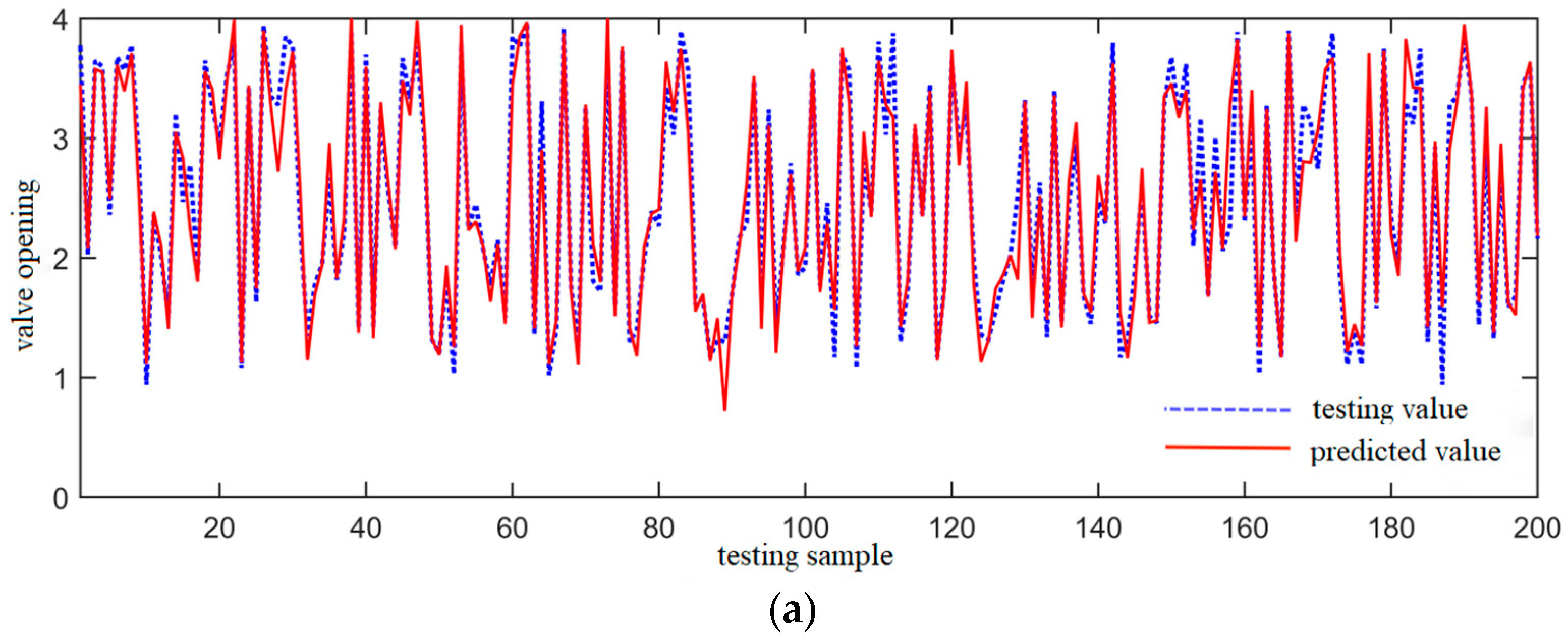
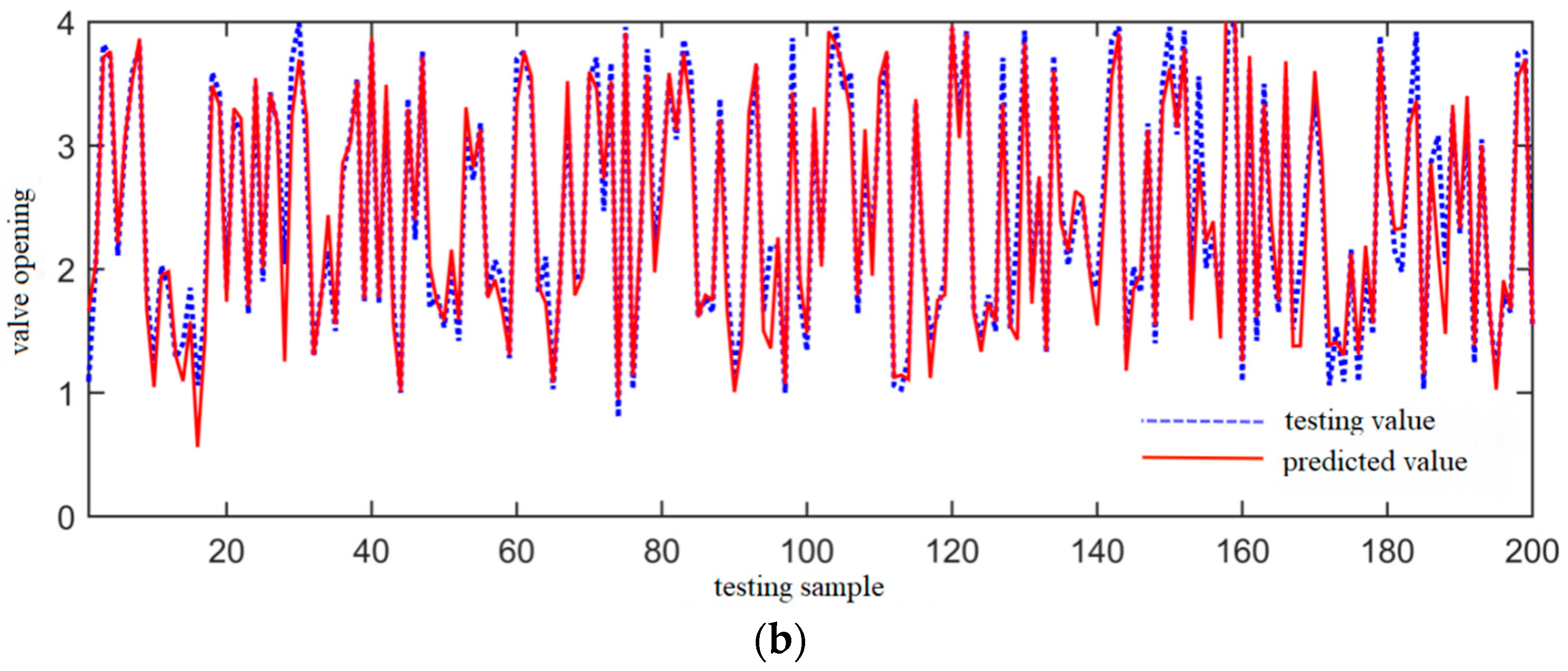
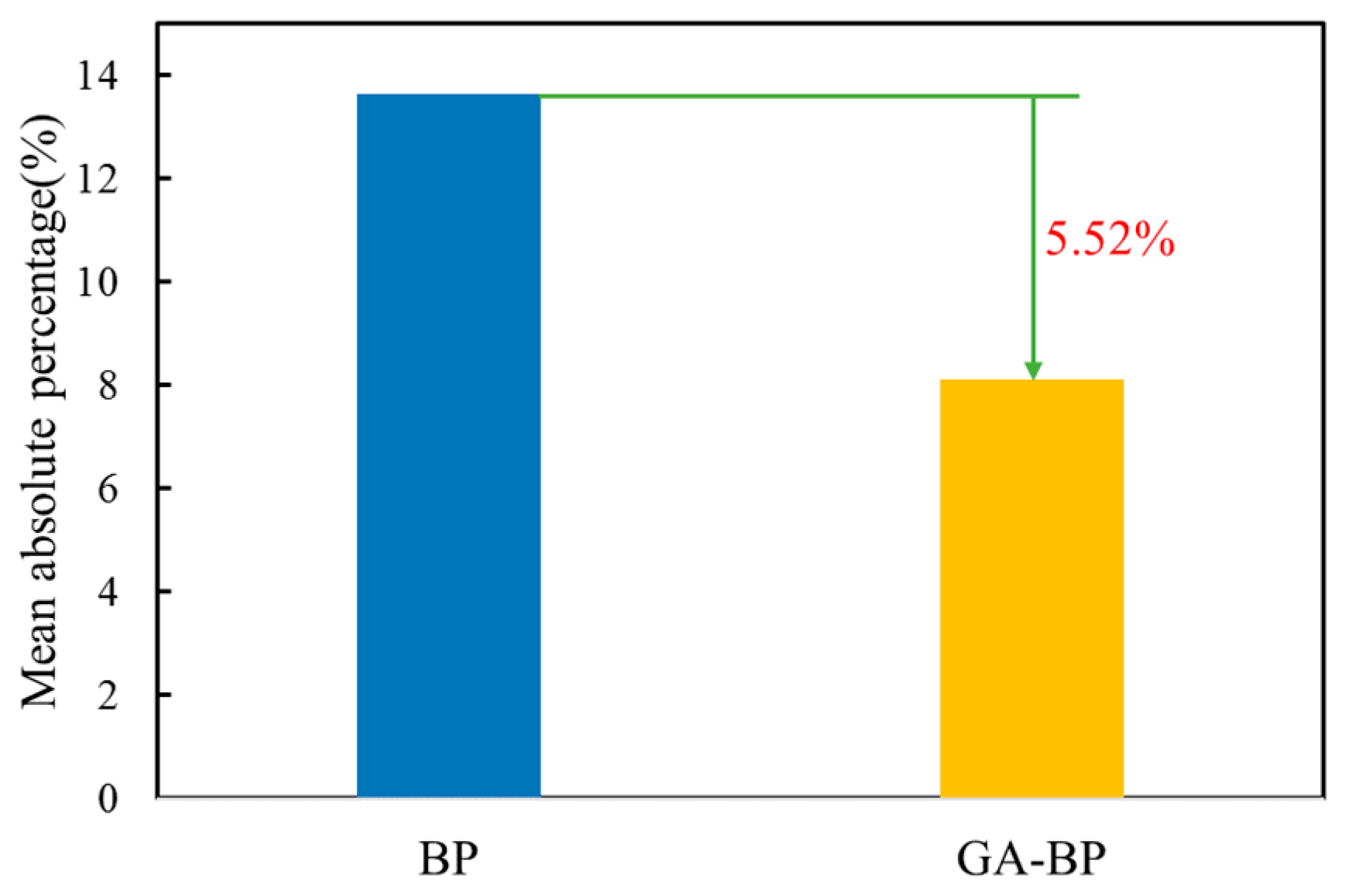
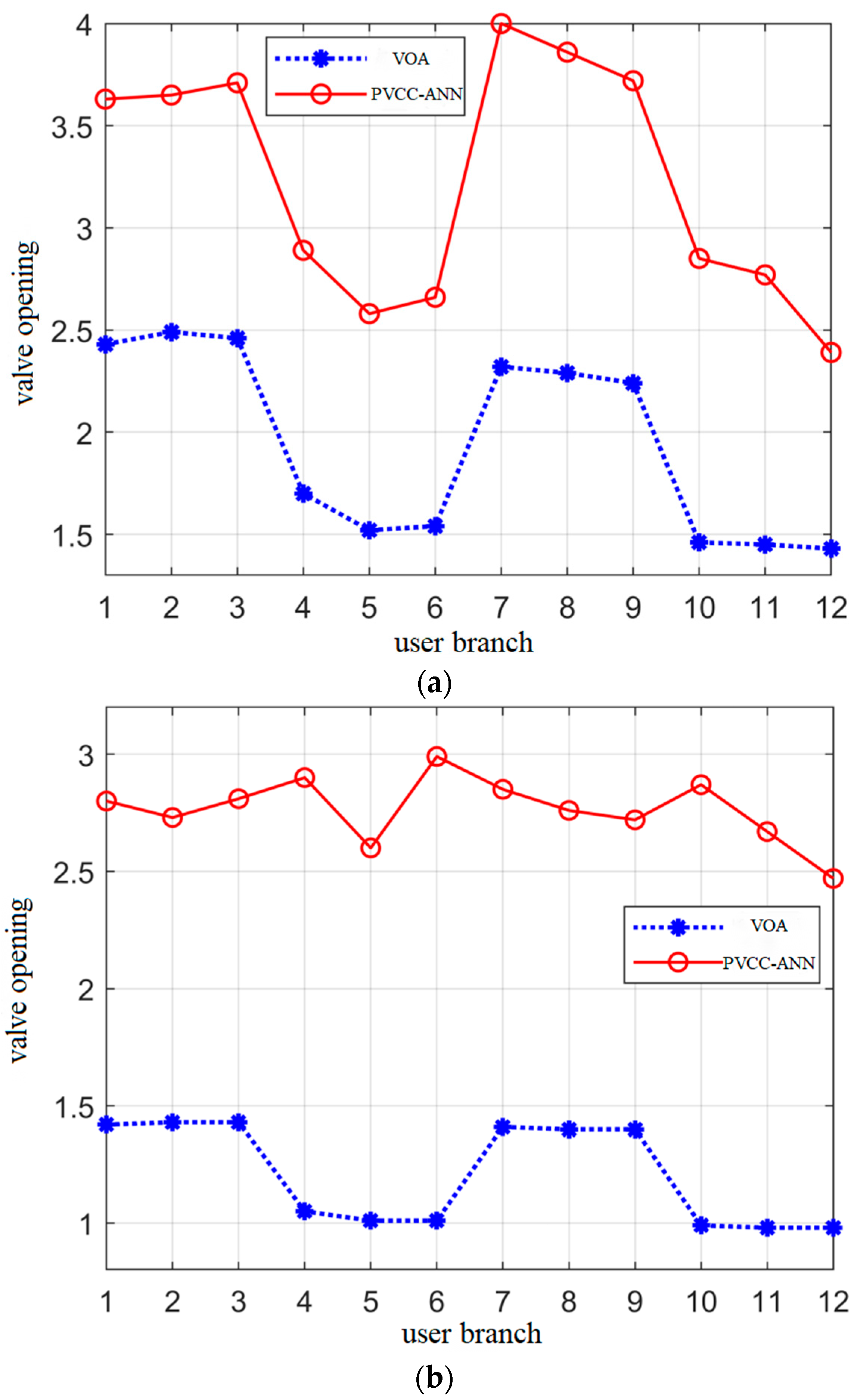
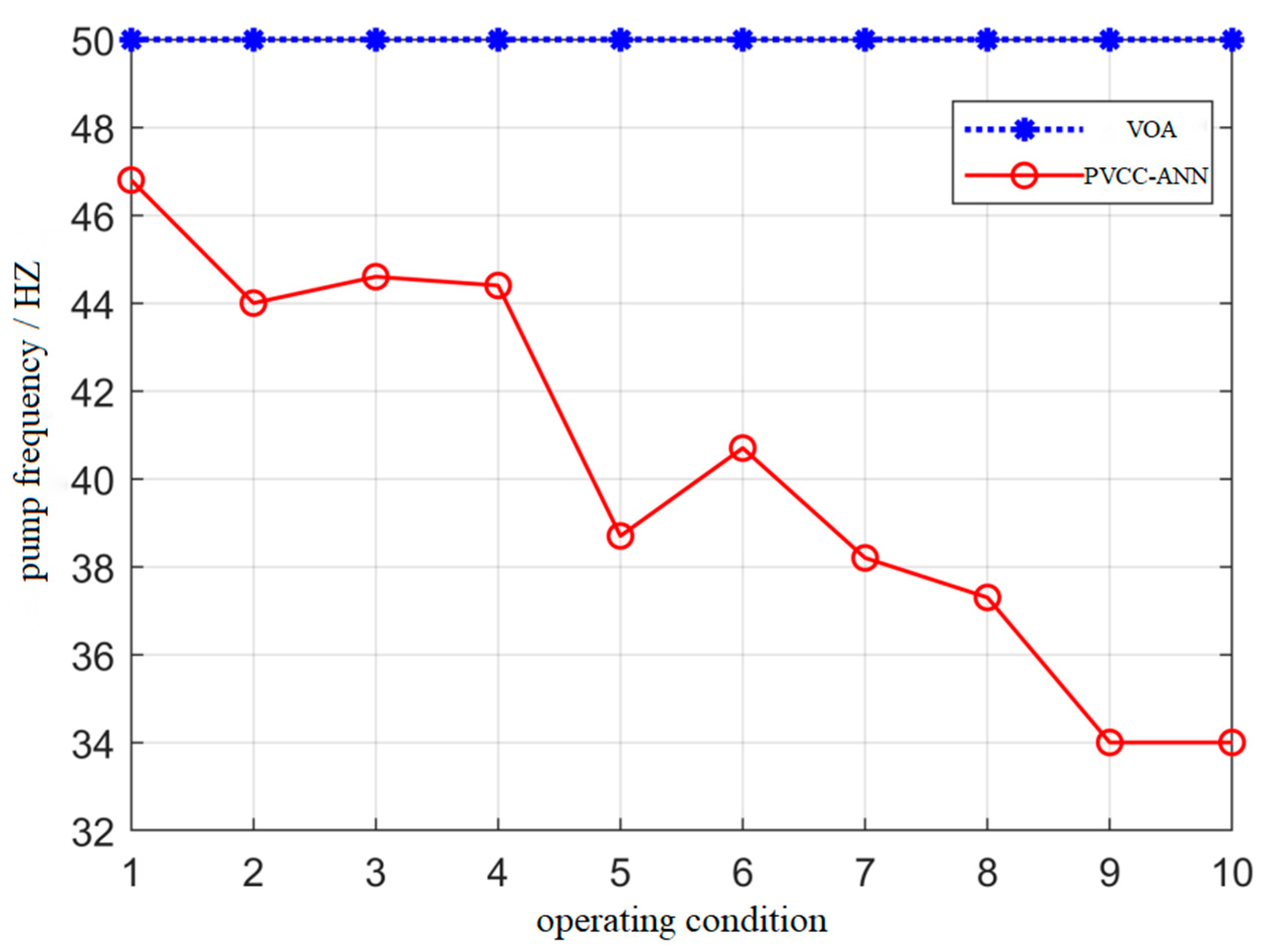
A chilled water system transports cooling functionality from refrigerators to users via heating, ventilation, and air conditioning (HVAC) systems. This paper investigated an optimal control strategy to regulate the volume flow rate of each user branch in a chilled water system, considering the minimum resistance operation to reduce energy consumption. An artificial neural network (ANN) was adopted to establish the nonlinear relationship between the volume flow rate of each user branch, pump frequency, and valve opening of each user branch. An optimal control strategy for a chilled water HVAC system is proposed in this article, according to the pump-valve combined control (PVCC) principle and an ANN model, i.e., pump-valve combined control using an artificial neural network model (PVCC-ANN). A series of tests were conducted to collect data to train the ANN model and analyze the performance of the PVCC-ANN in an experimental chilled water system. The results show that the trained ANN model has good prediction performance. A minimum resistance operation can be achieved to control the volume flow rate of each user branch independently by using the PVCC-ANN model. Moreover, the proposed PVCC-ANN method shows good energy-saving performance in chilled water systems, which can be attributed to the minimum resistance operation. Taking the energy consumption of the pump’s constant frequency operation as the reference, the energy saving rate using the PVCC-ANN is between 14.3% and 58.6% under 10 operating conditions, as reported in this paper.
Keywords: HVAC; chilled water system; volume flow rate; artificial neural network model HVAC; chilled water system; volume flow rate; artificial neural network model