Article

Effect of Ethanol Added to Diesel Fuel on the Range of Fuel Spray

Faculty of Mechanical Engineering and Aeronautics, Rzeszow University of Technology, 35-959 Rzeszów, Poland
*
Authors to whom correspondence should be addressed.
Energies 2023, 16(4), 1768; https://doi.org/10.3390/en16041768
Submission received: 10 January 2023 / Revised: 6 February 2023 / Accepted: 7 February 2023 / Published: 10 February 2023
(This article belongs to the Special Issue CO2 Emissions from Vehicles)

Abstract

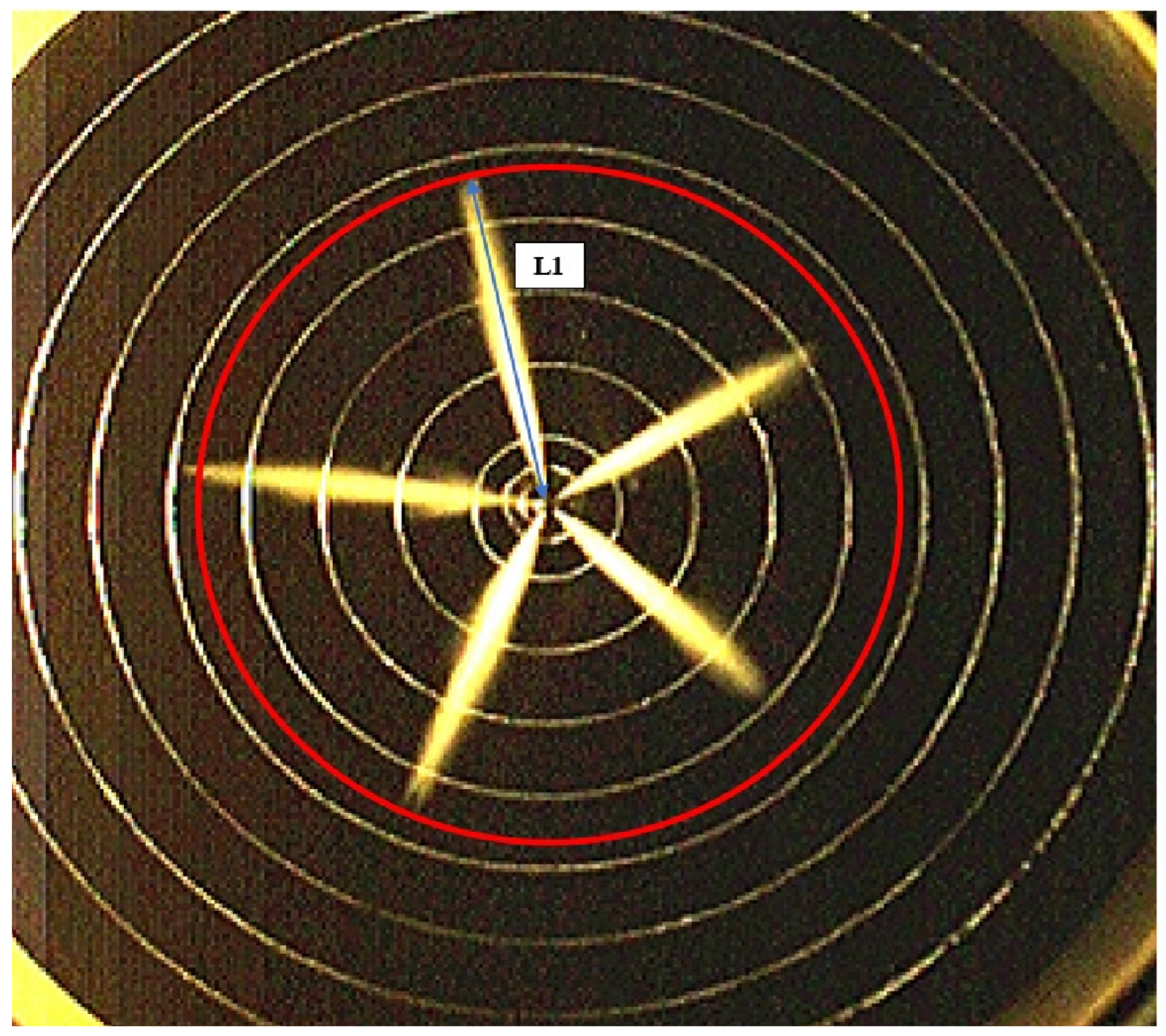
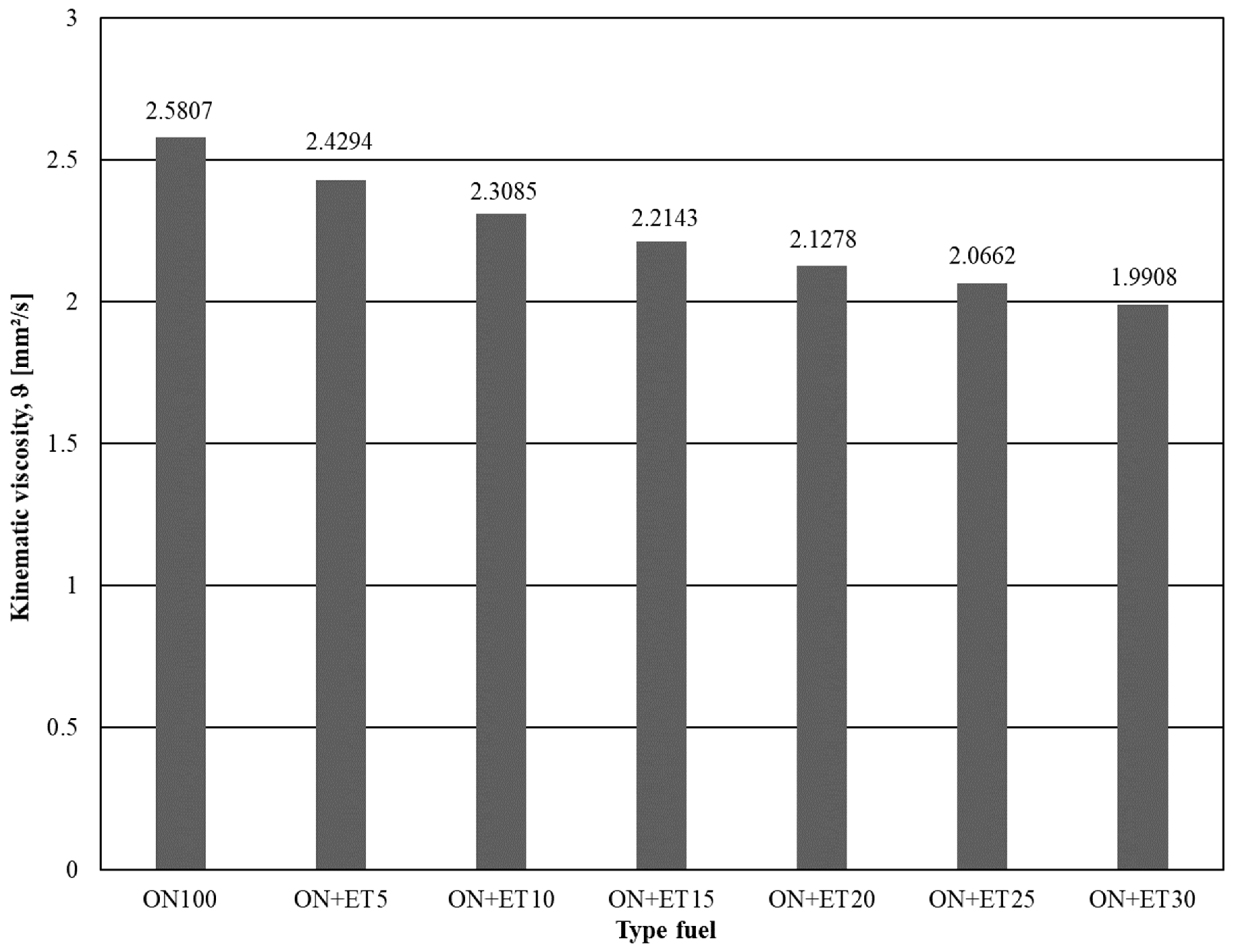
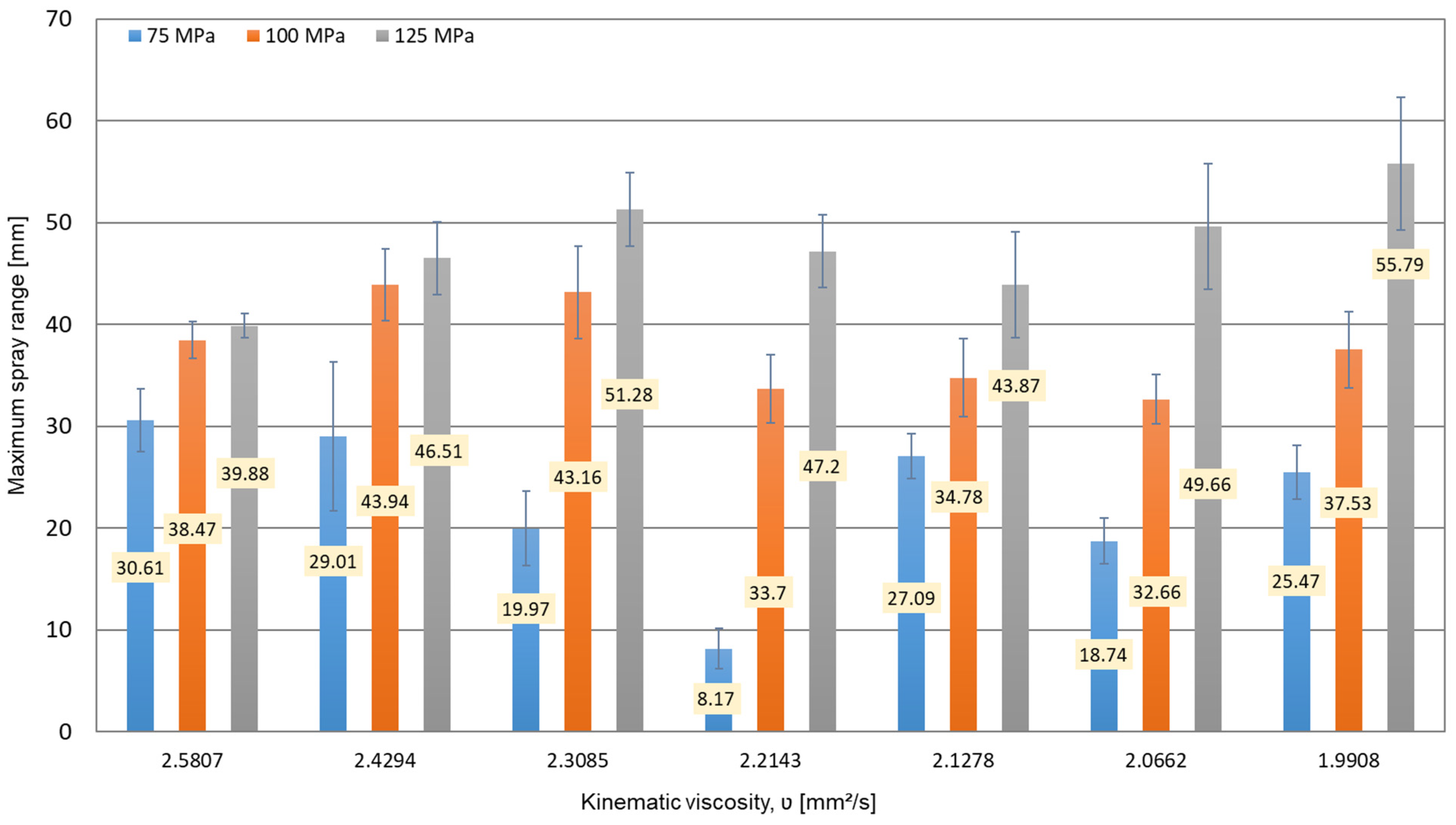
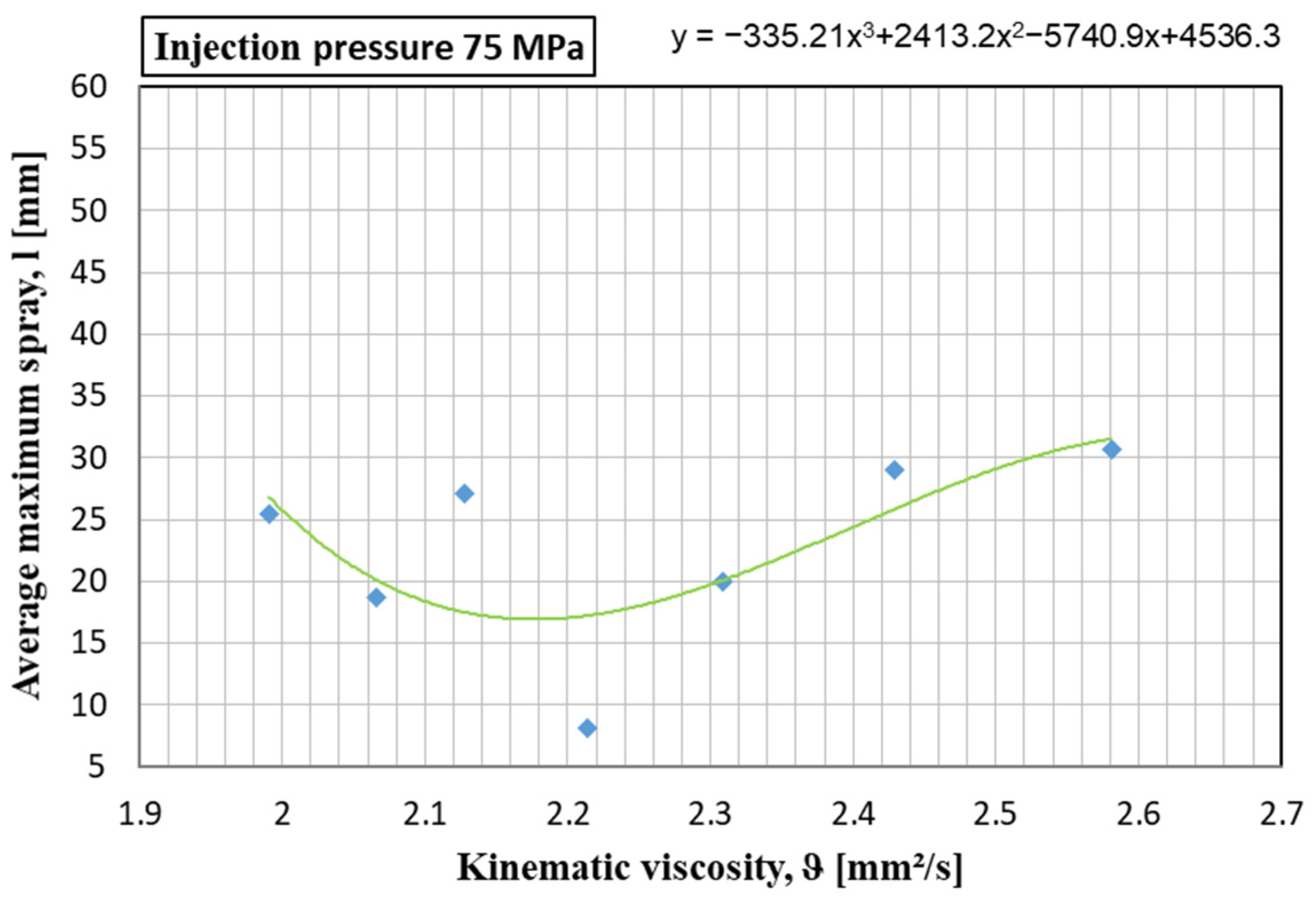
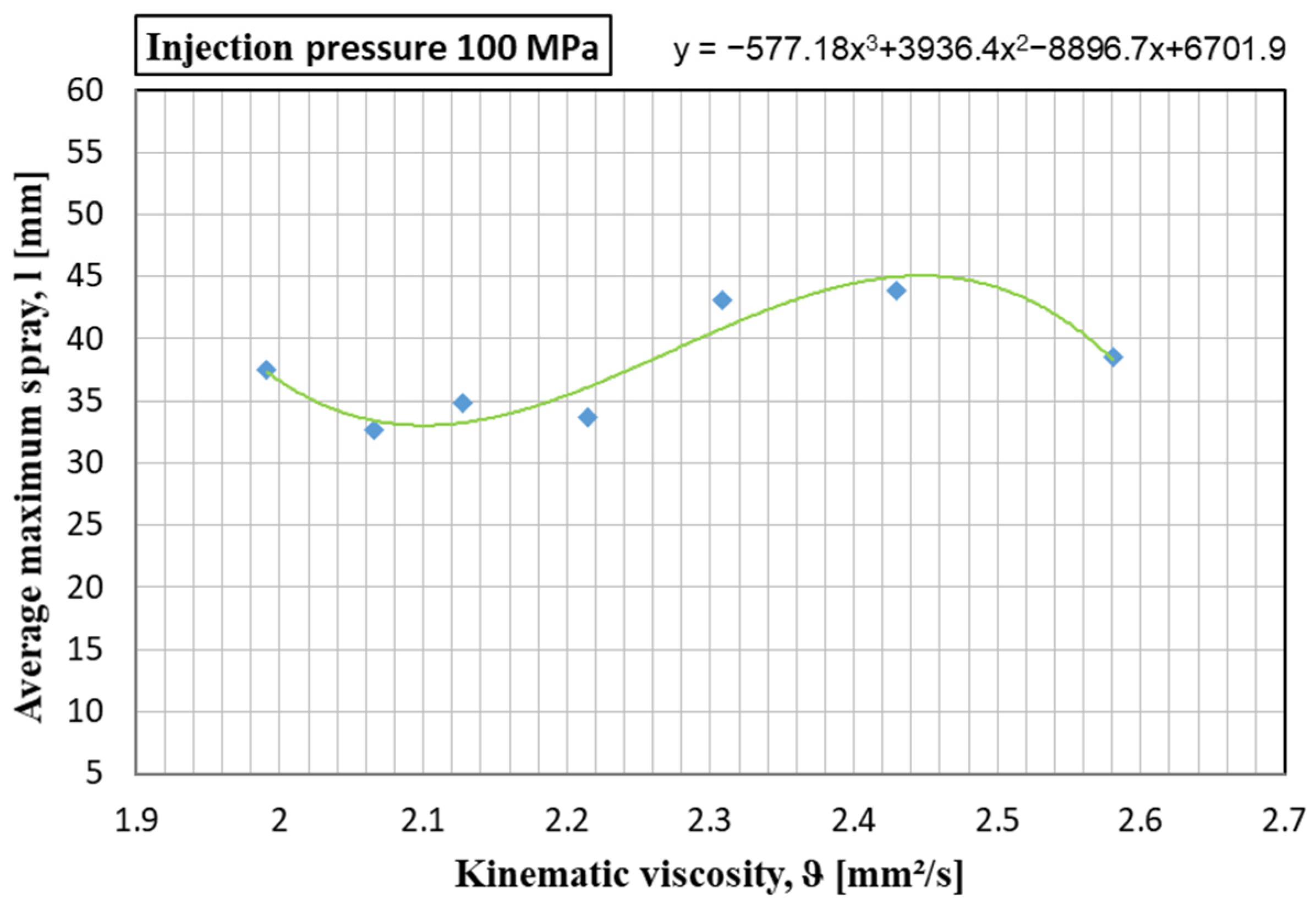
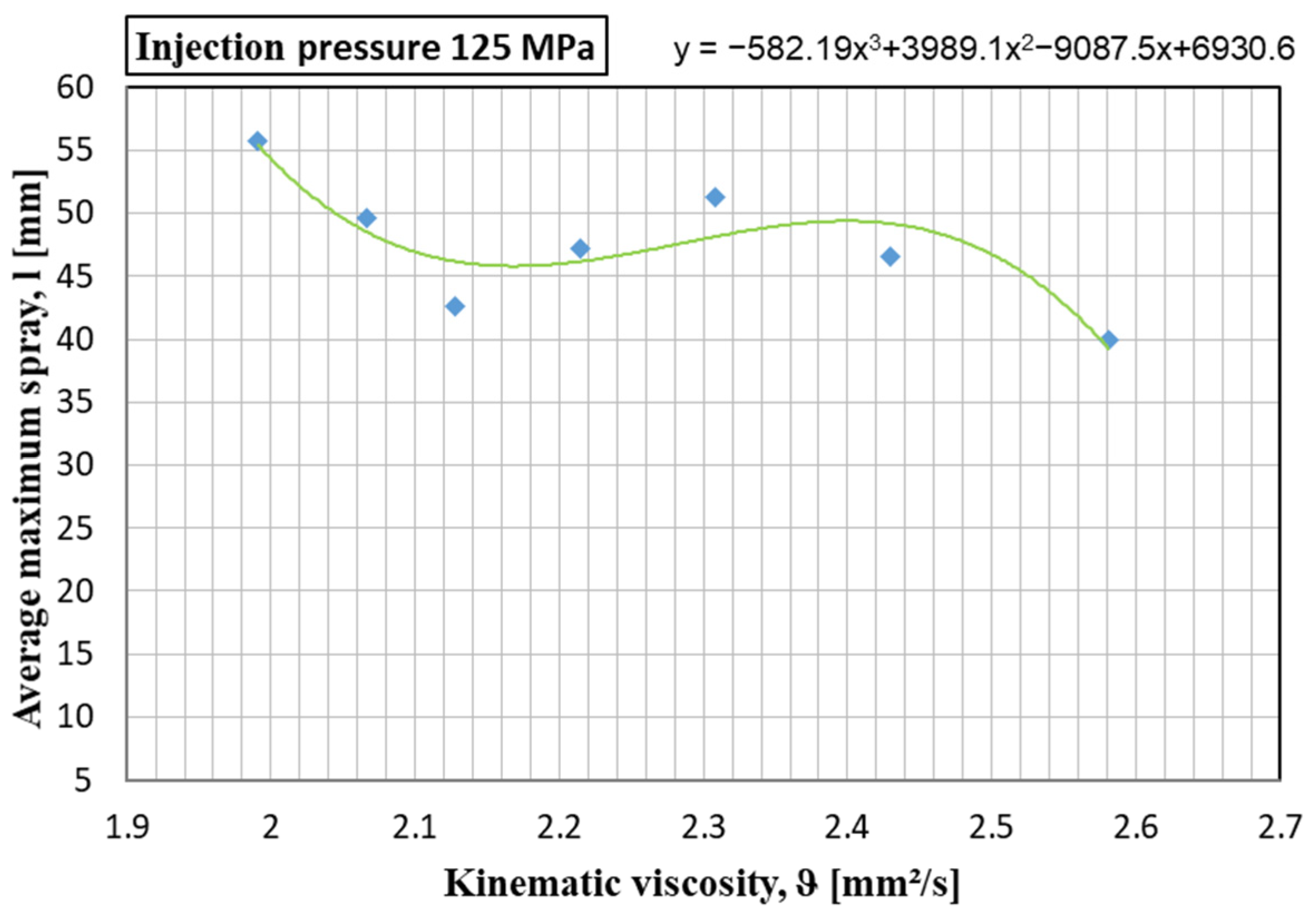
The constantly growing number of vehicles sold and operated has resulted in greater contribution of automobiles to global pollution. One way to reduce emissions of carbon dioxide (CO2) and toxic compounds, including the particulates and nitrogen oxides (NOx) contained in exhaust gases, is to use alternative fuels. Within this group of fuels, those of plant origin, mainly alcohols, are attracting more and more attention because of their high oxygen content (around 35%), low viscosity, and good atomisation. However, alternative fuels have different physicochemical properties than diesel fuel, and these may affect the formation of the fuel spray, which, in turn, impacts the operation of the internal combustion engine, operating parameters, and the purity of the exhaust gases emitted into the environment. To make sure this type of fuel can be used in compression ignition engines, it is necessary to gain a thorough understanding of the phenomena and relationships occurring during fuel injection. The study investigated the effect of ethanol added to diesel fuel on the range of fuel spray. Firstly, the kinematic viscosity was determined for diesel fuel, and for diesel–ethanol blends with varying proportional contents of ethanol, up to 30% v/v. The viscosity test was carried out at 40 °C in compliance with the normative requirements. At the next stage, the range of the spray tip was measured for the same fuels in which kinematic viscosity was assessed. A visualisation chamber and a high-speed camera were applied for this purpose. The test was carried out under reproducible conditions, in line with the test methodology used to determine the range of fuel spray. The analyses assessed the effect of ethanol addition on kinematic viscosity and the range of fuel spray. The findings show that the increase in ethanol content corresponds to a decrease in kinematic viscosity by about 4% on average. The results were inconclusive for the lowest injection pressure tested (75 MPa), since some of the mixtures investigated were found with a lower spray range, compared to diesel fuel with no ethanol added. The greatest increase in the spray range (by approximately 39%) was found in the fuel with 30% content of ethanol at an injection pressure of 125 MPa.
Keywords: diesel fuel; ethanol; dodecanol; alternative fuels; spray macrostructure; kinematic viscosity diesel fuel; ethanol; dodecanol; alternative fuels; spray macrostructure; kinematic viscosity