Article

Transient Stability Analysis for a Multi-VSC Parallel System Based on the CFND Method

1
College of Electrical Engineering, Zhejiang University, Hangzhou 310058, China
2
State Grid Zhejiang Electric Power Co., Ltd., Research Institute, Hangzhou 310014, China
*
Author to whom correspondence should be addressed.
Energies 2023, 16(21), 7243; https://doi.org/10.3390/en16217243
Submission received: 21 September 2023 / Revised: 15 October 2023 / Accepted: 23 October 2023 / Published: 25 October 2023
(This article belongs to the Special Issue Advances in Smart Grids and Microgrids)

Abstract

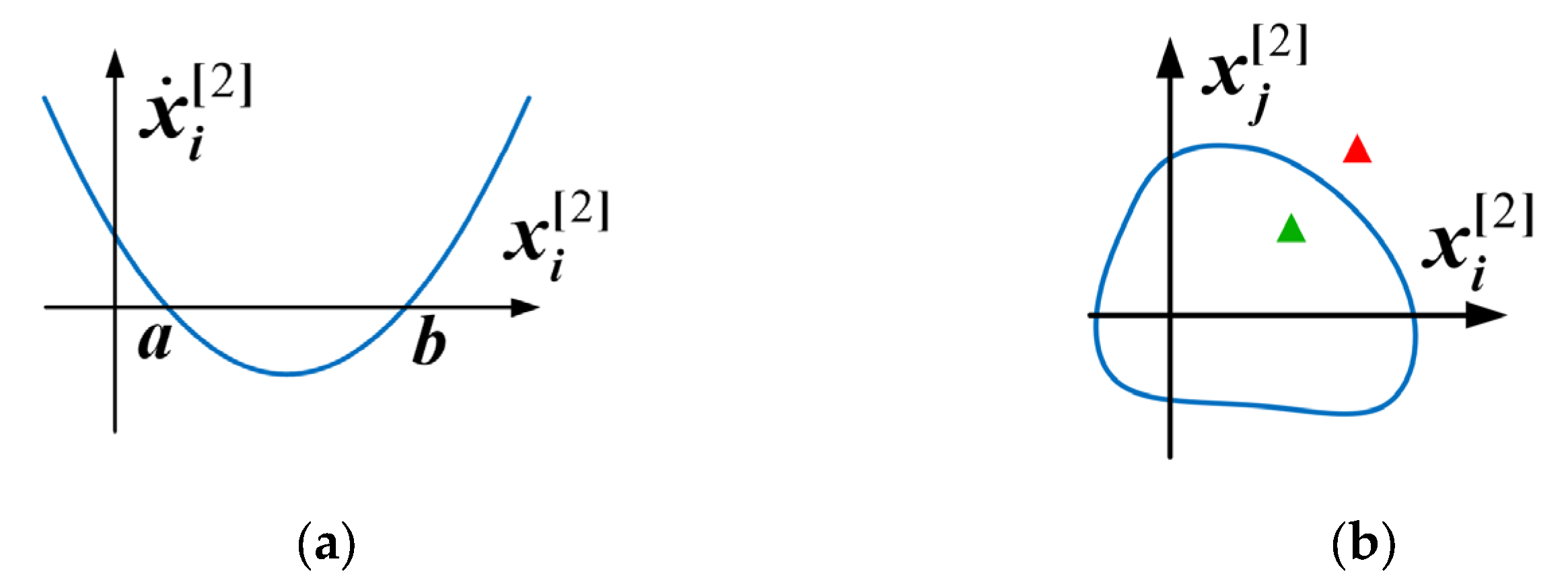
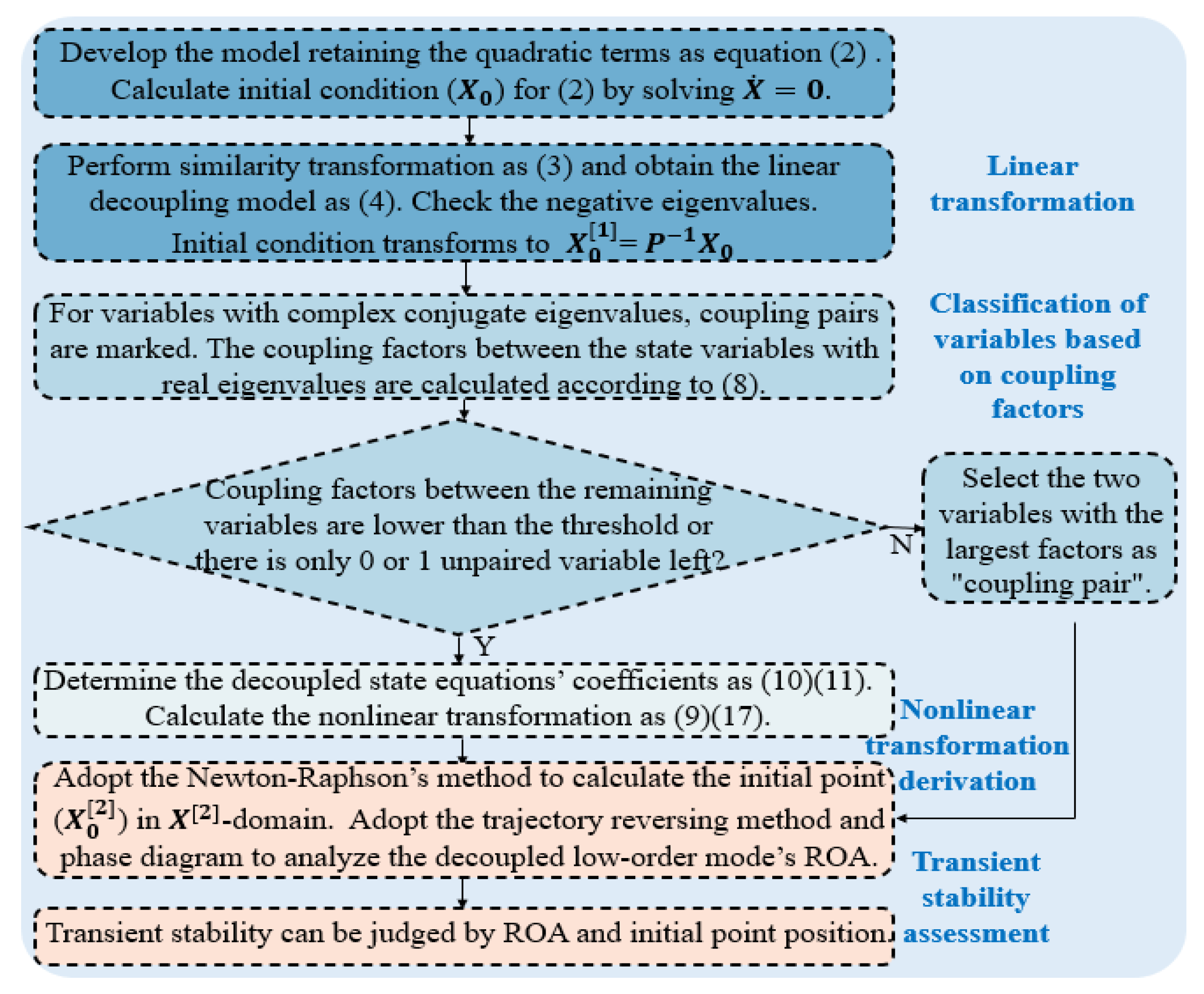
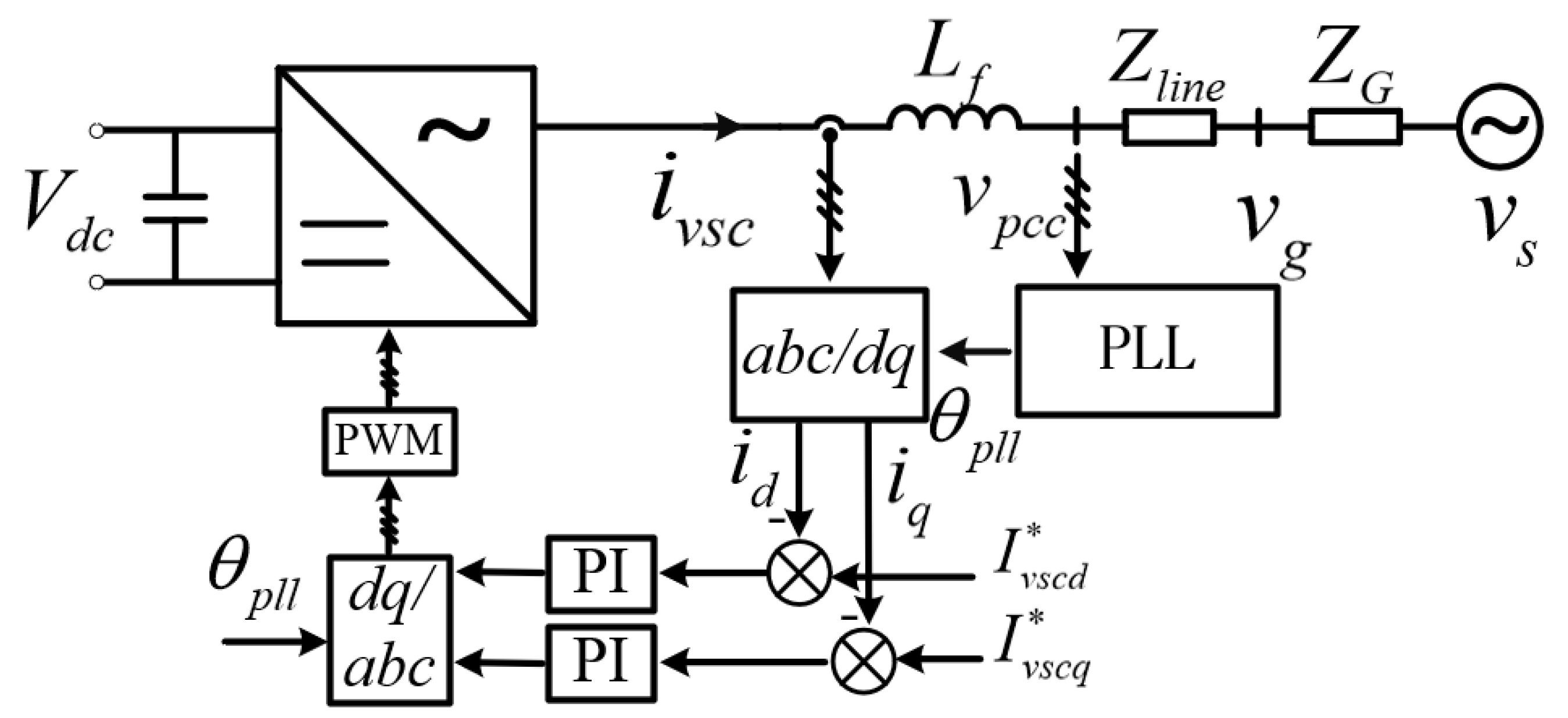
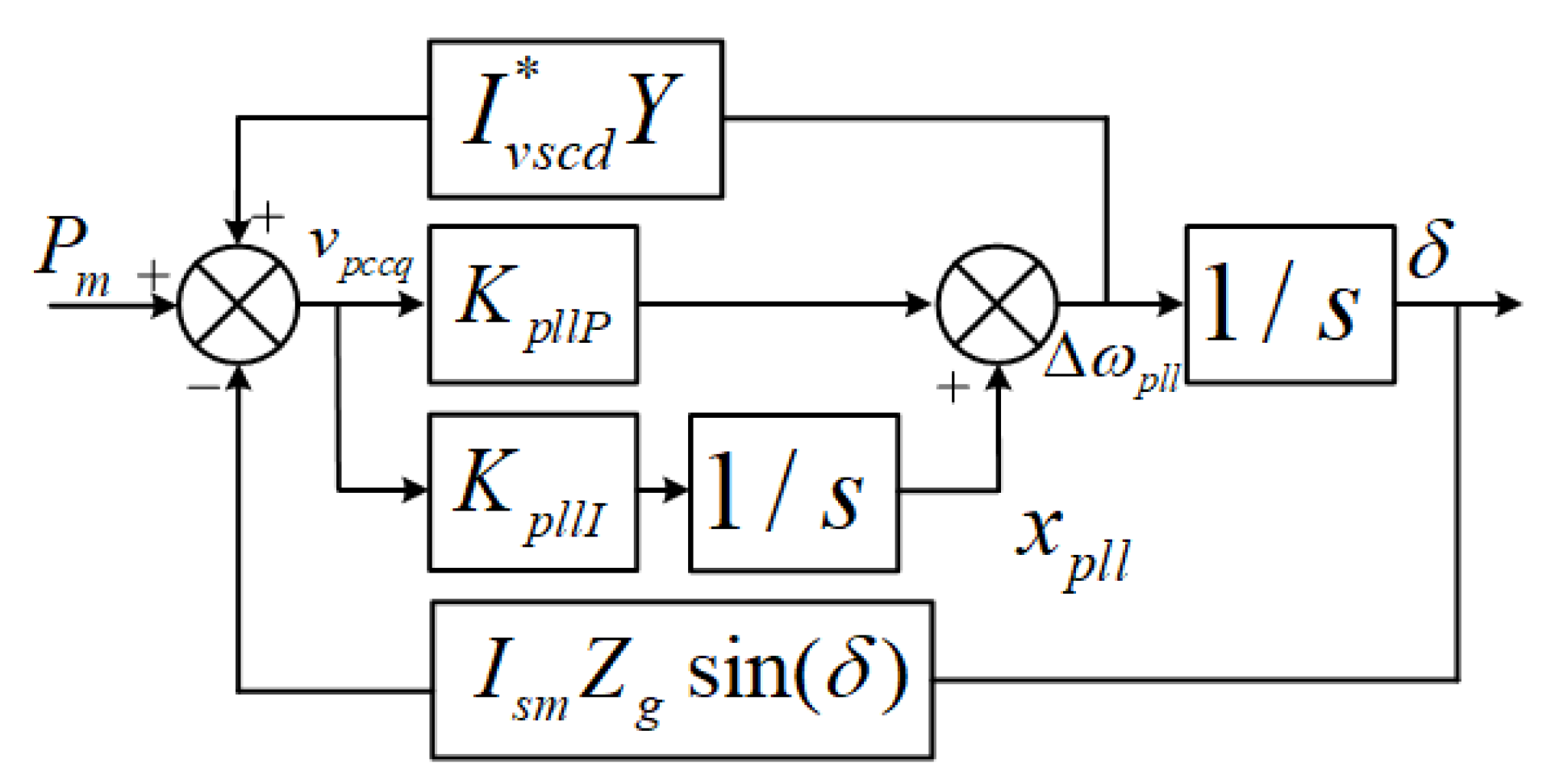
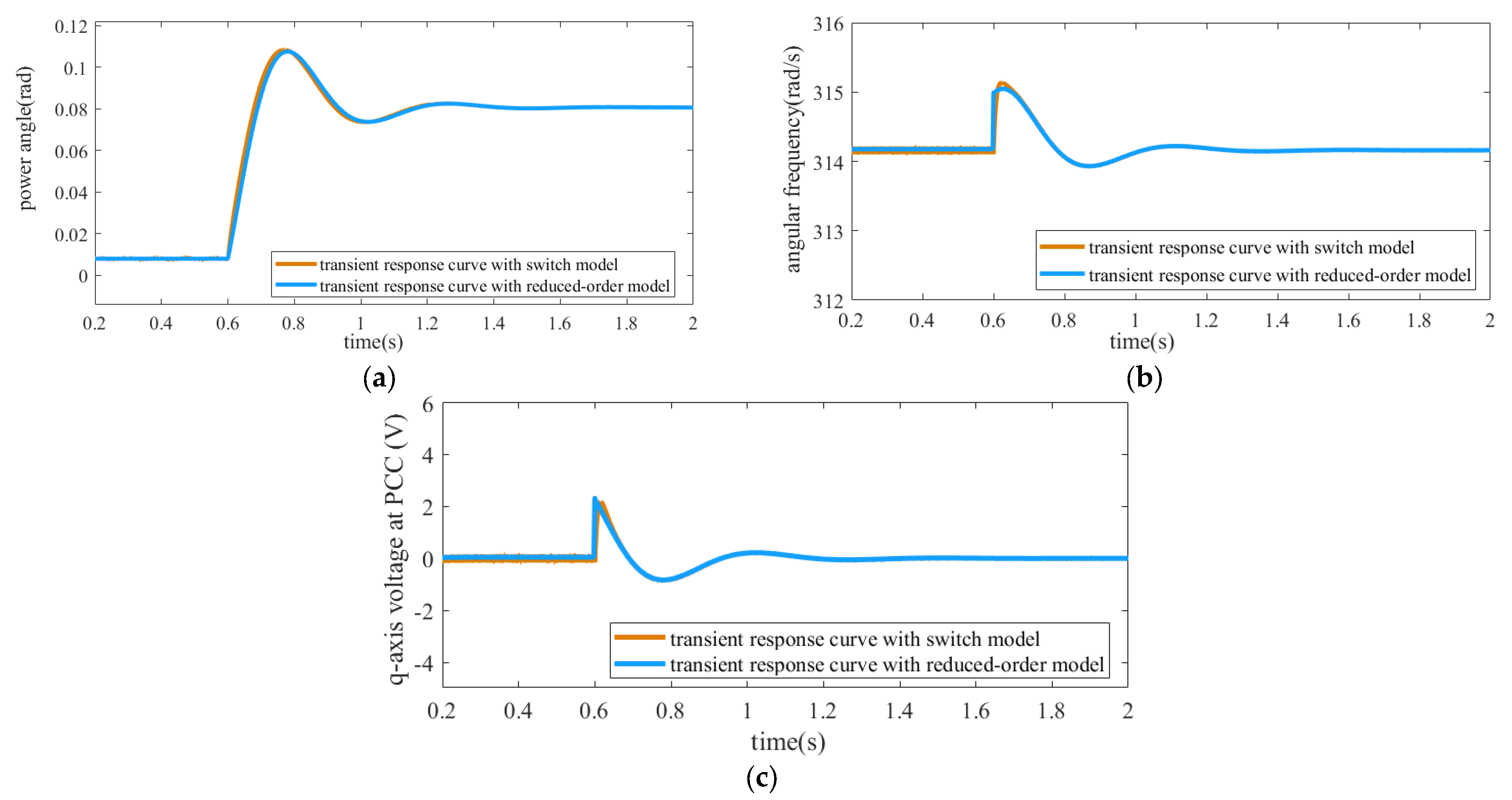
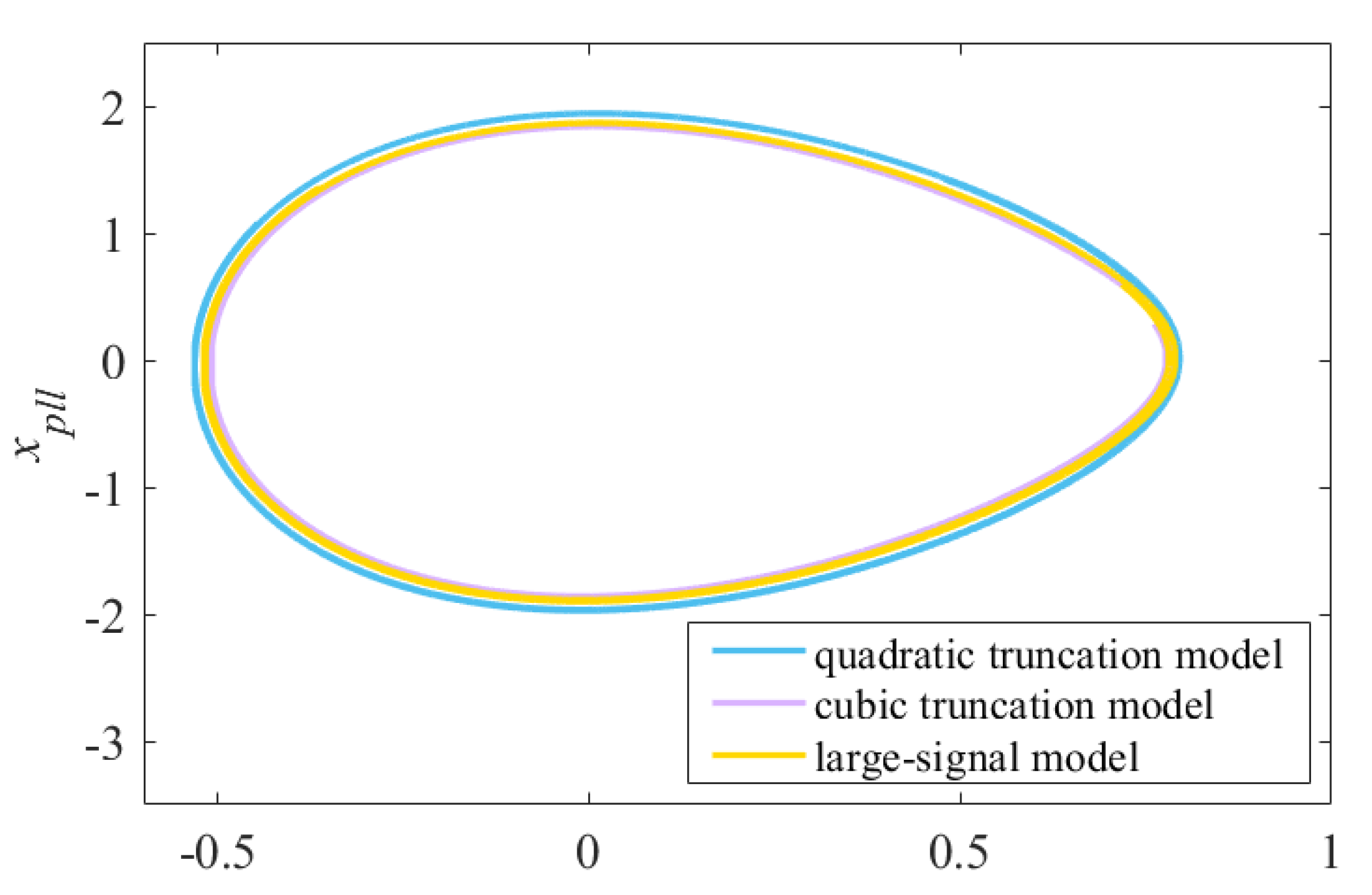
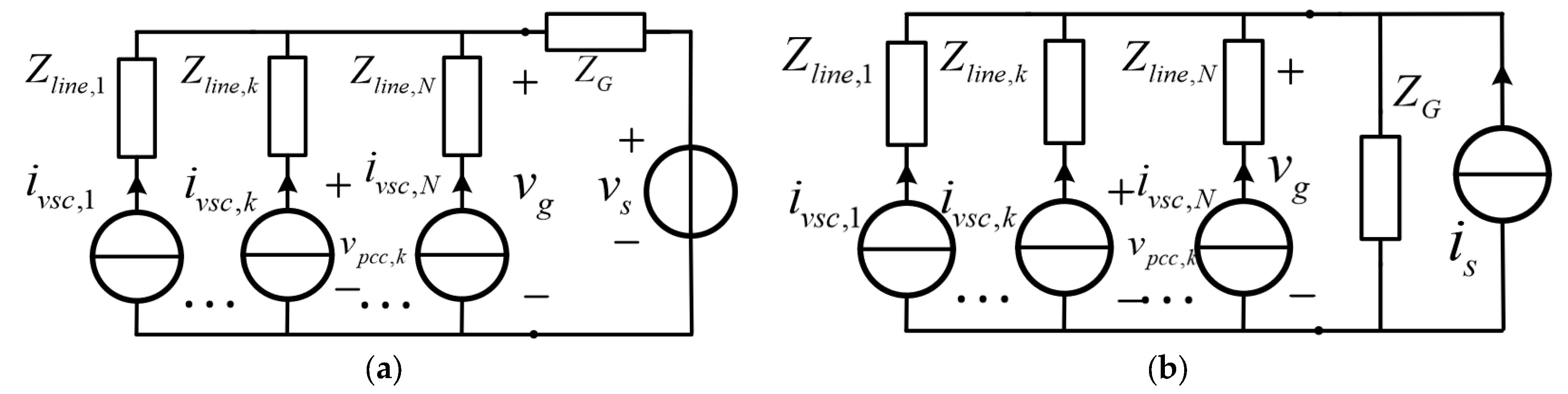
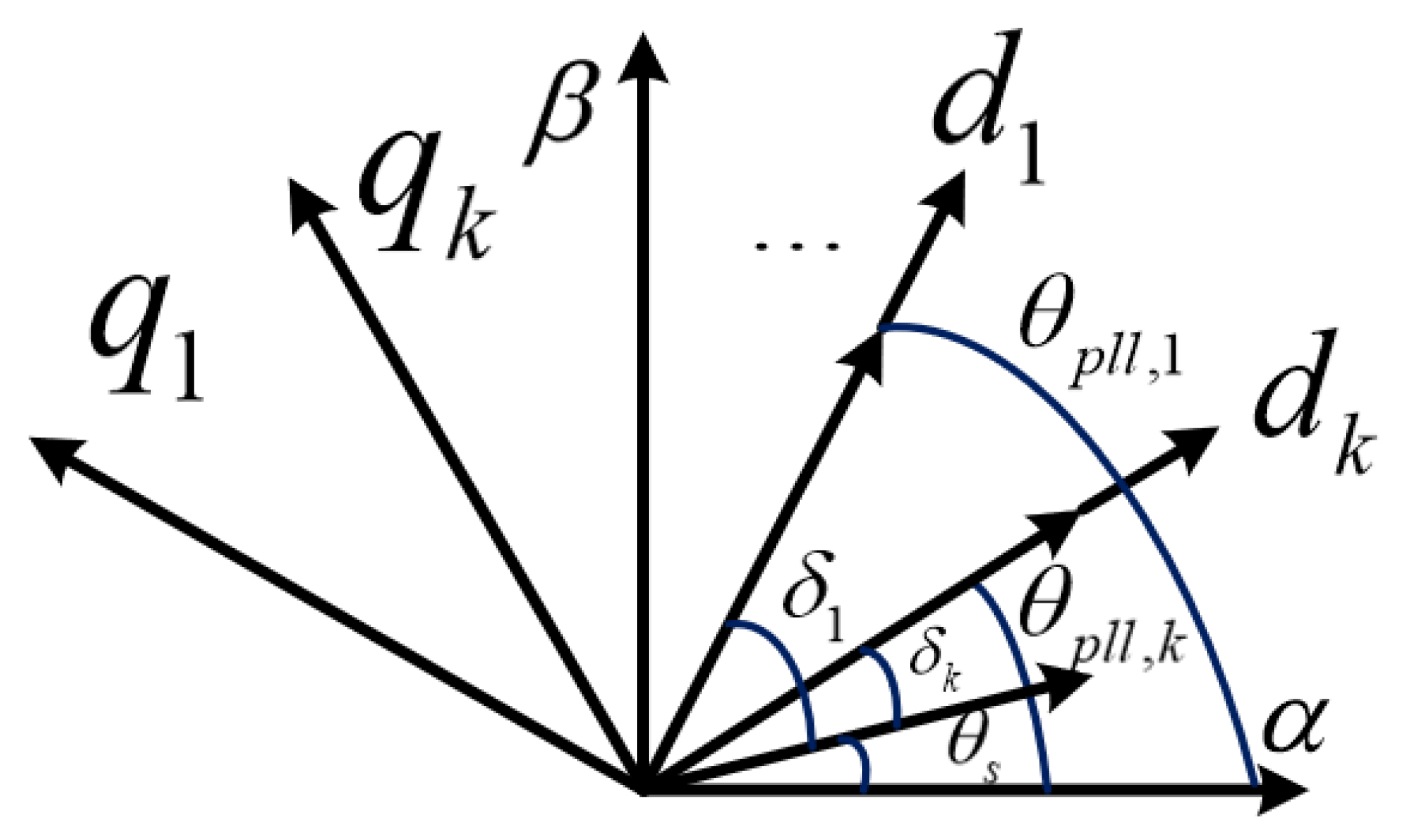
Because of the control complexity of voltage source converters (VSCs), transient stability analysis of multi-VSC parallel systems is challenging, and there are still no effective methods to solve this problem. Inspired by the decoupling principle and combined with the normal form method, an innovative coupling-factor-based nonlinear decoupling (CFND) method is proposed. According to the coupling factors that can be used to evaluate the nonlinear coupling degree among different state variables, the CFND method approximately transforms a high-order nonlinear multi-VSC parallel system into multiple decoupled low-order modes. Thus, the transient stability of the original high-order multi-VSC system can be reflected indirectly by the mature inversing trajectory method and the phase plane method. The CFND method has universality, flexibility, and insensitivity to system order, and no need to construct corresponding Lyapunov functions for different nonlinear systems, breaking through the inherent limitations of traditional analysis methods. Furthermore, this paper derives a reduced-order large-signal model and the corresponding truncated model for a single VSC grid-connected system. The effectiveness of the reduced-order model is verified through simulation waveforms and ROAs partitioning. Subsequently, a generalized model of the multi-VSC grid-connected system is developed. Finally, taking the grid-connected system with three VSCs as an example, the proposed CFND method is used to analyze typical operation cases, and the conclusions of transient stability analysis are verified using the hardware-in-loop (HIL) experiments.
Keywords: transient stability; multiple VSCs; coupling factors; nonlinear decoupling transient stability; multiple VSCs; coupling factors; nonlinear decoupling