Article

A Comprehensive Framework for Data-Driven Building End-Use Assessment Utilizing Monitored Operational Parameters


1
Unit Smart Energy and Built Environment, Vlaamse Instelling voor Technologisch Onderzoek, 2400 Mol, Belgium
2
EnergyVille, Thor Park, 3600 Genk, Belgium
3
Energy in Buildings Department, National Renewable Energy Centre, 31621 Sarriguren, Navarra, Spain
*
Author to whom correspondence should be addressed.
Energies 2023, 16(20), 7132; https://doi.org/10.3390/en16207132
Submission received: 31 August 2023 / Revised: 6 October 2023 / Accepted: 13 October 2023 / Published: 18 October 2023

Abstract

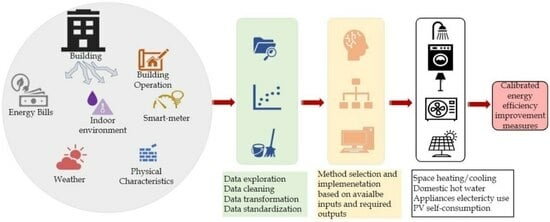
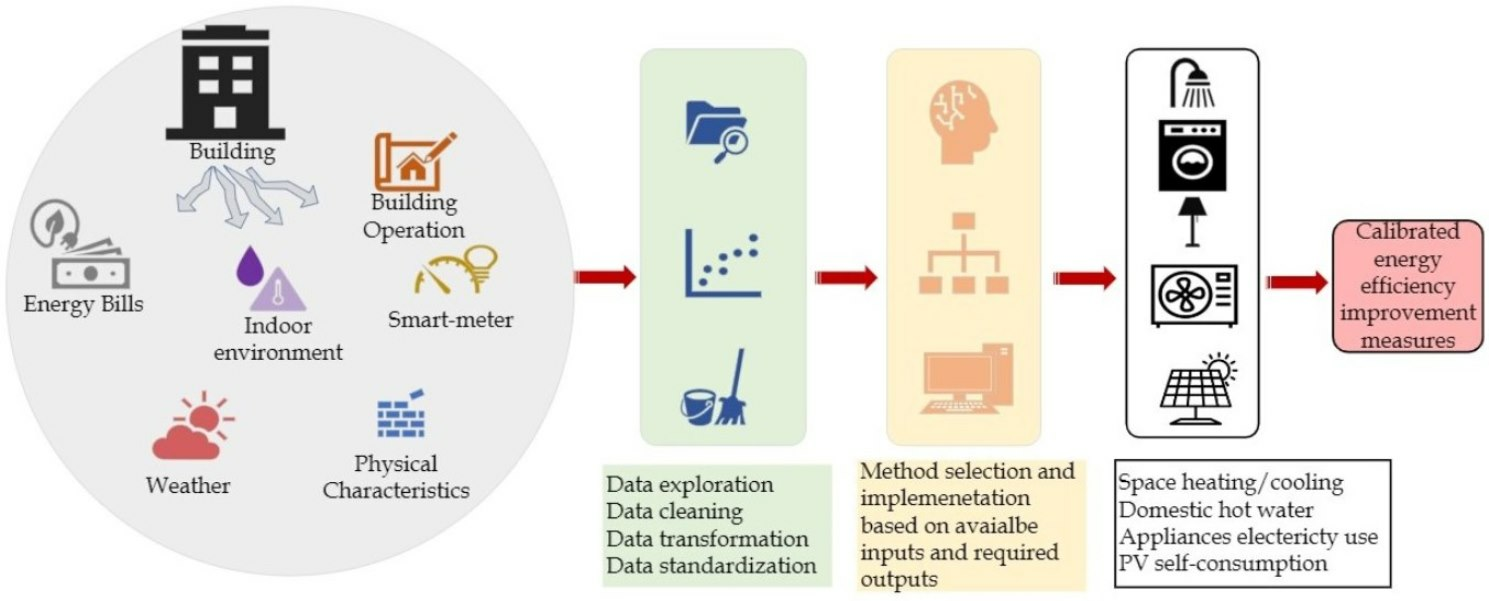
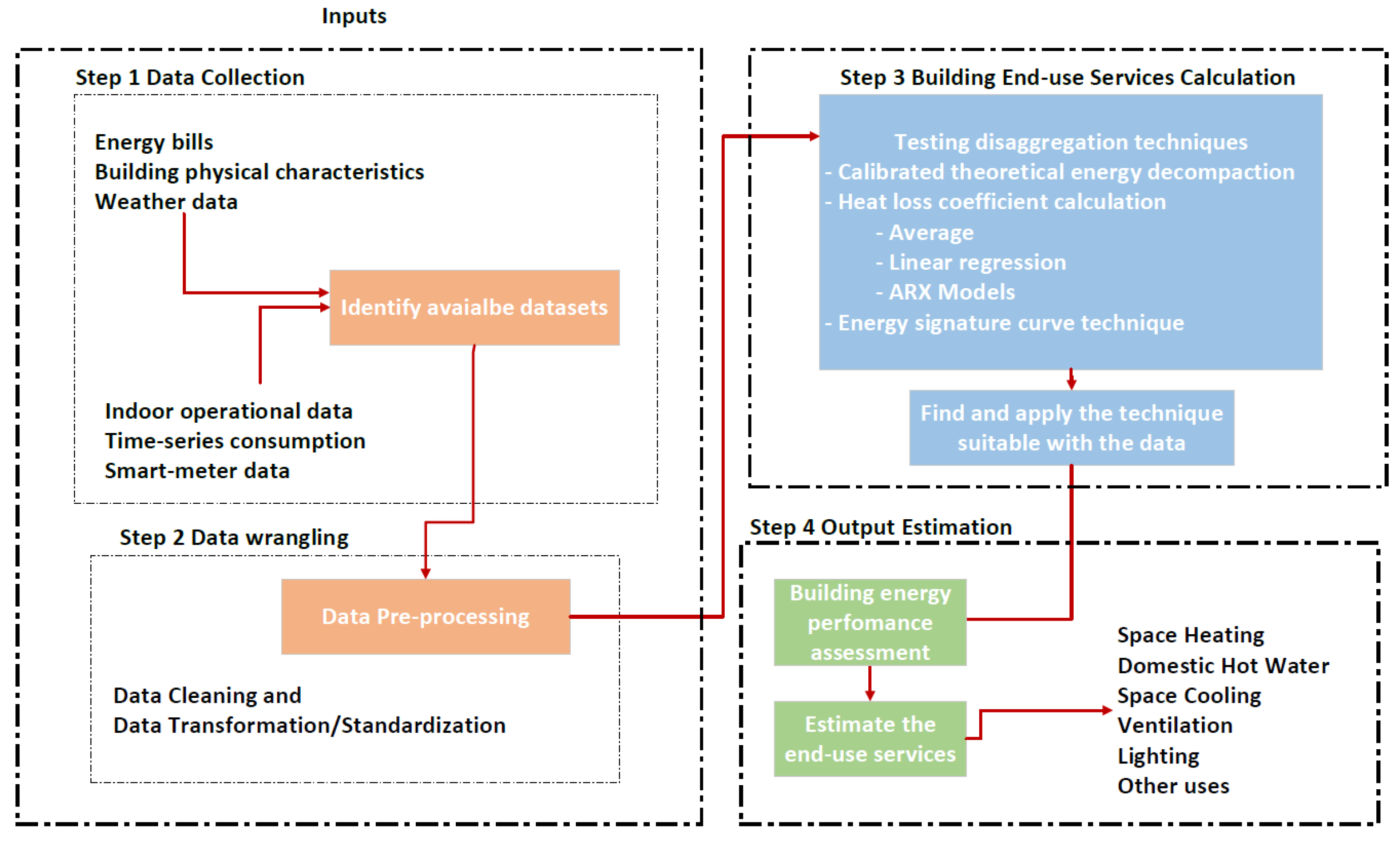
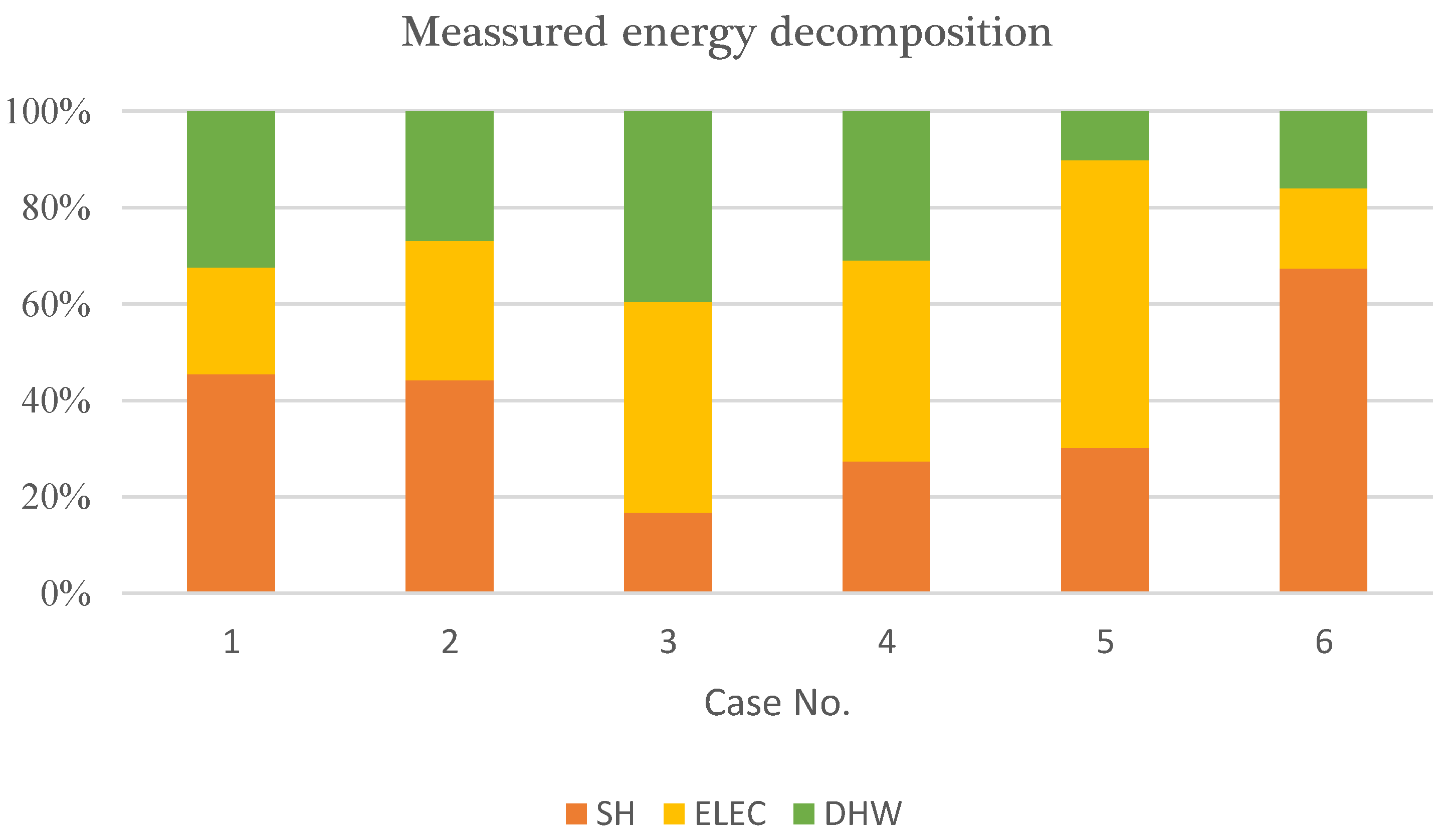
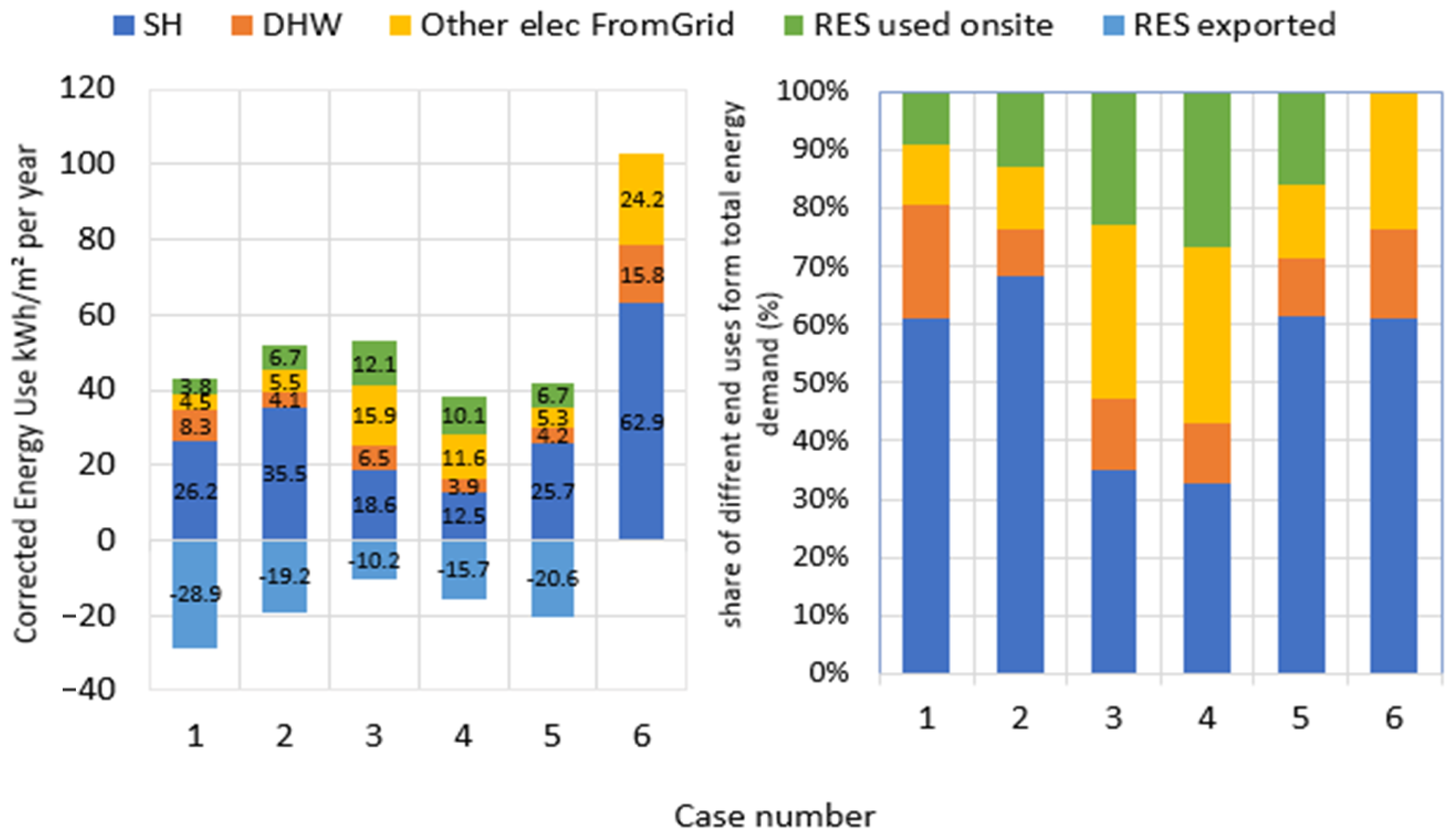
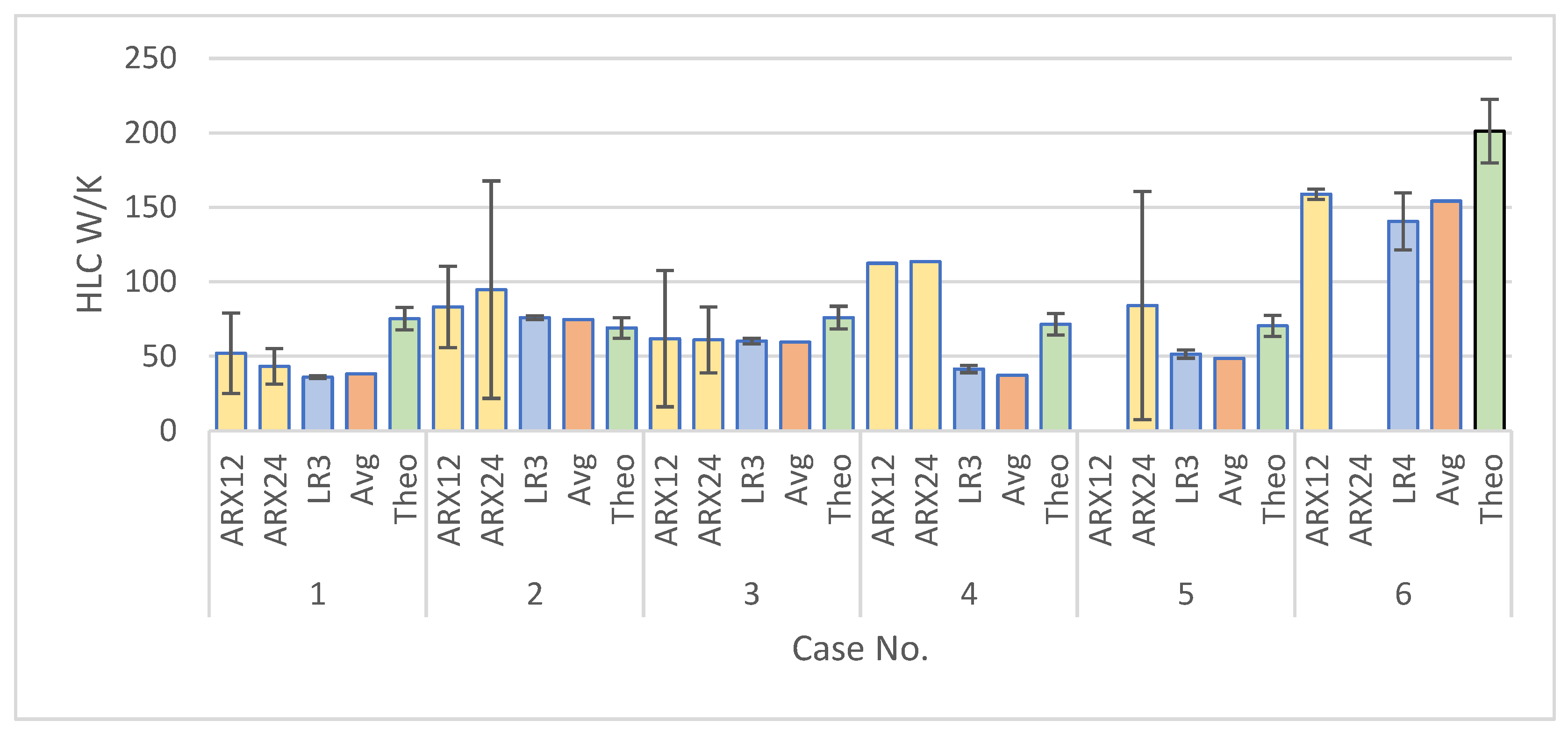
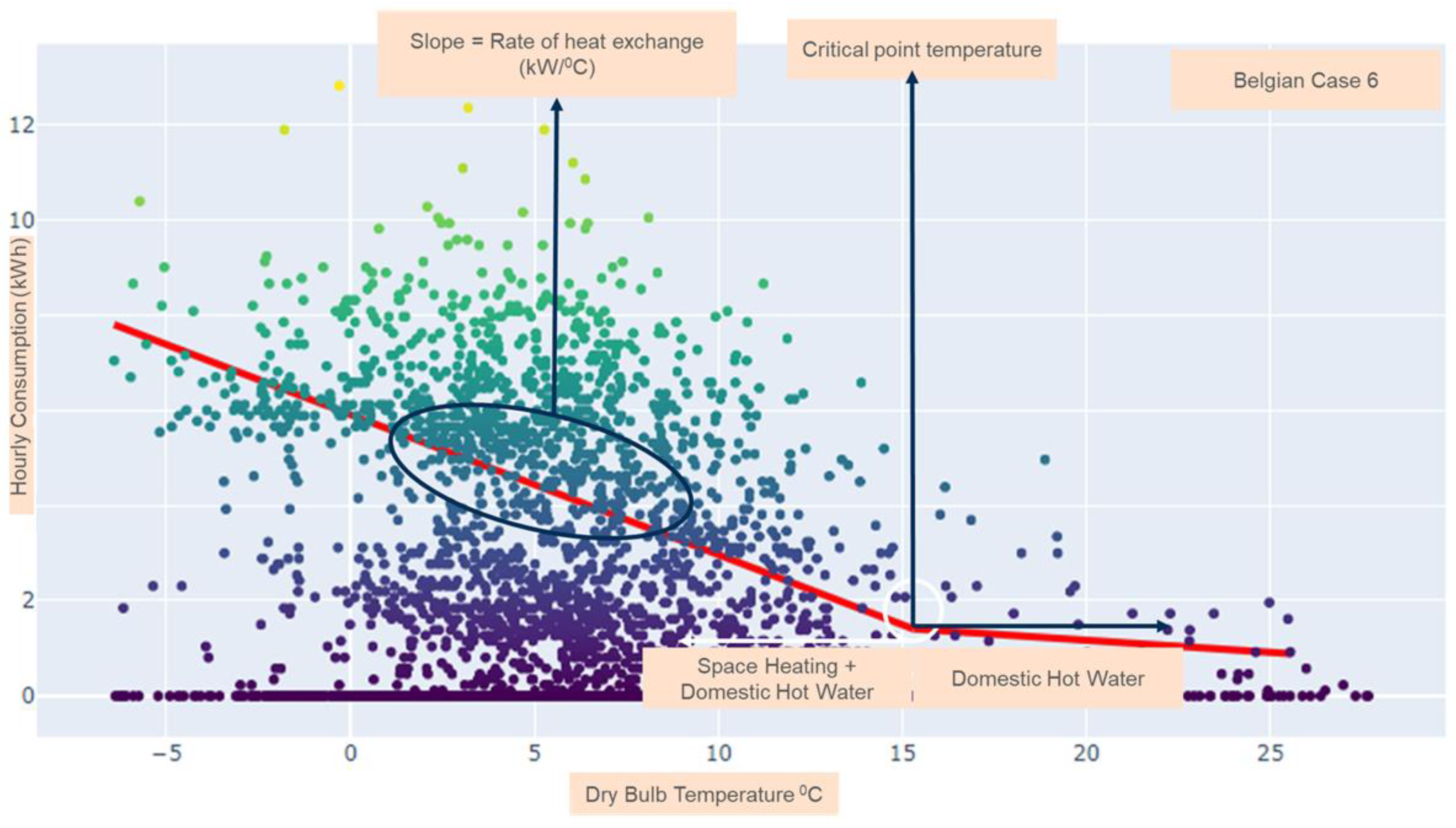
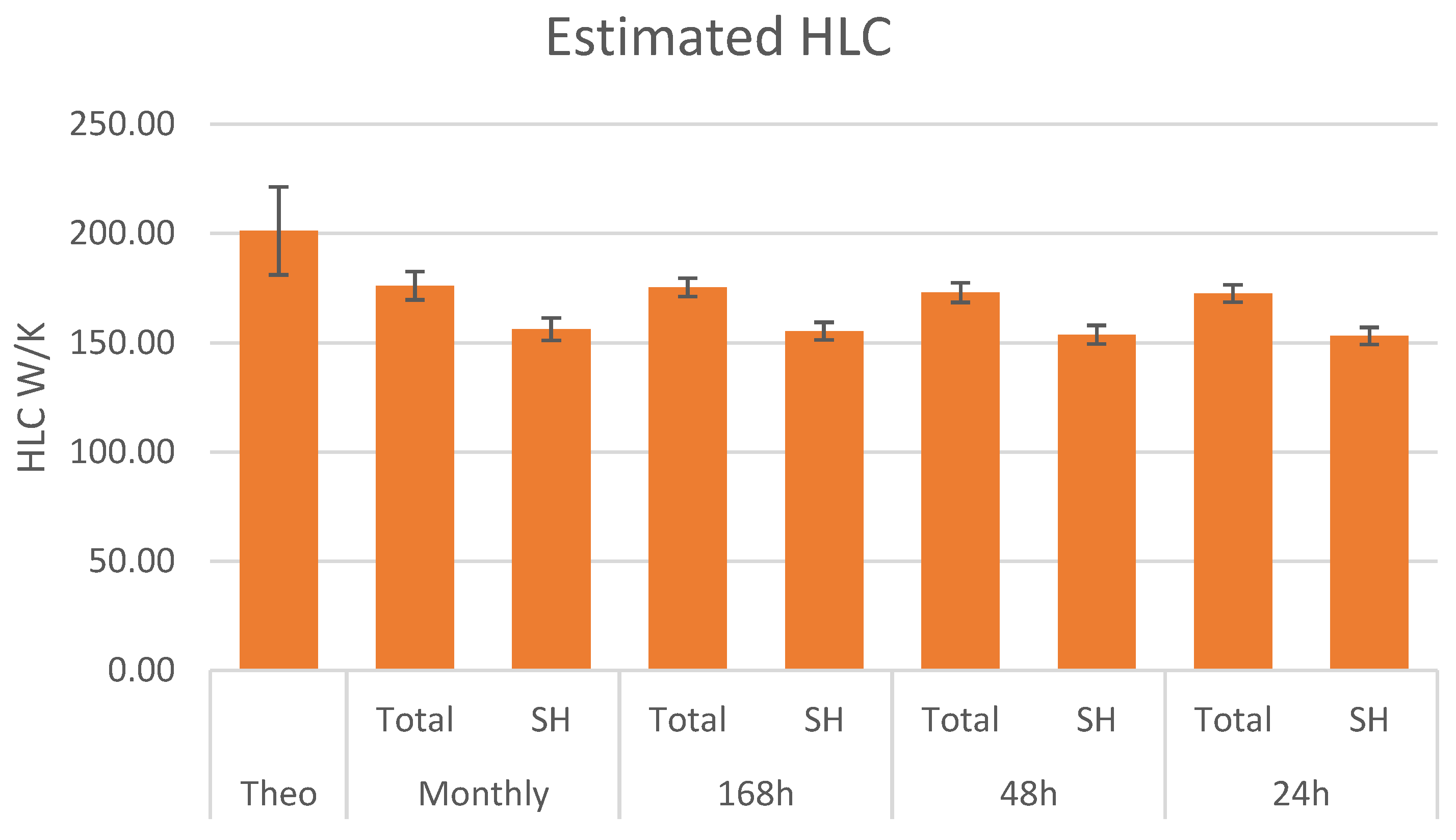
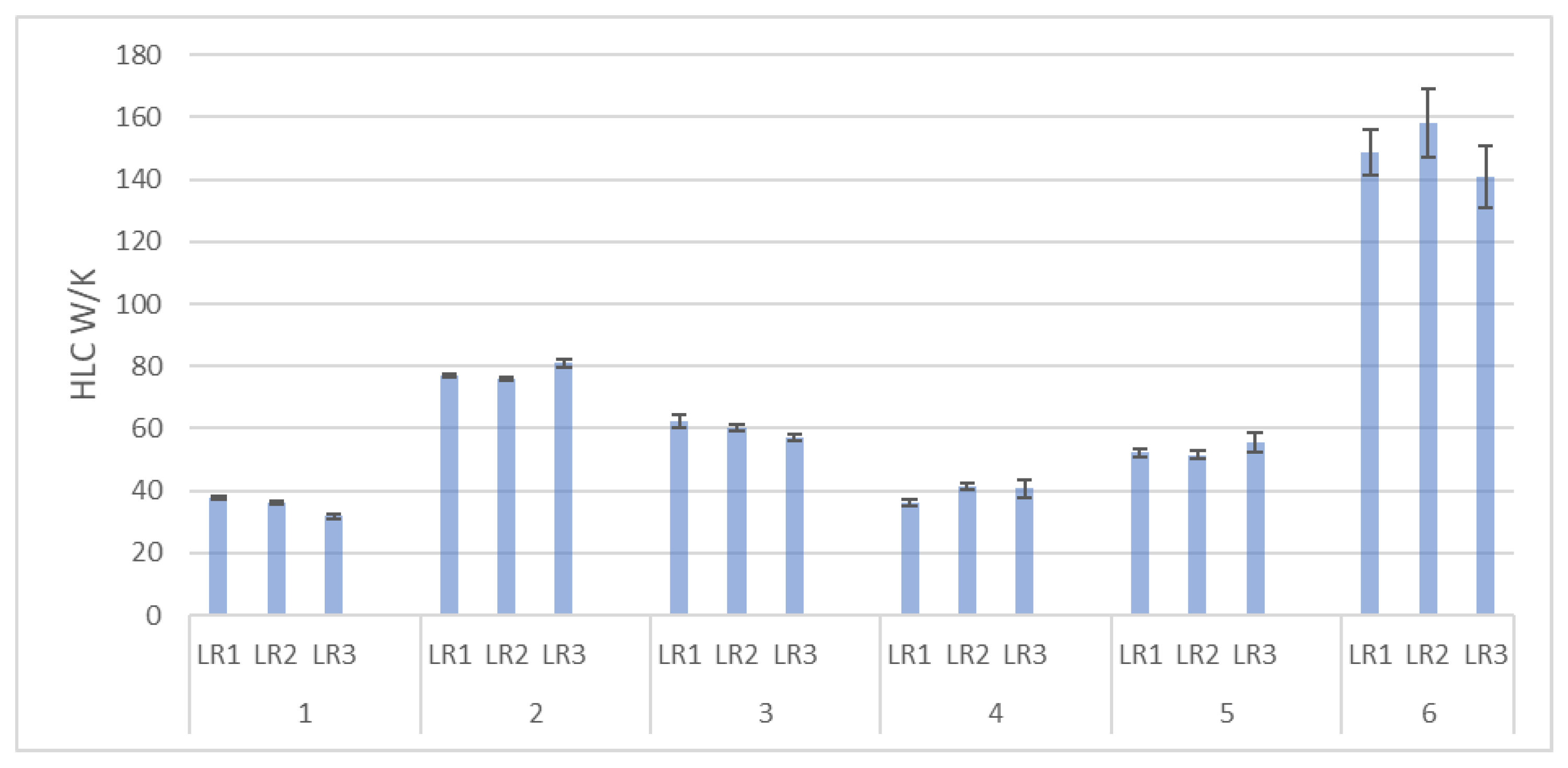
The availability of building operational data such as energy use and indoor temperature provides opportunities to enhance the traditional building energy performance calculation. Disaggregated building energy use facilitates informed decision-making to identify cost-saving measures efficiently at the individual building and building stock levels. The existing energy performance analysis techniques with measured input data in the literature are fragmented. Moreover, they frequently approach this issue with varying degrees of complexity depending on the available input data, expertise, and time. The procedure of choosing an appropriate method is often cumbersome with limited indication of the usefulness of the outcomes. This study proposes a data-driven framework for end-use load disaggregation through techniques that exploit various kinds of building consumption data. The results demonstrate the use of different techniques for varied applications. Calibrated theoretical calculation, data-driven heat loss coefficient (HLC), and energy signature curve (ESC) are among the proposed methods in the framework that facilitate individual, and urban scale energy decomposition. It is observed that different methods yield unalike outcomes, while their performance is predictable. While the HLC methods are flexible but also highly sensitive to the input parameters, the ESC needs high-frequency time series but provides stable energy decomposition. The ESC is efficient for large-scale analysis and the HLC method for detailed case-specific applications. Calibrated theoretical energy decomposition has a simple workflow and can supplement the current energy performance assessment method, although it entails sufficient input data.
Keywords: data-driven models; energy signature curve; load disaggregation; building end-services; heat loss coefficient data-driven models; energy signature curve; load disaggregation; building end-services; heat loss coefficient
Graphical Abstract