Article

Effect of Temperature on Moisture Migration in Earth and Fiber Mixtures for Cob Materials

1
LUSAC, Université de Caen Normandie, Site Universitaire Bellevue, 120 Rue de L’exode, 50000 Saint-Lo, Manche, France
2
LPMAT Laboratory, Faculty of Science Ain Chock, Hassan II University, Casablanca 20000, Morocco
*
Author to whom correspondence should be addressed.
Energies 2023, 16(14), 5526; https://doi.org/10.3390/en16145526
Submission received: 8 June 2023 / Revised: 1 July 2023 / Accepted: 6 July 2023 / Published: 21 July 2023
(This article belongs to the Section G: Energy and Buildings)

Abstract

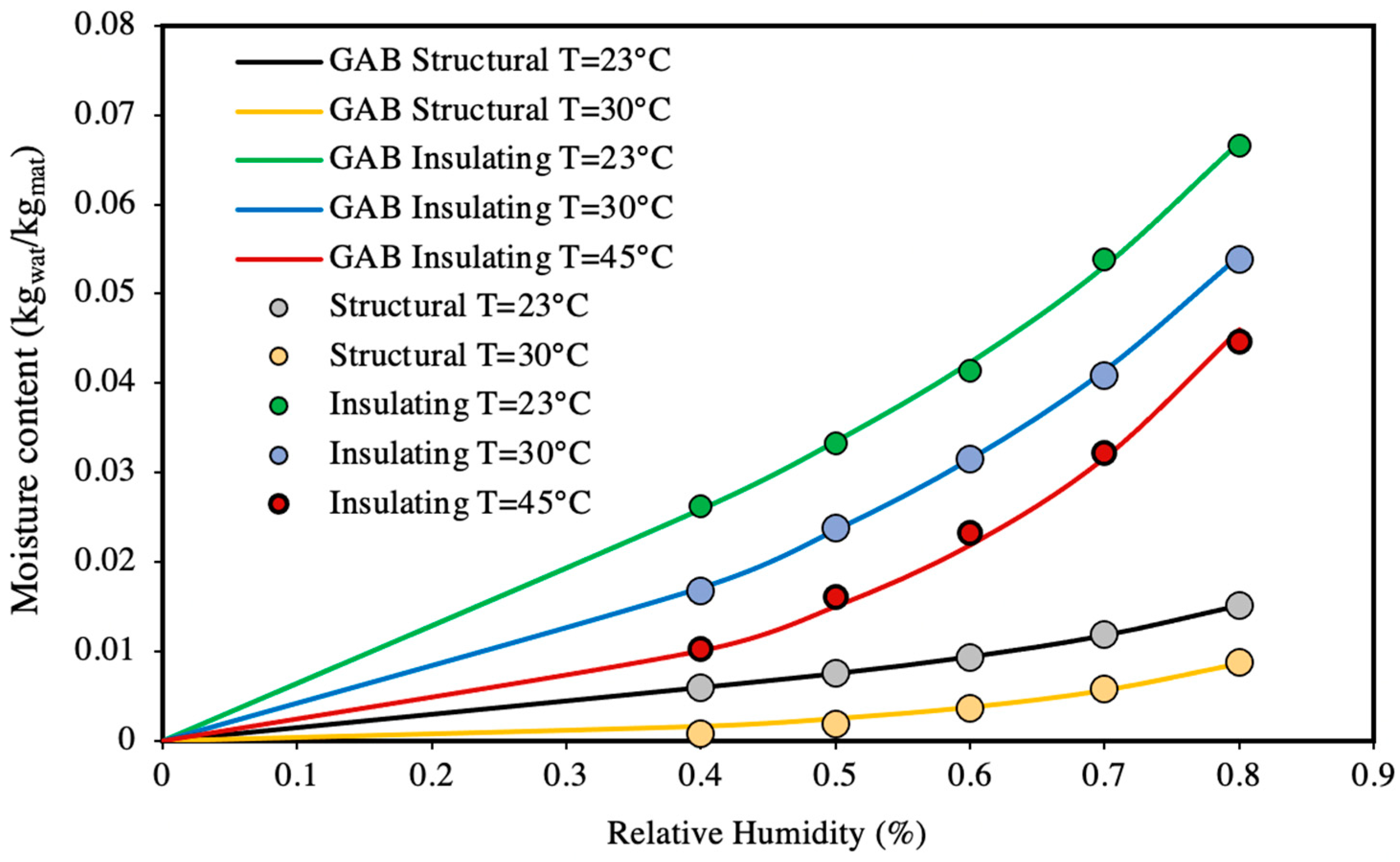
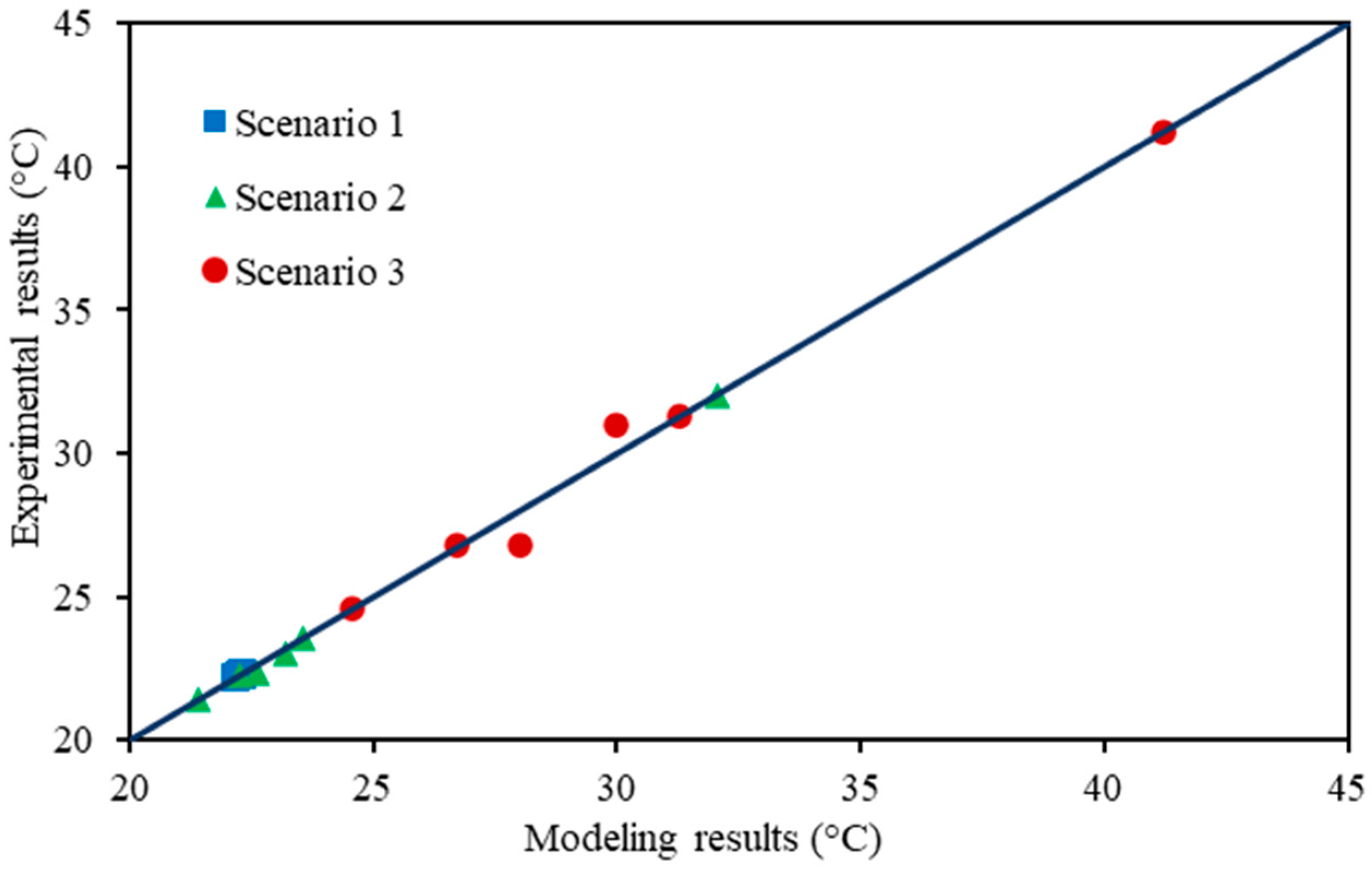
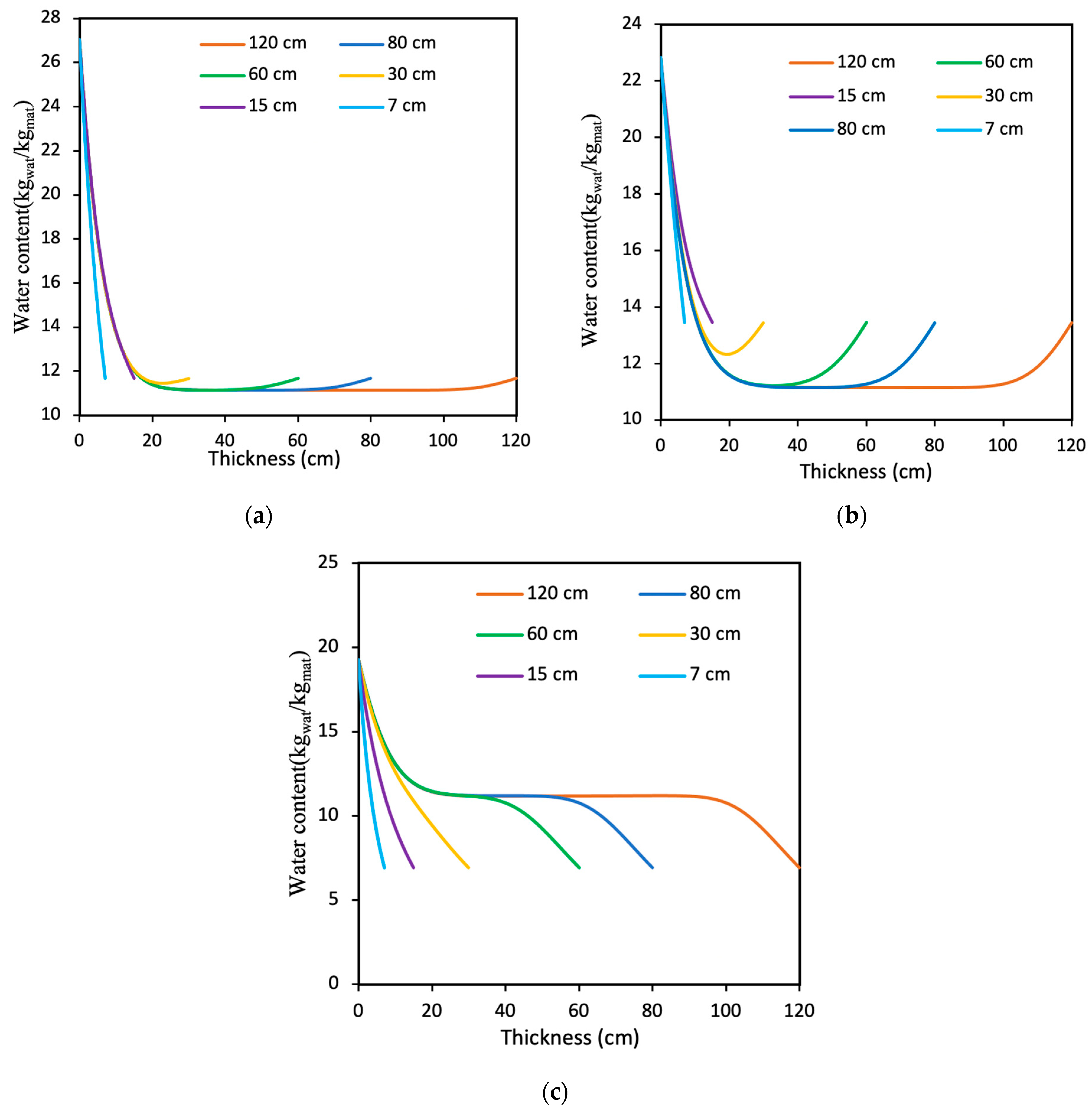
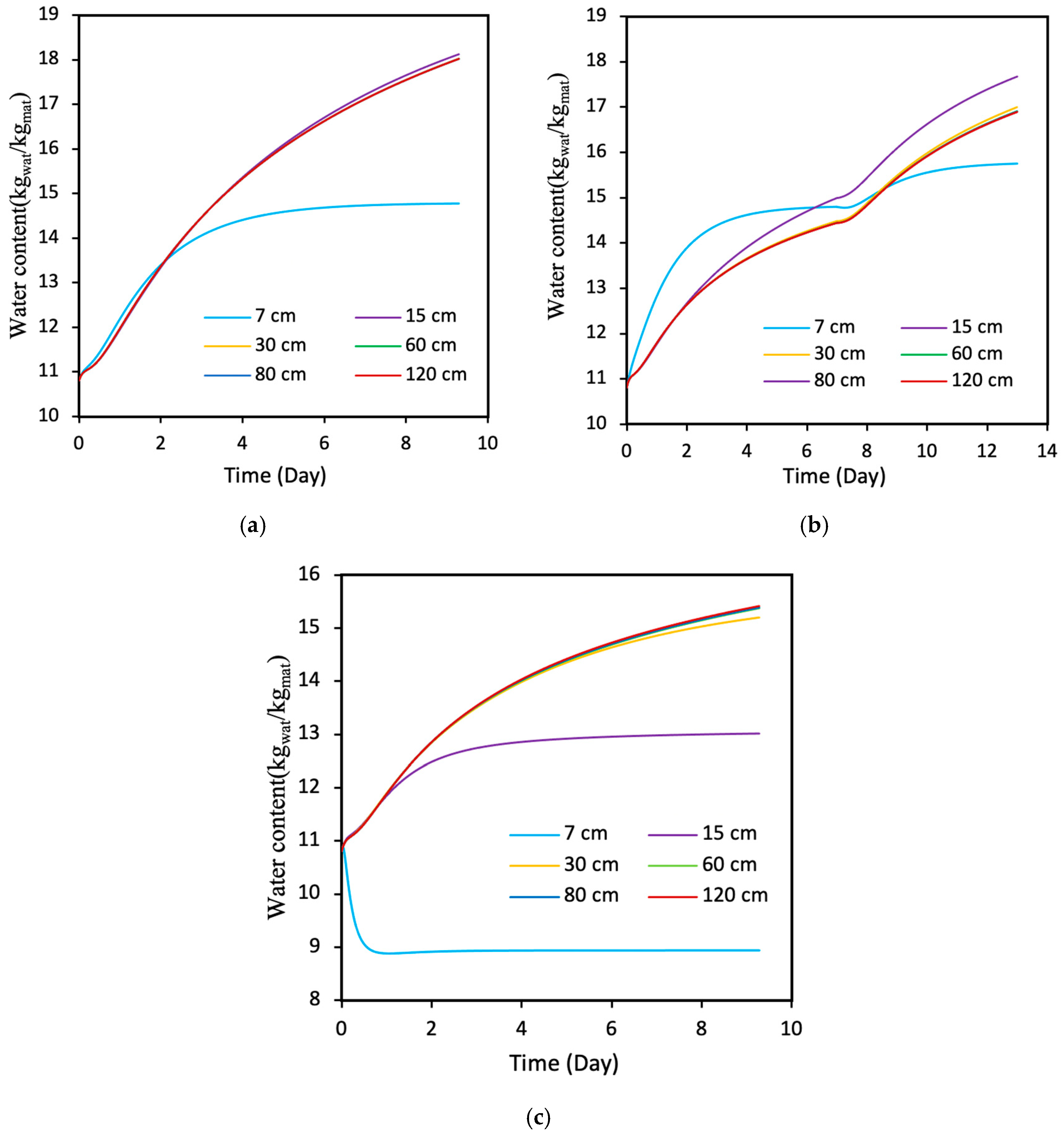
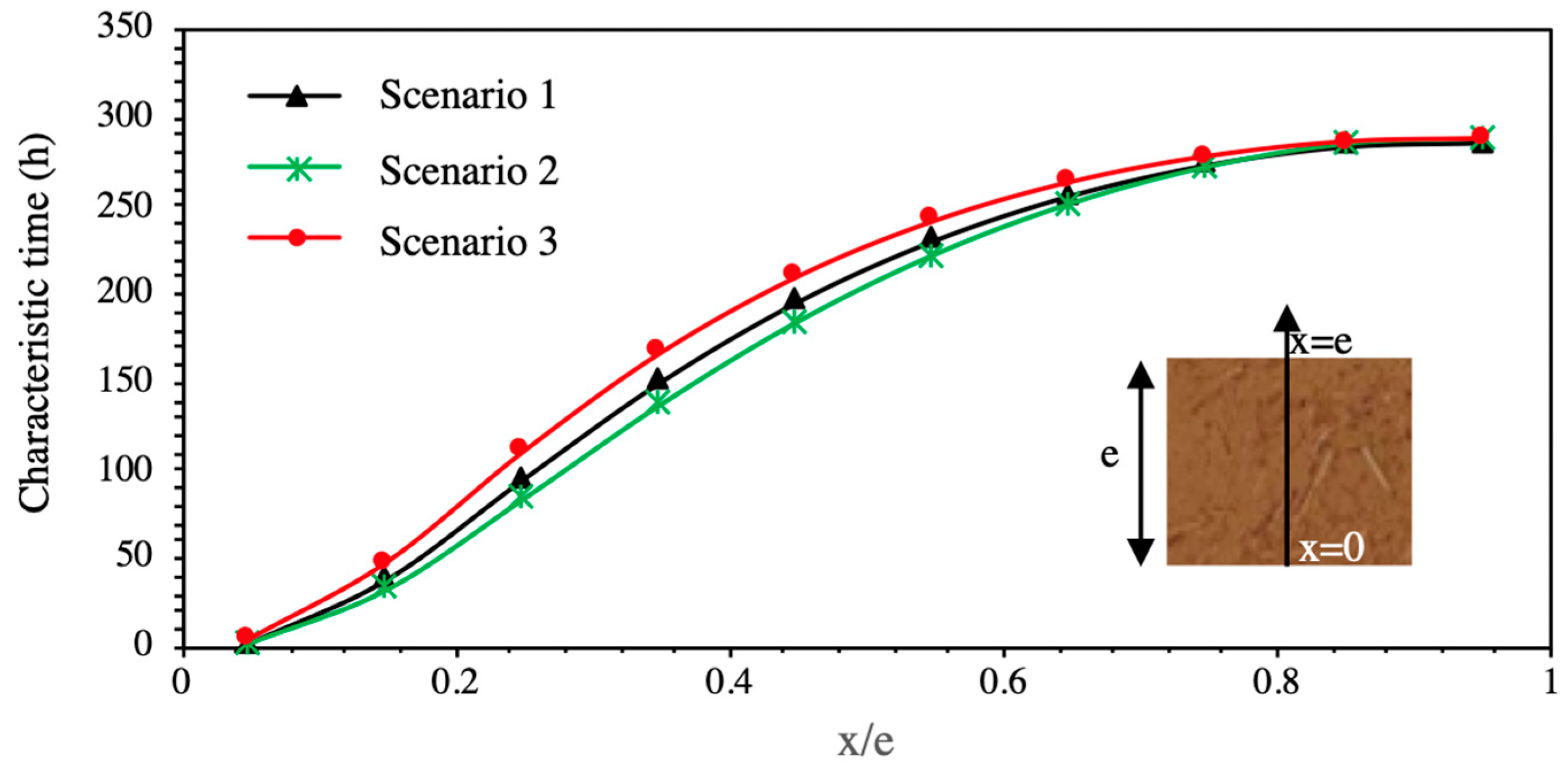
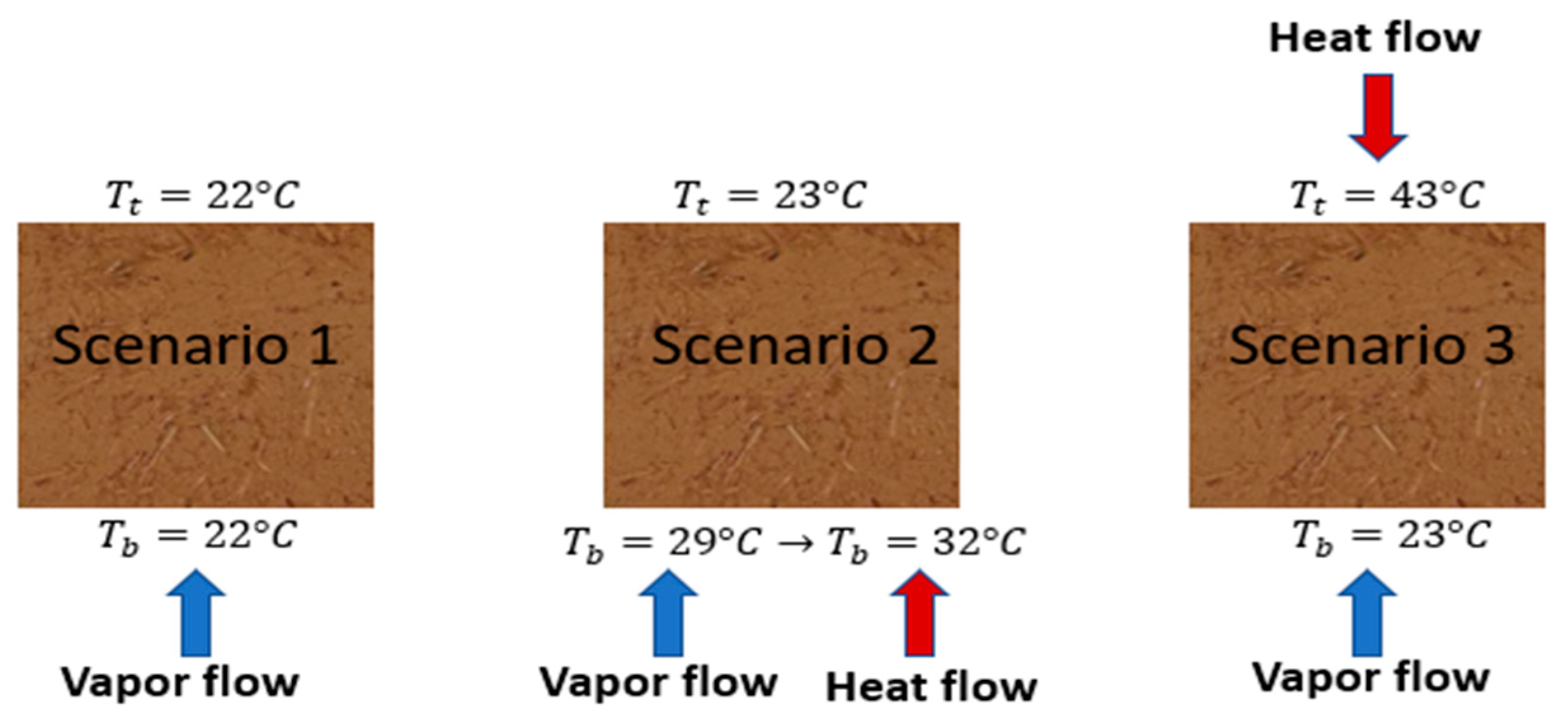
This paper highlights the impact of environmental conditions on cob buildings. Different factors such as wall thickness, material permeability and interactions between moisture and heat fluxes can all have significant effects on the performance and durability of cob buildings. An experimental and modeling-based study was conducted on the hygrothermal characterization of cob building materials, which were obtained by mixing earth and fibers. Two types of cob materials that can be used as insulation and to form structural materials in buildings were tested. The effect of outside temperature on adsorption isotherms was investigated for both materials. The experimental data were fitted using the GAB model, after which a new correlation of water content correlation was proposed. Three specific configurations were investigated in which cob material was subjected to moisture transfer and a zero, positive or negative temperature gradient. Based on the resulting measurements, a high coupling effect between heat and moisture transfer inside the structural material was analyzed. A comparison of the experimental and modeling results demonstrated the satisfactory correlation and reliability of the developed model. Simulations were carried out for various wall thicknesses, in order to assess the effect of heat and moisture transfer on water content. The three scenarios were simulated and distributions of water content inside the walls were determined. The results show that the wall thickness of cob buildings and the direction of heat and moisture fluxes affect water content distribution in the structure. A greater thickness of the cob wall leads to higher water content, but this relationship reverses when the heat and moisture fluxes move in the same direction.
Keywords: biosourced materials; temperature effect; hygrothermal behavior biosourced materials; temperature effect; hygrothermal behavior