Article

Turpentine as an Additive for Diesel Engines: Experimental Study on Pollutant Emissions and Engine Performance


1
Department of Thermal Systems and Automotive Engineering, “Dunarea de Jos” University, 800001 Galati, Romania
2
Mechanical Engineering and Resource Sustainability Center (MEtRICs), Department of Mechanical Engineering, School of Engineering, Campus Azurém, University of Minho, 4800-058 Guimarães, Portugal
3
Mechanical Engineering and Resource Sustainability Center (MEtRICs), Department of Science and Technology of Biomass, Faculty of Science and Technology, NOVA University of Lisbon, 2829-516 Caparica, Portugal
4
Fibrenamics–Institute for Innovation in Fiber-Based Materials and Composites, Center for Textile Science and Technology, University of Minho, Campus de Azurém, 4800-058 Guimarães, Portugal
5
Faculty of Industrial Design and Bbusiness Management, Technical University “Gheorghe Asachi” of Iasi, 700050 Iași, Romania
*
Authors to whom correspondence should be addressed.
Energies 2023, 16(13), 5150; https://doi.org/10.3390/en16135150
Submission received: 31 May 2023 / Revised: 22 June 2023 / Accepted: 28 June 2023 / Published: 4 July 2023

Abstract

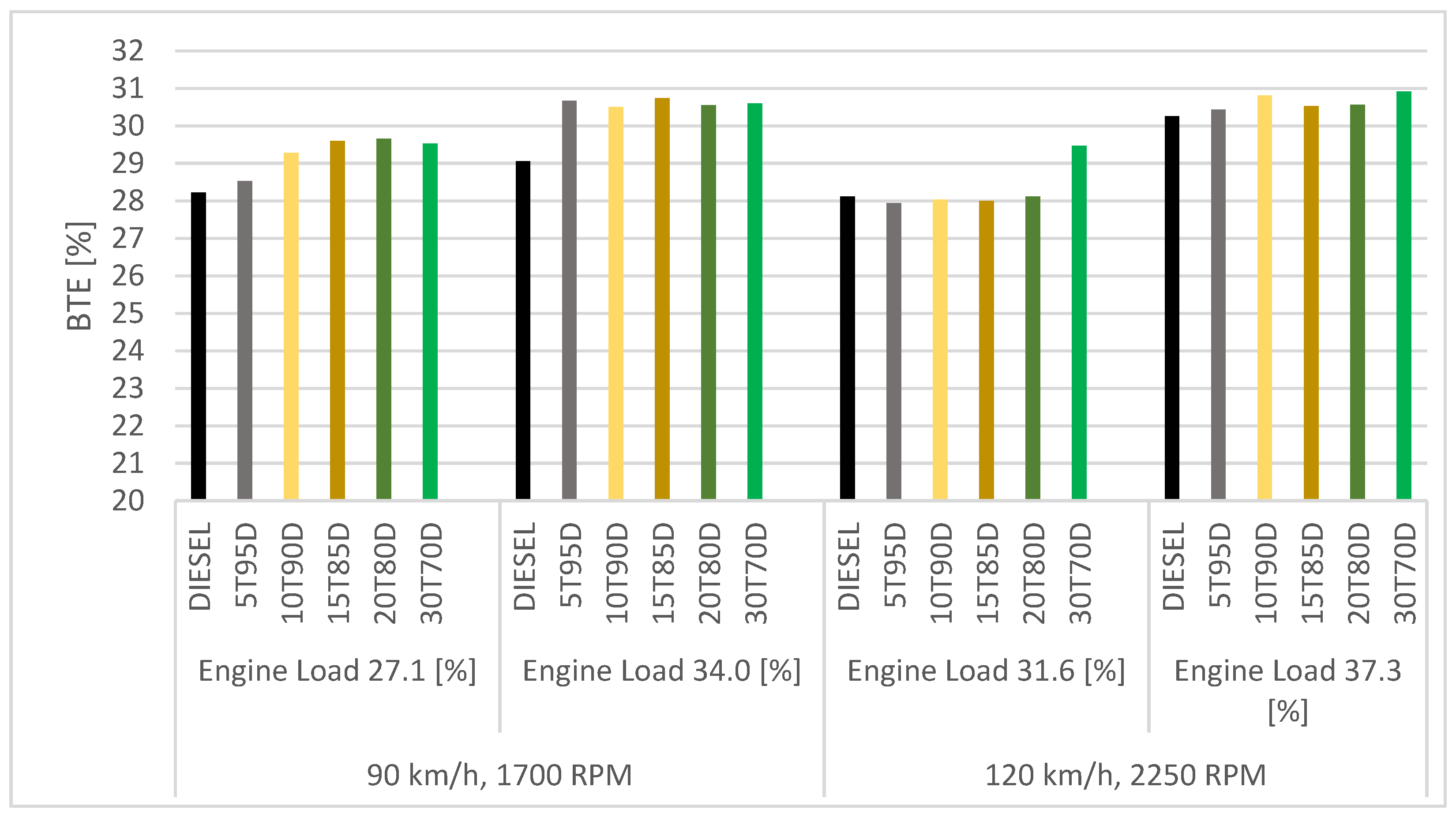
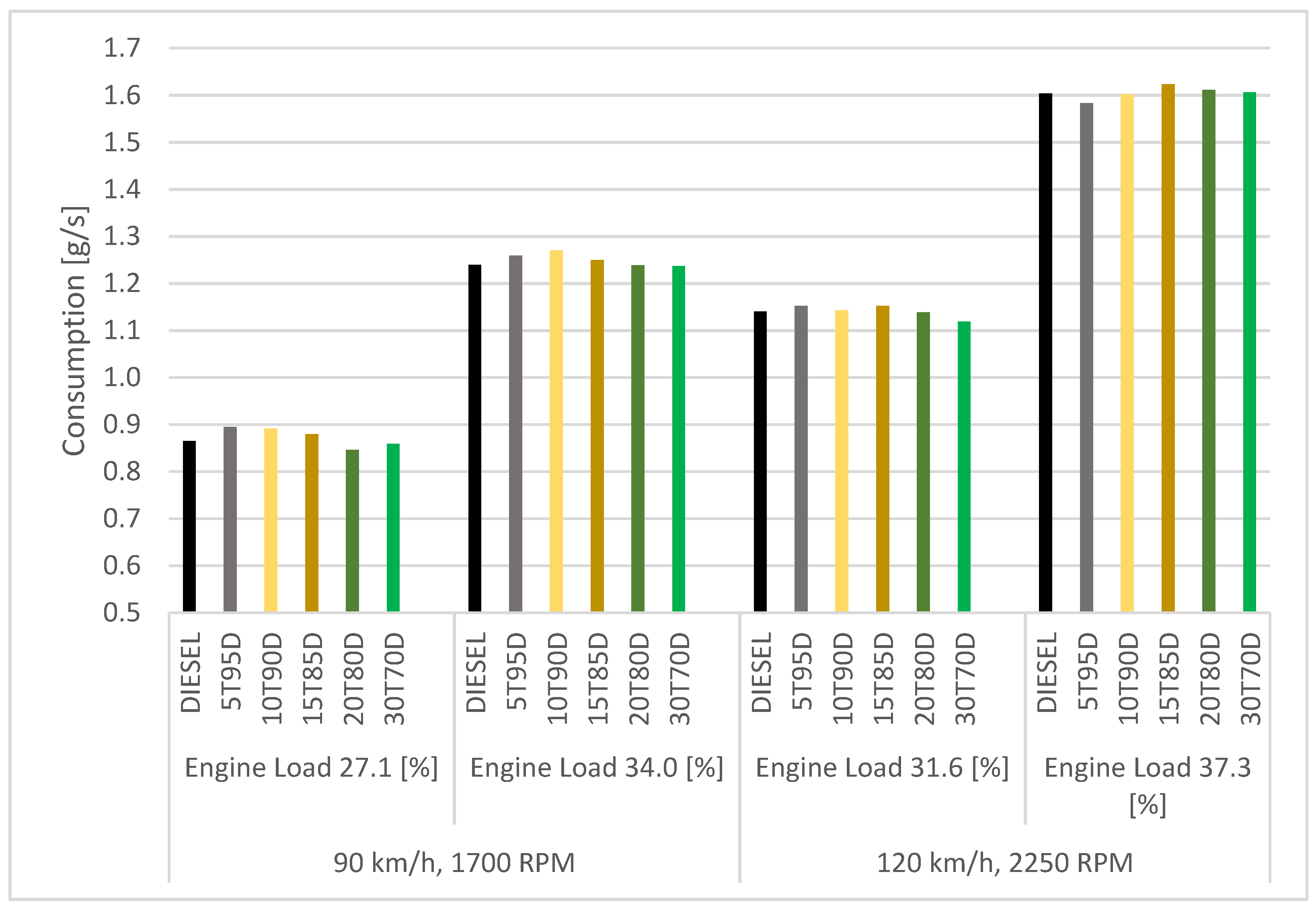
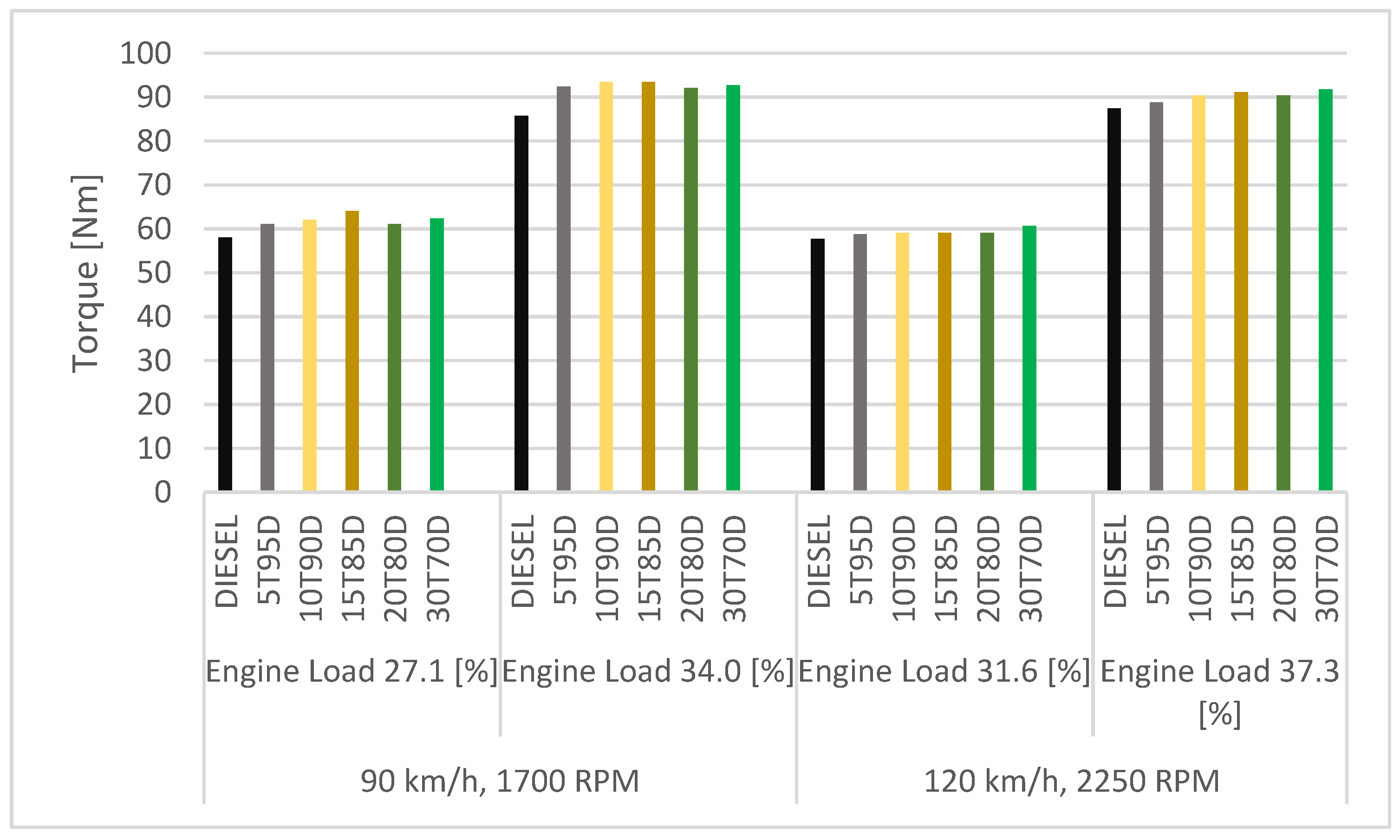
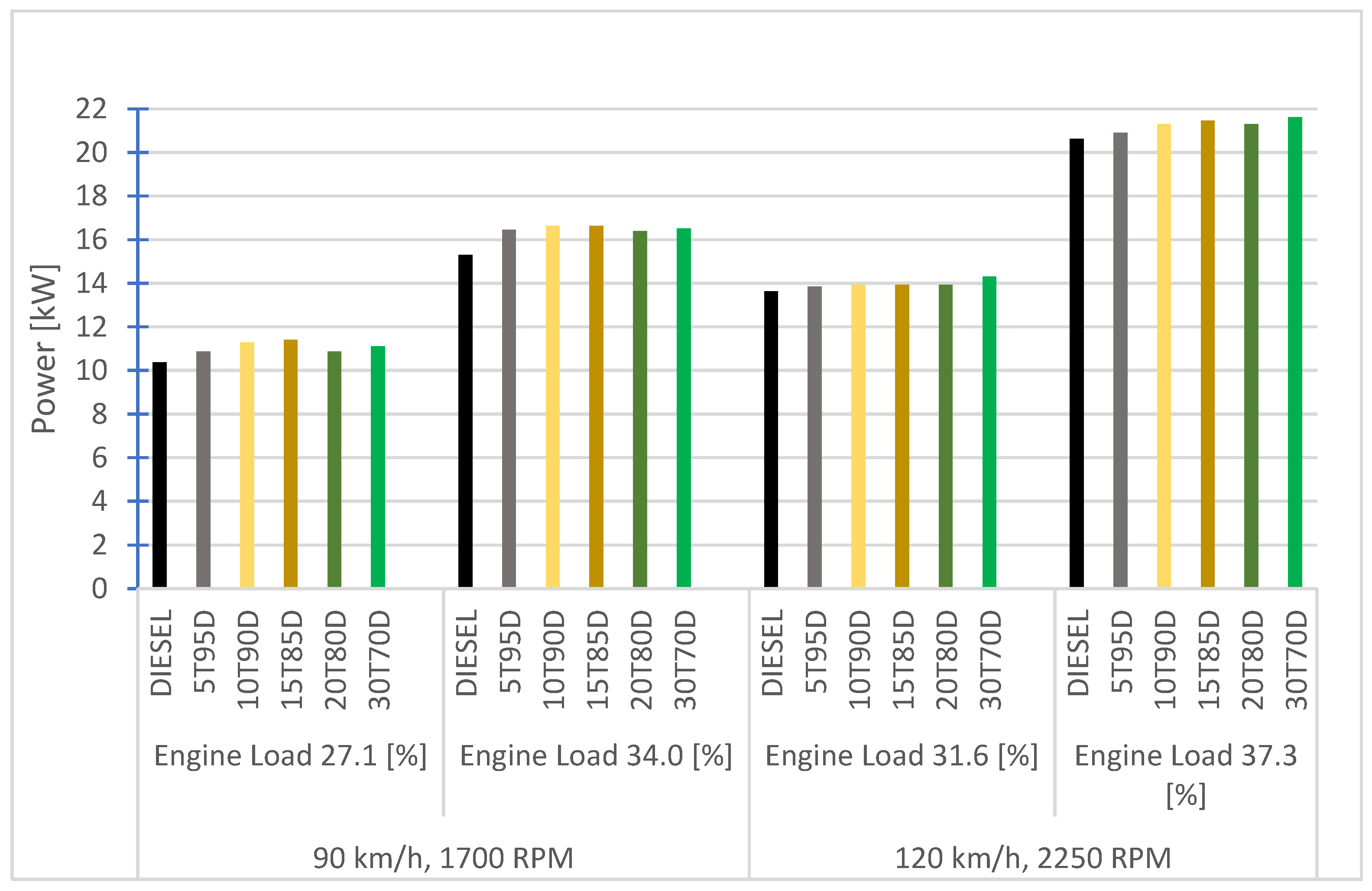
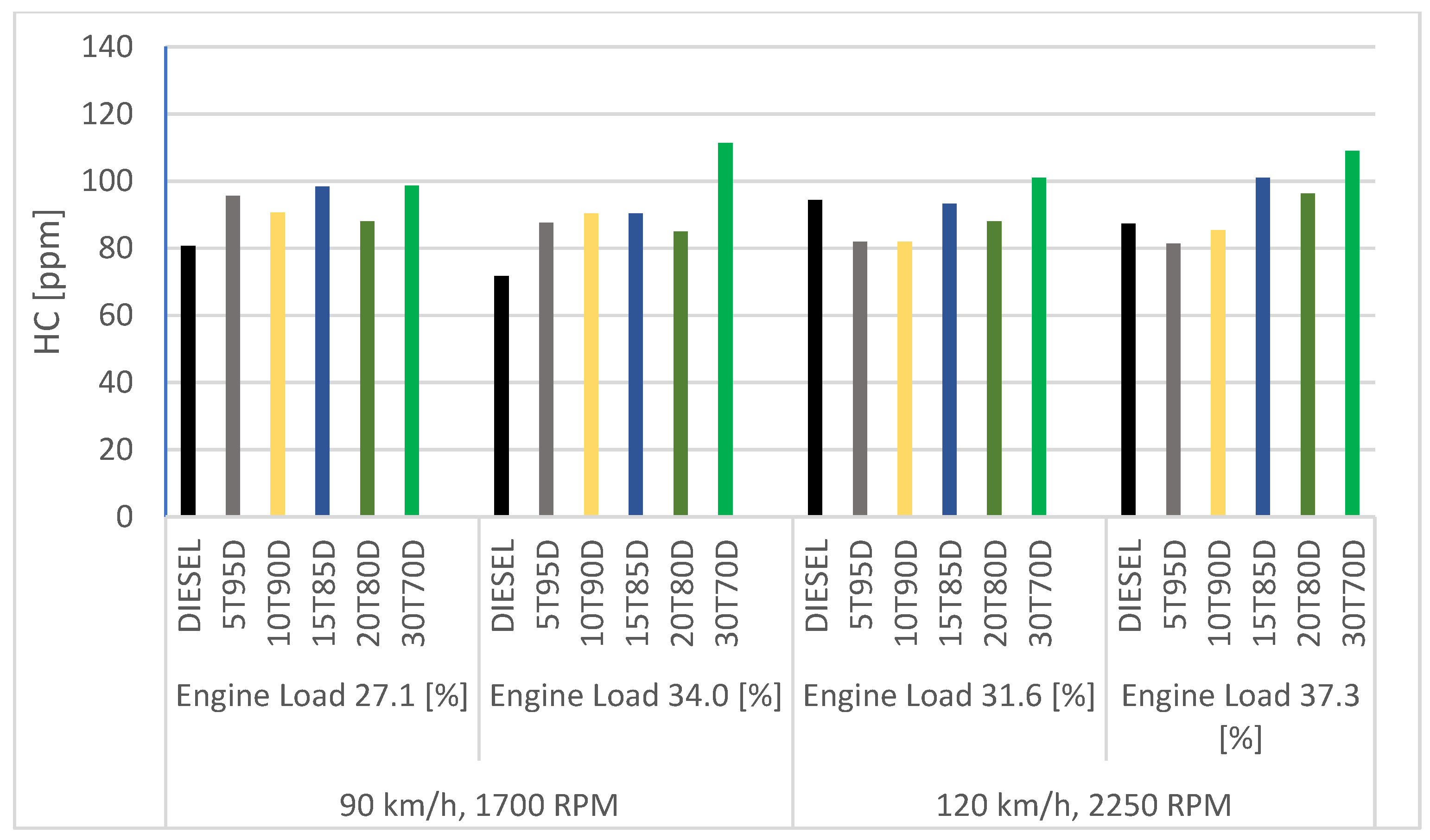
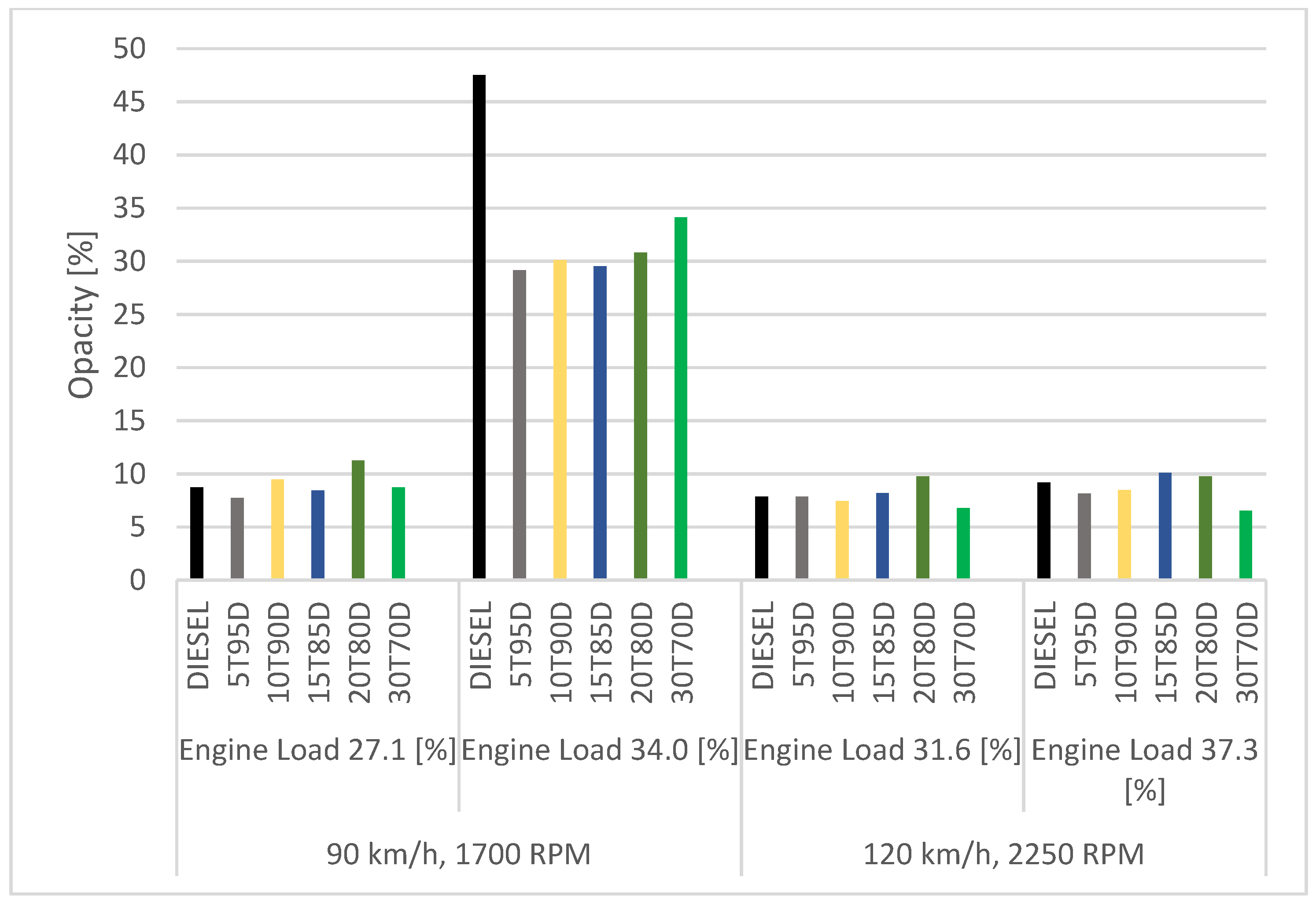
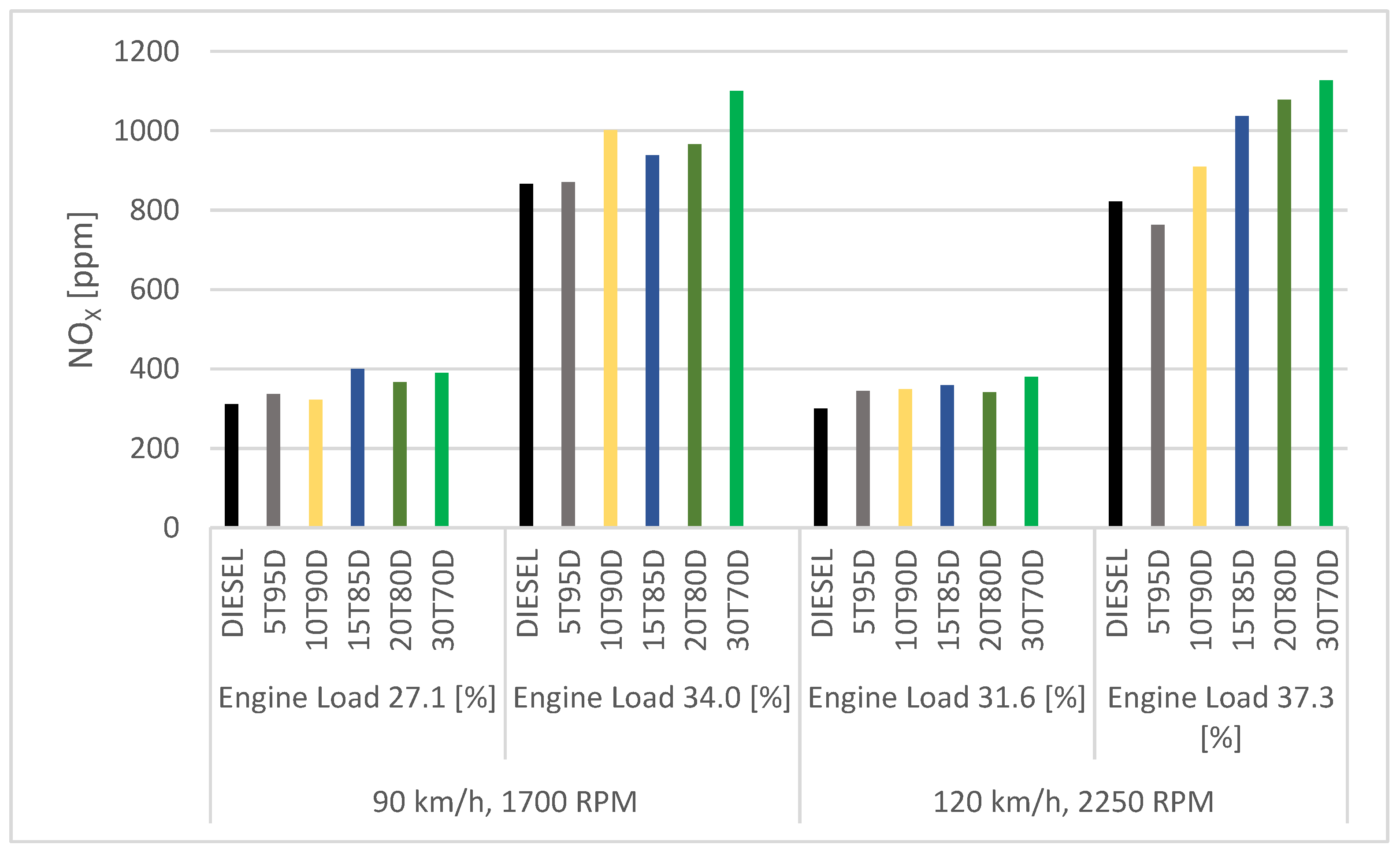
The need for reducing fossil fuel consumption and greenhouse gas (GHG) emissions in internal combustion engines has raised the opportunity for the use of renewable energy sources. For the progressive replacement of fossil fuels like diesel, those derived from the sustainable management of forest resources may be a good option. In Portugal, pine trees (pinus pinaster) are among the most widely cultivated tree species. Turpentine can be extracted from their sap without harming the tree. Turpentine is known to be a good fuel with a lower viscosity than regular diesel but with a comparable caloric value, boiling point and ignition characteristics, although it is not widely used as a compression ignition fuel. Moreover, recent research has highlighted the possibility of substantially increasing the turpentine yield through biotechnology, bringing it closer to economic viability. The present study investigates the performance, pollutant emissions and fuel consumption of a 1.6 L four-cylinder direct-injection diesel engine operating with several blends of commercial diesel fuel and turpentine obtained from pine trees. The aim of this study was to assess whether it would be possible to maintain or even improve the performance, fuel consumption and GHG and pollutant emissions (HC, NOx, CO and PM) of the engine with the partial incorporation of this biofuel. Turpentine blends of up to 30% in substitution of regular diesel fuel were tested. The main novelties of the present work are related to (i) the careful testing of a still-insufficiently studied fuel that could gain economical attractiveness with the recent developments in yield improvement through biotechnology and (ii) the tests conducted under fixed engine load positions typical of road and highway conditions. The addition of this biofuel only slightly impacted the engine performance parameters. However, a slightly positive effect was observed in terms of torque, with an increase of up to 7.9% at low load for the 15T85D mixture and 6.8% at high load being observed. Power registered an increase of 9% for the 15T85D mixture at low speed and an increase of 5% for the 30T70D mixture at high speed when compared to the reference fuel (commercial diesel fuel). While the efficiency and fossil GHG emissions were improved with the incorporation of turpentine, it had a mixed effect on polluting emissions such as unburned hydrocarbons (HC) and smoke (PM) and a negative effect on nitrogen oxides (NOx). NOx emissions increased by 30% for high loads and 20% for low loads, mainly as an indirect effect of the improvement in the engine performance and not so much as a consequence of the marginally higher oxygen content of turpentine relative to commercial diesel fuel.
Keywords: turpentine fuel; diesel substitution; engine testing; terpene biofuels turpentine fuel; diesel substitution; engine testing; terpene biofuels