Article

Research on the Magnetostrictive Characteristics of Transformers under DC Bias

School of Information and Automation, Qilu University of Technology (Shandong Academy of Sciences), Jinan 250353, China
*
Author to whom correspondence should be addressed.
Energies 2023, 16(11), 4457; https://doi.org/10.3390/en16114457
Submission received: 4 March 2023 / Revised: 26 April 2023 / Accepted: 28 May 2023 / Published: 31 May 2023
(This article belongs to the Special Issue Data-Driven Large-Scale Power System Operations)

Abstract

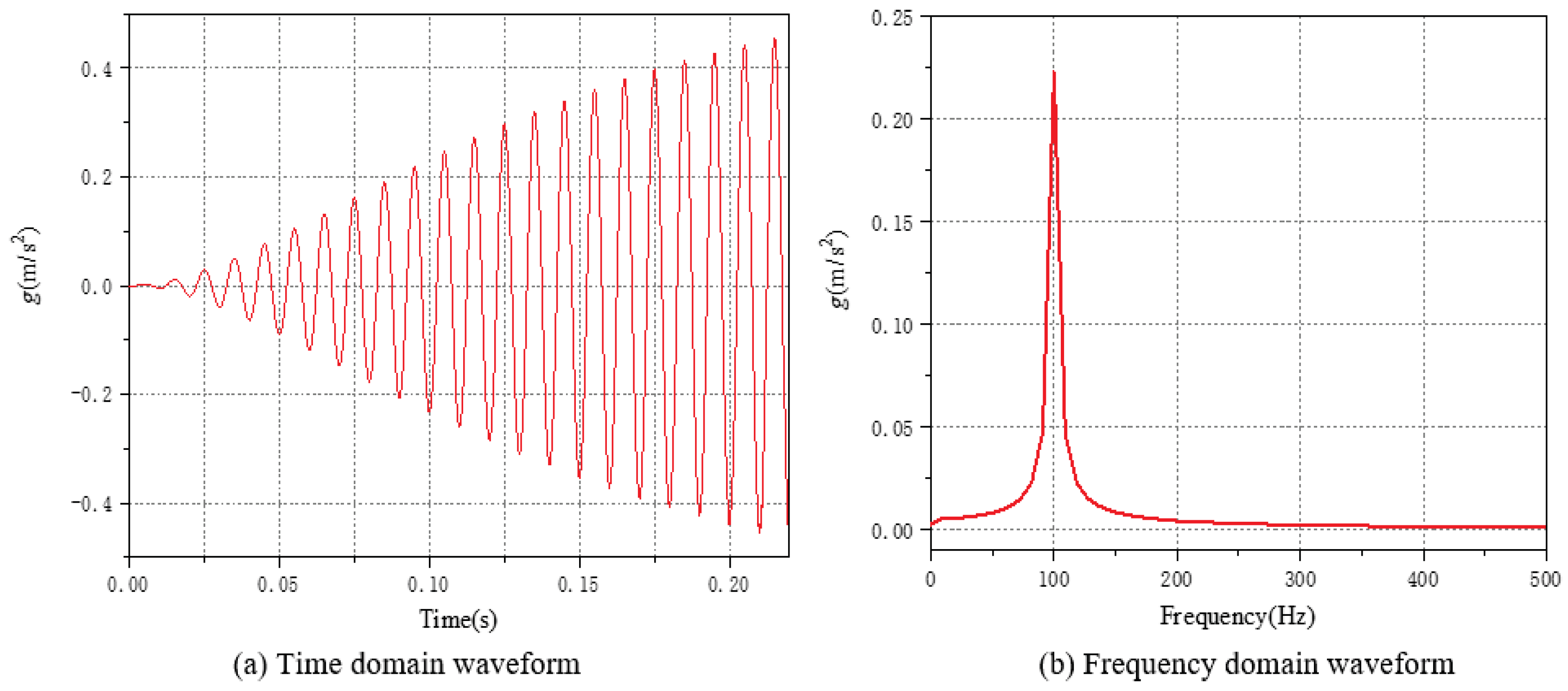
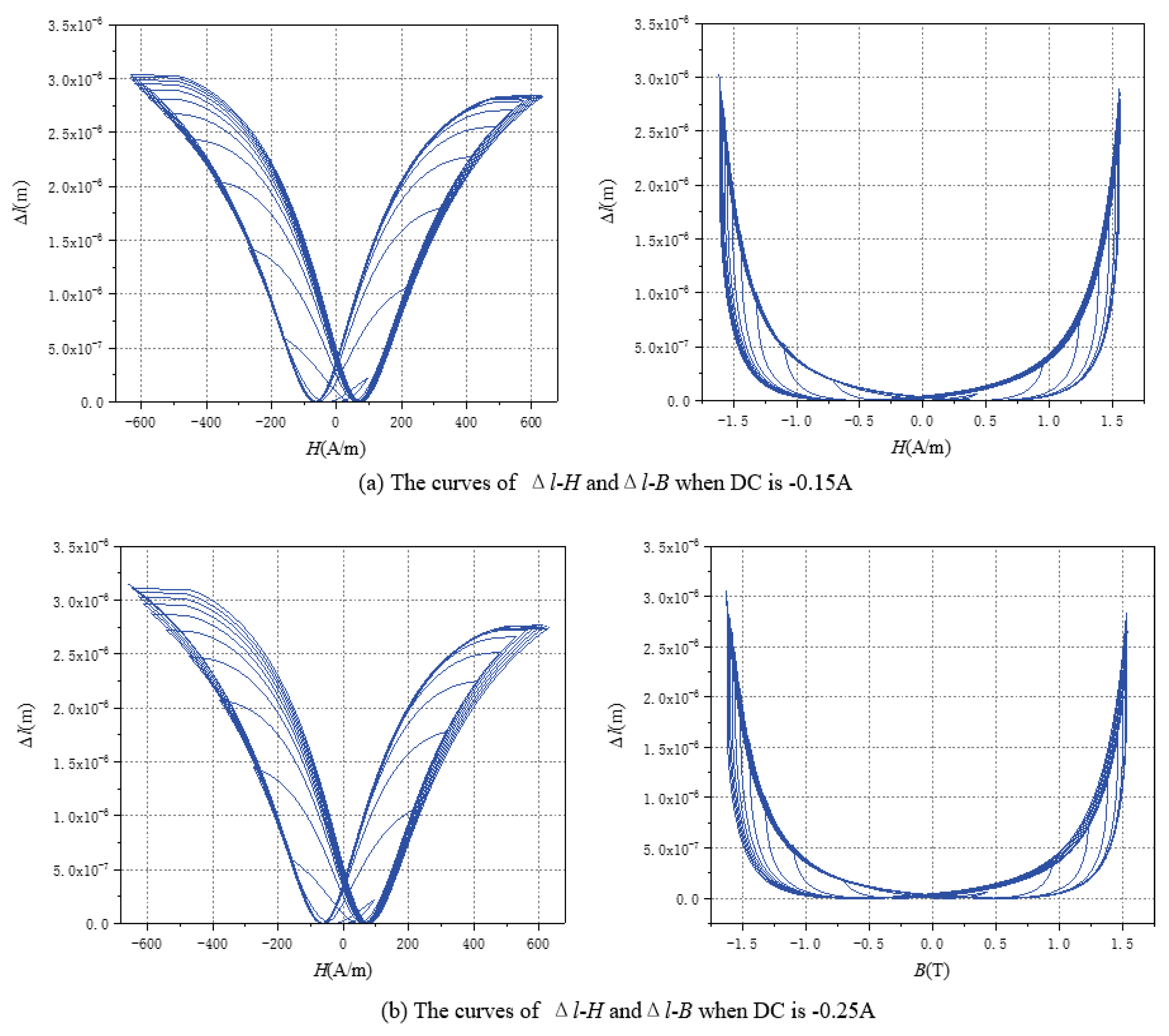
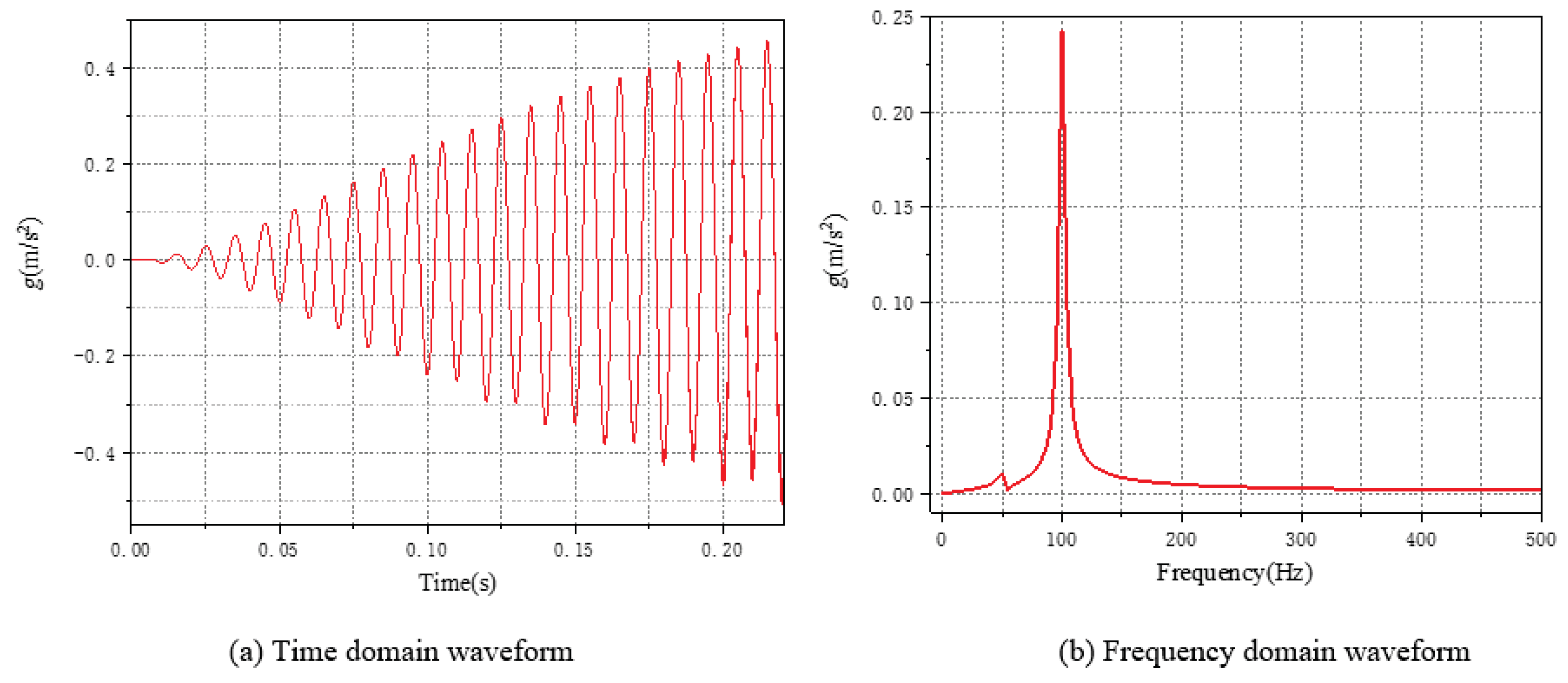
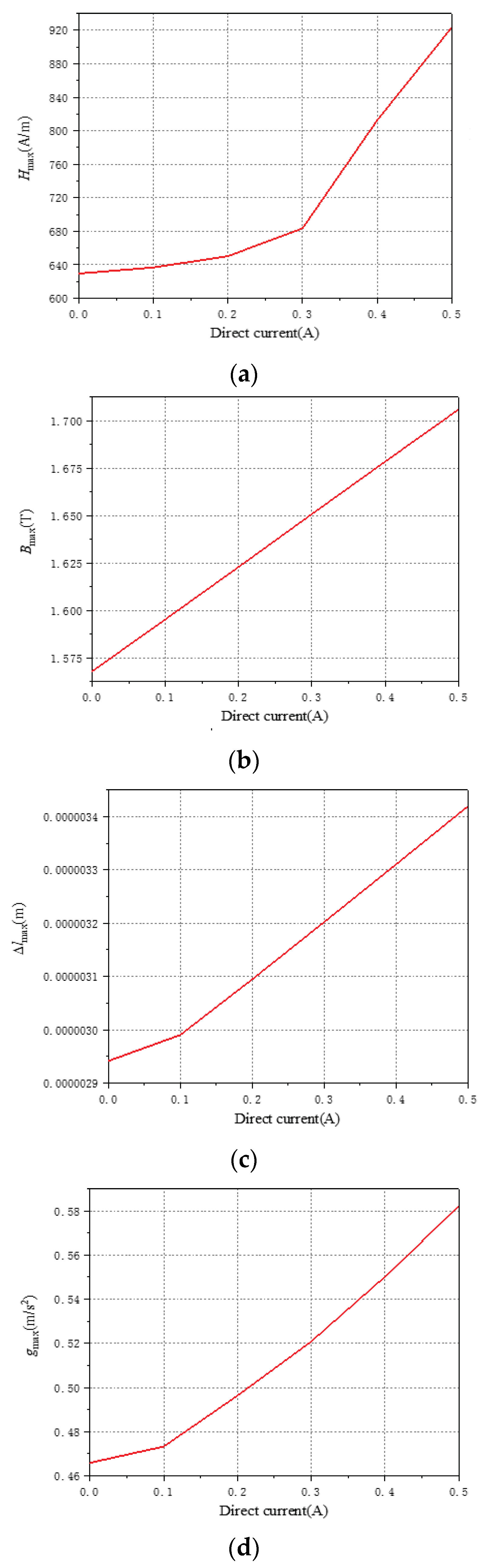
Direct current (DC) bias leads to increased vibration and noise in transformers. One of the main causes is the magnetostrictive effect of the transformer core. To address this phenomenon of magnetostriction, firstly, a transmission line model (TLM) of a single-phase transformer under DC bias is developed using transmission line theory and Jiles–Atherton (J–A) ferromagnetic hysteresis theory, taking into account the winding copper loss, core eddy current loss, and leakage effect. Secondly, the time-domain simulation of the single-phase transformer based on the Newton–Raphson iterative method is carried out, and the magnetostriction characteristics of the transformer under different DC and its variation law are analyzed. Finally, the results show that the DC bias results in magnetostrictive distortion and vibration acceleration curve distortion, the left and right wings of the magnetostrictive butterfly curve are no longer symmetrical, the slope of the vibration acceleration image increases significantly, and the degree of distortion is positively correlated with the magnitude of the DC. In addition, the peak values of the magnetostrictive deformation and vibration acceleration become larger under DC bias, leading to an increase in the vibration and noise of the transformer. The research object of this paper is the single-phase transformer, and the research method can also be applied to the study of three-phase transformers.
Keywords: DC bias; magnetostriction; single-phase transformer; vibration and noise; vibration acceleration DC bias; magnetostriction; single-phase transformer; vibration and noise; vibration acceleration