Article

Zero Waste as a Determinant of Shaping Green Economy Processes on the Example of Communes of Eastern Poland in 2010–2020


1
Department of Economics and Finance, Jan Kochanowski University in Kielce, Uniwersytecka 15 Str., 25-406 Kielce, Poland
2
Faculty of Economics and Finance, University of Bialystok, Warszawska 63 Str., 15-062 Białystok, Poland
3
Department of Agronomy, Faculty of Agriculture and Biotechnology, Bydgoszcz University of Science and Technology, Al. prof. S. Kaliskiego 7, 85-796 Bydgoszcz, Poland
4
Department of Economics, Faculty of Economics and Management, Czech University of Life Sciences, 16500 Prague, Czech Republic
5
Faculty of Low and Social Science, Jan Kochanowski University in Kielce, Uniwersytecka 15 Str., 25-406 Kielce, Poland
*
Authors to whom correspondence should be addressed.
Energies 2023, 16(1), 19; https://doi.org/10.3390/en16010019
Submission received: 17 November 2022 / Revised: 12 December 2022 / Accepted: 15 December 2022 / Published: 20 December 2022

Abstract

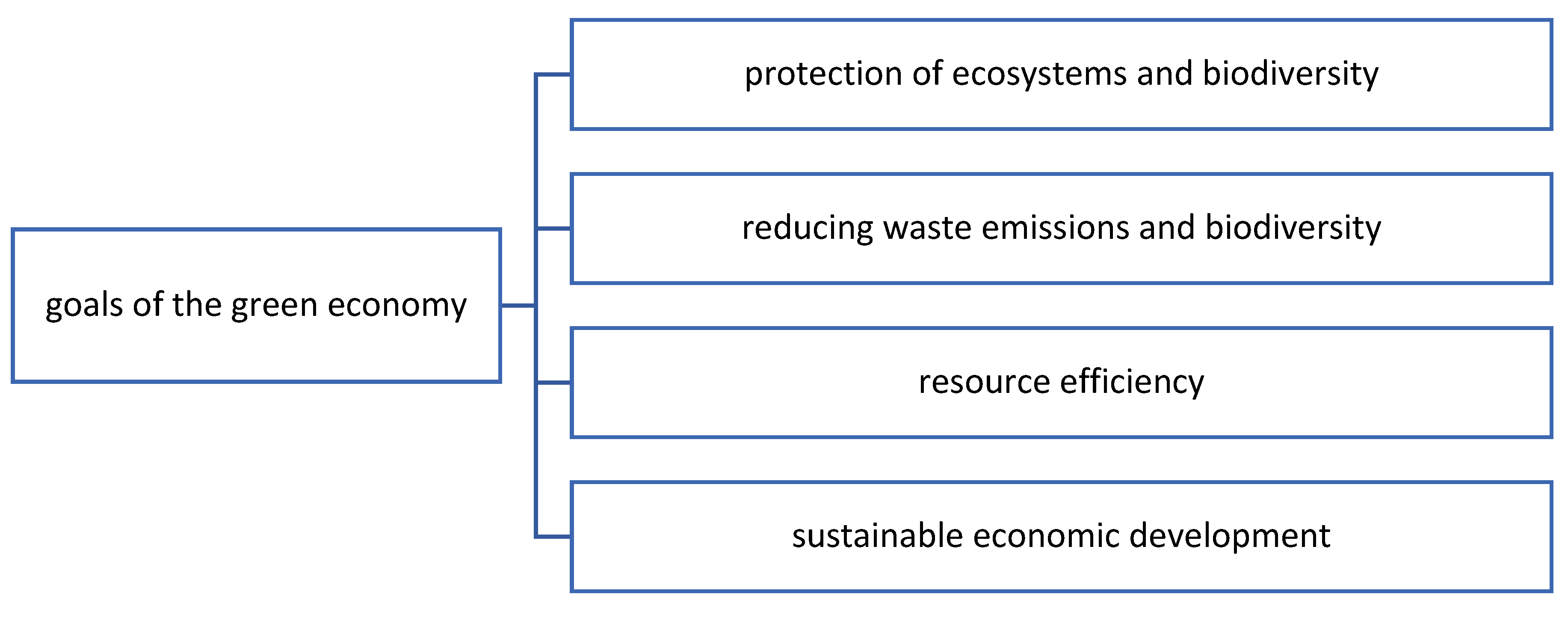
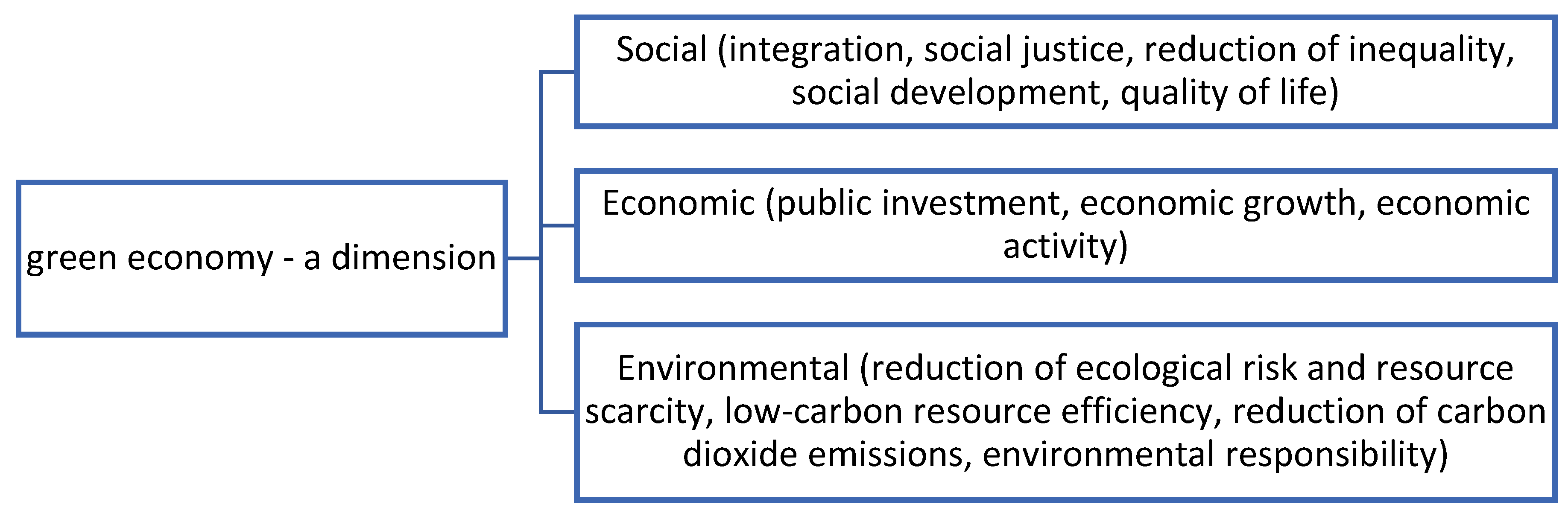
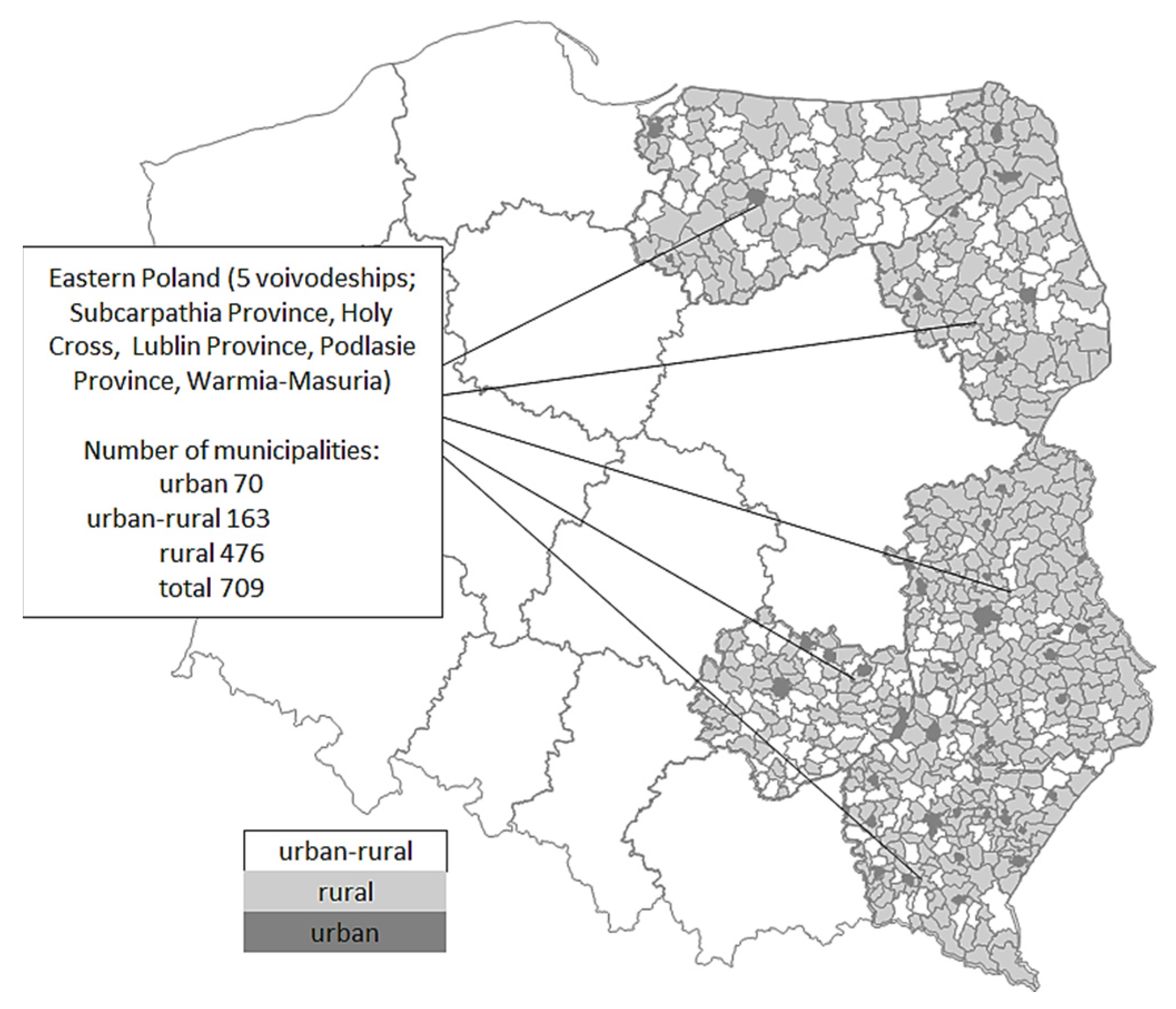
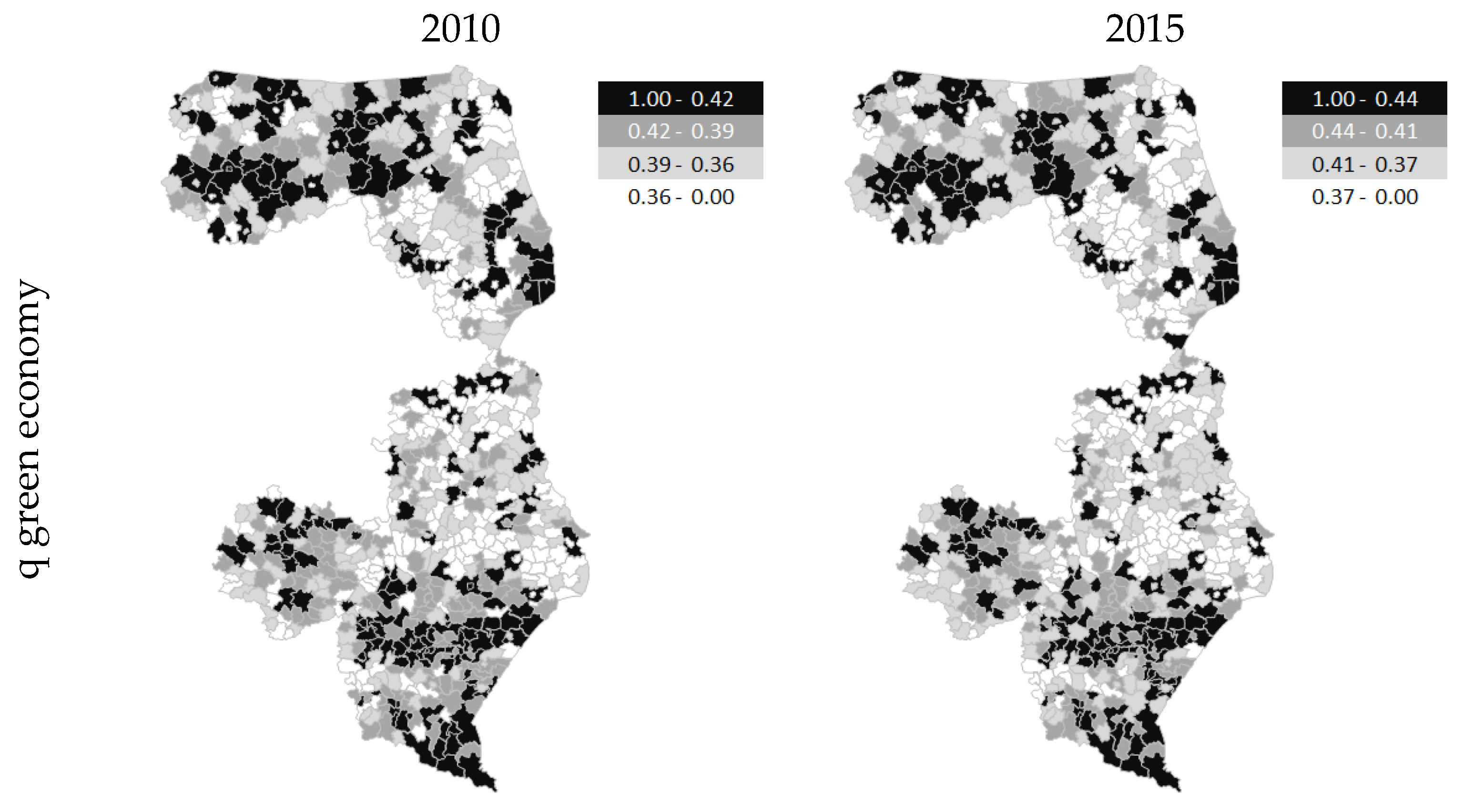
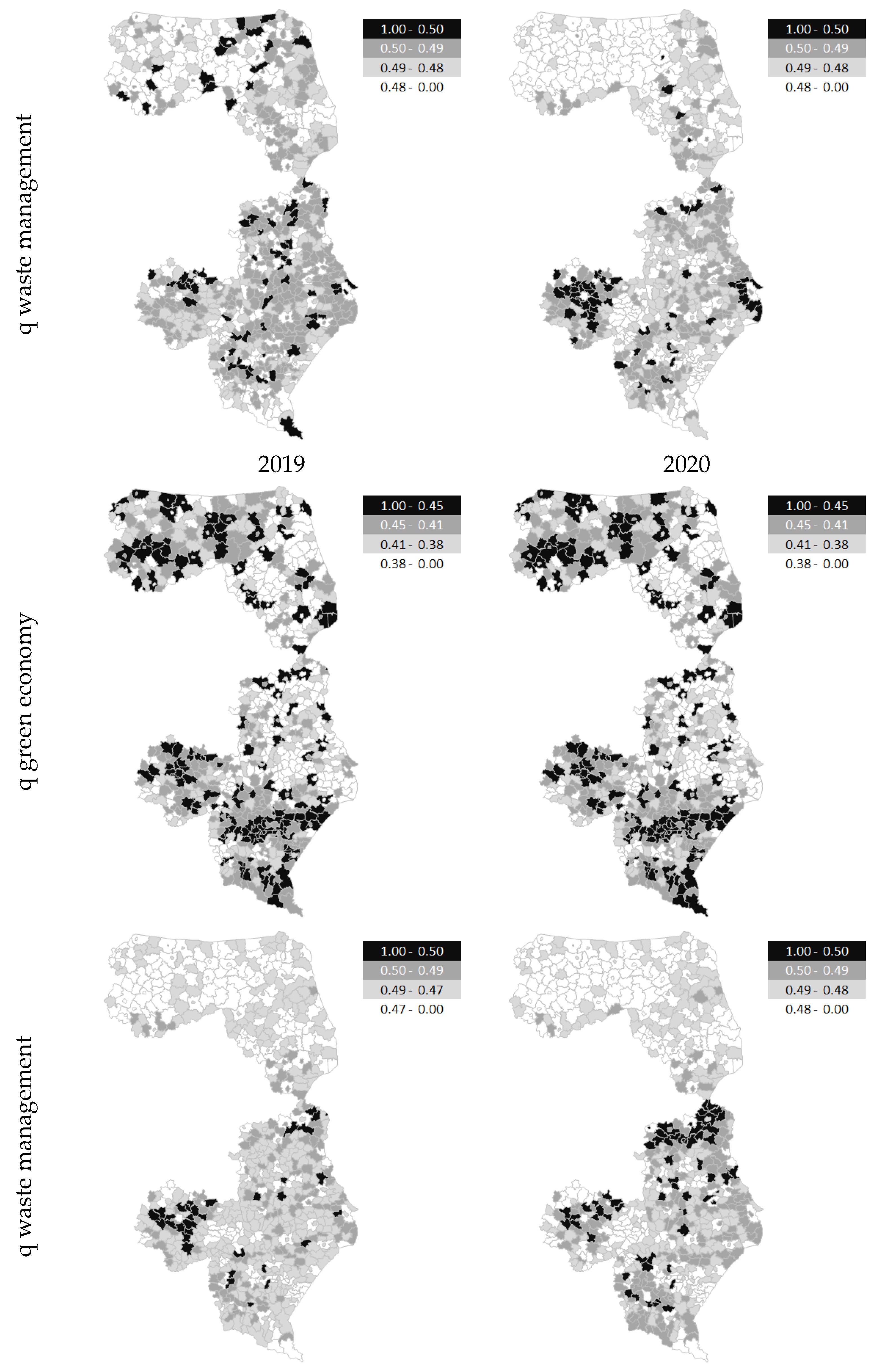
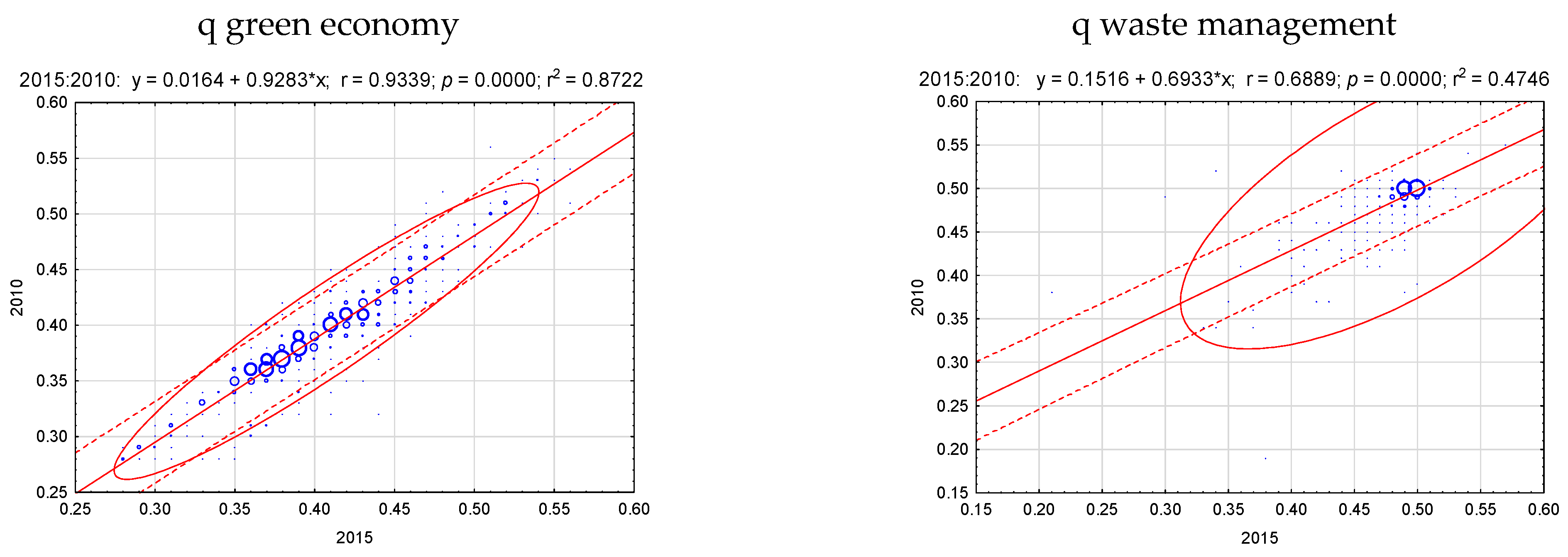
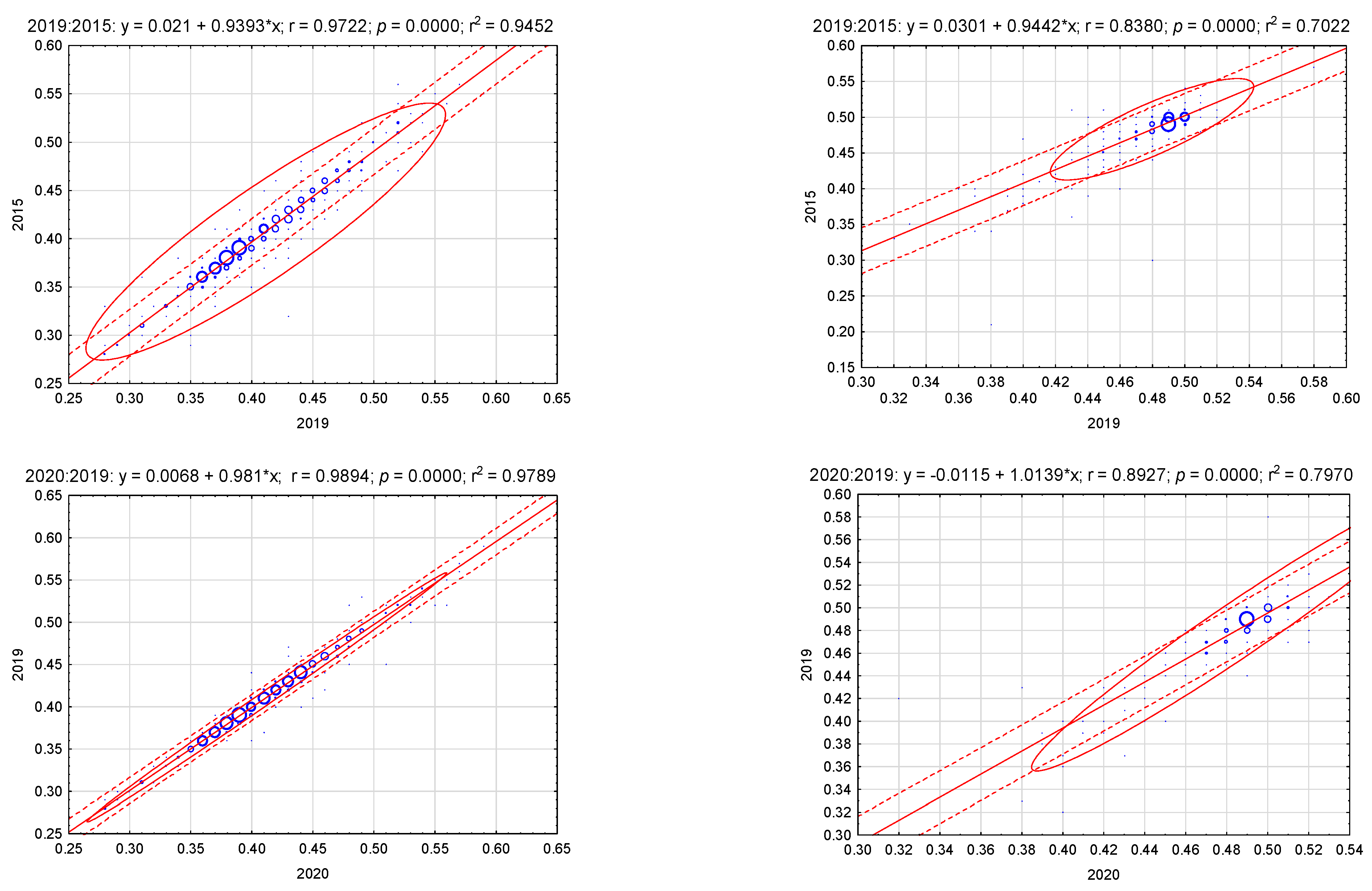
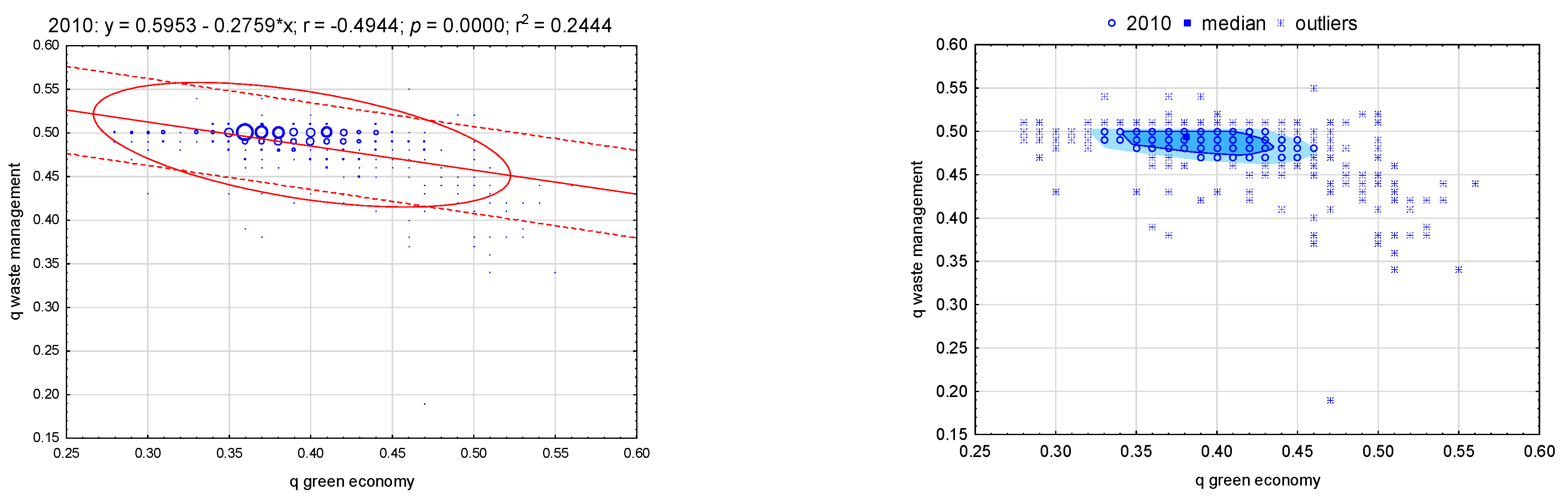
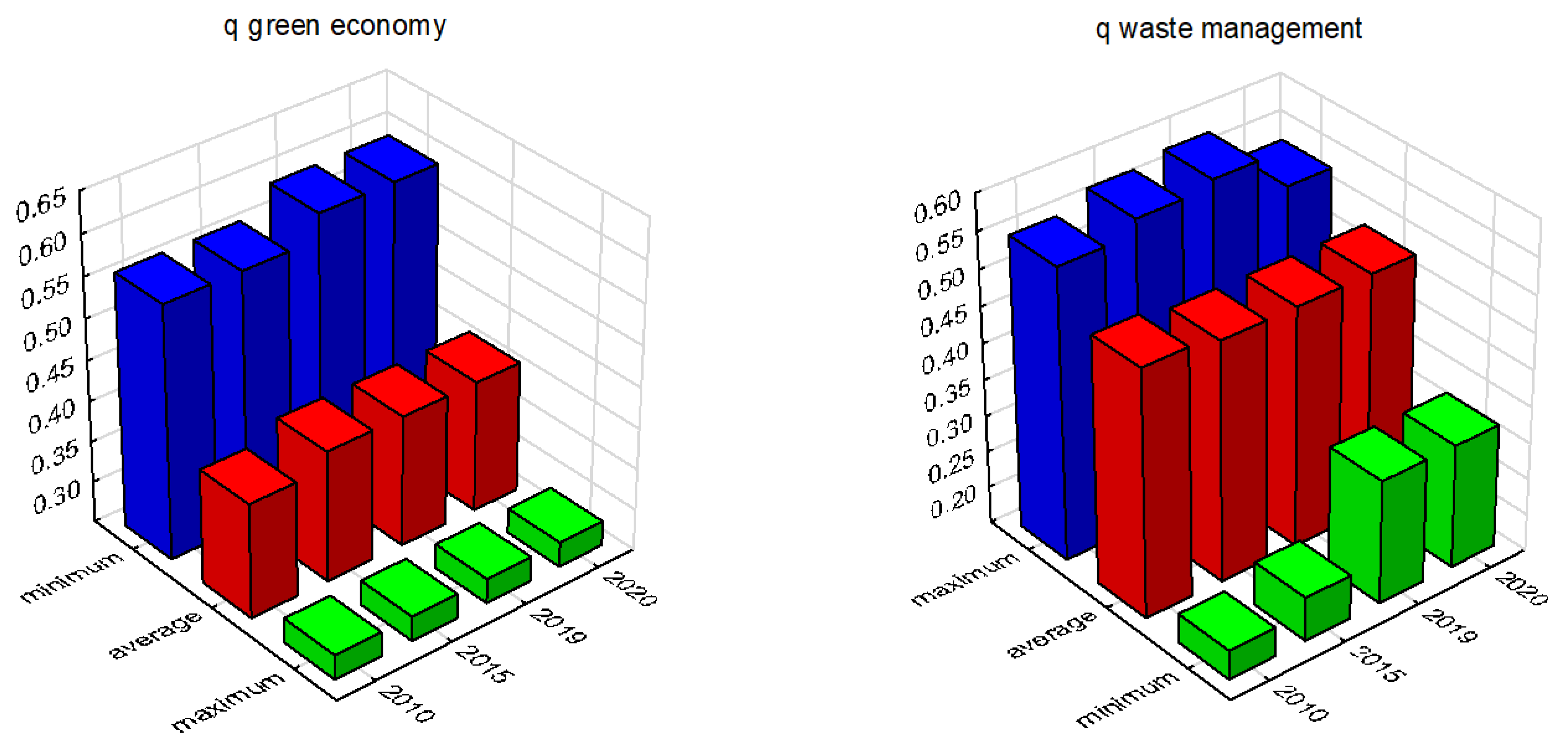
The green economy is a form of economic progress. It promotes environmentally sustainable, low-carbon, and inclusive development. It ensures environmental sustainability and preserves the conditions for social progress. The current model of resource management is not sustainable and puts pressure on the environment. The proposed steps toward a green economy are intended to benefit both the environment, the economy, and society. The aim of the study was to assess the spatial differentiation of the relationship between the green economy and the zero waste concept of Eastern Poland’s municipalities. The assessment was performed using a synthetic measure. The choice of variables was determined by the availability of data in the Bank of Local Data of the Central Statistical Office (BDL GUS) for the years 2010–2020 in spatial terms (709) municipalities of Eastern Poland. The synthetic measure of green economy ranged from 0.28 to 0.56 in 2010 and from 0.28 to 0.59 in 2020; and for the waste management measure, from 0.19 to 0.55 in 2010 and 0.32 to 0.53 in 2020. Spatially, the essence of the green economy or zero waste stems from the desire to reduce the burden on the environment by creating attractive conditions for living and business activities. The development of the green economy is to shape the aspect of the environment, while ensuring economic security and quality of life.
Keywords: zero waste; green economy; spatial differentiation; a synthetic measure of a commune; eastern Poland zero waste; green economy; spatial differentiation; a synthetic measure of a commune; eastern Poland