Article

Using Group Predictive Voltage and Frequency Regulators of Distributed Generation Plants in Cyber-Physical Power Supply Systems

1
Department of Energy, Bratsk State University, 665730 Bratsk, Russia
2
Department of Electric Power Engineering of Transport, Irkutsk State Transport University, 664074 Irkutsk, Russia
3
Department of Power Supply and Electrical Engineering, Irkutsk National Research Technical University, 664074 Irkutsk, Russia
4
Department of Energy, Transbaikal State University, 672039 Chita, Russia
*
Author to whom correspondence should be addressed.
Energies 2022, 15(4), 1253; https://doi.org/10.3390/en15041253
Submission received: 10 January 2022 / Revised: 31 January 2022 / Accepted: 7 February 2022 / Published: 9 February 2022
(This article belongs to the Special Issue Advanced Topics in Electrical Power Engineering)

Abstract

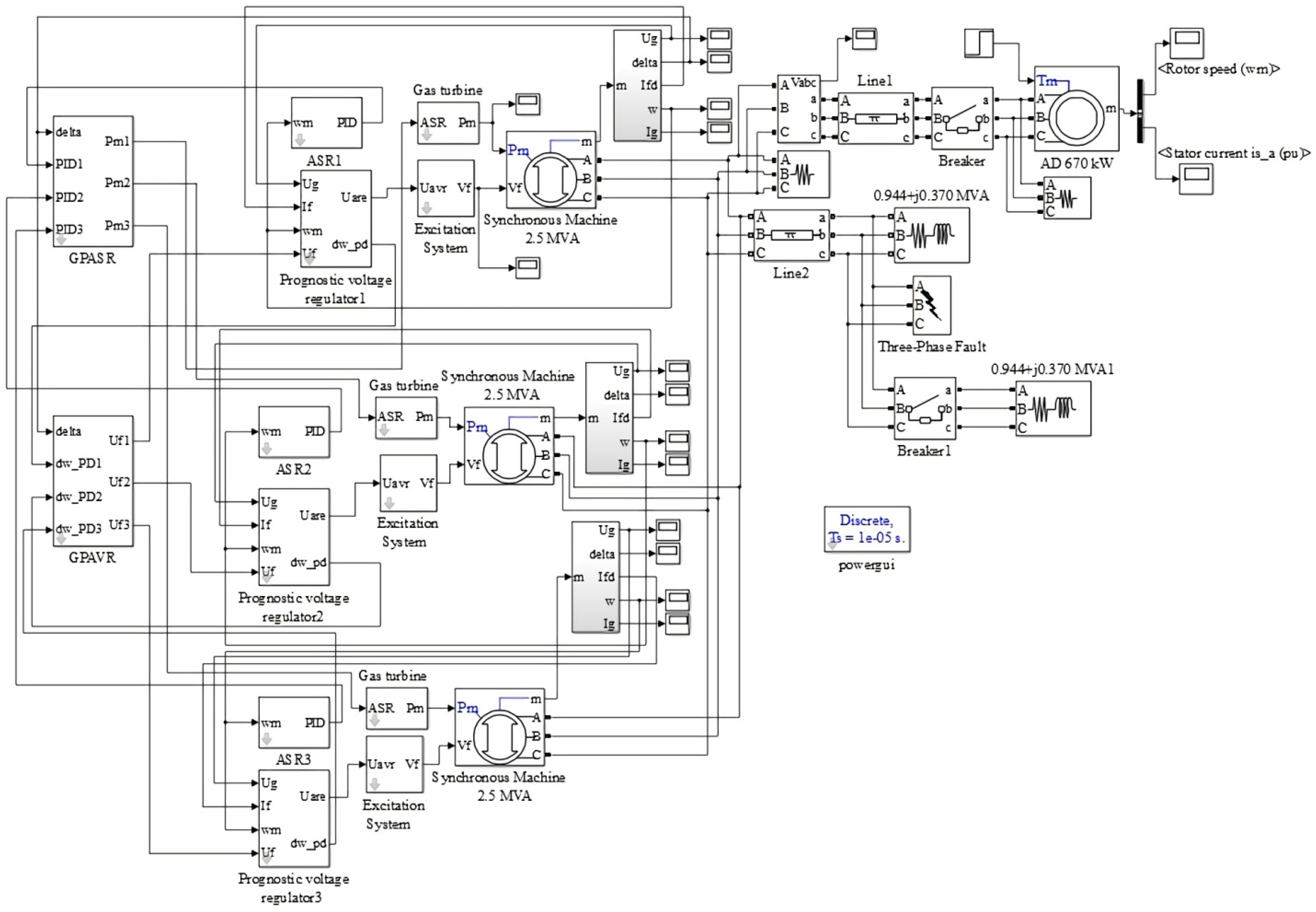
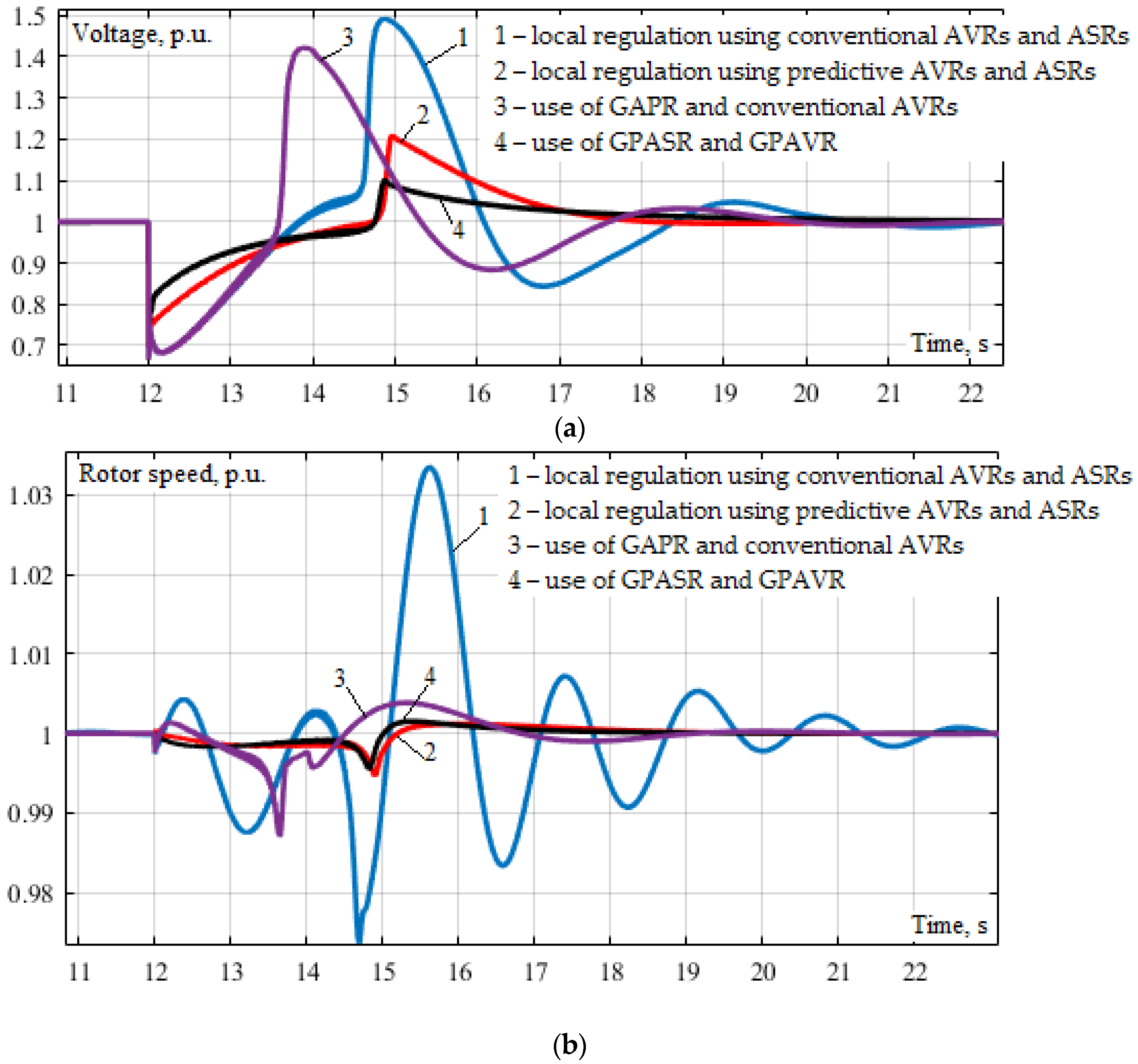
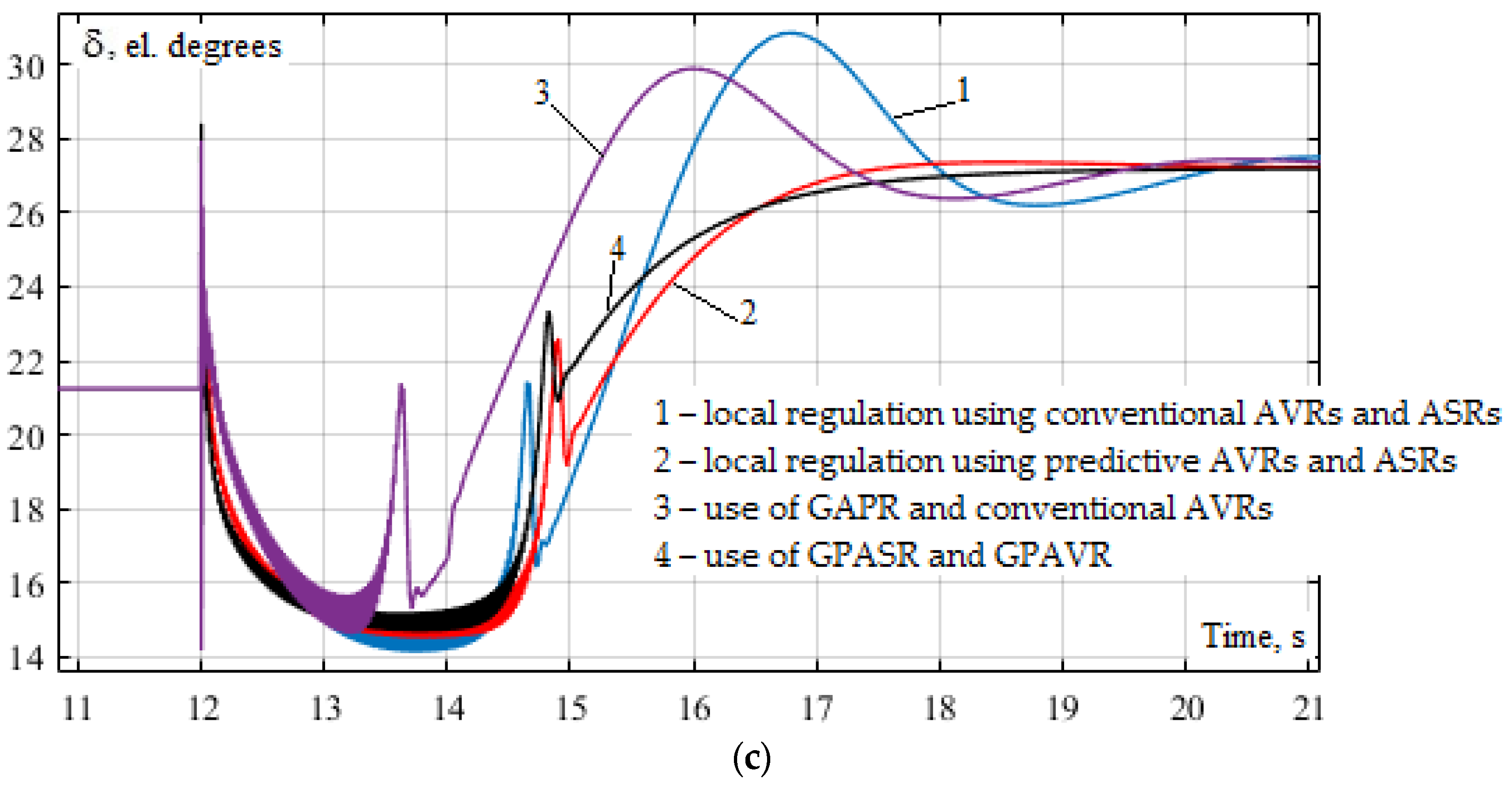
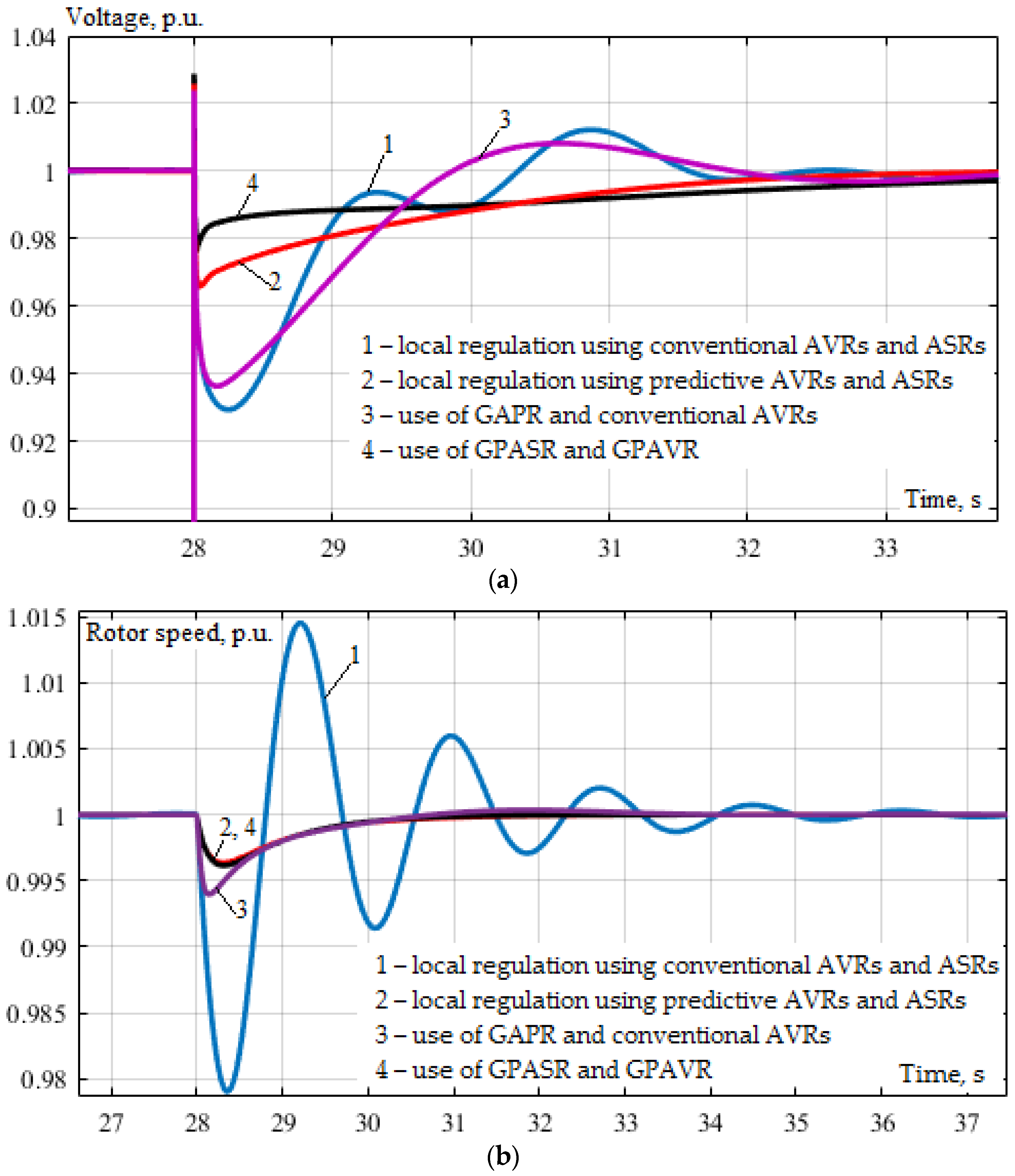
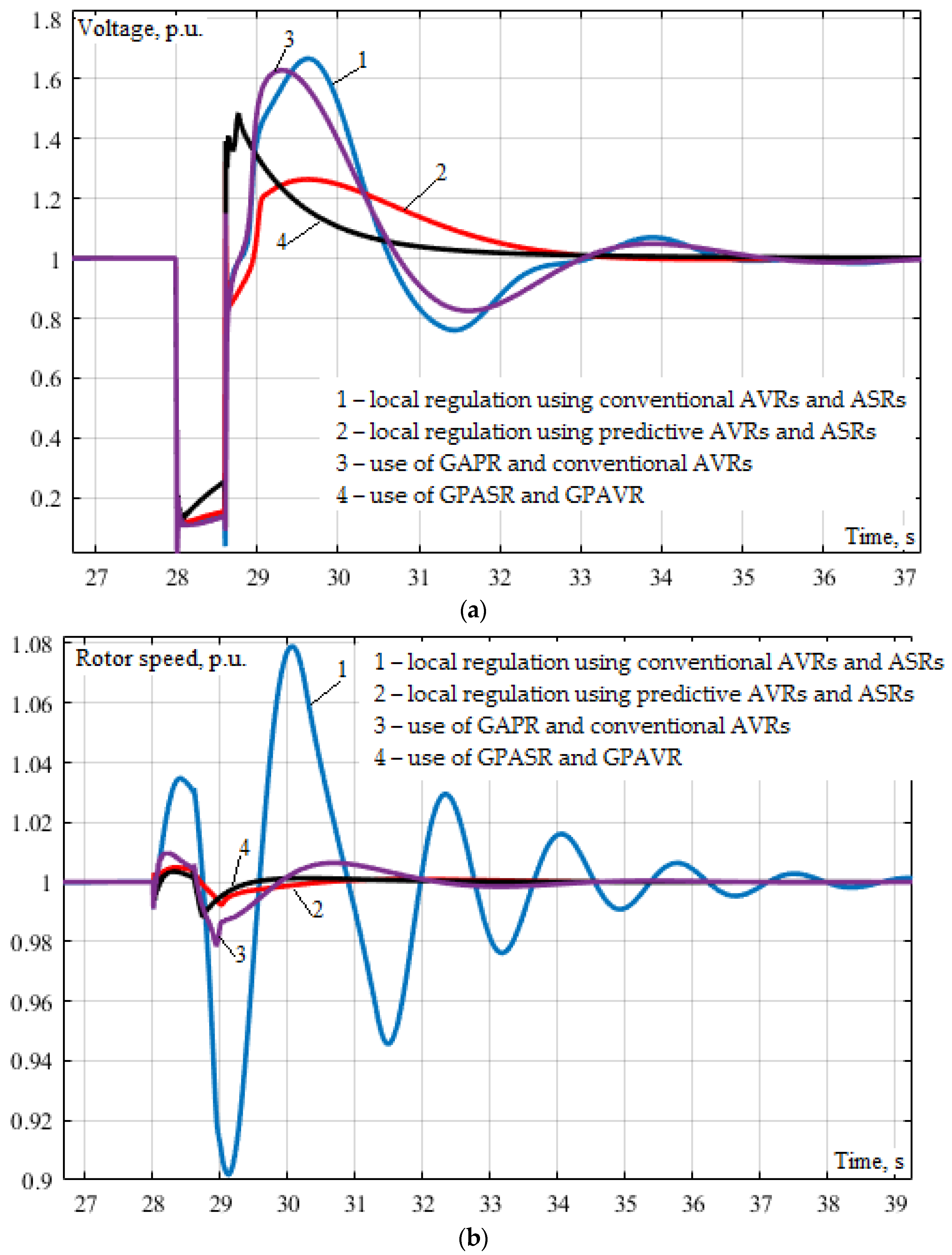
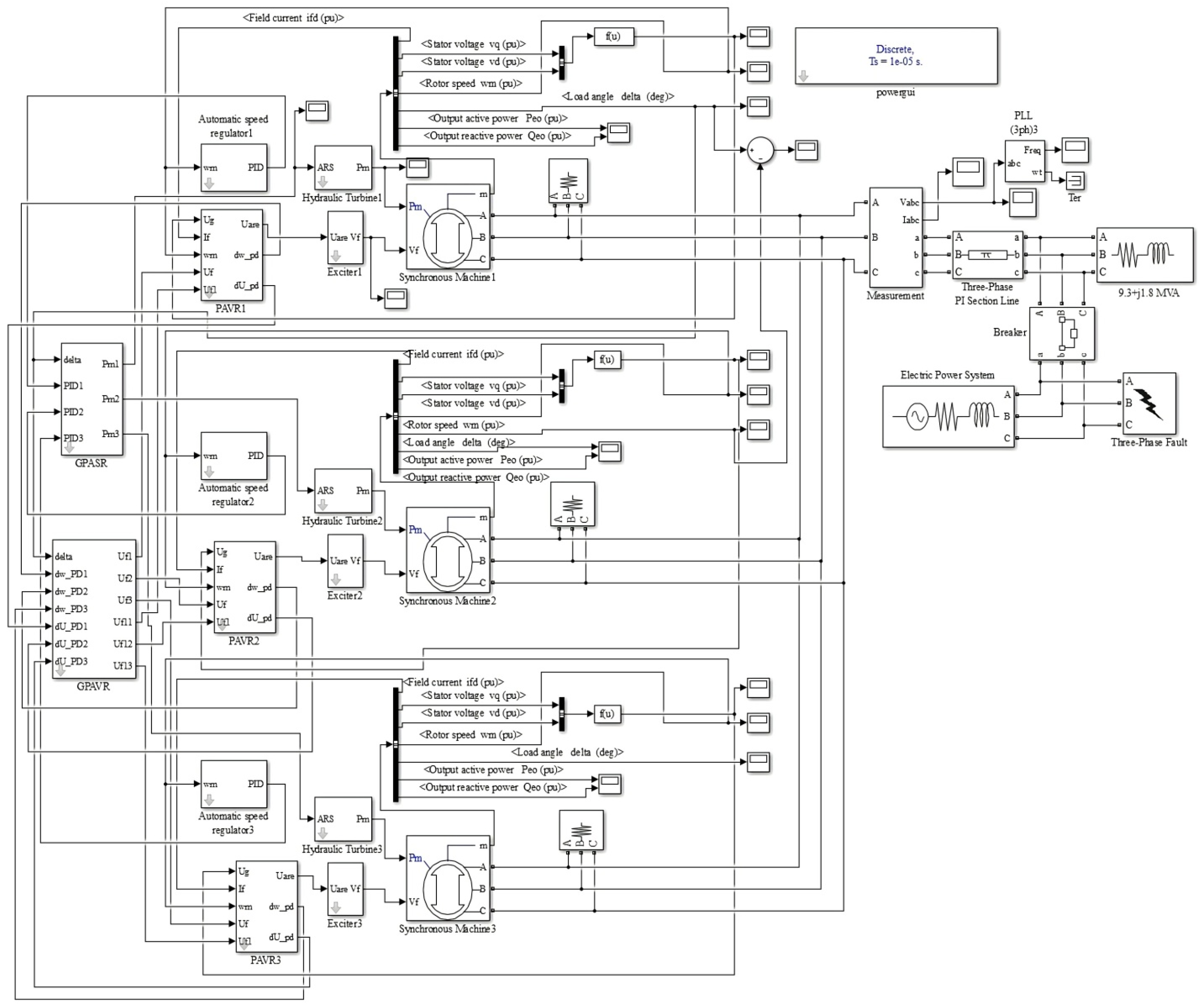
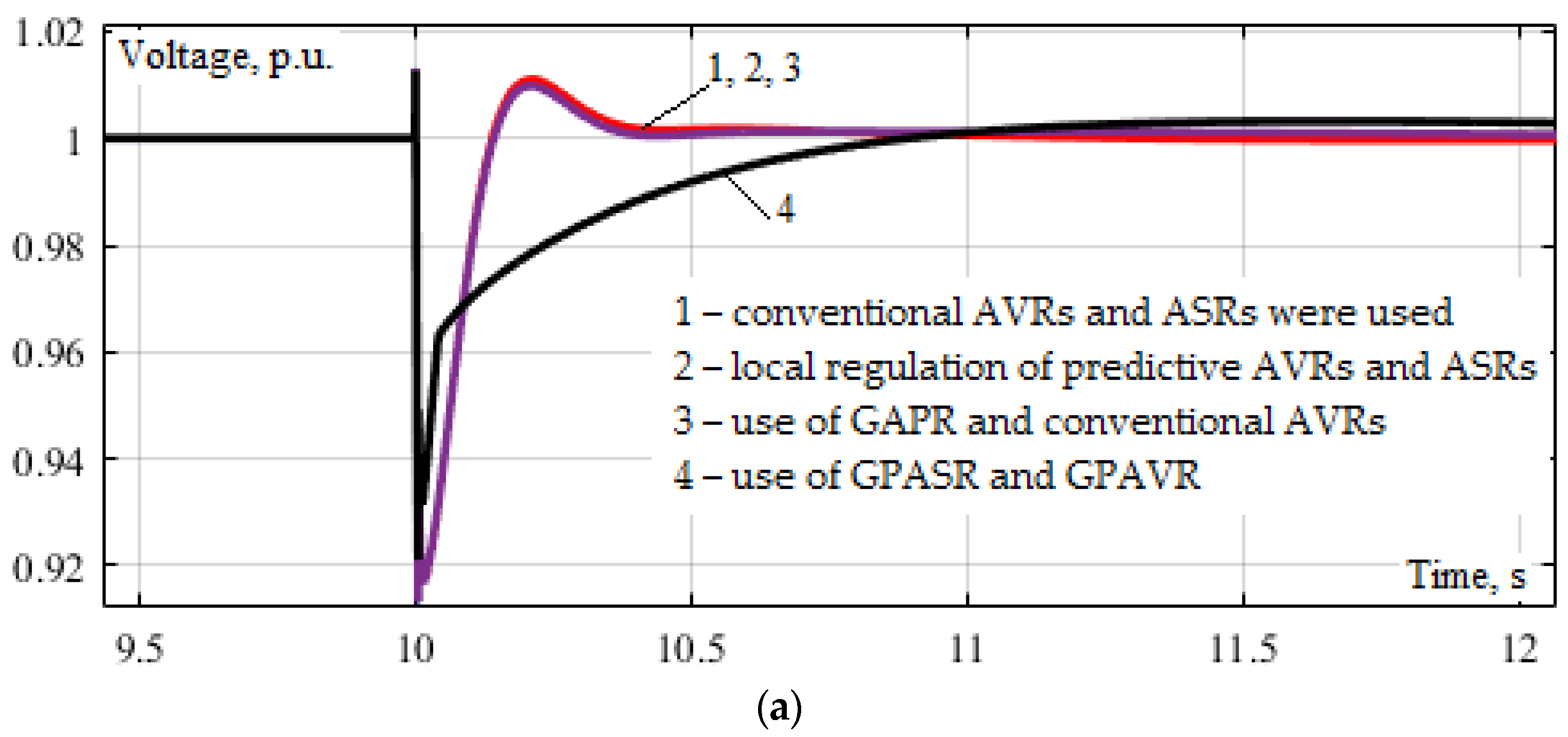
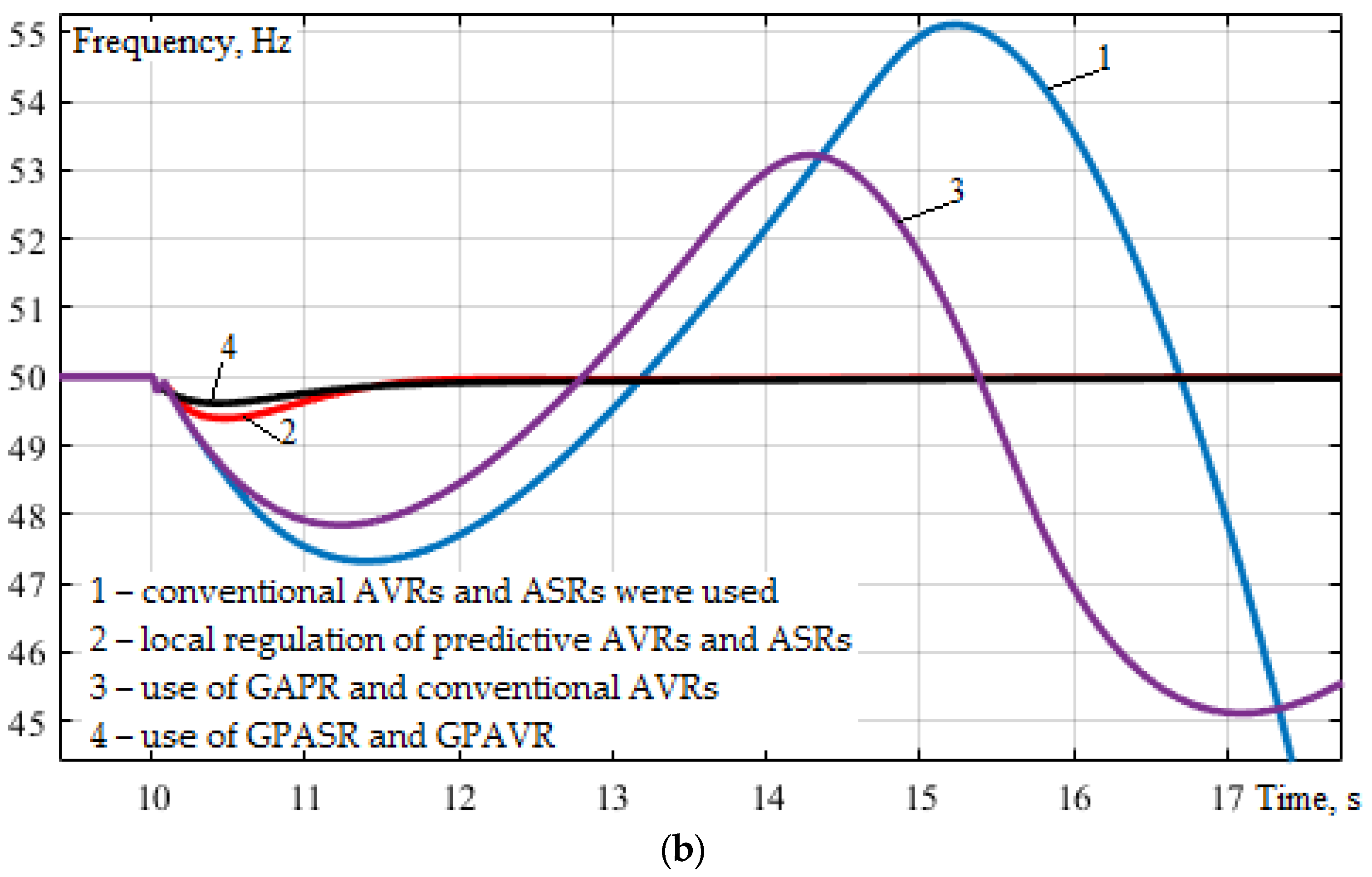
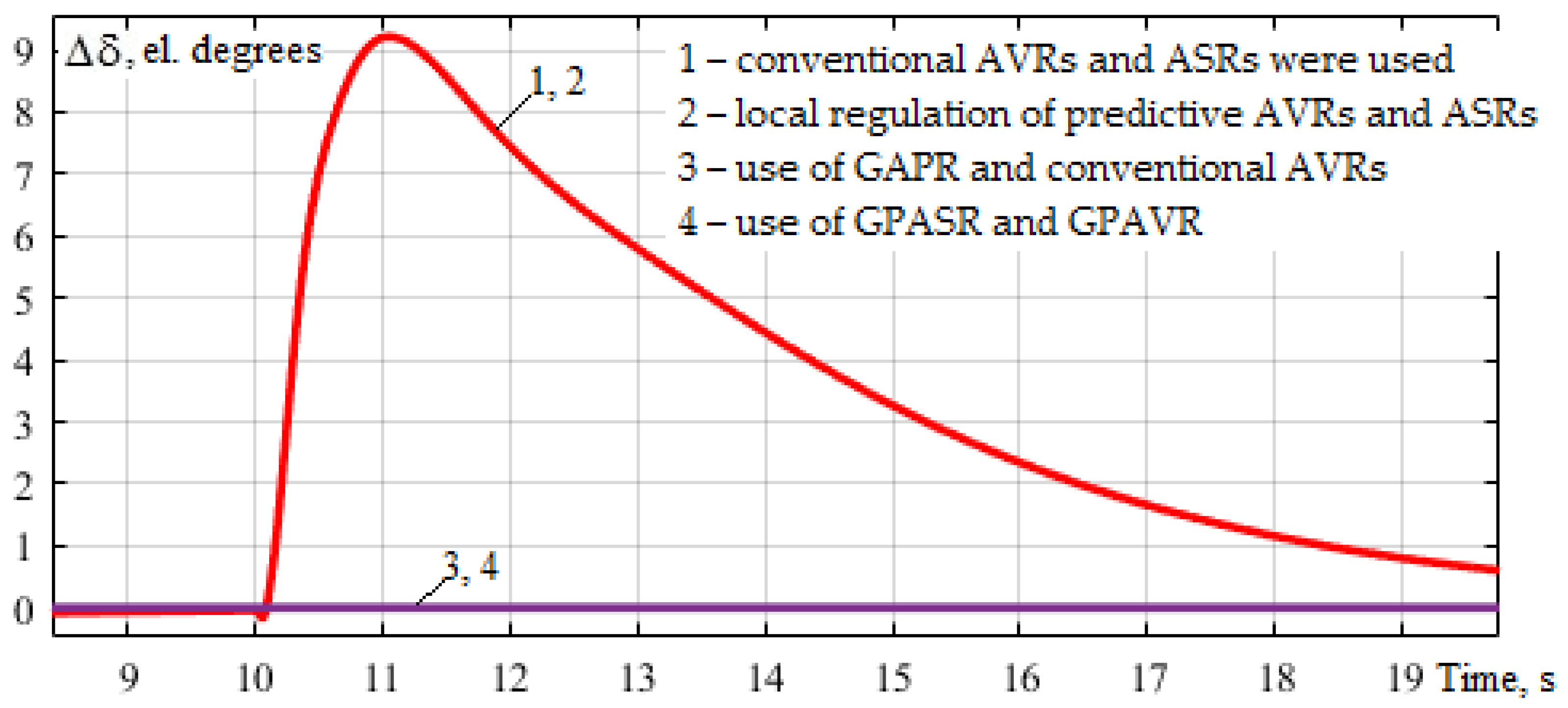
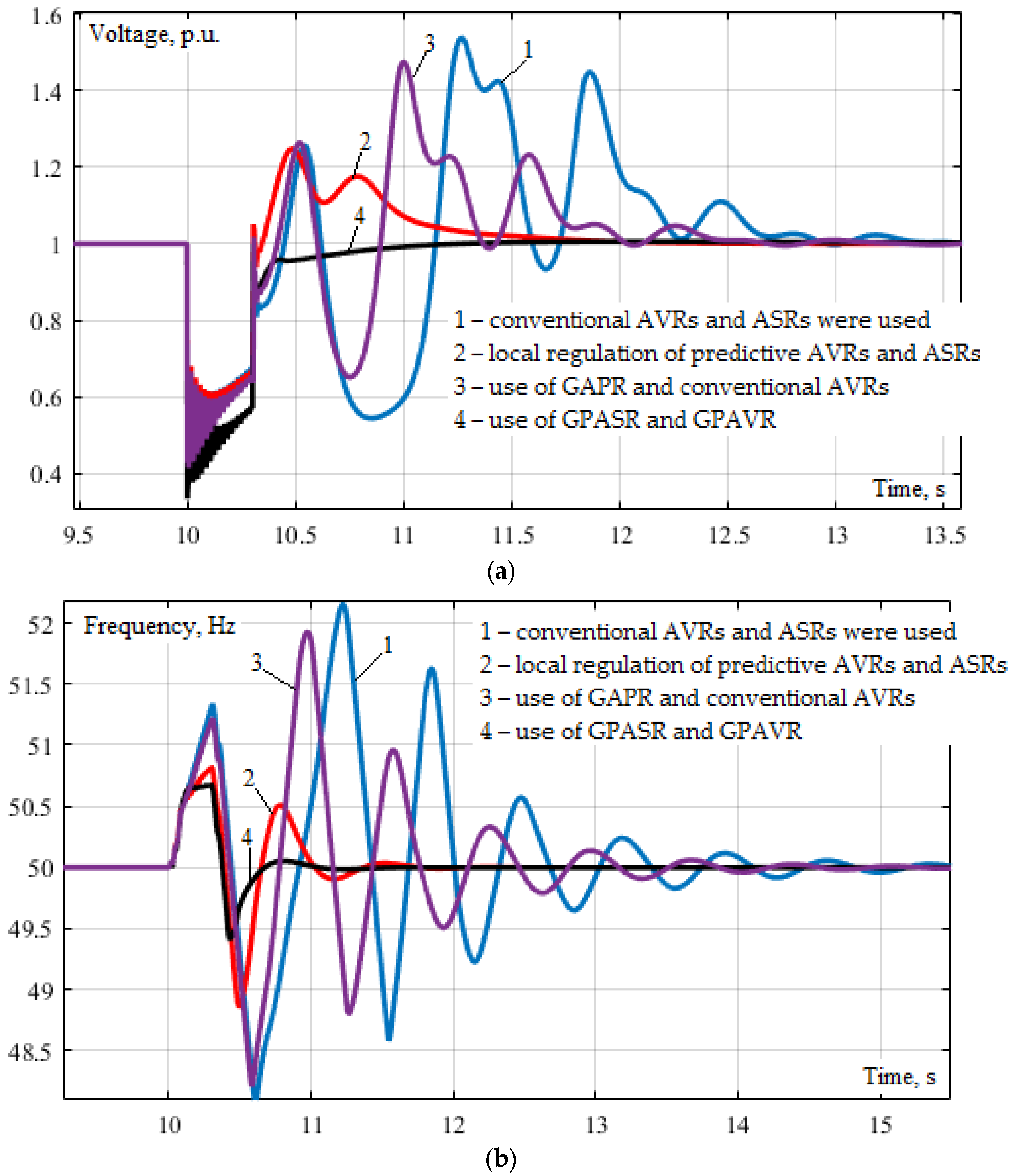
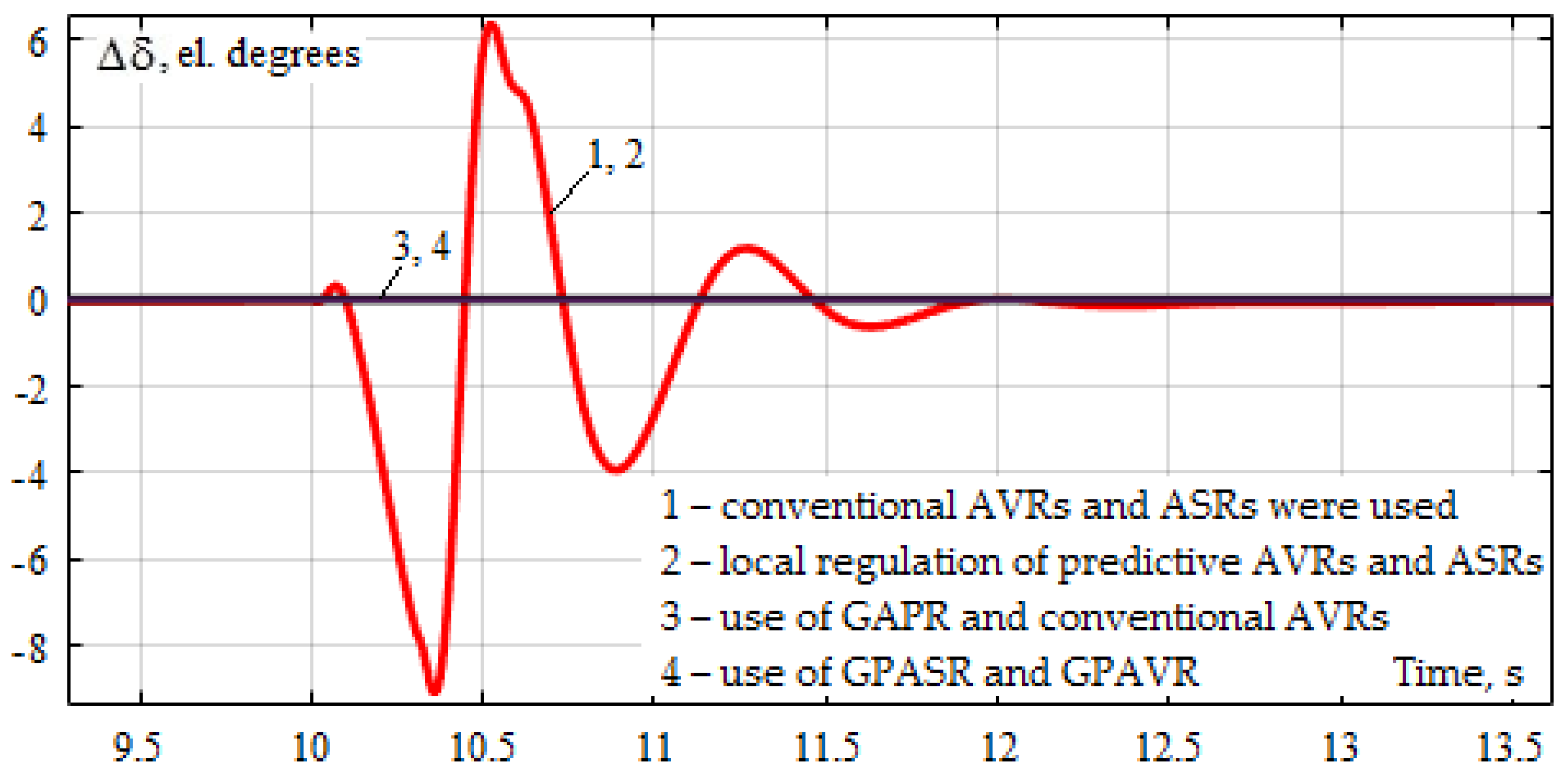
The widespread use of distributed generation (DG) plants in cyber-physical power supply systems (CPPSS) requires solving the complex problem of setting their regulators. The presented study aimed to determine the performance of the group predictive voltage and frequency regulators of DG plants in CPPSS. These studies were conducted in the MatLab environment on the CPPSS models with gas turbine units and with a small-scale hydroelectric power plant. The proposed method for tuning group predictive regulators makes it possible to improve the quality control indices. The research has established that with an additional load connected, the maximum voltage dip is reduced by a factor of 3.5 compared to conventional control regulators. In addition, the time of a transient process for the generator rotor speed is decreased by a factor of 3. In the case of a short-term short circuit, predictive regulators can reduce the time of the transient process by a factor of 1.5 and the overshoot by more than 2 times. The simulation results have confirmed the efficiency of group predictive regulators when used in DG plants, i.e., improvement of the quality of control processes in various operating modes.
Keywords: cyber-physical power supply systems; distributed generation plant; synchronous generator; automatic speed regulator; automatic voltage regulator; group regulation; predictive control algorithms; modeling cyber-physical power supply systems; distributed generation plant; synchronous generator; automatic speed regulator; automatic voltage regulator; group regulation; predictive control algorithms; modeling