Article

Integration of Pore-Scale Visualization and an Ultrasonic Test System of Methane Hydrate-Bearing Sediments

1
Key Laboratory of Gas Hydrate, Ministry of Natural Resources, Qingdao Institute of Marine Geology, Qingdao 266237, China
2
Laboratory for Marine Mineral Resources, Qingdao National Laboratory for Marine Science and Technology, Qingdao 266237, China
3
Qingdao Geo-Engineering Surveying Institute (Qingdao Geological Exploration and Development Bureau), Qingdao 266100, China
4
Key Laboratory of Geological Safety of Coastal Urban Underground Space, Ministry of Natural Resources, Qingdao 266100, China
*
Authors to whom correspondence should be addressed.
Energies 2022, 15(14), 4938; https://doi.org/10.3390/en15144938
Submission received: 24 May 2022 / Revised: 21 June 2022 / Accepted: 4 July 2022 / Published: 6 July 2022
(This article belongs to the Special Issue Burial Characteristics and Exploitation of Natural Gas Hydrate)

Abstract

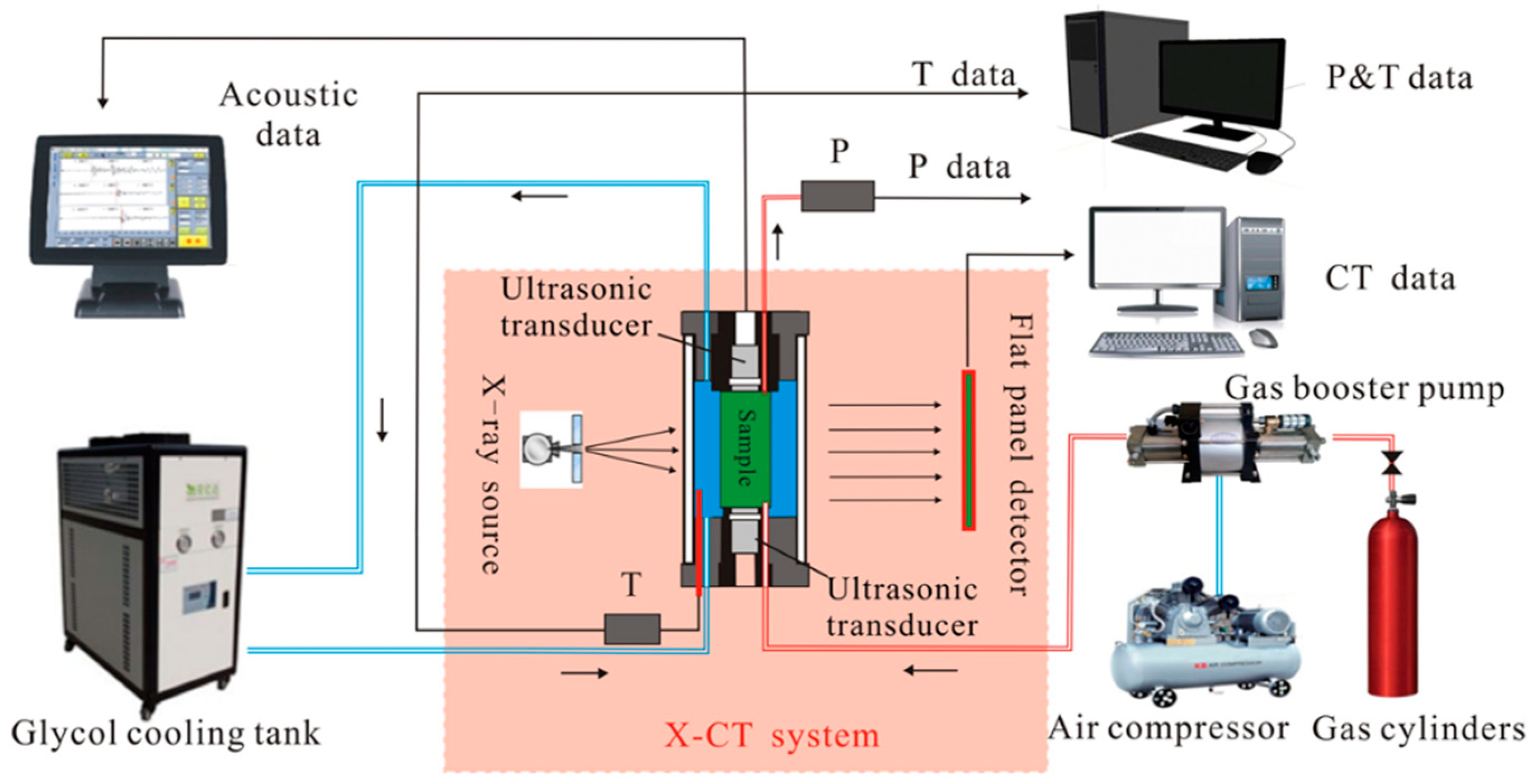
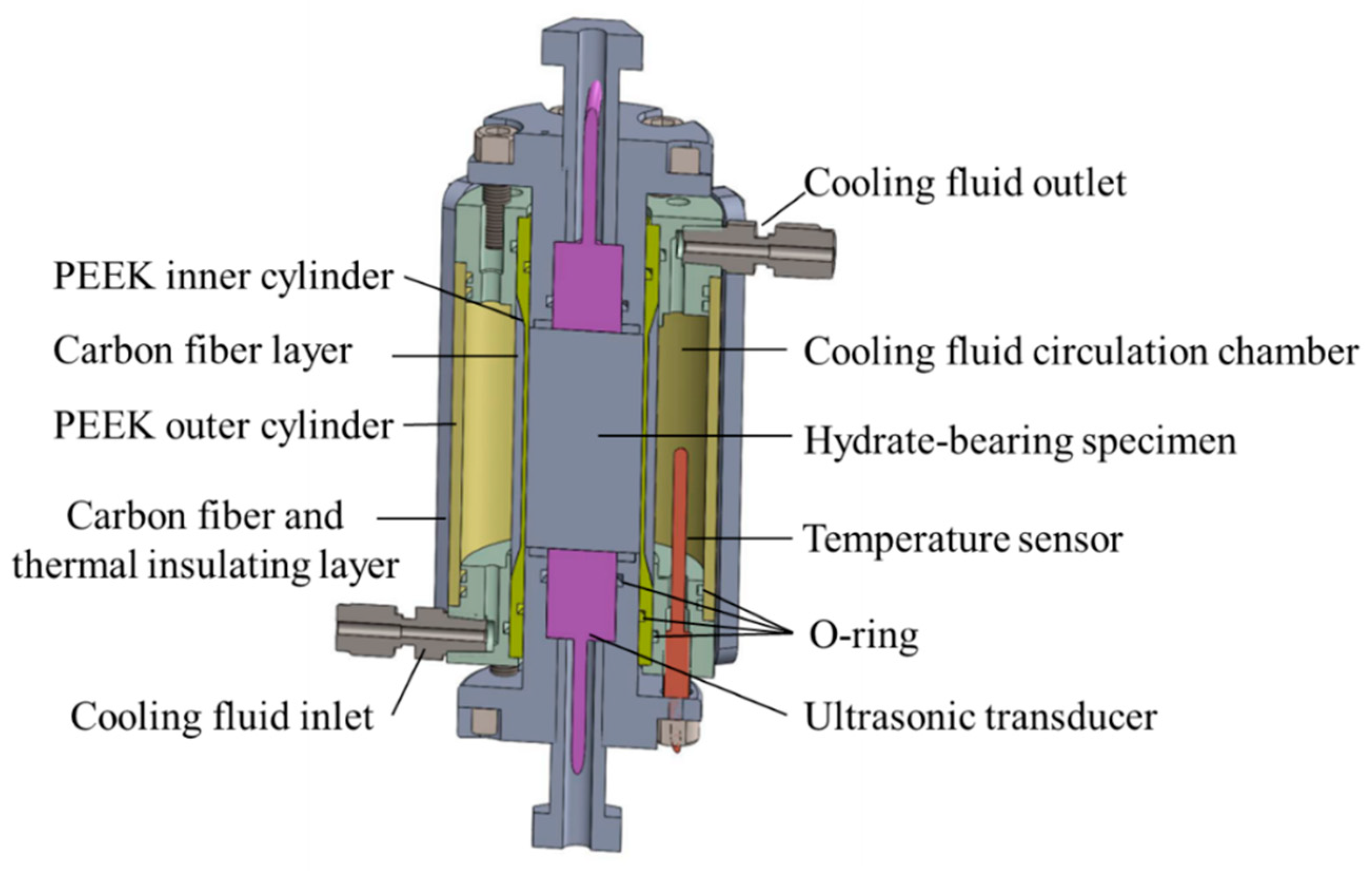
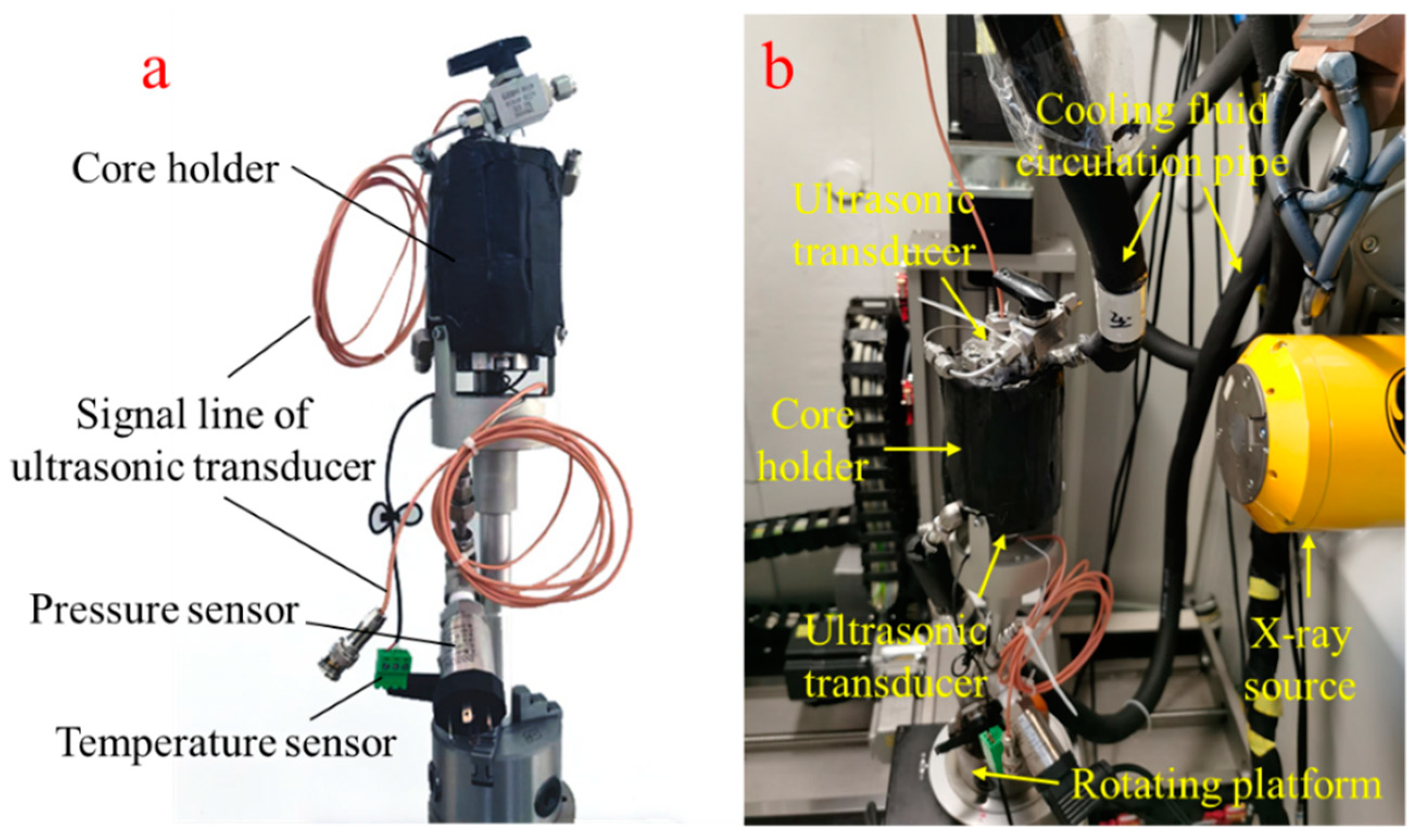
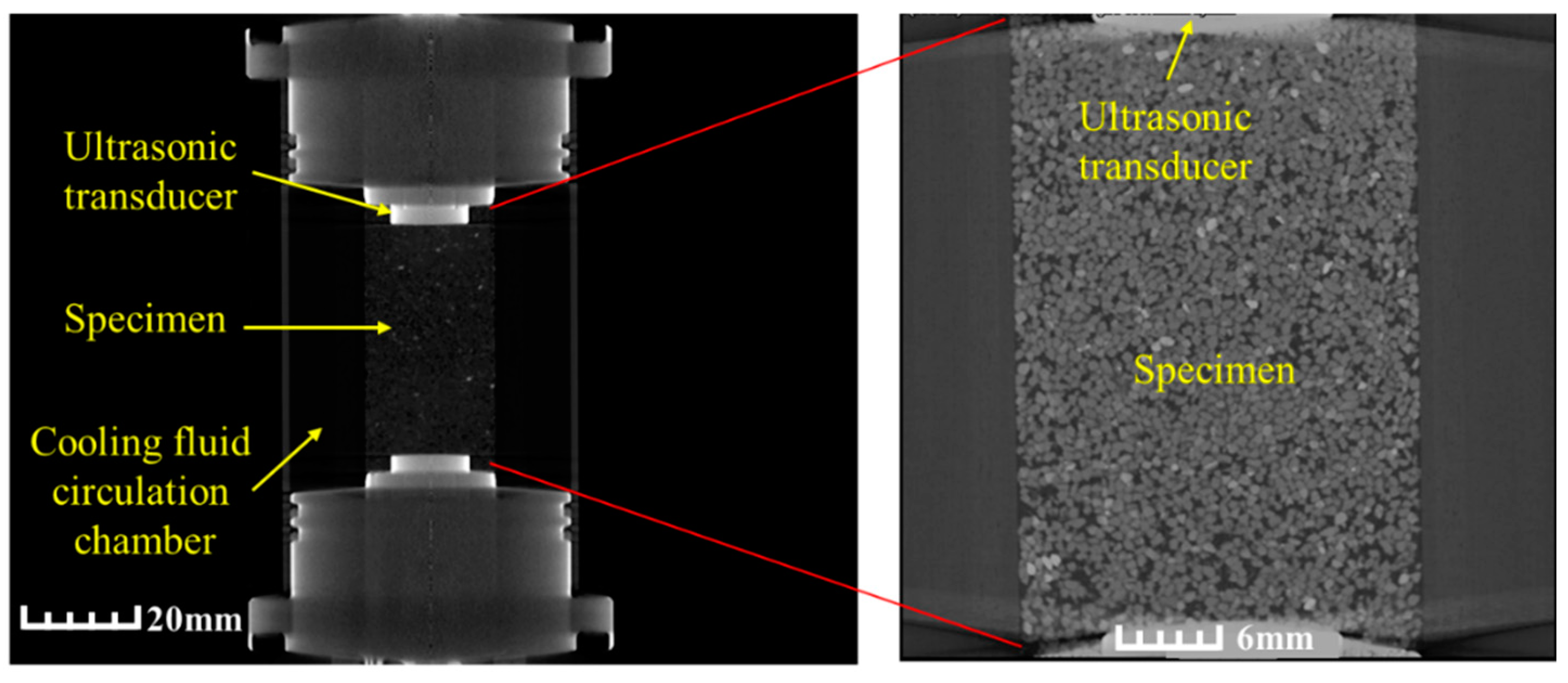
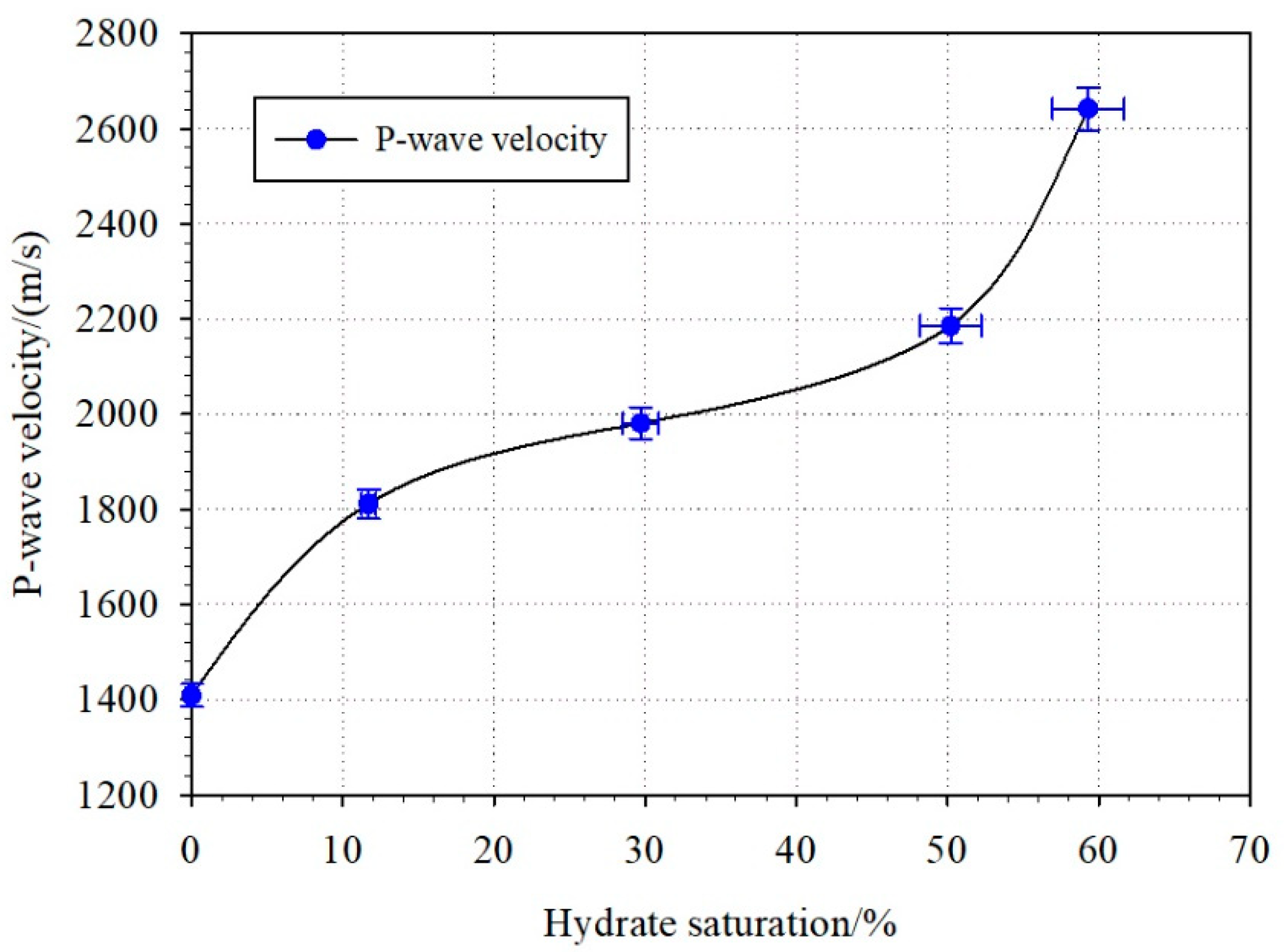
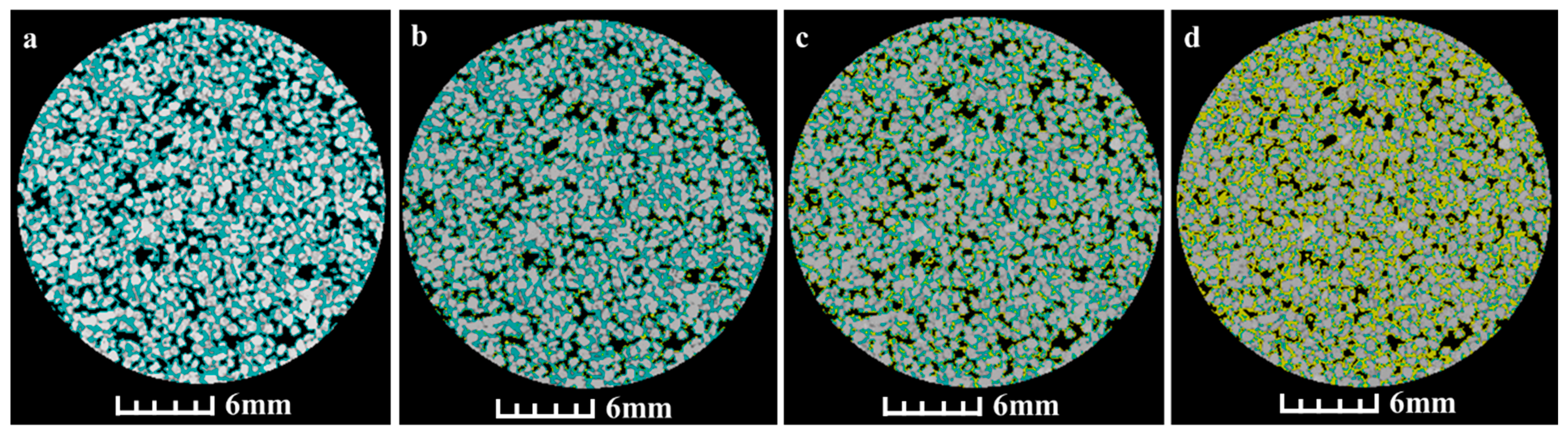
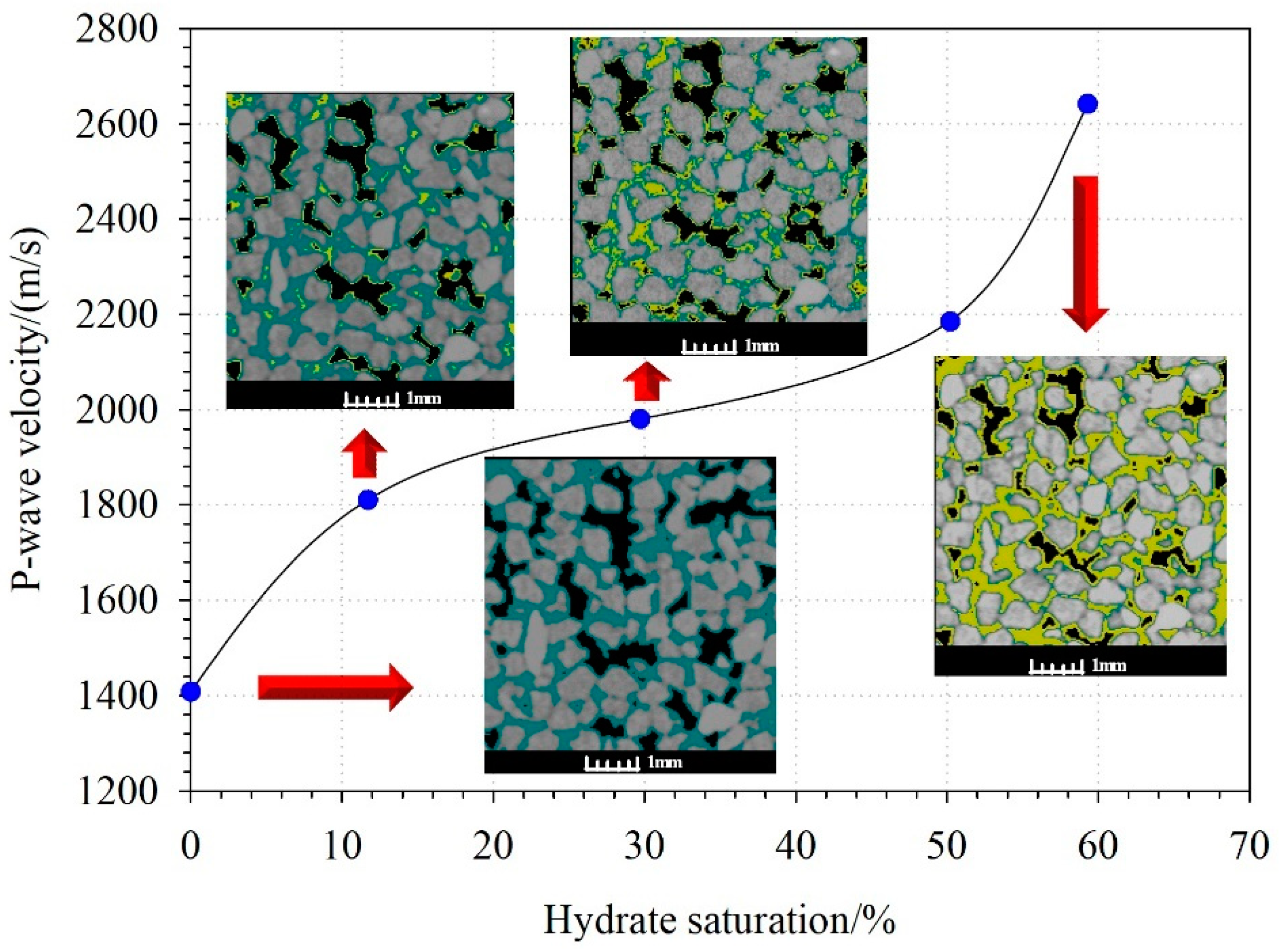
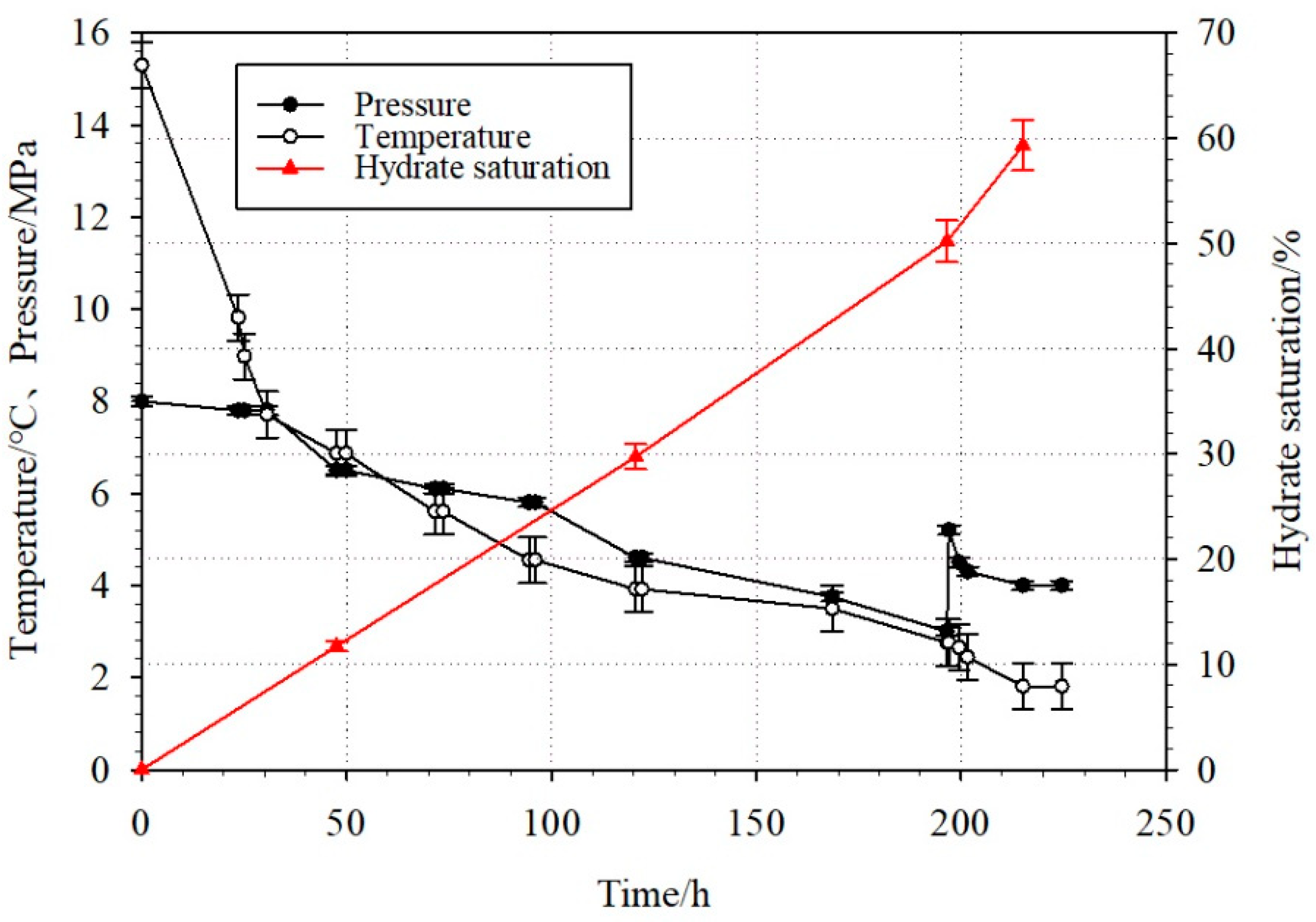
The acoustic characteristics of hydrates are important parameters in geophysical hydrate exploration and hydrate resource estimation. The microscale distribution of hydrate has an important influence on the acoustic response of a hydrate-bearing reservoir. Although microscale hydrate distributions can be determined using means such as X-ray computed tomography (X-CT), it is difficult to obtain acoustic parameters for the same sample. In this study, we developed an experimental system that integrated pore-scale visualization and an ultrasonic testing system for methane-hydrate-bearing sediments. Simultaneous X-CT observation and acoustic detection could be achieved in the same hydrate sample, which provided a new method for synchronously monitoring microscale distributions during acoustic testing of natural gas hydrate samples. Hydrate formation experiments were carried out in sandy sediments, during which the acoustic characteristics of hydrate-bearing sediments were detected, while X-ray computed tomography was performed simultaneously. This study found that hydrates formed mainly at the gas–water interface in the early stage, mainly in the pore fluid in the middle stage, and came into contact with sediments in the later stage. The development of this experimental device solved the difficult problem of determining the quantitative relationship between the microscale hydrate distribution and the acoustic properties of the reservoir.
Keywords: gas hydrate; X-ray computed tomography; micro-distribution; acoustic property; porous media gas hydrate; X-ray computed tomography; micro-distribution; acoustic property; porous media