Article

Dynamic Accumulation of the Quaternary Shale Biogas in Sanhu Area of the Qaidam Basin, China
1
Exploration and Development Institute of Qinghai Oilfield Company, PetroChina, Dunhuang 736202, China
2
State Key Laboratory of Petroleum Resources, Prospecting China University of Petroleum, Beijing 102249, China
*
Author to whom correspondence should be addressed.
Energies 2022, 15(13), 4593; https://doi.org/10.3390/en15134593
Submission received: 24 May 2022 / Revised: 16 June 2022 / Accepted: 21 June 2022 / Published: 23 June 2022
(This article belongs to the Special Issue New Challenges in Unconventional Oil and Gas Reservoirs)

Abstract

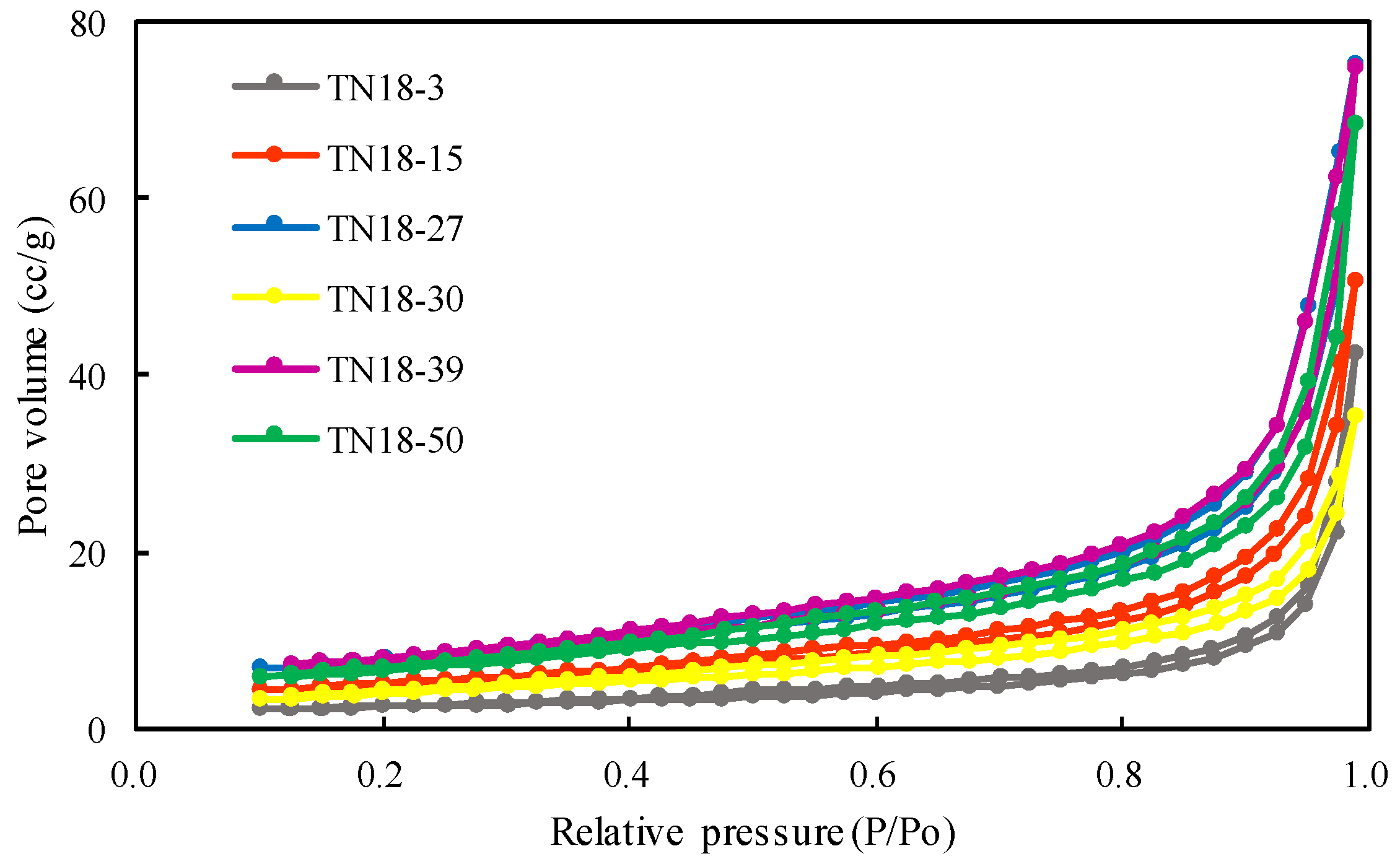
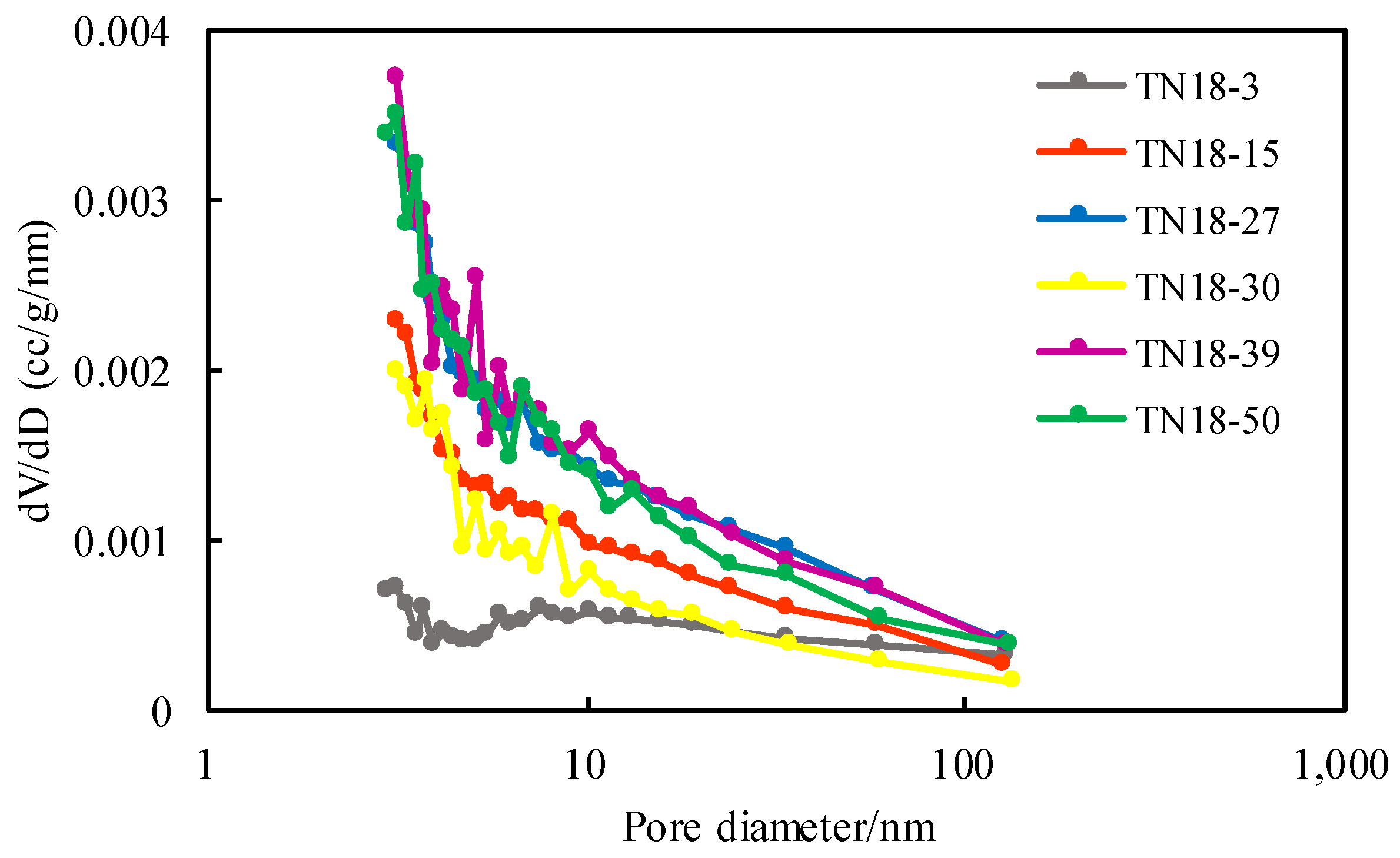
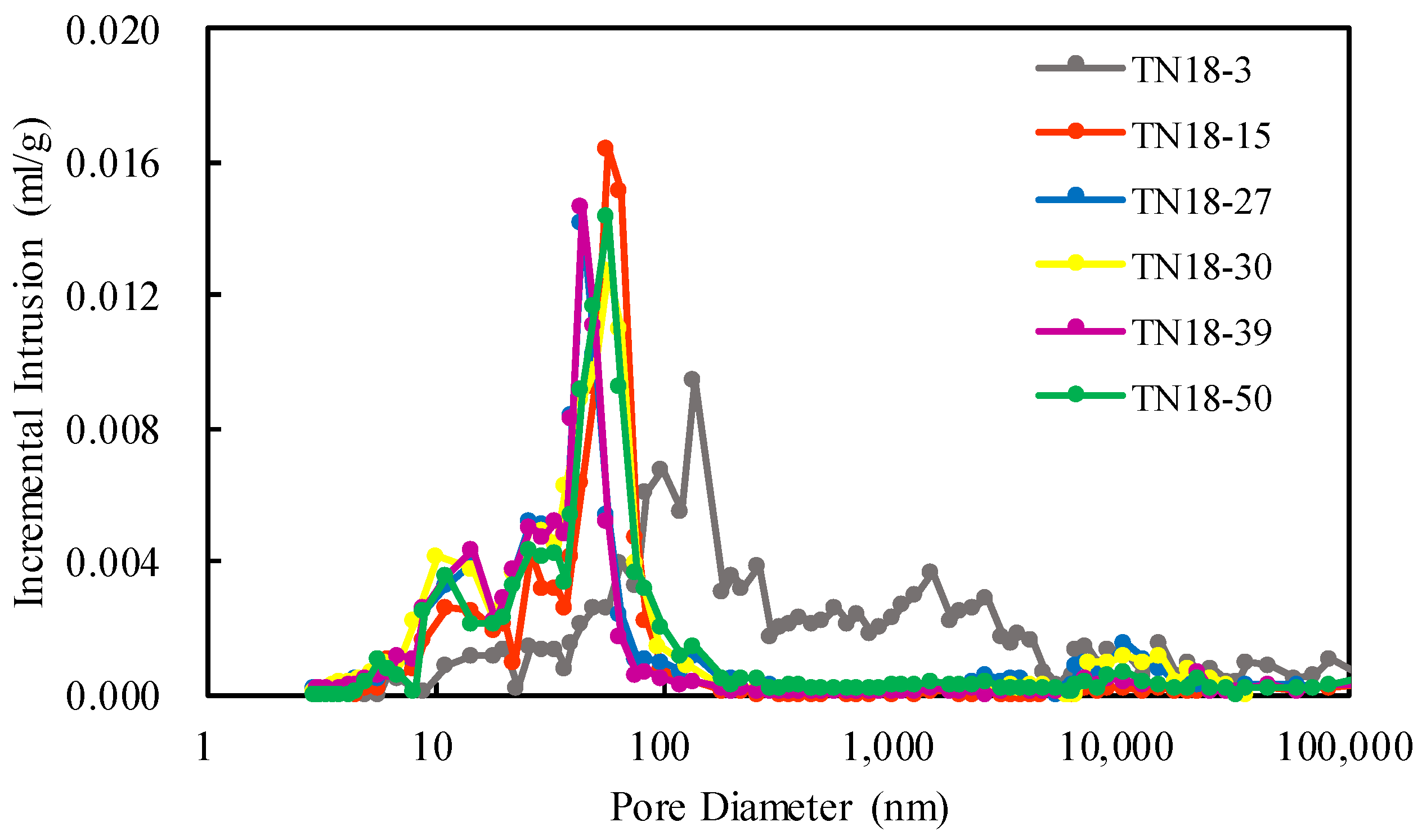
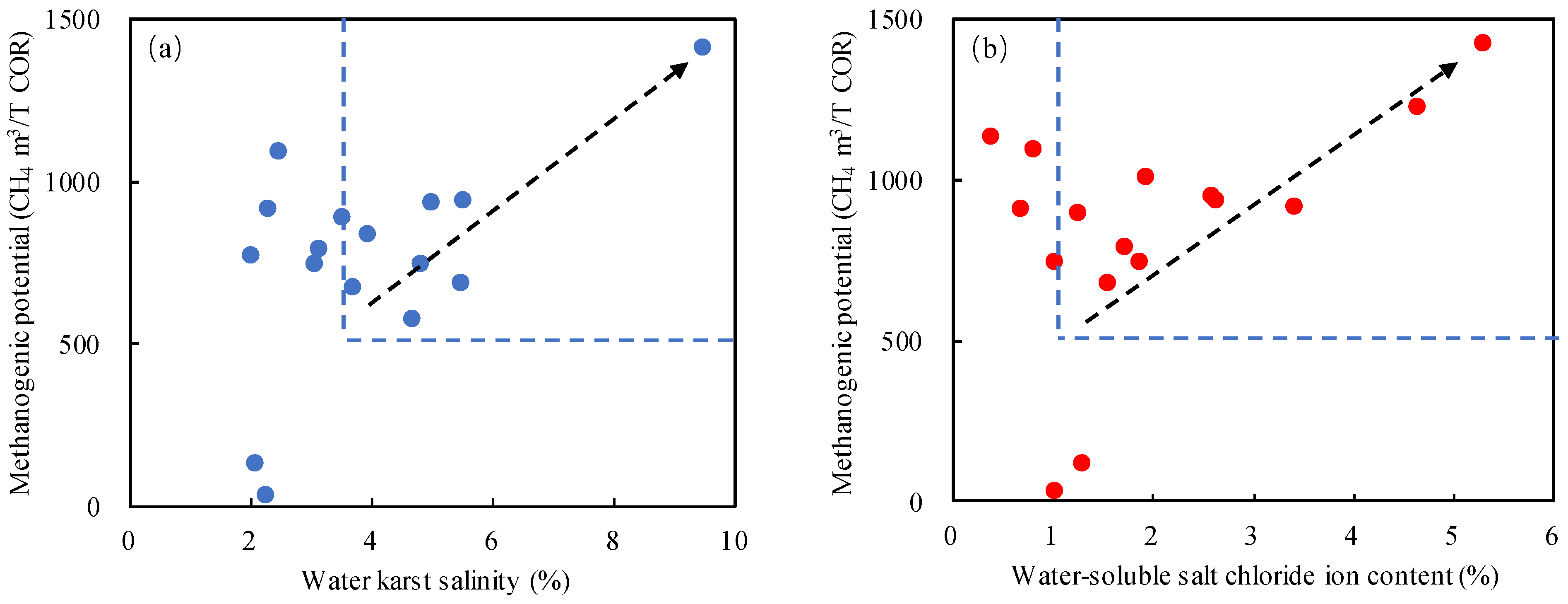
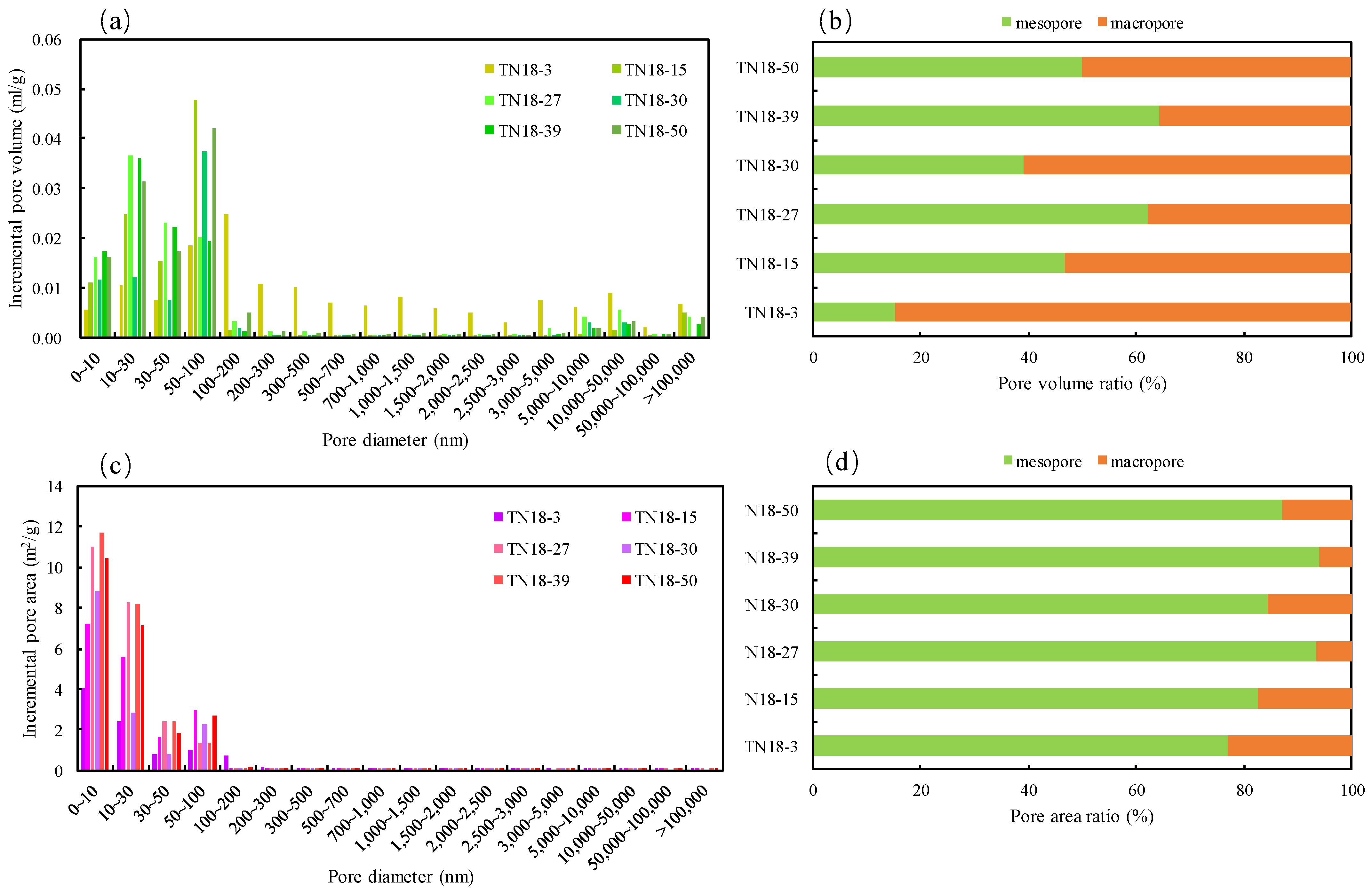
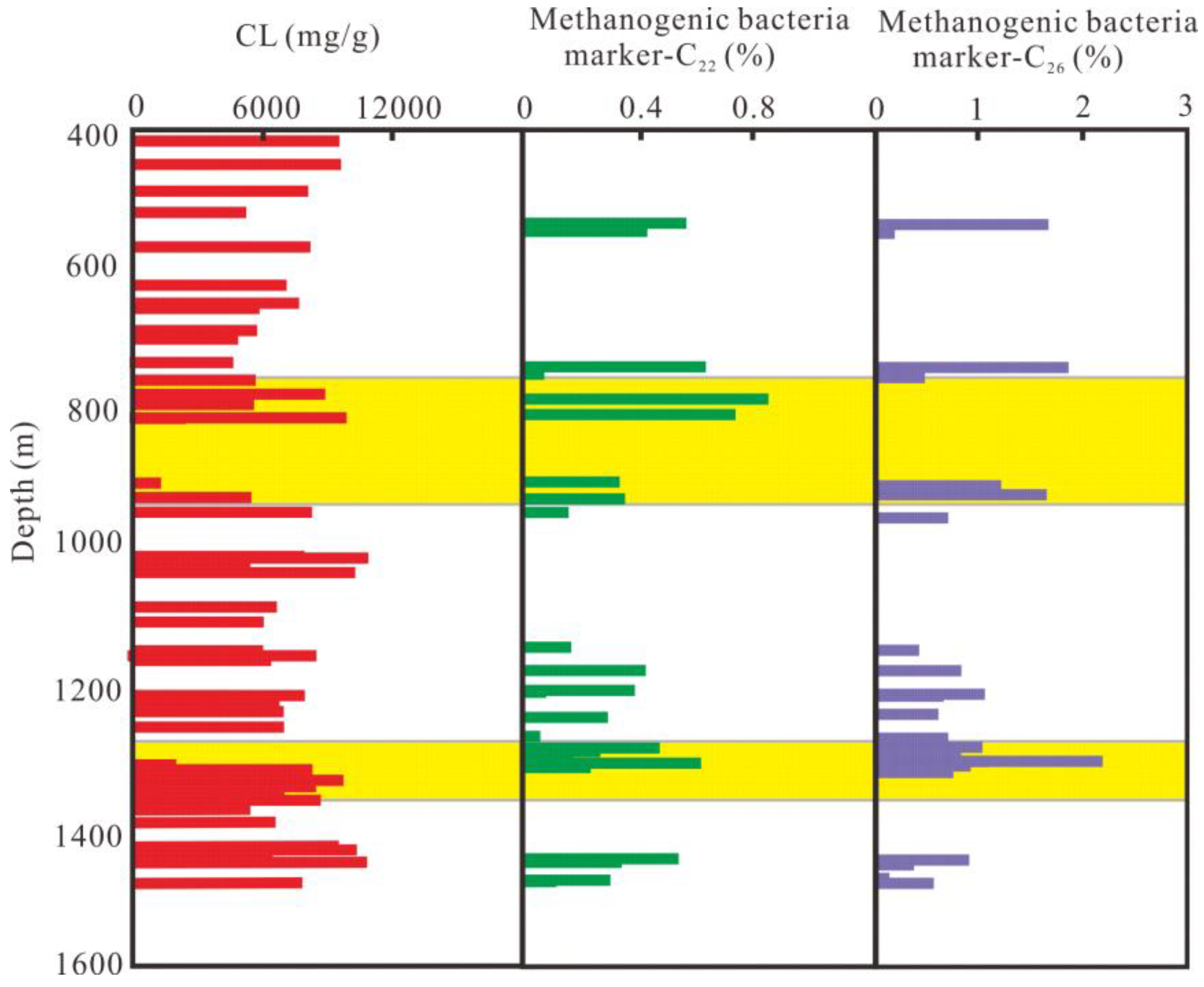
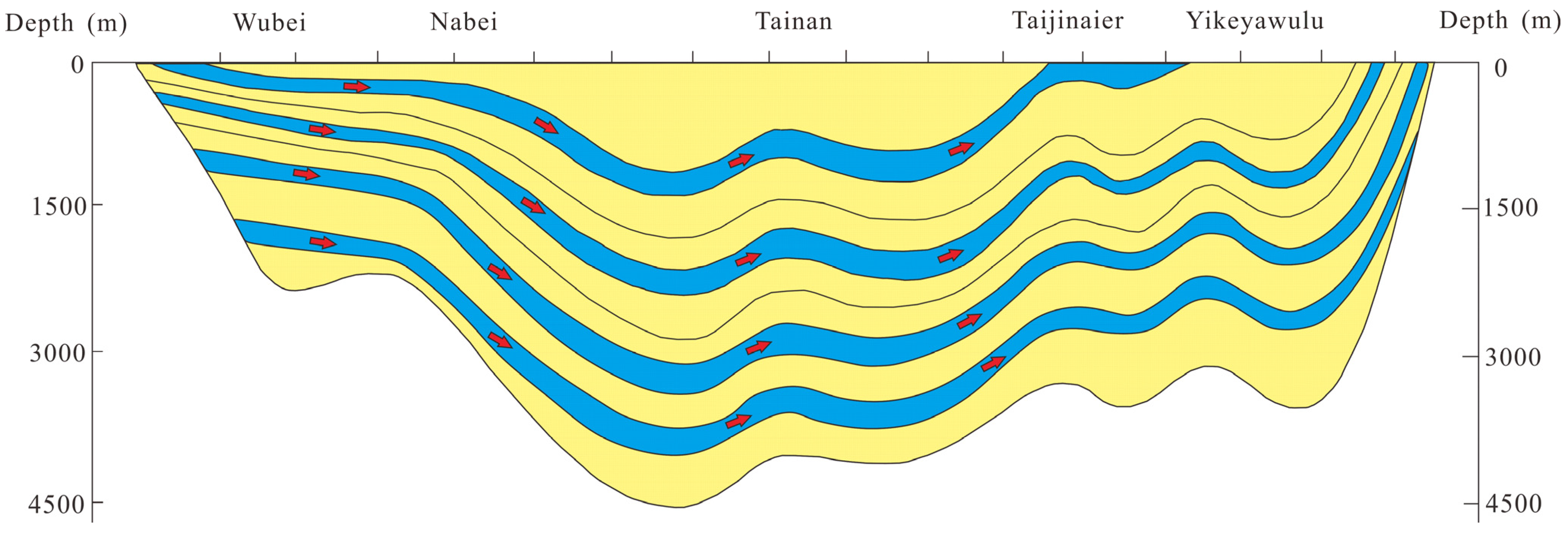
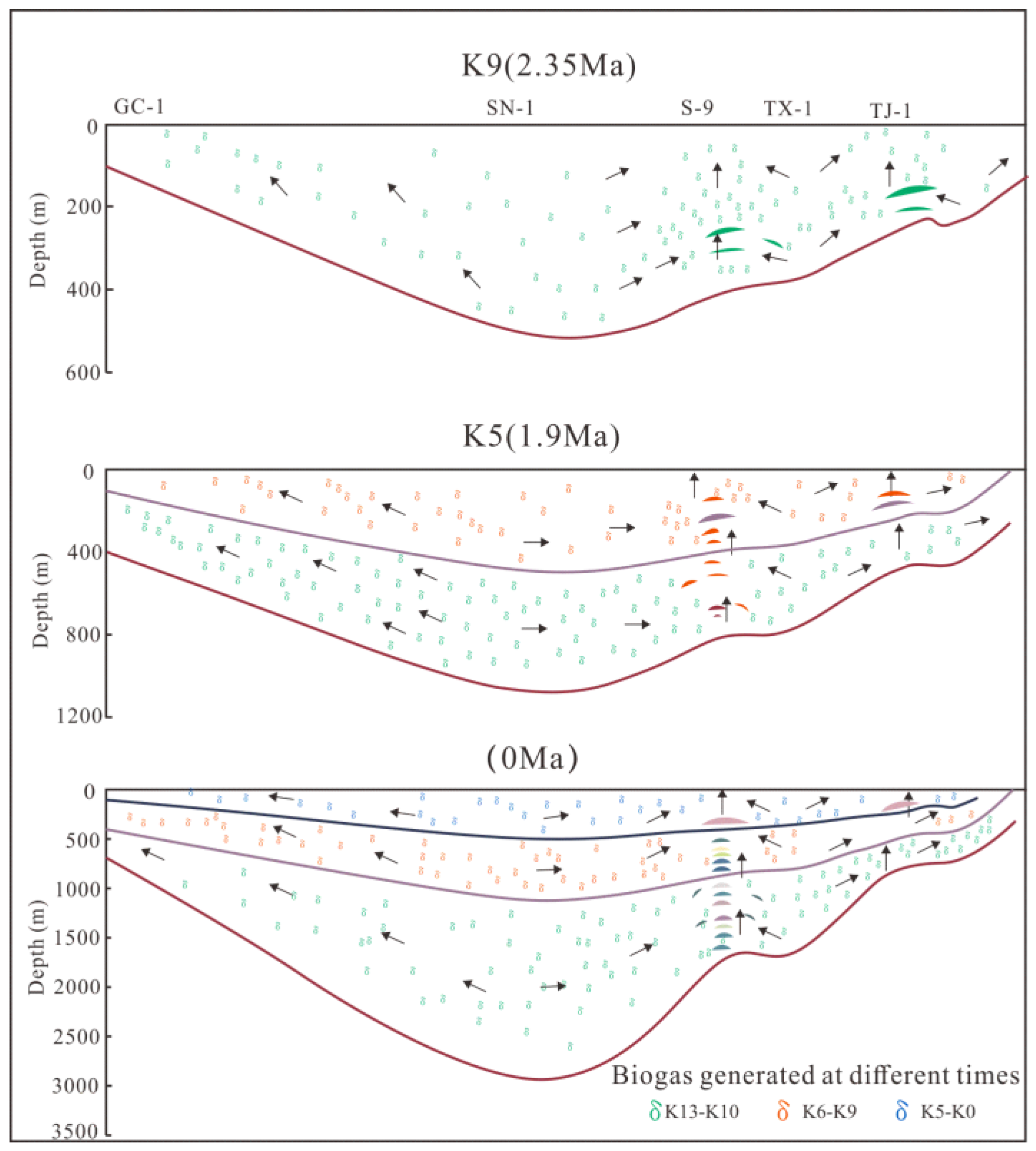
Biogas resources in the Sanhu area of the Qaidam Basin have great potential, but there are few studies on biogas from shale, especially on the accumulation conditions of shale biogas. The study of biogas accumulation conditions of quaternary shale in the Sanhu area is of great significance to the theory of biogas accumulation and the guidance of exploration and development. This paper takes Quaternary shale in the Sanhu area as the research object. It is analyzed from multiple perspectives of shale hydrocarbon generation conditions, reservoir conditions, as well as hydrodynamic and structural conditions. Through the experiments of soluble organic carbon analysis and porosity and permeability analysis, the accumulation conditions of shale biogas reservoirs are clarified. The results show that the quaternary shale has a high soluble organic carbon content and high salinity formation water, which is conducive to late methane biochemical generation. Quaternary shale has the characteristics of high porosity and low permeability, mainly developing intergranular pores and intragranular pores. The large pore volume and specific surface area provide a lot of storage space for free gas and adsorbed gas, and the reservoir conditions are good. Under the structural characteristics of high in the south and low in the north and the action of formation hydrodynamics, biogas migrated from the south and deep to the north of the basin. The north slope is the main biogas-rich zone. On the whole, the quaternary shale in the Sanhu area has the characteristics of continuous hydrocarbon generation and dynamic accumulation, which has huge resource potential and exploration and development value.
Keywords: Qaidam Basin; quaternary; shale; biogas; dynamic accumulation Qaidam Basin; quaternary; shale; biogas; dynamic accumulation