Article

A Novel Procedure for Coupled Simulation of Thermal and Fluid Flow Models for Rough-Walled Rock Fractures


1
Faculty of Engineering, China University of Geosciences, Wuhan 430074, China
2
School of Civil Engineering, Wuhan University, Wuhan 430072, China
3
School of Earth Sciences and Engineering, Hohai University, Nanjing 210098, China
*
Author to whom correspondence should be addressed.
Energies 2021, 14(4), 951; https://doi.org/10.3390/en14040951
Submission received: 23 December 2020 / Revised: 6 February 2021 / Accepted: 8 February 2021 / Published: 11 February 2021

Abstract

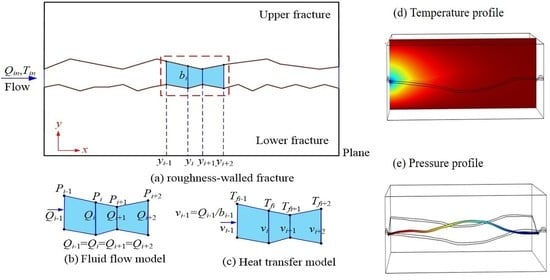
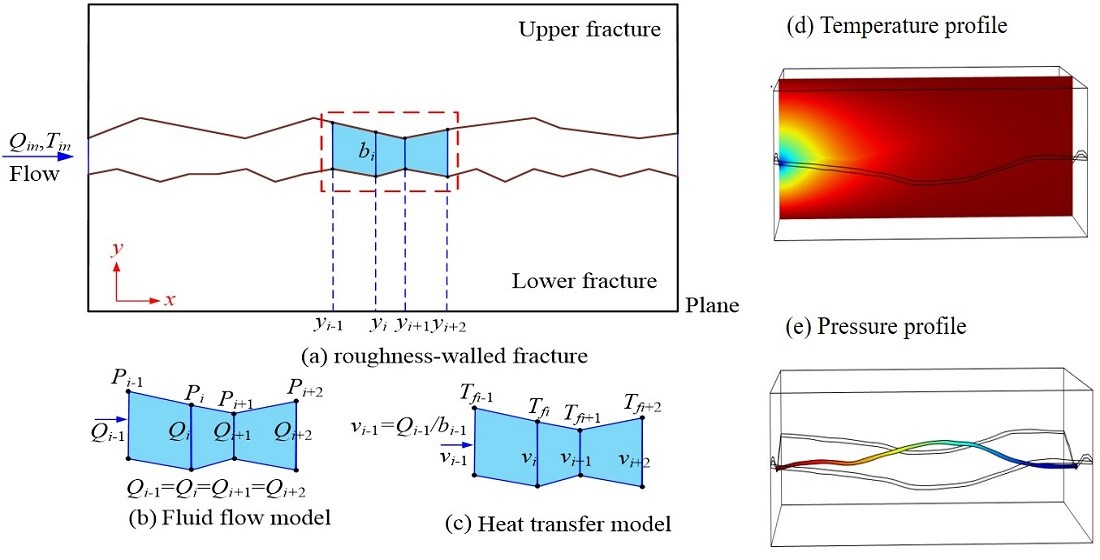
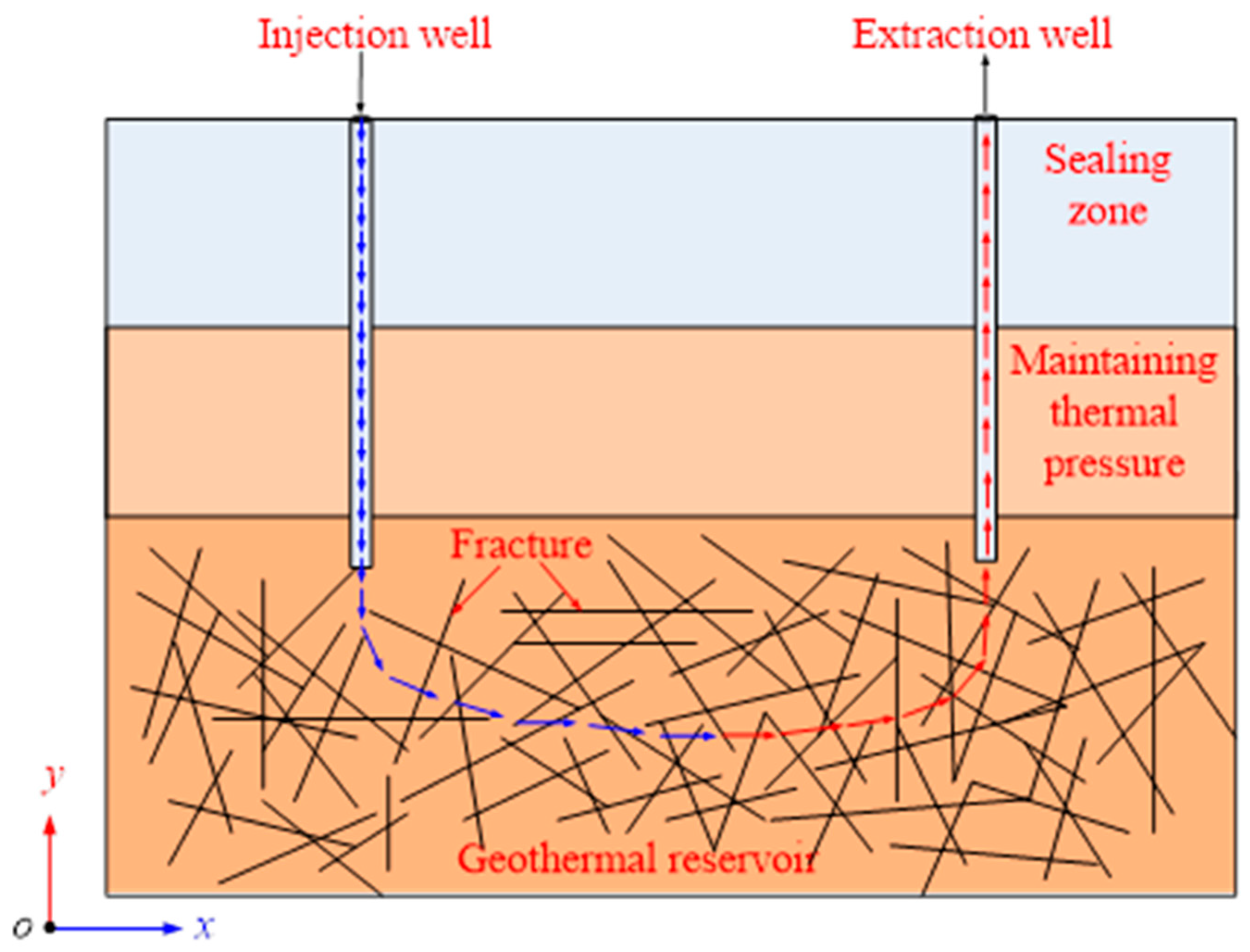
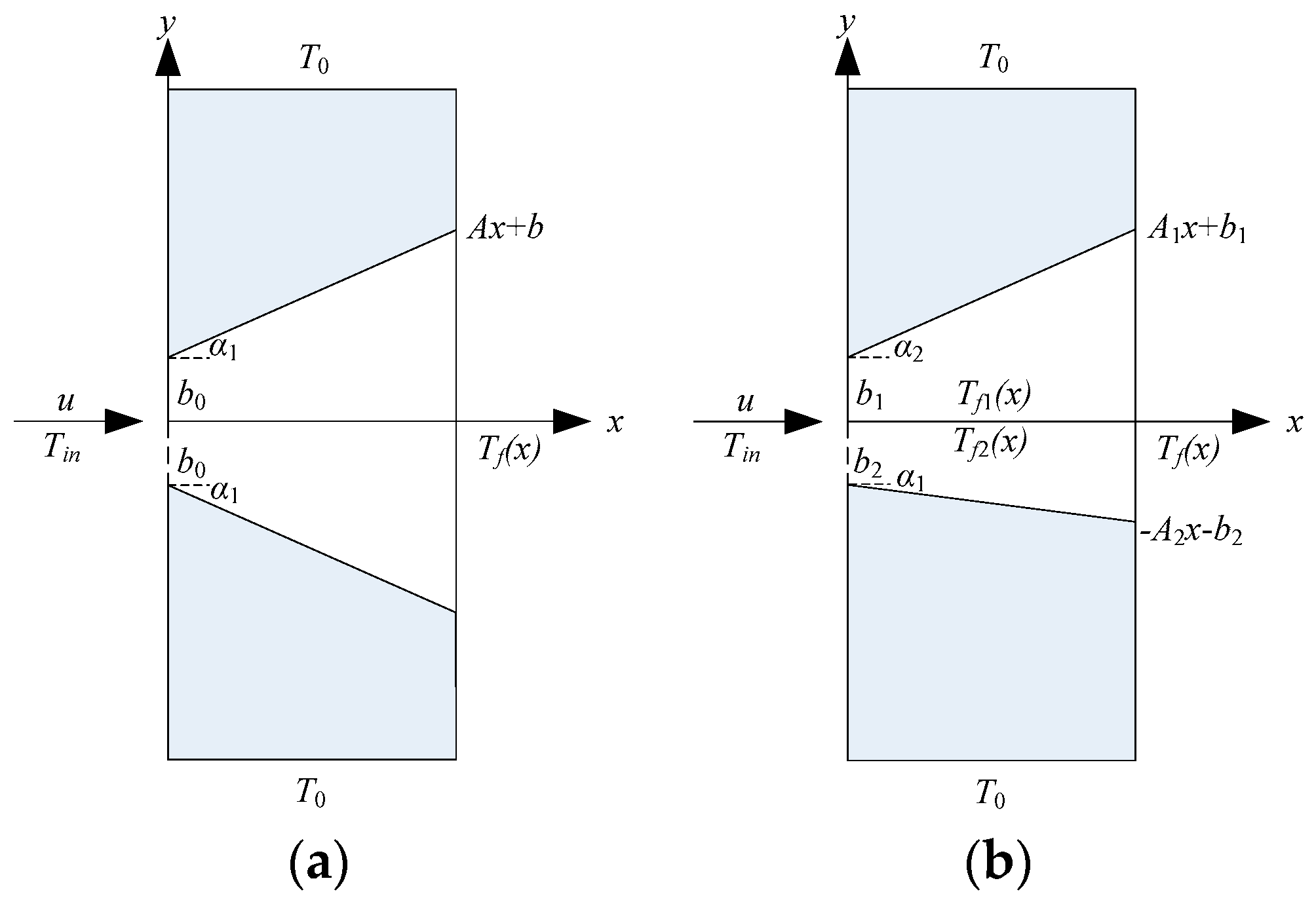
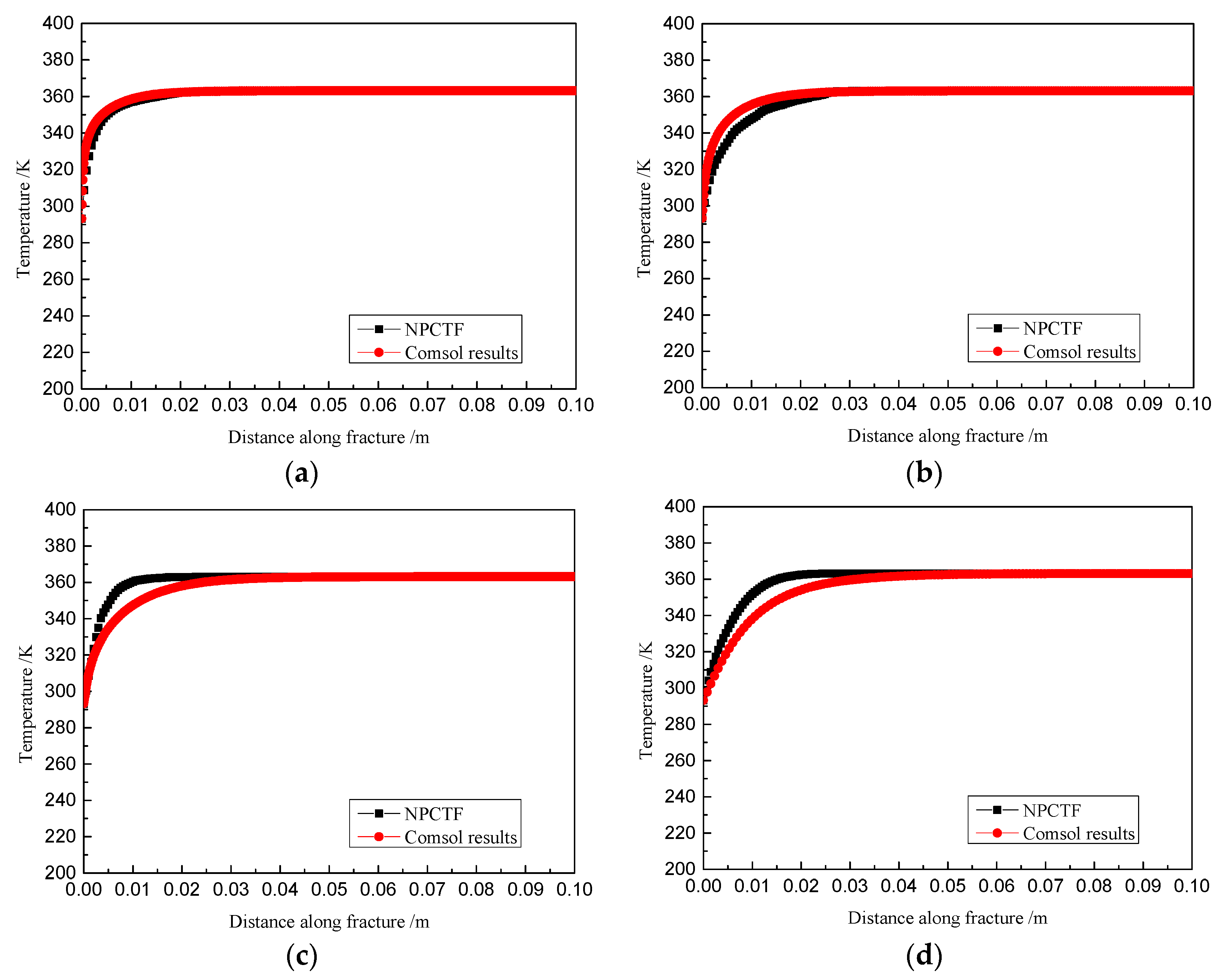
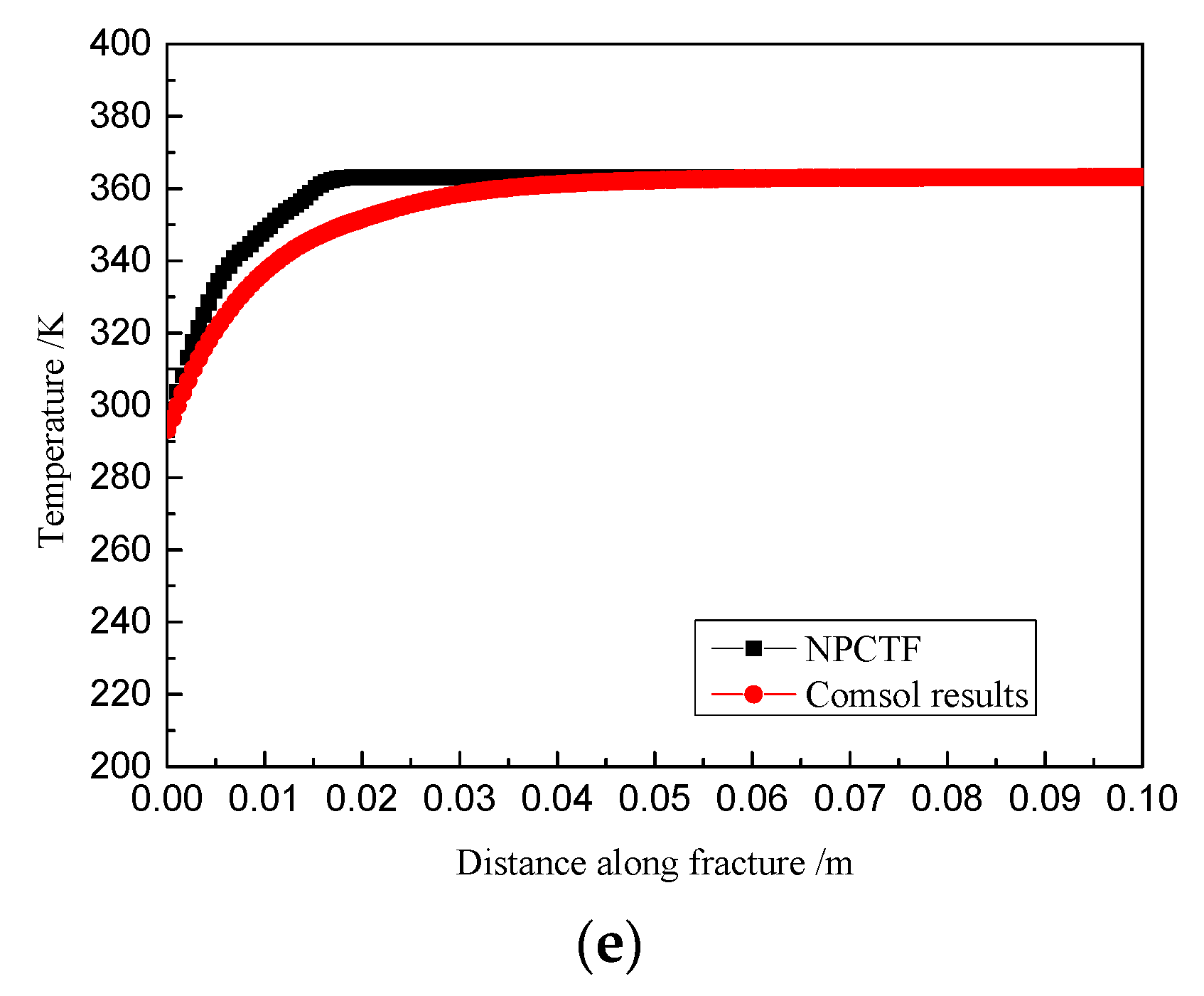
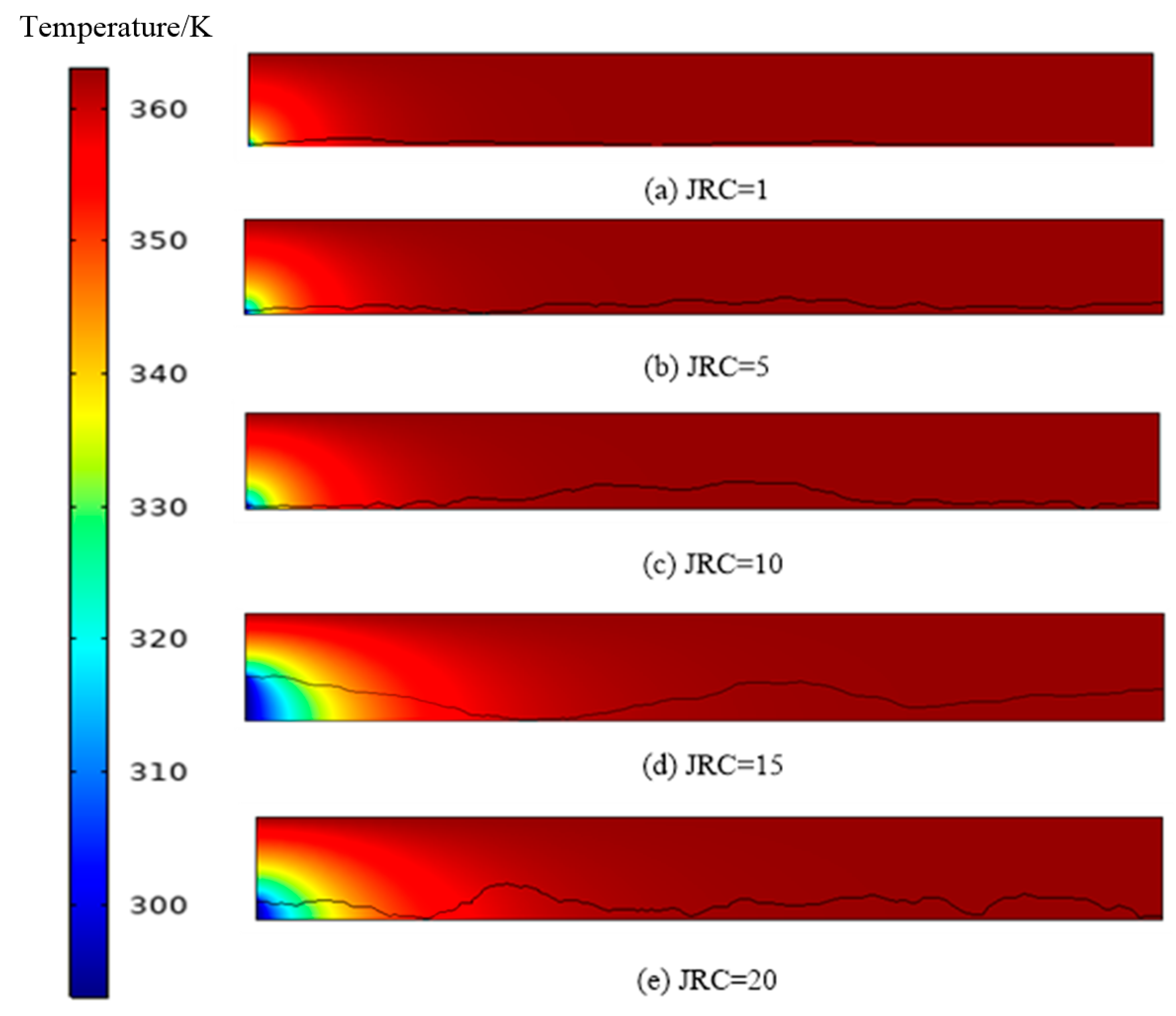
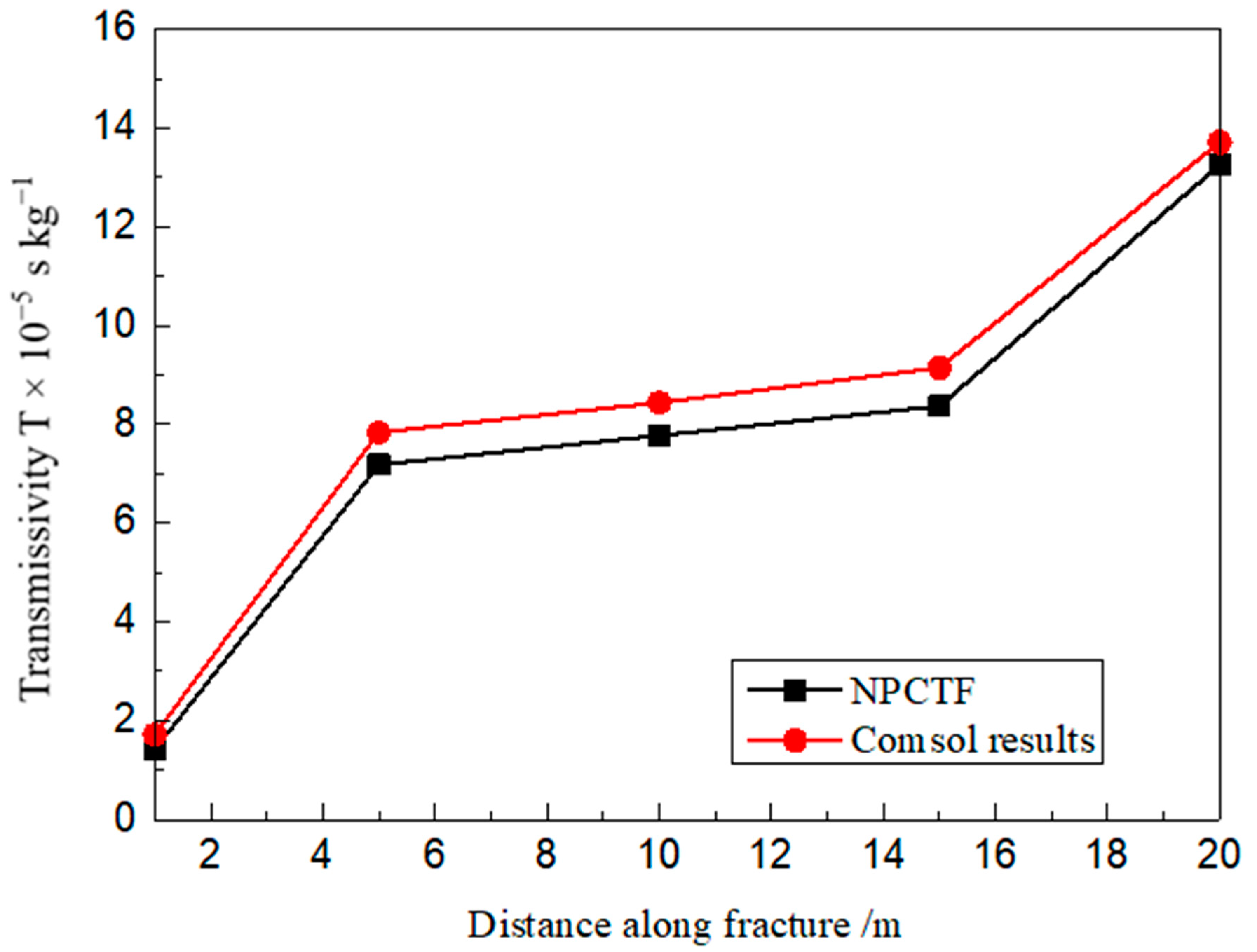
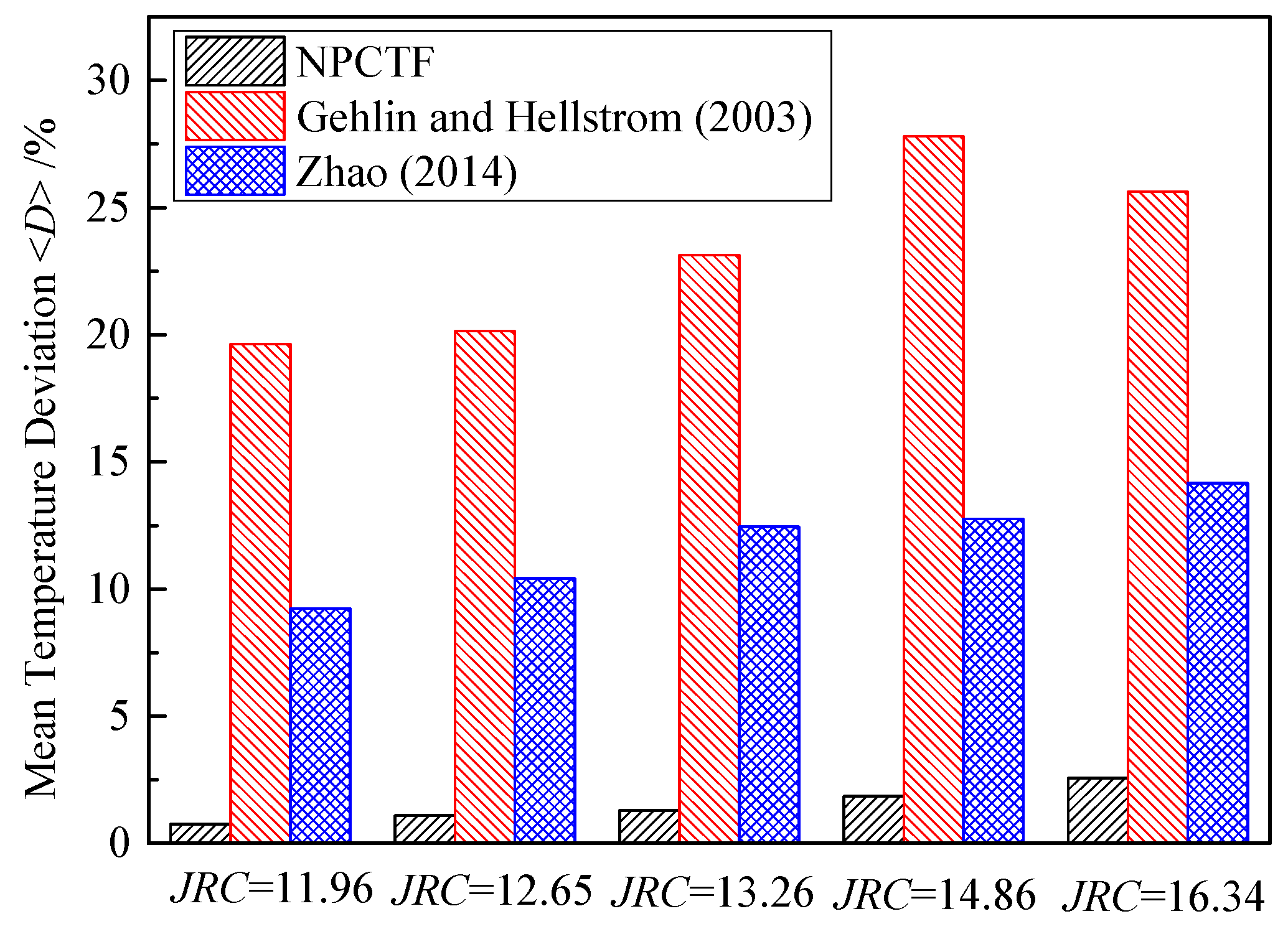
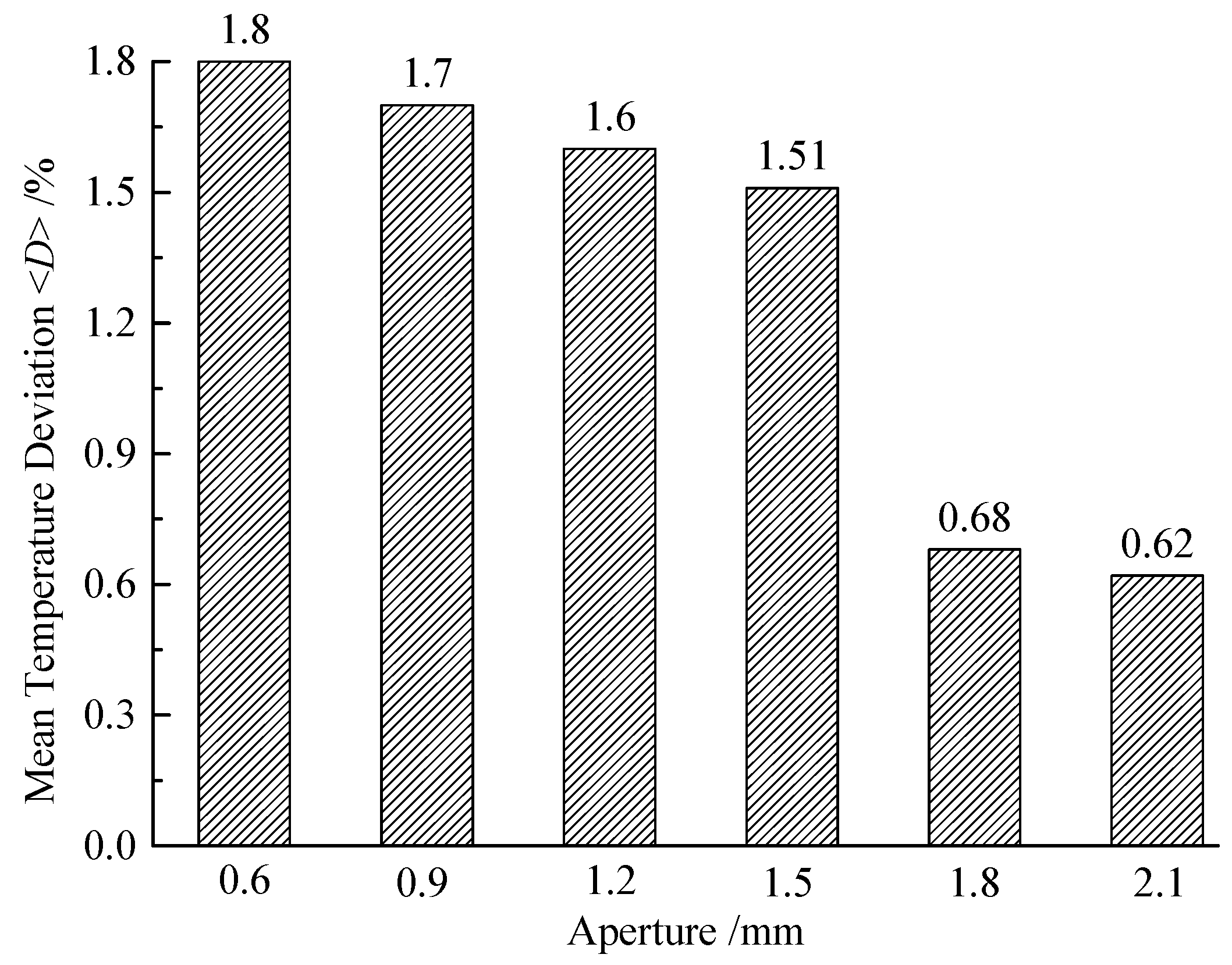
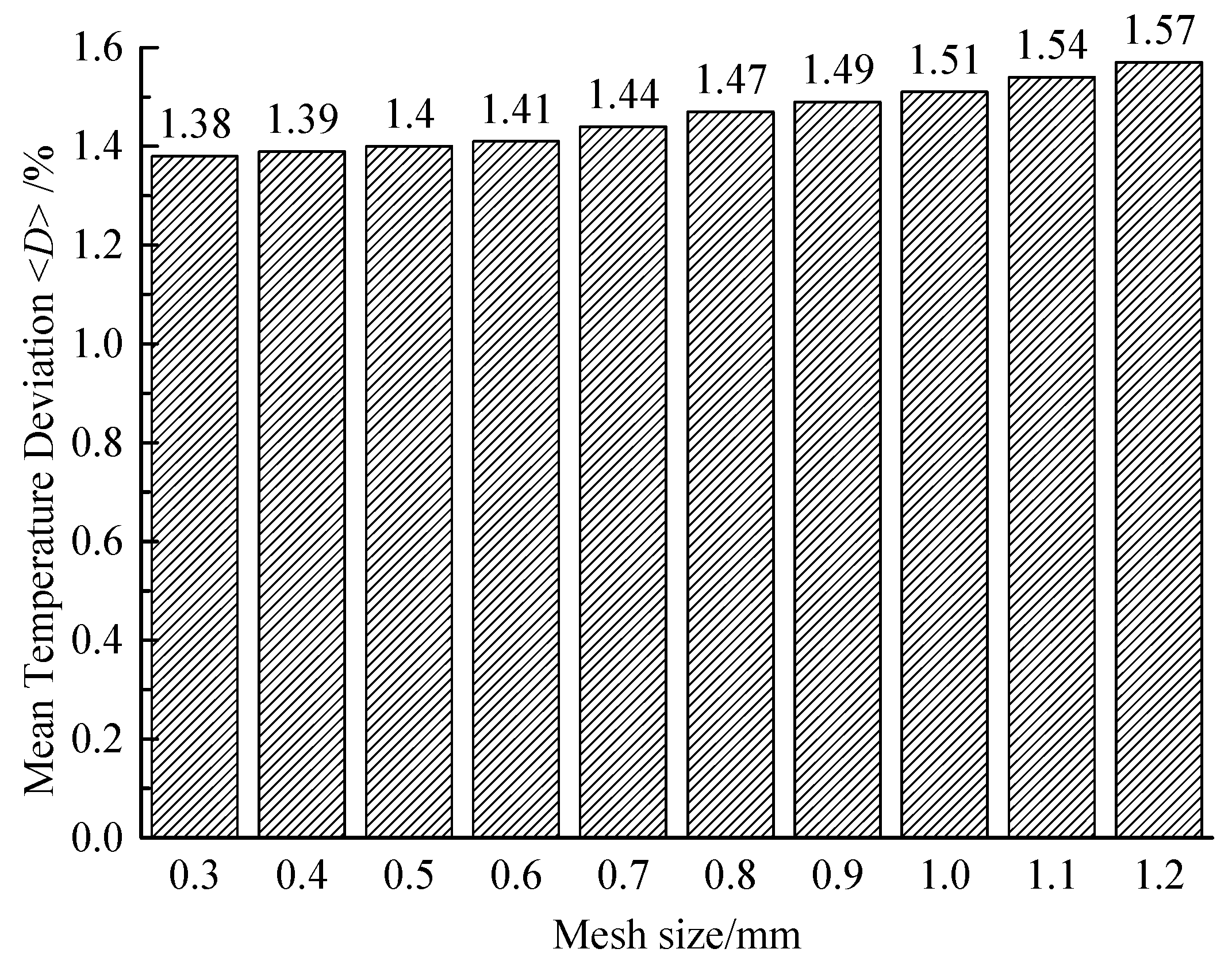
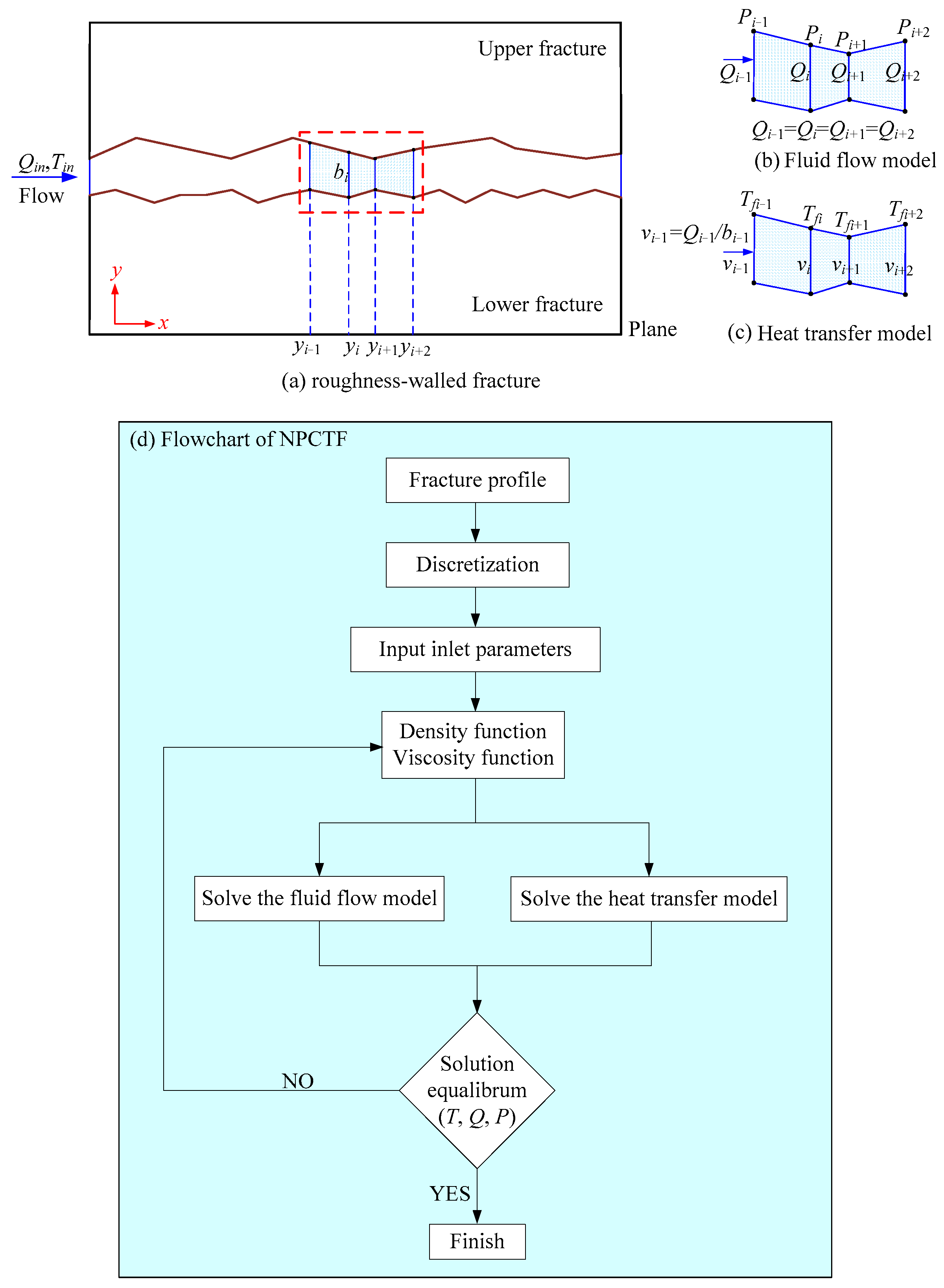
An enhanced geothermal system (EGS) proposed on the basis of hot dry rock mining technology has become a focus of geothermal research. A novel procedure for coupled simulation of thermal and fluid flow models (NPCTF) is derived to model heat flow and thermal energy absorption characteristics in rough-walled rock fractures. The perturbation method is used to calculate the pressure and flow rate in connected wedge-shaped cells at pore-scale, and an approximate analytical solution of temperature distribution in wedge-shaped cells is obtained, which assumes an identical temperature between the fluid and fracture wall. The proposed method is verified in Barton and Choubey (1985) fracture profiles. The maximum deviation of temperature distribution between the proposed method and heat flow simulation is 13.2% and flow transmissivity is 1.2%, which indicates the results from the proposed method are in close agreement with those obtained from simulations. By applying the proposed NPCTF to real rock fractures obtained by a 3D stereotopometric scanning system, its performance was tested against heat flow simulations from a COMSOL code. The mean discrepancy between them is 1.51% for all cases of fracture profiles, meaning that the new model can be applicable for fractures with different fracture roughness. Performance analysis shows small fracture aperture increases the deviation of NPCTF, but this decreases for a large aperture fracture. The accuracy of the NPCTF is not sensitive to the size of the mesh.
Keywords: rough fracture; coupled hydrothermal model; joint roughness coefficient; aperture; mesh size rough fracture; coupled hydrothermal model; joint roughness coefficient; aperture; mesh size
Graphical Abstract