Article

Experimental Validation for Moving Particle Detection Using Acoustic Emission Method
1
Division of Smart Electrical & Electronic Engineering, Silla University, Busan 46958, Korea
2
Department of Electrical and Electronics Engineering, Korea Maritime and Ocean University, Busan 49112, Korea
3
High Voltage Insulation Research Team, Power & Industrial Systems R&D Center, Hyosung Corporation, Changwon 51529, Korea
*
Author to whom correspondence should be addressed.
Energies 2021, 14(24), 8516; https://doi.org/10.3390/en14248516
Submission received: 6 November 2021 / Revised: 7 December 2021 / Accepted: 15 December 2021 / Published: 17 December 2021
(This article belongs to the Special Issue Advances in Online Partial Discharge Monitoring Systems)

Abstract

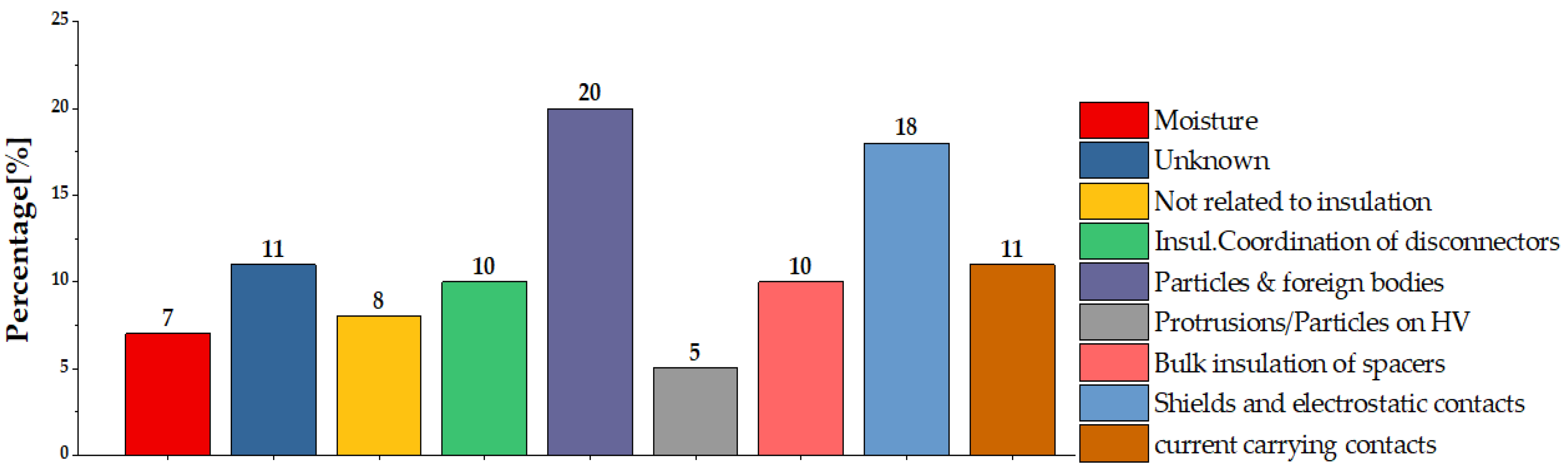
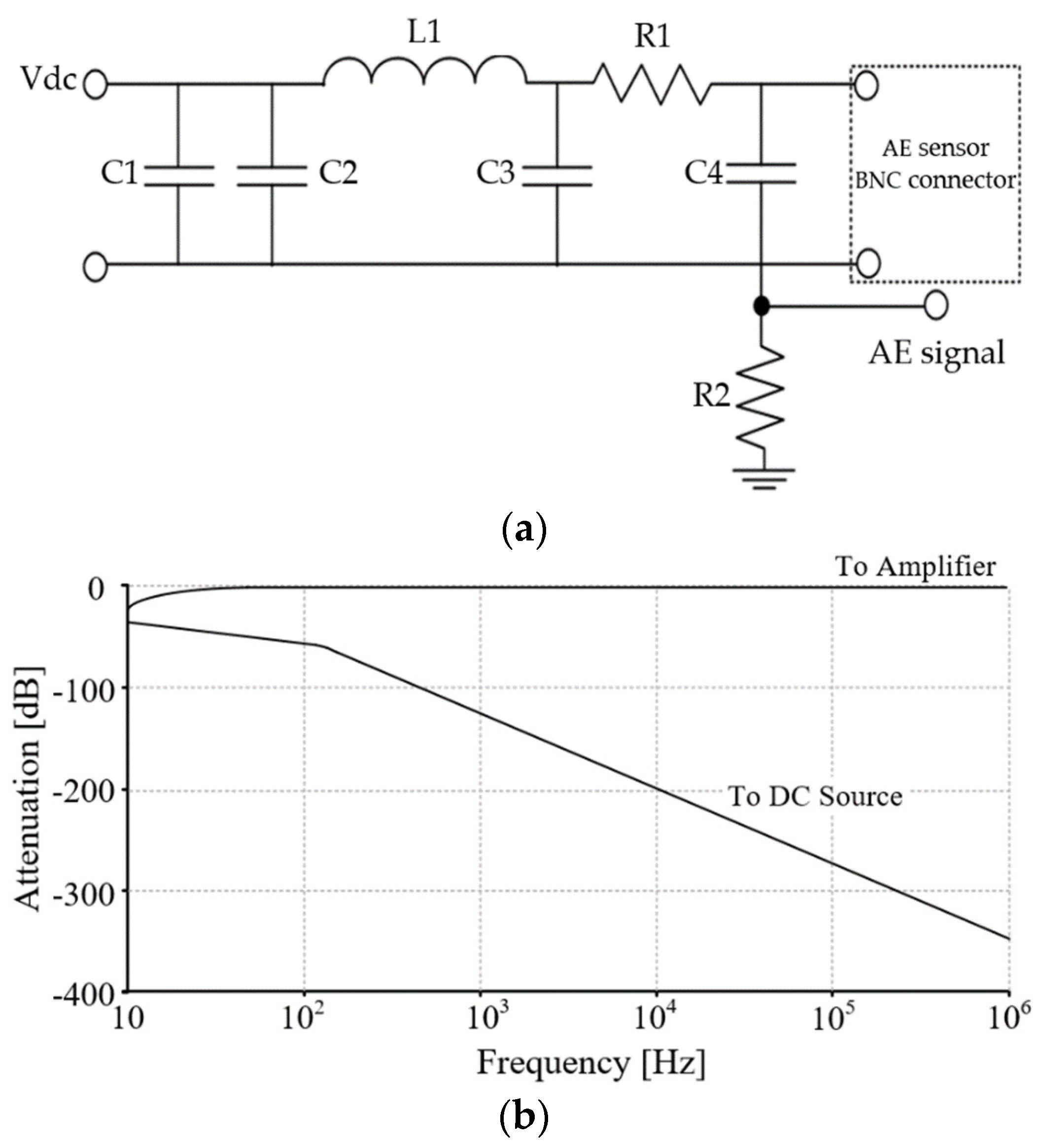
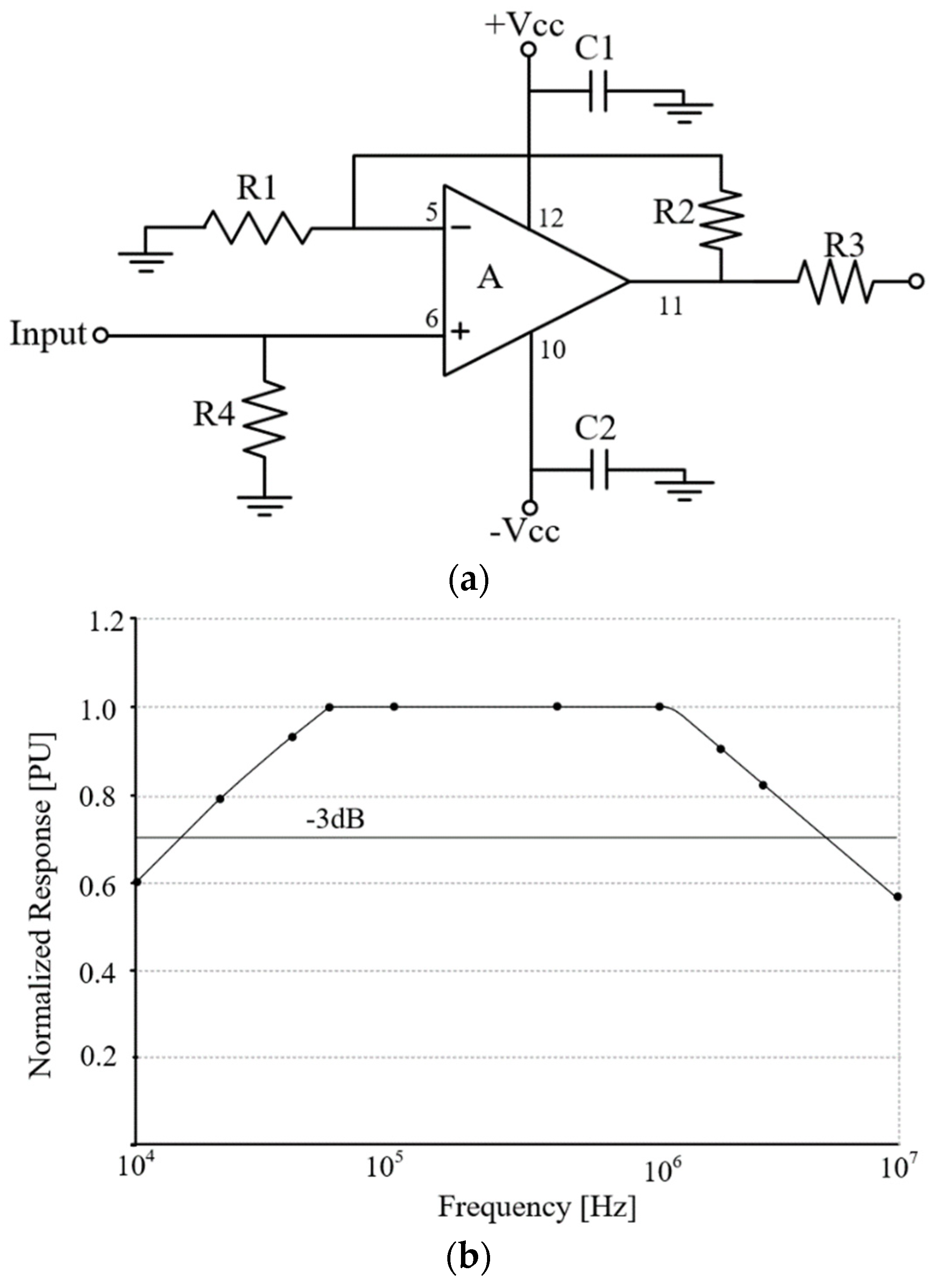
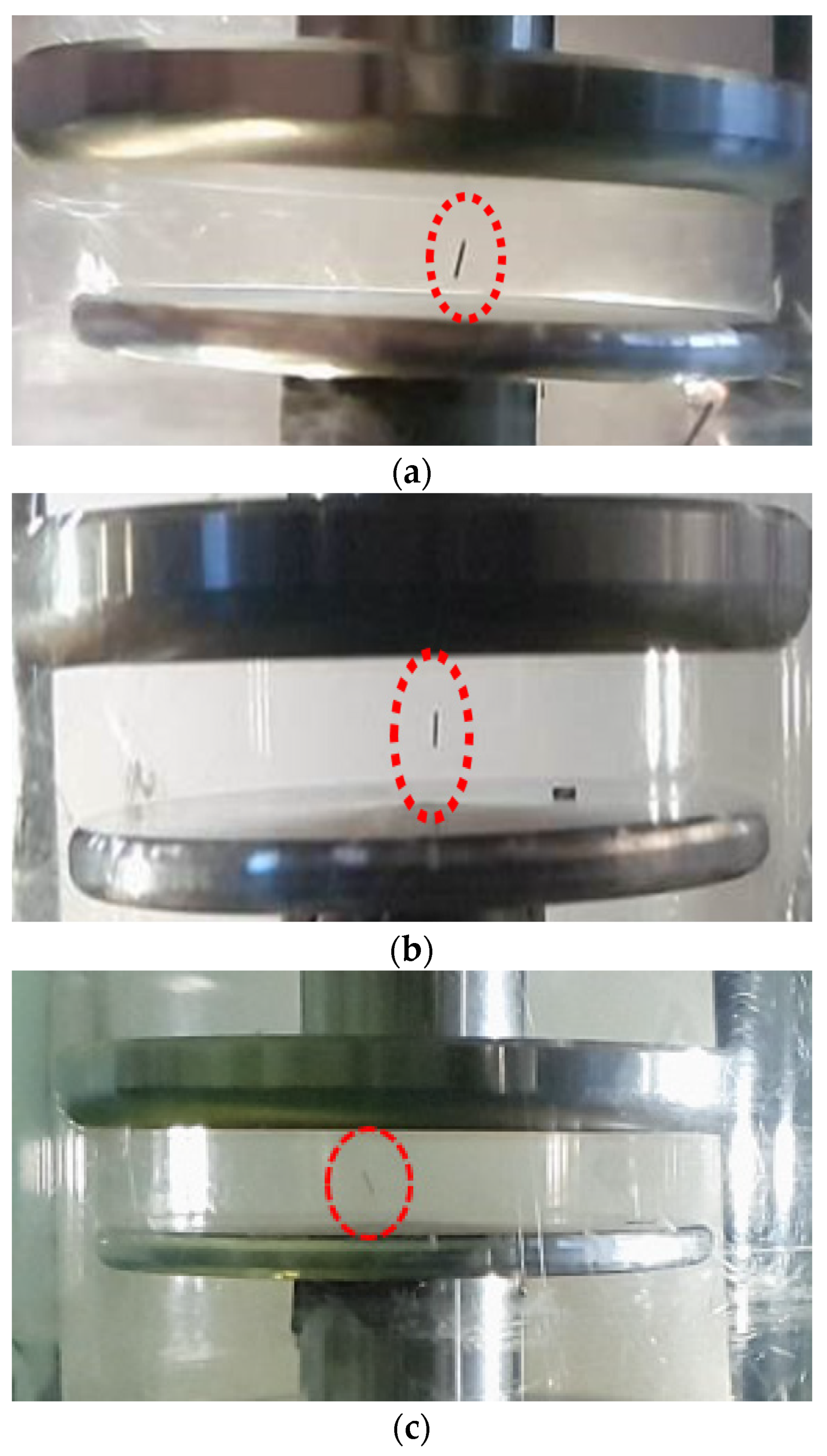
Gas-insulated switchgears (GISs) are important pieces of power equipment used to improve the reliability of power facilities. As the number of GISs increases, more insulation failures occur every year. The most common cause of insulation failure is particles and foreign bodies producing a partial discharge (PD), which causes deterioration of the insulation materials and results in insulation breakdown. However, it is not easy to detect them by conventional PD and ultra-high frequency (UHF) PD measurements because it is difficult to apply the conventional method to the GISs in service, and the UHF method is not always applicable to GISs. Therefore, an appropriate method to detect particles and foreign bodies in GISs is needed. In this study, experimental validation was performed to detect particles moving in GISs using the acoustic emission (AE) method. Acoustic wave signals were produced by the particles moving on the surface of a flat plate when applying voltage. An AE sensor with a frequency range of 50 to 400 kHz was used, and a decoupler and low-noise amplifier were designed to detect the acoustic wave signals with high sensitivity. Twelve types of particles were used, and one was selected to confirm the detectable minimum output voltage. In an actual factory test, the output voltage of the acoustic wave signals was analyzed while considering the applied voltage and signal attenuation. Consequently, it was confirmed that the AE measuring system proposed in this paper could detect particles moving inside GISs.
Keywords: gas insulated switchgears; moving particles; acoustic emission method gas insulated switchgears; moving particles; acoustic emission method