Article

Fatigue Stress Estimation for Submerged and Sub-Soil Welds of Offshore Wind Turbines on Monopiles Using Modal Expansion

OWI-Lab, Vrije Universiteit Brussel, Pleinlaan 2, B-1050 Brussels, Belgium
*
Author to whom correspondence should be addressed.
Energies 2021, 14(22), 7576; https://doi.org/10.3390/en14227576
Submission received: 4 June 2021 / Revised: 22 July 2021 / Accepted: 27 July 2021 / Published: 12 November 2021
(This article belongs to the Special Issue Dynamic Testing and Monitoring of Wind Turbines)

Abstract

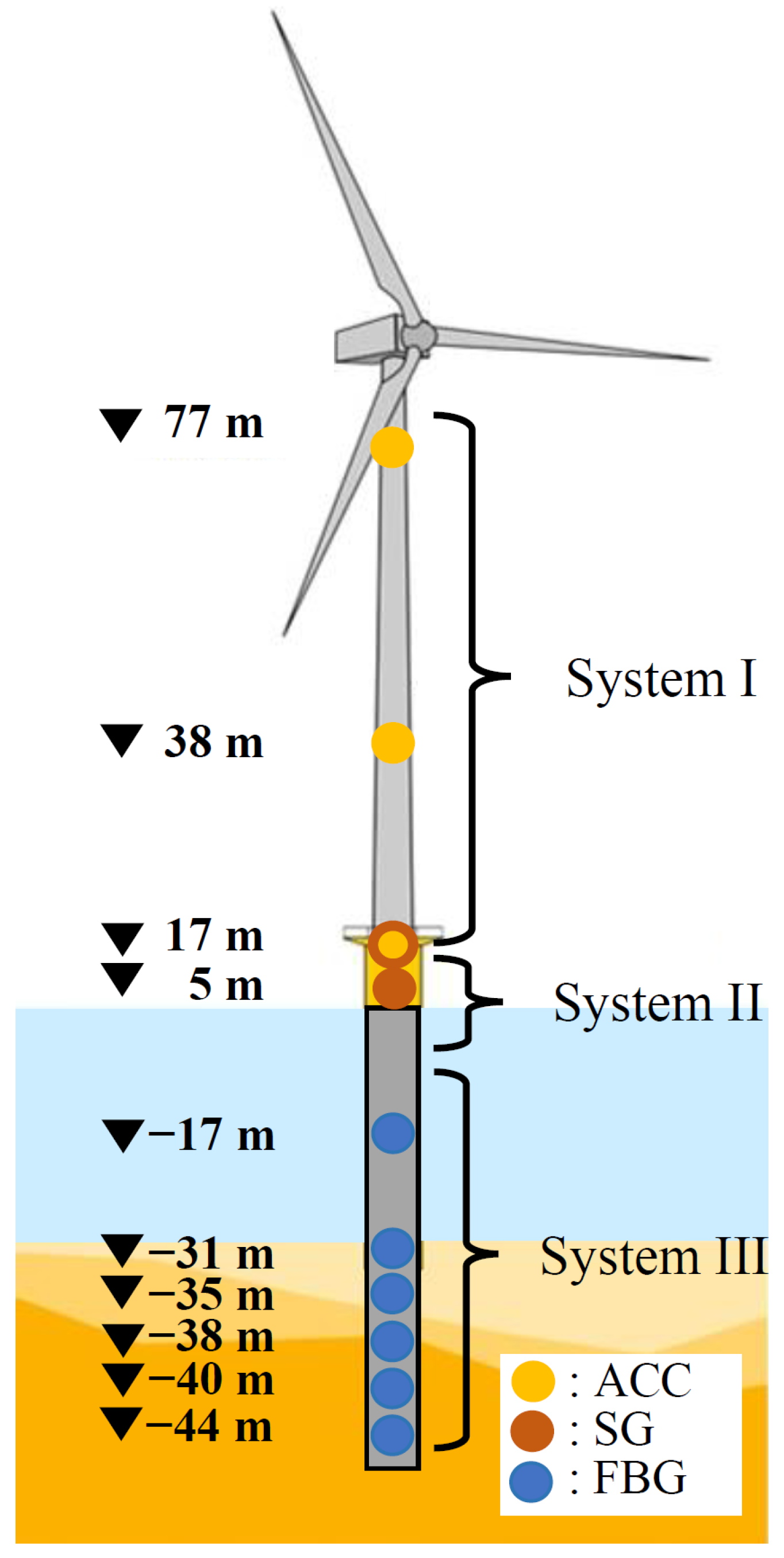
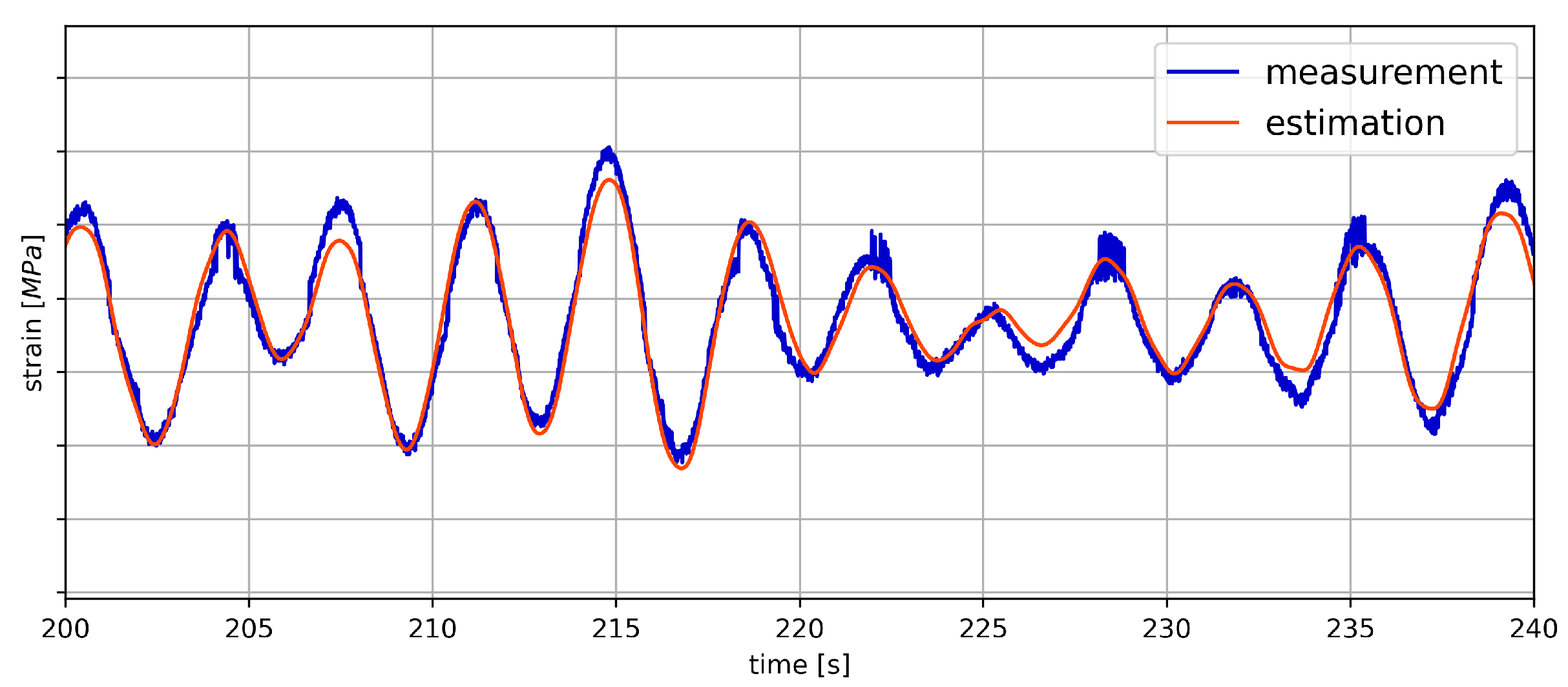
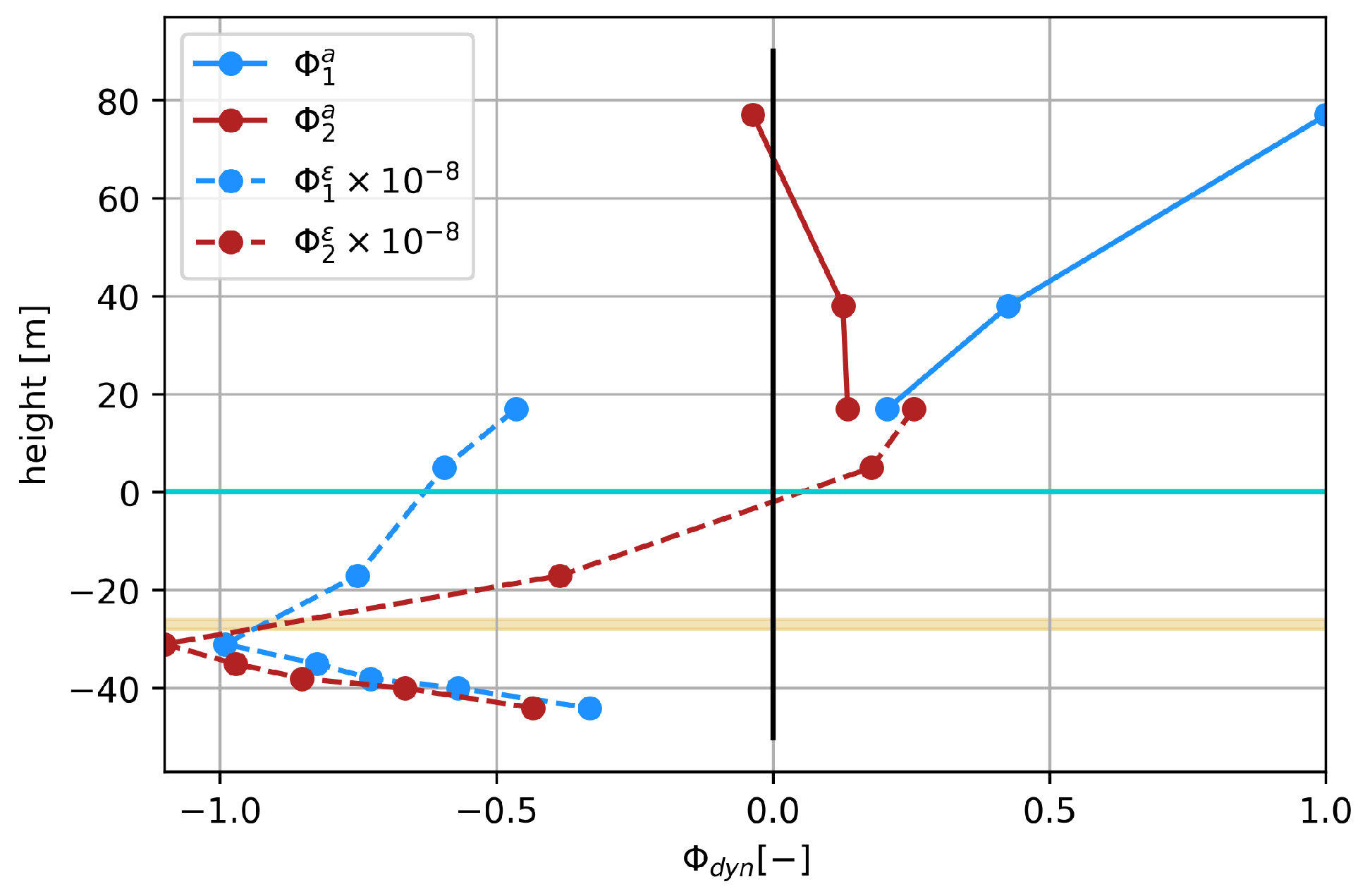
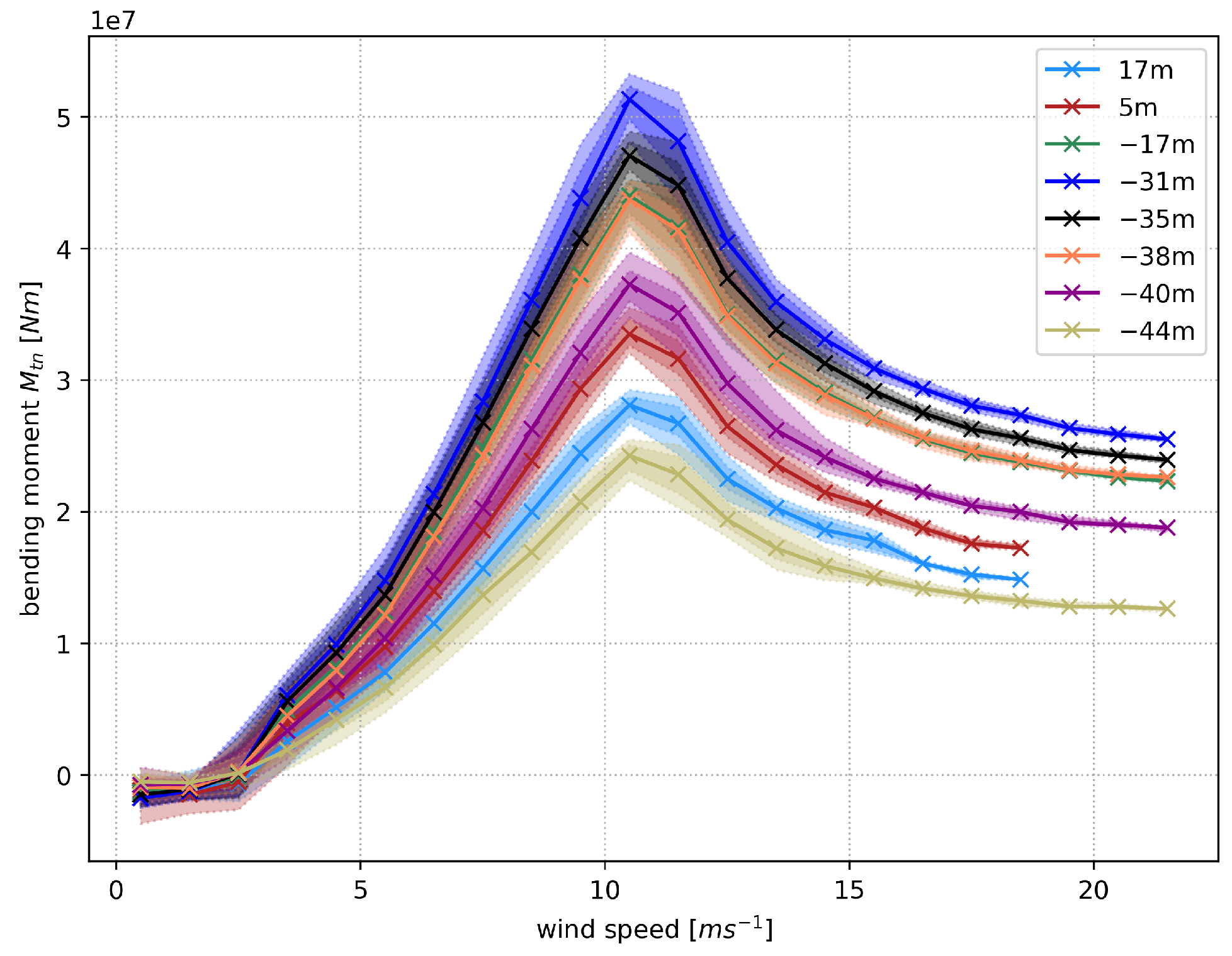
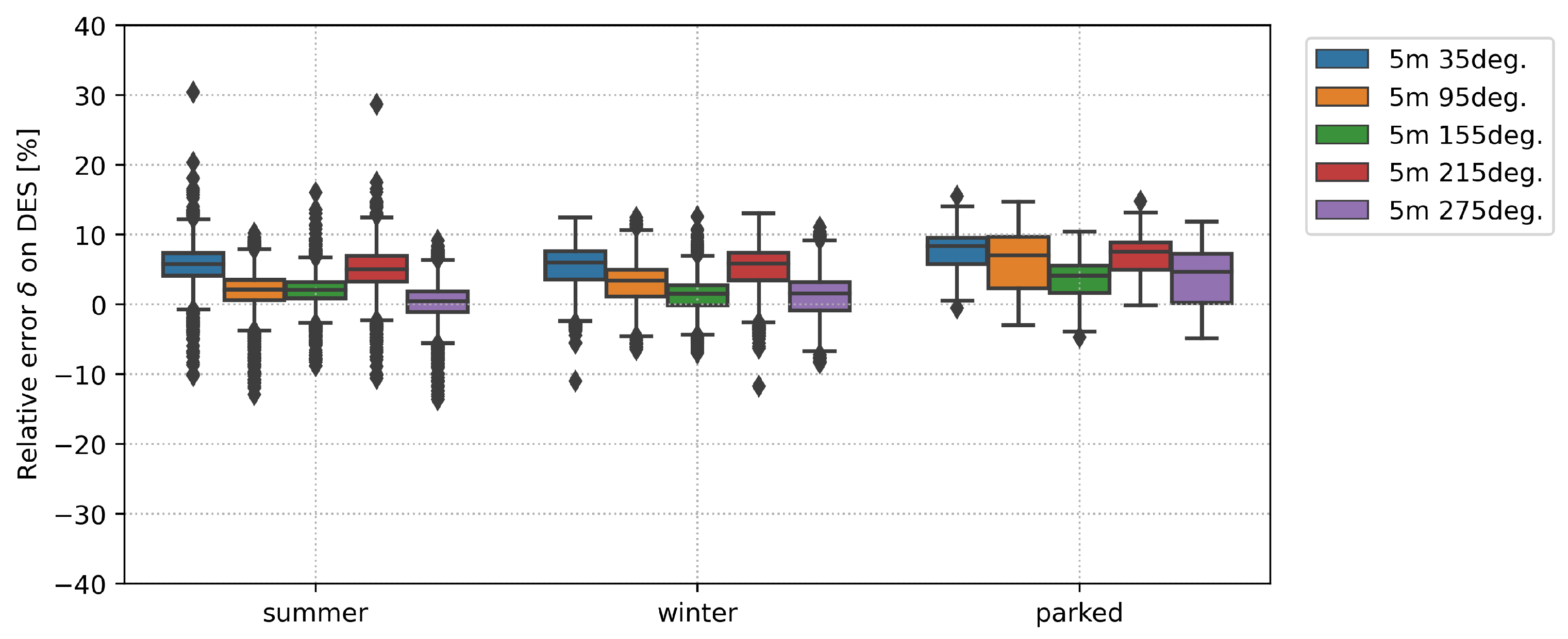
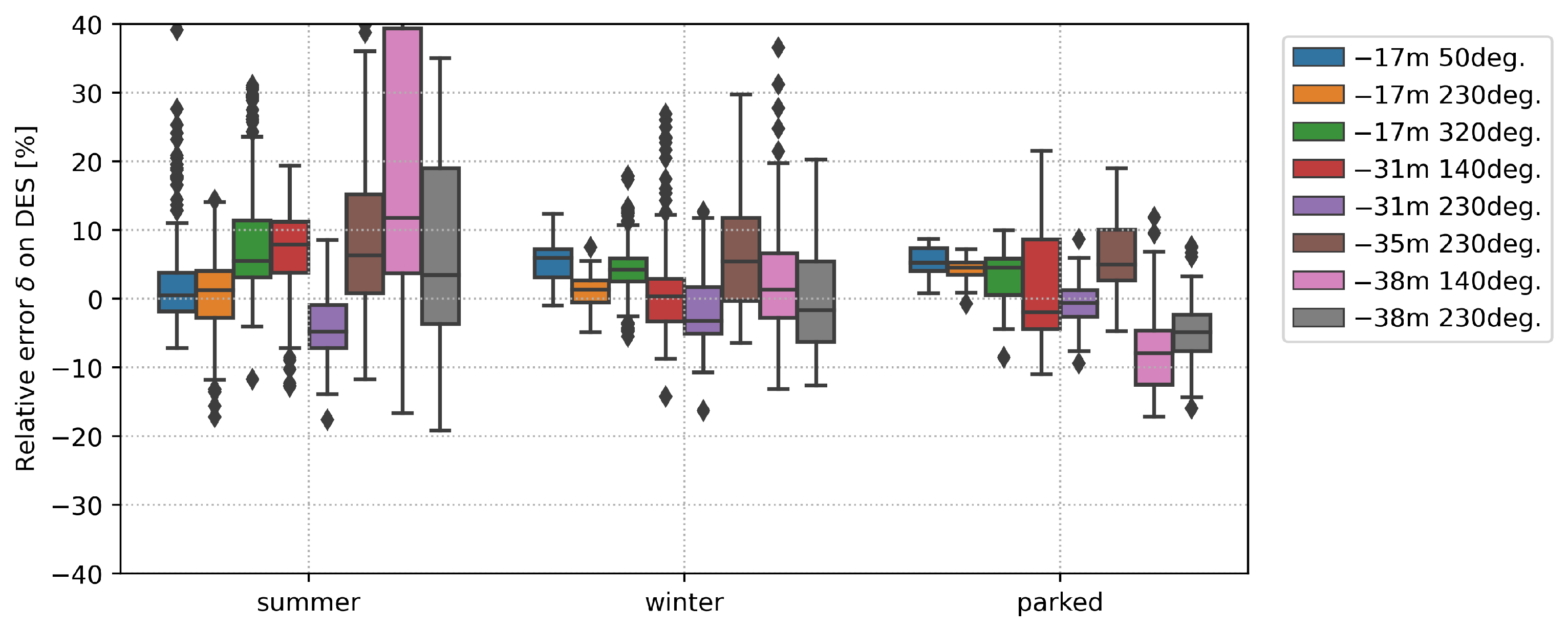
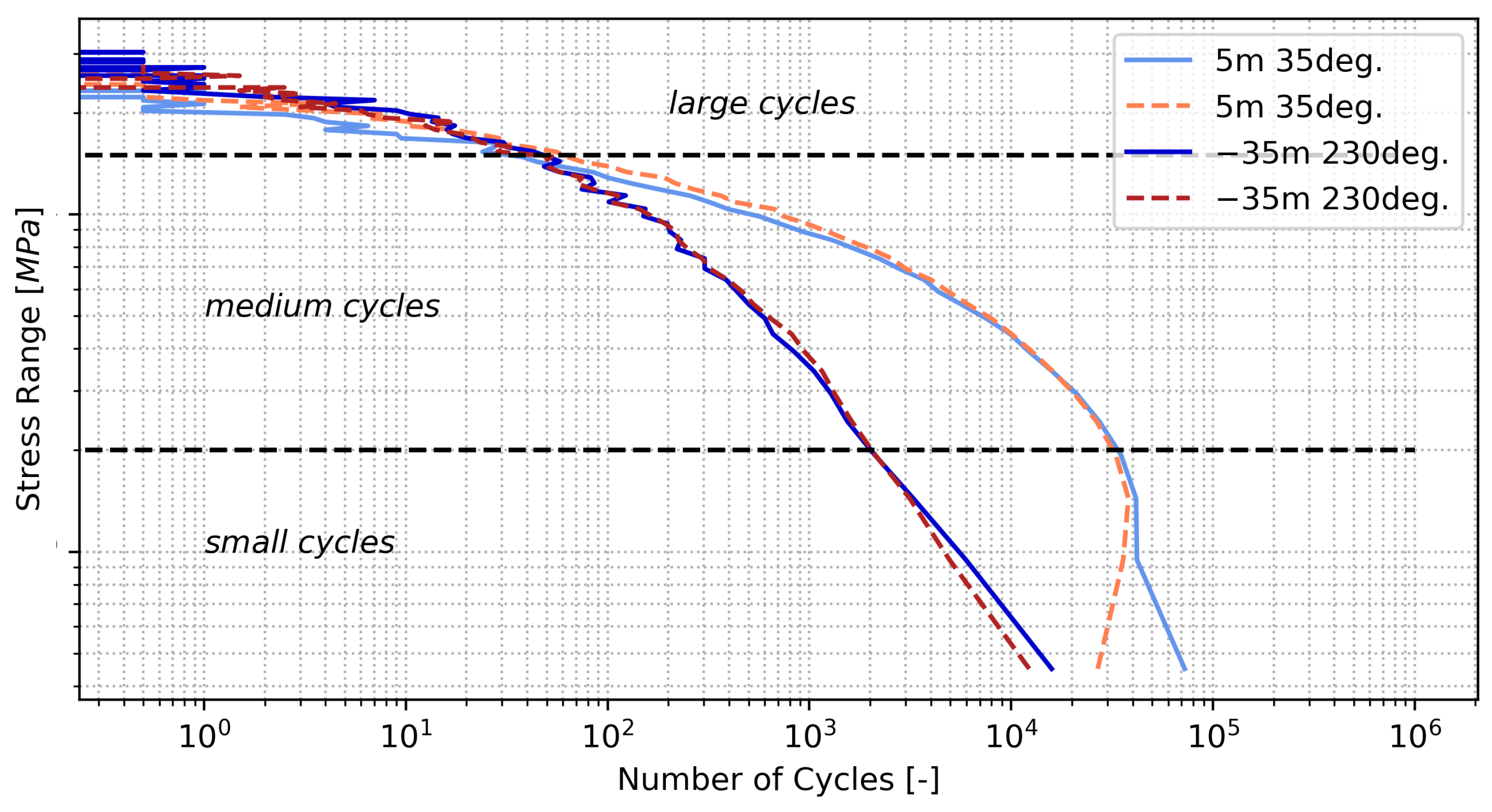
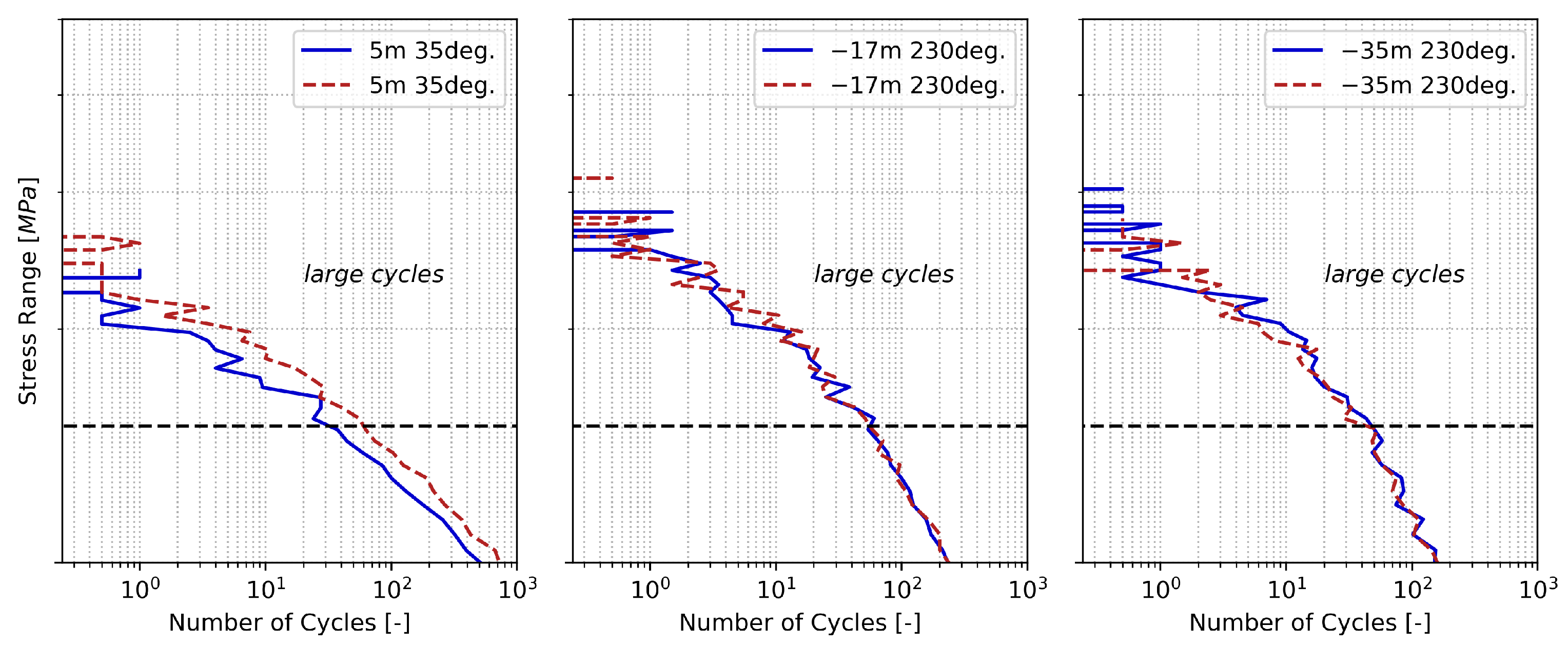
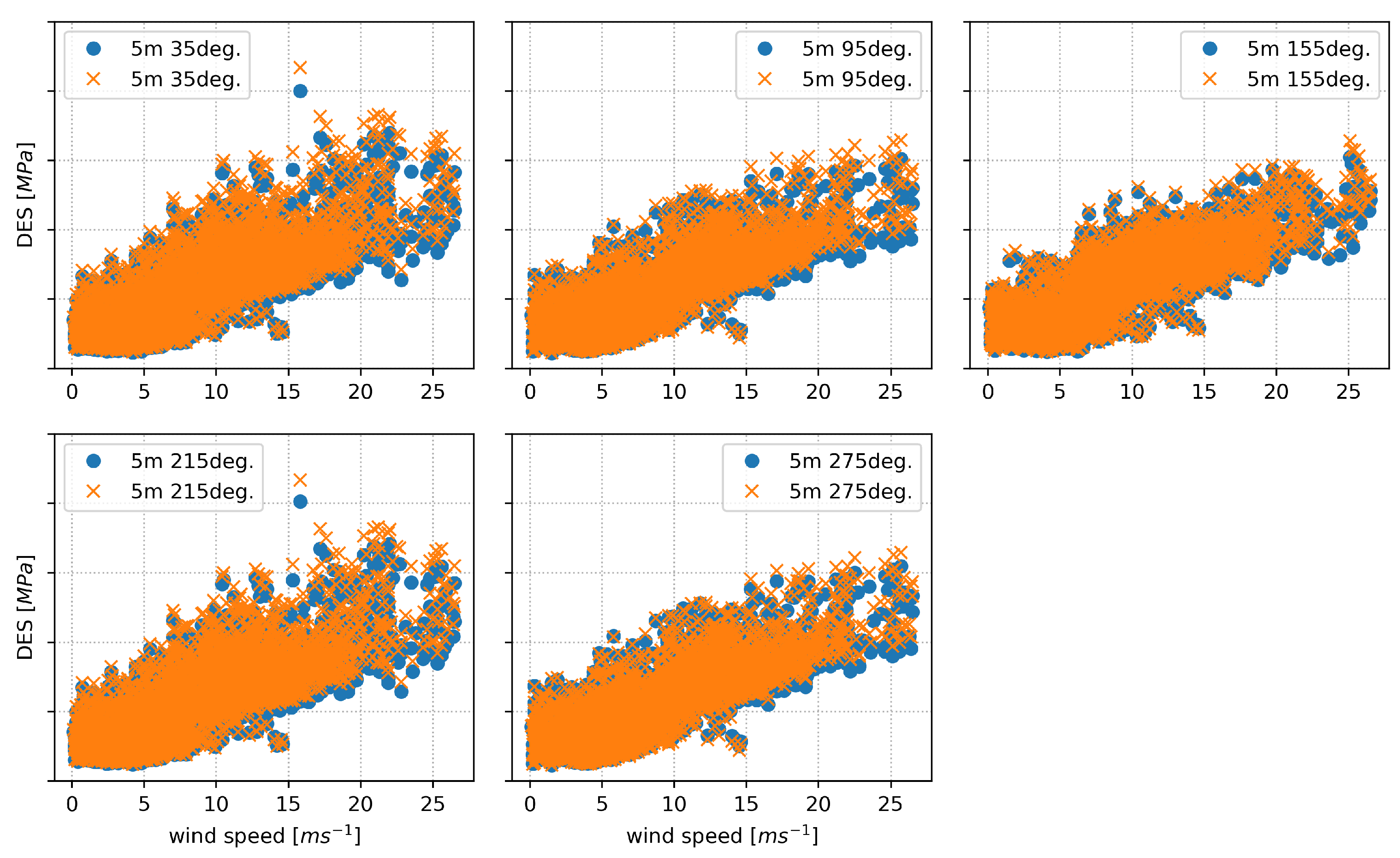
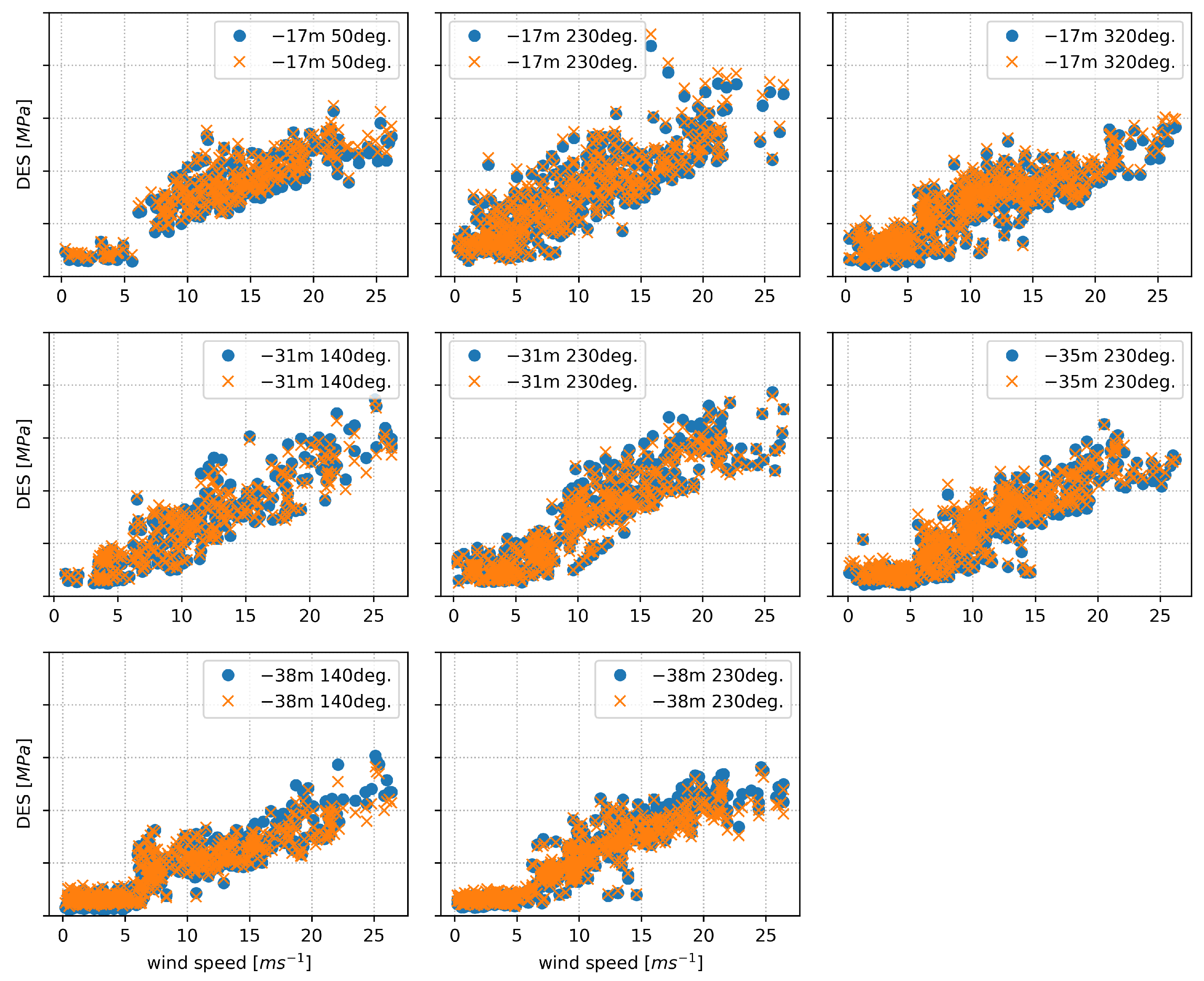
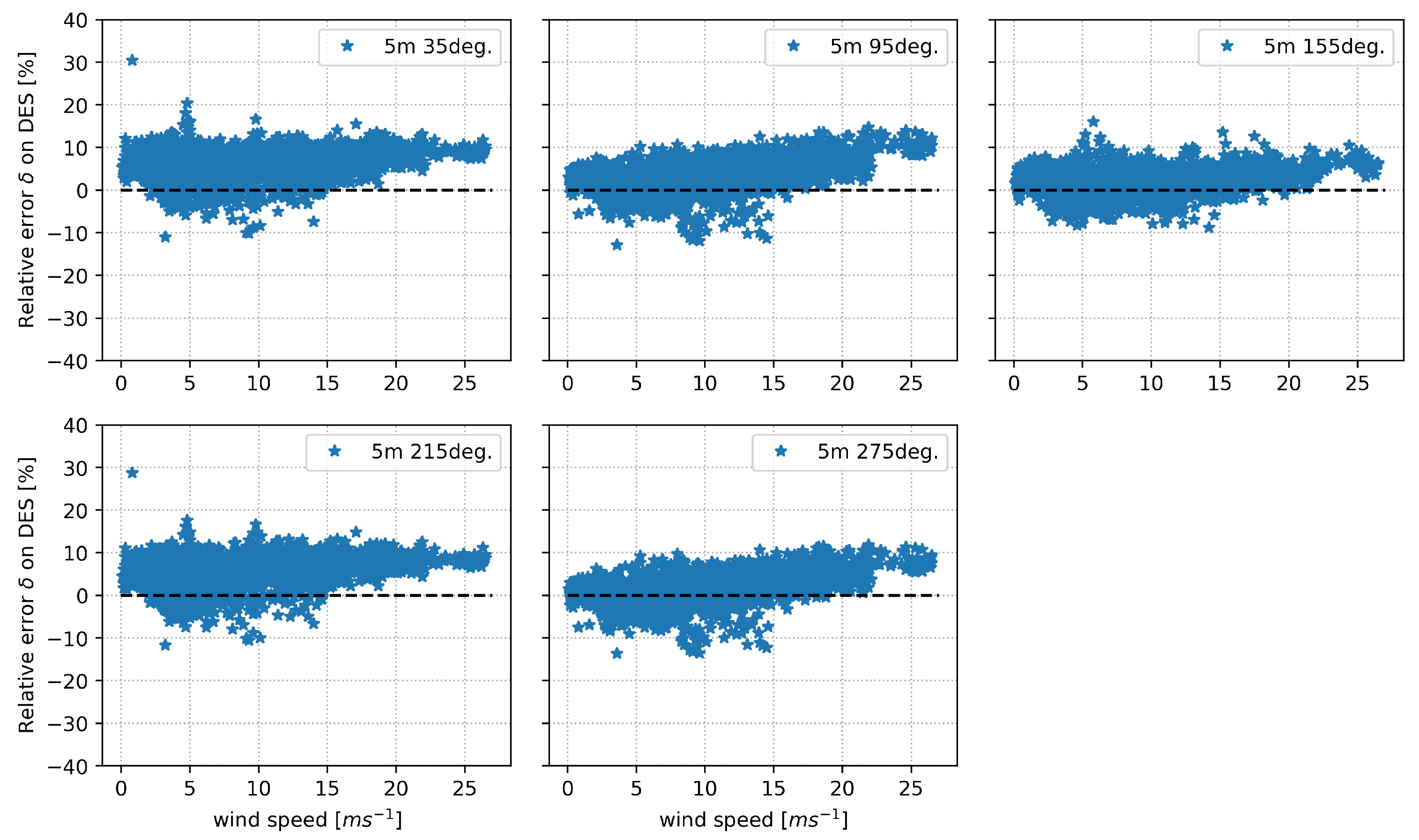
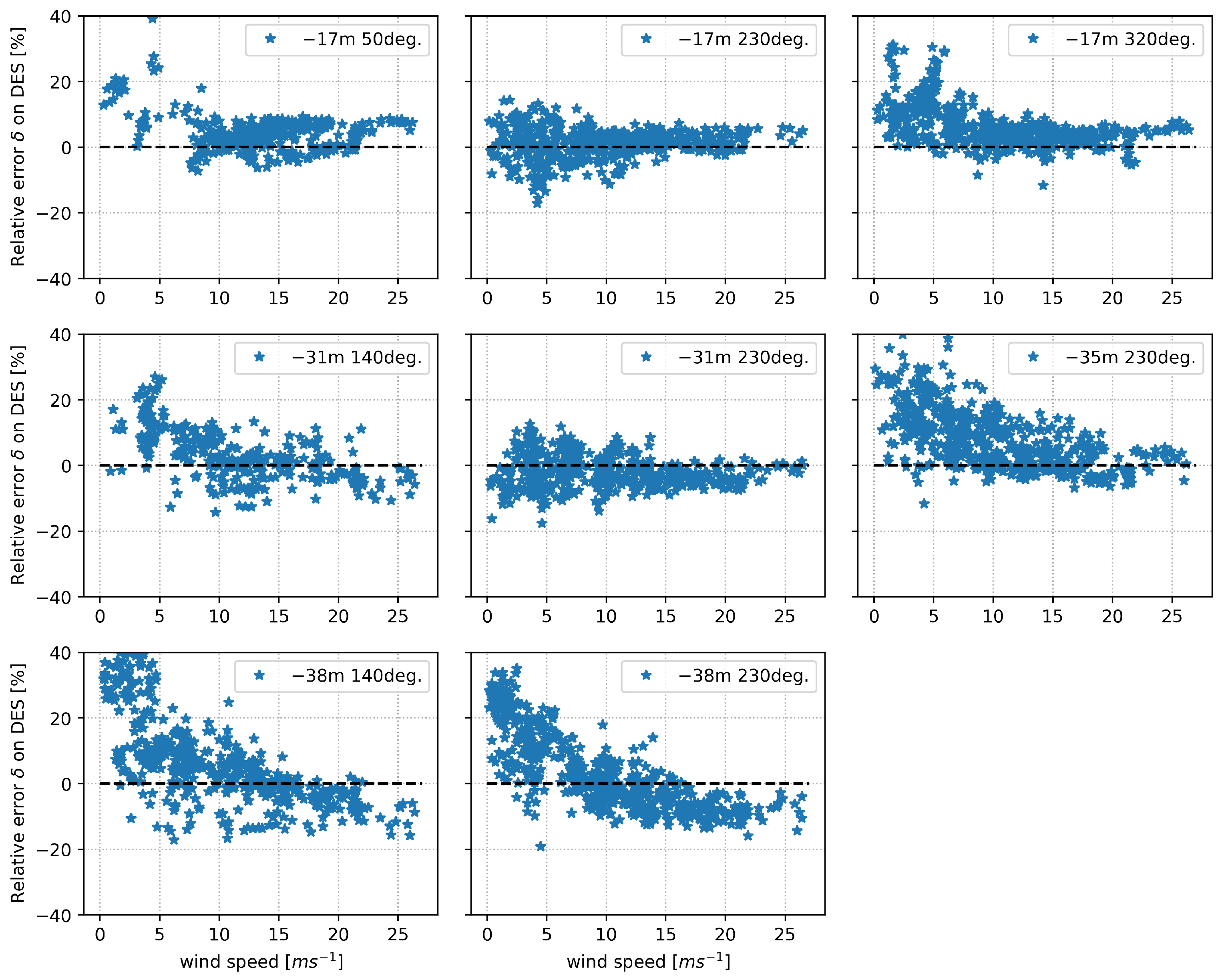
The design of monopile foundations for offshore wind turbines is most often driven by fatigue. With the foundation price contributing to the total price of a turbine structure by more than 30%, wind farm operators seek to gain knowledge about the amount of consumed fatigue. Monitoring concepts are developed to uncover structural reserves coming from conservative designs in order to prolong the lifetime of a turbine. Amongst promising concepts is a wide array of methods using in-situ measurement data and extrapolating these results to desired locations below water surface and even seabed using models. The modal decomposition algorithm is used for this purpose. The algorithm obtains modal amplitudes from acceleration and strain measurements. In the subsequent expansion step these amplitudes are expanded to virtual measurements at arbitrary locations. The algorithm uses a reduced order model that can be obtained from either a FE model or measurements. In this work, operational modal analysis is applied to obtain the required stress and deflection shapes for optimal validation of the method. Furthermore, the measurements that are used as input for the algorithms are constrained to measurements from the dry part of the substructure. However, with subsoil measurement data available from a dedicated campaign, even validation for locations below mud-line is possible. After reconstructing strain history in arbitrary locations on the substructure, fatigue assessment over various environmental and operational conditions is carried out. The technique is found capable of estimating fatigue with high precision for locations above and below seabed.
Keywords: real-world measurement data; fatigue; virtual sensing; offshore wind energy; monopile real-world measurement data; fatigue; virtual sensing; offshore wind energy; monopile