Article

Validating the Real-Time Performance of Distributed Energy Resources Participating on Primary Frequency Reserves
1
Department of Electrical Engineering and Automation, School of Electrical Engineering, Aalto University, FI-00076 Espoo, Finland
2
Department of Computer Science, Electrical and Space Engineering, Luleå University of Technology, 97187 Luleå, Sweden
3
International Research Laboratory of Computer Technologies, ITMO University, 197101 St. Petersburg, Russia
*
Author to whom correspondence should be addressed.
Energies 2021, 14(21), 6914; https://doi.org/10.3390/en14216914
Submission received: 23 September 2021 / Revised: 14 October 2021 / Accepted: 15 October 2021 / Published: 21 October 2021

Abstract

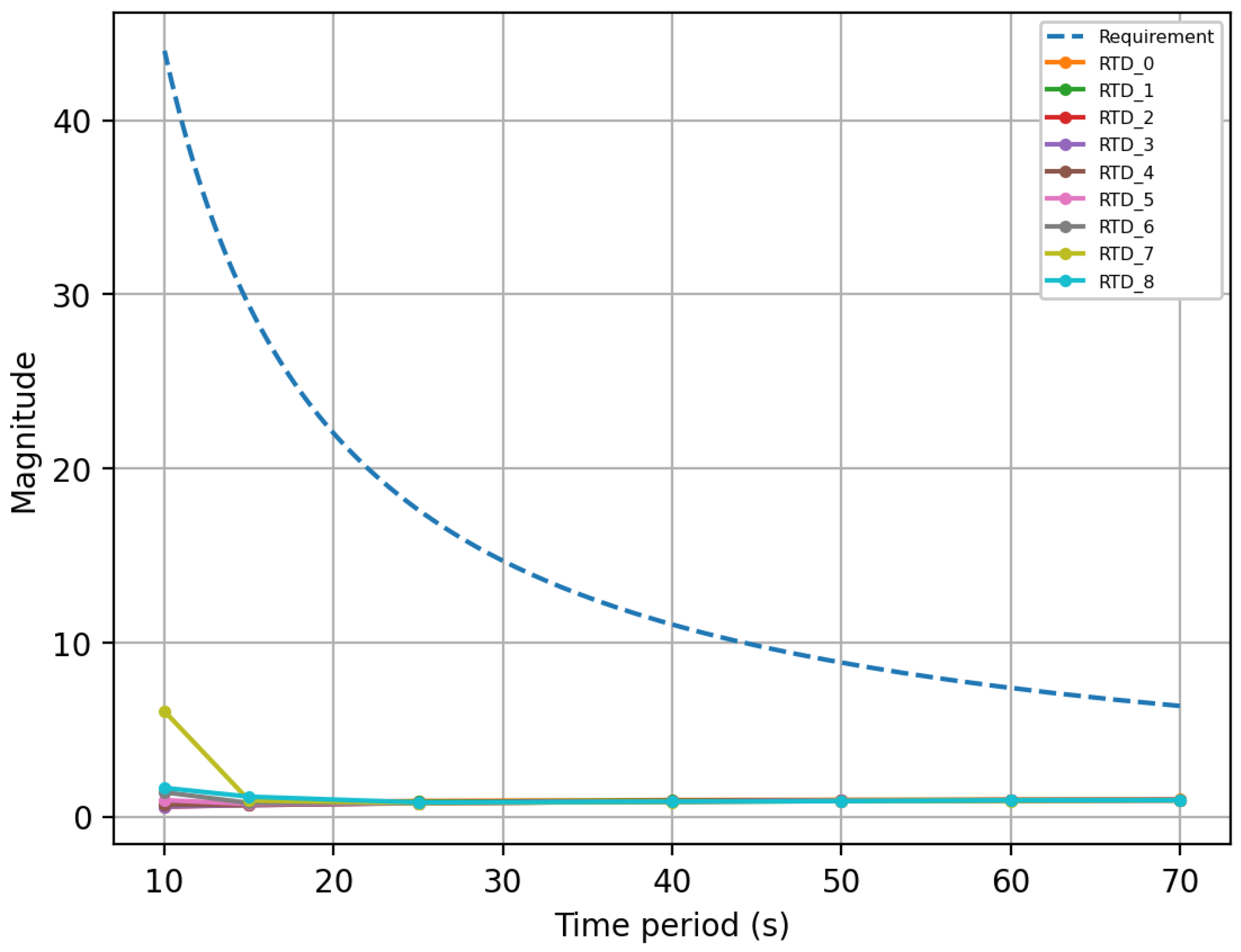
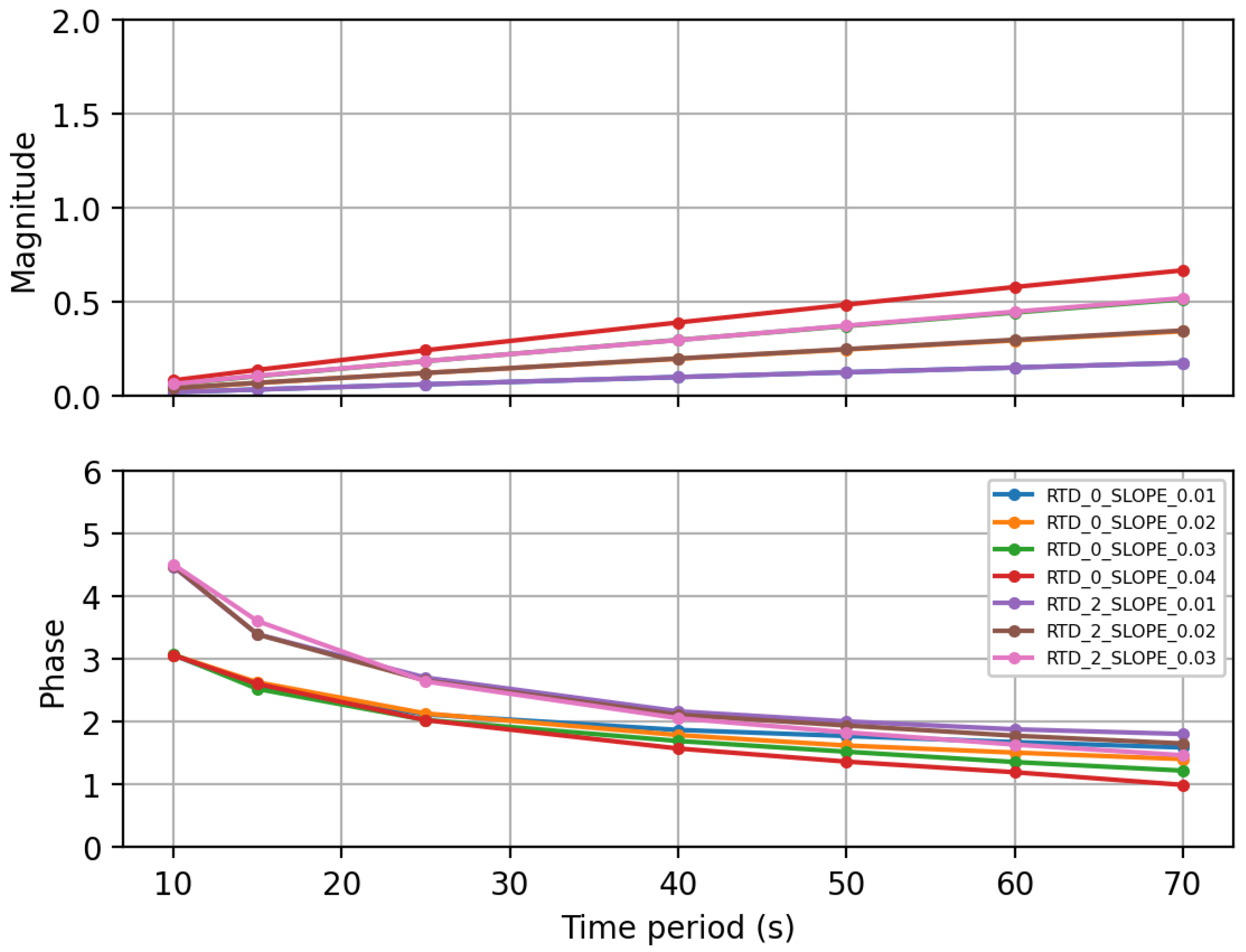
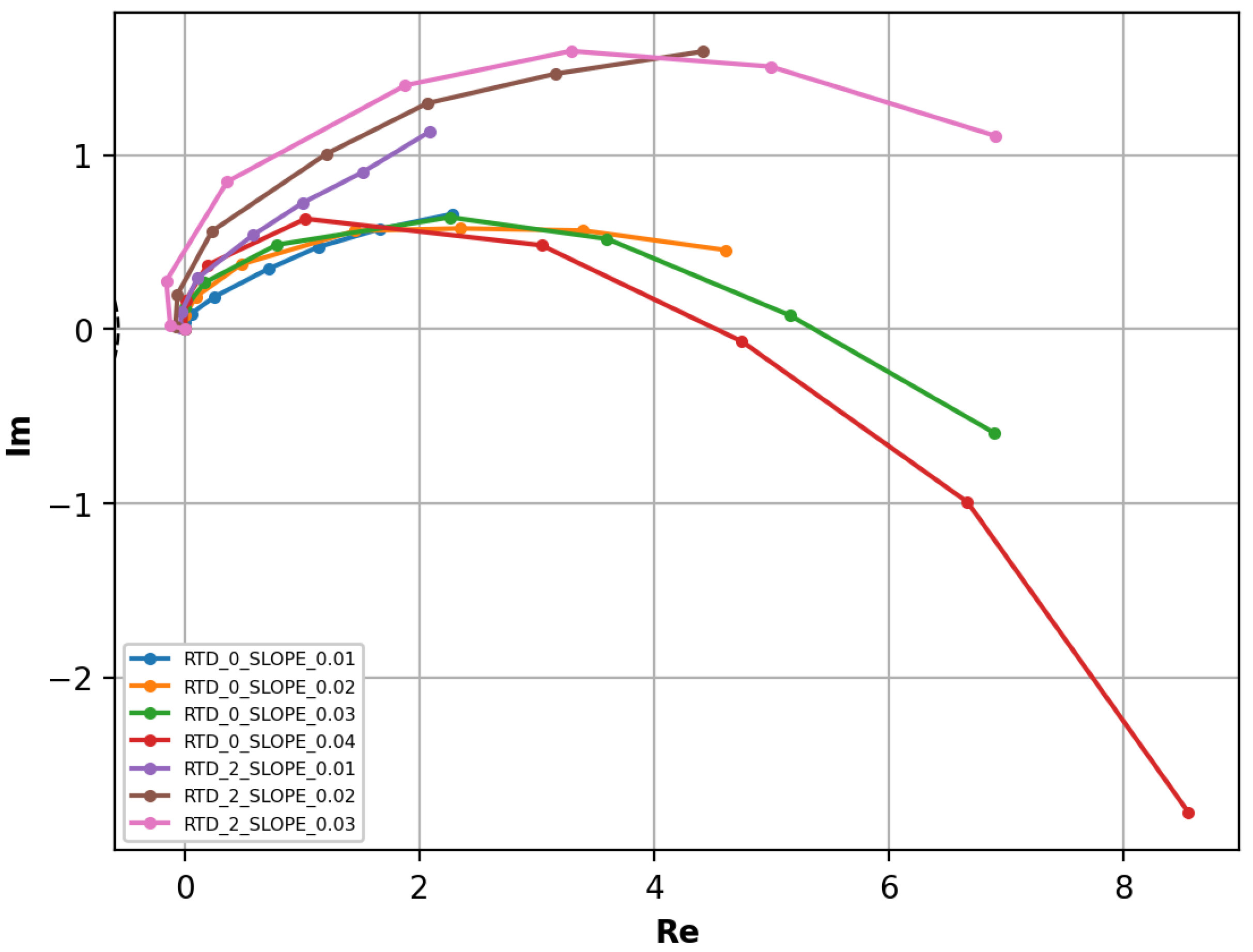
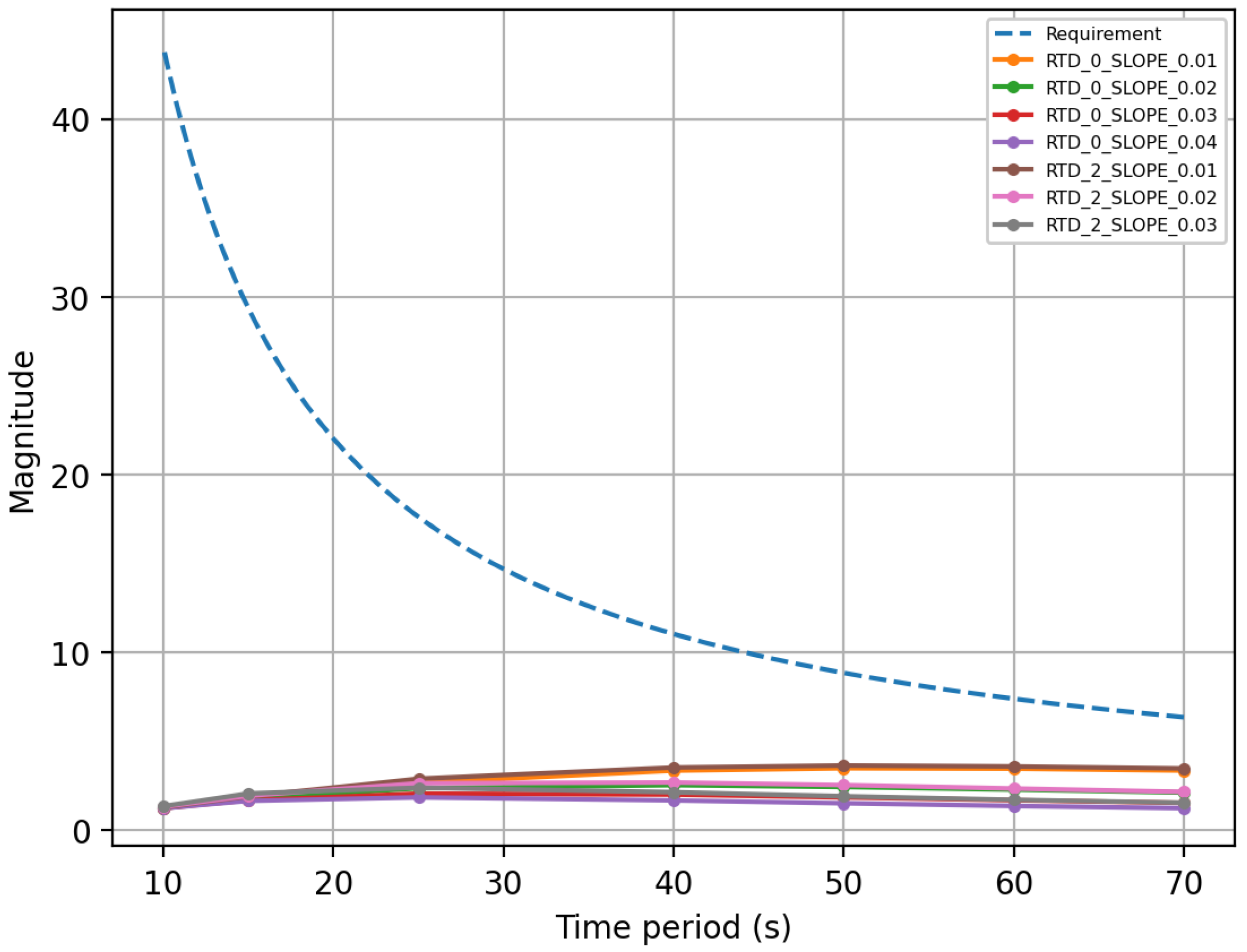
A significant body of research has emerged for adapting diverse intelligent distributed energy resources to provide primary frequency reserves (PFR). However, such works are usually vague about the technical specifications for PFR. Industrial practitioners designing systems for PFR markets must pre-qualify their PFR resources against the specifications of the market operator, which is usually a transmission system operator (TSO) or independent system operator (ISO). TSO and ISO requirements for PFR have been underspecified with respect to real-time performance, but as fossil-fuel based PFR is being replaced by various distributed energy resources, these requirements are being tightened. The TSOs of Denmark, Finland, Norway, and Sweden have recently released a joint pilot phase specification with novel requirements on the dynamic performance of PFR resources. This paper presents an automated procedure for performing the pre-qualification procedure against this specification. The procedure is generic and has been demonstrated with a testbed of light emitting diode (LED) lights. The implications of low bandwidth Internet of Things communications, as well as the need to avoid abrupt control actions that irritate human users, have been investigated in the automated procedure.
Keywords: aggregator; primary frequency reserve; LED lighting; demand response; NarrowBand-Internet of Things (NB-IoT); ancillary service aggregator; primary frequency reserve; LED lighting; demand response; NarrowBand-Internet of Things (NB-IoT); ancillary service