Article

Life Cycle Assessment of Municipal Wastewater Treatment Processes Regarding Energy Production from the Sludge Line


by
Paulina Szulc
1,2,
Jędrzej Kasprzak
3,
Zbysław Dymaczewski
2,* and
Przemysław Kurczewski
3
1
Aquanet S.A., 61-491 Poznań, Poland
2
Institute of Environmental Engineering and Building Installations, Faculty of Environmental Engineering and Energy, Poznan University of Technology, 60-965 Poznań, Poland
3
Institute of Transport, Faculty of Civil and Transport Engineering, Poznan University of Technology, 60-965 Poznań, Poland
*
Author to whom correspondence should be addressed.
Energies 2021, 14(2), 356; https://doi.org/10.3390/en14020356
Submission received: 30 November 2020 / Revised: 2 January 2021 / Accepted: 7 January 2021 / Published: 12 January 2021
(This article belongs to the Special Issue Wastewater Treatment and Resource Recovery)

Abstract

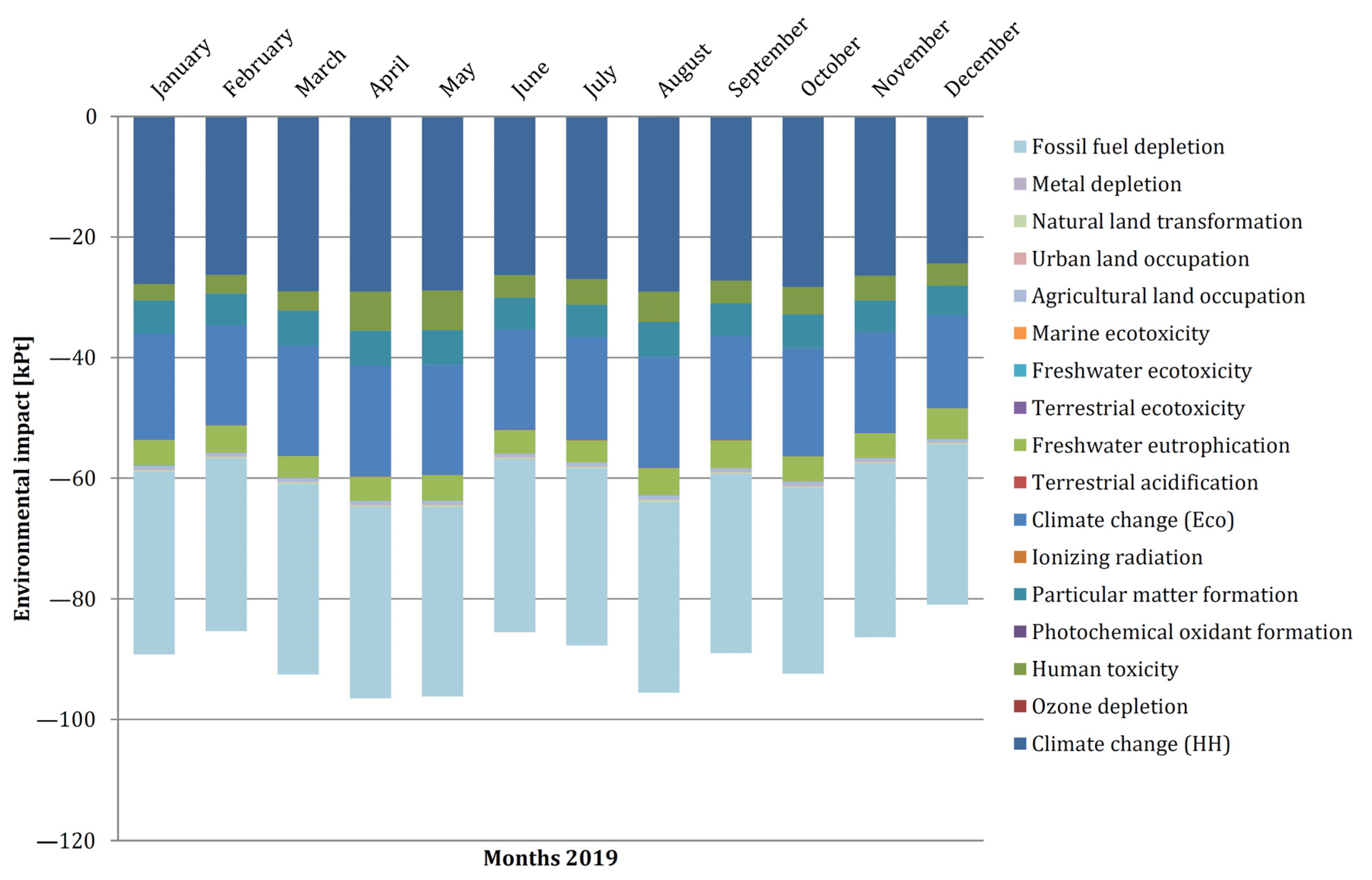
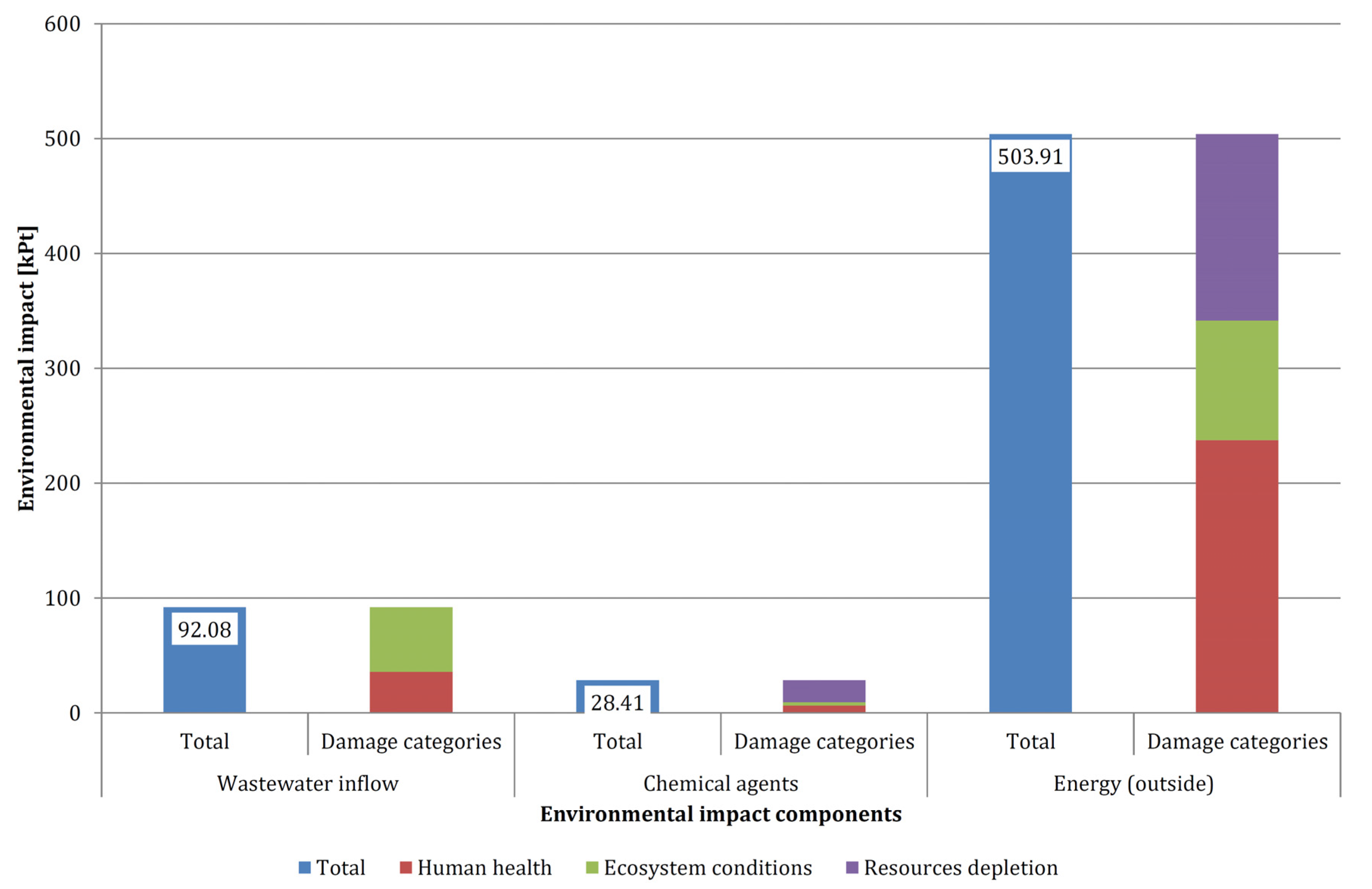
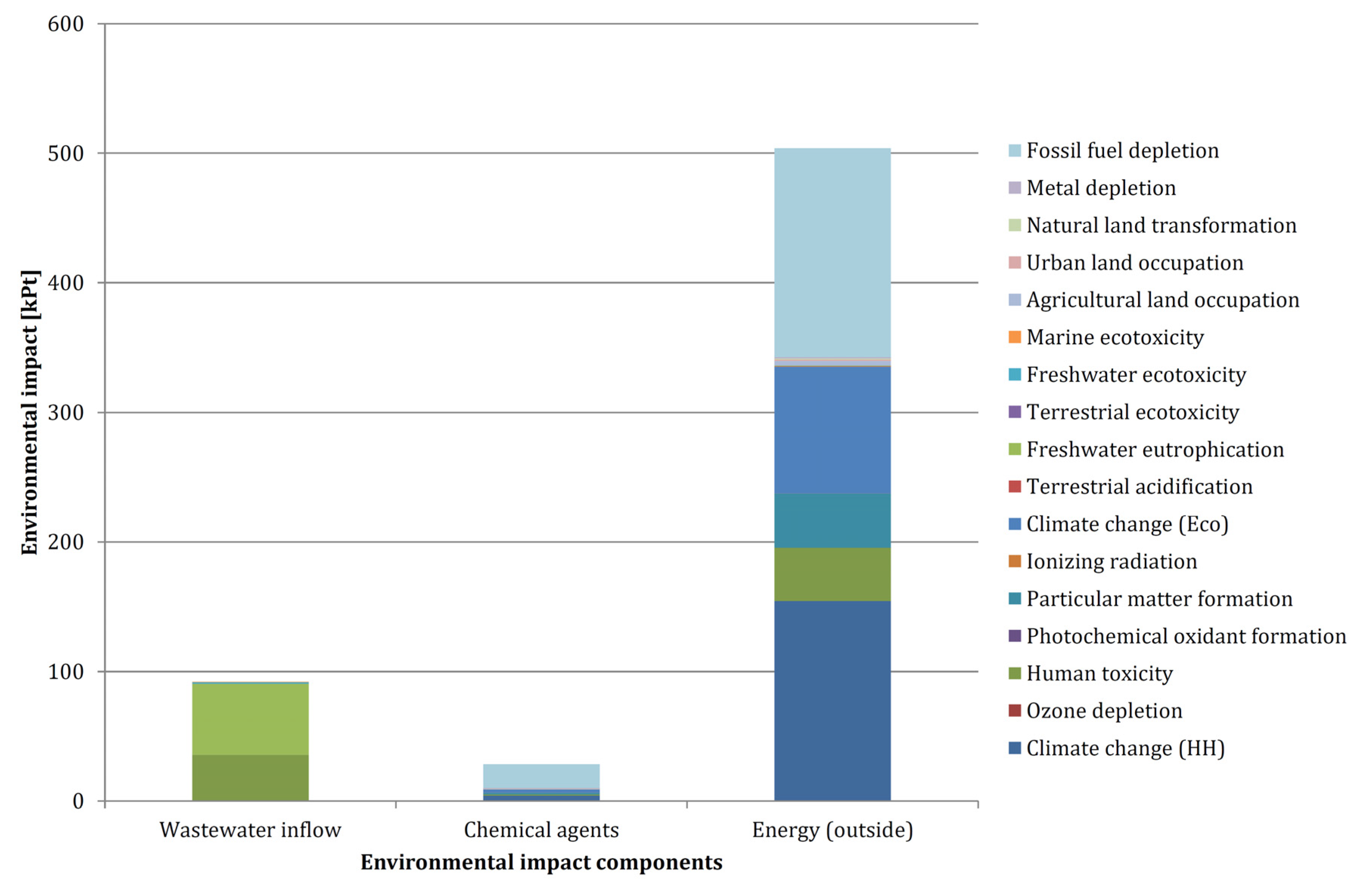
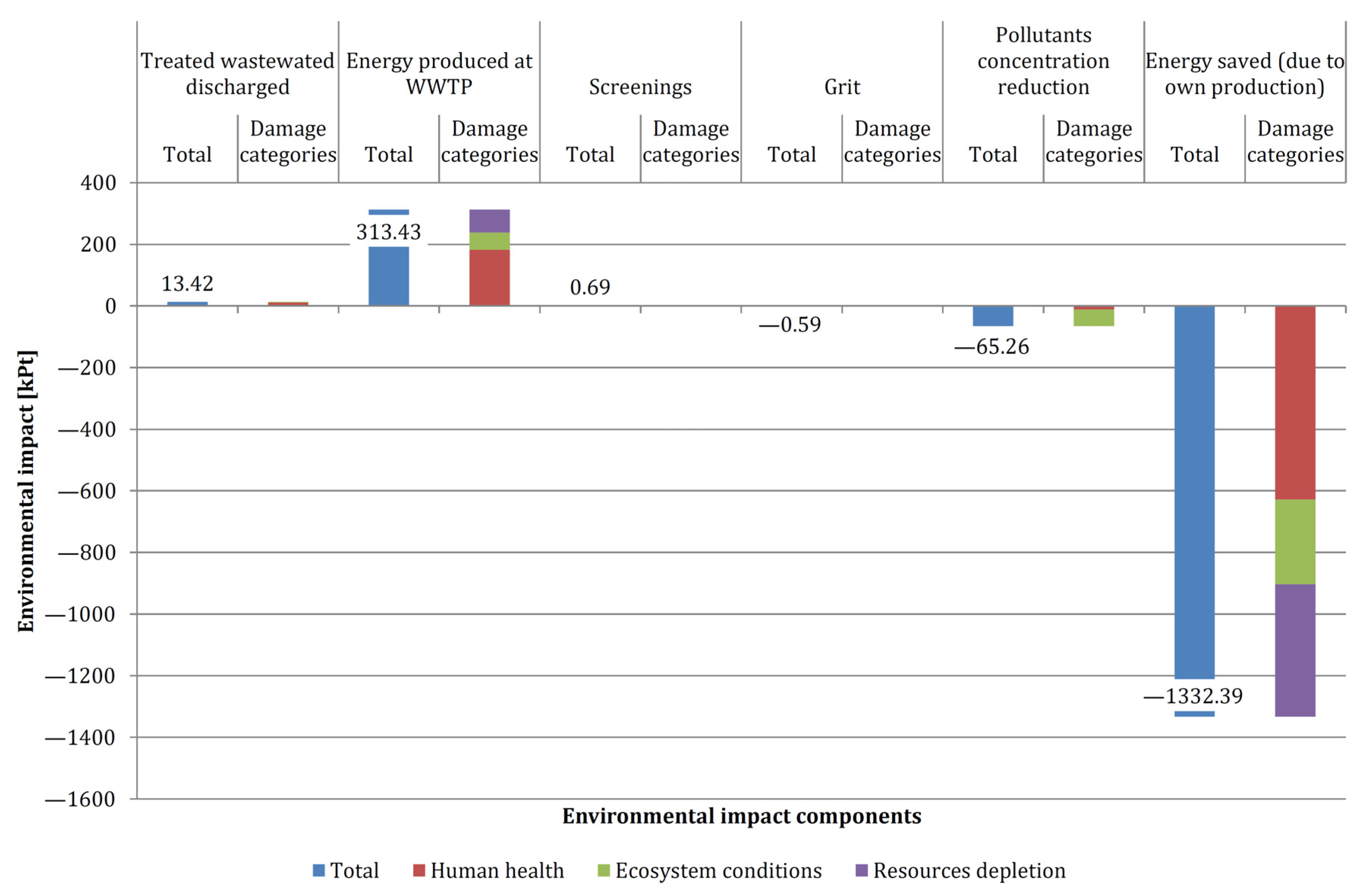
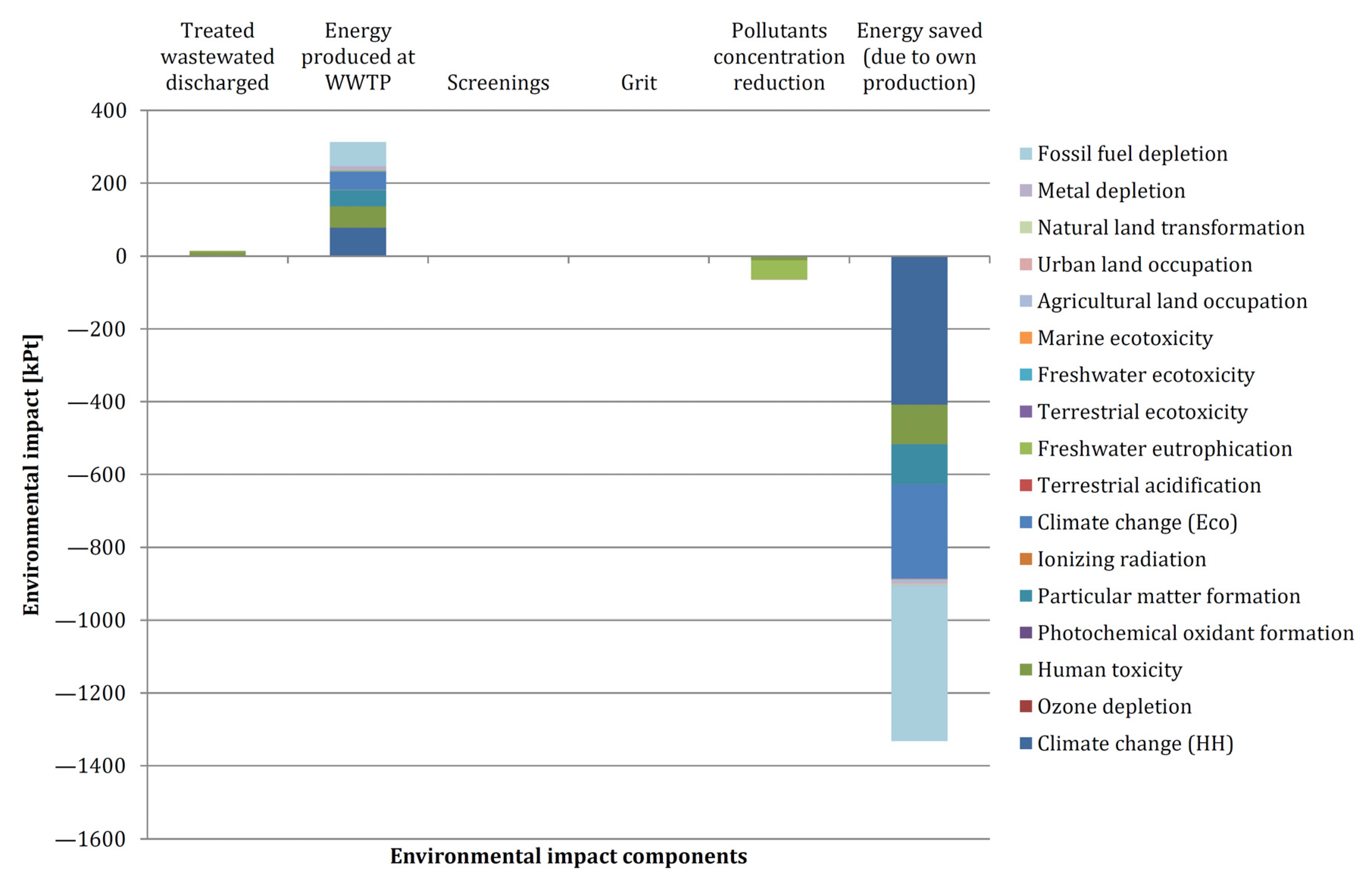
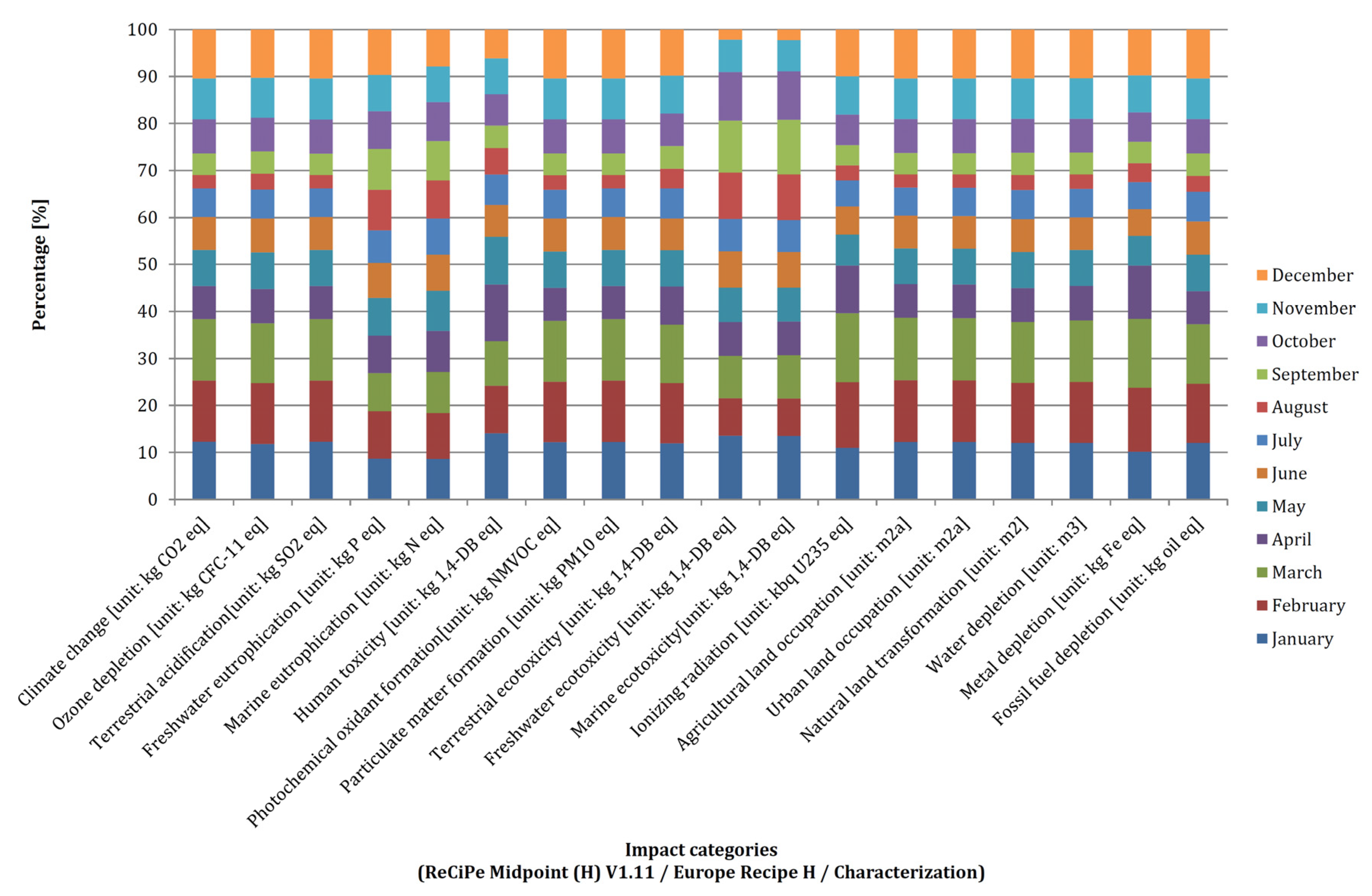
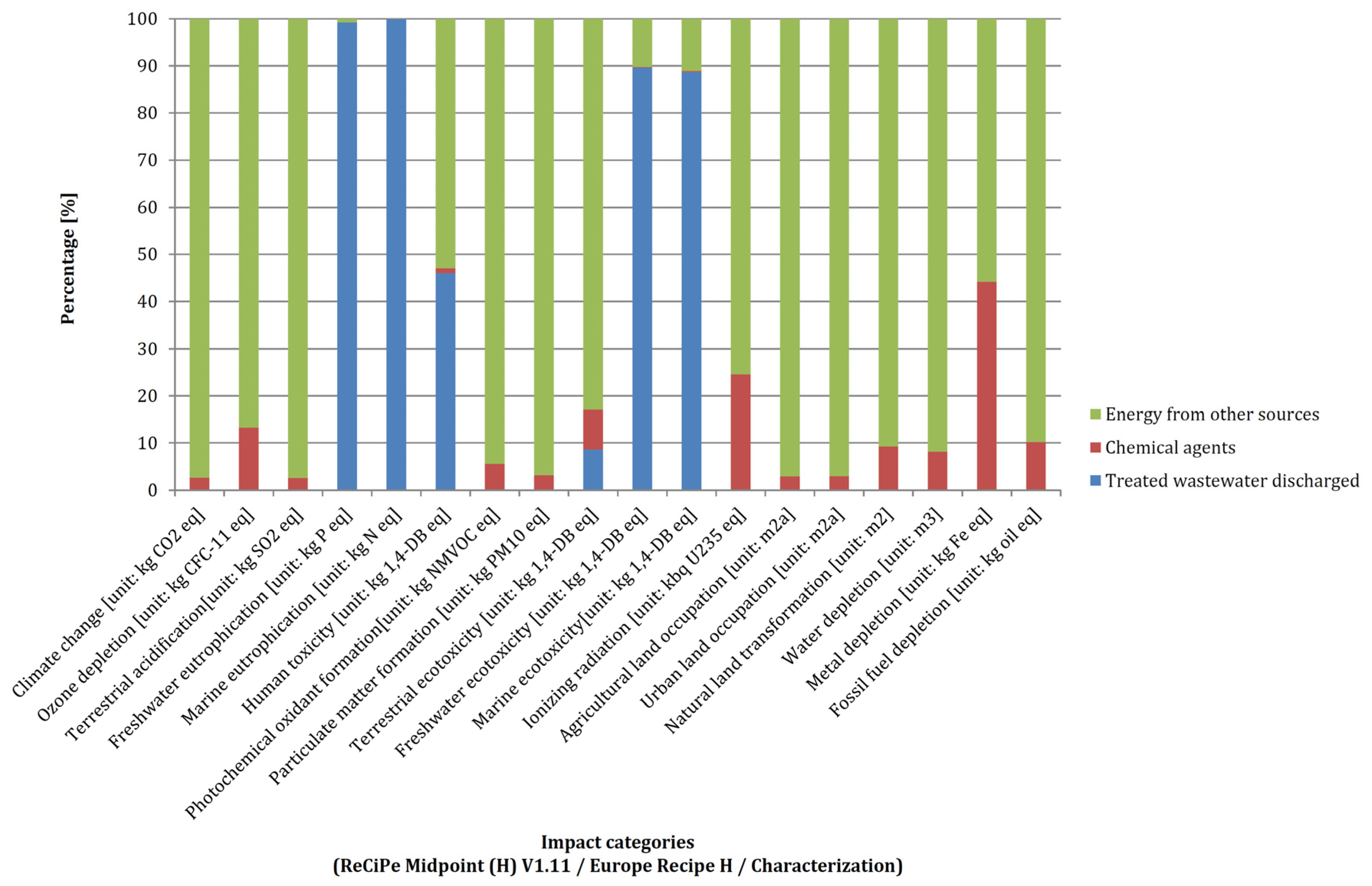
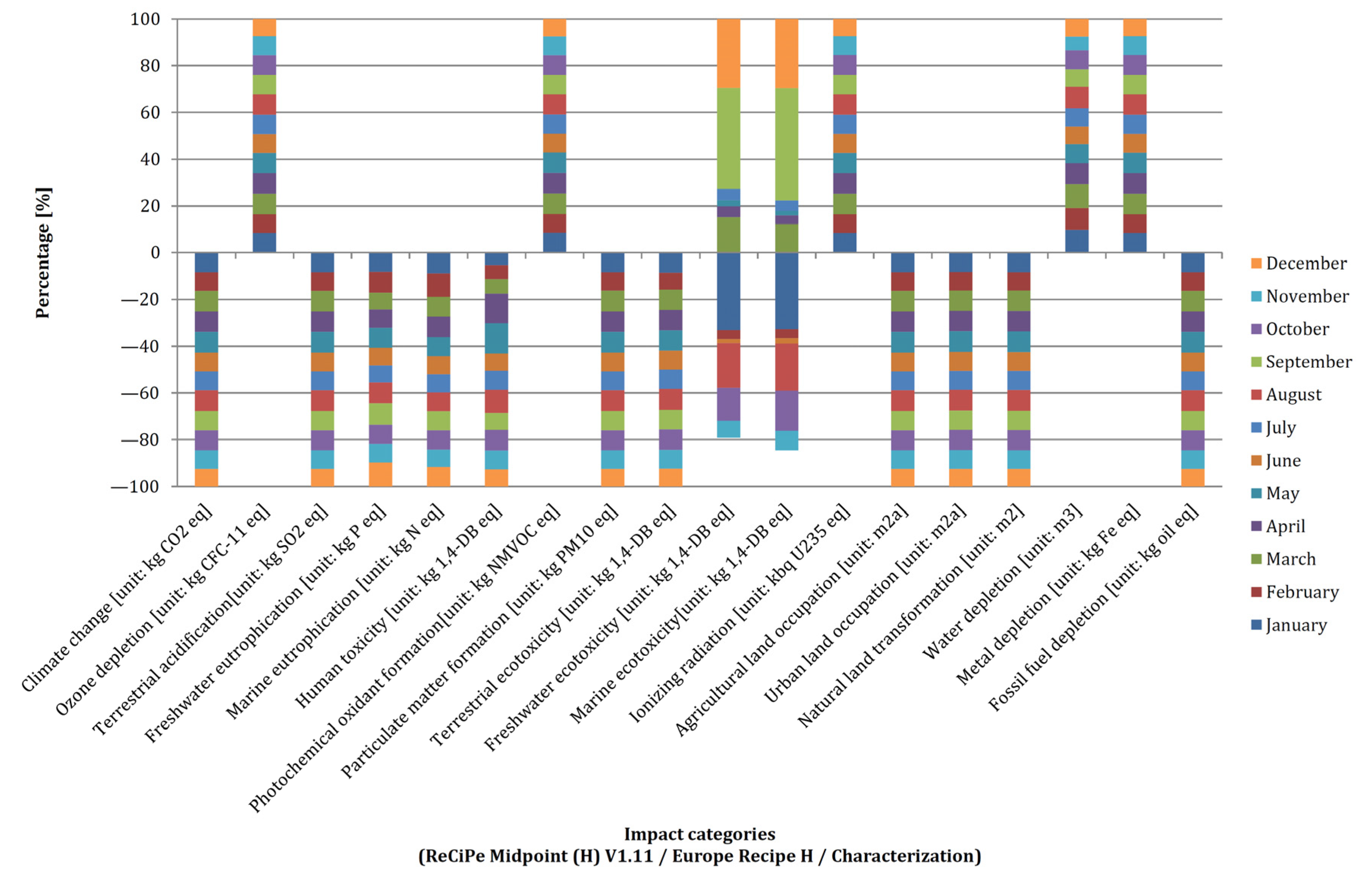
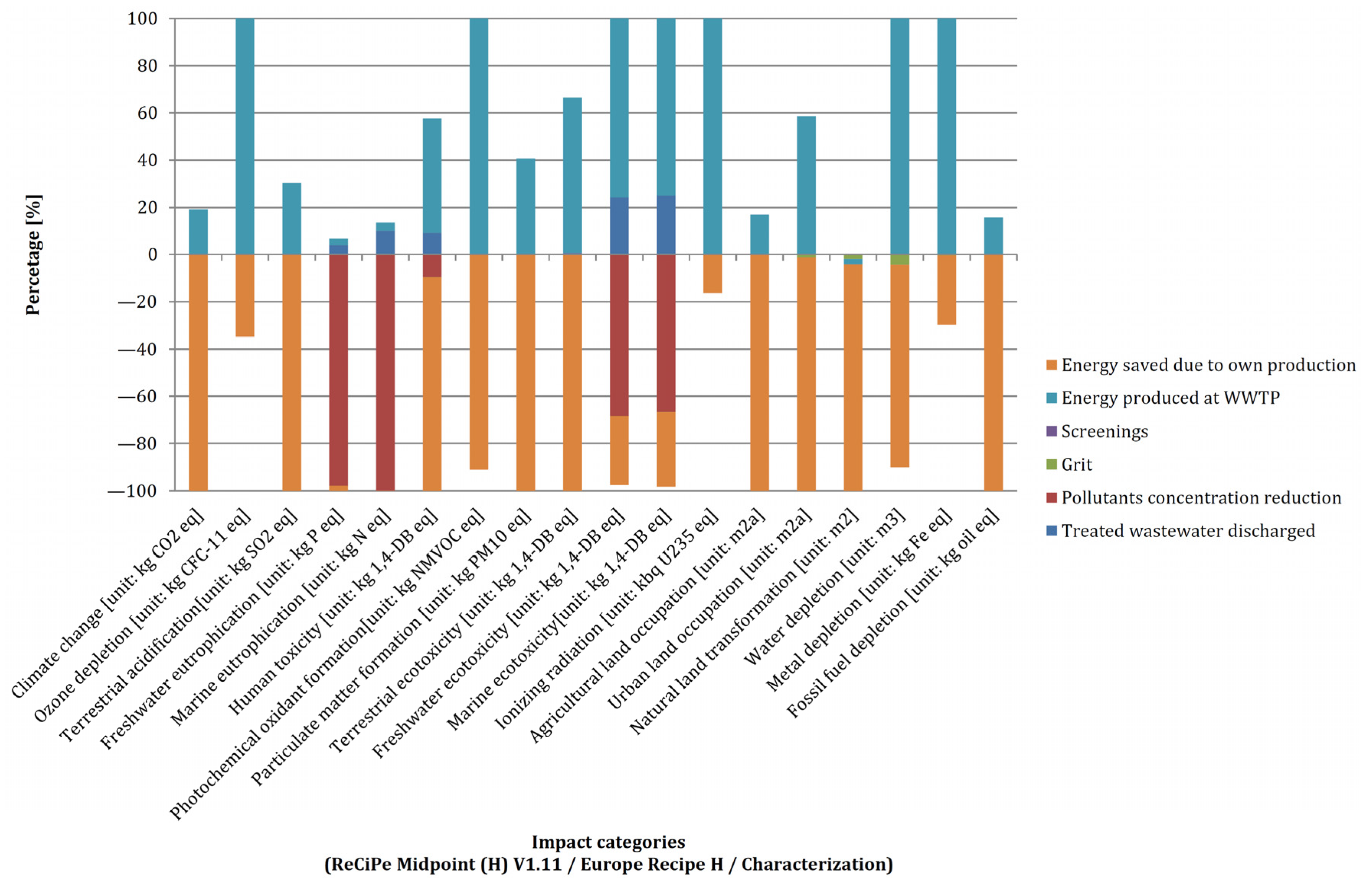
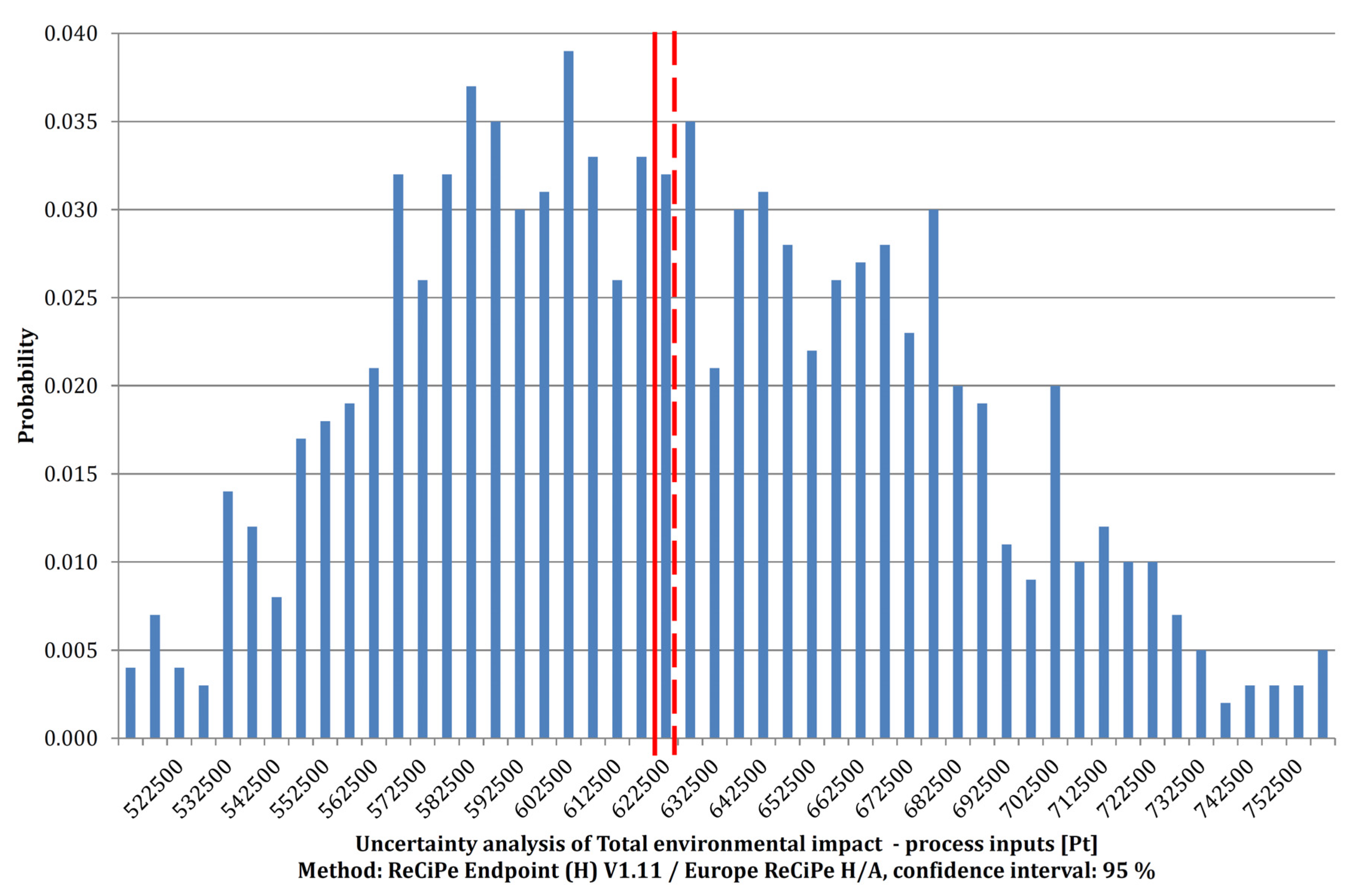
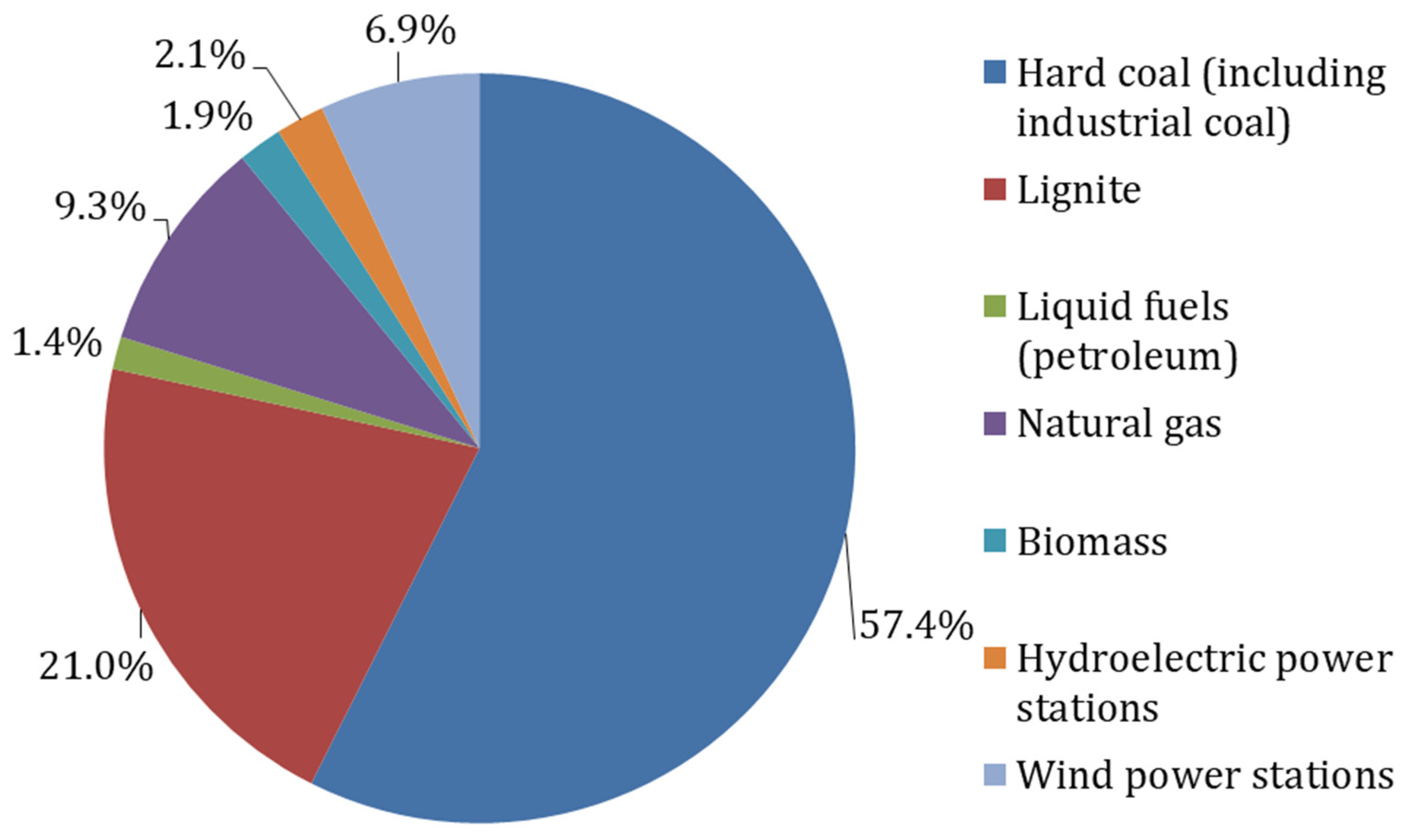
The efficient and timely removal of organic matter and nutrients from water used in normal municipal functions is considered to be the main task of wastewater treatment plants (WWTPs). Therefore, these facilities are considered to be essential units that are required to avoid pollution of the water environment and decrease the possibility of triggering eutrophication. Even though these benefits are undeniable, they remain at odds with the high energy demand of wastewater treatment and sludge processes. As a consequence, WWTPs have various environmental impacts, which can be estimated and categorized using Life Cycle Assessment (LCA) analysis. In this study, a municipal WWTP based in Poznań, Poland, was examined using the method defined in ISO 14040. ReCiPe Endpoint and Midpoint (v1.11), in a hierarchical approach, were used to evaluate the environmental impacts regarding 18 different categories. All calculations were conducted using a detailed database from 2019, which describes each chosen facility. It was found that the energy component, related to the wastewater treatment process demand and electricity production, is the main determinant of the sum of the environmental impact indicators in light of the modelled energy mix. Therefore, it determines the entire process as an environmentally friendly activity.
Keywords: wastewater; municipal wastewater treatment plant; environmental footprint; life cycle assessment; environmental effectiveness wastewater; municipal wastewater treatment plant; environmental footprint; life cycle assessment; environmental effectiveness