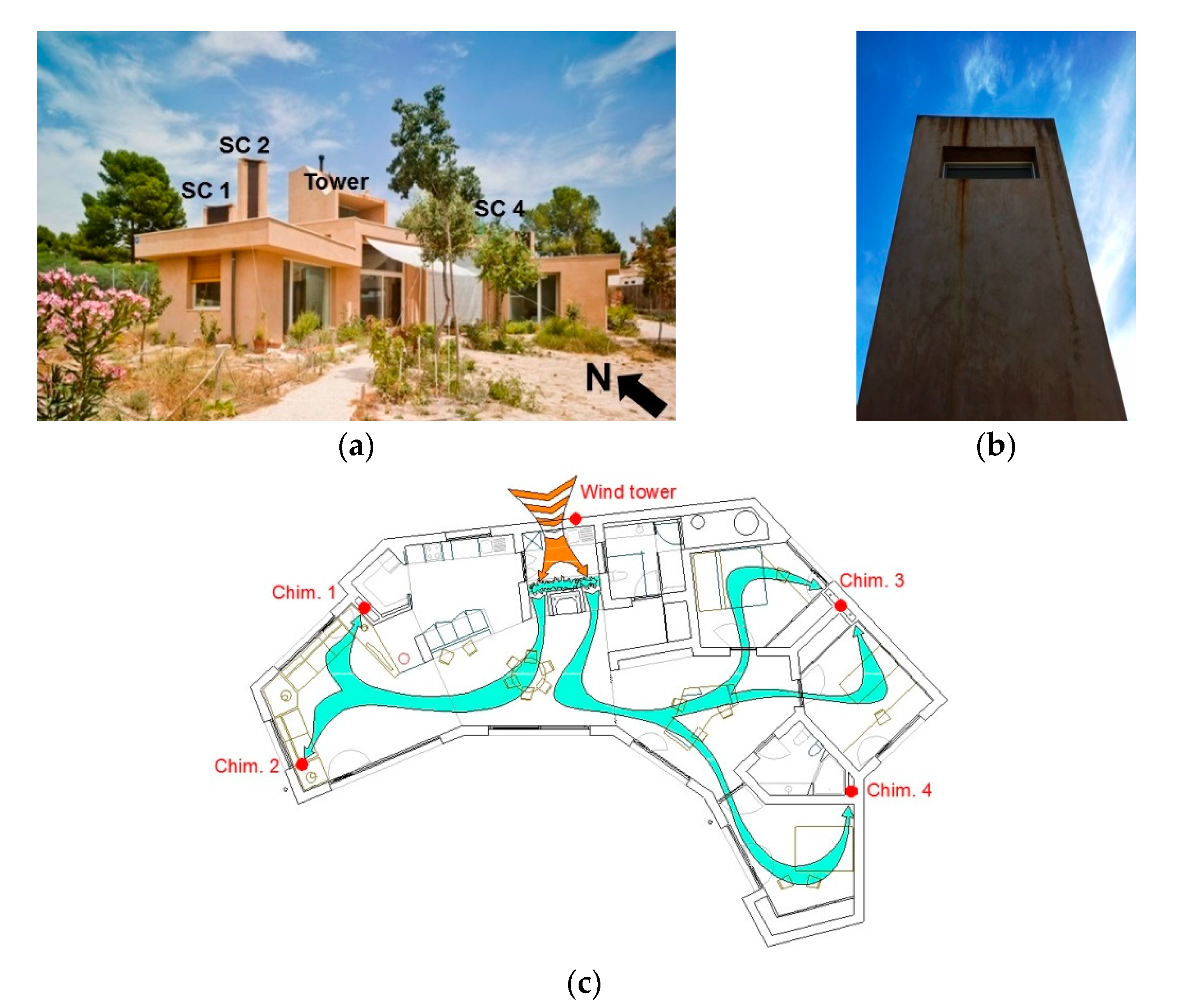
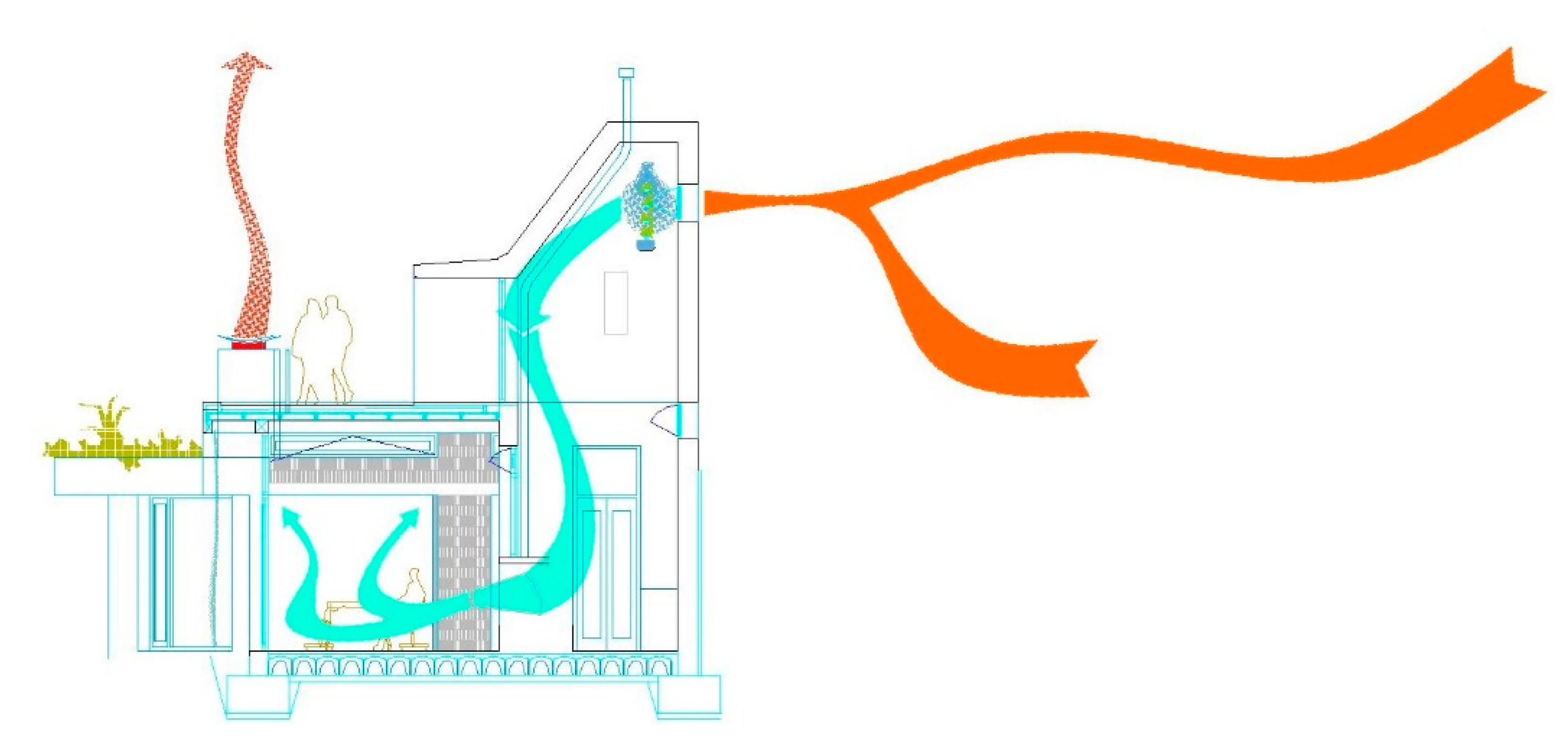
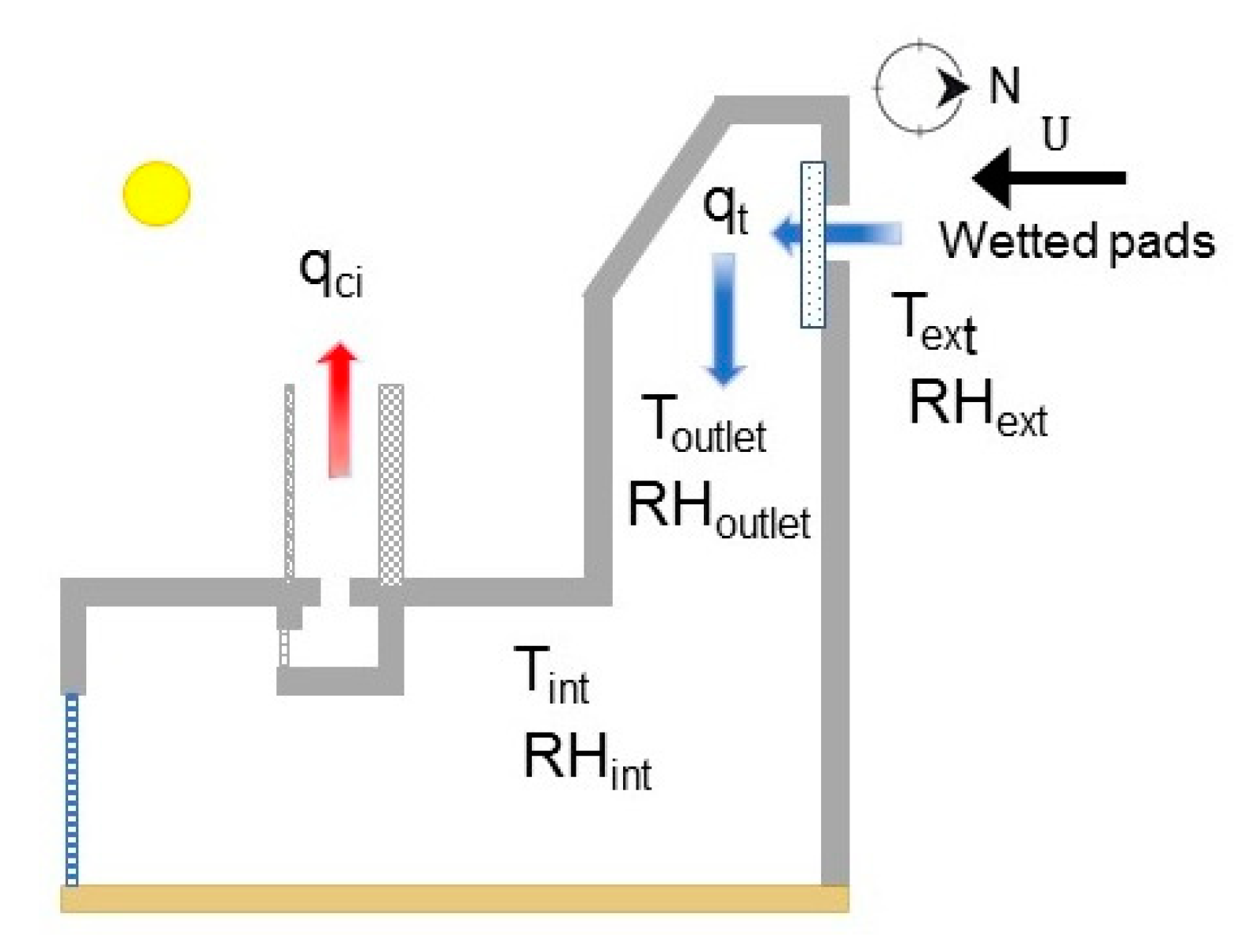
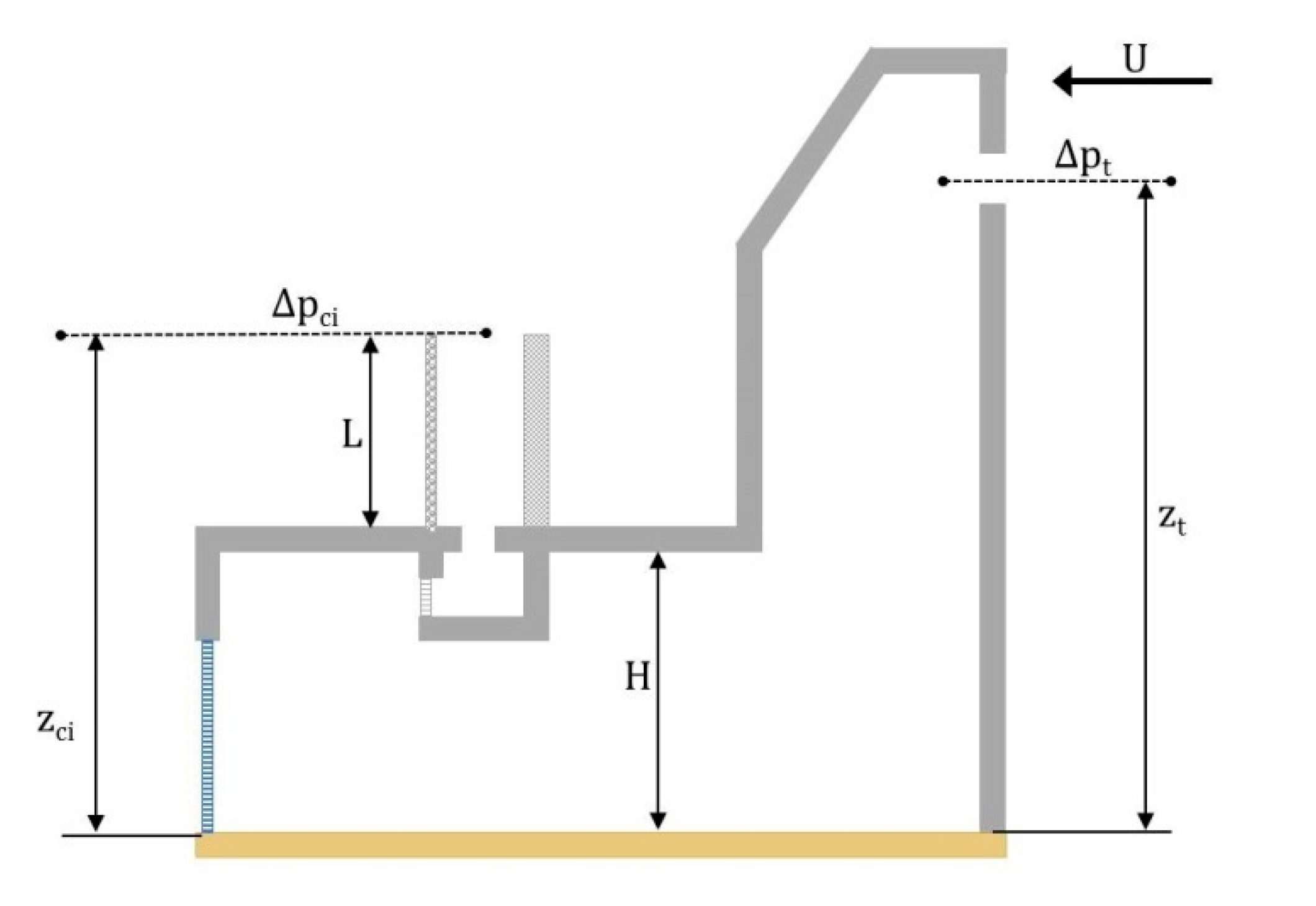
Analysis of the Performance of a Passive Downdraught Evaporative Cooling System Driven by Solar Chimneys in a Residential Building by Using an Experimentally Validated TRNSYS Model

Abstract
Share and Cite
Soto, A.; Martínez, P.; Soto, V.M.; Martínez, P.J. Analysis of the Performance of a Passive Downdraught Evaporative Cooling System Driven by Solar Chimneys in a Residential Building by Using an Experimentally Validated TRNSYS Model. Energies 2021, 14, 3486. https://doi.org/10.3390/en14123486
Soto A, Martínez P, Soto VM, Martínez PJ. Analysis of the Performance of a Passive Downdraught Evaporative Cooling System Driven by Solar Chimneys in a Residential Building by Using an Experimentally Validated TRNSYS Model. Energies. 2021; 14(12):3486. https://doi.org/10.3390/en14123486
Chicago/Turabian StyleSoto, Andrés, Pedro Martínez, Victor M. Soto, and Pedro J. Martínez. 2021. "Analysis of the Performance of a Passive Downdraught Evaporative Cooling System Driven by Solar Chimneys in a Residential Building by Using an Experimentally Validated TRNSYS Model" Energies 14, no. 12: 3486. https://doi.org/10.3390/en14123486
APA StyleSoto, A., Martínez, P., Soto, V. M., & Martínez, P. J. (2021). Analysis of the Performance of a Passive Downdraught Evaporative Cooling System Driven by Solar Chimneys in a Residential Building by Using an Experimentally Validated TRNSYS Model. Energies, 14(12), 3486. https://doi.org/10.3390/en14123486