Article

Comparative Assessment of Spray Behavior, Combustion and Engine Performance of ABE-Biodiesel/Diesel as Fuel in DI Diesel Engine


by
Sattar Jabbar Murad Algayyim
1,2,3,* and
Andrew P. Wandel
2
1
Department of Mechanical Engineering, University of Al-Qadisiyah, Al-Diwaniyah 58001, Iraq
2
School of Mechanical and Electrical Engineering, University of Southern Queensland, Toowoomba 4350, Australia
3
Al-Diwaniyah Water Department, Al-Diwaniyah Governorate, Al-Diwaniyah 58001, Iraq
*
Author to whom correspondence should be addressed.
Energies 2020, 13(24), 6521; https://doi.org/10.3390/en13246521
Submission received: 22 November 2020 / Revised: 4 December 2020 / Accepted: 7 December 2020 / Published: 10 December 2020
(This article belongs to the Special Issue Sustainable Combustion Systems and Their Impact)

Abstract

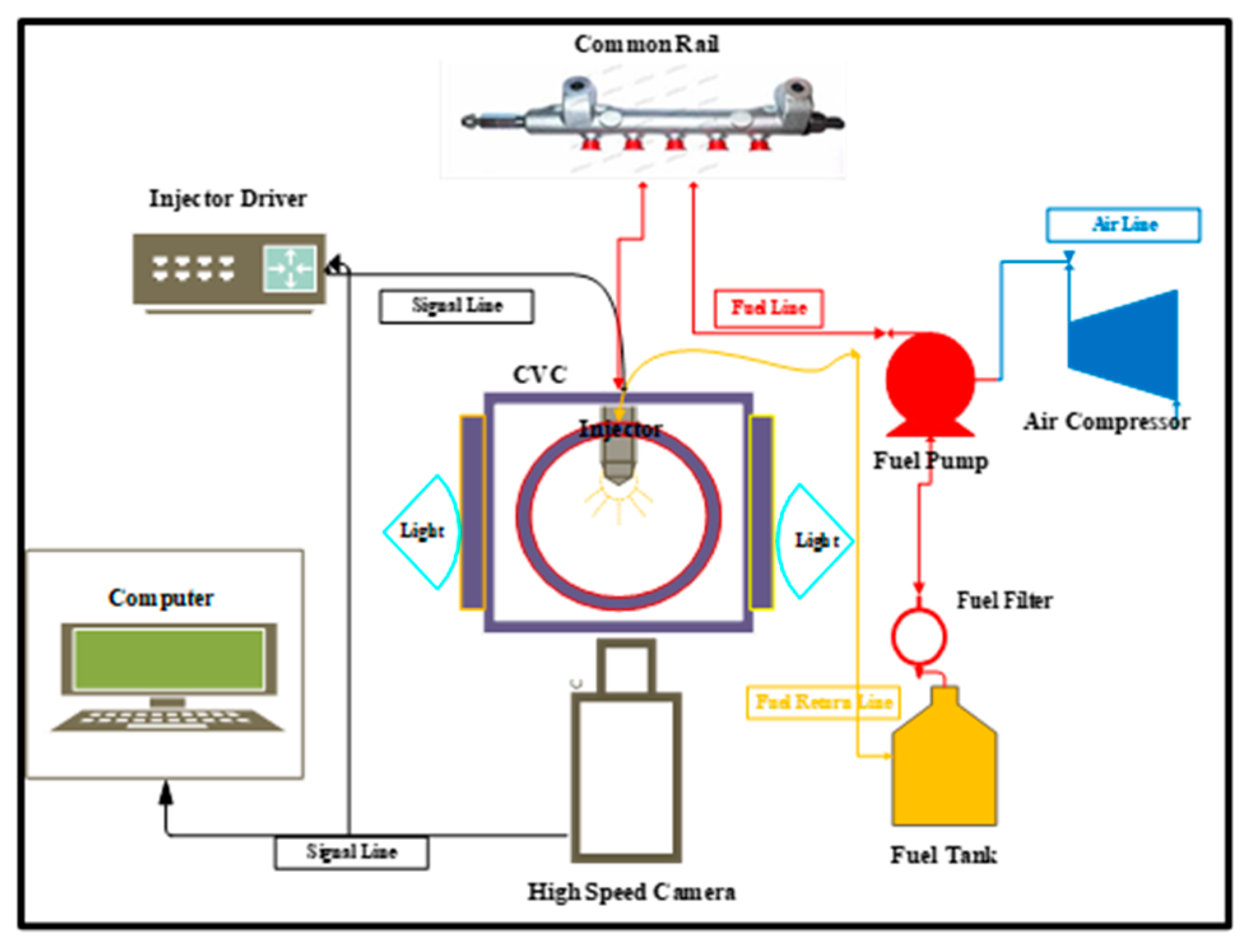
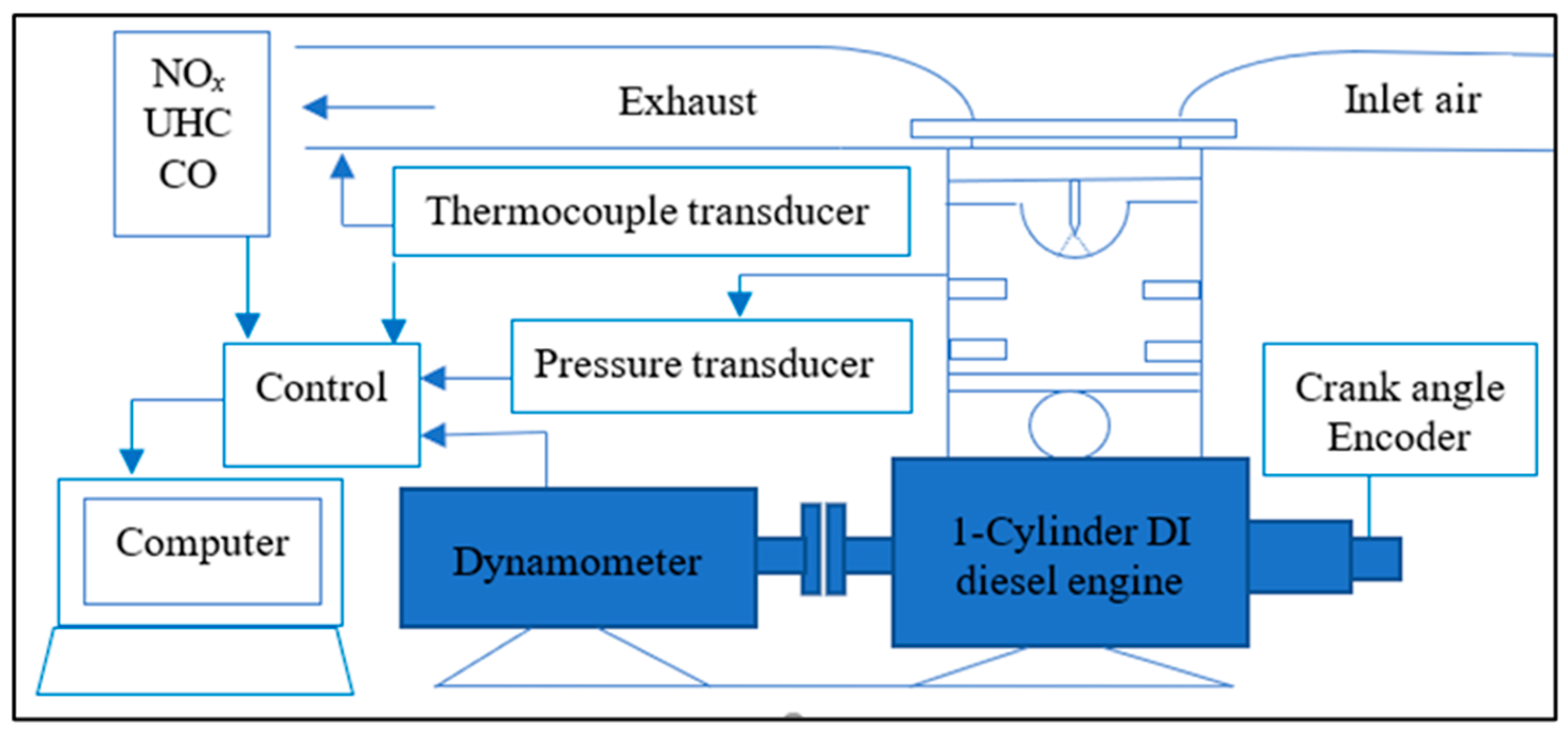
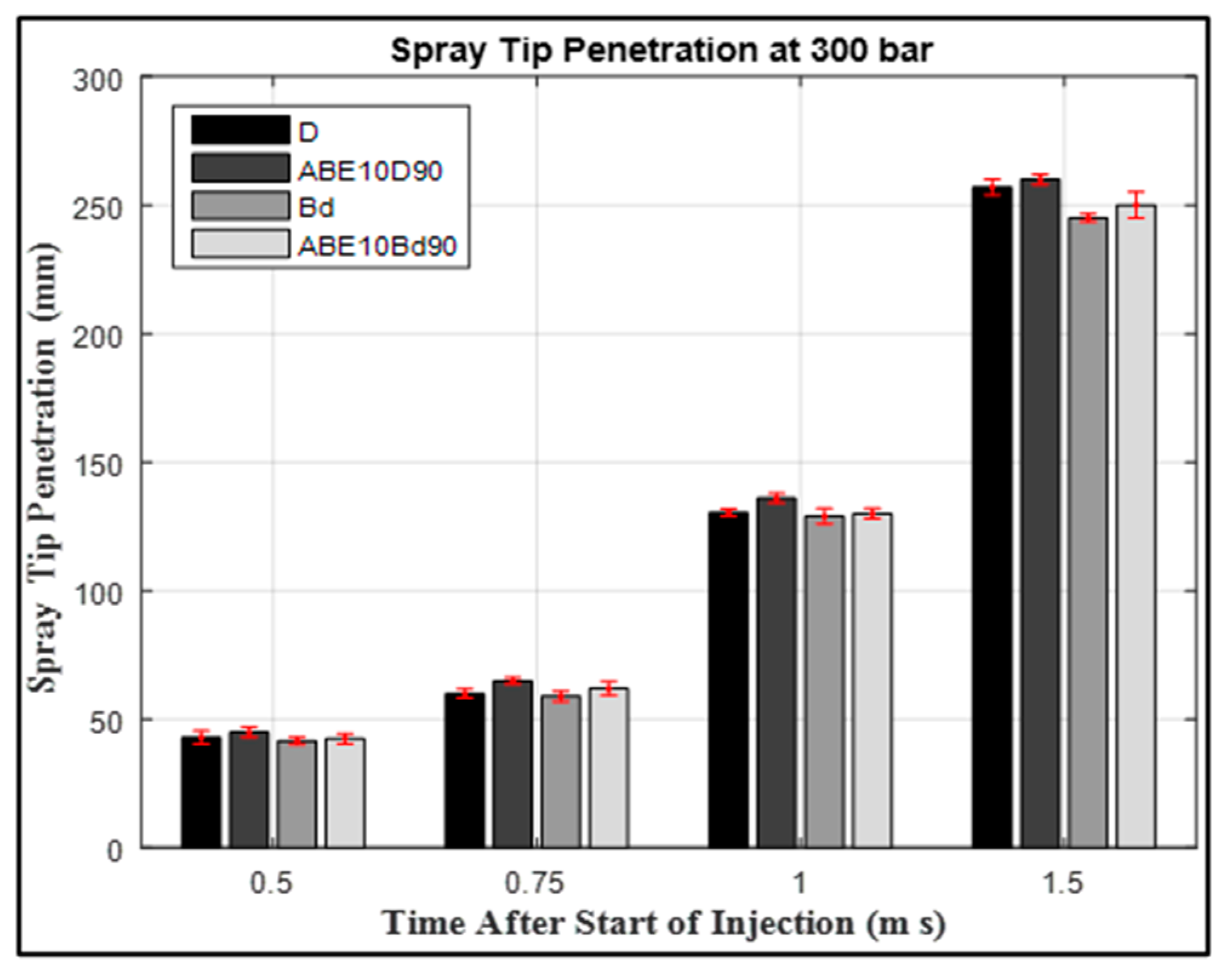
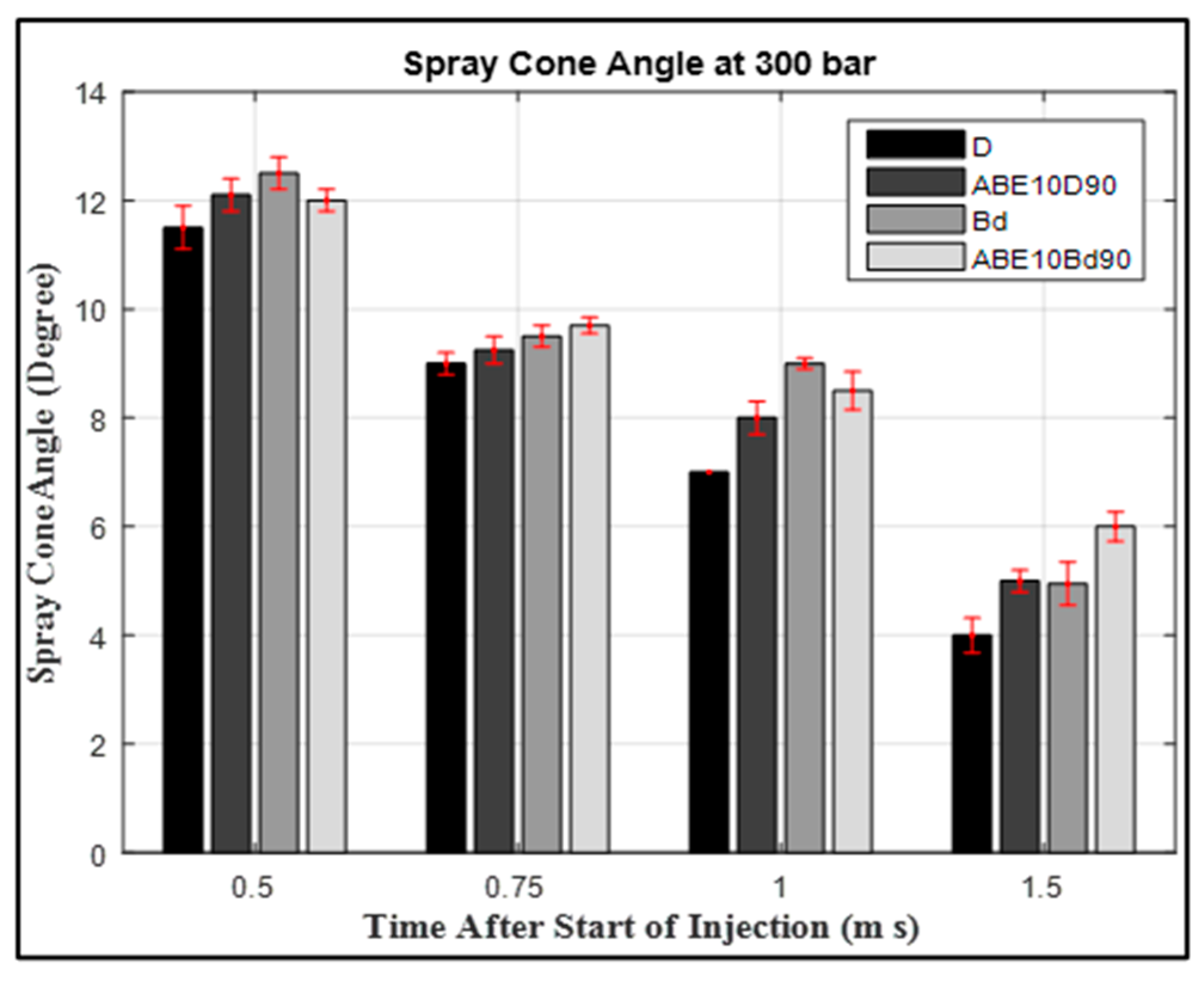
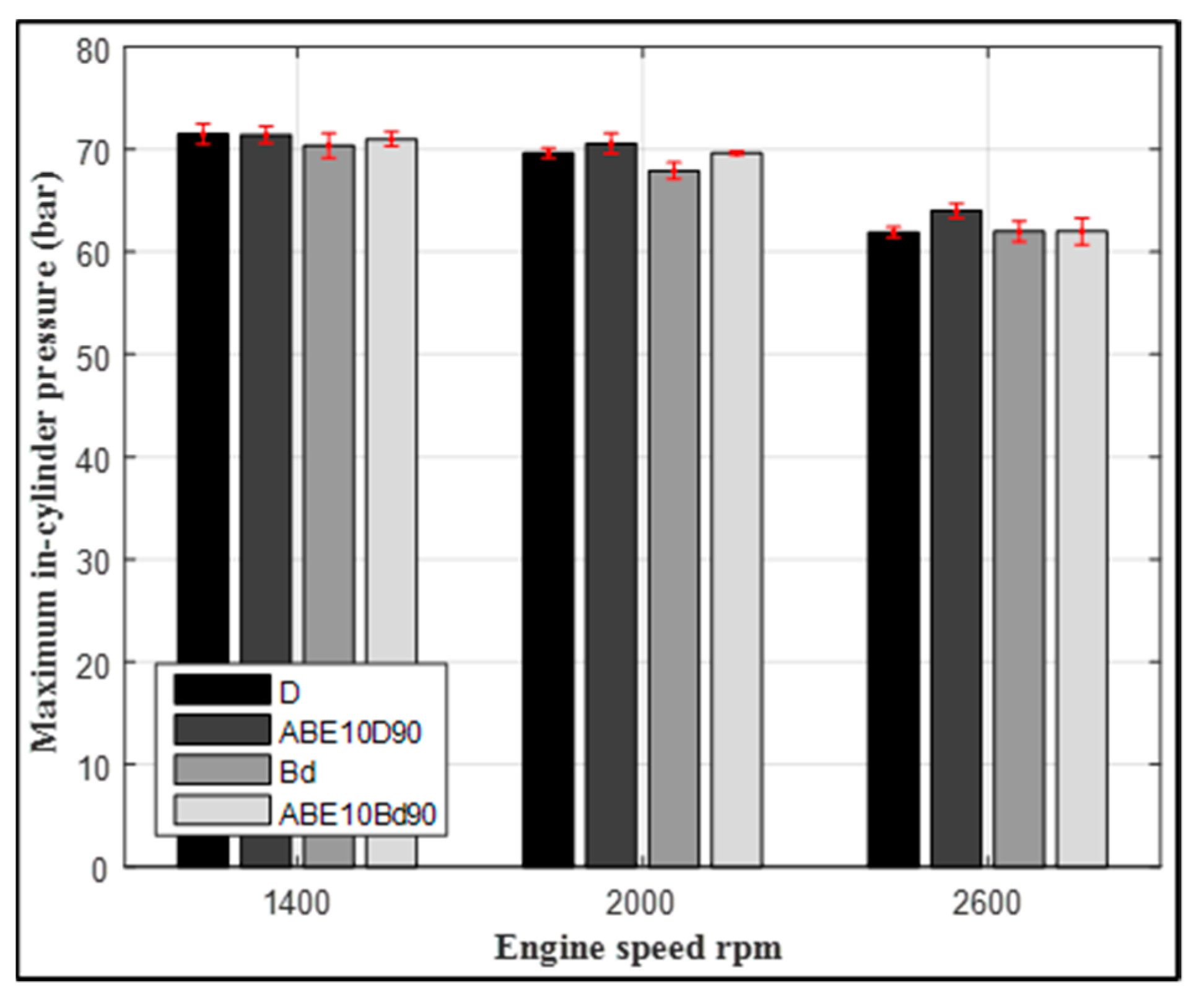
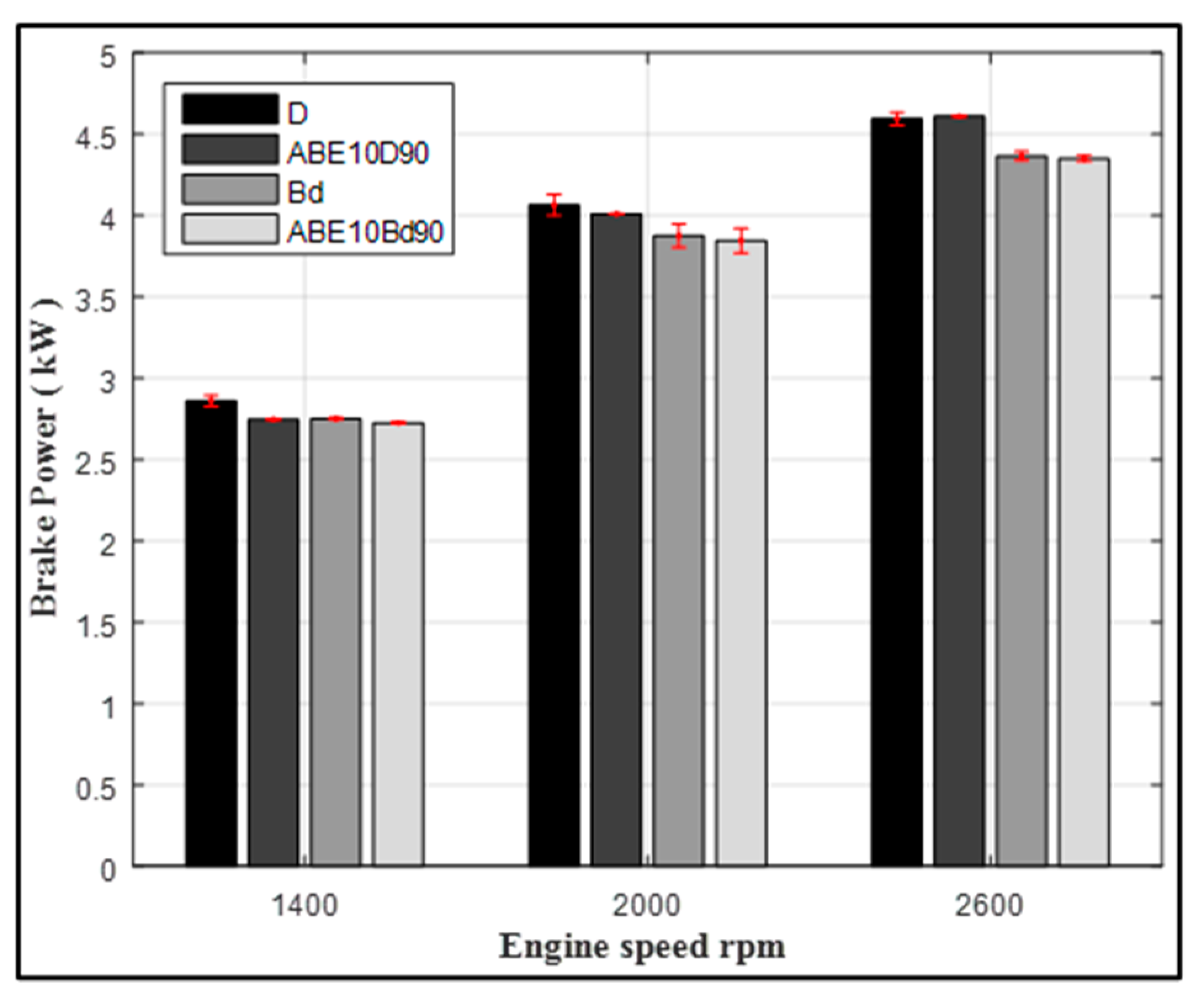
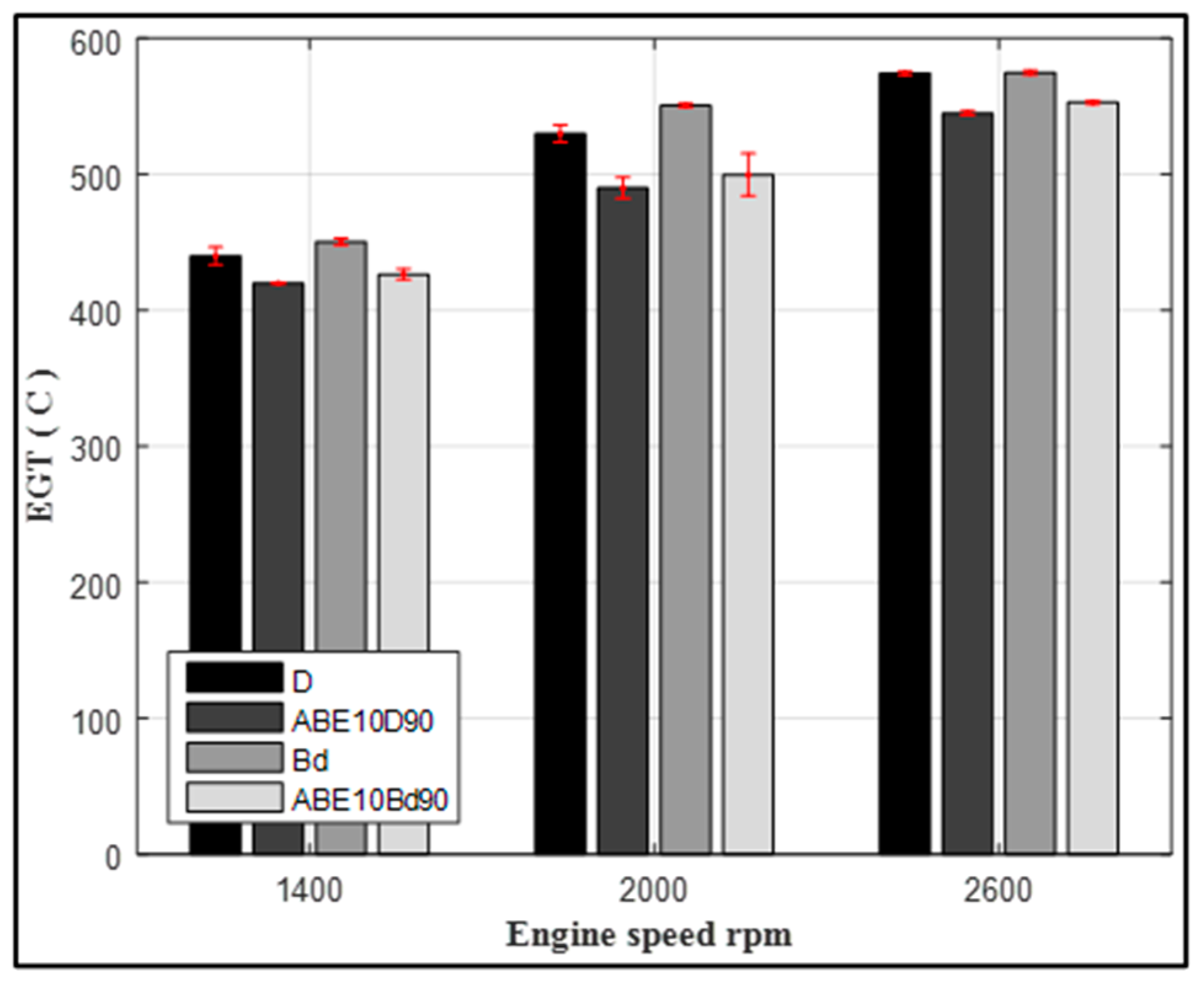
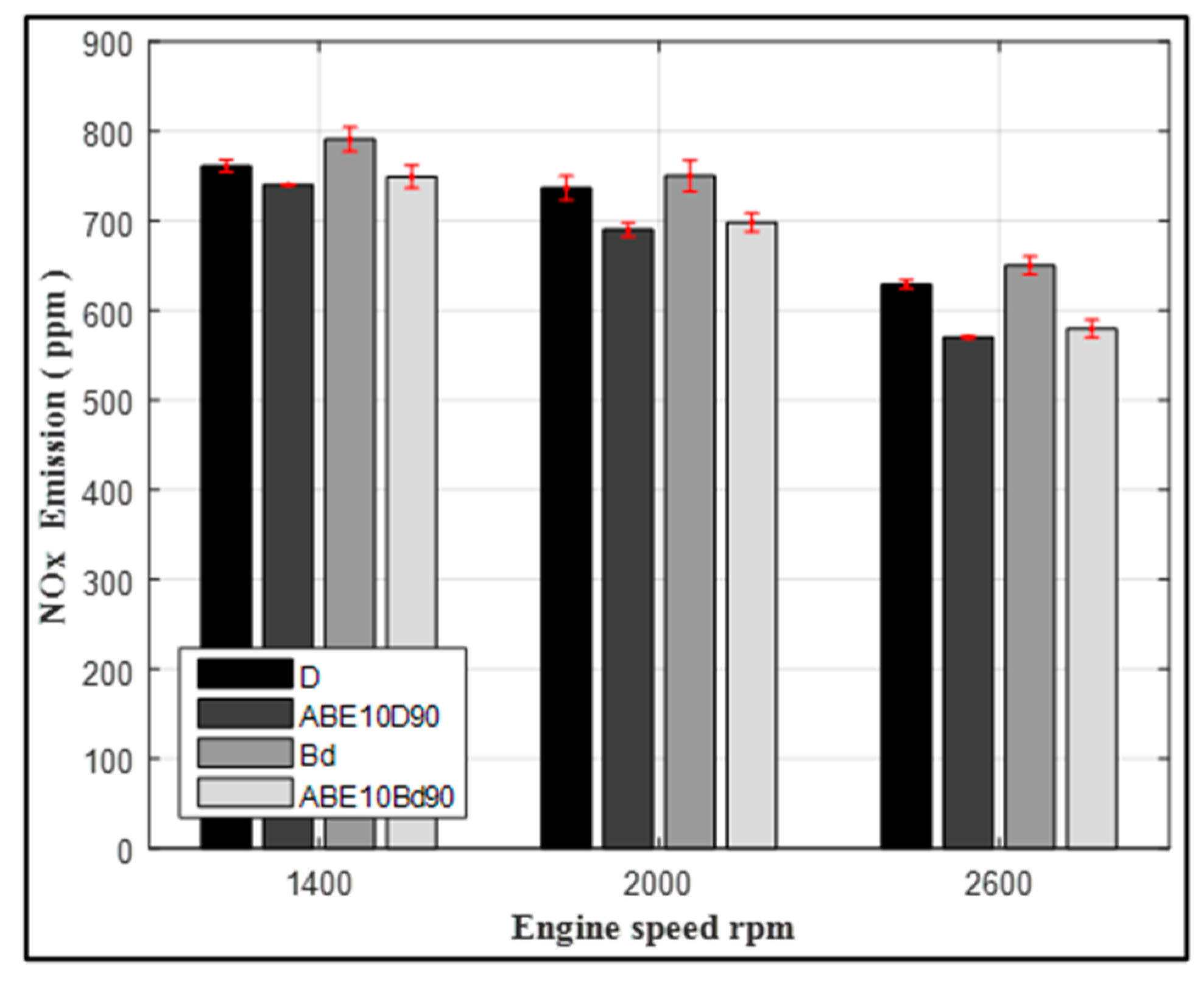
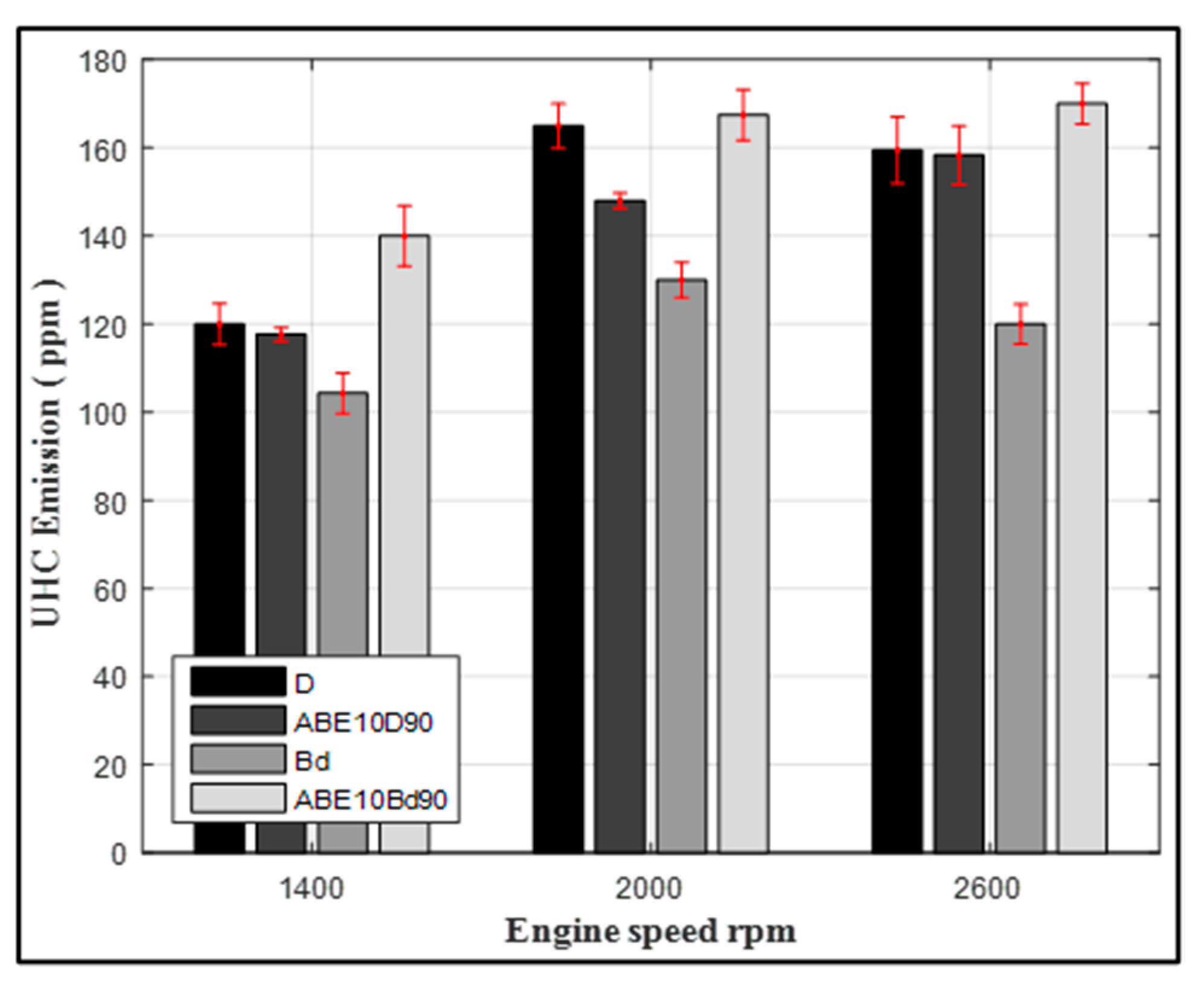
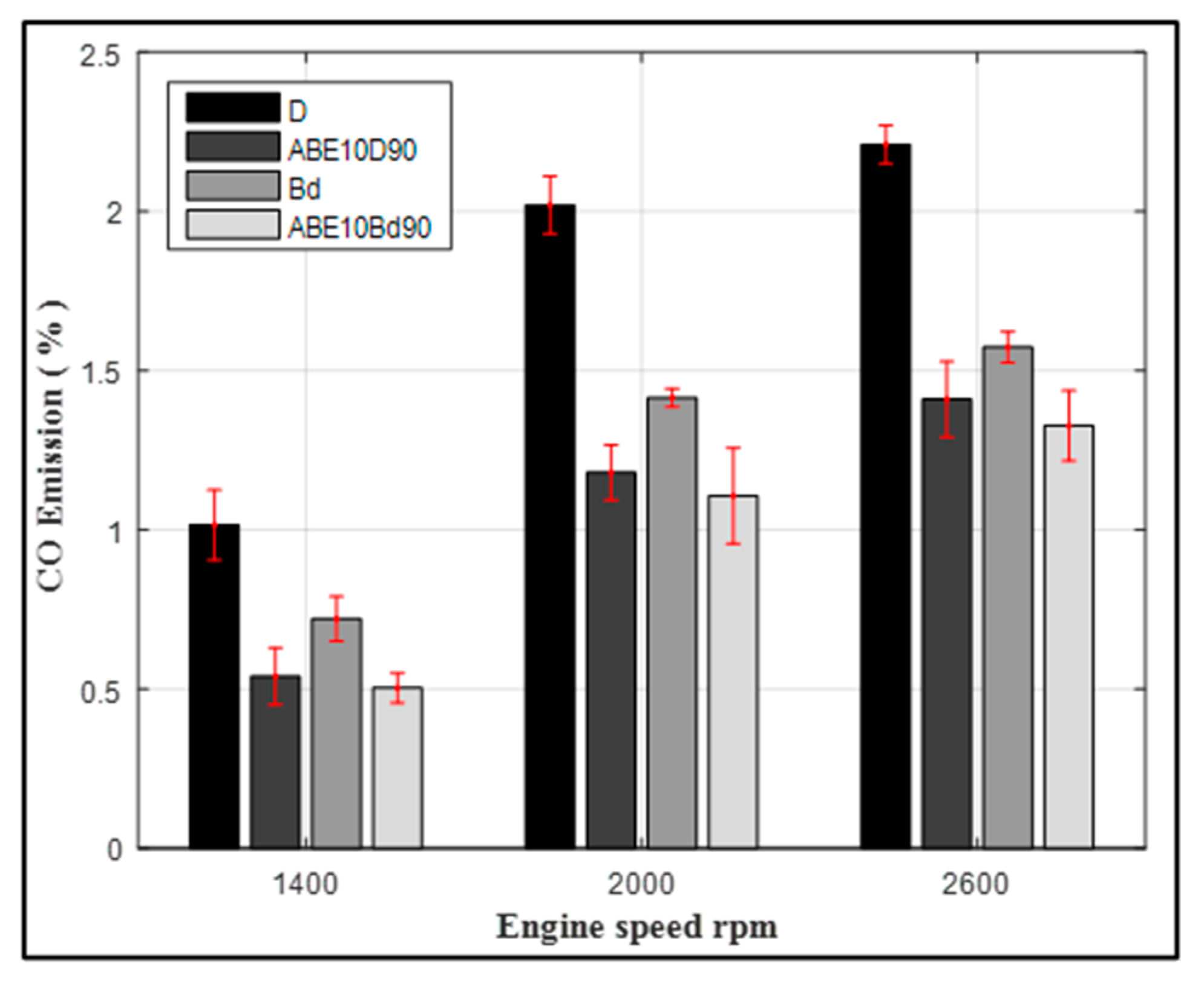
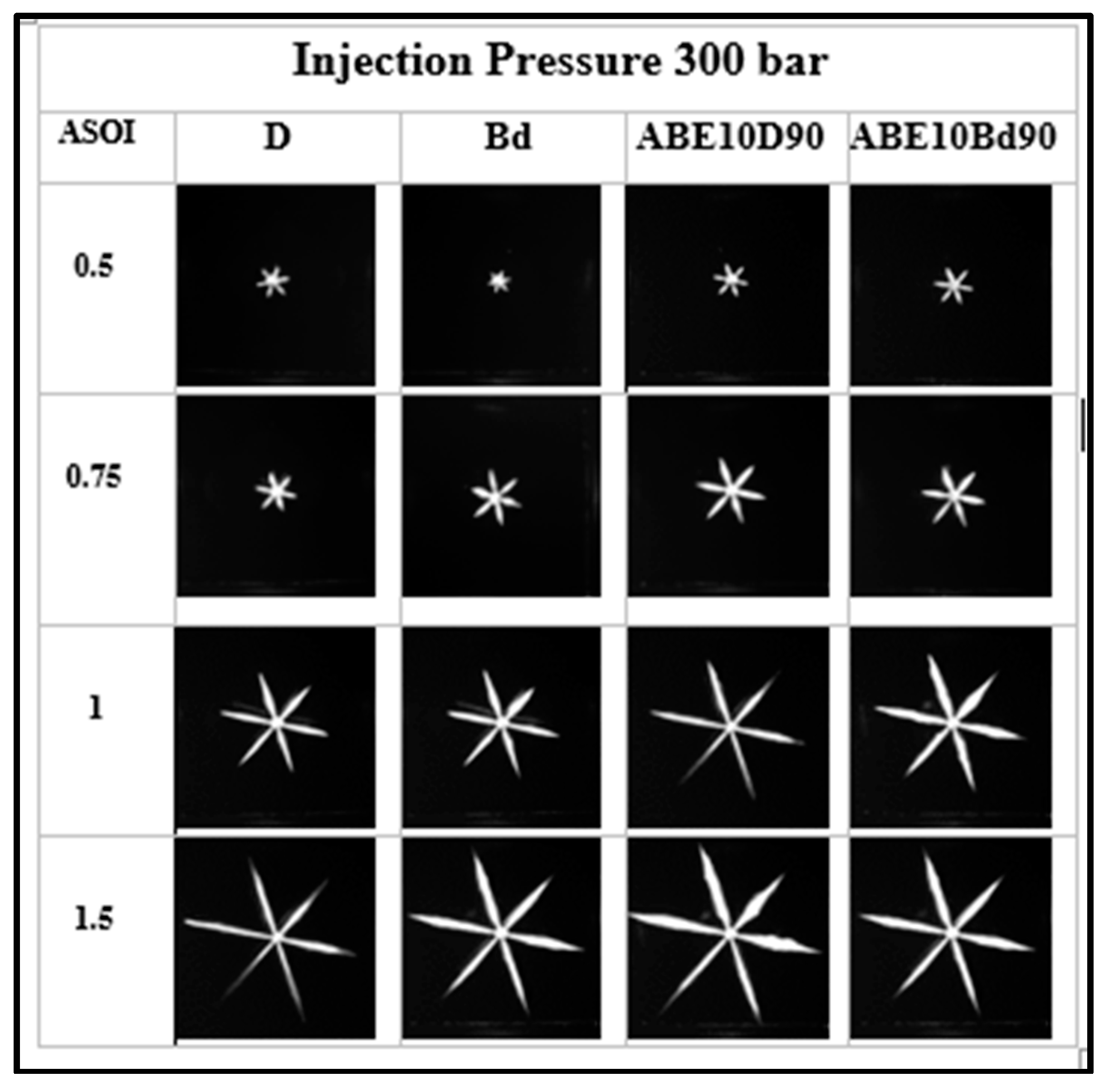
This study investigates the impact of an acetone-butanol-ethanol (ABE) mixture on spray parameters, engine performance and emission levels of neat cottonseed biodiesel and neat diesel blends. The spray test was carried out using a high-speed camera, and the engine test was conducted on a variable compression diesel engine. Adding an ABE blend can increase the spray penetration of both neat biodiesel and diesel due to the low viscosity and surface tension, thereby enhancing the vaporization rate and combustion efficiency. A maximum in-cylinder pressure value was recorded for the ABE-diesel blend. The brake power (BP) of all ABE blends was slightly reduced due to the low heating values of ABE blends. Exhaust gas temperature (EGT), nitrogen oxides (NOx) and carbon monoxide (CO) emissions were also reduced with the addition of the ABE blend to neat diesel and biodiesel by 14–17%, 11–13% and 25–54%, respectively, compared to neat diesel. Unburnt hydrocarbon (UHC) emissions were reduced with the addition of ABE to diesel by 13%, while UHC emissions were increased with the addition of ABE to biodiesel blend by 25–34% compared to neat diesel. It can be concluded that the ABE mixture is a good additive blend to neat diesel rather than neat biodiesel for improving diesel properties by using green energy for compression ignition (CI) engines with no or minor modifications.
Keywords: acetone-butanol-ethanol mixture; biodiesel; spray visualization; emissions acetone-butanol-ethanol mixture; biodiesel; spray visualization; emissions