Abstract
Energy consumption is a critical issue for the communications network operators, impacting deeply the cost of the services, as well as the ecological footprint. Network slicing architecture for 5G mobile communications enables multiple independent virtual networks to be created on top of a common shared physical infrastructure. Each network slice needs different types of resources, including energy, to fulfill the demands requested by each application, operator, or vertical market. The existing literature on network slicing is mainly targeted at the partition of network resources; however, the corresponding management of energy consumption is an unconsidered critical concern. This paper analyzes the requirements for an energy-aware 5G network slicing provisioning according to the 3GPP specifications, proposes an architecture, and studies the strategies to provide efficient energy consumption in terms of renewable and non-renewable sources. NFV and SDN technologies are the essential enablers and leverage the Internet of Things (IoT) connectivity provided by 5G networks. This paper also presents the technical 5G technology documentation related to the proposal, the requirements for adaptive energy management, and the Integer Linear Programming (ILP) formulation of the energy management model. To validate the improvements, an exact optimal algorithmic solution is presented and some heuristic strategies.
1. Introduction
1.1. Background and Motivation
The deployment of 5G mobile networks introduces new services and applications to facilitate a wide range of end user demands. However, before these innovations can be made available to customers and vertical markets, some challenges need to be addressed, such as the efficient management of network resources, multi-tenancy approaches, and the management of energy consumption [1,2]. Regarding the first two points, network slicing architecture has emerged as a means to efficiently support dynamic resource management in a multi-tenant environment [3]. Specifically, network slicing for 5G mobile communications leverages on the concepts of Network Functions Virtualization (NFV) and Software Defined Networking (SDN) to implement multiple virtual and independent logical networks, referred to as network slices, on a common shared physical network infrastructure [4,5]. In network slicing, each slice (virtual network) is an isolated amount of end-to-end network resources and functions with different requirements, including energy, and with independent management and control, tailored to fulfill the diverse demands requested by a particular operator, application, service, customer, or vertical market [6].
The Mobile Network Operator (MNO) can configure and manage the control plane and user plane network functions and the corresponding resources (e.g., access, transport, and core networks) to support various Slice/Service Types (SST) [7]. These SST can be grouped according to their different requirements in functionality (e.g., priority, charging, security, and mobility), on performance requirements (e.g., reliability, latency, mobility, and data rate), or they can be targeted to specific users (e.g., public safety users, corporate customers, or virtual operators) [2]. In the technical specification TS 23.501 v16.4.0 (issued in March 2020), the 3rd Generation Partnership Project (3GPP) provides a standardized classification that groups different services, such as enhanced Mobile Broadband (eMBB) services, Ultra-Reliable Low-Latency Communications (URLLC) services, massive Internet of Things (IoT) services (MIoT), and Vehicular-to-everything communications (V2X, where the X means vehicle, infrastructure, pedestrians, etc.), within four SST categories [1], as shown in Table 1. This classification can be used as a baseline or template to implement network slices for most customer requirements. In addition, the TS 23.501 v16.4.0 does not limit the creation of other categories if necessary, and the assigned SST values do not give priority to one category over the others.
Table 1.
Standardized SST values and examples [1].
Regarding energy consumption management, this feature is a key factor in the deployment and evolution of mobile networks [8], and it is also a crucial consideration for the following reasons: (i) constant growth in energy consumption because of the increasing number of devices connected to mobile networks and the corresponding network densification from the deployment of a high number base stations and related infrastructures (legacy networks 2G, 3G, and 4G must coexist with 5G and beyond networks) [9]; (ii) increased traffic demand and heterogeneity of services with different requirements (e.g., high data rate, low latency, wide bandwidth, a high operating frequency of up to 60 GHz, reliability, or connectivity) [10]; (iii) increase in the Operation Expenditures (OPEX) for the MNO, because, more energy consumption means more costs of energy supply, which can produce an impact on tariffs for consumers or less margins for the operators [8]; and (iv) sustainability issues, which call for new energy generation and consumption principles [10].
Historically, the evolution of mobile networks has implied an increase in energy consumption. However, this current reality needs to change due to sustainability considerations, the increase in CO emissions, and the impact on climate change caused by the use of fossil fuels for energy production (e.g., electricity) [11]. To guarantee energy sustainability and efficiency for mobile communications, there are different solutions that fall into two major groups: (i) increasing the use of renewable energy sources; and (ii) optimizing energy consumption (e.g., using energy saving mechanisms) [12].
The use of renewable energy sources (e.g., solar and wind), also known as green energy, to power Information and Communication Technology (ICT) systems such as 5G networks, is a promising alternative that can reduce energy bills for the MNO and customers, the exclusive dependence on power grids, and is an opportunity to deliver a cleaner and more sustainable mobile communications ecosystem [10]. For instance, green energy can allow the deployment of base stations in remote areas where power grids are not available (e.g., photovoltaic installations), and it may be a choice to compensate the lack of energy capacity from the supplier. In addition, the adoption of renewable energy sources allows changing the traditional centralized energy supply scheme to distributed power grid architectures in which the energy harvesting processes can be used to improve energy distribution, as it has been demonstrated for mobile access networks [13]. For all these reasons, the use of green energy emerges as a feasible solution to deal with the ever-rising energy demand and sustainability requirements in 5G networks [12].
There are multiple benefits of using energy from renewable sources, but their intermittent nature may affect the continuity of services and the reliability of mobile networks. In addition, the use of green energy alone is not enough to make mobile networks more sustainable; they need to consume better and less. Consequently, there is a need to incorporate new methods for adaptive energy management consumption (i.e., mechanisms to adapt consumption to availability) [1]. In this regard, different strategies have been analyzed such as activation of network infrastructures on demand, the total or partial deactivation of services or devices (e.g., deactivation of sectors in base stations), periodical activation or deactivation of consumption (e.g., by using sleep or idle modes), degradation in the quality of service (e.g., decrease in transmitting power), or scale the energy consumption to the traffic dynamicity [14,15]. These strategies can be applied to specific segments (e.g., to access networks) or to the whole system, and they can be performed through the ICT infrastructures of mobile networks [14]. In 5G, for example, the enabling technologies NFV and SDN can be used to deploy an energy management framework [16,17], which offers high computing capabilities (data centers or cloud computing infrastructures), flexibility, and agility for executing management strategies (NFV benefits) [5], as well as the separation of control and data planes (SDN benefits) [18], and they can be applied for energy managing for different customers and scenarios transparently. Moreover, an NFV/SDN-based energy management architecture can potentially be used for managing virtual resources and networks [16,17], a capability that can enable energy management in 5G network slicing.
In summary, new services and applications demanded by customers impose that the current and future mobile networks have sophisticated energy management and consumption schemes. These energy management approaches must be adapted to finite energy production and the dynamic generation–consumption conditions. Natively, mobile networks lack an efficient energy management scheme for the whole system. In addition, the redundant design of mobile networks (e.g., duplication of access, transport, or core devices) for keeping the reliability and performance in communications has produced a constant increase in energy consumption (mainly for non-renewable sources) and carbon footprint related. To promote sustainable and environmentally friendly development of mobile networks, the traditional network design and operation must incorporate efficient management of energy consumption and prioritize the use of renewable energy sources. In this regard, the evolution to 5G and specifically to network slicing is an opportunity to develop a sustainable and adaptive energy management ecosystem that is capable of working in a multi-tenant approach, encourages the use of green energy, and optimize the energy consumption. In this regard, the main objective of this paper is to meet these requirements, because the existing literature on network slicing is mainly targeted at the creation of network slices by means of the partitioning of the core, distribution, and access networks resources. Thus, our proposal considering the characteristics of network slicing, NFV, SDN, and green energy represents a feasible and sustainable solution that can offer reductions in OPEX and environmental impact and an improvement in service processing.
1.2. Paper Overview and Contributions
This paper proposes an energy management solution applicable to 5G network slicing in which the service processing (i.e., the creation of network slices and corresponding services) is aware of the energy supply with the aim of optimizing power consumption, specifically by minimizing the power consumption from non-renewable energy sources. The proposal considers renewable energy sources, but non-renewable sources can also be used when extra energy is required.
Efficient energy management involves minimizing consumption, achieving a specific reduction in consumption (e.g., 20% energy saving), or optimizing the available power consumption (utilization). In this work, we chose the last option, anticipating a future in which the penetration of green energy allows meeting all energy demand and requires adaptive mechanisms to leverages its generation. Moreover, we validated this approach in [19]. The considerations of the architectural framework and the enabling technologies needed for energy management, as well as the interaction between generation and consumption sides presented in [19], are taken as a baseline for the adaptive energy management solution presented in this paper. In this regard, this paper represents an evolution of our previous work in [19] towards an efficient and environmentally friendly energy-management for mobile networks.
The proposal includes: (i) an architecture for adaptive energy management that considers provisioning from renewable and non-renewable sources, which is developed based on NFV and SDN technologies, and leverages the IoT massive connectivity provided by modern mobile networks; and (ii) various management strategies at service level such as an intra-slice prioritization scheme, service rejection, time shifting in service execution, and degradation in service quality (i.e., decrease in energy demand), all to optimize the available power consumption. In addition, this paper provides modeling of the stakeholders involved in energy management and consumption (i.e., the MNO and consumers), and the Integer Linear Programming (ILP) formulation corresponding to the problem of the adaptive energy management, which has been proven to be -hard. To find the exact optimal solution, a brute-force search algorithmic strategy () is proposed. Simulation results demonstrate that the proposed energy management solution allows for efficient energy consumption in the different slices and corresponding services in accordance with the available energy resources and customer requirements, thereby realizing feasible and efficient energy management for 5G networks. Due to the non-polynomial complexity of , this paper includes a discussion on the possible heuristic strategies for feasible future implementations of the energy management model and the proposed management strategies. The major contributions of this paper are summarized as follows:
- An architecture proposal that, based on NFV, SDN, and IoT technologies, is able to adaptively manage the available energy, whether 100% renewable or not, in the context of network slicing
- Several management strategies for adaptive energy consumption at the service level, including intra-slice service prioritization, service rejection, time shifting for service execution, and service quality degradation
- The mathematical model of the stakeholders involved in energy management and consumption
- The ILP formulation corresponding to the adaptive energy management model
- The performance metrics needed to confirm the improvements in energy consumption achieved with the proposed approach
- An exact algorithmic strategy denoted as and its evaluation through extensive simulations to verify the effectiveness of the proposed solution as well as the improvements in terms of energy consumption and service processing
- Discussion of several heuristics solutions to tackle the complexity of the optimal solution
Table 2 presents a list of the most relevant acronyms used throughout the paper. The remainder of this article is arranged as follows. Section 2 discusses the related work. Then, Section 3 formally introduces the energy management proposal. The ILP formulation of the proposed energy management model is presented in Section 4. Section 5 describes and evaluates the algorithmic strategy for optimally solving the ILP problem. The heuristics strategies are discussed in Section 6. Finally, conclusions and future work are presented in Section 7.
Table 2.
List of abbreviations and corresponding definitions.
2. Related Work
At the time of writing this paper, in the literature, there is no proposal for adaptive energy management within the scope of 5G network slicing. Therefore, this section presents related work that addresses the two main areas of the proposal, i.e., the energy efficiency and energy management in 5G networks, and the use of network slicing architecture for resource management, including energy.
2.1. Energy Efficiency and Energy Management in 5G Networks
Improving energy efficiency has become a key pillar in the design of 5G networks due to economic and operational considerations, as well as environmental concerns [20]. In this regard, different solutions have been proposed to optimize or reduce energy consumption, which can be grouped under following broad categories: (i) resource allocation; (ii) network planning and deployment; (iii) activation of resources on-demand depending on traffic dynamic; (iv) hardware design; (v) improvements in the system operation (e.g., techniques to reduce interference); (vi) active user cooperation; and (vii) use of green energy complemented with energy-harvesting mechanisms (which can also be used to collect energy from radio signals over the air) [20]. Of these approaches, the use of green energy has gained momentum in recent years, and it represents a feasible and sustainable alternative to power mobile networks partially or even totally [21]. In this respect, different models have been proposed to characterize the production of renewable energy and the operation in the mobile networks. Even the possible interactions with smart grids to deliver demand-response schemas have been analyzed. Additionally, the need for management strategies in mobile networks to enhance integration and use of green energy has been evidenced [21], an issue that is solved with our proposal.
Regarding energy management within the 5G ecosystem, the literature shows that the enabling technologies NFV and SDN can be used as a platform to deploy optimization models (mainly based on heuristic approaches) and management applications targeting cost-efficient resource and energy usage [22]. Based on energy consumption estimations or network parameters information (e.g., traffic load, radio coverage, equipment activation intervals, or active users), the NFV/SDN architectural framework can carry out actions such as optimized routing of traffic flows or allocation of physical (networking, computing, and storage) and/or virtual (e.g., virtual machines) resources with the aim of achieving energy savings and an overall reduction of consumption in the mobile network [23,24]. In addition, NFV technology facilitates in 5G networks that the Virtual Network Functions (VNFs) can be dynamically scale-in/out to meet the desired performance level, a dynamic behavior, or to be adjusted to system capacity. These features can potentially reduce energy consumption, operating cost, and latency. In this regard, some adaptive and dynamic VNF scaling algorithmic strategies have been proposed in the literature [25,26]. Although these procedures can reduce the energy footprint of 5G networks, they operate primarily on the network infrastructure and do not constitute an adaptive energy management system. Furthermore, these solutions do not consider the available energy supply for service processing or a multi-client approach, aspects which are considered in our proposal.
2.2. Use of Network Slicing Architecture for Resource Management
The network slicing architecture supported by NFV and SDN has demonstrated to be an effective solution for implementing resource allocation schemes and algorithms to meet the diverse and simultaneous demands of consumers and vertical markets [27]. For instance, network slicing can be used as a management solution to enhance the network resources sharing required for the dynamic operation of massive IoT infrastructures such as wearable devices [28]. The network slicing paradigm can be used to define entire network slices to cover the elastic demand for network resources through the day and according to different operating and customer requirements such as bandwidth or a desired reliability level for the customers [29]. The reconfiguration, scaling, and migration of virtual resources (e.g., virtual machines) needed for the dynamic operation of mobile networks corresponding to customer-specific workloads are considerations that can also be addressed efficiently (e.g., in terms of bandwidth and latency constraints) with network slicing technology [30]. In addition, the network slicing architectural framework is flexible enough to allow discrimination in network resources allocation among slices, customers, or services according to specific operational requirements; a feature can be exploited in different scenarios and for various purposes. In [31], for example, the authors proposed a two-level prioritization scheme (inter-slice and intra-slice) to implement a heuristic-based admission control mechanism able to dynamically allocate network resources to different slices customers needs and traffic loads. In our proposal, we also use an intra-slice scheme but focused on prioritizing the consumption of certain services if the energy supply is not enough to meet all demand.
The potential of network slicing for energy management has also been explored. In [32], Xiao et al. introduced a dynamic network slicing solution for large-scale energy-harvesting fog computing networks. In the proposed architecture, a regional orchestrator coordinates workload distribution among local fog nodes, providing slices of energy and computational resources to support various types of service requested by end users. The use of network slicing in this use case shows a maximization of the utilization of available resources, dynamic resource allocation according to service demands, and balance of workloads among fog nodes. This information provides insight into the possible improvements in energy efficiency that can be obtained with network slicing in 5G networks.
3. Energy Management Proposal for 5G Network Slicing
This section presents the energy management proposal. Section 3.1 describes the requirements for energy management in the context of 5G network slicing. Section 3.2 discusses different management strategies for adaptive energy consumption. Finally, Section 3.3 presents an overview of the proposed architecture and its operation.
3.1. Requirements for the Energy Management in 5G Network Slicing
To present a feasible proposal aligned with the needs of current and future mobile networks, we surveyed the main technical specifications and recommendations issued by the most representative standardization bodies in the mobile networks landscape: the 3GPP, the European Telecommunications Standards Institute (ETSI), and the Telecommunication standardization sector of the International Telecommunication Union (ITU-T). Table 3 shows the latest version of the technical specifications and reports reviewed related to the proposal. This information can be used as reference literature to motivate future work. Regarding the proposed energy management approach, Table 4 summarizes the requirements and possible solutions for adaptive consumption in 5G network slicing. The structure of the proposed architecture and the energy management model described in Section 3.3 allow satisfying Requirements R1, R2, R3, and R4. The management strategies presented in Section 3.2 meet the need for adaptive consumption of available energy described in Requirements R5 and R6. Instead, the performance metrics to assess the optimization in energy consumption described in Requirement R7 are presented in Section 5.1.
Table 3.
Technical documentation related to the proposal.
Table 4.
Requirements and proposed solutions for adaptive energy management in 5G Network Slicing.
3.2. Energy Management Strategies for Adaptive Consumption
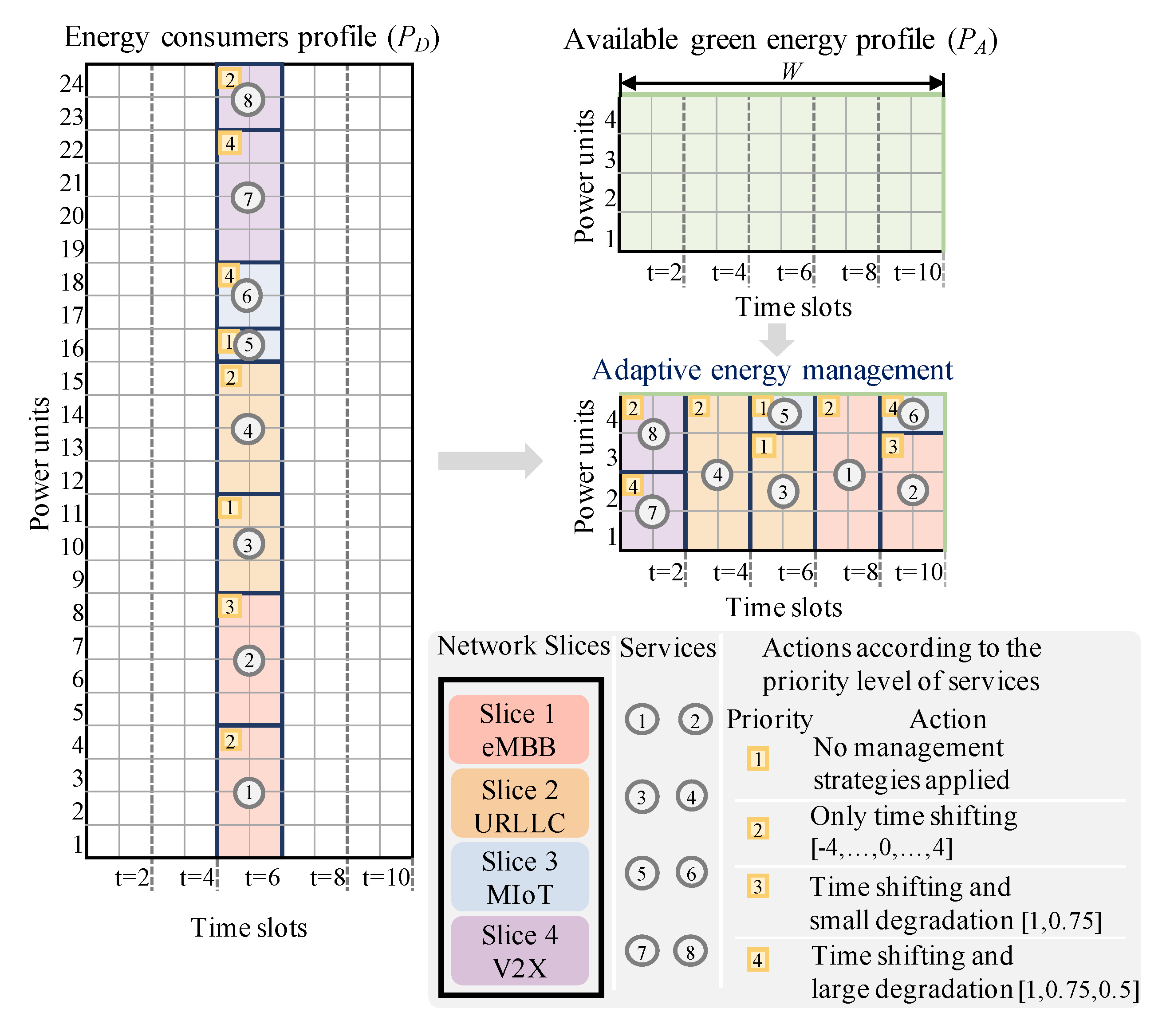
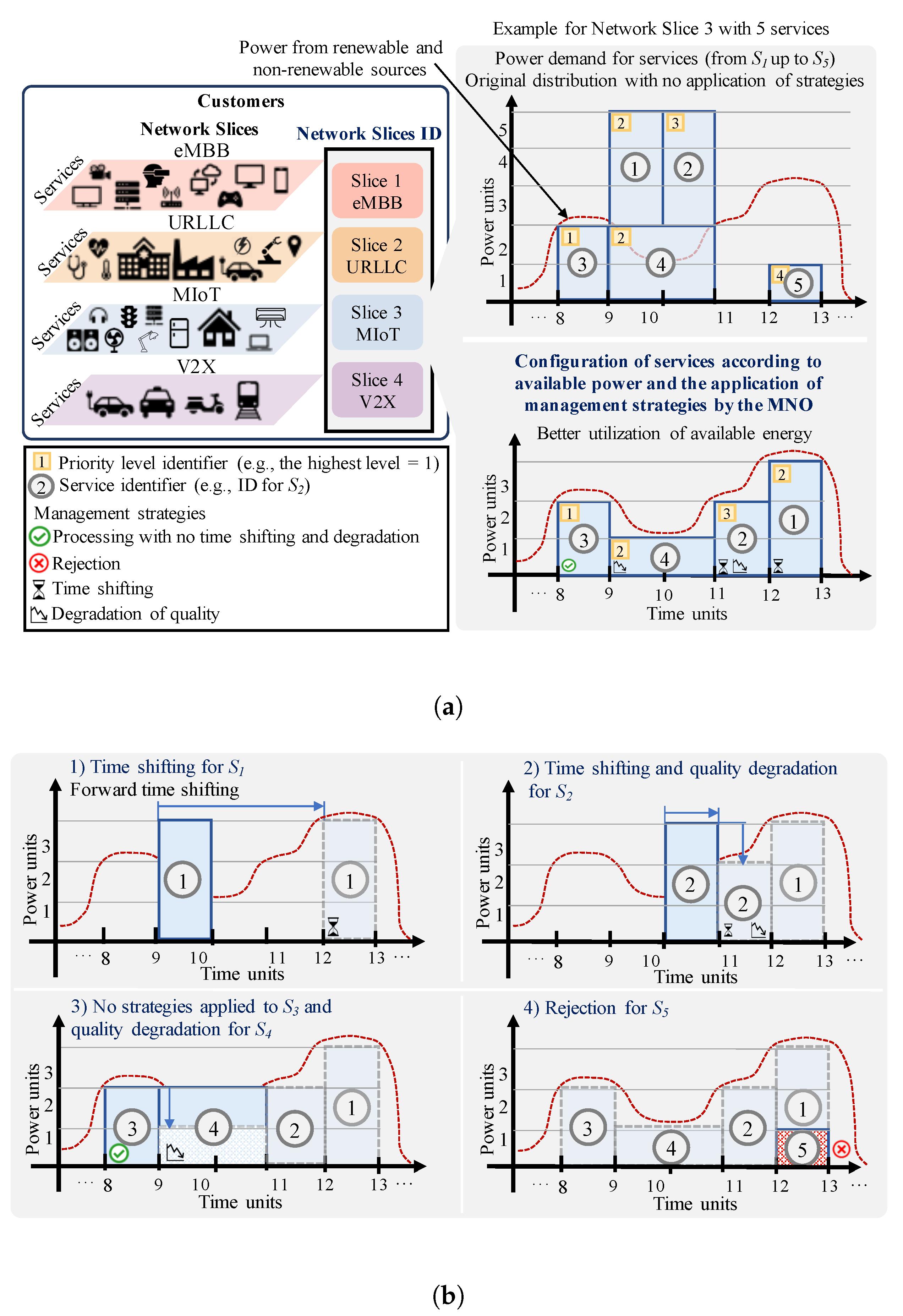
To carry out adaptive energy management in 5G network slicing, five strategies have been proposed, as described below. These strategies are executed by the MNO (see Figure 2b), are implemented through algorithmic solutions, as shown in Section 5.2, and they seek offer energy efficiency to the 5G mobile networks through optimization of power consumption (i.e., less and better energy use), while promoting the reduction of OPEX and related environmental impacts. In the energy management process, the customers are aware of the configuration of network slices and/or services performed by the MNO to optimize the consumption, and they are tolerant of the possible modifications/actions on network slices or services. Figure 1 shows an example of the implementation of the proposed strategies.
Figure 1.
Example of application of the management strategies for adaptive energy management in 5G network slicing. (a) Application of management strategies for the network slice 3. In this example, the initial distribution of services (initial time, duration, and power demanded) causes inefficient use of energy and allows the execution of only two services ( and ). The use of management strategies instead allows optimization in the consumption and processing of four services (, , , and ). (b) Disaggregated representation of the management strategies applied to services belonging to network slice 3.
3.2.1. Prioritization of Services in Network Slices
In the energy management proposal, the MNO can establish priority levels to differentiate the services, as shown in Figure 1a. With this information, the MNO can prioritize the resource allocation (e.g., energy) for the configuration of a service or a set of services. The prioritization schema can be established automatically by the MNO or can be agreed with customers through contractual terms, and it may depend on several factors such as: (i) environment of applicability of services (e.g., allocation of a higher level for emergency services, services associated with search and rescue operations in disaster, or services for public safety); (ii) characteristics of the services (e.g., the number of end-users, location, average consumption, etc.); or (iii) specific requirements from customers.
3.2.2. Use of Time Shifting Capability for Service Execution
To efficiently use the energy resource and adapt consumption to generation, different strategies can be applied optionally to services belonging to a network slice. The application of the strategies on services can seek several objectives such as: (i) maximization in energy utilization, as shown in Figure 1a; (ii) maximization in service processing (acceptance rate); (iii) multi-metric objectives, e.g., maximize consumption and also service processing; or (iv) it may be linked to a scheme that prioritizes the processing of one type of service over others. These objectives, as well as priority in network slices (Section 3.2.1), can be established automatically by the MNO or can be defined in contractual agreements with consumers.
In the context of energy efficiency, a strategy that adapts consumption to existing supply is the temporal displacement in the service execution time [33]. In the proposal, this strategy is defined as time shifting and is useful to encourage the anticipated consumption (i.e., performing a backward time shifting for service execution) or a deferral in the use of energy (i.e., performing a forward time shifting for service execution, as shown in Figure 1b for service ), within a finite time horizon and according to the energy availability. In the proposed management model, the time shifting strategy, similar to the others described in this section, can be implemented because the service processing (and corresponding energy consumption) is not carried out immediately upon customer requests, but rather there exists a calculation process executed by the MNO (specifically at network slice management and orchestration domain), in which the configuration of network slices and services is performed by applying management strategies and considering energy generation and consumption conditions. This procedure enables the MNO to find the efficient distribution of services (service scheduling) that optimizes energy consumption, as shown in the example in Figure 1a. A detailed explanation of the operation of the architecture and the proposed energy management model is discussed in Section 3.3.
3.2.3. Degradation in Service Quality
If the available power level is not sufficient to satisfy the power demanded by a certain service (or services), the MNO may choose to apply a quality degradation to that service, i.e., allocate a lower amount of energy than requested, as observed for the service in Figure 1b, in which the assigned power level is half of the demanded. This strategy allows reducing consumption to a level tolerable by the service, which allows maintaining its functionality. A descriptive example of the application of this strategy is the decrease in the brightness level of a screen of a mobile terminal or computer, which allows a lower consumption at the cost of a minimum decrease in performance. Another possible action that the MNO can execute on the services consists in the implementation of a combined strategy, in which time shifting and quality degradation are applied to the service simultaneously, as shown in the example in Figure 1b for service . On the other hand, considering that generation and consumption fluctuate constantly, during periods of energy surplus (due to high generation or low demand), one strategy that could be adopted is the increase in quality (i.e., deliver more energy of the demanded). Thus, the implementation of this strategy on services that tolerate the increase in energy supply would prevent the energy produced from being wasted if it is not consumed.
3.2.4. Normal Processing of Services
Although the normal processing of a service (i.e., execution without modifications or actions on it) is not a management strategy as such, it is an alternative configuration mode. If there is the availability of the supply, the analyzed service can be processed in its natural execution time and with its power level demanded, as shown in Figure 1b for service .
3.2.5. Service Rejection
If the energy supply is not sufficient to guarantee the execution of a service, either due to an energy shortage or because the energy has already been allocated to another service, and also the application of the strategies described above (i.e., time shifting or quality degradation) does not allow its processing, the service in the admission stage is not processed and is categorized as rejected, as shown in Figure 1b for service . The criteria for service rejection may be established by the MNO and in agreement with the customer, and may depend on a number of factors such as those described in Section 3.2.2.
In the example in Figure 1, each energy management strategy acts on a specific service. However, in a real implementation, the MNO with information of the services (required execution time, duration, and power demanded) and considering the use of the different management strategies described above, must be able to apply the best strategy for each service. This process is performed with the aim that the total or aggregate power of all services optimizes the use of the available supply. To this end, the MNO executes service scheduling algorithms such as the one described in Section 5.2, which allows achieving the energy efficiency required by 5G networks in a network slicing context.
The adaptive behavior of the proposed energy management solution through the management strategies (i.e., the degradation in service quality and time shifting capability) enable to adapt the consumption to generation constantly. This feature allows dealing with the intermittent and dynamic behavior of renewable energy sources and leverage at the maximum their energy production capacity. In the event that green energy is not sufficient to meet all demand, the proposed management solution considers the possible rejection of services. Furthermore, although our approach prioritizes the use of renewable energy, the partial or total energy provisioning from non-renewable sources is an alternative, in which case the management strategies described above can also be employed.
3.3. Architecture for Adaptive Energy Management
3.3.1. Architecture Description and Operation
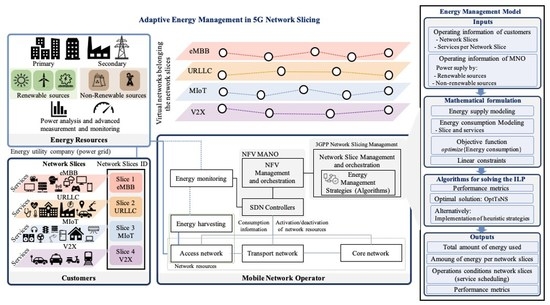
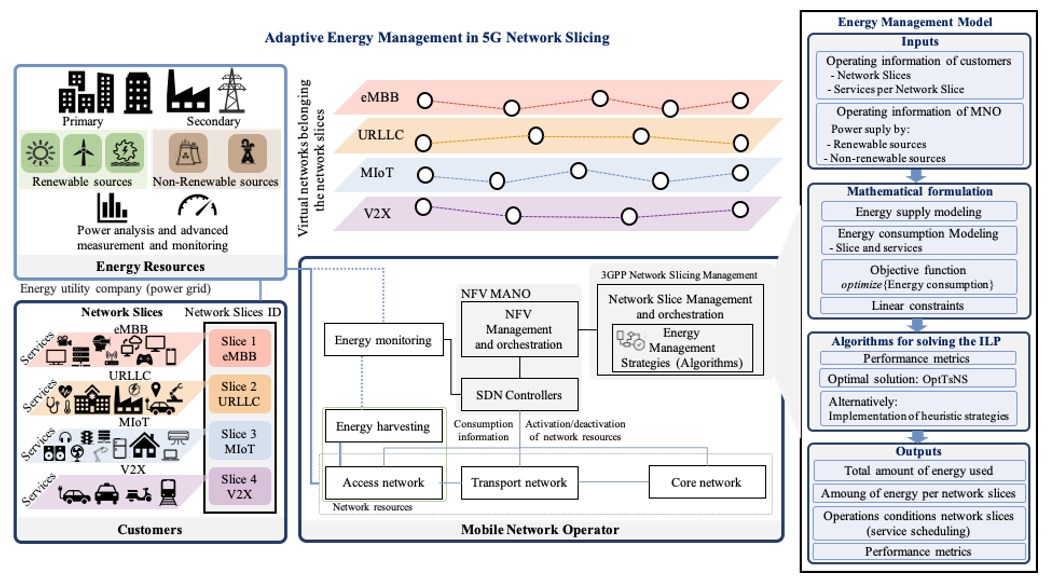
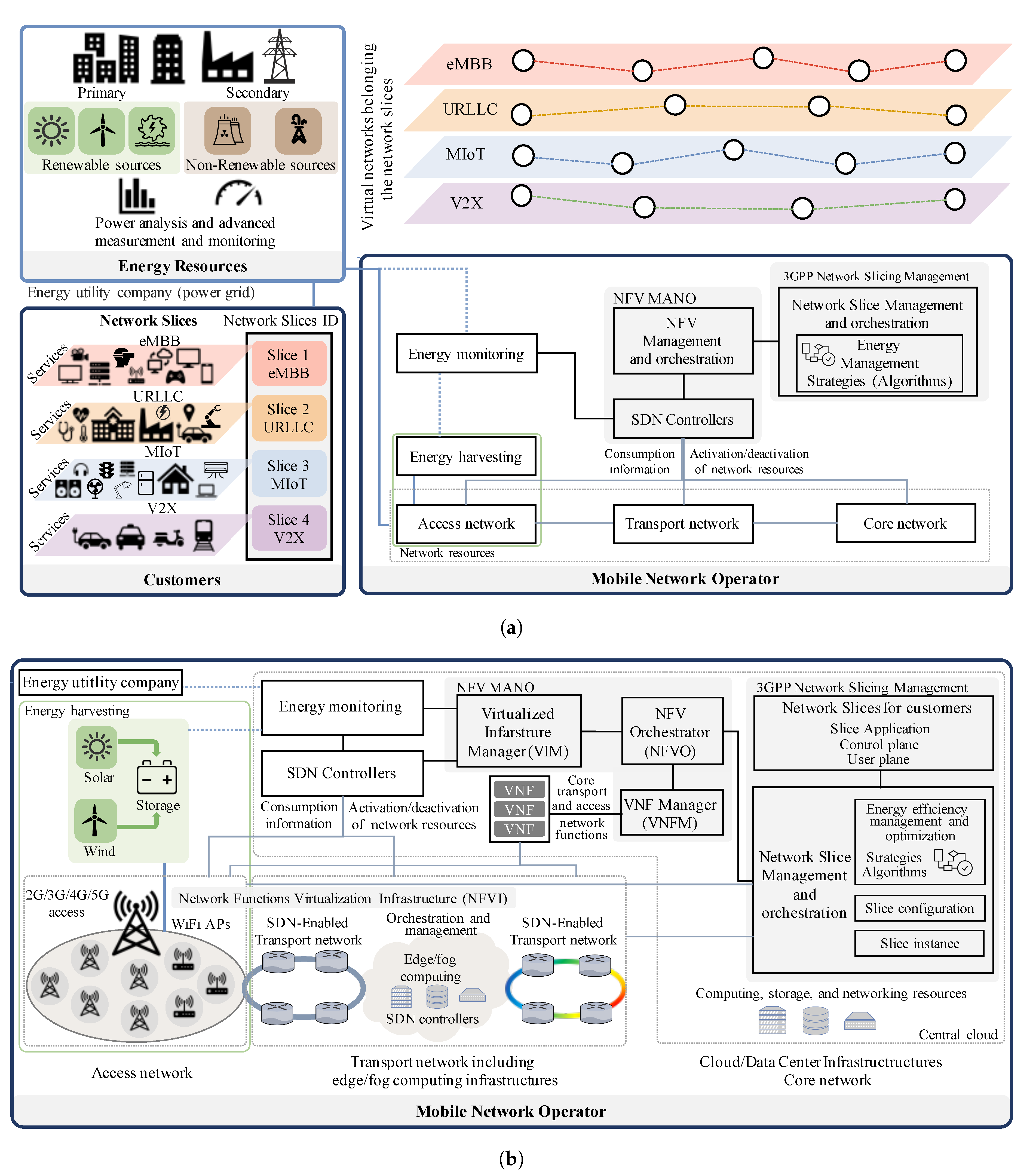
This section presents an architecture for adaptive energy management in 5G network slicing based on the established management and orchestration framework by the 3GPP and ETSI [5,6,9]. This architecture is composed of two stakeholders, the customers and the MNO, as shown in Figure 2. The architectural framework is focused on the efficient energy resource management from renewable and non-renewable energy sources for the creation, configuration, and deployment of network slices and the corresponding services on the mobile network infrastructure.
Figure 2.
Overview of the architecture for adaptive energy management in 5G Network Slicing: (a) schematic of the proposed architecture; and (b) schematic of the network operator and management entities.
The architecture leverages the concepts of NFV and SDN as well as the IoT connectivity of customers to carry out the energy-aware realization of 5G network slices. From the operational perspective, the network slicing architecture can be considered to be comprised of two main blocks: (i) the first block is integrated with the NFV Management and Orchestration (MANO) framework and by 3GPP Network Slice Management framework, as shown in Figure 2a), dedicated to the network slices management and configuration considering energy management requirements (optimization of power consumption); and (ii) the second block is composed by the NFV and SDN frameworks as well as by the underlying network resources dedicated to the network slice implementation.
In the first block (MANO), with the information on customers (e.g., number of network slices and services, the power consumption of services, SST values, etc.) and the conditions on power generation (available from non-renewable and renewable energy sources), the MNO proceeds to create the network slice(s), starting from a base template, similar to the example shown in [34], or selecting a network slice profile from a network service catalog [7]. This template can be then customized to meet the specific requirement of the end users. To carry out the network slice(s) creation (by choosing any of the above methods) on the MANO framework, the MNO first analyzes the amount power demanded (consumed) for service processing (execution), considering the consumption in all segments of the mobile network (i.e., the power consumed in the core, transport, and access networks). This consumption estimation procedure can be performed using historical data or predictive models; however, these issues are beyond the scope of this paper. The consumption estimation process is carried out for all services and for all network slices. It has two objectives: (i) estimate/verify if the available power (managed by the MNO) is sufficient to allow the processing of all services in all network slices; and (ii) establish the actions to be performed by the MNO to optimize power consumption (optimize the service processing).
Traditionally, the increase in energy demand has been faced with the contracting or production of additional energy. However, this alternative involves an increase in OPEX and possible environmental impacts, and it is not a sustainable solution. In this regard, modern management systems demand adaptive consumption schemes restricted to availability and that prioritize the use of renewable energy, as described in Requirements R1, R4, and R5 in Section 3.1. Therefore, in the proposed architecture, the network slice process is aware of an available energy resource (i.e., services/slices and power supply considered jointly). The MNO if needed can apply various management strategies (detailed in Section 3.2) on services, which are deployed as algorithmic solutions on the Network Slice MANO (see Figure 2b) to adapt consumption to availability, optimize power consumption (avoiding peaks loads or energy shortage), and reduce dependence on non-renewable energy as much as possible. As a result of the analysis of service parameters (customer information), the available supply, and the possible management strategies at the service level (network slices), the MNO obtains the optimal service scheduling (number of processed services, service execution time, and power consumption levels) in each network slice that leads the optimization of power consumption (minimization of power from renewable energy consumptions) and the energy-efficient network slice creation and configuration. A summary of the energy-aware creation and configuration of network slices in the proposed architecture is shown in Figure 3.
Figure 3.
Description of the energy-aware network slice creation in the adaptive energy management architecture. The network slices and corresponding services are configured to achieve energy efficiency, considering a finite energy provisioning and the optimization of power consumption, specifically through the minimization of the consumption of non-renewable energy sources.
Once the general structure of the network slicing (network slice profile) has been selected, the MNO can deploy in the network slice MANO entity (at core network) the corresponding Network Slice Instance (NSI), which refers to a set of network function instances (physical or VNFs, e.g., belonging access, transport, and core networks), the connectivity between them, and the required resources (e.g., compute, storage, and networking resources) that form a deployed network slice [7]. Typically, a network slice instance is designed (preparation phase), then it is instantiated (instantiation, configuration, and activation phase), later it is operated (run time phase), and finally it may be decommissioned (decommissioning phase) when the slice is no longer needed [1]. The complete NSI lifecycle is managed by the MNO, specifically by the network slice MANO. In the process of configuring and deploying network slices, the MNO sends the NSI information to the second block of the architecture, specifically to the NFV Orchestrator (NFVO), which is in charge of coordinating with the VNF Manager (VNFM) and with the Virtualized Infrastructure Manager (VIM) the creation of VNFs (that provide specific network capabilities to support and realize the particular service(s)) and virtual networks (access, transport, and core) need for the deployment of network slices. Then, the requests from the VIM entity are sent to the SDN controllers (access, transport, and core controllers), which coordinate with the Network Function Virtualization Infrastructure (NFVI) the creation of network slices on the underlying network infrastructure (physical network resources). At this point, all created slices compose a single (end-to-end) network slice for specific customers. All of the network slices are managed and orchestrated first by an NFVO and in an upper level by the NFV and 3GPP MANO frameworks.
3.3.2. Customers (Network Slices) Modeling
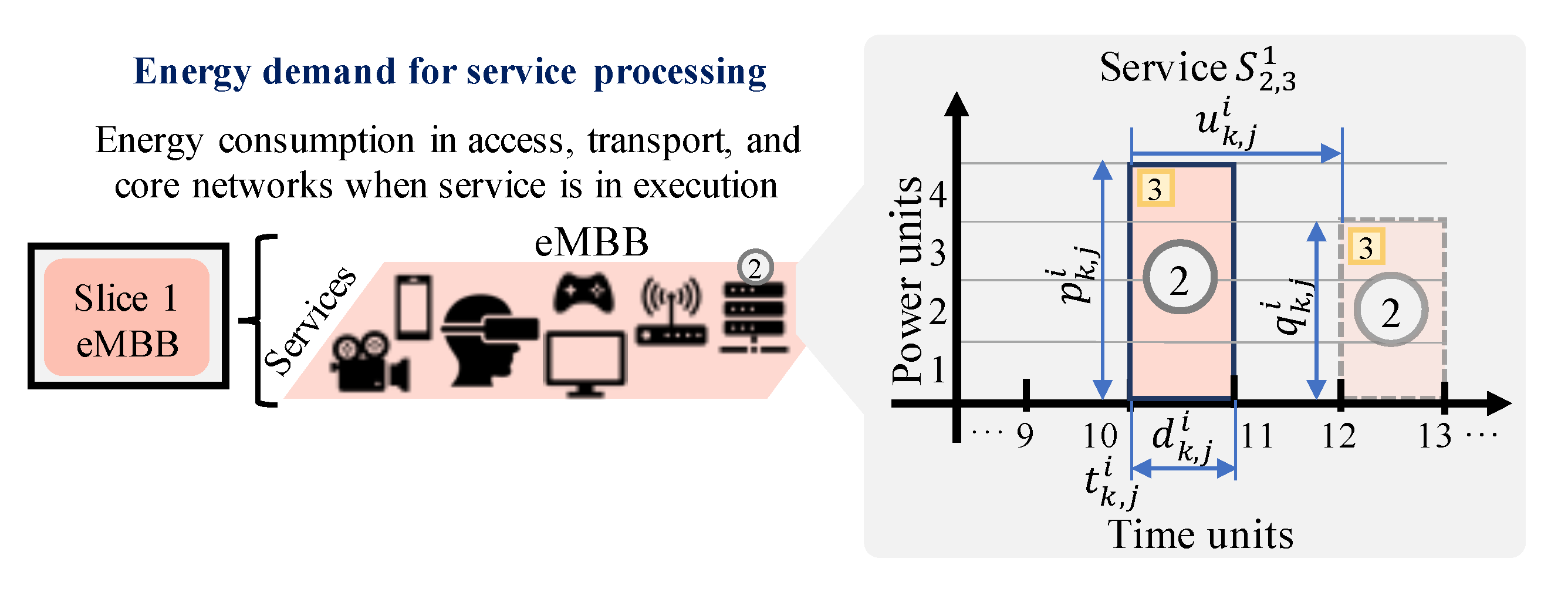
In the proposed architecture, the customers correspond to the network slices owners. They have connectivity capabilities and demand from the MNO all network resources (virtual, physical, and energy) to carry out the services, applications, or verticals. In the context of the adaptive energy management model, a service is characterized by its power consumption (i.e., by the amount of power that is used in the core, transport, and access network when the service is in execution), and it is tolerant to the possible actions (management strategies) that the MNO can execute on it to carry out the adaptive energy management. Considering the parameters related to power consumption and the management strategies described in Section 3.2, a service k, with of priority level j, with belonging to the network slice i, with , denoted as is fully characterized by the parameters of Table 5. Figure 4 depicts an example of a service and its corresponding parameters.
Table 5.
Parameters of network slices and services.
Figure 4.
Graphical representation of the characterization of a service that is part of a network slice. Description: Service 2, with a priority level 3, and belonging to the network slice 1. Parameters: , , , (forward), , .
In terms of power consumption, the total or aggregated power demanded by all network slices and corresponding services () can be expressed as:
3.3.3. Mobile Network Operator (MNO) Modeling
The MNO in the network slicing architecture is the entity that provides network resources (physical and virtual), is responsible for the creation, modification, and deletion of network slices, and is in charge of managing the energy resource for the operation of the entire mobile network.
In this context, the total available power () in the mobile network ecosystem comes from the contribution of energy from renewable and non-renewable energy. The MNO is then able to control the contribution of one source over another, and particularly can promote the primary or majority use of green energy. The mathematical model of in the proposed network management model is given by:
where represents the power obtained from renewable energy sources, while stands for the power from non-renewable energy sources. These parameters are given by:
where the factor denotes the weight related to the contribution of renewable energy in the total generated power , which can be controlled by the MNO according to the green energy availability and the application scenario.
4. Energy Management Model Mathematical Formulation
This section presents the mathematical formulation of the proposed energy management solution. Section 4.1 describes the assumptions considered in the proposed model. Section 4.2 presents the ILP formulation of the proposal, while Section 4.2 analyzes its complexity.
4.1. Assumptions Related to the Energy Management Model
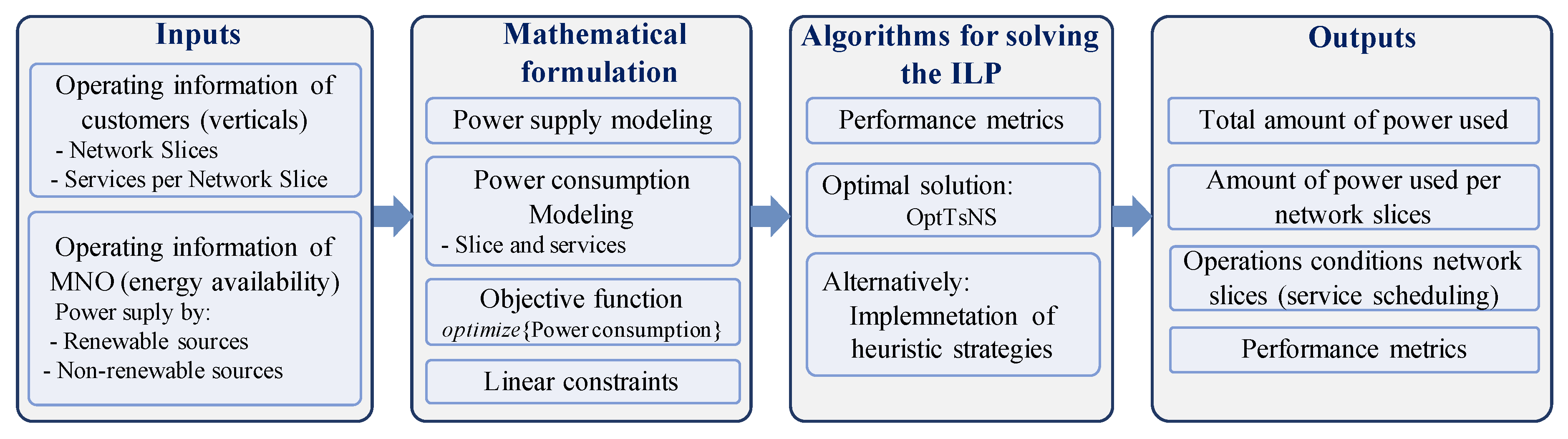
The proposed adaptive energy management model is summarized in Figure 5. To provide a reasonable implementation of this proposal, the following assumptions (simplifications) have been considered:
Figure 5.
Schematic of the adaptive energy management model for 5G Network Slicing.
- Use of a discrete-time model, in which the time horizon () is divided into slots of equal duration. This time model provides flexibility to energy management solution because the size of each time slot can represent different time units (e.g., a time slot equal to 10 min, or a time slot equal to 1 h) according to the applicability scenario.
- Use of a finite and discrete-time window for performing the time shifting (forward and backward) for the service execution. In this regard, in a preliminary study [19], we proved that the use small time shifting intervals (e.g., intervals up to two or three time slots) is enough to achieve considerable improvements in energy use (e.g., 100% energy utilization and improved service processing). In addition, a small time shifting interval is preferred because increasing this parameter produces a non-polynomial increase in the complexity of the optimal energy management problem, as demonstrated in [19].
- Use of discrete values for service quality degradation. To provide a feasible energy management model and maintain the linear condition of the problem, in the proposal, the values of degradation, also called levels of degradation that can be applied to a service, are restricted to a finite set of possibilities. Analogously to the time shifting value, this sequence of values should be small (e.g., up to three or four degradation levels) because an increase in levels corresponds to a non-linear increase in the complexity associated with optimal energy management.
- The proposed energy management model assumes the processing of entire (complete) services. If is insufficient to meet the total power demanded by a service, this service in analysis is considered as not processed or rejected. In this regard, the partial processing of a service and related consumption can be discussed in future work.
- In 5G network slicing, a customer (user equipment) may be served by at most eight network slices at a time [1]. However, in our proposal for simplicity, a customer can only belong to one network slice. Moreover, the customers in each network slice are different from each other (i.e., different network slices specified to different customers).
- If needed, the MNO can deploy multiple network slices of the same slice/service type (e.g., eMBB with the same features but for different groups of customers). In this case, the MNO is able to differentiate the slices according to the network slice identifier, as shown in the example in Figure 1a.
4.2. ILP Problem Formulation: OptTsNS
4.2.1. Objective Function
In our proposal, the creation and configuration of network slices and associated services is energy-aware. Thereby, the proposed management model seeks to improve energy efficiency through the optimal use of the available supply and specifically through the minimization of power consumption. Technically, this objective is expressed as indicated in Equation (5). Nevertheless, considering that an important requirement in an energy management system for mobile networks is the promotion and use of green energy (as mentioned in Requirement R4 in Section 3.1 and as shown in the energy provision model in Equation (2)), the objective of the proposed energy model should be focused on minimizing the consumption of energy from non-renewable sources. To this end, we have established a cost function associated with consumption in the 5G ecosystem from renewable and non-renewable sources as shown in Equation (6), where and can be in the range [0,1] and represent the weights associated with the individual cost functions that are proportional to renewable () and non-renewable () energy consumption, respectively.
To promote the primary utilization of renewable energy, the cost associated with the consumption of this kind of energy in Equation (6) can be set to a minimal value () and even to zero. In this model, we chose the second option (i.e., ) with the aim of moving toward a green mobile network ecosystem. Therefore, the objective function of minimizing power consumption in Equation (5) considering the cost function in Equation (6) translates into the minimization of the cost associated with non-renewable energy consumption as indicated in Equation (7), which in turn is equivalent to the objective of minimizing the in the total as shown in Equation (8). This objective function must respect the available energy resources, consider the parameters of the services, the management strategies described in Section 3.2, and the constraints presented in Section 4.2.2.
4.2.2. Constraints
The following constraints are linked to the proposed adaptive energy management model.
- Domain constraints: The energy supply by the MNO for service processing is assured by . Instead, guarantees a non-negative difference between the power demanded and power provisioning. In Constraints , , and , the power variables are specified at time slot t, because the energy provisioning and consumption may vary at each time slot. Thus, the objective of the proposed model is the minimization of power consumption (from non-renewable sources) during all time slots within a finite time horizon W.
- Capacity Constraint: In the mobile communication system, the maximum energy capacity is limited by , in which the decision variable stands for the allocation of energy resources for the processing of the service , as shown in Equation (15).The correspondence between the service, its priority level, and the network slice to which it belongs is validated by Equation (16).
- Time constraints: and ensure a non-negative starting time for the entire system (). guarantees a finite time horizon for the analysis of services. The linear condition of the objective function, the constraints, and the decision variable deliver the linear nature to the problem.
4.2.3. Adaptive Management of Network Slices and Services
Taking into account that the energy provisioning (mainly from renewable sources) in the mobile network is finite, the consumption demanded for service execution must be adapted to availability as defined in Requirement R5 in Section 3.1. To carry out this adaptive management, the MNO with the information on the available energy resource and customer requirements (i.e., characteristics of network slices and services) must execute the corresponding actions (management strategies) on each service (for all N services) to achieve energy-efficient consumption aimed at minimizing power consumption from non-renewable energy sources as established in Equation (8). Depending on the amount of energy available and demanded (e.g., ) and the features of customers, the MNO has the possibility of executing different management strategies on the services such as intra-slice priority scheme, service rejection, degradation in service quality, and use of time shifting in service execution, as indicated in Section 3.2. The execution of these strategies allows the MNO to establish an access control to the energy resources associated with the creation of the network slices and configuration of corresponding services.
To find the optimal allocation of energy resources for service execution, the MNO must analyze the action of the different strategies on the services, considering the particularities of each service and/or network slice. This procedure is carried out through algorithms implemented in the core network, as shown in Figure 2b, and can be computationally very demanding, as described in detail in Section 5.2. At the end of this analysis, the MNO obtains the optimal scheduling for the set of N services (i.e., the number of services to be executed, execution times, and respective consumptions) that allows adaptive energy consumption and the minimization of energy from non-renewable sources. Through optimal scheduling of the set of N services (set defined in the proposal as combination of services, ) the MNO tries to process as many services as possible (in the worst case the services with lower priority can be rejected if ) and with the minimum impact on the requirements from customers (respecting as much as possible the original execution time and power level demanded by services). In our proposed model, the adaptive energy consumption is represented by a cost function, as shown Equation (17). In this equation, , , , and can be in the range [0,1] and correspond to the weights of the individual cost functions related to the management strategies, which are listed as follows:
In Equation (17), the weights of individual cost functions can be set based on specific requirements from the MNO and/or from the customer. However, a possible configuration can be , because this relationship promotes the processing of a higher number of services and the minimum impact on services due to the application of time shifting in service execution or degradation in service quality. In addition, the optimal scheduling of N services (i.e., the optimal combination of services) that leads to optimal energy consumption is given by the minimum value of cost function (minimum value in Equation (17)). Thus, the objective of the proposed energy management solution is to minimize the total cost function, as shown in Equation (22). For the implementation of the adaptive energy management model represented by its cost function in Equation (22) there are a number of different possible algorithmic solutions (optimal and sub-optimal). In this paper, we present an exact or optimal algorithmic strategy, which is described in detail in Section 5.
4.3. Hardness of the Problem
The energy-aware resource allocation for service processing in the context of 5G network slicing, considering the finite energy supply, an intra-slice priority scheme, and different management strategies with the aim of minimizing energy consumption through optimal energy utilization is equivalent to the objective of multi-dimensional multi-choice knapsack problem of choosing the most valuable items of a set of classes (one item per class) without overloading the knapsack [35]. The literature has proven that the complexity linked to this kind of problem is -hard. Establishing an analogy with our proposal, the multidimensional behavior is given by the power and time parameters of services, and the multiple-choice feature corresponds to the selection of a specific time shifting value and/or quality degradation level from a possible set of options. Thus, we can conclude that the optimal adaptive energy management in 5G network slicing falls into the -hard classification.
5. Evaluation
To validate the operation of the proposed adaptive energy management model, in this section, we present an optimal service scheduling algorithmic strategy denoted as . The objective of is to minimize power consumption from non-renewable sources considering finite energy provisioning and the management strategies described in Section 3.2. Concerning the optimization of power consumption, the task of is to find the best actions (strategies) for each service in such a way that the processed services (i.e., the combination of services that demands ) enable the efficient use of the available energy. The proposed algorithmic strategy, described in Section 5.2, bases its operation on an exhaustive search method. In this brute-force method, all possible combinations of N services, executed simultaneously, are explored considering all possible values of degradation and time shifting in service execution. To choose the best combination of services (i.e., the optimal distribution of services in time, with a () that produces minimization of and, consequently, the optimal use of ), the cost functions defined in Section 4.2.3 are used. Specifically, the optimal solution delivered by corresponds to the combination of services that produces the minimum cost function, as shown in Equation (22). To quantitatively verify the improvements obtained with , the performance metrics defined in Section 5.1 are used and a numerical analysis is performed on a particular case study in Section 5.3. In this context, an analysis in different scenarios, as well as the online version of and the development of more sophisticated and efficient methods (that use as the optimal solutions as upper bounds), will be addressed in future work.
5.1. Metrics
The performance metrics presented in this section allow meeting Requirement R7 described in Section 3.1.
- Acceptance Ratio (): This metric measures the number of services that are processed. If is insufficient to meet all power demanded (), one or several services should be rejected () [19]. The can be expressed as:
- Available Energy Utilization (): This metric measures the amount of energy allocated to processed services respect to the total amount of available energy (, if ). The can be defined as:
- Missing Power (): This metric measures the amount of power needed to process all demands under the current conditions of the system (i.e., for a given value of and ). The can be expressed as:
5.2. Optimal Algorithmic Strategy:
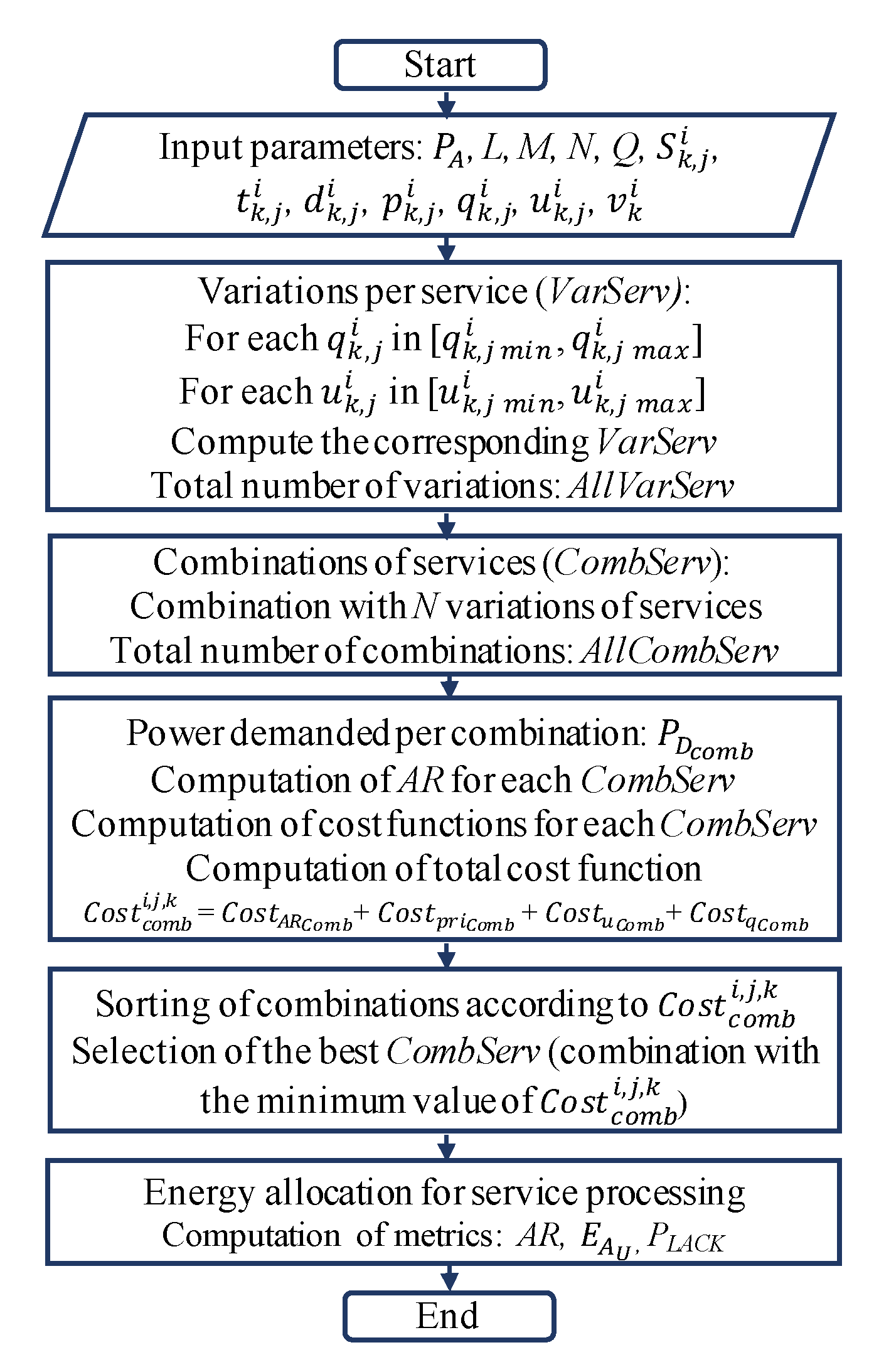
Figure 6 explains the proposed algorithmic strategy and the main steps carried out are summarized below.
Figure 6.
Flow chart of the exact algorithm strategy .
- Variations per service : A variation of a service is the result of the application of a specific discrete time shifting value to the and/or the application of a specific quality degradation level to the of a service . The analysis of all N services for each value of time shifting and for each quality degradation level produces a total number of variations . Considering that, for simplicity, the time shifting forward and backward have the same value, this number is given by:
- Combinations of services and computation of cost functions: In the algorithmic strategy, the set of N different variations of services () is named as a combination of services (). Each has specific characteristics and requires a certain power level . The algorithmic strategy evaluates the cost functions for each . Regarding the metric, the algorithm prioritizes the execution of the highest priority services (with the highest priority level). If the services have the same priority level, the algorithm selects the set of services that produce an optimization in the consumption of available power (maximization of energy use). The combinatorial analysis of all delivers a total number of combinations of services , which is given by:The computation of combinations of services (variations) contributes largely to the growth of complexity of the problem. For instance, , , and produce over 10 billion combinations. If a computer is able to process one each millisecond, it would need over 2900 h to explore the complete search space.
- Sorting of combinations and selection of the best combination: In this step, a quicksort method is applied to all combinations, according to the descending value of . Then, the best combination (which is the first in the sorted list) is chosen. Finally, the energy is allocated to the services that can be processed, and the performance metrics are computed.
5.2.1. Complexity Analysis of
The complexity of the exact solution is conditioned to the processing of and . As a function of N, the growth rate can be expressed as:
where the third term in Equation (28) is dominant and represents the size of the search space that must be explored to find the optimal combination of services that lead to the minimization of power consumption (optimal power consumption). Therefore, the complexity the algorithmic strategy is exponential with an order of growth that depends on the selected values of N, , , and Q.
5.3. Numerical Results
5.3.1. Simulation Setting
For the implementation of , we used Matlab (Matlab R2017b) running on a machine with a 3.33 GHz × 12 cores Intel Core i7 Extreme processor and 12 GB RAM. The algorithmic strategy leverages parallel processing, and up to three cores were used in the simulation of the case study. The evaluation of the optimal solution is given in terms of metrics , , and . The results obtained are compared with a traditional scenario in which no management strategy is applied (i.e., when , , , , , ). The total execution time for the simulation was approximately 90 min.
5.3.2. Case Study
Figure 7 shows the scenario that has been considered for the quantitative evaluation of . This scenario allows the analysis of the different management strategies during states of shortage (high load) and surplus of energy produced by the lack of synchronization between energy generation and consumption. In this particular case, we also analyze the minimization of power consumption by considering a 100% green energy supply (i.e., promoting the use of energy from renewable sources). Due to the high computational requirements for the execution of , the simulation was limited to services, time slots (backward and forward), and quality degradation levels; the rest of parameter used are detailed in Table 6 and Figure 7. To simplify the analysis, services with equal duration and a flat energy profile and were selected. However, this does not mean a limitation for the developed algorithm, which can work with any profile of energy generation and consumption if needed.
Figure 7.
Energy provisioning and consumption profiles of the case study, and optimal energy allocation obtained with . Parameters: According to Table 6.
Table 6.
Parameters of and values regarding the case study.
5.3.3. Results and Discussion
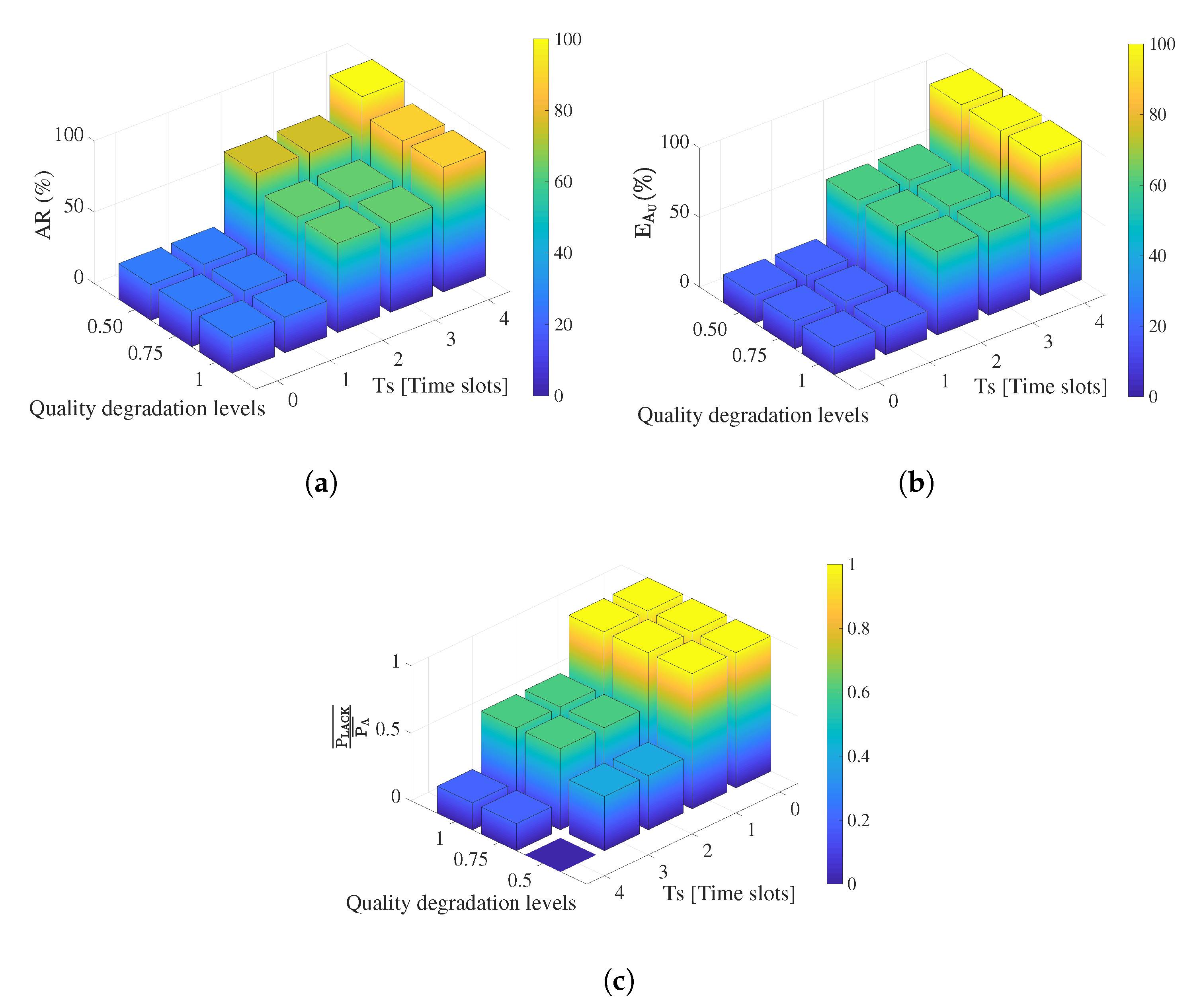
The simulation results in Figure 8 confirm the effectiveness of to improve power consumption, as reported in values of metrics , , and in Figure 8a–c, respectively. As the time shifting value increases (from 0 to 4) and as the quality degradation level decrease (from 1 to 0.5), has the ability to distribute the services in time and minimize the power consumption, which consequently leads to efficient use all . In this regard, the algorithmic strategy enables reducing the peak loads (i.e., the peaks of power consumption) and obtain a flat consumption profile, which can be better adapted to energy generation. Thus, the use of management strategies enables the processing of services that, in normal conditions (i.e., without a management mechanism) would be inevitably rejected. For instance, in Figure 7, only services and could be processed, which corresponds to an , in this case the most of the energy produced could not be used and would be wasted. In addition, the simulation of shows that, when this algorithmic solution is deployed at the mobile network MANO entities, as shown in Figure 2, it can offer efficient and adaptive energy management for 5G systems, considering the context of network slicing and with the ability to manage and exploit renewable energy generation.
For the analyzed use case, the improvements obtained with the algorithmic strategy are given in terms of energy utilization (as shown in Figure 8b), increased service processing (from until reaching an , as shown in Figure 8a), and in reducing the use of energy from non-renewable sources to meet the complete energy demand (Figure 8c). The latter is of utmost importance in modern energy management systems that aim to achieve a reduction in OPEX and with minimal environmental impact.
6. Heuristic Strategies Discussion
Given the -hard nature of the problem (Section 4.3) and due to the intractability of for large values of and/or (Section 5.2.1), in this section, we introduce different strategies to find feasible solutions within a reasonable computing time. Considering that the minimization of power consumption from non-renewable energy sources in the proposed adaptive energy management model falls in the category of a multiple-choice Knapsack Problem, as proven in Section 4.3, a number of techniques could be used to produce computationally efficient heuristic strategies [36]. In this regard, and based on the literature surveyed, we propose four strategies, which, according to their degree of difficulty in implementation are: (i) a pre-partition strategy, based on a divide-and-conquer method; (ii) a greedy approach, based on a constructive algorithm; (iii) a genetic algorithmic solution based on a metaheuristic template; and (iv) a dynamic programming approach, which is a general optimization and programming technique. These approaches have been selected to cover as far as possible the main categories of methods or techniques developed to solve this kind of problem. Table 7 shows a summary of the features and implementation challenges of these strategies in the context of the proposal. The implementation and evaluation of these strategies can be addressed in future work.
Table 7.
Heuristics strategies analyzed to solve the minimization problem efficiently.
7. Conclusions
Network slicing is specified for 5G networks to provide new opportunities for service provisioning in order to increase efficiencies and improve revenue. Regarding energy consumption management, this feature is a key factor in the deployment and evolution of mobile networks, and it is also a crucial consideration. This paper analyzes the requirements, proposes an architecture, and presents a feasible and efficient solution for adaptive energy management in 5G network slicing that meets the requirements of energy efficiency and sustainability by current and future mobile communications networks. The proposal aims to optimize the consumption of available power, and specifically seeks for the minimization of power consumption of non-renewable energy sources. In this regard, our proposed energy management model prioritizes the use of renewable energy sources, but non-renewable energy sources can be used when extra energy is required.
The architecture proposal covers the requirements for efficient, adaptive, and sustainable energy management; the mathematical model of the stakeholders involved in energy management and consumption in the 5G ecosystem; and several management strategies at service level such as an intra-slice prioritization scheme, service rejection, time shifting in service execution, and degradation in service quality (i.e., decrease in energy demand) with the aim of optimizing available power consumption. The proposal also presents the ILP formulation of the adaptive energy management model and its complexity analysis, which has been proven to be -hard.
To validate the operation of the proposed adaptive energy management model an exact optimal algorithmic strategy, , is presented, of exponential complexity that depends on the values of N, , and Q, as shown in Equation (28), and which reveals the need for heuristic approaches for scalable, faster, and less computationally demanding implementations. The evaluation of the exact solution for a particular case study allows us to verify the improvements obtained with the proposal in power consumption and utilization, in the increase of service processing, and in the minimization of the use of non-renewable energy sources. This latter feature is of paramount importance because it can potentially reduce the OPEX for the MNO and the energy footprint because of the operation of the mobile networks.
Future work can include the following aspects: (i) incorporation of an inter-slices prioritization scheme to apply management strategies or control actions directly to entire network slices; (ii) extension of the energy management model to the end-user side to improve energy efficiency and management of battery units; (iii) implementation and evaluation of more scalable and faster algorithmic strategies, taking as a baseline the procedures, metrics, and results obtained for the optimal solution as well as the information of the possible heuristic strategies presented in Table 7; and (iv) application of the energy management strategies to other scenarios, e.g., for managing energy production and consumption in smart homes.
Author Contributions
Conceptualization, C.T. and X.H.; methodology, C.T. and X.H.; software, C.T. and X.H.; validation, C.T. and X.H.; formal analysis, C.T. and X.H.; investigation, C.T. and X.H.; resources, C.T. and X.H.; data curation, C.T. and X.H.; writing—original draft preparation, C.T. and X.H.; writing—review and editing, C.T. and X.H.; visualization, C.T. and X.H.; supervision, C.T. and X.H.; project administration, C.T. and X.H.; and funding acquisition, X.H and C.T. All authors have read and agreed to the published version of the manuscript.
Funding
This work was supported by the Ministerio de Economía y Competitividad of the Spanish Government under project PID2019-108713RB-C51.
Acknowledgments
C.T. acknowledges the support from Escuela Politécnica Nacional (EPN) and from Secretaría de Educación Superior, Ciencia, Tecnología e Innovación (SENESCYT) for his doctoral studies at Universitat Politécnica de Catalunya (UPC).
Conflicts of Interest
The authors declare no conflict of interest.
References
- System Architecture for the 5G System (5GS); Version 16.4.0; Technical Specification (TS) 23.501; 3rd Generation Partnership Project (3GPP): Sophia Antipolis, France, 2020.
- Service Requirements for the 5G System; Version 17.2.0; Technical Specification (TS) 22.261; 3rd Generation Partnership Project (3GPP): Sophia Antipolis, France, 2020.
- Management and Orchestration; Concepts, Use Cases and Requirements; Version 16.1.0; Technical Specification (TS) 28.530; 3rd Generation Partnership Project (3GPP): Sophia Antipolis, France, 2019.
- Management and Orchestration; Provisioning; Version 16.4.0; Technical Specification (TS) 28.531; 3rd Generation Partnership Project (3GPP): Sophia Antipolis, France, 2019.
- Report on Network Slicing Support with ETSI NFV Architecture Framework; Version 3.1.1; Technical Report (TR) GR NFV-EVE 012; European Telecommunications Standards Institute (ETSI): Sophia Antipolis, France, 2017.
- Study on Management and Orchestration of Network Slicing for Next Generation Network; Version 15.1.0; Technical Report (TR) 28.801; 3rd Generation Partnership Project (3GPP): Sophia Antipolis, France, 2018.
- Study on Tenancy Concept in 5G Networks and Network Slicing Management; Version 16.0.1; Technical Report (TR) 28.804; 3rd Generation Partnership Project (3GPP): Sophia Antipolis, France, 2019.
- Energy Efficiency of 5G; Version 1.3.0; Technical Specification (TS) 28.310; 3rd Generation Partnership Project (3GPP): Sophia Antipolis, France, 2020.
- Study on System and Functional Aspects of Energy Efficiency in 5G Networks; Version 16.1.0; Technical Report (TR) 32.972; 3rd Generation Partnership Project (3GPP): Sophia Antipolis, France, 2019.
- Sustainable Power-FeedingSolutions for 5G Networks; Version L.1210; Recommendation ITU-T L.1210; International Telecommunication Union (ITU): Geneva, Switzerland, 2019.
- GSMA. Energy Efficiency: An Overview. GSM Association. 2019. Available online: https://www.gsma.com/futurenetworks/wiki/energy-efficiency-2/ (accessed on 1 March 2020).
- Study on Methods and Metrics to Evaluate Energy Efficiency for Future 5G Systems; L.1310 Supplement 36; Recommendation ITU-T L.1310; International Telecommunication Union (ITU): Geneva, Switzerland, 2017.
- Wu, Q.; Li, G.Y.; Chen, W.; Ng, D.W.K.; Schober, R. An Overview of Sustainable Green 5G Networks. IEEE Wirel. Commun. 2017, 24, 72–80. [Google Scholar] [CrossRef]
- Standardization Terms and Trends in Energy Efficiency; L.1315; Recommendation ITU-T L.1315; International Telecommunication Union (ITU): Geneva, Switzerland, 2017.
- Assessment of Mobile Network Energy Efficiency; L.1331; Recommendation ITU-T L.1331; International Telecommunication Union (ITU): Geneva, Switzerland, 2017.
- Energy Control for the Software-Defined Networking Architecture; L.1360; Recommendation ITU-T L.1360; International Telecommunication Union (ITU): Geneva, Switzerland, 2016.
- Measurement Method for Energy Efficiency of Network Functions Virtualization; L.1361; Recommendation ITU-T L.1361; International Telecommunication Union (ITU): Geneva, Switzerland, 2018.
- Kreutz, D.; Ramos, F.M.; Verissimo, P.; Rothenberg, C.E.; Azodolmolky, S.; Uhlig, S. Software-defined networking: A comprehensive survey. Proc. IEEE 2015, 103, 14–76. [Google Scholar] [CrossRef]
- Tipantuña, C.; Hesselbach, X. NFV/SDN Enabled Architecture for Efficient Adaptive Management of Renewable and Non-renewable Energy. IEEE Open J. Commun. Soc. 2020. [Google Scholar] [CrossRef]
- Buzzi, S.; Chih-Lin, I.; Klein, T.E.; Poor, H.V.; Yang, C.; Zappone, A. A survey of energy-efficient techniques for 5G networks and challenges ahead. IEEE J. Sel. Areas Commun. 2016, 34, 697–709. [Google Scholar] [CrossRef]
- Renga, D.; Meo, M. From self-sustainable green mobile networks to enhanced interaction with the smart grid. In Proceedings of the 2018 30th International Teletraffic Congress (ITC 30), Vienna, Austria, 3–7 September 2018; Volume 1, pp. 129–134. [Google Scholar]
- Abdullaziz, O.I.; Capitani, M.; Casetti, C.E.; Chiasserini, C.F.; Chundrigar, S.B.; Landi, G.; Li, X.; Moscatelli, F.; Sakaguchi, K.; Talat, S.T. Energy monitoring and management in 5G integrated fronthaul and backhaul. In Proceedings of the 2017 European Conference on Networks and Communications (EuCNC), Oulu, Finland, 12–15 June 2017; pp. 1–6. [Google Scholar]
- Li, X.; Ferdous, R.; Chiasserini, C.F.; Casetti, C.E.; Moscatelli, F.; Landi, G.; Casellas, R.; Sakaguchi, K.; Chundrigar, S.B.; Vilalta, R.; et al. Novel Resource and Energy Management for 5G integrated backhaul/fronthaul (5G-Crosshaul). In Proceedings of the 2017 IEEE International Conference on Communications Workshops (ICC Workshops), Paris, France, 21–25 May 2017; pp. 778–784. [Google Scholar]
- Al-Quzweeni, A.N.; Lawey, A.Q.; Elgorashi, T.E.; Elmirghani, J.M. Optimized energy aware 5G network function virtualization. IEEE Access 2019, 7, 44939–44958. [Google Scholar] [CrossRef]
- Ren, Y.; Phung-Duc, T.; Chen, J.; Yu, Z. Dynamic Auto Scaling Algorithm (DASA) for 5G Mobile Networks. In Proceedings of the 2016 IEEE Global Communications Conference (GLOBECOM), Washington, DC, USA, 4–8 December 2016; pp. 1–6. [Google Scholar]
- Ren, Y.; Phung-Duc, T.; Liu, Y.; Chen, J.; Lin, Y. ASA: Adaptive VNF Scaling Algorithm for 5G Mobile Networks. In Proceedings of the 2018 IEEE 7th International Conference on Cloud Networking (CloudNet), Tokyo, Japan, 22–24 October 2018; pp. 1–4. [Google Scholar]
- Ordonez-Lucena, J.; Ameigeiras, P.; Lopez, D.; Ramos-Munoz, J.J.; Lorca, J.; Folgueira, J. Network slicing for 5G with SDN/NFV: Concepts, architectures, and challenges. IEEE Commun. Mag. 2017, 55, 80–87. [Google Scholar] [CrossRef]
- Hao, Y.; Tian, D.; Fortino, G.; Zhang, J.; Humar, I. Network slicing technology in a 5G wearable network. IEEE Commun. Stand. Mag. 2018, 2, 66–71. [Google Scholar] [CrossRef]
- Da Silva, G.; Oliveira, D.; Gomes, R.L.; Bittencourt, L.F.; Madeira, E.R.M. Reliable Network Slices based on Elastic Network Resource Demand. In Proceedings of the NOMS 2020—2020 IEEE/IFIP Network Operations and Management Symposium, Budapest, Hungary, 20–24 April 2020; pp. 1–9. [Google Scholar]
- Pozza, M.; Nicholson, P.K.; Lugones, D.F.; Rao, A.; Flinck, H.; Tarkoma, S. On Reconfiguring 5G Network Slices. IEEE J. Sel. Areas Commun. 2020, 38, 1542–1554. [Google Scholar] [CrossRef]
- Jiang, M.; Condoluci, M.; Mahmoodi, T. Network slicing management & prioritization in 5G mobile systems. In Proceedings of the 22th European Wireless Conference, Oulu, Finland, 18–20 May 2016; pp. 1–6. [Google Scholar]
- Xiao, Y.; Krunz, M. Dynamic network slicing for scalable fog computing systems with energy harvesting. IEEE J. Sel. Areas Commun. 2018, 36, 2640–2654. [Google Scholar] [CrossRef]
- Tipantuña, C.; Hesselbach, X. Demand-Response power management strategy using time shifting capabilities. In Proceedings of the Ninth International Conference on Future Energy Systems, New York, NY, USA, 12–15 June 2018; pp. 480–485. [Google Scholar]
- Generic Network Slice Template NG.116; Version 1.0; GSM Association: London, UK, 2019.
- Kellerer, H.; Pferschy, U.; Pisinger, D. Multidimensional knapsack problems. In Knapsack Problems; Springer: Berlin/Heidelberg, Germany, 2004; pp. 235–283. [Google Scholar]
- Vazirani, V.V. Approximation Algorithms; Springer Science & Business Media: Berlin/Heidelberg, Germany, 2013. [Google Scholar]
© 2020 by the authors. Licensee MDPI, Basel, Switzerland. This article is an open access article distributed under the terms and conditions of the Creative Commons Attribution (CC BY) license (http://creativecommons.org/licenses/by/4.0/).