Article

Energy Consumption and CO2 Emissions of Coach Stations in China

1
School of Environmental Science and Engineering, Tianjin University, Tianjin 300350, China
2
Key Laboratory of Efficient Utilization of Low and Medium Grade Energy, MOE, Tianjin University, Tianjin 300350, China
*
Author to whom correspondence should be addressed.
Energies 2020, 13(14), 3600; https://doi.org/10.3390/en13143600
Submission received: 8 June 2020 / Revised: 26 June 2020 / Accepted: 4 July 2020 / Published: 13 July 2020
(This article belongs to the Section G: Energy and Buildings)

Abstract

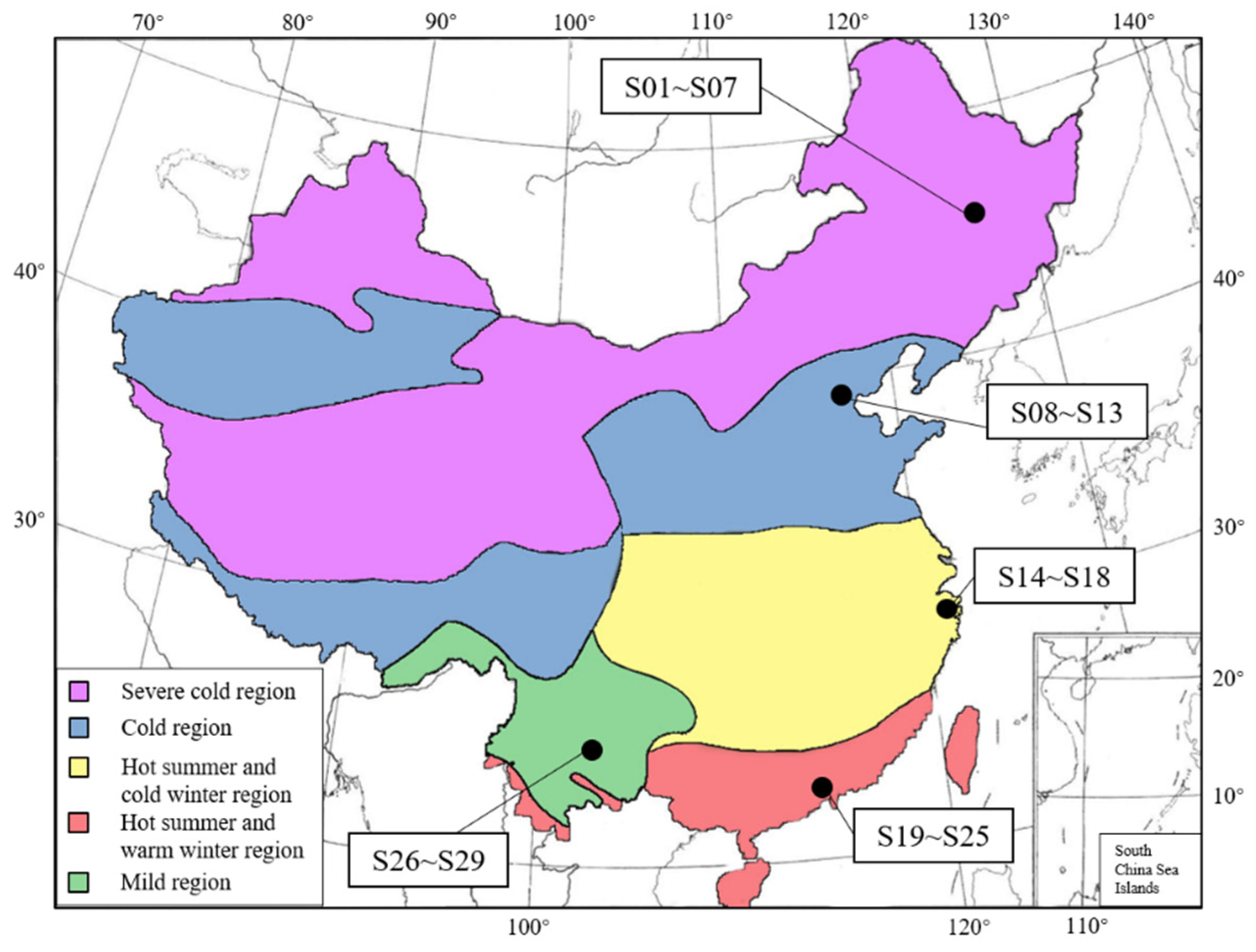
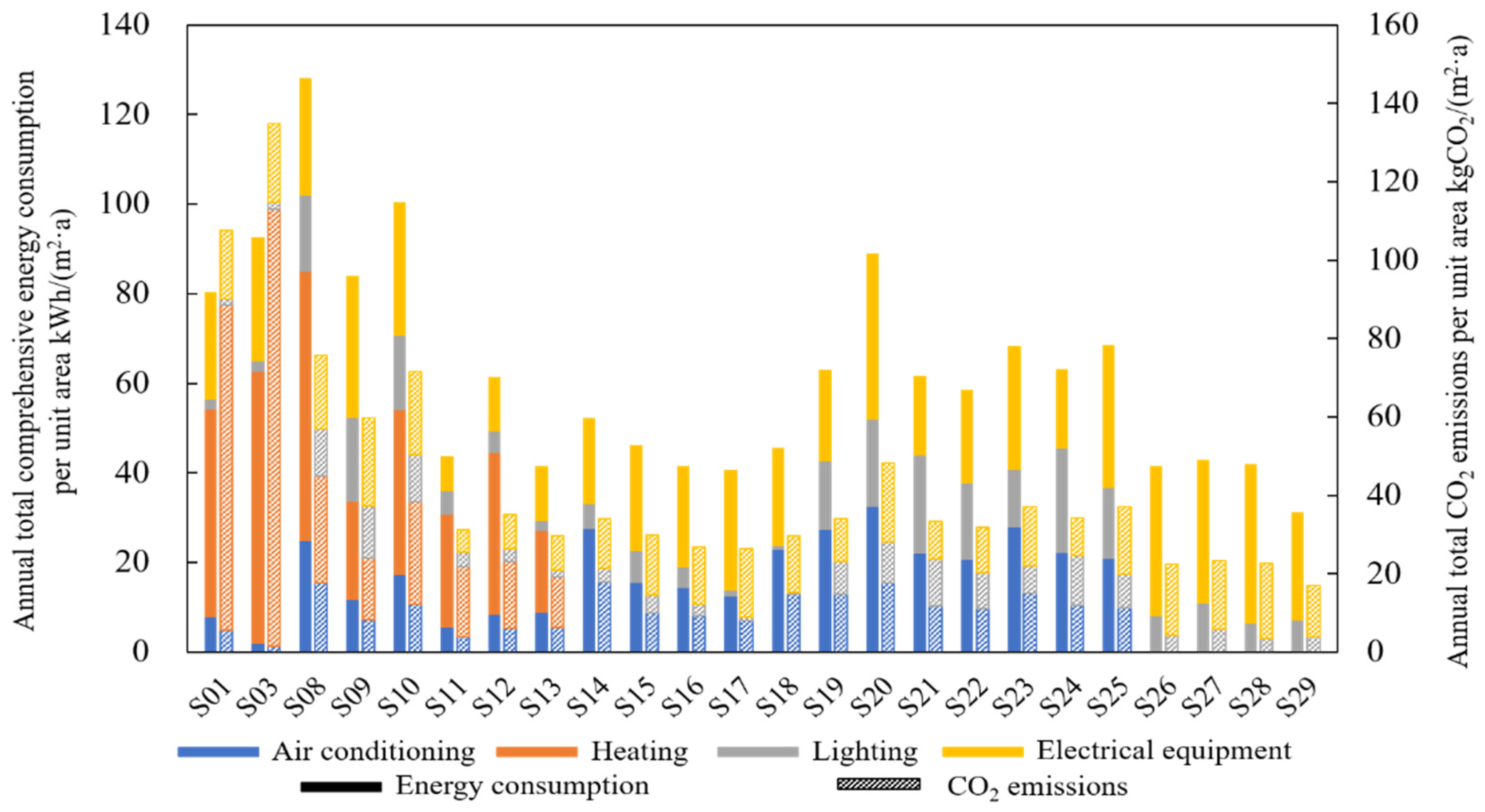
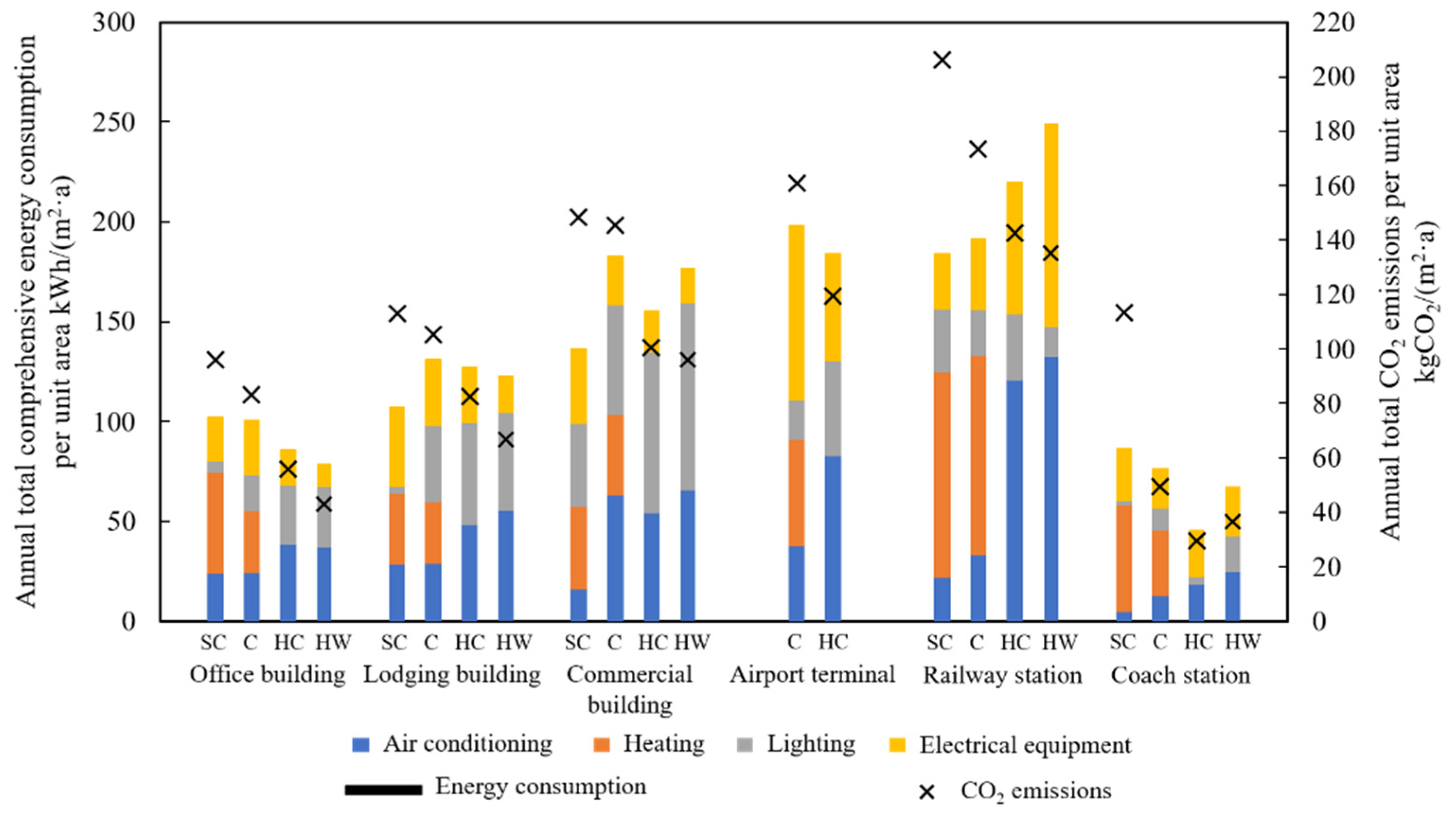
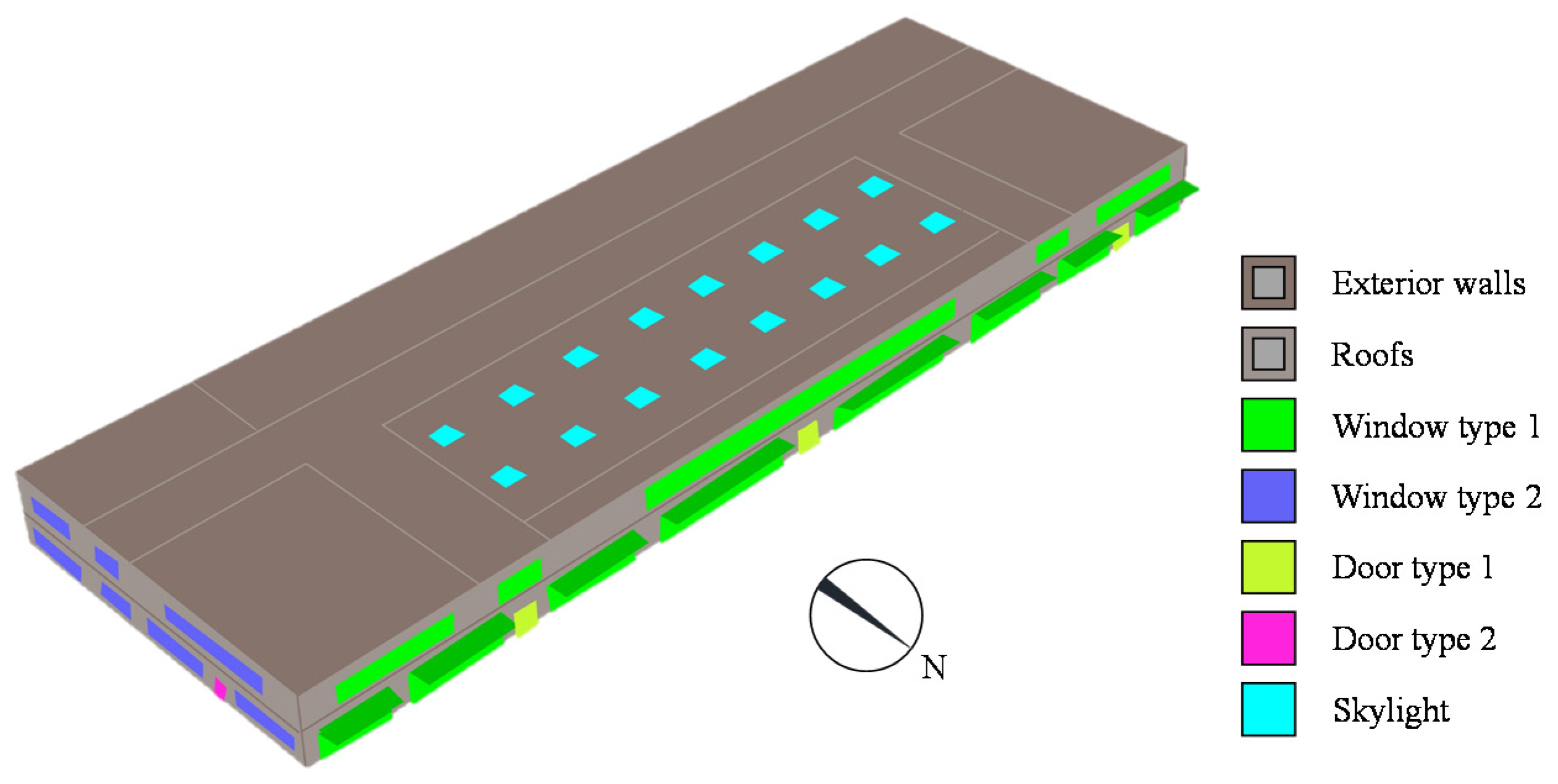
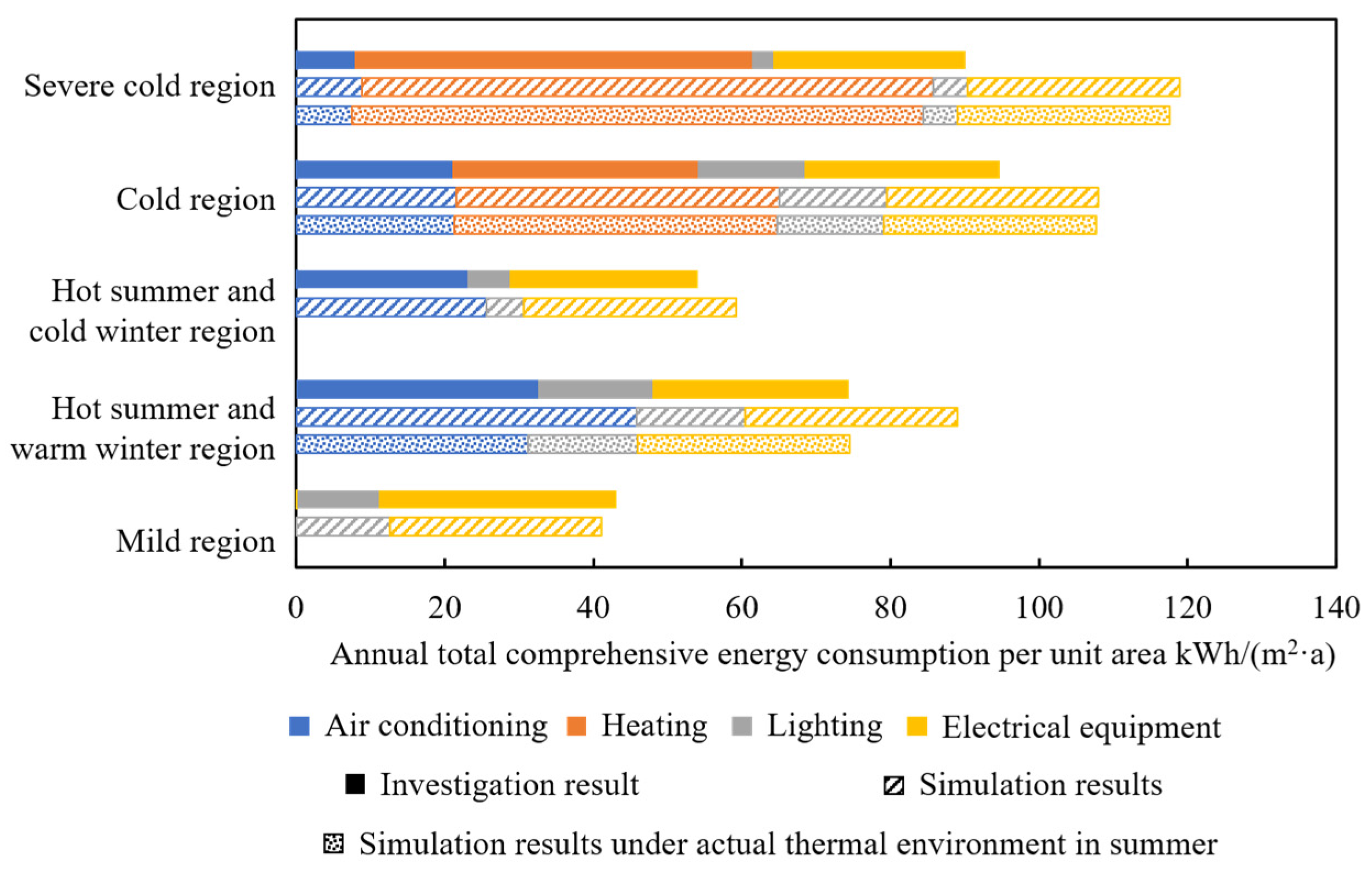
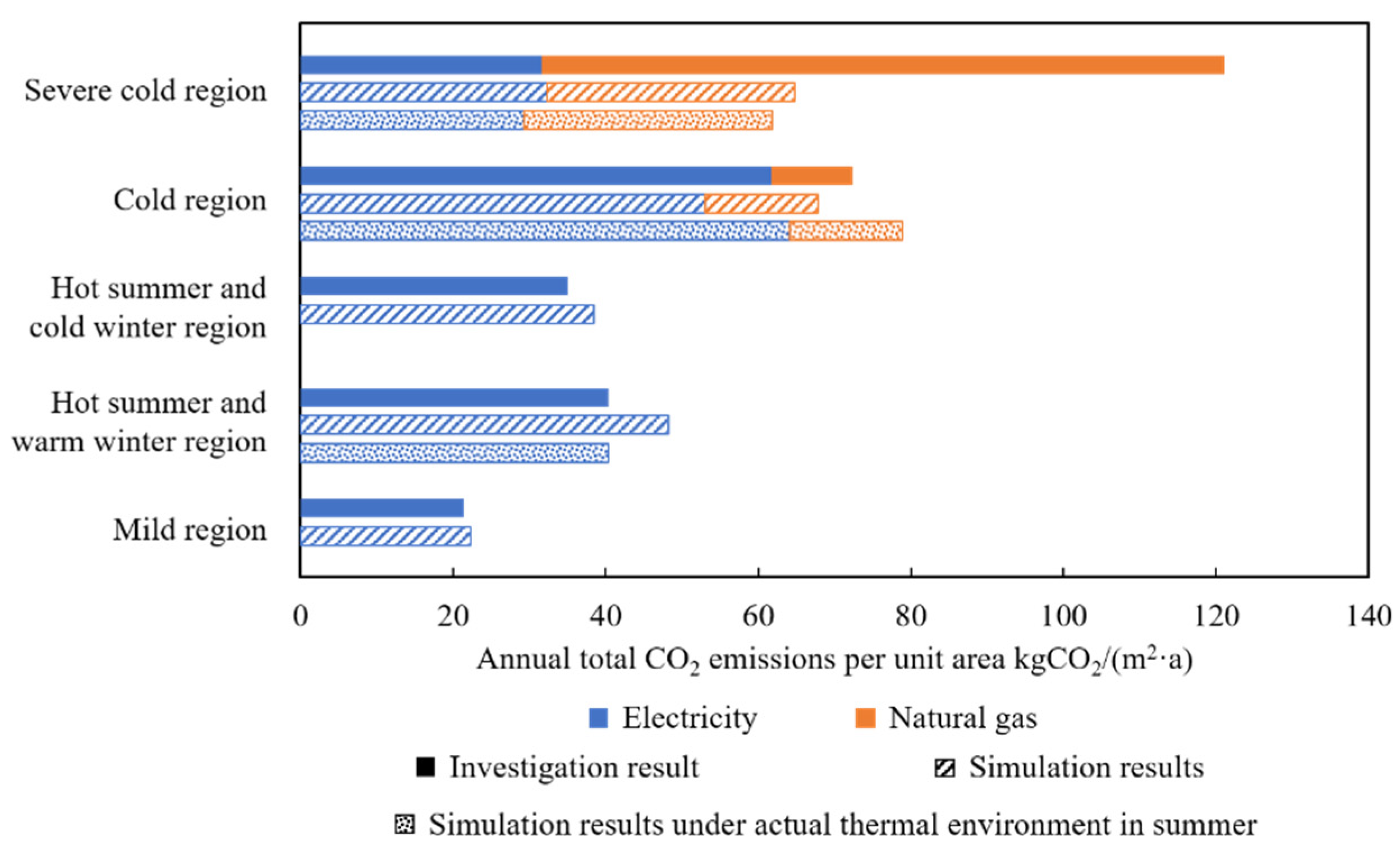
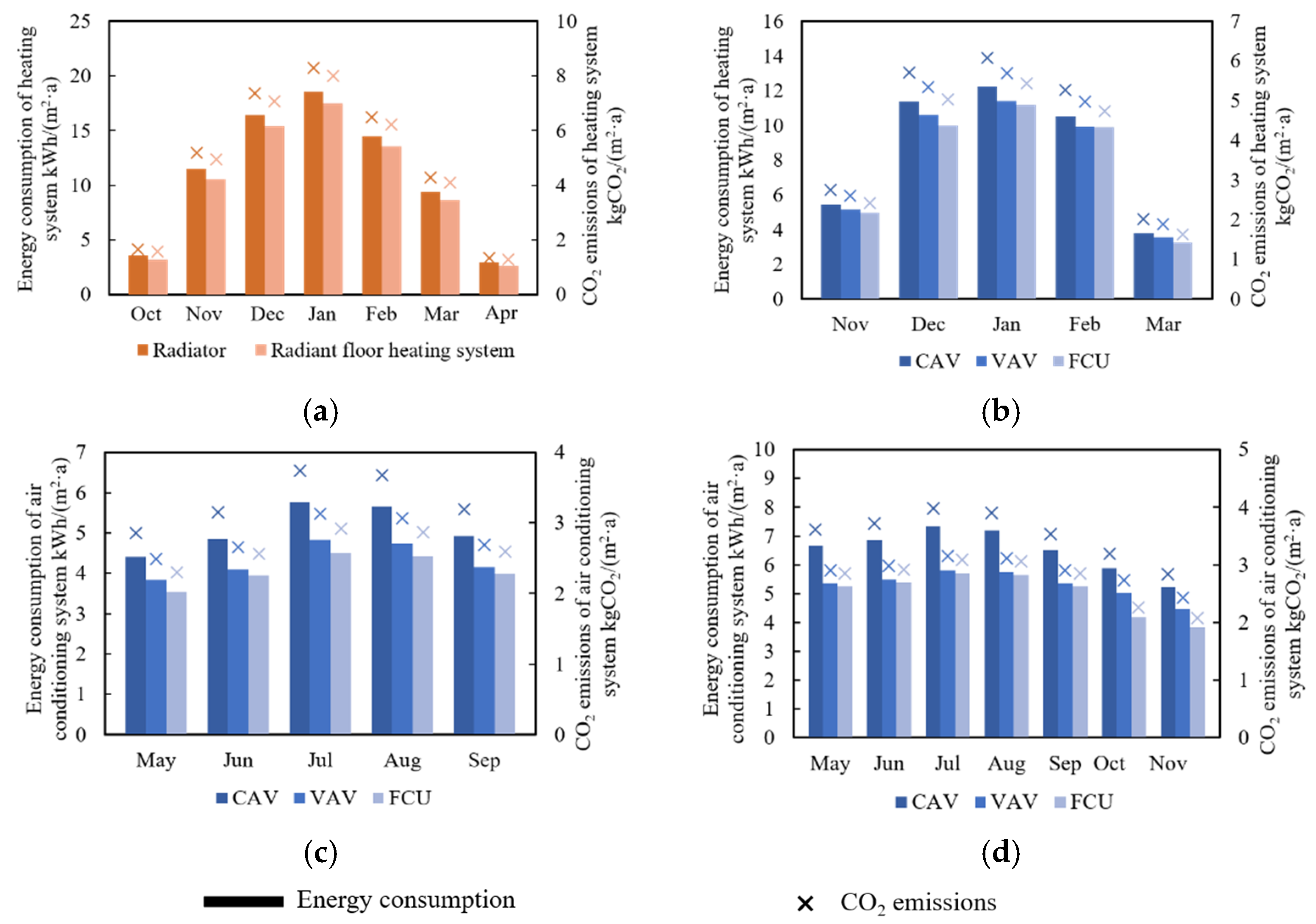
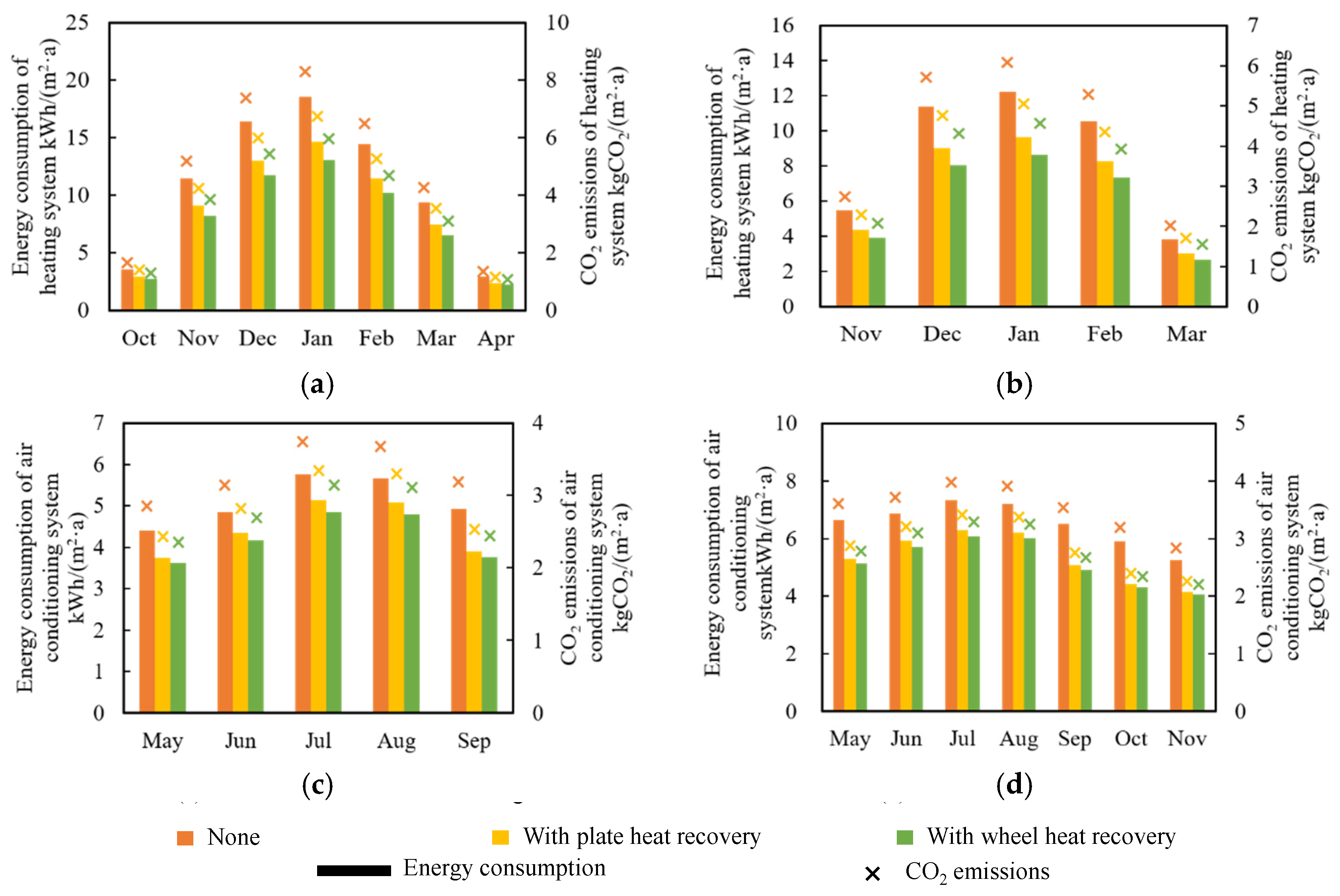
As a critical transportation infrastructure, with a high flow of people and high-energy consumption in China, coach stations have great potential in energy saving and CO2 emission reduction. In this paper, the building information and energy consumption data of 29 coach stations in five climate regions of China were obtained by field investigations. The annual total comprehensive building energy consumption was 31.37–128.08 kWh/(m2·a). The annual total CO2 emissions from building operation in the coach stations was 17.01–134.77 kgCO2/(m2·a). The heating, ventilation and air conditioning (HVAC) system was the largest energy using and CO2 emissions sector: 30.42–72.47% of the energy consumption and 30.42–83.93% of the CO2 emissions were generated by HVAC system. The energy consumption and CO2 emission level of coach stations and that of other kinds of public buildings were compared. Results showed that the energy consumption and CO2 emission levels of coach stations investigated were relatively low, mainly because the passenger thermal comfort was scarified. Based on the investigation data, energy consumption analysis models of coach stations in five regions were established by simulation when the passenger thermal comfort was met. The potentials of energy saving and CO2 emission reduction were studied from forms of the HVAC system, heat recovery and natural illumination.
Keywords: coach station; energy consumption; CO2 emissions; energy saving; emission reduction coach station; energy consumption; CO2 emissions; energy saving; emission reduction