Article

A Novel Maximum Power Point Tracking Control Strategy for the Building Integrated Photovoltaic System


1
The Key Laboratory of Solar Thermal Energy and Photovoltaic System, Institute of Electrical Engineering, Chinese Academy of Sciences, Beijing 100190, China
2
Institute of Electrical Engineering, University of Chinese Academy of Sciences, Beijing 100049, China
3
College of Electric Power, Inner Mongolia University of Technology, Hohhot 010051, China
*
Author to whom correspondence should be addressed.
Energies 2020, 13(11), 2679; https://doi.org/10.3390/en13112679
Submission received: 24 April 2020 / Revised: 19 May 2020 / Accepted: 21 May 2020 / Published: 26 May 2020
(This article belongs to the Special Issue Photovoltaic Systems: Modelling, Control, Design and Applications)

Abstract

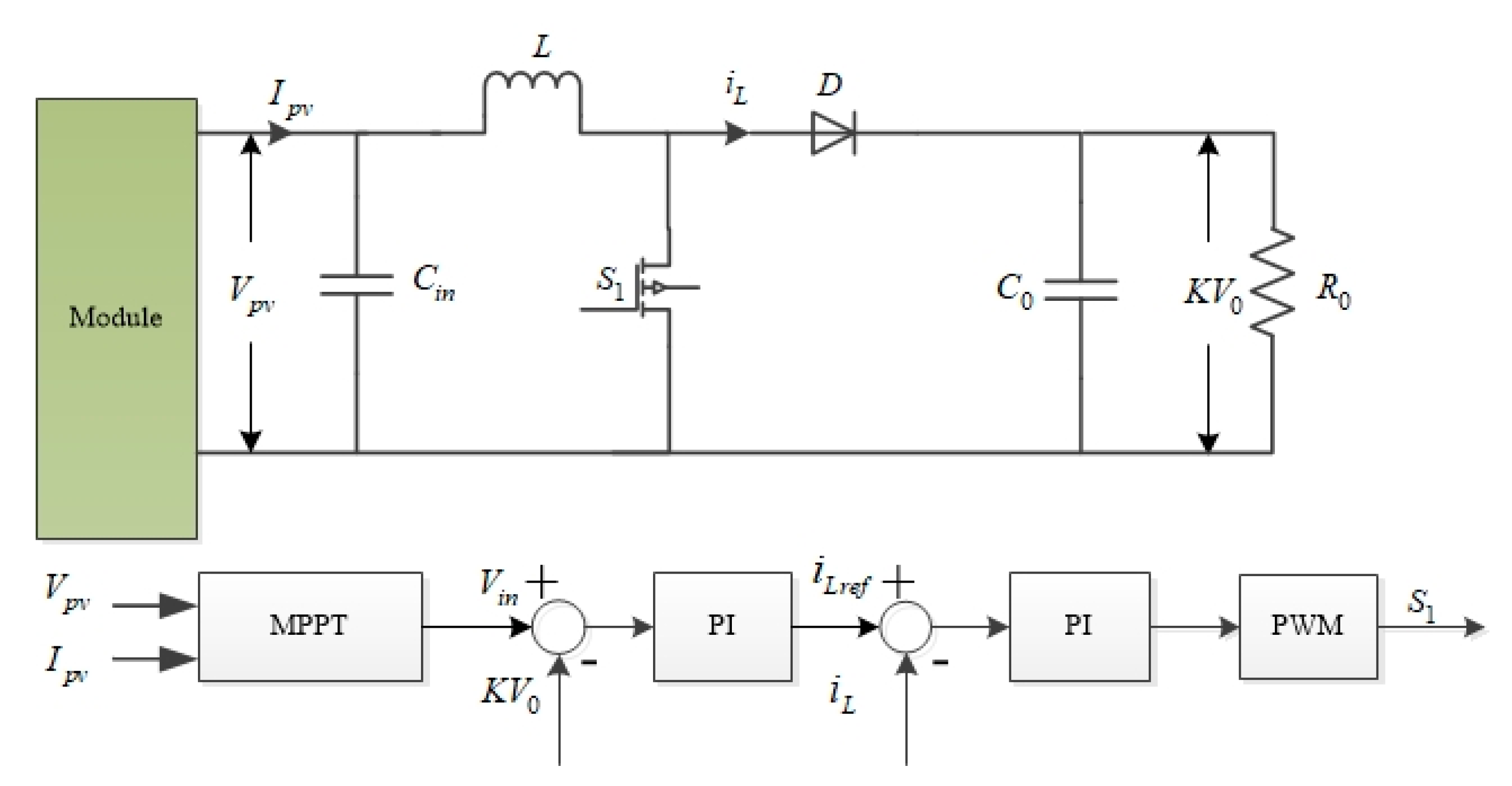
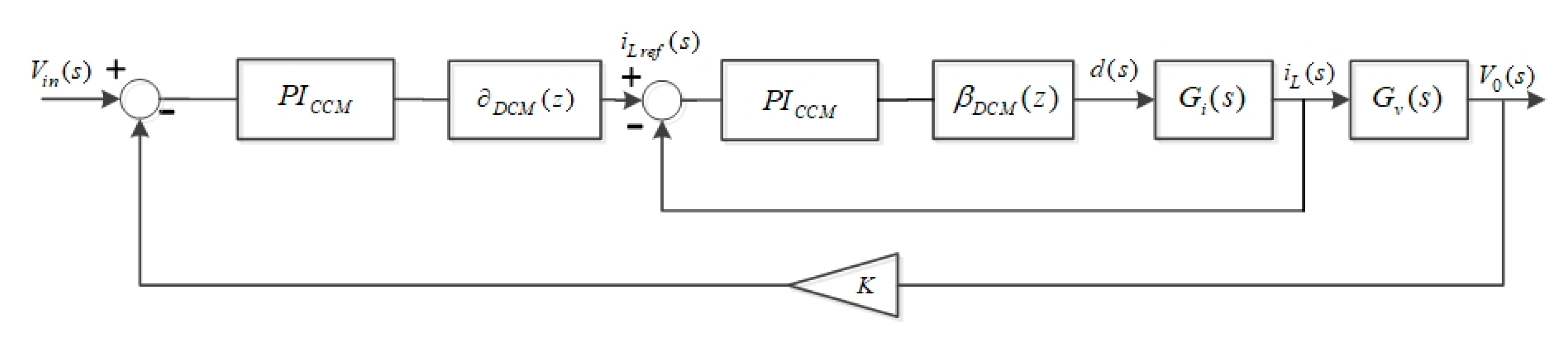
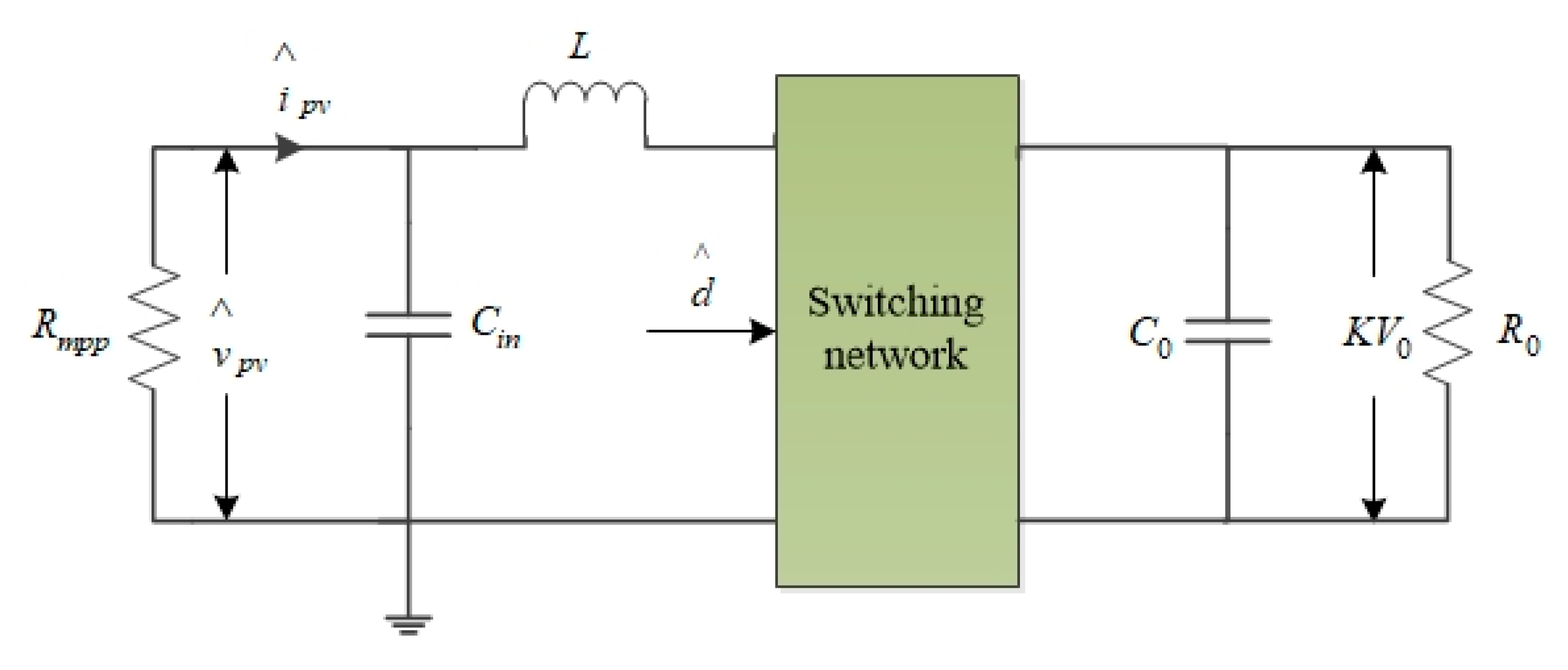
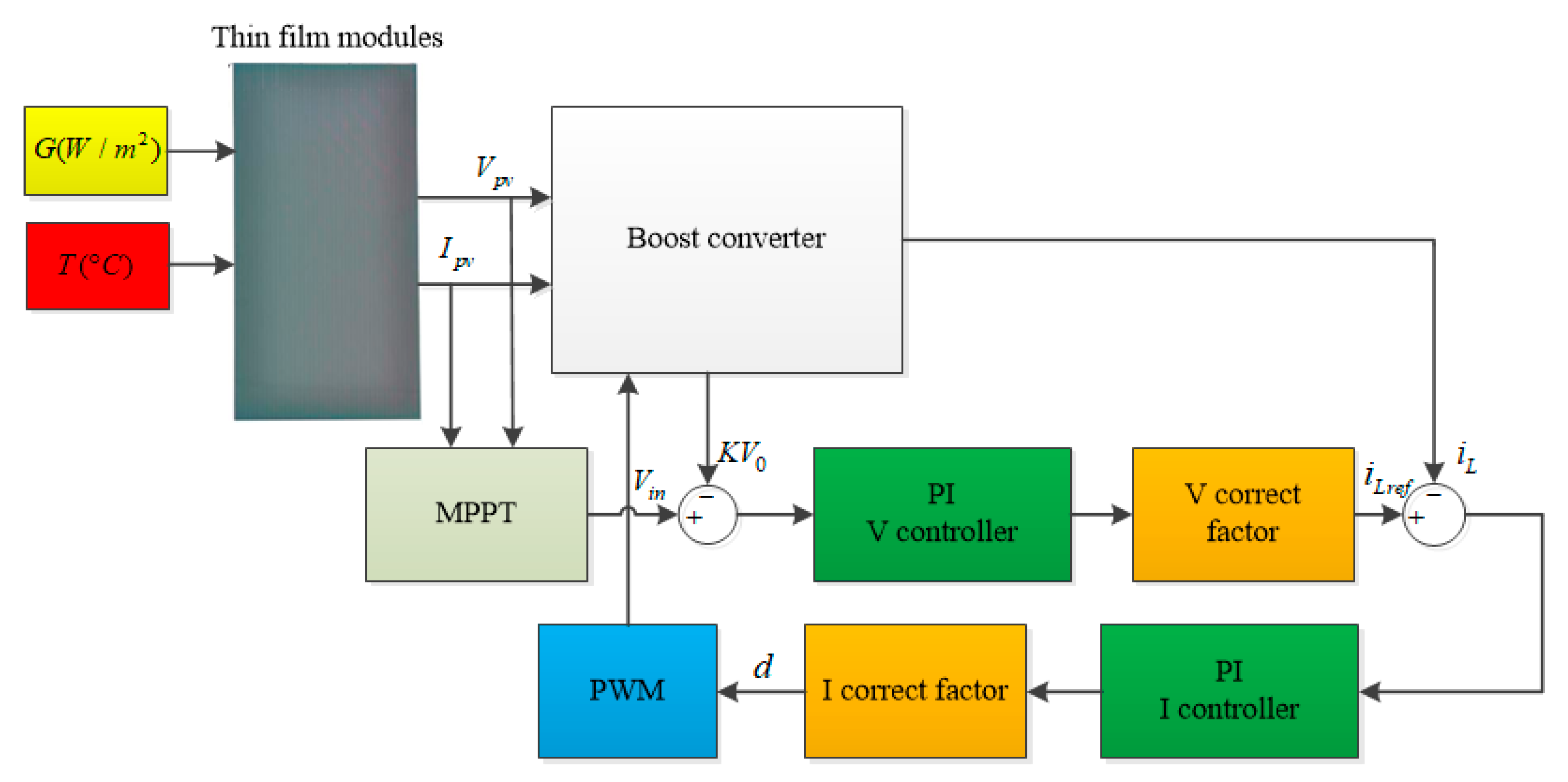
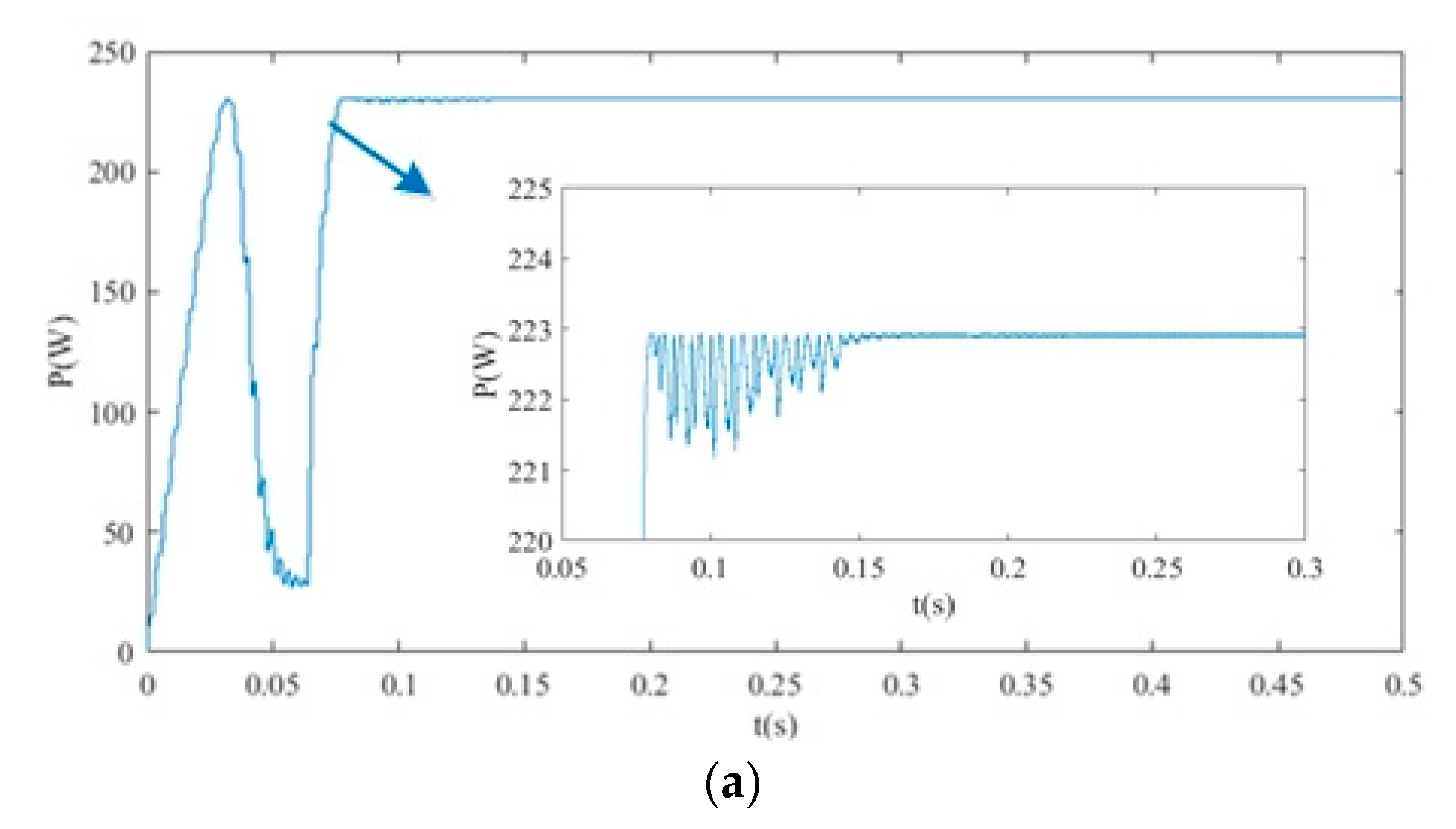
Thin-film photovoltaic technology has begun to be applied in building-integrated photovoltaics (BIPVs), and it is believed that thin-film photovoltaic technology has potential in building-integrated photovoltaic applications. In this paper, a hybrid approach was investigated which combined the maximum power point tracking (MPPT) algorithm of three-stage variable step size with continuous conduction mode (CCM)/discontinuous current mode (DCM). The research contents of this paper include the principle analysis of the maximum power point tracking algorithm, the design of the sampling period, and the design of a double closed-loop control system and correction factor. A system model was built in MATLAB/Simulink, and a comparative simulation was carried out to compare the performance of the proposed method with some traditional methods. The simulation results show that the proposed approach has the ability to fast-track and make the system run stably. Furthermore, it can make the system respond quickly to environmental changes. An experimental platform was built, and the experimental results validated and confirmed the advantages of the proposed method.
Keywords: building-integrated photovoltaic; thin-film photovoltaic modules; maximum power point tracking; sampling time; hybrid control building-integrated photovoltaic; thin-film photovoltaic modules; maximum power point tracking; sampling time; hybrid control