Article

An Integration Optimization Method for Power Collection Systems of Offshore Wind Farms


Jiangsu Key Laboratory of Hi-Tech Research for Wind Turbine Design, Nanjing University of Aeronautics and Astronautics, Nanjing 210016, China
*
Author to whom correspondence should be addressed.
Energies 2019, 12(20), 3965; https://doi.org/10.3390/en12203965
Submission received: 19 September 2019 / Revised: 12 October 2019 / Accepted: 14 October 2019 / Published: 18 October 2019

Abstract

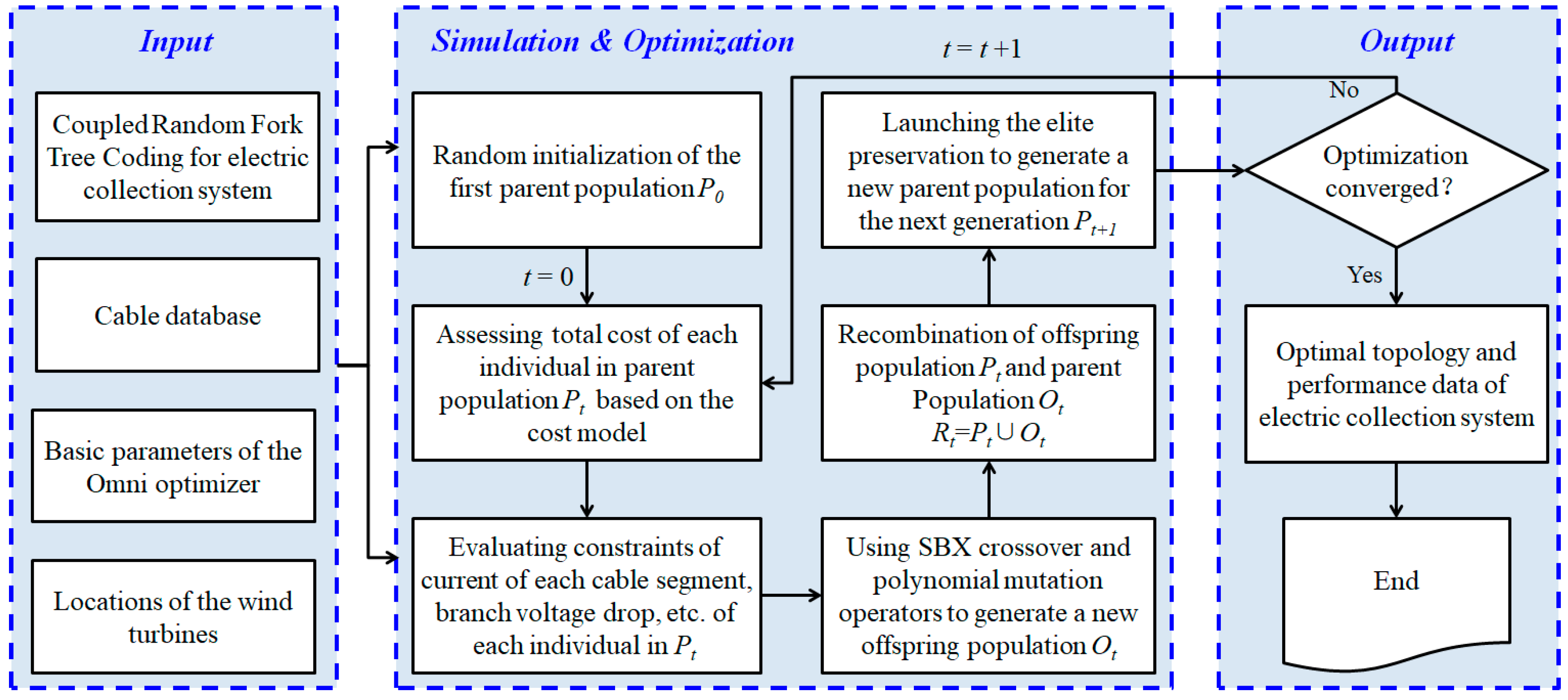
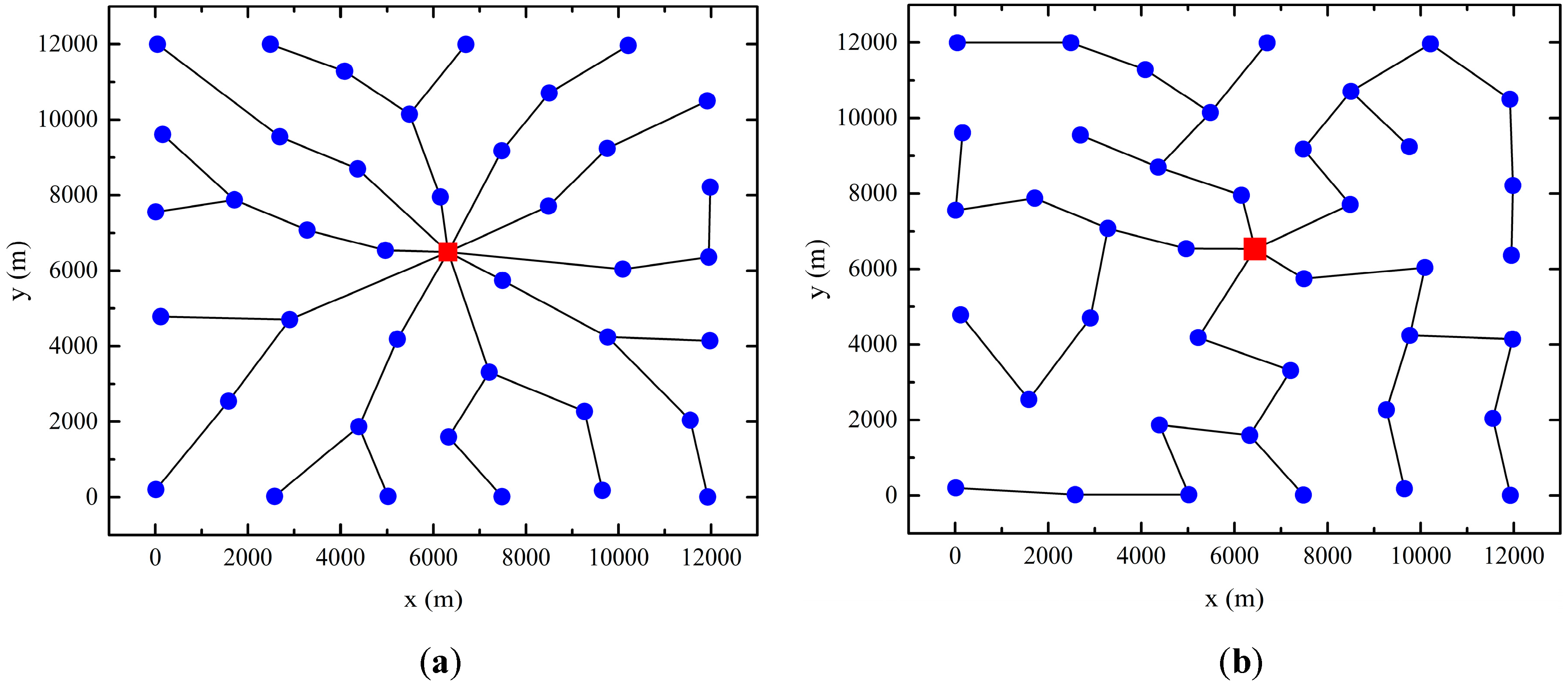
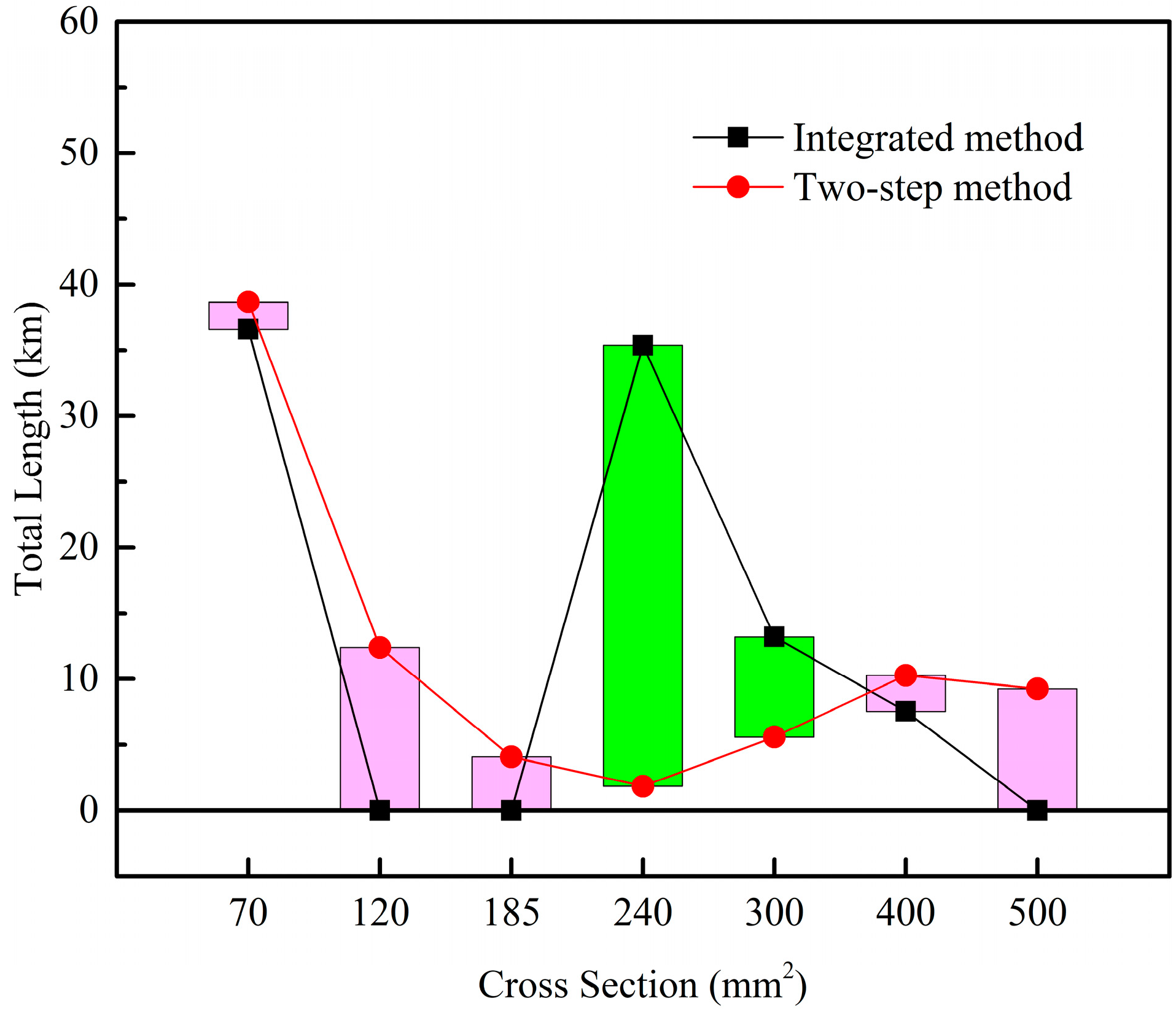
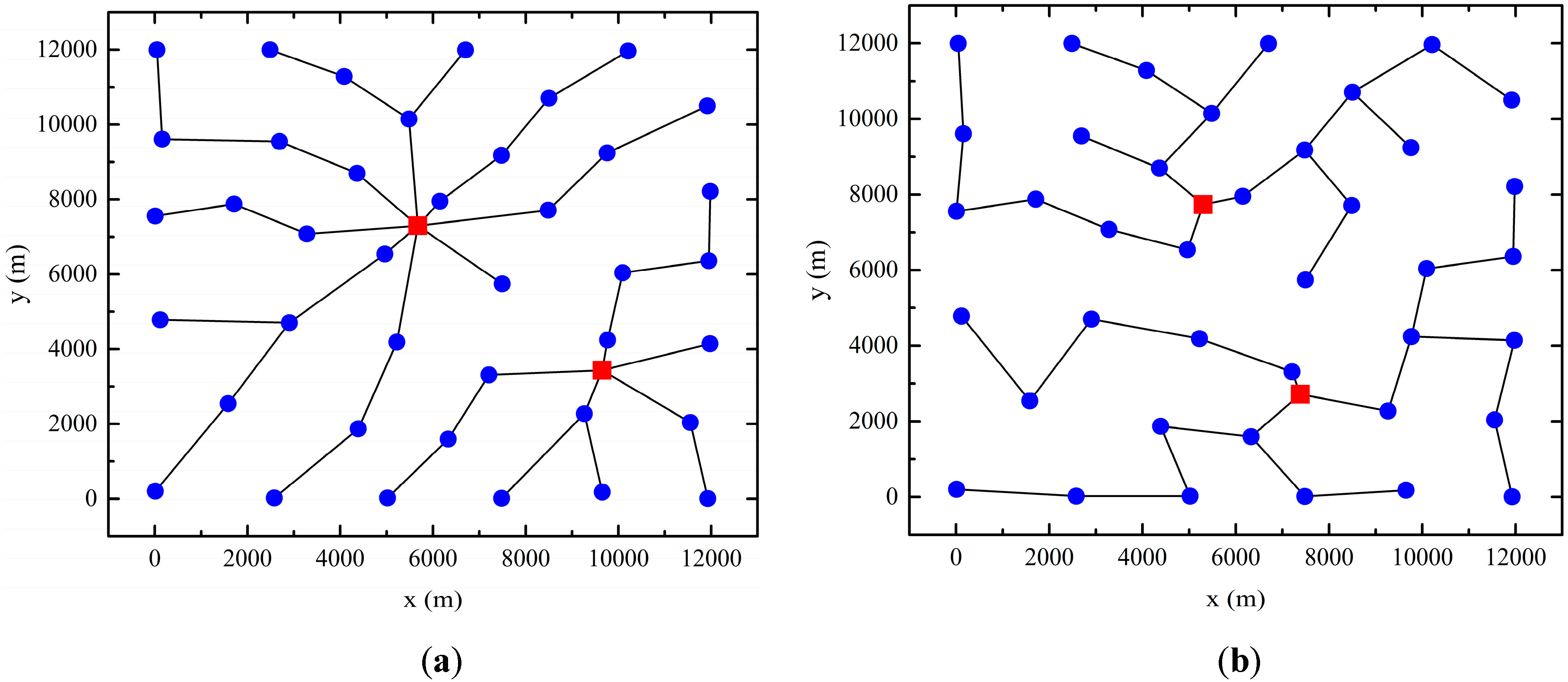
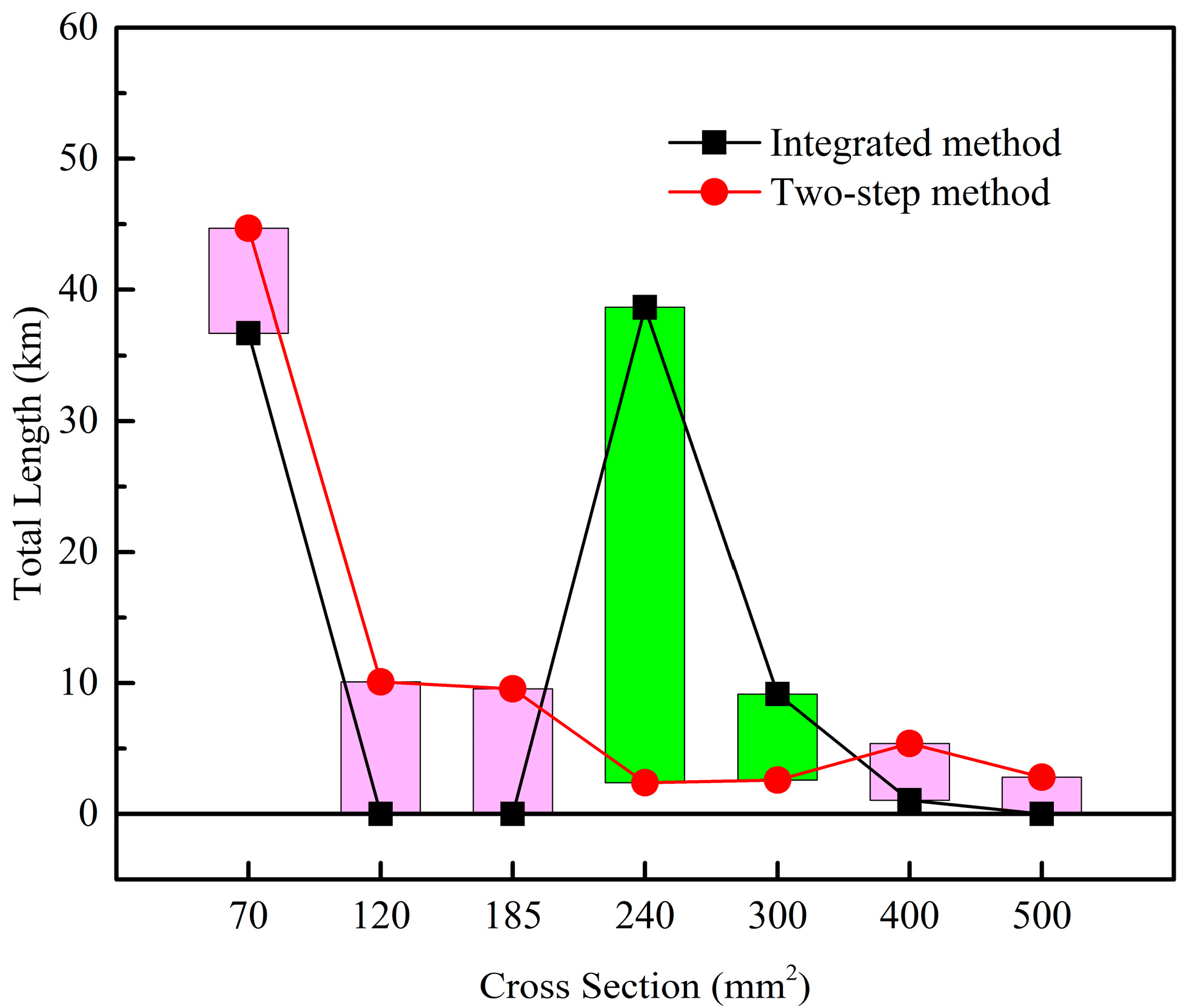
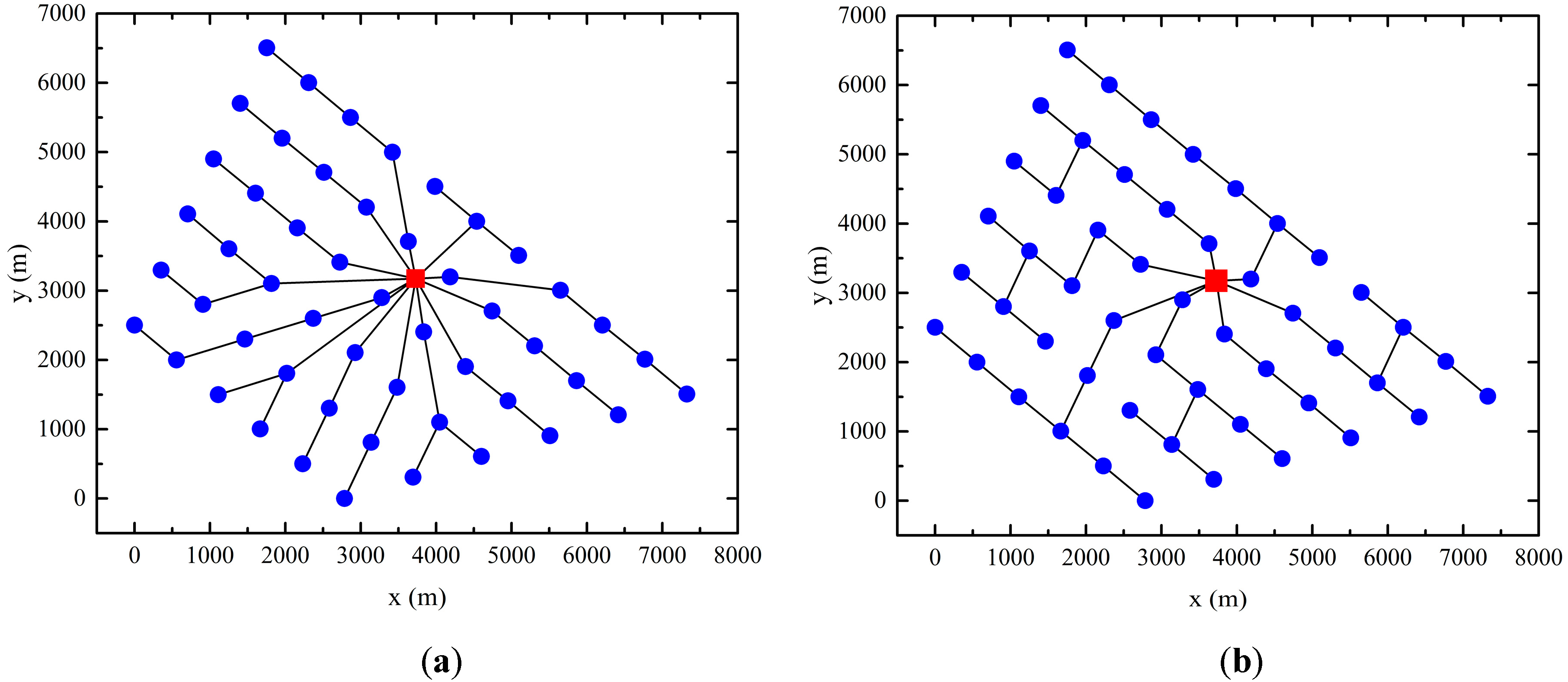
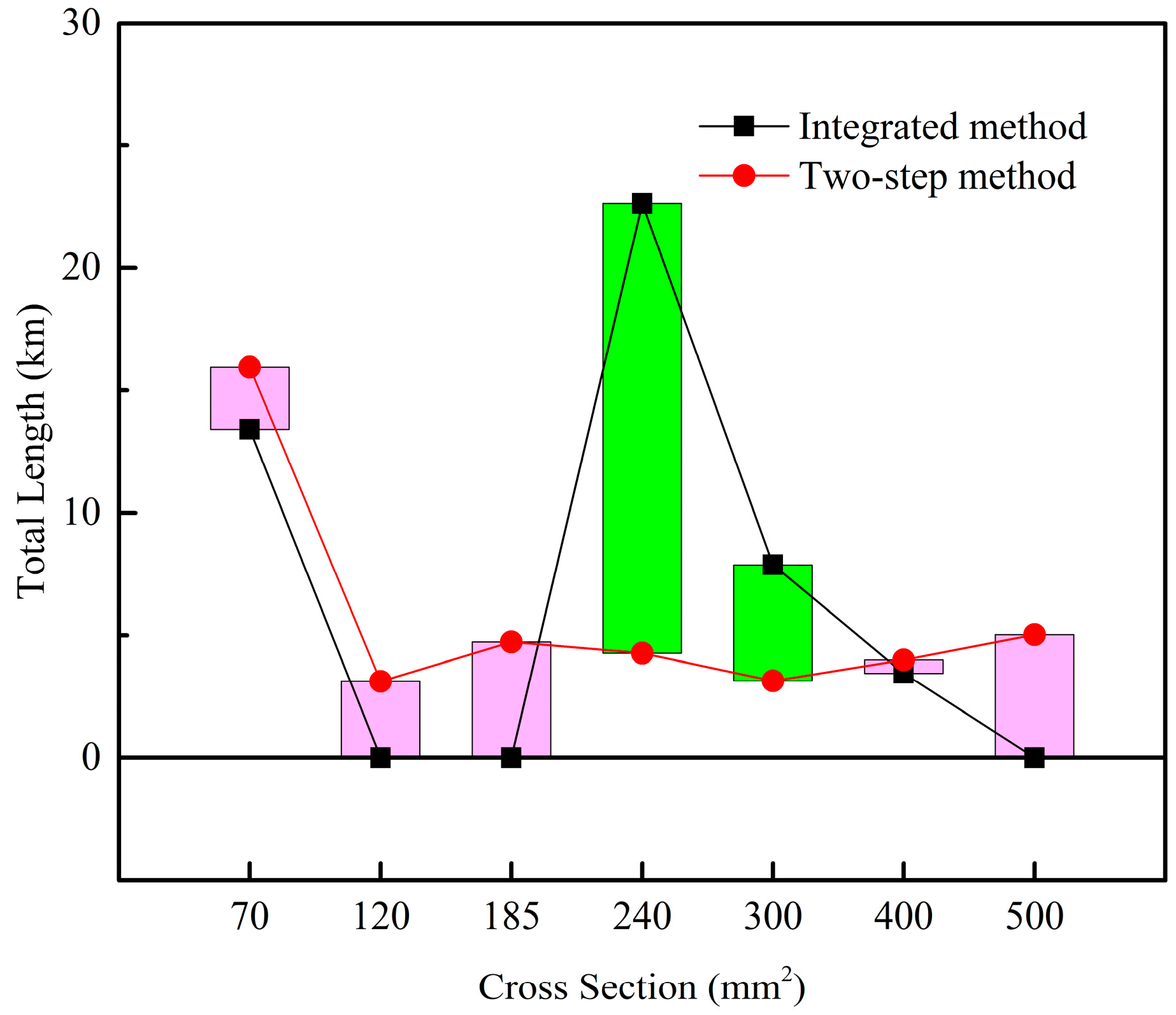
The traditional power collection system design separately optimizes the connection topology and the cable cross sections, which may result in the inherent shortcoming of lacking the most economical solutions. In this pursuit, the present work envisages the development of an integrated design method for general wind farm power collection systems, which integrated the coupling random fork tree coding, union-find set loop identification, current and voltage drop calculation models, and a high performance optimization algorithm. The proposed coupling random fork tree coding, for the first time, realized the coupling code of the substation location, connection topology, and cable cross sections, providing the basis for the integration design of the power collection system. The optimization results for discrete and regular wind farms indicated that the proposed integration method achieved the best match of topology, substation location, and the cable cross sections, thus presenting the most economical scheme of the power collection system. Compared to the traditional two-step methods, the integration method used more branches while acquiring them, to maintain the lower number of wind turbines in each branch. Furthermore, it also employed large cross-section cables to reduce the energy loss caused by the impedance in the topology, thereby resulting in a slight increased cable cost; however, the total cost was minimized. The proposed method is very versatile and suitable for the optimization of power collection systems containing any number of wind turbines and substations, and can be combined with any evolutionary algorithm.
Keywords: offshore wind farm; power collection system design; connection topology; cable cross sections; integration design method offshore wind farm; power collection system design; connection topology; cable cross sections; integration design method