Article

Aerodynamic Performance and Wind-Induced Responses of Large Wind Turbine Systems with Meso-Scale Typhoon Effects


1
Department of Civil Engineering, Nanjing University of Aeronautics and Astronautics, 29 Yudao Road, Nanjing 210016, China
2
Jiangsu Key Laboratory of Hi-Tech Research for Wind Turbine Design, Nanjing University of Aeronautics and Astronautics, Nanjing 210016, China
3
China Energy Engineering Group Guangdong Electric Power Design Institute Co., Ltd., Guangzhou 510663, China
*
Author to whom correspondence should be addressed.
Energies 2019, 12(19), 3696; https://doi.org/10.3390/en12193696
Submission received: 27 August 2019 / Revised: 19 September 2019 / Accepted: 23 September 2019 / Published: 27 September 2019

Abstract

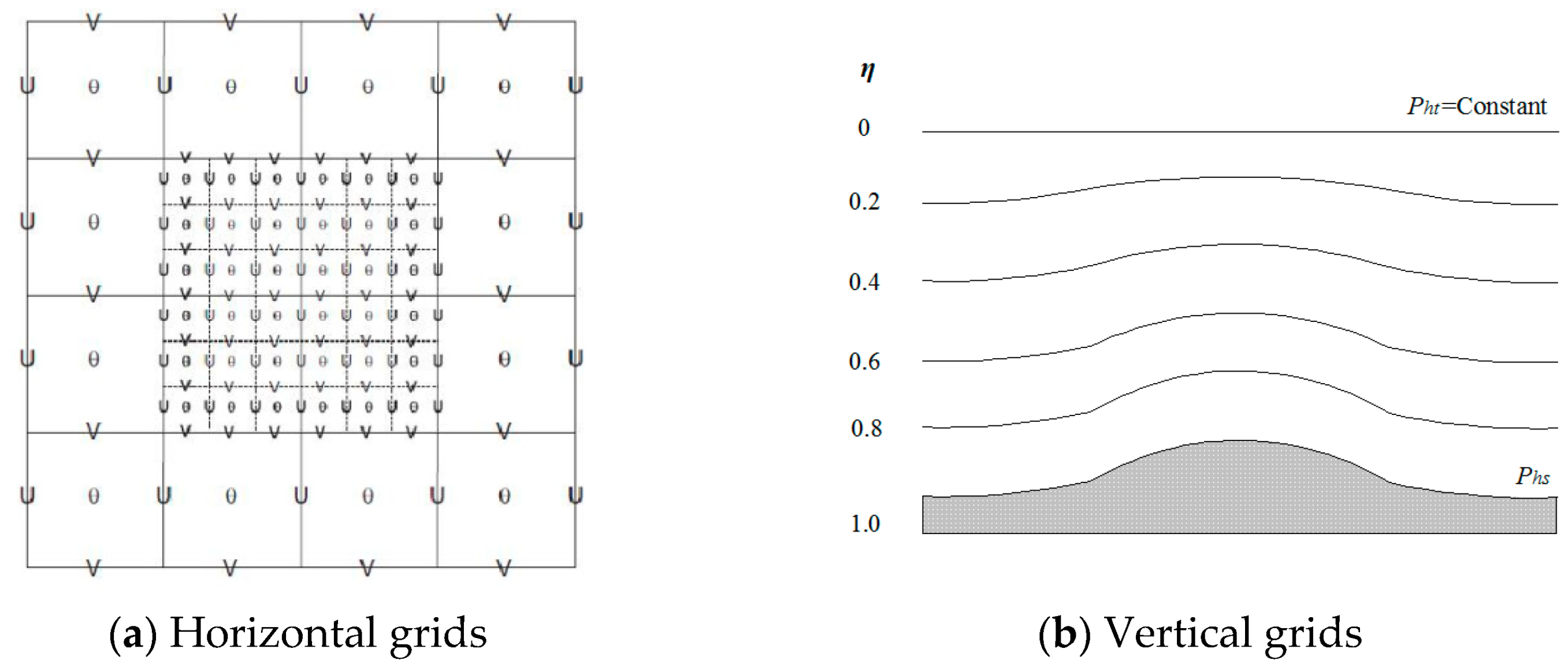
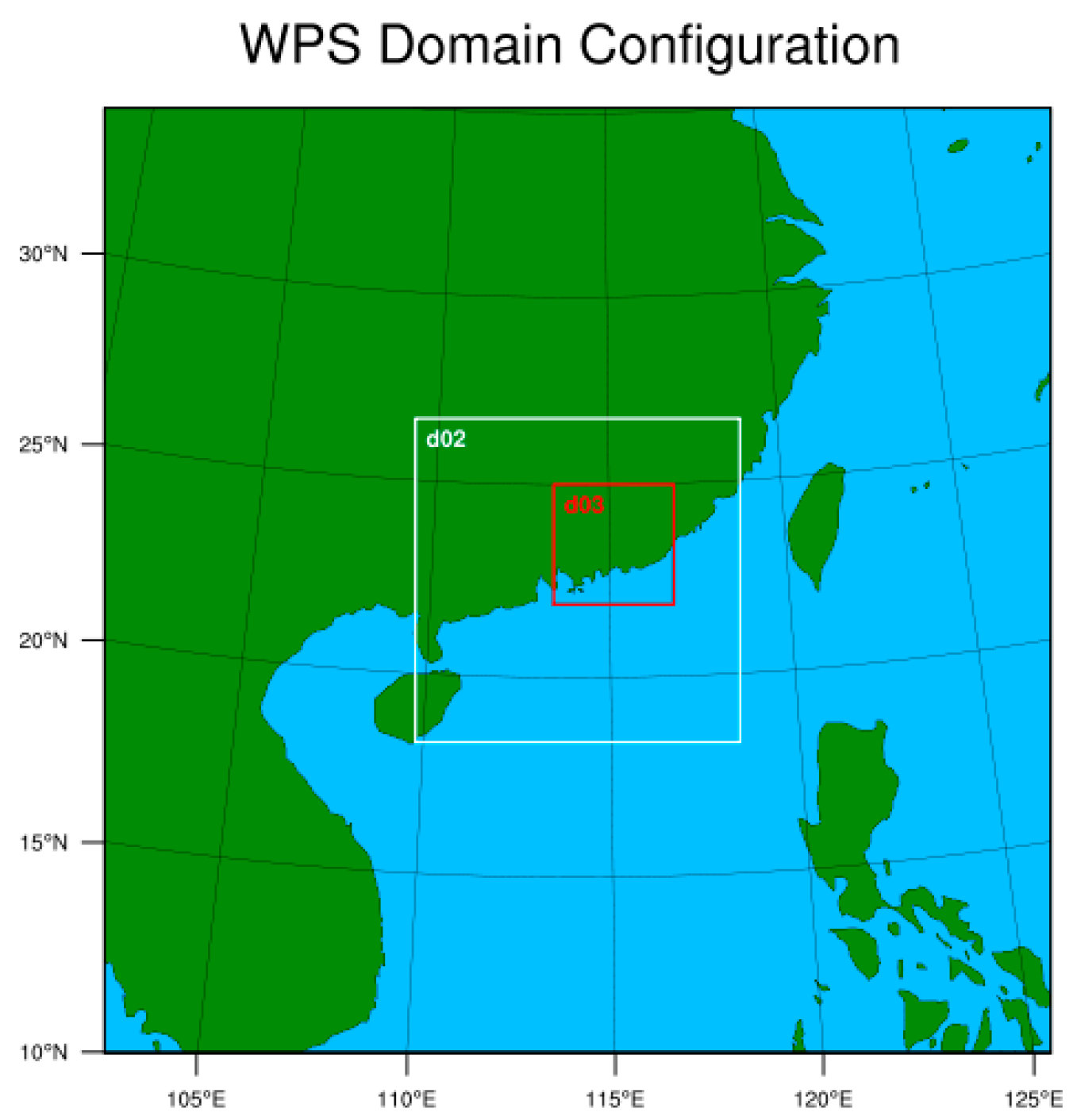
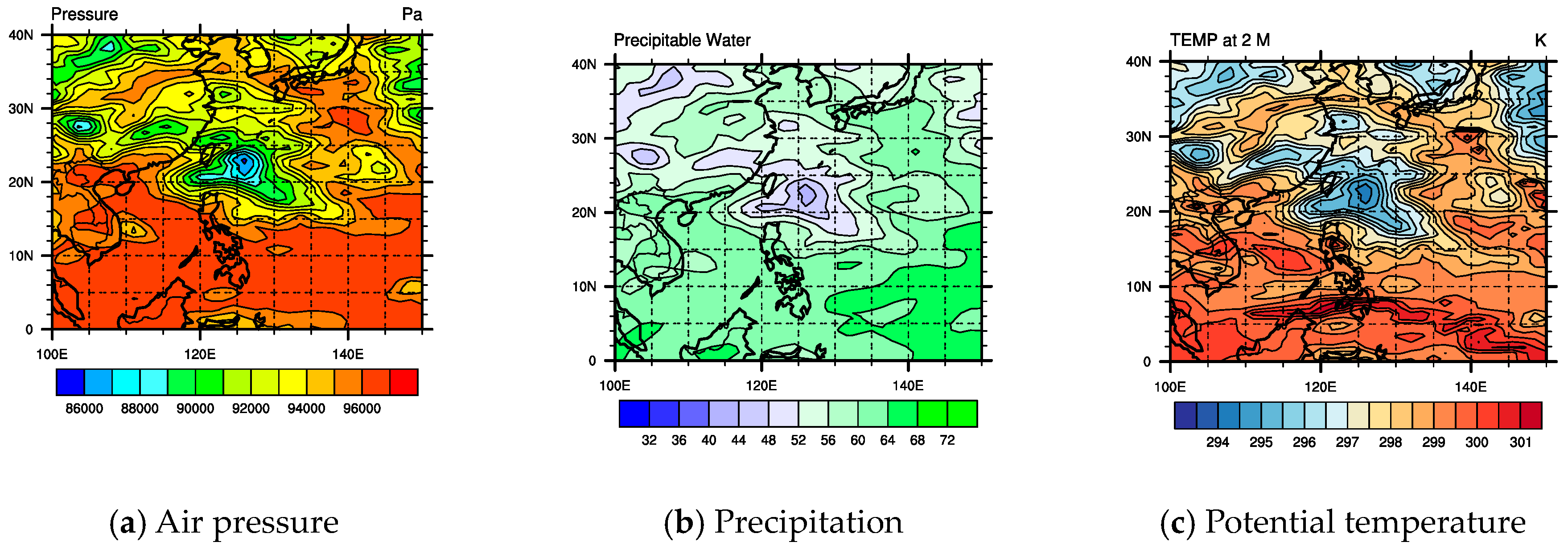
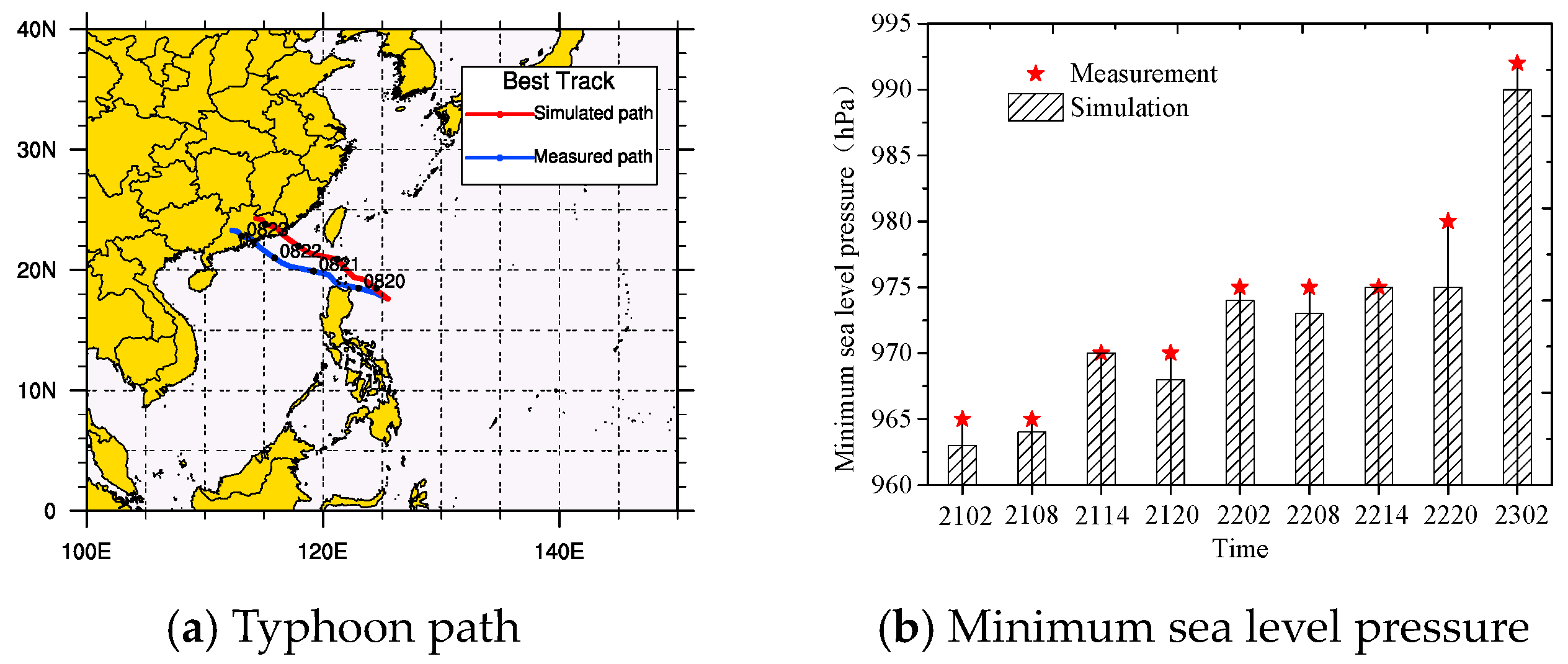
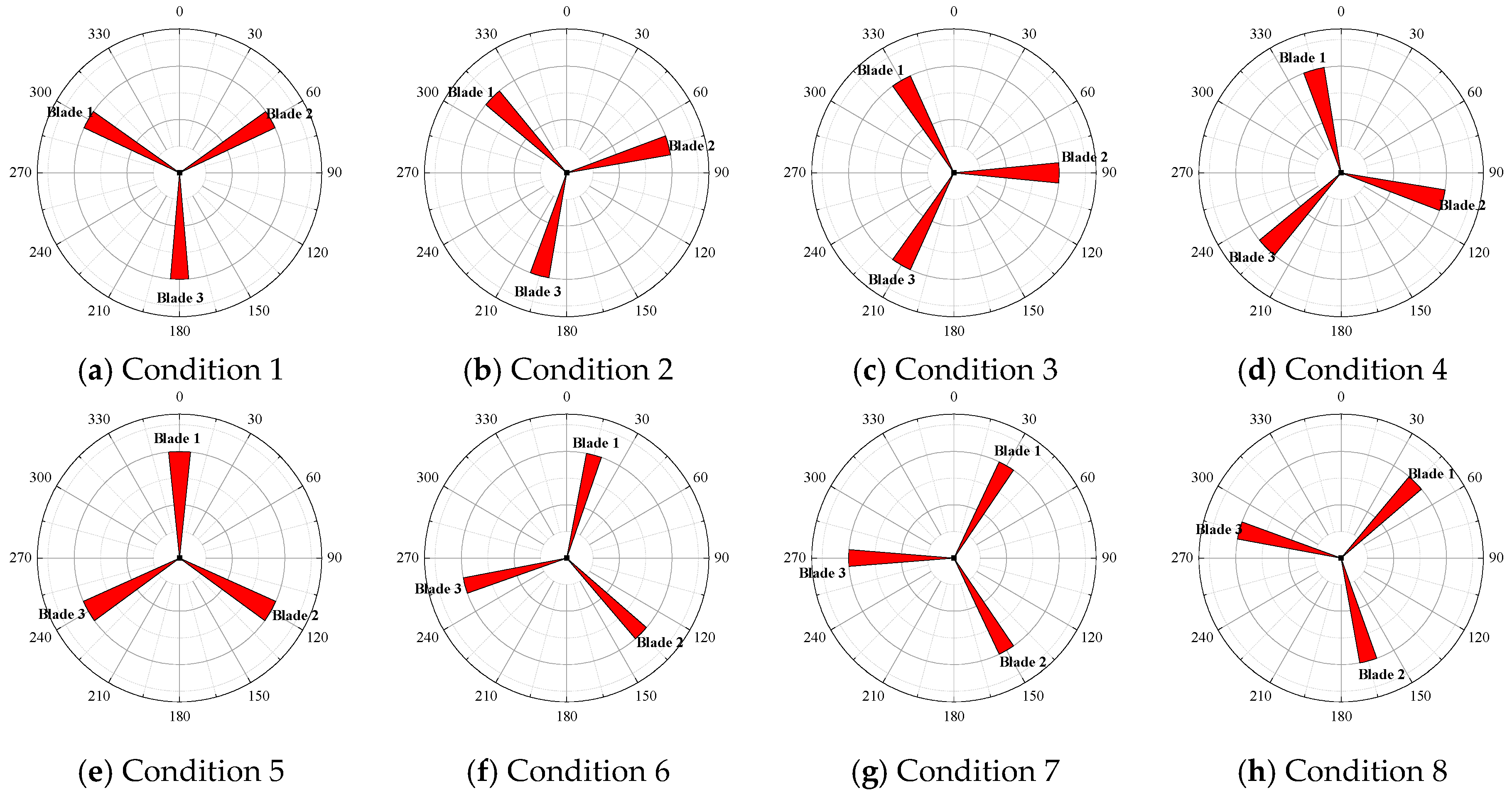
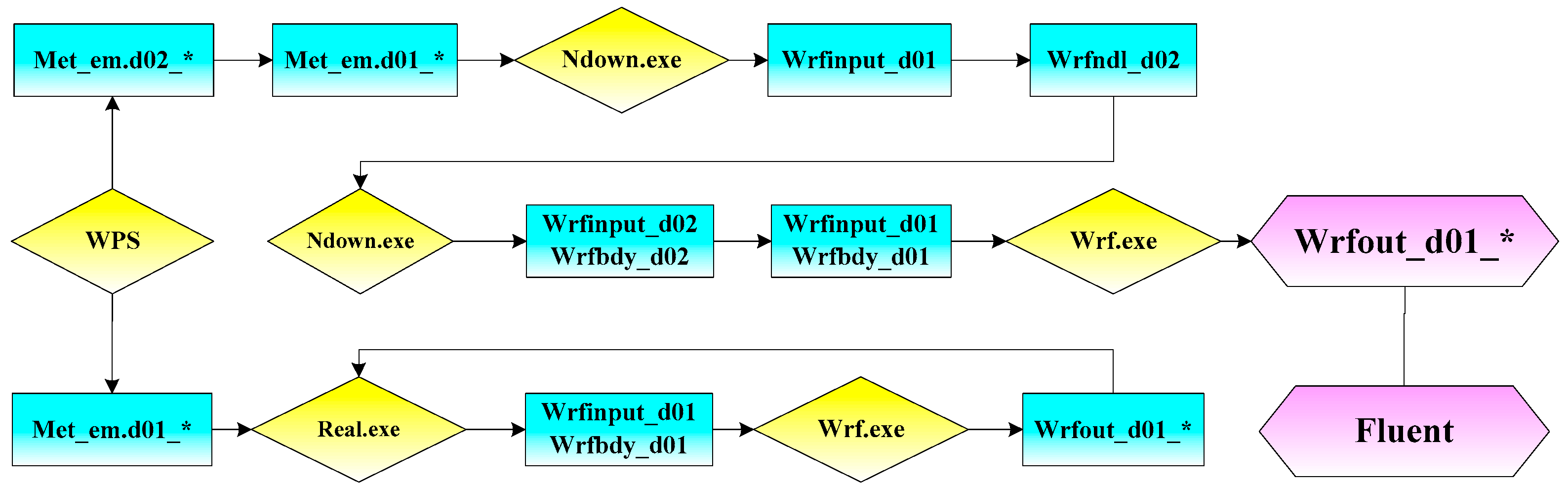
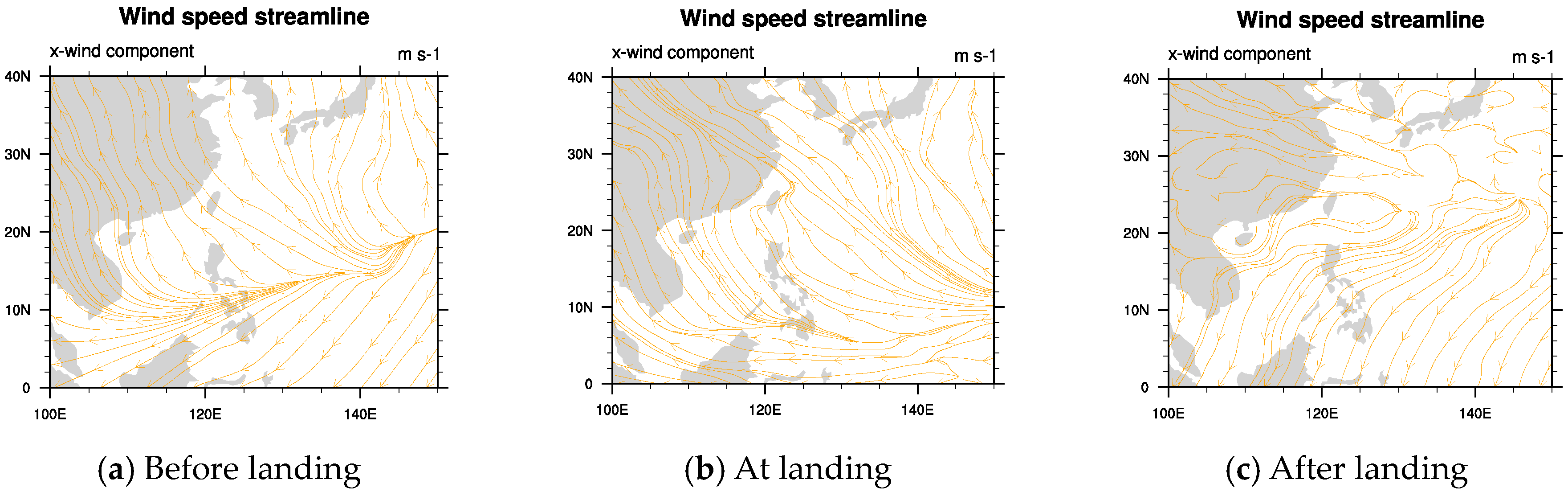
The theoretical system of existing civil engineering typhoon models is too simplified and the simulation accuracy is very low. Therefore, in this work a meso-scale weather forecast model (WRF) based on the non-static Euler equation model was introduced to simulate typhoon “Nuri” with high spatial and temporal resolution, focusing on the comparison of wind direction and wind intensity characteristics before, during and after the landing of the typhoon. Moreover, the effectiveness of the meso-scale typhoon “Nuri” simulation was verified by a comparison between the track of the typhoon center based on minimum sea level pressure and the measured track. In this paper, the aerodynamic performance of large wind turbines under typhoon loads is studied using WRF and CFD nesting technology. A 5 MW wind turbine located in a wind power plant on the southeast coast of China has been chosen as the research object. The average and fluctuating wind pressure distributions as well as airflow around the tower body and eddy distribution on blade and tower surface were compared. A dynamic and time-historical analysis of wind-induced responses under different stop positions was implemented by considering the finite element complete transient method. The influence of the stop position on the wind-induced responses and wind fluttering factor of the system were analyzed. Finally, under a typhoon process, the most unfavorable stop position of the large wind turbine was concluded. The results demonstrated that the internal force and wind fluttering factor of the tower body increased significantly under the typhoon effect. The wind-induced response of the blade closest to the tower body was affected mostly. The wind fluttering factor of this blade was increased by 35%. It was concluded from the analysis that the large wind turbine was stopped during the typhoon. The most unfavorable stop position was at the complete overlapping of the lower blade and the tower body (Condition 1). The safety redundancy reached the maximum when the upper blade overlapped with the tower body completely (Condition 5). Therefore, it is suggested that during typhoons the blade of the wind turbine be rotated to Condition 5.
Keywords: large wind turbine; meso- and micro-scale nesting; meso-scale typhoon effect; stop position; aerodynamic performance; wind-induced response large wind turbine; meso- and micro-scale nesting; meso-scale typhoon effect; stop position; aerodynamic performance; wind-induced response