Review

Dimethyl Carbonate as a Promising Oxygenated Fuel for Combustion: A Review

1
MIIT Key Laboratory of Thermal Control of Electronic Equipment, School of Energy and Power Engineering, Nanjing University of Science and Technology, Nanjing 210094, China
2
Advanced Combustion Laboratory, School of Energy and Power Engineering, Nanjing University of Science and Technology, Nanjing 210094, China
*
Author to whom correspondence should be addressed.
Energies 2018, 11(6), 1552; https://doi.org/10.3390/en11061552
Submission received: 15 May 2018 / Revised: 4 June 2018 / Accepted: 6 June 2018 / Published: 14 June 2018
(This article belongs to the Section L: Energy Sources)

Abstract

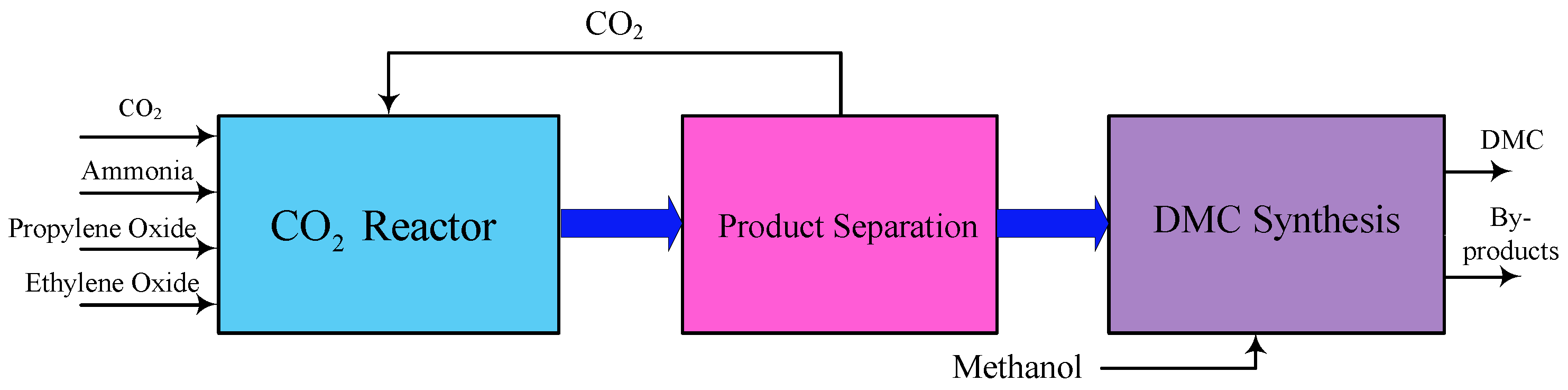
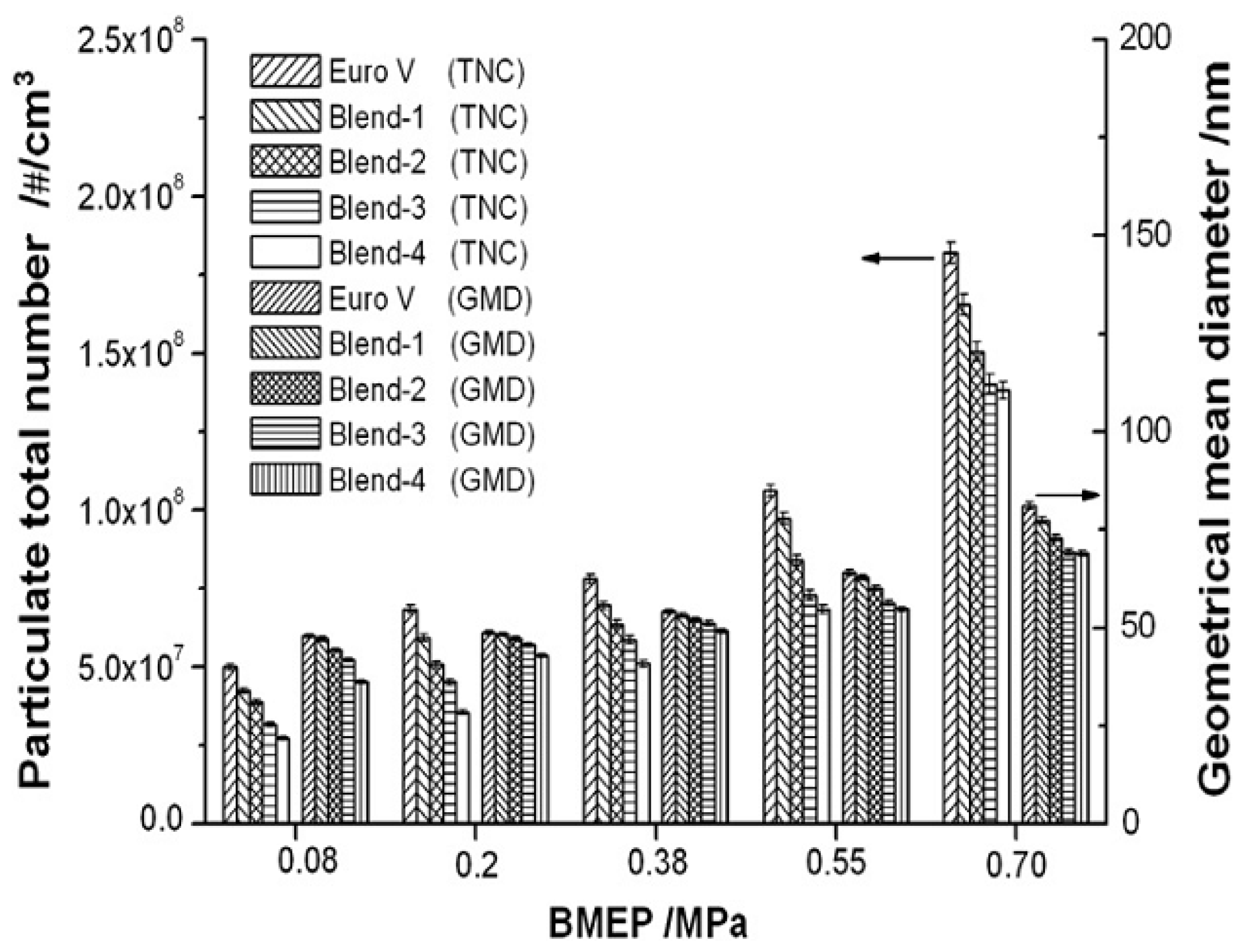
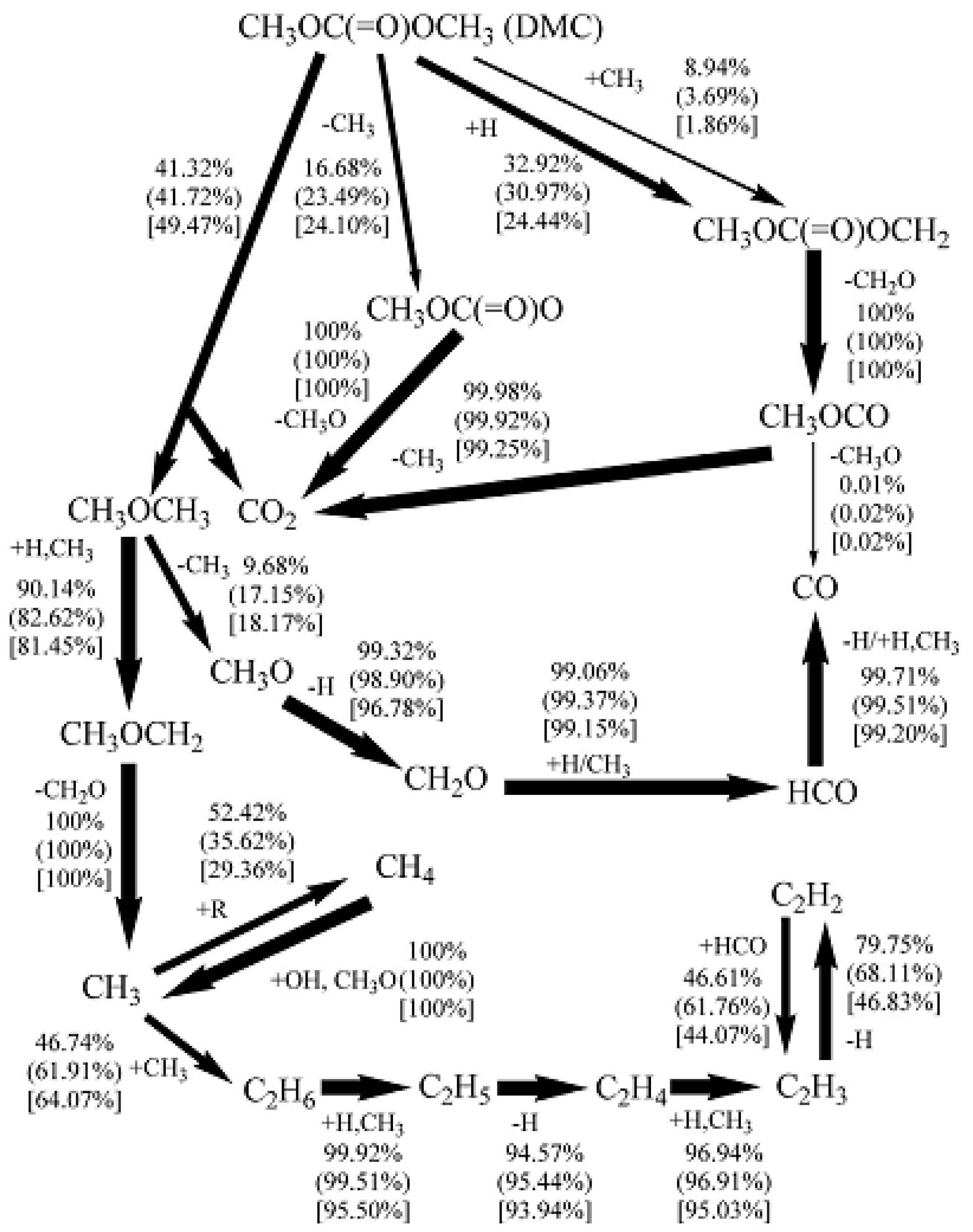
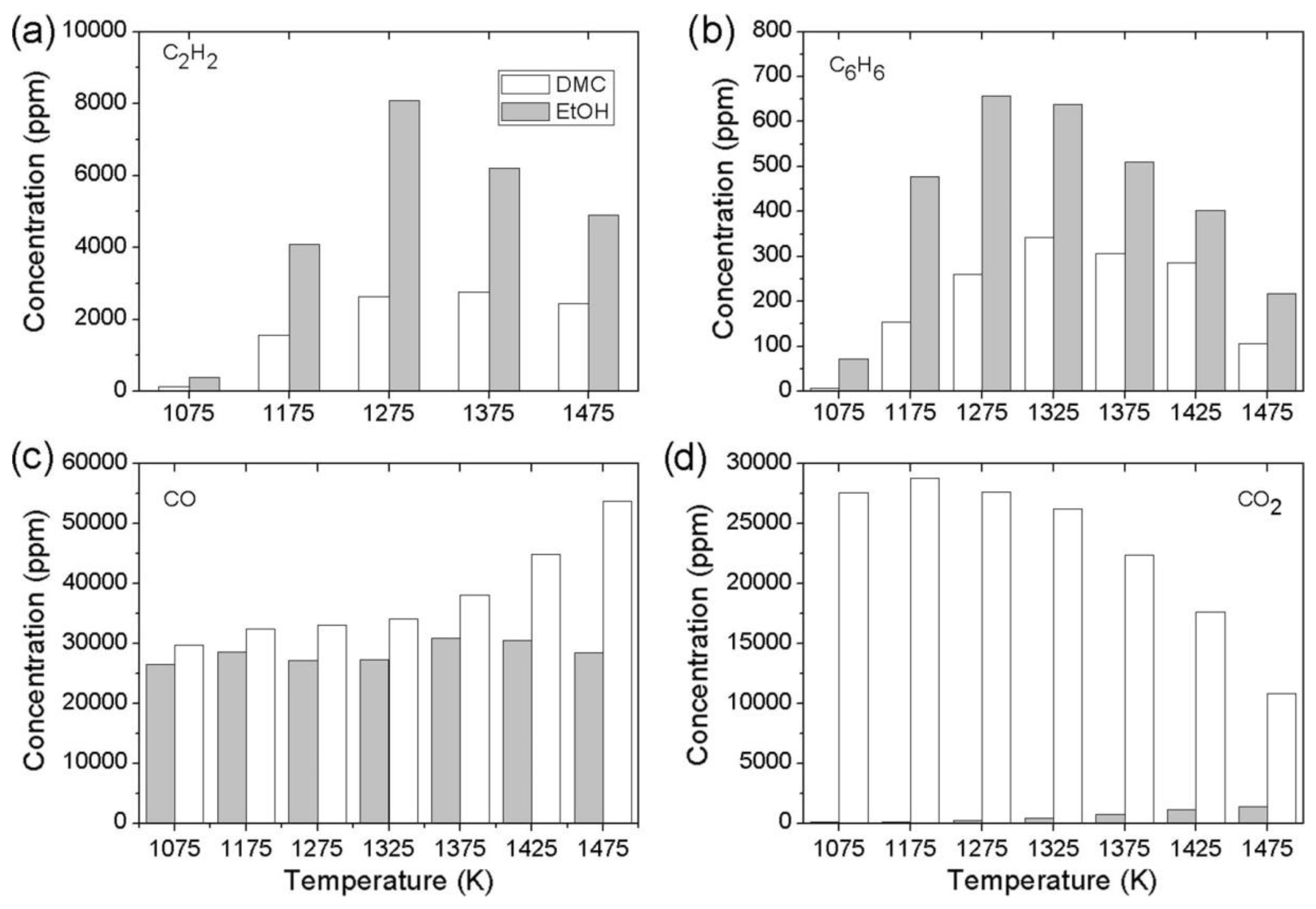
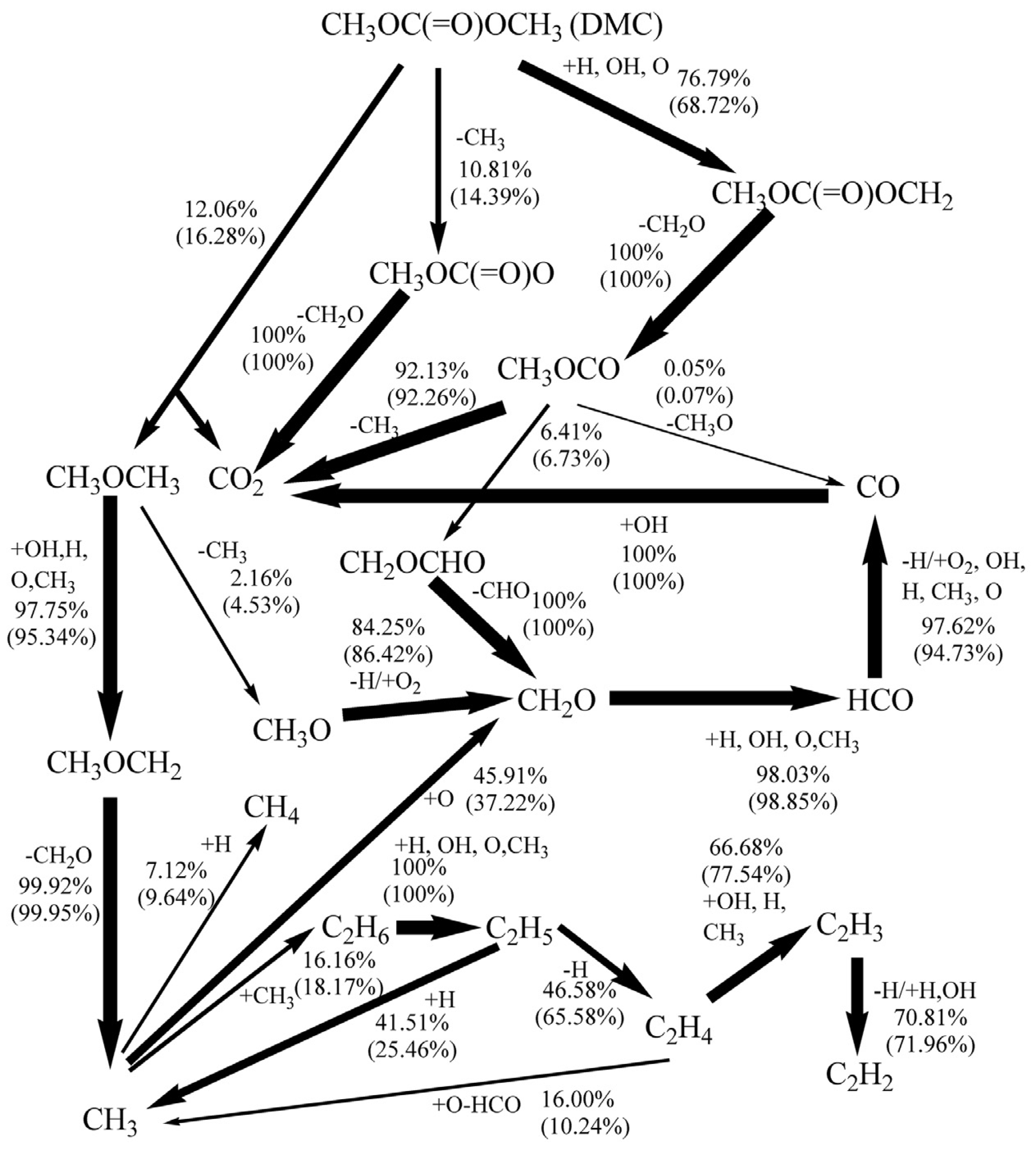
Energy shortage and environmental problems are two dominant subjects. Dimethyl carbonate (DMC) is one of the oxygenated fuels with increasing interest as the alternative to diesel fuel or additive for conventional hydrocarbon fuels. In the last decade, comprehensive studies on DMC have been carried out in terms of synthesis, use, and oxidation and combustion mechanism. DMC synthesis from greenhouse gas such as carbon dioxide can achieve the carbon circulation between air and fuel. Ethylene carbonate route is one of the most promising ways to utilize carbon dioxide and synthesize DMC in terms of particle efficiency, energy consumption per one unit of product, and net carbon dioxide emission. In addition, the results show that pure DMC in compression ignition (CI) engines or DMC addition in diesel/gasoline could decrease emissions significantly. Moreover, DMC pyrolysis form carbon dioxide before carbon monoxide which is different from other oxygenated fuels. However, DMC can produce formaldehyde during oxidation process in high concentration, which is harmful to the environment and human health as well. The present DMC kinetic model needs to update the major reactions constant through recognizing the initial decomposition routes and low-temperature oxidation. In addition, further studies on the DMC/hydrocarbon fuels mixtures for the interaction chemistry are needed.
Keywords: DMC; oxygenated fuel; emissions; performance; oxidation; decomposition DMC; oxygenated fuel; emissions; performance; oxidation; decomposition