Article

Drying and Pelletizing Analysis of Waste from Cork Granulated Industry


by
Francisco José Sepúlveda
*,
José Ignacio Arranz
,
María Teresa Miranda
,
Irene Montero
and
Carmen Victoria Rojas
Department of Mechanical Engineering, Energy and Materials, Industrial Engineering School, University of Extremadura, Avenue Elvas s/n, 06006 Badajoz, Spain
*
Author to whom correspondence should be addressed.
Energies 2018, 11(1), 109; https://doi.org/10.3390/en11010109
Submission received: 30 October 2017 / Revised: 13 December 2017 / Accepted: 28 December 2017 / Published: 3 January 2018
(This article belongs to the Section L: Energy Sources)

Abstract

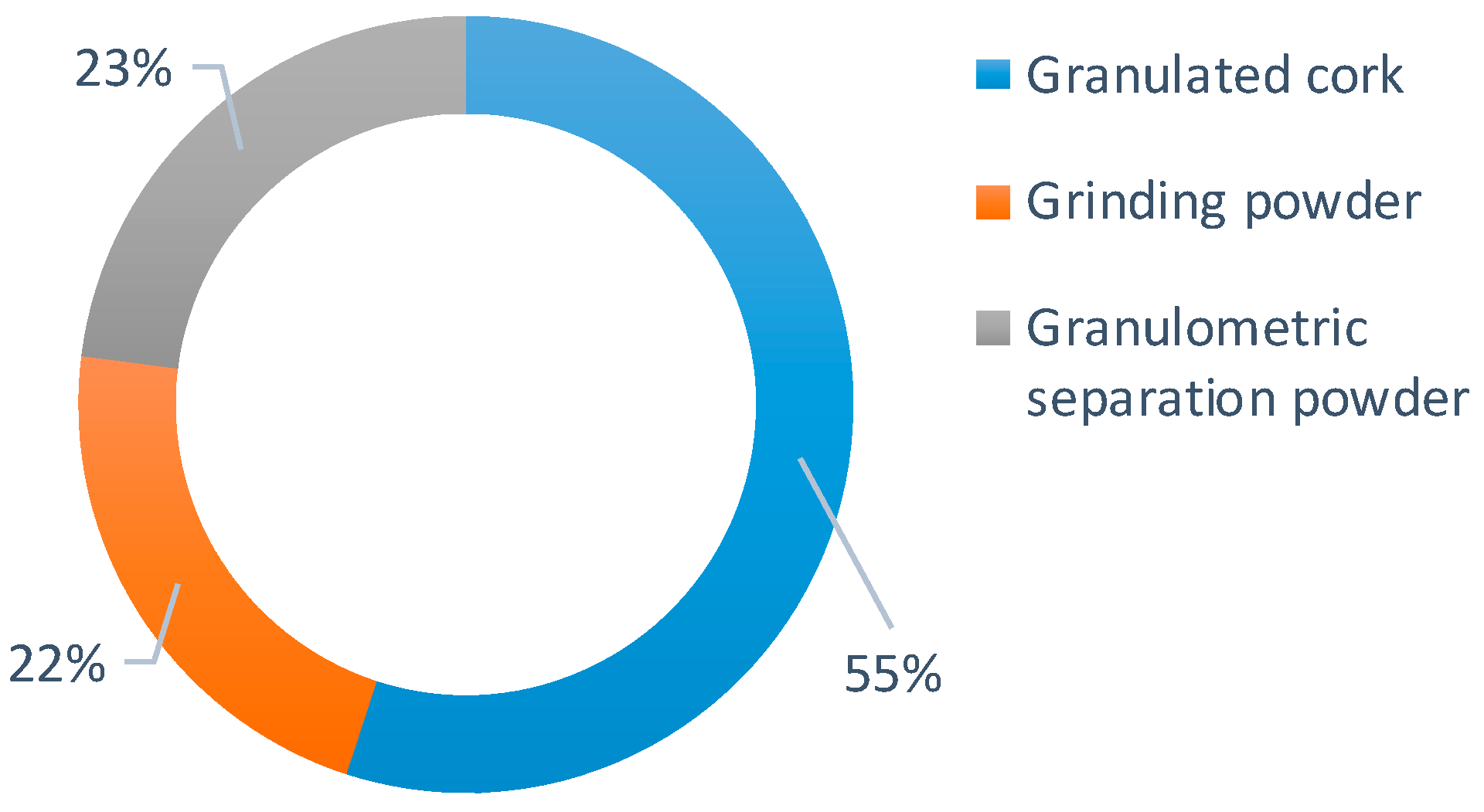
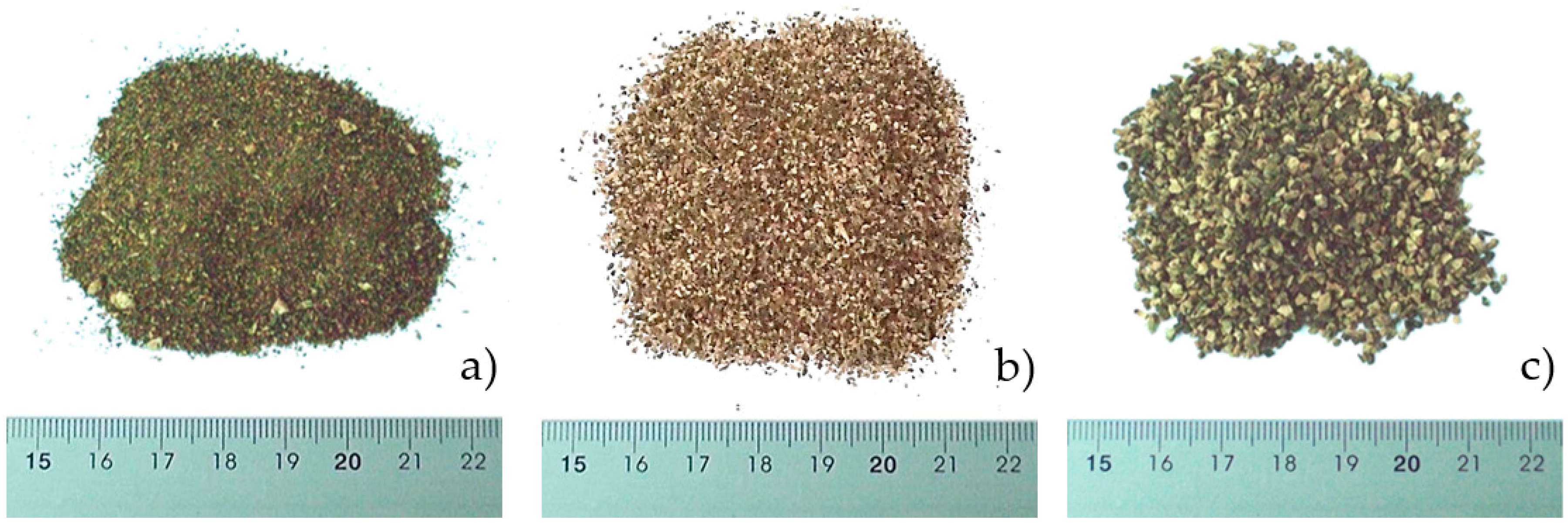
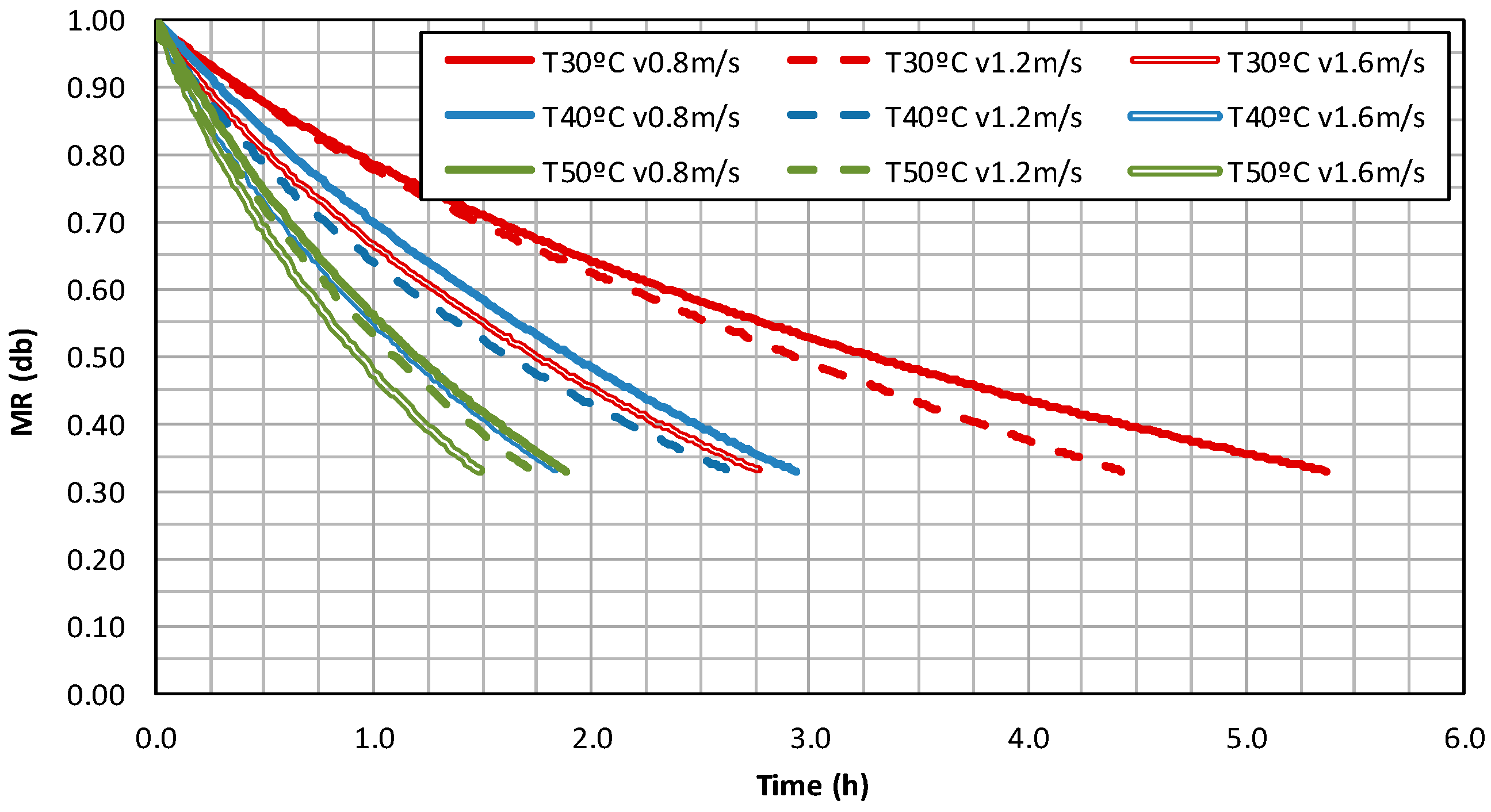
Cork granulated industries generate a considerable amount of wastes, such as grinding powder and granulometric separation powder. Some of these industries have started using these wastes as fuels for their own boilers, mixing them previously. However, there are differences between both wastes, especially the high moisture of grinding powder. This fact causes stratification during storage and makes boiler feed and its control more difficult, due to the heterogeneity of the resulting fuel. In the present research work, an overall study for combined pelletizing of these two wastes was carried out, with the aim of assessing their use in the same industries where they were generated or for other industrial uses. Thus, the optimum conditions for the highest yield of the pelletizing process were determined, and an analysis of the dry residue from grinding powder was carried out. Finally, the total specific energy was determined for the whole process. Among the main findings, it should be pointed out the obtaining of pellets with suitable physical properties and the high ash content that makes its possible commercialization difficult. Concerning the specific energy used, most of it corresponded to the drying process of grinding powder, recommending that it come from an exothermic process of cork granulated industry.
Keywords: biomass; pellets; specific energy; grinding powder; granulometric separation powder biomass; pellets; specific energy; grinding powder; granulometric separation powder