Article

Study of Dielectric Breakdown Performance of Transformer Oil Based Magnetic Nanofluids


Beijing Key Laboratory of High Voltage & EMC, North China Electric Power University, Beijing 102206, China
*
Author to whom correspondence should be addressed.
Energies 2017, 10(7), 1025; https://doi.org/10.3390/en10071025
Submission received: 21 March 2017 / Revised: 4 July 2017 / Accepted: 10 July 2017 / Published: 19 July 2017

Abstract

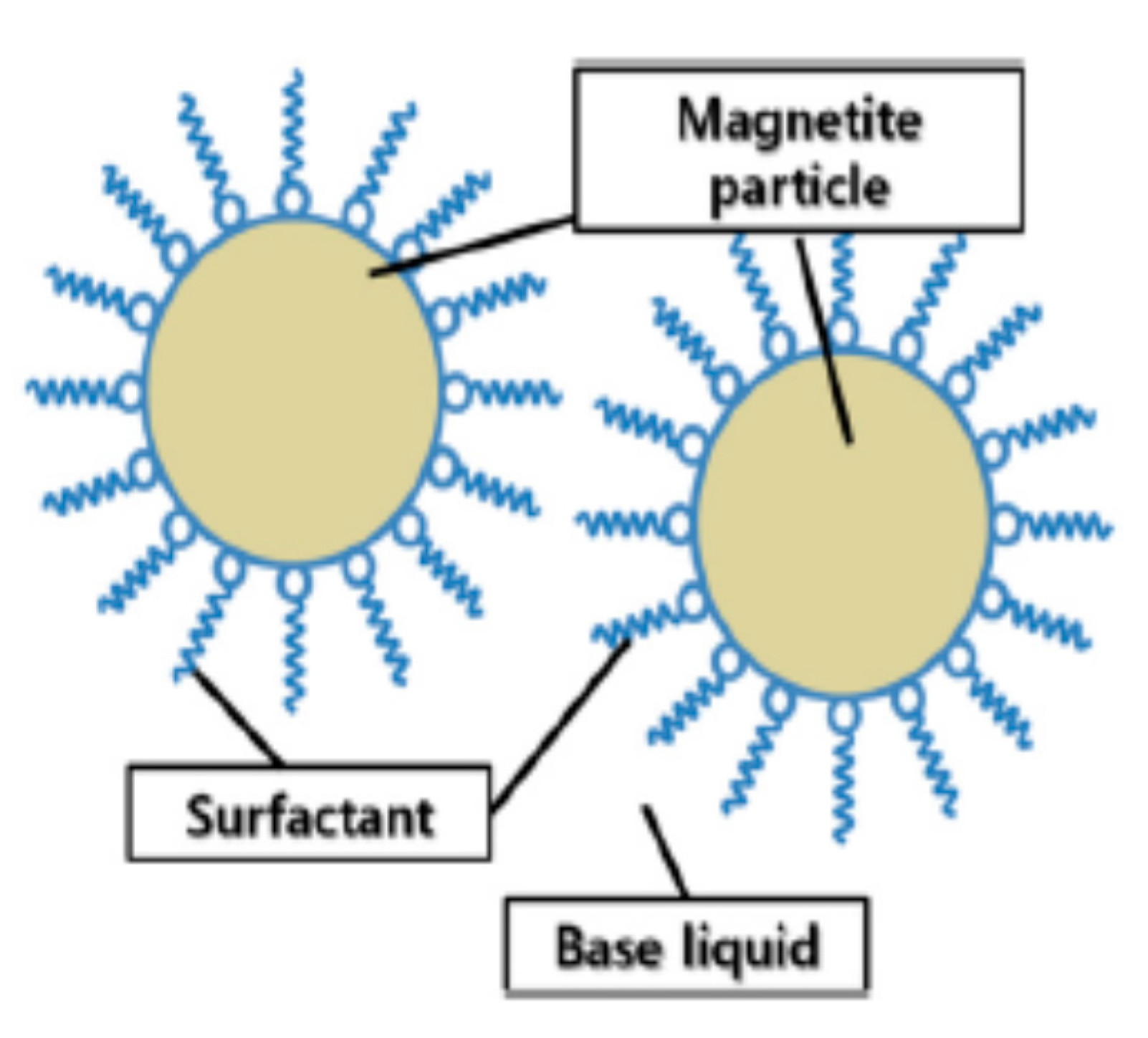
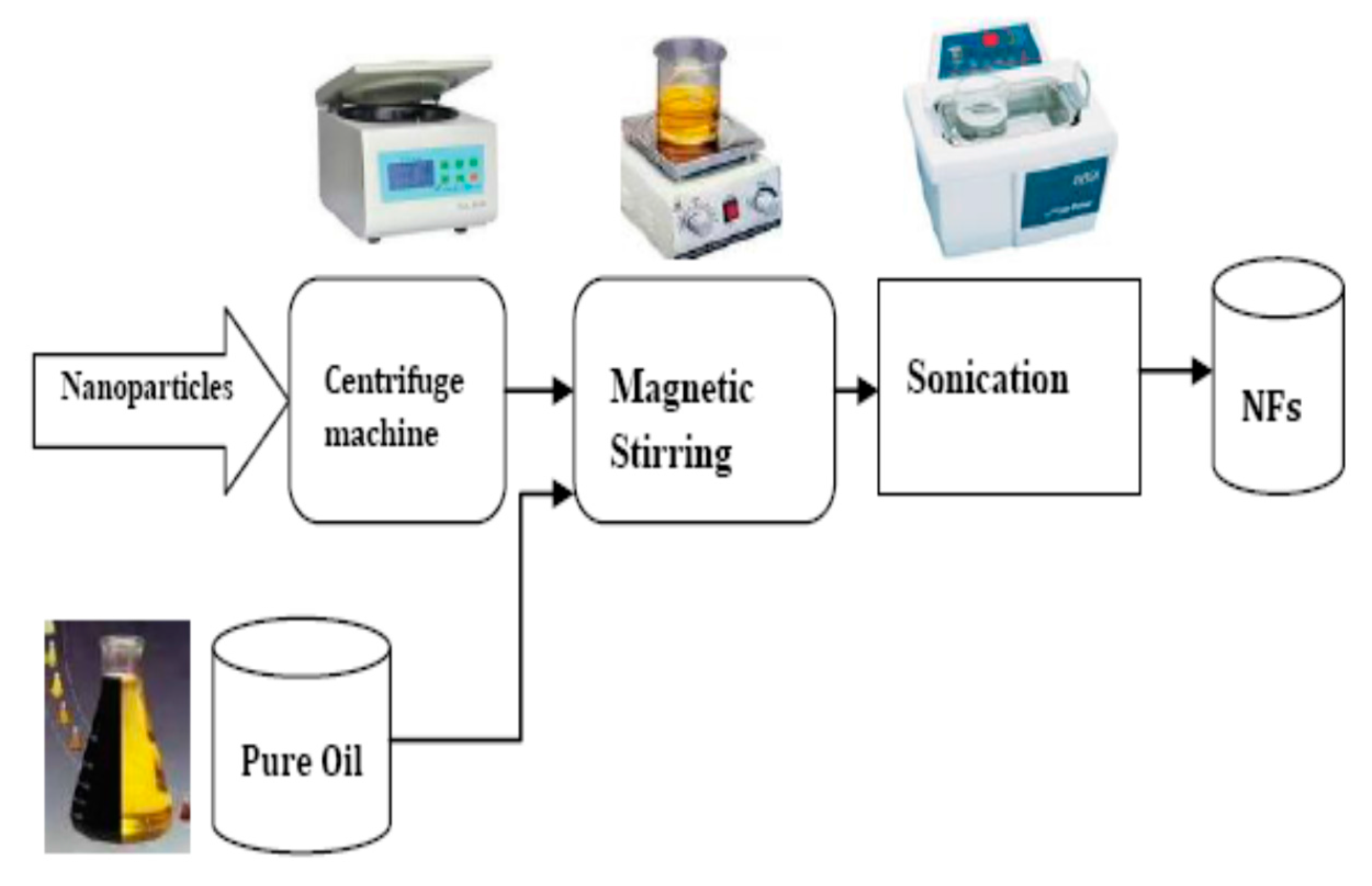
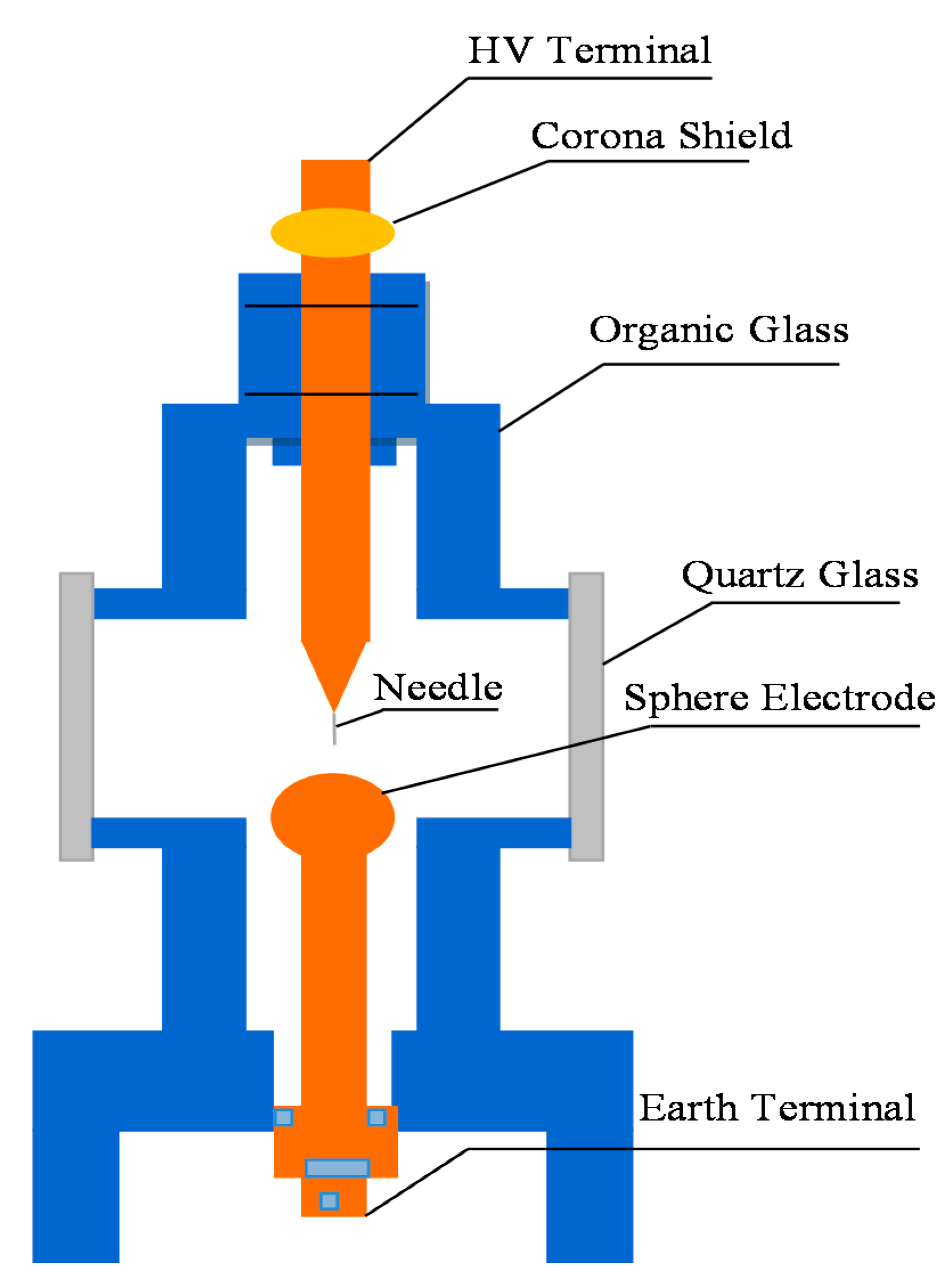
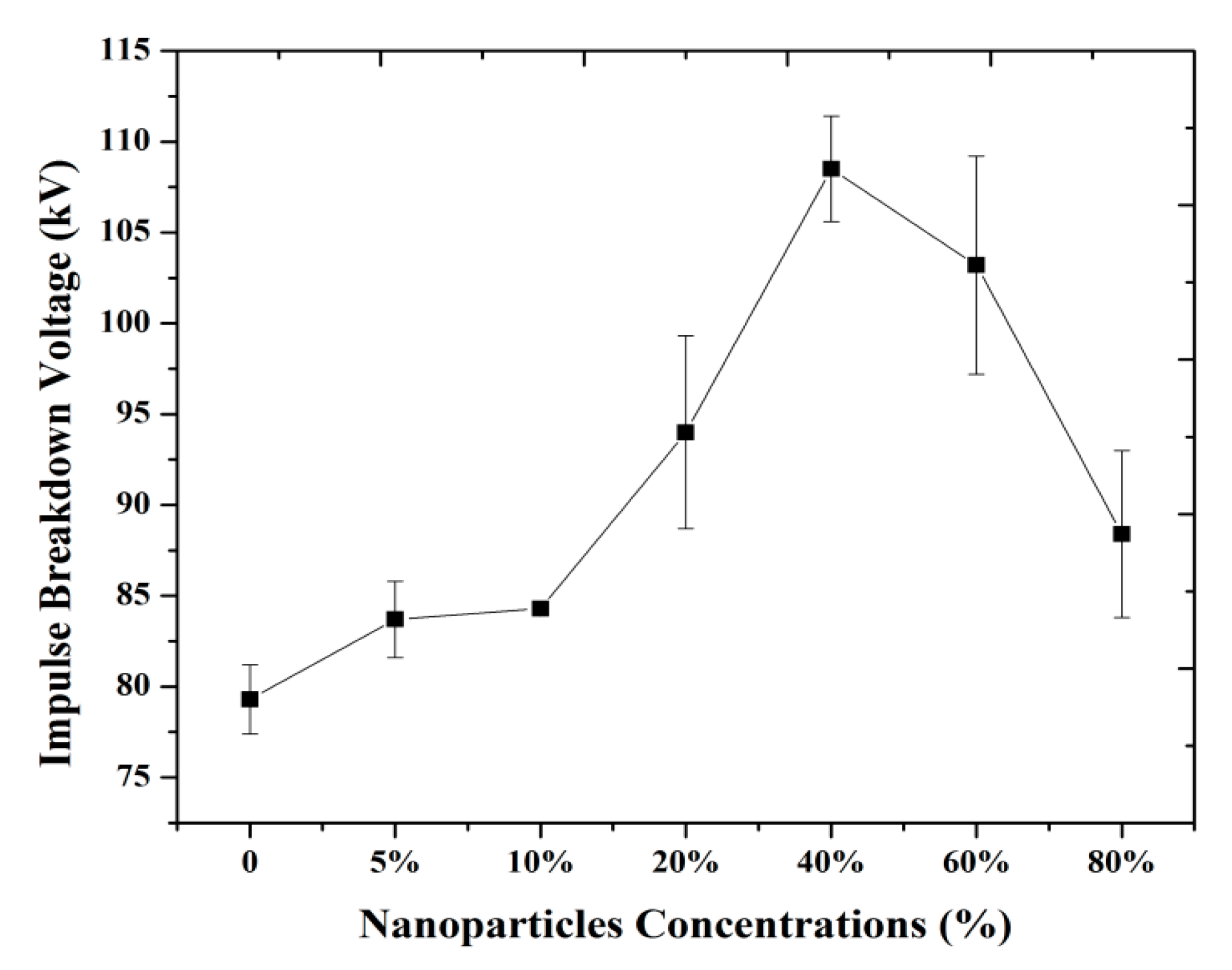
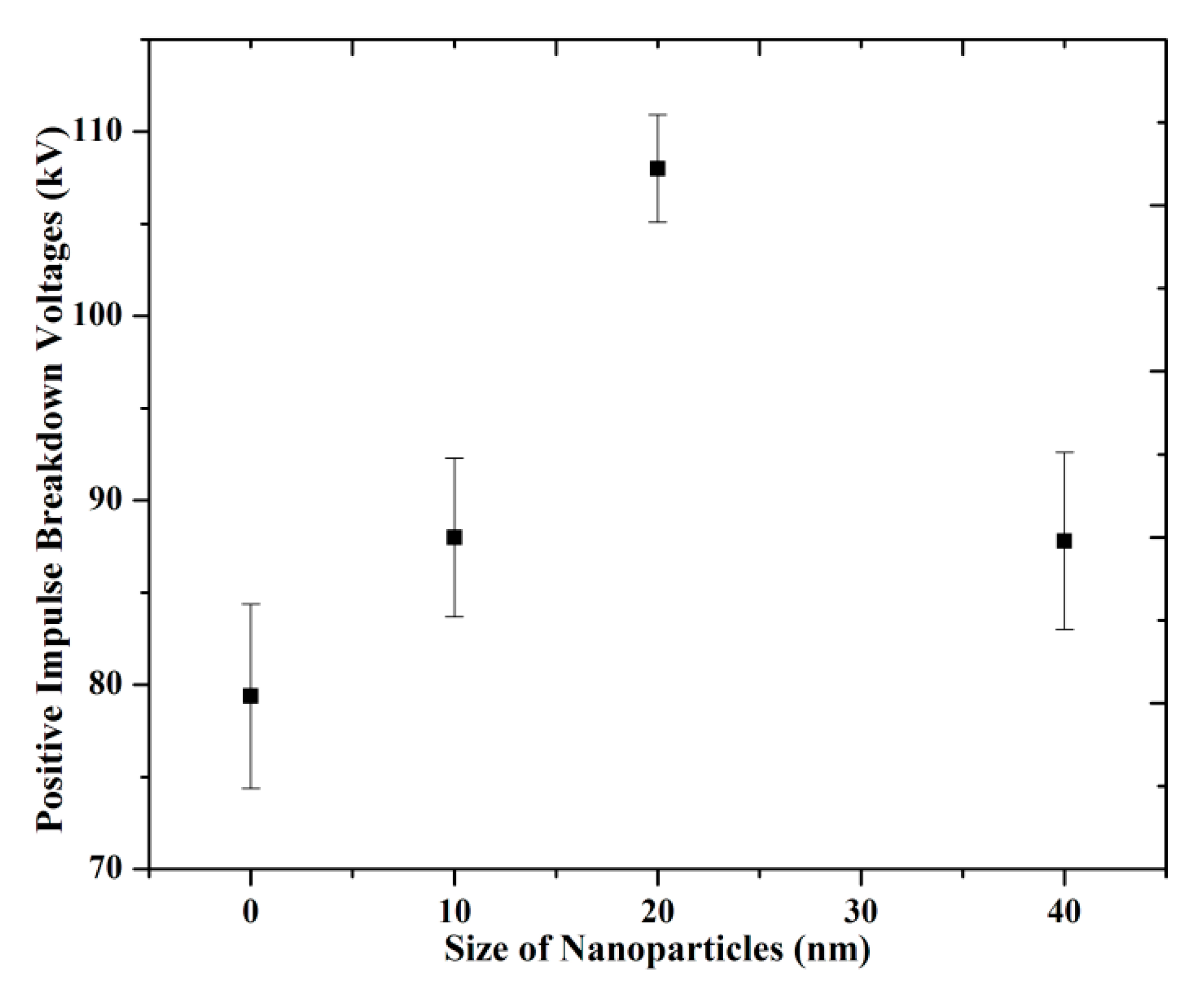
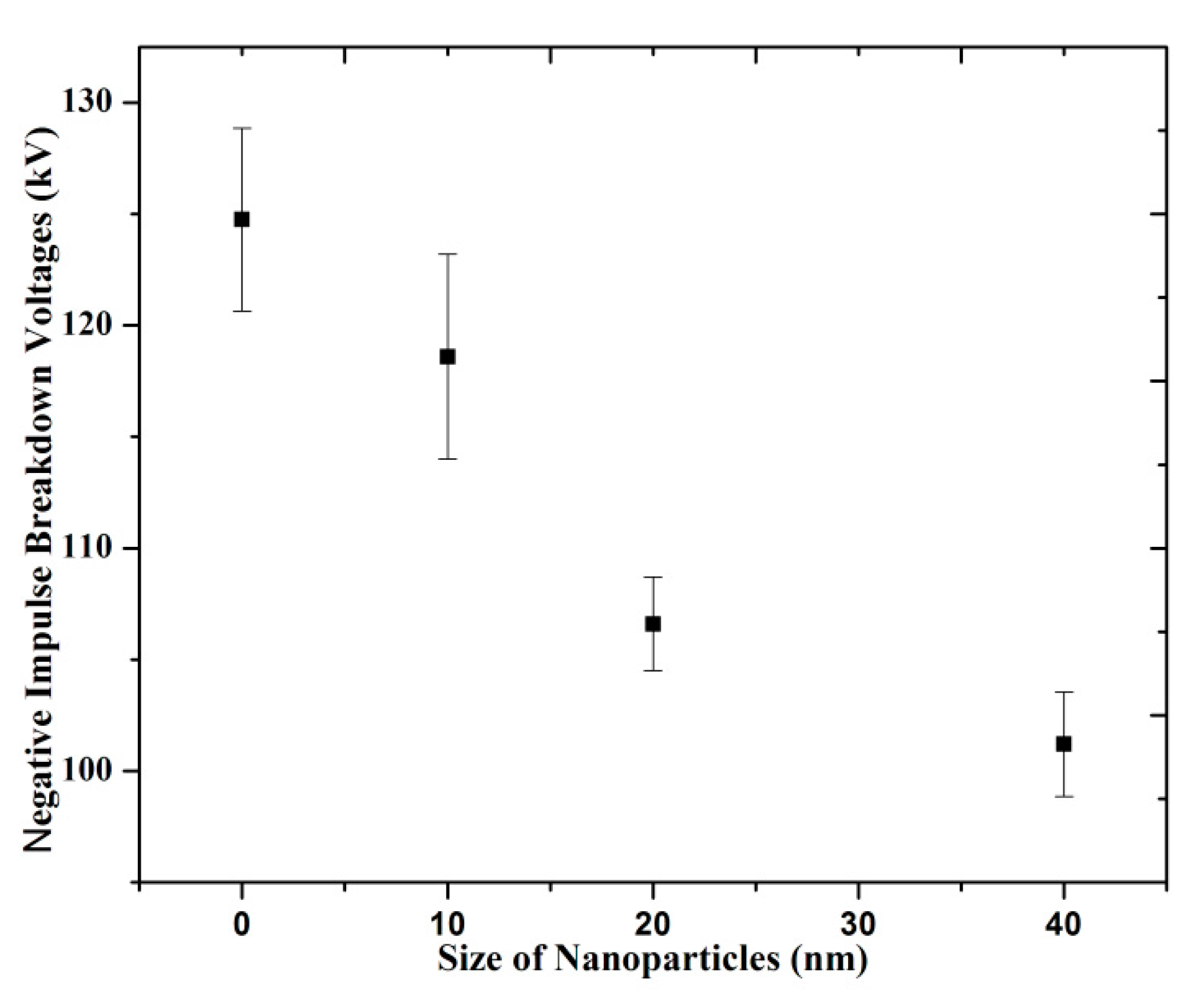
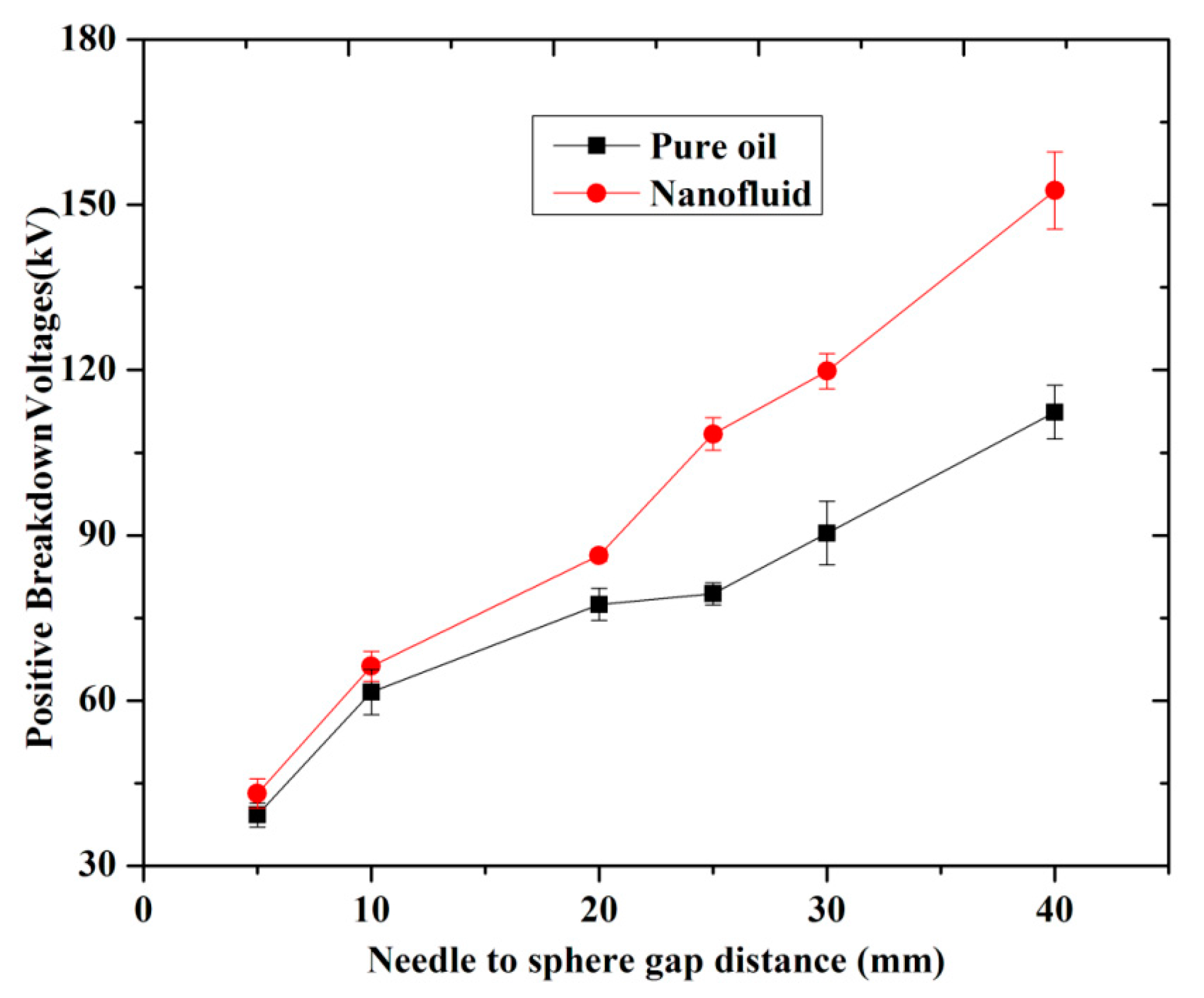
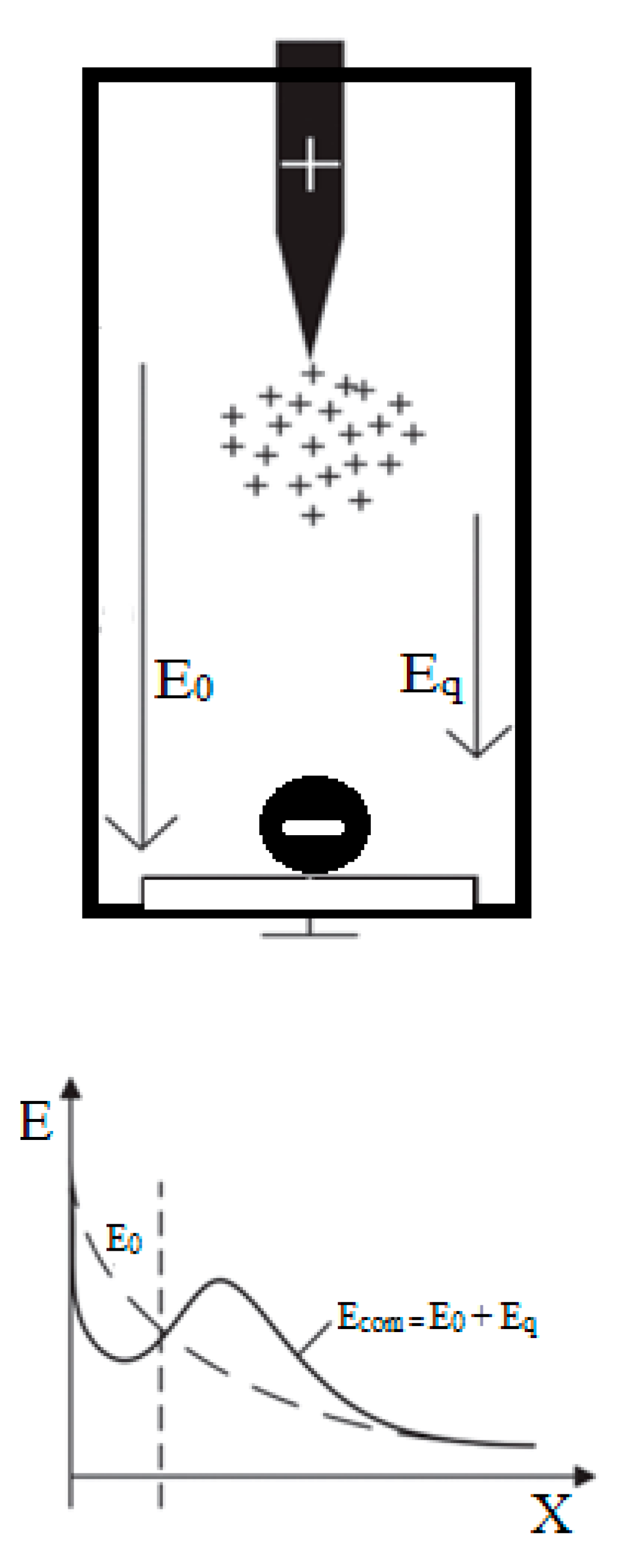
Research on the transformer oil-based nanofluids (NFs) has been raised expeditiously over the past decade. Although, there is discrepancy in the stated results and inadequate understanding of the mechanisms of improvement of dielectric nanofluids, these nanofluids have emerged as a potential substitute of mineral oils as insulating and heat removal fluids for high voltage equipment. The transformer oil (TO) based magnetic fluids (ferrofluids) may be regarded as the posterity insulation fluids as they propose inspiring unique prospectus to improve dielectric breakdown strength, as well as heat transfer efficiency, as compared to pure transformer oils. In this work, transformer oil-based magnetic nanofluids (MNFs) are prepared by dispersal of Fe3O4 nanoparticles (MNPs) into mineral oil as base oil, with various NPs loading from 5 to 80% w/v. The lightning impulse breakdown voltages (BDV) measurement was conducted in accordance with IEC 60897 by using needle to sphere electrodes geometry. The test results showed that dispersion of magnetic NPs may improve the insulation strength of MO. With the increment of NPs concentrations, the positive lightning impulse (LI) breakdown strength of TO is first raised, up to the highest value at 40% loading, and then tends to decrease at higher concentrations. The outcomes of negative LI breakdown showed that BDV of MNFs, with numerous loadings, were inferior to the breakdown strength of pure MO. The 40% concentration of nanoparticles (optimum concentration) was selected, and positive and negative LI breakdown strength was also further studied at different sizes (10 nm, 20 nm, 30 nm and 40 nm) of NPs and different electrode gap distances. Augmentation in the BDV of the ferrofluids (FFs) is primarily because of dielectric and magnetic features of Fe3O4 nanoaprticles, which act as electron scavengers and decrease the rate of free electrons produced in the ionization process. Research challenges and technical difficulties associated with ferrofluids for practical applications are mentioned. The advantages and disadvantages linked with magnetic fluids are also presented.
Keywords: breakdown strength; nanoparticles; nanofluids; dielectric improvement; transformers breakdown strength; nanoparticles; nanofluids; dielectric improvement; transformers