Osteoarthritis of the knee is one of the most common chronic musculoskeletal disorders associated with aging, affecting approximately 20% to 40% of people older than 65 years.[
1] Although all three compartments of the knee may be affected, medial compartment involvement is the most common.[
2] This has been attributed to the repetitive forces generated during walking, which cause a varus moment at the knee, creating a large compressive force in the medial compartment.[
3,
4] It has previously been demonstrated that contact forces within the knee when walking are considerably greater in the medial compartment than in the lateral compartment[
3,
4] and that varus alignment of the knee joint is strongly associated with the progression of medial compartment osteoarthritis.[
5,
6]
Several researchers have investigated the efficacy of different forms of lateral wedging as conservative treatment for medial compartment knee osteoarthritis based on the hypothesis that decreasing the varus moment at the knee may alleviate compressive forces in the medial compartment.[
7–
12] The first study by Sasaki and Yasuda[
7] found that patients wearing a laterally wedged insole (manufactured from either sponge rubber or leather) in conjunction with taking nonsteroidal anti-inflammatory drugs reported greater reductions in pain than patients prescribed nonsteroidal anti-inflammatory drugs alone. Subsequent uncontrolled studies have reported similar findings. Wolfe and Brueckmann[
8] reported that 82% of patients with medial knee osteoarthritis had decreased pain while wearing a lateral heel wedge, Tohyama et al[
9] found that lateral heel wedges reduced knee pain in patients with early medial compartment osteoarthritis, and Keating et al[
10] reported that 32 of 85 patients with medial knee osteoarthritis had “excellent” improvement in pain scores while wearing a lateral heel wedge. The only randomized comparisons so far undertaken reported that a laterally wedged insole combined with subtalar joint strapping was more effective in reducing knee pain than a wedge placed in a sock-type ankle support.[
11,
12] More recently, the first randomized controlled trial[
13,
14] reported that although no symptomatic or functional improvement was noted in subjects prescribed laterally wedged cork and rubber insoles, they required less nonsteroidal anti-inflammatory drug treatment for pain management compared with the control group.
The available evidence, therefore, suggests that lateral wedging may be effective in decreasing the pain associated with medial compartment knee osteoarthritis. However, some previous studies have reported practical difficulties with the devices and low patient compliance. For example, Sasaki and Yasuda[
7] reported that 55% of subjects prescribed wedged insoles were not wearing them when followed up 5 years later owing to difficulties fitting them in shoes, general discomfort, or the development of pain in other parts of the limb. It is possible that placing the foot in a pronated position without supporting the medial longitudinal arch may have been responsible for some of the discomfort reported in previous studies, and the fixation of the wedge by strapping or socks may not be sufficient to ensure appropriate placement and comfort. In response to these observations, our study was undertaken to determine whether the incorporation of a lateral wedge into a custom-molded polypropylene foot orthosis would achieve reductions in medial compartment knee pain similar to uniplanar wedged insoles, with the added benefit of improved comfort because of the contoured shell, medial arch support, and improved fit.
Methods
Subjects
Thirty subjects (21 men and 9 women) aged 29 to 77 years (mean ± SD, 58.1 ± 11.6 years) referred to one of us (R.R.) for the treatment of medial compartment osteoarthritis of the knee composed the study population. To be included in the study, subjects were required to have radiographically confirmed medial compartment osteoarthritis of the knee and pain evident for more than 15 days in the preceding month. Subjects who were currently receiving physiotherapy, taking anti-inflammatory medications, or using walking aids or knee braces were excluded. Informed consent was obtained from all subjects before participation.
The severity of osteoarthritis was determined using a modified version of the Ahlback classification.[
7] This involved the evaluation of standing anteroposterior, lateral, and skyline radiographs and the classification of subjects into one of the following categories: grade I, osteophytes only, no narrowing of joint space (n = 7); grade II, decrease in medial joint space of less then half the lateral joint space (n = 11); grade III, decrease in medial joint space of more than half the lateral joint space (n = 6); grade IV, obliteration of the medial joint space, with bone attrition of less than 1 cm (n = 3); or grade V, obliteration of the medial joint space, with bone attrition of more than 1 cm (n = 3). Owing to the small number of subjects in grades IV and V, these categories were combined for subsequent analyses.
Orthoses
Nonweightbearing plaster casts of both feet were taken with the subject in the prone position and the foot maintained in the talonavicular congruent position.[
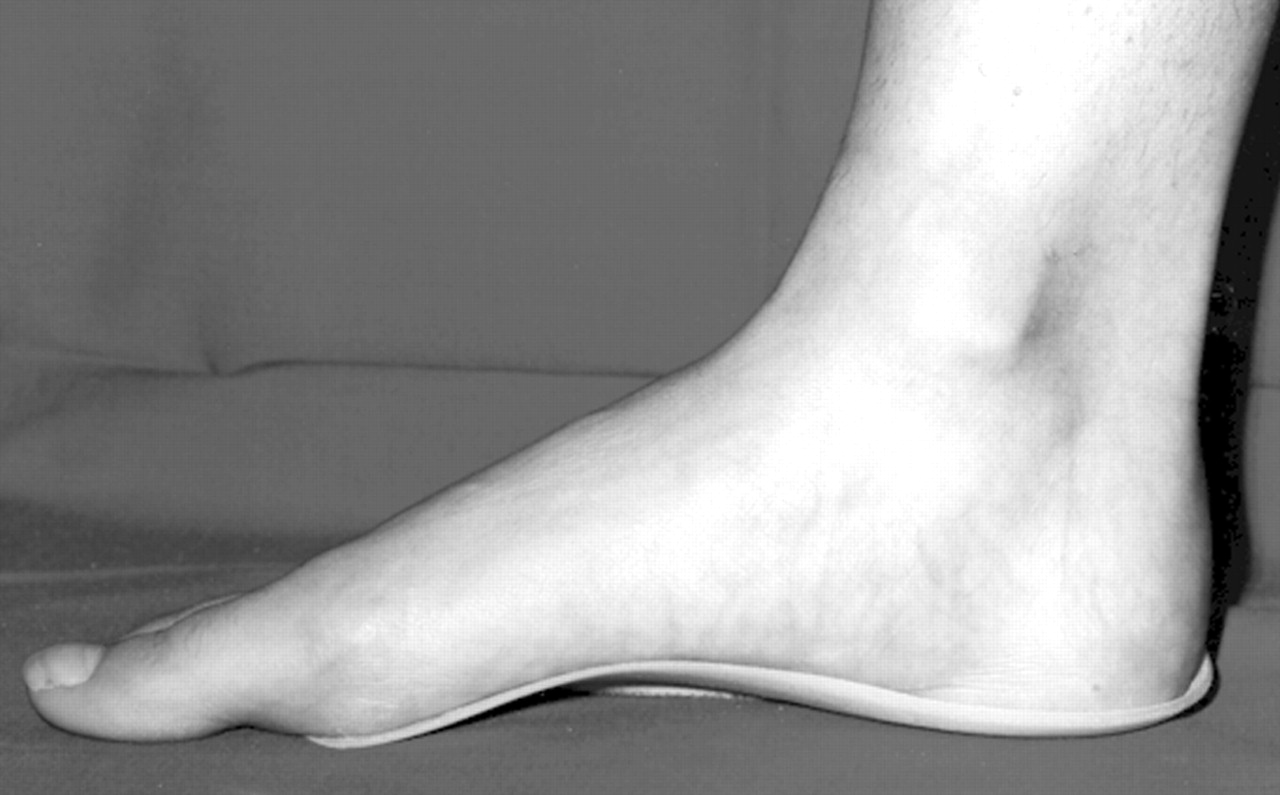
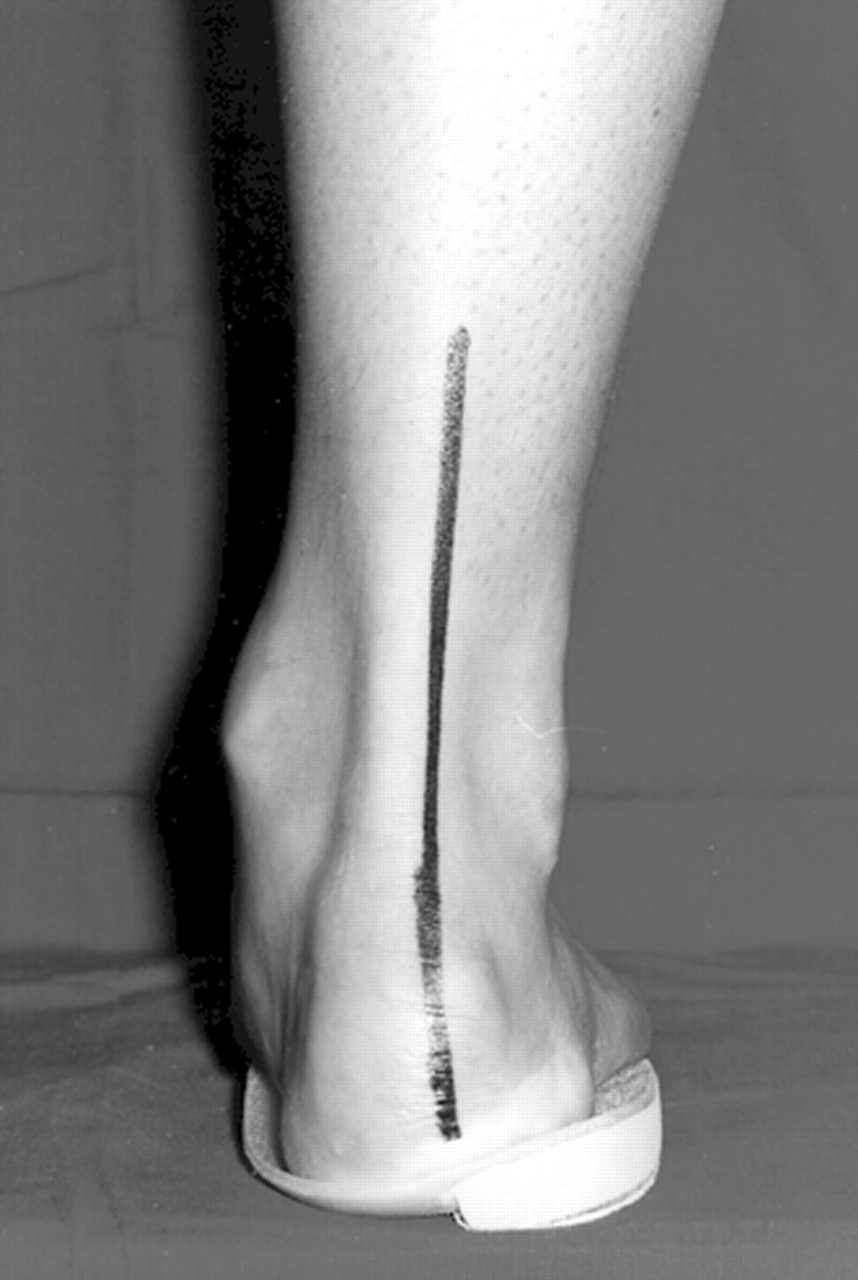
15] From these casts, custom-molded foot orthoses were manufactured using a 2-mm polypropylene shell with the addition of a 70 Shore ethyl vinyl acetate 5° lateral wedge extending from the posterior aspect of the heel to approximately 6 cm distal to the center of the heel (
Figs. 1 and
2). The orthoses were covered with 2-mm blown polyvinyl chloride foam. All subjects were advised on appropriate footwear selection. Subjects were dispensed their orthoses approximately 4 days after the initial assessment.
Assessment of Pain
A 100-mm visual analog pain scale was used to assess the subjects’ pain levels.[
16] Subjects were asked to indicate with a marking pen their current level of pain, which ranged from “no pain” to “pain as bad as it could be.” Pain scale scores were documented in millimeters. For subjects with bilateral knee pain, only the most painful knee was evaluated, to meet the independence assumption of statistical analysis.[
17] Pain levels were recorded on the date of issue of the orthoses (baseline) and again 3 and 6 weeks later. At these appointments, subjects were also asked whether their orthoses were comfortable, and any fitting problems were immediately rectified.
Statistical Analysis
Statistical analysis was performed using SPSS version 10 for Windows (SPSS Science, Chicago, Illinois). All data were explored for normal distribution. To determine the effects of the foot orthoses on visual analog pain scale scores across the three appointments, a one-way repeated-measures analysis of variance was used. Post hoc comparisons were performed using Bonferroni-adjusted t-tests.
To assess the relationship between age and the degree of improvement in pain levels, the Pearson product moment correlation coefficient was calculated. The relationship between the severity of knee osteoarthritis and the degree of improvement in pain levels was evaluated using the Spearman rank correlation coefficient.
Results
Effect of Orthoses on Pain Levels
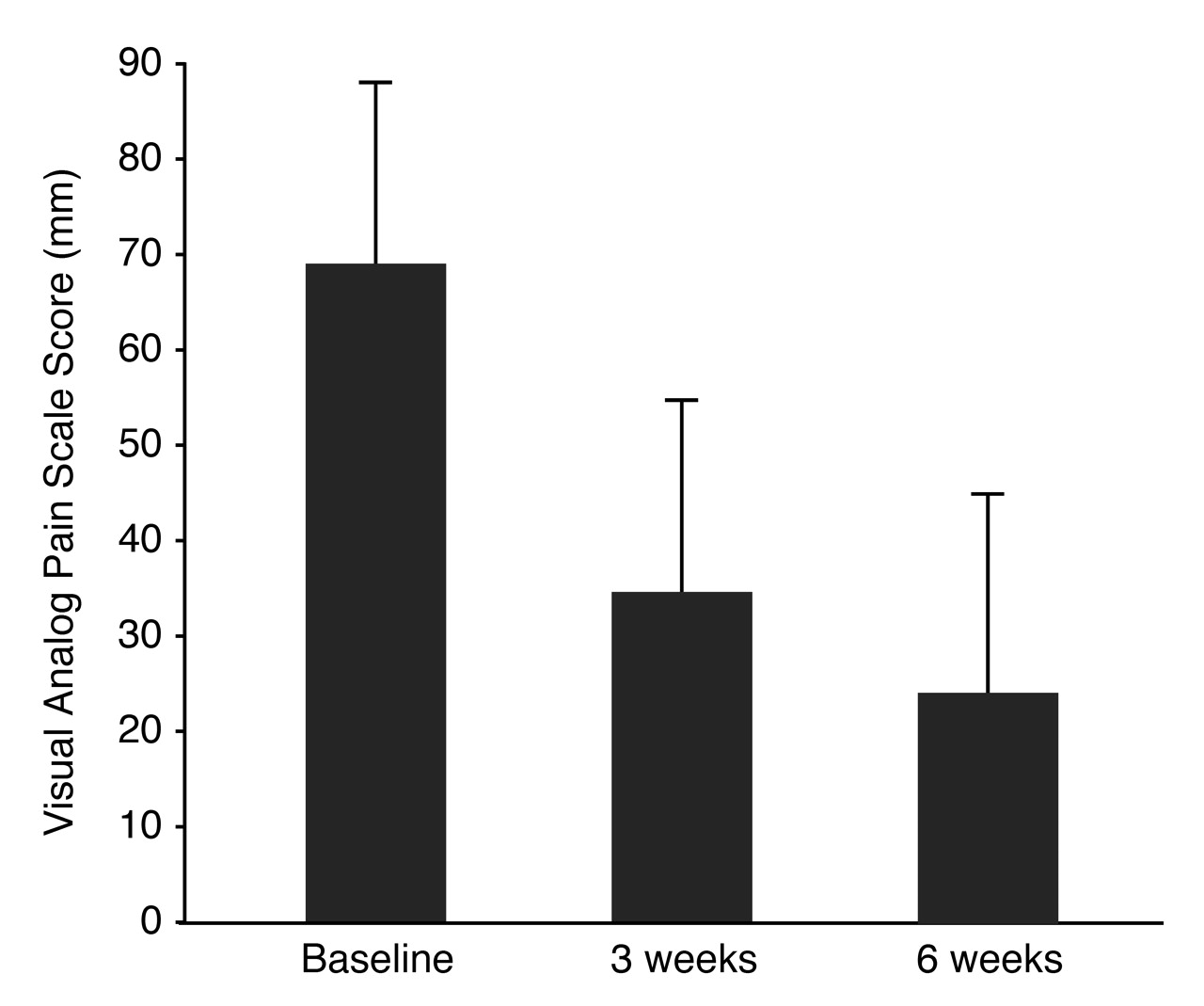
Mean visual analog pain scale scores at baseline and 3 and 6 weeks after baseline are shown in
Figure 3. Visual analog pain scale scores were significantly lower 3 and 6 weeks after baseline compared with the baseline appointment, but there was no significant difference in pain scale scores (mean ± SD) between the 3- and 6-week appointments (baseline: 69 ± 19 mm; 3 weeks: 34 ± 22 mm; and 6 weeks: 23 ± 22 mm; F
2 = 39.57,
P < .001).
Relationship Between Pain Reduction and Age
There was no significant association between age and the mean percentage improvement in pain levels (Pearson r = 0.06; P = .76).
Relationship Between Pain Reduction and Severity of Osteoarthritis
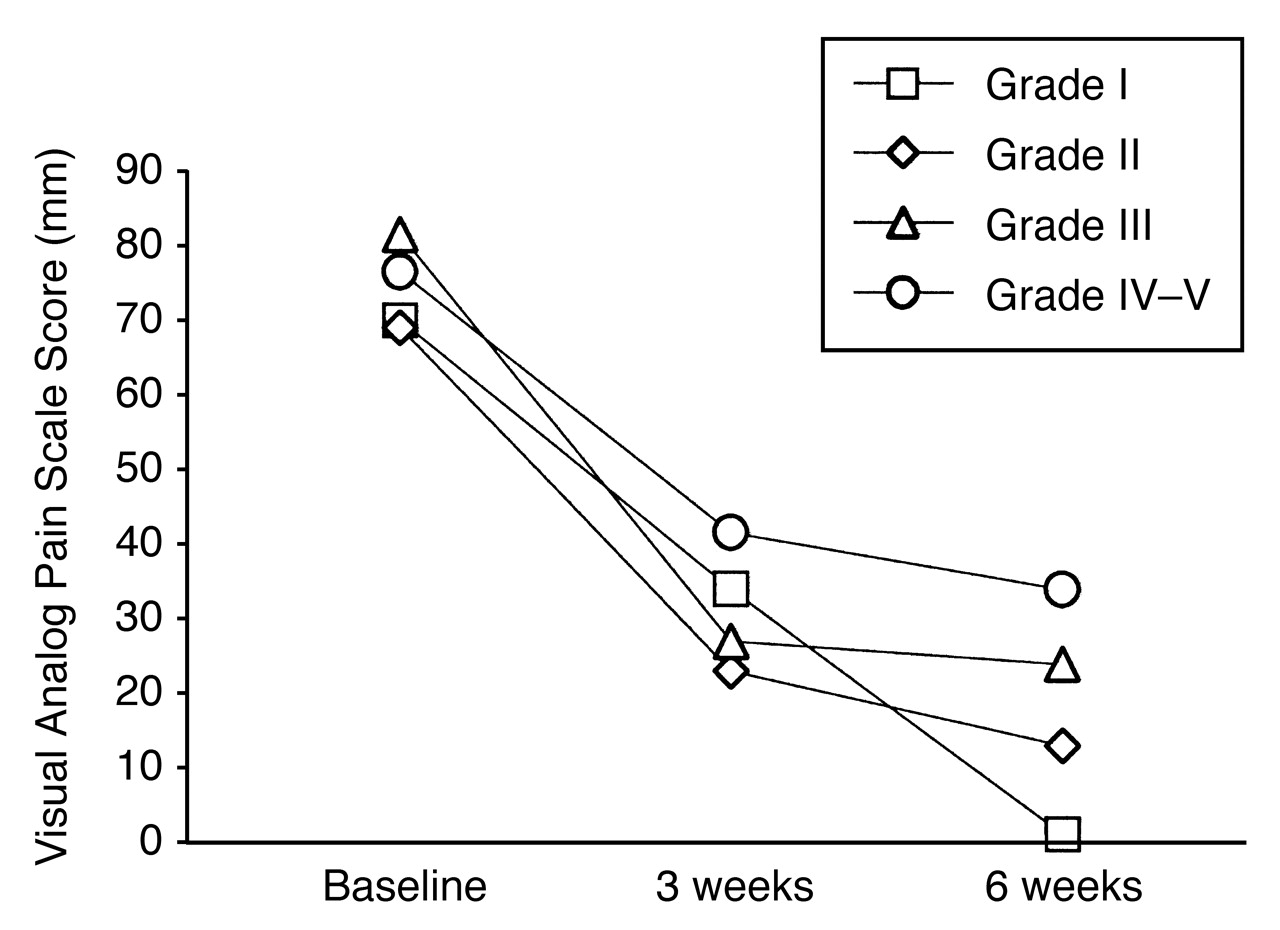
Median visual analog pain scale scores at baseline and 3 and 6 weeks after baseline according to the severity of knee osteoarthritis are shown in
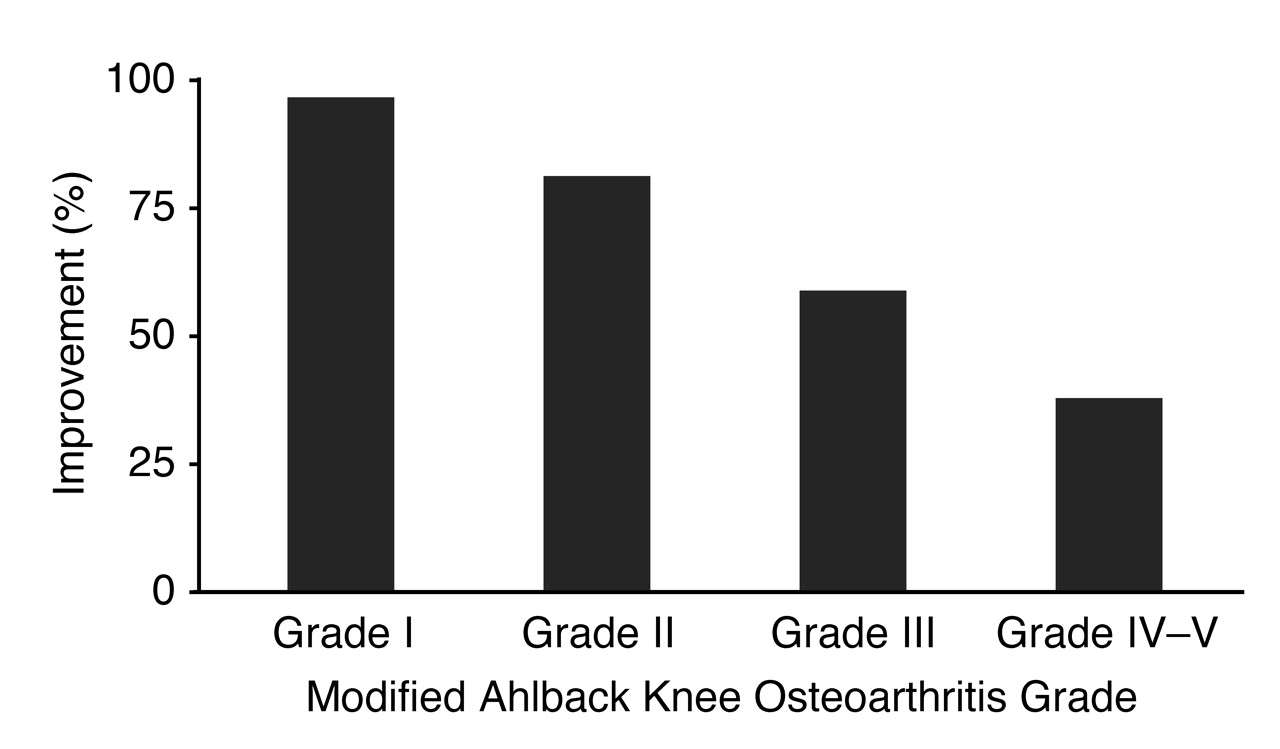
Figure 4, and the median percentage improvement in pain levels between baseline and 6 weeks later according to the severity of knee osteoarthritis is shown in
Figure 5. There was a significant negative association between severity of knee osteoarthritis and the degree of pain reduction (Spearman rho = −0.52;
P = .003), indicating that subjects with less severe osteoarthritis experienced greater reductions in pain with use of the orthoses.
Comfort Ratings of Orthoses
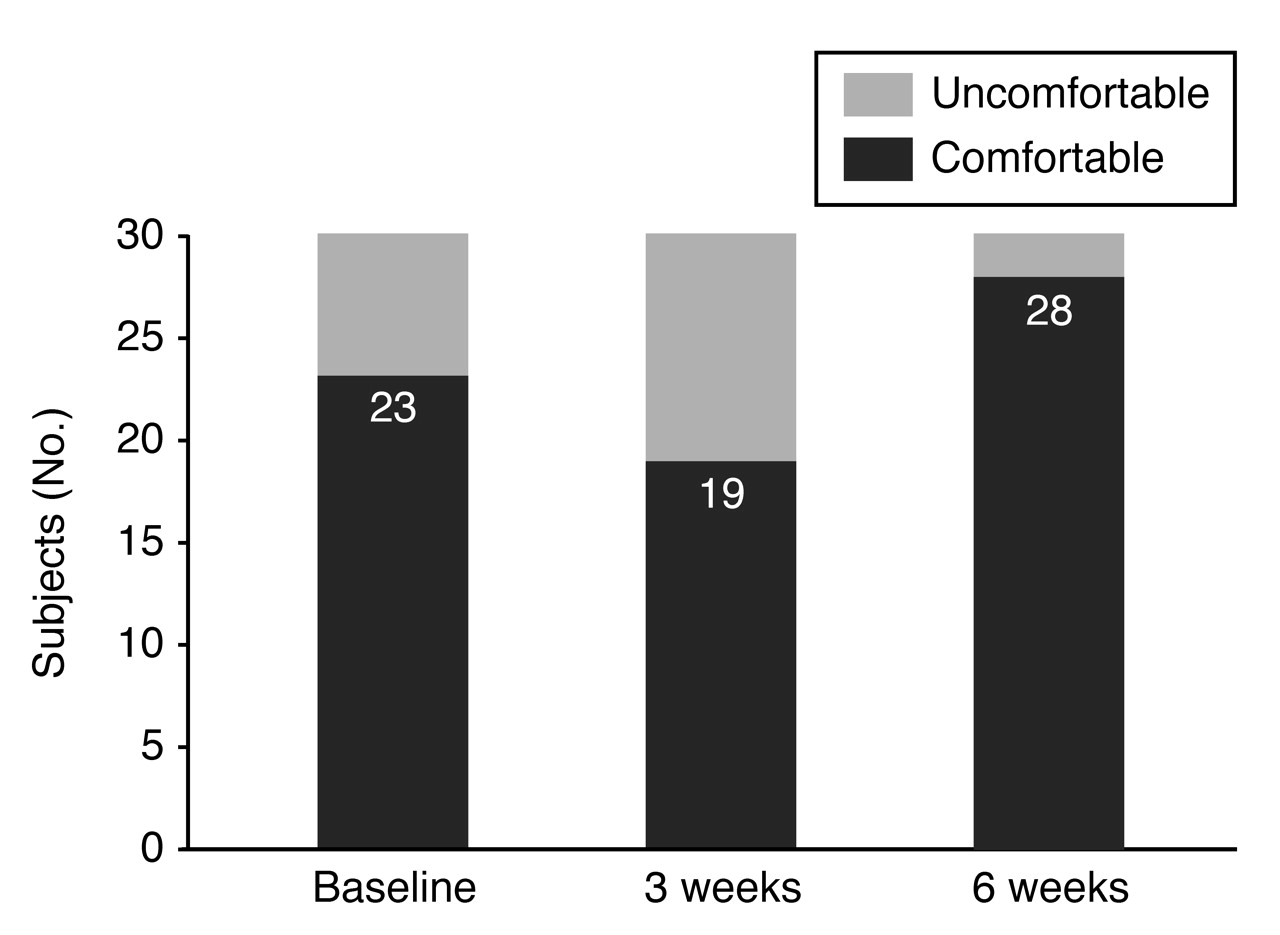
The proportions of subjects reporting that their orthoses were comfortable or uncomfortable at baseline and 3 and 6 weeks later are shown in
Figure 6. At the baseline appointment, 23 subjects reported that their orthoses were comfortable. The remaining 7 subjects reported foot discomfort, difficulties in fitting, or friction from the heel counter of the shoe. Three weeks after baseline, 19 subjects reported that their orthoses were comfortable, with an additional 4 subjects experiencing fitting difficulties. Six weeks after baseline, 28 of the 30 subjects reported that their orthoses were comfortable. The two subjects who still found their orthoses uncomfortable wore court shoes with curved shanks and reported problems with the orthoses rocking forward and backward in their shoes. During the study, no subjects reported any “new” symptoms in their feet associated with wearing the orthoses.
Discussion
The laterally wedged custom foot orthoses used in our study were associated with significant reductions in knee pain in subjects with medial compartment osteoarthritis. This result is similar to those of previous evaluations of a range of lateral wedging devices[
7–
12] and suggests that conservative treatments may play a role in the management of this common disabling condition. The novel finding of the present study is that a lateral wedge can be successfully incorporated into a custom-molded polypropylene orthosis while maintaining comfort and ensuring appropriate fit, and without creating additional symptoms in the foot. We believe that the custom molding of the orthoses may be responsible for the improved comfort ratings compared with uniplanar wedged insoles, although direct comparisons between these devices would need to be undertaken to confirm this.
All subjects in the study reported some degree of improvement in their symptoms when wearing their orthoses. However, consistent with a previous investigation by Keating et al,[
10] subjects with less severe osteoarthritis exhibited relatively greater reductions in pain. Subjects with more pronounced osteoarthritis and severe loss of joint space seem to obtain only limited benefit from laterally wedged orthoses and may, therefore, be better managed with knee bracing, pharmacologic treatment, or surgical interventions. Although these findings suggest that early intervention is preferable, it cannot be inferred that lateral wedging alters the natural progression of gross arthritic changes in the knee. Indeed, the study with the longest follow-up, by Tohyama et al,[
9] found that laterally wedged insoles had no effect on the radiographic appearance of the knee joint during a 7-year period. However, it has previously been shown that radiographic measures of joint space narrowing are only weakly associated with severity of symptoms.[
18] This suggests that the symptomatic relief obtained with lateral wedging may be independent of any improvement in the gross structure of the knee visible on radiographs.
The mechanisms responsible for the apparent effectiveness of lateral wedging are unclear. Yasuda and Sasaki[
19] found no significant changes in frontal plane knee position when ten women stood on one leg on a laterally tilted platform; however, Griffin et al[
20] and Toda and Segal[
12] found a small but significant varum-to-valgum realignment when subjects with medial compartment knee osteoarthritis stood on a lateral heel wedge. Whether such static realignment influences dynamic function is uncertain. Crenshaw et al[
21] and Kakihana et al[
22] reported that laterally wedged insoles (5° and 6°, respectively) reduced the varus torque at the knee during the stance phase of gait in healthy subjects, but Nester et al[
23] found no difference in knee adduction moment when healthy young subjects wore orthoses with a 10° lateral wedge. However, results obtained from healthy subjects may not be directly applicable to the arthritic knee. The two gait studies that have been performed on subjects with medial compartment osteoarthritis have produced inconsistent findings. Whereas Maley et al[
24] found no effect of laterally wedged insoles on knee adduction moment in nine subjects, Kerrigan et al[
25] reported significant reductions in knee adduction moment with 5° and 10° wedged insoles. To fully address this issue, larger sample sizes with a broader spectrum of osteoarthritis severity may be required because individual subjects are likely to respond best to certain wedge inclinations tailored to the severity of their osteoarthritis and their individual knee alignment.[
25] Alternative biomechanical explanations should also be investigated, such as the suggestion of Maley et al[
24] that lateral wedges may decrease medial joint loading by causing an increase in out-toeing foot placement.
One concern that could be directed toward the use of lateral wedging is the potential for the development of other overuse symptoms as a result of placing an excessive magnitude of eversion moment on the foot or by altering knee function. Sasaki and Yasuda[
7] reported three cases of “new” symptoms in other lower-limb sites when wearing wedged insoles. Similarly, Toda et al[
11] documented three cases of popliteal pain, two cases of lower-back pain, and two cases of foot pain; however, these adverse effects were not severe enough for the patients to discontinue wearing their devices. No such adverse effects were observed in the present study, but it is acknowledged that follow-up may have been of insufficient duration to adequately determine this. Longer-term studies are required to address this issue; however, the possible risk of developing iatrogenic symptoms would need to be balanced against the potential benefit of any reduction in knee pain associated with the use of laterally wedged insoles.
Our results need to be viewed in light of the study’s limitations. The most obvious and significant limitation is the use of a simple pretest and post-test comparison without a control group. Because this study was undertaken in the context of a private clinical practice, the inclusion of a no-treatment control group was not feasible. However, using such a protocol limits the degree to which improvements in pain levels can be directly attributed to the intervention. Although it is unlikely that the improvements in pain levels were due to natural resolution of the condition,[
26] a placebo effect cannot be ruled out. Nevertheless, the biomechanical evidence that lateral wedging may alter some aspects of lower-limb function suggests that the intervention was at least partly responsible for the observed symptomatic improvement. The other limitation is the short duration of follow-up, which was limited to 6 weeks owing to practical constraints. Whether the pain reduction associated with the orthoses would be maintained after this 6-week period is uncertain. Indeed, there is some evidence in our results of a plateau effect in that no significant further reduction in pain levels was observed between the 3- and 6-week appointments, with the possible exception of those with grade I osteoarthritis. It would be beneficial to address this issue in future investigations, in addition to determining whether there are any improvements in functional performance (eg, walking speed, stair climbing, and rising from a chair) associated with orthosis use. Finally, direct comparisons between uniplanar and custom-molded orthoses are required to determine whether customization offers any significant benefits in terms of clinical effectiveness and cost-effectiveness, as has been recently demonstrated in relation to the prescription of foot orthoses for plantar heel pain.[
27]
Conclusion
Laterally wedged custom-molded foot orthoses are associated with reduced knee pain in subjects with medial compartment osteoarthritis of the knee and seem to be well tolerated. Subjects with mild-to-moderate osteoarthritis seem to achieve a greater benefit from wearing the orthoses than subjects with more advanced disease. The findings of this preliminary study suggest that longer-term randomized controlled trials of this conservative intervention are warranted because with further investigation, lateral wedging may prove to be a useful adjunct to management of the osteoarthritic knee.