Next Article in Journal
Acute Achille Tendon Rupture After Treatment of Levofloxacin for Helicobacter pylori Eradication: A Case Report
Previous Article in Journal
Enthesitis of Plantar Fascia Affects Gait in Patients With Ankylosing Spondylitis
 
 
Journal of the American Podiatric Medical Association is published by MDPI from Volume 116 Issue 1 (2026). Previous articles were published by another publisher in Open Access under a CC-BY (or CC-BY-NC-ND) licence, and they are hosted by MDPI on mdpi.com as a courtesy and upon agreement with American Podiatric Medical Association.
Article

Arthroscopically Assisted Reduction and Fixation of Acute Tillaux, Pilon, Bosworth, Talar, and Calcaneal Fractures: A Systematic Review

by
Konstantinos Giatroudakis
1,*,
Efthymios Iliopoulos
2,
Georgios Drosos
2,
Konstantinos Tilkeridis
2 and
Athanasios Ververidis
2
1
1st Orthopaedic Surgery Department, Athens General Hospital “G. Gennimatas,” Mesogeion Avenue 154, Athens, 11527, Greece
2
University Orthopaedic Surgery Department, Faculty of Medicine, Democritus University of Thrace, University General Hospital of Alexandroupolis, Alexandroupolis, Greece
*
Author to whom correspondence should be addressed.
J. Am. Podiatr. Med. Assoc. 2024, 114(6), 23200; https://doi.org/10.7547/23-200
Published: 1 November 2024

Abstract

Increased use of arthroscopically assisted techniques for the treatment of ankle fractures has been reported. Despite their rapid development, there is only one systematic review regarding arthroscopically assisted treatment of ankle fractures, in which, however, only malleolar fracture studies are included. Various other types of ankle fractures have also been treated with arthroscopically assisted procedures. The purpose of this review was to identify and evaluate the existing literature about arthroscopically assisted surgical management of other types of foot and ankle fractures, such as Tillaux, pilon, Bosworth, talar, and calcaneal fractures. A systematic review was conducted until December 2022 using the Arksey and O'Malley framework and reported according to the PRISMA-ScR (Preferred Reporting Items for Systematic reviews and Meta-Analyses extension for Scoping Reviews). Three databases—PubMed, Elsevier Scopus, and Cochrane Library—were searched for relevant studies. The chosen studies were divided into groups according to the fracture type. Of the 424 initially identified studies, 36 were finally included in the review: 22 case reports or case series and 14 original retrospective cohort studies. Participant demographic characteristics; methods of arthroscopically assisted reduction and fixation; and clinical, radiologic, and patient-reported outcomes were extracted. Arthroscopically assisted techniques for the treatment of Tillaux, pilon, Bosworth, talar, and calcaneal fractures are effective procedures and have already shown satisfactory and promising clinical and radiologic outcomes. There are some limitations in their use though, especially in some specific fracture patterns. Long-term effects and possible superiority of arthroscopically assisted techniques over classic reduction and fixation must be further studied.

Fractures of the foot and ankle are common injuries that usually need operative treatment. The mechanism of these injuries follows a bimodal distribution, with indirect sprain low-energy trauma in elderly patients and direct higher-energy trauma in younger populations [1]. Although malleolar fractures (unimalleolar, bimalleolar, trimalleolar) are the most frequently encountered fractures, less common fractures, such as Tillaux, pilon, Bosworth, talar, and calcaneal fractures, constitute in total a significant portion of the ankle fracture pathology [2,3,4,5,6,7,8].
In general, because these fractures are intra-articular, the main objective of treatment is anatomical reduction and stable fixation. Thus, surgical management is usually required. Nevertheless, a favorable clinical outcome is not always achieved, even after a proper anatomical, open, or percutaneous reduction and fixation, making complications such as post-traumatic arthritis, persistence of residual symptoms, and soft-tissue issues sometimes inevitable [9,10,11,12,13,14]. Postsurgery osteoarthritic changes, pain, swelling, and stiffness occasionally constitute the result of untreated ligamentous ruptures, osteochondral lesions, or chondral injuries, occurring during the initial trauma. Arthroscopically assisted techniques can highlight these alterations while assessing and aiding the fracture reduction with minimal soft-tissue disturbance [9,10,15,16,17,18,19].
Despite the increasing use of arthroscopically assisted techniques in the treatment of ankle fractures, to our knowledge, there is only one systematic review of this topic in the current literature. However, in this review, only studies regarding malleolar fractures are included [20]. The arthroscopically aided methods have also been used in other foot and ankle injuries the past few years, so it would be interesting to investigate their effectiveness with a broader review. The aim of this systematic review is to evaluate the current literature about arthroscopically assisted management of a broad range of ankle and hindfoot fractures, such as Tillaux, pilon, Bosworth, talar, and calcaneal fractures.

Materials and Methods

This systematic literature review was conducted using the methodological five-stage framework for scoping reviews developed by Arksey and O’Malley [21] and further refined by Levac et al [22] and additionally recorded in accordance with the PRISMA-ScR (Preferred Reporting Items for Systematic reviews and Meta-Analyses extension for Scoping Reviews) [23].

Identifying the Research Questions

The major objective of organizing this review was to identify, summarize, and evaluate the existing knowledge about the role of arthroscopically assisted techniques in the treatment of acute Tillaux, pilon, Bosworth, talar, and calcaneal fractures and their possible superiority over classic open or percutaneous reduction and fixation techniques.

Literature Search

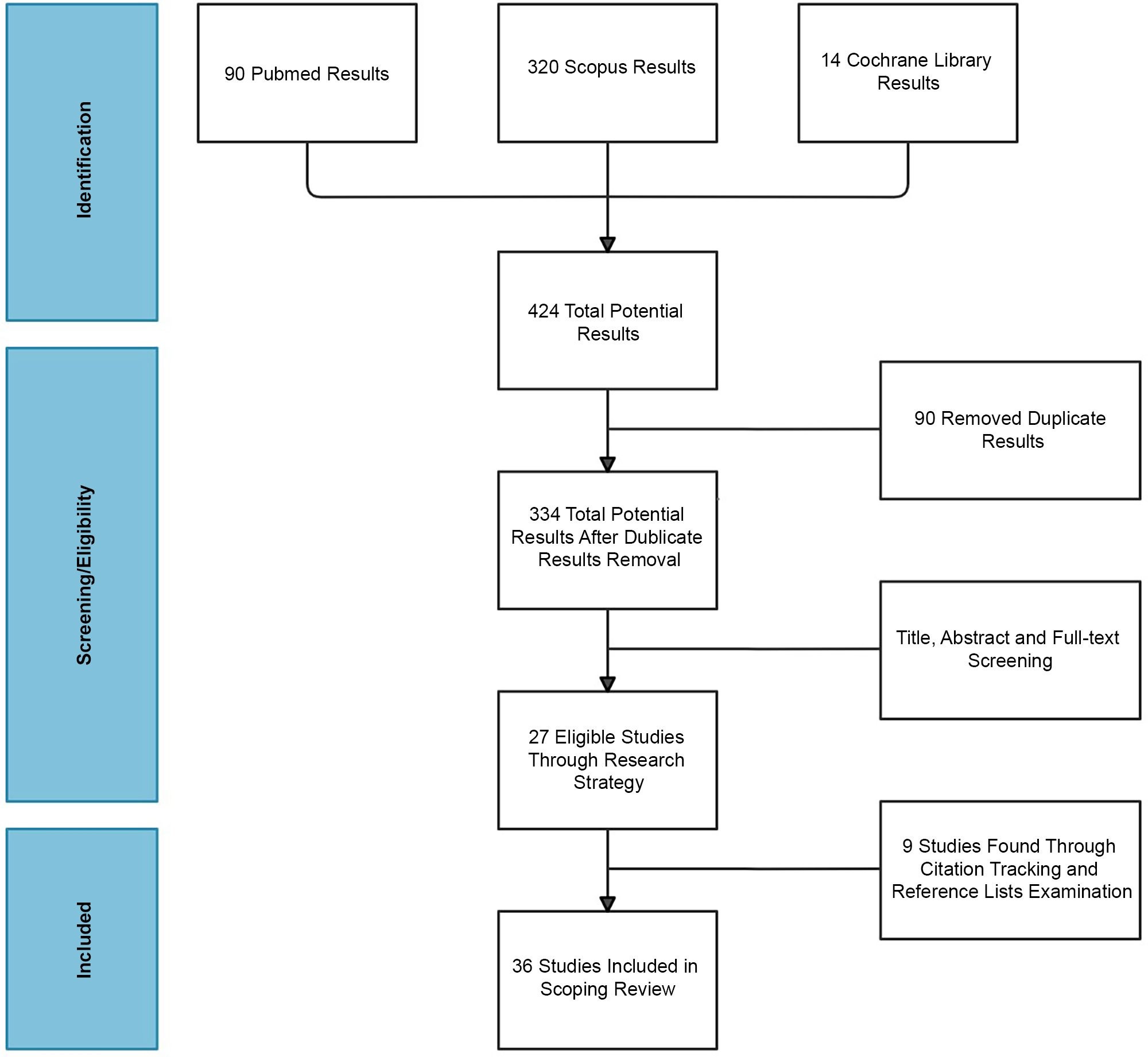
A literature review was conducted in December 2022 in PubMed, Elsevier Scopus, and Cochrane Library. The research algorithm included the following terms: (arthroscopic OR arthroscopy OR arthroscopically) AND assisted AND (ankle or pilon or Tillaux or Bosworth or talar or calcaneal) AND fracture. Supplementary sources were furthermore recognized through citation tracking and examination of the reference lists. After selection of the inclusion and exclusion criteria, the articles that resulted from the search procedure were screened by title and abstract content relevance. The articles that were selected for the next phase were assessed by one of us (K.G.). In this phase, the full-text content of the chosen articles was reviewed by the same author. The role of the remaining authors at this stage was mainly advisory, especially when there was uncertainty about whether the data were pertinent for the study (Fig. 1).
Figure 1. PRISMA-ScR (Preferred Reporting Items for Systematic reviews and Meta-Analyses extension for Scoping Reviews) flow diagram of the selection of studies in the systematic review.
Japma 114 23200 g001

Study Selection

The inclusion criteria were that the published studies were written in English or German and were about pilon, Tillaux, Bosworth, talar, or calcaneal acute fractures. Arthroscopy had to be used exclusively or combined with other reduction/fixation techniques in the same operation. There was no limitation regarding the age of the patients and the study design (case reports, reviews, original research). Studies were excluded if they were about other ankle fractures, such as malleolar, bimalleolar, or trimalleolar fractures. If arthroscopy was used at a later operation, after fixation, for detection of the etiology of persisting symptoms or if it was used in the same operation but not to assist the fixation (eg, for a last check of reduction and fixation before the incision closing), then an article was excluded. Commentaries, expert opinions, and editorial articles were excluded as well.

Charting the Data

The articles in the full-text review phase were divided into five groups according to their content: Tillaux, pilon, Bosworth, talar, and calcaneal fractures. The relevant data (authors, year of publication, location of hospital or institute, journal name, article title, study category, population, method of arthroscopically assisted reduction/fixation, study results) were extracted and are illustrated in Tables 1 through 5.
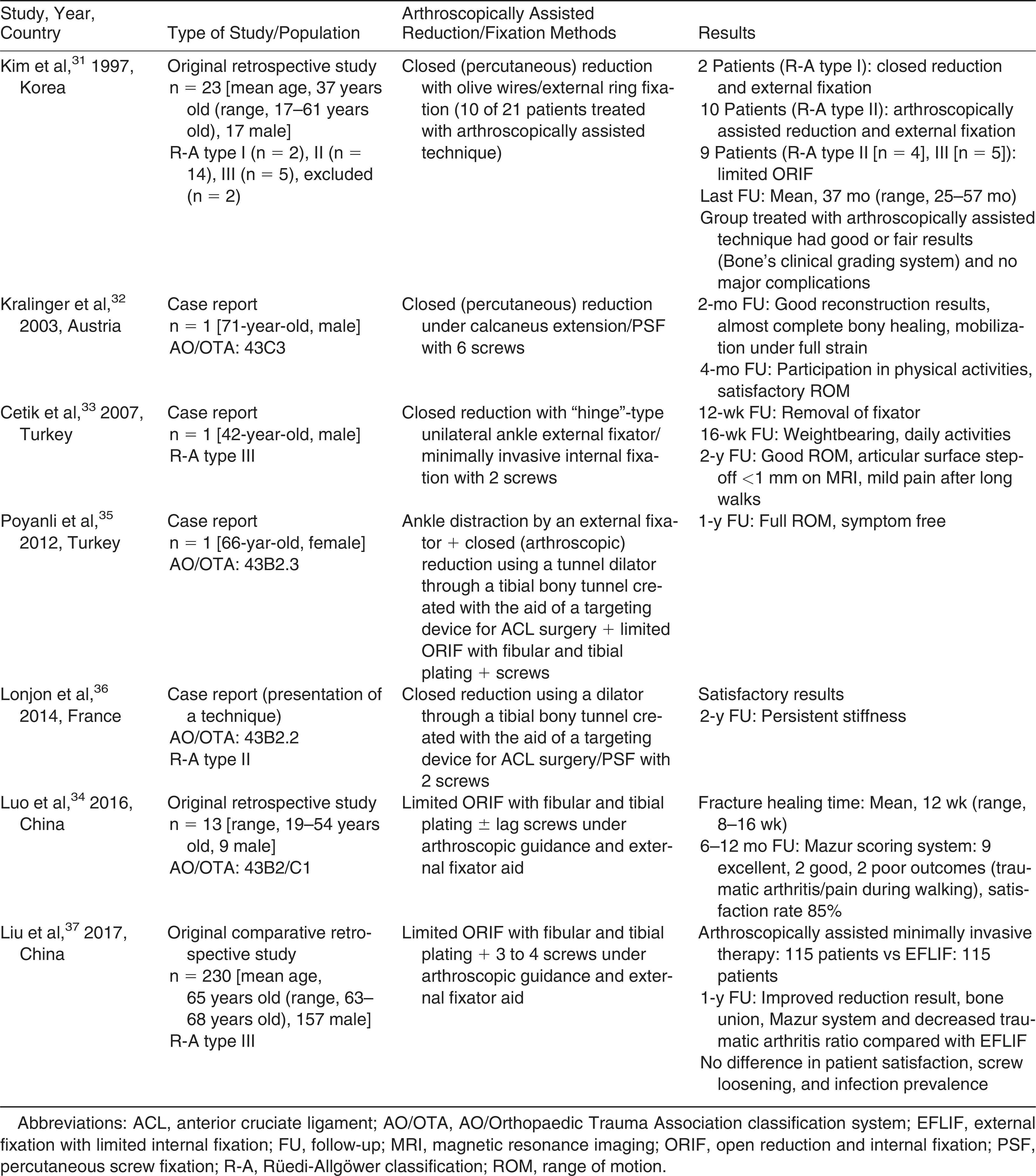
Table 1. Characteristics of Tillaux Fracture Articles Included in the Systematic Review
Japma 114 23200 i001
Table 2. Characteristics of Pilon Fracture Articles Included in the Systematic Review
Japma 114 23200 i002
Table 3. Characteristics of Bosworth Fracture Articles Included in the Systematic Review
Japma 114 23200 i003
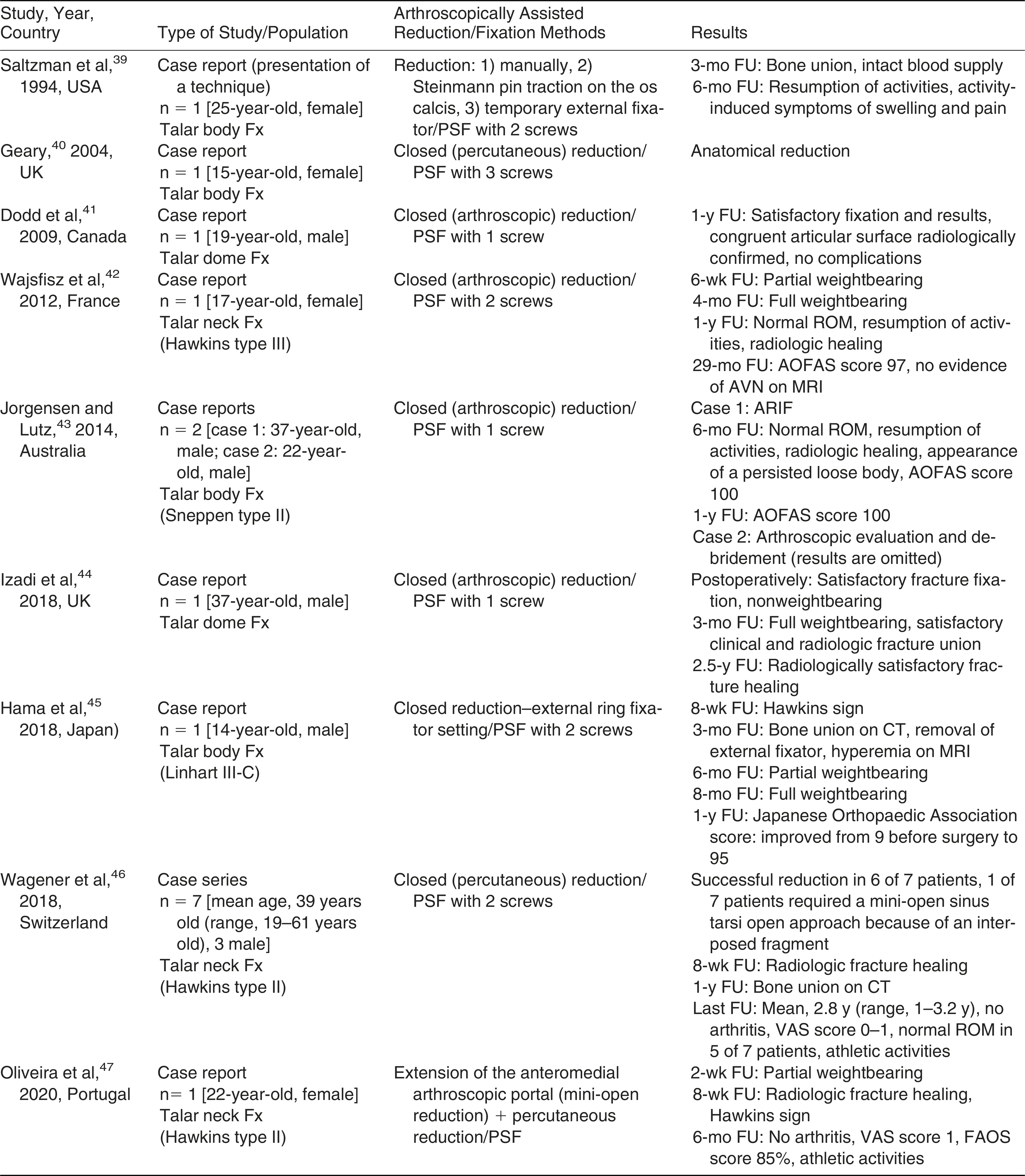
Table 4. Characteristics of Talar Fracture Articles Included in the Systematic Review
Japma 114 23200 i004a
Japma 114 23200 i004b
Table 5. Characteristics of Calcaneal Fracture Articles Included in the Systematic Review
Japma 114 23200 i005a
Japma 114 23200 i005b

Results

A total of 424 potential articles (90 from PubMed, 320 from Scopus, and 14 from Cochrane Library) were identified from the previously mentioned research strategy of the three peer-reviewed databases. After 90 duplicate articles were excluded, the remaining 334 studies were screened using the inclusion and exclusion criteria by reviewing the title and abstract. The remaining articles were qualified for full-text retrieval and review. This resulted in 27 studies that met all of the criteria. Hand searching through citation tracking and examination of the reference lists identified a further nine new relevant articles. The final number of the studies included in this scoping review was 36 (Fig. 1). In the 36 final articles, the chronological range of the results was July 1, 1994, to August 31, 2021. Most of the studies were case reports and case series (n = 22), and the others were original retrospective studies (n = 14). The age range of the participants was 10 to 76 years. The characteristics of the reviewed studies are shown in Tables 1 through 5 [4,8,2457].

Tillaux Fractures

Of the 8 studies with a total of 26 Tillaux fracture described, seven included patients 16 years and younger [4,2430]. Arthroscopically assisted open reduction with extension of the anterolateral arthroscopic portal was performed in three studies [4,24,25], arthroscopically assisted closed (percutaneous) reduction and percutaneous screw fixation (PSF) was performed in one study [26], and the other four studies described exclusively arthroscopic management [2730]. All of the cases were evaluated postoperatively, between a follow-up (FU) interval of weeks to 5 years. American Orthopaedic Foot and Ankle Society (AOFAS) and visual analog scale (VAS) scores were used as evaluation indicators in three and one studies, respectively [4,28,29]. All of the described cases had successful outcomes, with no complications and fast resumption of previous activities (9.5–14.0 weeks) [4,27,28]. The AOFAS score was excellent (100 points) or nearly excellent (mean, 91.7 points), and the VAS score was 0 to 1 after surgery [4,28,29].

Pilon Fractures

A total of 141 patients underwent arthroscopically assisted procedures [3138]. Different arthroscopically assisted techniques have been described, including the use of an external ring fixator [31], closed reduction and PSF [32], a combination of external and internal fixation [33,34,37], and an innovative technique described by Poyanli et al [35] that includes ankle distraction by an external fixator and arthroscopic reduction using a tunnel dilator through a tibial bony tunnel created with the aid of a targeting device for anterior cruciate ligament surgery [36]. The duration of postoperative FU ranged from 4 to 57 months, with most of the studies keeping 1- to 2-year FU intervals. The Bone’s clinical grading system and the Mazur clinical scoring system were used as evaluation indicators in one and two articles, respectively [31,34,37]. Most of the cases had successful results, and only a few patients described mild activity-related pain and stiffness or experienced delayed union, malunion, superficial or deep infection, or screw loosening [33,34,36,37].

Bosworth Fracture

One arthroscopically assisted PSF case of Bosworth fracture dislocation has been described, with an AOFAS score of 92 points in 6 months of FU [38].

Talar Fractures

A total of 18 patients were treated with arthroscopically assisted procedures, and two of them were younger than 16 years [39,40,41,42,43,44,45,46,47,48]. Twelve patients had talar neck fractures (11 Hawkins type II and one Hawkins type III), four had talar body fractures, and two had talar dome fractures. Arthroscopically assisted reduction and PSF were used in all of the studies. In two studies, an external fixator system was used [39,45]. Classic ankle anterior portals (anteromedial, anterolateral, rarely centered anterior) alone were used in six studies [39,40,41,44,45,47], posterior ankle portals (posteromedial, posterolateral) alone were used in one study [43], and a combination of anterior ankle portals with lateral subtalar portals were used in three studies [42,46,48]. The last postoperative FU ranged from 6 to 36 months. The AOFAS, VAS, Foot and Ankle Outcome Score, and Japanese Orthopaedic Association scores were used as evaluation indicators in 3, 2, 1, and 1 studies, respectively. The AOFAS score was 86 to 100, the VAS score was 0 to 1, the Foot and Ankle Outcome Score was 85%, and the Japanese Orthopaedic Association score was 95 [42,43,45,46,47,48]. Satisfactory results were observed in all of the studies regarding anatomical reduction, clinical and radiologic outcomes, and time to return to normal activities.

Calcaneal Fractures

A total of 241 patients with arthroscopically assisted treatment of calcaneal fractures have been described, with a FU range of 12 to 116 months [8,49,50,51,52,53,54,55,56,57]. Arthroscopically assisted percutaneous reduction and screw fixation was the described technique in all of the articles. The AOFAS, VAS, Calcaneus Fracture Scoring System, Manchester-Oxford Foot Questionnaire, Maryland Foot Score, Foot Function Index, and 36-Item Short-Form Health Survey Physical Function score were used to evaluate the patients’ progress. Significant postoperative correction of the Bohler angle with minimal subsidence during FU was observed in most studies.

Discussion

Tillaux Fractures

The term Tillaux fracture refers to a transitional fracture of the anterolateral margin of the distal tibial epiphysis, which is pulled by the anteroinferior tibiofibular ligament (AITFL). During 18 months, when the central fusion of the distal tibial physis has begun, this area is particularly weak in pull-out forces [58]. Normally, the physis is fully ossified between ages 12 and 14 years in females and between ages 15 and 18 years in males, beginning with the central part and then proceeding to the anteromedial, posteromedial, and, finally, lateral aspects of the physis [58,59]. The mechanism of injury is external rotation force applied to the foot that leads to tension to the AITFL and, finally, to avulsion of the anterolateral epiphysis [60]. Although it is uncommon, a fracture similar to the adolescent Tillaux fracture can occur in the adult population [58,61]. The explanation for the lower incidence in adults is the more likely rupture of AITFL instead of avulsion of a bony fragment from its attachment [62]. Because it is a typical intra-articular fracture, it requires anatomical reduction and stable fixation to reduce the possibility of post-traumatic arthritis. Fragment displacement of more than 2 mm after closed reduction efforts constitutes an indication for operative treatment [63].
The first attempt at an arthroscopically assisted treatment of a Tillaux fracture was described by Miller [24] in a female adult. Leetun and Ireland [25] published the first arthroscopically assisted management of an adolescent Tillaux fracture 5 years later. In both cases, standard anteromedial and anterolateral ankle arthroscopic portals were used. The fracture hematoma was drained and the fracture visualized. In the first case, extension of the anterolateral portal was essential for identification and debridement of the extra-articular fracture margins. In the second case, reduction with use of the arthroscope and PSF was not feasible, leading to an anterolateral arthrotomy and again for the extra-articular margin debridement [24,25]. Thaunat et al [26] described an arthroscopically assisted percutaneous reduction and PSF case in which a Kirschner wire (joystick maneuver) and a hook probe were used to aid the reduction. The first exclusively arthroscopic management for Tillaux fracture was published by Panagopoulos and van Niekerk [28], with excellent clinical and radiologic results. The AOFAS score was 100 after 14 weeks of FU [28]. Jennings et al [27] presented five juvenile triplane and one Tillaux fracture with arthroscopically assisted treatment and a long FU interval. The patient with the Tillaux fracture was followed for 5 years after surgery, with successful results and no evidence of degenerative arthritis or growth arrest [27].
Ogawa and Shimizu [4] reported an arthroscopically assisted fixation performed by extension of both arthroscopic portals. Temporary fixation with Kirschner wires and cannulated screw fixation were used. A screw penetration of the physis was reported, which could be avoided. Nevertheless, 9 months later the implant was removed, and after 1.5 years of FU, the AOFAS score and functional outcome were favorable [4]. Generally, removal of the implant is preferable as soon as bone union has been achieved, for normalization of joint contact pressure on the ankle [64]. Although the growth plate was endangered due to physis penetration, Tillaux fractures occur in the final stage of physis closure, and growth arrest rarely appears [4]. A study with a bigger sample was published by Feng et al [29]. A total of 19 patients were retrospectively studied after treatment with an “all-inside” exclusively arthroscopic operation and Herbert-type screw fixation. After mean FU of 19 months (range, 12–25 months), mean AOFAS and VAS scores were 91.7 (range, 85–100) and 0.1 (range, 0–1), respectively, and were statistically significantly improved compared with preoperative scores [29]. A missed Tillaux fracture with syndesmosis injury in a polytrauma patient was described by Oliveira et al [30] with similarly successful outcomes, despite the presence of callous and fibrotic tissue in the fracture area due to the 3-week interval between injury and operation time. On the contrary, a less aggressive debridement was achieved using arthroscopy [30]. In one case, which was excluded from this review, arthroscopically assisted treatment was unable to give satisfactory reduction, and classic open reduction and internal fixation (ORIF) was finally performed [65].

Pilon Fractures

High-energy axial compression forces cause impaction fractures of the distal tibial articular surface with various levels of metaphyseal comminution and possible diaphyseal extensions. This type of fractures is called “pilon” type, and the associated soft-tissue and articular cartilage damage make surgical treatment really challenging [66]. High complication rates (11.4%–54%), including soft-tissue and bony adverse effects, constitute the main causes of the poor prognosis of these fractures [67]. The treatment goals of these type of injuries, with the view of achieving favorable outcomes, include restoration of the distal tibial alignment, protection of soft tissues, fracture stabilization, and early mobilization [66]. The continuous development of several surgical techniques (ORIF, external fixation, external fixation with limited internal fixation) indicates the complexity of these injuries [68].
Kim et al [31] described ten cases of pilon (Rüedi-Allgöwer type II) fractures treated with arthroscopically assisted reduction and external ring fixation. Arthroscopy was used in cases in which the reduction was questionable after the application of an external ring fixation system with good results as assessed with Bone’s clinical grading system. No major complications were reported [31]. Arthroscopically assisted closed reduction and PSF has also been described in a pilon fracture, with fast recovery and participation in daily activities [32]. Cetik et al [33] and Luo et al [34] used a combination of internal and external fixation using the arthroscope as a reduction-aiding device. In the first study, a “hinge”-type unilateral ankle external fixator was applied, and closed reduction and minimally invasive fixation with screws was successfully achieved. After 2 years of FU, a step-off less than 1 mm was visible on MRI [33]. In the later study, a technique of arthroscopically assisted limited ORIF with fibular and tibial plating and lag screws, under external fixator distraction, was described. A satisfaction rate of 85% using the Mazur scoring system was observed [34]. Poyanli et al [35] published an innovative surgical technique of minimally invasive reduction of a pilon fracture. Under ankle distraction by an external fixator, fibular plating was performed to regain the fibular length. Arthroscopic retrograde reduction was achieved using a tunnel dilator through a tibial bony tunnel created with the aid of a targeting device for anterior cruciate ligament surgery. Iliac bone graft was also placed through the same tunnel. Limited ORIF with plating of the tibia was the final step of the procedure [35]. Lonjon et al [36] used a similar technique with creation of a proximal tibial corticotomy and a tibial tunnel. Reduction was achieved with a dilator through the tibial tunnel and fixation with two percutaneously placed screws [36]. A recent retrospectively designed comparative study between arthroscopically assisted minimally invasive therapy and external fixation with limited internal fixation showed statistically significantly better reduction results, bone union, Mazur system evaluation, and decreased traumatic arthritis ratio in favor of the former [37].

Bosworth Fractures

The Bosworth fracture dislocation is a rare ankle injury, usually irreducible due to the dislocation of the distal fibula entrapped behind the posterior portion of the distal tibia [69]. A rare case of a Bosworth fracture dislocation treated with arthroscopically assisted reduction and PSF of the syndesmosis with two lag screws combined with open repair of the ruptured deltoid ligament has recently been described with satisfactory radiologic and clinical results [38].

Talar Fractures

Talar fractures account for only 1% of all fractures and represent 3% to 6% of foot and ankle fractures. They can anatomically be categorized into neck, dome, talar process, and body fractures [41,43,70]. The treatment of these fractures remains a challenge due to the high incidence of complications such as skin necrosis, avascular necrosis, malunion, nonunion, and post-traumatic arthritis [71]. Conservative treatment is acceptable for undisplaced fractures. Surgery is recommended even for minimally displaced fractures. The treatment goal is the restoration of anatomy, usually with ORIF, to restore the foot shape and function, and also to decrease the possibility of blood supply disruption, avoiding a nonunion or avascular necrosis [13]. An ORIF can be achieved through medial, lateral, or dorsal approaches, with high risk of postsurgery complications due to considerable soft-tissue damage. Arthroscopic reduction and internal fixation of talar fractures is described recently, providing the surgeons with a minimally invasive technique that respects soft tissues and the talar blood supply [39,40].
Arthroscopically assisted management of displaced talar neck or body fractures was first described by Saltzman et al [39] with the use of a temporarily placed external fixator. Gross reduction was achieved indirectly with the external fixator. In some cases, direct traction of the fragments was performed with the use of a half pin. The arthroscopy was then used for debridement, final reduction, and fixation with two screws percutaneously [39]. Later, several case reports were published describing arthroscopically assisted treatment with PSF of talar neck, dome, and body fractures [40,41,42,43,44,45,46,47,48] Although percutaneous screw placement from posterior to anterior is frequently used, anteroposterior insertion has been used for proximal neck or body fractures with a large posteromedial fragment or for fractures that could lose reduction with a posteroanterior screw insertion [39,40]. The talar dome fractures described in this review were treated with arthroscopically assisted transfibular screw fixation, avoiding a medial or lateral malleolar or tibiofibular osteotomy for adequate exposure of the articular surface, which is common in ORIF of these fractures [41,44]. Wajsfisz et al [42] described a completely arthroscopic management of a Hawkins type III talar neck fracture using standard anteromedial and anterolateral ankle arthroscopic portals combined with two accessory lateral subtalar portals, with satisfactory results. Through this technique, continuous control of both tibiotalar and subtalar joints was achieved [42]. In a case series study by Wagener et al [46], six of seven patients had excellent results with arthroscopic reduction and internal fixation. In the remaining patient, an interposed fracture fragment was blocking the anatomical reduction and had to be removed through a mini-arthrotomy. In another case of a Hawkins type II neck fracture, a mini-open approach with extension of the anteromedial portal was necessary to achieve reduction. These instances may imply that there are some limitations in exclusively arthroscopic treatment of some talar fracture patterns [46,47].

Calcaneal Fractures

Calcaneal fractures constitute 2% of all fractures. Three-quarters of these fractures are intra-articular and are associated with less favorable outcomes [72]. The goals of operative treatment include the restoration of subtalar joint congruency, Bohler angle, and calcaneal height, length, width, and alignment [73,74]. Restoration of the integrity of the posterior facet of the subtalar joint is considered to be the most important prognostic factor. Patients’ subjective concerns have been correlated more with residual incongruity of the posterior facet than with the amount of correction of the Bohler angle [75]. Even a minor articular step of 1 to 2 mm in the posterior facet results in increased load shift in the subtalar joint, leading to higher rates of post-traumatic arthritis [76,77]. Moreover, excessive approaches to improve the Bohler angle and the calcaneal height and width can lead to increased soft-tissue tension and potential wound dehiscence [78].
Despite the fact that ORIF with the commonly used L-shaped lateral incision provides excellent fracture visualization, soft-tissue complications such as wound edge necrosis and infection have an incidence of 11% and 7%, respectively [71]. Arthroscopically assisted PSF of these fractures has been recently developed, offering direct visualization of the disrupted subtalar joint, easy detection of joint screw penetration, and minimal disturbance of the soft-tissue envelope. Through the arthroscopy it is also possible to remove intra-articular fragments and finally assess joint congruency. These approaches lead to reduced rates of wound-healing problems and deep infection and reduced joint stiffness [50,79].
Rammelt et al [49,50] described 15 patients with arthroscopically assisted percutaneous reduction and screw fixation of Sanders type II calcaneal fractures with a minimum of 1 year of FU. The mean AOFAS score was 94.1, suggesting this subtalar arthroscopically aided technique as an alternative treatment for selective intra-articular calcaneal fractures. There were three cases in which fracture reduction was not possible due to deep impaction of the posterior facet fragment that could not be loosened percutaneously without risking further fragmentation. In these cases, ORIF via an extensive lateral approach was performed, demonstrating some limitations of this procedure [49,50]. Several similar studies with small samples followed by satisfactory clinical and radiologic results have been reported in the literature [8,50,51,53,54,55,56,57]. Extension of this technique to Sanders type III and IV calcaneal fractures was described in four studies [8,54,56,57]. In these studies, Grün et al [56] mentioned that during 1-year FU, 96% of patients treated with percutaneous and arthroscopically assisted calcaneal osteosynthesis developed at least grade 1 subtalar osteoarthritis, according to the Kellgren and Lawrence subtalar osteoarthritis classification system, indicating that even with arthroscopically assisted anatomical reduction, it is difficult to overcome this complication [80,81]. Yeap et al [8] compared a sample treated with ORIF with a second sample treated with arthroscopically assisted PSF and found a statistically significant decrease in preoperative, postoperative, and return-to-work time in favor of arthroscopically assisted PSF. No differences were found in the anthropometric data, wound complication rates, improvement of Bohler and Gissane angles, AOFAS scores, and 36-Item Short-Form Health Survey scores [8].

Conclusions

Arthroscopically assisted techniques in the treatment of different fractures of the foot and ankle, including Tillaux, pilon, Bosworth, talar, and calcaneal fractures, are effective procedures with satisfactory and promising results. Τhanks to their minimally invasive nature, they have been rapidly developed during the past years, giving an extra option to expert surgeons in selected intra-articular ankle fractures. Some limited cases illuminate the limitations of these techniques as well, indicating that some fracture patterns are not suitable for these techniques. Only low-evidence studies were found in the literature, indicating the need for larger-sample, comparative, randomized controlled studies to fully evaluate the long-term effects and possible superiority of these techniques over classic open or percutaneous reduction and fixation techniques in the management of these fractures.

Financial Disclosure

None reported.

Conflict of Interest

None reported.

References

  1. Pichl J, Hoffmann R: Ankle fractures in the elderly. Unfallchirurg 114: 681, 2011.
  2. Rockwood CA, Green DP, Court-Brown CM, et al: Rockwood and Green’s Fractures in Adults, Wolters Kluwer Health, Philadelphia, 2015.
  3. Court-Brown CM, McBirnie J, Wilson G: Adult ankle fractures: an increasing problem? Acta Orthop Scand 69: 43, 1998.
  4. Ogawa T, Shimizu S: Arthroscopically assisted surgical fixation of a juvenile Tillaux fracture and implant removal: a case report. J Clin Orthop Trauma 8 (suppl 1): S32, 2017.
  5. Mauffrey C, Vasario G, Battiston B, et al: Tibial pilon fractures: a review of incidence, diagnosis, treatment, and complications. Acta Orthop Belg 77: 432, 2011.
  6. Bartoníček J, Frič V, Svatoš F, et al: Bosworth-type fibular entrapment injuries of the ankle: the Bosworth lesion. J Orthop Trauma 21: 710, 2007.
  7. Sautet P, Roussignol X, Loubignac F, et al; la Société Française de Chirurgie Orthopédique et Traumatologique (SOFCOT). Talar fracture: epidemiology, treatment and results in a multicenter series. Orthop Traumatol Surg Res 107: 102835, 2021.
  8. Yeap EJ, Rao J, Pan CH, et al: Is arthroscopic assisted percutaneous screw fixation as good as open reduction and internal fixation for the treatment of displaced intra-articular calcaneal fractures? Foot Ankle Surg 22: 164, 2016.
  9. Leontaritis N, Hinojosa L, Panchbhavi VK: Arthroscopically detected intra-articular lesions associated with acute ankle fractures. J Bone Joint Surg Am 91: 333, 2009.
  10. Hintermann B, Regazzoni P, Lampert C, et al: Arthroscopic findings in acute fractures of the ankle. J Bone Joint Surg Br 82: 345, 2000.
  11. Teeny SM, Wiss DA: Open reduction and internal fixation of tibial plafond fractures: variables contributing to poor results and complications. Clin Orthop Relat Res 292: 108, 1993.
  12. Bartoníček J, Rammelt S, Kostlivý K: Bosworth fracture: a report of two atypical cases and literature review of 108 cases. Fuß Sprunggelenk 15: 126, 2017.
  13. Vallier HA, Reichard SG, Boyd AJ, et al: A new look at the Hawkins classification for talar neck fractures: which features of injury and treatment are predictive of osteonecrosis? J Bone Joint Surg Am 96: 192, 2014.
  14. Howard JL, Buckley R, McCormack R, et al: Complications following management of displaced intra-articular calcaneal fractures: a prospective randomized trial comparing open reduction internal fixation with nonoperative management. J Orthop Trauma 17: 241, 2003.
  15. Sorrento DL, Mlodzienski A: Incidence of lateral talar dome lesions in SER IV ankle fractures. Foot Ankle Surg 39: 354, 2000.
  16. Aktas S, Kocaoglu B, Gereli A, et al: Incidence of chondral lesions of talar dome in ankle fracture types. Foot Ankle Int 29: 287, 2008.
  17. Takao M, Ochi M, Uchio Y, et al: Osteochondral lesions of the talar dome associated with trauma. Arthroscopy 19: 1061, 2003.
  18. van Dijk CN, Reilingh ML, Zengerink M, et al: Osteochondral defects in the ankle: why painful? Knee Surg Sports Traumatol Arthrosc 18: 570, 2010.
  19. Braunstein M, Baumbach SF, Regauer M, et al: The value of arthroscopy in the treatment of complex ankle fractures: a protocol of a randomised controlled trial. BMC Musculoskelet Disord 17: 210, 2016.
  20. Chen XZ, Chen Y, Liu CG, et al: Arthroscopy-assisted surgery for acute ankle fractures: a systematic review. Arthroscopy 31: 2224, 2015.
  21. Arksey H, O’Malley L: Scoping studies: towards a methodological framework. Int J Soc Res Methodol 8: 19, 2005.
  22. Levac D, Colquhoun H, O’Brien KK: Scoping studies: advancing the methodology. Implement Sci 5: 69, 2010.
  23. Tricco AC, Lillie E, Zarin W, et al: PRISMA extension for Scoping Reviews (PRISMA-ScR): checklist and explanation. Ann Intern Med 169: 467, 2018.
  24. Miller MD: Arthroscopically assisted reduction and fixation of an adult Tillaux fracture of the ankle. Arthroscopy 13: 117, 1997.
  25. Leetun DT, Ireland ML: Arthroscopically assisted reduction and fixation of a juvenile Tillaux fracture. Arthroscopy 18: 427, 2002.
  26. Thaunat M, Billot N, Bauer T, et al: Arthroscopic treatment of a juvenile Tillaux fracture. Knee Surg Sports Traumatol Arthrosc 15: 286, 2006.
  27. Jennings MM, Lagaay P, Schuberth JM: Arthroscopic assisted fixation of juvenile intra-articular epiphyseal ankle fractures. J Foot Ankle Surg 46: 376, 2007.
  28. Panagopoulos A, van Niekerk L: Arthroscopic assisted reduction and fixation of a juvenile Tillaux fracture. Knee Surg Sports Traumatol Arthrosc 15: 415, 2007.
  29. Feng SM, Sun QQ, Wang AG, et al: “All-inside” arthroscopic treatment of Tillaux-Chaput fractures: clinical experience and outcomes analysis. J Foot Ankle Surg 57: 56, 2018.
  30. Oliveira N, Pinho P, Baptista M, et al: Missed Tillaux fracture and syndesmosis injury in adult: arthroscopic assisted reduction and fixation. Rev Bras Ortop (Sao Paulo) 56: 399, 2020.
  31. Kim HS, Jahng JS, Kim SS, et al: Treatment of tibial pilon fractures using ring fixators and arthroscopy. Clin Orthop Relat Res 334: 244, 1997.
  32. Kralinger F, Lutz M, Wambacher M, et al: Arthroscopically assisted reconstruction and percutaneous screw fixation of a pilon tibial fracture. Arthroscopy 19: E45, 2003.
  33. Cetik O, Cift H, Ari M, et al: Arthroscopy-assisted combined external and internal fixation of a pilon fracture of the tibia. Hong Kong Med J 13: 403, 2007.
  34. Luo H, Chen L, Liu K, et al: Minimally invasive treatment of tibial pilon fractures through arthroscopy and external fixator-assisted reduction. Springerplus 5: 1923, 2016.
  35. Poyanli O, Esenkaya I, Ozkut AT, et al: Minimally invasive reduction technique in split depression type tibial pilon fractures. J Foot Ankle Surg 51: 254, 2012.
  36. Lonjon G, Delgrande D, Solignac N, et al: Arthroscopic treatment in split depression-type tibial pilon fracture. Eur J Orthop Surg Traumatol 25: 399, 2014.
  37. Liu P, Guo Y, Wen Y, et al: Clinical application of arthroscopy-assisted minimally invasive therapy in Chinese elderly with type III Pilon fracture. Clin Interv Aging 12: 2033, 2017.
  38. He S, Zhu J: Ankle arthroscopy–assisted closed reduction in Bosworth fracture dislocation. SAGE Open Med Case Rep 8: 2050313X2097452, 2020.
  39. Saltzman CL, Marsh JL, Tearse DS: Treatment of displaced talus fractures: an arthroscopically assisted approach. Foot Ankle Int 15: 630, 1994.
  40. Geary NP: Arthroscopically assisted internal fixation of a talus body fracture. Injury 35: 86, 2004.
  41. Dodd A, Simon D, Wilkinson R: Arthroscopically assisted transfibular talar dome fixation with a headless screw. Arthroscopy 25: 806, 2009.
  42. Wajsfisz A, Makridis KG, Guillou R, et al: Arthroscopic treatment of a talar neck fracture: a case report. Knee Surg Sports Traumatol Arthrosc 20: 1850, 2012.
  43. Jorgensen NB, Lutz M: Arthroscopic treatment of talar body fractures. Arthrosc Tech 3: e271, 2014.
  44. Izadi E, Anwar R, Phillips S, et al: Transmalleolar approach for arthroscopy-assisted headless screw fixation of an osteochondral talar dome fracture. J Foot Ankle Surg 57: 622, 2018.
  45. Hama S, Onishi R, Yasuda M, et al: Adolescent talus body fracture with high displacement: a case report. Medicine (Baltimore) 97: e12043, 2018.
  46. Wagener J, Schweizer C, Zwicky L, et al: Arthroscopically assisted fixation of Hawkins type II talar neck fractures: a case series. Bone Joint J 100-B: 461, 2018.
  47. Oliveira MA, Sousa H, Ventura M, et al: Arthroscopically assisted reduction and internal fixation of talar neck fracture: a case report. J Orthop Case Rep 9: 90, 2020.
  48. Bardas CA, Benea HRC, Apostu D, et al: Clinical outcomes after arthroscopically assisted talus fracture fixation. Int Orthop 45: 1025, 2021.
  49. Rammelt S, Gavlik JM, Barthel S, et al: The value of subtalar arthroscopy in the management of intra-articular calcaneus fractures. Foot Ankle Int 23: 906, 2002.
  50. Gavlik JM, Rammelt S, Zwipp H: Percutaneous, arthroscopically-assisted osteosynthesis of calcaneus fractures. Arch Orthop Trauma Surg 122: 424, 2002.
  51. Schuberth JM, Cobb MD, Talarico RH: Minimally invasive arthroscopic-assisted reduction with percutaneous fixation in the management of intra-articular calcaneal fractures: a review of 24 cases. J Foot Ankle Surg 48: 315, 2009.
  52. Rammelt S, Amlang M, Barthel S, et al: Percutaneous treatment of less severe intraarticular calcaneal fractures. Clin Orthop Relat Res 468: 983, 2009.
  53. Woon CYL, Chong KW, Yeo W, et al: Subtalar arthroscopy and flurosocopy in percutaneous fixation of intra-articular calcaneal fractures: the best of both worlds. J Trauma 71: 917, 2011.
  54. Sivakumar BS, Wong P, Dick CG, et al: Arthroscopic reduction and percutaneous fixation of selected calcaneus fractures: surgical technique and early results. J Orthop Trauma 28: 569, 2014.
  55. Law GW, Yeo NEM, Yeo W, et al: Subtalar arthroscopy and fluoroscopy in percutaneous fixation of intra-articular calcaneal fractures. J Orthop Surg (Hong Kong) 25: 2309499016684995, 2017.
  56. Grün W, Molund M, Nilsen F, et al: Results after percutaneous and arthroscopically assisted osteosynthesis of calcaneal fractures. Foot Ankle Int 41: 689, 2020.
  57. Gao D, Wong TM, Fang C, et al: Arthroscopic-assisted percutaneous fixation of intra-articular calcaneal fractures using an intraoperative distraction device. J Orthop Surg (Hong Kong) 29: 2309499020979095, 2021.
  58. Rosenbaum AJ, DiPreta JA, Uhl RL: Review of distal tibial epiphyseal transitional fractures. Orthopedics 35: 1046, 2012.
  59. Ogden JA, McCarthy SM: Radiology of postnatal skeletal development: VIII. Distal tibia and fibula. Skeletal Radiol 10: 209, 1983.
  60. Wuerz TH, Gurd DP: Pediatric physeal ankle fracture. J Am Acad Orthop Surg 21: 234, 2013.
  61. Kumar N, Prasad M: Tillaux fracture of the ankle in an adult: a rare injury. J Foot Ankle Surg 53: 757, 2014.
  62. Birnie MFN, van Schilt KLJ, Sanders FRK, et al: Anterior inferior tibiofibular ligament avulsion fractures in operatively treated ankle fractures: a retrospective analysis. Arch Orthop Trauma Surg 139: 787, 2019.
  63. Crawford AH: Triplane and Tillaux fractures: is a 2 mm residual gap acceptable? J Pediatr Orthop 32 (suppl 1): S69, 2012.
  64. Charlton M, Costello R, Mooney JF, et al: Ankle joint biomechanics following transepiphyseal screw fixation of the distal tibia. J Pediatr Orthop 25: 635, 2005.
  65. Poyanli O, Unay K, Akan K, et al: Distal tibial epiphyseal fracture (Tillaux) and capsular interposition. JAPMA 99: 435, 2009.
  66. Jacob N, Amin A, Giotakis N, et al: Management of high-energy tibial pilon fractures. Strategies Trauma Limb Reconstr 10: 137, 2015.
  67. Liu Z: External fixation combined with limited internal fixation versus open reduction internal fixation for treating Ruedi-Allgower type III pilon fractures. Med Sci Monit 21: 1662, 2015.
  68. Davidovitch RI, Elkataran R, Romo S, et al: Open reduction with internal fixation versus limited internal fixation and external fixation for high grade pilon fractures (OTA type 43C). Foot Ankle Int 32: 955, 2011.
  69. Bosworth DM: Fracture-dislocation of the ankle with fixed displacement of the fibula behind the tibia. J Bone Joint Surg Am 29: 130, 1947.
  70. Dale JD, Ha AS, Chew FS: Update on talar fracture patterns: a large level I trauma center study. AJR Am J Roentgenol 201: 1087, 2013.
  71. Rammelt S, Zwipp H: Talar neck and body fractures. Injury 40: 120, 2009.
  72. Csizy M, Buckley R, Tough S, et al: Displaced intra-articular calcaneal fractures: variables predicting late subtalar fusion. J Orthop Trauma 17: 106, 2003.
  73. Tornetta P: The Essex-Lopresti reduction for calcaneal fractures revisited. J Orthop Trauma 12: 469, 1998.
  74. Gougoulias N, Khanna A, McBride DJ, et al: Management of calcaneal fractures: systematic review of randomized trials. Br Med Bull 92: 153, 2009.
  75. Janzen DL, Connell DG, Munk PL, et al: Intraarticular fractures of the calcaneus: value of CT findings in determining prognosis. AJR Am J Roentgenol 158: 1271, 1992.
  76. Rammelt S, Gavlik J, Barthel S, et al: Aktuelle Versorgungsstrategie der Calcaneusfrakturen. OP-Journal 17: 45, 2001.
  77. Sangeorzan BJ, Ananthakrishnan D, Tencer AF: Contact characteristics of the subtalar joint after a simulated calcaneus fracture. J Orthop Trauma 9: 251, 1995.
  78. Shuler FD, Conti SF, Gruen GS, et al: Wound-healing risk factors after open reduction and internal fixation of calcaneal fractures: does correction of Bohler's angle alter outcomes? Orthop Clin North Am 32: 187, 2001.
  79. Gavlik JM, Rammelt S, Zwipp H: The use of subtalar arthroscopy in open reduction and internal fixation of intra-articular calcaneal fractures. Injury 33: 63, 2002.
  80. Kellgren JH, Lawrence JS: Radiological assessment of osteo-arthrosis. Ann Rheum Dis 16: 494, 1957.
  81. de Muinck Keizer RJO, Backes M, Dingemans SA, et al: Post-traumatic subtalar osteoarthritis: which grading system should we use? Int Orthop 40: 1981, 2016.