Antiphospholipid syndrome (APS) is an autoimmune disease characterized by the presence of autoantibodies directed against phospholipid binding proteins. Phospholipid binding proteins have an anticoagulant function, thus autoantibodies against them result in venous and arterial thrombosis throughout the body. Antiphospholipid syndrome most frequently manifests as recurrent thrombotic events, ischemic strokes, and miscarriages. The three known antiphospholipid antibodies are anticardiolipin antibodies, anti-beta-2-glycoprotein-I antibodies, and lupus anticoagulants [
1]. These can be identified using laboratory tests such as ELISA or functional assays. The prevalence of APS is one in 2000 people in the general population [
1]. Patients are most commonly diagnosed between 20 and 50 years of age, and it is more prevalent in females.
Venous and arterial thrombosis occur with APS, even without any other thrombotic risks. Deep vein thrombosis (DVT) of the lower extremity and arterial thrombosis in the brain causing transient ischemic attacks are the most common manifestations. Typically, APS is considered in the differential when there are unexplained venous or arterial thrombotic events or recurrent miscarriages in younger patients. Less common clinical presentations are thrombocytopenia, livedo reticularis, and catastrophic APS [
1].
Arterial complications of APS occur mainly in the cerebrovascular and coronary arteries with the prevalence of complications in the peripheral arteries at only 6% [
2]. It has been reported that 90% of patients with APS who underwent vascular surgery suffered thrombosis within 1 month after surgery, with 29% of these patients requiring amputation [
3,
4]. A retrospective review by Hinojosa et al. [
4] reported on complications after vascular intervention for peripheral arterial thrombosis associated with primary and secondary APS. They found that of 13 patients who underwent open revascularization with femoral-popliteal bypass, femoral-tibial bypass, or thrombectomy, four patients went on to amputation, including two below-knee amputations, one above-knee amputation, and one transmetatarsal amputation [
4]. More recent literature suggests that invasive vascular intervention in patients with APS may actually increase risk of thrombosis, and endovascular thrombectomy combined with intensive plasma exchange may be a more optimal treatment [
5]. Other studies describe how patients are at an even higher risk for gangrene and amputation when they have secondary APS with an associated disease such as lupus, or other contributing diseases such as diabetes mellitus, kidney disease, or hypertension [
6–
8]. In order to optimize patients’ outcomes in the setting of ischemia in the peripheral arteries caused by APS thrombosis, early anticoagulant therapy with warfarin as well as antiplatelet therapy is recommended.
Other causes of thrombosis include anatomic vascular obstruction, thrombophilias, heparin-induced thrombocytopenia, myeloproliferative neoplasms, and paroxysmal nocturnal hemoglobinuria. These conditions are usually not associated with laboratory evidence of APS.
Clinical suspicion should be raised for primary APS when a young patient exhibits one or more unexplained venous or arterial thrombotic events and/or has one or more specific adverse outcomes related to pregnancy such as multiple miscarriages, fetal death after 10 weeks gestation, or premature birth due to severe preeclampsia or placental insufficiency [
9]. If a patient presents with one or more of these events in their history and they also have neurological findings and lab abnormalities, the suspicion should be increased.
Patients with APS should be evaluated and managed by a hematologist. Current recommendations and studies lean more toward warfarin and aspirin treatment. Literature on APS treatment shows that warfarin and enoxaparin are more effective at preventing thrombosis in patients with APS than direct oral anticoagulants [
10]. A study by Ordi-Rios [
11] showed a near doubling of risk for recurrent thrombosis in patients with APS when comparing warfarin (6.3% risk) to rivaroxaban (11.6% risk).
Neurologic manifestations of APS are rarely reported in the literature. According to one study by Santos et al, [
12] however, neurologic deficits may be more common with APS than previously thought. Their study investigated the prevalence of peripheral neuropathy in a group of 26 patients with APS. They performed a complete neurologic exam and nerve conduction studies on each patient, and found paresthesia in 31% of patients, abnormal symmetric deep tendon reflexes in 11.5%, sensory or sensorimotor distal axonal neuropathy in 15.5%, and isolated carpal tunnel syndrome in 15.5% of patients [
12]. If a patient presents with neurologic deficit without known cause and has a suspicious history with multiple unexplained thrombotic events, APS should be considered.
The current case report describes a young, otherwise healthy female who presented with critical limb ischemia and foot drop caused by thrombosis of a peripheral artery secondary to APS. The purpose of this case report is to emphasize that APS should be kept on the differential for critical limb ischemia and neurologic ailments such as foot drop without another known cause and should be managed with an interprofessional team approach.
Case Report
A 43-year-old female patient with history of anxiety, prior miscarriage, splenic infarct, and deep venous thrombosis (DVT) presented to the emergency department (ED) in November 2021 with complaints of a discolored, cold, and painful left foot. She presented with a cyanotic left foot, nonpalpable left foot dorsalis pedis, and posterior tibial pulses. Arterial duplex revealed nonocclusive arterial thrombus of the superficial femoral, proximal femoral, and proximal profunda artery on the left leg (
Fig. 1). She underwent a left femoral cutdown and thrombectomy with patch angioplasty by vascular surgery and was discharged with 10 mg apixaban twice a day for 7 days, then 5 mg twice a day indefinitely, and 81 mg aspirin daily due to her history. Of note, following her initial DVT (during pregnancy), she was advised to follow-up with hematology for further testing and treatment, but she did not complete follow-up. Pursuit of this original referral may in fact have prevented the case we present here. Because of the original referral to hematology, they were again consulted after her vascular procedure. However, at that time the hematologist felt that follow-up was not needed due to concomitant introduction of lifelong anticoagulation.
Figure 1.
Arterial duplex showing nonocclusive arterial thrombus of the superficial femoral, proximal femoral, and proximal profunda artery on the left leg.
Figure 1.
Arterial duplex showing nonocclusive arterial thrombus of the superficial femoral, proximal femoral, and proximal profunda artery on the left leg.
On December 3, 2021, she presented to her primary-care physician for numbness and weakness in her left foot. On intake, she described the top of her foot as splotchy and purple, cool to the touch, and very sore (
Fig. 2). She admitted compliance with apixaban therapy but had neglected her daily aspirin. Her primary-care physician sent her to the ED for treatment, given her prior history.
Figure 2.
Clinical photo showing the patient’s foot at presentation to her primary-care physician on December 3, 2021.
Figure 2.
Clinical photo showing the patient’s foot at presentation to her primary-care physician on December 3, 2021.
After presenting to the ED, her computed tomography angiogram (CTA) revealed left peroneal artery occlusion with normal posterior tibial and anterior tibial runoff to the left foot (
Fig. 3). The ED performed an echo to identify any potential embolic sources, which was found to be normal. The source of arterial occlusion was still unidentified at this time. Vascular surgery decided that intervention was not necessary at this time due to the presence of two vessel runoff to her left foot, and she was advised to continue her daily apixaban and aspirin.
Figure 3.
Computed tomography angiogram showing left peroneal artery occlusion with normal posterior tibial and anterior tibial runoff to the left foot, taken at initial presentation to the emergency department.
Figure 3.
Computed tomography angiogram showing left peroneal artery occlusion with normal posterior tibial and anterior tibial runoff to the left foot, taken at initial presentation to the emergency department.
Three days later, she was involved in a motor vehicle accident. She presented to the ED with a right iliac wing fracture, right inferior pubic ramus fracture, right pelvic hematoma, and a concussion. She underwent a percutaneous fixation of her right ilium. She was on enoxaparin during her hospital stay, then resumed apixaban upon discharge.
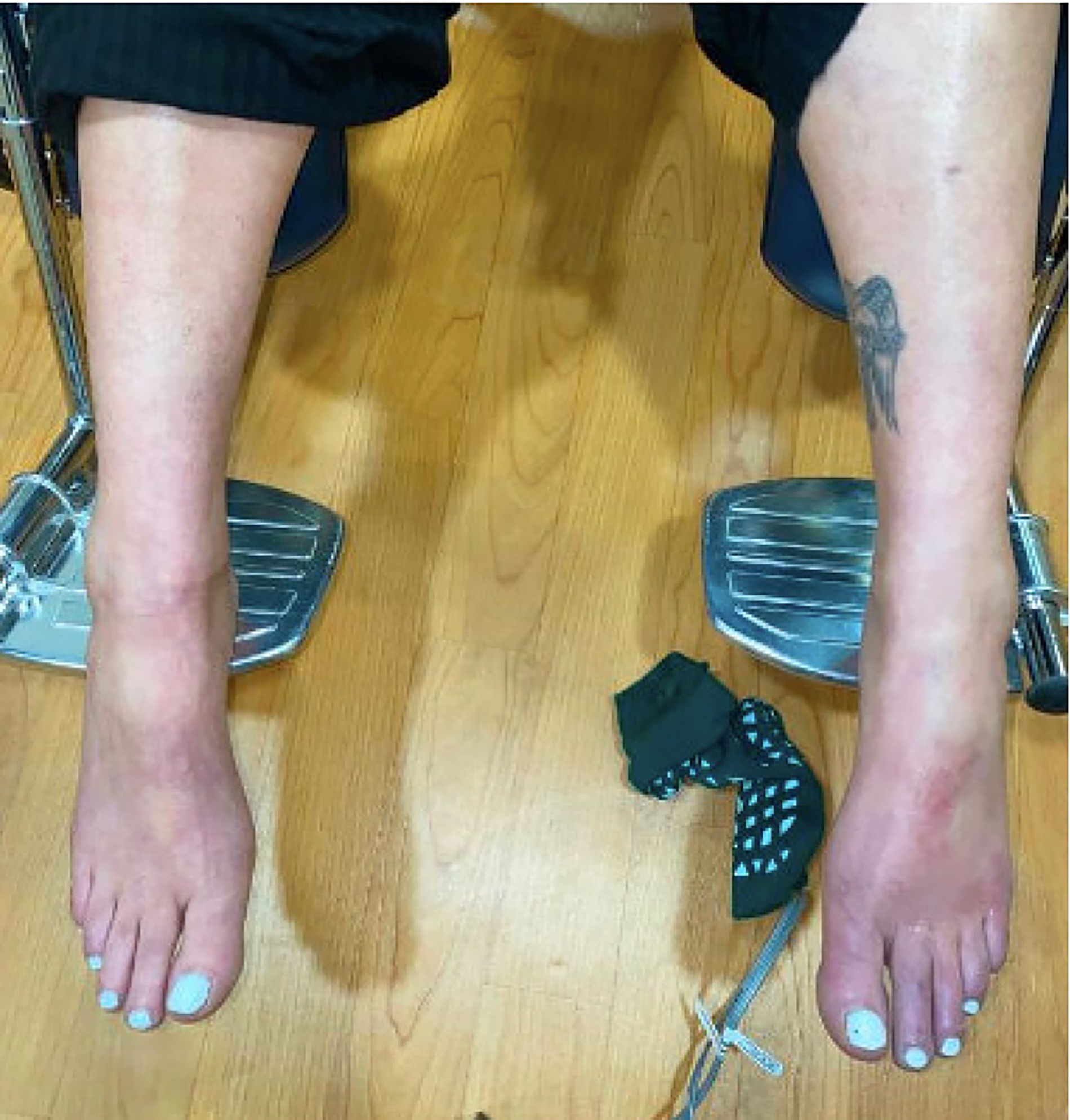
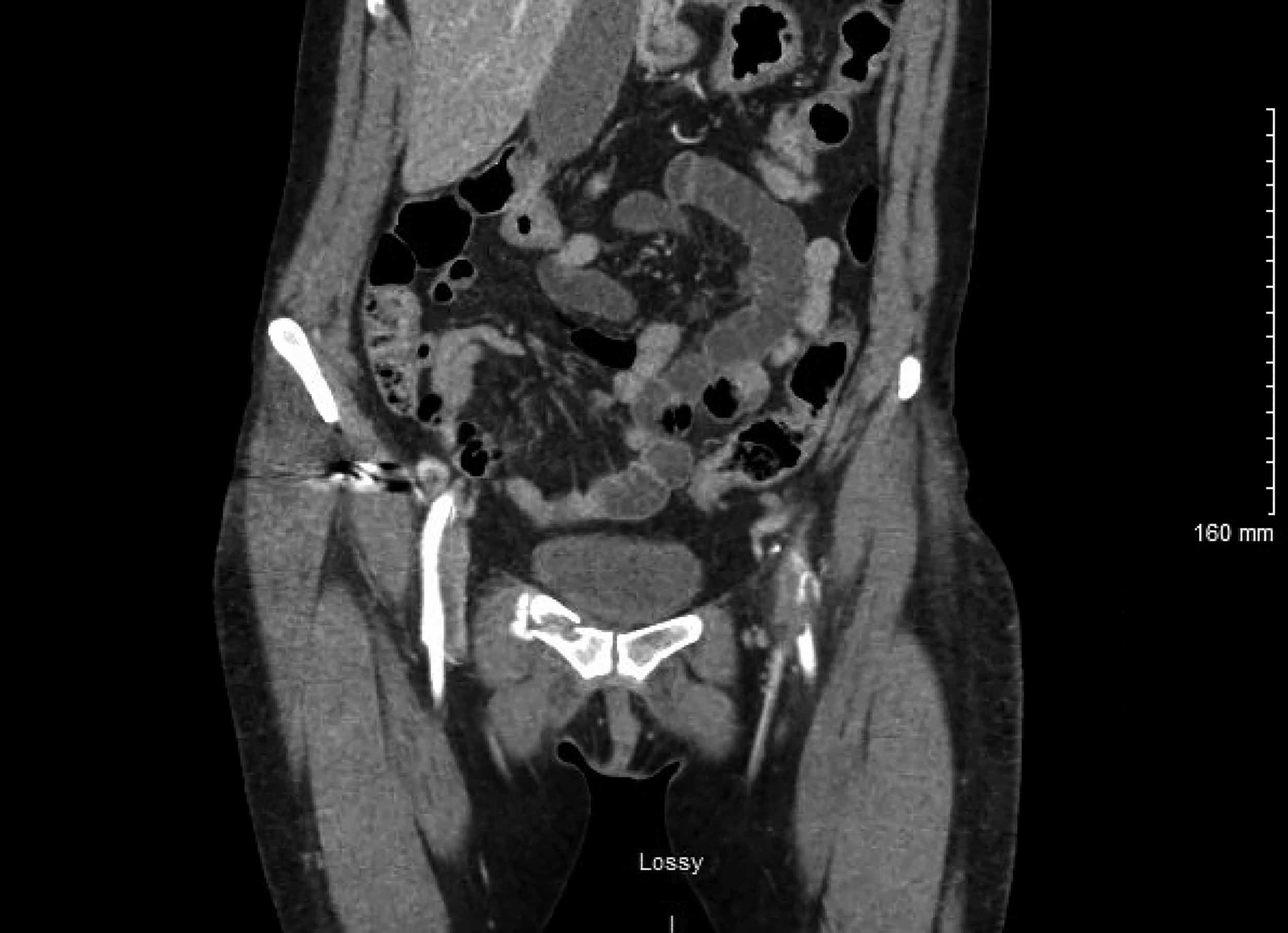
On January 2, 2022, she presented again to the ED with left foot pain, numbness, coolness, and worsening weakness (
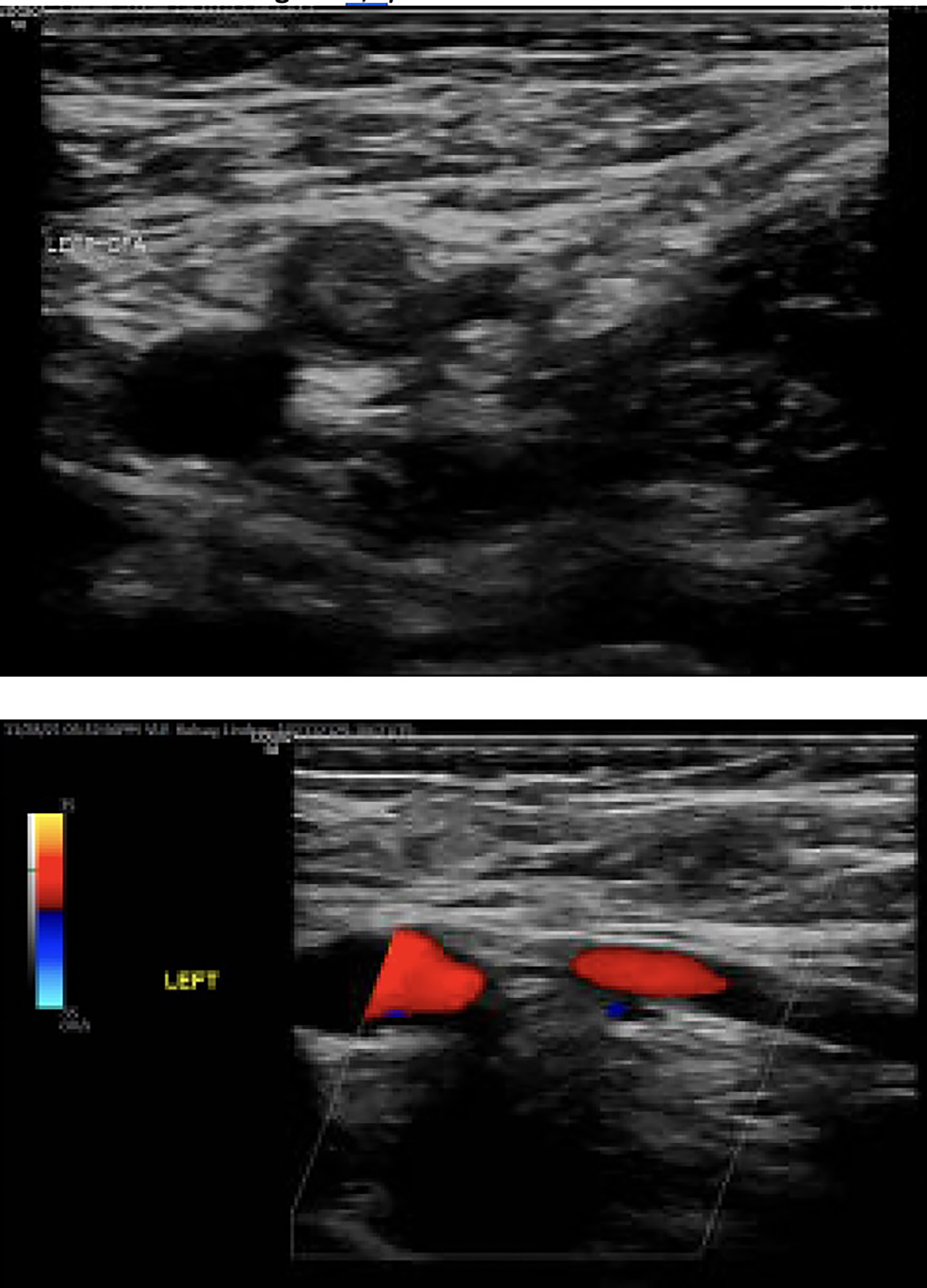
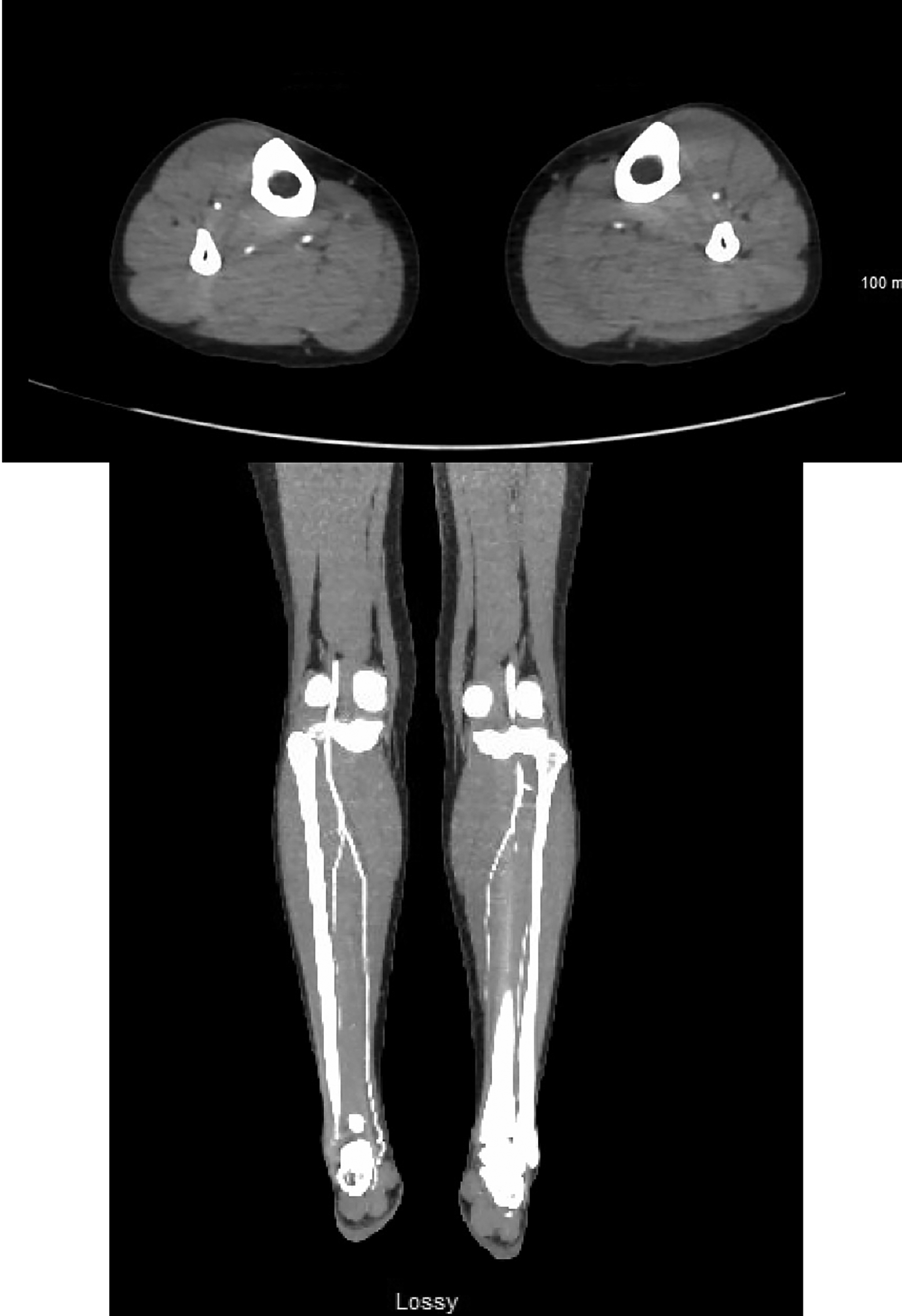
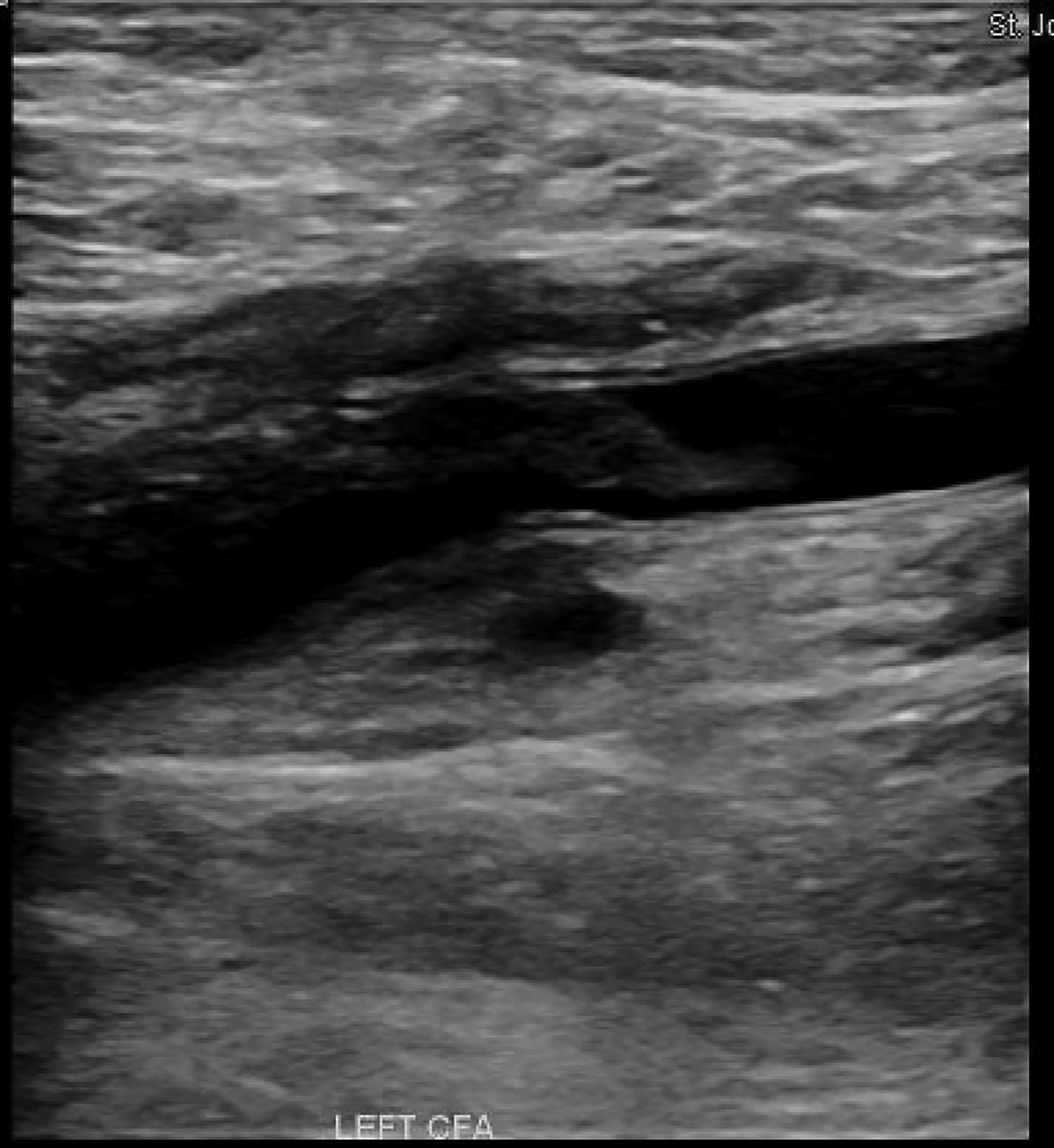
Fig. 4). A CTA revealed occlusion of the left common femoral artery, with a thrombus visualized with duplex Doppler ultrasound (
Figs. 5 and
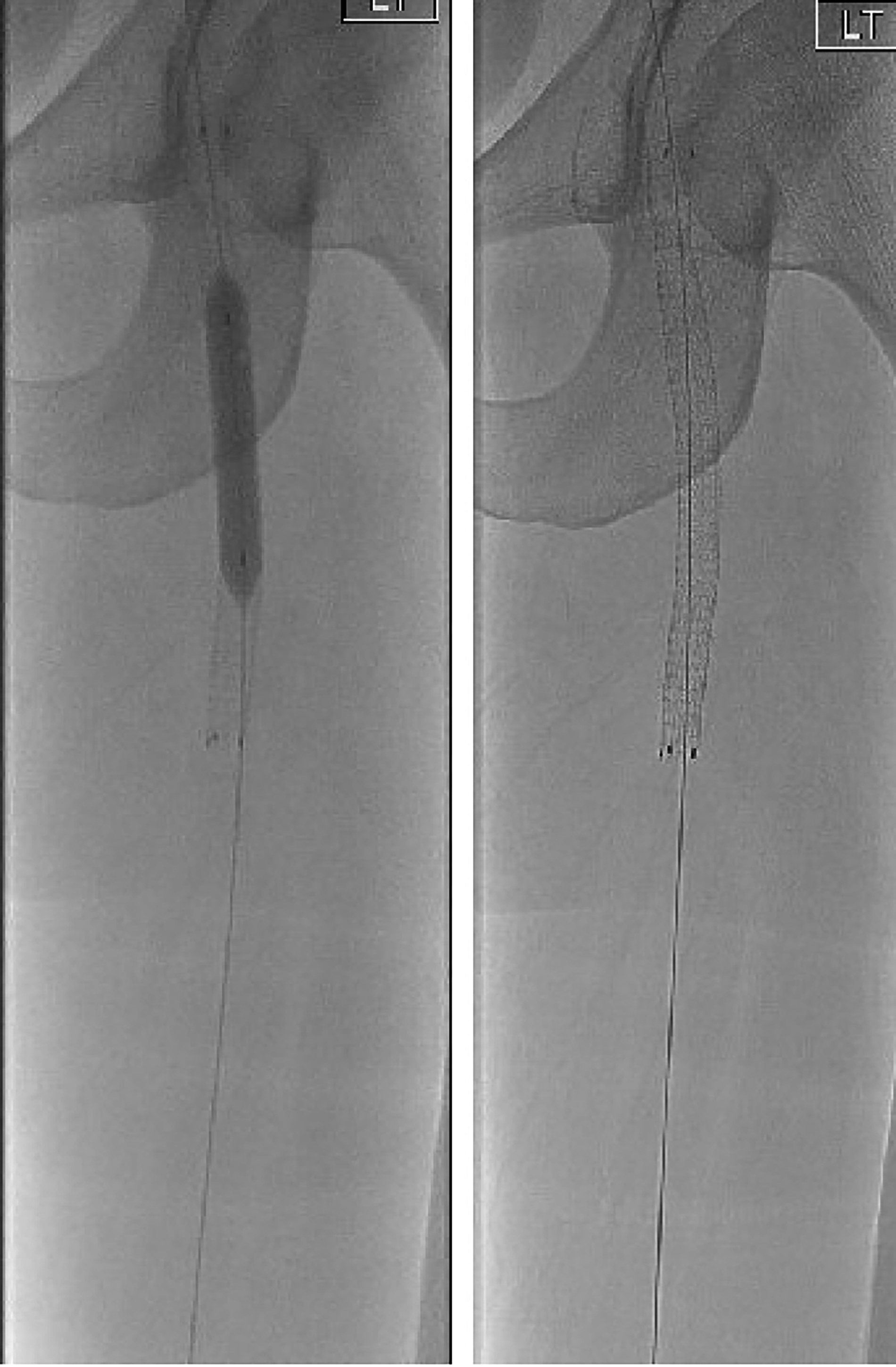
6). Vascular performed a left lower-extremity angiogram, left common femoral-superficial femoral artery thrombectomy, with left superficial femoral artery balloon angioplasty and stent placement (
Fig. 7). She was on enoxaparin while in the hospital and started on clopidogrel and aspirin. Her left forefoot became more mottled and ischemic as the days progressed in the hospital (
Fig. 8). She was also found to have developed left foot drop and was unable to bear weight on her left lower extremity. Podiatry was consulted at that time. Following podiatric evaluation, her muscle strength was noted to be 3/5 for dorsiflexion and plantarflexion on the left foot, with numbness to digits 1 to 3 as tested with the Semmes-Weinstein monofilament. She was given an ankle foot orthosis for walking and set up with home physical therapy. Podiatry was planning to perform a nerve conduction study in the outpatient setting, and she was advised to have close follow-up with the podiatry department upon discharge. Hematology was consulted again, as there was no known source for the recurrent arterial occlusions. Her past medical history was significant for prior DVT, miscarriage, and splenic infarct of uncertain cause. Work-up during her hospitalizations revealed that she had no known medical history that may contribute to her recurrent thrombosis, including diabetes, kidney disease, hypertension, hyperlipidemia, or obesity. The only daily medications that she was taking were the apixaban and aspirin prescribed by vascular surgery as well as bupropion for her anxiety. Hematology started the workup for antiphospholipid syndrome (APS). She was found to be lupus anticoagulant positive, and they recommended long term enoxaparin therapy for APS.
Figure 4.
Clinical photo upon second presentation to the emergency department on January 2, 2022.
Figure 4.
Clinical photo upon second presentation to the emergency department on January 2, 2022.
Figure 5.
Computed tomography angiogram showing occlusion of the left common femoral artery.
Figure 5.
Computed tomography angiogram showing occlusion of the left common femoral artery.
Figure 6.
Duplex Doppler ultrasound showing thrombus in the left common femoral artery.
Figure 6.
Duplex Doppler ultrasound showing thrombus in the left common femoral artery.
Figure 7.
Angiogram of the left lower extremity, showing left common femoral-superficial femoral artery thrombectomy with left superficial femoral artery balloon angioplasty and stent placement.
Figure 7.
Angiogram of the left lower extremity, showing left common femoral-superficial femoral artery thrombectomy with left superficial femoral artery balloon angioplasty and stent placement.
Figure 8.
Clinical photo of the left foot, which became more mottled and ischemic during the 5 days after the stent was placed.
Figure 8.
Clinical photo of the left foot, which became more mottled and ischemic during the 5 days after the stent was placed.
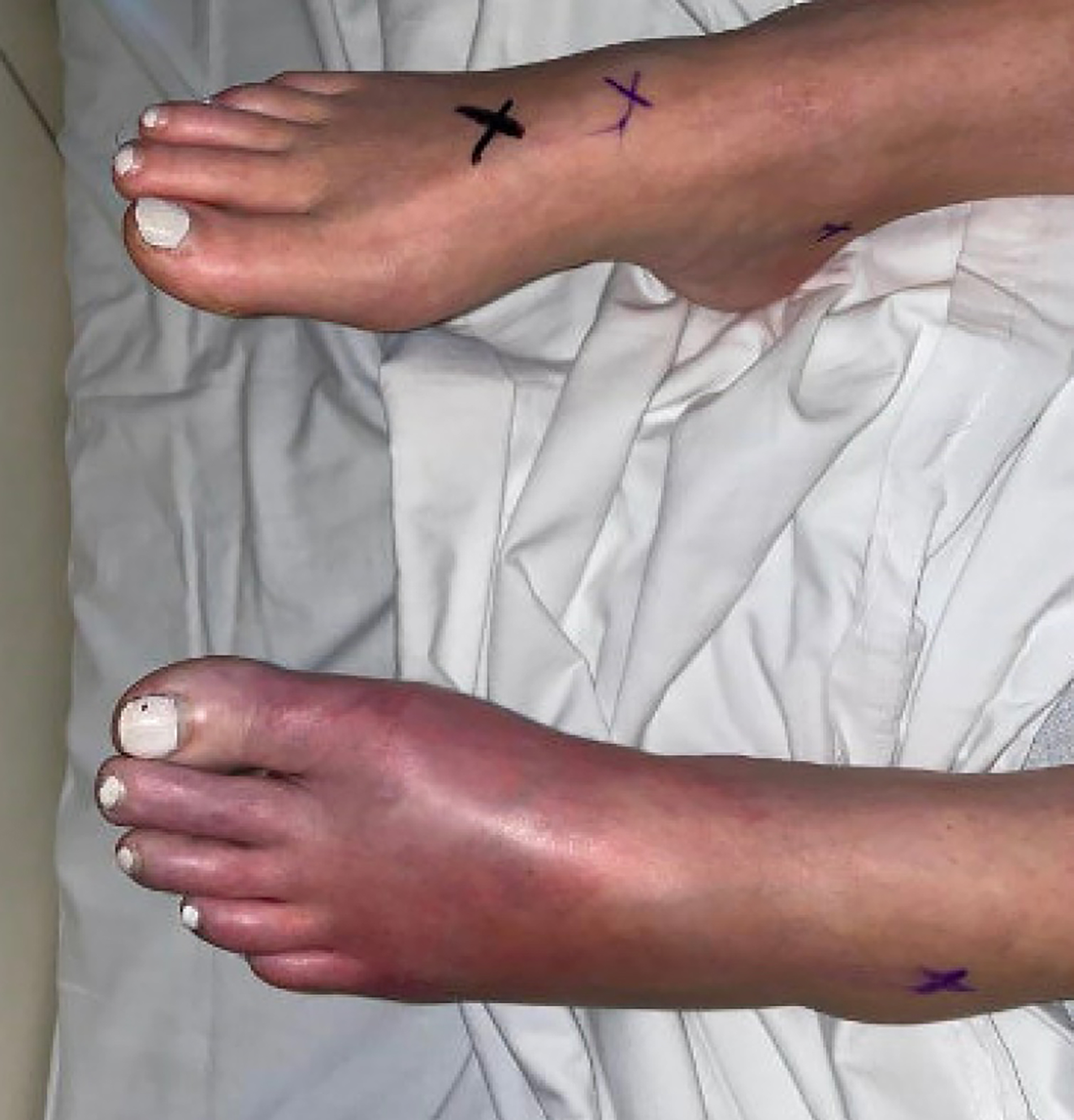
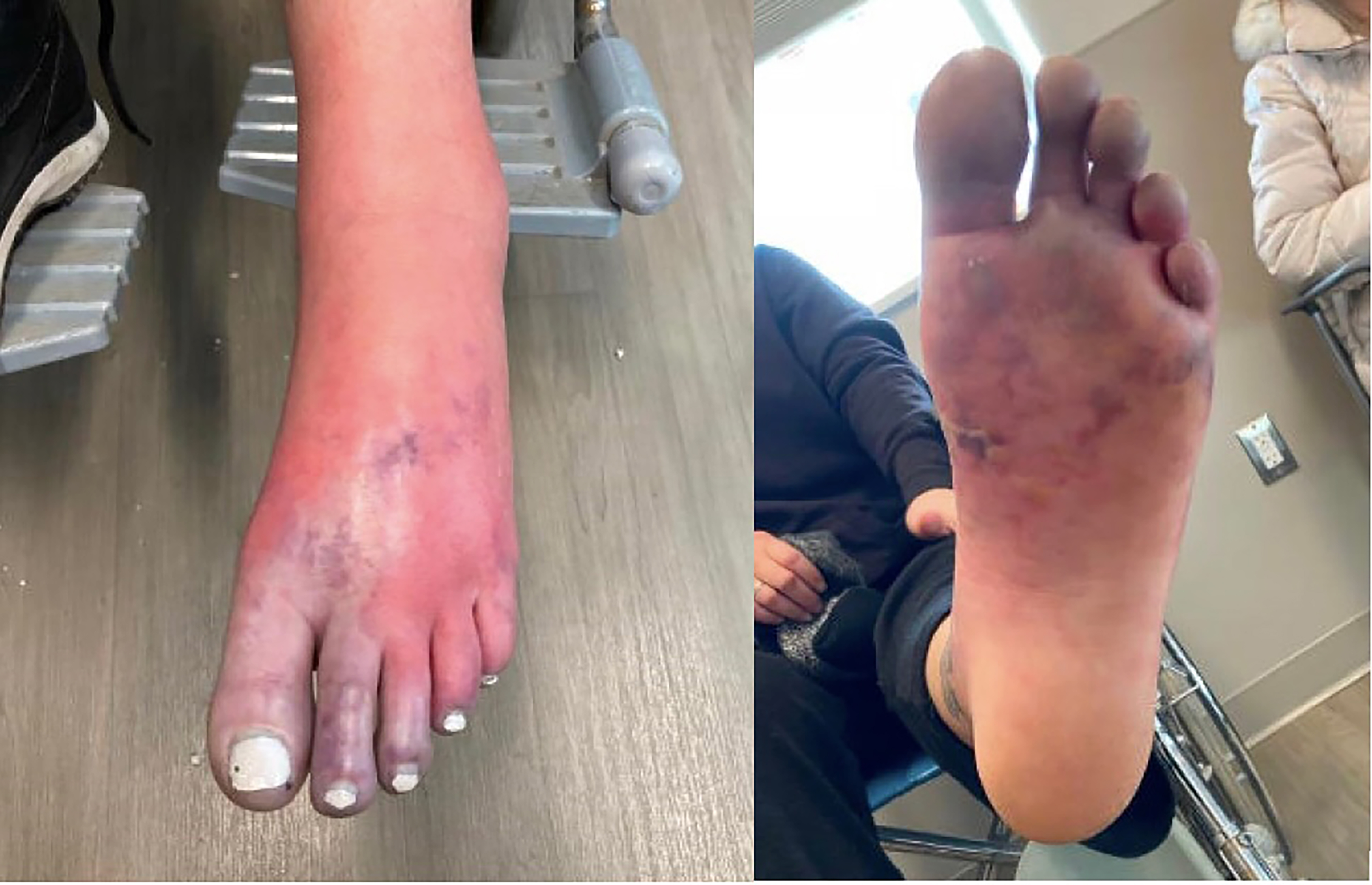
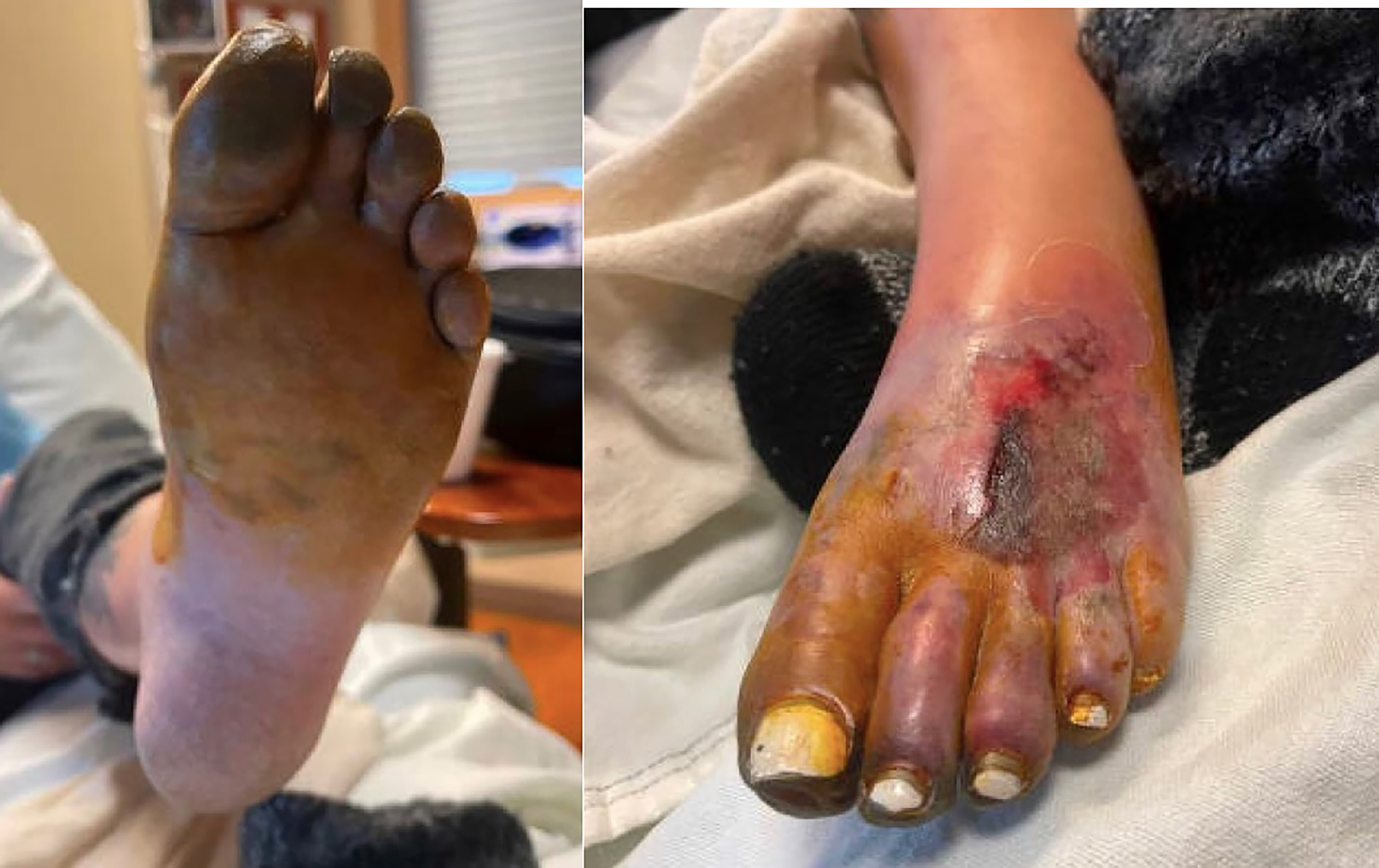
On January 18, 2022, she presented to Arbor-Ypsi Foot and Ankle Centers, Ann Arbor, Michigan, for her first follow-up visit with complaints of increasing left leg pain and redness. On exam, dorsalis pedis and posterior tibial pulses were 0/4 on the left, and left foot skin was cool to the touch with purple discoloration and clear blister formation to the dorsal midfoot (
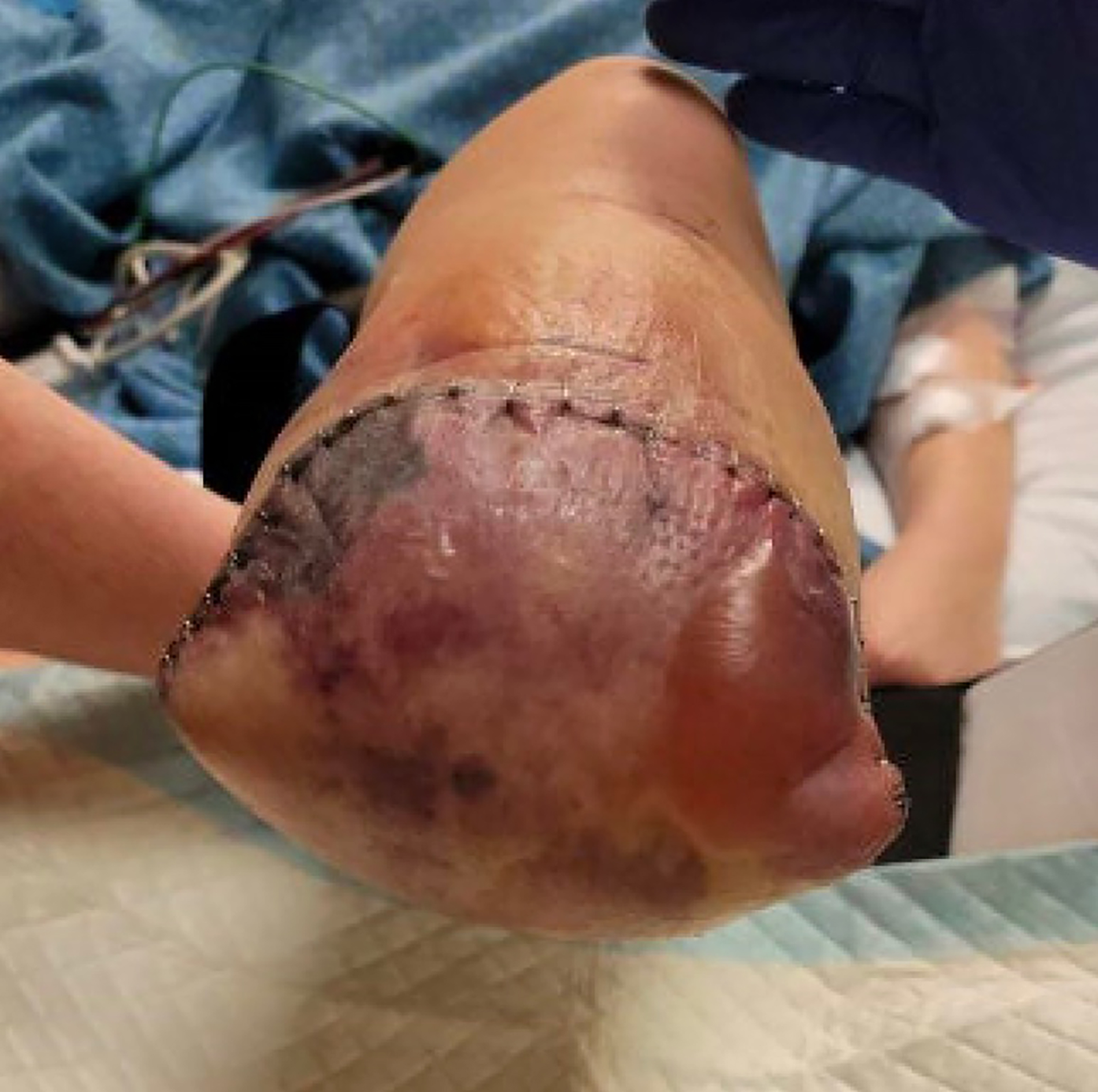
Fig. 9). Induration was noted to the left calf with hypopigmentation of skin and lack of hair growth to lower leg. She was advised to return to the ED for concerns of new arterial clot formation. Upon arrival to the ED, vascular surgery evaluated her. She had weakly monophasic dorsalis pedis and posterior tibial pulses, and they determined that there were no further revascularization options available for her. Vascular surgery and podiatry together concluded that a below-knee amputation would be best suited for her. Consideration was given to a lesser amputation, such as a transmetatarsal amputation. However, due to patient’s altered gait with more forefoot pressure due to her foot drop, there was a high likelihood for her to ulcerate again at the distal aspect of the amputation. She underwent a left below-knee amputation on January 21, 2022 (
Fig. 10).
Figure 9.
Clinical photo showing the patient’s left foot at first follow-up visit with her podiatrist.
Figure 9.
Clinical photo showing the patient’s left foot at first follow-up visit with her podiatrist.
Figure 10.
Clinical photo showing the patient’s below-knee amputation.
Figure 10.
Clinical photo showing the patient’s below-knee amputation.
Discussion
Early diagnosis and treatment of APS is key to preventing further thrombosis, ischemia, and possibility for amputation. One case study by Dimond et al. [
13] reports on a 23-year-old healthy male presenting with solitary blue toe, secondary to APS, with thrombosis of the posterior tibial and anterior tibial arteries. With early diagnosis of APS and treatment with warfarin, this patient’s ischemic changes were completely resolved within 3 months, and he avoided toe amputation [
13]. In order to optimize patient’s outcomes in the setting of ischemia in the peripheral arteries caused by APS thrombosis, early diagnosis and treatment with anticoagulant and antiplatelet therapy is necessary to prevent further complications.
Peripheral arterial complications of APS are rare with a prevalence of only 6%, [
2] and there is a paucity of literature on this topic. The index of suspicion should be increased with patients who have unexplained venous or arterial thrombotic events with one or more specific adverse outcomes related to pregnancy, such as multiple miscarriages, fetal death after 10 weeks gestation, or premature birth due to severe preeclampsia or placental insufficiency. In our case, the patient presented with cyanosis, neurologic changes including numbness and foot drop, and had a history of previous venous thrombosis and miscarriages. Unfortunately, several times she was not compliant with hematology follow-up and stopped her aspirin for a period of time, which could have ultimately led to the amputation.
More recent literature suggests that invasive vascular intervention in patients with APS may actually increase risk of thrombosis [
5]. Our patient underwent multiple vascular interventions including thrombectomy, balloon angioplasty, and stent placement. Current studies suggest endovascular thrombectomy combined with intensive plasma exchange may be a more optimal treatment. Research also suggests that warfarin and enoxaparin are more effective at preventing thrombosis in patients with APS than direct oral anticoagulants [
10]. The patient in the current study, however, did not follow up with hematology as advised after her initial DVT during pregnancy, and no further investigation was done for her multiple thromboses after she was placed on lifelong anticoagulation following her first vascular intervention. This, unfortunately, caused her to go on to have multiple lower-extremity arterial thromboses, left foot drop, and ischemic changes, and eventually a below-knee amputation. If she had been diagnosed with APS earlier and placed on warfarin or enoxaparin rather than direct oral anticoagulants, she may have decreased her chance of developing further vascular disease. Our patient also complained of numbness and weakness with dorsiflexion of the left foot even after her primary thrombectomy, which could indicate that her thrombosis may have led to these symptoms. By deciding to further investigate critical limb ischemia or a neurologic ailment without other known cause, such as a foot drop, a podiatrist may be able to aid in the diagnosis of APS and prevention of further vascular and neurologic consequences.
Neurologic manifestations of APS are rarely reported in the literature. To our knowledge, there is only one other case of foot drop in a patient with APS reported in the literature. The patient in that case had a normal nerve conduction study peripherally, but a brain MRI revealed a subacute infarct. The authors described this as an unusual presentation of stroke in a patient with APS [
14]. The present case report describes an otherwise healthy young female who developed thrombosis of multiple arteries in her left lower extremity and left foot drop. Again, the neurologic involvement of APS is unclear in the literature, but in this patient, APS was likely due to thrombosis of the left superficial femoral artery. It is unlikely that her foot drop was caused by her motor vehicle accident and subsequent surgery; all of her injuries were on the opposite side of the body and she started developing numbness and weakness to her left foot after her first thrombotic event before her accident occurred. Further information about the neurologic manifestations may have been obtained if the patient were able to follow-up for nerve conduction studies and sural nerve biopsy. Although the patient’s below-knee amputation was largely a result of her advanced vascular disease, the foot drop did play a role in limiting her ability to heal a lesser amputation, such as a transmetatarsal amputation, due to her increased forefoot pressure and likelihood to ulcerate again.
Primary peripheral arterial thrombosis is rare in APS. Patients can present with severe acute limb ischemia or in a subtler manner with microemboli and blue toe syndrome. Future studies should be conducted to further investigate the mechanism and prevalence of adverse events such as recurrence of thrombosis and rate of amputation in APS patients, as well as the optimal treatment with vascular intervention and anticoagulants. The current study reveals that APS may present with unusual neurologic symptoms and ischemia. Antiphospholipid syndrome should be included in the differential if no other obvious causes are identified in patients with arterial thrombotic events.