The American Cancer Society estimates that 87,110 new cases of melanoma will ultimately have been diagnosed in 2017 and 9,730 people will succumb to cutaneous melanomas.[
1] Acral lentiginous melanoma accounts for 2% to 10% of all melanoma.[
2,
3,
4] ALM has a poor prognosis because of location alone and often remains undetected for extended periods, as it presents on plantar and distal surfaces.[
3] These lesions may also present deficient in pigment (ie, amelanotic variants lacking varying shades of tan/ brown/black), which does not raise as much suspicion as would a deeply pigmented lesion.[
5] This is thought to be one factor contributing to the delay in diagnosis and subsequent treatment.
While reviewing the literature, we found that the majority of reported cases involved white patients, and that three retrospective studies also had reported a majority of white patients.[
3,
6,
7] However, the true incidence is similar among dark- and light-skinned individuals alike (reported as 1.8 per 1 million person-years).[
4] Despite the incidence of ALM being similar, darker skinned people present with melanoma on the palms, soles, and nail beds more often when compared to other subtypes of melanoma.[
8] This is important to remember when forming a differential diagnosis, because ALM is not directly related to sun exposure as is the case with other subtypes.[
9]
Reports illustrate the commonality of misdiagnosing this disease. Between 20% and 34% of ALM cases are initially misdiagnosed, causing a delay in treatment.[
2,
6,
7,
10] It is generally accepted that early recognition and diagnosis has a better outcome. Prognosis of cutaneous melanoma is predominantly determined by tumor depth at the time of diagnosis. In a report by Albreski and Sloan, 48% of the reviewed cases were of Clark level IV/V at the time of correct diagnosis, indicating poor prognosis.[
3] Intuitively, this delay in diagnosis and treatment could allow for progression of the lesion, although there is no true way of telling the lesion progressed between the incorrect diagnosis and the correct diagnosis.
Albreski and Sloan also found that 77% of the reviewed cases were on the lower extremity.[
3] A wide variety of possible podiatric diagnoses should include ALM in the differential diagnosis: verruca, callous/corn, tinea pedis, foreign body, eccrine poroma, nevus, subungual hematoma, pyogenic granuloma, onychomycosis, onychocryptosis, diabetic foot ulcer, and tumors (
Table 1).[
3,
5,
10,
11,
12] Reports are also found involving interdigital maceration, patient-reported trauma, and amelanotic variants, highlighting the real possibility of mistaking ALM lesions for more benign diagnoses (
Table 2).[
12,
13,
14] We present three cases that were initially misdiagnosed and treated before being referred to the senior author (B.C.M.) for further evaluation and biopsy, leading to the true diagnosis of acral lentiginous melanoma.
Case Series
Case 1
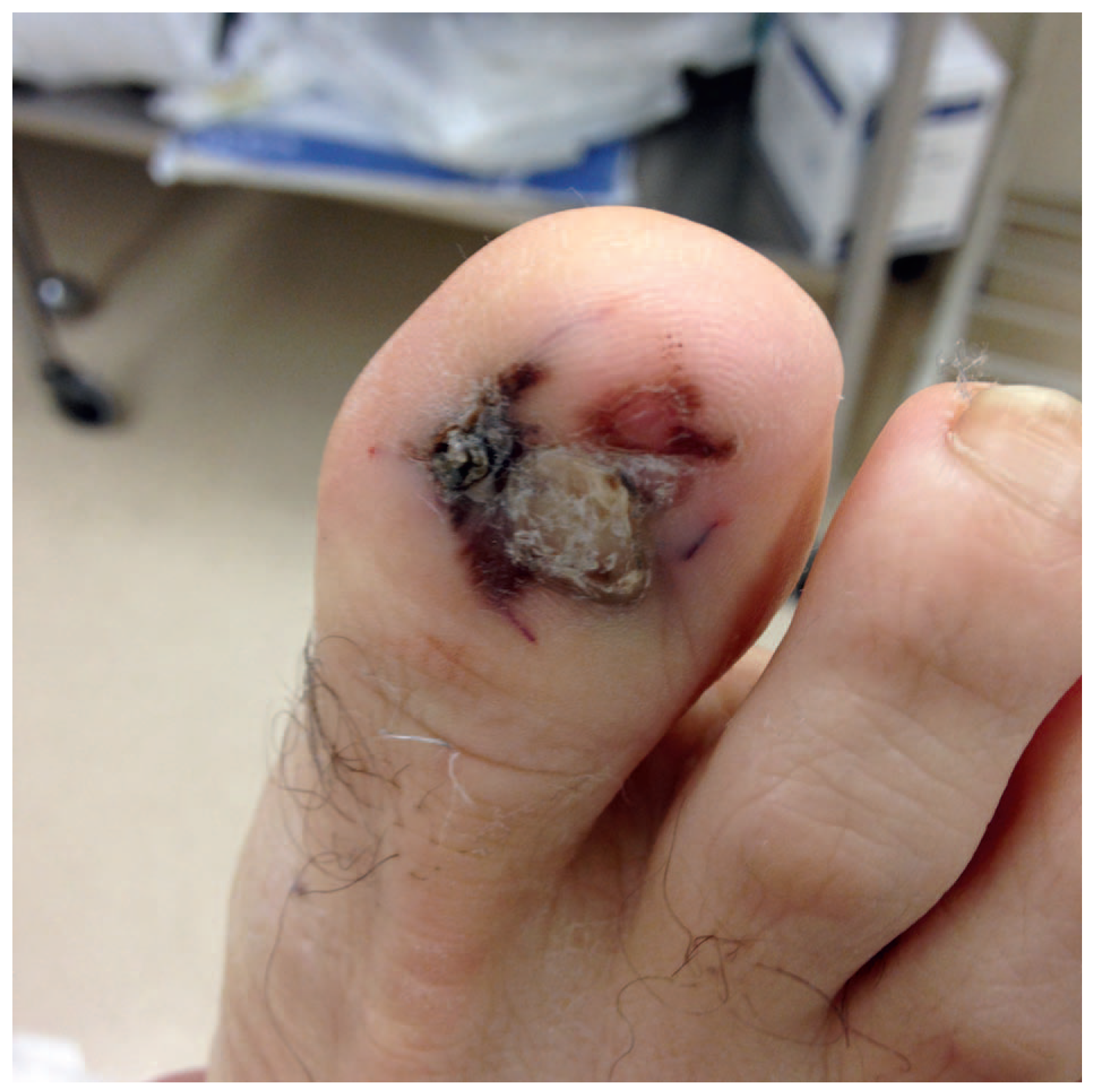
A 50-year-old man sustained trauma to the hallux 2 years before referral to the senior author (
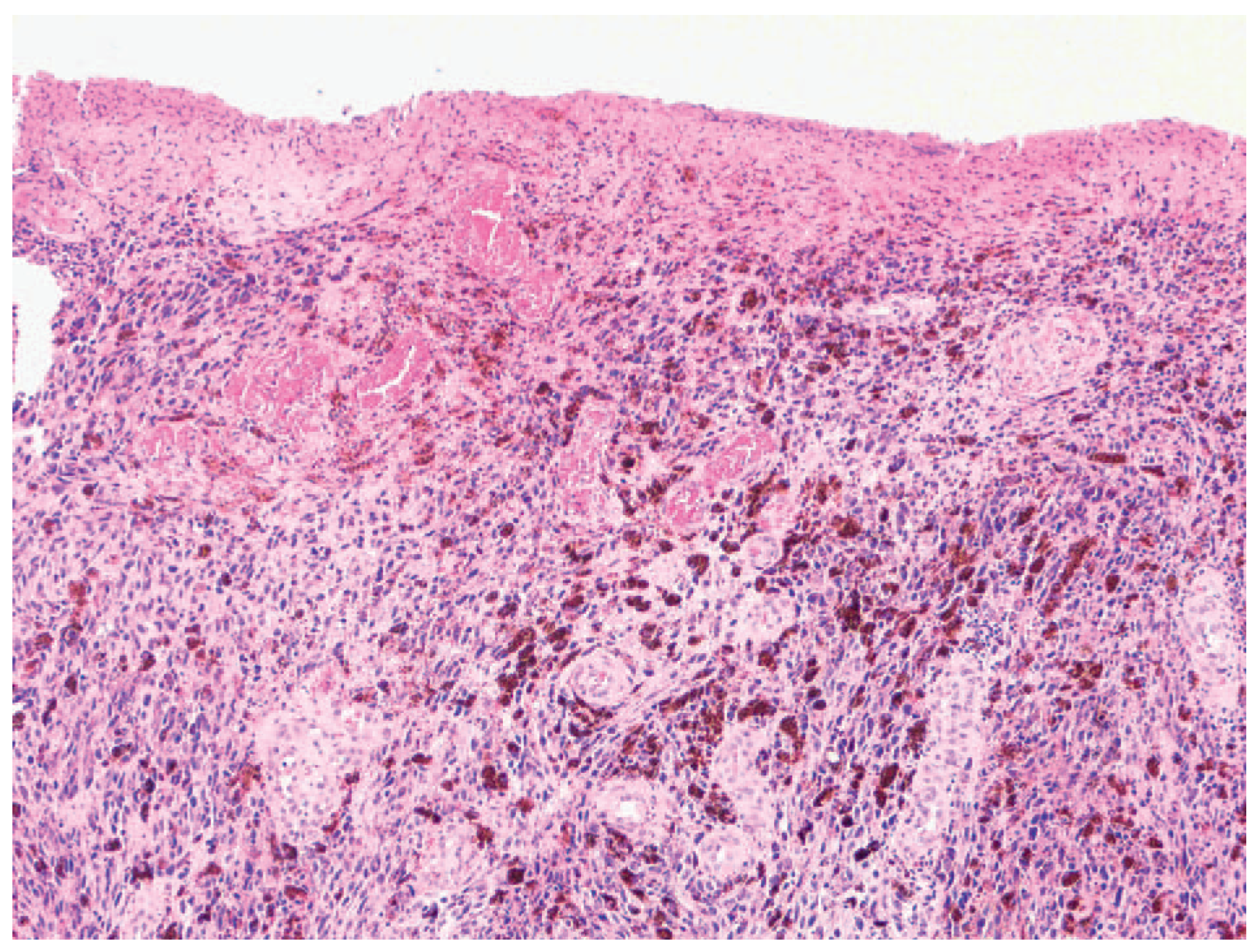
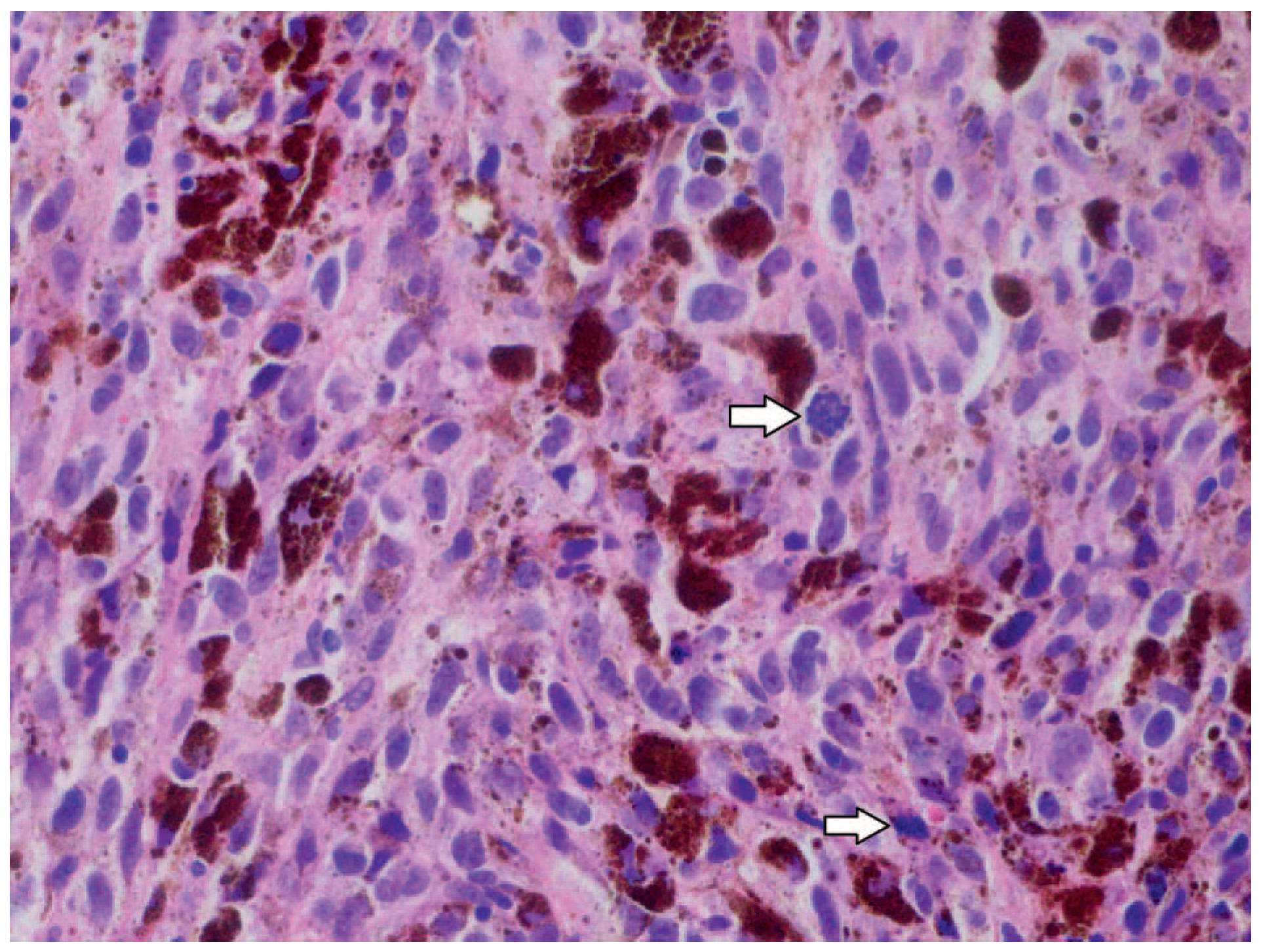
Figure 1). The patient regarded the appearance of the toe to be a direct result of the trauma. On presentation, the nail appeared darkened, as in a subungual hematoma. Because of the duration of symptoms and the uncertainty of the etiology, a biopsy was performed. The biopsy results revealed ulcerated epidermis with evident pleomorphic epithelioid cells containing large amounts of melanin pigment on low magnification (
Figure 2) and dermal mitotic figures on high magnification (
Figure 3). These findings led to the diagnosis of ALM.
Case 2
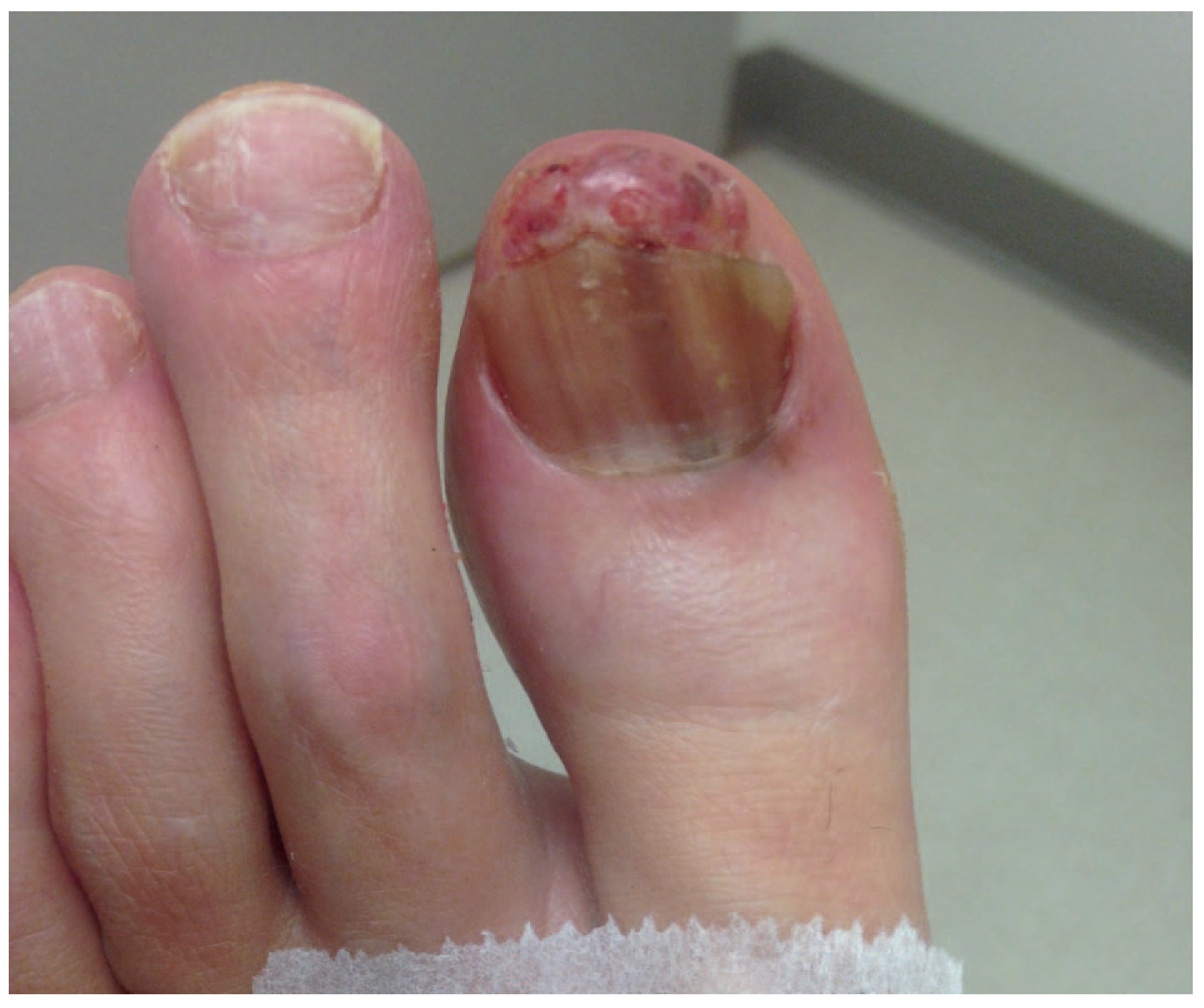
A 52-year-old man was treated for paronychia for 4.5 months with chronic drainage and lysis of the right hallucal nail. The lesion on initial presentation was amelanotic; however, on later examination, the patient was uncertain about the duration of multiple adjacent pigmented streaks also present in the nail plate (
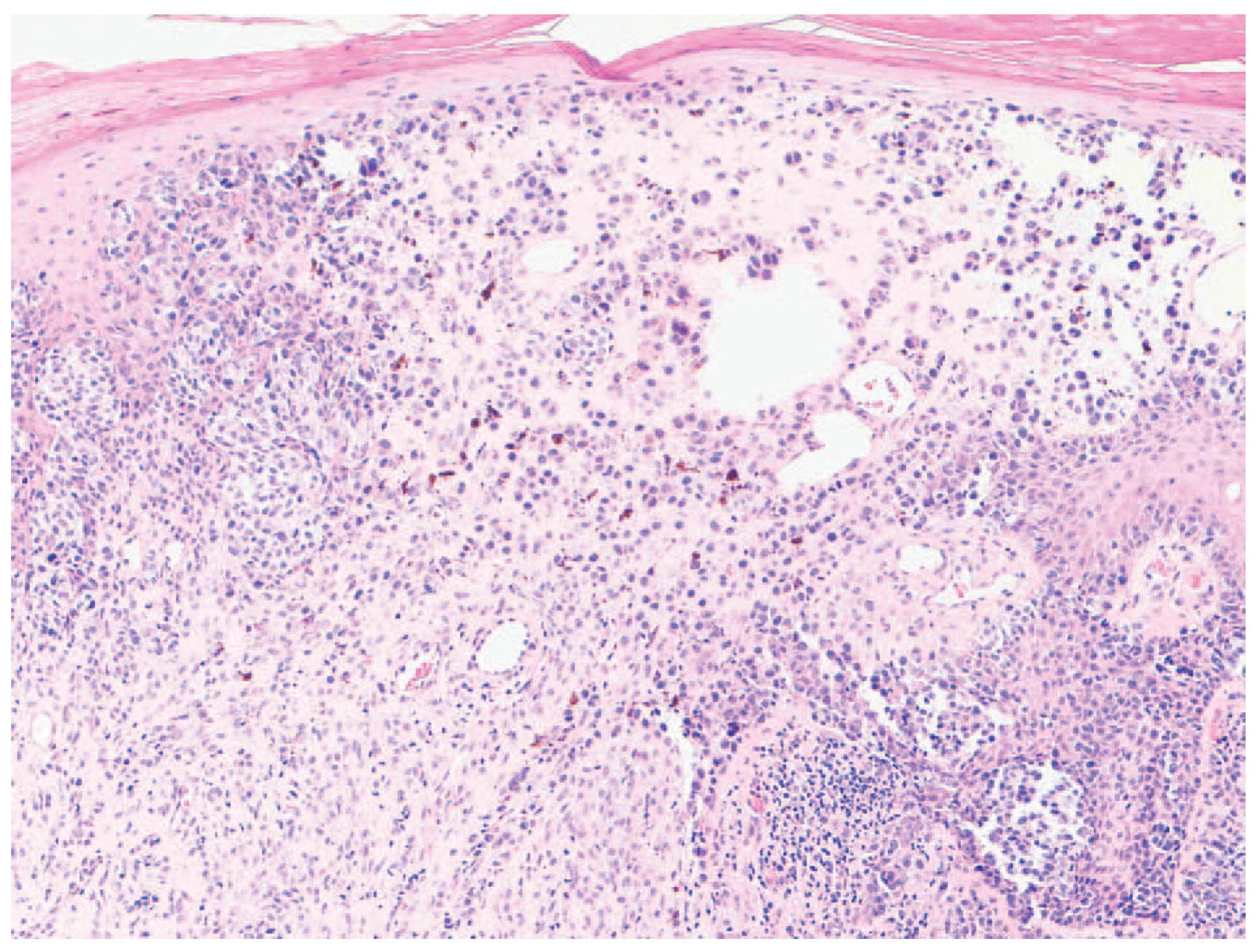
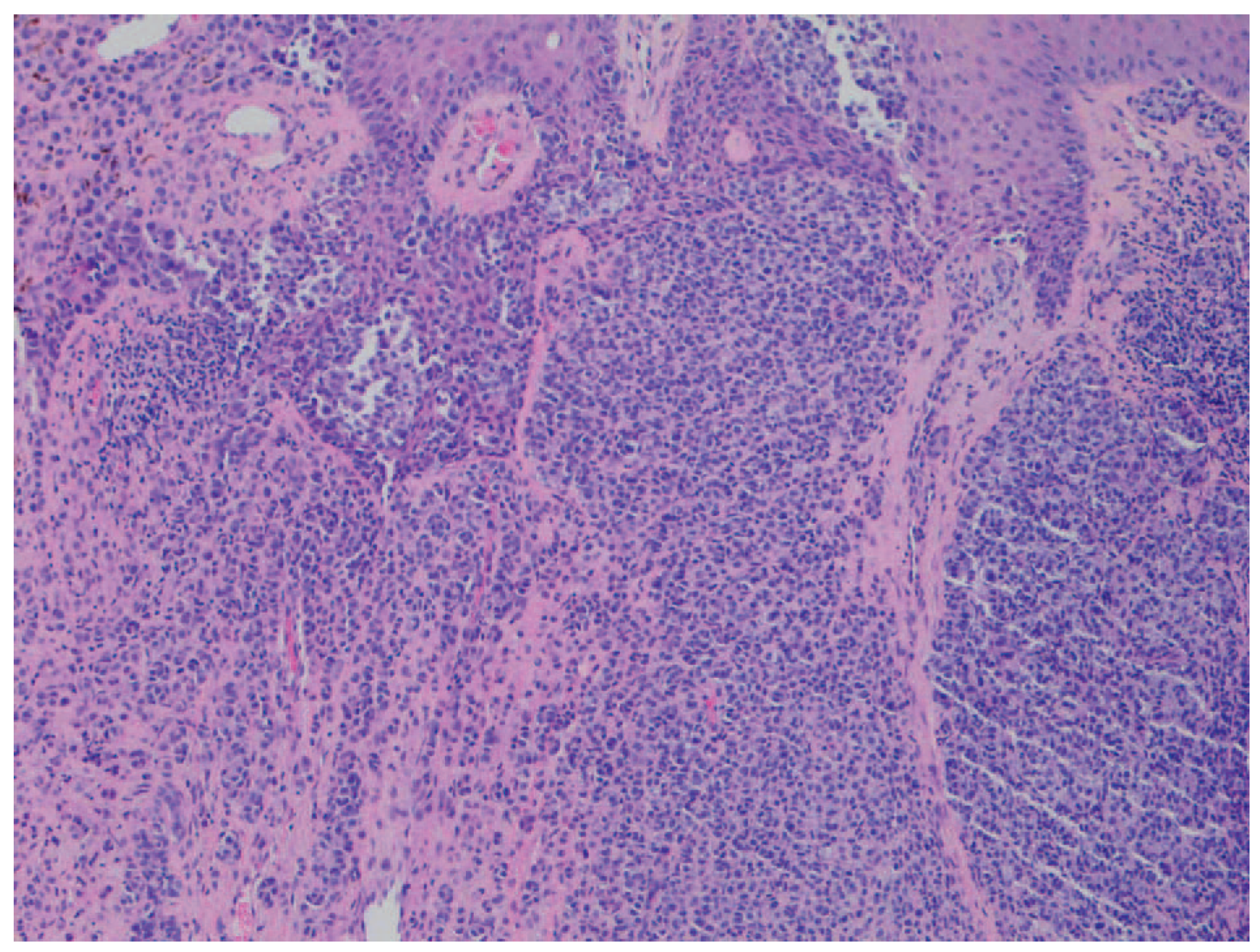
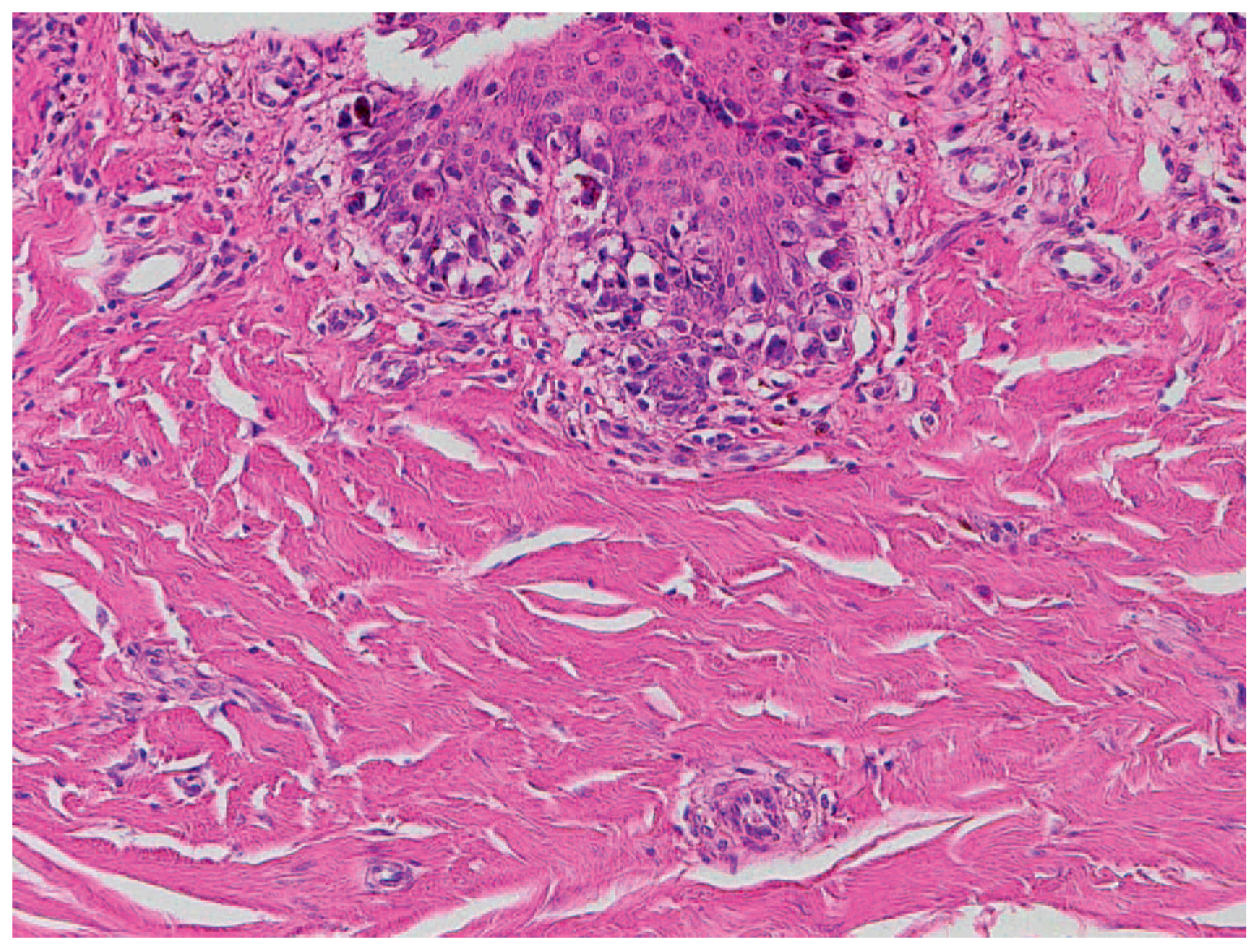
Figure 4). Because of nonresolution of diagnosed infection and the onset of suspicious hyperpigmentation, the patient was referred to the senior author for a second opinion. Immediate nail-bed biopsy revealed deeply invasive ALM. On histologic examination, there was evidence of lentiginous proliferation of solitary melanocytes along the basal layer of the epidermis with scattered nests (
Figure 5), and tumor cells could be found extending deep into the dermis (
Figure 6). The patient was found to have positive sentinel lymph nodes on biopsy, and later found to have metastases to the lung. The patient enrolled in a clinical trial for targeted molecular chemotherapy.
Case 3
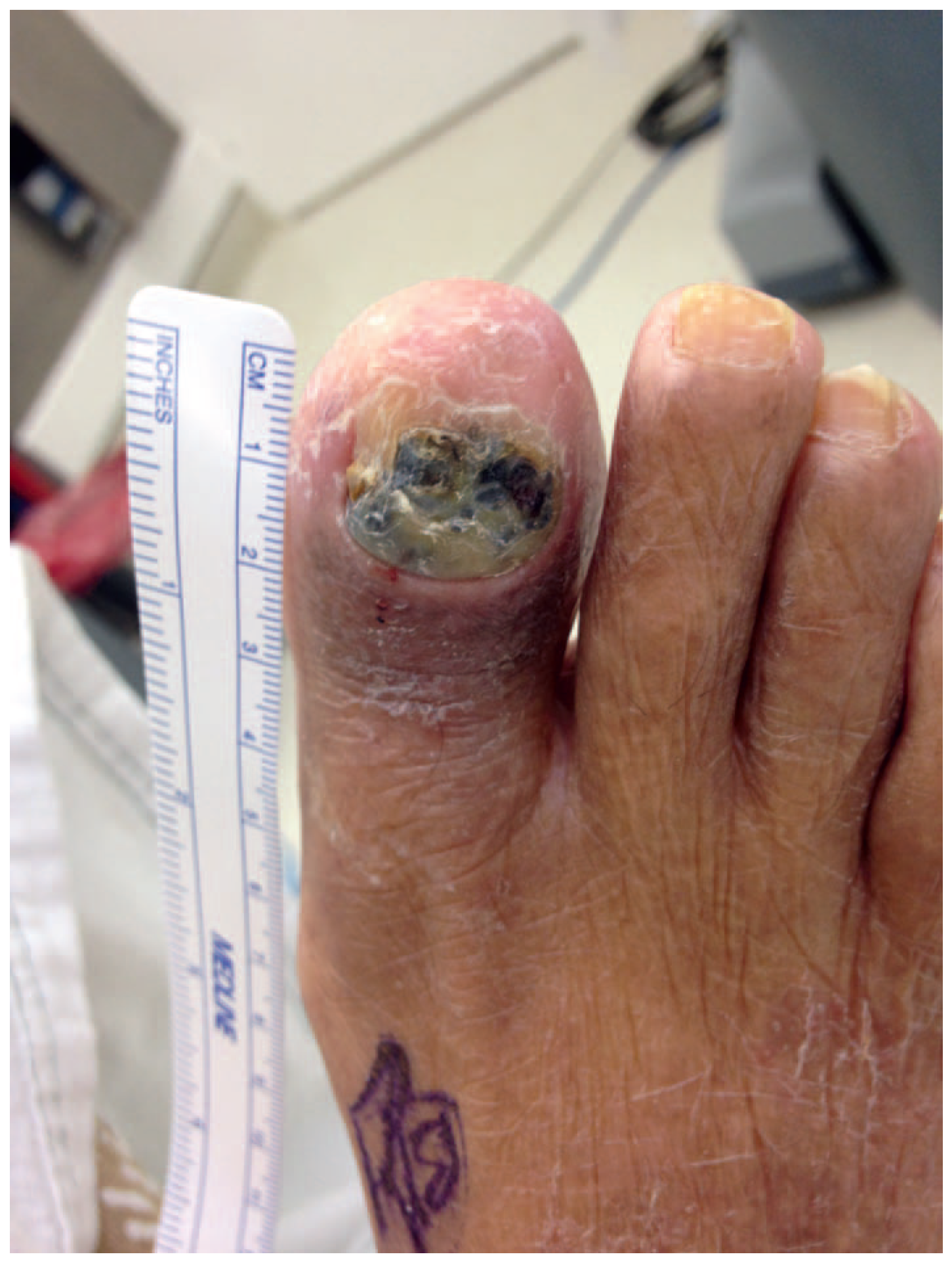
A 64-year-old man was treated for onychomycosis with chronic subungual bleeding. It was presumed for several months that the subungual bleeding was caused by shoe trauma to the patient’s thickened and dystrophic nail (
Figure 7). Based on the senior author’s suspicion that the discoloration was attributable to pigment, a biopsy was performed. The results of the biopsy revealed a high density of large pleomorphic melanocytes along the basal layer of the epidermis (
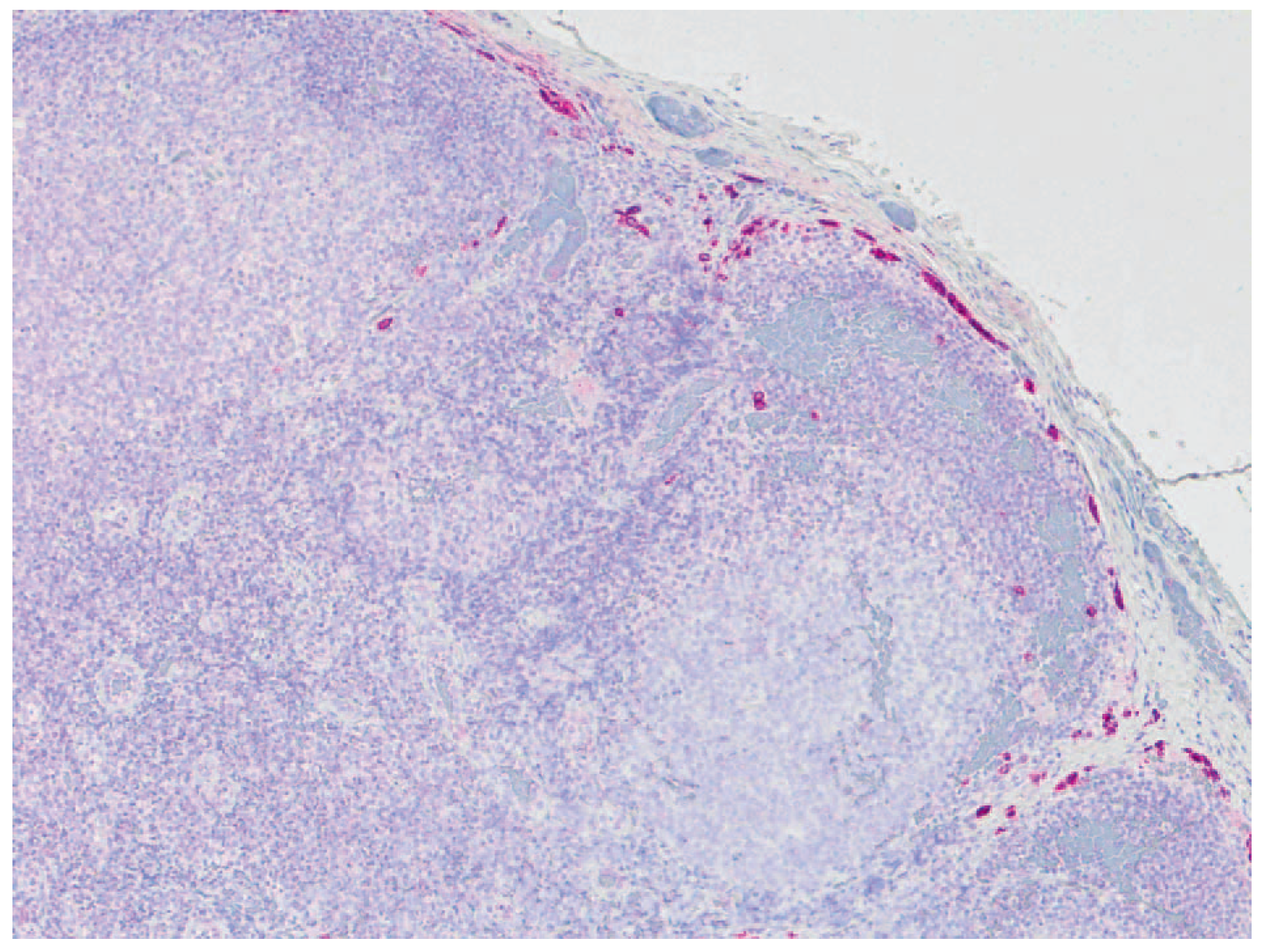
Figure 8). A sentinel lymph node biopsy was obtained, and Melan-A immunohistochemical staining revealed metastatic melanoma cells within the lymph node peripheral sinus and in the lymph node parenchyma (
Figure 9).
Discussion
A history of trauma often leads clinicians astray. Patient-reported incidents should be met with a heightened index of suspicion such as in the first case. Albreski and Sloan reported 40% of the lower extremity misdiagnoses to be trauma.[
3] It is probable that patients will know why they attained an acute lesion, but spreading or persistent lesions warrant further examination and an expanded differential diagnosis. Because subungual hematomas resolve quicker than the duration of this patient’s symptoms, a biopsy was warranted to further assess the etiology of the hard-to-heal lesion.
One should also keep in mind when dealing with patient-reported trauma (and other suspicious lesions in general) patient/family medical history. Gumaste et al. reported a similar misdiagnosed case of nonhealing patient-reported trauma in which the patient history included melanoma of the arm and the family history included melanoma and other cancers.[
12] Patient and family history of cancers (not just melanoma) can aid in justifying a biopsy.
The second case presents two difficult problems: 1) it was disguised as chronic paronychia, and 2) the lesion was amelanotic on first examination. Infections are commonplace in the podiatric setting so it is easy to become complacent when evaluating and treating them. Albreski and Sloan report that 34% of the reviewed cases were treated first as an infection.[
3] Any infection that is nonresponsive to standard-of-care treatment should have the lesion and the differential diagnosis reevaluated.
Amelanotic variants of ALM are concerning regarding the dismissal of pigmented differential diagnoses and the number of misdiagnosed cases. Soon et al. report that of 53 cases misdiagnosed, nearly half were amelanotic at presentation.[
7] For the second patient, it was not until the appearance of melanonychia striata in the nail plate and Hutchinson’s sign on the medial aspect of the proximal nail fold that suspicion was raised (
Figure 4). Even pigmented streaks within the nail plate can be misleading because of the commonality of the appearance. Melanonychia striata is common in darker pigmented individuals and has been reported to occur in as many as 77% to 100% of individuals older than 50 years.[
15] Clinicians should monitor nail/nail-fold pigmentation for change and evolution and note the patient/family history of cancers. A biopsy of the nail bed should be performed when firm clinical grounds warrant doing so.
Onychomycosis is one of the most common diagnoses that podiatrists treat. The commonality, paired with the recalcitrance of most fungal nail infections to treatment, can often lead to a long and monotonous duration of constant treatment. Discoloration is also common, with fungal nail infections masking hyperpigmentation or causing clinicians to dismiss pigmented differential diagnoses. Nail dystrophy and shoe trauma can lead to subungual bleeding, which may appear like hyperpigmentation. Nonresolution of the subungual hematoma after proper nail debridement and possible shoe modification should raise flags as to the etiology of the pigmentation. The third patient is an example of how pigmentation can be mistaken for discoloration/trauma. It is important to order the proper laboratory tests (eg, potassium hydroxide preparation, fungal cultures) to confirm clinical diagnoses, and to perform biopsy when necessary.
Conclusions
Acral lentiginous melanoma is a challenging diagnosis because of propensity to be misdiagnosed as other common podiatric diseases. Location alone is directly linked to a poorer prognosis.[
2] If the treatment is delayed, the depth of the lesion may increase, increasing the chance of metastasis. Nearly all of the misdiagnosed cases in the literature were advanced and invasive melanomas with poor prognoses.
Lesions that are nonresponding for longer than expected, patient-reported trauma, patient and/or family history of melanoma and nonmelanoma skin cancers, and nonhealing wounds should all be met with a heightened index of suspicion. Biopsy remains the most effective method of determining the true nature of a lesion. This review demonstrates that foot and ankle specialists should perform thorough skin examinations, note the presence of skin and nail lesions (especially when not the chief complaint), and perform biopsies on firm clinical grounds for suspect lesions.