Acral fibrokeratoma (AF) is a solitary, benign, round, firm lesion of the soft tissue.[
1–
3] The body of the lesion usually appears as a hyperkeratotic, skin-colored projection with two main morphologic forms: 1) sessile, dome-shaped or 2) pedunculated.[
1,
4] Acral fibrokeratomas continue to grow and usually do not regress spontaneously.[
1] Acral fibrokeratoma is very rare; one study showed that only 28 of 56,000 specimens (0.0005%) met the criteria for AF.[
5] When AFs are found, they present most commonly on the hands, and rarely on the feet. Additionally, most AFs found on the feet are confined to the great toe.[
5,
6] Thus, the presentation of our patient with a lesion on the second toe makes this case particularly rare. Although they are most commonly found on the digits, AFs have also been found in other locations on the body such as the hands, feet, ankle, and prepatellar regions.[
5]
The differential diagnosis for AF includes “garlic-clove” fibroma, Bowen's disease, exostosis keloid, dermatofibrosarcoma, eccrine poroma, neurofibroma, corn (clavus), cutaneous horn, infantile digital fibromatosis, pyogenic granuloma, ungual and subungual fibroma, verruca, and supernumerary digit.[
1,
7,
8] Distinct patterns are seen in the histopathology of AF, which distinguishes it from other conditions. The core of AF is made up of thick, dense, closely packed collagen bundles that are irregularly arranged or arranged in the orientation of the vertical axis of the lesion.[
1–
4] Very few to no elastic fibers are present within the lesion.[
8] The lesion is highly vascularized, with capillaries throughout the collagen core.[
8] The outer surface of the lesion is composed of a hyperkeratotic epidermis and has a normal skin color appearance.[
1,
3–
5,
7–
9] Under dermoscopy, the lesion appears to have a homogeneous pale yellow center surrounded by a hyperkeratotic scaly collarette, with the periphery of the lesions erythematous with globular vessels.[
10]
Acral fibrokeratoma can also be distinguished from other diagnoses based on its clinical presentation. The patient's history will likely indicate a slow-growing mass, which is generally painless, unlike other tumors in the differential diagnosis.[
6,
11] However, there may be mild discomfort or pressure because of the size and location of the lesion, especially with weightbearing.[
7] The appearance of AF as a singular lesion distinguishes it from lesions such as neurofibromas, which usually present with multiple lesions. Acral fibrokeratomas can be distinguished from supernumerary digits by their presentation later in life and occurrence secondary to trauma. Other common findings include a history of minor to mild trauma and consistent irritation at the location of the lesion. However, this is difficult to determine because the patient may not recall trauma in the region as a result of the indolent nature of this tumor.[
1,
7,
12] Another clinical feature of AF is that patients seek medical attention only after a somewhat long time has passed since noting the lesion. One study of 37 patients showed that medical attention was sought after a period of time ranging from 3 months to 16 years.[
6]
Diagnosis and treatment of AF is accomplished by using one of a number of different techniques, such as excisional, incisional, or shave biopsy.[
1,
5,
8,
11] Recurrence of the lesion after excision is rare.[
1,
2,
7] A case series of AF demonstrated only one incident of recurrence after proper surgical excision in 17 patients.[
6] Another summary of AF cases on the foot (two great toe, fifth toe, and heel) reported no recurrence after simple excision.[
2]
Case Report
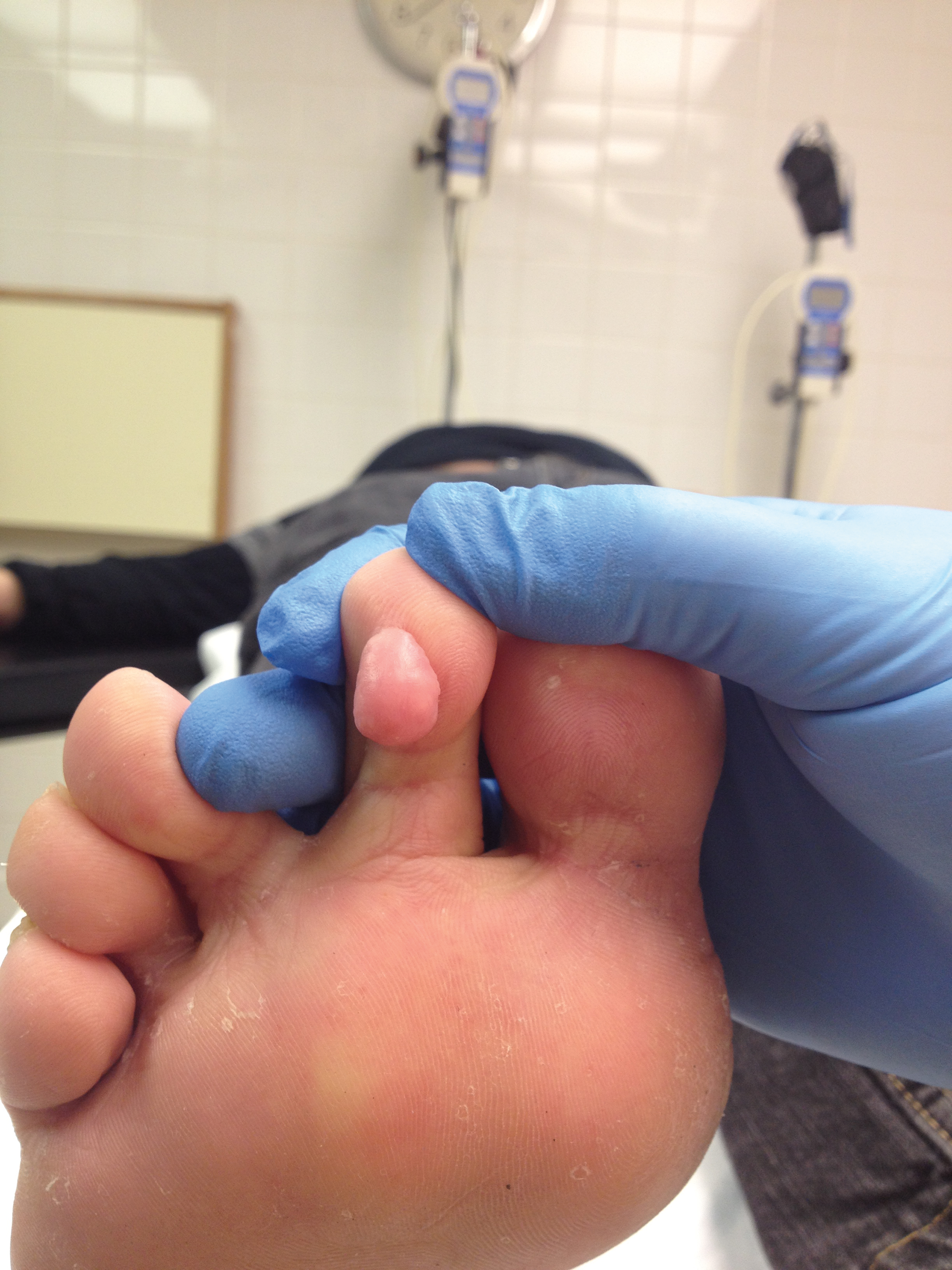
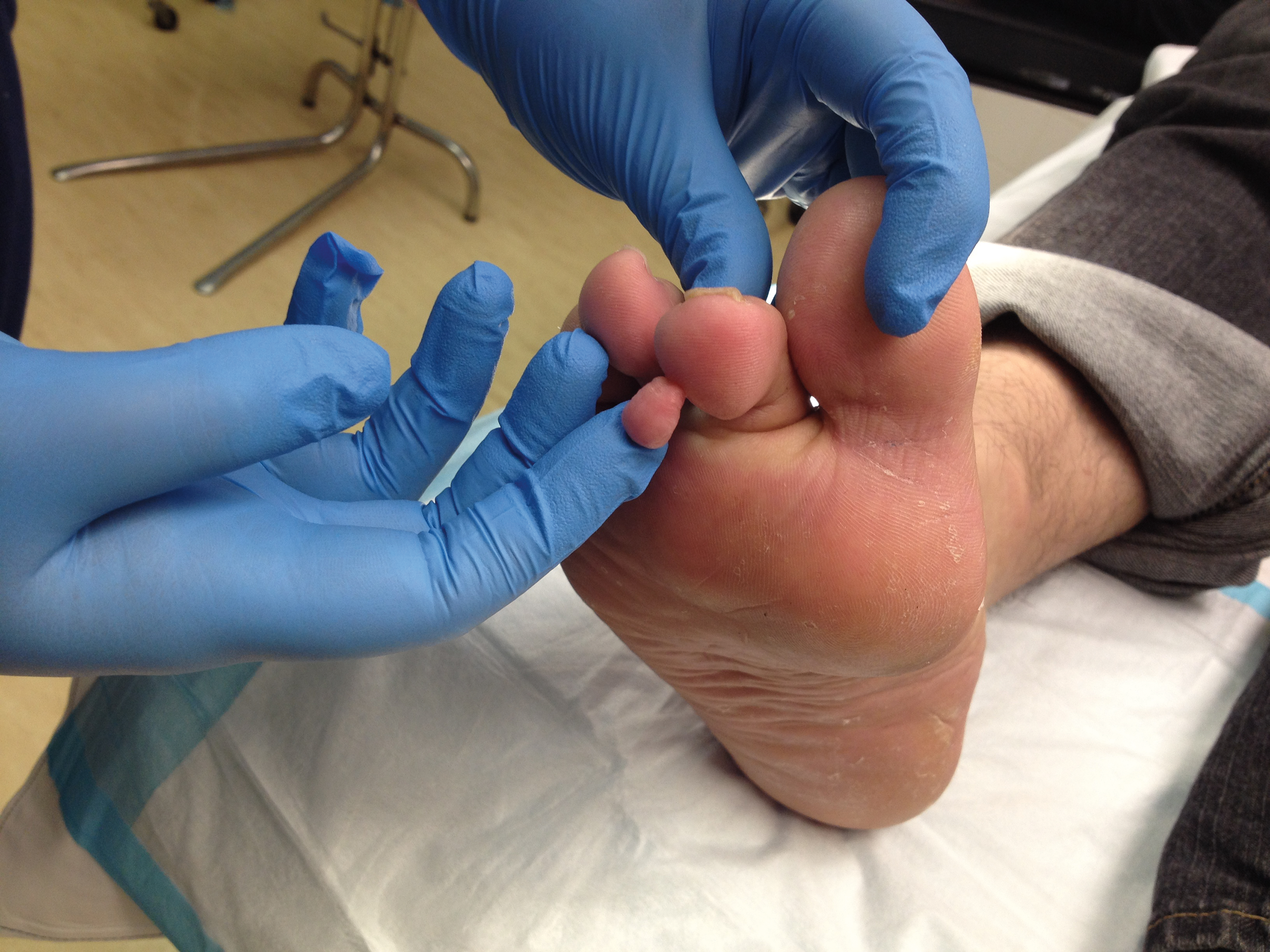
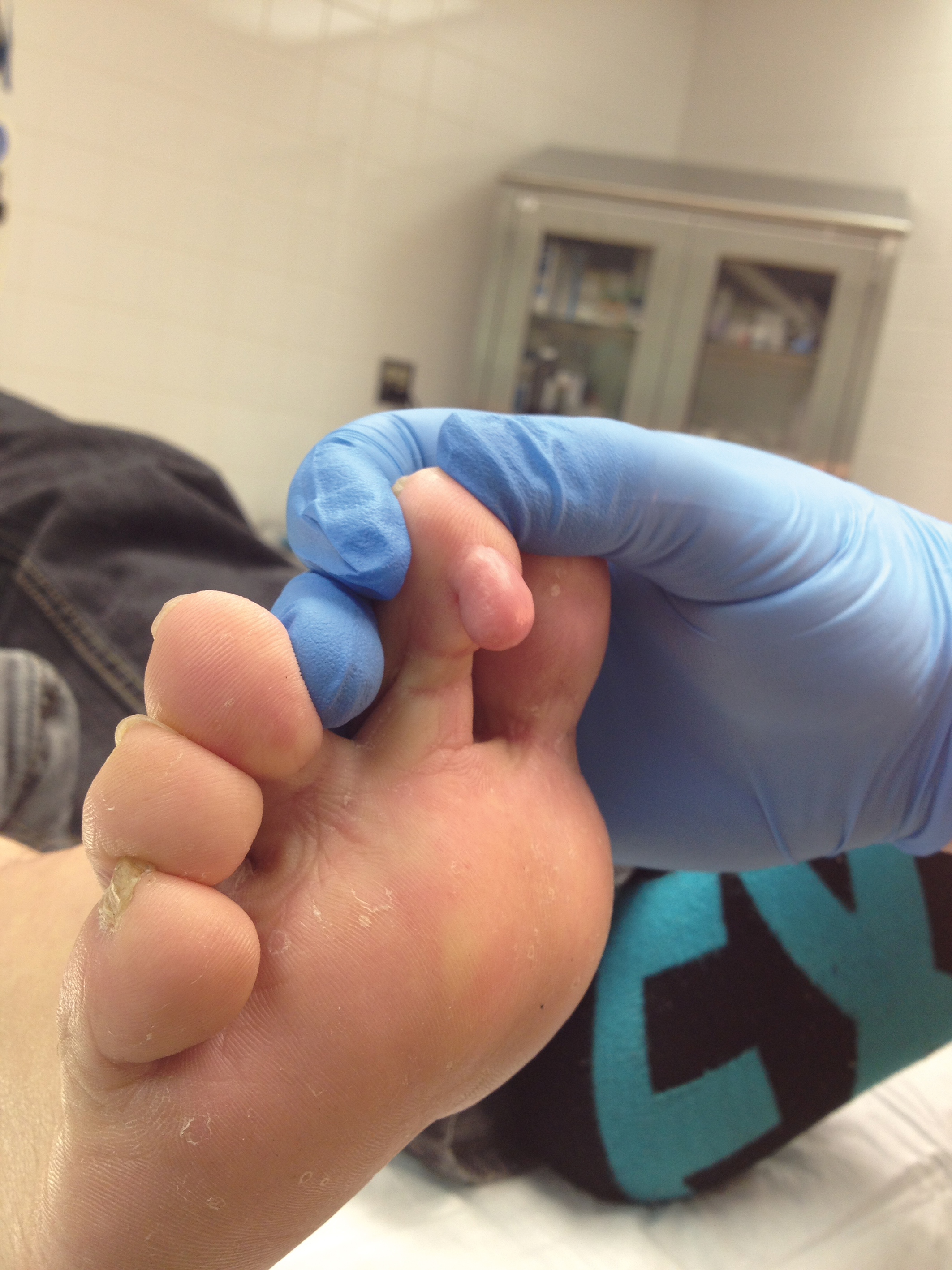
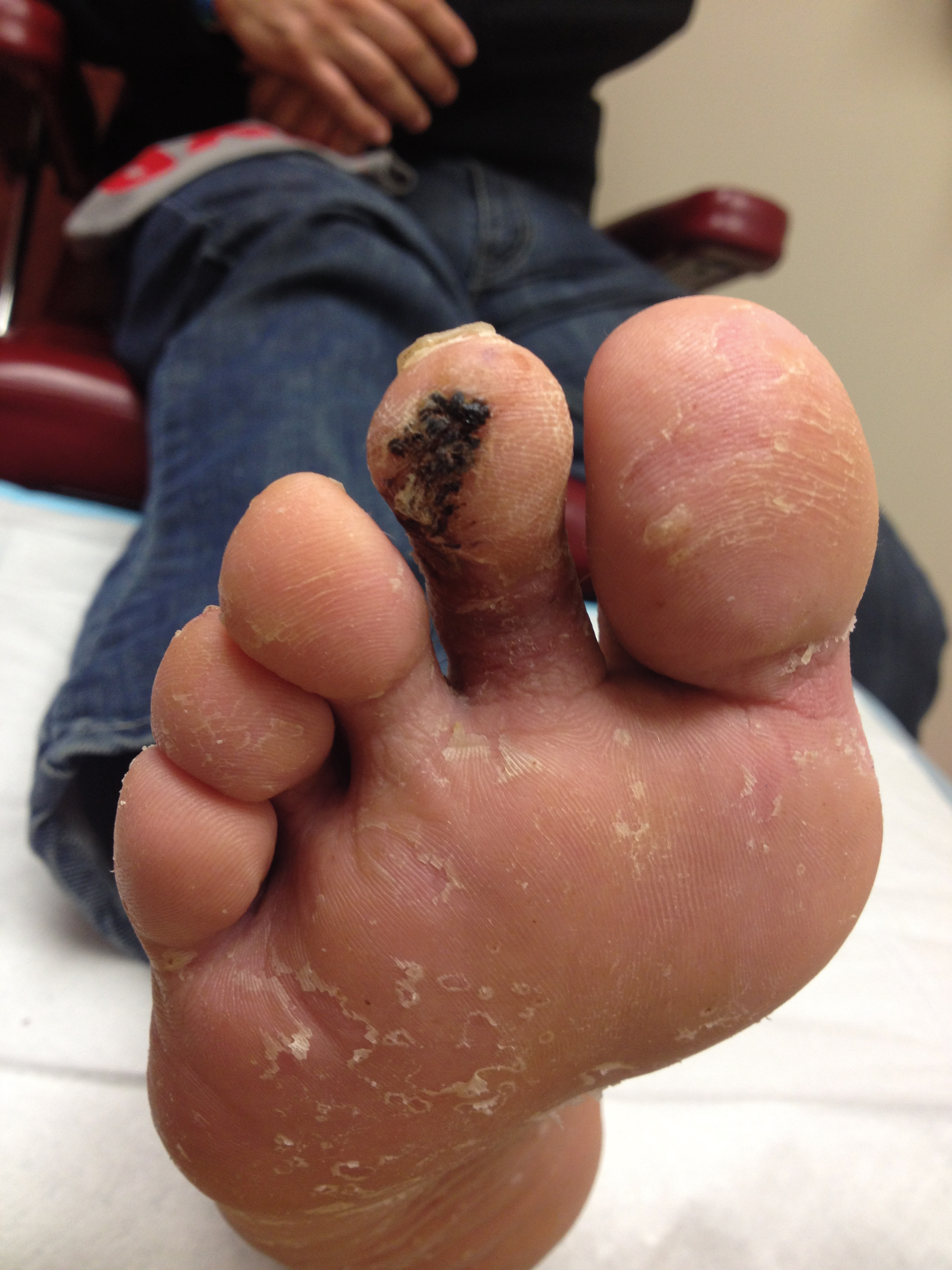
A 40-year-old Hispanic man presented to our outpatient podiatric clinic with a 3-year history of a “growing mass” on the plantar aspect of his right second toe (
Figs. 1–
3). The growth was painless and the patient reported no history of trauma associated with the lesion. The patient had not sought prior treatment and presented requesting removal of the mass.
Figure 1.
Mass on the plantar aspect of the second toe of the right foot.
Figure 1.
Mass on the plantar aspect of the second toe of the right foot.
Figure 2.
Mass on the plantar aspect of the second toe of the right foot.
Figure 2.
Mass on the plantar aspect of the second toe of the right foot.
Figure 3.
Mass on the plantar aspect of the second toe of the right foot.
Figure 3.
Mass on the plantar aspect of the second toe of the right foot.
At the time of presentation, the patient (
Table 1) had a medical history significant for hyperlipidemia that he was treating with lifestyle modification. The patient had a noncontributory family history, including no history of skin lesions, masses, or cancer. The patient was employed as a landscaper and was a former smoker.
Table 1.
Patient Vital Signs
Table 1.
Patient Vital Signs
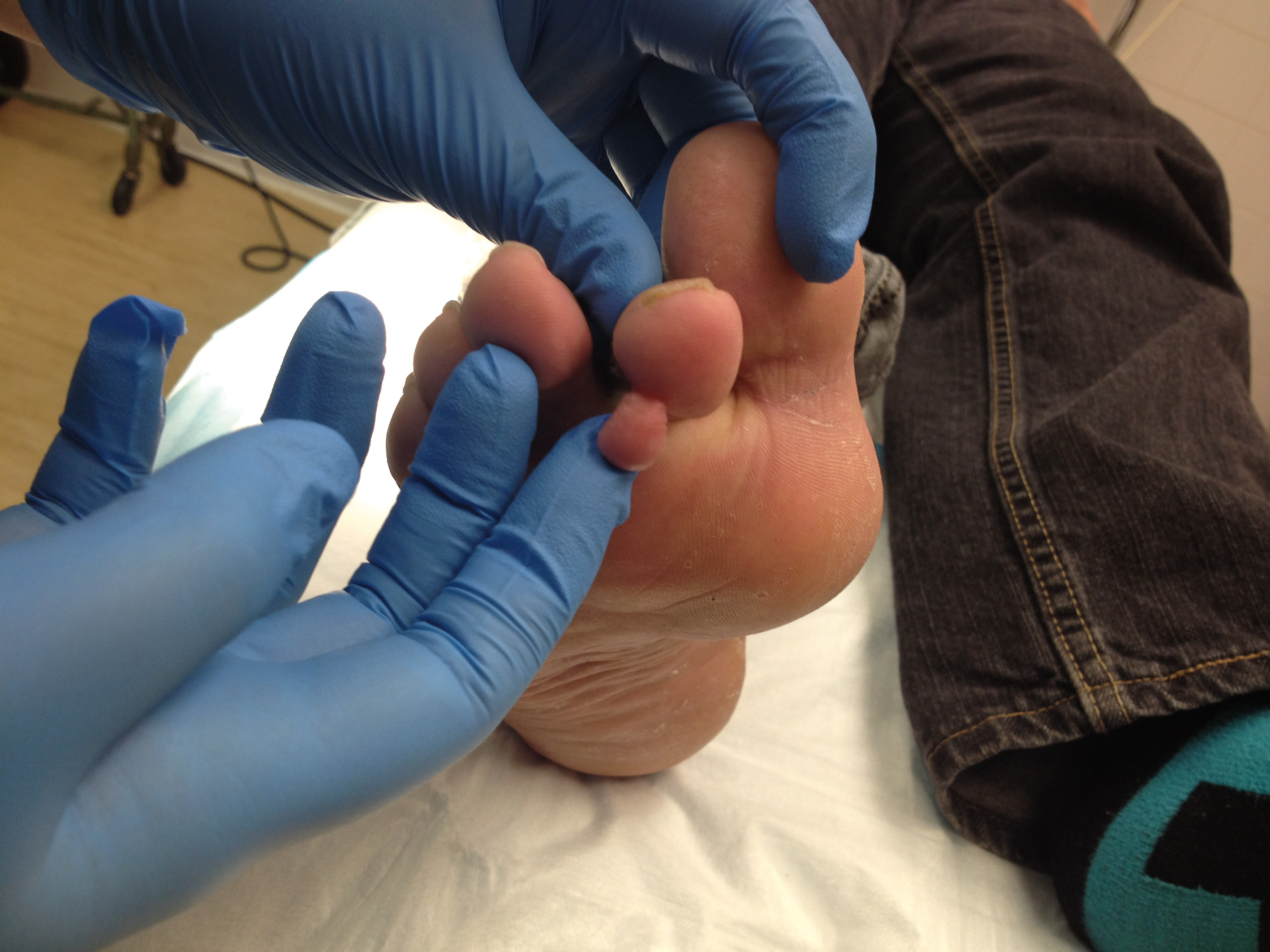
On physical examination, a firm, flesh-colored, pedunculated growth projected from the plantar lateral aspect of the right second toe (
Fig. 4). There was no erythema, crusting, or drainage coming from or around the lesion, and there were no open lesions on or surrounding the mass. The mass was well vascularized, with a capillary fill time similar to the surrounding tissue (<3 sec), and nonpulsatile. The mass did not appear fluid-filled and did not transilluminate. The mass measured approximately 1.4 cm in length, 6 mm in width, and 4 mm in thickness, with the stalk measuring 5 mm in length and 3 mm in width.
Figure 4.
Firm, flesh colored, pedunculated mass.
Figure 4.
Firm, flesh colored, pedunculated mass.
The remainder of the lower-extremity examination was unremarkable, with both lower extremities free of erythema, edema, or other growths/lesions. Neurovascular status was intact and the musculoskeletal examination was unremarkable.
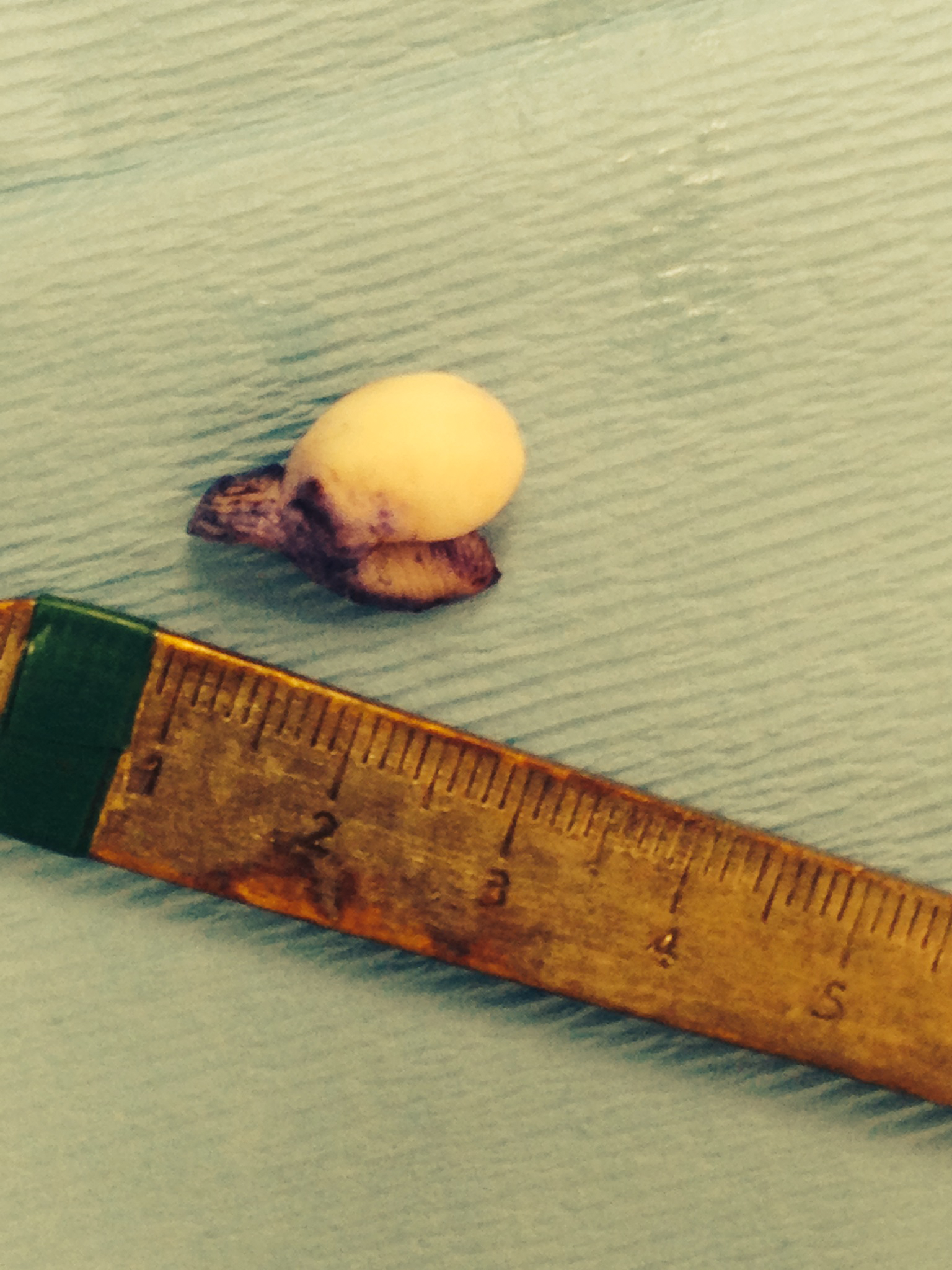
After discussing treatment options, the patient wished to proceed with removal of the mass, and we obtained informed consent to perform an excisional biopsy. We anesthetized the second toe with 2% lidocaine plain and used aseptic technique throughout the procedure. We planned an elliptical incision measuring 1.8 × 0.6 cm around the stalk of the mass, with special consideration given to incision placement in relation to skin lines. We used a Penrose drain tourniquet around the second toe and a No. 15 blade to excise the mass. The mass was then placed in formalin for pathologic evaluation (
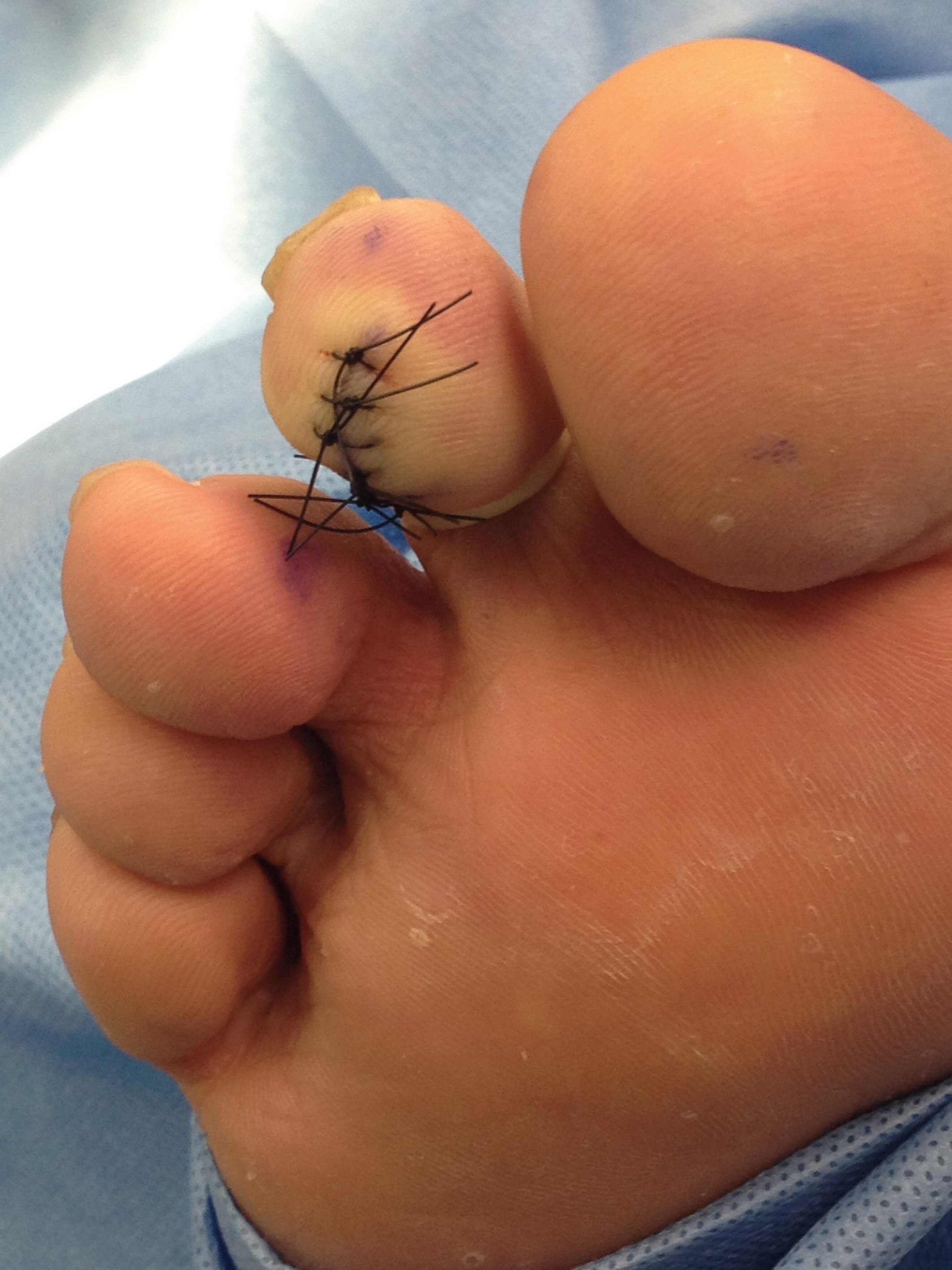
Fig. 5). We sutured the 3:1 elliptical incision with 3-0 nylon simple sutures (
Fig. 6). The area was dressed and the patient was instructed to limit weightbearing and to keep the area clean and dry.
Figure 5.
Specimen after excision.
Figure 5.
Specimen after excision.
Figure 6.
Incision sutured.
Figure 6.
Incision sutured.
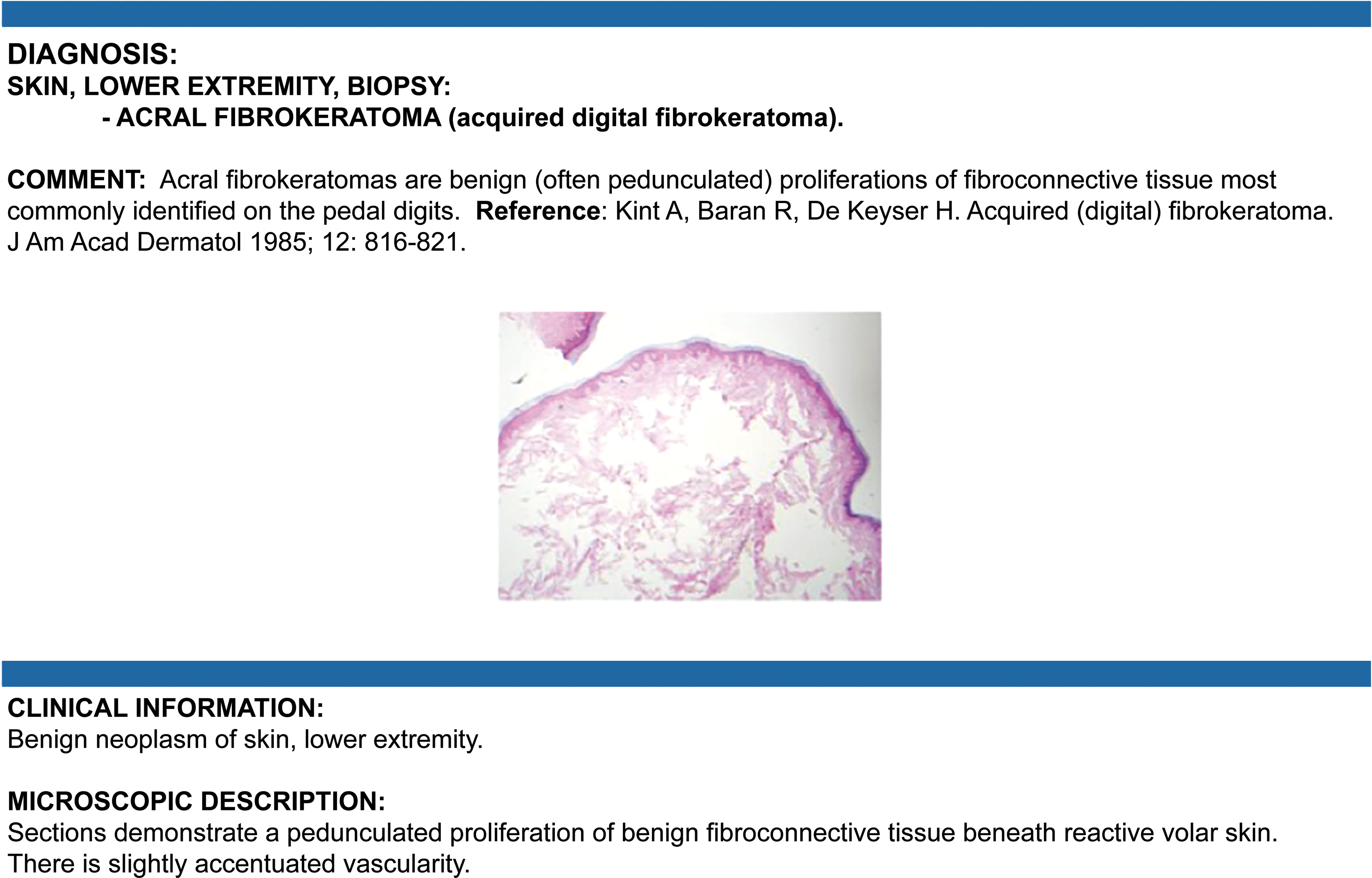
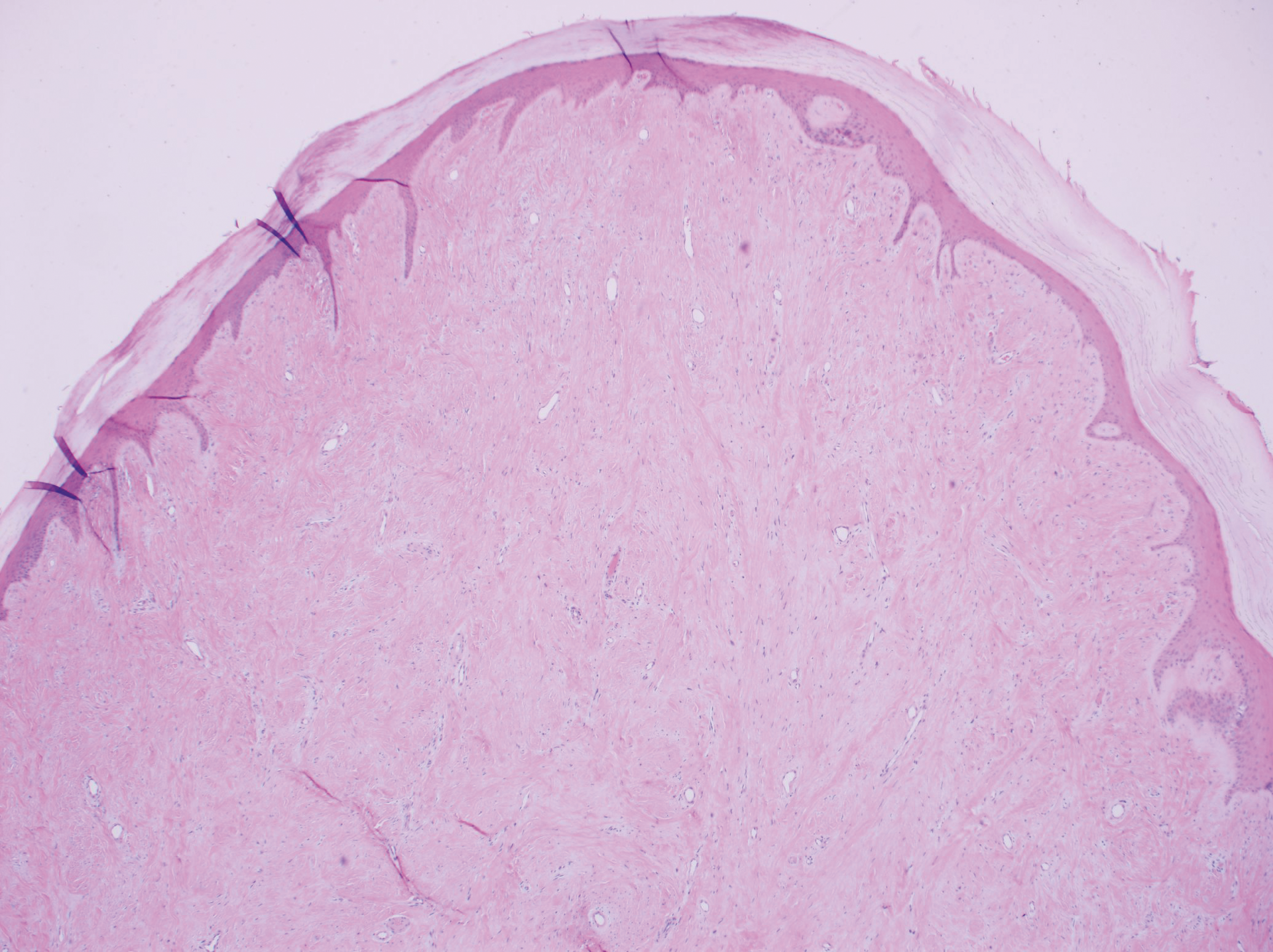
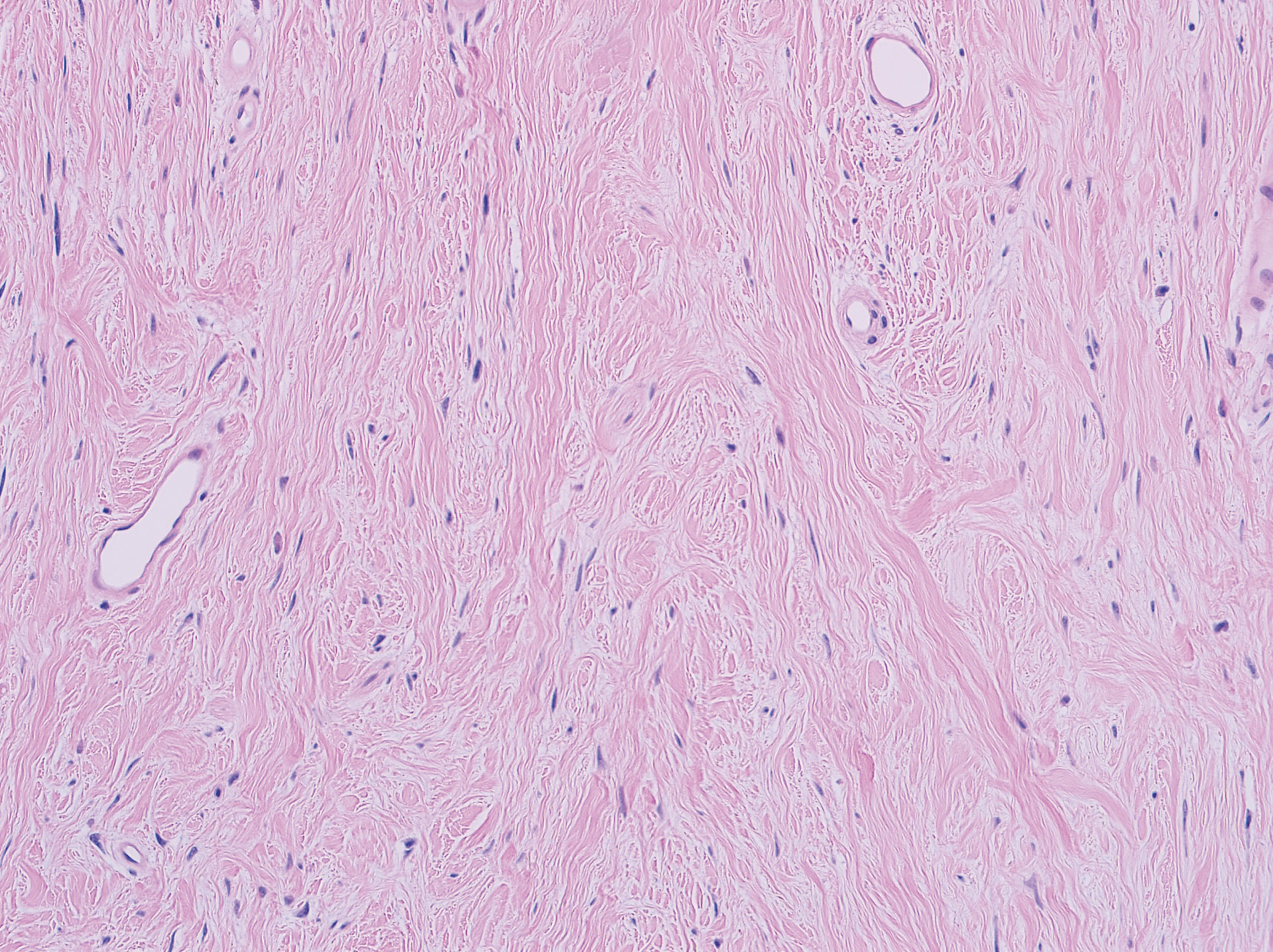
Pathologic evaluation provided the diagnosis of AF (
Figs. 7–
9). The patient returned weekly for follow-up for 1 month (
Figs. 10–
13). He did not return for further scheduled appointments.
Figure 7.
Pathology report.
Figure 7.
Pathology report.
Figure 8.
Microscopic image of acral fibrokeratoma.
Figure 8.
Microscopic image of acral fibrokeratoma.
Figure 9.
Microscopic image of acral fibrokeratoma.
Figure 9.
Microscopic image of acral fibrokeratoma.
Figure 10.
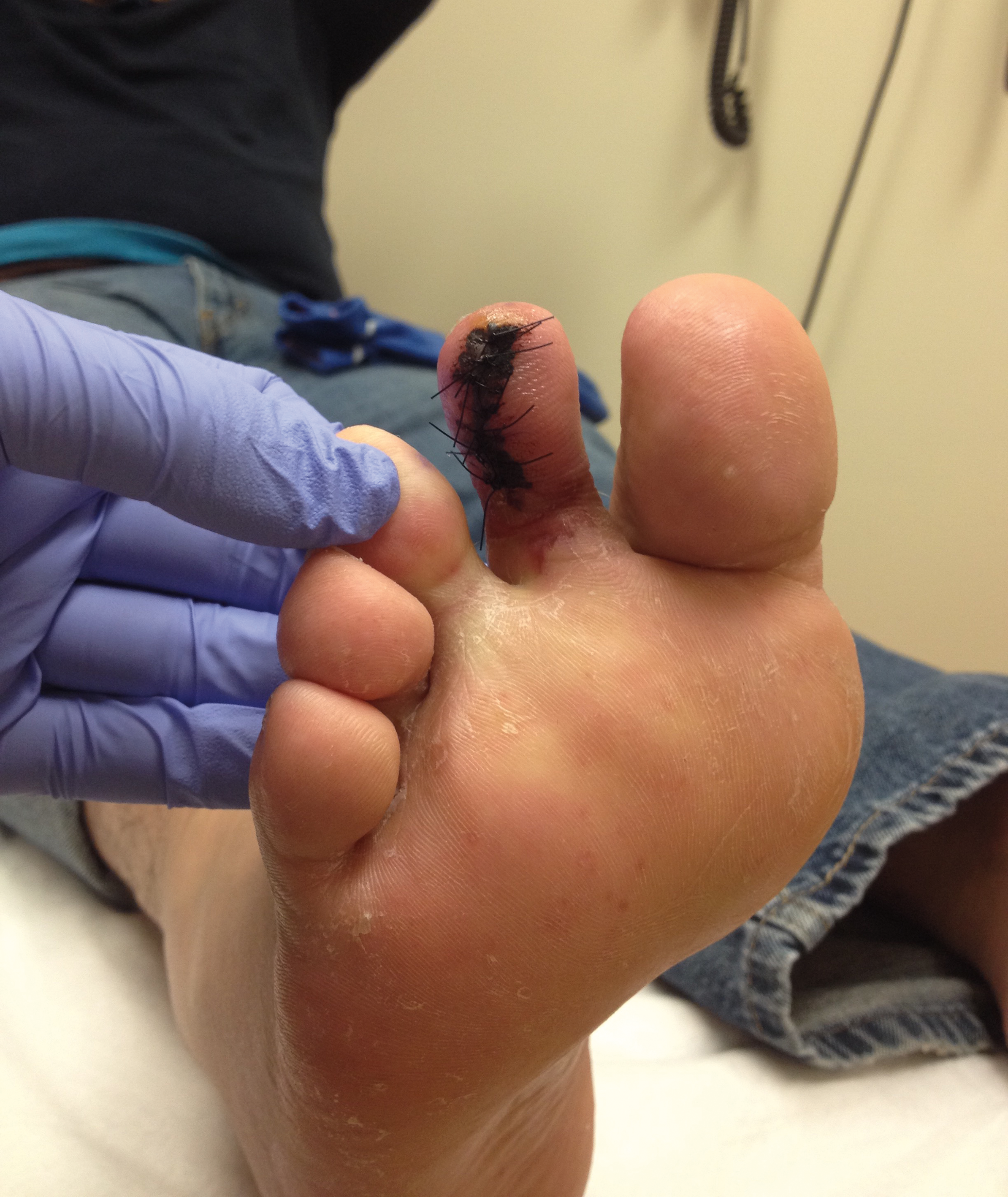
One week postoperatively.
Figure 10.
One week postoperatively.
Figure 11.
Two weeks postoperatively.
Figure 11.
Two weeks postoperatively.
Figure 12.
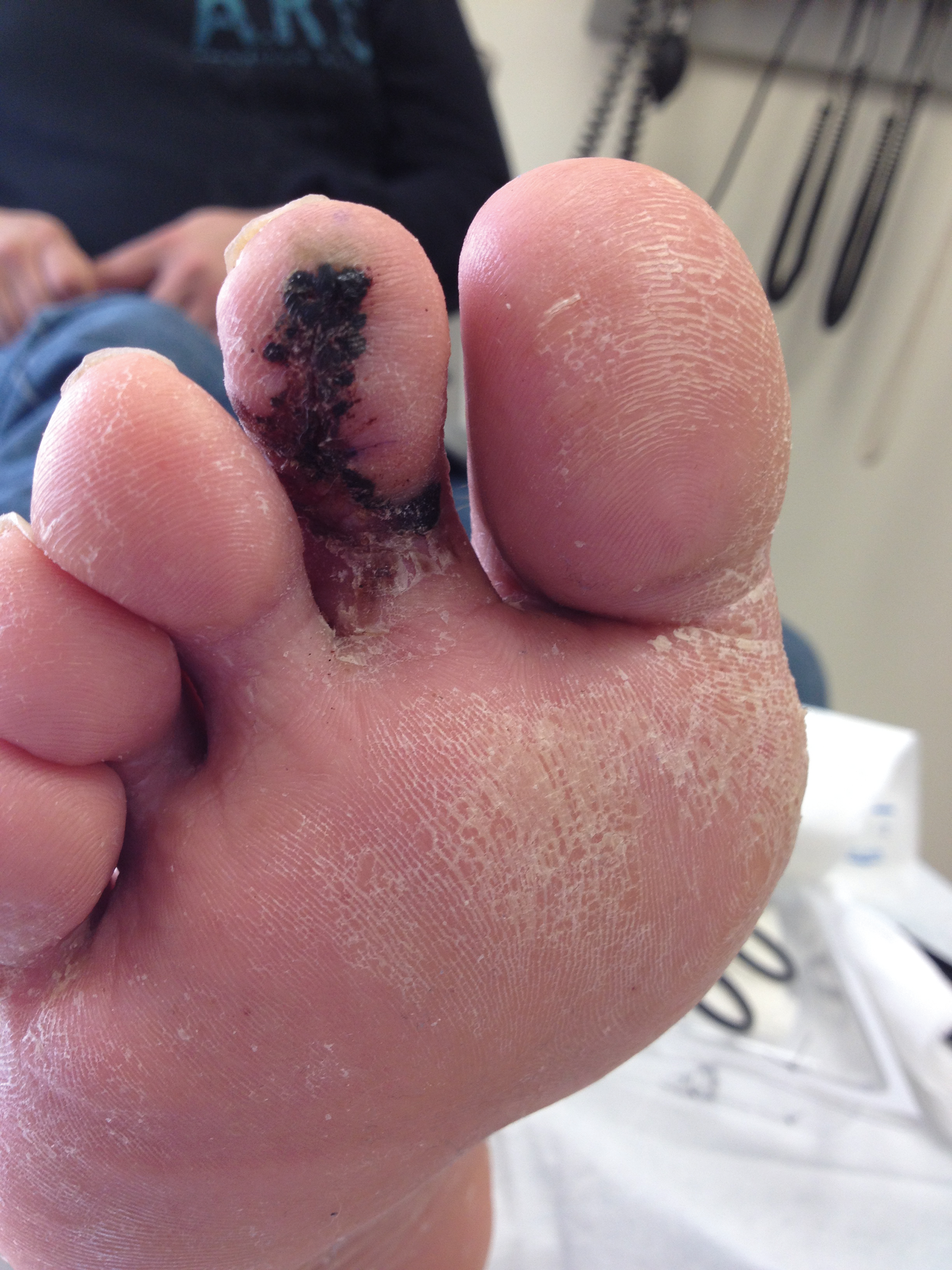
Three weeks postoperatively.
Figure 12.
Three weeks postoperatively.
Figure 13.
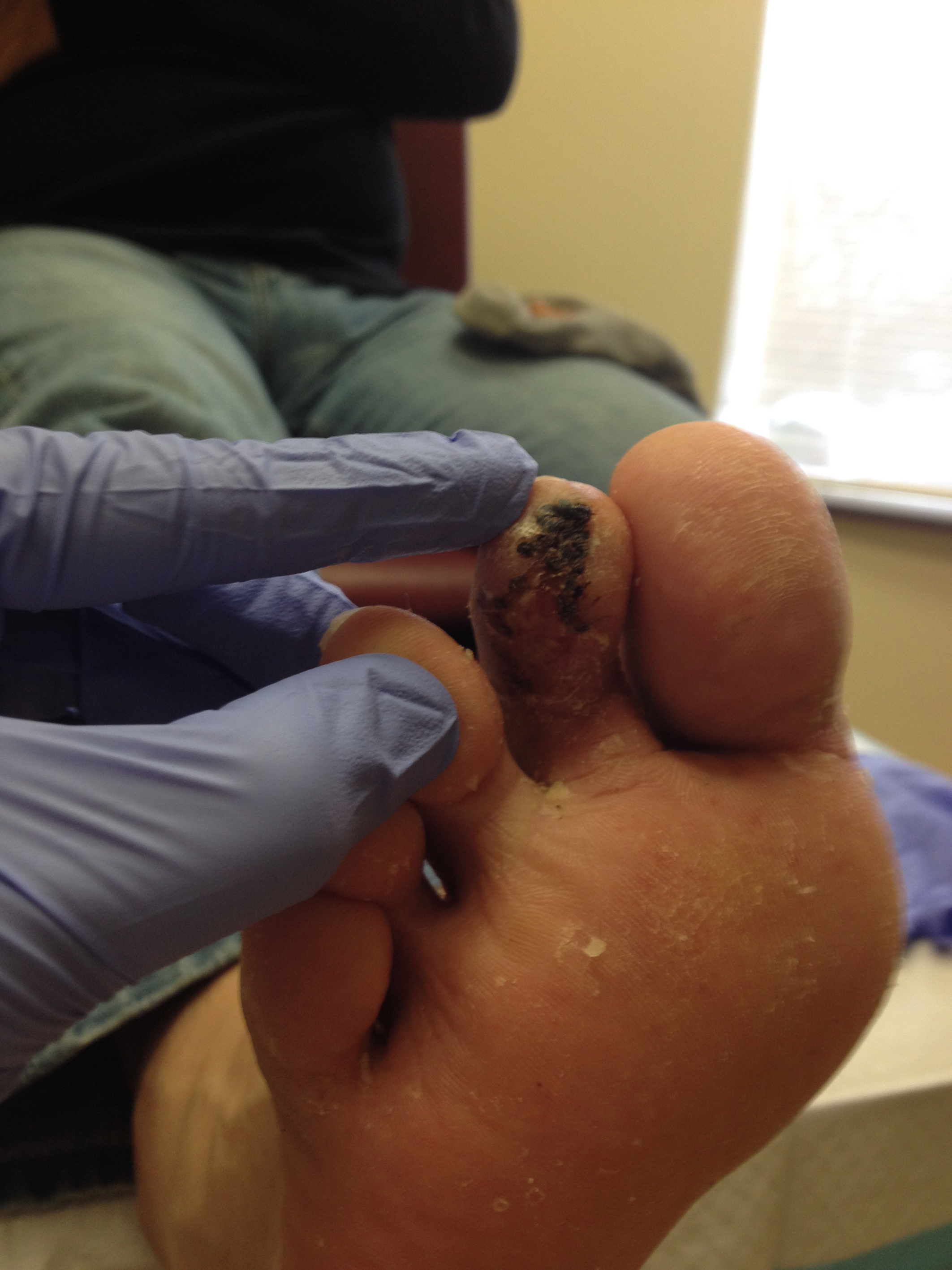
Four weeks postoperatively.
Figure 13.
Four weeks postoperatively.
Discussion
Acral fibrokeratomas—typically solitary, benign, round, firm lesions—are very rare soft-tissue masses and are even less frequently located on a lesser toe. AF must be differentiated from many other lesions and masses. The clinical presentation of AF is relatively consistent, but AF has a distinct histopathologic appearance. Once a biopsy of the lesion is performed, the histopathologic patterns are used to confirm the diagnosis. Recurrence of an excised AF is rare. This report described a 40-year-old Hispanic man's AF on the second toe.