Although melanoma accounts for only 1% of skin cancers, it is responsible for most skin cancer deaths. In 2016, an estimated 10,000 deaths occurred from melanoma and 3,500 from other types of skin cancer. Early detection and treatment offer the highest survival rates. The ABCDE rule helps us evaluate a lesion for melanoma. A is for asymmetry, B is for border irregularity, C is for color uniformity, D is for diameter greater than 6 mm, and E is for evolution.[
1] Pediatric melanoma, although rare, increased 46% per year of age according to a study by Strouse et al[
2] examining 1,255 children younger than 20 years and 2,673 young adults aged 20 to 24 years. The risk factors found included white race, female sex, increasing age, and environmental UV radiation.[
2] Other studies have found a family history of melanoma, history of malignancy, sunburns as a child, increased number of nevi, and xeroderma pigmentosum to be risk factors.[
3-
5]
Atypical melanocytic proliferation, otherwise known as “atypical melanocytic hyperplasia,” may represent early melanoma in situ. Important in this diagnosis is the degree of cytologic atypia of the melanocytes.[
6] Melanoma in situ is a form of melanoma normally found in the epidermis layer, dermo-epidermal junction, and epithelial adnexal structures. As such, melanoma in situ does not metastasize and is curable if completely excised.[
7] Once excised, primary closure, if warranted, of the remaining skin is often complicated due to the shape and size of the removed area. Some physicians may wait for the final diagnosis after excision to ensure clean margins and then perform skin grafting. Immunohistochemical stains when testing skin lesions, such as S100 protein, Melan-A, and HMB-45, are often analyzed to support its diagnosis of melanocytic tumors.[
8,
9]
Case Report
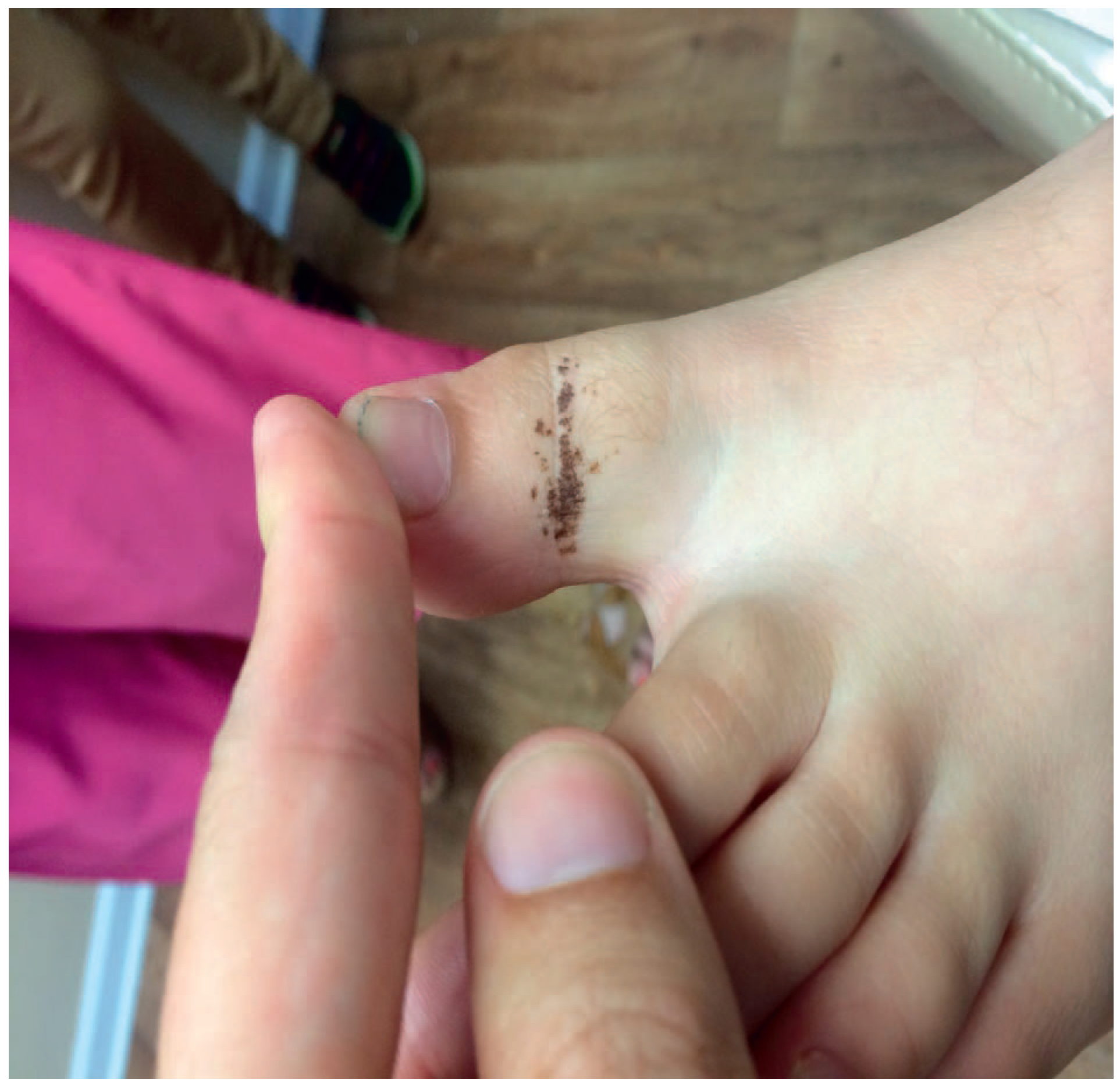
A 10-year-old boy of Spanish descent presented with an unusual, asymmetrical, nonpainful, brown patch on the dorsal skin of his left hallux. The patch was present from birth but recently started enlarging rapidly to approximately 2 × 1 cm. The patient had no medical problems or history of cancer in his family. The patient denies excessive sun exposure. Using the ABCDE rule associated with melanoma, four of the five categories were met: the patch was asymmetrical, the borders were irregular, the color was uniform, the diameter was greater than 6 mm, and it had evolved rapidly over time (
Fig. 1).
Figure 1.
Hallux asymmetrical brown patch in a 10-year-old boy.
Figure 1.
Hallux asymmetrical brown patch in a 10-year-old boy.
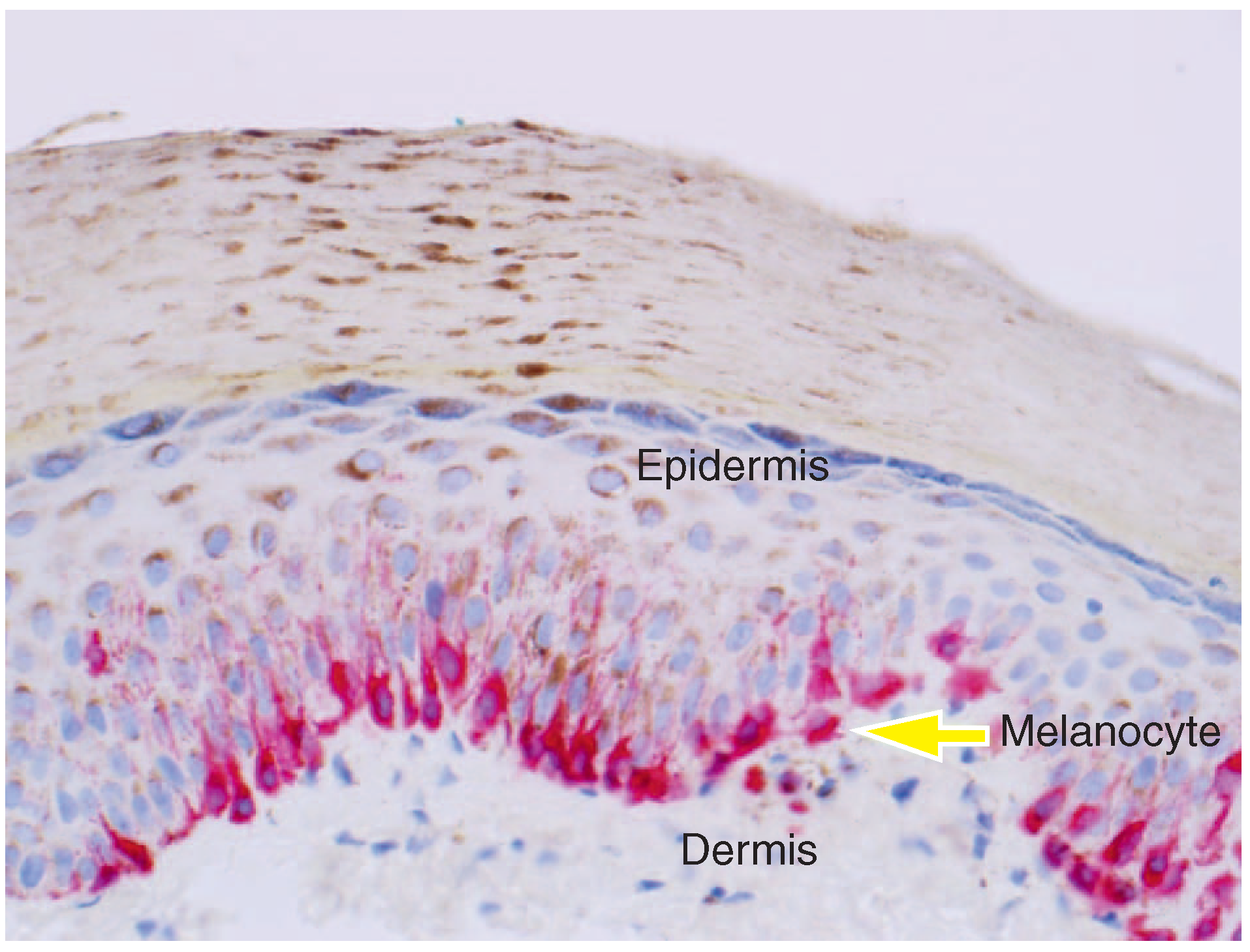
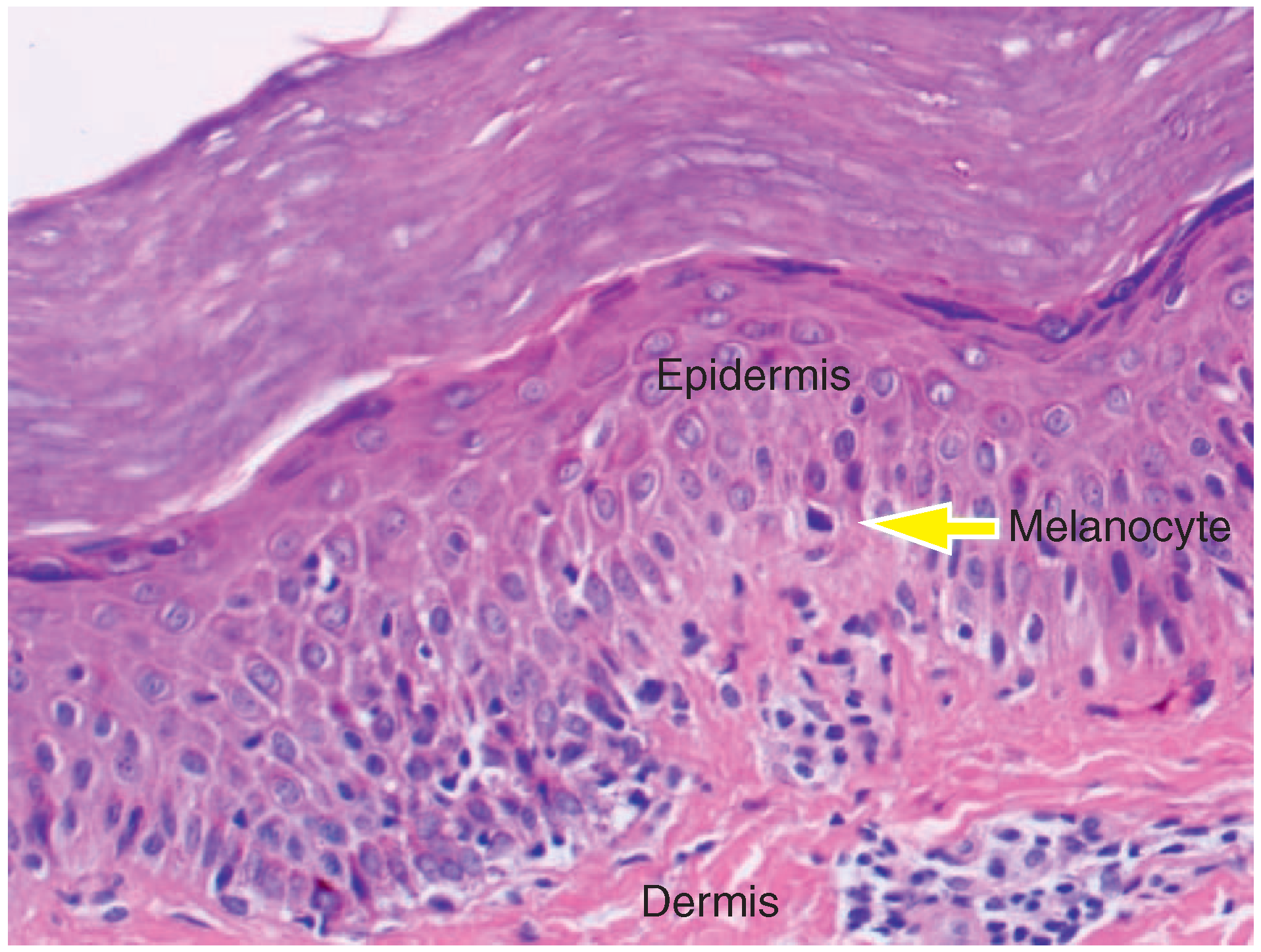
A 2-mm punch biopsy revealed atypical melanocytic proliferation, which may represent an unusual manifestation of early melanoma in situ. Melanocytes were located mainly in the dermo-epidermal junction, with mild-to-moderate nuclear atypia. S100 protein and Melan-A immunostains were both positive (
Figs. 2 and
3). Complete excision with 1- to 2-mm margins was recommended. The patient was sent to a dermatologist and a pediatrician for their opinions, which were for complete excision.
Figure 2.
Hematoxylin and eosin stain revealing atypical melanocytes along the dermo-epidermal junction.
Figure 2.
Hematoxylin and eosin stain revealing atypical melanocytes along the dermo-epidermal junction.
Figure 3.
Melan-A immunostain revealing atypical melanocytic proliferation (cells in red) along the dermo-epidermal junction.
Figure 3.
Melan-A immunostain revealing atypical melanocytic proliferation (cells in red) along the dermo-epidermal junction.
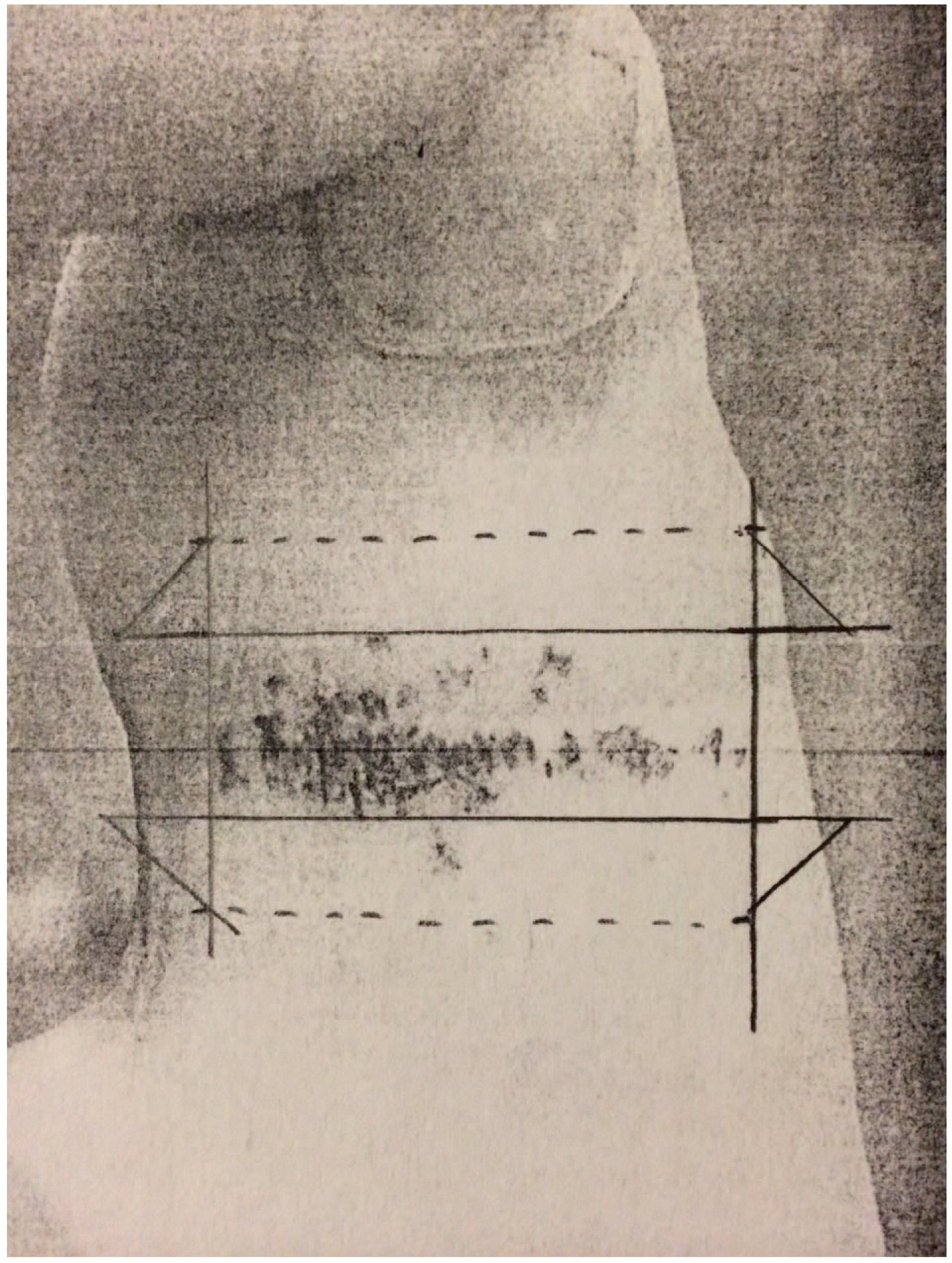
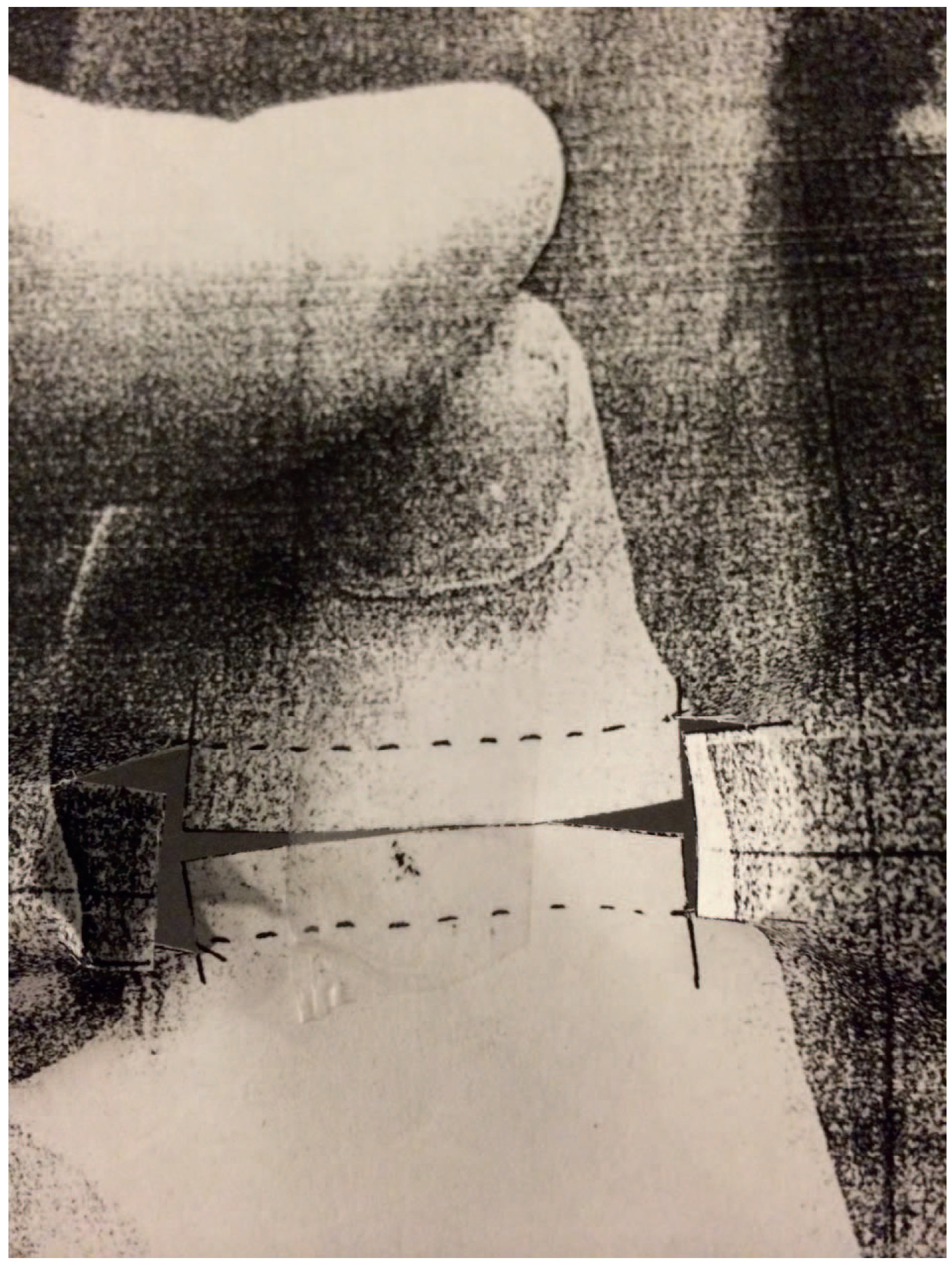
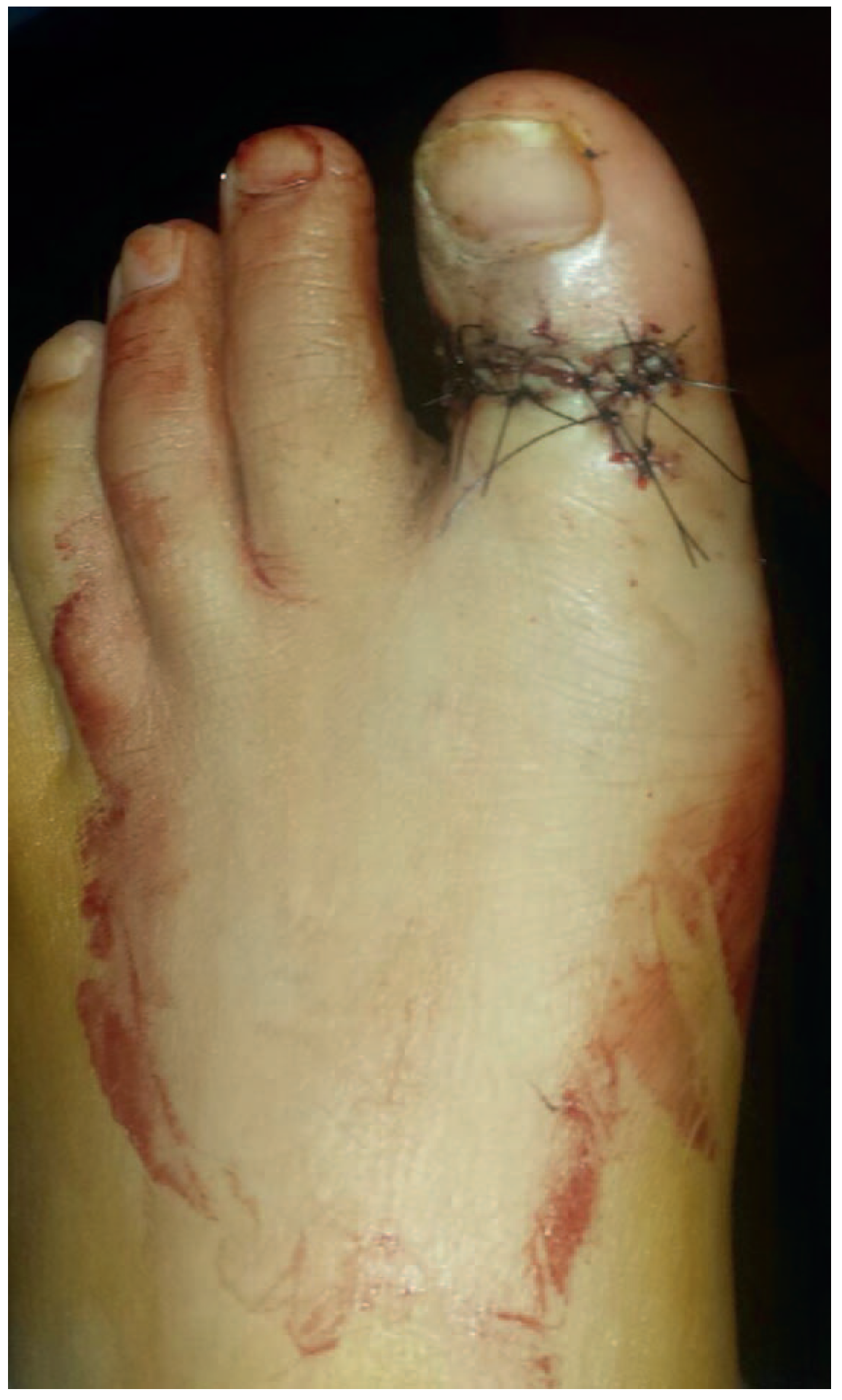
The patient underwent excision of the patch, and a double advancement flap was used to close the surgical site. A rectangular 2.3 × 1.3 × 0.5-cm piece of skin was ellipsed encompassing the melanotic lesion. The decision was made to close the skin primarily because the subcutaneous remaining tissues appeared healthy and devoid of pigmentation. Then, a proximal flap and a distal flap were created, undermining the subcutaneous tissues on the periphery as well as four Burow's triangles at the four corners of the flaps. The distal flap was advanced proximally, and the proximal flap was advanced distally and was closed using 4-0 nylon sutures under minimal tension (
Figs. 4–
6). The diagnosis was again confirmed as atypical lentiginous melanocytic proliferation, and the peripheral surfaces were confirmed to be free of lesional cells in numerous planes.
Figure 4.
Planning double advancement flap with four Burow's triangles at the corners.
Figure 4.
Planning double advancement flap with four Burow's triangles at the corners.
Figure 5.
Planning double advancement flap with four Burow's triangles at the corners after excision.
Figure 5.
Planning double advancement flap with four Burow's triangles at the corners after excision.
Figure 6.
After excision and double advancement flap repair.
Figure 6.
After excision and double advancement flap repair.
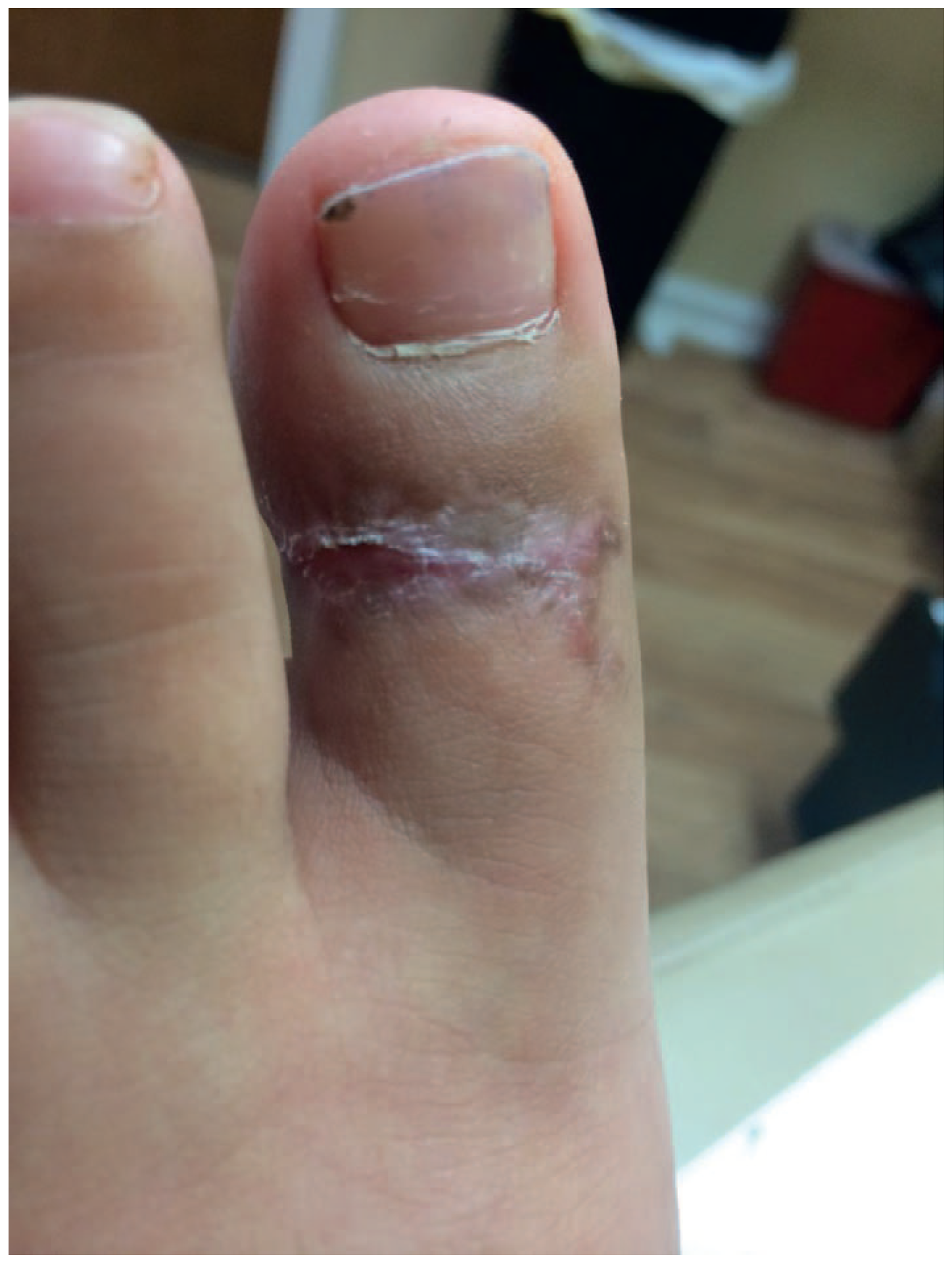
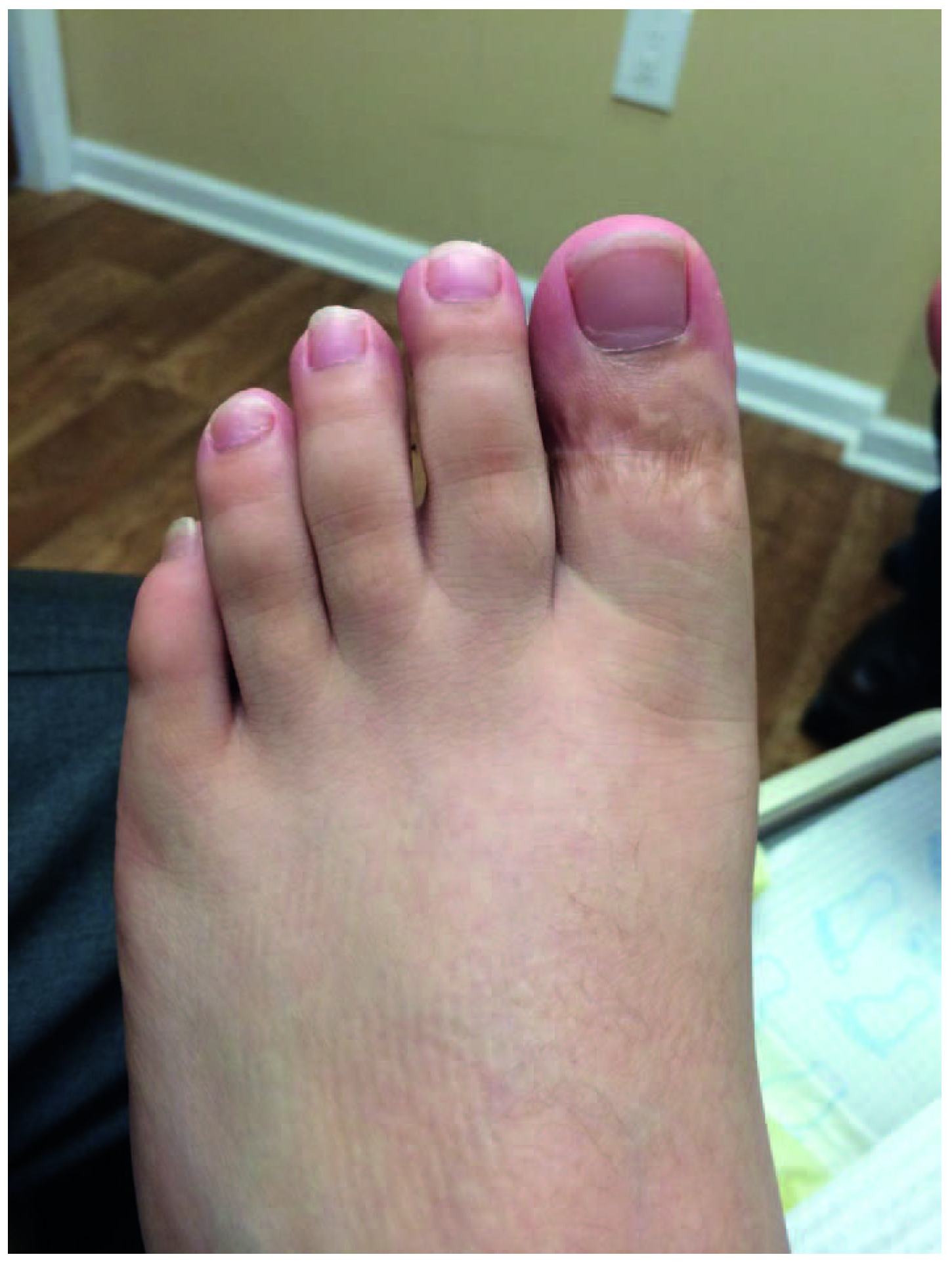
The patient healed uneventfully. At the 2-year follow-up visit, the patient had no evidence of recurrence. The patient goes for semiannual dermatologic checkups. He has full range of motion at the hallux metatarsophalangeal joint but has difficulty flexing at the interphalangeal joint (
Figs. 7 and
8).
Figure 7.
Two months after excision and double advancement flap repair.
Figure 7.
Two months after excision and double advancement flap repair.
Figure 8.
Two years after excision and double advancement flap repair, with no evidence of recurrence.
Figure 8.
Two years after excision and double advancement flap repair, with no evidence of recurrence.
Discussion
Melanoma is the most lethal form of skin cancer in adolescents and young adults younger than 30 years in the United States.[
10] Prevention and early detection are keys to protection and survival rates. It is important to minimize UV radiation by wearing protective clothing and sun protection factor 30 or higher. Sunburns in children may greatly increase melanoma risk.[
1] Any lesion that falls into the ABCDE rule for melanoma should be examined thoroughly and biopsied if warranted. In the present case report, a 10-year-old boy who presented for hallux discoloration that fit most of the ABCDE rule underwent a biopsy. Immunostaining was positive for S100 protein and Melan-A. The diagnosis was atypical melanocytic proliferation, which may be early melanoma in situ, excised with clean margins, and primarily repaired using a double advancement flap. Two years later the patient is without recurrence, and the only sequela is limited flexion at the hallux interphalangeal joint due to scar tissue formation.
Financial Disclosure: None reported.
Conflict of Interest: None reported.