Next Article in Journal
A Novel Technique to Determine Foot Contribution to Limb-Length Discrepancy
Previous Article in Journal
Pedal Cutaneous Manifestations of Tuberous Sclerosis
 
 
Journal of the American Podiatric Medical Association is published by MDPI from Volume 116 Issue 1 (2026). Previous articles were published by another publisher in Open Access under a CC-BY (or CC-BY-NC-ND) licence, and they are hosted by MDPI on mdpi.com as a courtesy and upon agreement with American Podiatric Medical Association.
Article

Giant Plantar Epidermoid Cyst with Invasion of the Interosseous Muscles

by
Antonio Córdoba-Fernandez
1,*,
Adrián Lobo-Martín
1,
Carlos Escudero-Severín
2 and
Victoria Eugenia Córdoba-Jiménez
3
1
Departamento de Podología, Universidad de Sevilla, Avicena s/n, Seville 41009, Spain
2
Departamento de Anatomía Patológica, Complejo Hospitalario de San Juan de Dios, Bormujos, Seville, Spain
3
Facultad de Enfermería, Fisioterapia, y Podología, Universidad de Sevilla, Sevilla, Spain
*
Author to whom correspondence should be addressed.
J. Am. Podiatr. Med. Assoc. 2017, 107(4), 329-332; https://doi.org/10.7547/16-054
Published: 1 July 2017

Abstract

Epidermoid cysts of the sole of the foot are rare lesions that must be differentiated from other, more common subcutaneous pathologic abnormalities located on the sole. Cases of epidermoid cysts that extend to the interosseous musculature are rarer still. We report the case of a giant epidermal cyst in a 64-year-old individual that extended to the intrinsic musculature of the third space of the right foot and that was diagnosed after fine-needle aspiration biopsy and subsequent cytologic study. Differential diagnosis of these lesions should be made with the support of additional imaging tests, and diagnostic confirmation should always be obtained after surgical removal and subsequent histopathologic study.

Epidermoid cysts or cysts by inclusion are common lesions located on the subcutaneous cellular tissue arising from implantation of epidermal cells inside the dermis. The lesion is characterized by the existence of an epithelial reinforcing wall in which a keratin-rich pasty content is generated inside, which is the result of the proliferation of superficial epidermal cells inside the dermis. Epidermoid cysts are common lesions on the scalp, face, neck, trunk, and back; their location in acral areas and, especially, on the palms and soles is rare [1,2]. In palm and sole locations, their etiology is usually related to a history of trauma or surgery, although they have also been related to the existence of human papilloma virus infections [3,4,5].
Differential diagnosis should always be made with other lesions, such as ganglia, lipomas, dermatofibromas, or verrucas. Imaging tests, especially magnetic resonance imaging (MRI), may assist diagnosis. Final diagnostic confirmation is obtained after surgical removal and histopathologic study [6].
In the cases reported in the literature for epidermal cysts located on the sole, the lesions are, in general, located on the subcutaneous cellular tissue and superficial to the fascia [7,8]. To our knowledge, only one case of giant epidermoid cyst has been published; this extended to the interosseous musculature affecting the forefoot, as in the present case [9].

Case Report

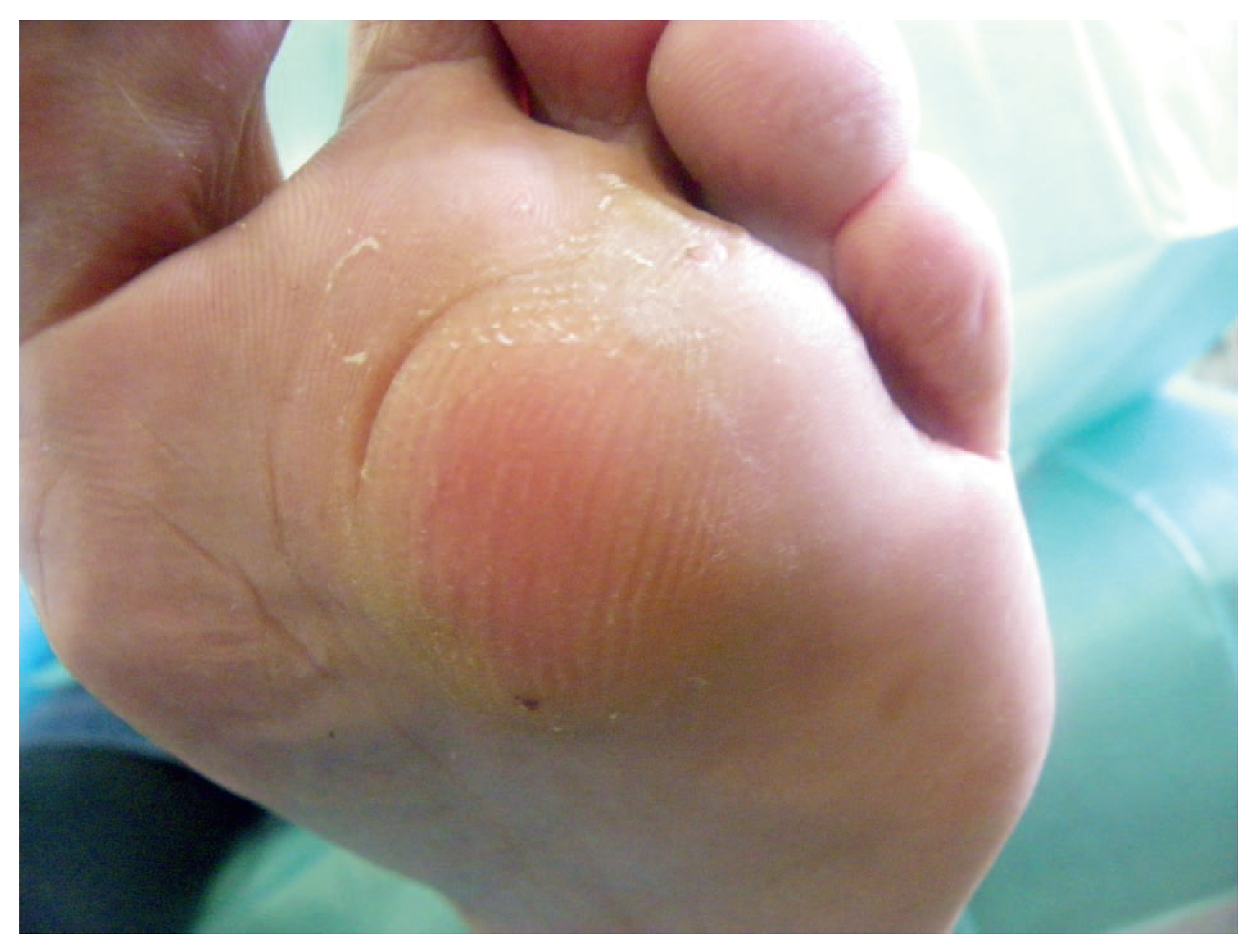
A 64-year-old patient visited the Podiatry Clinic of Seville University (Seville, Spain) with metatarsal pain and swelling of the right foot of 8 months’ clinical course that increased after long periods of walking, leading to an antalgic gait. After insisting on the possibility of a history of trauma, the patient reported having experienced a pinching sensation on the sole of his left foot after pressing his car’s clutch 5 years earlier; he gave no importance to this. On clinical examination, a mass was observed in the metatarsal area of the left foot. On palpation, the lesion presented as a firm, nonfluctuating, and welldemarcated mass (Figure 1).
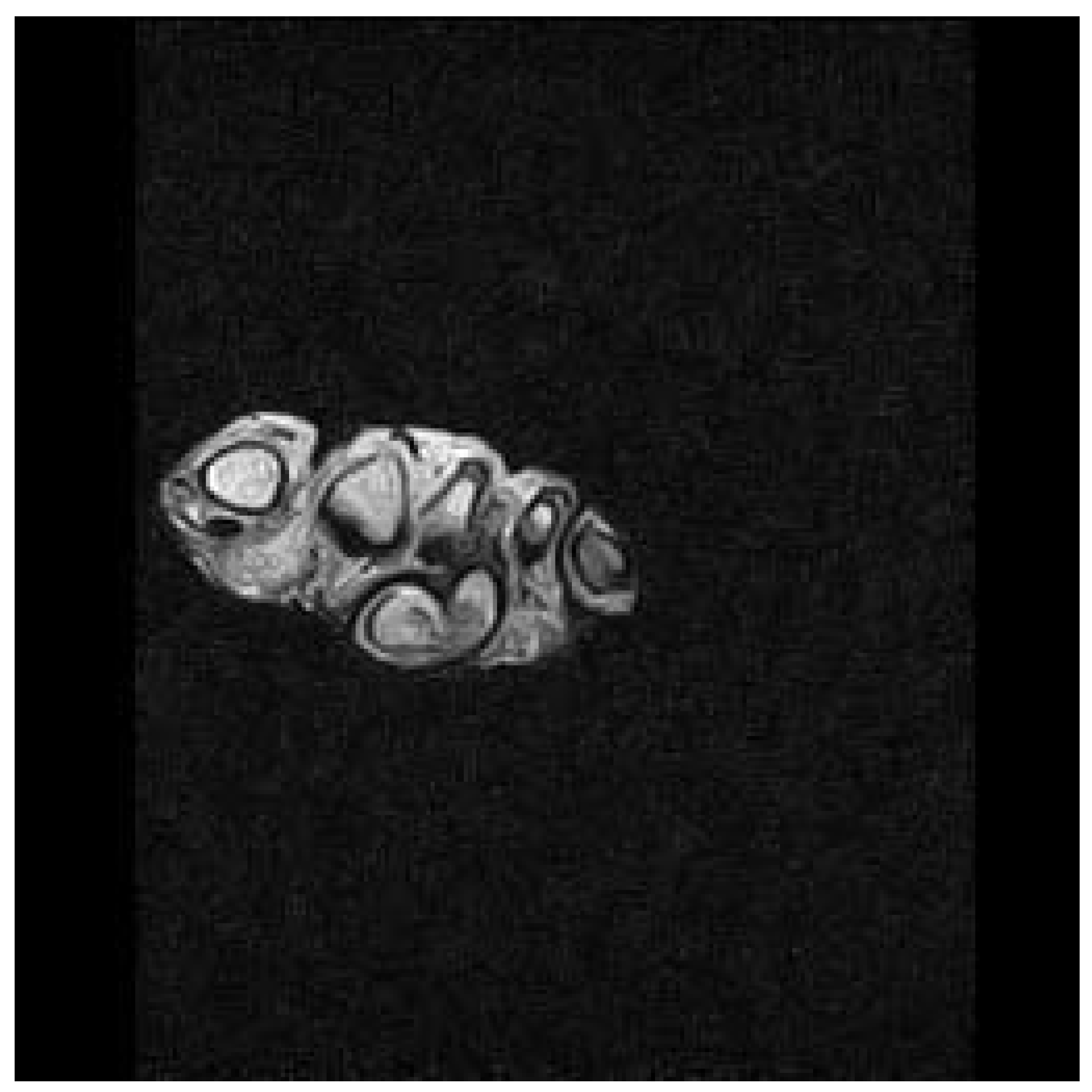
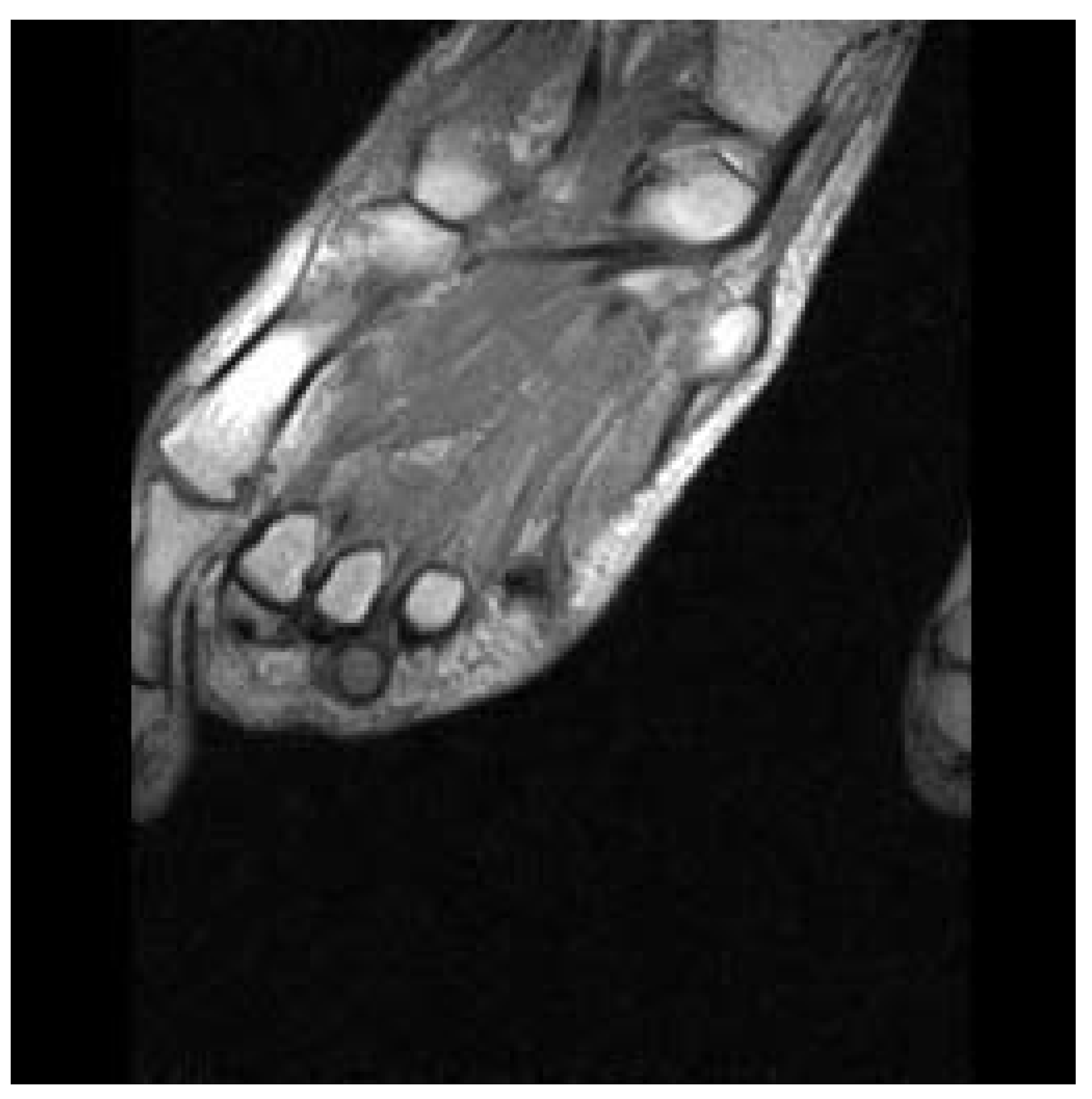
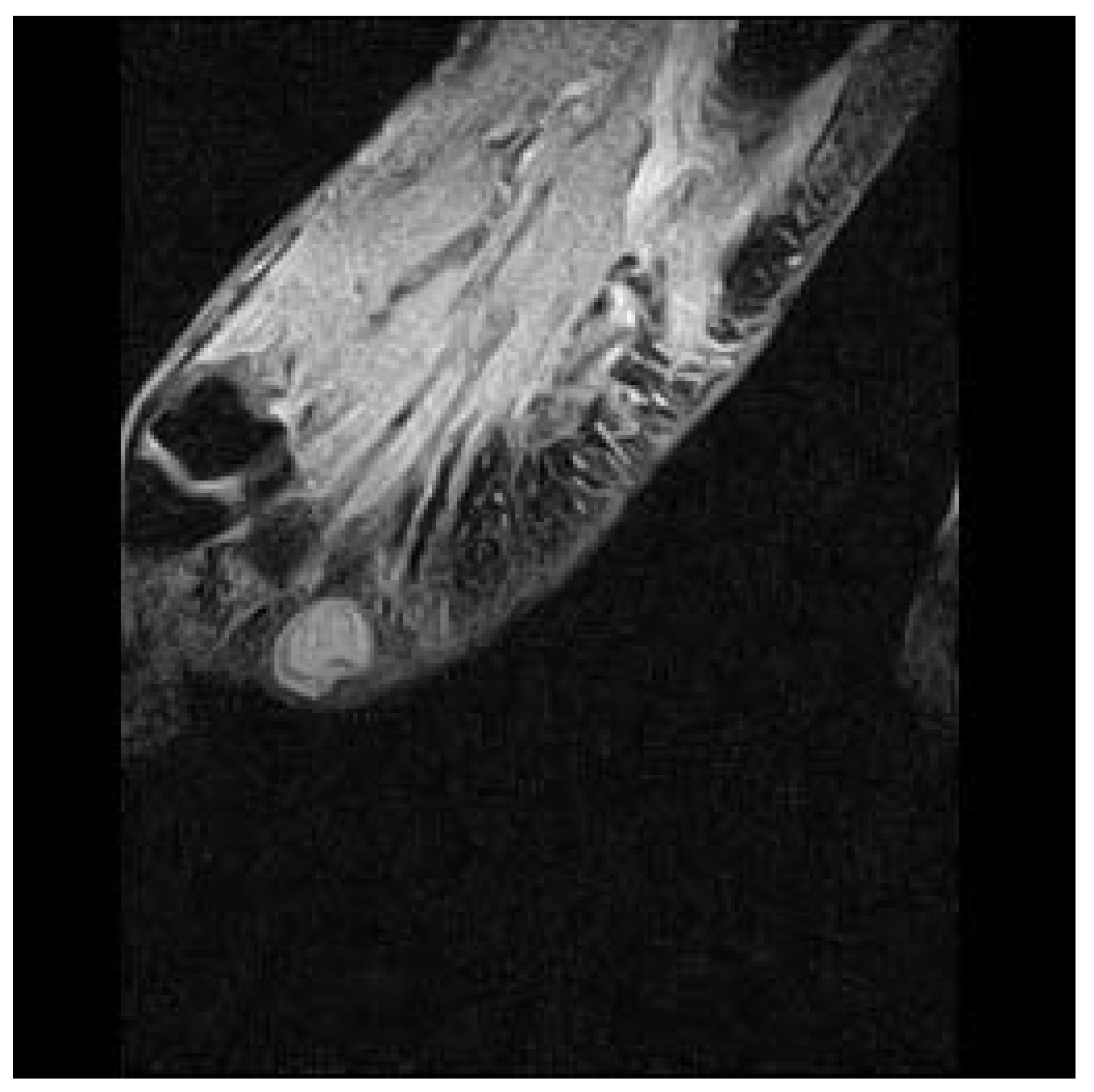
Radiologic examination did not reveal findings compatible with bone affectation; only an increase in soft tissue was observed on the lateral projection. Magnetic resonance imaging revealed a plantar tumor measuring approximately 5 × 4 × 3.5 cm located subcutaneously at the second and third metatarsals that partially invaded the interosseous musculature in the third intermetatarsal space. T1- weighted images revealed a slightly high-intensity image in T1, with low-intensity signal and good resolution of the edge of the lesion (Figure 2 and Figure 3). T2-weighted images revealed an intense signal with some nonshadowing foci (Figure 4).
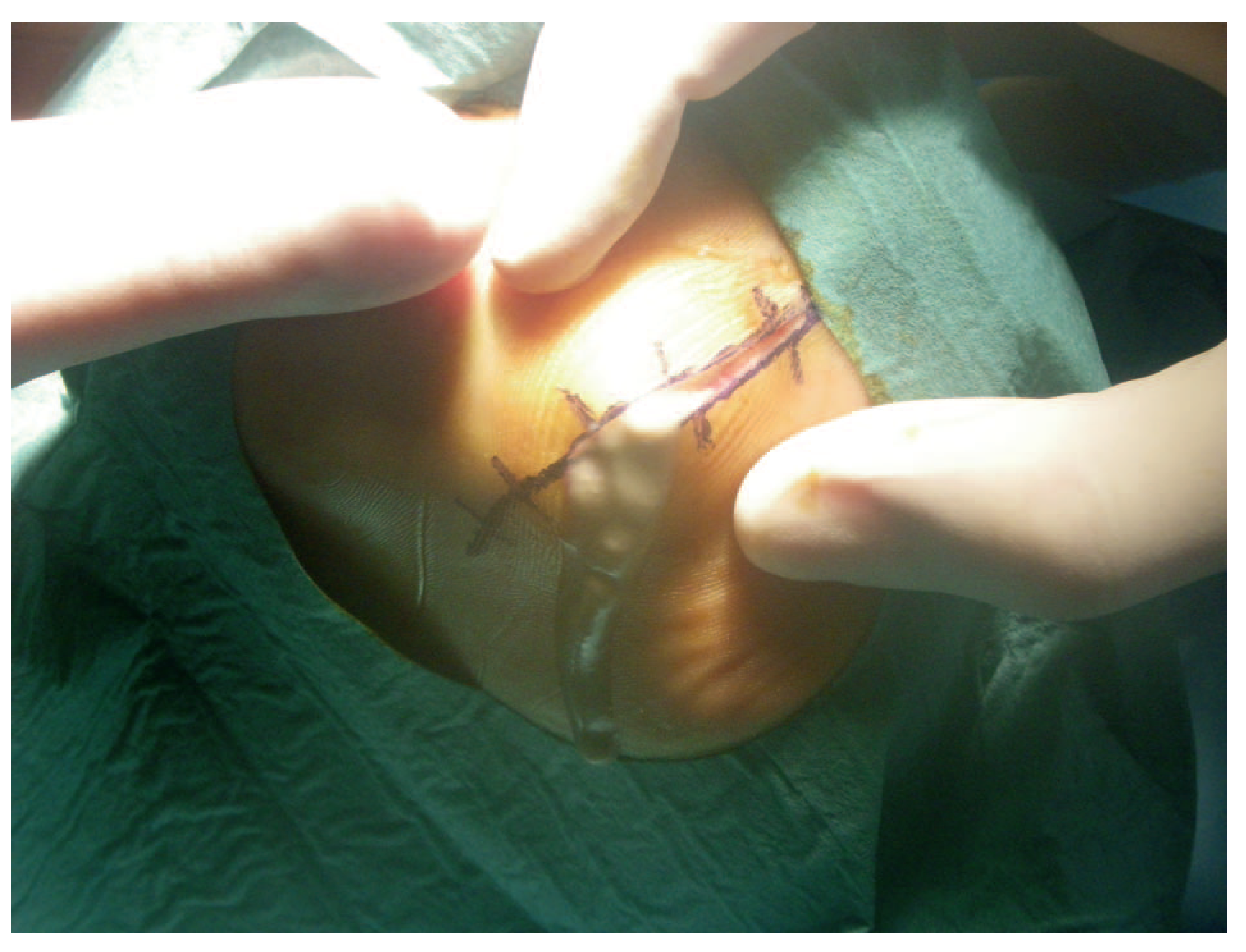
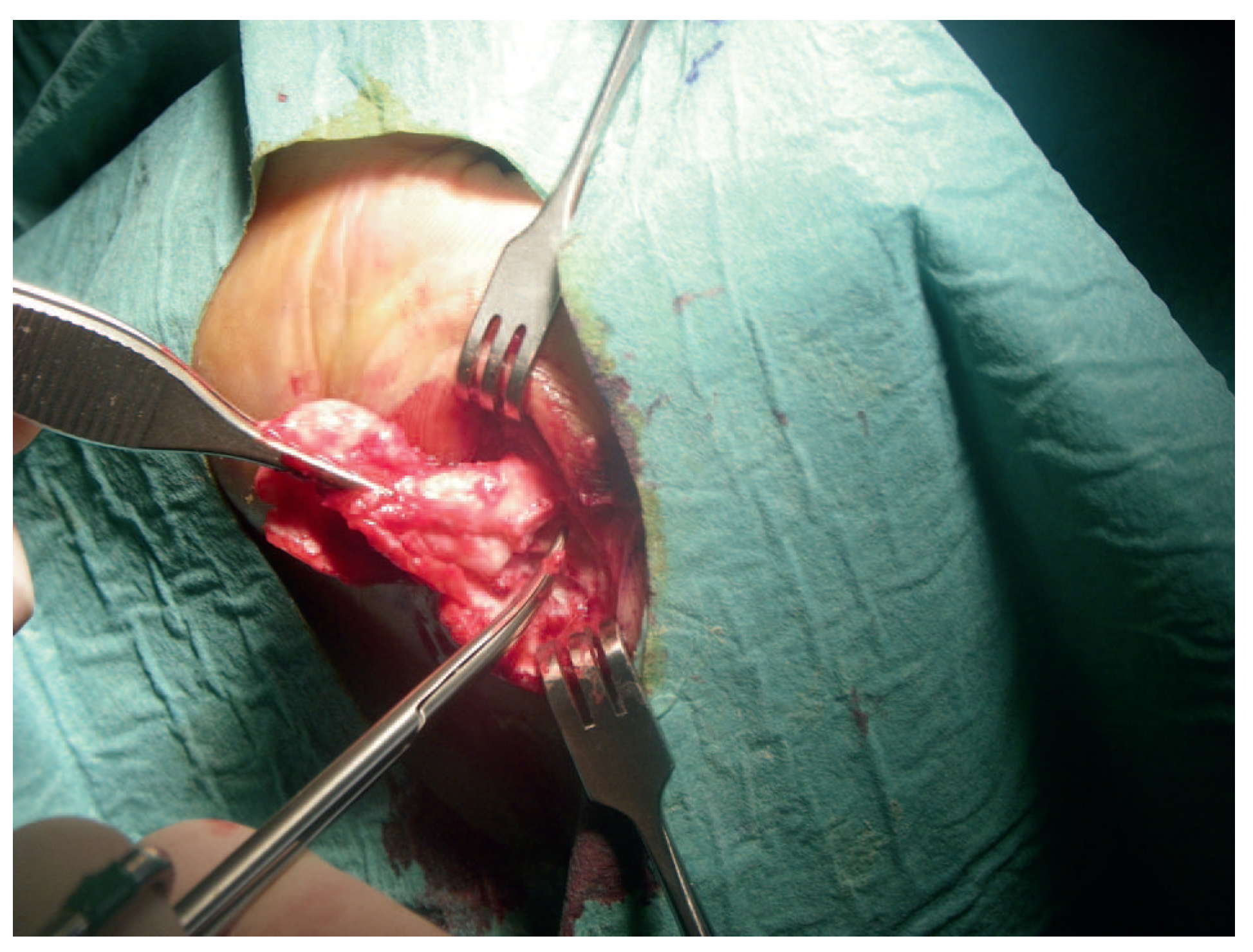
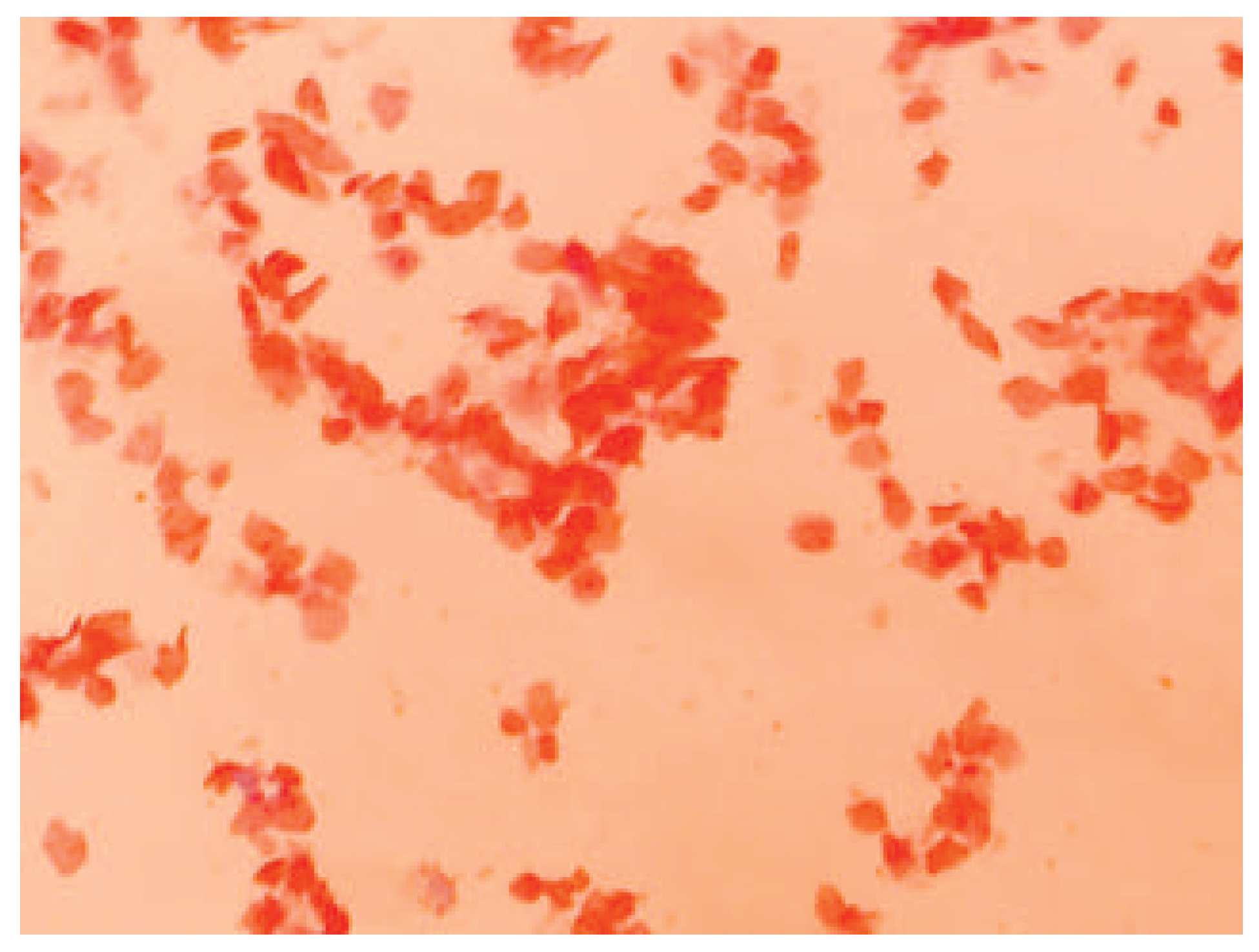
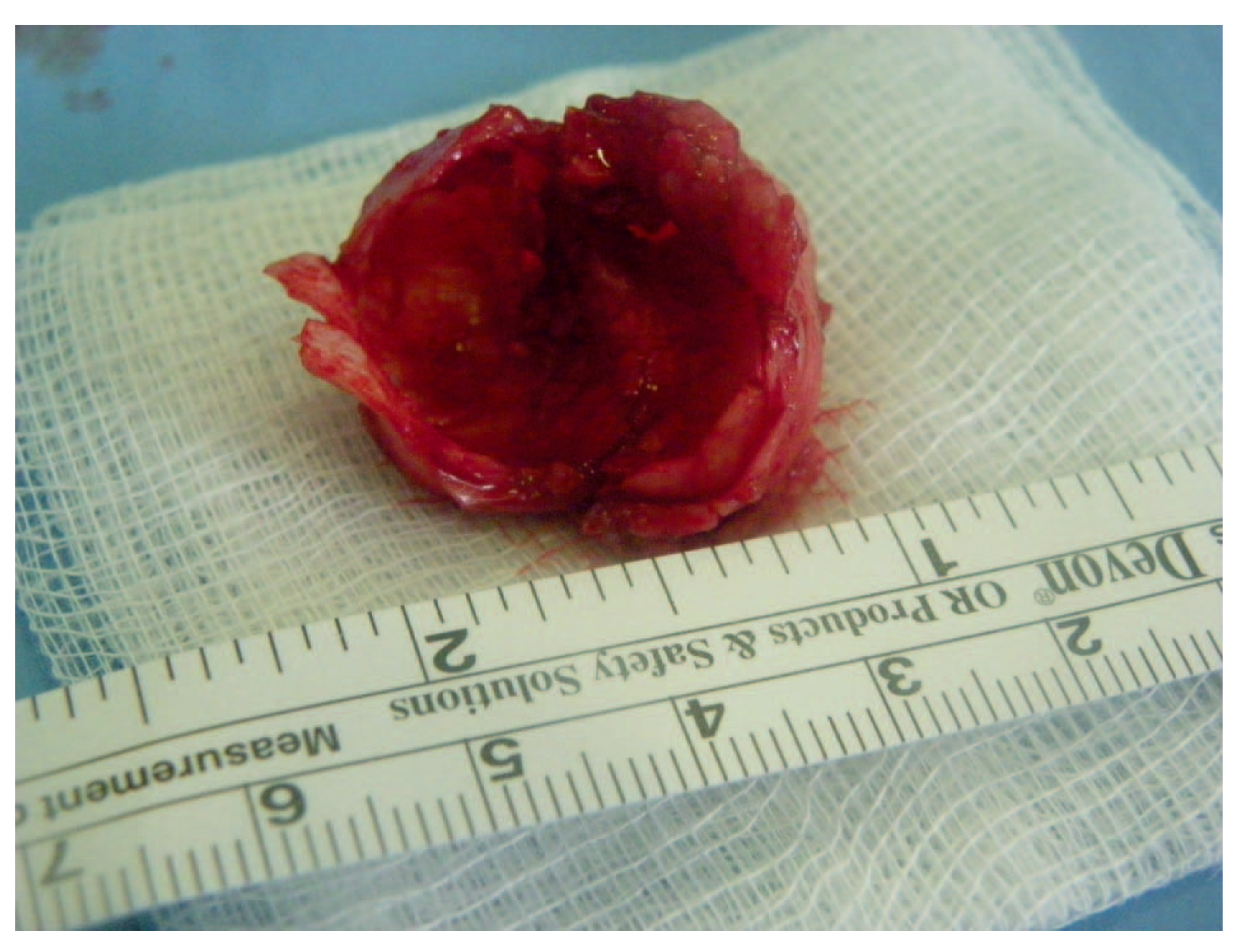
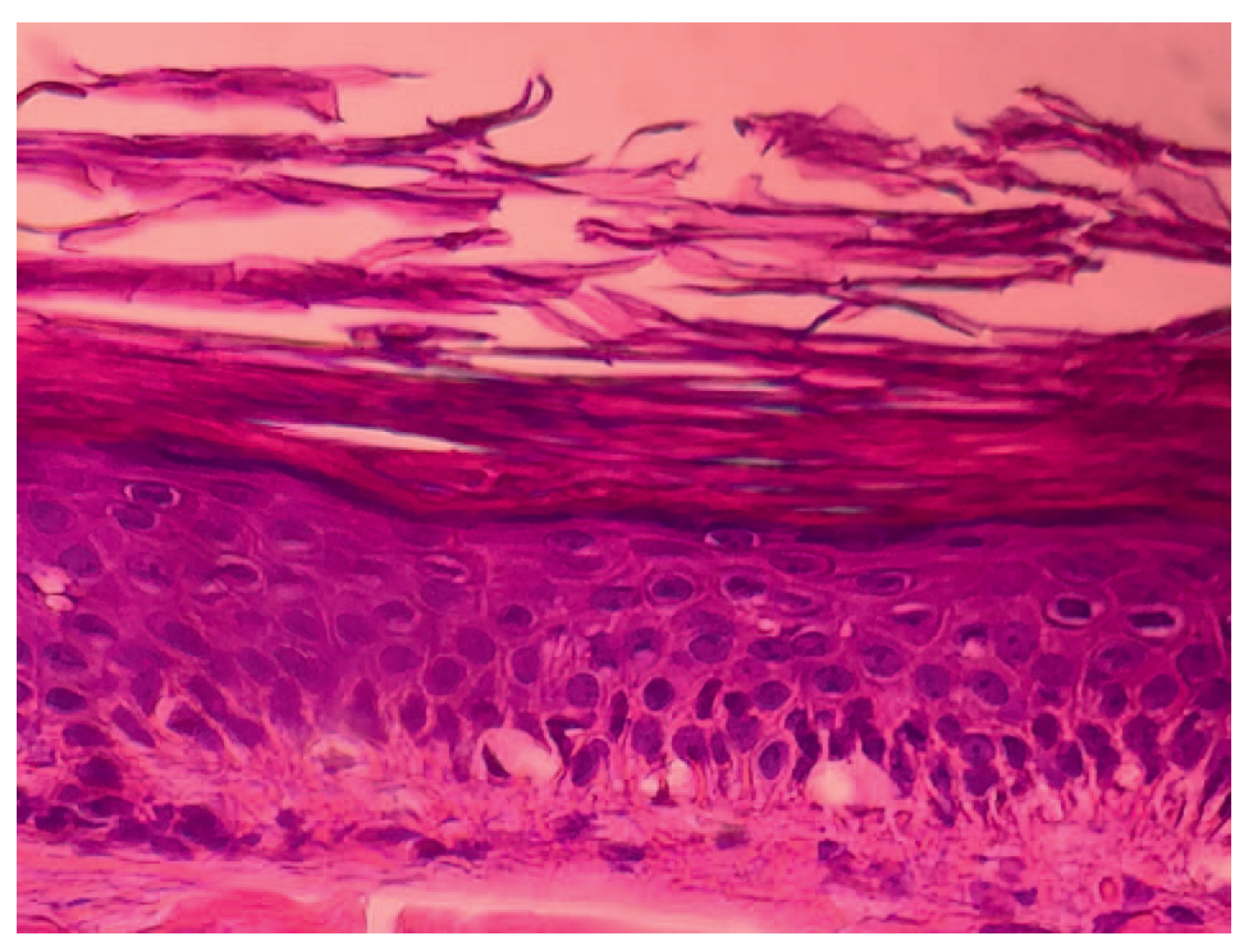
Under anesthetic blockade of the tibial nerve, thick-needle aspiration was performed that enabled extracting, not without difficulty, 0.5 cm3 of cheeselike whitish-yellowish paste; this was sent to the pathologic anatomy department for cytologic study. Cytologic examination revealed the existence of epidermal squamous cells together with a cluster of keratin with the isolated presence of a macrophage that confirmed the suspicion of epidermal cyst (Figure 5). Surgery was performed under locoregional anesthesia with supramaleolar ischemia. The plantar approach was performed with a slightly sinuous longitudinal incision following the skin tension lines at the third intermetatarsal space; this was deepened until accidental rupture of the capsule was observed. Abundant cheeselike material was removed (Figure 6). The capsule was appropriately demarcated by means of blunt dissection, and the lesion was removed in total and sent to the pathologic anatomy department (Figure 7 and Figure 8). The wound was appropriately closed by planes with reabsorbable polyglycolic acid sutures; the skin was finally closed with 4/0 single sutures. The pathologic anatomy report confirmed the diagnosis of epidermoid cyst with the existence of a well-differentiated squamous epithelium that comprised the capsule of the lesion in turn surrounded by a wall of hyperplastic connective tissue (Figure 9).
No histologic signs of malignancy were observed. The patient did not experience any relapses after 1 year of follow-up and was symptom free with a normal gait pattern.

Discussion

Epidermoid cysts of the sole of the foot are atypical lesions and represent less than 10% of all cases that affect the limbs [1,2]. Most cases are associated with a history of surgery or trauma and rarely extend beyond the subcutaneous cellular tissue. We found only one case in the literature in which, similar to the present case, a giant cyst located on the sole affected the plantar interosseous musculature of the foot [9]. Although, in general, this kind of lesion is usually located in the subcutaneous cellular tissue, when the cyst attains a size of approximately 5 cm in maximum diameter it is considered a giant lesion, and when located in loading areas it can rupture the fascia and involve deeper structures, such as the muscle, given that growth in a plantar direction is rendered impossible because of loading support in the area [9,10,11].
Given that this kind of lesion is not common, differential diagnosis should always be made with the support of additional tests, such as thick-needle aspiration biopsy, in addition to the use of diagnostic tests with high-sensitivity imaging, such as ultrasound or MRI. Magnetic resonance imaging with or without contrast is the diagnostic test with the most sensitivity to visualize soft-tissue masses in addition to collections of fluid or fat. The MRIs of epidermoid cysts located in subcutaneous cellular tissue are characterized by the existence of an increased-intensity, well-demarcated image in the T1-boosted signal, with good resolution of the peripheral edge of the lesion. In the T2-weighted MRI we observed an intense image with the existence of several nonshadowing foci. In certain circumstances, when the cyst accidentally ruptures, the MRI may be confused with the existence of an infection or neoplasia; a differential diagnosis needs to be made in these cases [12].
Although in most cases the epidermoid cysts reported in the literature were presented as asymptomatic lesions, when these are located in high-pressure areas, such as the forefoot or the heel, they can lead to intense pain during loading and damage deep structures such as the muscle or even degenerate the calcification [10,11,12,13,14]. In summary, giant epidermoid cysts located on the sole with invasion of deep planes are rare. Treatment of these lesions should always be surgical, with full removal of the lesion, including its capsule, to avoid relapse.

Financial Disclosure

None reported.

Conflicts of Interest

None reported.

References

  1. BERLIN SJ: A laboratory review of 67,000 foot tumors and lesions. JAPA 1984, 74, 341.
  2. BARTOLOMEI, F.J.; MCCARTHY, D.J.; GASTWIRTH, C.M. ET AL: Epidermal cyst of the plantar surface. JAPMA 1985, 75, 207. [Google Scholar] [CrossRef] [PubMed]
  3. LEMONT H: Traumatic inclusion cyst versus pilar cyst of the foot. JAPMA 1992, 82, 218. [CrossRef] [PubMed]
  4. EGAWA, K.; KITASATO, H.; HONDA, Y. ET AL: Human papillomavirus 57 identified in a plantar epidermoid cyst. Br J Dermatol 1998, 138, 510. [Google Scholar] [CrossRef] [PubMed]
  5. SATO, Y.; NOZAKI, T.; MATSUSAKO, M.; ET, A.L. Human papillomavirus-associated plantar epidermoid cysts: MR and US imaging appearance. Skeletal Radiol 2014, 43, 257. [Google Scholar] [CrossRef] [PubMed]
  6. SHIBATA, T.; HATORI, M.; SATOH, T.; et al. Magnetic resonance imaging features of epidermoid cyst in the extremities. Arch Orthop Trauma Surg 2003, 123, 239. [Google Scholar] [CrossRef] [PubMed]
  7. GHANI, S. MUHAMMAD AF: An unusual cause of intractable heel pain. J Foot Ankle Surg 2011, 50, 744. [Google Scholar] [CrossRef] [PubMed]
  8. CARMONA, F.J.; PASCUAL HUERTA, J. NDEZ TOLEDO J: Plantar epidermoid inclusion cyst as a possible cause of intractable plantar keratosis lesions. JAPMA 2009, 99, 148. [Google Scholar] [CrossRef] [PubMed]
  9. OZAWA, T.; HARADA, T.; ISHII, M. Giant epidermal cyst extending from sole to dorsum of the foot by penetrating the interosseous muscles. J Dermatol 2008, 35, 25. [Google Scholar] [CrossRef] [PubMed]
  10. BASTERZI, Y.; SARI, A.; AYHAN, S. Giant epidermoid cyst on the forefoot. Dermatol Surg 2002, 28, 639. [Google Scholar] [PubMed]
  11. MALKOC, M.; KORKMAZ O¨. Y, ET AL: Giant epidermal cyst of the foot. Srp Arh Celok Lek 2014, 142, 607. [Google Scholar] [CrossRef] [PubMed]
  12. HONG, S.H.; CHUNG, H.W.; CHOI, J.Y. E.T. A.L. MRI findings of subcutaneous epidermal cysts: emphasis on the presence of rupture. AJR Am J Roentgenol 2006, 186, 961. [Google Scholar] [CrossRef] [PubMed]
  13. MATSUMOTO, K.; OKABE, H.; ISHIZAWA, M. Intermetatarsophalangeal bursitis induced by a plantar epidermal cyst. Clin Orthop Relat Res 2001, 385, 151. [Google Scholar] [CrossRef] [PubMed]
  14. RDOBA-FERNA´ NDEZ A, ESLAVA-BEJINES A: Un caso raro de quiste epidermoide plantar bilocular secundario a iatrogenia con extensio´ n al dorso del antepie´. Rev Esp Podol 2016, 27, 36. [CrossRef]
Figure 1. Clinical appearance of the lesion.
Japma 107 00329 g001
Figure 2. Axial T1-weighted magnetic resonance image shows a cystic lesion extending from the sole to the dorsum of the foot by displacing the interosseous muscles.
Japma 107 00329 g002
Figure 3. Coronal T1-weighted magnetic resonance image.
Japma 107 00329 g003
Figure 4. Coronal T2-weighted magnetic resonance image.
Japma 107 00329 g004
Figure 5. Cytologic examination by Papanicolaou smear revealed the existence of epidermal squamous cells together with a cluster of keratin.
Japma 107 00329 g005
Figure 6. Cheeselike material was observed after rupture of the capsule.
Japma 107 00329 g006
Figure 7. The capsule was appropriately demarcated by means of blunt dissection.
Japma 107 00329 g007
Figure 8. Aspect of the capsule after the lesion was removed in total.
Japma 107 00329 g008
Figure 9. The cyst has well-differentiated squamous epithelium forming the wall and is filled with abundant laminated keratin (H&E, x200).
Japma 107 00329 g009