


Abstract
This study examines how institutional investors adopt and utilize Environmental, Social, and Governance (ESG) information by integrating the Unified Theory of Acceptance and Use of Technology (UTAUT). Using the Analytic Hierarchy Process (AHP) with expert-based pairwise comparisons from 20 senior investment professionals at major South Korean financial institutions, we identify and weight key determinants influencing ESG information use among South Korean institutional investors. The results show that performance expectancy emerged as the most influential determinant (33.7%), followed by facilitating conditions (24.6%), social influence (22.8%), and effort expectancy (18.9%). At the sub-criterion level, usefulness for investment decision-making (11.2%), institutional encouragement (10.2%), and utilization of ESG information as a fiduciary duty (9.4%) recorded the highest global weights, whereas psychological comfort in utilizing ESG information (2.0%) and practical guidelines and training programs (3.7%) exhibited the lowest. These findings suggest that ESG adoption has evolved beyond early legitimacy-seeking behavior toward substantive and performance-driven integration, consistent with UTAUT predictions that performance expectancy and facilitating conditions gain salience in mature adoption phases, while effort expectancy and social influence diminish. This weight distribution indicates that ESG has been internalized as core analytical infrastructure informing investment decision-making and risk management, rather than functioning as a peripheral compliance tool. By empirically mapping ESG adoption determinants into a hierarchical structure, this study contributes to the literature on ESG diffusion, institutional investor behavior, and adoption theory, offering practical implications for regulators and financial institutions seeking to deepen substantive ESG integration.
1. Introduction
Environmental, Social, and Governance (ESG) frameworks are a novel innovation created to incentivize sustainable corporate impact on society. Instead of relying on corporate internal priorities, ESG attempts to obtain sustainable results utilizing standardized metrics and a desirable level of reliable and valid outputs that society and stakeholders demand. Institutional investors have been central to the diffusion of ESG, serving as early adopters who embed ESG considerations into capital allocation and stewardship practices (Amel-Zadeh & Serafeim, 2018; Park & Jang, 2021). The evolution of ESG from its origins in socially responsible investment to its current status as core analytical infrastructure is reviewed in Section 2.1.
Despite growing institutional engagement with ESG, empirical evidence reveals a persistent gap between stated commitment and substantive integration. Although leading institutional investors allocate higher proportions of their portfolios to firms with strong ESG ratings (Lopez-de-Silanes et al., 2024), the majority of institutions remain at the stage of symbolic holding, with ESG factors weakly reflected in actual portfolio weights and ownership concentration (Lopez-de-Silanes et al., 2024; Parise & Rubin, 2025). Existing research has documented this divergence but has not systematically identified the relative impact of different adoption drivers on institutional investors’ willingness to utilize ESG information, nor has it revealed the underlying adoption logic through a comprehensive theoretical framework that accounts for performance expectations, perceived effort, normative pressures, and organizational enablers simultaneously. This gap limits both theoretical understanding of ESG diffusion mechanisms and practical guidance for policymakers and financial institutions seeking to promote substantive ESG integration.
To address this gap, this study applies the Unified Theory of Acceptance and Use of Technology (UTAUT), one of the most comprehensive innovation adoption frameworks explaining over 70% of the variance in adoption intention (Venkatesh et al., 2003), to identify the core driving factors of institutional investors’ ESG information use and to determine the relative importance of each factor through a structured hierarchical analysis.
Originally developed to explain technology adoption, UTAUT has been extended to non-IT organizational practices including e-government (Carter & Bélanger, 2005) and policy innovation (Pierce, 2014), and recent studies confirm its applicability to ESG adoption contexts (Bouteraa et al., 2022; Hrnjica et al., 2024; Neves et al., 2025; Park & Oh, 2022; Thanki et al., 2022). Accordingly, this study applies all four UTAUT determinants to institutional investors’ ESG information usage intentions: performance expectancy reflects the perceived value of ESG information in enhancing risk-adjusted financial outcomes (Friede et al., 2015); effort expectancy embodies the perceived complexity of utilizing non-standardized ESG metrics and distinguishing credible disclosures from greenwashing (Park & Jang, 2021; Parise & Rubin, 2025); social influence represents normative and reputational pressures from regulatory frameworks and global ESG initiatives (UNPRI, n.d.); and facilitating conditions refer to the organizational infrastructure, dedicated resources, and institutional support structures that enable ESG integration into investment decision-making (W. Sun et al., 2019).
This study makes several important contributions to the literature on ESG investment, technology adoption, and institutional decision-making. First, this research advances the ESG literature by reframing ESG information use as an innovation adoption problem rather than solely a normative or ethical choice. By systematically applying UTAUT to institutional investors’ ESG information utilization, this study provides a structured and theory-driven explanation of how ESG adoption occurs within professional investment organizations. This approach responds to recent calls for more micro-founded and behaviorally grounded analyses of ESG integration beyond descriptive or outcome-based studies (Amel-Zadeh & Serafeim, 2018; Eccles & Stroehle, 2018).
Second, this study attempts to estimate the stage of adoption by logically interpreting priority weights of adoption motivators, offering empirical evidence that ESG use among institutional investors has moved beyond early legitimacy-seeking behavior toward substantive and routinized integration, consistent with predictions from UTAUT and diffusion theory (Rogers, 1983; Venkatesh et al., 2003). The results are also consistent with institutional theories describing how practices evolve from legitimating responses into taken-for-granted and technically rational systems (DiMaggio & Powell, 1983; Meyer & Rowan, 1977). This insight suggests that technology adoption frameworks should be interpreted dynamically, with determinant salience contingent on the stage of diffusion and institutionalization.
Finally, the study offers practical implications for investors, firms, and policymakers. For institutional investors, the results highlight the importance of allocating dedicated human and financial resources to ESG analysis in order to realize its strategic benefits. For corporations, the findings underscore the need to provide ESG disclosures that are financially material and analytically usable, rather than purely symbolic. For policymakers, the evidence suggests that effective ESG regulation should move beyond disclosure mandates toward policies that strengthen internal utilization capabilities, including standardization, training, and organizational capacity-building within financial institutions.
This study focuses on South Korea as an empirical context due to its unique position as a rapidly institutionalizing ESG market. Compared to more mature markets such as the European Union, ESG integration in South Korea has evolved within a relatively compressed timeframe, driven by regulatory initiatives such as the Korean Stewardship Code and the growing participation of institutional investors.
This transitional context offers a valuable analytical setting to examine ESG adoption dynamics as they shift from early-stage legitimacy-seeking behavior to more substantive and operational integration. While the findings are grounded in the Korean market, the underlying adoption mechanisms identified in this study are theoretically relevant to other institutional contexts undergoing similar processes of ESG institutionalization.
Therefore, this study should corroborate global evidence that institutional ESG adoption advances as investors gain analytical capability and as market infrastructures and regulatory norms evolve (Amel-Zadeh & Serafeim, 2018; Christensen et al., 2021). Taken together, this study contributes to a more nuanced understanding of ESG adoption as a mature, infrastructure-like component of institutional investment practice, bridging behavioral adoption theory with the evolving role of ESG in modern financial markets.
2. Literature Review
2.1. Past, Present, and Future of ESG
2.1.1. The SRI Era and the Emergence of ESG (1990s–2000s)
The integration of responsibility into investment practice first gained prominence through Socially Responsible Investment (SRI) in the late 1990s, which primarily relied on exclusionary screening of firms engaged in socially undesirable activities (Renneboog et al., 2008). While SRI represented an important normative shift, it remained largely value-driven and weakly integrated into formal financial risk–return analysis.
A structural transition occurred in the early 2000s with the emergence of Environmental, Social, and Governance (ESG) criteria. The concept was formalized in the United Nations Global Compact report “Who Cares Wins (2004),” which explicitly reframed sustainability issues as financially material to long-term firm value. This approach was institutionalized through the launch of the United Nations Principles for Responsible Investment (PRI) in 2006, encouraging institutional investors to embed ESG considerations into investment analysis and ownership practices. Unlike CSR and SRI, ESG represents an investor-oriented and measurable framework that integrates non-financial factors into financial decision-making and risk management (Friede et al., 2015).
The core driver underlying this transition from SRI to ESG was the growing recognition that exclusionary screening alone could not adequately address the financial materiality of sustainability factors. SRI’s binary inclusion-exclusion logic lacked the analytical granularity required for systematic risk–return assessment, limiting its integration into institutional portfolio management. The reframing of sustainability issues as financially material, catalyzed by the UN Global Compact’s “Who Cares Wins” report (2004) and the subsequent launch of PRI (2006), provided the conceptual foundation for ESG as a quantifiable and investor-oriented governance framework (Friede et al., 2015; Renneboog et al., 2008).
2.1.2. Financialization and Standardization of ESG (2010s)
During the 2010s, ESG became increasingly financialized and standardized through the development of proprietary scoring systems by major rating agencies, enabling cross-firm comparison and portfolio integration (Berg et al., 2022). Institutional investors, particularly pension funds and asset managers, began incorporating ESG metrics into portfolio construction, stewardship, and risk assessment (Krueger et al., 2020). However, empirical evidence indicates substantial heterogeneity in ESG implementation, with concerns that ESG often remains symbolic and weakly reflected in portfolio weights or ownership concentration (Berg et al., 2022; Park & Jang, 2021). These findings suggest that ESG remains an evolving institutional innovation rather than a fully stabilized investment paradigm.
The primary driver of this phase was the development of standardized scoring systems by rating agencies, transforming ESG from a qualitative concept into a quantifiable input amenable to portfolio-level integration. However, persistent divergence across ESG rating methodologies (Berg et al., 2022) and evidence of symbolic rather than substantive adoption (Park & Jang, 2021) revealed the limitations of voluntary, market-driven standardization, creating a critical impetus for the regulatory interventions that characterize the subsequent phase.
2.1.3. Regulatory Enforcement and Institutional Mandates (Late 2010s–2020s)
Recent literature indicates that ESG is entering a new phase characterized by stronger regulatory involvement and institutional enforcement. Regulatory initiatives such as the EU Sustainable Finance Disclosure Regulation (SFDR) and the EU Taxonomy Regulation mandate ESG-related disclosures and define sustainable economic activities, signaling a shift from voluntary adoption toward rule-based governance (Cochran et al., 2025). As ESG criteria become embedded in fiduciary duty interpretations, risk supervision, and capital market regulation, ESG increasingly functions as a market-level governance infrastructure shaping investor behavior and corporate conduct (Amel-Zadeh & Serafeim, 2018; Christensen et al., 2021; Eccles & Stroehle, 2018).
The transition to regulatory enforcement was driven by two interrelated factors. First, persistent rating inconsistency and symbolic adoption demonstrated that market-driven mechanisms alone were insufficient for reliable ESG disclosure (Berg et al., 2022). Second, the growing recognition of ESG factors as sources of systemic financial risk prompted regulators to reinterpret fiduciary duty frameworks to encompass long-term sustainability considerations (Christensen et al., 2021; Eccles & Stroehle, 2018). These mandates function as catalysts that reduce information asymmetry and establish the institutional infrastructure necessary for ESG’s operational maturation.
2.1.4. Operational Maturation of ESG (Present)
ESG is now widely conceptualized as a structured and quantifiable system through which sustainability-related risks and governance factors are incorporated into investment analysis and capital allocation (Christensen et al., 2021). As the principal users of ESG information, institutional investors have moved beyond early adoption behavior toward routinized integration, employing ESG data to assess long-term risk exposure, governance quality, and regulatory vulnerability as part of standard analytical practice (Krueger et al., 2020).
Recent literature shows that institutional investors’ effective use of ESG information depends critically on facilitating conditions such as data availability, internal analytical capacity, regulatory clarity, and organizational resources. Investors with dedicated ESG teams, standardized data access, and decision support systems are significantly more likely to integrate ESG substantively rather than symbolically (Amel-Zadeh & Serafeim, 2018). However, persistent inconsistency across ESG ratings constrains deeper integration, leading investors to rely disproportionately on governance indicators, which are perceived as more reliable and financially material than environmental or social metrics when data comparability is weak (Berg et al., 2022). In this context, regulatory initiatives and mandatory disclosure frameworks function as key facilitating conditions by reducing information asymmetry and reinforcing ESG’s legitimacy as a financially material input (Christensen et al., 2021; Flammer, 2021). Overall, the maturation of ESG reflects a cumulative process in which standardized scoring systems, regulatory mandates, and organizational capacity-building have collectively transformed ESG from a voluntary, normatively driven practice into core analytical infrastructure within institutional investment.
In summary, the evolution of ESG can be characterized by a progressive shift in dominant drivers: from normative values and ethical screening (SRI era), through market-driven financialization and rating standardization (2010s), to regulatory enforcement and institutional mandates (late 2010s–present), and ultimately toward operational maturation characterized by organizational embedding and performance-driven integration. Each transition was precipitated by the limitations of the preceding stage, creating successive demands for more structured and institutionally supported frameworks.
2.2. Unified Theory of Acceptance and Use of Technology (UTAUT)
2.2.1. UTAUT
UTAUT was developed to synthesize fragmented findings from prior technology adoption models and to explain individual and organizational acceptance of new systems in a parsimonious yet comprehensive manner (Venkatesh et al., 2003). While there is a more popular and simpler model, the Technology Acceptance Model (TAM), UTAUT is known to explain more than 70% of adoption intention (Venkatesh et al., 2003) compared to TAM’s 30 to 40% (Holden & Karsh, 2010). Furthermore, through the integration of multiple user acceptance models including TAM, UTAUT variants are the most encompassing and robust theoretical approach available to researchers understanding the adoption of novel innovations (Wang et al., 2009).
Drawing on eight foundational theories, including the Technology Acceptance Model (TAM), Theory of Planned Behavior (TPB), and Diffusion of Innovations, UTAUT identifies four core determinants of adoption: performance expectancy, effort expectancy, social influence, and facilitating conditions. Subsequent studies have consistently validated the explanatory power of these constructs across organizational, public-sector, and consumer contexts (Williams et al., 2015).
Performance expectancy, the belief that system use enhances outcomes, is consistently identified as the strongest predictor of adoption, particularly in professional settings (Dwivedi et al., 2019). Meta-analytic evidence confirms that performance expectancy exerts the largest effect size across diverse adoption contexts, and its predictive power increases in professional and organizational settings where system use is directly linked to performance evaluation (Blut et al., 2022; Dwivedi et al., 2019; Venkatesh et al., 2003). Effort expectancy captures perceived ease of use and is most influential during early adoption stages (Venkatesh & Bala, 2008). As users accumulate experience with an innovation, the explanatory power of effort expectancy diminishes, reflecting a learning effect in which initial perceived complexity is progressively reduced through repeated interaction (Venkatesh et al., 2003; Venkatesh & Bala, 2008). Social influence reflects normative and legitimacy pressures, while facilitating conditions capture the organizational and technical infrastructure required for sustained use (Venkatesh et al., 2003). Social influence’s effect is strongest in mandatory adoption contexts and during early diffusion stages when the practice’s value remains uncertain; as innovation legitimacy becomes established, its incremental explanatory power tends to decline (Venkatesh et al., 2003).
The original UTAUT demonstrates that as users gain experience with an innovation, the effect of facilitating conditions on use behavior increases, because experienced users are better positioned to leverage available support resources (Venkatesh et al., 2003). This moderating pattern implies that facilitating conditions gain salience as innovations transition from initial experimentation to routinized practice (Venkatesh et al., 2003; Blut et al., 2022).
Overall, the UTAUT literature emphasizes that technology adoption is a multi-dimensional process shaped by expected performance outcomes, perceived effort, social context, and institutional support. Meta-analyses confirm that these determinants jointly explain a substantial proportion of variance in both adoption intention and usage behavior, outperforming earlier single-theory models (Dwivedi et al., 2019; Williams et al., 2015). Importantly, the relative importance of each determinant varies across contexts, stages of adoption, and levels of voluntariness, underscoring UTAUT’s flexibility as a general theory of system acceptance. This stage-contingent variation in determinant salience, where performance expectancy and facilitating conditions dominate in mature adoption phases, while effort expectancy and social influence carry greater weight in early stages, provides the theoretical foundation for interpreting the empirical findings of this study.
2.2.2. UTAUT and ESG
Although originally developed to explain technology adoption, UTAUT’s theoretical architecture is not inherently limited to technological innovations. Venkatesh et al. (2012) themselves extended the framework to consumer contexts in UTAUT2, and subsequent research has successfully applied UTAUT to non-technological domains including e-government service adoption (Carter & Bélanger, 2005), policy innovation acceptance (Pierce, 2014), sustainability practices (Al-Emran, 2023), and healthcare delivery (Rouidi et al., 2022). ESG information utilization represents a non-technological innovation in that its adoption does not involve new hardware or software systems but rather the organizational acceptance of a novel evaluative framework. Different from technological innovation, ESG adoption involves new cognitive models, data interpretation practices, and organizational routines rather than technical interfaces. Nevertheless, the core mechanisms captured by UTAUT’s four constructs operate analogously in both technological and non-technological adoption processes.
To explain how individuals and organizations adopt new systems, UTAUT identifies four central constructs—performance expectancy, effort expectancy, social influence, and facilitating conditions—that collectively shape behavioral intentions and actual usage (Venkatesh et al., 2012). These constructs map directly onto the main categories of ESG information adoption: institutional investors adopt ESG frameworks because they expect improved risk management and long-term value creation (performance expectancy), require standardized and interpretable data to reduce cognitive burden (effort expectancy), respond to regulatory and peer pressures (social influence), and depend on organizational infrastructure and resources to operationalize ESG practices (facilitating conditions).
A central driver of innovation adoption is performance expectancy (Rogers, 1983). Within UTAUT, this refers to the belief that a system enhances outcomes. Information systems are adopted because they promise efficiency, accuracy, and improved decision quality (Venkatesh et al., 2003). Institutional investment decisions are fundamentally driven by risk–return considerations (Cumming & Johan, 2007); ESG evaluation is adopted for similar reasons: investors expect it to improve risk management, predict long-term value, and enhance corporate legitimacy (Friede et al., 2015; Galeone et al., 2025). In both cases, adoption is motivated by the expectation of superior performance and decision outcomes. However, whereas performance expectancy in technology adoption primarily concerns operational efficiency and task productivity, in the ESG context it centers on long-term risk mitigation, portfolio resilience, and capital cost optimization, reflecting the distinct performance dimensions relevant to institutional investment decision-making.
Effort expectancy, or ease of integration, is another critical similarity. Information systems must be user-friendly and compatible with existing workflows to be accepted. Likewise, ESG evaluation requires standardized metrics, accessible data, and interpretability to be integrated into investment analysis (Ioannou & Serafeim, 2015). Adoption in both cases depends on whether the new evaluative framework can be managed without excessive complexity or cognitive burden. Unlike technological innovation, where effort expectancy focuses primarily on technical operation difficulty and interface usability, the effort expectancy of ESG information use centers on the standardization of non-financial data, the comparability of ESG ratings across providers, and the cognitive burden of distinguishing credible disclosures from greenwashing. Despite this domain-specific difference, the core logic that perceived cost of integration inversely affects adoption intention remains highly consistent with the UTAUT framework.
Social influence plays an important role in ESG investment. Information system adoption is often shaped by peer organizations, industry norms, and managerial expectations (Venkatesh et al., 2012). ESG evaluation is similarly reinforced by social influences such as market sentiment, regulatory encouragement, and peer practices (Dyck et al., 2019). In both applications, adoption is not solely a matter of utility but is also driven by normative and coercive pressures within the broader institutional environment. Notably, while social influence in IT adoption primarily operates through intra-organizational channels such as supervisor expectations and colleague practices, ESG adoption is shaped by a broader set of institutional pressures including global initiatives (e.g., PRI), evolving fiduciary duty interpretations, regulatory mandates, and inter-organizational mimetic behavior, reflecting the more diffuse and multi-layered normative environment surrounding ESG as a non-technological innovation.
Facilitating conditions further underscore the adaptability of UTAUT in ESG information adoption. Information systems require infrastructure, training, and organizational support to be successfully implemented. ESG evaluation likewise depends on specialized staff, internal systems, and regulatory frameworks (Eccles & Klimenko, 2019). Adoption in both domains is contingent on the availability of resources and institutional support that enable integration into organizational routines. However, whereas facilitating conditions for IT adoption primarily refer to hardware, software, and technical helpdesk availability, ESG facilitating conditions encompass a qualitatively different set of organizational and institutional enablers: dedicated ESG departments and personnel, budgetary allocations for sustainability analysis, internal policy mandates, and the broader regulatory infrastructure that legitimizes and supports ESG integration within investment organizations.
Finally, both processes encounter resistance and costs. Information system adoption often faces organizational inertia and resource demands, while ESG evaluation may be resisted by stakeholders accustomed to purely financial metrics. In both cases, adoption requires overcoming skepticism, reallocating resources, and managing uncertainty.
Collectively, while ESG information adoption shares the fundamental adoption mechanisms captured by UTAUT’s four constructs—performance expectancy, effort expectancy, social influence, and facilitating conditions—it also exhibits important domain-specific characteristics as a non-technological innovation. The perceived costs, normative pressures, and organizational enablers operate through distinct channels compared to IT adoption. Recognizing both the structural parallels and the domain-specific differences strengthens the theoretical justification for applying UTAUT to ESG adoption and provides a more nuanced foundation for the subsequent empirical analysis.
3. Research Methodology and Materials
AHP is well suited for decision contexts in which judgments are shaped by human perception, experience, and long-term expectations (Bhushan & Rai, 2004). In expectancy-based evaluations, decision-makers are often subject to cognitive bias and implicit heuristics. AHP addresses this issue by structuring judgments through systematic pairwise comparisons and by aggregating diverse perspectives into a coherent priority structure. The resulting weights reflect a negotiated consensus rather than isolated individual opinions.
In the context of this study, AHP enables the integration of institutional investors’ perceptions regarding the relative importance of performance expectancy, effort expectancy, social influence, and facilitating conditions. It is particularly effective given the limited number of expert respondents and the qualitative nature of the underlying constructs. The analysis proceeds through the following five steps: Current section focuses on Steps 1 and 2 of the AHP.
- Step 1:
- Identify expectancy-related factors discussed in the literature and use experts’ opinion to finalize factors
- Step 2:
- Construct a hierarchical decision structure consisting of the four core intention-forming dimensions and their sub-factors.
- Step 3:
- Design and administer pairwise comparison questionnaires to domain experts.
- Step 4:
- Evaluate the consistency of expert judgments.
- Step 5:
- Derive priority weights and assess the results.
3.1. Identification of Expectancy-Related Factors Discussed in the Literature
Before identifying candidate factors for sub-categories of respective UTAUT determinants, each of the determinants is defined based on existing literature (Dyck et al., 2019; Eccles & Klimenko, 2019; Friede et al., 2015; Galeone et al., 2024; Ioannou & Serafeim, 2015; Venkatesh et al., 2003, 2012).
The first step was to review existing literature on institutional and individual investors’ adoption and motivational factors. Particular attention was given to constructs that recur across expectancy-based and institutional decision-making studies, and they were organized explicitly under four UTAUT determinants until saturation is achieved. Section 3.2 discusses sub-category factors derived from the existing literature.
To enhance the transparency and replicability of the factor identification process, this study adopts a structured two-stage approach combining a systematic literature review with expert-based refinement.
In the second step, semi-structured in-depth interviews were conducted with five domain experts specializing in ESG investment and financial analysis. The expert panel consisted of three academic researchers and two senior institutional investment professionals, each possessing more than 15 years of academic and industry experience. The interviews were conducted between October and November 2025, with each session lasting approximately 90 min.
The interview process followed three sequential steps. First, experts evaluated the practical relevance of the preliminary factors identified from the literature in the context of real-world investment decision-making. Second, conceptually overlapping factors were consolidated and reclassified to improve conceptual clarity and parsimony. Third, experts identified potentially omitted determinants, particularly those related to organizational infrastructure and ESG operationalization. To further improve conceptual rigor, this study explicitly decomposes ESG regulation into multiple functional dimensions rather than treating it as a single construct. Specifically, ESG regulation is interpreted across UTAUT dimensions as follows: (i) under effort expectancy, regulatory clarity reduces uncertainty and psychological burden; (ii) under social influence, regulatory pressure and evolving fiduciary expectations promote ESG adoption; and (iii) under performance expectancy, enhanced disclosure reliability improves the analytical usefulness of ESG information.
Considering that the institutionalization of ESG in investment organizations is relatively recent, existing literature has not yet fully identified all relevant determinants influencing ESG information adoption. Accordingly, additional factors such as dedicated ESG expertise, organizational support structures, and training programs were incorporated under facilitating conditions.
Finally, the resulting factors across the four UTAUT-aligned categories were cross-evaluated for conceptual validity and internal consistency. Following this two-step procedure—literature-based identification and expert-based refinement—the final framework of institutional investors’ UTAUT categories for ESG information use intention was established and is presented in Figure 1.
Figure 1.
Hierarchy for AHP.
To assign relative importance to the four expectancy dimensions and their sub-factors, this study adopts a judgment-based weighting approach, which is widely used when decision criteria are perception- and context-dependent (Chen & Delmas, 2011; Garefalakis & Dimitras, 2020). Among alternative schemes, including equal weighting, expert-driven weighting, and survey-derived weighting, the present research employs expert survey-based weighting. This approach is consistent with UTAUT research, which conceptualizes expectancy constructs as subjective beliefs best captured through informed judgment rather than objective measurement.
The AHP is employed to translate expert evaluations into quantitative priority weights. Originally proposed by Saaty (1980), AHP is a multi-criteria decision-making technique that decomposes complex problems into hierarchical structures and derives relative weights using eigenvalue-based calculations. The method is particularly suitable for integrating qualitative judgments with quantitative rigor and for analyzing perceptual constructs such as expectations, perceived effort, and social influence (Saaty, 2003).
3.2. Extraction of Sub-Factors for Each Dimension of UTAUT
As outlined in Section 3.1, the sub-categories were derived by synthesizing recur-ring motivators of institutional investors’ ESG information adoption identified across prior studies on ESG investment, institutional decision-making, and innovation diffusion. Rather than explaining ESG-related factors descriptively, this section reframes them explicitly as expectancy-based motivations that shape investors’ intentions to use ESG information in practice. Factors expressed using different terminologies in the literature but reflecting similar motivational mechanisms such as expected performance improvement, reduction of analytical burden, normative legitimacy, or organizational enablement were consolidated into shared sub-categories. These sub-categories were then mapped onto the four UTAUT dimensions based on their dominant role in motivating ESG information usage.
3.2.1. Performance Expectancy and Sub-Categories
Performance expectancy captures the extent to which institutional investors expect ESG information to enhance investment outcomes in line with core risk–return objectives. Prior literature consistently identifies performance-related motivations underlying ESG adoption including usefulness for predicting financial performance, usefulness for investment decision-making, usefulness for assessing firms’ financial risks, and usefulness for understanding a firm’s risk management capabilities.
Expected improvement in financial performance motivates ESG information use. Institutional investors adopt ESG analysis when they believe ESG signals are associated with superior financial performance, lower cost of capital, or enhanced investment attractiveness (Eccles & Klimenko, 2019; Friede et al., 2015). Recent evidence shows that institutional ownership of ESG funds is positively related to historical fund performance, with external institutional investors tending to allocate capital to funds with superior past returns, indicating that expectations of enhanced financial returns or reduced risk drive institutional preference for high-performing ESG funds (Liang et al., 2024). Research also shows that even when institutional investors influence companies with their holdings to be socially responsible, financial performance is still a strong reason for adopting ESG investment (Dyck et al., 2019; Y. Sun & Zhao, 2024).
Enhanced investment decision-making motivates ESG use. By enabling more informed evaluations of firms’ long-term value creation, strategic resilience, and exposure to structural changes, ESG information enhances decision quality and provides performance-related incentives for systematic adoption (Amel-Zadeh & Serafeim, 2018; Eccles et al., 2017; Friede et al., 2015).
Because institutional investment decisions are fundamentally driven by risk–return trade-offs (Cumming & Johan, 2007), ESG information is adopted when it is perceived to improve investors’ ability to identify long-term risks not captured by traditional financial metrics, including regulatory, governance, and transition risks (Amel-Zadeh & Serafeim, 2018; Krueger et al., 2020). Evidence that strong ESG performance is associated with lower downside risk and greater resilience during market stress reinforces investors’ incentives to incorporate ESG information as a risk management tool rather than treating it as a purely ethical consideration (Albuquerque et al., 2020; Krueger et al., 2020).
Expectations regarding firms’ risk management capabilities motivate ESG integration. Evidence that ESG-oriented portfolios exhibit greater downside protection during market stress strengthens investors’ beliefs that ESG information functions as a form of risk insurance (Albuquerque et al., 2020). Governance-related ESG indicators, in particular, strengthen adoption by reducing agency risk through improved monitoring and accountability (Gibson Brandon et al., 2021; Gompers et al., 2003).
Collectively, these findings suggest that institutional investors expect better financial performance from ESG investment not simply for ethical reasons but because ESG excellence is empirically associated with risk mitigation, improved access to capital, and return patterns that align with long-term value creation.
3.2.2. Effort Expectancy and Adoption Motivators
Effort expectancy reflects institutional investors’ motivation to adopt ESG information when it can be evaluated and incorporated into existing investment workflows with manageable analytical effort. Sub-categories of effort expectancy are ease of understanding ESG information, psychological comfort in utilizing ESG in-formation, accessibility of ESG information, and ease of assessment due to standardization of ESG scores.
First of all, perceived ease of understanding ESG information motivates adoption. ESG information is more likely to be used when investors believe it can be interpreted, justified, and communicated within conventional investment processes without excessive complexity (Venkatesh et al., 2003). Prior research shows that unclear metrics, in-consistent indicators, and low transparency increase perceived effort and discourage systematic ESG use, particularly in professional investment settings where decisions must be defensible and performance-accountable (Ioannou & Serafeim, 2015; Park & Jang, 2021). Conversely, when ESG information is structured, standardized, and aligned with familiar financial concepts, investors perceive lower integration costs and exhibit stronger adoption intentions (Amel-Zadeh & Serafeim, 2018; Eccles & Klimenko, 2019).
Second, psychological comfort in utilizing ESG information facilitates adoption by reducing perceived career and reputational risk among investment professionals. When ESG evaluation is characterized by data ambiguity, uncertain short-term performance implications, or weak internal norms for legitimate use, institutional investors may hesitate to rely on ESG information because it increases the burden of analytical justification and accountability within performance-evaluated environments (Park & Jang, 2021). Prior research further shows that investment strategies requiring additional justification expose managers to career risk if performance temporarily underperforms benchmarks, discouraging systematic ESG integration (Bollen, 2007). This organizational arrangement reduces the individual burden of ESG justification and facilitates adoption (Riedl & Smeets, 2017).
Third, accessibility of ESG information promotes adoption by lowering the incremental analytical effort required to incorporate ESG signals into conventional investment workflows. Institutional investors are more likely to use ESG information when centralized data platforms, standardized reporting, and decision-support systems enable direct integration into valuation models and risk assessments, thereby reducing perceived effort costs (Eccles et al., 2017; Eccles & Klimenko, 2019).
Finally, standardization of ESG scores supports adoption by reducing cognitive complexity and enhancing comparability across firms. Although ESG ratings exhibit substantial divergence across providers, their availability functions as a heuristic that simplifies decision-making under uncertainty, encouraging ESG use despite measurement imperfections (Berg et al., 2022).
3.2.3. Social Influence and Adoption Motivators
Social influence captures motivations arising from perceived expectations and norms within the institutional investment environment and comprises favorable market responses to ESG utilization, utilization of ESG information as a fiduciary duty, corporate practices of providing reliable ESG information, and rate of ESG information utilization among industry peers.
First, anticipated favorable market responses motivate ESG adoption. Evidence shows that ESG-integrated funds attract more stable capital flows (Bollen, 2007; Thanki et al., 2022). Empirical analyses demonstrate that ESG-integrated portfolios experienced stronger performance and lower downside risk during crises such as the COVID-19 downturn, which reinforces investor beliefs that markets reward strategies that integrate credible sustainability factors and risk governance (Albuquerque et al., 2020).
Second, perceptions of ESG integration as a fiduciary responsibility motivate adoption. The concept of fiduciary duty, traditionally centered on acting in the best interests of beneficiaries, is being reinterpreted in many jurisdictions and professional codes to encompass long-term risk considerations, including environmental and governance risks, further legitimizing ESG evaluation as consistent with stewardship obligations rather than a merely ethical preference (Jansson & Biel, 2014). As ESG risks increasingly affect long-term asset value, institutional investors adopt ESG information to align with evolving interpretations of fiduciary duty and stewardship obligations (Amel-Zadeh & Serafeim, 2018; Klettner, 2021).
Third, peer adoption within the investment industry motivates ESG use. Consistent with diffusion theory, higher ESG utilization among peer institutions signals legitimacy and reduces uncertainty, increasing the adoption likelihood among late adopters (Eccles & Klimenko, 2019; Rogers, 1983; Thanki et al., 2022). Specifically, Thanki et al. (2022) show how subjective norms, defined as influence of a referent group on behavioral intention, are significant predictors of SRIs. Further, Eccles and Klimenko (2019) also suggest that having mid-level institutional investors would increase the general acceptance level of ESG investment.
Finally, corporate practices of providing credible ESG information motivate ESG usage by reducing concerns about greenwashing and informational reliability, thereby strengthening investor trust in ESG disclosures (Eccles & Klimenko, 2019; Gatti et al., 2019). Also, Thanki et al. (2022) note that corporate disclosures are often oriented toward stakeholders other than investors, which makes the adoption and effective use of ESG information more difficult for investors.
3.2.4. Facilitating Conditions and Adoption Motivators
Facilitating conditions represent structural motivations that enable ESG adoption by lowering organizational and institutional barriers. Sub-categories include institutional encouragement, dedicated expertise, departments and budget, practical guidelines and training programs, and integration of ESG data into internal investment management programs.
First, institutional encouragement within investment organizations motivates ESG usage by reducing individual career risk and clarifying accountability under uncertain performance outcomes (Amel-Zadeh & Serafeim, 2018; Christensen et al., 2021). When ESG integration is formally endorsed through internal investment policies, stewardship mandates, performance evaluation criteria, and incentive structures, it reduces individual investors’ perceived career risk associated with deviating from short-term performance benchmarks (Cumming & Johan, 2007; Krueger et al., 2020).
Second, availability of dedicated ESG expertise, departments, and budgetary support motivates adoption by signaling long-term organizational commitment and enabling systematic ESG integration (Dyck et al., 2019). Organizations that employ institutional investors increasingly establish specialized ESG teams staffed with professionals trained in sustainability, environmental science, regulatory analysis, and stakeholder engagement, to complement conventional portfolio management skills and encourage the adoption of ESG information (Amel-Zadeh & Serafeim, 2018).
Third, practical guidelines and training programs motivate ESG use by helping investors navigate data inconsistency and uncertainty regarding financial materiality (Berg et al., 2022; Krueger et al., 2020). Moreover, because many ESG indicators capture long-term risks and externalities rather than short-term cash flows, their investment relevance is often uncertain, which further limits their direct integration into conventional valuation models (Christensen et al., 2021; Krueger et al., 2020). In the absence of institutional support, these frictions can discourage systematic ESG use and lead to selective or symbolic adoption.
Finally, integration of ESG data into internal investment management systems motivates adoption by improving analytical usability and allowing ESG information to be incorporated alongside traditional financial data (Christensen et al., 2021). Also, investment institutions with limited resources utilize outside vendors for ESG information to encourage ESG investment (Thanki et al., 2022).
The resulting framework organizes theoretically convergent adoption motivators under four UTAUT-aligned dimensions, forming a structured basis for the subsequent AHP weighting and empirical analysis presented in Section 4.
4. Analysis
4.1. Respondent Selection and Survey
4.1.1. Theoretical Rationale for Expert Group Selection
This study adopts a stratified purposive sampling approach to ensure balanced representation across different types of institutional investors. The sampling frame was constructed by categorizing institutions into five groups: asset management firms, pension funds, insurance companies, securities firms, and banks. To mitigate potential institutional bias, no single group was allowed to exceed 25% of the total sample.
This study designates institutional investors as the primary expert group to examine the determinants of ESG information adoption and utilization. In the South Korean capital market, institutional investors have progressively evolved from passive capital providers into active governance agents, a transformation significantly accelerated by the institutionalization of the Korean Stewardship Code. This regulatory framework emphasizes proactive stewardship responsibilities, encouraging institutional investors to engage in monitoring and oversight activities aimed at fostering sustainable long-term value creation (Li & Li, 2024; Yoo, 2025).
The systemic importance of institutional investors is further evidenced by their substantial market presence. As of the end of 2024, they accounted for more than 90% of the domestic bond market, underscoring their dominant role in capital allocation and risk pricing. In the equity market, asset management firms and pension funds function as anchor investors, exercising considerable pricing power and governance influence over investee firms (Korea Exchange, 2024). Public pension funds, in particular, operate as universal investors. Given their long investment horizons and highly diversified portfolios, their financial performance is closely tied to the stability of the broader socio-economic system. Consequently, ESG integration has been formalized within pension fund investment frameworks as a core instrument for managing systemic risk (National Pension Service [NPS], 2023).
From a methodological perspective, the validity of complex multi-criteria decision-making (MCDM) analyses depends more critically on the qualitative depth and relevance of expert knowledge than on large sample sizes. Prior research confirms that well-qualified expert panels are particularly suitable for identifying the financially material channels through which ESG factors influence firm value (Klir & Folger, 1988). These considerations collectively render institutional investors a uniquely appropriate expert group for the objectives of this study.
4.1.2. Survey Design and Sample Construction
To derive priority weights across ESG-related dimensions, a structured survey was administered to financial professionals between 15 December 2025 and 14 January 2026. The survey questionnaire is presented in Appendix A.
The minimum threshold of 15 years of professional investment experience was established based on two complementary rationales. First, from a methodological standpoint, AHP-based expert evaluations require panelists who possess sufficient domain knowledge to make reliable pairwise comparisons across complex and interrelated criteria. Hallowell and Gambatese (2010) recommend that expert panels in AHP and Delphi-based MCDM studies comprise professionals with a minimum of 10 years of relevant experience to ensure the validity and reliability of expert judgments. The present study adopted a more stringent criterion of 15 years, reflecting the specialized and multifaceted nature of ESG-integrated investment decision-making, which demands expertise spanning multiple asset classes, regulatory frameworks, and non-financial evaluation methodologies.
Second, from a contextual standpoint, the 15-year threshold ensures that all panelists have accumulated professional experience spanning the critical institutional milestones that have shaped ESG adoption in the South Korean capital market. These milestones include the amendment of the National Pension Act in January 2015, which provided the first legal basis for ESG-integrated fund management; the introduction of the Korea Stewardship Code by the Korea Corporate Governance Service (KCGS) in December 2016; the National Pension Service’s formal adoption of the Stewardship Code in July 2018; and the launch of the NPS Responsible Investment Promotion Plan in 2019, which incorporated sustainability into the fund’s core management principles (Kim & Kim, 2022). Given that the survey was administered between December 2025 and January 2026, professionals with 15 or more years of investment experience would have entered the industry no later than 2010–2011, thereby having directly observed and participated in the entire trajectory of ESG institutionalization in Korea from the pre-regulatory period through the current phase of operational maturation. This longitudinal exposure is essential for making informed judgments about the relative importance of adoption determinants that have evolved across different stages of ESG diffusion.
The survey instrument employs a pairwise comparison framework grounded in Saaty’s (1980) nine-point fundamental scale. The questionnaire was designed to elicit respondents’ cognitive evaluations across four core dimensions adapted from UTAUT: performance expectancy, effort expectancy, social influence, and facilitating conditions.
The initial pool of 35 expert candidates was identified through a stratified purposive sampling approach. Drawing from the top eight South Korean financial institutions by assets under management, potential respondents were stratified by institution type (asset management companies, pension funds, insurance companies, securities firms, and banks) to ensure representation across the major segments of the institutional investment landscape. Within each stratum, candidates were selected based on their seniority, breadth of asset-class expertise, and involvement in ESG-related investment activities. This approach ensures that the resulting panel captured diverse institutional perspectives while maintaining the depth of expertise required for meaningful pairwise comparisons.
Of the 35 experts invited to participate, 32 completed the survey, yielding a response rate of 91.4%. In accordance with standard AHP procedures, only responses exhibiting a Consistency Ratio (CR) below 0.10 were retained, ensuring the internal validity and logical rigor of the final analytical sample through a stringent filtering process (Saaty, 2008).
Unlike conventional survey-based research relying on probabilistic sampling, AHP methodology emphasizes the quality and domain relevance of expert judgment over the statistical power of large-scale samples. Therefore, purposive sampling of highly experienced professionals is methodologically appropriate for capturing complex, perception-based decision structures in specialized contexts such as ESG investment.
By integrating qualitative expert insights with the quantitative precision of the eigenvalue method, this study transcends simple descriptive survey analysis and provides a structured empirical evaluation of ESG adoption determinants.
4.1.3. Reliability, Validity, and Robustness of the Data
The final expert sample satisfies rigorous academic standards across three key dimensions.
4.1.4. Logical Consistency
The empirical validity of the derived priority weights was substantiated through a multi-dimensional statistical validation, confirming that the expert judgments satisfy the most stringent axiomatic requirements of the AHP.
First, the aggregate Consistency Ratio (CR) was calculated to be 1.6%, which is substantially below the commonly accepted threshold of 10% proposed by Saaty (2008). A CR value approaching zero indicates that the pairwise comparison process is virtually free from stochastic noise and transitive inconsistencies, implying a high degree of internal coherence in the judgments. Accordingly, the derived priority vector can be regarded as a highly reliable and precise representation of the experts’ underlying preference structure.
Second, the structural stability of the decision-making framework was corroborated via the Geometric Consistency Index (GCI). The GCI was recorded at 0.01, significantly below the maximum admissible limit of 0.33 (Aguarón & Moreno-Jiménez, 2003). Such a low GCI value signifies minimal geometric deviation between individual judgment matrices, confirming the mathematical convergence and structural integrity of the panel’s collective cognitive evaluations.
Third, the precision of weight estimation was quantified using the Mean Relative Error (MRE). Calculated at 6.9%, the MRE demonstrates that the priority vector accurately reproduces the original judgment ratios with high mathematical fidelity (Tomashevskii, 2015). This metric serves as a robust indicator that the weights are not only consistent in logic but also precise in their quantitative estimation, providing a reliable basis for empirical analysis.
Fourth, the matrix eigenvalues demonstrated near-ideal alignment. The Principal Eigenvalue (λ_max) reached 4.007, exhibiting negligible deviation from the theoretical ideal of n = 4 for a 4 × 4 matrix. This proximity confirms that the matrix structure achieved near-perfect consistency (Pant et al., 2022).
Furthermore, the Preference Similarity Index (PSI) was observed at 8.3%, indicating a high degree of judgmental homogeneity. This suggests a strong consensus within the expert panel, validating that the priorities were not skewed by outlier perspectives (Parreiras et al., 2010).
In synthesis, the dataset satisfies the rigorous scholarly criteria for logical consistency, estimation precision, and collective stability. Consequently, the AHP weights derived herein possess robust methodological integrity, affording a high degree of empirical robustness in analyzing the determinants of ESG information adoption.
In conclusion, the convergence of multiple validation metrics including CR, GCI, and MRE collectively affirms that the findings are not merely statistically significant but methodologically robust, providing a scrutinized foundation for the subsequent discussion on ESG adoption strategies
4.1.5. Representative Equilibrium
To mitigate potential institutional bias, a quota-based sampling strategy was employed, ensuring that no single category of financial institution accounted for more than 25% of the panel (Bornstein et al., 2013). Table 1 describes the demographic information of the representatives used for AHP analysis.
Table 1.
Demographic information of valid survey respondents.
The sample comprised experts from asset management firms, pension funds, insurance companies, securities firms, and banks, with balanced representation across institution types and investment specializations. The panel averaged more than 17 years of professional experience, and 75% of respondents reported direct practical experience in integrating ESG factors into real-world investment workflows.
4.1.6. Methodological Adequacy
Unlike conventional frequentist statistical models that prioritize large sample sizes, AHP is specifically designed to synthesize expert heuristics in complex and specialized decision environments. The methodological literature consistently demonstrates that, provided logical consistency is maintained, a panel of 10 to 25 subject-matter experts is sufficient to ensure the robustness and reliability of AHP-based MCDM outcomes (Al-Mhdawi et al., 2023; Melillo & Pecchia, 2016).
Overall, the expert evaluations synthesized in this study exhibit a high degree of structural coherence and methodological rigor. By meeting these stringent reliability, validity, and robustness criteria, the derived priority weights provide strong empirical validity for elucidating the nuanced determinants of ESG information adoption and its integration into institutional investment strategies.
5. Results
5.1. Analysis of Local Weights of Each Dimension and Sub-Factor
Following the establishment of a hierarchical priority structure, this study calculated the relative importance of each evaluation criterion based on data collected from the expert survey. The AHP was employed to derive these weights. AHP utilizes a pairwise comparison matrix rooted in linear algebra to generate unique numerical weights for each criterion. These weights represent the relative significance of each factor within the decision-making hierarchy; a higher weight indicates a more substantial influence on the final decision-making outcome (Ishizaka & Labib, 2011; Saaty, 2008).
5.1.1. Local Weights of Primary Criteria (Level 2)
The results of the AHP analysis reveal a distinct hierarchy in the cognitive structure of institutional investors regarding ESG management. As illustrated in Figure 2, Performance Expectancy recorded the highest local weight at 33.7%. This suggests that institutional investors perceive ESG information not merely as a moral or ethical consideration but as a critical instrument for enhancing the quality of investment decisions and mitigating uncertainties regarding future performance and risk.
Figure 2.
Local weights for level 2 (ESG).
Subsequently, Facilitating Conditions (24.6%) and Social Influence (22.8%) exhibited similar levels of importance. This indicates that institutional and regulatory infrastructure, alongside normative pressures and social expectations among market participants, exert nearly equivalent influence on ESG information utilization and integrated investment behavior. In other words, the proliferation of ESG management is structurally reinforced by the institutional environment and the social context of the market, transcending individual investor judgment.
In contrast, Effort Expectancy recorded the lowest weight among the four primary factors, at 18.9%. While the accessibility and ease of use of ESG information are not entirely disregarded, they are perceived as secondary factors compared to the substantive utility and institutional alignment of the data. This implies that institutional investors prioritize the strategic value and institutional credibility of ESG information over the additional effort or costs required for its utilization.
5.1.2. Local Weights of Performance Expectancy Sub-Factors (Level 3)
The Performance Expectancy dimension comprises four sub-criteria: usefulness for predicting financial performance, usefulness for investment decision-making, usefulness for assessing firms’ financial risk, and usefulness for understanding firms’ risk management capabilities.
The analytical results in Figure 3 reveal a distinct hierarchical structure in how institutional investors utilize ESG information. Usefulness for investment decision-making accounted for the largest share at 33.3%, followed by usefulness for understanding firms’ risk management capabilities (25.9%). This indicates that institutional investors regard ESG data as a core intelligence source that directly informs strategic investment judgments and facilitates the assessment of a firm’s forward-looking resilience against risks.
Figure 3.
Local weights for performance expectancy.
In contrast, usefulness for assessing firms’ financial risk (21%) and usefulness for predicting financial performance (19.8%) exhibited relatively lower weights. These findings suggest that while ESG information serves as meaningful supplementary data for traditional financial analysis, its perceived value is concentrated in strategic decision-making and risk governance rather than short-term financial forecasting.
5.1.3. Local Weights of Effort Expectancy Sub-Factors (Level 3)
Effort Expectancy assesses the technical and psychological accessibility of ESG data through four sub-factors: ease of understanding ESG information, psychological comfort in utilizing ESG information, accessibility of ESG information, and ease of assessment due to standardization of ESG scores.
As illustrated in Figure 4, institutional investors prioritize the structural reliability and standardization of data over personal comprehension or psychological factors. ease of assessment due to standardization of ESG scores (34.3%) emerged as the most critical factor, closely followed by accessibility of ESG information (32.6%). Together, these two factors account for approximately 67% of the total local weight.
Figure 4.
Local weights for effort expectancy.
Conversely, ease of understanding ESG information (22.4%) and psychological comfort (10.8%) played minor roles. This implies that, for professional investors, the primary barriers to ESG integration are not personal cognitive limitations or psychological resistance but rather structural deficiencies such as the absence of standardized metrics and difficulties in accessing verified data. These results strongly underscore the practical necessity for globally harmonized ESG disclosure and evaluation standards.
5.1.4. Local Weights of Social Influence Sub-Factors (Level 3)
Social Influence evaluates the external and normative pressures affecting ESG integration via four sub-criteria: favorable market response to ESG utilization, utilization of ESG information as a fiduciary duty, corporate practice of providing reliable ESG information, and rate of ESG information utilization among industry peers.
According to the results in Figure 5, normative responsibility and market signaling are the primary drivers of ESG adoption. Notably, ESG utilization as a fiduciary duty recorded the highest weight at 41.3%, followed by positive market response (23.7%). In contrast, industry peer utilization (19.4%) and corporate practice of providing reliable ESG information (15.7%) were of secondary importance.
Figure 5.
Local weights for social influence.
These findings demonstrate that institutional investors perceive ESG integration not as a discretionary or moral endeavor but as a fundamental obligation for beneficiary asset protection and the fulfillment of legal and ethical mandates. The dominance of the fiduciary duty factor (exceeding 40%) suggests that ESG has become an indispensable component of responsible asset management. Furthermore, the lower weight of peer imitation indicates that investor behavior is driven by formal accountability and market-based signals rather than symbolic leadership or herding behavior.
5.1.5. Local Weights of Facilitating Conditions Sub-Factors (Level 3)
Facilitating Conditions refer to the organizational infrastructure enabling ESG integration, consisting of institutional encouragement, dedicated expertise/departments/budget, practical guidelines and training programs, and integration of ESG data into internal investment management systems.
The results in Figure 6 highlight the paramount importance of organizational leadership. Institutional encouragement accounted for the highest weight at 42.0%, followed by dedicated expertise/departments/budget (23.5%). Conversely, internal system integration (19.5%) and practical guidelines/training (15.0%) received lower weights.
Figure 6.
Local weights for facilitating conditions.
This suggests that the ‘Tone at the Top,’ the commitment and strategic direction of senior management, is the most critical prerequisite for ESG adoption within financial institutions (Garrett et al., 2022; Patelli & Pedrini, 2015). The high weight assigned to institutional encouragement implies that formal organizational goals and incentive structures are perceived as more effective drivers of behavioral change than purely technical support. While system integration and guidelines are necessary, they are viewed as consequential elements that follow the initial allocation of human and financial resources dictated by organizational will.
5.2. Empirical Analysis of Global Weights
The global weights of the 16 ESG sub-criteria, derived by combining the local weights of each evaluation criterion, are presented in Figure 7. The global weight integrates the relative importance of the upper-level categories with the proportional significance of their subordinate attributes, thereby representing the overall contribution of each ESG sub-criterion to the final decision within the AHP hierarchical structure.
Figure 7.
Global weights.
The empirical findings reveal a distinct prioritization of strategic and structural factors over normative ones. Specifically, usefulness for investment decision-making emerged as the most critical determinant, yielding a global weight of 11.2%. This was closely followed by institutional encouragement at 10.2%, underscoring the fact that institutional investors regard institutional approval and recognition as a foundational pillar for successful ESG integration. Other high-ranking sub-criteria included utilization of ESG information as a fiduciary duty (9.4%) and usefulness for understanding firms’ risk management capabilities (8.7%). Two other usefulness factors—usefulness for assessing firms’ financial risk and usefulness for predicting financial performance—came next, showing 7.1% and 6.7%, respectively.
In contrast, factors that were prominently emphasized in early-stage ESG discourse, such as practical guidelines and training programs (3.7%), corporate practice of providing reliable ESG information (3.6%), and psychological comfort in utilizing ESG information (2.0%), recorded the lowest global weights. This distribution is noteworthy as it suggests that institutional investors’ ESG adoption has progressed beyond the stage of foundational justification and entered a phase characterized by higher-order strategic application.
6. Summary and Discussion
6.1. Summary of Findings
The global weight distribution derived from the AHP analysis provides clear evidence that ESG adoption by South Korean institutional investors has progressed beyond symbolic compliance or normative endorsement toward substantive and operational integration. Interpreted through UTAUT (Venkatesh et al., 2003, 2012), institutional theory (DiMaggio & Powell, 1983; Meyer & Rowan, 1977), and diffusion theory (Rogers, 1983), the results indicate a transition from early legitimacy-seeking behavior to a mature stage characterized by routinized use and organizational embedding.
In early adoption phases, innovation uptake is typically driven by social influence, mimetic pressures, and legitimacy concerns under uncertainty. Consistent with both institutional and UTAUT frameworks, these forces tend to dominate when practices are unfamiliar and their practical value remains unsettled. If ESG adoption were still in such a phase, social influence and effort expectancy would be expected to carry the greatest explanatory weight. Instead, the AHP results show that performance expectancy and facilitating conditions dominate, while normative drivers play a comparatively limited role. This pattern suggests that ESG information is now evaluated primarily based on its demonstrated utility for investment decision-making and risk assessment, reflecting accumulated organizational experience rather than external validation.
The prominence of performance expectancy indicates that ESG information has been reclassified from peripheral “extra-financial” data to a core analytical input. Institutional investors increasingly deploy ESG metrics as diagnostic tools to assess long-term resilience, downside risk, and exposure to non-financial volatility, rather than as signals of short-term alpha or reputational positioning. This interpretation aligns with prior evidence that ESG indicators are used to evaluate governance quality, systemic risk exposure, and vulnerability to climate-related and regulatory shocks (Albuquerque et al., 2020; Krueger et al., 2020).
At the same time, the high ranking of fiduciary duty (9.4%) and usefulness for understanding firms’ risk management capabilities (8.7%), along with usefulness for assessing financial risk (7.1%) and predicting financial performance (6.7%), demonstrates that ESG information is valued primarily as a mechanism for long-term value protection. Empirical evidence shows that ESG performance is associated with reduced downside risk and enhanced resilience during market stress (Albuquerque et al., 2020). Similarly, socially responsible investment funds have been shown to attract more stable capital flows, reinforcing the perceived financial credibility of ESG integration (Bollen, 2007). A large-scale meta-analysis further confirms that the majority of studies report a non-negative or positive relationship between ESG performance and corporate financial performance (Friede et al., 2015).
Moderate weights assigned to standardization of ESG scores (6.5%), accessibility of ESG information (6.1%), dedicated ESG expertise and budgets (5.8%), and integration of ESG data into internal investment systems (4.8%) highlight the importance of internal infrastructure. Adoption research consistently demonstrates that facilitating conditions and system compatibility become decisive once innovations move beyond initial experimentation (Venkatesh & Bala, 2008).
Further, moderate weights for favorable market response to ESG utilization (5.4%) and peer adoption within the industry (4.4%) suggest that social influence remains relevant but secondary. Diffusion theory explains that peer adoption reduces uncertainty and enhances legitimacy, particularly in earlier stages of innovation uptake (Rogers, 1983). ESG integration has historically diffused through institutional networks as leading investors signaled strategic commitment to sustainability (Eccles & Klimenko, 2019). However, the relatively lower weights observed in this study imply that ESG legitimacy has largely been institutionalized, reducing the incremental influence of peer effects.
Lower weights assigned to ease of understanding ESG information (4.2%), practical guidelines and training programs (3.7%), reliable corporate ESG disclosure practices (3.6%), and psychological comfort in utilizing ESG information (2.0%) provide important theoretical implications. In early adoption stages, effort expectancy and uncertainty reduction typically exert stronger influence (Holden & Karsh, 2010). Their reduced relative importance here suggests that institutional investors have already developed baseline familiarity and competence in ESG evaluation.
Although this study is based on the South Korean market, the findings offer broader insights into global ESG adoption. The dominance of performance expectancy and facilitating conditions suggests that ESG adoption may follow a generalizable pattern consistent with UTAUT and diffusion theory, particularly in markets transitioning from early-stage adoption to institutional consolidation. Accordingly, the results are likely to be most applicable to emerging and mid-stage ESG markets where regulatory frameworks and organizational capabilities are still evolving, rather than to fully mature or nascent markets.
Overall, the distribution of weights indicates that ESG adoption in this context has progressed beyond foundational justification and entered a mature phase characterized by strategic application and performance-driven integration. The theoretical and practical implications of these findings are elaborated in the following sections.
6.2. Theoretical Contributions
This study makes three principal theoretical contributions to the literature on ESG adoption, innovation diffusion, and institutional investor behavior.
First, this study advances the ESG literature by reframing ESG information use as an innovation adoption problem amenable to structured theoretical analysis. While prior research has predominantly examined ESG adoption through normative, ethical, or regulatory lenses, this study demonstrates that ESG information utilization by institutional investors follows the same multi-dimensional adoption logic that governs the diffusion of other organizational innovations. By systematically applying UTAUT’s four determinants and deriving quantitative priority weights through AHP, this research provides a structured, theory-driven explanation of how ESG adoption occurs within professional investment organizations. This responds to recent calls for more micro-founded and behaviorally grounded analyses of ESG integration beyond descriptive or outcome-based studies (Amel-Zadeh & Serafeim, 2018).
Second, this study contributes a novel approach to estimating the stage of innovation adoption by interpreting the hierarchical distribution of adoption determinant weights. The UTAUT literature has established that the relative salience of each determinant varies systematically across adoption stages: effort expectancy and social influence tend to dominate during early adoption under uncertainty, whereas performance expectancy and facilitating conditions gain prominence as innovations mature toward routinized practice (Venkatesh et al., 2003; Blut et al., 2022). By leveraging this stage-contingent pattern as an interpretive framework, the present study infers from the empirical weight distribution that ESG adoption among South Korean institutional investors has progressed beyond early legitimacy-seeking behavior toward a mature phase characterized by substantive and performance-driven integration. This methodological innovation bridges UTAUT’s static determinant framework with diffusion theory’s dynamic stage model (Rogers, 1983), offering a replicable approach for assessing adoption maturity in other non-technological innovation contexts.
Third, this study extends the theoretical boundary of UTAUT beyond technological innovations into the domain of institutional finance. Although UTAUT was originally developed to explain IT system acceptance and has been primarily applied to technological contexts, the present findings demonstrate that its four constructs effectively capture the adoption mechanisms of a non-technological organizational practice. Crucially, the study goes beyond simply confirming applicability by identifying domain-specific differences in how each construct operates within the ESG context. Performance expectancy centers on long-term risk mitigation and portfolio resilience rather than operational efficiency; effort expectancy reflects data standardization challenges rather than technical difficulty; social influence operates through multi-layered institutional pressures (regulatory mandates, fiduciary duty reinterpretations, global initiatives) rather than intra-organizational peer effects; and facilitating conditions encompass organizational and regulatory enablers rather than hardware and software infrastructure. These domain-specific differentiations enrich the UTAUT framework by specifying the boundary conditions under which its constructs operate in non-technological contexts, contributing to the broader theoretical agenda of establishing UTAUT as a general theory of innovation acceptance rather than a technology-specific model (Venkatesh et al., 2012).
Finally, the findings contribute to institutional theory by providing empirical evidence for the transition from ceremonial to substantive adoption. Institutional theory posits that organizational practices are initially adopted for legitimacy purposes and may subsequently become substantively embedded once their economic value is recognized (Meyer & Rowan, 1977; DiMaggio & Powell, 1983). The weight distribution observed in this study, where performance-oriented and infrastructure-oriented determinants dominate over normative and effort-related factors, provides quantitative evidence for this transition in the specific context of ESG adoption. The low weights assigned to psychological comfort (2.0%) and practical guidelines (3.7%) suggest that the initial barriers associated with unfamiliarity and institutional uncertainty have been largely overcome, while the dominance of usefulness for investment decision-making (11.2%) and institutional encouragement (10.2%) indicates that ESG has been reclassified from a peripheral legitimating practice into core analytical infrastructure. This finding suggests that the decoupling between formal adoption and substantive implementation may narrow as innovations mature and their instrumental value becomes empirically established.
6.3. Practical and Managerial Implications
The empirical findings of this study yield actionable implications for three key stakeholder groups: institutional investors and their parent organizations, corporations as ESG information providers, and policymakers and regulators.
For institutional investors and investment organizations, the dominance of performance expectancy (33.7%) and institutional encouragement (42.0% local weight within facilitating conditions) points to two critical priorities. First, the finding that ESG information is valued primarily for its contribution to investment decision-making (11.2% global weight) and risk management (8.7%) rather than for compliance or reputational purposes implies that investment organizations should position ESG analysis as a core component of their analytical infrastructure rather than housing it in separate sustainability or compliance functions. This integration requires dedicated analytical resources, including specialized ESG teams with dual competencies in sustainability science and financial analysis (Amel-Zadeh & Serafeim, 2018). Second, the paramount importance of institutional encouragement indicates that ‘tone at the top’ is the single most critical enabler of ESG adoption (Garrett et al., 2022; Patelli & Pedrini, 2015). Senior management commitment, expressed through explicit investment policy mandates, performance evaluation criteria that incorporate ESG considerations, and dedicated budgetary allocations, creates the organizational context within which individual investment professionals can confidently integrate ESG factors without perceiving career risk associated with deviating from conventional financial metrics.
For corporations as providers of ESG information, the relatively low weight assigned to the corporate practice of providing reliable ESG information (3.6% global weight) should not be interpreted as suggesting that disclosure quality is unimportant. Rather, this finding reflects the current reality that institutional investors have developed compensating mechanisms, such as reliance on third-party ESG ratings and proprietary analytical frameworks, to navigate inconsistent corporate disclosures. However, the high weight assigned to standardization of ESG scores (6.5%) and accessibility of ESG information (6.1%) within the effort expectancy dimension indicates that investors face significant friction from non-standardized and difficult-to-access ESG data. Corporations seeking to attract long-term institutional capital should therefore prioritize providing ESG disclosures that are financially material, analytically usable, and aligned with recognized reporting frameworks (such as ISSB, GRI, and TCFD), rather than producing voluminous but unfocused sustainability reports. The emphasis on investment decision-making usefulness suggests that corporations should structure their ESG disclosures around the specific information needs of financial analysts rather than broadly addressing all stakeholder groups with generic narratives.
For policymakers and regulators, the findings suggest that the current policy emphasis on expanding disclosure mandates, while necessary, is insufficient to promote substantive ESG integration. The dominance of facilitating conditions (24.6%) over social influence (22.8%) indicates that the effectiveness of ESG regulation depends not only on the breadth of mandatory disclosure requirements but also on the extent to which regulatory frameworks strengthen the internal utilization capabilities of investment organizations. Specifically, three policy implications emerge from the weight distribution. First, the high weight of institutional encouragement implies that regulatory frameworks should incentivize, or require, investment organizations to formalize ESG integration within their governance structures, including the establishment of dedicated ESG committees, the incorporation of ESG considerations into fiduciary duty interpretations, and the integration of ESG performance into executive compensation and fund manager evaluation criteria. Second, the importance of standardization and accessibility suggests that regulators should accelerate efforts toward globally harmonized ESG disclosure standards to reduce the analytical friction that currently impedes deeper integration. The persistent divergence across ESG rating methodologies (Berg et al., 2022) remains a structural barrier that policy intervention can help address through taxonomy development and reporting standardization. Third, the relatively low weight of practical guidelines and training programs (3.7%) suggests that, while training support remains relevant, it is no longer the binding constraint for institutional ESG adoption. Policymakers should therefore allocate regulatory resources toward building institutional infrastructure such as data platforms, standardized reporting pipelines, and organizational support structures rather than primarily investing in educational programs.
Across all stakeholder groups, the overarching implication is that ESG adoption has reached a stage where its deepening depends less on persuasion and more on execution. The institutional investment community in South Korea has already internalized the rationale for ESG integration; the remaining challenge lies in translating this acceptance into consistent, high-quality analytical practice supported by adequate organizational infrastructure and standardized data ecosystems. Policy and corporate strategies should be calibrated accordingly, marking a shift from advocacy-oriented approaches designed to build initial legitimacy toward infrastructure-oriented approaches designed to support sustained, substantive utilization.
7. Conclusions
7.1. Conclusions
This study set out to address a critical gap in the ESG literature, which has largely emphasized the consequences of ESG adoption while paying limited attention to the underlying adoption process among institutional investors. By applying UTAUT to institutional investors’ ESG information utilization and deriving quantitative priority weights through AHP, this study provides a structured empirical account of how and why ESG adoption occurs within professional investment organizations.
The findings confirm that performance expectancy and facilitating conditions, particularly institutional encouragement, are the dominant drivers of ESG information use, while normative and effort-related factors play secondary roles. This weight distribution, consistent with UTAUT’s stage-contingent predictions, situates ESG adoption within a measurable decision hierarchy and supports the interpretation that ESG has transitioned from a legitimacy-seeking practice to substantive analytical infrastructure.
As discussed in Section 6.2 and Section 6.3, this study advances both ESG adoption theory and practical policy guidance by extending UTAUT to non-technological innovation contexts and identifying specific priorities for institutional investors, corporations, and regulators.
7.2. Research Limitations
This study is subject to several limitations that warrant acknowledgment. First, this study is grounded in the South Korean capital market, and the generalizability of the findings to institutional investors in other jurisdictions with different regulatory environments and levels of ESG market maturity requires further empirical validation. South Korea’s specific regulatory trajectory—anchored by the Korean Stewardship Code and the National Pension Service’s ESG mandate—may amplify certain UTAUT determinants, particularly institutional encouragement, relative to markets at earlier or later stages of ESG institutionalization.
Secondly, while the expert sample of 20 respondents satisfies established AHP methodological standards, a larger panel would enhance the representativeness and external validity of the priority weights. Future studies should consider expanding the expert pool and disaggregating results by institution type to test whether priority weights differ systematically across asset managers, pension funds, and insurers.
Thirdly, the study captures adoption determinants at a single point in time, precluding observation of dynamic shifts in factor salience as ESG practices evolve. Longitudinal panel designs would allow future researchers to empirically trace whether performance expectancy and facilitating conditions maintain their dominance as market conditions and regulatory frameworks continue to develop.
Fourth, the AHP weights reflect expert perceptions rather than observed investment behavior. Although consistency checks (CR = 1.6%, GCI = 0.01) confirm logical coherence, the degree to which stated priorities translate into actual portfolio decisions remains an open empirical question. Future research pairing expert elicitation with transaction-level data would help validate the behavioral implications of these weights.
Finally, reliance exclusively on AHP limits the ability to assess causal mechanisms underlying the observed weight distribution. A mixed-methods approach combining AHP with regression-based survey analysis or qualitative case studies would strengthen both internal validity and interpretive richness.
7.3. Future Research Directions
Several directions for future research emerge from these limitations. Comparative studies across different national contexts would illuminate how institutional environments, regulatory regimes, and cultural norms shape the relative importance of UTAUT determinants in ESG adoption. Longitudinal research employing panel data could track the dynamic evolution of adoption factor weights as ESG practices mature within institutional investment organizations. Finally, disaggregated analyses comparing different types of institutional investors such as pension funds, asset management firms, and insurance companies could reveal differentiated adoption patterns and inform targeted policy interventions.
Author Contributions
Conceptualization, S.R.P.; methodology, J.Y.J.; software, J.Y.J.; validation, J.Y.J. and S.R.P.; formal analysis, J.Y.J.; investigation, S.R.P.; resources, S.R.P.; data curation, J.Y.J.; writing—original draft preparation, S.R.P.; writing—review and editing, J.Y.J.; visualization, J.Y.J.; supervision, J.Y.J.; project administration, S.R.P.; funding acquisition, S.R.P. All authors have read and agreed to the published version of the manuscript.
Funding
This work was supported by the Ministry of Education of the Republic of Korea and the National Research Foundation of Korea (NRF-2022S1A5A8050489).
Institutional Review Board Statement
Ethical review and approval were waived for this study due to the survey involving a low-risk, non-sensitive topic administered to professional investment practitioners within the principal investigator’s established network. The study posed minimal risk, involved no deception, and required no collection of sensitive personal data. Additionally, obtaining signed consent was impracticable given the electronic distribution and would have imposed a disproportionate burden relative to the minimal risk involved.
Informed Consent Statement
Informed consent was obtained from all subjects involved in the study.
Data Availability Statement
Data are available upon request.
Conflicts of Interest
The authors declare no conflicts of interest. The funders had no role in the design of the study; in the collection, analyses, or interpretation of data; in the writing of the manuscript; or in the decision to publish the results.
Appendix A
Survey Questionnaire
The purpose of this survey is to examine investors’ awareness regarding ESG (E: Environment, S: Social, G: Governance), which has recently become a major topic worldwide, including in Korea.
We hereby state clearly that all responses to this survey will be used solely for academic research purposes and will not be used for any commercial or personal purposes.
Table A1.
Basic data for survey respondents.
- <Survey Directions>
- 1. Please answer the entire questions.
- 2. Answers must be logically consistent. For example, if A is more important than B and B is more important than C, then A is more important than C (A > B and B > C -> A > C).
- If you have any inquiry about the survey, please do not hesitate to contact us.
Table A2.
Evaluation scale.
Table A3.
Main criteria: definitions and description of key components.
Table A4.
Main criteria question items.
- Performance Expectancy Factors
Table A5.
Sub-criteria (performance expectancy factors): definitions and descriptions of key components.
Table A6.
Performance expectancy factor question items.
- 2.
- Effort Expectancy Factors
Table A7.
Sub-criteria (effort expectancy factors): definitions and descriptions of key components.
Table A8.
Effort expectancy factor question items.
- 3.
- Social Influence Factors
Favorable Market Response to ESG Utilization, Utilization of ESG Information as a Fiduciary Duty, Corporate Practice of Providing Reliable ESG Information, and Rate of ESG Information Utilization among Industry Peers.
Table A9.
Sub-criteria (social influence factors): definitions and descriptions of key components.
Table A10.
Social influence factor question items.
- 4.
- Facilitating Conditions Factors
Table A11.
Sub-criteria (facilitating conditions factors): definitions and descriptions of key components.
Table A12.
Facilitating conditions factor question items.
References
- Aguarón, J., & Moreno-Jiménez, J. M. (2003). The geometric consistency index: Approximated thresholds. European Journal of Operational Research, 147(1), 137–145. [Google Scholar] [CrossRef] [Scilit]
- Albuquerque, R., Koskinen, Y., Yang, S., & Zhang, C. (2020). Resiliency of environmental and social stocks: An analysis of the exogenous COVID-19 market crash. The Review of Corporate Finance Studies, 9(3), 593–621. [Google Scholar] [CrossRef] [Scilit] [PubMed]
- Al-Emran, M. (2023). Beyond technology acceptance: Development and evaluation of technology-environmental, economic, and social sustainability theory. Technology in Society, 75, 102383. [Google Scholar] [CrossRef] [Scilit]
- Al-Mhdawi, M. K. S., Brito, M., Onggo, B. S., Qazi, A., O’Connor, A., & Namian, M. (2023). Construction risk management in Iraq during the COVID-19 pandemic: Challenges to implementation and efficacy of practices. Journal of Construction Engineering and Management, 149(9), 04023086. [Google Scholar] [CrossRef] [Scilit]
- Amel-Zadeh, A., & Serafeim, G. (2018). Why and how investors use ESG information: Evidence from a global survey. Financial Analysts Journal, 74(3), 87–103. [Google Scholar] [CrossRef] [Scilit]
- Berg, F., Kölbel, J. F., & Rigobon, R. (2022). Aggregate confusion: The divergence of ESG ratings. Review of Finance, 26(6), 1315–1344. [Google Scholar] [CrossRef] [Scilit]
- Bhushan, N., & Rai, K. (2004). Strategic decision making: Applying the analytic hierarchy process. Springer Nature Link. Available online: https://link.springer.com/book/10.1007/b97668 (accessed on 1 March 2026).
- Blut, M., Chong, A. Y. L., Tsiga, Z., & Venkatesh, V. (2022). Meta-analysis of the unified theory of acceptance and use of technology (UTAUT): Challenging its validity and charting a research agenda in the red ocean. Journal of the Association for Information Systems, 23(1), 13–95. [Google Scholar] [CrossRef] [Scilit]
- Bollen, N. P. B. (2007). Mutual fund attributes and investor behavior. Journal of Financial and Quantitative Analysis, 42(3), 683–708. [Google Scholar] [CrossRef] [Scilit]
- Bornstein, M. H., Jager, J., & Putnick, D. L. (2013). Sampling in developmental science: Situations, shortcomings, solutions, and standards. Developmental Review, 33(4), 357–370. [Google Scholar] [CrossRef] [Scilit]
- Bouteraa, M., Raja Hisham, R. R. I., & Zainol, Z. (2022). Challenges affecting bank consumers’ intention to adopt green banking technology in the UAE: A UTAUT-based mixed-methods approach. Journal of Islamic Marketing, 14(10), 2466–2501. [Google Scholar] [CrossRef] [Scilit]
- Carter, L., & Bélanger, F. (2005). The utilization of e-government services: Citizen trust, innovation and acceptance factors. Information Systems Journal, 15(1), 5–25. [Google Scholar] [CrossRef] [Scilit]
- Chen, C., & Delmas, M. (2011). Measuring corporate social performance: An efficiency perspective. Production and Operations Management, 20(6), 789–804. [Google Scholar] [CrossRef] [Scilit]
- Christensen, H. B., Hail, L., & Leuz, C. (2021). Mandatory CSR and sustainability reporting: Economic analysis and literature review: HB Christensen et al. Review of Accounting Studies, 26(3), 1176–1248. [Google Scholar] [CrossRef] [Scilit]
- Cochran, I., Mackenzie, C., & Brander, M. (2025). EU’s sustainable finance disclosure regulation: Does the hybrid reporting regime undermine the goal to reorient capital to climate action? Climate Policy, 25(1), 76–88. [Google Scholar] [CrossRef] [Scilit]
- Cumming, D., & Johan, S. (2007). Socially responsible institutional investment in private equity. Journal of Business Ethics, 75(4), 395–416. [Google Scholar] [CrossRef] [Scilit]
- DiMaggio, P. J., & Powell, W. W. (1983). The iron cage revisited: Institutional isomorphism and collective rationality in organizational fields. American Sociological Review, 48(2), 147–160. [Google Scholar] [CrossRef] [Scilit]
- Dwivedi, Y. K., Rana, N. P., Jeyaraj, A., Clement, M., & Williams, M. D. (2019). Re-examining the unified theory of acceptance and use of technology (UTAUT): Towards a revised theoretical model. Information Systems Frontiers, 21(3), 719–734. [Google Scholar] [CrossRef] [Scilit]
- Dyck, A., Lins, K. V., Roth, L., & Wagner, H. F. (2019). Do institutional investors drive corporate social responsibility? International evidence. Journal of Financial Economics, 131(3), 693–714. [Google Scholar] [CrossRef] [Scilit]
- Eccles, R. G., Kastrapeli, M. D., & Potter, S. J. (2017). How to integrate ESG into investment decision-making: Results of a global survey of institutional investors. Journal of Applied Corporate Finance, 29(4), 125–133. [Google Scholar] [CrossRef] [Scilit]
- Eccles, R. G., & Klimenko, S. (2019). The investor resolution: Shareholders are getting serious about sustainability. Harvard Business Review, 97(3), 106–116. [Google Scholar]
- Eccles, R. G., & Stroehle, J. C. (2018). Exploring social origins in the construction of ESG measures. SSRN Electronic Journal. Available online: https://ora.ox.ac.uk/objects/uuid:8b655ba6-a5d6-4774-a24f-8a235176a595 (accessed on 1 March 2026). [CrossRef] [Scilit]
- Flammer, C. (2021). Corporate green bonds. Journal of Financial Economics, 142(2), 499–516. [Google Scholar] [CrossRef] [Scilit]
- Friede, G., Busch, T., & Bassen, A. (2015). ESG and financial performance: Aggregated evidence from more than 2000 empirical studies. Journal of Sustainable Finance & Investment, 5(4), 210–233. [Google Scholar] [CrossRef] [Scilit]
- Galeone, G., Gianfrancesco, I., Ranaldo, S., & Shini, M. (2025). Exploring the relationship between ESG score and systematic risk in the European stock market. Journal of Management and Governance, 1–23. [Google Scholar] [CrossRef] [Scilit]
- Galeone, G., Ranaldo, S., & Fusco, A. (2024). ESG and FinTech: Are they connected? Research in International Business and Finance, 69, 102225. [Google Scholar] [CrossRef] [Scilit]
- Garefalakis, A., & Dimitras, A. (2020). Looking back and forging ahead: The weighting of ESG factors. Annals of Operations Research, 294(1), 151–189. [Google Scholar] [CrossRef] [Scilit]
- Garrett, J. B., Hoitash, R., & Prawitt, D. F. (2022). Perceptions of tone at the top from the inside: Insights into audit pricing. Auditing: A Journal of Practice & Theory, 41(1), 115–141. [Google Scholar] [CrossRef] [Scilit]
- Gatti, L., Seele, P., & Rademacher, L. (2019). Grey zone in—Greenwash out. A review of greenwashing research and implications for the voluntary-mandatory transition of CSR. Journal of Sustainable Business, 4(6), 1–15. [Google Scholar] [CrossRef] [Scilit]
- Gibson Brandon, R., Krueger, P., & Schmidt, P. S. (2021). ESG rating disagreement and stock returns. Financial Analysts Journal, 77(4), 104–127. [Google Scholar] [CrossRef] [Scilit]
- Gompers, P., Ishii, J., & Metrick, A. (2003). Corporate governance and equity prices. The Quarterly Journal of Economics, 118(1), 107–156. [Google Scholar] [CrossRef] [Scilit]
- Hallowell, M. R., & Gambatese, J. A. (2010). Qualitative research: Application of the Delphi method to CEM research. Journal of Construction Engineering and Management, 136(1), 99–110. [Google Scholar] [CrossRef] [Scilit]
- Holden, R. J., & Karsh, B.-T. (2010). The technology acceptance model: Its past and its future in health care. Journal of Biomedical Informatics, 43(1), 159–172. [Google Scholar] [CrossRef] [Scilit]
- Hrnjica, E., Veselinovic, L., & Cinjarevic, M. (2024). Exploring managerial intentions to implement ESG activities: The role of facilitating conditions in the UTAUT2 framework. Regional Science Policy & Practice, 16(10), 100126. [Google Scholar] [CrossRef] [Scilit]
- Ioannou, I., & Serafeim, G. (2015). The impact of corporate social responsibility on investment recommendations: Analysts’ perceptions and shifting institutional logics. Strategic Management Journal, 36(7), 1053–1081. [Google Scholar] [CrossRef] [Scilit]
- Ishizaka, A., & Labib, A. (2011). Review of the main developments in the analytic hierarchy process. Expert Systems with Applications, 38(11), 14336–14345. [Google Scholar] [CrossRef] [Scilit]
- Jansson, M., & Biel, A. (2014). Investment institutions’ beliefs about and attitudes toward socially responsible investment (SRI): A comparison between SRI and non-SRI management. Sustainable Development, 22(1), 33–41. [Google Scholar] [CrossRef] [Scilit]
- Kim, H., & Kim, J. (2022). Environment, social, and governance performance and financial performance with national pension fund investment: Evidence from Korea. Frontiers in Psychology, 13, 893535. [Google Scholar] [CrossRef] [Scilit] [PubMed]
- Klettner, A. (2021). Stewardship codes and the role of institutional investors in corporate governance: An international comparison and typology. British Journal of Management, 32(4), 988–1006. [Google Scholar] [CrossRef] [Scilit]
- Klir, G. J., & Folger, T. A. (1988). Fuzzy sets, uncertainty, and information. Prentice Hall. [Google Scholar]
- Korea Exchange. (2024). Market capitalization by investor category. Available online: https://data.krx.co.kr (accessed on 1 March 2026).
- Krueger, P., Sautner, Z., & Starks, L. T. (2020). The importance of climate risks for institutional investors. The Review of Financial Studies, 33(3), 1067–1111. [Google Scholar] [CrossRef] [Scilit]
- Li, Y., & Li, S. (2024). ESG performance and innovation quality. International Review of Economics & Finance, 92, 1361–1373. [Google Scholar] [CrossRef] [Scilit]
- Liang, J., Zhang, Y., & Li, Y. (2024). The role of ESG scores in ESG fund performance and institutional investor selection. Finance Research Letters, 65, 105553. [Google Scholar] [CrossRef] [Scilit]
- Lopez-de-Silanes, F., McCahery, J. A., & Pudschedl, P. C. (2024). Institutional investors and ESG preferences. Corporate Governance: An International Review, 32(6), 1060–1086. [Google Scholar] [CrossRef] [Scilit]
- Melillo, P., & Pecchia, L. (2016, August 4–7). What is the appropriate sample size to run analytic hierarchy process in a survey-based research? International Symposium on the Analytic Hierarchy Process, London, UK. [Google Scholar] [CrossRef] [Scilit]
- Meyer, J. W., & Rowan, B. (1977). Institutionalized organizations: Formal structure as myth and ceremony. American Journal of Sociology, 83(2), 340–363. [Google Scholar] [CrossRef] [Scilit]
- National Pension Service (NPS). (2023). ESG integration framework of public pension funds. National Pension Research Institute. [Google Scholar]
- Neves, C., Oliveira, T., Cruz-Jesus, F., & Venkatesh, V. (2025). Extending the unified theory of acceptance and use of technology for sustainable technologies context. International Journal of Information Management, 80, 102838. [Google Scholar] [CrossRef] [Scilit]
- Pant, S., Kumar, A., Ram, M., Klochkov, Y., & Sharma, H. K. (2022). Consistency indices in analytic hierarchy process: A review. Mathematics, 10(8), 1206. [Google Scholar] [CrossRef] [Scilit]
- Parise, G., & Rubin, M. (2025). Green window dressing. The Journal of Finance, 80(6), 3555–3588. [Google Scholar] [CrossRef] [Scilit]
- Park, S. R., & Jang, J. Y. (2021). The impact of ESG management on investment decision: Institutional investors’ perceptions of country-specific ESG criteria. International Journal of Financial Studies, 9(3), 48. [Google Scholar] [CrossRef] [Scilit]
- Park, S. R., & Oh, K.-S. (2022). Integration of ESG information into individual investors’ corporate investment decisions: Utilizing the UTAUT framework. Frontiers in Psychology, 13, 899480. [Google Scholar] [CrossRef] [Scilit]
- Parreiras, R. O., Ekel, P. Y., Martini, J. S. C., & Palhares, R. M. (2010). A flexible consensus scheme for multicriteria group decision making under linguistic assessments. Information Sciences, 180(7), 1075–1089. [Google Scholar] [CrossRef] [Scilit]
- Patelli, L., & Pedrini, M. (2015). Is tone at the top associated with financial reporting aggressiveness? Journal of Business Ethics, 126(1), 3–19. [Google Scholar] [CrossRef] [Scilit]
- Pierce, T. (2014). Extending the technology acceptance model: Policy acceptance model (PAM) [Ph.D. thesis, The George Washington University]. Available online: https://www.proquest.com/docview/1655904987/abstract/1E94A203FD864315PQ/1 (accessed on 1 March 2026).
- Renneboog, L., Ter Horst, J., & Zhang, C. (2008). Socially responsible investments: Institutional aspects, performance, and investor behavior. Journal of Banking & Finance, 32(9), 1723–1742. [Google Scholar] [CrossRef] [Scilit]
- Riedl, A., & Smeets, P. (2017). Why do investors hold socially responsible mutual funds? The Journal of Finance, 72(6), 2505–2550. [Google Scholar] [CrossRef] [Scilit]
- Rogers, E. M. (1983). Diffusion of innovations (3rd ed.). Free Press; Collier Macmillan. [Google Scholar]
- Rouidi, M., Elouadi, A. E., Hamdoune, A., Choujtani, K., & Chati, A. (2022). TAM-UTAUT and the acceptance of remote healthcare technologies by healthcare professionals: A systematic review. Informatics in Medicine Unlocked, 32, 101008. [Google Scholar] [CrossRef] [Scilit]
- Saaty, T. L. (1980). Portfolio selection through hierarchies. The Journal of Portfolio Management, 6(3), 16–21. [Google Scholar] [CrossRef] [Scilit]
- Saaty, T. L. (2003). Decision-making with the AHP: Why is the principal eigenvector necessary—ScienceDirect. European Journal of Operational Research, 145(1), 85–91. [Google Scholar] [CrossRef] [Scilit]
- Saaty, T. L. (2008). Decision making with the analytic hierarchy process. International Journal of Services Sciences, 1(1), 83–98. [Google Scholar] [CrossRef] [Scilit]
- Sun, W., Dedahanov, A. T., Shin, H. Y., & Kim, K. S. (2019). Extending UTAUT theory to compare south Korean and Chinese institutional investors’ investment decision behavior in Cambodia: A risk and asset model. Symmetry, 11(12), 1524. [Google Scholar] [CrossRef] [Scilit]
- Sun, Y., & Zhao, Z. (2024). Responsible investment: Institutional shareholders and ESG performance. Pacific-Basin Finance Journal, 85, 102357. [Google Scholar] [CrossRef] [Scilit]
- Thanki, H., Shah, S., Rathod, H. S., Oza, A. D., & Burduhos-Nergis, D. D. (2022). I am ready to invest in socially responsible investments (SRI) options only if the returns are not compromised: Individual investors’ intentions toward SRI. Sustainability, 14(18), 11377. [Google Scholar] [CrossRef] [Scilit]
- Tomashevskii, I. L. (2015). Eigenvector ranking method as a measuring tool: Formulas for errors. European Journal of Operational Research, 240(3), 774–780. [Google Scholar] [CrossRef] [Scilit]
- UNPRI. (n.d.). Collaboration_guidelines_476399. Available online: https://dwtyzx6upklss.cloudfront.net/Uploads/s/g/e/collaboration_guidelines_476399.pdf (accessed on 7 February 2026).
- Venkatesh, V., & Bala, H. (2008). Technology acceptance model 3 and a research agenda on interventions. Decision Sciences, 39(2), 273–315. [Google Scholar] [CrossRef] [Scilit]
- Venkatesh, V., Morris, M. G., Davis, G. B., & Davis, F. D. (2003). User acceptance of information technology: Toward a unified view. MIS Quarterly, 27(3), 425–478. [Google Scholar] [CrossRef] [Scilit]
- Venkatesh, V., Thong, J. Y. L., & Xu, X. (2012). Consumer acceptance and use of information technology: Extending the unified theory of acceptance and use of technology. MIS Quarterly, 36(1), 157–178. [Google Scholar] [CrossRef] [Scilit]
- Wang, Y.-S., Wu, M.-C., & Wang, H.-Y. (2009). Investigating the determinants and age and gender differences in the acceptance of mobile learning. British Journal of Educational Technology, 40(1), 92–118. [Google Scholar] [CrossRef] [Scilit]
- Williams, M. D., Rana, N. P., & Dwivedi, Y. K. (2015). The unified theory of acceptance and use of technology (UTAUT): A literature review. Journal of Enterprise Information Management, 28(3), 443–488. [Google Scholar] [CrossRef] [Scilit]
- Yoo, B. C. (2025). Exploring stakeholder and organizational influences on ESG management in the logistics sector. Sustainability, 17(9), 4243. [Google Scholar] [CrossRef] [Scilit]
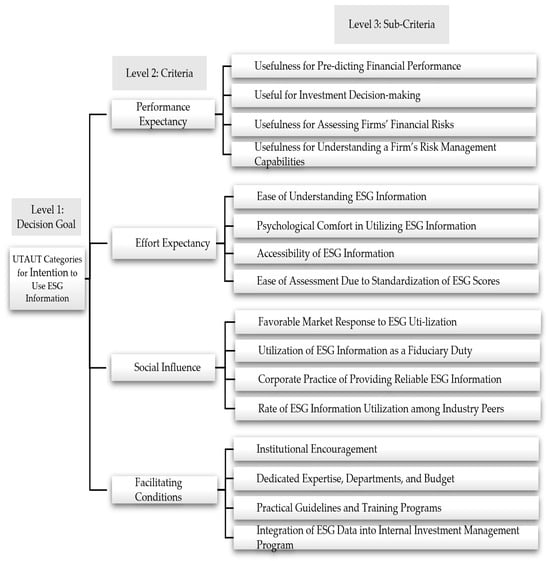
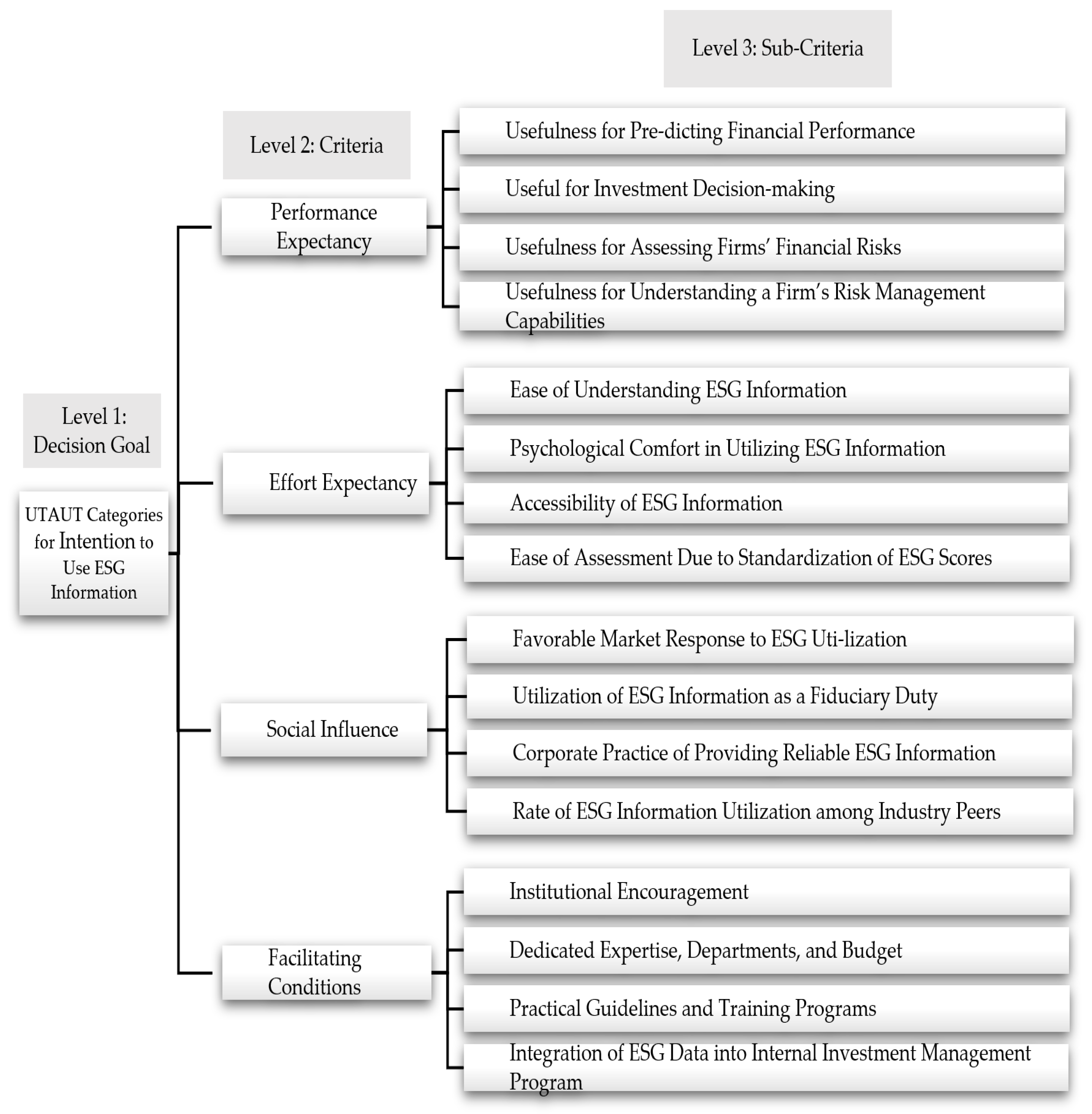
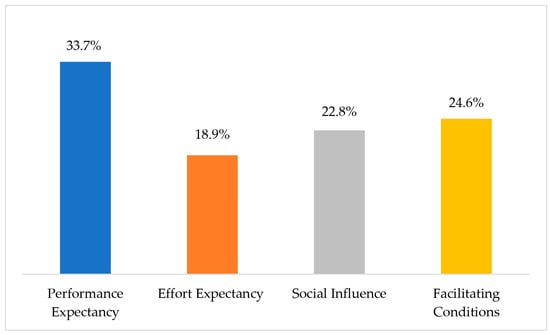
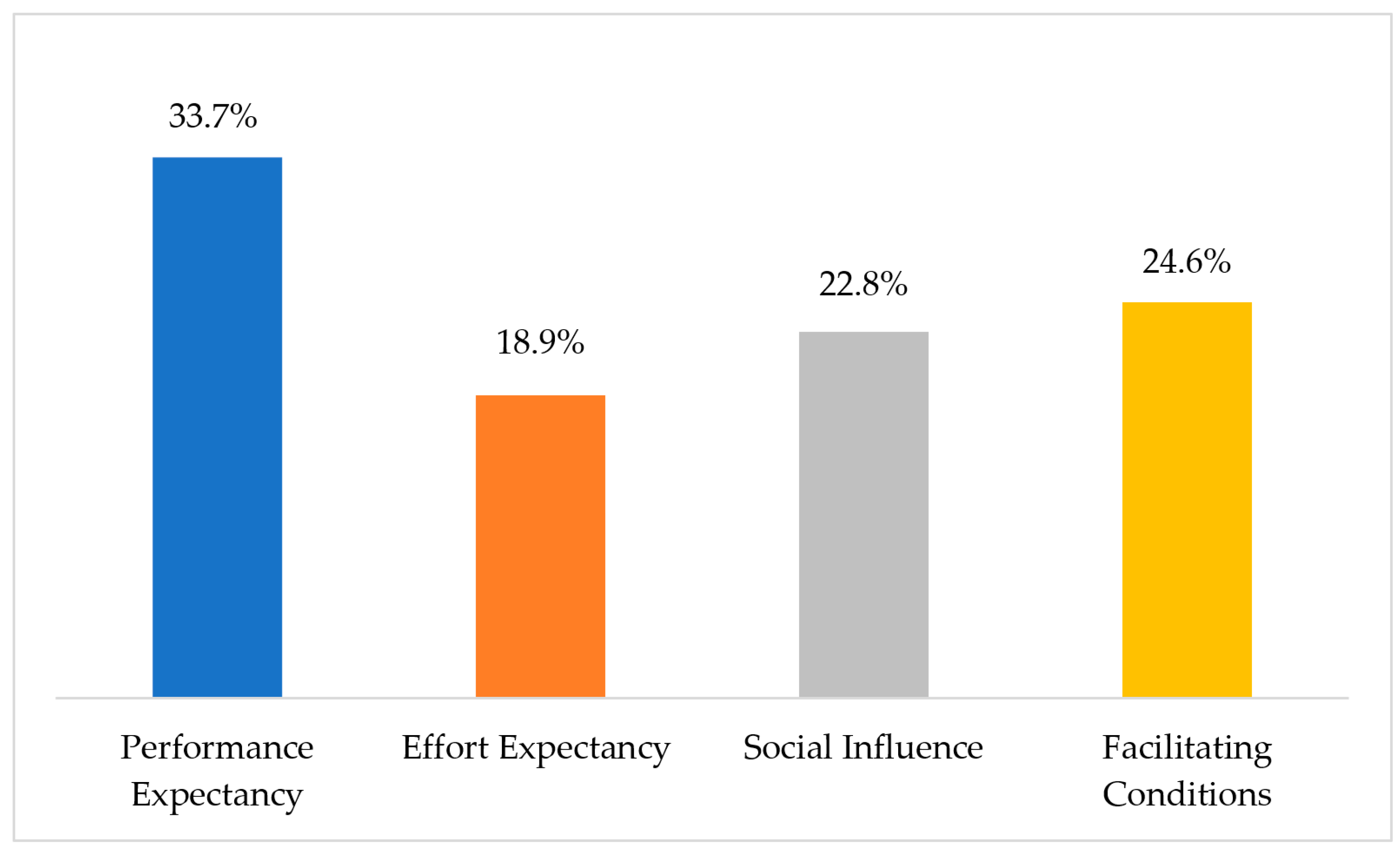
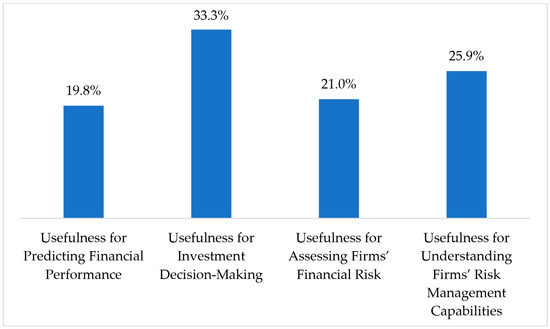
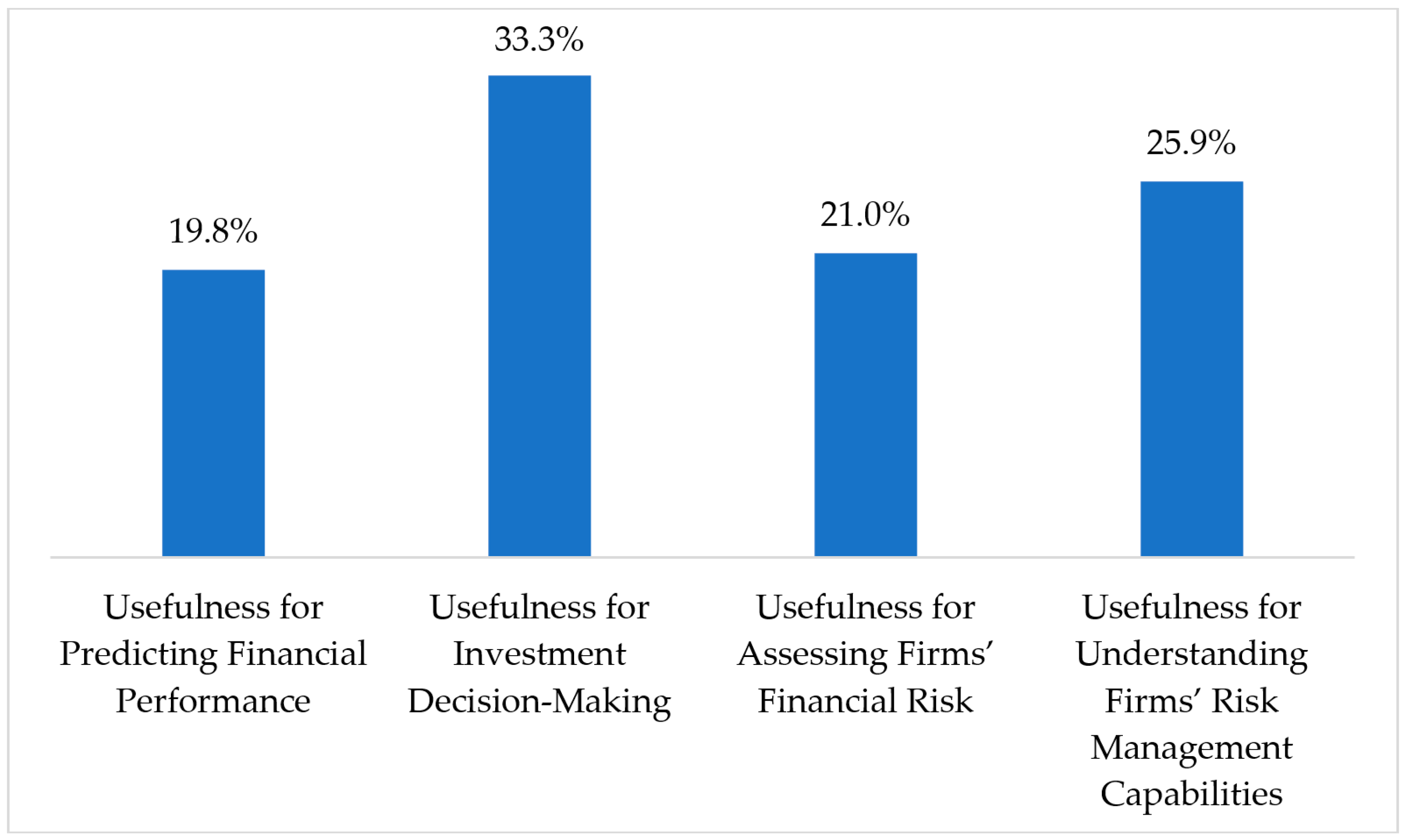
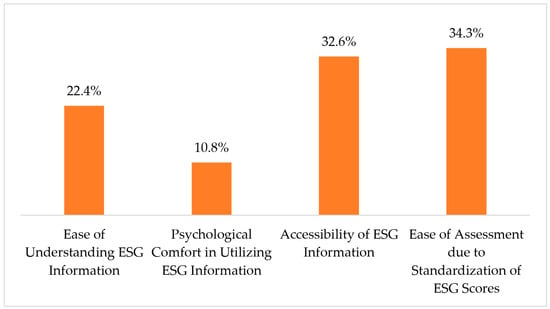
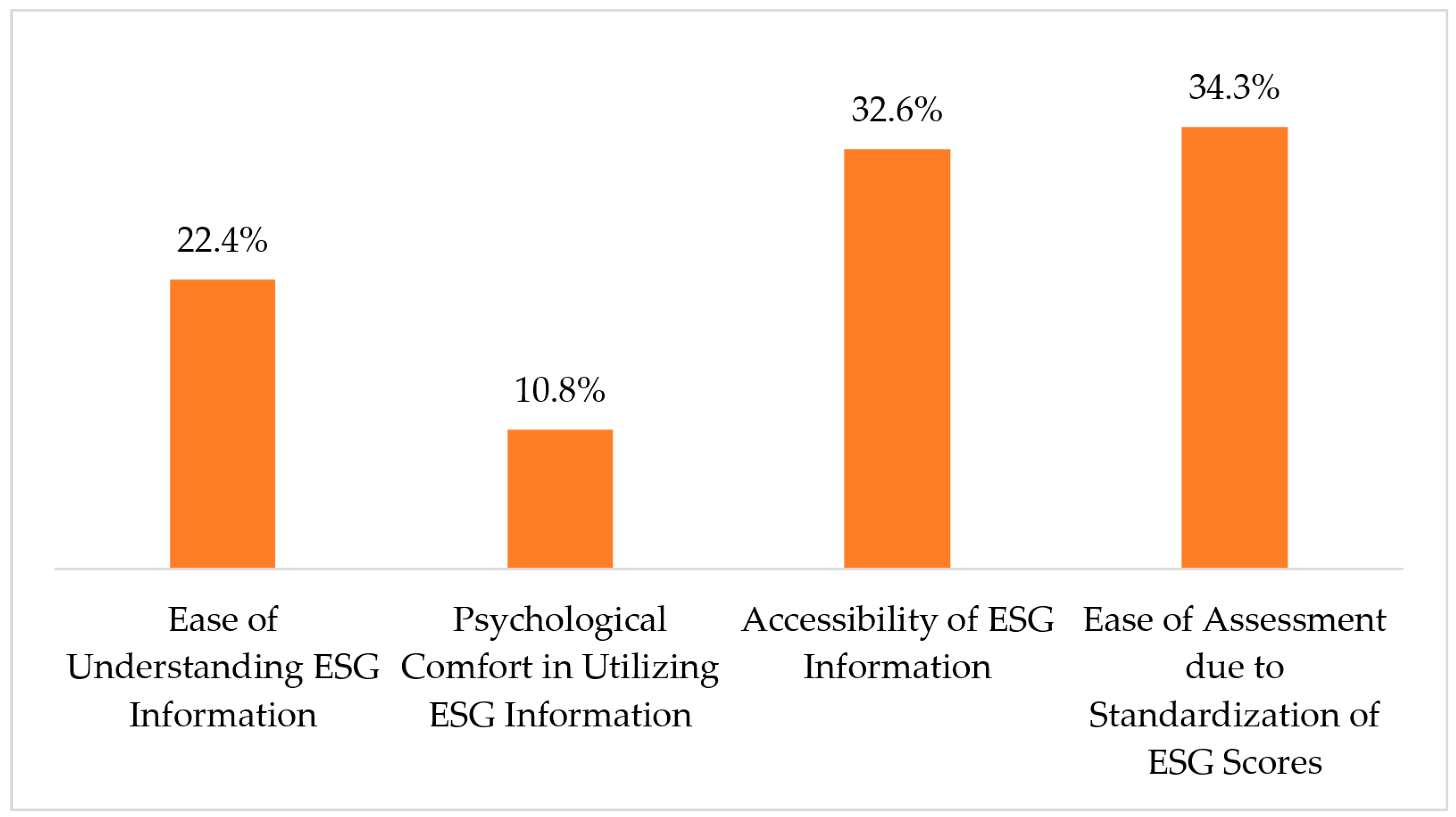
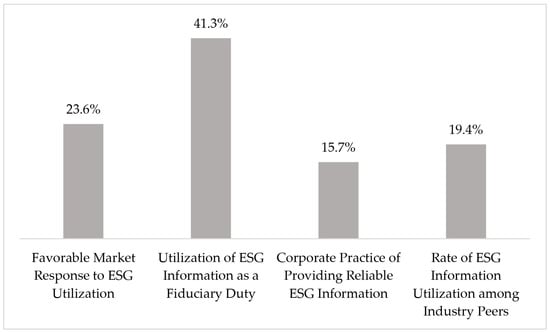
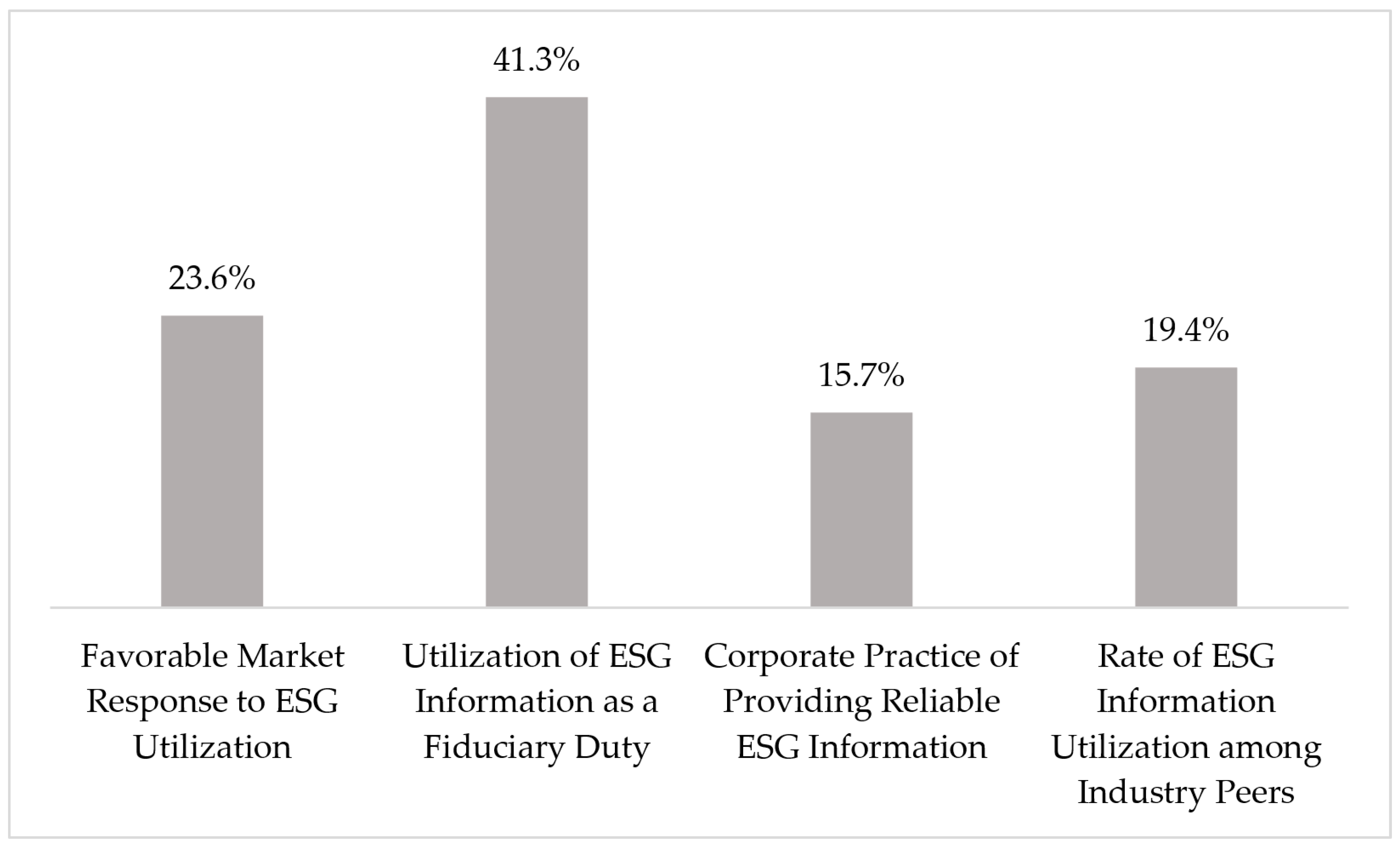
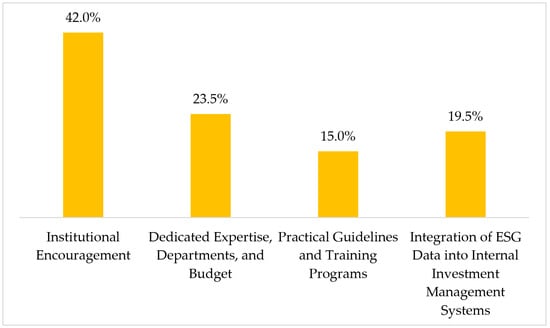
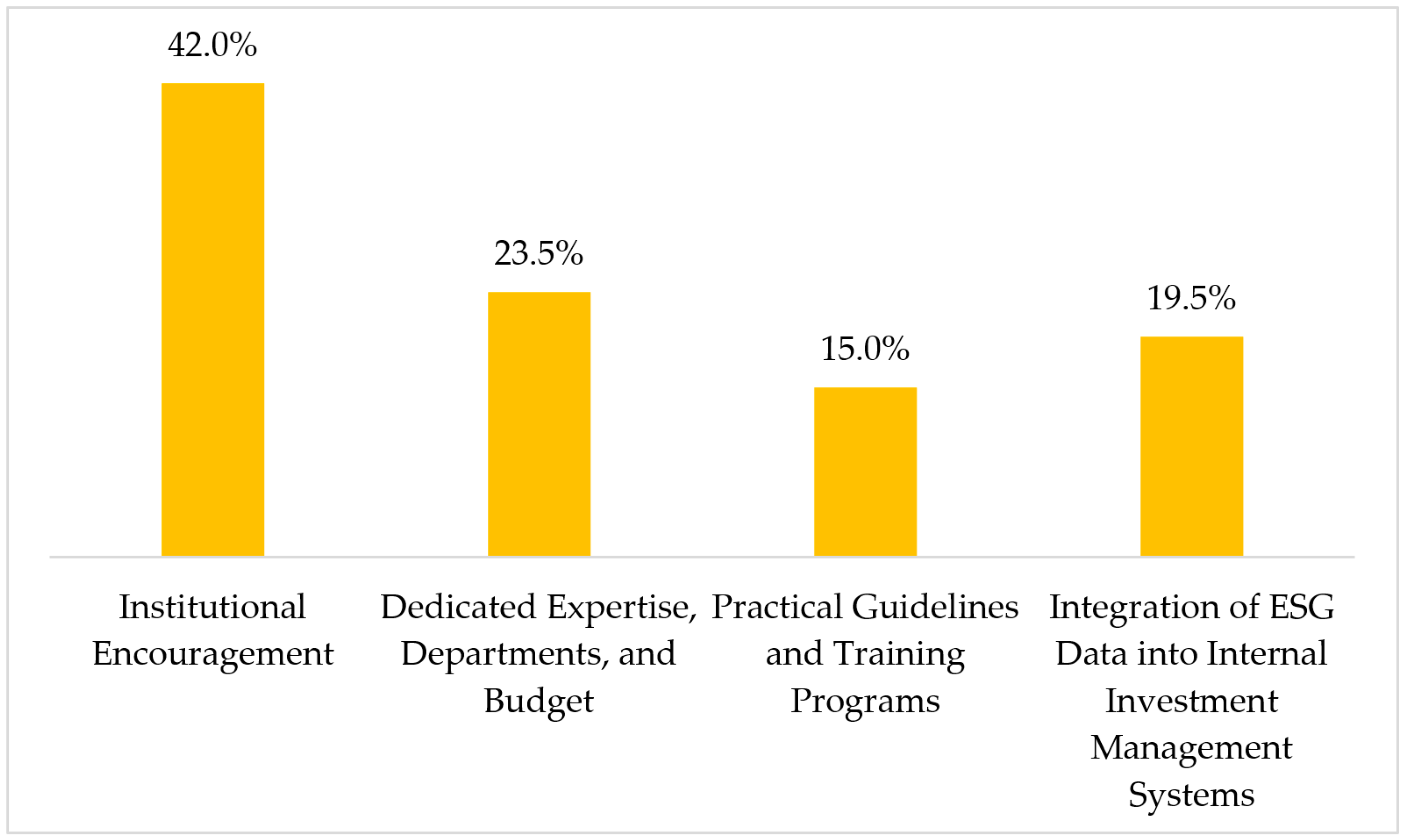
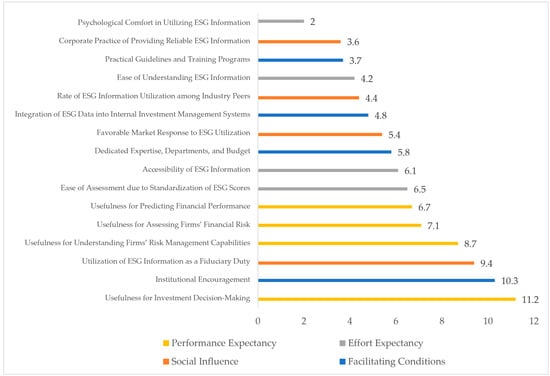
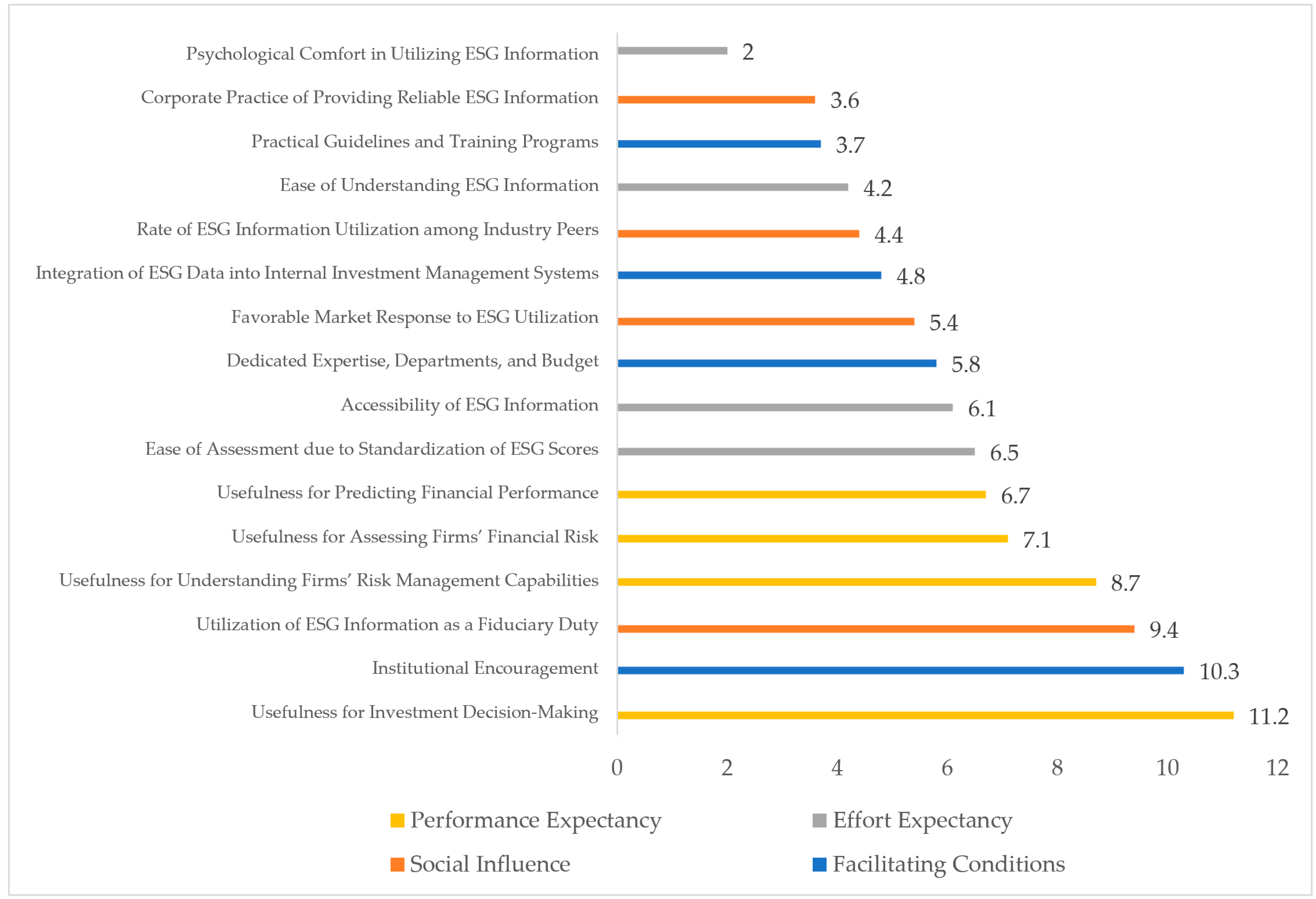

Disclaimer/Publisher’s Note: The statements, opinions and data contained in all publications are solely those of the individual author(s) and contributor(s) and not of MDPI and/or the editor(s). MDPI and/or the editor(s) disclaim responsibility for any injury to people or property resulting from any ideas, methods, instructions or products referred to in the content. |
© 2026 by the authors. Licensee MDPI, Basel, Switzerland. This article is an open access article distributed under the terms and conditions of the Creative Commons Attribution (CC BY) license.